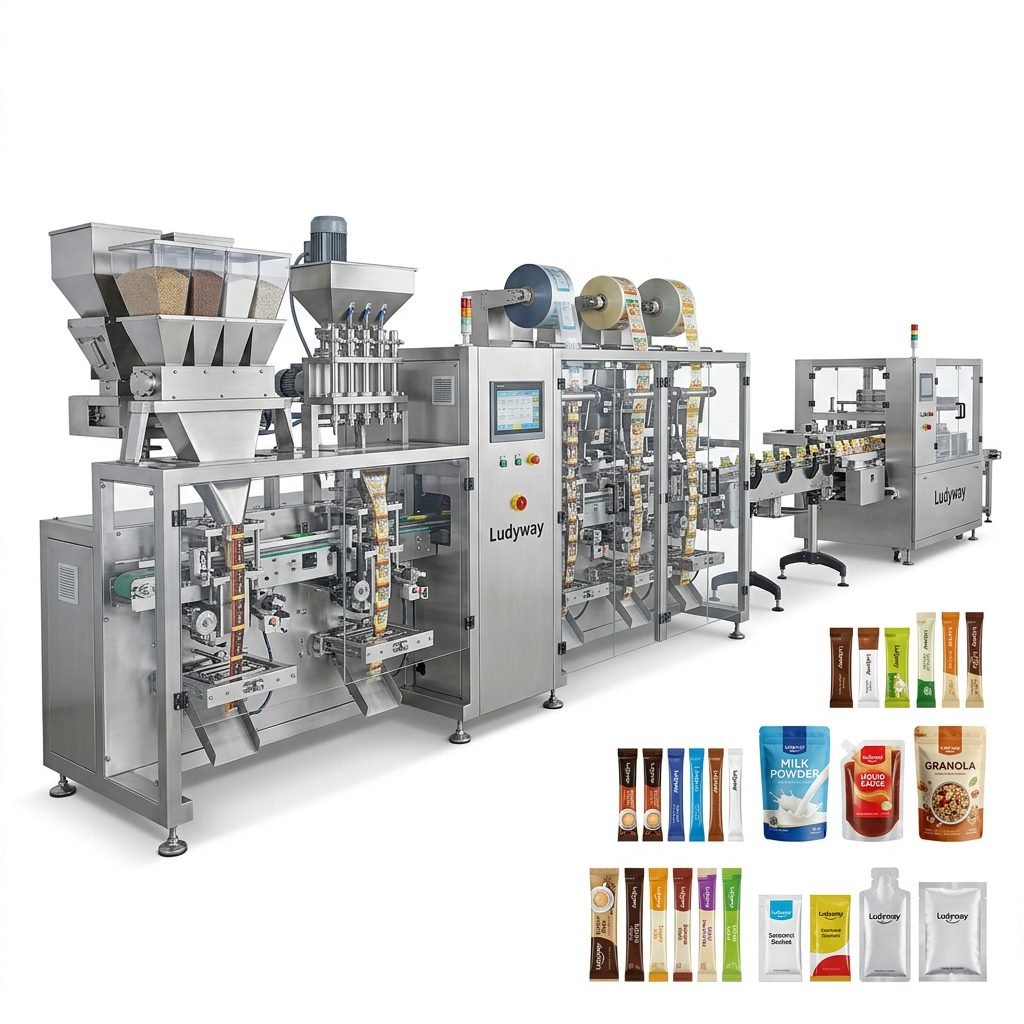
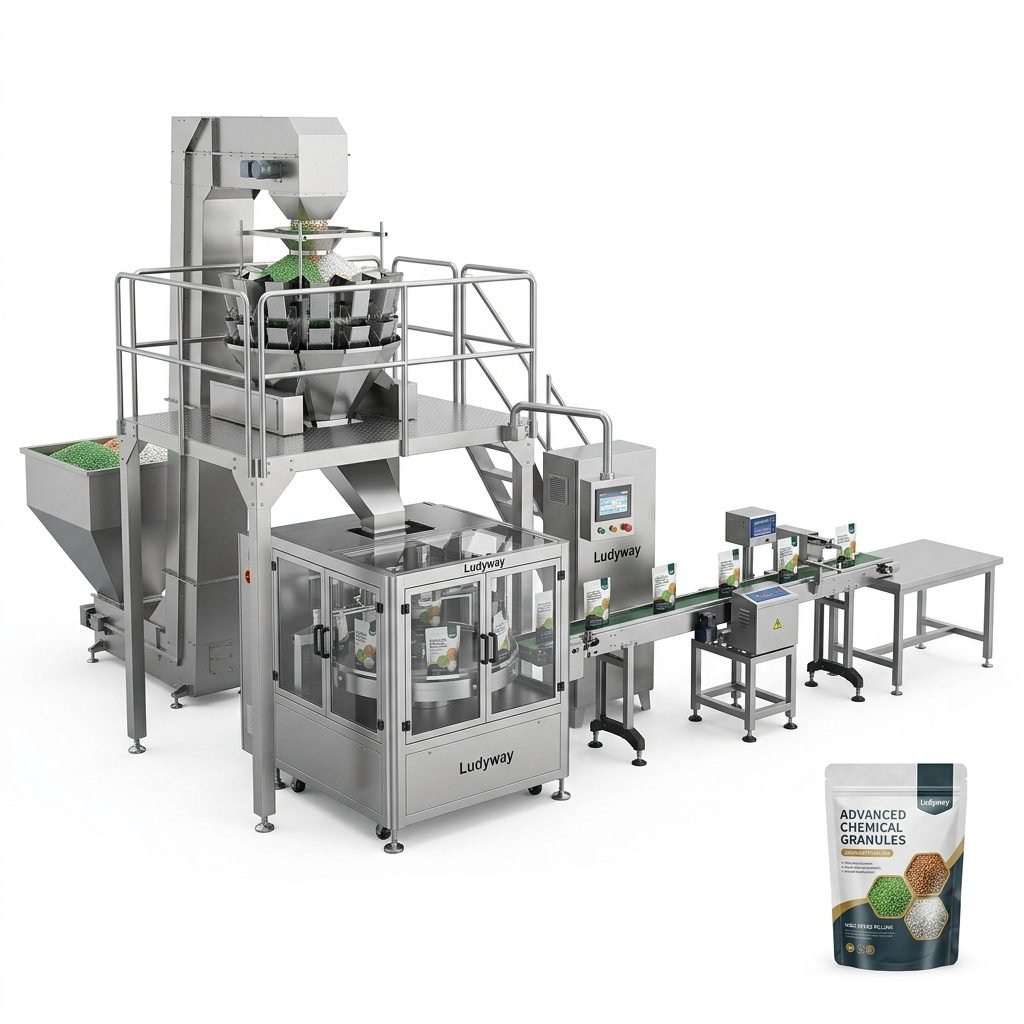
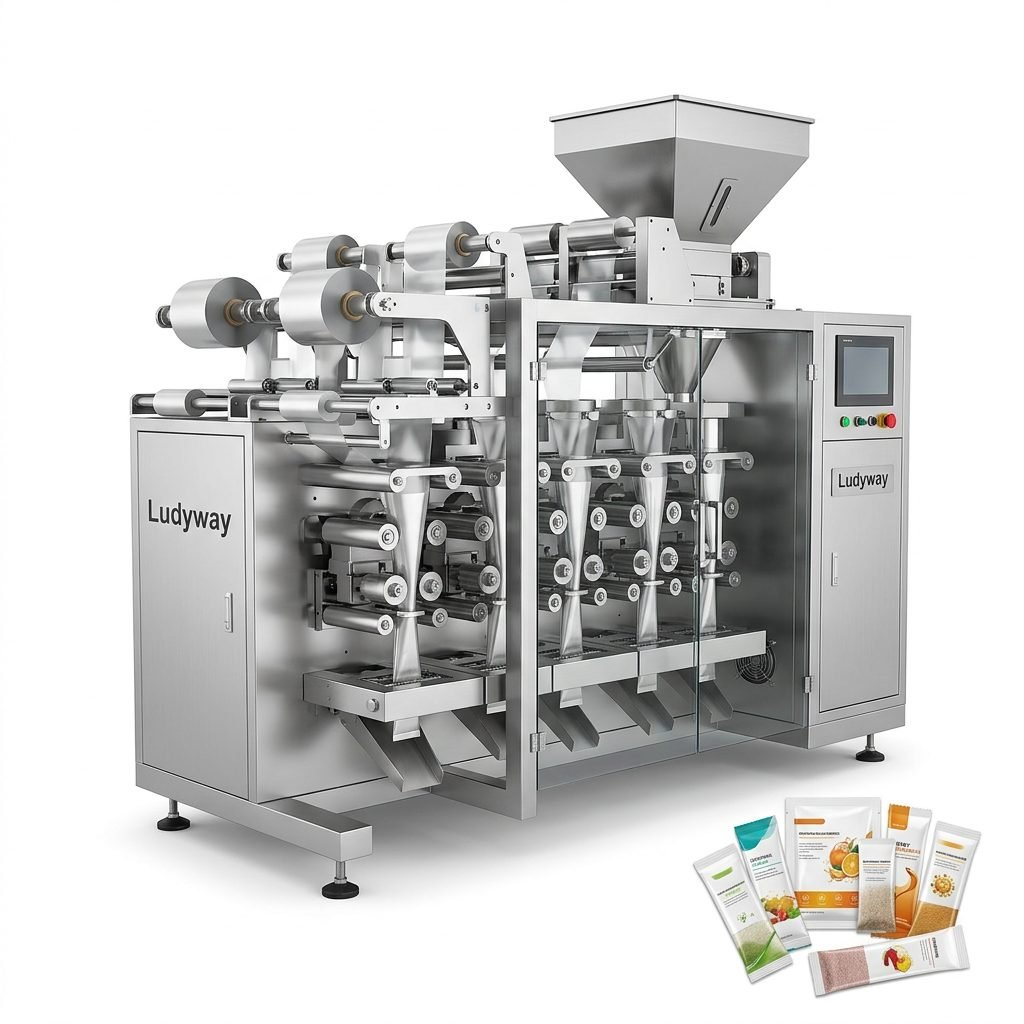
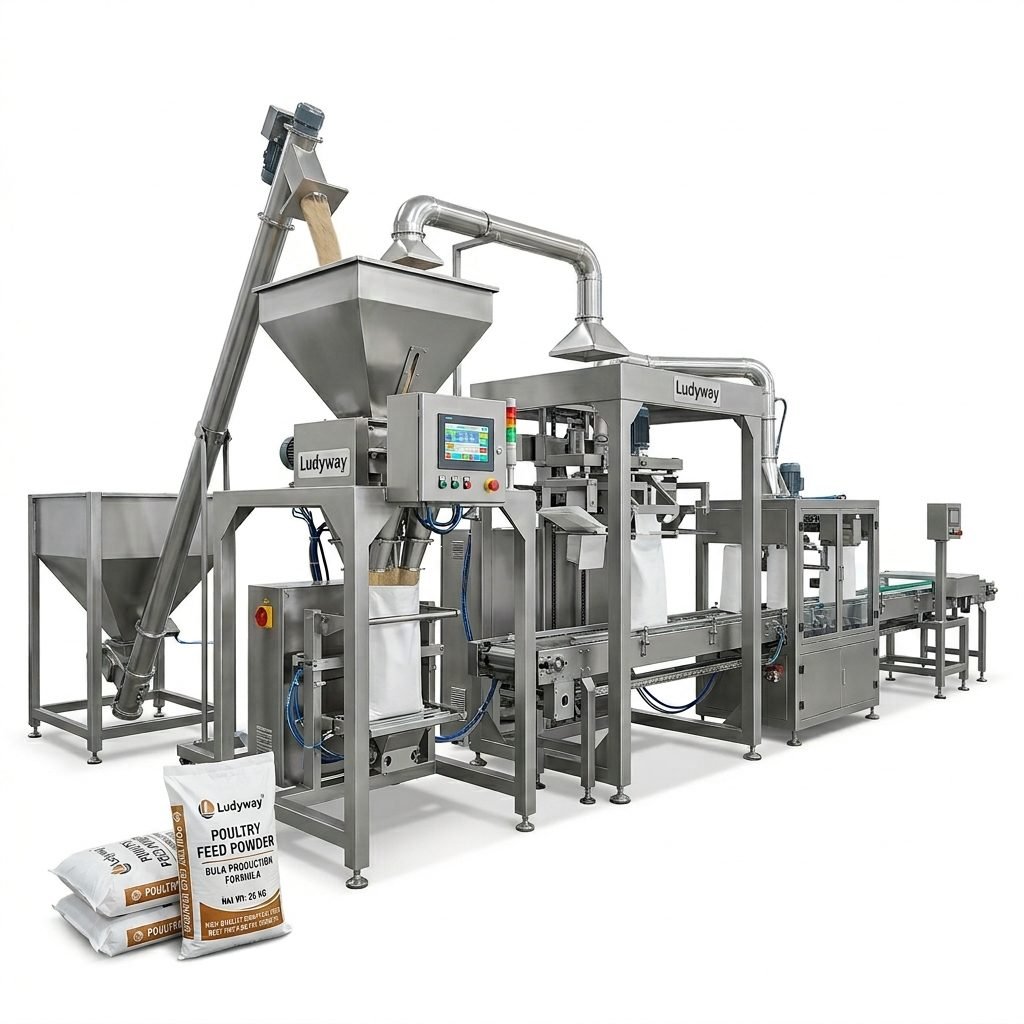
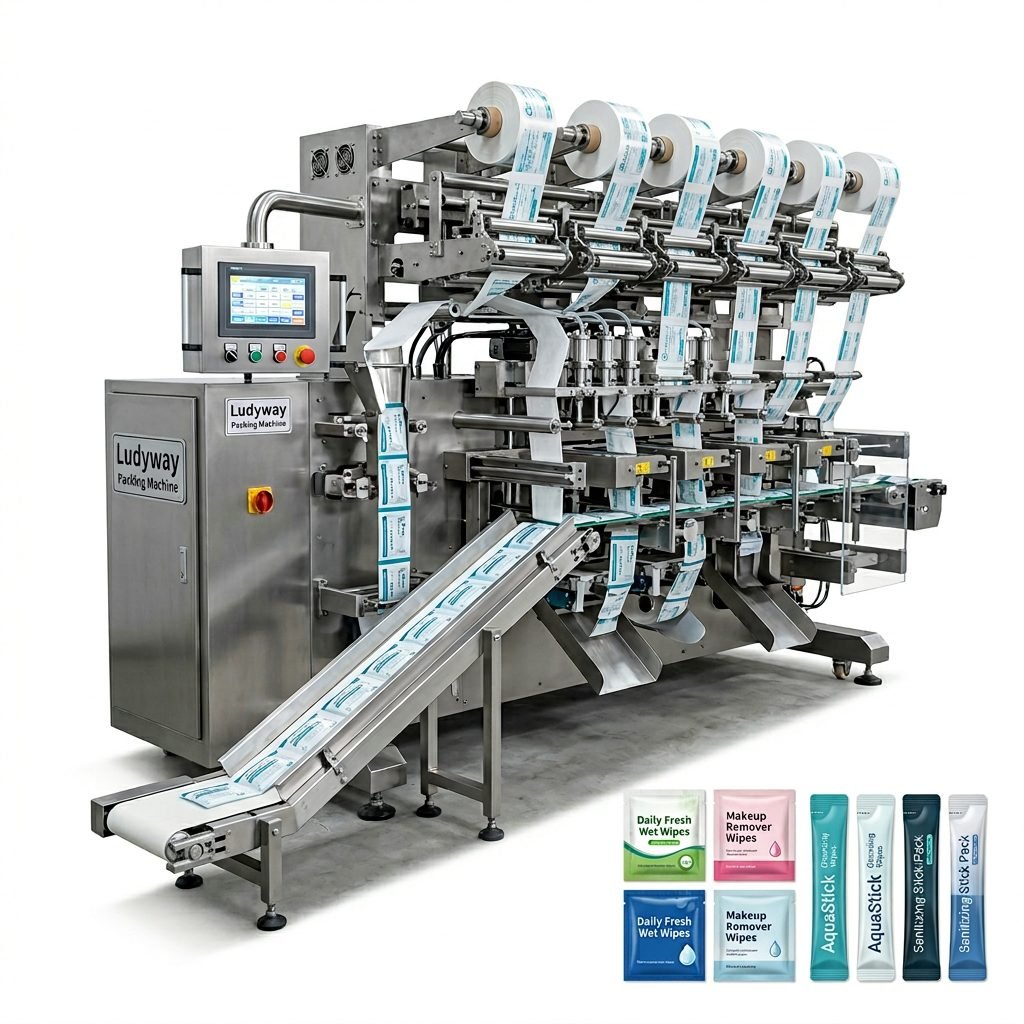
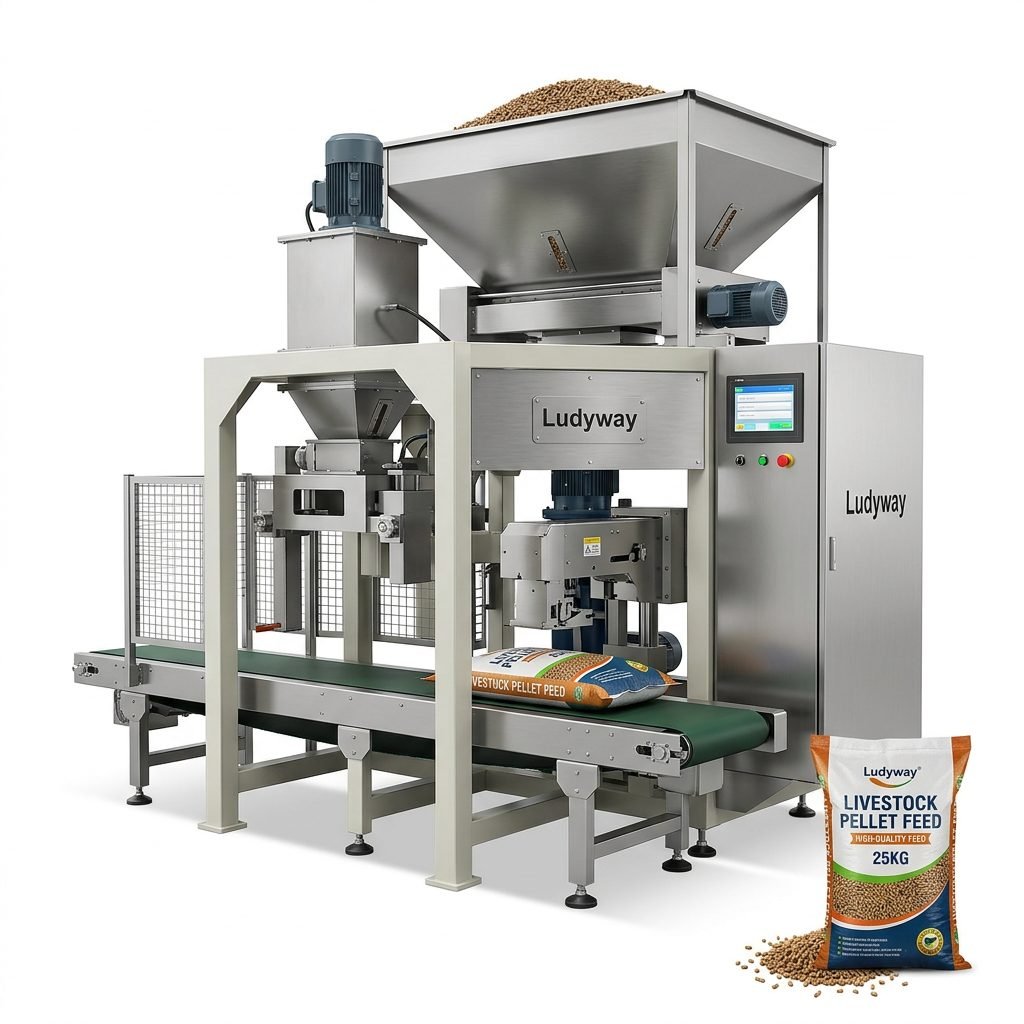
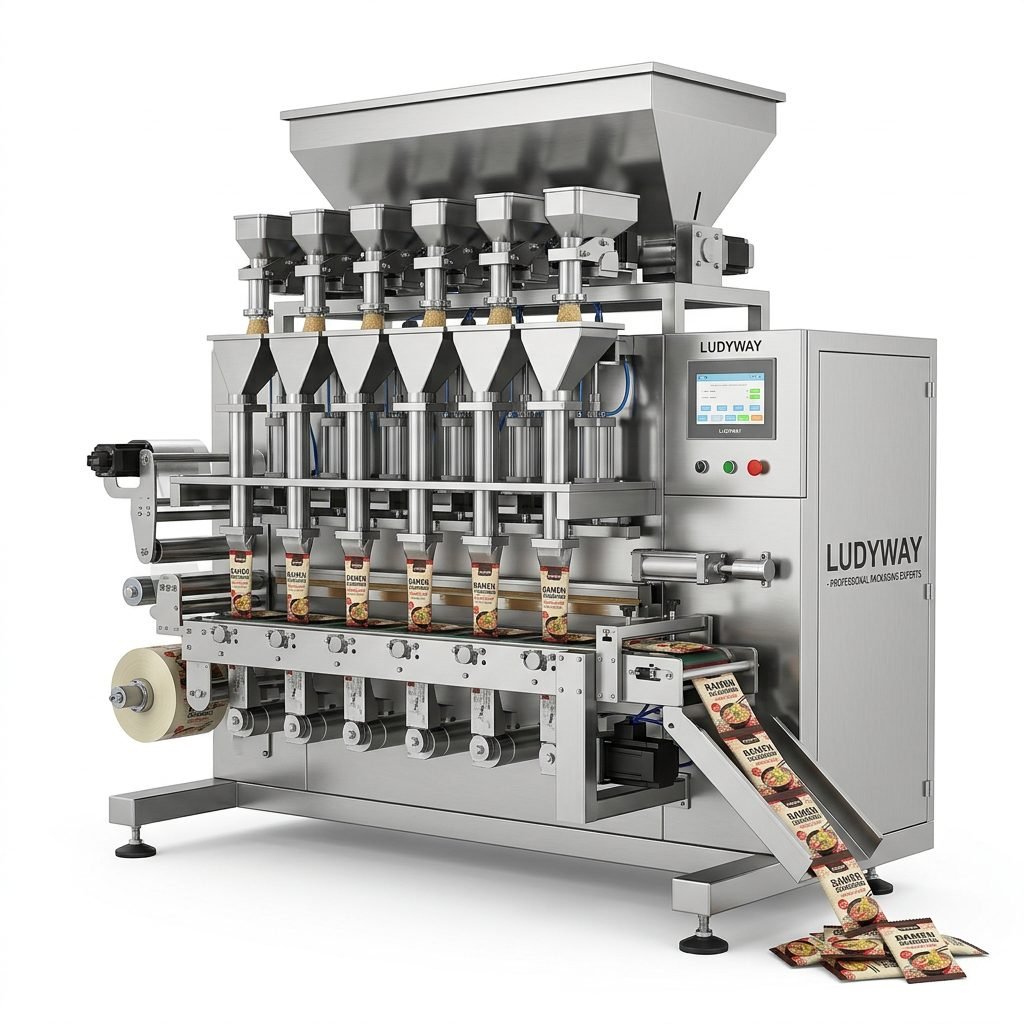
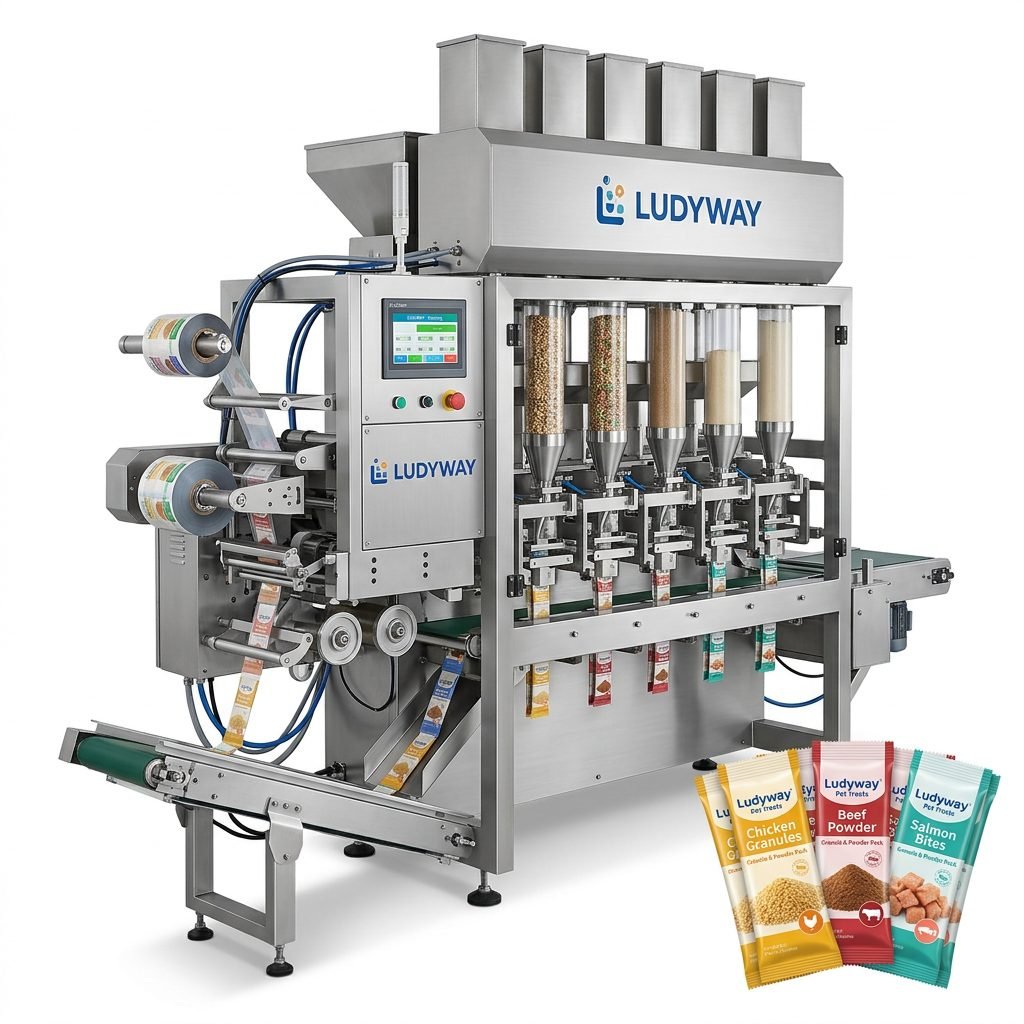
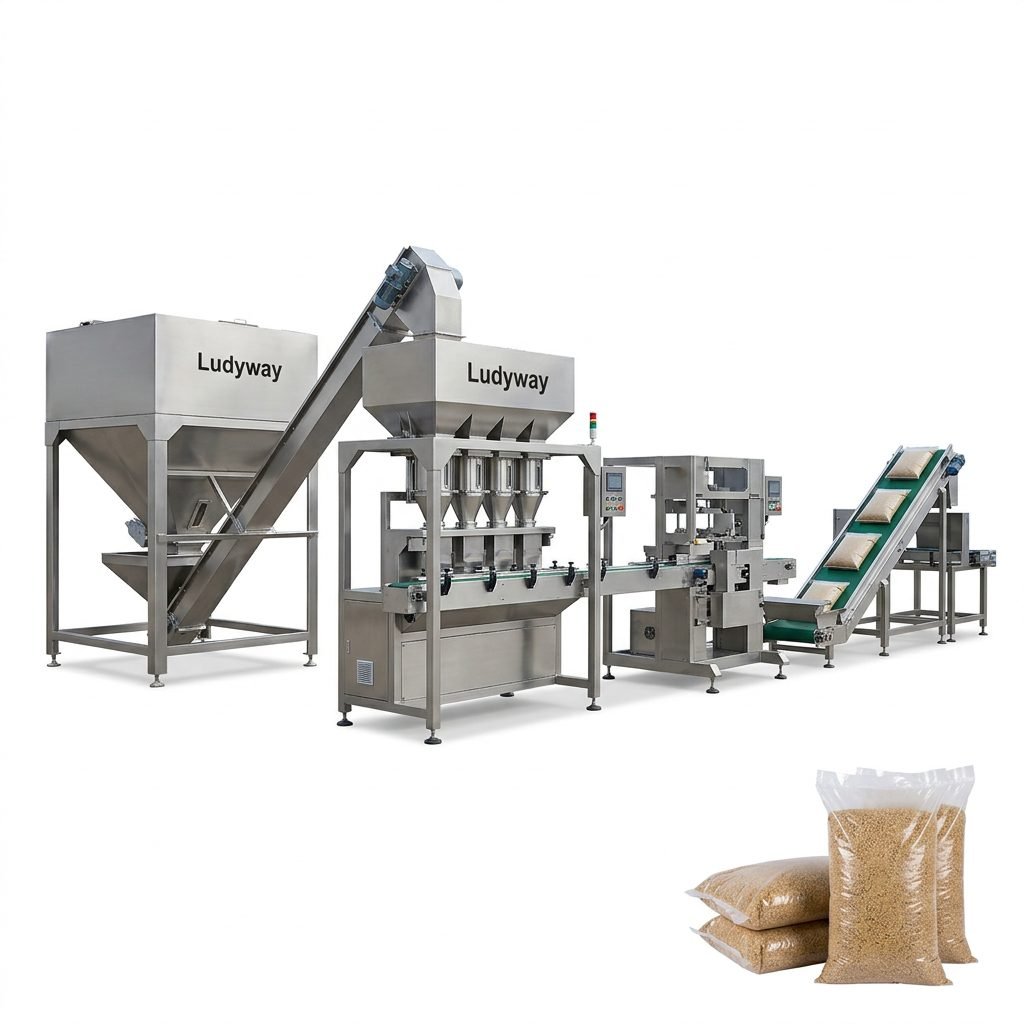
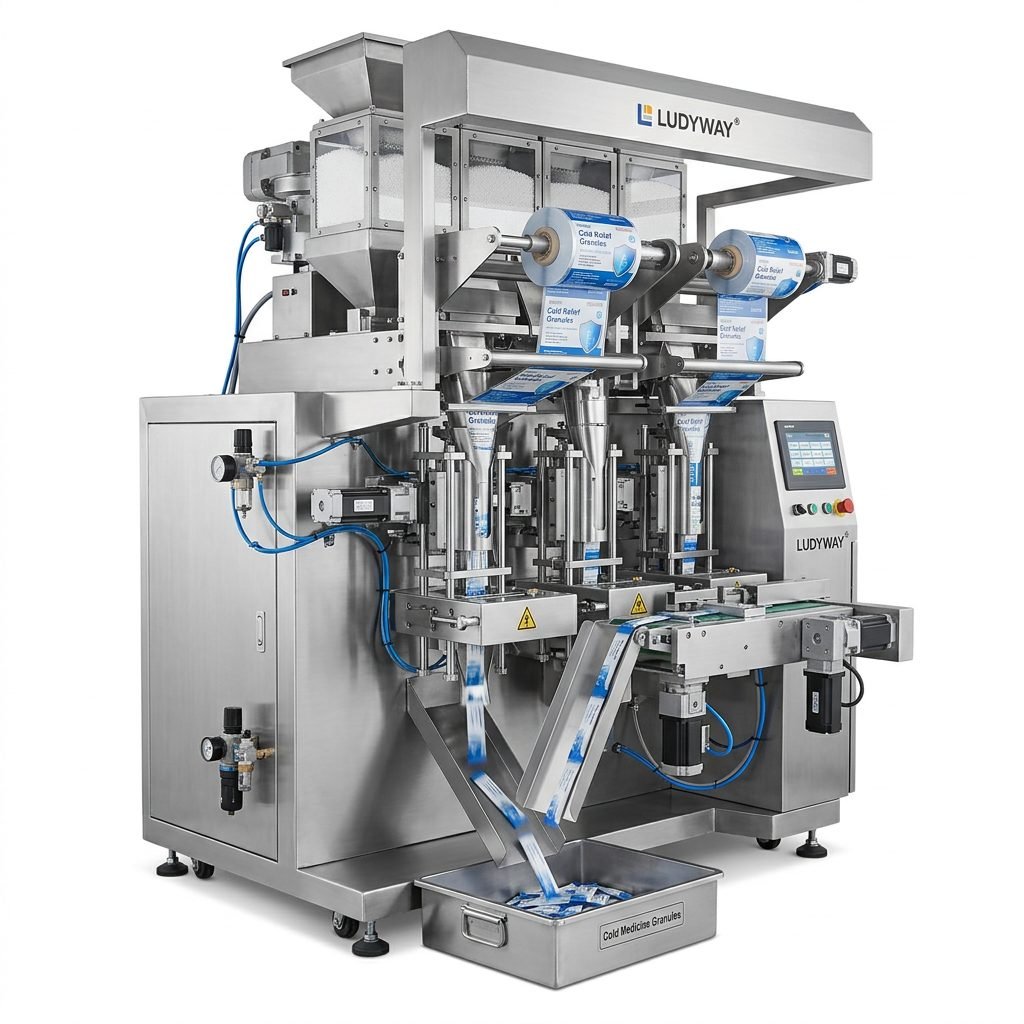
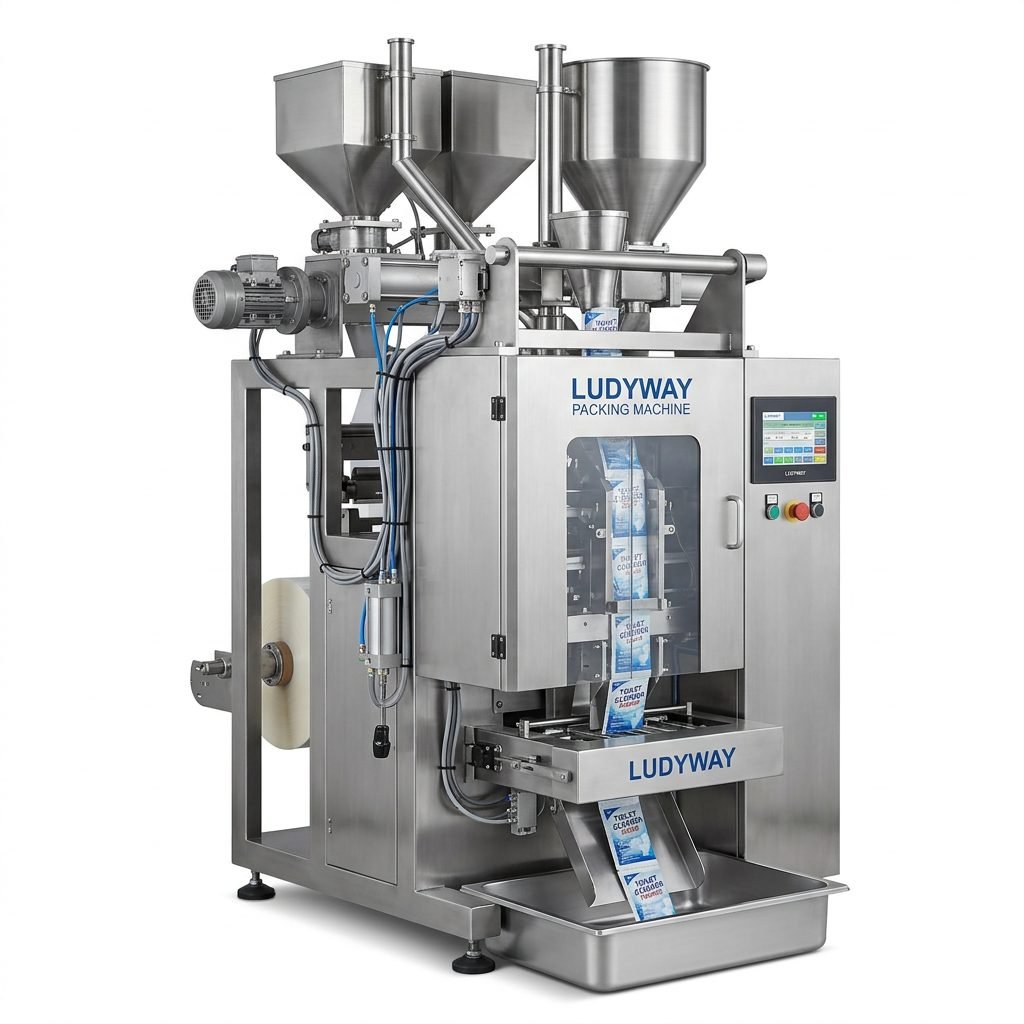
Setting up a food packaging machine production line in Oceania presents a unique set of opportunities and challenges. With increasing demand for packaged foods across Australia, New Zealand, and the Pacific Islands, manufacturers must carefully plan every phase—from regulatory compliance and equipment selection to logistics and long-term maintenance. This guide walks you through the essential steps to build an efficient, compliant, and scalable packaging operation in the region.
Understanding Oceania’s Regulatory Landscape
Before purchasing any equipment, you must familiarize yourself with the regulatory framework governing food packaging in Oceania. Food Standards Australia New Zealand (FSANZ) sets the primary standards for food safety, labeling, and packaging materials. Compliance with these standards is non-negotiable for any food packaging production line operating in the region.
Key Regulatory Bodies
- FSANZ – Oversees food safety standards, including packaging material requirements and allergen labeling.
- Australian Competition and Consumer Commission (ACCC) – Regulates product safety and consumer information standards.
- New Zealand Ministry for Primary Industries (MPI) – Manages food safety and biosecurity for imported packaging machinery and materials.
- Australian Industrial Chemicals Introduction Scheme (AICIS) – Governs chemicals used in food packaging materials.
Additionally, international standards play a significant role. The ISO packaging standards provide globally recognized guidelines for packaging design, testing, and performance. Meanwhile, the FDA food packaging and food contact substances regulations often serve as reference benchmarks for Oceania-based exporters targeting North American markets.
Key Components of a Food Packaging Production Line
A modern food packaging production line consists of several integrated systems working in harmony. Below is an overview of the essential equipment categories you will need to evaluate:
| Equipment Type | Primary Function | Key Considerations |
|---|---|---|
| Feeding & Dosing Systems | Accurately measure and deliver product into packaging | Product type (granule, powder, liquid), speed requirements, accuracy tolerance |
| Form-Fill-Seal Machines | Form pouches from roll stock, fill, and seal in one operation | Multi-lane vs single-lane, stick pack vs sachet format, film compatibility |
| Weighing & Checkweighing | Ensure precise fill weights and regulatory compliance | Multi-head weighers for granules, linear weighers for powders, dynamic checkweighers |
| Cartoning & Boxing | Pack finished pouches into cartons or boxes | Carton erectors, case packers, palletizing systems |
| Coding & Labeling | Apply date codes, barcodes, and product labels | Thermal transfer, laser marking, shrink sleeve applicators |
| Inspection & Quality Control | Detect contaminants and packaging defects | Metal detectors, X-ray inspection, vision systems |
Site Preparation and Installation
Proper site preparation is often overlooked but is critical to the success of your packaging line. Before your equipment arrives from the manufacturer, ensure the following steps are completed:
Facility Readiness Checklist
- Floor load capacity – Verify that your facility floor can support the weight of heavy packaging machinery, which can range from several hundred kilograms to multiple tons.
- Electrical supply – Oceania operates on 230V/50Hz (Australia and New Zealand). Ensure your equipment is compatible or arrange for appropriate transformers and voltage converters.
- Compressed air – Many automated packaging machines require clean, dry compressed air at specific pressure levels. Install air preparation units including dryers and filters.
- Dust extraction – For powder and granule packaging lines, adequate dust collection systems are essential for operator safety and equipment longevity.
- Environmental controls – Maintain appropriate temperature and humidity levels, particularly important in tropical regions of Oceania.

Choosing the Right Equipment Supplier
Selecting a reliable equipment manufacturer is one of the most consequential decisions you will make. Look for suppliers with proven experience in turnkey packaging solutions, international certifications, and strong after-sales support networks. Companies such as Ludyway, one of the largest packaging machine manufacturers in China, offer comprehensive solutions including multi-lane stick pack machines, sachet packaging systems, and fully automated production lines, backed by over 30 years of industry expertise and a modern 20,000㎡ manufacturing facility.
When evaluating potential suppliers, consider the following criteria:
- Technical documentation – Comprehensive manuals, electrical schematics, and PLC program access.
- CE marking or equivalent – Ensures compliance with international safety and performance standards.
- Remote support capability – Essential for Oceania-based operations where on-site visits may be costly.
- Local agent or service partner – Having PMMI business intelligence resources can help verify supplier credentials and market reputation.
- Spare parts availability – Confirm that critical spare parts can be shipped to your Oceania location within acceptable timeframes.
Logistics and Supply Chain Considerations
Shipping packaging machinery to Oceania requires careful logistical planning. Key factors to account for include:
Shipping and Importation
- Sea freight transit times – From major Asian manufacturing hubs to Australian ports typically range from 14 to 28 days, with additional time for customs clearance.
- Incoterms – Clearly define responsibilities with your supplier using appropriate Incoterms (e.g., CIF, FOB, DAP) to avoid unexpected costs.
- Customs duties and GST – Australia applies GST (10%) on imported machinery, while New Zealand applies GST (15%). Check for any applicable free trade agreements that may reduce duties.
- Quarantine requirements – Australia and New Zealand have strict biosecurity regulations. Ensure all wooden packaging materials comply with ISPM 15 treatment standards.

Training and Workforce Development
Even the most advanced packaging machinery requires skilled operators. Investing in comprehensive training during installation and commissioning pays dividends in reduced downtime and higher overall equipment effectiveness (OEE).
Recommended Training Areas
- Machine operation and changeover procedures
- Basic troubleshooting and fault diagnosis
- Cleaning and sanitation protocols (especially critical for food-grade applications)
- Preventative maintenance scheduling
- Safety procedures and emergency stop protocols
- Software interface navigation and recipe management
Many industry organizations offer valuable training resources. The PMMI packaging industry resources provide access to technical standards, training programs, and networking opportunities that can benefit your Oceania-based operation.
Maintenance and Ongoing Support
Establishing a robust maintenance program from day one is essential for maximizing the lifespan and performance of your packaging production line. Consider the following maintenance strategies:
| Maintenance Type | Frequency | Key Activities |
|---|---|---|
| Daily | Every shift | Visual inspection, cleaning of product contact surfaces, check sensor functionality |
| Weekly | Once per week | Lubrication of moving parts, belt tension checks, filter cleaning |
| Monthly | Once per month | Detailed inspection of sealing mechanisms, PLC backup, pneumatic system checks |
| Quarterly | Every 3 months | Calibration of sensors and weighing systems, replacement of wear parts |
| Annual | Once per year | Comprehensive overhaul, gearbox oil change, full system audit |
Future-Proofing Your Packaging Line
The food packaging industry is evolving rapidly, driven by sustainability concerns, automation advances, and changing consumer preferences. When setting up your production line in Oceania, consider these future-oriented strategies:
- Sustainable packaging materials – Design your line to handle recyclable, compostable, and mono-material films that align with European packaging waste regulations, which increasingly influence Oceania’s policy direction.
- IIoT integration – Choose equipment with Industrial Internet of Things capabilities for real-time monitoring, predictive maintenance alerts, and production analytics.
- Modular design – Select systems that can be easily reconfigured or expanded as your product portfolio grows.
- Energy efficiency – Prioritize machinery with servo-driven motors and energy-recovery systems to reduce operational costs.
- Flexible format capability – Invest in machines that can switch between stick packs, sachets, and pouches with minimal changeover time.

Common Mistakes to Avoid
Drawing from industry experience, here are the most frequent pitfalls that manufacturers encounter when setting up a food packaging production line in Oceania:
- Underestimating lead times – Custom packaging machinery can take 8-16 weeks to manufacture, plus shipping time. Plan your project timeline accordingly.
- Neglecting voltage compatibility – Always confirm that your equipment matches the local 230V/50Hz standard before shipment.
- Skipping factory acceptance testing (FAT) – Whenever possible, visit the manufacturer’s facility to witness your machine running with your actual products before it ships.
- Inadequate operator training – Budget for at least one week of on-site training during commissioning.
- Ignoring humidity control – In tropical Oceania regions, high humidity can affect powder flow characteristics and packaging film performance.
Conclusion
Setting up a food packaging machine production line in Oceania demands meticulous planning, regulatory awareness, and a strategic approach to equipment selection. By understanding local standards, preparing your facility properly, partnering with experienced equipment manufacturers, and investing in ongoing maintenance and training, you can build a packaging operation that delivers consistent quality, operational efficiency, and long-term growth. The 2025 State of the Industry report from PMMI continues to highlight the growing importance of automation and flexible packaging formats—trends that are equally relevant across the Oceania region.
Whether you are packaging granules, powders, liquids, or solid products, the principles outlined in this guide will help you navigate the complexities of establishing a production line that meets both current demands and future challenges in the dynamic Oceania market.