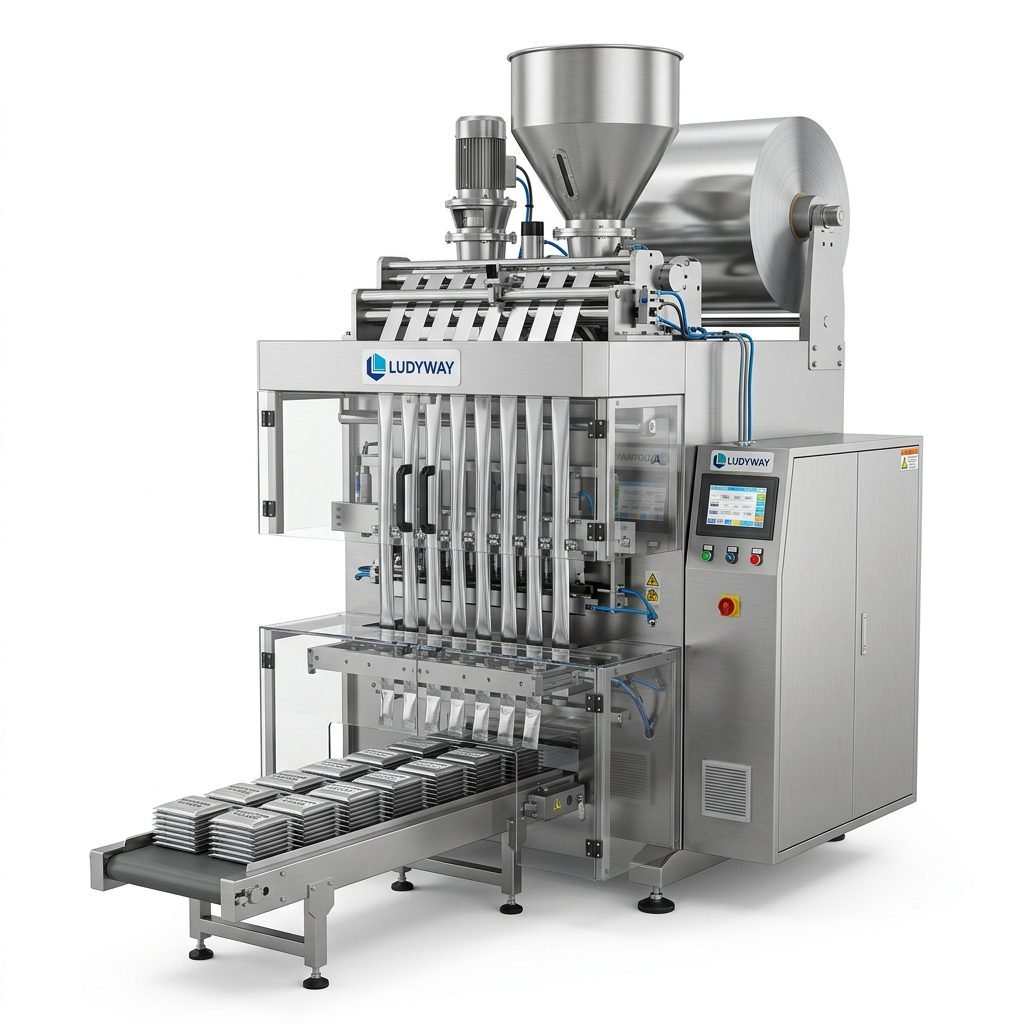
Investing in a beverage packaging machine is a critical decision for manufacturers across North America. Whether you are launching a new ready-to-drink product, expanding your powdered drink mix line, or automating your stick pack and sachet packaging operations, selecting the right equipment directly impacts your production efficiency, product quality, and bottom line.
Understanding the North American Beverage Packaging Market
The North American beverage industry is diverse and fast-evolving. From functional drinks and energy powders to single-serve coffee sticks and liquid water enhancers, consumer demand for convenience, portion control, and on-the-go formats continues to rise. According to industry data from the PMMI – The Association for Packaging and Processing Technologies, flexible packaging formats like stick packs and sachets are among the fastest-growing segments in the U.S. market. This shift is driving manufacturers to invest in high-speed, multi-lane packaging systems that can handle diverse product types while maintaining strict quality standards.
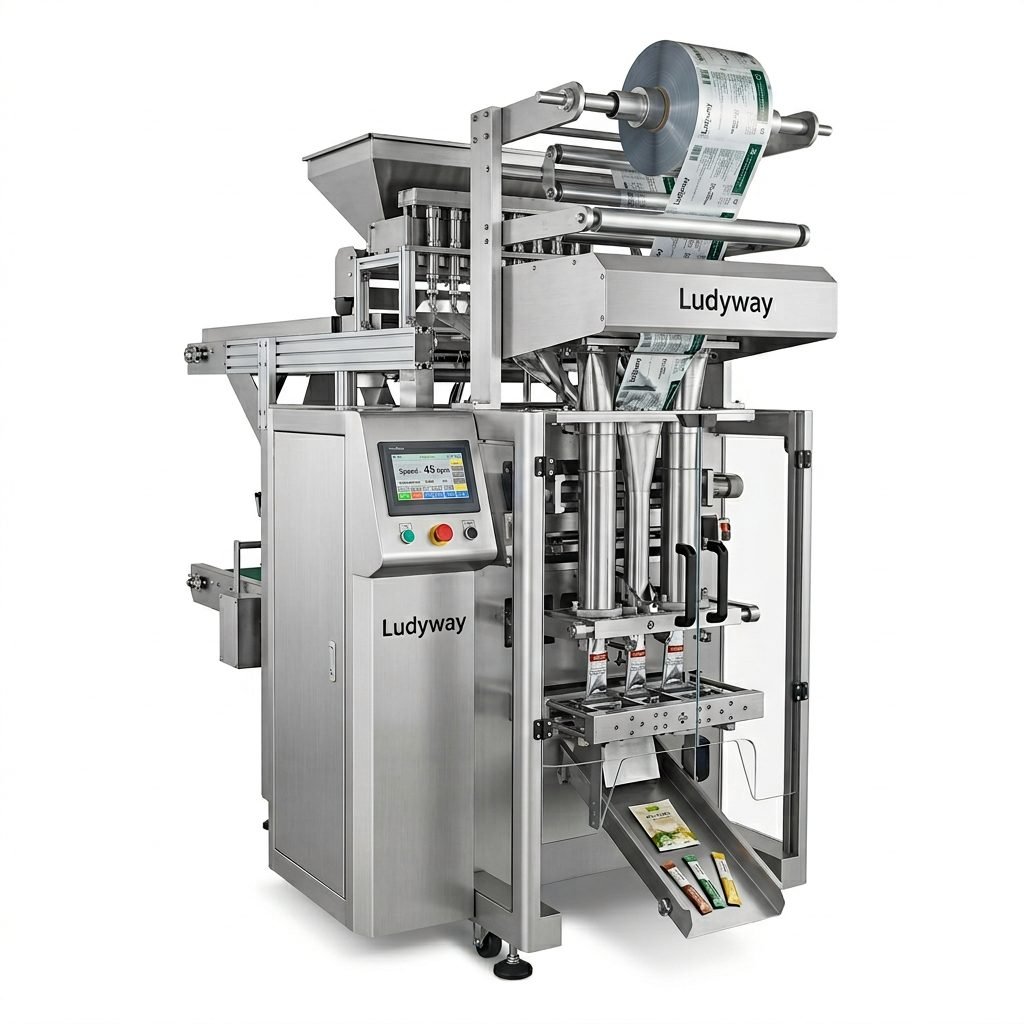
Key Factors to Consider When Buying a Beverage Packaging Machine
Before evaluating specific models, it’s essential to define your production requirements. The following criteria will help you narrow down the most suitable packaging equipment for your beverage operation:
Product Characteristics and Viscosity
Beverage products vary widely — from free-flowing powders and granules to high-viscosity liquids and gels. Your chosen machine must be compatible with your product’s physical properties. Powder-based drinks require precision auger fillers or volumetric cup systems, while liquid beverages need piston pumps or flow meters to ensure consistent fill accuracy. Always request filling trials with your actual product before finalizing a purchase.
Production Speed and Throughput Requirements
Your target output is a primary driver of machine configuration. Consider the following speed tiers commonly available in the market:
- Entry-level single-lane machines: 30–60 packs per minute — suitable for startups and small-batch production
- Mid-range multi-lane systems (4–6 lanes): 150–300 packs per minute — ideal for growing brands
- High-speed multi-lane lines (8–12 lanes): 400–800+ packs per minute — designed for large-scale contract packagers and national brands
Packaging Format and Material Compatibility
North American consumers recognize several popular packaging formats. Ensure your machine supports the format that aligns with your brand strategy:
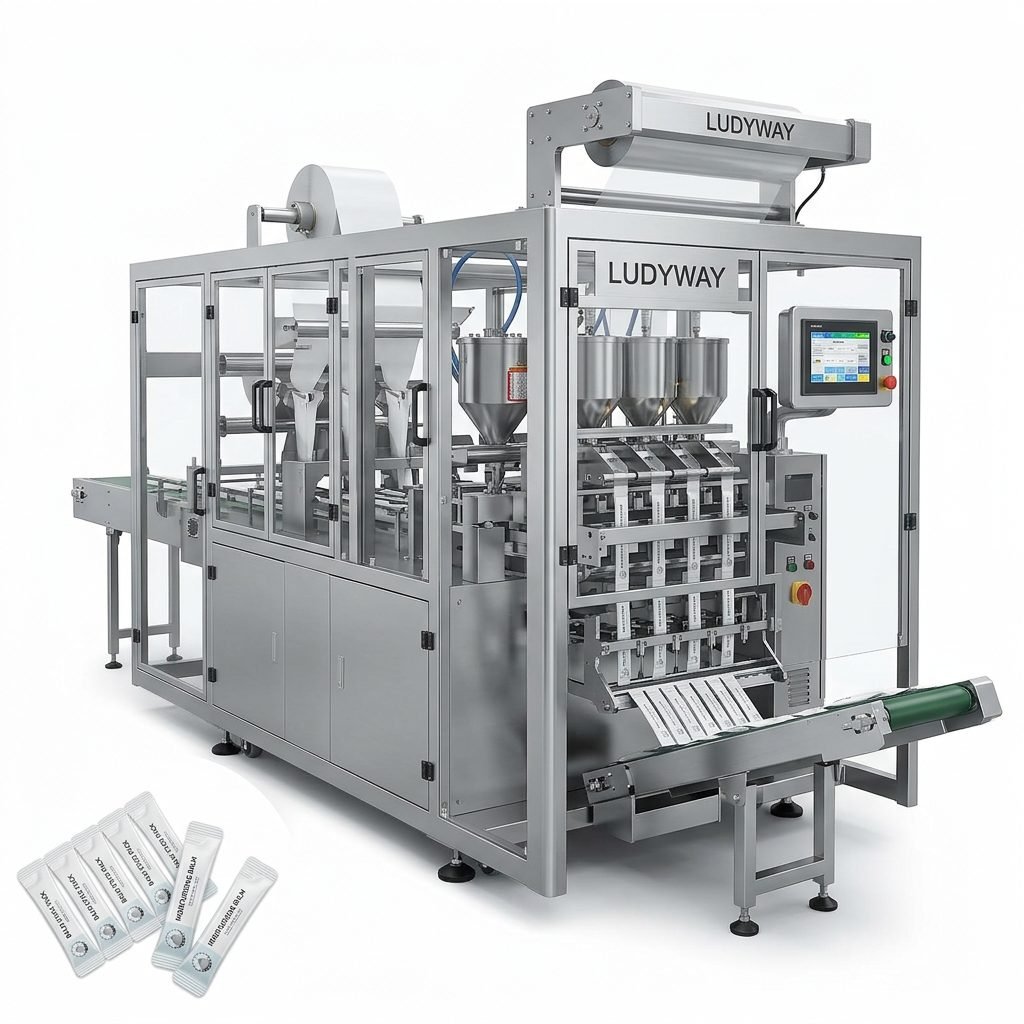
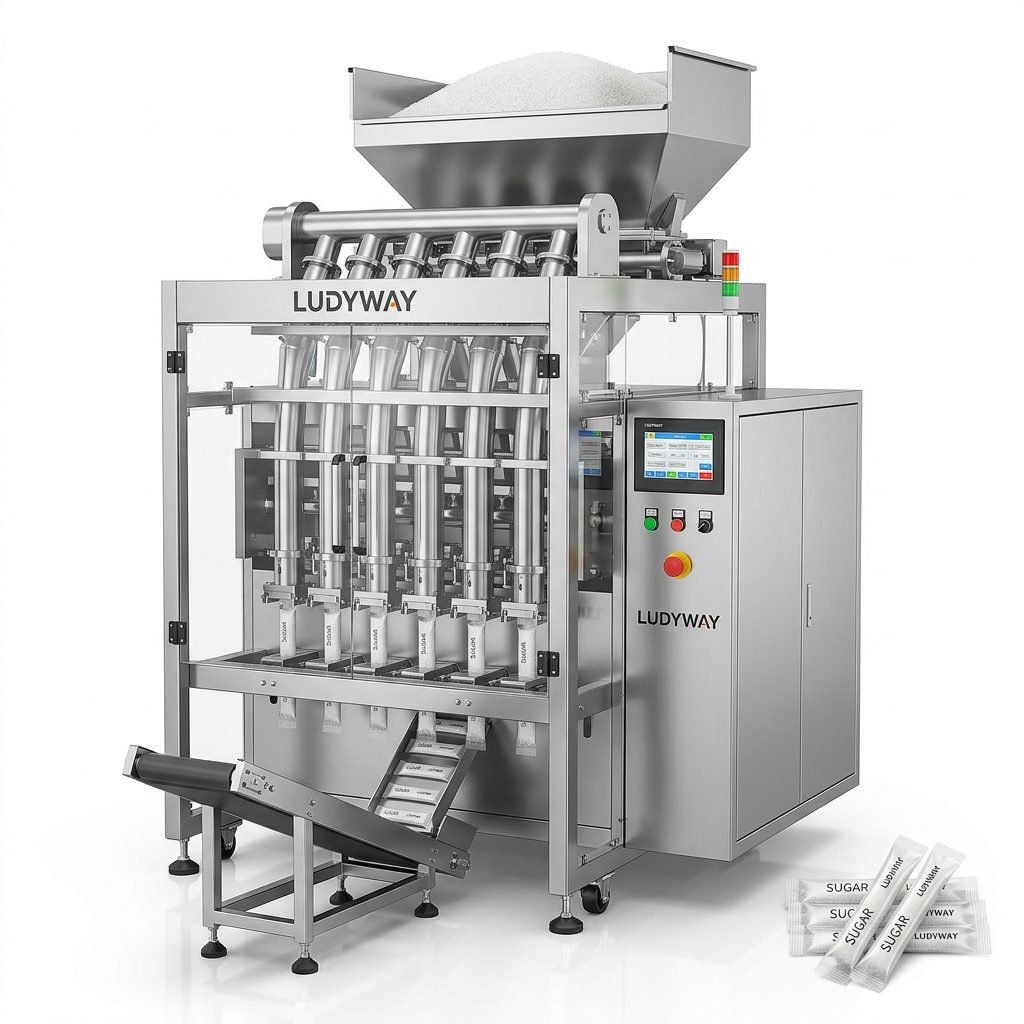
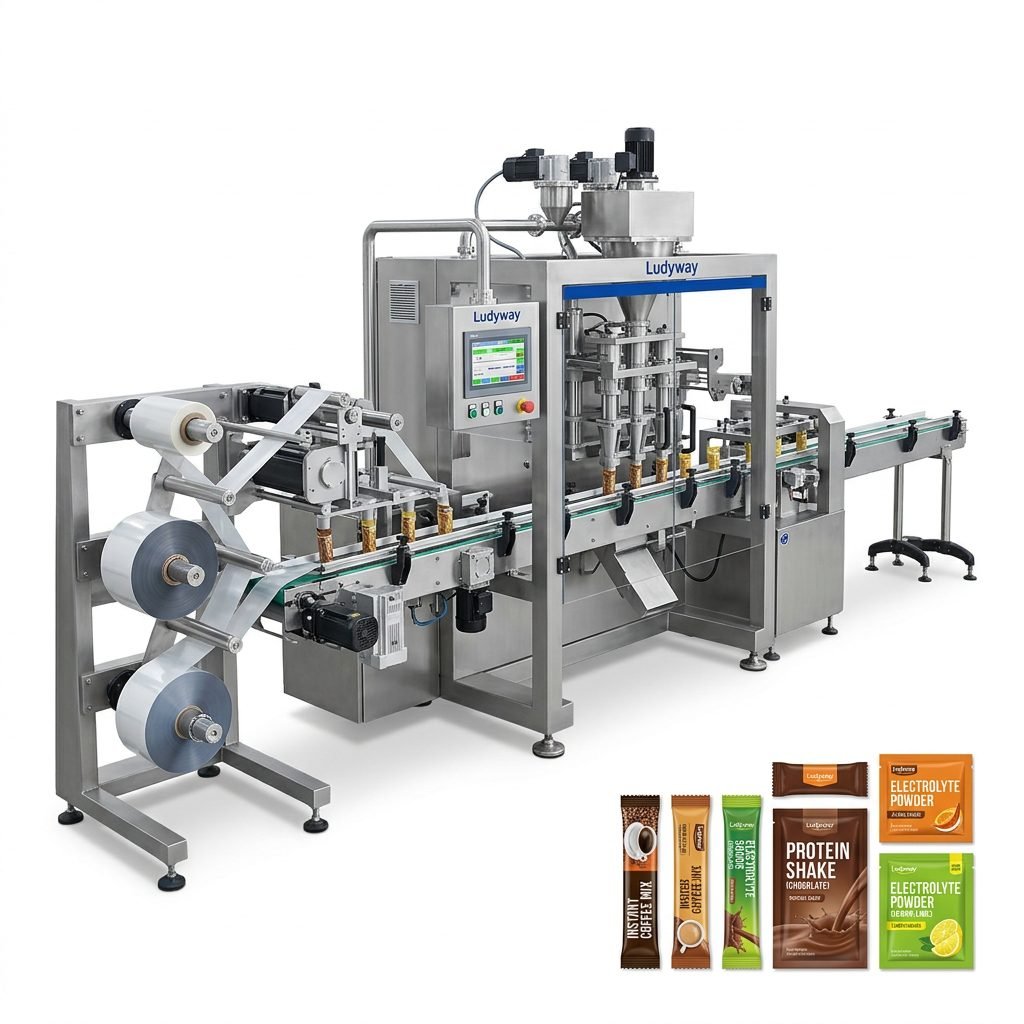
- Stick packs: Slim, elongated sachets ideal for single-serve powder drinks, coffee, and energy supplements
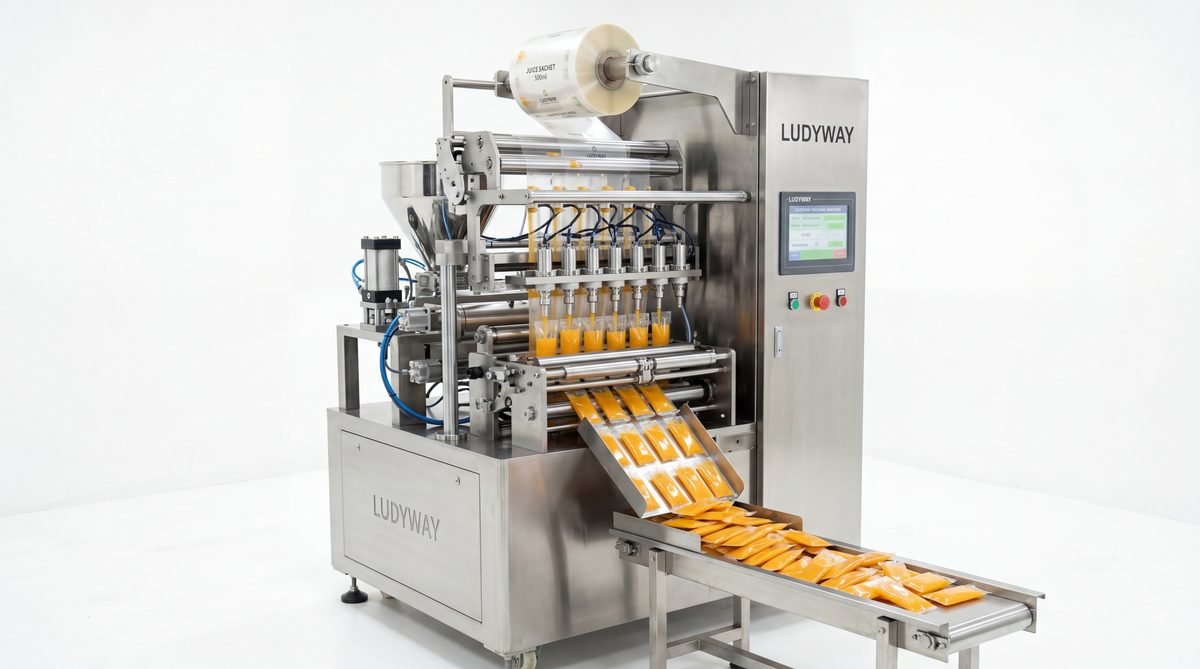
- Flat sachets: Wider pouches suitable for instant beverage powders and liquid concentrates
- Gusseted pouches: Stand-up formats for larger serving sizes and premium product positioning
Your packaging machine should also handle the flexible packaging films commonly used in North America, including multi-layer laminates with barrier properties for moisture and oxygen protection.
Types of Beverage Packaging Machines
Understanding the different machine categories helps you align equipment capabilities with your production goals. The table below summarizes the main types relevant to beverage manufacturing in North America:
| Machine Type | Best Suited For | Typical Speed Range | Key Advantage |
|---|---|---|---|
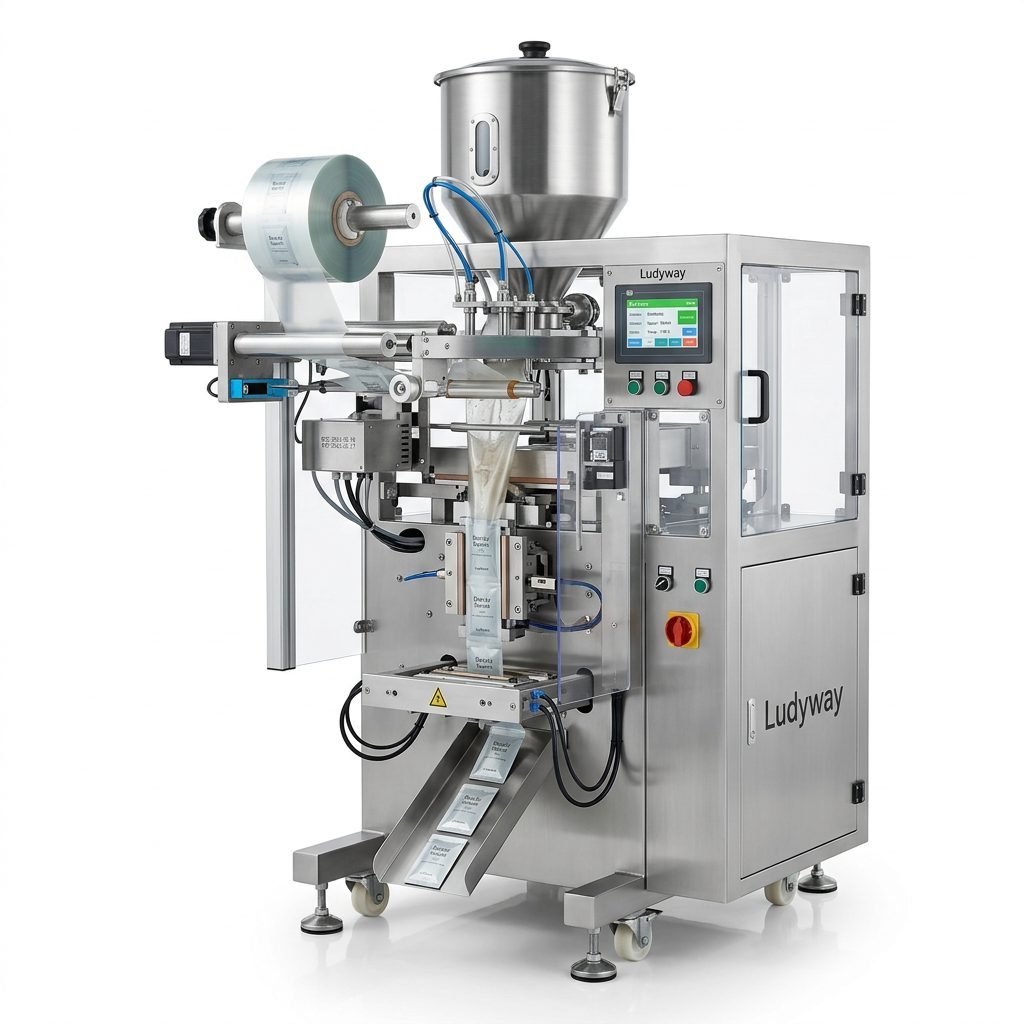
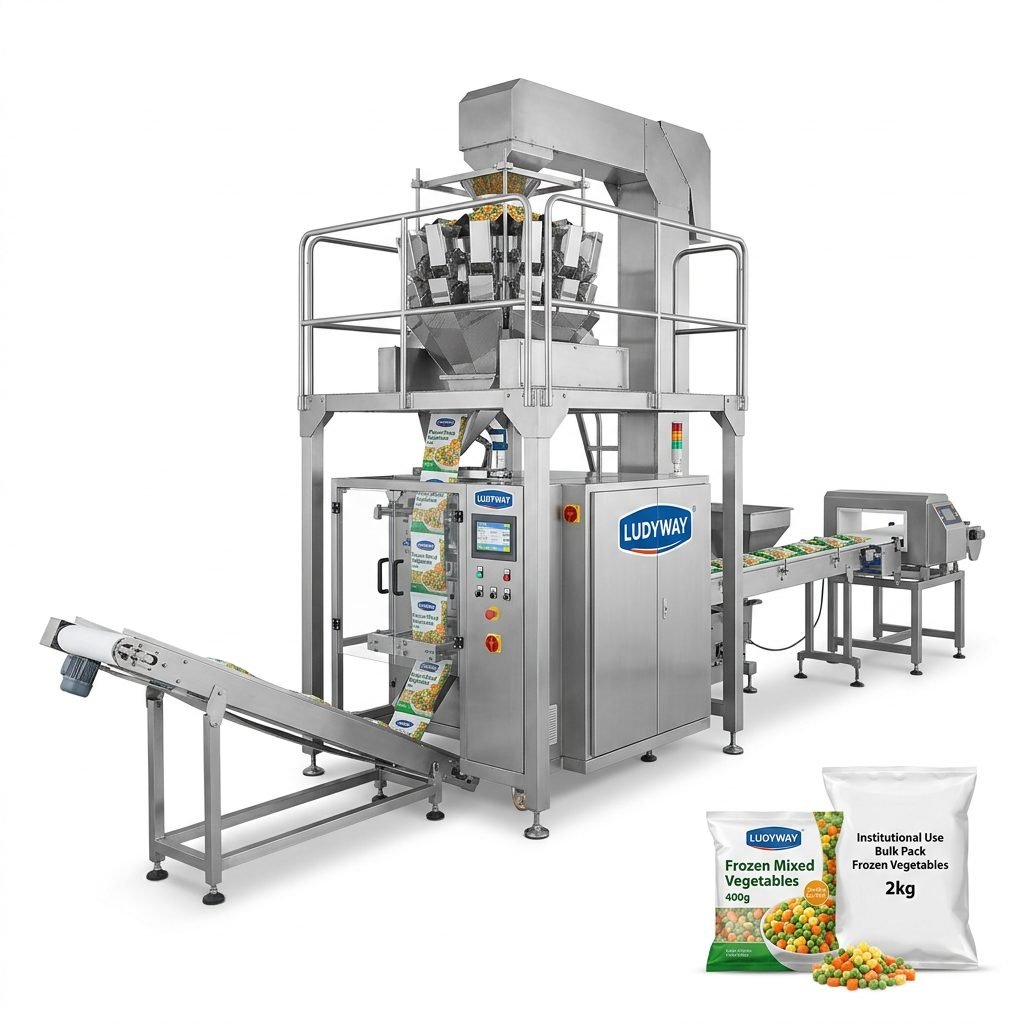
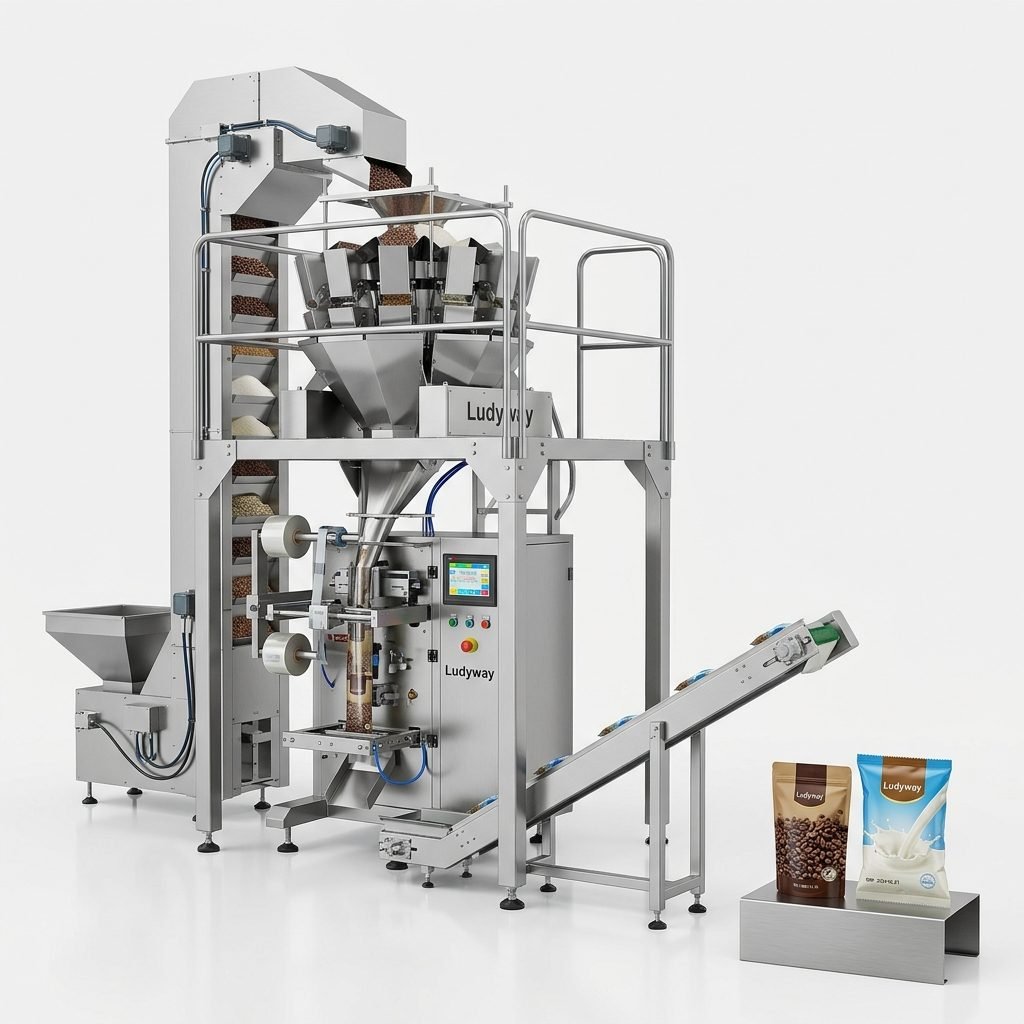
| Vertical Form Fill Seal (VFFS) | Powders, granules, free-flowing solids | 60–200 packs/min | Versatile, widely adopted, cost-effective |
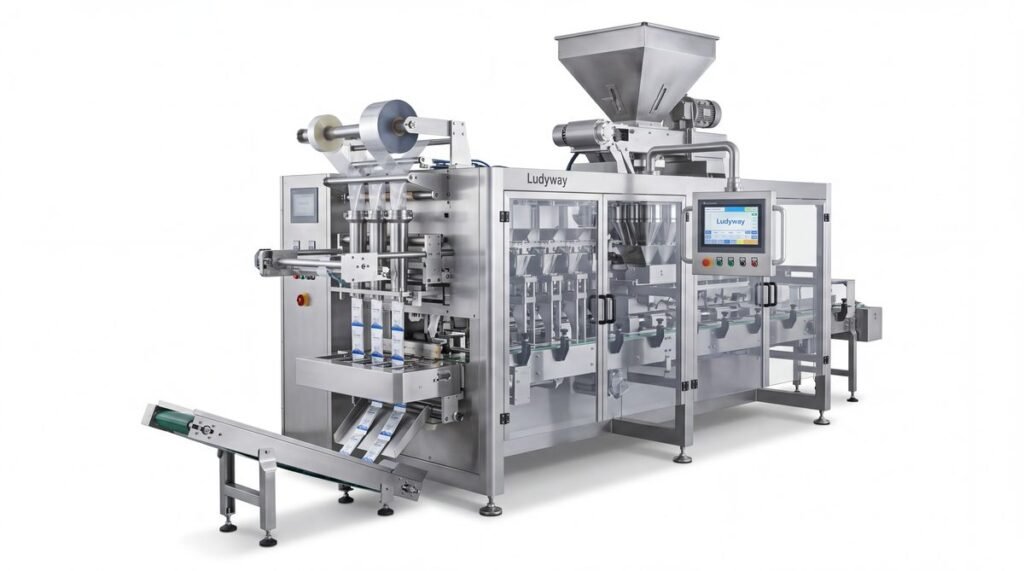
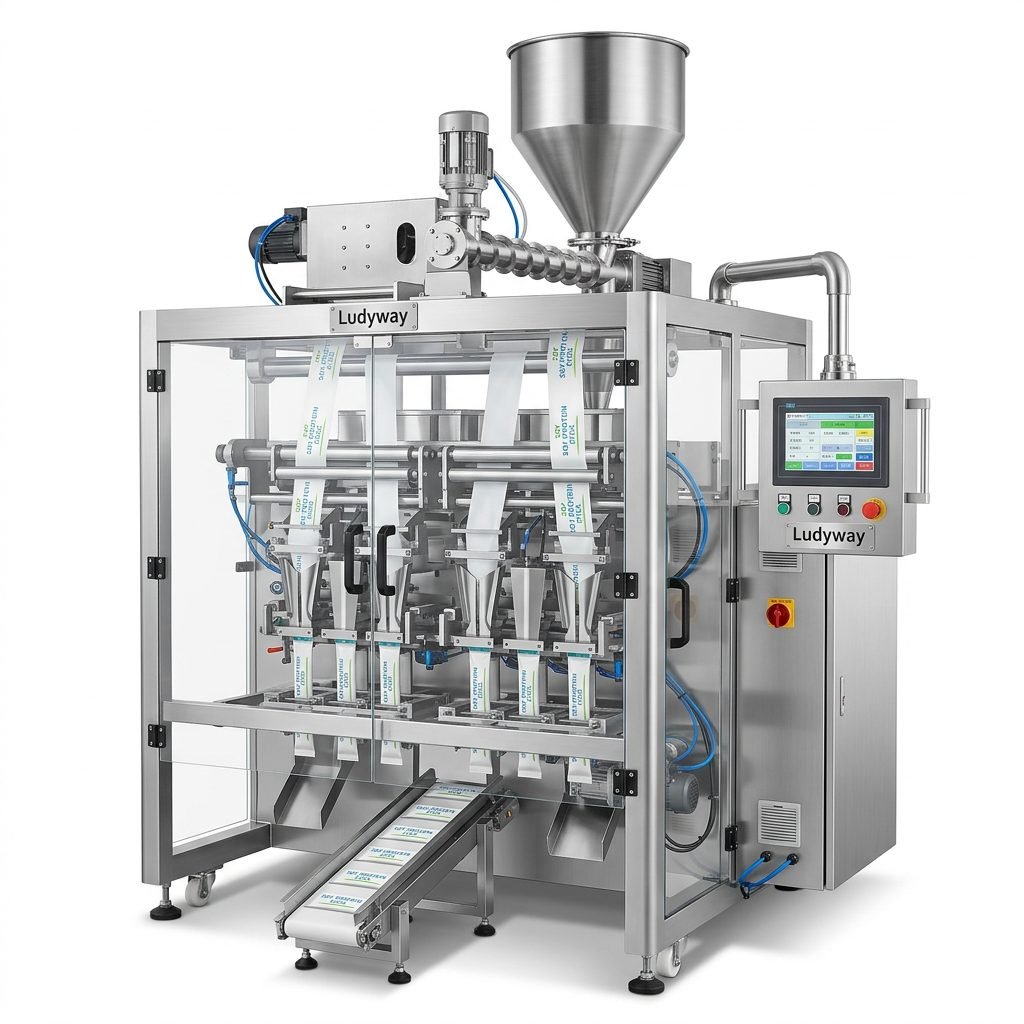
| Multi-Lane Stick Pack Machine | Single-serve powders, coffee, drink mixes | 200–800 packs/min | Ultra-high output, compact footprint |
| Liquid Sachet Machine | Liquid concentrates, syrups, gels | 80–300 packs/min | Precision liquid dosing, leak-proof seals |
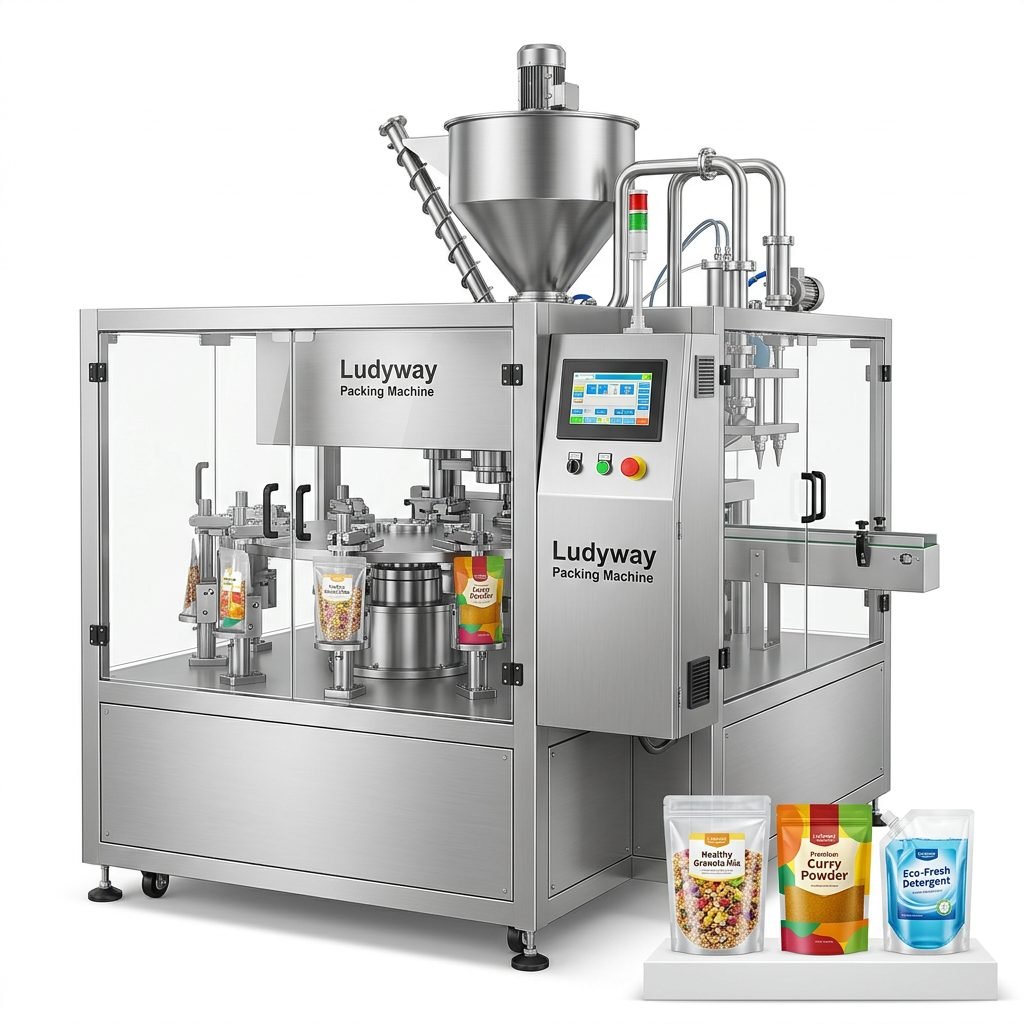
| Pre-Made Pouch Filler | Premium stand-up pouches, spouted pouches | 40–120 packs/min | Superior shelf appeal, resealable options |
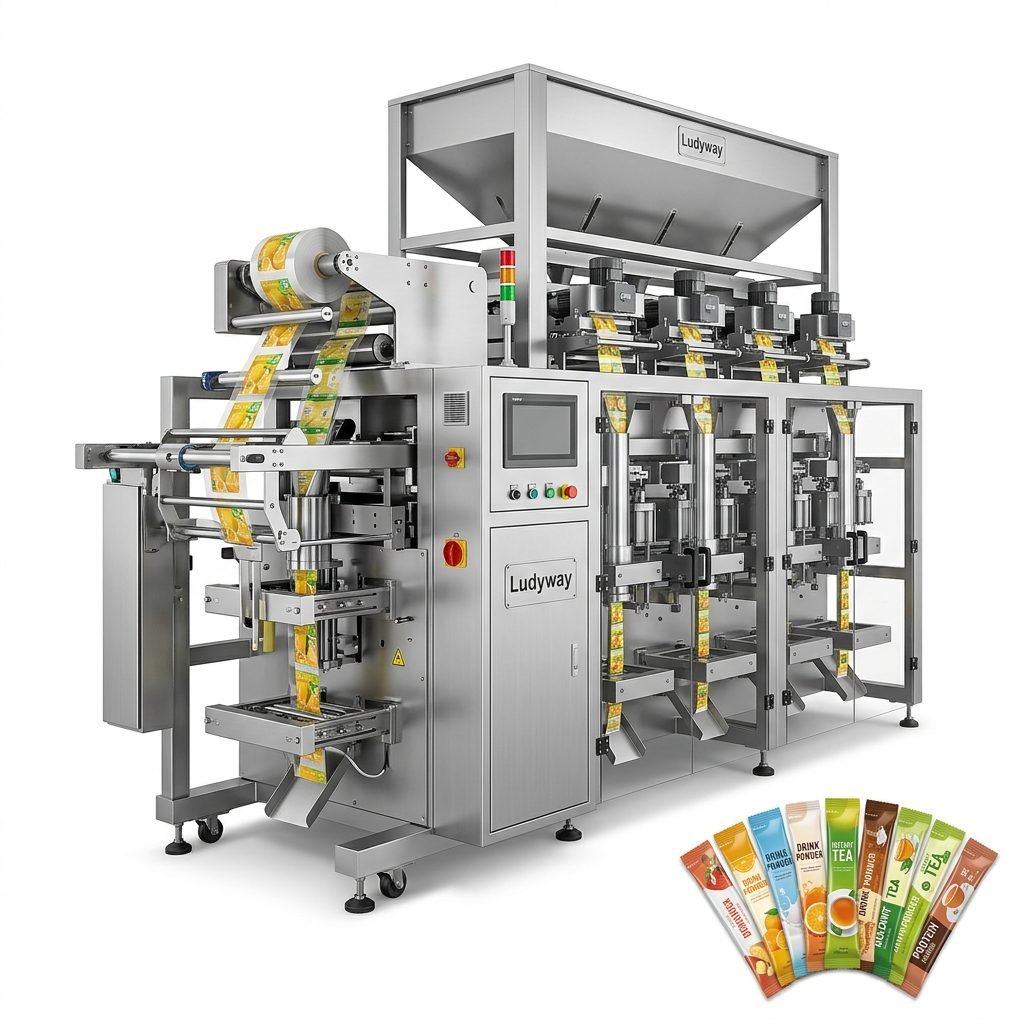
Regulatory Compliance and Food Safety Standards
Operating in North America means adhering to stringent regulatory requirements. The FDA Food Packaging and Food Contact Substances regulations govern materials that come into contact with consumable products. Your packaging machine should be constructed with food-grade stainless steel (typically 304 or 316L) and designed for easy cleaning and sanitation. Key considerations include:
- GMP compliance: Equipment should support Good Manufacturing Practices with smooth, crevice-free surfaces
- Washdown capability: For liquid and perishable products, IP65 or higher-rated electrical enclosures are recommended
- Traceability: Look for machines with integrated date coding, batch numbering, and serialization options
- 3-A Sanitary Standards: Relevant for dairy-based and ready-to-drink beverage applications
Automation, Integration, and Smart Factory Readiness
Modern beverage packaging lines increasingly incorporate automation features that reduce labor dependency and improve overall equipment effectiveness (OEE). When evaluating machines, assess the following automation capabilities:
- Servo-driven controls: Provide precise motion control, quick changeover, and reduced maintenance compared to pneumatic systems
- IIoT connectivity: Enables remote monitoring, predictive maintenance alerts, and production data analytics
- Automatic web tracking: Ensures accurate film registration and minimizes material waste
- Integrated quality inspection: Vision systems for seal integrity, print registration, and fill level verification
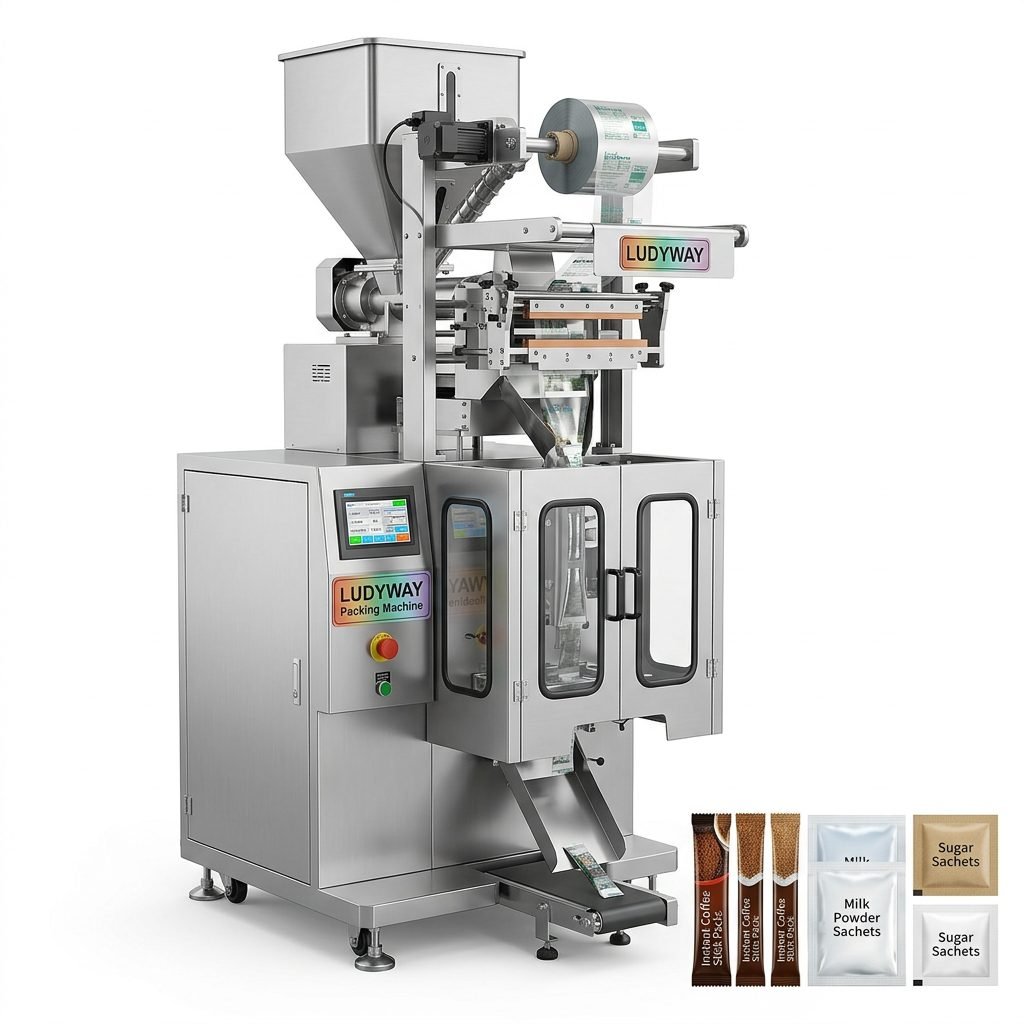
Total Cost of Ownership and ROI Analysis
Beyond the initial purchase price, North American buyers should evaluate the total cost of ownership (TCO) over the machine’s expected lifespan. Key cost factors include:
- Energy consumption: Servo-driven machines typically consume 20–30% less electricity than pneumatic alternatives
- Film waste: Machines with precise registration control can reduce film waste to below 1.5%
- Changeover time: Quick-change designs minimize downtime between product runs, directly impacting OEE
- Spare parts availability: Ensure the supplier maintains a North American spare parts inventory to avoid extended lead times
- Training costs: User-friendly HMI interfaces and on-site training reduce the learning curve for operators
A properly specified beverage packaging machine typically achieves ROI within 18–36 months through labor savings, increased throughput, and reduced material waste alone.
Supplier Evaluation and After-Sales Support
Selecting the right equipment partner is as important as choosing the machine itself. Look for suppliers with a proven track record in beverage packaging applications and a commitment to North American support. Leading manufacturers such as Ludyway offer comprehensive turnkey solutions — from initial consultation and factory acceptance testing to installation, commissioning, and ongoing technical support — backed by decades of engineering expertise and a global service network.
When vetting potential suppliers, ask these questions:
- Do you have reference installations of similar beverage applications in North America?
- What is your typical lead time from order to delivery?
- Do you offer remote diagnostics and troubleshooting support?
- What are your warranty terms, and do you provide extended service agreements?
- Can you provide turnkey integration with upstream and downstream equipment?
Industry Resources and Further Reading
Staying informed about packaging technology trends and regulatory updates is essential for long-term success. The following authoritative resources provide valuable insights for North American beverage manufacturers:
- PMMI Business Intelligence Library — Market research reports on packaging machinery trends
- PACK EXPO International — North America’s largest packaging trade show for evaluating equipment firsthand
- FDA Packaging and Food Contact Substances — Regulatory guidelines for food-safe packaging materials
- Flexible Packaging Association Industry Resources — Data and insights on flexible packaging adoption in the U.S. market
Frequently Asked Questions
What is the average cost of a beverage packaging machine?
Entry-level single-lane stick pack machines start around $25,000–$50,000, while fully automated multi-lane systems with integrated filling, sealing, and cartoning can range from $150,000 to over $500,000 depending on speed, features, and customization.
How long does it take to install and commission a packaging line?
Typical installation and commissioning timelines range from 2 to 8 weeks, depending on system complexity, facility readiness, and the level of customization required. Pre-configured modular systems can significantly reduce deployment time.
Can one machine handle both powder and liquid beverages?
Some multi-purpose packaging machines are designed to switch between powder and liquid filling with minimal changeover. However, for high-volume production, dedicated machines optimized for each product type generally deliver better performance and efficiency.
What film materials are recommended for beverage stick packs?
Common structures include PET/AL/PE, PET/metallized PET/PE, and paper/AL/PE laminates. The choice depends on barrier requirements, shelf life targets, and sustainability goals. Consult with both your film supplier and machine manufacturer to validate compatibility.
Making Your Final Decision
Purchasing a beverage packaging machine for the North American market requires a thorough evaluation of your product portfolio, production goals, regulatory obligations, and long-term growth strategy. By focusing on machine flexibility, build quality, automation features, and supplier reliability, you can secure a packaging solution that delivers consistent performance and a strong return on investment. Take advantage of industry trade shows, request live demonstrations with your actual product, and engage with multiple suppliers to ensure you make an informed, future-ready decision.