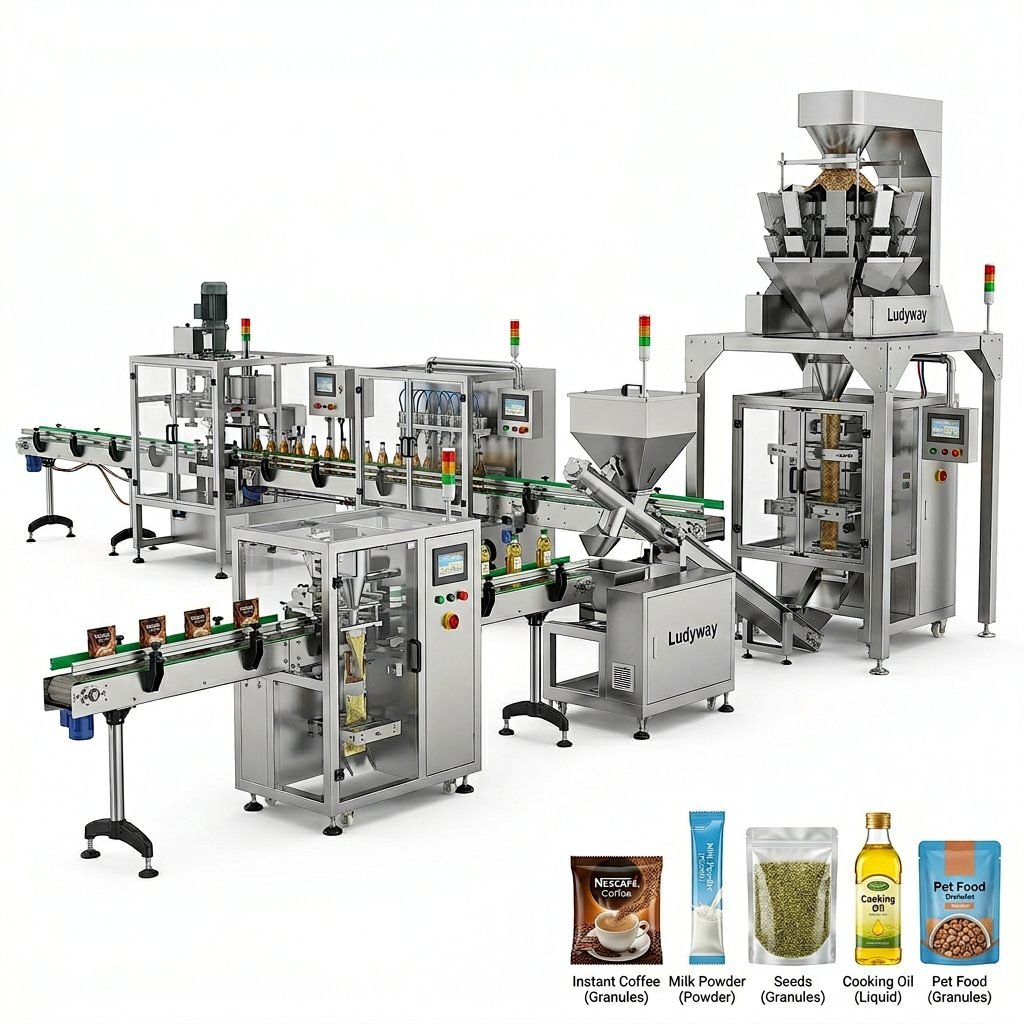
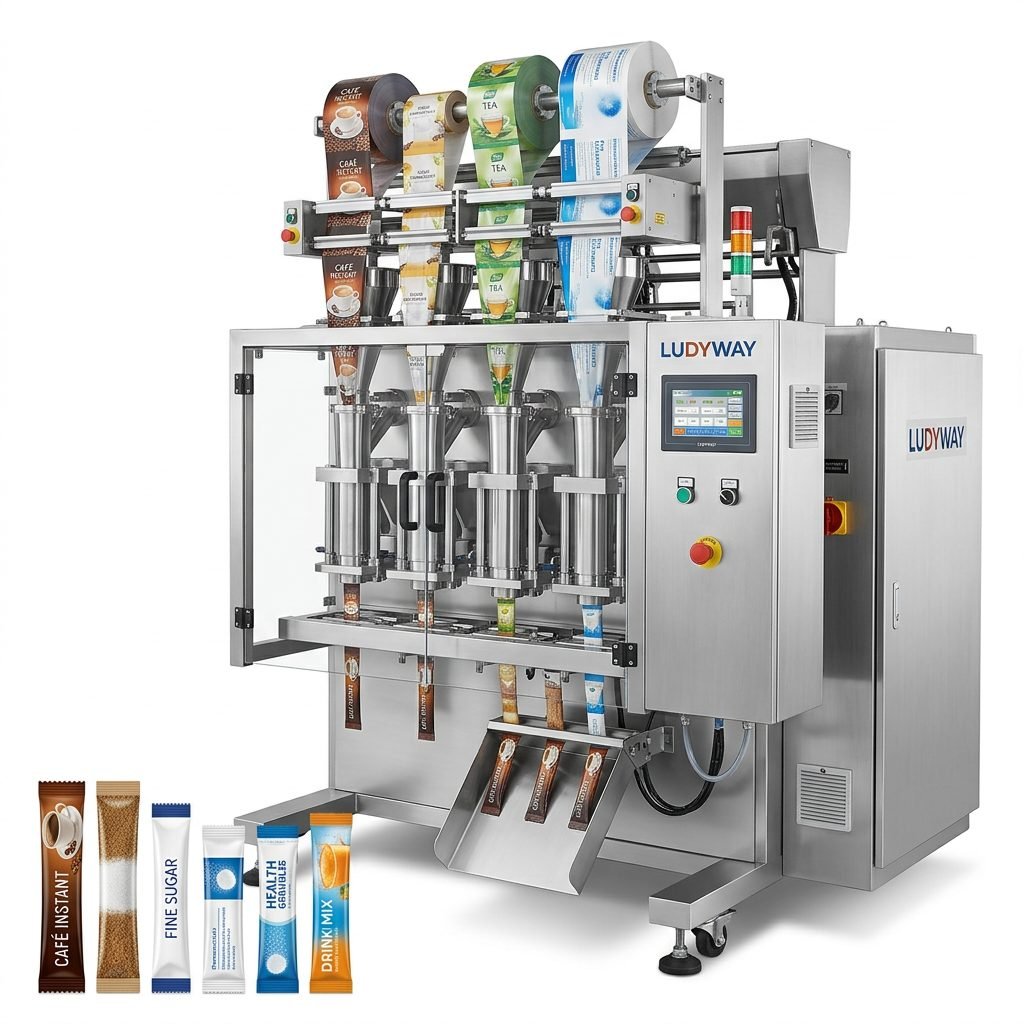
Selecting the right vacuum packaging machine is a critical decision for manufacturers looking to extend product shelf life, improve packaging efficiency, and maintain product quality. Whether you are packaging food products, pharmaceuticals, chemicals, or industrial components, the right vacuum packaging equipment can significantly impact your production line’s performance and your bottom line. This comprehensive buyer’s guide will walk you through the essential factors to consider when choosing a Valko vacuum packaging machine, helping you make an informed investment that aligns with your operational needs.
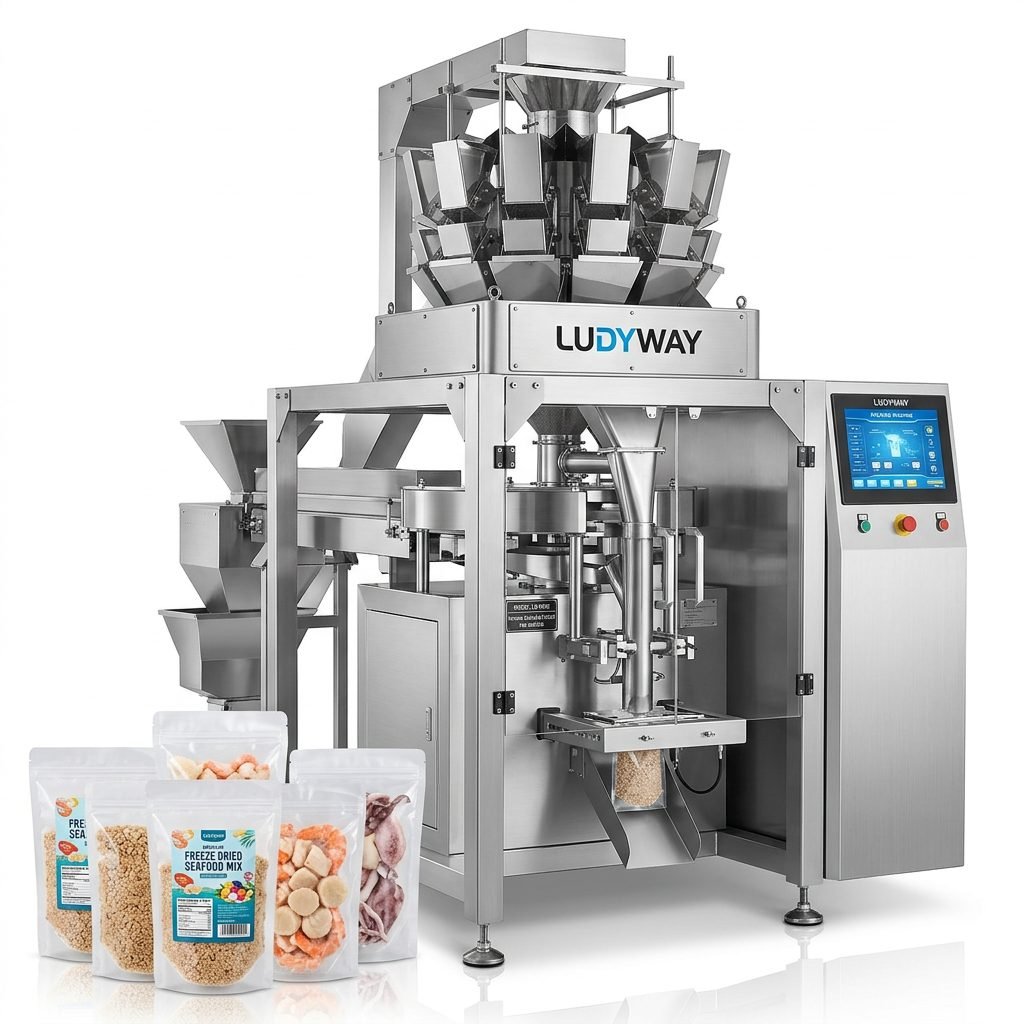
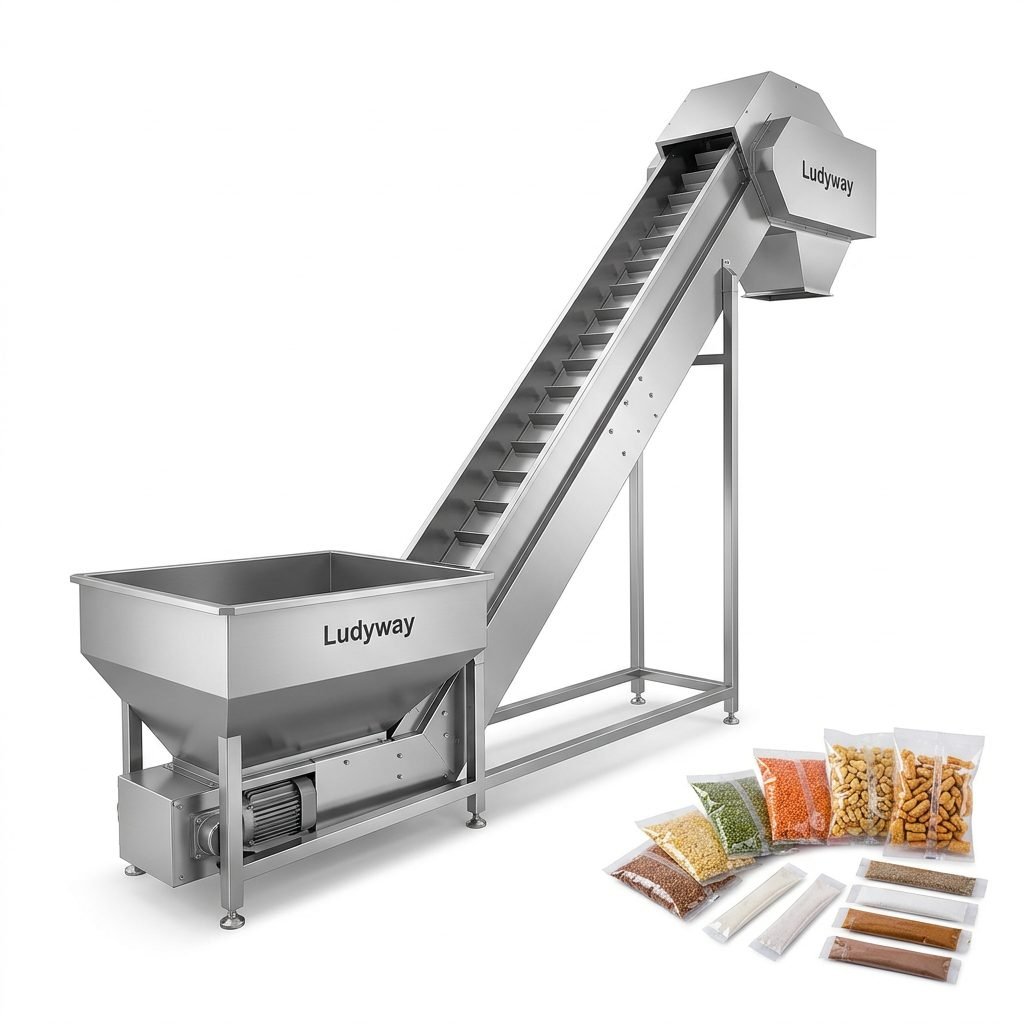
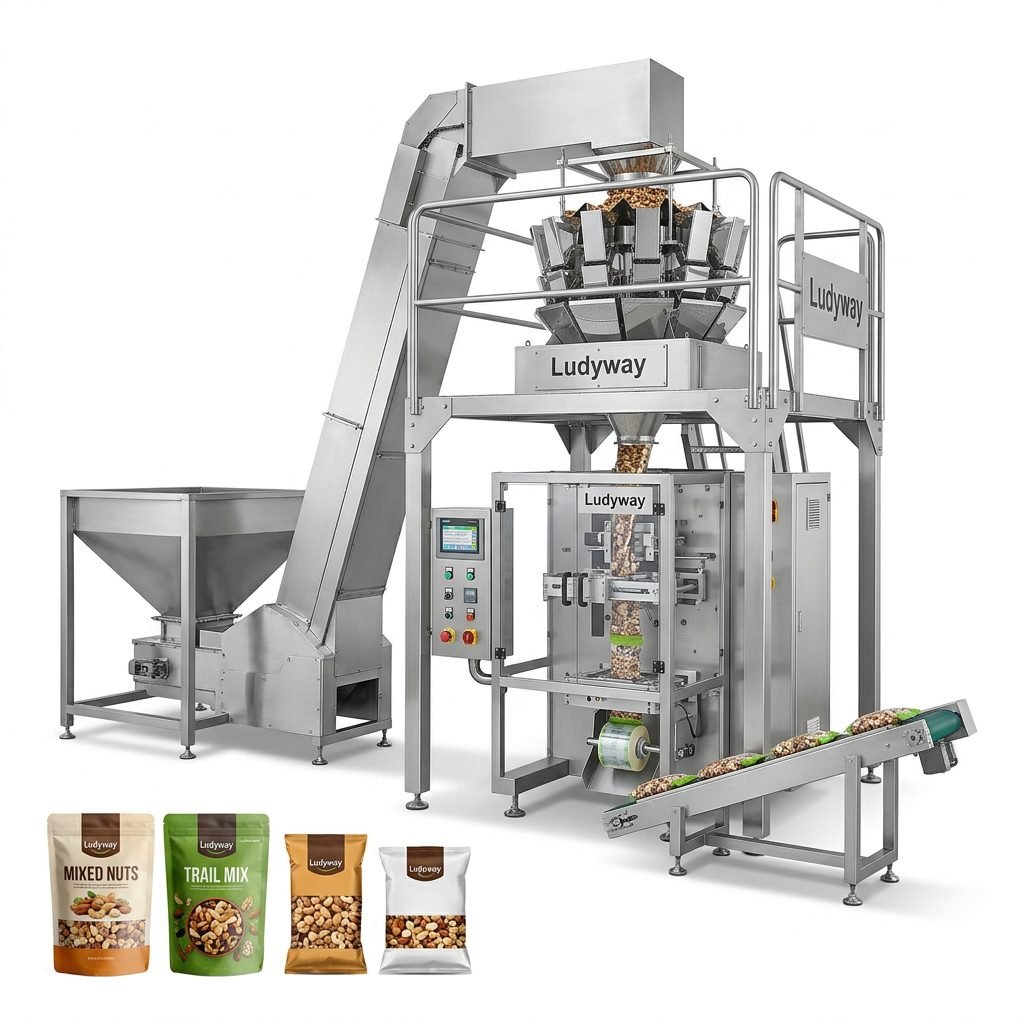
Industrial vacuum packaging system designed for consistent sealing and product protection.
Understanding Different Types of Vacuum Packaging Machines
Before diving into specifications, it’s important to understand that not all vacuum packaging machines are created equal. The type of machine you need depends largely on your product characteristics, production volume, and packaging format requirements. According to the packaging industry data from PMMI, manufacturers are increasingly adopting automated vacuum systems to meet growing demand for extended shelf life and reduced food waste.
Single Chamber vs. Double Chamber Machines
For smaller operations or batch production, single chamber vacuum sealers offer simplicity and affordability. Double chamber machines, on the other hand, allow for continuous operation — while one chamber is under vacuum, the other can be loaded or unloaded, significantly increasing throughput. When evaluating a Valko vacuum packaging machine, consider whether your production volume justifies the higher initial investment of a double chamber system.
External Vacuum Sealers and Nozzle Systems
For products that cannot be placed inside a chamber — such as large equipment components or oversized items — external vacuum sealers using a nozzle system are the preferred solution. These machines extract air through a nozzle inserted into the bag, making them versatile for irregularly shaped products. The Flexible Packaging Association highlights that nozzle-type systems remain relevant for specialized industrial applications where chamber machines are impractical.
Automatic Belt-Driven Vacuum Machines
High-volume production environments benefit most from continuous belt vacuum packaging systems. These machines automatically convey products through the vacuum and sealing process, making them ideal for food processing plants, pharmaceutical packaging lines, and industrial manufacturing. Key specifications to evaluate include belt speed, seal bar length, and vacuum pump capacity — all of which directly affect your overall equipment effectiveness.
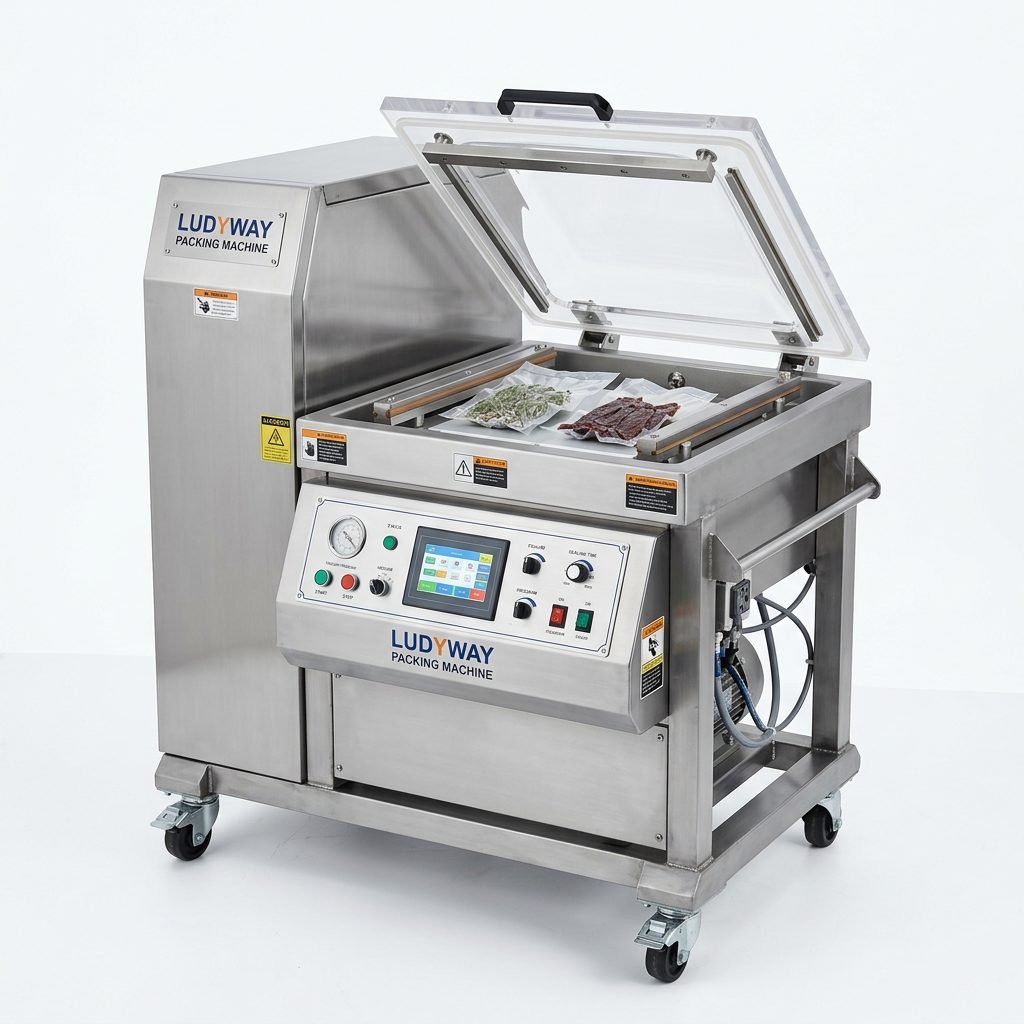
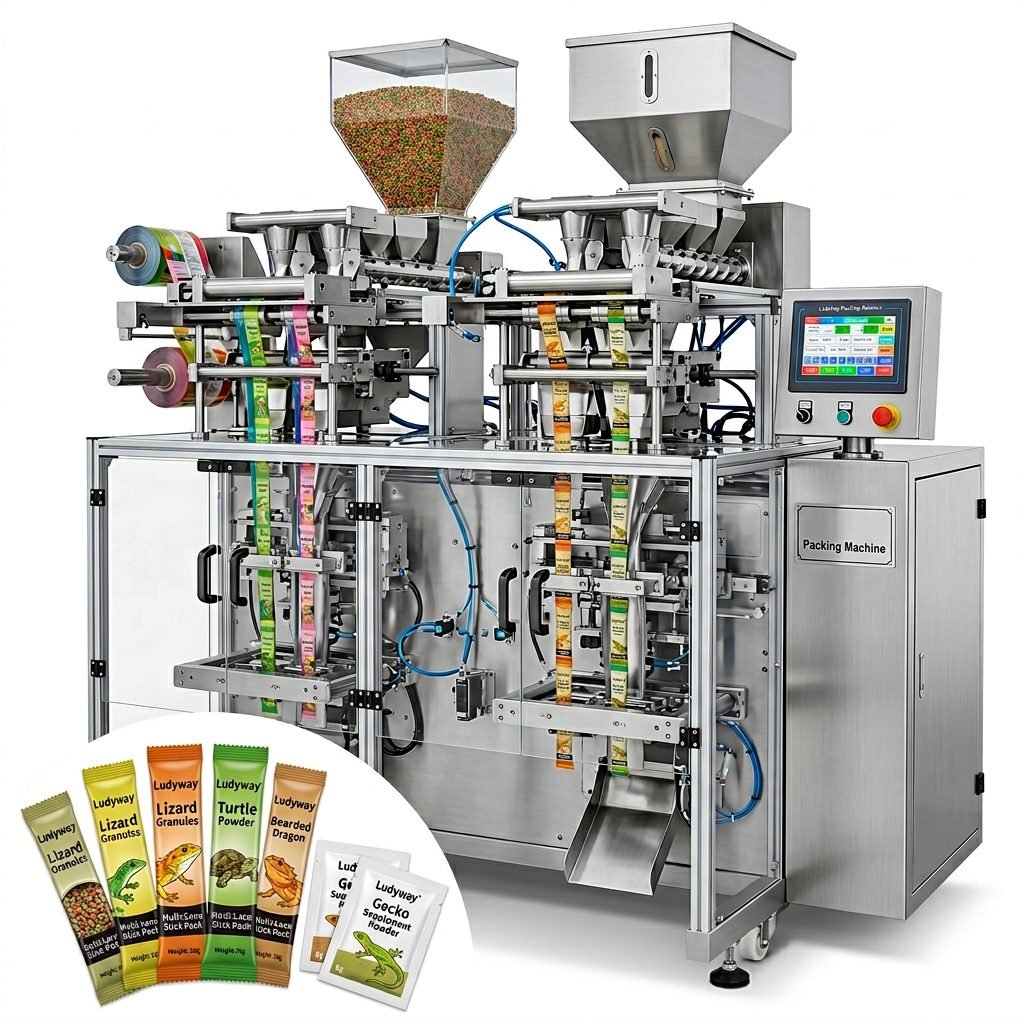
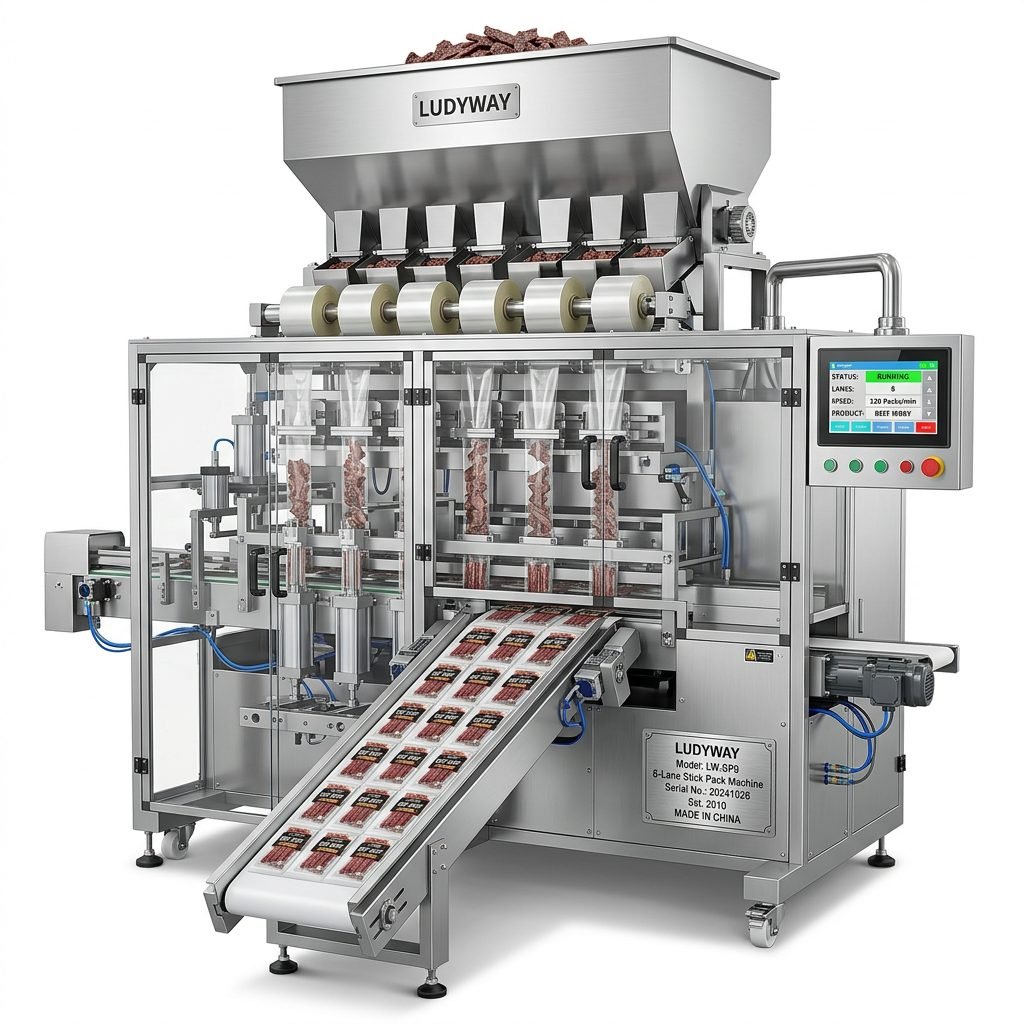
High-speed vacuum packaging equipment suitable for demanding food and pharmaceutical production environments.
Key Factors to Evaluate When Choosing Your Machine
Making the right choice requires a systematic evaluation of your specific requirements. Here are the critical factors that should guide your decision when selecting a Valko vacuum packaging machine:
- Product Sensitivity and Characteristics — Delicate products like freeze-dried foods or medical devices require gentle vacuum control to prevent crushing. Machines with adjustable vacuum levels and soft-air release features are essential for fragile items. Refer to ISO packaging standards for guidance on material compatibility and safety requirements.
- Production Speed and Capacity — Calculate your required cycles per minute or packages per hour. A machine that cannot keep pace with your production line will create bottlenecks and reduce overall efficiency. Look for specifications on cycle time, chamber dimensions, and seal bar length.
- Packaging Material Compatibility — Different films and bag materials require specific seal temperatures and vacuum parameters. Ensure the machine supports the packaging materials you intend to use, whether standard PA/PE bags, high-barrier laminates, or aluminum foil pouches. The FDA food packaging guidelines provide essential information on material safety for food contact applications.
- Degree of Automation — From manual loading to fully automated robotic integration, the level of automation impacts both capital investment and long-term labor costs. Semi-automatic machines balance cost with productivity for medium-scale operations.
- Vacuum Pump Performance — The pump is the heart of any vacuum system. Oil-lubricated rotary vane pumps offer high vacuum levels and durability for industrial use, while dry pumps reduce maintenance in cleanroom environments. Pump flow rate (m³/h) and ultimate vacuum level (mbar) are key technical specifications.
| Feature | Chamber Machine | Nozzle Sealer | Belt-Driven System |
|---|---|---|---|
| Best For | Solid products, batch processing | Large or irregular items | High-volume continuous production |
| Vacuum Level | Very high | Moderate to high | High |
| Automation | Semi-automatic | Manual to semi-automatic | Fully automatic |
| Investment Range | Economical to mid-range | Entry-level to mid-range | High initial investment |
| Typical Applications | Meat, cheese, ready meals | Industrial parts, textiles | Snack foods, medical devices |
Industry-Specific Considerations
The ideal Valko vacuum packaging machine configuration varies significantly across different industries. Understanding these nuances ensures your equipment meets both regulatory requirements and practical production demands.
Food and Beverage Industry
For food manufacturers, hygiene and cleanability are paramount. Machines should feature stainless steel construction, washdown-compatible designs, and compliance with FDA food contact substance regulations. Modified atmosphere packaging (MAP) capabilities are increasingly important for extending the shelf life of fresh products like meat, cheese, and baked goods. Look for machines with gas flushing options if your products benefit from oxygen replacement with nitrogen or carbon dioxide.
Pharmaceutical and Medical Devices
Pharmaceutical packaging demands the highest levels of sterility and validation. Vacuum packaging machines in this sector must comply with ISO 11607 standards for terminally sterilized medical devices. Critical features include precise vacuum level control, validated sealing parameters, and documentation capabilities for regulatory compliance. Machines designed for cleanroom operation with HEPA filtration and particle-controlled environments are often required.
Industrial and Chemical Products
Packaging industrial components, chemicals, or bulk powders requires robust construction and material compatibility. Machines must withstand corrosive environments and handle heavy or abrasive products. Explosion-proof configurations may be necessary for volatile substances. The EPA sustainable materials management guidelines provide additional context for environmentally responsible packaging practices in industrial applications.
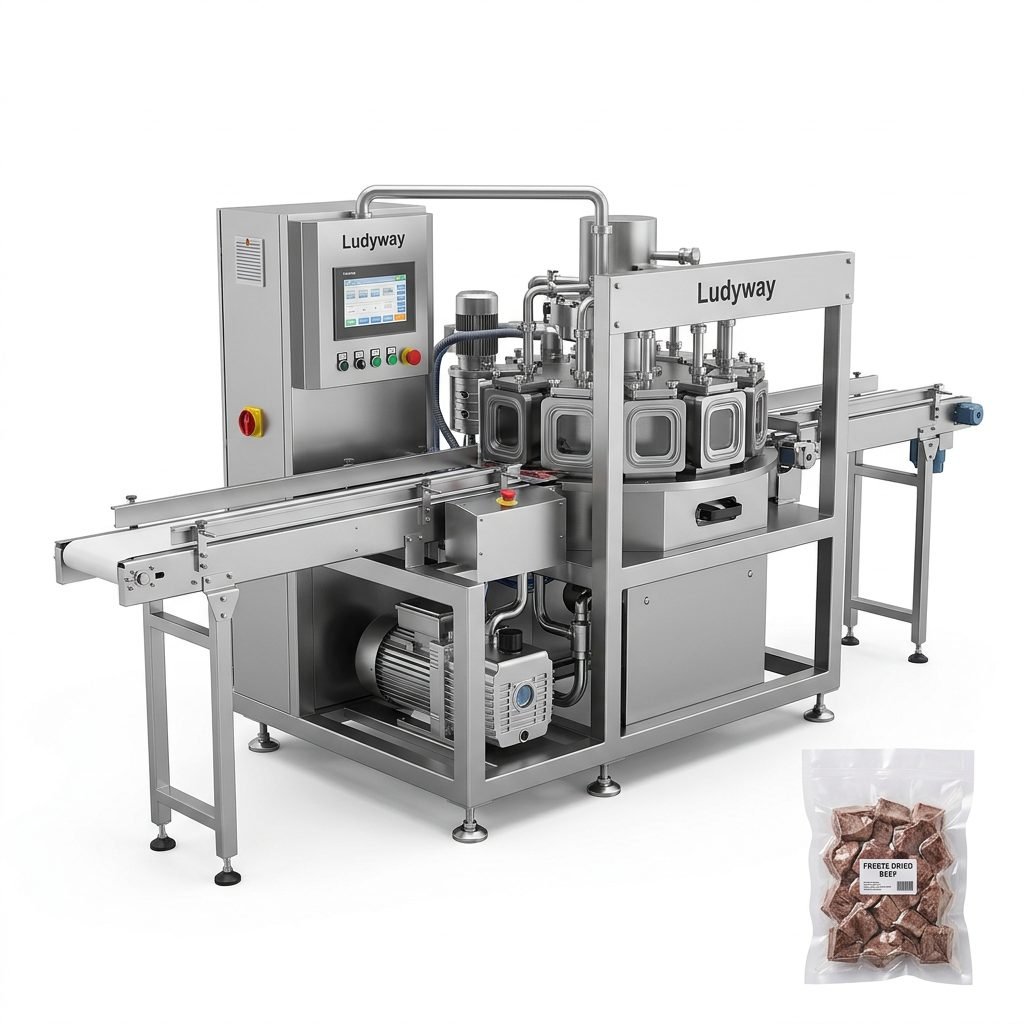
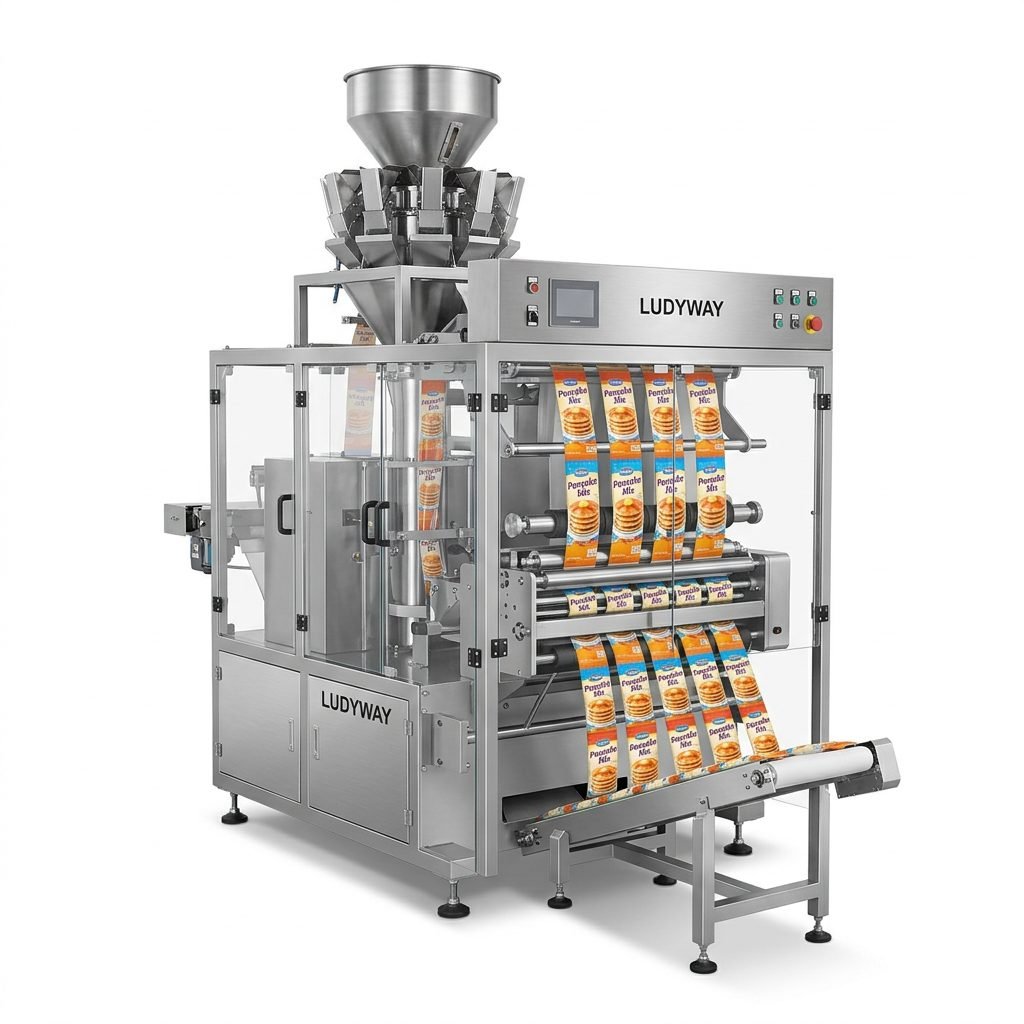
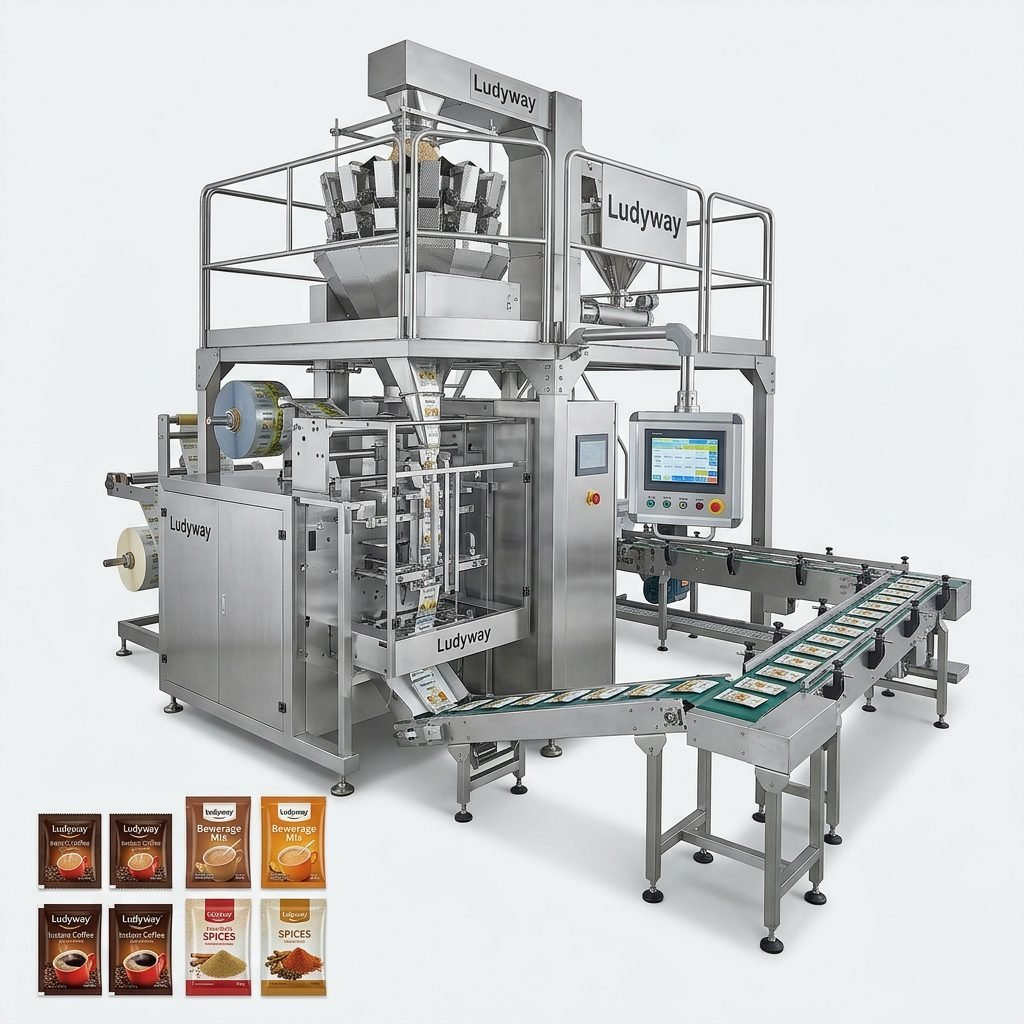
Automated vacuum packaging line handling freeze-dried products with precision and consistency.
Evaluating Total Cost of Ownership
Beyond the initial purchase price, a thorough evaluation of total cost of ownership (TCO) is essential for making a sound investment. As highlighted by PMMI’s State of the Industry report, packaging machinery investments should be assessed over a 5-10 year operational horizon to capture the full financial picture.
- Energy Consumption — Vacuum pumps and sealing systems are significant energy consumers. Compare the energy efficiency ratings of different models and calculate annual operating costs based on your local electricity rates.
- Maintenance and Spare Parts — Determine the recommended maintenance intervals, availability of spare parts, and whether the supplier offers preventive maintenance programs. Machines with accessible components and modular designs reduce downtime and repair costs.
- Operator Training Requirements — Complex machines may require specialized training for operators. Factor in the cost and time required to bring your team up to speed, as well as ongoing training for new personnel.
- Packaging Material Waste — Efficient machines minimize film waste through precise bag handling and optimized seal placement. Even small reductions in material waste can yield significant savings over time.
- Future Upgrade Flexibility — Can the machine be upgraded with additional features like gas flushing, labeling integration, or higher-capacity pumps as your production needs evolve?
Working with a Reliable Packaging Machinery Partner
Choosing the right manufacturer is just as important as selecting the right machine specifications. A reliable partner provides ongoing technical support, from initial installation and commissioning to long-term after-sales service. Look for suppliers with a proven track record, global service capabilities, and the engineering expertise to customize solutions for your specific requirements.
For manufacturers seeking a comprehensive packaging solution, Ludyway Machinery has established itself as a significant player in the global packaging machinery industry, with export revenues projected to exceed RMB 500 million in 2025. With a 20,000-square-meter manufacturing facility and over 50 packaging machine models, the company combines manufacturing expertise with automation technology to help customers improve packaging efficiency and production capacity across a wide range of industries including food and beverage, pharmaceuticals, cosmetics, chemicals, and animal feed.
When evaluating a Valko vacuum packaging machine or any other packaging equipment, consider the supplier’s ability to provide integrated systems, customization options, and responsive technical support throughout the equipment lifecycle. The PMMI 2026 State of the Industry report emphasizes that manufacturers increasingly prefer single-source partners who can deliver turnkey solutions rather than piecing together equipment from multiple vendors.
Installation, Commissioning, and After-Sales Support
The relationship with your equipment supplier extends well beyond the purchase date. Proper installation and commissioning are critical to achieving optimal machine performance from day one. Look for suppliers who offer on-site installation services, operator training, and detailed documentation. Post-installation support should include:
- Technical troubleshooting via remote assistance or on-site visits
- Genuine spare parts availability with reasonable lead times
- Software updates and control system upgrades as technology evolves
- Preventive maintenance contracts to maximize machine uptime and longevity
- Operator refresher training to maintain productivity as team members change
Regulatory Compliance and Quality Standards
Depending on your industry and target markets, your vacuum packaging equipment may need to meet specific regulatory requirements. The European Commission packaging regulations and FDA guidelines establish the framework for packaging safety and environmental responsibility. Ensure your chosen machine can be configured to comply with applicable standards, including CE marking for European markets, UL certification for North America, and industry-specific requirements such as cGMP for pharmaceutical applications.
According to the Flexible Packaging Association’s regulatory affairs resources, staying current with evolving packaging regulations is essential for maintaining market access and avoiding compliance-related disruptions. A knowledgeable equipment supplier should be able to advise on relevant standards and provide the necessary documentation for your compliance records.
Making Your Final Decision
Armed with a clear understanding of your requirements and the available options, the final selection of a Valko vacuum packaging machine should balance performance, reliability, and long-term value. Create a shortlist of machines that meet your essential criteria, request detailed proposals from qualified suppliers, and where possible, conduct product trials or visit reference installations to see the equipment in operation.
Remember that the lowest purchase price rarely translates to the lowest total cost of ownership. Factor in energy efficiency, maintenance costs, technical support quality, and the supplier’s long-term stability when making your investment decision. A well-chosen vacuum packaging machine will deliver reliable performance for many years, contributing to product quality, operational efficiency, and ultimately, your competitive advantage in the marketplace.
For further guidance on packaging machinery selection and industry best practices, explore resources from the PMMI Association for Packaging and Processing Technologies and the Flexible Packaging Association, both of which offer extensive knowledge libraries and industry intelligence to support informed decision-making.