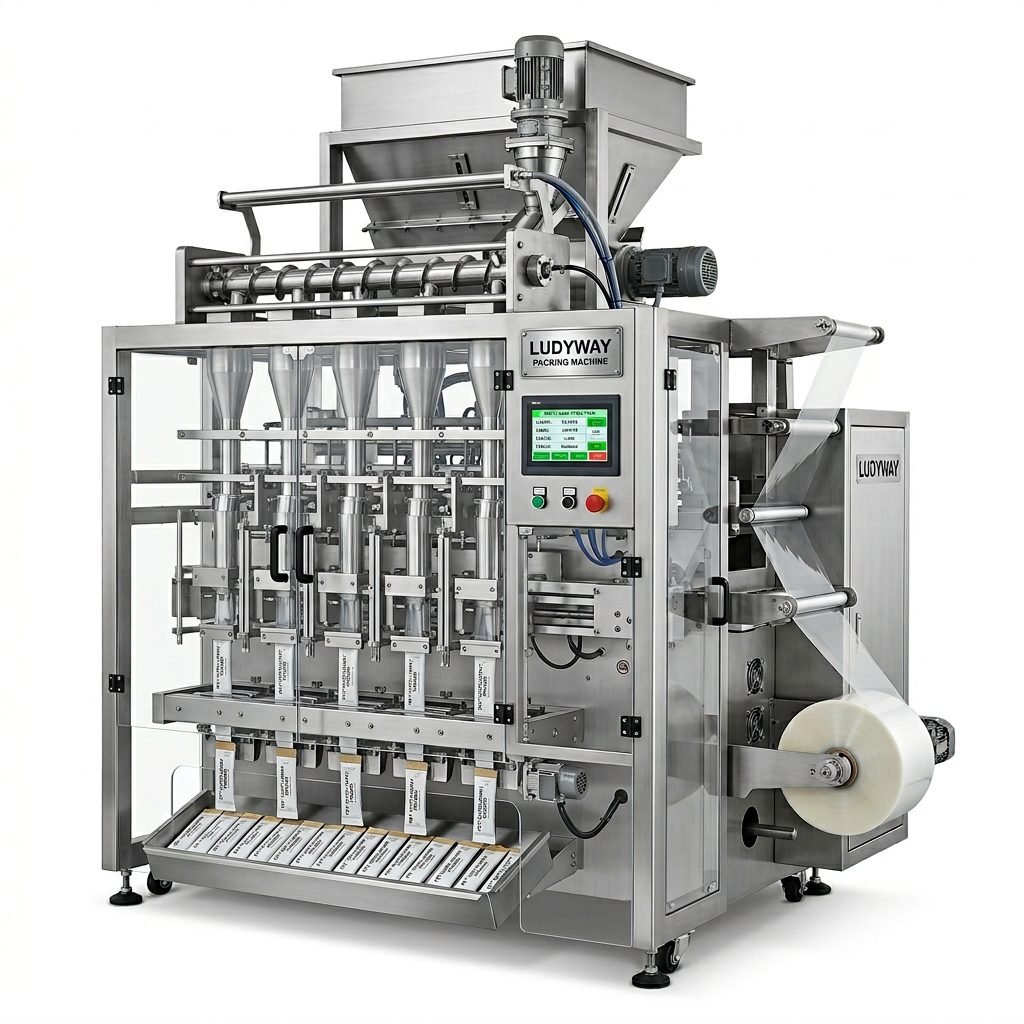
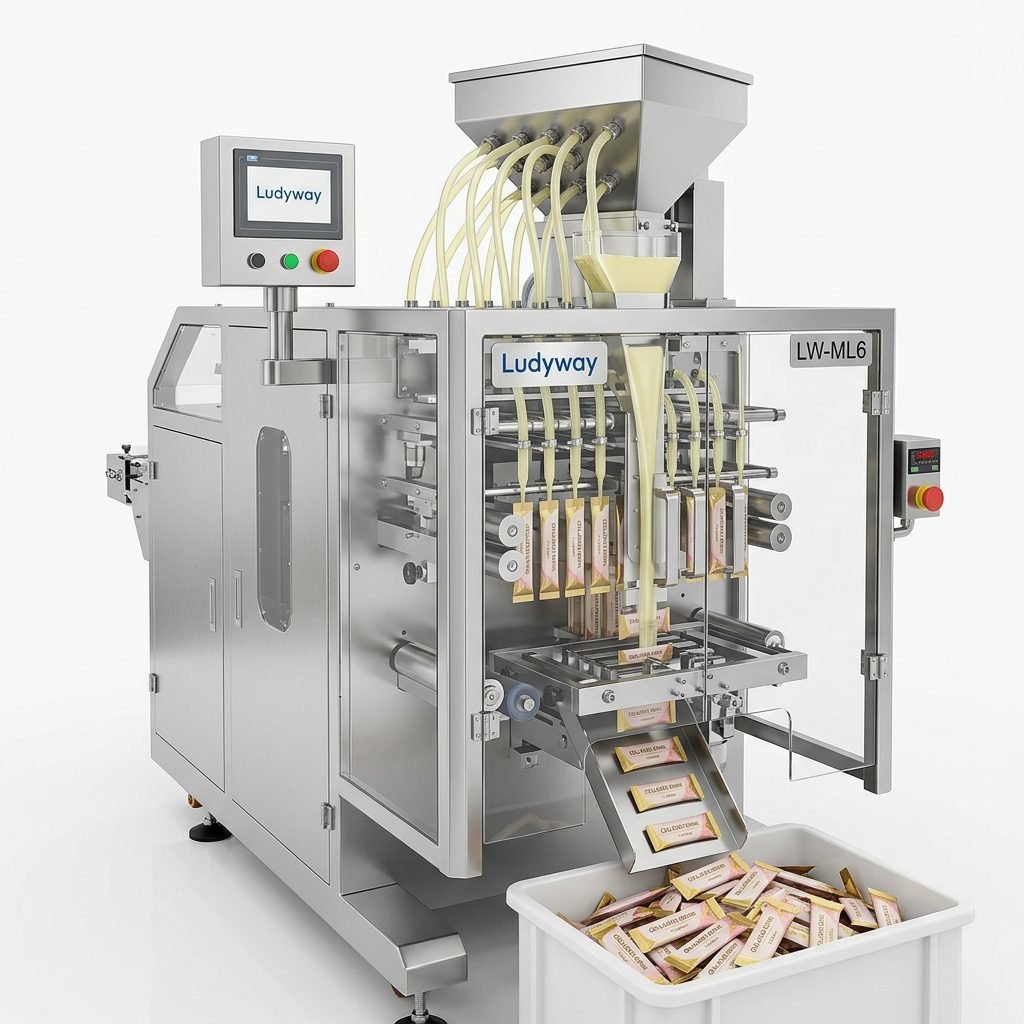
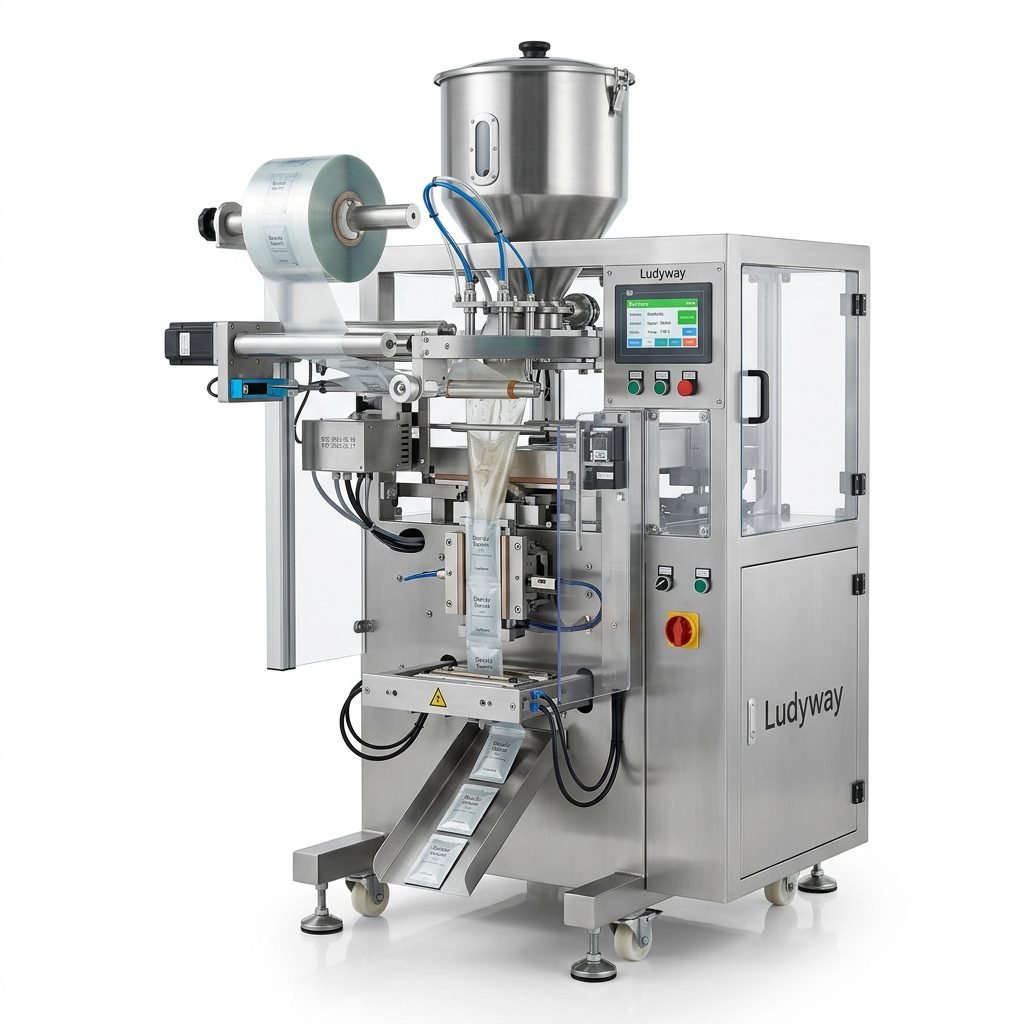
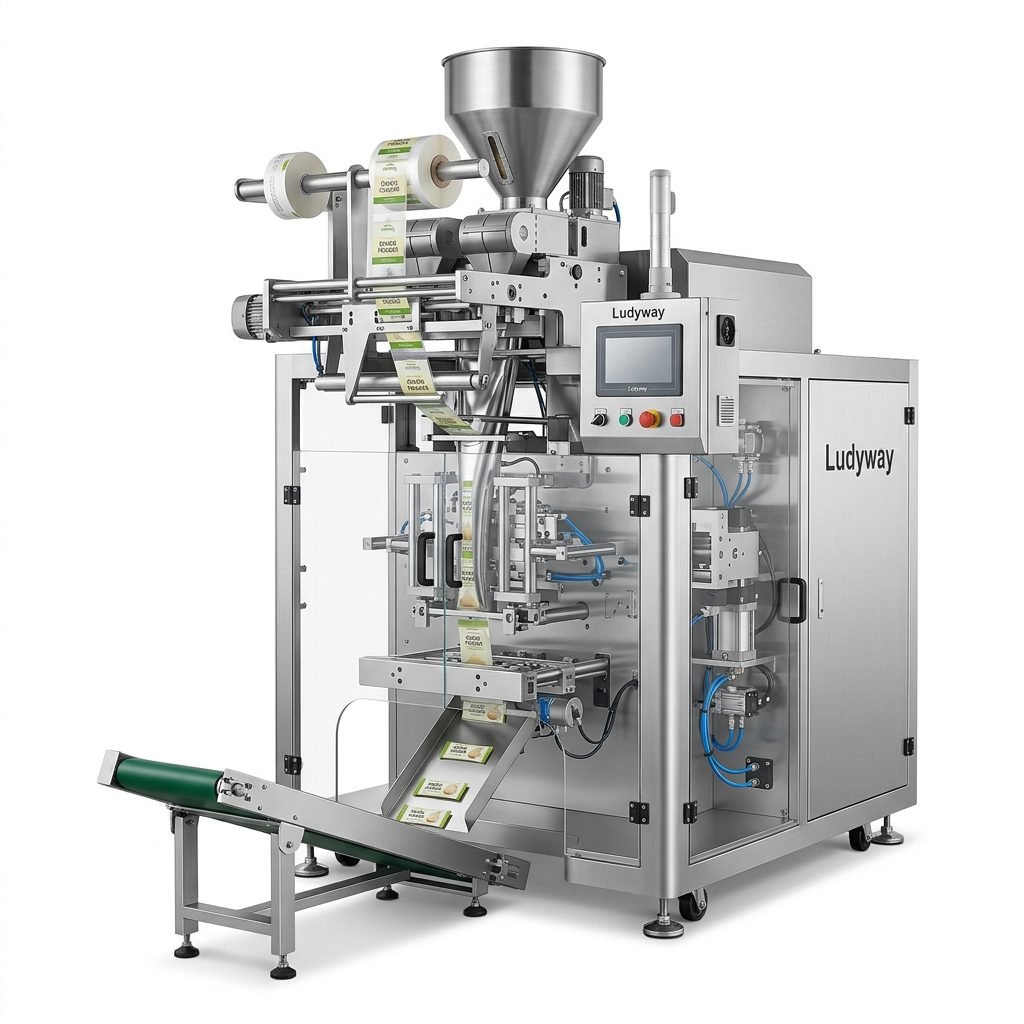
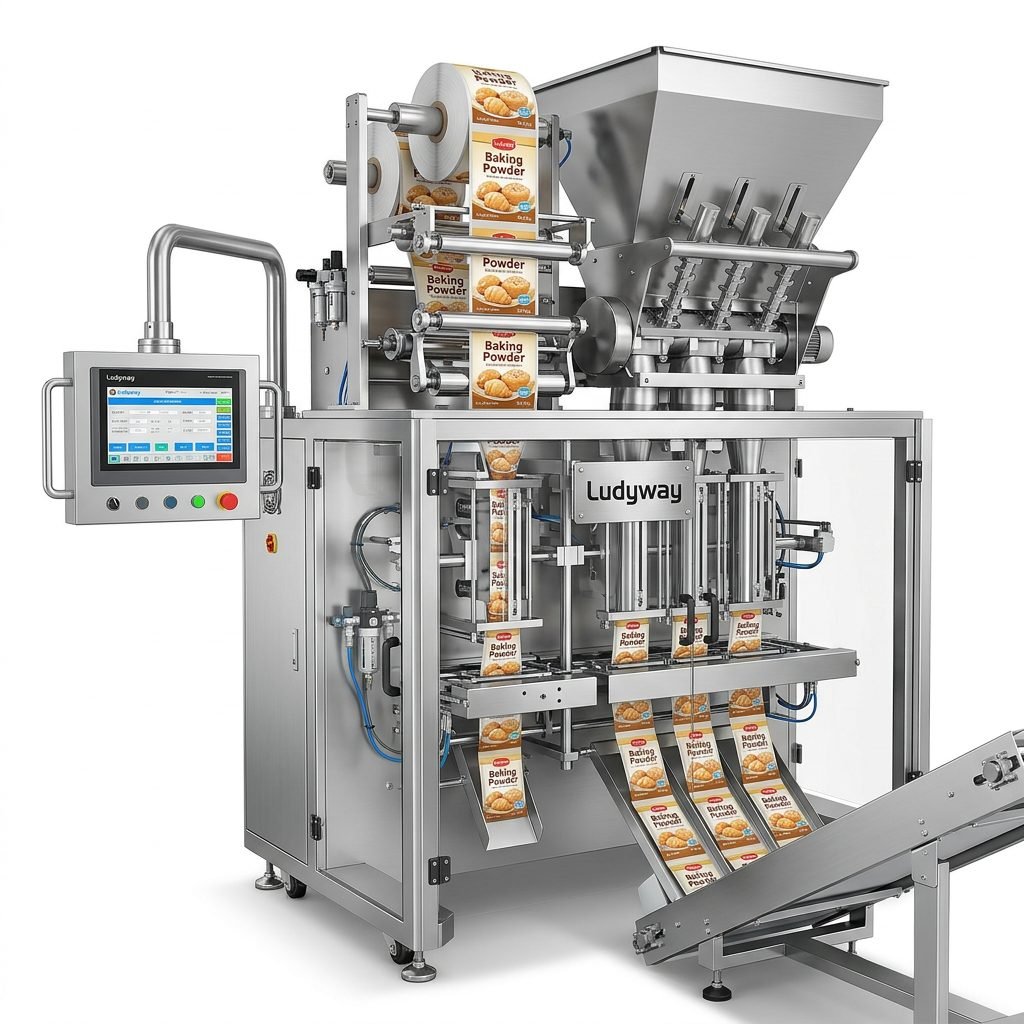
Choosing the right crisp packaging machine is not just about buying equipment—it is about building a packaging process that protects product freshness, improves output, reduces waste, and supports long-term business growth. For snack manufacturers, the right machine can directly affect shelf life, product appearance, sealing reliability, labor efficiency, and customer satisfaction.
Crisps are lightweight, fragile, and highly sensitive to moisture, oxygen, and crushing during packaging. That means snack producers need a solution designed around product protection, speed, consistency, and packaging format flexibility. Whether you run a growing regional snack brand or a large-volume factory, understanding the key selection criteria will help you invest wisely.
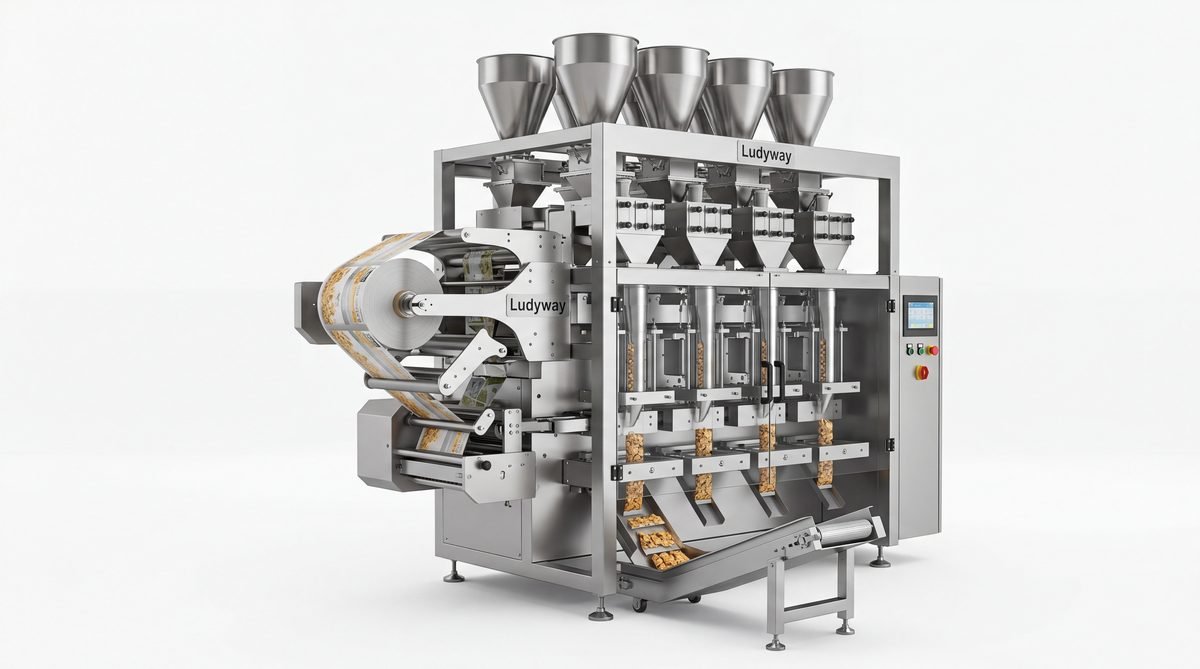
Why Crisp Packaging Requires Specialized Equipment
Unlike dense or free-flowing products, crisps can break easily during feeding, weighing, filling, and sealing. They also lose quality quickly if packaging integrity is poor. A suitable crisp packaging machine should be able to:
- Handle fragile snacks gently to reduce breakage
- Maintain accurate bag weights despite irregular product shape
- Create airtight seals that preserve crunch and flavor
- Support nitrogen flushing when required
- Operate at a speed that matches upstream frying or seasoning lines
- Work with different bag sizes and film structures
In other words, efficient snack packaging is a balance of mechanical precision, product care, and line integration.
Main Types of Crisp Packaging Machines
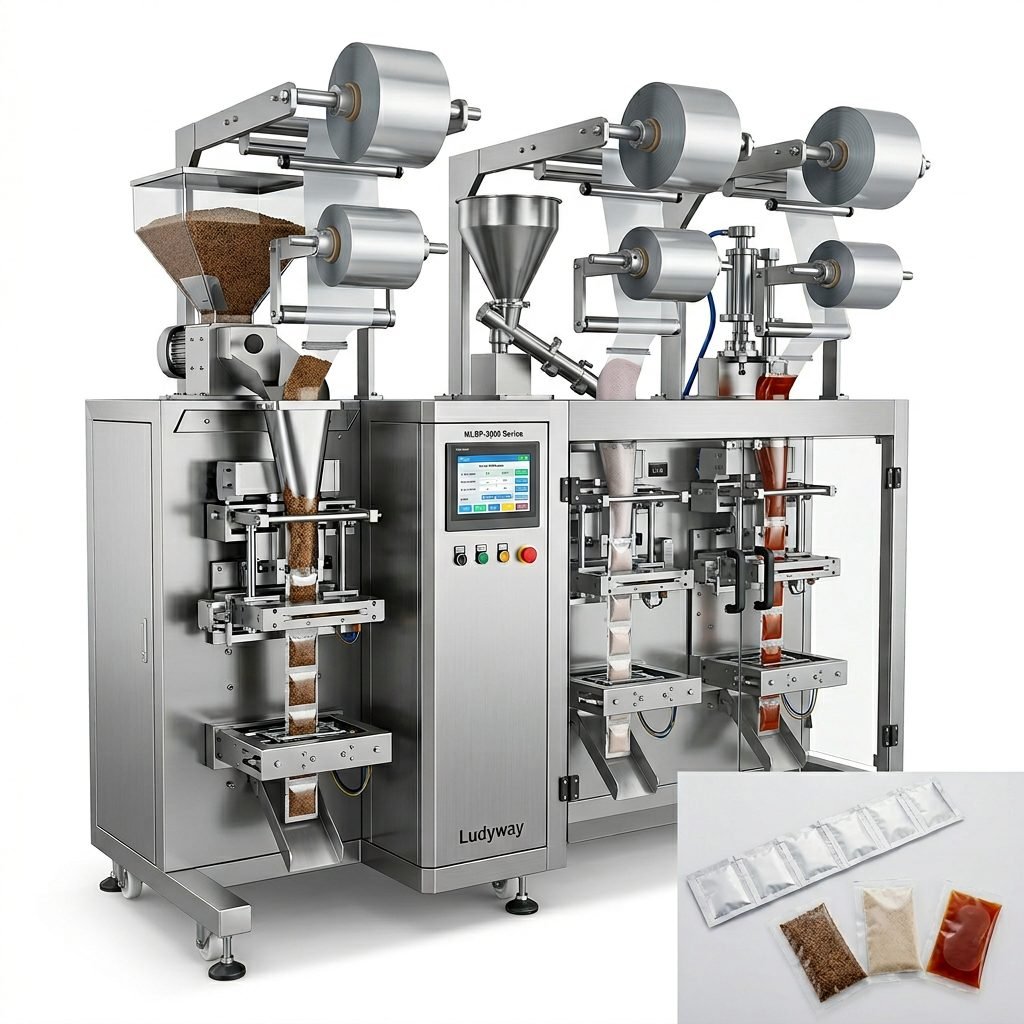
Most crisp manufacturers use automated systems built around weighing, bag forming, filling, sealing, and discharge. The most common options include:
| Machine Type | Best For | Key Advantages |
|---|---|---|
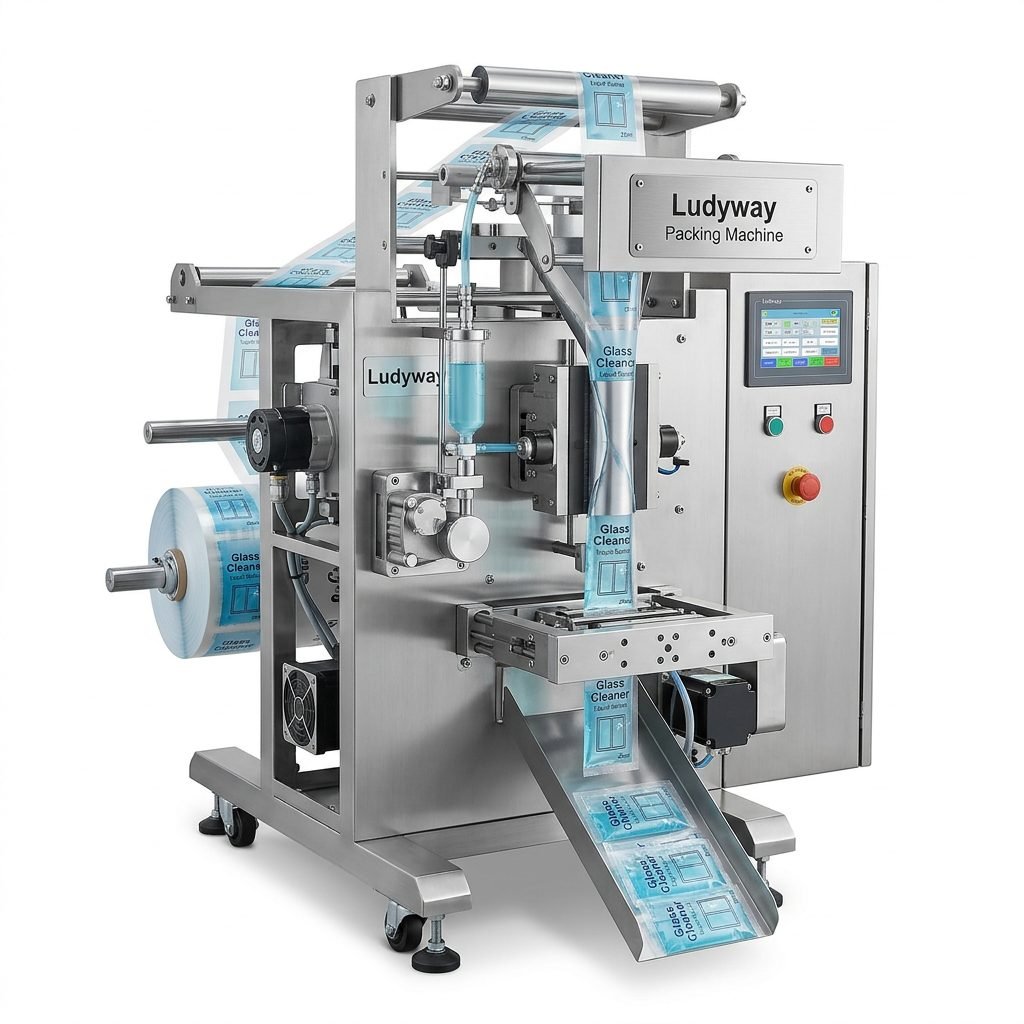
| Vertical Form Fill Seal (VFFS) Machine | Pillow bags, gusset bags, common retail crisp packs | High speed, compact footprint, flexible bag sizes |
| Premade Pouch Packaging Machine | Stand-up pouches, zipper bags, premium snack formats | Better shelf appearance, premium branding, convenient reseal options |
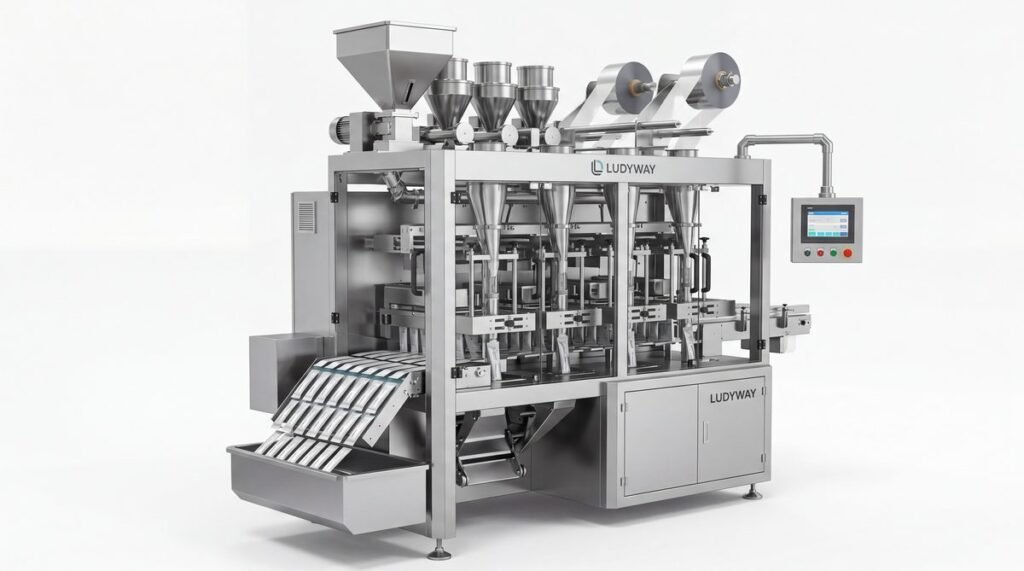
| Multihead Weigher + Bagger System | High-accuracy crisp weighing and fast retail packaging | Excellent accuracy, gentle handling, efficient throughput |
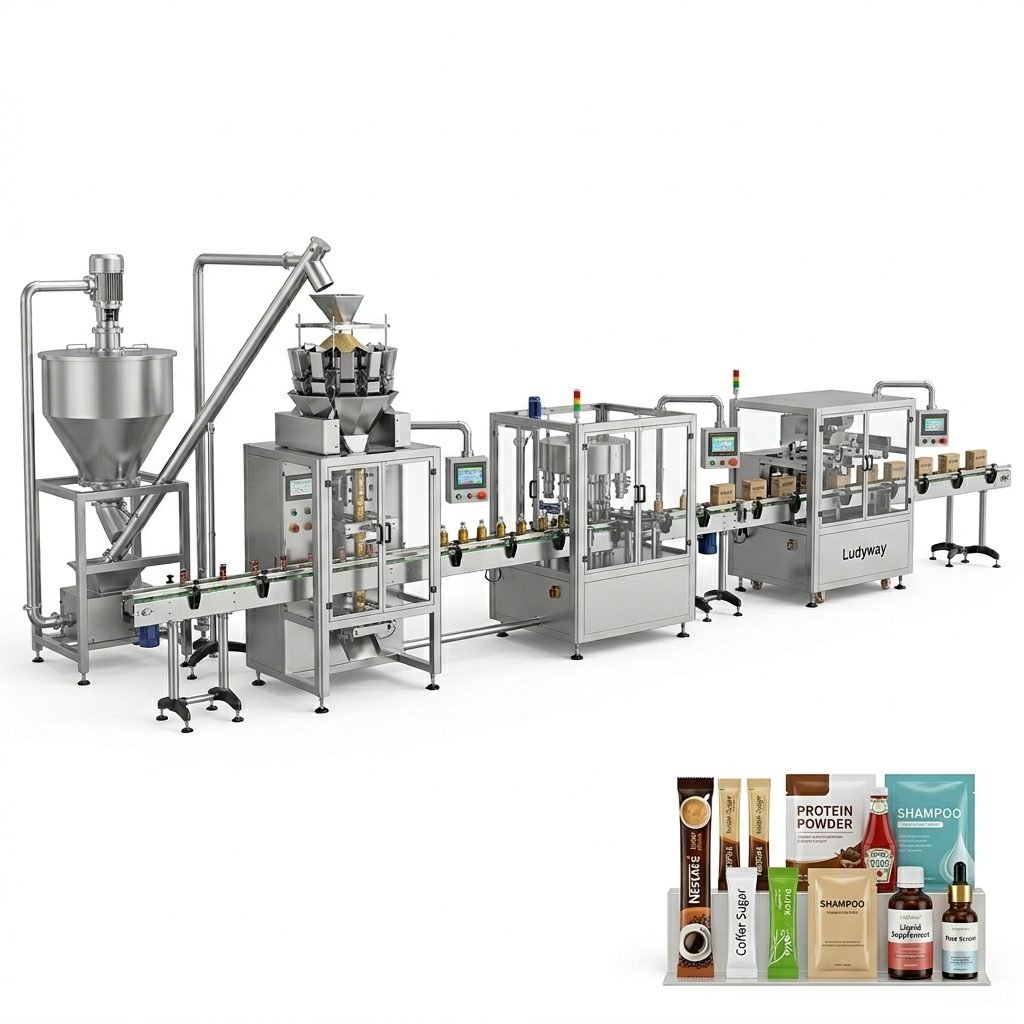
| Turnkey Packaging Line | Integrated production from conveying to secondary packaging | Automation, labor reduction, full-line coordination |
Key Factors to Consider Before Buying
1. Product Characteristics
Not all crisps behave the same way. Potato chips, vegetable crisps, corn snacks, popped snacks, and extruded chips have different densities, oil content, shapes, and breakage sensitivity. Before selecting a machine, define:
- Product size and shape variation
- Fragility level
- Target pack weight
- Oil or seasoning content
- Required shelf life
These details influence feeder design, weigher performance, sealing method, and material compatibility.
2. Packaging Format
Your packaging format should support both operational efficiency and retail goals. Common crisp formats include pillow bags, gusset bags, quad seal bags, and stand-up pouches. If your product is positioned as a premium snack, a premade pouch system may be better. If you need cost-effective, high-volume production, a VFFS crisp packaging machine is often the more practical choice.
3. Output Speed Requirements
Machine speed should match your actual production demand—not just the maximum number shown in a brochure. Consider:
- Current daily production volume
- Expected growth over the next 3–5 years
- Number of shifts
- Downtime for film changes and cleaning
A machine that is too small creates a bottleneck. A machine that is too large may increase cost and reduce return on investment.

4. Weighing Accuracy and Product Protection
For crisps, weighing accuracy is closely linked to profitability. Overfilling increases giveaway, while underfilling risks compliance issues and customer complaints. A good multihead weigher should offer fast response, stable combination performance, and smooth product discharge.
At the same time, the feeding and transfer design should minimize drop height and impact. Gentle handling is essential to preserve pack appearance and reduce crushed product at the bottom of the bag.
5. Nitrogen Flushing and Seal Quality
Crisps usually require strong barrier protection against oxygen and humidity. Nitrogen flushing helps preserve texture, extend shelf life, and create a cushioning effect inside the bag. When evaluating a crisp packaging machine, check whether it supports:
- Stable gas flushing performance
- Consistent sealing temperature control
- Reliable seal integrity at high speed
- Compatibility with laminated snack films
Poor sealing is one of the fastest ways to lose product quality after packaging.
6. Ease of Cleaning and Maintenance
Snack production environments can involve oil, salt, flavor dust, and seasoning residues. The machine should be easy to clean and maintain, especially around product-contact surfaces, sealing areas, and weighing components. Look for features such as:
- Tool-free disassembly where possible
- Accessible contact parts
- Stainless steel construction
- User-friendly HMI controls
- Fast changeover for different bag sizes
7. Integration With the Full Packaging Line
A packaging machine should not be evaluated alone. It needs to fit smoothly with upstream and downstream equipment such as conveyors, seasoning systems, inspection equipment, metal detectors, checkweighers, cartoners, and case packers. If your goal is long-term efficiency, choosing a supplier that understands turnkey packaging line integration can save time and reduce engineering risks.
Essential Features of an Efficient Snack Packaging Solution
| Feature | Why It Matters for Crisps |
|---|---|
| Multihead weighing system | Improves weight accuracy for irregular snack shapes |
| Low-impact product path | Reduces breakage and improves final pack quality |
| Nitrogen flushing option | Helps preserve crispness and extend shelf life |
| Servo-driven film control | Supports stable bag length and better sealing consistency |
| Recipe memory | Speeds up product changeover and reduces setup errors |
| Inspection system compatibility | Supports quality control and regulatory compliance |
How to Match the Machine to Your Business Stage
For Startups and Small Snack Brands
If you are launching a crisp brand or moving from manual to automatic packaging, focus on simplicity, reliability, and scalability. A compact VFFS machine with a suitable weigher may be enough to start efficiently without overinvesting.
For Mid-Sized Manufacturers
If your business is growing, a faster line with better automation can help reduce labor dependency and improve consistency. At this stage, quick changeovers, accurate dosing, and better integration with coding and inspection systems become more important.
For Large Industrial Producers
High-volume factories should think beyond a standalone crisp packaging machine. A complete automated line with intelligent feeding, weighing, bagging, checkweighing, metal detection, case packing, and palletizing can deliver stronger long-term efficiency and lower unit packaging cost.
Questions to Ask a Packaging Machine Supplier
Before making a purchase, ask practical questions that go beyond the quote:
- Has the supplier handled crisp or fragile snack applications before?
- Can they test your real product and packaging film?
- What is the realistic speed under actual production conditions?
- How much product breakage occurs during operation?
- What support is available for installation, training, and after-sales service?
- Can the solution be upgraded as your output grows?
- Do they provide complete line integration if needed?
A dependable supplier should be able to recommend not only a machine, but also a complete packaging strategy based on your product, market, and growth plan.
Common Mistakes to Avoid
- Choosing based only on price rather than total lifecycle value
- Ignoring product fragility and breakage control
- Buying a machine with speed that does not match the full line
- Overlooking seal quality and gas flushing needs
- Failing to consider maintenance accessibility
- Not planning for future SKU expansion or larger output
Why Turnkey Support Can Make a Big Difference
For many snack manufacturers, the most efficient route is working with an experienced packaging equipment partner that can provide both standalone machines and complete automation support. Ludyway crisp packaging machine solutions are backed by more than 30 years of packaging machinery experience, with capabilities covering individual machines and turnkey packaging lines for food and related industries.
This kind of supplier support is especially valuable when your project involves customized bag formats, output expansion, line matching, or export-oriented production requirements.
Final Buying Checklist
| Checkpoint | What to Confirm |
|---|---|
| Product fit | Machine handles crisp shape, density, and fragility properly |
| Bag format | Supports your target retail packaging style |
| Speed | Matches current and future production needs |
| Accuracy | Controls giveaway while maintaining compliance |
| Seal quality | Ensures freshness, shelf life, and pack integrity |
| Automation level | Supports labor savings and production consistency |
| Service support | Supplier offers installation, training, spare parts, and technical help |
The right crisp packaging machine should do more than fill bags quickly. It should help protect snack quality, improve line efficiency, support branding goals, and deliver dependable performance as your business grows. By focusing on product handling, packaging format, speed, sealing, and supplier capability, you can select a solution that creates lasting value rather than short-term convenience.