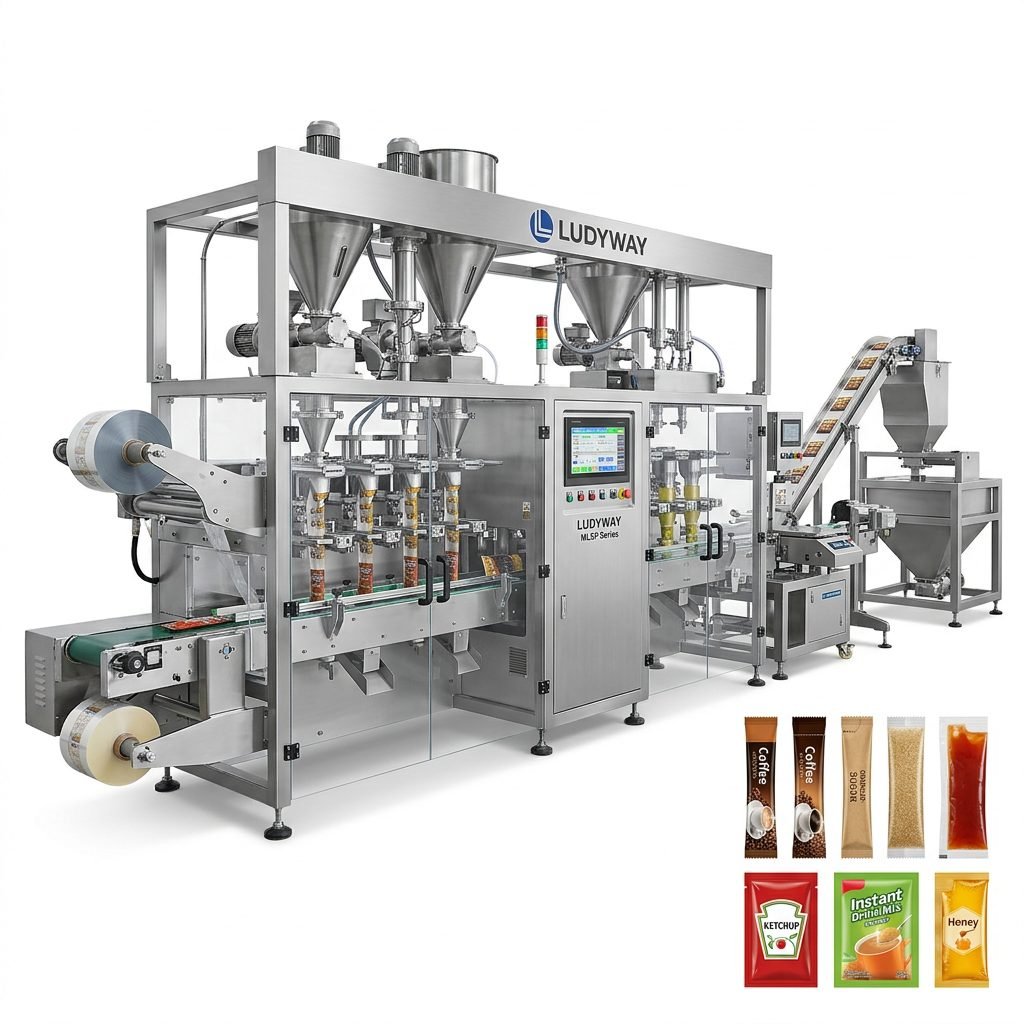
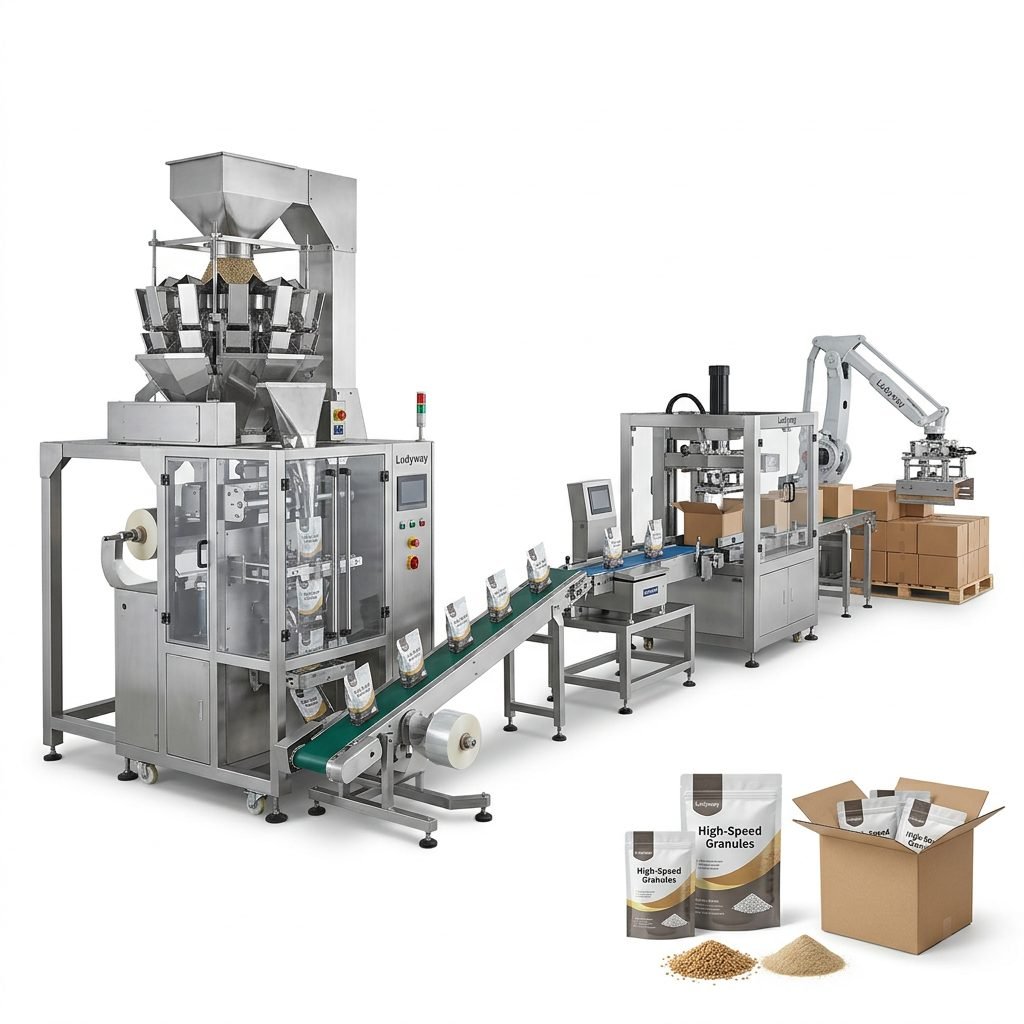
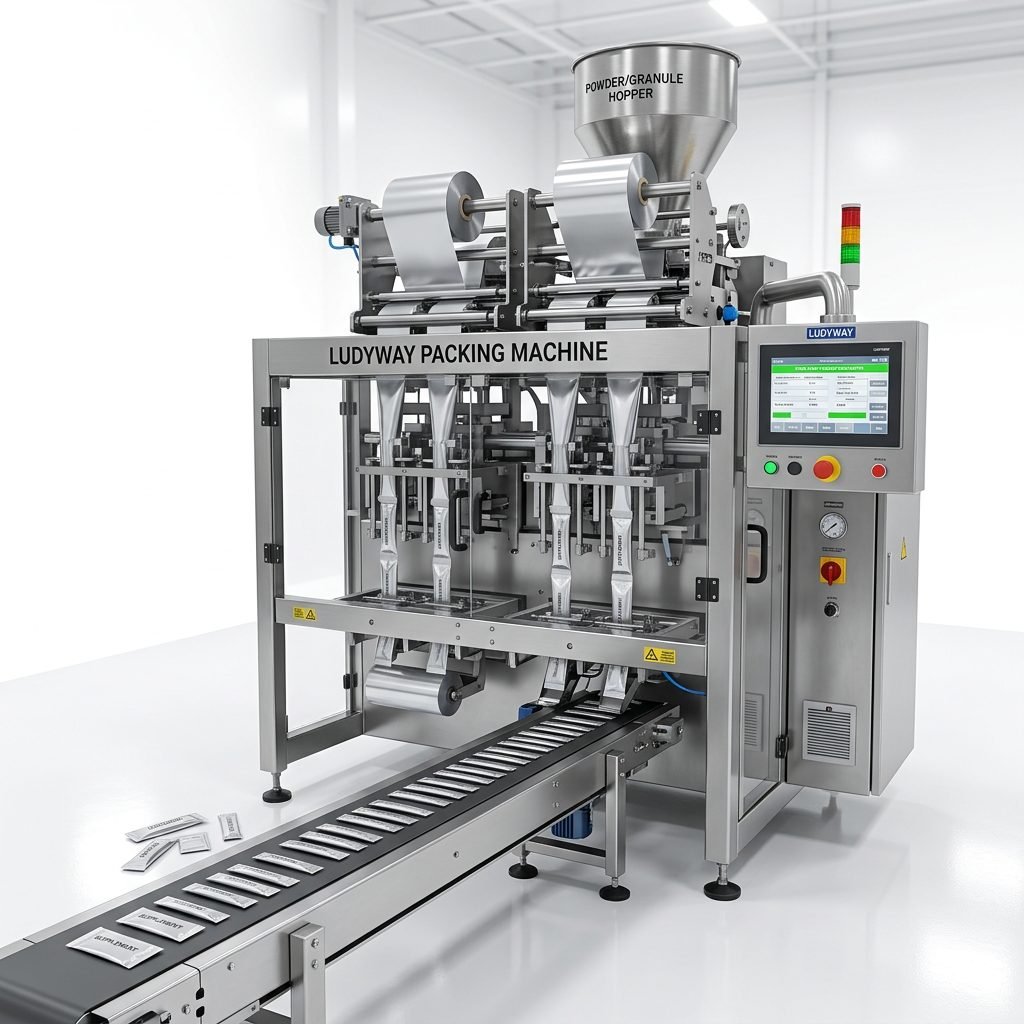
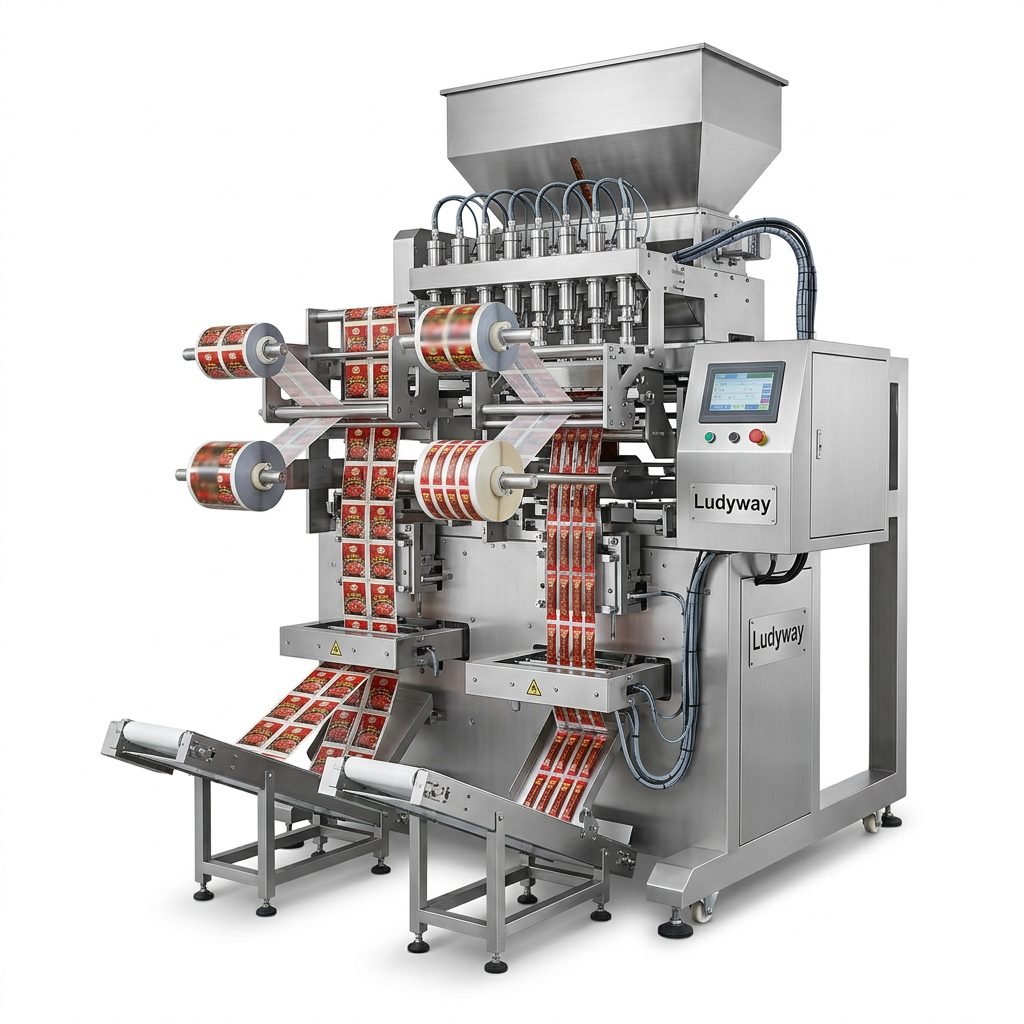
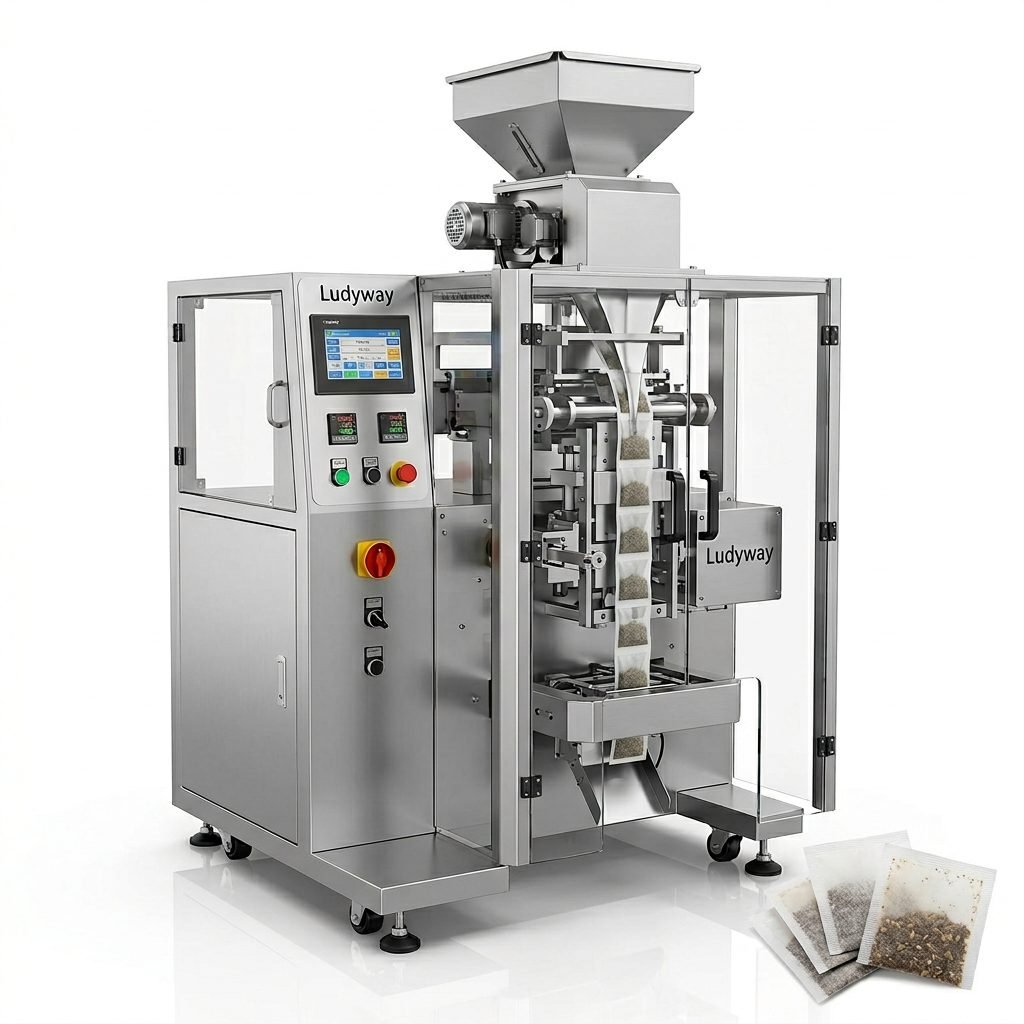
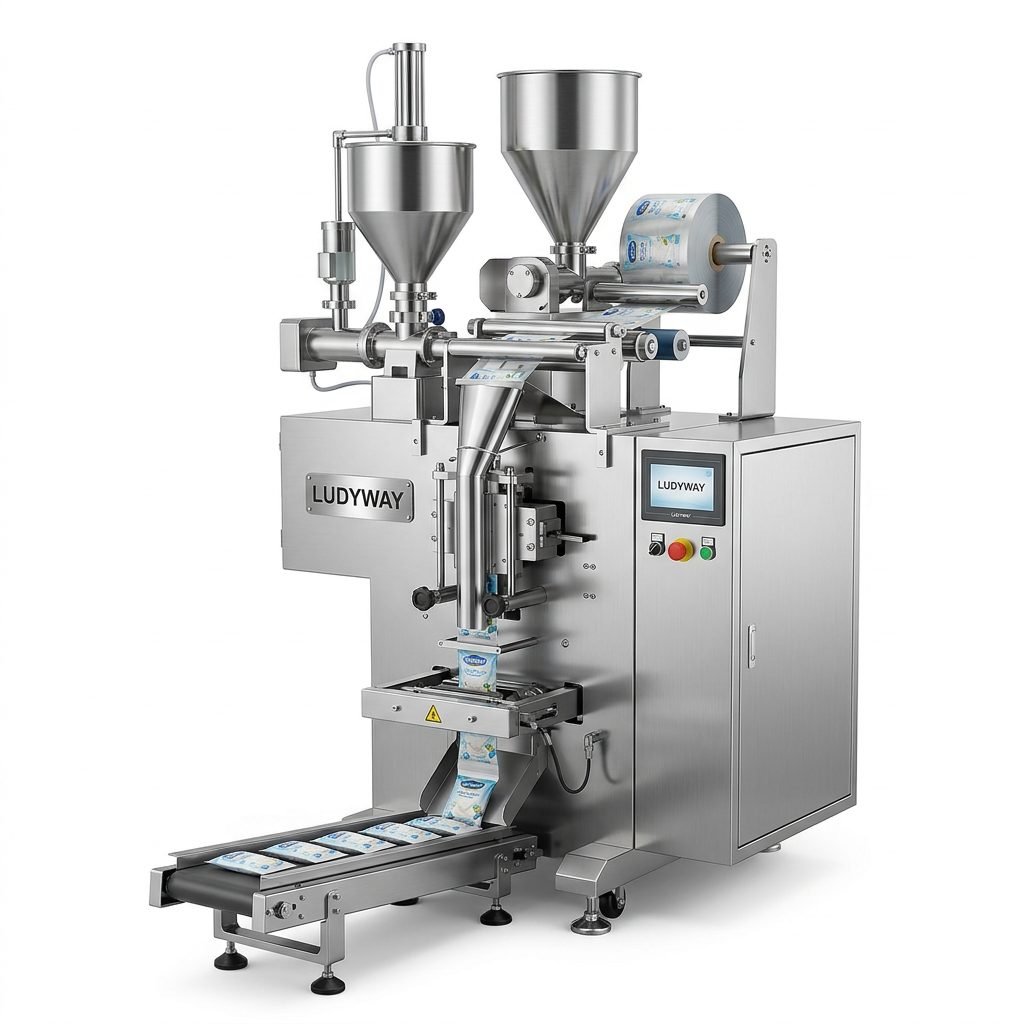
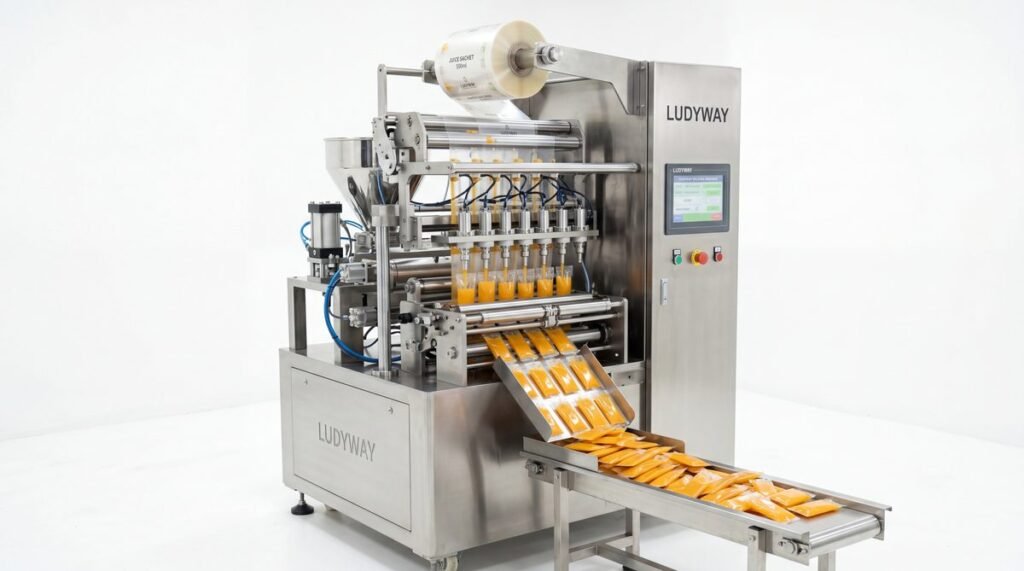
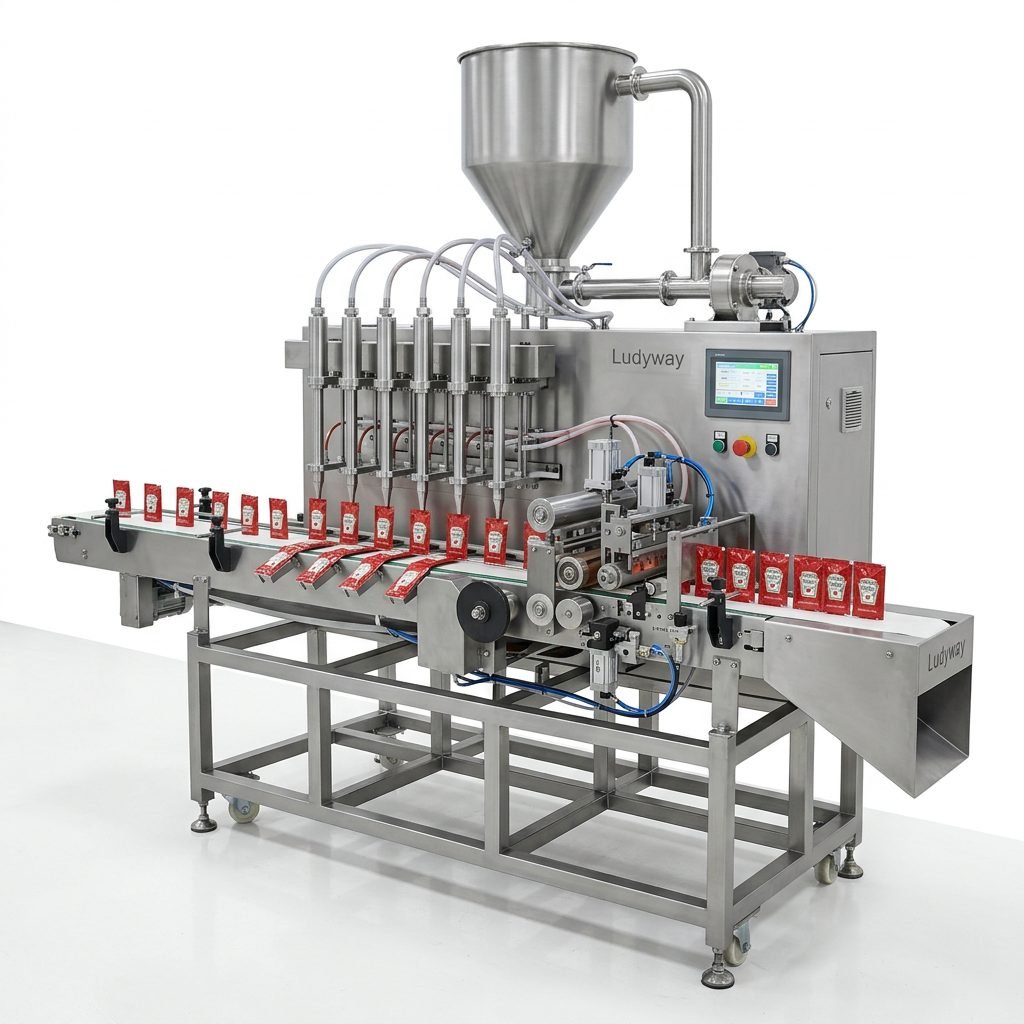
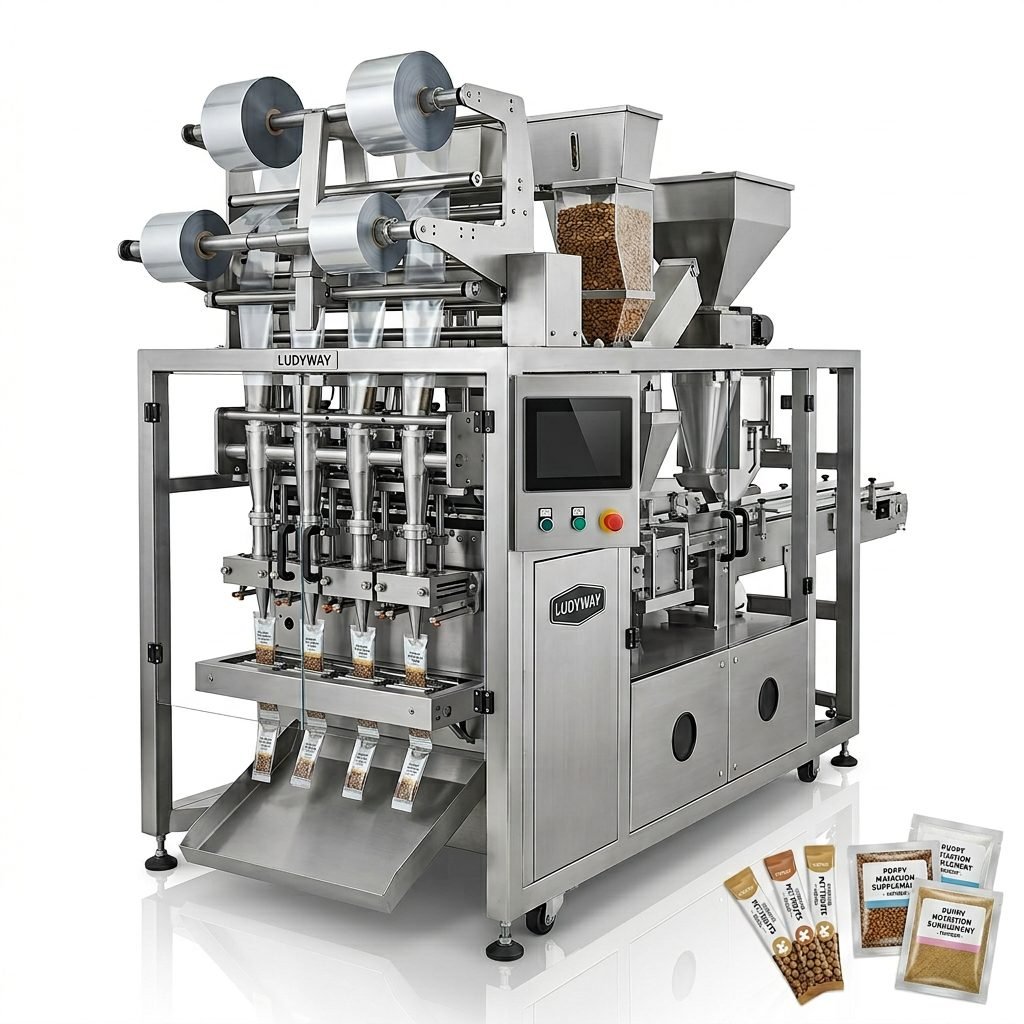
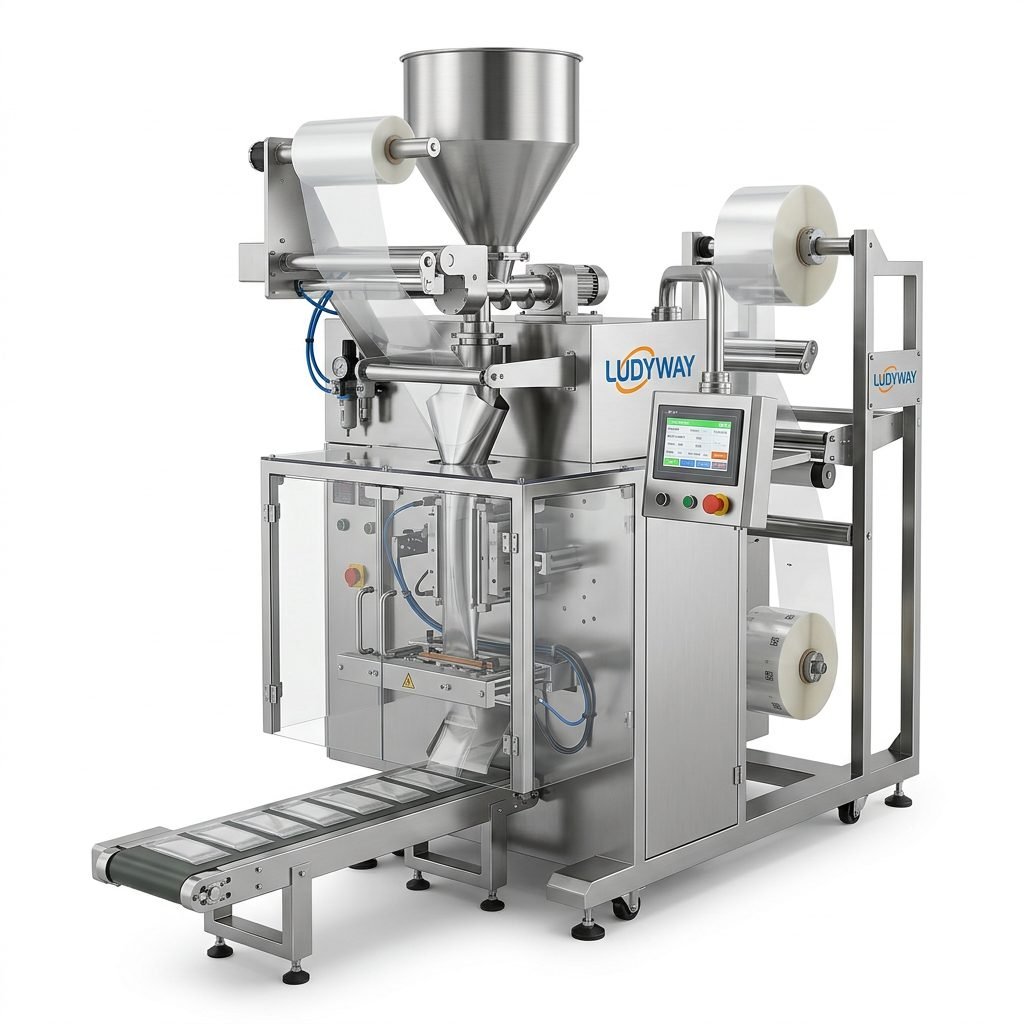
Selecting the right gutkha packing machine is a critical decision that directly impacts your production efficiency, product quality, and long-term operational costs. Gutkha, a smokeless tobacco product with a complex mixture of areca nut, tobacco, lime, and various flavoring agents, presents unique packaging challenges. The finely granulated or powdered product requires precision dosing, hermetic sealing, and packaging machinery capable of handling moisture-sensitive and aromatic materials. This comprehensive buyer’s guide will help you evaluate the key factors and technical considerations before making your investment.
Understanding Gutkha Packaging Requirements
Gutkha packaging differs significantly from standard food or pharmaceutical packaging. The product is typically packaged in small sachets or stick packs ranging from 1 gram to 5 grams, requiring high-speed multi-lane machinery to achieve commercially viable production volumes. The hygroscopic nature of gutkha means that moisture protection is paramount — packaging materials must provide an effective barrier against humidity while maintaining seal integrity throughout the supply chain. Additionally, the aromatic qualities of gutkha necessitate packaging that prevents fragrance loss and cross-contamination between production batches.
Key Factors to Consider When Choosing a Gutkha Packing Machine
Machine Type and Packaging Format
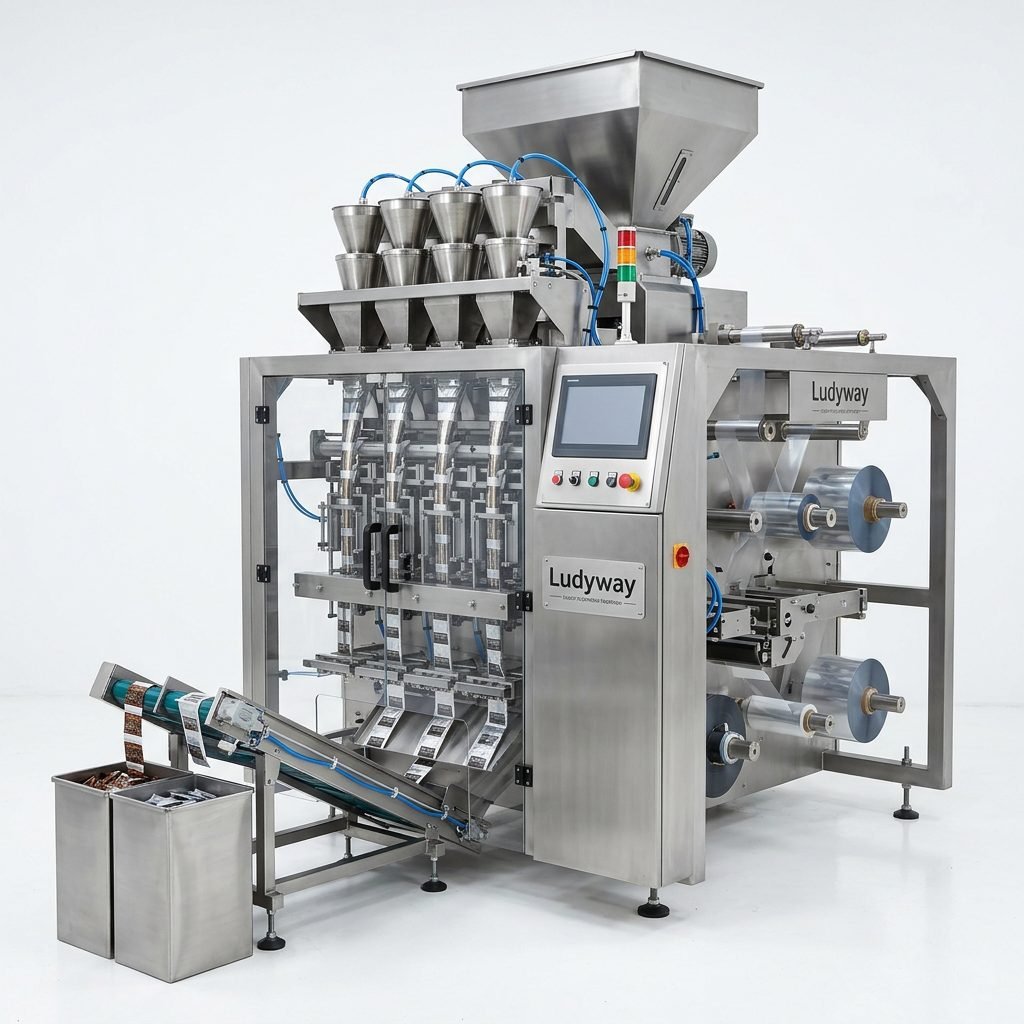
The most common packaging formats for gutkha include stick packs, pillow sachets, and three-side-seal or four-side-seal pouches. Your choice of machine type should align with your target market preferences and distribution channels. Multi-lane stick pack machines are widely used for gutkha because they offer excellent portion control and high production output. For manufacturers seeking flexibility, machines that can switch between different flexible packaging formats provide greater versatility for future product line expansions.
Production Speed and Capacity
Production speed is measured in packs per minute (PPM) per lane. A multi-lane machine with 4 to 12 lanes can produce anywhere from 200 to over 1,000 sachets per minute depending on the lane configuration and filling mechanism. When evaluating speed requirements, consider not just your current production needs but also your projected growth over the next 3-5 years. Undersized machinery can become a bottleneck, while oversized equipment may result in unnecessary capital expenditure and operational inefficiency.
Dosing and Filling Accuracy
Gutkha products require precise volumetric or gravimetric dosing to ensure consistent product weight in each sachet. Dosing accuracy directly affects regulatory compliance, product quality, and profitability — overfilling leads to product giveaway, while underfilling risks non-compliance with labeled net weight requirements. Auger fillers, vibratory feeders, and multi-head weighers are common dosing mechanisms, each suited to different product flow characteristics and accuracy requirements.
Material Compatibility and Seal Integrity
Packaging materials for gutkha typically include multi-layer laminated films with aluminum foil barriers for moisture and oxygen protection. The sealing system must be capable of creating consistent, hermetic seals at high speeds without damaging the packaging material. Temperature-controlled sealing jaws with precise pressure regulation are essential features to look for. Poor seal integrity can lead to product spoilage, aroma loss, and consumer complaints — issues that are particularly damaging in competitive consumer goods markets.
Automation Level and Integration
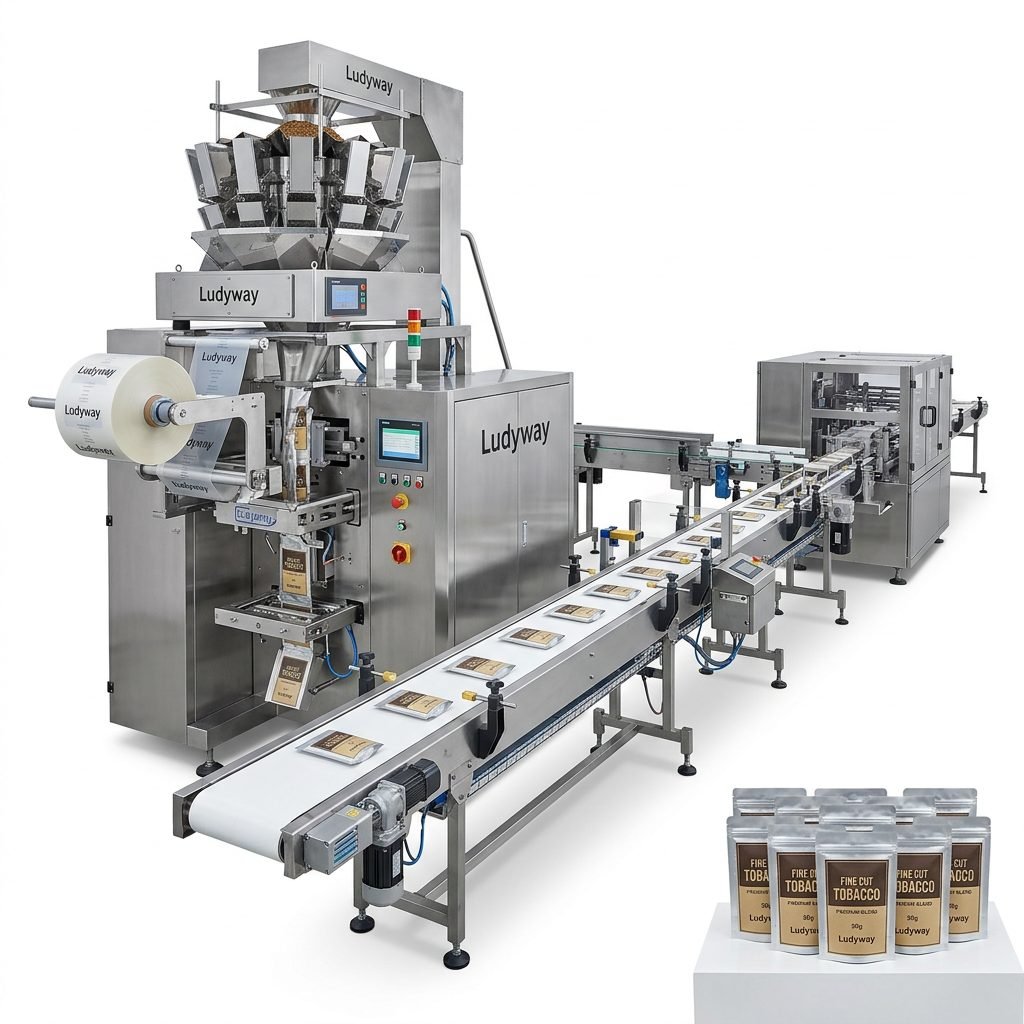
Modern gutkha packaging lines can incorporate a range of automated functions beyond basic filling and sealing, including automatic feeding systems, date coding, inspection and rejection systems, cartoning, and palletizing. Consider whether you need a standalone machine or a fully integrated packaging line that can connect multiple stages of production. Higher automation levels reduce manual labor requirements and improve consistency but require a larger initial investment.
Technical Specifications That Matter
When comparing different gutkha packing machines, it is essential to evaluate their technical specifications against your production requirements. The following table summarizes the key parameters you should assess:
| Specification | Typical Range | Importance for Gutkha |
|---|---|---|
| Number of Lanes | 4 – 12 lanes | Directly determines total output capacity |
| Production Speed | 30 – 80 PPM per lane | Must match production volume targets |
| Filling Range | 1 g – 20 g per sachet | Critical for portion accuracy and compliance |
| Dosing Accuracy | ±1% – ±3% | Affects product consistency and profitability |
| Packaging Film Width | 60 mm – 300 mm | Must match sachet dimensions and format |
| Sealing Temperature | 100°C – 250°C | Essential for hermetic seal integrity |
| Power Requirements | 3 kW – 15 kW | Impacts operational energy costs |
| Machine Footprint | 2 m² – 10 m² | Must fit available factory floor space |
Compliance and Quality Standards
Gutkha packaging machinery should comply with applicable ISO packaging standards and local regulatory requirements. For manufacturers exporting to multiple markets, equipment that can be configured to meet international certifications is especially valuable. Key considerations include:
- GMP compliance for machines used in facilities that follow Good Manufacturing Practices
- CE marking or equivalent certifications for equipment destined for European markets
- Food-grade materials for all product contact parts, typically 304 or 316 stainless steel
- Dust control systems to manage fine particles during the filling process and protect operator safety
- Easy cleanability with tool-free disassembly for product contact components to facilitate changeovers and sanitation
Budget and ROI Considerations
The capital cost of a gutkha packing machine varies significantly based on lane count, automation level, and customization requirements. A basic multi-lane sachet machine may start at a lower investment level, while fully automated turnkey lines with integrated cartoning and palletizing can represent a substantially larger capital outlay. When calculating return on investment (ROI), consider not only the purchase price but also factors such as reduced labor costs, lower product giveaway through improved dosing accuracy, higher production throughput, and decreased downtime due to reliable equipment. Maintenance costs, spare parts availability, and expected machine service life should also factor into your total cost of ownership analysis.
Choosing the Right Packaging Machinery Partner
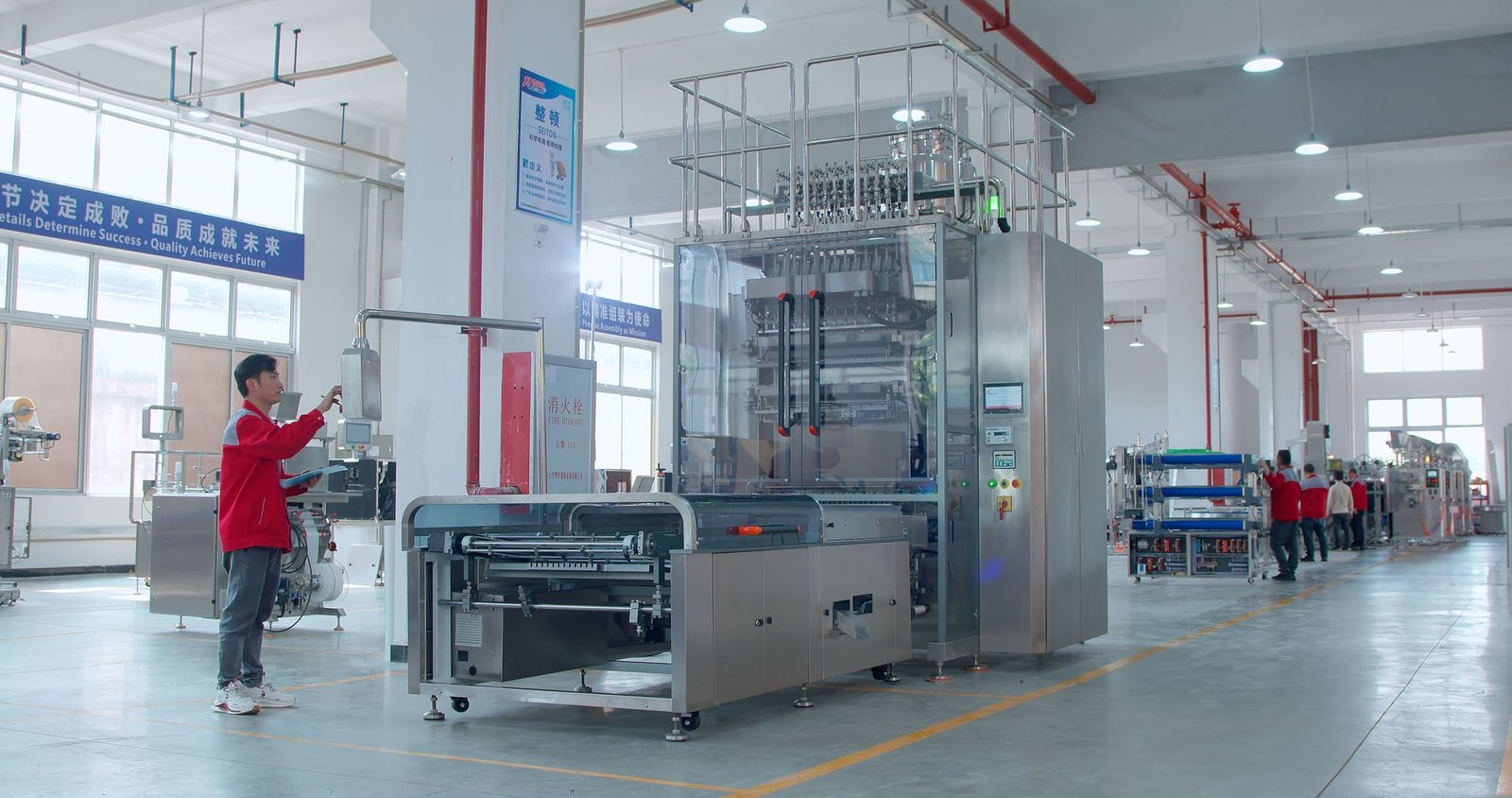
Selecting the right equipment supplier is as important as choosing the right machine specifications. Look for a manufacturer with demonstrated experience in the packaging industry, a track record of successful installations, and the ability to provide technical support throughout the machine’s lifecycle. Ludyway Machinery is a China-based packaging machinery manufacturer and turnkey packaging solution provider with more than 30 years of experience, operating from a 20,000-square-meter manufacturing facility with over 130 professionals and more than 50 packaging machine models. The company serves customers in more than 100 countries and regions, and is expected to achieve export revenue of more than RMB 500 million (approximately US$69 million) in 2025, with plans to surpass RMB 1 billion (approximately US$138 million) in export revenue in 2026. A reliable partner should also offer comprehensive after-sales support, including installation, commissioning, operator training, and spare parts supply.
Key Questions to Ask Before Purchasing
Before finalizing your decision, ask potential suppliers these critical questions to ensure their equipment meets your specific needs:
- Can the machine handle my specific gutkha formulation, including particle size distribution, moisture content, and flow characteristics?
- What is the actual demonstrated speed with my product, not just the theoretical maximum?
- How quickly can changeovers between different sachet sizes be completed, and what is involved?
- What packaging materials have been validated with the machine, and can I use my existing film suppliers?
- What is the expected lifespan of critical wear components such as sealing jaws, cutting blades, and filling augers?
- What warranty coverage is included, and what are the terms for extended service agreements?
- Is remote diagnostics and technical support available for troubleshooting?
Conclusion
Investing in the right gutkha packing machine requires a thorough evaluation of production requirements, technical specifications, quality standards, and supplier capabilities. By carefully assessing factors such as packaging format, production speed, dosing accuracy, seal integrity, and automation level, you can select equipment that delivers consistent performance and supports your long-term business growth. Partnering with an experienced packaging machinery manufacturer that offers customized solutions and reliable technical support will help ensure that your investment delivers maximum value over the full equipment lifecycle. Take the time to visit supplier facilities when possible, test your actual product on demonstration machines, and speak with existing customers before making your final decision.
Article resources: PMMI – The Association for Packaging and Processing Technologies | Flexible Packaging Association | ISO Packaging Standards