Investing in a packaging machine is a significant decision for any manufacturer. The right equipment can dramatically improve production efficiency, reduce labor costs, and ensure product consistency. However, with so many machine types, configurations, and suppliers available, the selection process can feel overwhelming. This guide walks you through the essential factors to evaluate when choosing a packaging machine that aligns with your operational goals, product characteristics, and budget.

1. Define Your Product Characteristics First
Before comparing machine specifications, start with a thorough analysis of the product you intend to package. Different products demand different filling and dosing technologies.
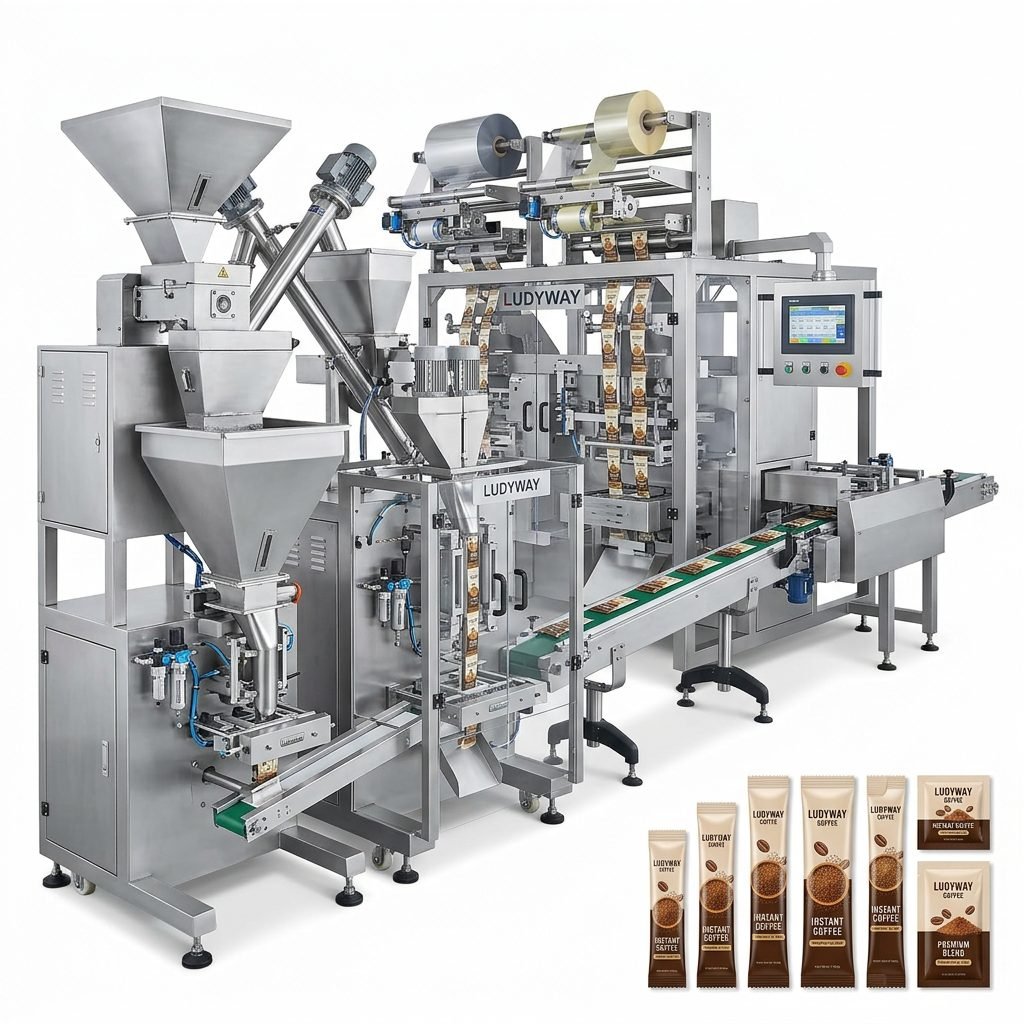
- Powders: Consider flowability, bulk density, dust generation, and moisture sensitivity. Fine powders like spices or pharmaceutical ingredients often require auger fillers or vacuum-based dosing systems.
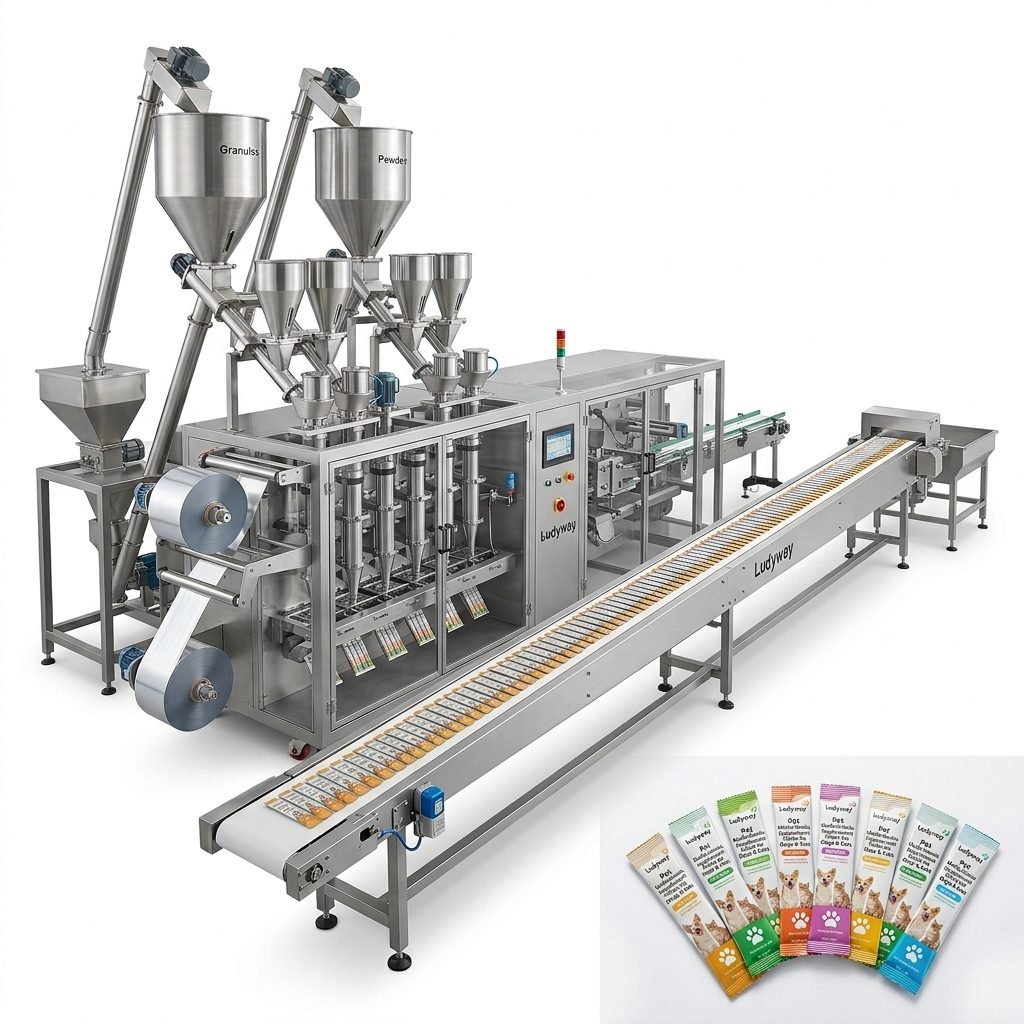
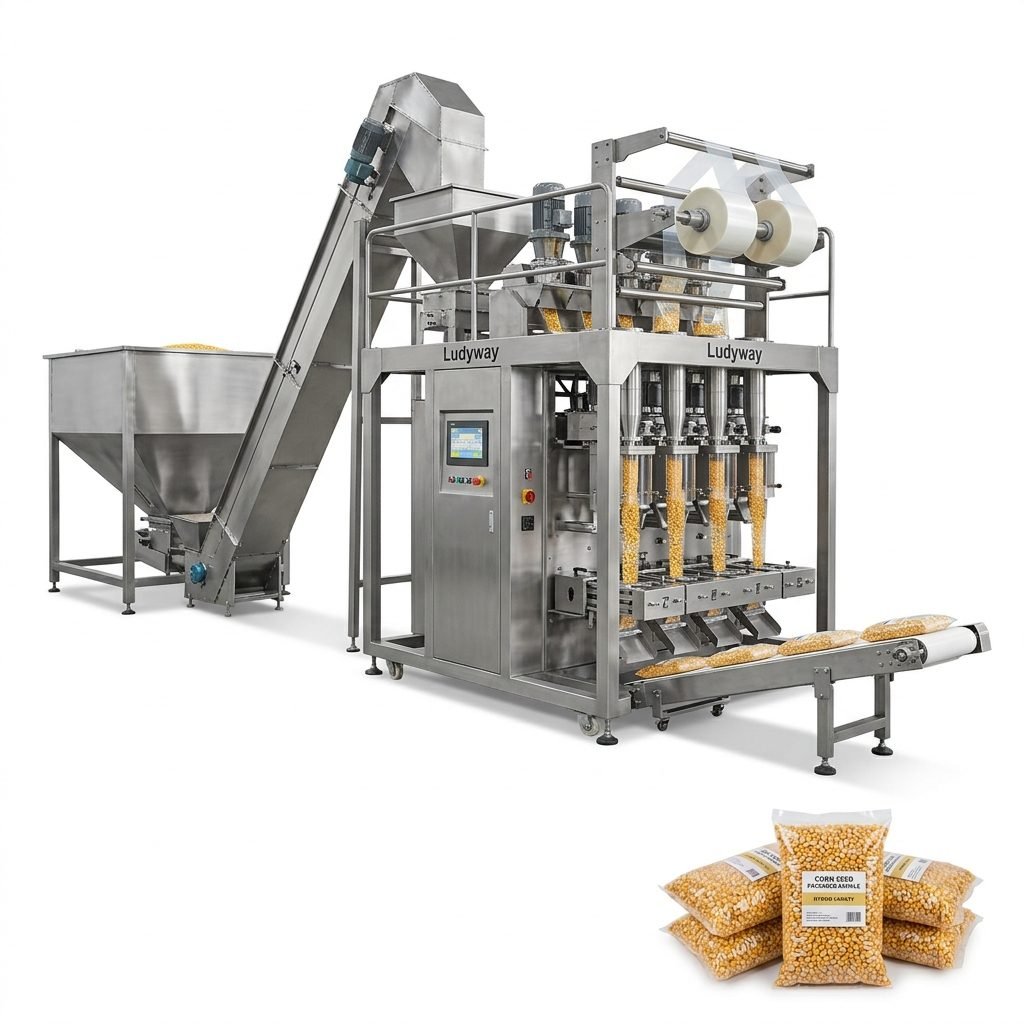
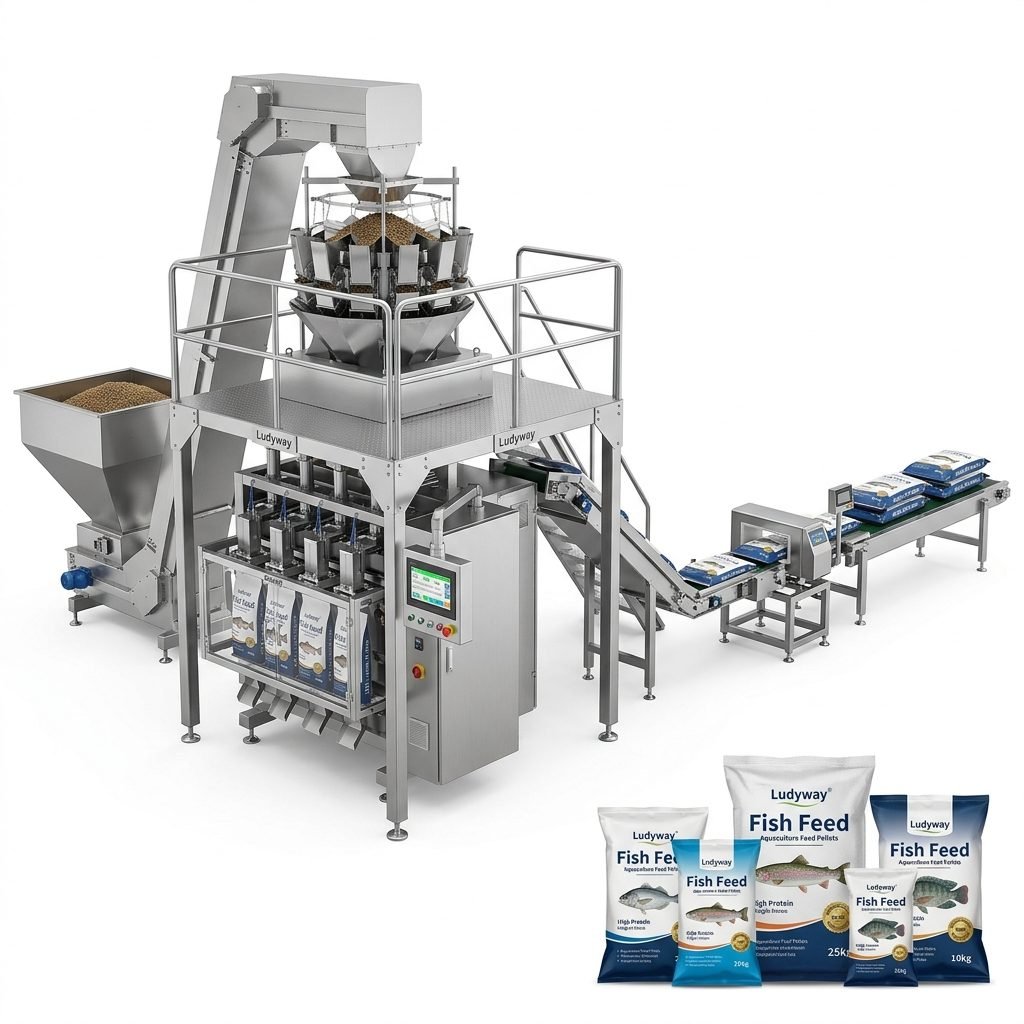
- Granules: Particle size distribution and abrasiveness matter. Free-flowing granules such as sugar, rice, or pet food pellets work well with volumetric cup fillers or multi-head weighers.
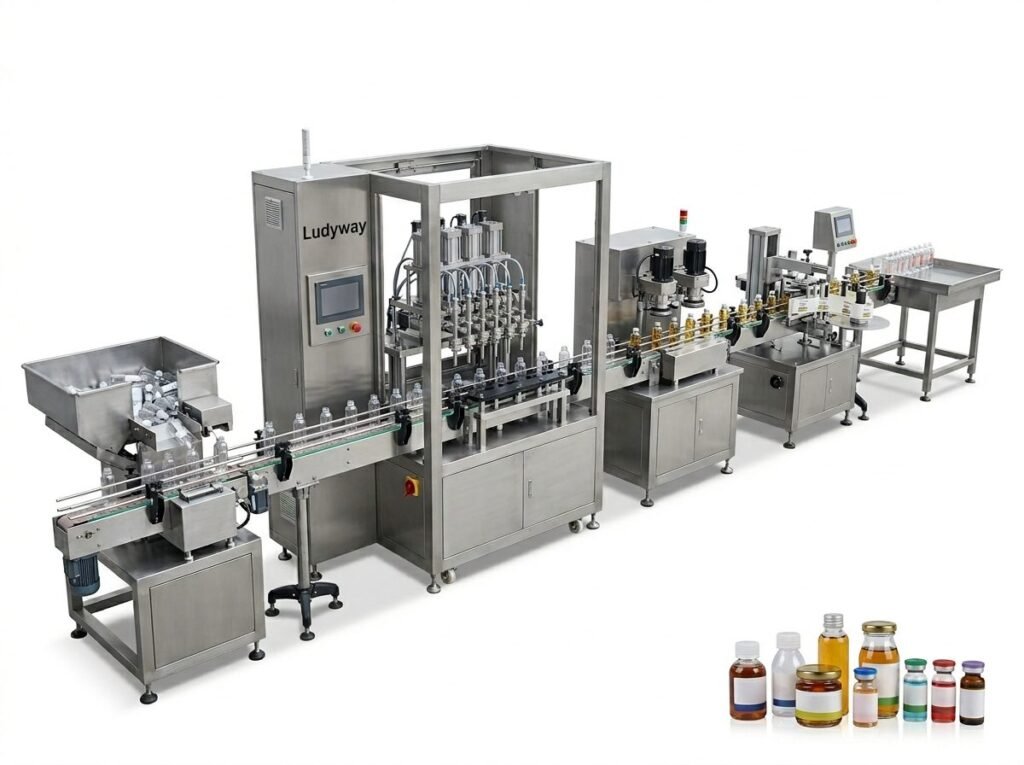
- Liquids: Viscosity, foam tendency, and temperature sensitivity dictate pump selection—piston fillers, peristaltic pumps, or gravity-fed systems each serve different liquid profiles.
- Pastes and Gels: High-viscosity products require positive-displacement filling mechanisms capable of handling thicker consistencies without clogging.
According to packaging machinery market research from PMMI, matching the dosing system to product rheology is one of the most critical factors affecting fill accuracy and line uptime.
2. Determine Your Target Packaging Format
Packaging formats directly influence machine configuration. Today’s flexible packaging landscape offers several popular options, each suited to different market segments and consumer preferences.
| Packaging Format | Best Suited For | Typical Products |
|---|---|---|
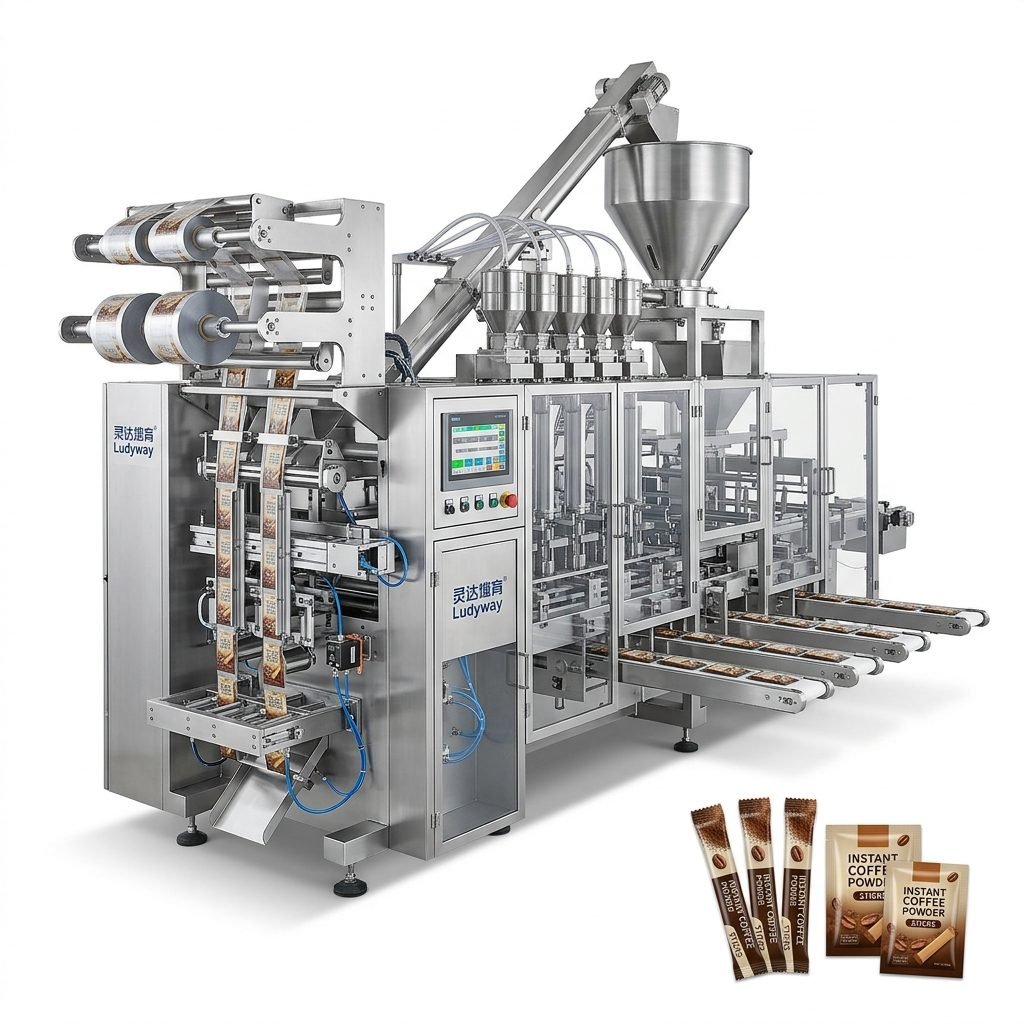
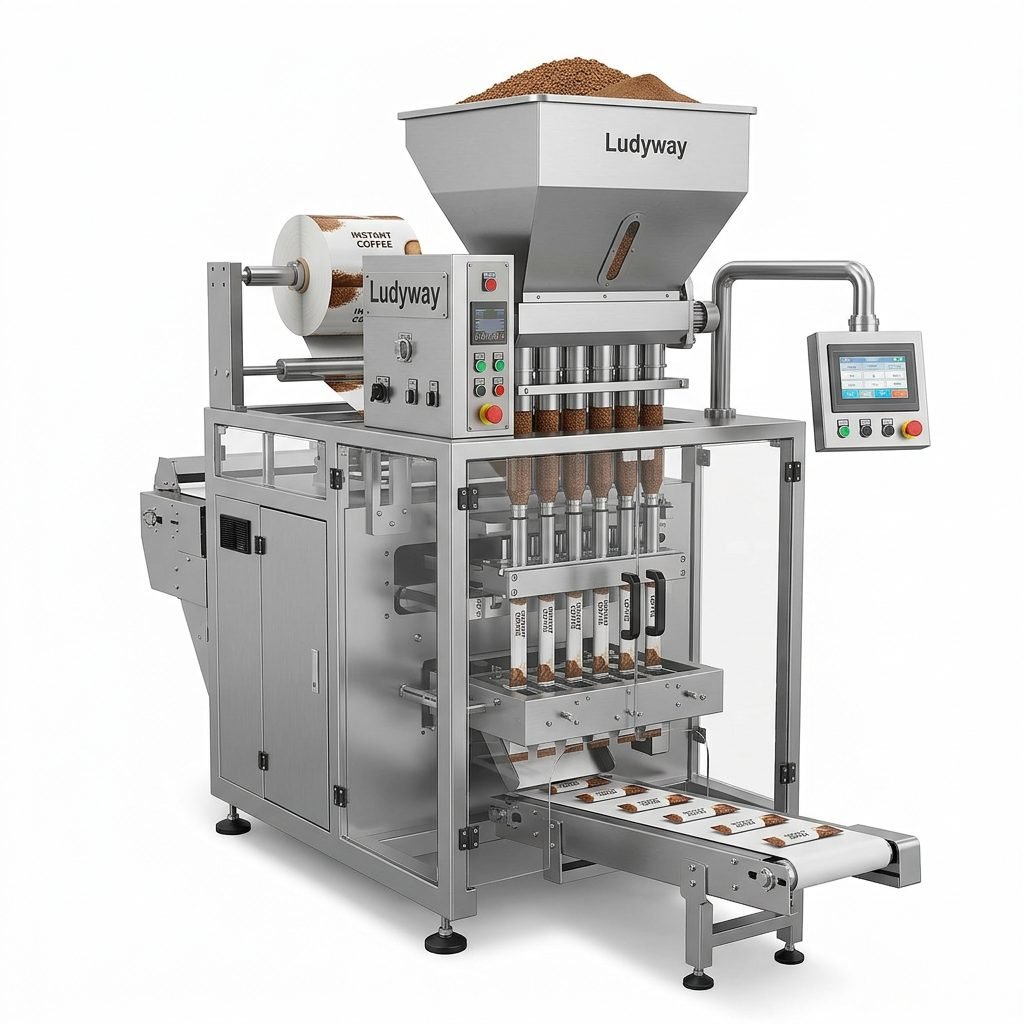
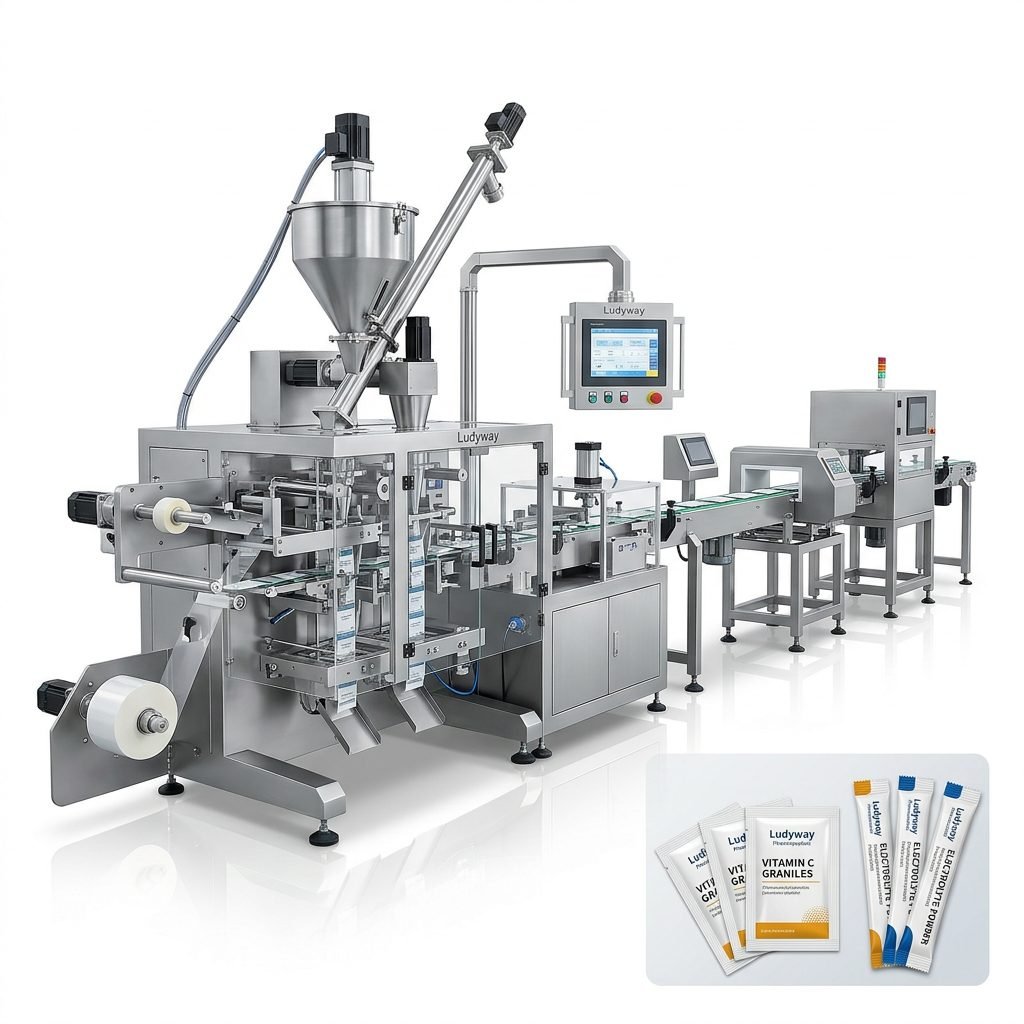
| Stick Pack | Single-serve convenience, on-the-go consumption | Instant coffee, sugar, protein powder, pharmaceutical powders |
| Sachet | Sample sizes, single-use applications, promotional packs | Shampoo, ketchup, seasoning, skincare samples |
| Flat Pouch | Retail display, resealable applications, larger volumes | Snacks, pet food, frozen foods, dry goods |
| Stand-Up Pouch | Premium shelf presence, larger fill volumes | Coffee beans, granola, liquid detergents, pet treats |
The Flexible Packaging Association reports that stick pack and sachet formats continue to gain market share due to portion-control trends and e-commerce growth.
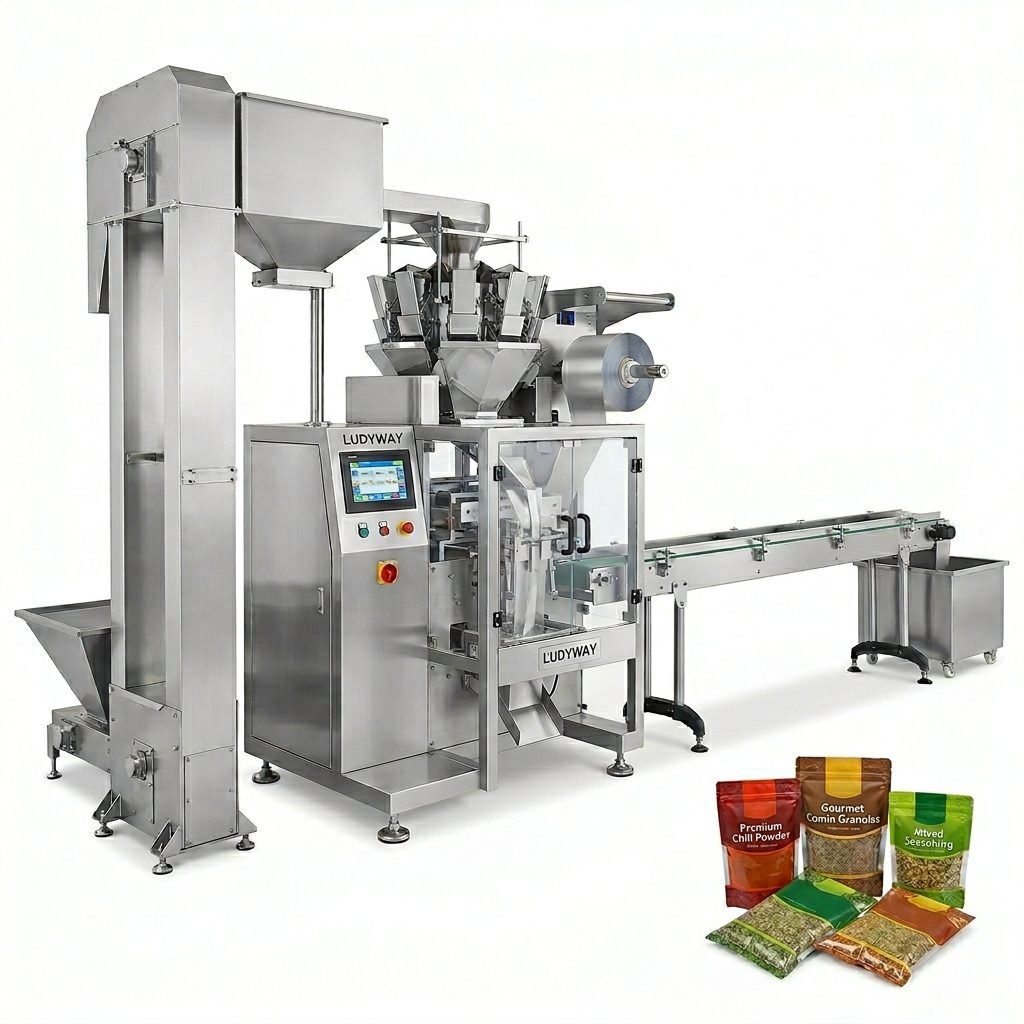
3. Calculate Your Required Production Speed
Production throughput—measured in packs per minute (ppm)—is a pivotal specification. Understanding your current and projected output needs prevents both under-investment and over-spending.
Multi-lane machines can significantly increase output without proportionally increasing floor space. A single-lane stick pack machine might produce 40–80 ppm, while a 4-lane or 6-lane configuration can deliver 200–400 ppm. When evaluating speed, also factor in:
- Changeover time between product runs
- Film splicing downtime
- Planned maintenance intervals
- Operator skill level and training requirements
4. Assess Automation and Integration Capabilities
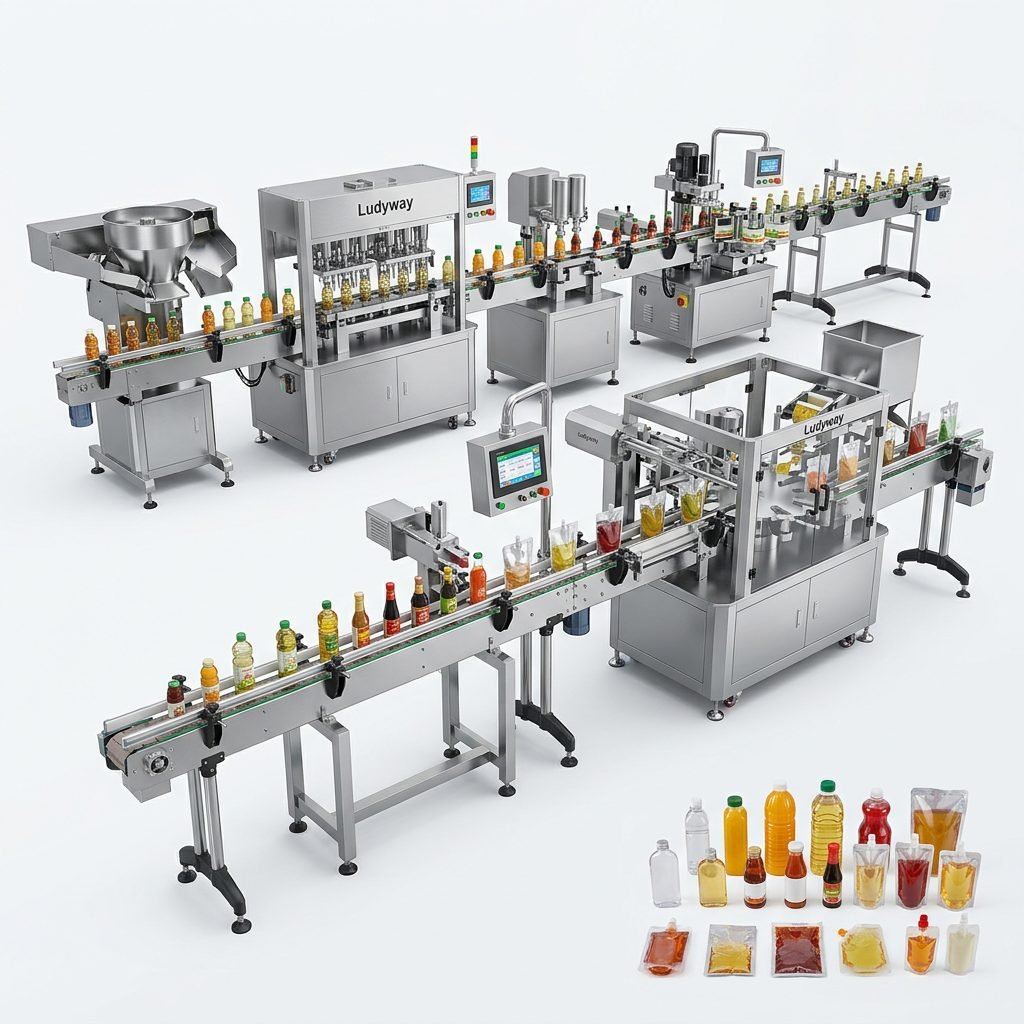
Modern packaging lines extend far beyond the primary filling and sealing machine. Consider whether you need a standalone unit or a fully integrated turnkey packaging line that connects multiple stages of production.
Key automation modules to evaluate include:
- Automatic feeding systems — vibratory feeders, screw conveyors, or bucket elevators for bulk material handling
- Multi-head weighers or auger fillers — precision dosing for target weight compliance
- In-line printing and coding — thermal transfer printers, inkjet coders, or laser markers for batch tracking
- Checkweighing and metal detection — quality assurance and regulatory compliance
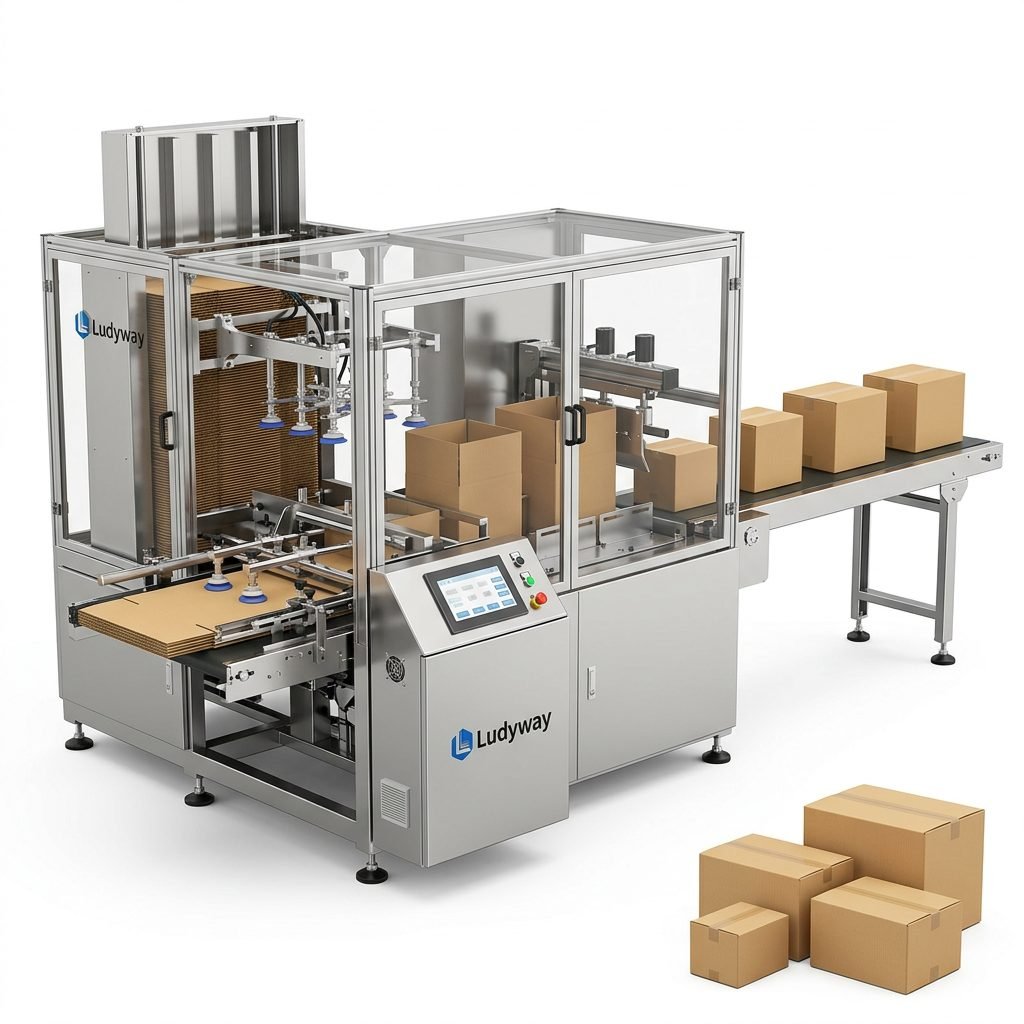
- Cartoning and case packing — secondary packaging for distribution-ready output
- Palletizing systems — robotic or conventional palletizing for end-of-line automation
Seamless integration between these modules reduces manual handling, minimizes contamination risk, and improves overall equipment effectiveness (OEE).
5. Evaluate Compliance with Quality and International Standards
Regulatory compliance is non-negotiable, especially for manufacturers serving food, pharmaceutical, and medical device industries. Verify that prospective machines can be configured to meet applicable standards.
- FDA compliance — for food-contact materials and packaging in the U.S. market; refer to FDA Food Packaging and Food Contact Substances guidelines
- GMP (Good Manufacturing Practices) — essential for pharmaceutical and nutraceutical packaging
- ISO 11607 — ISO packaging standards for terminally sterilized medical devices
- CE marking — required for machinery sold within the European Economic Area
- UL certification — electrical safety for North American markets
Request documentation upfront, including certificates of compliance, material traceability records, and validation protocols where applicable.
6. Prioritize Customization and Engineering Support
Off-the-shelf machines rarely meet every manufacturer’s exact needs. Product characteristics, packaging materials, factory layouts, and automation requirements vary significantly. A supplier with in-house engineering capabilities can tailor machine configurations to your specific application rather than forcing your process to fit a standard design.
For example, Ludyway Machinery—a China-based packaging machinery manufacturer with more than 30 years of industry experience and over 50 packaging machine models—provides customized engineering solutions spanning powder, granule, liquid, stick pack, sachet, and pouch applications. With a manufacturing facility exceeding 20,000 square meters and a team of over 130 professionals, the company supports manufacturers in more than 100 countries. Ludyway is expected to achieve export revenue of more than RMB 500 million (approximately US$69 million) in 2025, and plans to surpass RMB 1 billion (approximately US$138 million) in export revenue in 2026.

7. Compare Suppliers with a Structured Evaluation Framework
Not all packaging machine suppliers offer the same level of quality, support, and long-term value. Use a structured comparison approach when shortlisting potential partners.
| Evaluation Criterion | Key Questions to Ask |
|---|---|
| Industry Experience | How many years has the supplier served your industry? Can they provide case studies or references? |
| Manufacturing Capability | What is the size of their production facility? Do they manufacture core components in-house? |
| Customization Options | Can they modify machine configurations for your specific product and packaging requirements? |
| After-Sales Support | What is their spare parts availability, response time, and remote technical assistance capability? |
| Global Reach | Do they have experience exporting to your region? Can they provide installation and commissioning support locally? |
| Certifications | Which international standards and certifications can they comply with for your target market? |
For deeper insights into industry trends and supplier benchmarks, the PMMI State of the Industry 2025 report offers valuable data on packaging machinery market dynamics.
8. Factor in Total Cost of Ownership
The purchase price is only one component of the total investment. A comprehensive total cost of ownership (TCO) analysis includes:
- Initial capital expenditure — machine cost, shipping, import duties, and installation
- Operating costs — energy consumption, consumables (packaging film, ink, lubricants), and labor
- Maintenance and spare parts — routine servicing, wear-part replacement intervals, and spare parts inventory
- Downtime costs — lost production during changeovers, repairs, or maintenance
- Training and skill development — operator and maintenance technician training
A machine with a lower upfront price but higher operating costs may prove more expensive over a 5–10 year lifecycle than a premium machine designed for reliability and efficiency.
9. Plan for After-Sales Service and Long-Term Partnership
A packaging machine represents a long-term commitment. The supplier’s after-sales service infrastructure directly affects your production continuity. Evaluate:
- Spare parts availability — does the supplier maintain an inventory of critical spare parts with fast dispatch times?
- Remote technical support — can technicians diagnose and resolve issues via video calls or remote access?
- On-site service — does the supplier offer installation, commissioning, and periodic maintenance visits?
- Operator training programs — comprehensive training reduces errors, downtime, and safety incidents
- Warranty terms — understand coverage duration, inclusions, exclusions, and claim procedures
Manufacturers serving international markets should also confirm the supplier’s experience with export logistics, documentation, and local regulatory requirements. The PMMI packaging industry resources provide additional guidance on navigating global packaging machinery procurement.
10. Stay Informed About Industry Trends
The packaging machinery landscape continues to evolve with advancements in automation, sustainability, and smart manufacturing. Keeping abreast of developments helps future-proof your investment. Key trends to monitor include:
- Sustainable packaging materials — recyclable and biodegradable films that require machine compatibility
- IoT-enabled machines — real-time monitoring, predictive maintenance, and OEE tracking
- Flexible manufacturing — machines capable of handling multiple formats and quick changeovers
- Energy efficiency — lower power consumption and reduced compressed air requirements
Industry associations such as the Flexible Packaging Association and PMMI regularly publish reports, host events like PACK EXPO International, and offer educational resources that help manufacturers stay competitive.
Making the Right Choice
Selecting the right packaging machine requires balancing product requirements, production goals, quality standards, and budget constraints. Start with a clear understanding of your product, define your performance expectations, and evaluate suppliers based on their engineering depth, customization capabilities, and commitment to long-term support.
A well-chosen packaging machine becomes a strategic asset—improving productivity, reducing operational costs, and enabling your business to scale confidently. Take the time to research thoroughly, request machine demonstrations or video walkthroughs, and engage suppliers in detailed technical discussions before making your final decision.