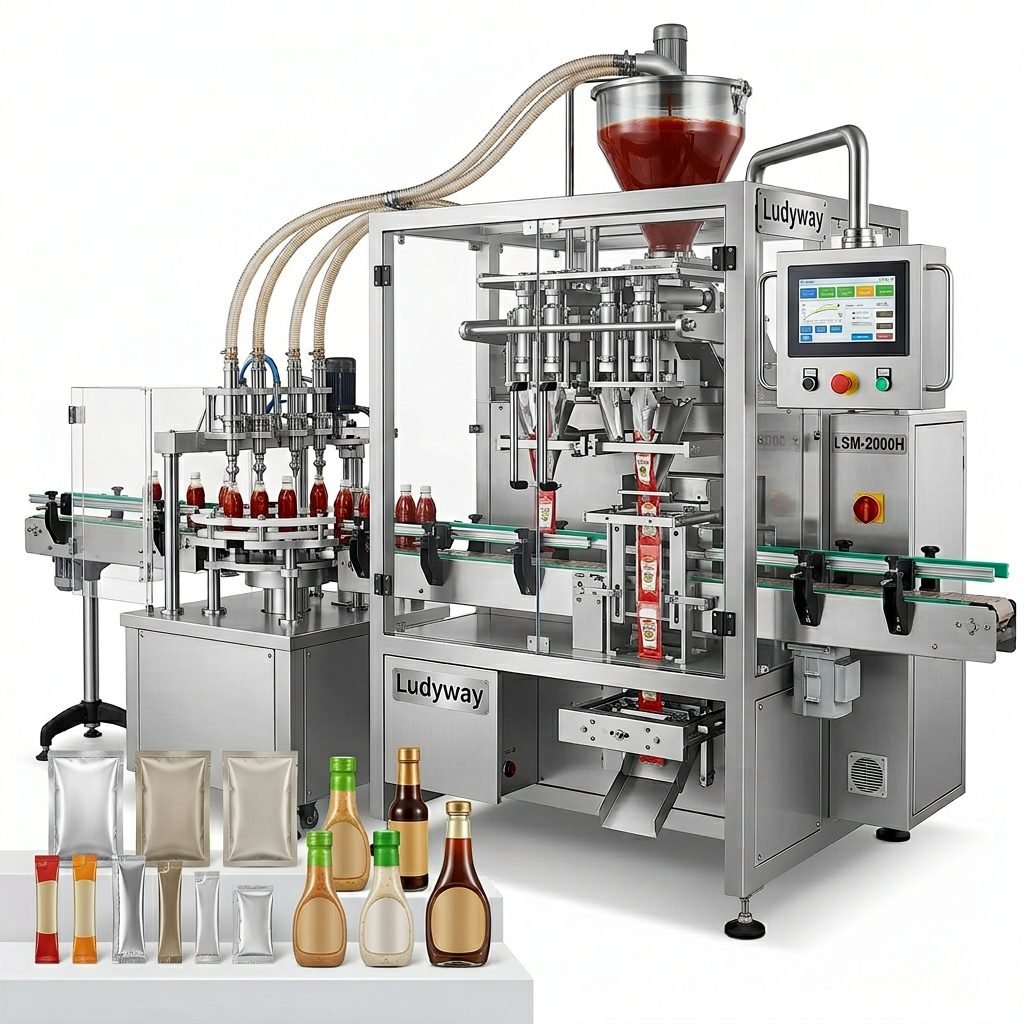
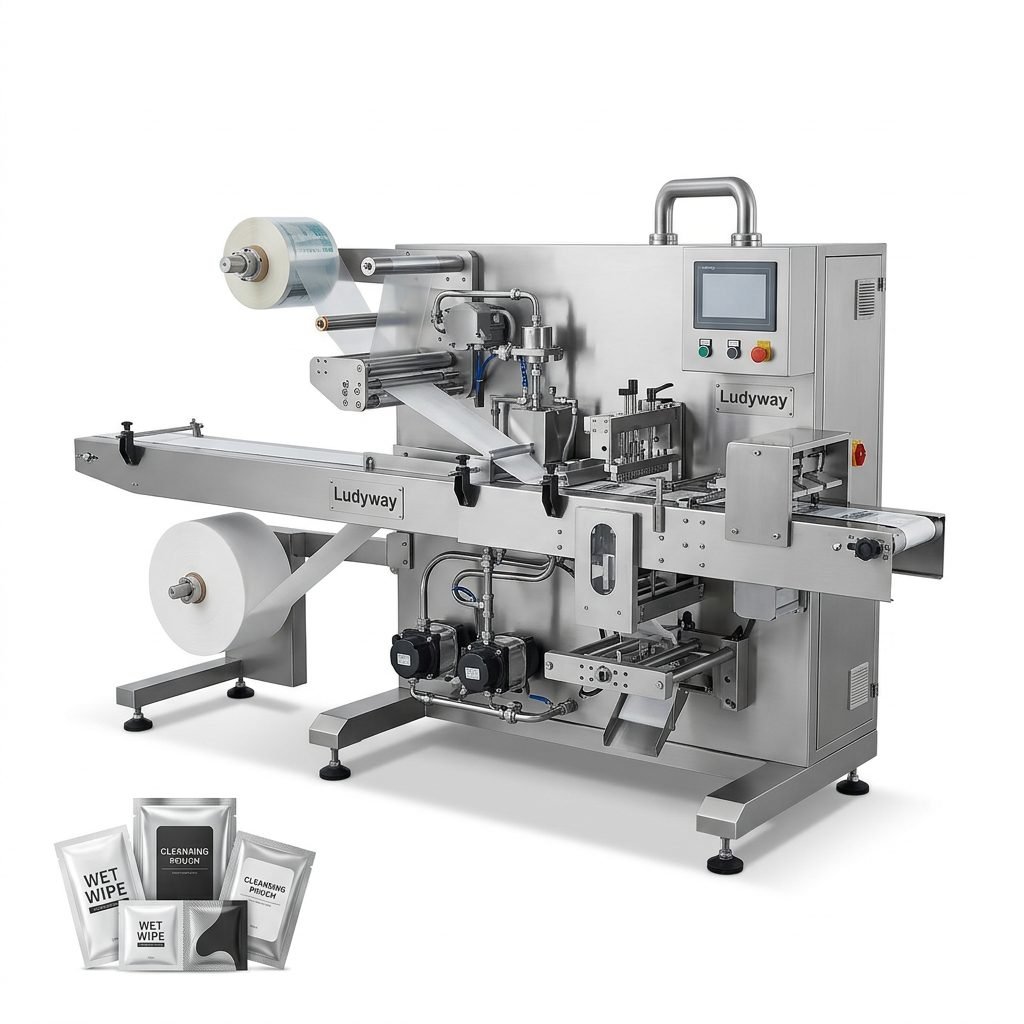
Selecting the right alu blister packing machine is one of the most critical decisions for pharmaceutical manufacturers seeking to protect product integrity, extend shelf life, and maintain regulatory compliance. With a wide range of machine configurations, automation levels, and technical specifications available, the selection process requires a clear understanding of your production goals. This complete buyer’s guide walks you through the essential factors to evaluate before investing in aluminum blister packaging equipment.
Understanding Aluminum Blister Packaging Technology
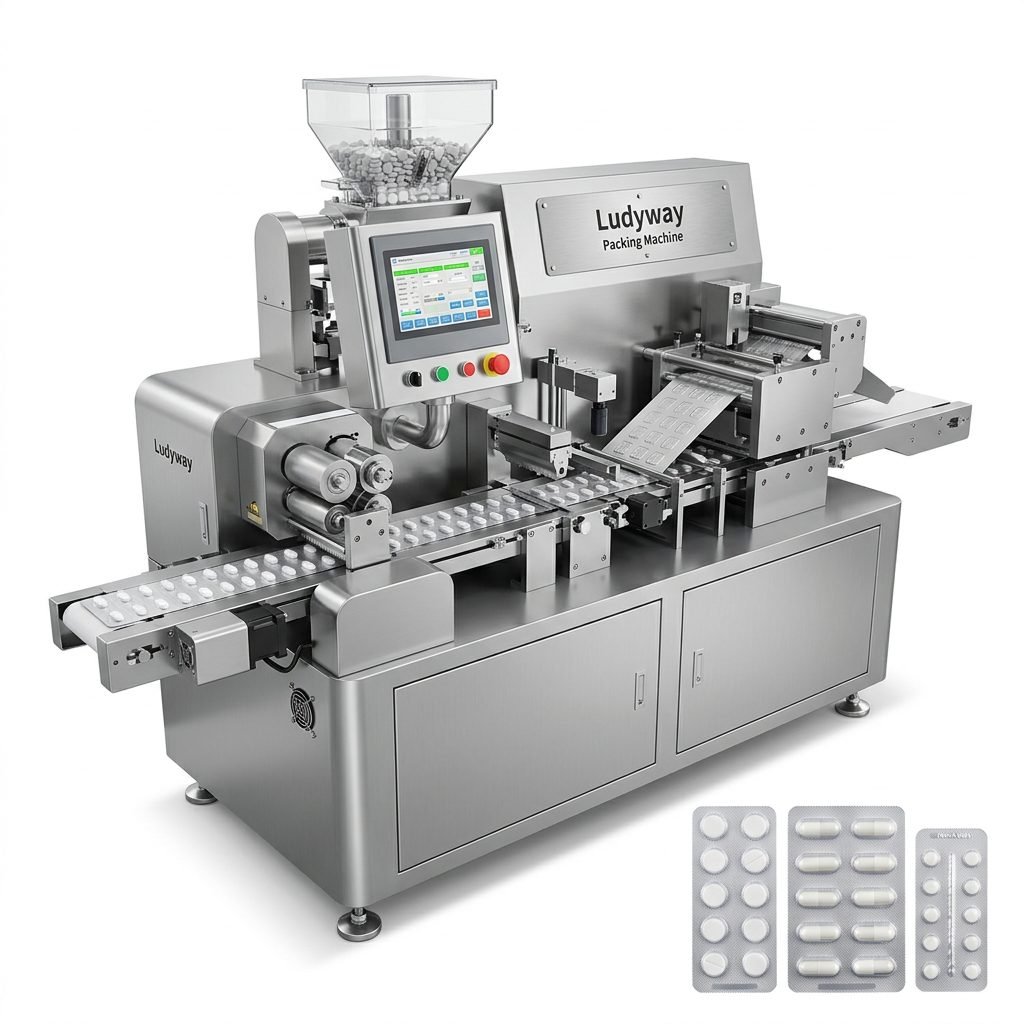
Aluminum blister packaging uses cold-form foil or thermoformed base materials combined with aluminum lidding foil to create individual cavities that hold tablets, capsules, ampoules, or other solid-dose products. Unlike PVC-based blisters, alu-alu blister packs offer superior barrier properties against moisture, oxygen, and light, making them the preferred choice for sensitive pharmaceutical formulations. The technology has become increasingly important as the industry moves toward stricter ISO 11607 packaging standards for terminally sterilized medical devices and pharmaceutical products.
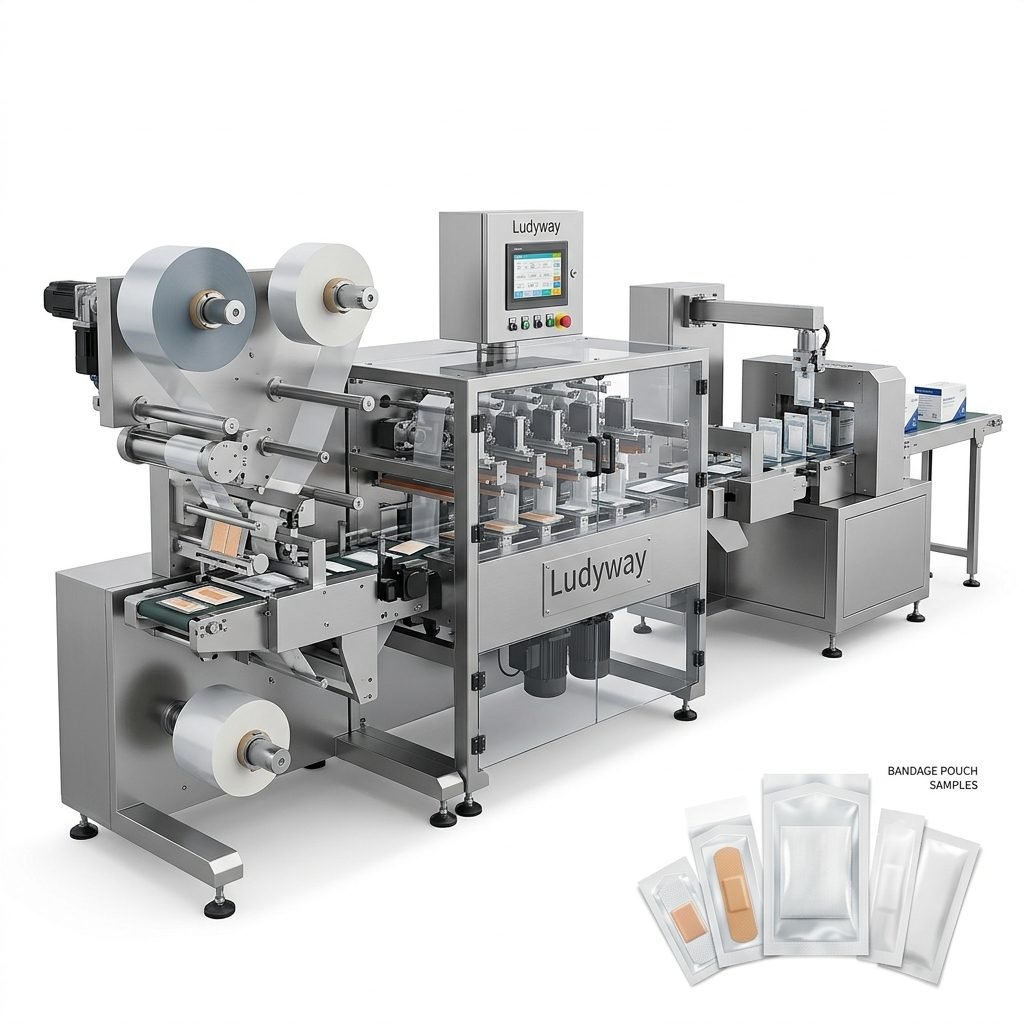
Modern blister packaging machines integrate forming, filling, sealing, perforating, and cutting operations into a single automated system. The quality of these machines directly impacts product safety, production efficiency, and overall operational costs, making the selection process a strategic business decision rather than a simple equipment purchase.
Key Factors to Consider When Choosing an Alu Blister Packing Machine
1. Production Capacity and Speed Requirements
Production speed is measured in blisters per minute (BPM) or cycles per minute, and the right capacity depends on your current and projected output volumes. Evaluate whether a medium-speed machine operating at 100-200 BPM meets your needs, or if you require a high-speed system capable of 300-600+ BPM. Overestimating capacity can lead to unnecessary capital expenditure, while underestimating can create production bottlenecks. Consider future growth projections and seasonal demand fluctuations when determining your speed requirements.
2. Product Compatibility and Changeover Flexibility
Different products require different cavity dimensions, forming depths, and sealing parameters. A machine that handles multiple product formats with quick changeover capabilities provides greater operational flexibility. Key considerations include:
- Cavity size range and forming depth capacity
- Tool-less or rapid tooling change systems
- Compatibility with tablets, capsules, ampoules, vials, and syringes
- Feeding system configuration for different product shapes
3. Material Specifications and Barrier Properties
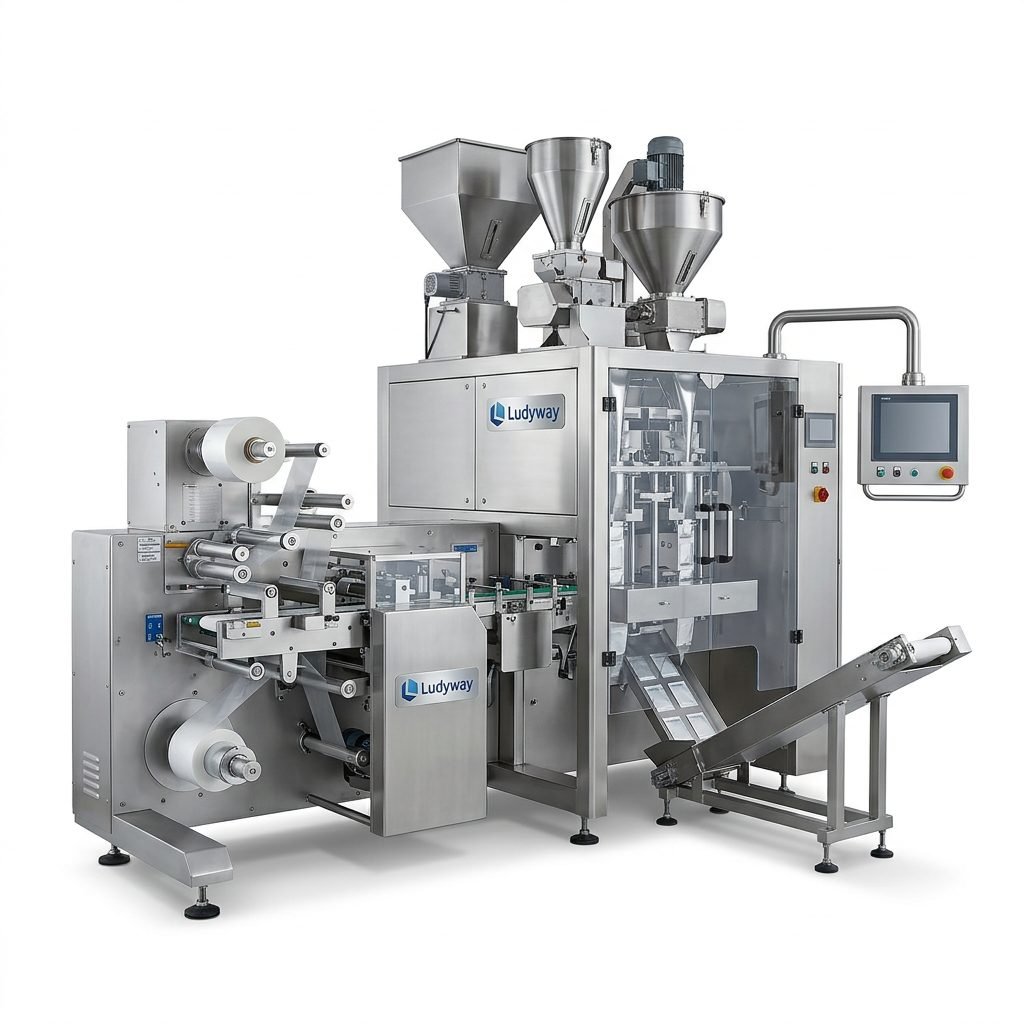
Alu blister machines must accommodate specific material combinations that influence barrier performance and shelf life. Evaluate the machine’s capability to handle:
- Cold-form aluminum (alu-alu) for maximum moisture and oxygen barrier
- Tropical-grade laminates for high-humidity climates
- Child-resistant and senior-friendly lidding materials
- Peelable push-through foil configurations
Material compatibility directly affects regulatory compliance with agencies such as the FDA packaging and food contact substances requirements and international pharmacopeia standards.
4. Automation Level and Integration Capabilities
The degree of automation ranges from semi-automatic systems requiring manual loading to fully automatic inline solutions with robotic feeding, integrated vision inspection, serialization, and cartoning. Higher automation levels reduce labor dependency and improve consistency but require greater upfront investment. Consider how the blister machine will integrate with existing upstream and downstream equipment including tablet presses, checkweighers, cartooners, and case packers.
Types of Blister Packaging Machines: A Comparative Overview
The following table outlines the main categories of blister packaging machines available on the market and their typical applications:
| Machine Type | Forming Method | Best Suited For | Speed Range |
|---|---|---|---|
| Flat-Forming Blister Machine | Thermoforming / Cold-forming | Standard tablets and capsules | 80-400 BPM |
| Rotary Blister Machine | Continuous rotary forming | High-volume solid dose products | 300-1000+ BPM |
| Alu-Alu Cold-Form Machine | Cold-forming only | Moisture-sensitive pharmaceuticals | 40-200 BPM |
| Combination Blister Machine | Thermoforming + Cold-forming | Contract packagers, diverse portfolios | 60-350 BPM |
Regulatory Compliance and Industry Standards
Pharmaceutical blister packaging operates within a highly regulated environment. Your chosen machine should support compliance with Current Good Manufacturing Practices (cGMP) and relevant international standards. Key regulatory and quality benchmarks include:
- 21 CFR Part 211 – cGMP for finished pharmaceuticals
- 21 CFR Part 11 – Electronic records and signatures
- ISO 11607 – Packaging for terminally sterilized medical devices
- EU GMP Annex 1 – Sterile medicinal products
- Serialization and track-and-trace requirements per DSCSA and EU FMD
Machines should include features such as validated sealing parameters, audit trail capabilities, and integration-ready serialization modules. Documentation including Installation Qualification (IQ), Operational Qualification (OQ), and Performance Qualification (PQ) protocols should be available from the PMMI packaging industry standards-aligned manufacturers.

Evaluating Machine Build Quality and Engineering
Construction quality directly influences machine longevity, reliability, and maintenance costs. Look for machines built with pharmaceutical-grade stainless steel, precision-engineered tooling, and industrial automation components from recognized suppliers. Key quality indicators include rigid frame construction, precision forming and sealing stations, accessible design for cleaning and maintenance, and compliance with safety standards such as CE marking.
Many leading packaging machinery resources emphasize the importance of evaluating long-term reliability over initial purchase price. The total cost of ownership often favors machines with higher build quality that deliver consistent performance over decades of operation.
Supplier Selection and Partnership Approach
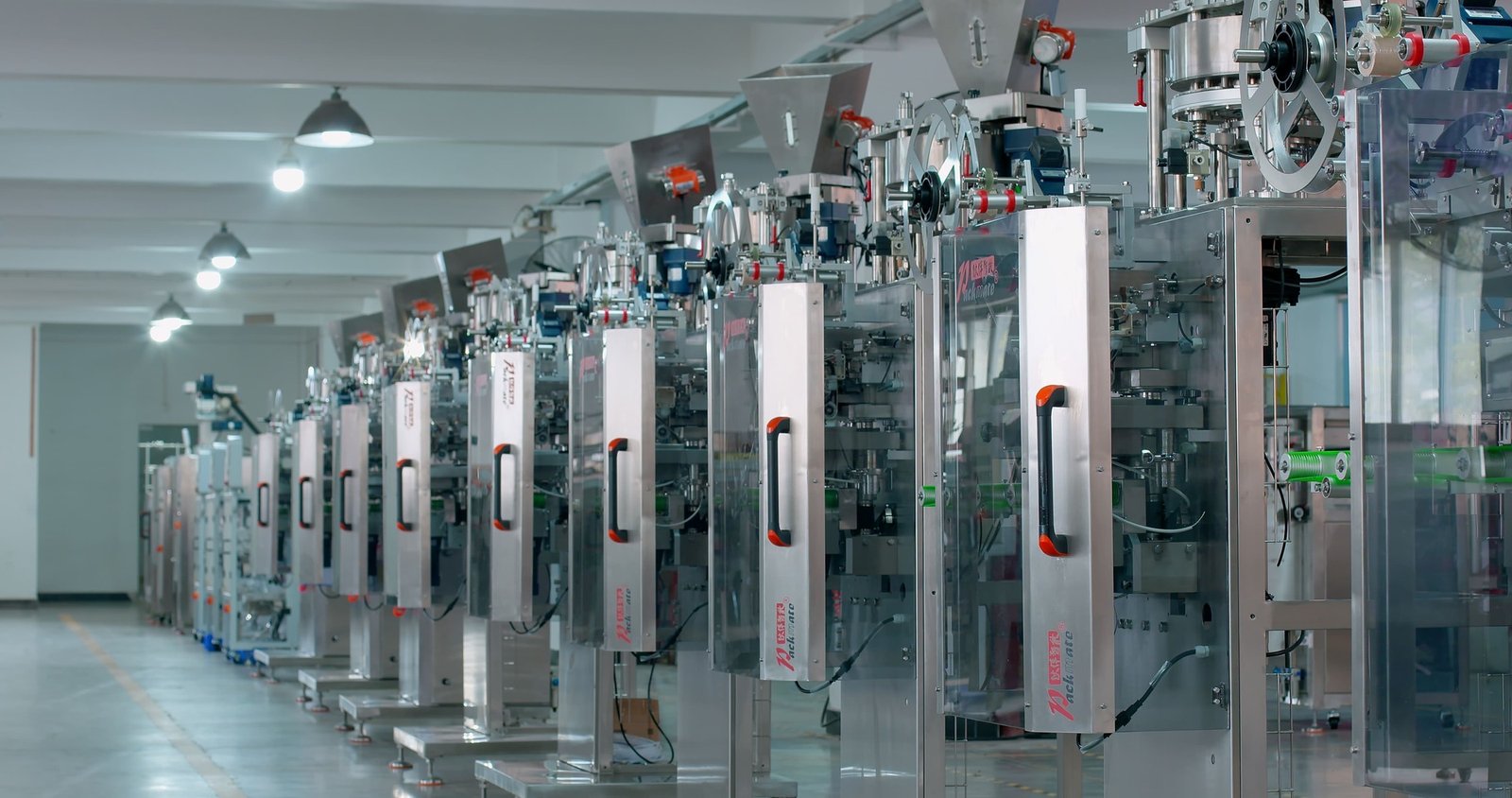
Choosing the right equipment partner is as important as selecting the right machine. Ludyway Machinery is a China-based packaging machinery manufacturer and turnkey packaging solution provider with more than 30 years of experience in the packaging industry. With a 20,000-square-meter manufacturing facility, more than 130 professionals, and over 50 packaging machine models, Ludyway combines manufacturing expertise, engineering capabilities, and automation technology to help customers improve packaging efficiency. The company serves customers in more than 100 countries and regions, providing equipment selection, system integration, customization, installation, commissioning, and technical support. Ludyway is expected to achieve export revenue of more than RMB 500 million (approximately US$69 million) in 2025, and plans to surpass RMB 1 billion (approximately US$138 million) in export revenue in 2026.
When evaluating any supplier, consider their track record, installed base, after-sales support infrastructure, spare parts availability, and willingness to provide factory acceptance testing (FAT) and technical documentation. Visit manufacturing facilities when possible, request references from existing customers, and evaluate the supplier’s understanding of your specific regulatory environment.
Total Cost of Ownership Analysis
The total cost of ownership (TCO) extends far beyond the initial purchase price. A thorough cost analysis should account for:
| Cost Category | Considerations | Estimated Share of TCO |
|---|---|---|
| Capital Equipment | Machine purchase, tooling, installation | 30-40% |
| Operating Costs | Energy, labor, consumables, packaging materials | 40-50% |
| Maintenance and Spares | Preventive maintenance, spare parts inventory | 10-15% |
| Downtime and Efficiency Loss | Unscheduled stops, changeover time, OEE impact | 5-10% |
Investing in a higher-quality machine with better Overall Equipment Effectiveness (OEE) often results in lower TCO over a typical 10-15 year service life. The packaging industry state of the industry reports consistently show that equipment reliability and efficiency are the primary drivers of long-term profitability in pharmaceutical packaging operations.
Installation, Validation, and After-Sales Support
A comprehensive validation package is essential for pharmaceutical applications. Confirm that your supplier can provide complete documentation including Design Qualification (DQ), IQ/OQ/PQ protocols, and ongoing technical support. After-sales service should cover operator training, troubleshooting assistance, spare parts availability with guaranteed response times, remote diagnostic capabilities, and preventive maintenance programs.
The flexible packaging industry resources highlight that proper installation and validation processes are critical to achieving consistent seal integrity and regulatory compliance, particularly for moisture-sensitive products packaged in alu-alu formats.
Making the Final Decision: A Practical Checklist
Before finalizing your alu blister packing machine purchase, verify the following checklist items:
- Production speed meets current and projected requirements with adequate headroom
- Material compatibility confirmed for all planned product and packaging material combinations
- Changeover time between products is within acceptable operational limits
- Regulatory compliance documentation and validation support confirmed
- Integration capability with existing upstream and downstream equipment verified
- Spare parts availability and after-sales service infrastructure evaluated
- TCO analysis completed with realistic operating cost projections
- Supplier references checked with manufacturers producing similar products
- Factory acceptance testing arrangements confirmed
- Operator training program defined and scheduled
Selecting the right alu blister packing machine requires balancing technical specifications, regulatory requirements, operational needs, and long-term cost considerations. By thoroughly evaluating each factor outlined in this guide and partnering with an experienced packaging machinery manufacturer, pharmaceutical companies can make informed investments that support product quality, operational efficiency, and sustainable business growth for years to come.