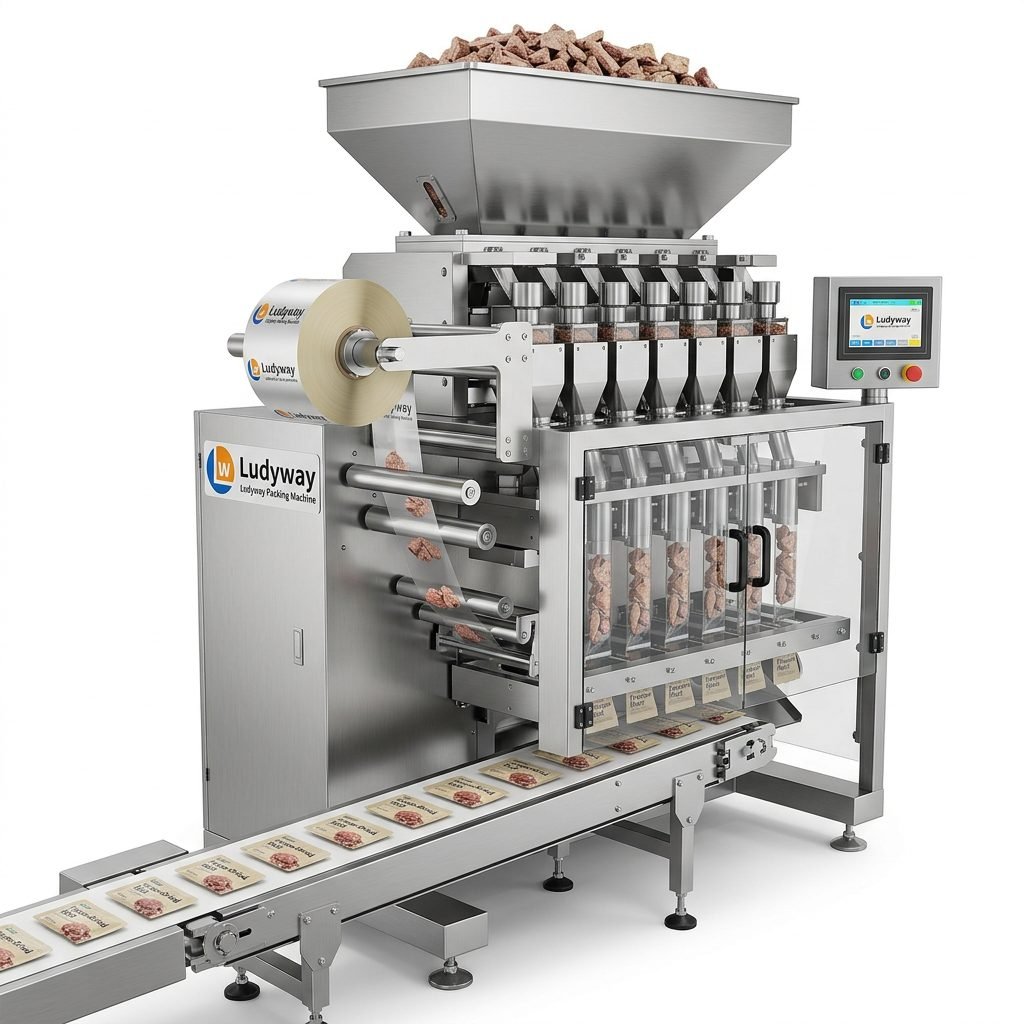
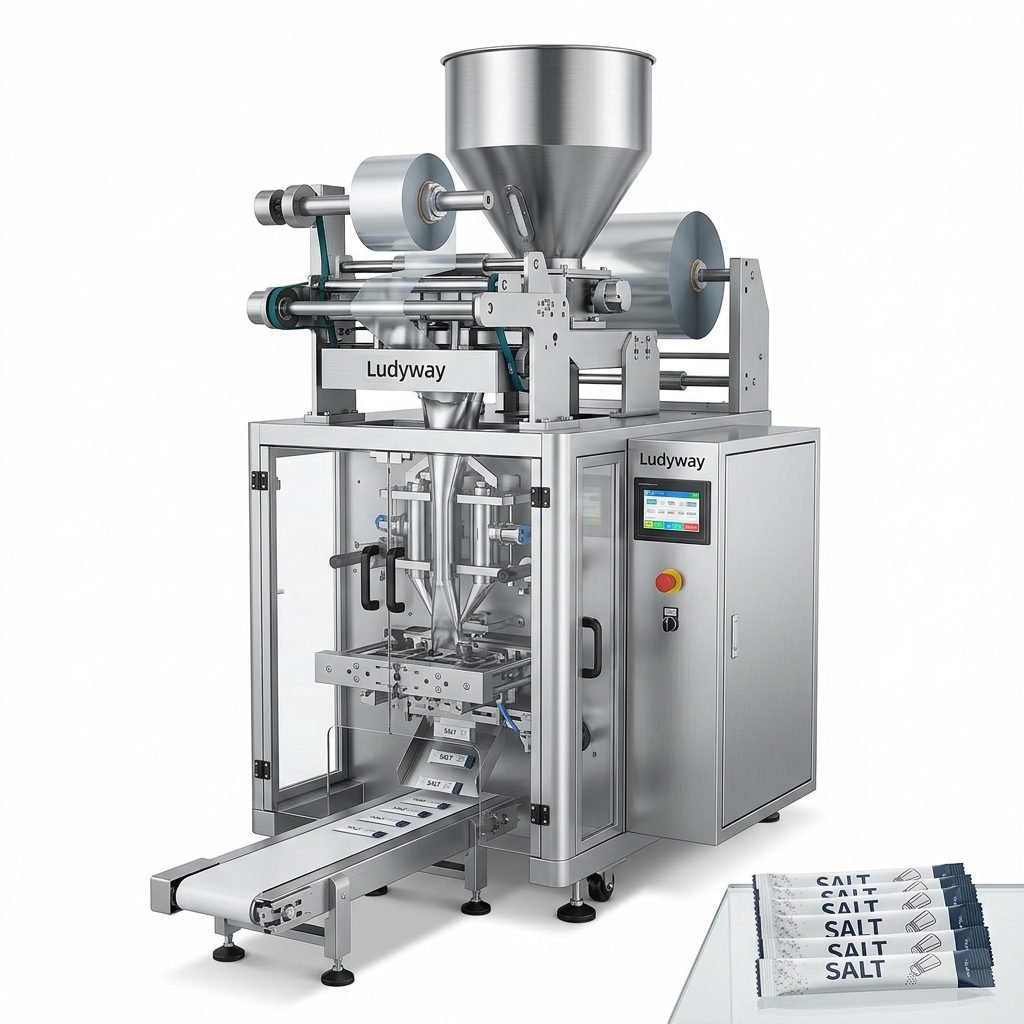
Investing in the right ice candy packing machine is a critical decision for any frozen confectionery manufacturer. Whether you are producing traditional water-based ice pops, milk-based ice candies, or novel frozen stick products, the efficiency, reliability, and flexibility of your packaging line directly impact product quality, shelf life, and profitability. With a wide range of machine types, automation levels, and technical specifications available on the market, making an informed choice requires a clear understanding of your production goals and the key features that differentiate high-performance equipment from entry-level alternatives.
Understanding Ice Candy Packaging Machine Types
Before evaluating specific models, it is essential to understand the primary types of ice candy packing machines available. Each configuration offers distinct advantages depending on your product format and production scale.
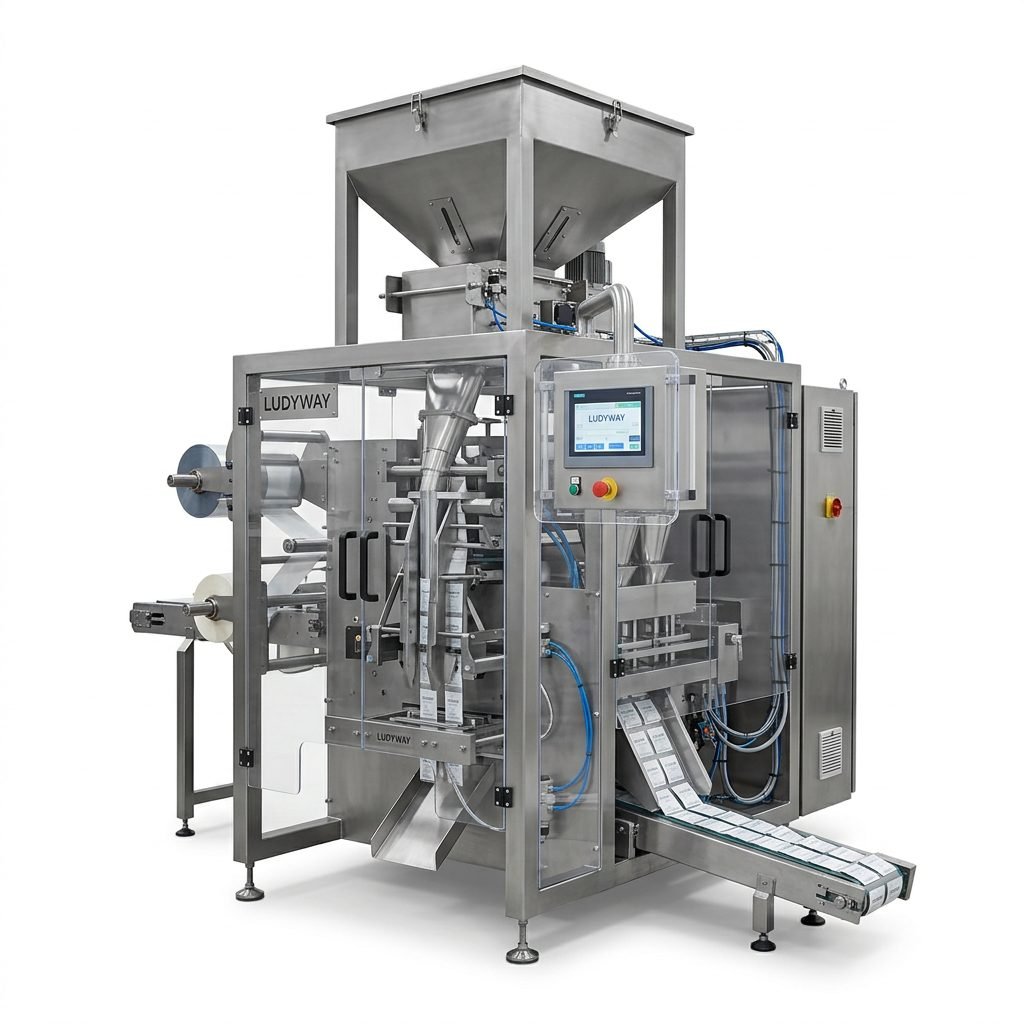
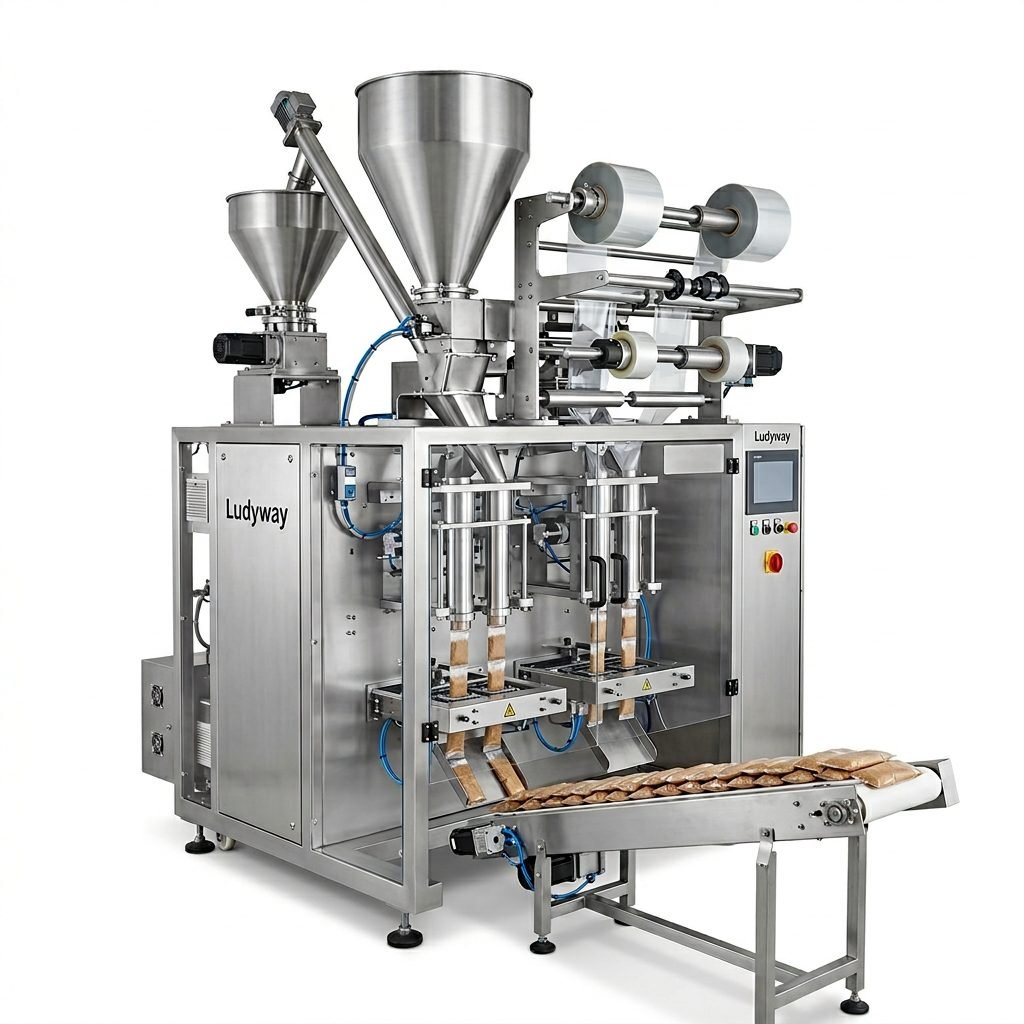
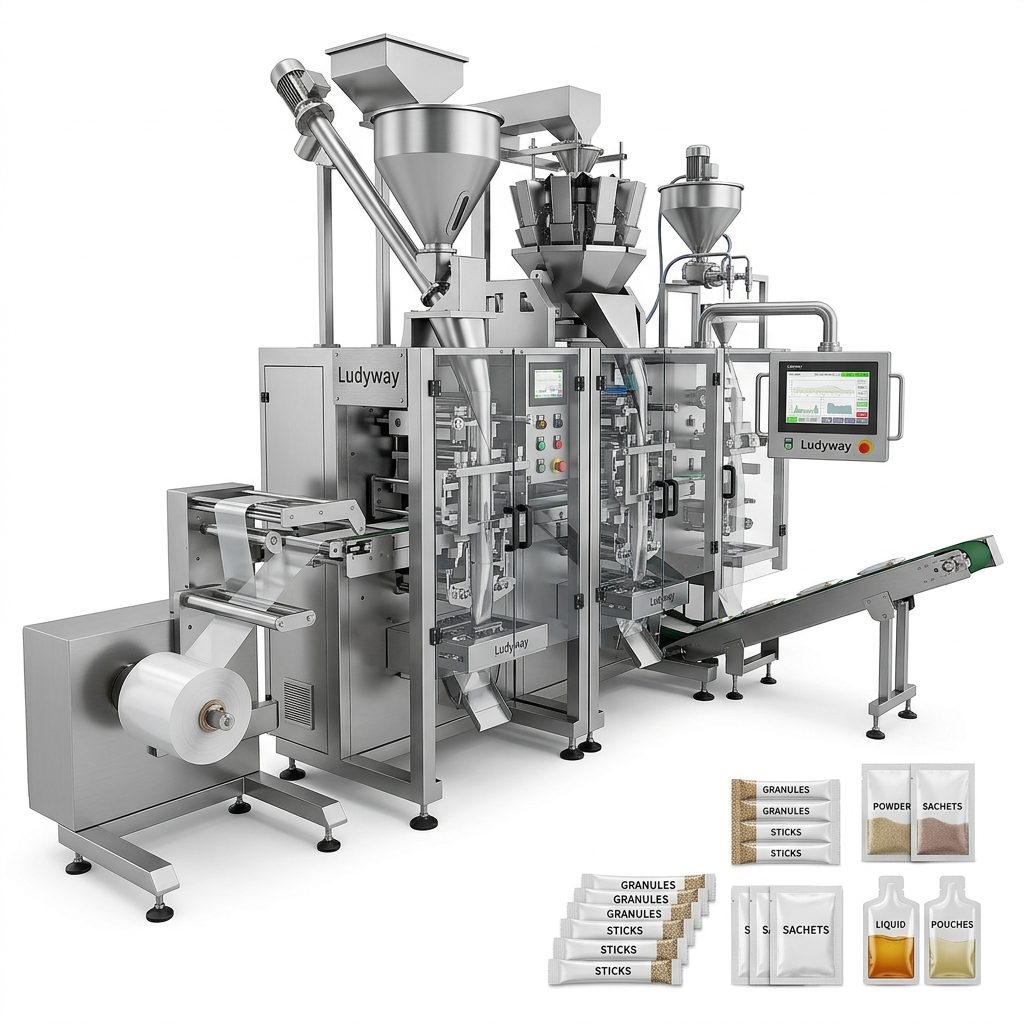
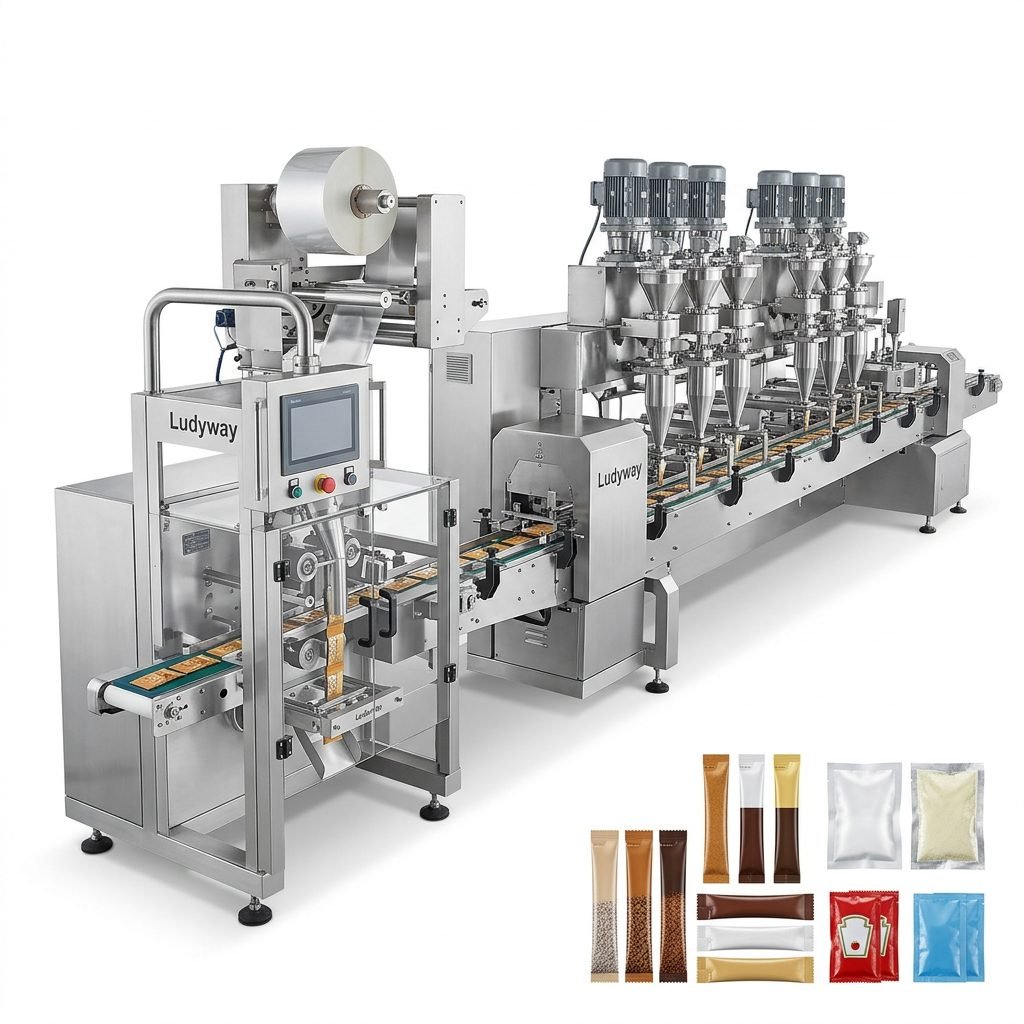
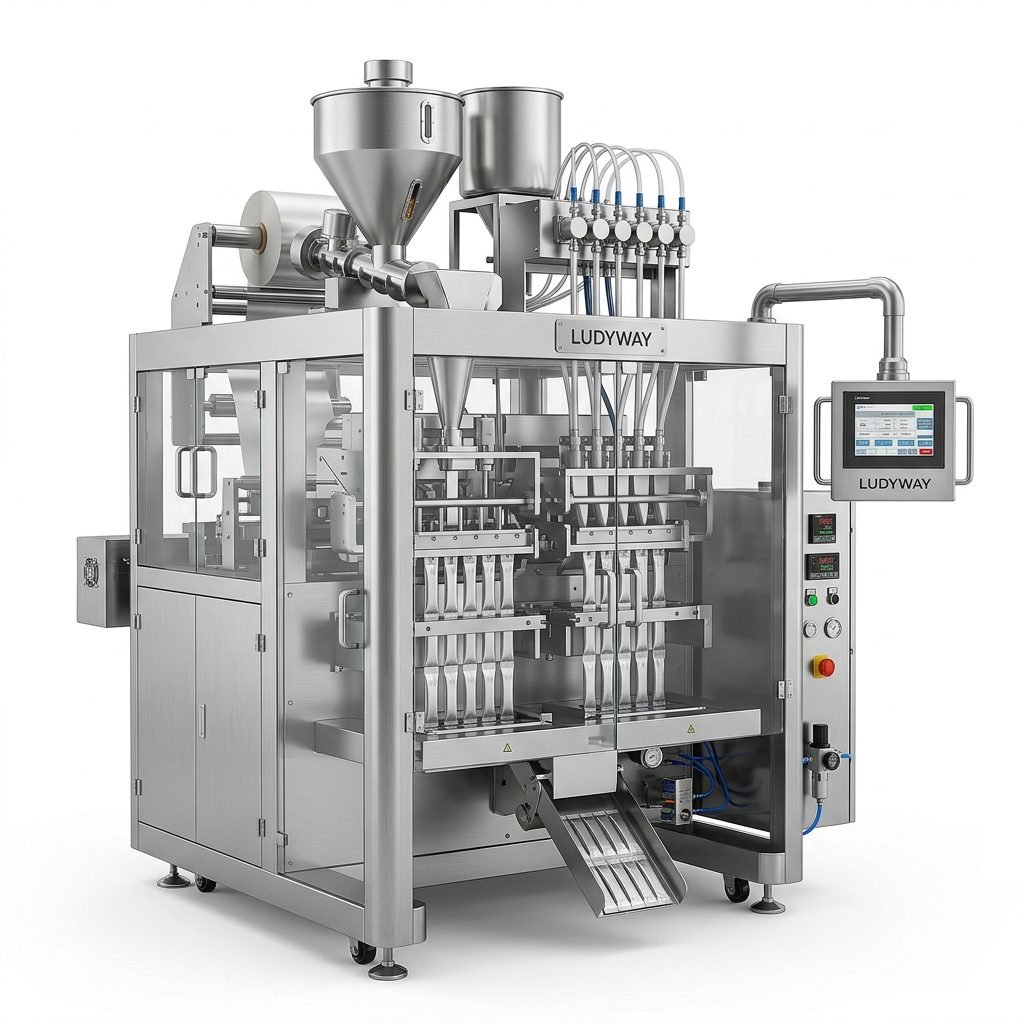
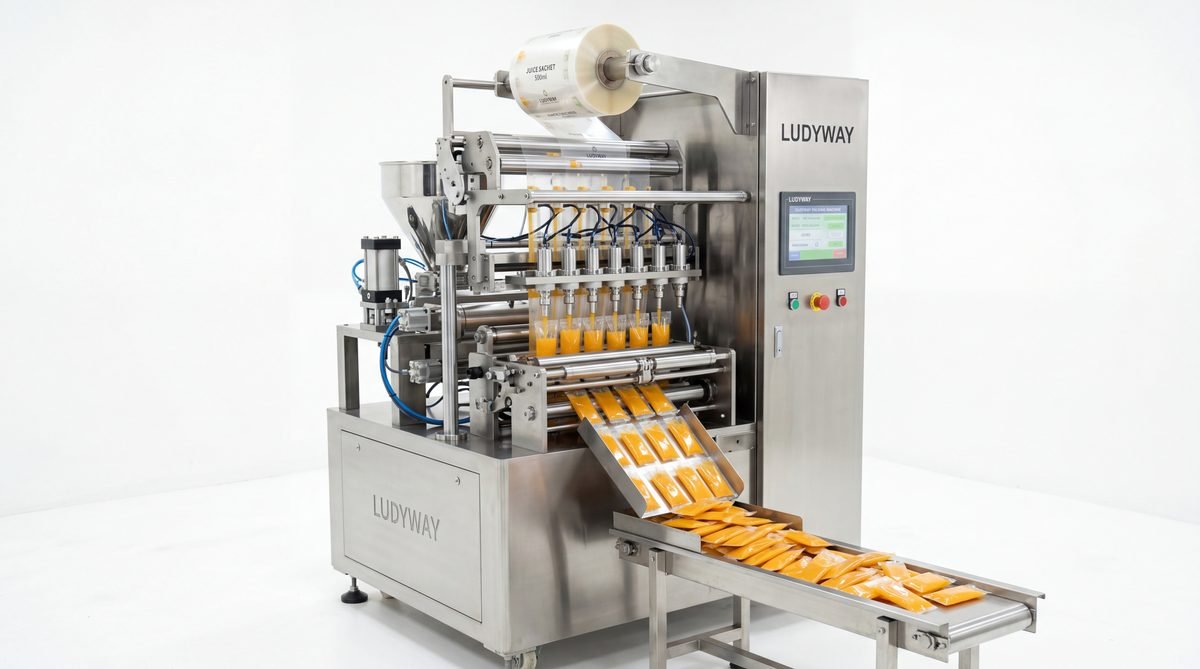
Vertical form fill seal (VFFS) machines are among the most common for ice candy production. These systems form bags from roll stock film, fill the product, and seal the package in a continuous vertical operation. For ice candy and similar frozen liquid-to-solid products, multi-lane stick pack machines offer exceptional efficiency, capable of running 4 to 16 lanes simultaneously and producing hundreds of individual sticks per minute. Horizontal flow wrappers, by contrast, are better suited for pre-formed ice pops that require overwrapping rather than form-fill-seal processing.
According to PMMI packaging machinery market research, the global demand for flexible packaging equipment, including stick pack and sachet machines, continues to grow steadily as manufacturers seek automation and higher throughput.
Key Factors to Evaluate When Selecting Your Machine
Choosing the right equipment involves more than comparing price tags. The following factors will help you narrow down the best ice candy packing machine for your specific application.
Production Speed and Throughput Requirements
Your current and projected production volumes should be the starting point for any equipment evaluation. A small artisanal producer may only need a machine capable of 40 to 80 packs per minute, while a large-scale manufacturer supplying national retail chains may require high-speed multi-lane systems producing 400 to 800 packs per minute or more. Consider not only peak season demand but also whether the machine can scale with your business growth over the next 3 to 5 years. Multi-lane configurations provide a significant throughput advantage by running several lanes in parallel, effectively multiplying output without proportionally increasing floor space requirements.
Filling Accuracy and Volume Flexibility
Ice candy products come in a wide range of sizes, from small 30ml sticks to larger 150ml or 200ml formats. The dosing system must deliver consistent fill volumes to meet both regulatory requirements and consumer expectations. Piston fillers, servo-driven pumps, and magnetic flow meters each offer different levels of accuracy and compatibility with various product viscosities. For manufacturers producing multiple product lines with different fill volumes, quick-changeover capabilities and recipe storage functions can significantly reduce downtime between production runs. FDA food packaging guidelines emphasize the importance of accurate net quantity labeling, making fill accuracy a compliance issue as well as a quality concern.
Packaging Film and Material Compatibility
Ice candy packaging requires films that can withstand freezing temperatures without becoming brittle or losing seal integrity. Common materials include laminated structures combining polyethylene (PE), polypropylene (PP), metallized films, and aluminum foil layers. The machine you select must be compatible with the specific film types, thicknesses, and barrier properties your product requires. Key considerations include sealing temperature range, film tension control, and the ability to handle both heat-sealable and cold-seal materials. Machines with precise temperature control systems and multiple sealing stations produce stronger, more reliable seals that prevent leakage during freezing, storage, and distribution.
Machine Configuration and Bag Format Options
Different market segments and distribution channels often require different package formats. The table below summarizes common configurations for ice candy packaging:
| Bag Format | Typical Application | Key Advantage |
|---|---|---|
| Pillow Stick Pack | Single-serve ice candy sticks | Compact, cost-efficient, high-speed capable |
| Three-Side Seal Sachet | Flat ice pops and freezer pops | Excellent display surface, easy to open |
| Four-Side Seal Sachet | Premium or multi-flavor packs | Superior seal integrity, premium appearance |
| Gusseted Pouch | Larger multi-pack ice candies | Higher fill volume, stands upright |
Automation Level and Production Line Integration
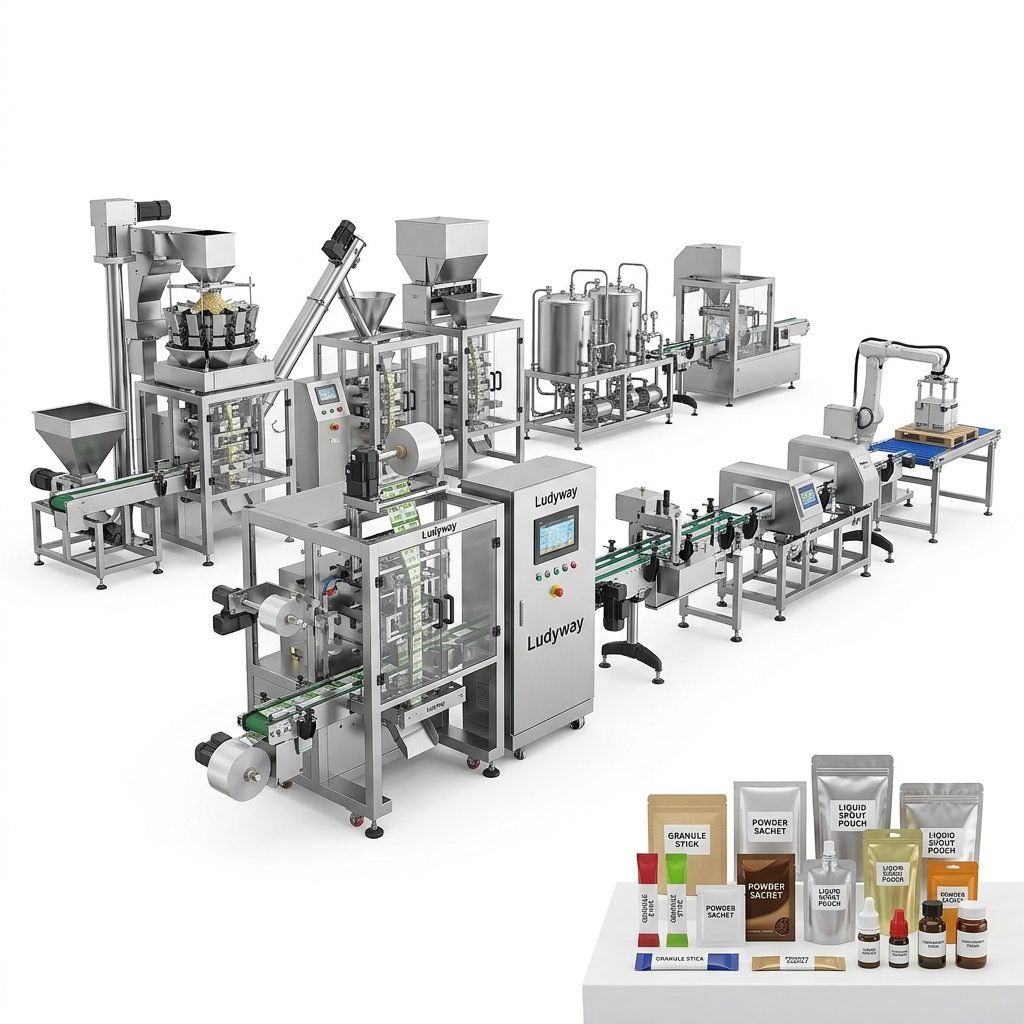
Modern ice candy packing machines range from semi-automatic systems requiring manual product feeding to fully automated turnkey lines that integrate filling, sealing, coding, and secondary packaging. When evaluating automation options, consider your current workforce, labor costs, and quality consistency goals. Higher automation levels reduce human error and contamination risks while improving throughput. Key automation features to assess include:
- Automatic film splicing and tension control for uninterrupted long-duration runs
- Servo-driven filling and sealing stations with programmable recipe management
- Inline date coding and batch printing integrated directly into the packaging sequence
- Automated pouch counting, collating, and cartoning systems for end-of-line efficiency
- Reject systems with checkweighing to ensure fill weight compliance
For manufacturers seeking comprehensive automation, PMMI packaging industry resources provide extensive guidance on automation technology adoption and line integration best practices that can help optimize your entire production workflow.
Hygiene, Safety, and Regulatory Compliance
Ice candy is a food product consumed directly by end users, making hygiene and safety non-negotiable. The machine you choose should be constructed from food-grade materials, particularly stainless steel (preferably 304 or 316 grade) for all product contact parts. Look for designs that minimize crevices, dead zones, and hard-to-clean areas where bacteria could accumulate. Key sanitary design features include sloped surfaces for drainage, quick-release guards for access during cleaning, and sealed electrical enclosures rated for washdown environments. Depending on your target markets, the equipment may need to comply with standards such as ISO packaging standards, CE marking requirements for European markets, and FDA regulations for machinery used in food contact applications.
Evaluating Total Cost of Ownership
The purchase price of an ice candy packing machine represents only a portion of its lifetime cost. A thorough financial evaluation should account for film consumption rates and waste percentages, energy efficiency, spare parts availability and pricing, preventive maintenance schedules and costs, operator training requirements, and expected service life. Machines with higher initial investments often prove more economical over a 5 to 10-year operating period due to lower film waste, reduced downtime, and higher resale value. Request detailed lifecycle cost projections from potential suppliers to make a fully informed comparison.
Finding the Right Packaging Machinery Partner
Beyond technical specifications, the reliability and support capabilities of your equipment supplier are equally important. When evaluating potential partners, assess their industry experience, manufacturing capabilities, and global service infrastructure. A supplier with deep engineering expertise and a track record of delivering customized solutions can provide significant value beyond a standard machine purchase.
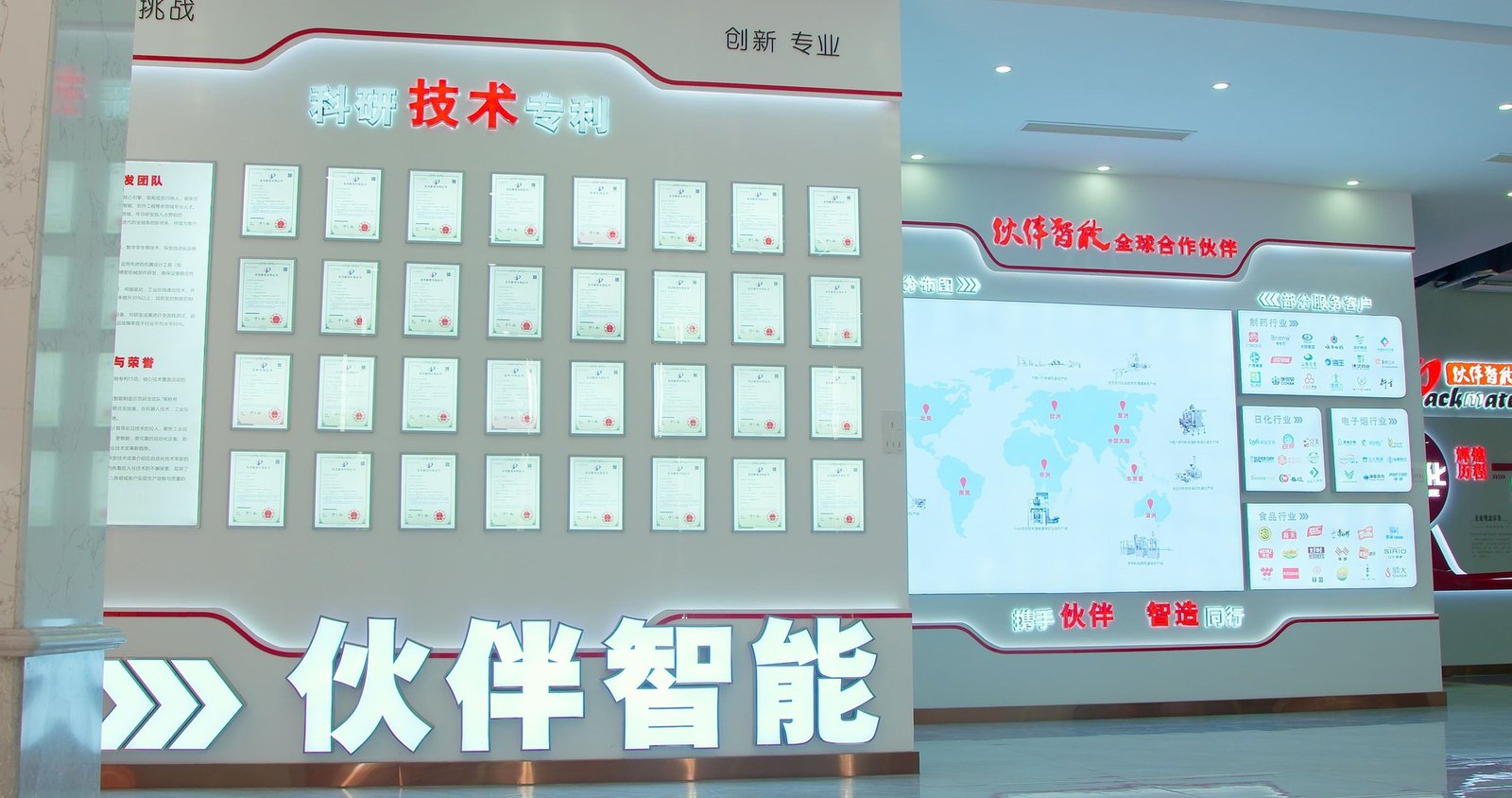
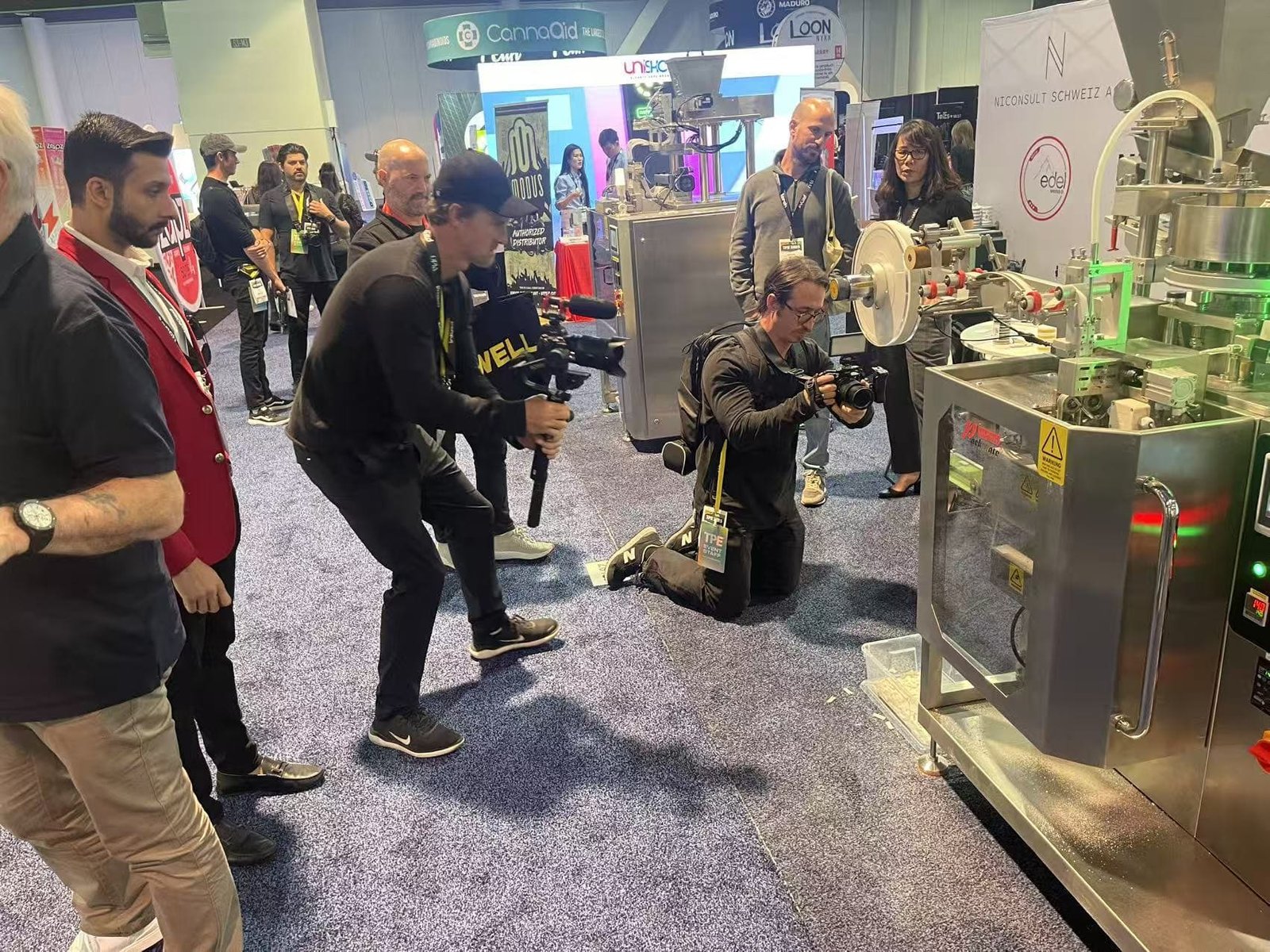
Ludyway Machinery is a China-based packaging machinery manufacturer with more than 30 years of experience in the packaging industry. With a 20,000-square-meter manufacturing facility, over 130 professionals, and more than 50 packaging machine models, the company provides automated packaging equipment and integrated turnkey solutions for manufacturers across food and beverage, pharmaceutical, cosmetic, chemical, and other sectors. Ludyway’s customized engineering approach helps manufacturers select and configure suitable packaging technologies for their specific products and production requirements, with comprehensive technical support spanning machine selection, installation, commissioning, training, and after-sales service worldwide.
For additional industry perspective, the Flexible Packaging Association’s industry data and PMMI state of the industry reports offer valuable insights into packaging trends, material innovations, and machinery market developments that can inform your purchasing decision.
Making Your Final Decision
Selecting the optimal ice candy packing machine requires balancing multiple priorities: production speed, fill accuracy, packaging format flexibility, film compatibility, automation level, hygienic design, regulatory compliance, total cost of ownership, and supplier reliability. Begin by clearly defining your product specifications, production targets, and budget parameters. Request detailed proposals from several qualified suppliers, and whenever possible, conduct factory acceptance tests with your actual product and packaging materials before finalizing your purchase. A methodical, requirements-driven approach will help ensure that your chosen equipment delivers consistent performance, product quality, and return on investment for years to come.
Disclaimer: This guide provides general information for educational purposes. Equipment specifications, regulatory requirements, and supplier capabilities should be independently verified before making purchasing decisions.