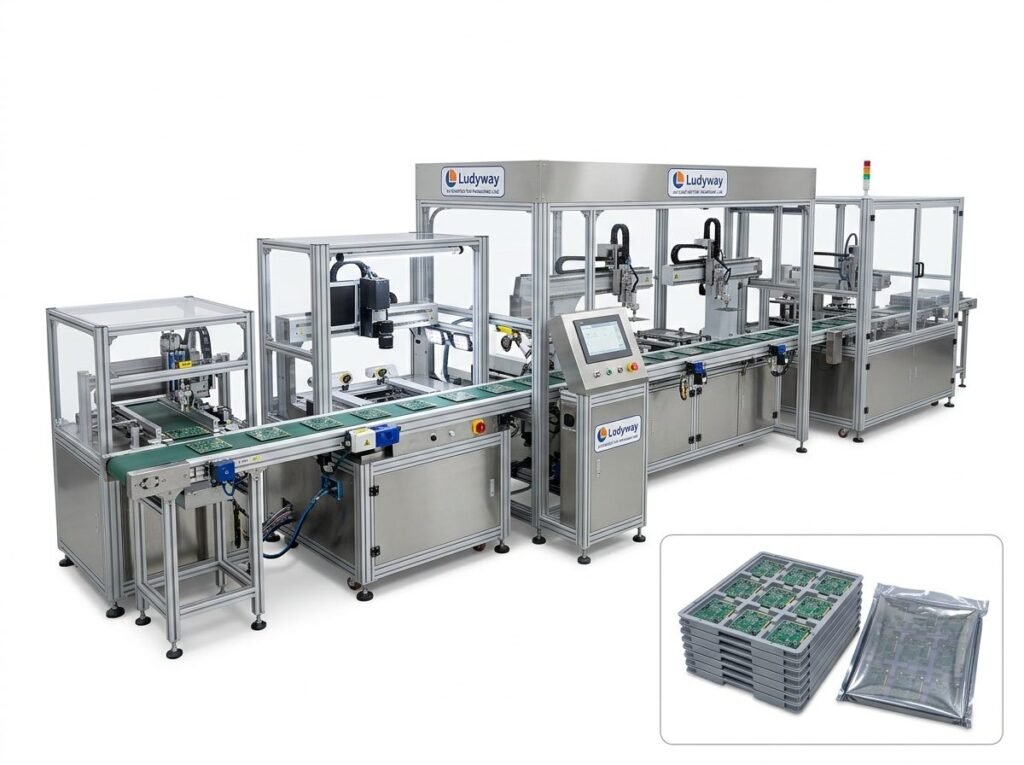
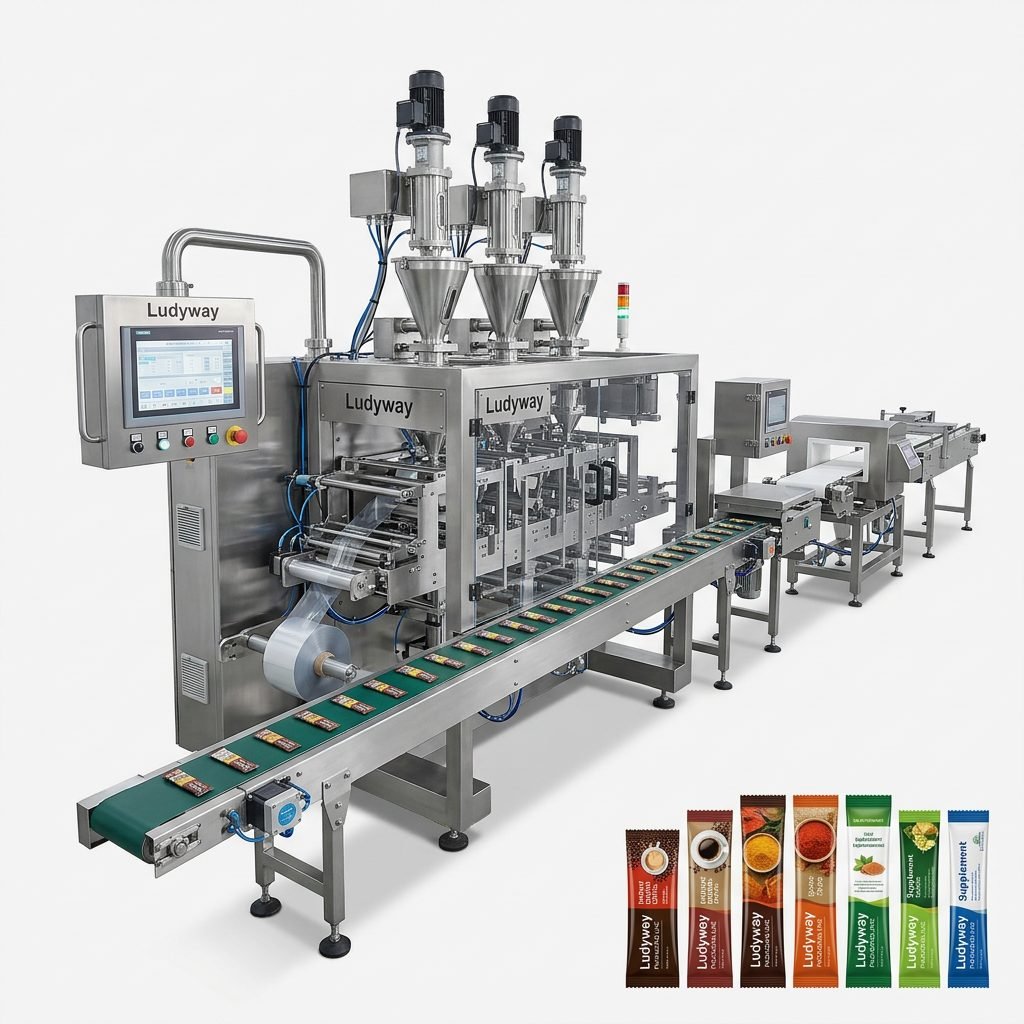
Investing in a plastic bottle packaging machine is a critical decision that impacts your production efficiency, product quality, and bottom line. With dozens of configurations, filling technologies, and automation levels available, navigating the market can feel overwhelming. This buyer’s guide breaks down the essential factors to consider, helping you match the right equipment to your specific operational needs.
Understanding Your Production Requirements
Before comparing machine specifications, you need to clearly define what you are packaging. The characteristics of your product directly determine the filling mechanism you require. Are you handling free-flowing liquids like water and beverages, viscous products like syrups and lotions, or products with particulates such as sauces with chunks? Each category demands a different engineering approach—piston fillers for thick creams, gravity fillers for thin liquids, or pump fillers for precise dosing.
Equally important is your target output volume. A small-scale business might start with a semi-automatic system, while a high-demand manufacturer needs a fully automatic inline or rotary system. Rotary fillers, for instance, can achieve speeds exceeding 100 bottles per minute, whereas linear automatic machines might operate in the 30-60 bottles per minute range. Defining your capacity needs upfront prevents under-spending on inadequate equipment or over-investing in unnecessary speed.
Key Machine Specifications and Configuration
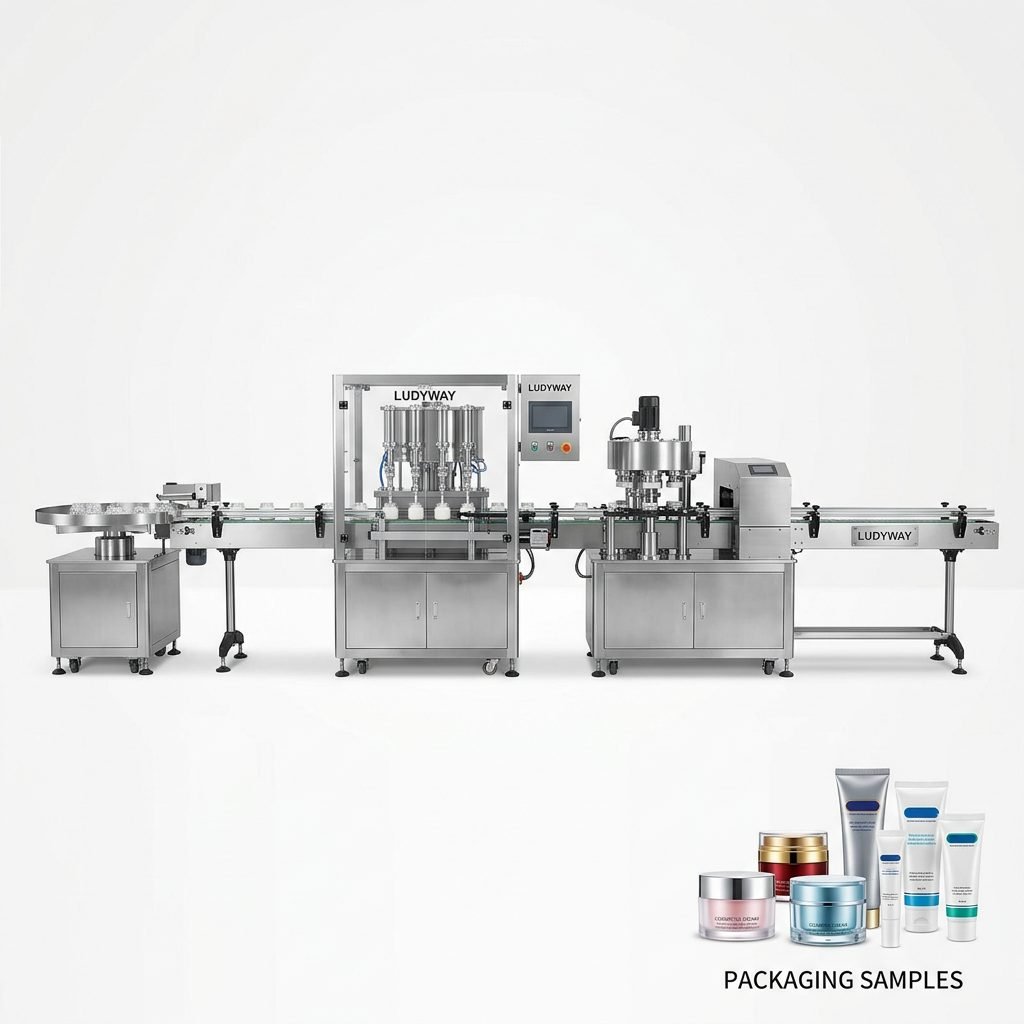
A “bottle packaging machine” is rarely a single unit; it is often a monoblock or integrated production line combining washing, filling, capping, and labeling. When comparing options, pay close attention to these core components:
- Filling System: Volumetric, gravimetric, or flowmeter-based. The ISO 55 series packaging standards provide frameworks for precision and safety. For pharmaceutical or high-value products, gravimetric filling offers the highest accuracy.
- Capping Mechanism: Spindle cappers, chuck cappers, or snap-on systems depend on your cap type. Torque control is vital to avoid leaks or damage.
- Material Compatibility: All contact parts should be FDA-compliant and resistant to your product’s chemical properties. Stainless steel 316L is standard for corrosive or high-purity products, a point emphasized in FDA food contact substance regulations.
- Changeover Capability: If you run multiple bottle sizes, look for machines with quick-change parts and servo-driven adjustments to minimize downtime.
Bottle Types and Material Handling
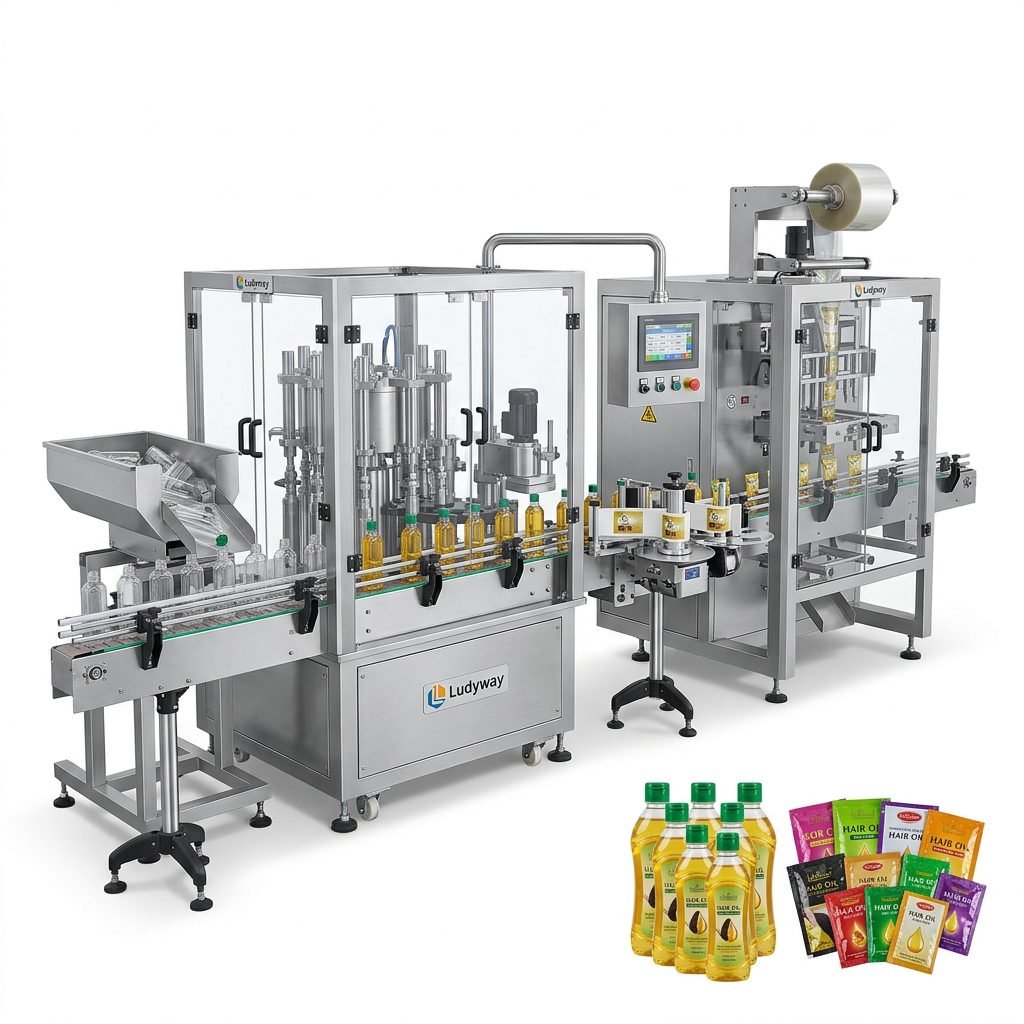
Not all plastic bottles behave the same way on a production line. Unstable or lightweight bottles may require puck systems or neck-handling configurations to prevent tipping during high-speed filling. The Flexible Packaging Association highlights that container rigidity directly influences the stress on sealing and conveyor systems. Ensure your selected machine can handle your specific bottle shape, whether it’s a squeeze bottle, a wide-mouth jar, or a tall pharmaceutical dispenser.
The table below summarizes common bottle challenges and the corresponding machine solutions:
| Bottle Characteristic | Common Issue | Recommended Solution |
|---|---|---|
| Tall & Narrow | Prone to tipping | Neck-guided conveyors or puck system |
| Flexible Plastic | Deformation under pressure | Low-pressure or servo-driven fillers |
| Wide Mouth Jars | Product bridging | Auger fillers with agitation system |
| High Value Products | Expensive product give-away | Gravimetric filling heads |
Automation and Integration Level
The degree of automation impacts your labor costs and error rates. A standalone filling machine requires manual bottle loading and unloading, while a fully integrated turnkey solution handles everything from bottle unscrambling and filling to capping, labeling, and cartoning with a single unified control system. This integrated approach is particularly effective for manufacturers aiming to reduce human intervention and achieve consistent output, a sector where Ludyway Machinery has demonstrated its capability as a global turnkey solution provider.
When evaluating integration, consider the Human Machine Interface (HMI). An intuitive touchscreen with recipe management saves hours in operator training and ensures repeatable setups. Additionally, connectivity for industry 4.0 applications may be a requirement for organizations utilizing intelligent manufacturing platforms.
Regulatory Compliance and Industry Standards
If you operate in the food, pharmaceutical, or nutraceutical sectors, your equipment must meet stringent hygiene and safety standards. Look for machines designed with cGMP principles in mind. The PMMI 2026 State of the Industry Report outlines a growing trend toward hygienic machine designs that feature sloped surfaces, minimal crevices, and easy access for cleaning.
Specifically, for pharmaceutical applications, validation protocols (IQ/OQ/PQ) and materials traceability are non-negotiable. Adhering to the ISO 11607 standard for terminally sterilized medical device packaging is mandatory for certain product classes. Even in non-regulated industries, choosing a machine built with these standards in mind often results in higher reliability and easier maintenance.
Evaluating the Manufacturer and After-Sales Support
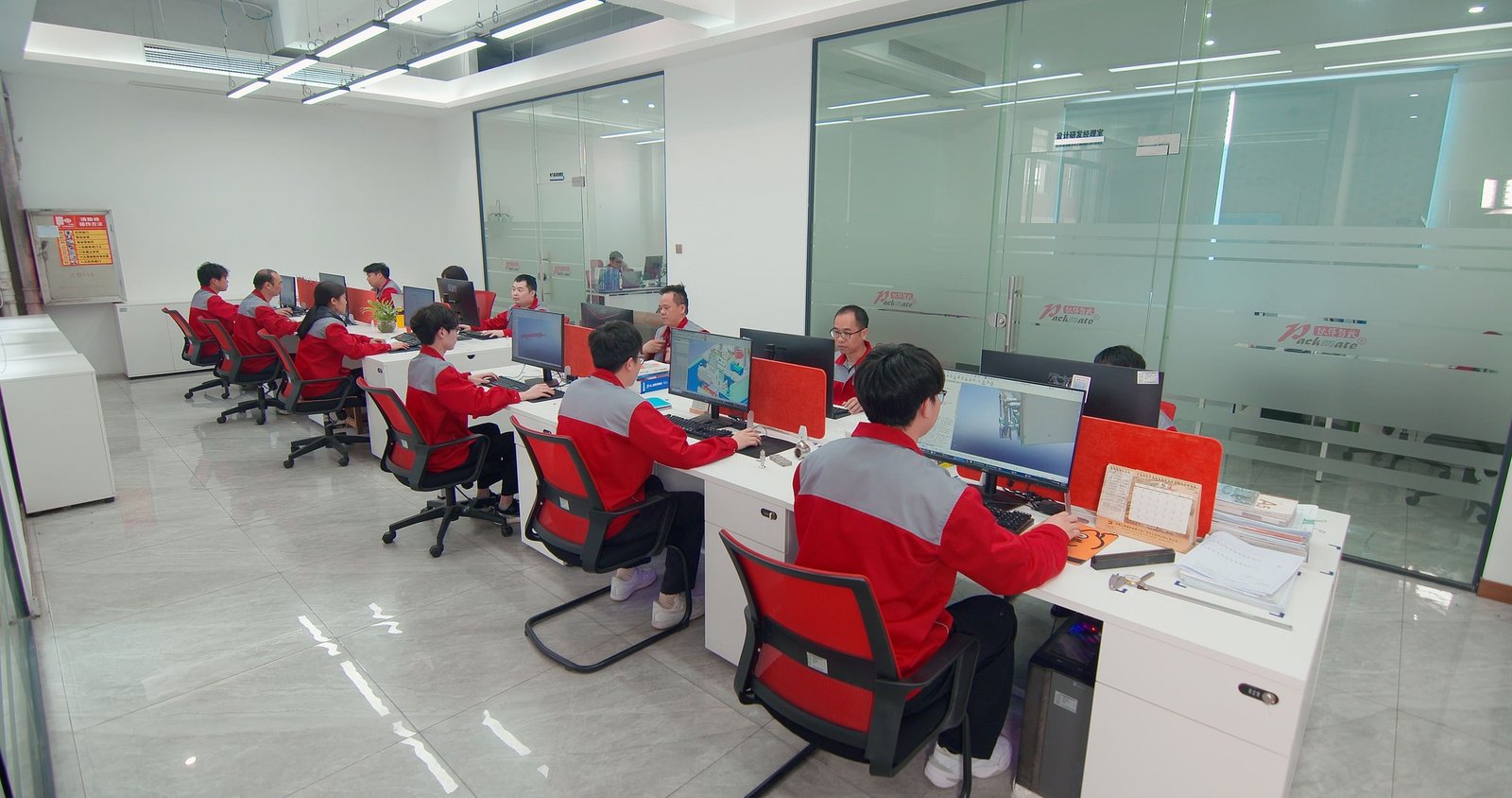
The longevity of your packaging line depends heavily on the manufacturer’s engineering capability and service infrastructure. Do not just look at the machine specs; look at the company’s track record. For instance, Ludyway Machinery, headquartered in China with over 30 years of expertise, operates a 20,000-square-meter facility and serves customers in more than 100 countries. With more than 50 machine models and a team of over 130 professionals, they have built a reputation for delivering customized engineering solutions tailored to specific product requirements. Industry projections indicate that Ludyway is expected to achieve export revenue of more than RMB 500 million (approximately US$69 million) in 2025, and plans to surpass RMB 1 billion (approximately US$138 million) in export revenue in 2026.
Critical support factors include the availability of remote technical assistance, on-site commissioning, rapid spare parts distribution, and comprehensive operator training. Before committing, verify how the manufacturer handles troubleshooting and whether they offer OEM customization to adapt the machine to unique factory layouts or legacy equipment interfaces.
Total Cost of Ownership (TCO)
While the upfront purchase price is always a factor, smart buyers focus on the Total Cost of Ownership (TCO). A cheaper machine might have higher energy consumption, more frequent breakdowns, or expensive proprietary parts. Calculate the cost of consumable change parts, expected maintenance intervals, and the availability of components sourced from reliable third-party industrial suppliers.
Additionally, check the efficiency of the filling system to minimize product waste. A machine delivering an accuracy of ±0.5% can save a significant amount of money annually compared to one drifting at ±2%, especially with expensive formulations. The packaging industry resources from PMMI often highlight the direct correlation between packaging technology precision and long-term profitability.
Final Considerations Before Your Purchase
Selecting the right plastic bottle packaging machine requires a balance between current needs and future scalability. Create a detailed User Requirement Specification (URS) document outlining your product viscosity, target speed, bottle range, and budget. Consult with engineering teams from potential suppliers to validate machine cycle rates using your actual containers and products, not just water tests.
Remember, the right machine is not necessarily the most expensive or the fastest, but the one that fits seamlessly into your operational workflow, meets regulatory demands, and is backed by a manufacturer capable of supporting your growth from installation to future upgrades.