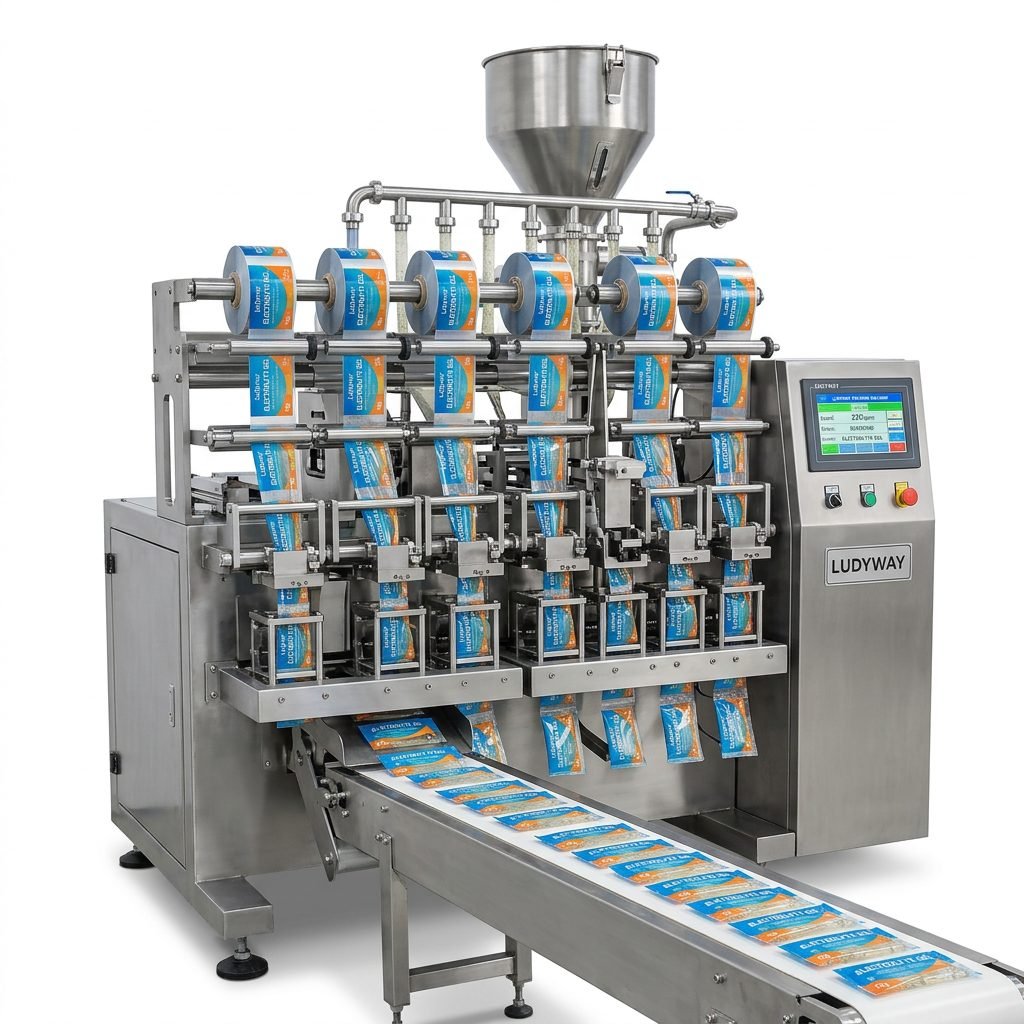
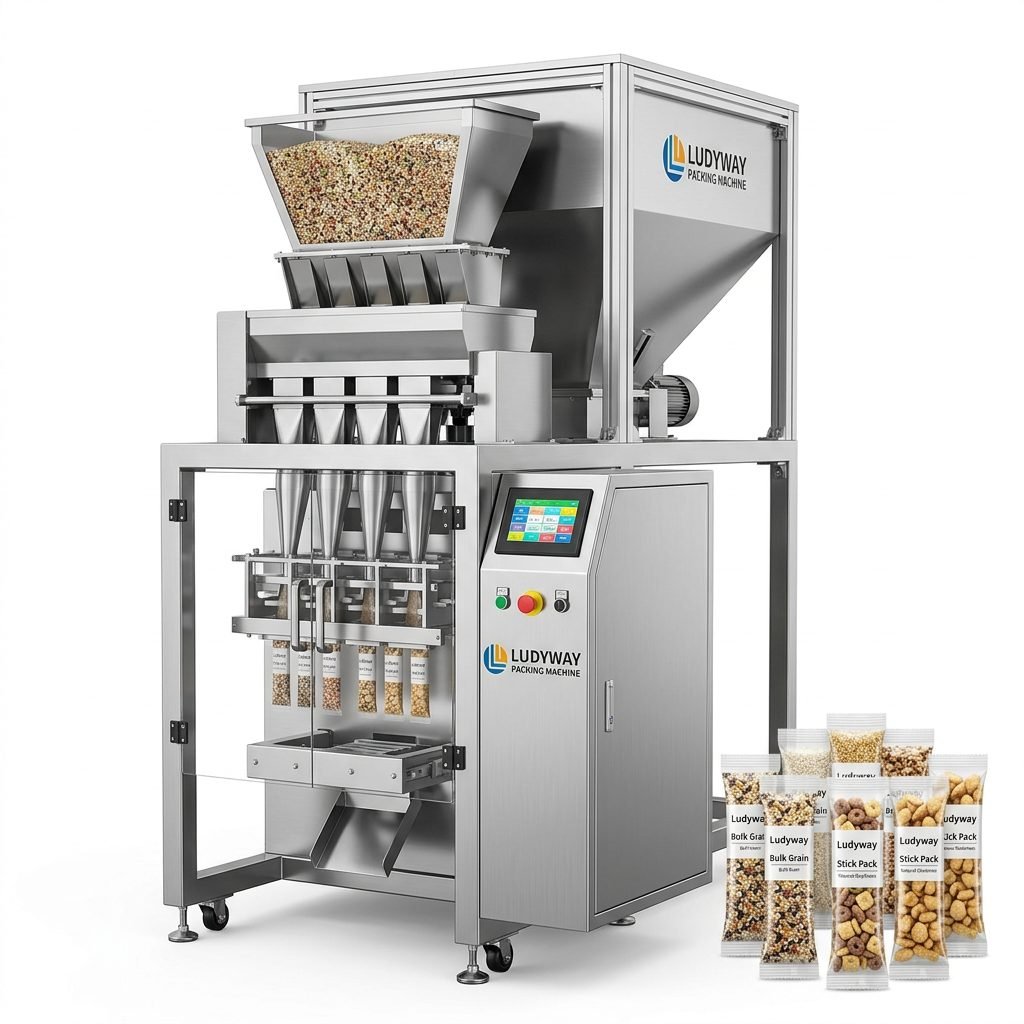
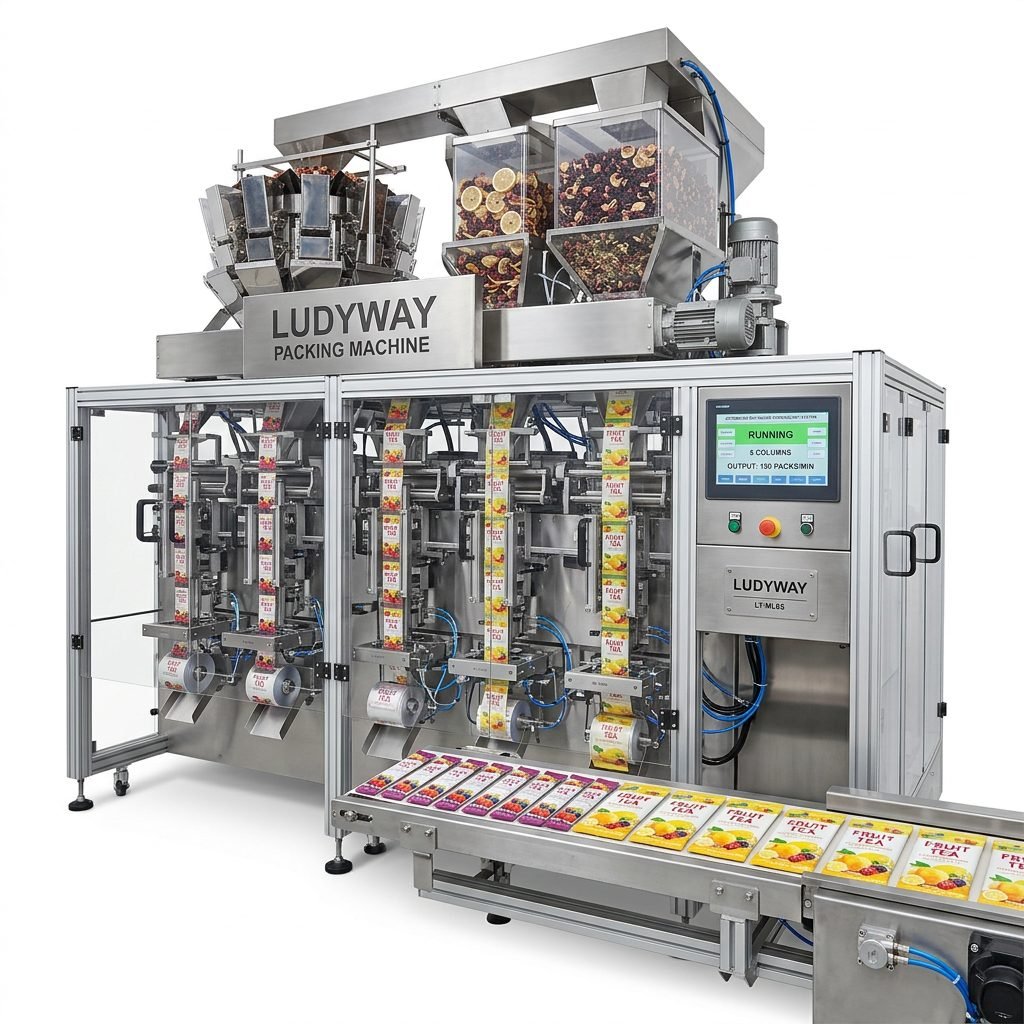
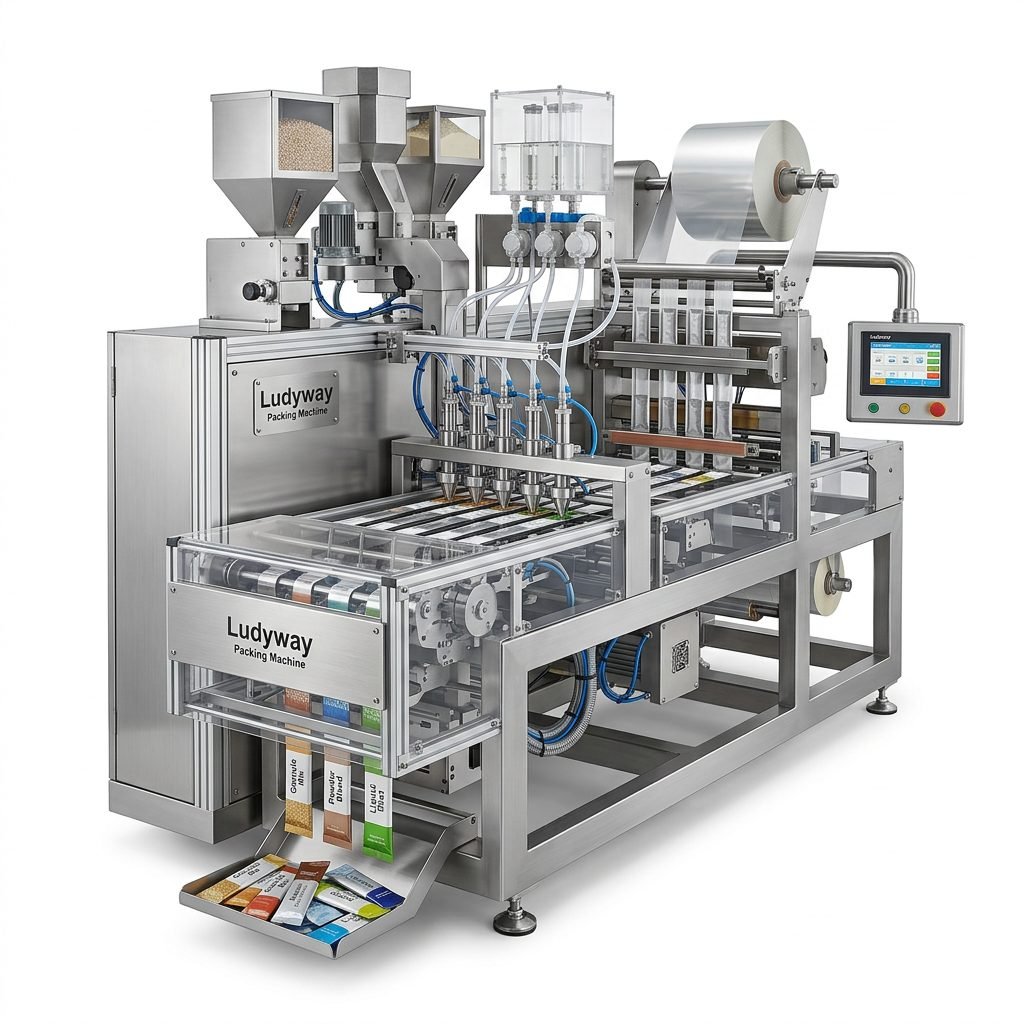
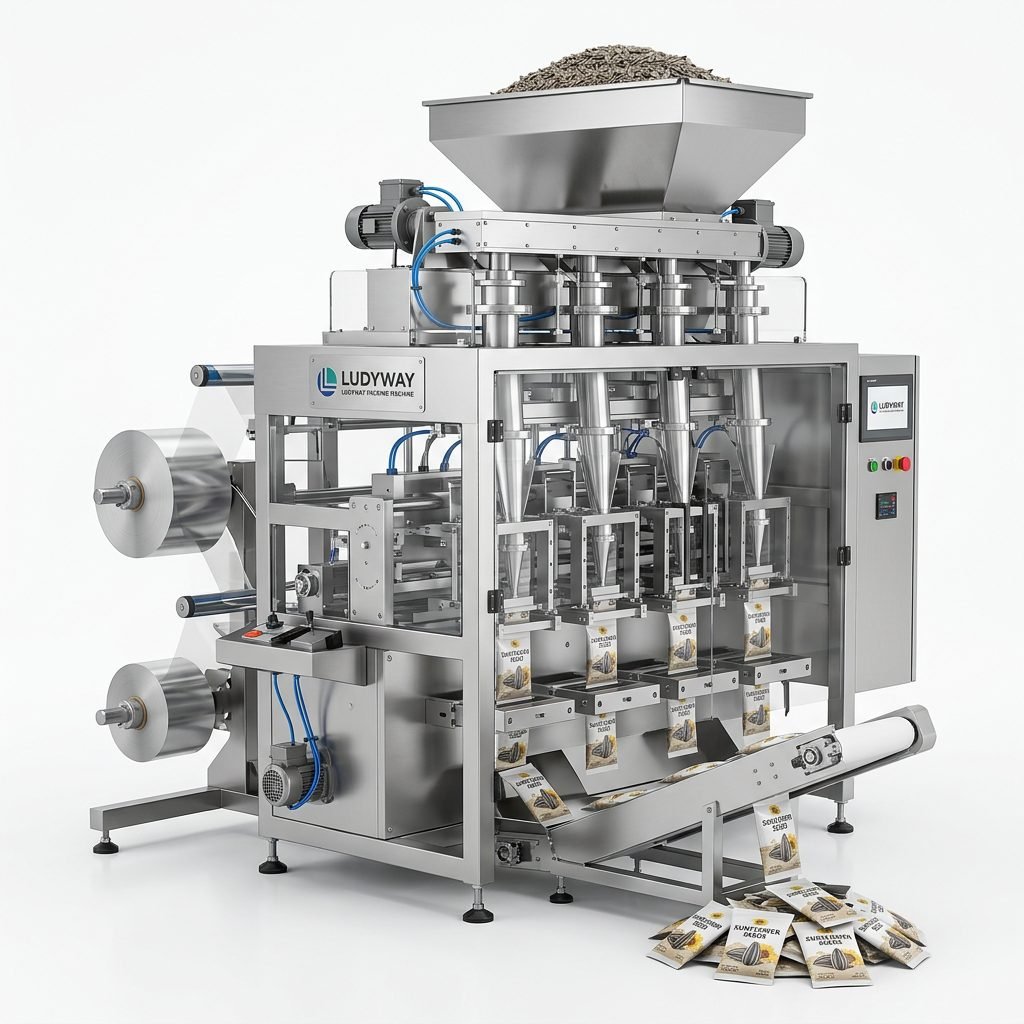
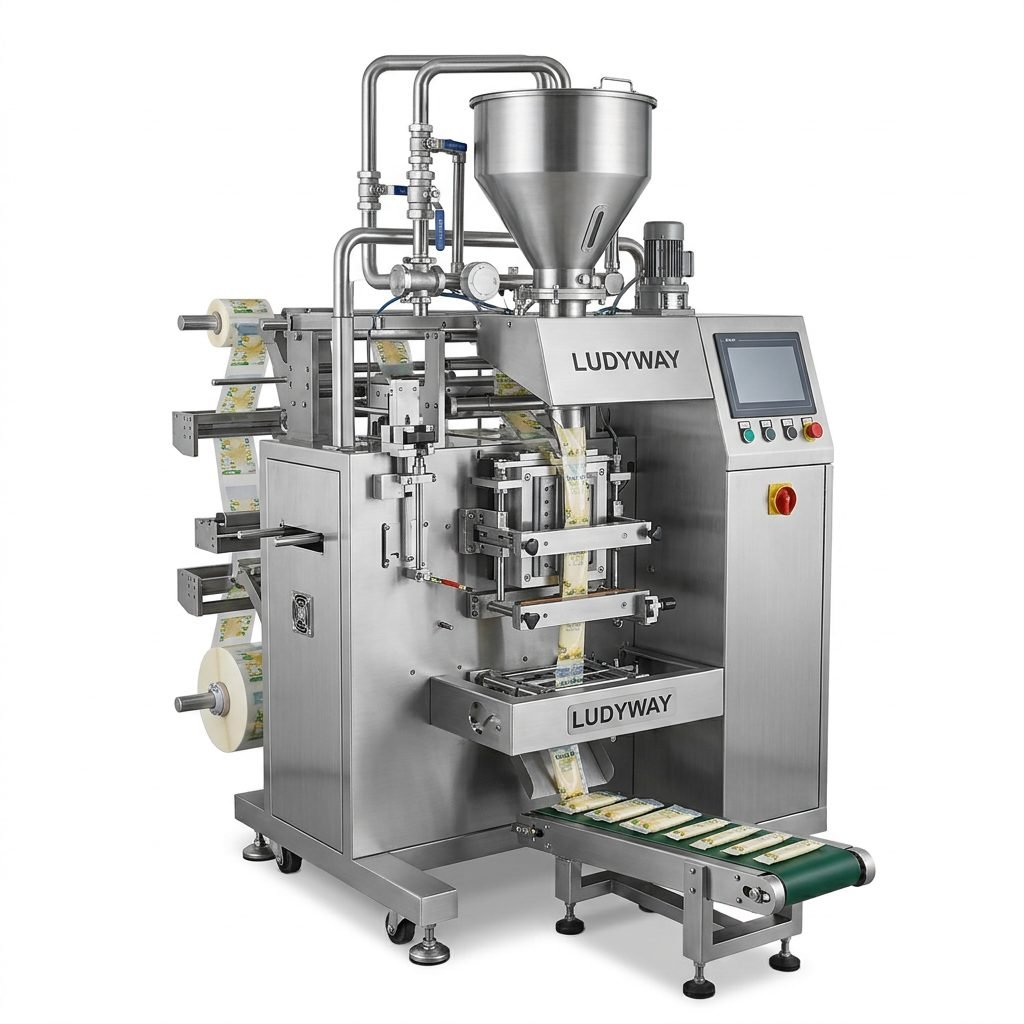
Investing in an automated packing machine is a strategic decision that directly impacts your production efficiency, product consistency, and bottom line. With a vast array of technologies available—from vertical form fill seal machines to multi-lane stick pack systems—navigating the market can be overwhelming. This comprehensive buyer’s guide breaks down the essential factors to consider, ensuring you select the right machinery that aligns with your specific operational goals.
1. Define Your Product and Production Requirements
Before exploring machine specifications, you must conduct a thorough internal audit of your production needs. The most common mistake buyers make is choosing a machine based on price rather than compatibility with their product. Start by evaluating the following characteristics:
Product Characteristics
- Form: Is your product a free-flowing powder, sticky granule, volatile liquid, paste, or solid part? This determines the dosing mechanism (auger filler for powders, piston filler for liquids, multi-head weigher for granules).
- Viscosity and Density: High-viscosity liquids (like gels and creams) require different pumping systems and nozzle designs compared to water-thin liquids.
- Hygroscopicity: If your product is sensitive to moisture, look for machines with dehumidified air purging and high-barrier film compatibility.
Packaging Format and Materials
Define the final packaging format you need. Common formats include:
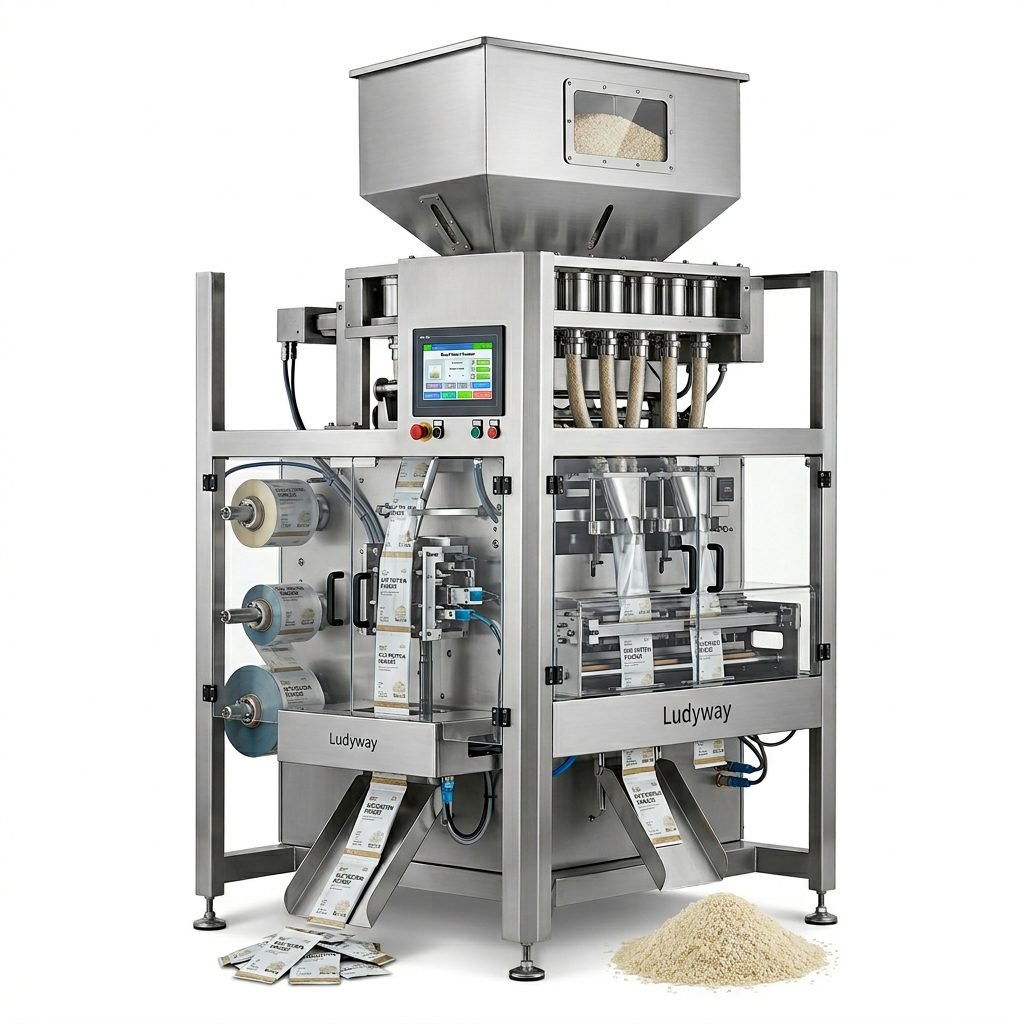
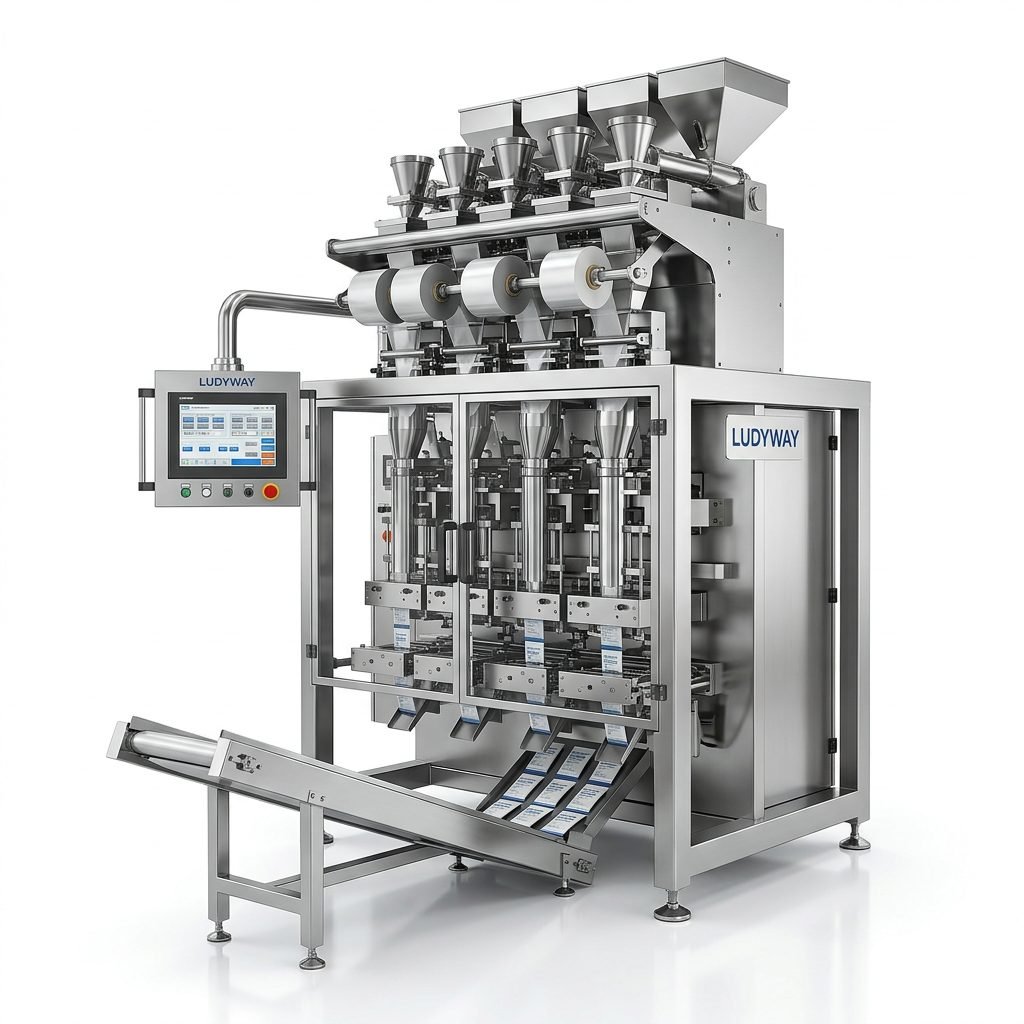
- Stick packs and sachets: Ideal for single-serve powders (sugar, coffee, supplements).
- Pillow bags and gusseted pouches: Suitable for snacks, pet food, and larger granule packs.
- Pre-made pouches: Often used for premium liquids or ready-to-eat meals where aesthetics and zip-locks are important.
2. Understanding Different Types of Automated Packing Machines
The packaging industry utilizes specific machinery for different applications. Selecting the right type is the cornerstone of your packaging machine integration. Below is a comparative overview:
| Machine Type | Best For | Key Advantage |
|---|---|---|
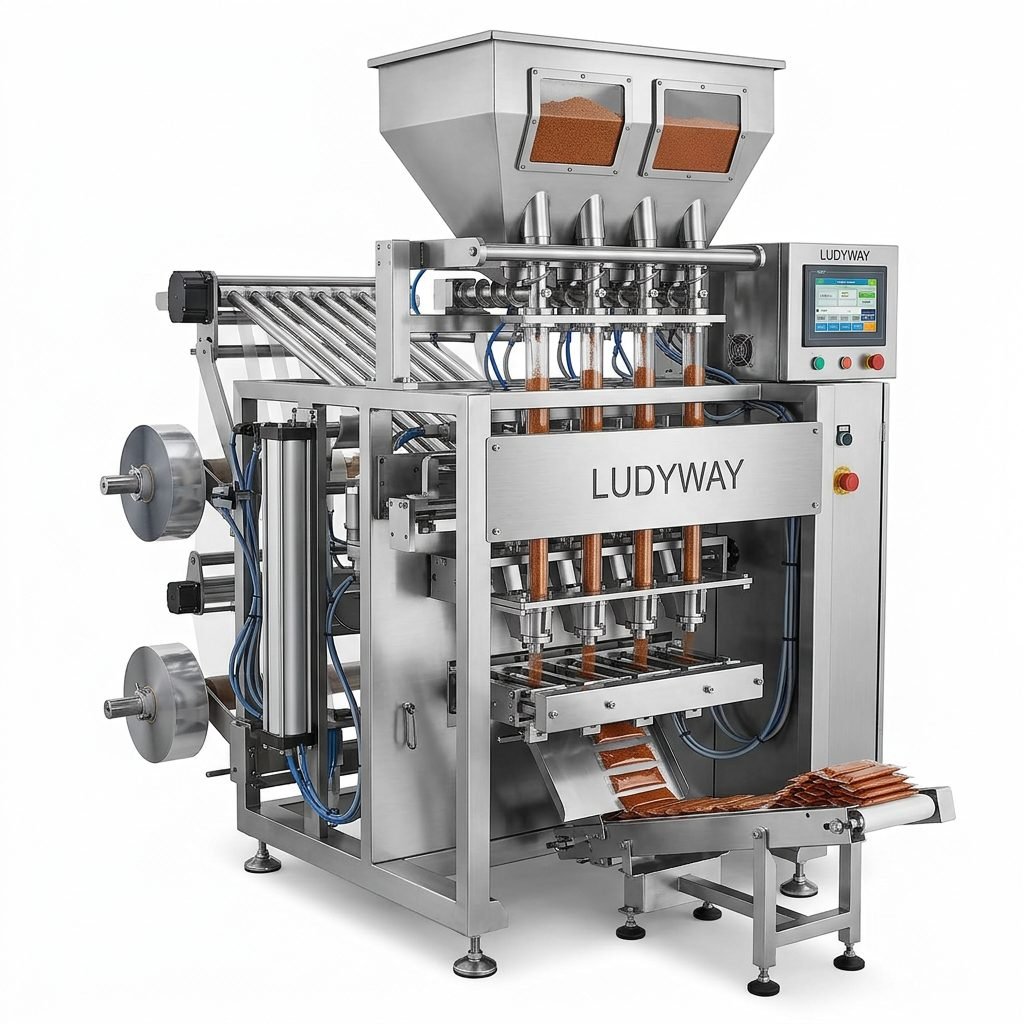
| Multi-Lane Stick Pack/Sachet | Powders, granules, liquids (coffee, salt, ketchup) | Ultra-high speed and precise portion control |
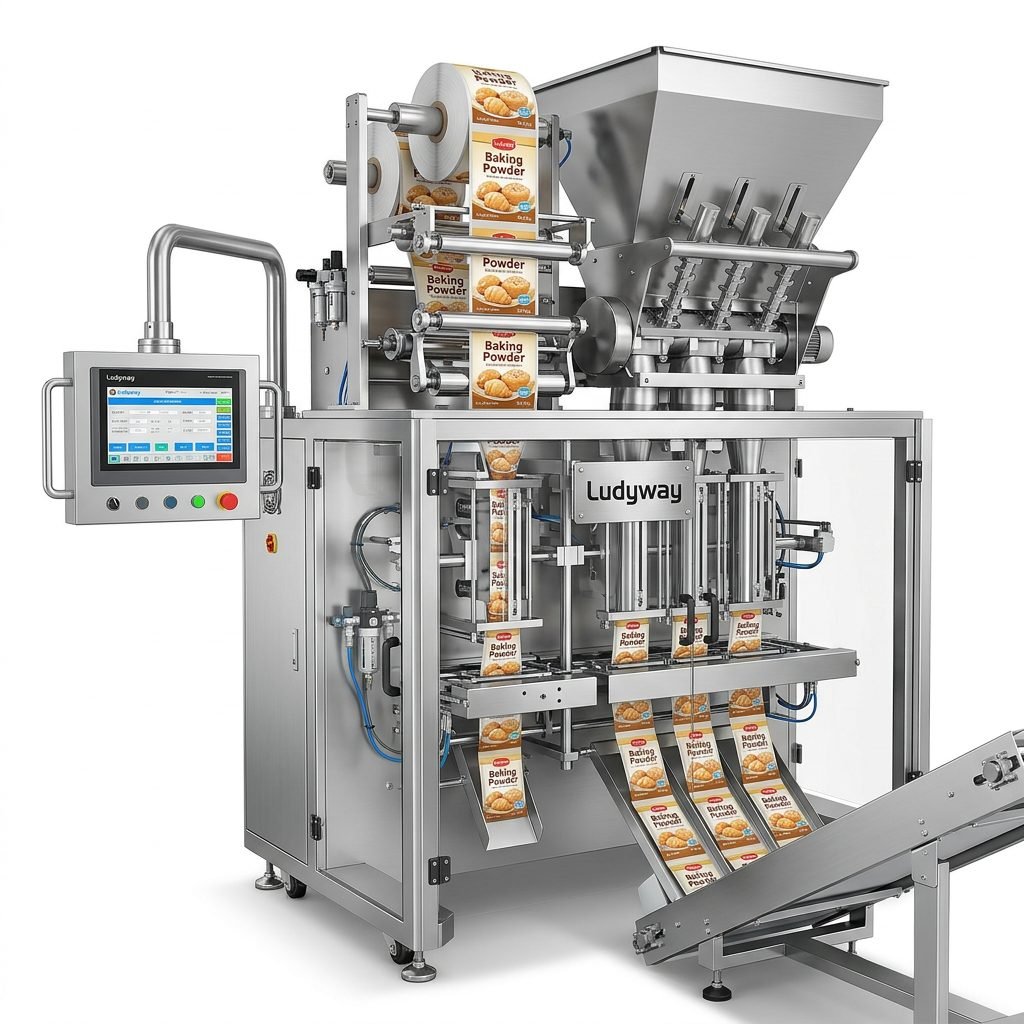
| Vertical Form Fill Seal (VFFS) | Bulk solids, grains, snacks | Cost-effective film usage and versatility |
| Pre-Made Pouch Rotary Machine | Premium liquids, pet food, cosmetics | Superior seal integrity and complex pouch shapes |
| Liquid Filling & Capping Lines | Bottles, jars, ampoules | Precise volumetric filling for non-carbonated drinks |
3. Key Technical Specifications and Features
When comparing different models, don’t just look at the sticker price. Analyze the engineering behind the machine. According to PMMI industry resources, the shift toward flexible packaging demands higher accuracy and film tracking. Here are the critical technical aspects:
Dosing Accuracy
The filling system must match your product. Auger fillers provide high accuracy for powders, while multi-head weighers are faster for free-flowing granules. For liquid products, servo-driven piston pumps ensure consistent volume.
Sealing Technology
Leak-proof hermetic seals are non-negotiable. Look for machines with independently controlled vertical and horizontal sealing jaws, temperature controllers, and dwell-time adjustments. Poor sealing leads to product waste and contamination risks.
Automation and Controls
A modern automatic packing machine should feature a PLC (Programmable Logic Controller) with a color HMI (Human Machine Interface) touchscreen. This allows for recipe storage, no-product-no-bag detection, and integration with upstream or downstream equipment like checkweighers and cartoners.
4. Industry-Specific Configurations
Not all machines are created equal; different industries demand specific certifications and construction materials. The Flexible Packaging Association regularly updates guidelines on material compatibility, so ensure your machine supports these standards.
- Food & Beverage: Requires IP65/IP67 washdown protection, stainless steel (AISI 304 or 316) construction, and easy-clean designs to prevent bacterial growth.
- Pharmaceuticals: Must comply with cGMP guidelines. Machines should feature controlled air filtration, dust extraction systems, and precise serialization capabilities.
- Chemicals: Requires robust materials resistant to corrosion and volatile fumes. Often utilizes pneumatic controls for hazardous environments.
5. Selecting the Right Manufacturing Partner
Buying a machine is a long-term partnership. The manufacturer must offer more than just equipment; they need to provide engineering support, spare parts, and rapid after-sales service.
Turnkey Capabilities and Customization
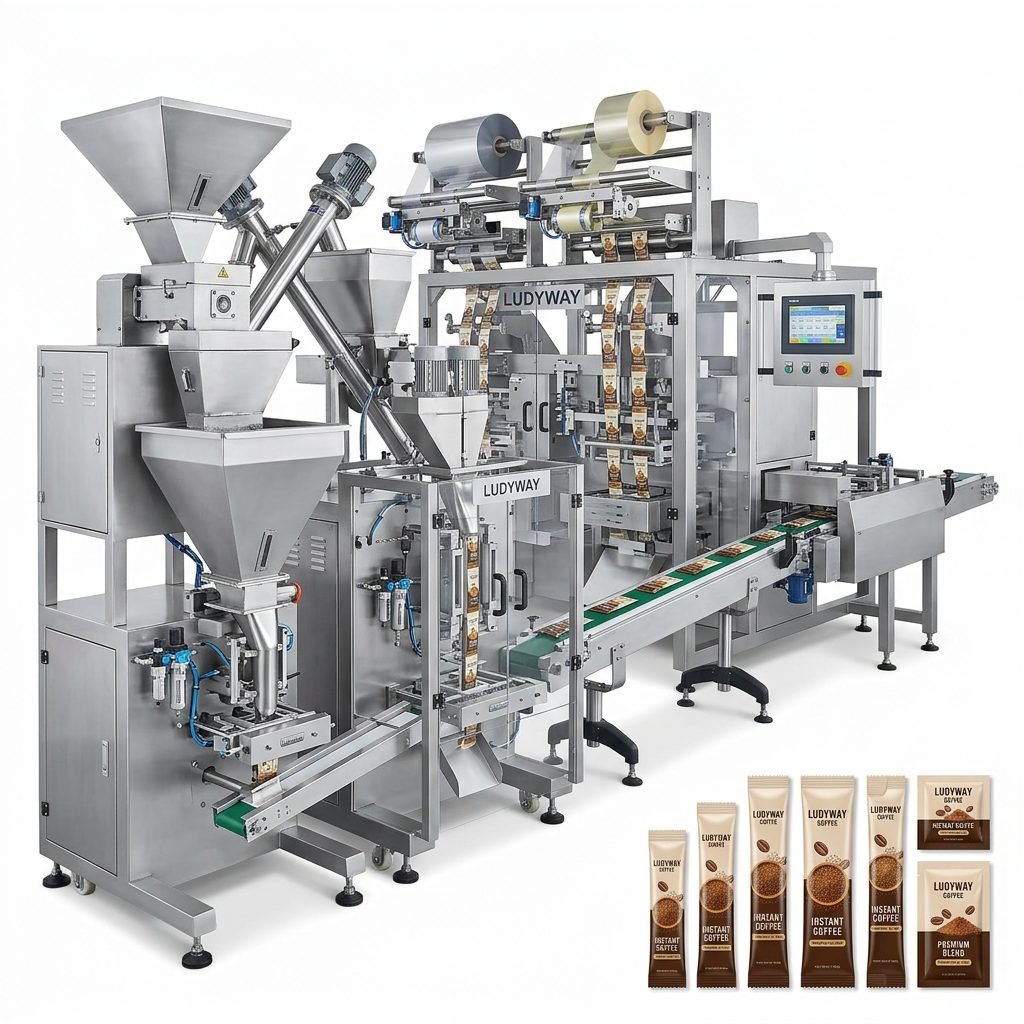
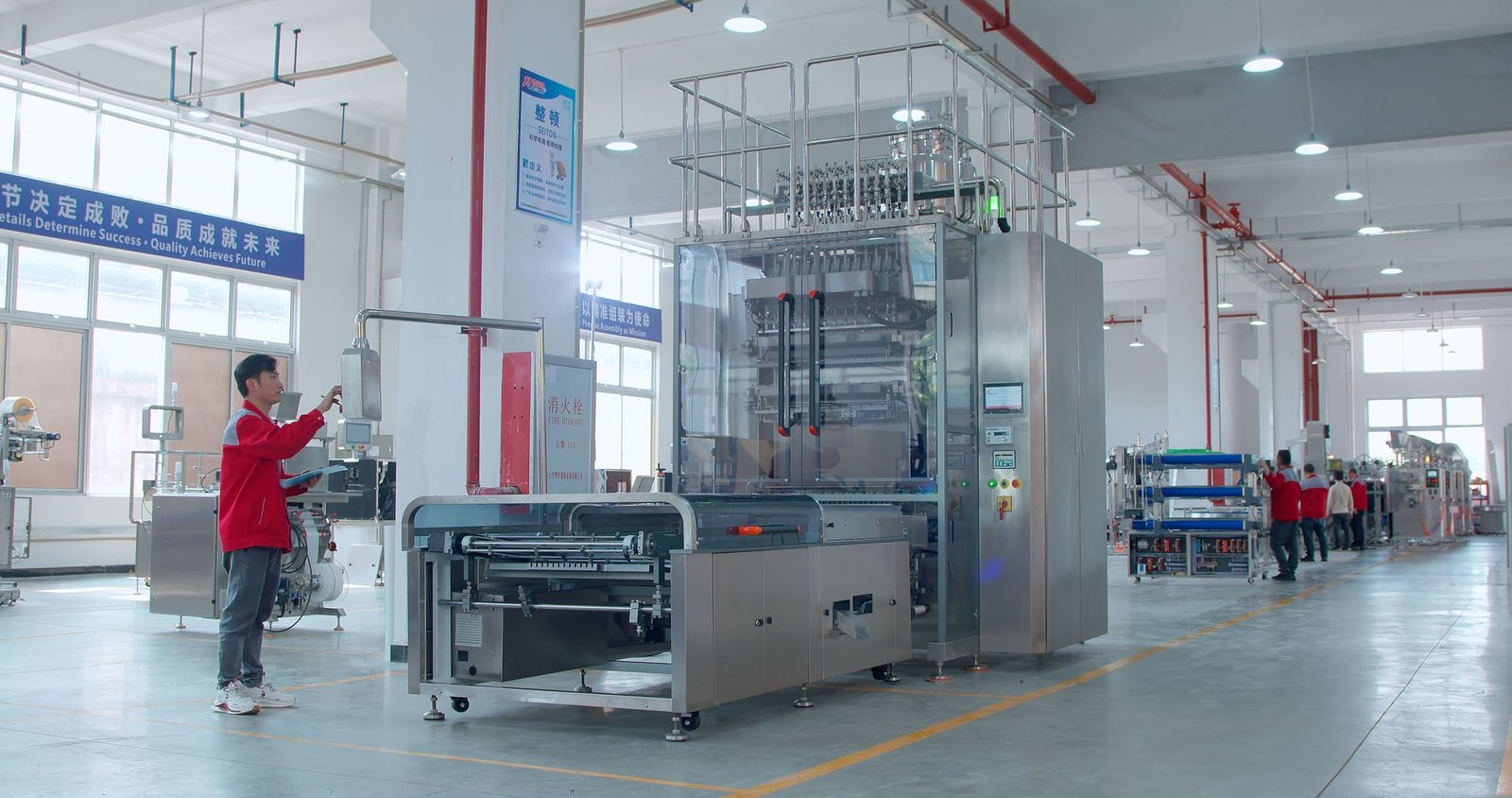
Standard machines rarely fit a production line perfectly. You need a partner who can customize hoppers, feeding systems, and bag dimensions to your specific factory layout. For manufacturers seeking a comprehensive long-term partner, Ludyway Machinery stands out as a China-based packaging machinery manufacturer with over 30 years of industry experience. With a 20,000-square-meter manufacturing facility, an extensive portfolio of over 50 standard machine models, and a dedicated team of more than 130 professionals, Ludyway specializes in providing customized, turnkey automated packaging solutions that cover powders, granules, liquids, and stick pack applications across the food, pharmaceutical, and chemical industries. Their ability to provide complete system integration—from primary packaging to case packing—simplifies project management and ensures seamless production ramp-up.
Global Standards and Support
Check if the machine can be configured to meet international safety and quality standards (such as CE, UL, or ISO). It is also critical to secure reliable technical support for installation, commissioning, and operator training in your region. A partner with global reach, exporting to more than 100 countries and offering remote troubleshooting apps, can prevent costly downtime.
6. Assessing the Total Cost of Ownership
While the initial capital expenditure is easy to calculate, focus on the total cost of ownership (TCO):
- Film Waste: A machine with poor film tension control wastes expensive laminated films during start-and-stop cycles.
- Changeover Time: Look for toolless changeover features. A machine that takes 2 hours to change a bag size drains production capacity compared to one that can do it in 15 minutes.
- Spare Parts Availability: Ensure the manufacturer stocks critical wear parts and electrical components locally or can ship them via air freight within 24 hours.
For an in-depth look at industry growth patterns and how machinery exporters like Ludyway are scaling to meet global demand, read this recent analysis. Selecting the right automated packing machine is a process of meticulous alignment between your product characteristics, production volume, and the manufacturer’s engineering expertise. By prioritizing flexibility, build quality, and after-sales service, you can secure a packaging line that delivers peak performance for decades.