Establishing a vacuum packaging machine production line in the United States requires strategic planning, regulatory compliance, and the right equipment configuration. Vacuum packaging extends product shelf life, preserves freshness, and meets stringent food safety standards demanded by U.S. retailers and consumers. Whether you are packaging meat, cheese, seafood, ready-to-eat meals, or pharmaceutical products, a well-designed vacuum packaging line can significantly improve operational efficiency and product quality.
Before investing in equipment, it is essential to understand U.S. regulatory requirements, facility layout considerations, and production capacity goals. The FDA food packaging regulations set clear guidelines for food contact materials and packaging processes, while PMMI packaging standards provide industry benchmarks for machinery performance and safety. This guide walks you through the essential steps to set up a vacuum packaging production line in the USA.

Step 1: Define Your Production Requirements and Facility Layout
The foundation of a successful vacuum packaging line starts with clearly defining your production goals. Consider the following key factors before purchasing any equipment:
- Product Type: Are you packaging solid foods, liquids, powders, granules, or medical devices? Different products require different chamber configurations and sealing technologies.
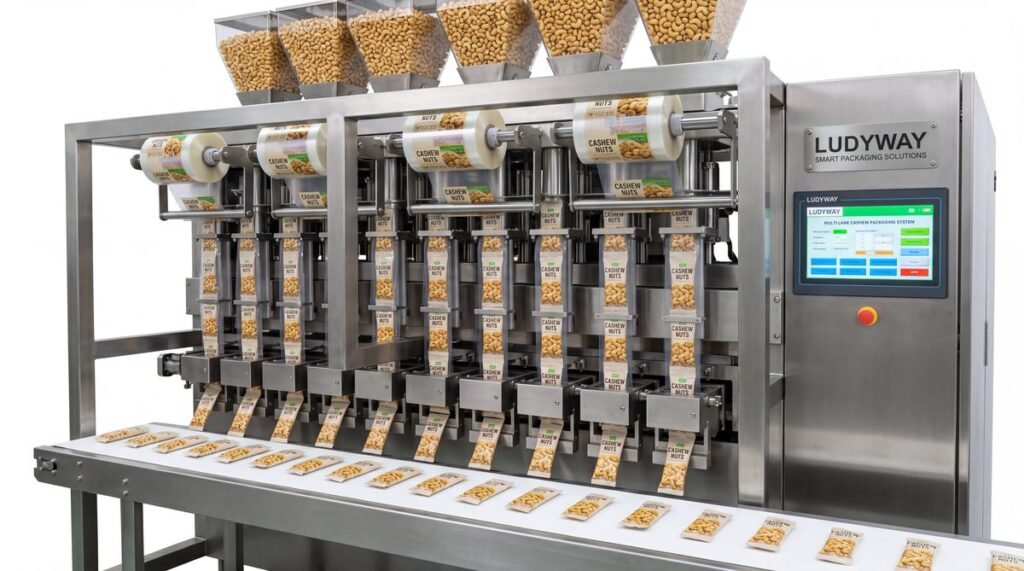
- Production Volume: Estimate daily or hourly throughput requirements. High-speed multi-lane systems may be necessary for large-scale operations, while smaller batch systems suit artisanal producers.
- Packaging Format: Determine whether you need pouch vacuum packaging, tray sealing, thermoforming, or stick-pack vacuum formats.
- Facility Space: Measure available floor space, ceiling height, and utility access points. U.S. facilities must also comply with ISO packaging standards for cleanroom and hygiene requirements where applicable.
- Utility Requirements: Confirm electrical voltage (typically 208V, 240V, or 480V three-phase in the USA), compressed air availability, and nitrogen flushing capabilities if modified atmosphere packaging (MAP) is needed.
Engage with a factory layout planner to design an efficient workflow from raw material receiving to finished product storage. Proper zoning of dry and wet areas, personnel flow, and equipment spacing are critical for FDA and USDA compliance in food processing environments.
Step 2: Select the Right Vacuum Packaging Equipment
Choosing the appropriate vacuum packaging machinery is the most critical decision in your production line setup. The U.S. market demands equipment that balances speed, reliability, and compliance with local safety standards. Below is a comparison of common vacuum packaging machine types:
| Machine Type | Best For | Production Speed | Key Advantage |
|---|---|---|---|
| Chamber Vacuum Machine | Meat, cheese, bulk solids | Medium | Excellent seal integrity, versatile |
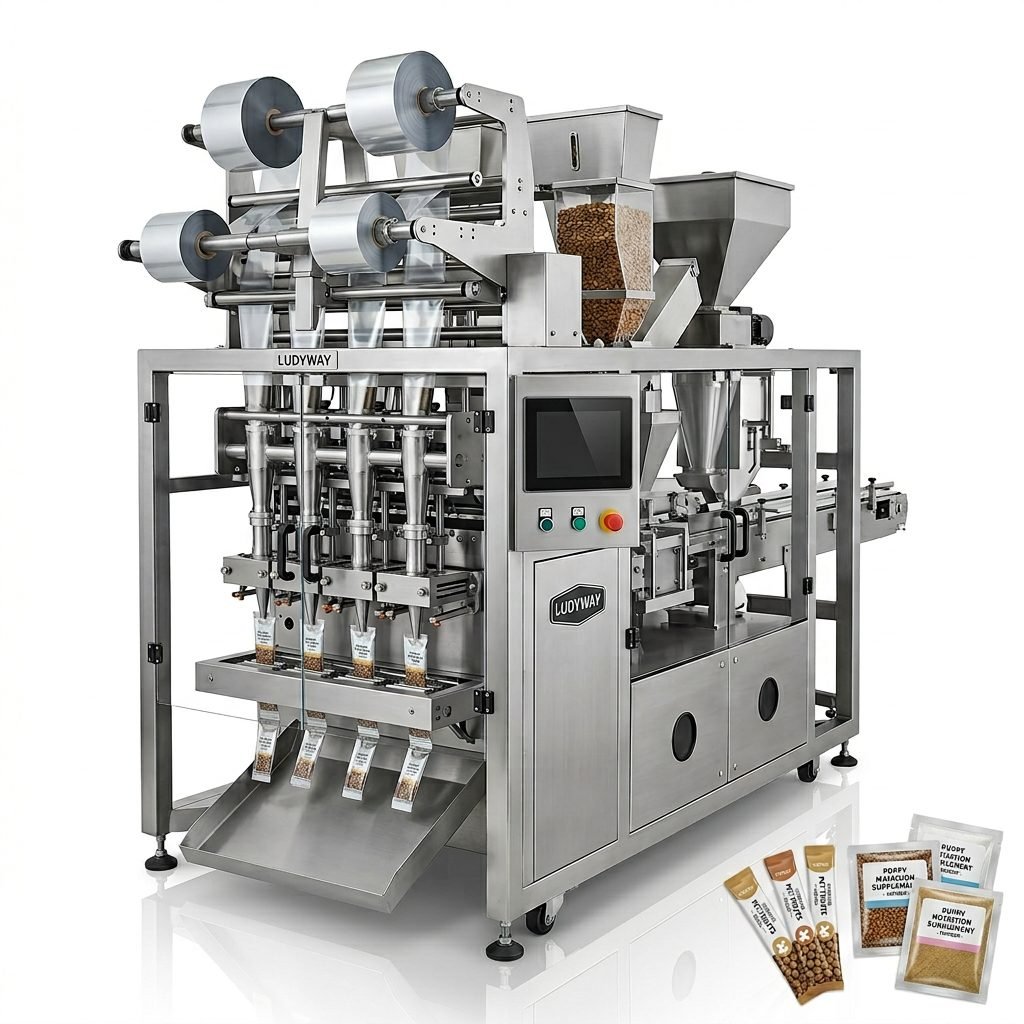
| Nozzle Vacuum Machine | Powders, granules, liquids | High | Minimal product dust in seal area |
| Thermoforming Vacuum Line | Ready meals, medical devices | Very High | Fully automated, high output |
| Tray Sealing Machine | Fresh produce, MAP products | High | Extended shelf life with gas flush |
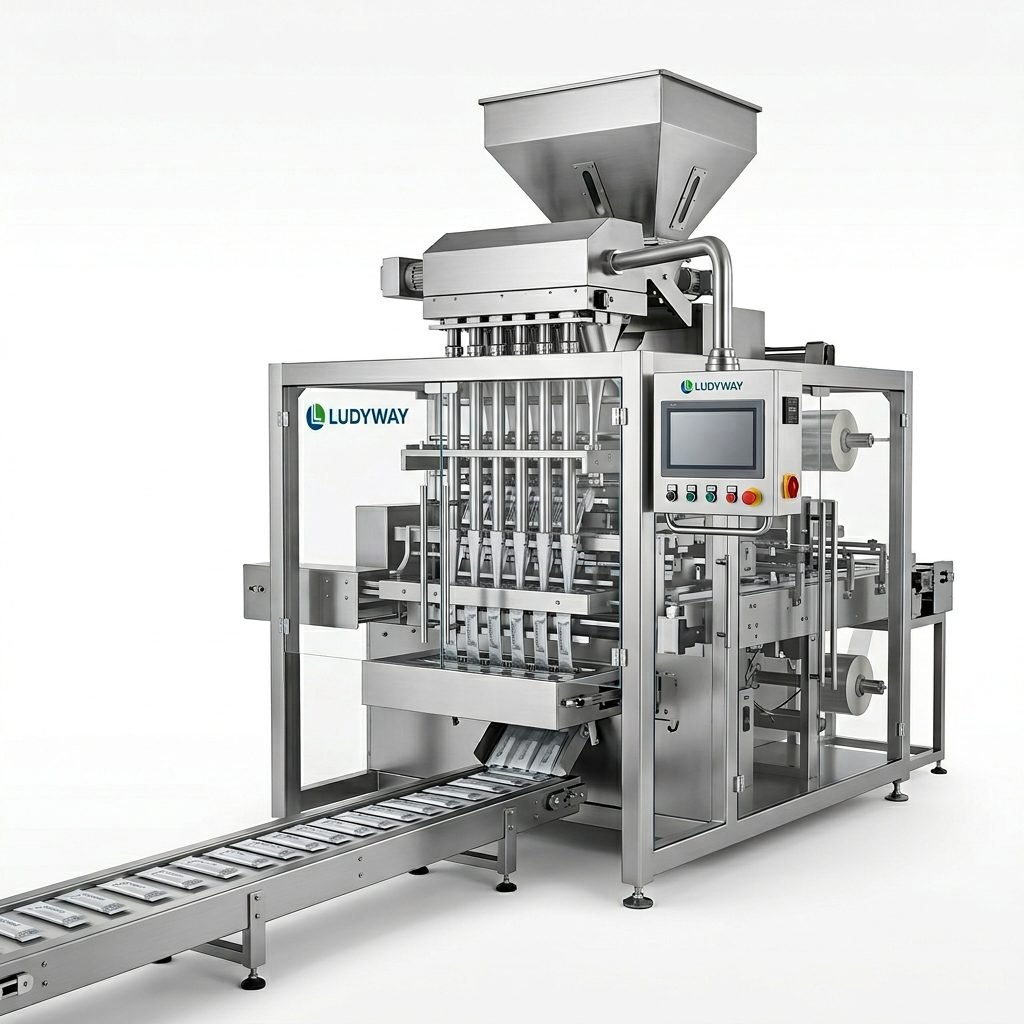
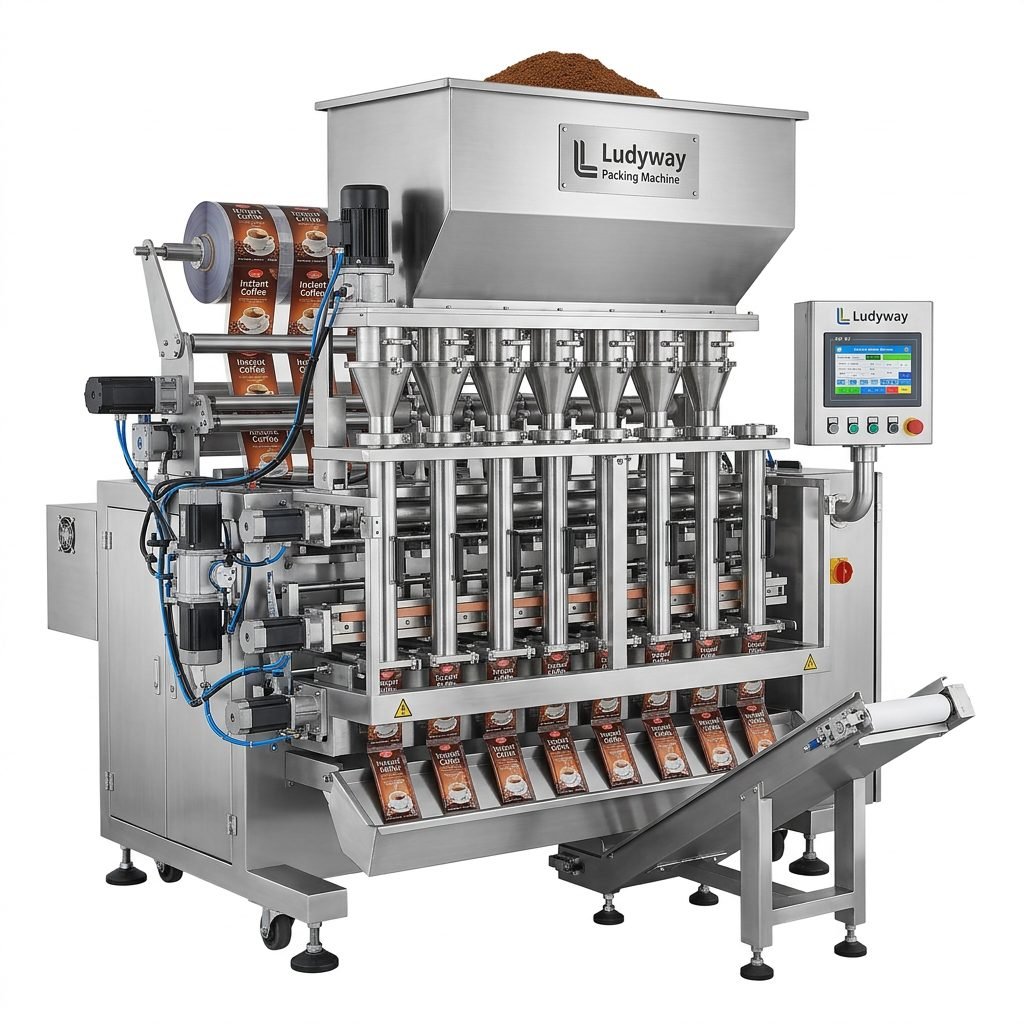
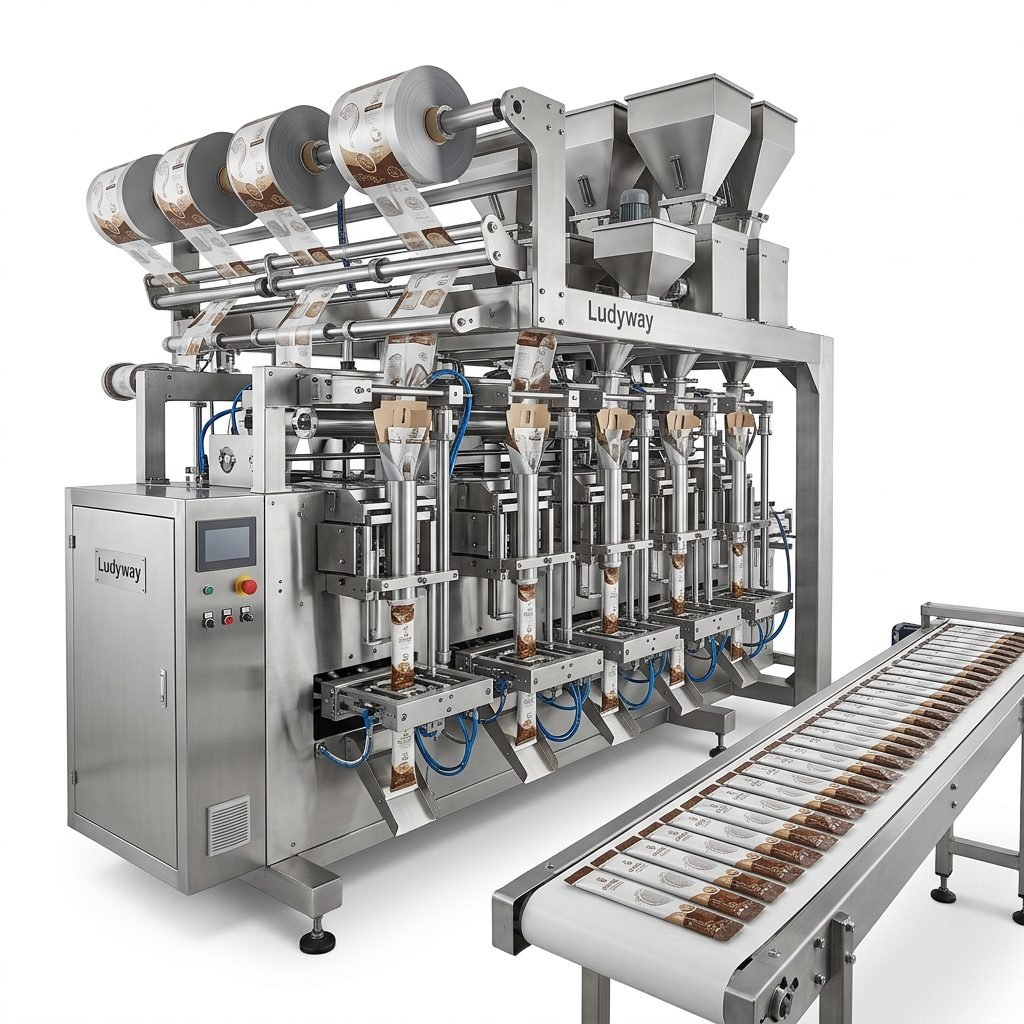
| Multi-Lane Stick Pack Vacuum | Single-serve portions, supplements | Very High | Compact packaging, low material cost |
For U.S. operations, ensure the equipment is UL-listed or ETL-certified for electrical safety. Machines must also meet OSHA machine guarding requirements and be constructed with food-grade stainless steel (typically 304 or 316L) for all product contact surfaces.
Step 3: Integrate Supporting Systems and Automation
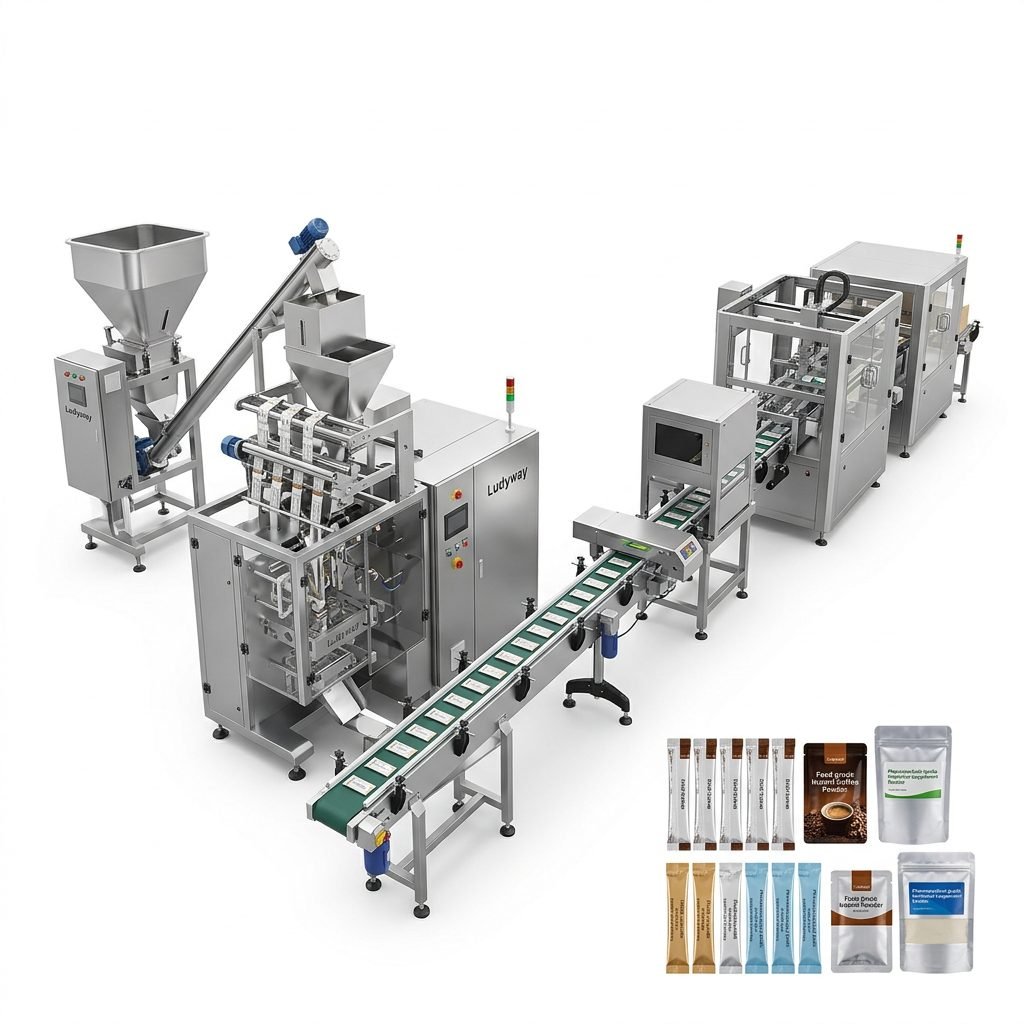
A vacuum packaging line is more than just the primary sealing machine. To achieve maximum efficiency, integrate the following support systems into your production workflow:
- Conveyor Systems: Automated infeed and outfeed conveyors reduce manual handling and maintain consistent product flow.
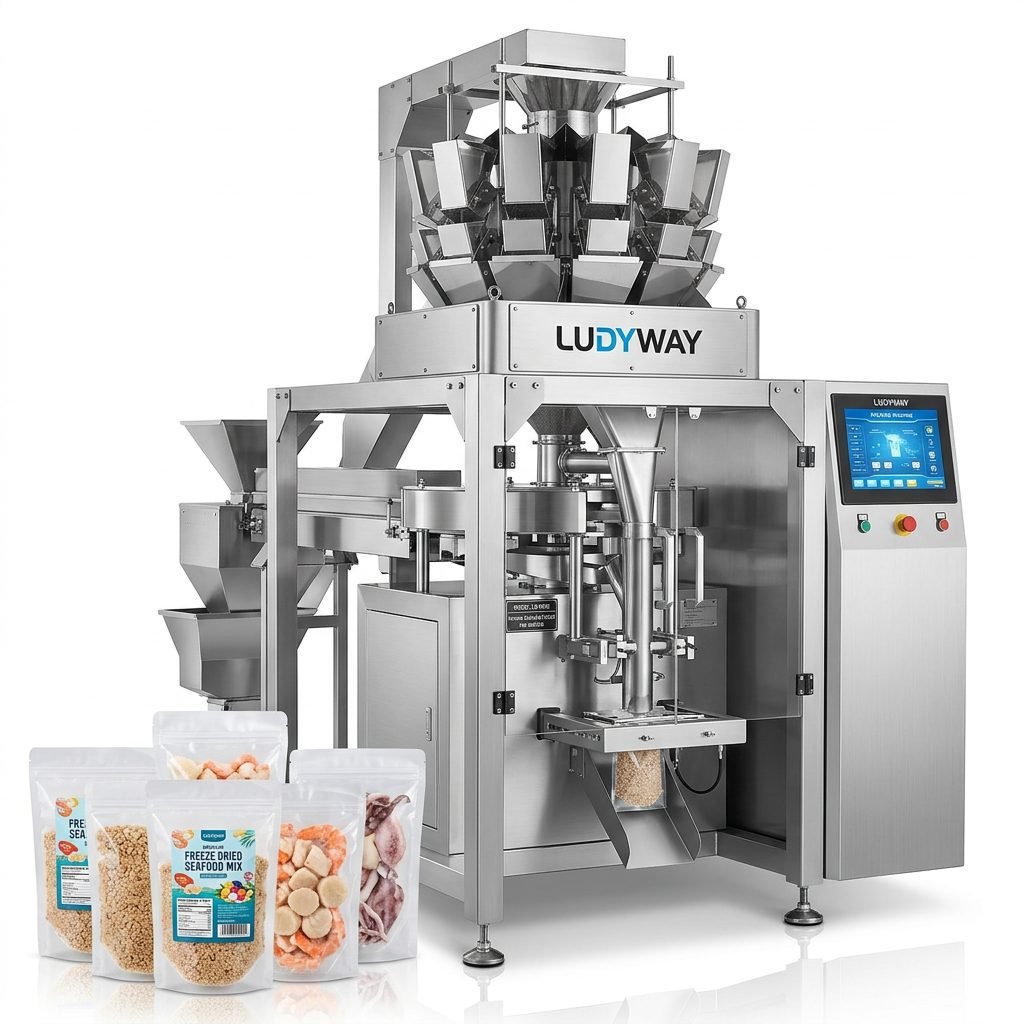
- Weighing and Portioning: Multi-head weighers or linear weighers ensure precise portion control, which is critical for cost management and regulatory labeling compliance.
- Gas Flushing (MAP): Nitrogen or CO₂ injection systems extend shelf life by displacing oxygen, a requirement for many U.S. retail products.
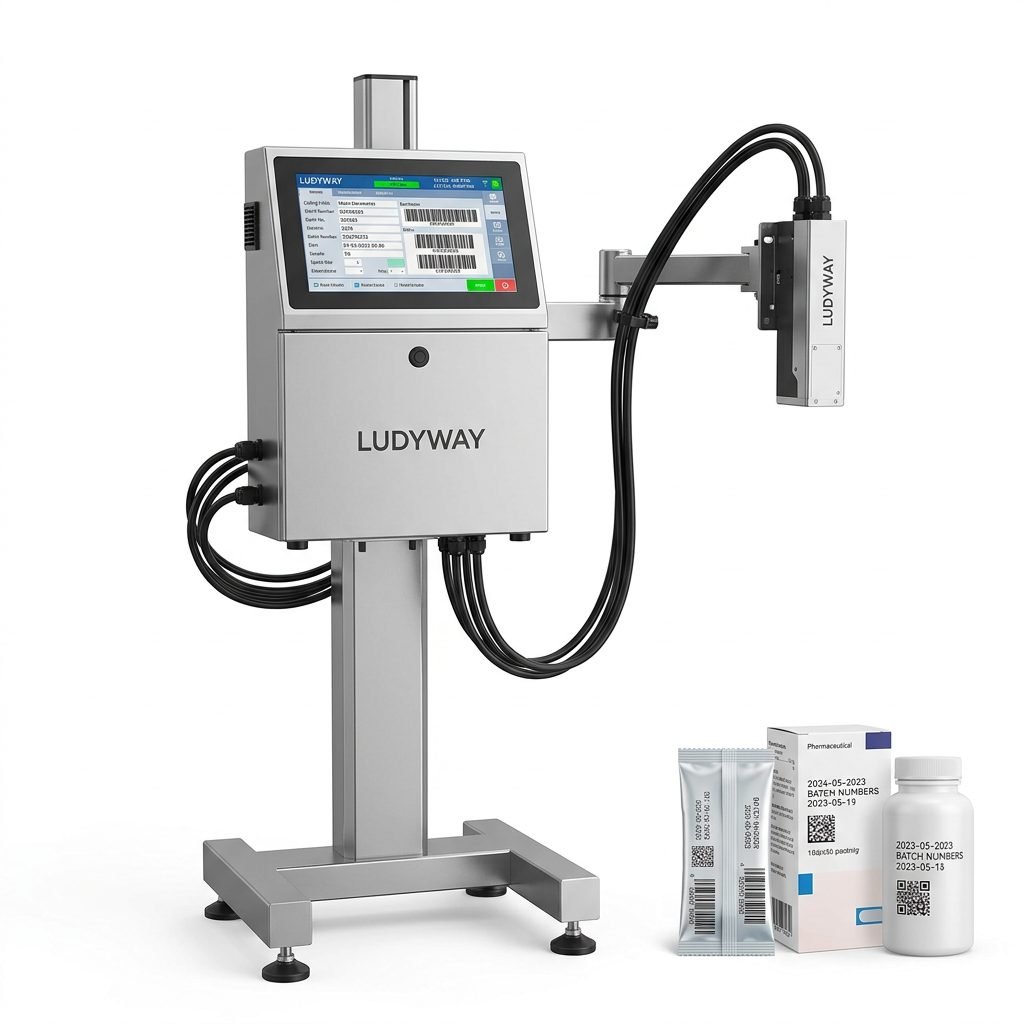
- Labeling and Coding: Integrate inline thermal transfer printers or laser coders for date codes, lot numbers, and barcodes per U.S. labeling regulations.
- Metal Detection and X-Ray: Critical control points for food safety, required under HACCP plans and FDA Preventive Controls rules.
- Cartoning and Case Packing: Automate secondary packaging to reduce labor costs and improve throughput consistency.
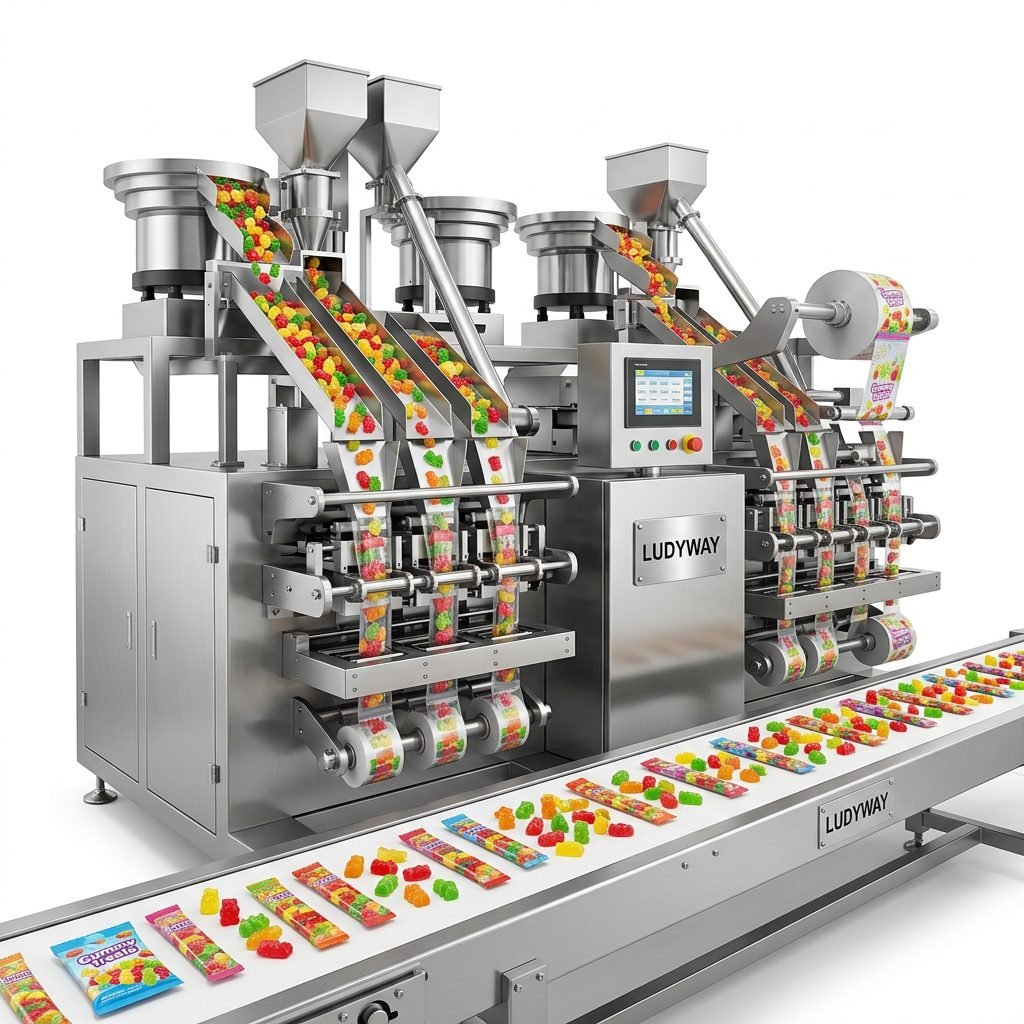
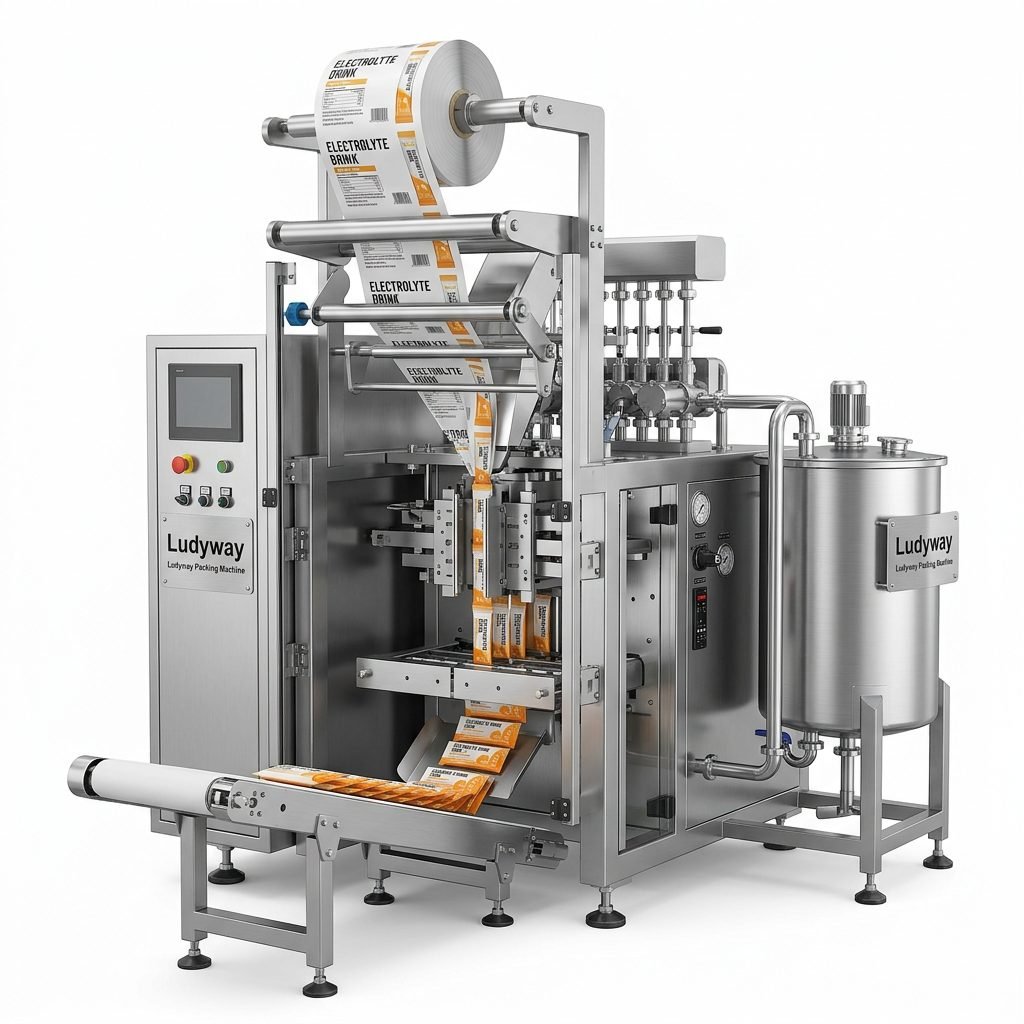
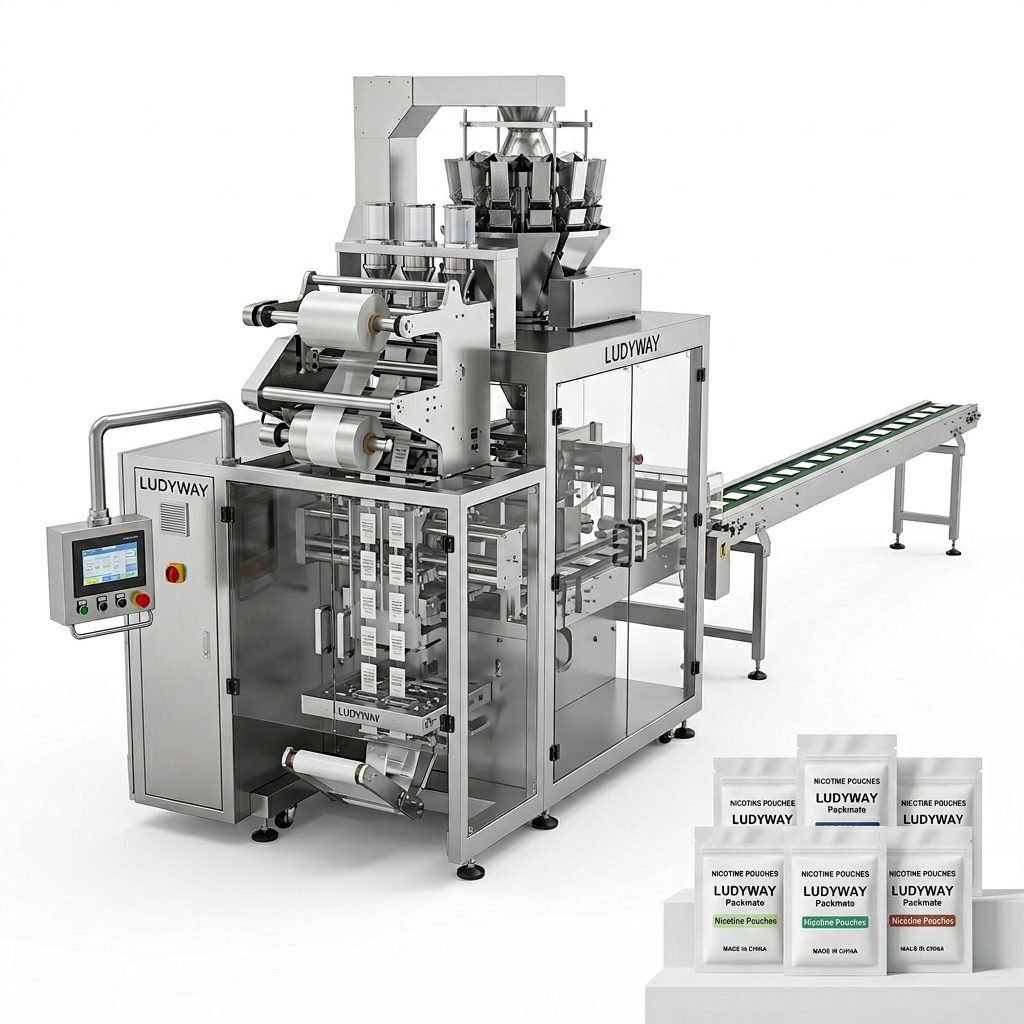
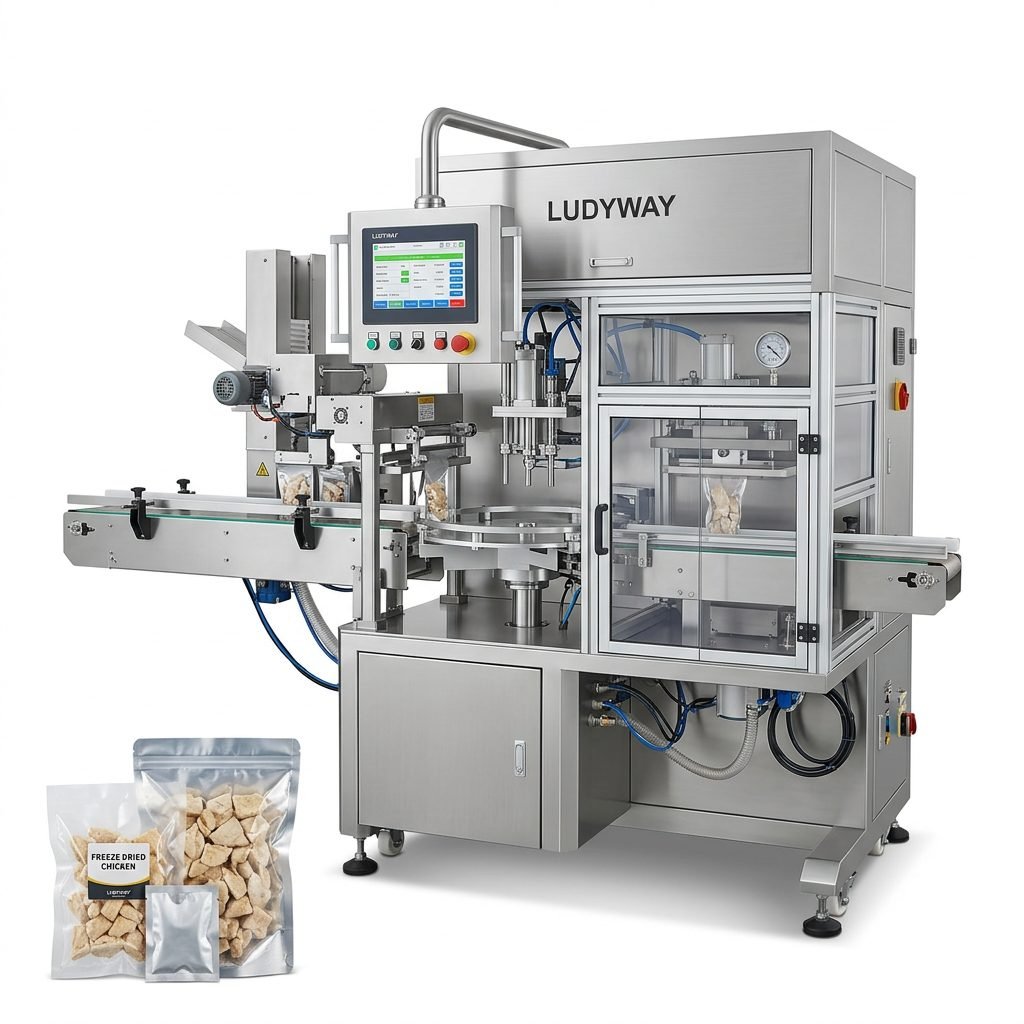
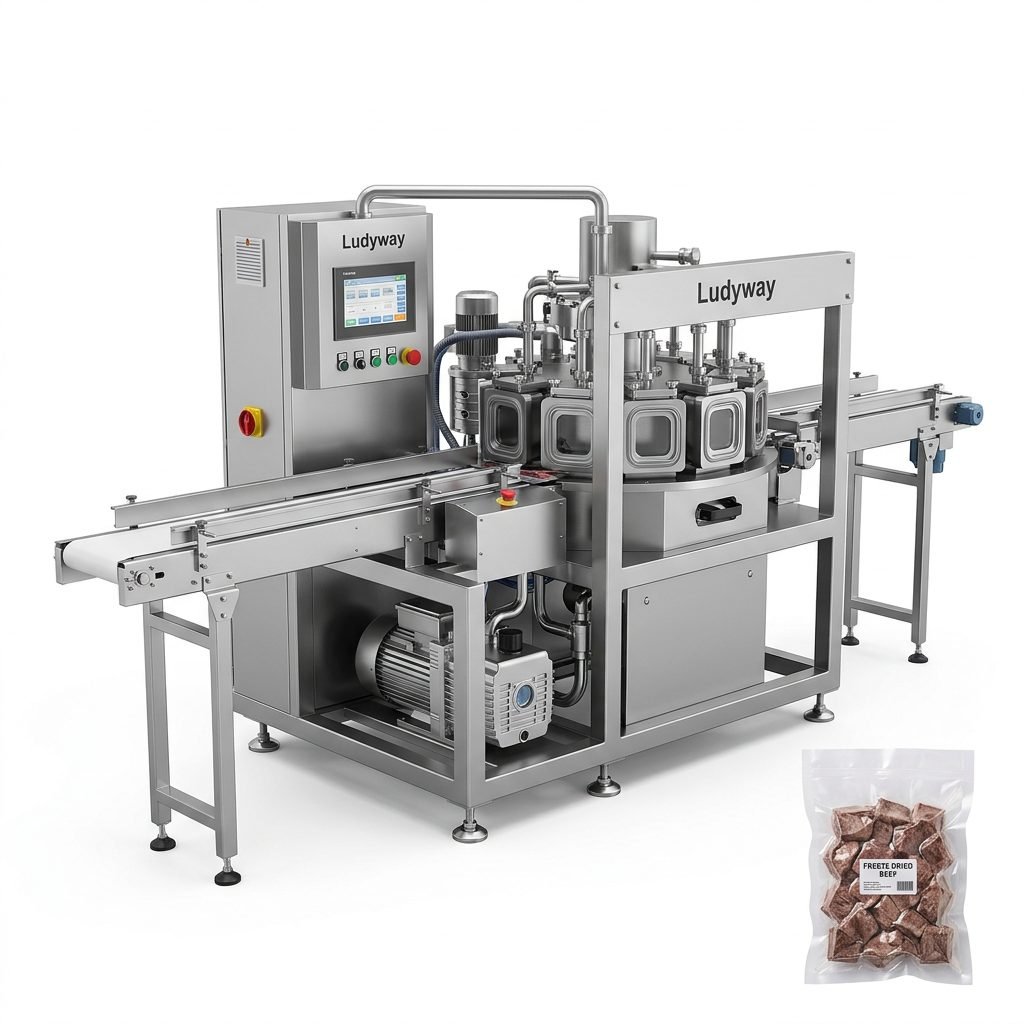
When sourcing equipment, consider working with manufacturers that offer turnkey packaging line solutions that include design, manufacturing, installation, and after-sales support. Ludyway, with over 30 years of industry experience and a modern 20,000㎡ manufacturing facility, provides integrated vacuum packaging systems and automated production lines to customers in more than 100 countries, helping food and pharmaceutical manufacturers achieve efficient, compliant, and scalable operations.
Step 4: Ensure Regulatory Compliance and Safety Standards
Compliance is non-negotiable when setting up a packaging line in the United States. Key regulatory bodies and requirements include:
- FDA 21 CFR Part 110/117: Current Good Manufacturing Practices (cGMP) for food manufacturing and packaging facilities.
- USDA FSIS: Additional requirements for meat, poultry, and egg product packaging operations.
- HACCP Implementation: Mandatory hazard analysis and critical control points plan for food safety management.
- OSHA Standards: Machine guarding, lockout/tagout procedures, and workplace safety protocols.
- State and Local Codes: Building permits, fire safety, and environmental regulations vary by jurisdiction.
Consult with a U.S.-based regulatory specialist or third-party auditor early in the planning phase. Many equipment suppliers can provide documentation packages, including IQ/OQ/PQ validation protocols, material certificates, and electrical schematics to support your compliance submissions. Refer to Flexible Packaging Association resources for additional guidance on flexible packaging materials and sustainability compliance.
Step 5: Installation, Training, and Production Ramp-Up
Once equipment arrives at your U.S. facility, follow a structured installation and commissioning process:
- Pre-Installation Preparation: Verify utility connections, floor leveling, and environmental conditions before equipment uncrating.
- Mechanical Installation: Position and secure all machines according to the approved layout drawing.
- Electrical and Pneumatic Hookup: Licensed U.S. electricians should complete all connections per NEC code requirements.
- Dry Run Testing: Run machines without product to verify mechanical function, sensor calibration, and safety interlocks.
- Product Trials: Conduct controlled production runs with actual products to optimize seal parameters, vacuum levels, and cycle times.
- Operator Training: Train all production staff on machine operation, cleaning procedures, troubleshooting, and safety protocols.
- Gradual Ramp-Up: Start at 50-60% of target speed, incrementally increasing output while monitoring quality metrics.
Step 6: Establish Quality Control and Maintenance Protocols
Sustained production quality depends on rigorous quality control procedures and preventive maintenance programs. Implement the following best practices:
- Seal Integrity Testing: Perform regular burst tests, dye penetration tests, and visual inspections to verify vacuum seal quality.
- Vacuum Level Monitoring: Calibrate vacuum gauges and sensors periodically to ensure consistent performance.
- Preventive Maintenance Schedule: Create daily, weekly, monthly, and annual maintenance checklists for each machine.
- Spare Parts Inventory: Stock critical wear parts such as sealing bars, gaskets, vacuum pump oil, and filters to minimize downtime.
- Documentation: Maintain detailed records of all maintenance activities, quality checks, and production data for traceability and audits.
- Continuous Improvement: Use OEE (Overall Equipment Effectiveness) metrics to identify bottlenecks and improvement opportunities.
Many U.S. food manufacturers also pursue SQF or BRC certification to meet retailer requirements, which places additional emphasis on documented quality systems and equipment validation.
Key Equipment Specifications to Consider
| Specification | Recommendation for U.S. Market | Notes |
|---|---|---|
| Construction Material | 304 or 316L Stainless Steel | Food-grade, corrosion-resistant |
| Electrical Certification | UL / ETL Listed | Required by most U.S. inspectors |
| Control System | PLC with HMI Touchscreen | Allen-Bradley or Siemens preferred |
| Vacuum Pump | Oil-sealed rotary vane or dry pump | Busch or similar industrial grade |
| Sealing Technology | Impulse or constant heat sealing | Depends on film material and thickness |
| Cycle Speed | Match to production volume goals | Consider multi-chamber for high output |

Cost Considerations and ROI Analysis
Investing in a vacuum packaging production line involves multiple cost factors beyond the initial equipment purchase. A comprehensive budget should account for:
- Equipment Cost: Primary vacuum machines, conveyors, weighers, printers, and inspection systems.
- Installation: Rigging, electrical work, plumbing, and mechanical setup by qualified technicians.
- Training: Operator and maintenance staff training programs.
- Packaging Materials: Vacuum pouches, films, trays, and lidding materials compliant with U.S. regulations.
- Ongoing Maintenance: Spare parts, vacuum pump oil, seal bars, and service contracts.
- Utilities: Electricity, compressed air, nitrogen gas, and water for cleaning systems.
A well-planned vacuum packaging line typically achieves ROI within 18-36 months through labor savings, reduced product waste, extended shelf life, and increased production capacity. Working with an experienced equipment partner that offers comprehensive support can significantly reduce startup risks and accelerate your path to profitability.
For further industry data, market trends, and technical resources, explore the PMMI Business Intelligence Library and Flexible Packaging Association resources. These organizations provide valuable insights into U.S. packaging market dynamics, machinery standards, and sustainability initiatives that impact packaging operations.