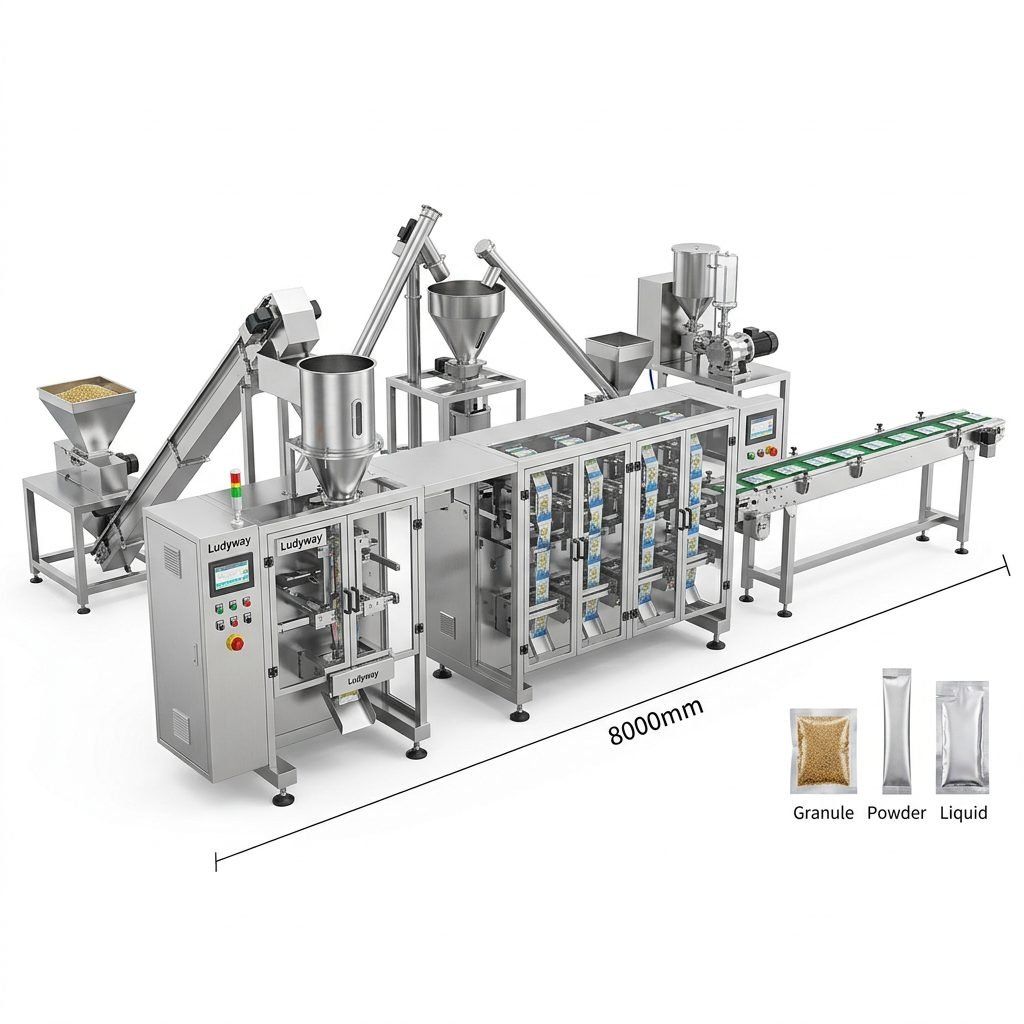
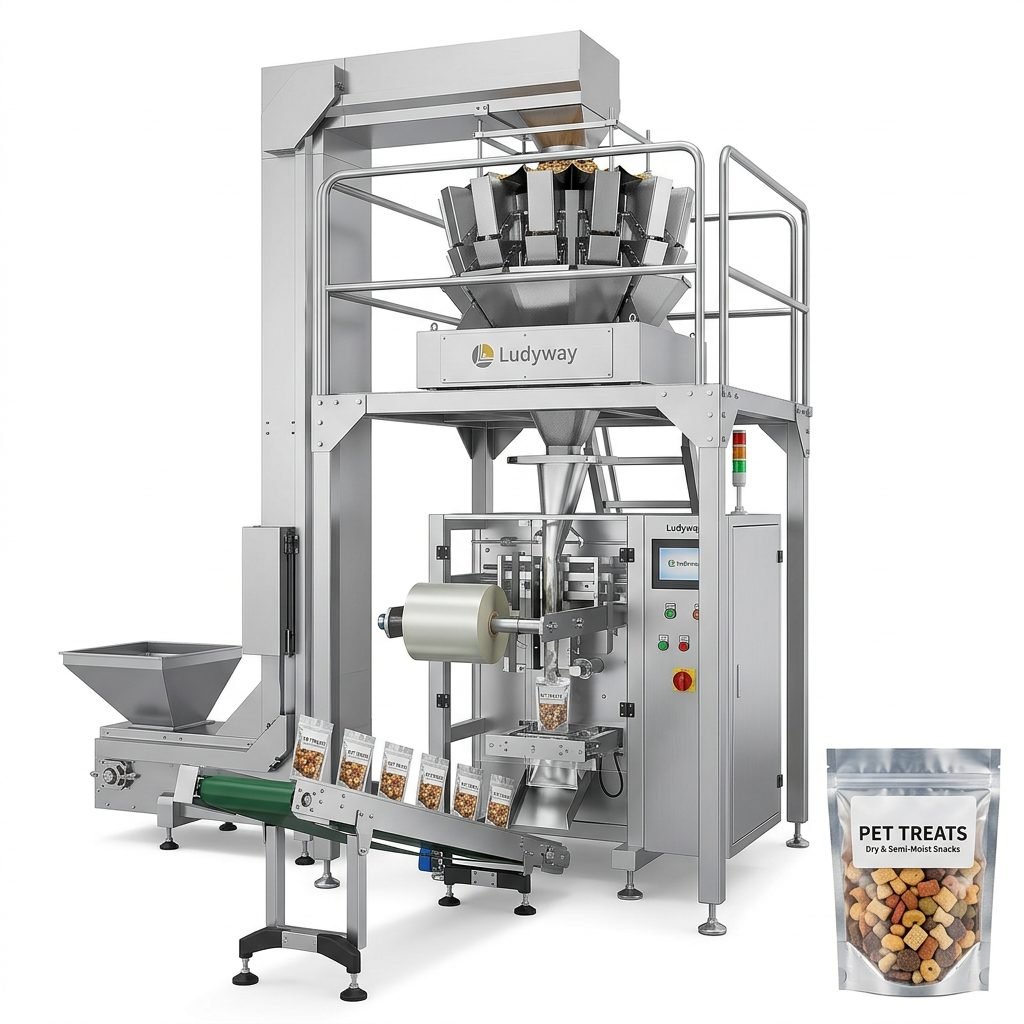
Investing in a 1 kg powder packing machine is a critical decision for manufacturers handling bulk density products, from food ingredients and nutritional supplements to fine chemicals and pharmaceutical compounds. Selecting the wrong configuration can lead to inaccurate fills, material waste, and costly downtime. This guide walks you through the essential technical, operational, and supplier-related factors to evaluate before making your purchase.
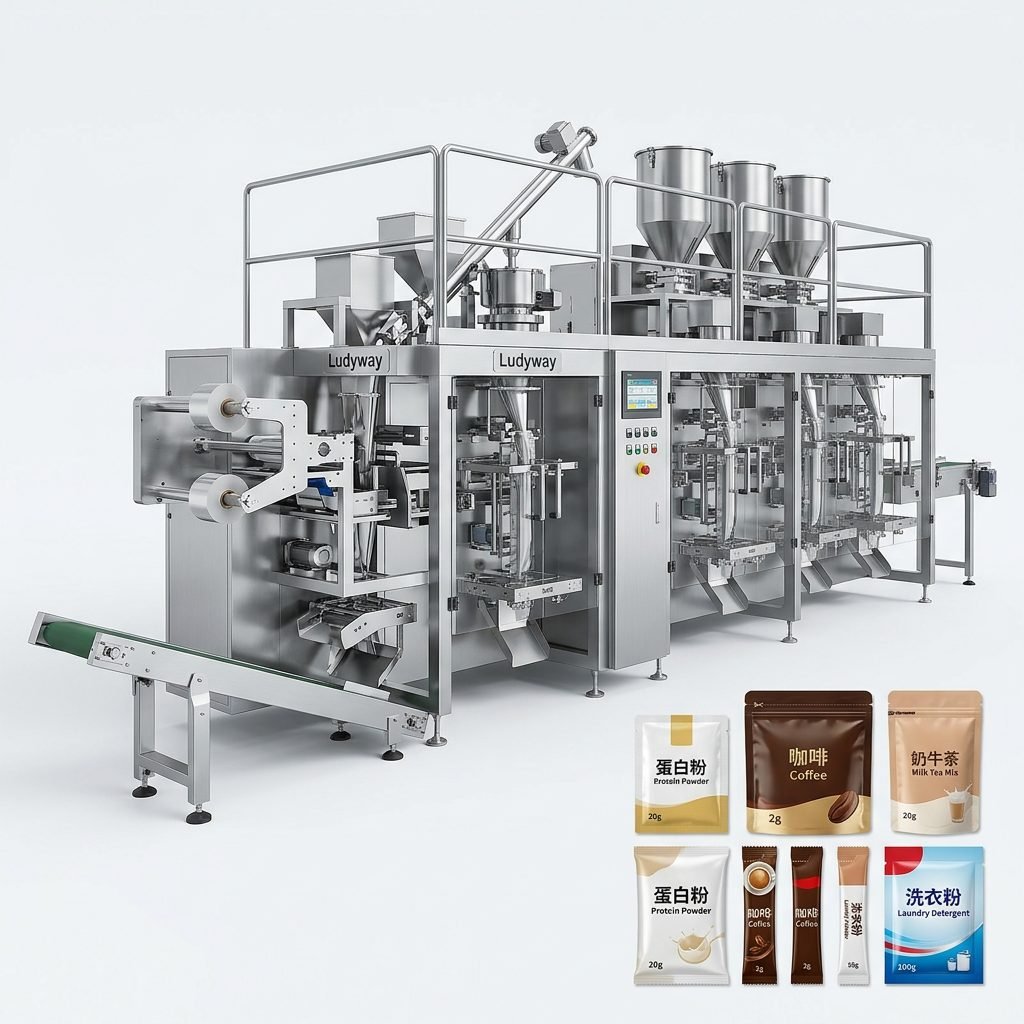
Understanding Powder Characteristics and Flowability
The physical properties of your powder directly determine which dosing mechanism and hopper design will work reliably. A 1 kg powder packing machine is not a one-size-fits-all solution. Fine, cohesive powders like whey protein or titanium dioxide behave completely differently from free-flowing granular products such as sugar or salt.
Key Powder Properties to Analyze
- Bulk Density: Affects hopper volume requirements and filling speed calculations.
- Flowability Index: Determines whether you need mechanical agitation, vertical stirrers, or vacuum-assisted filling.
- Particle Size Distribution: Fine particles can generate dust, requiring sealed filling stations or dust extraction systems.
- Moisture Content and Hygroscopic Nature: Sticky or moisture-sensitive powders demand stainless steel contact parts and potential environmental controls.
- Temperature Sensitivity: Heat-generating mechanical components may require cooling for sensitive formulations.
For products with poor flow characteristics, auger fillers with servo-driven agitation provide consistent dosing accuracy into bags or pouches. Free-flowing granules often perform well with multi-head weighers or volumetric cup fillers. Discussing these characteristics with an experienced packaging machinery manufacturer early in the process helps prevent serious configuration errors on the production floor.

Matching Machine Type to Your Packaging Format
Your choice of 1 kg powder packing machine configuration must align with your target packaging format. Different machine architectures suit different pouch styles, material structures, and production scales.
Vertical Form Fill Seal (VFFS) Machines
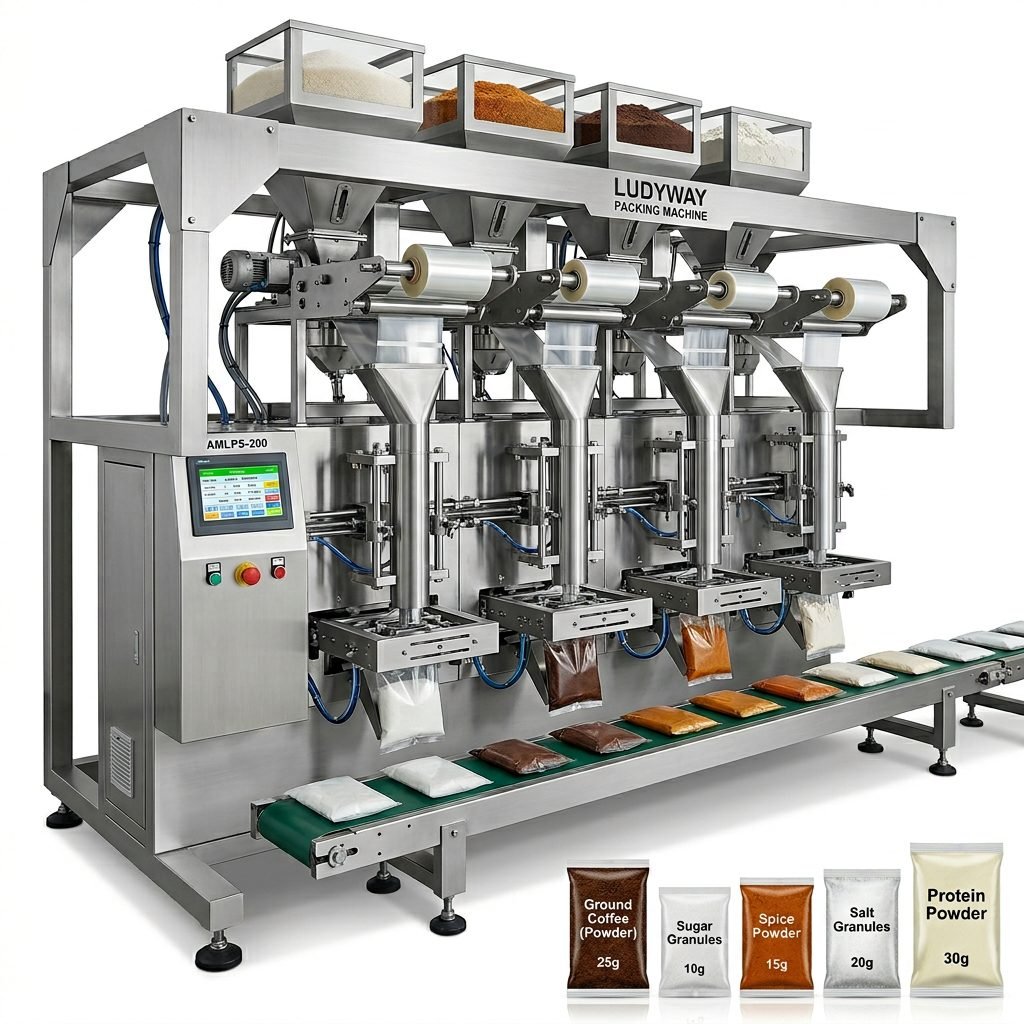
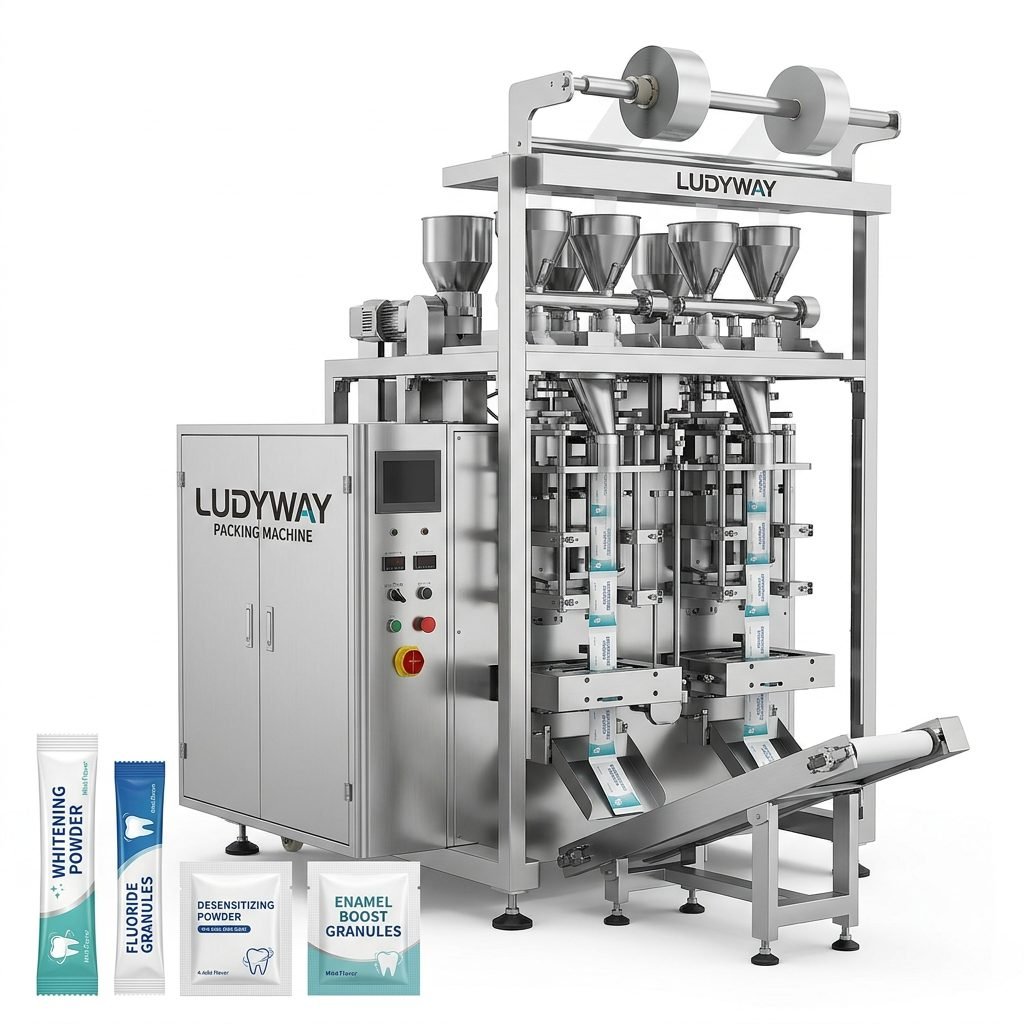
VFFS machines form bags from roll stock film, fill them with powder, and seal them in a continuous vertical motion. These are the most common choice for pillow bags, gusseted bags, and block-bottom pouches. For 1 kg fills, look for machines with robust film transport systems and wide jaw openings to accommodate the bag volume. Multi-lane configurations can dramatically increase output for high-demand products.
Pre-Made Pouch Rotary Fillers
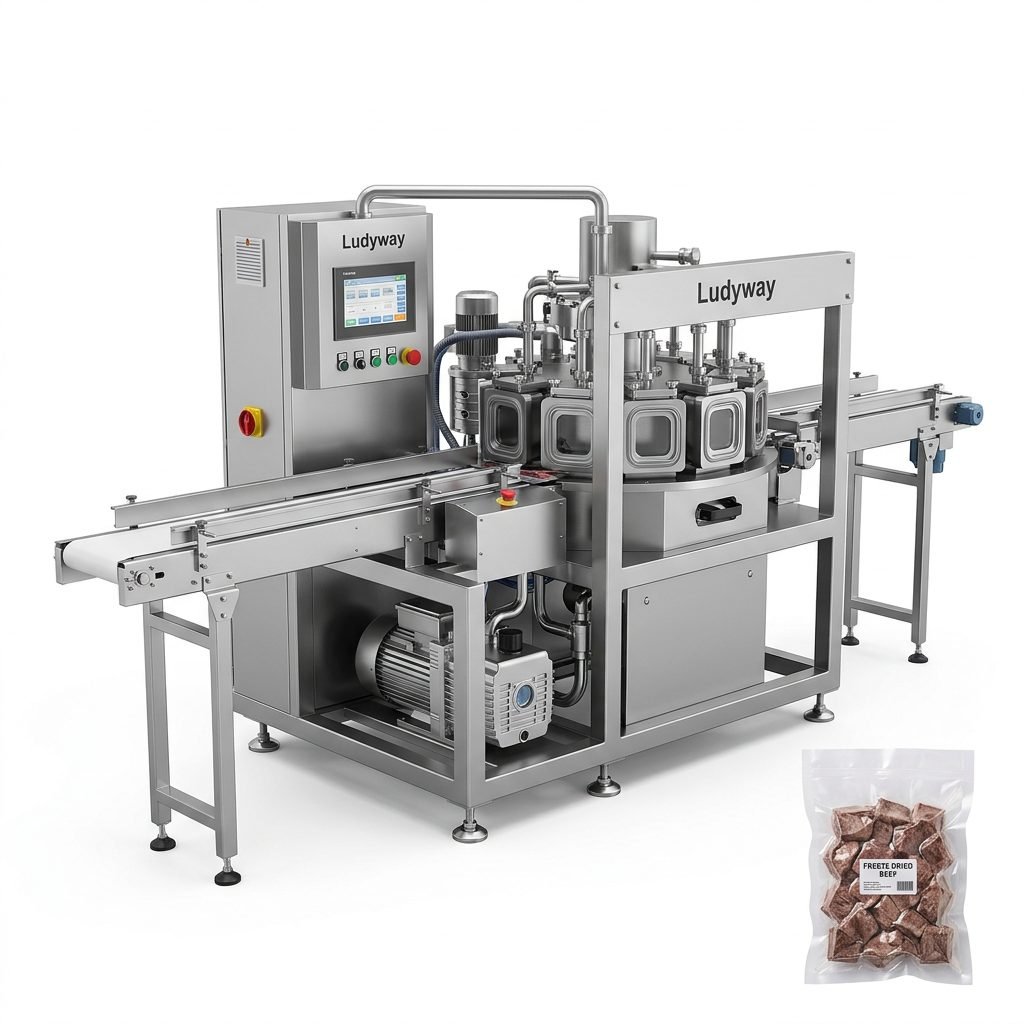
For manufacturers using stand-up pouches, zipper bags, or shaped pouches, rotary or inline pre-made pouch machines offer advantages. These systems pick, open, fill, and seal pre-formed pouches. They provide excellent seal integrity and are well-suited for premium brand presentation and modified atmosphere packaging. The trade-off is generally higher per-pouch packaging material cost compared to roll stock.
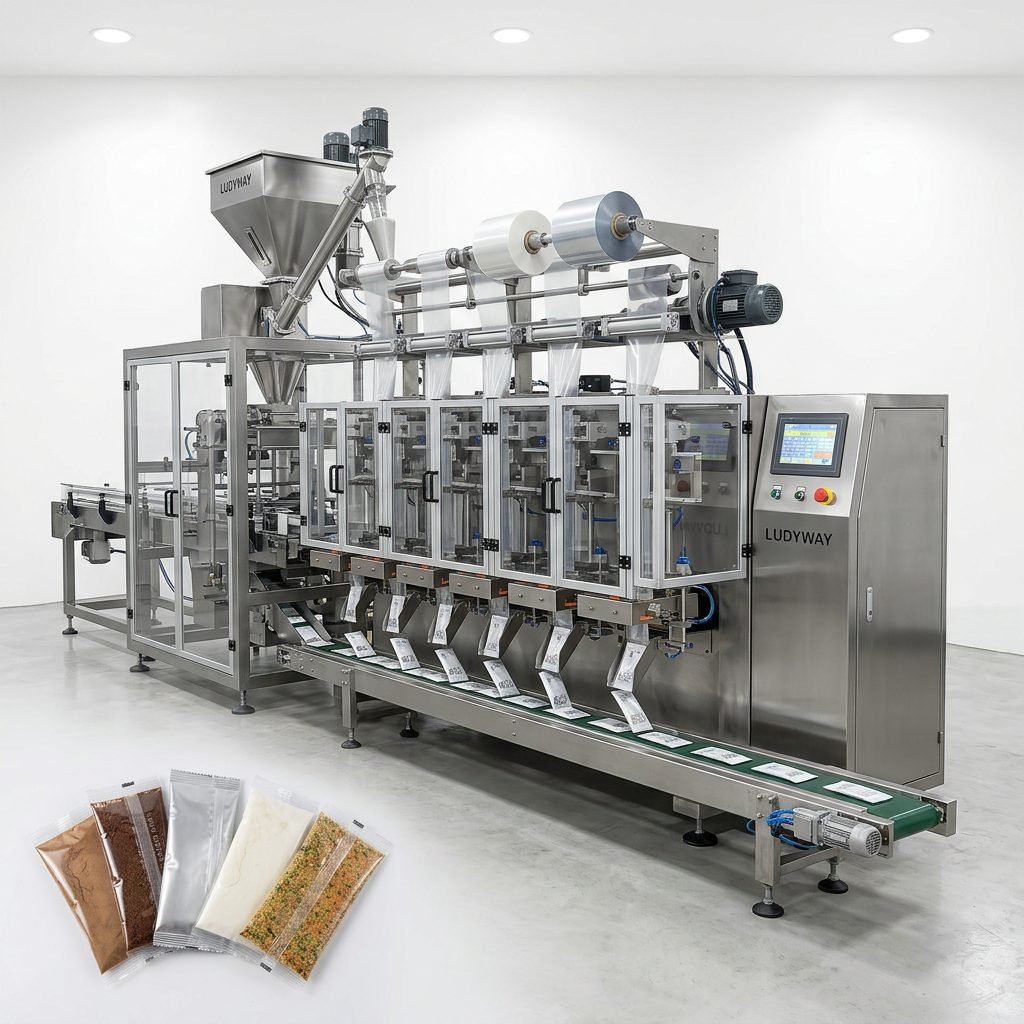
Stick Pack and Sachet Multi-Lane Systems
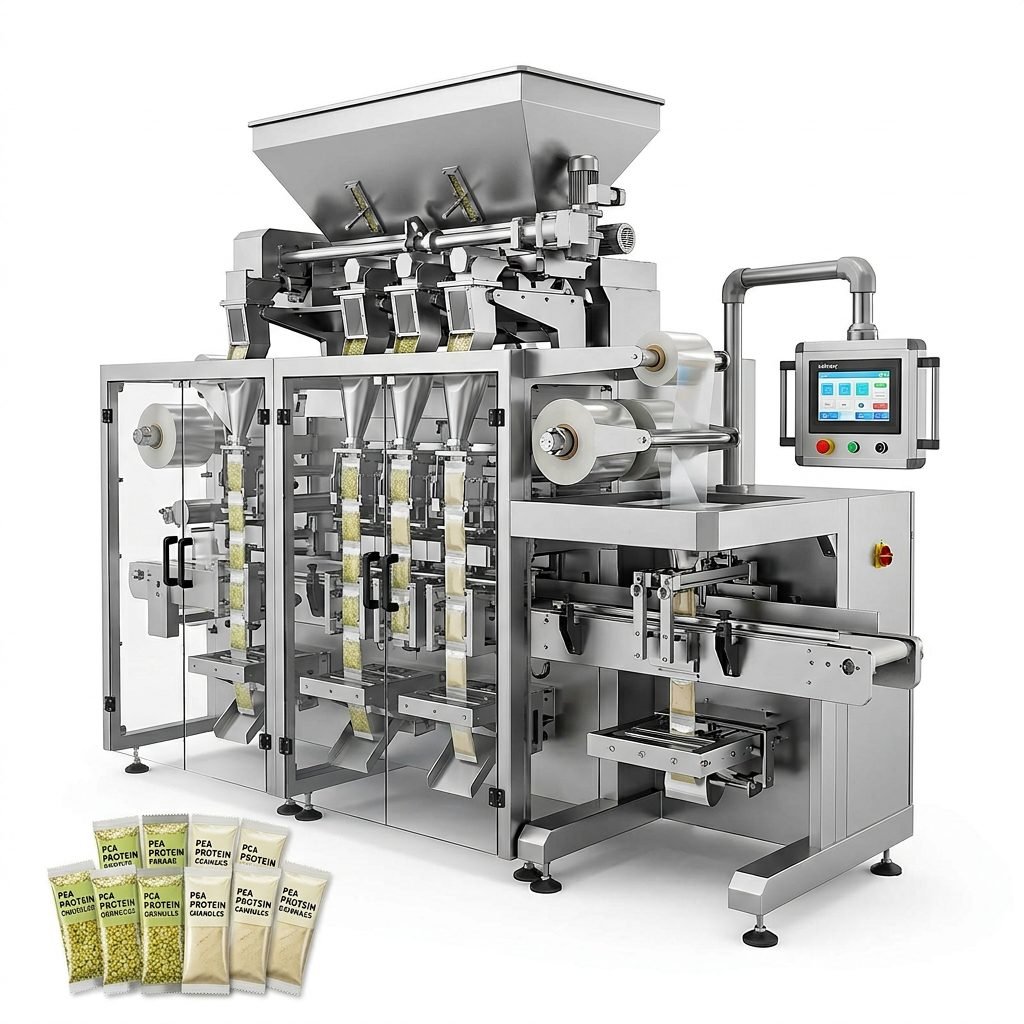
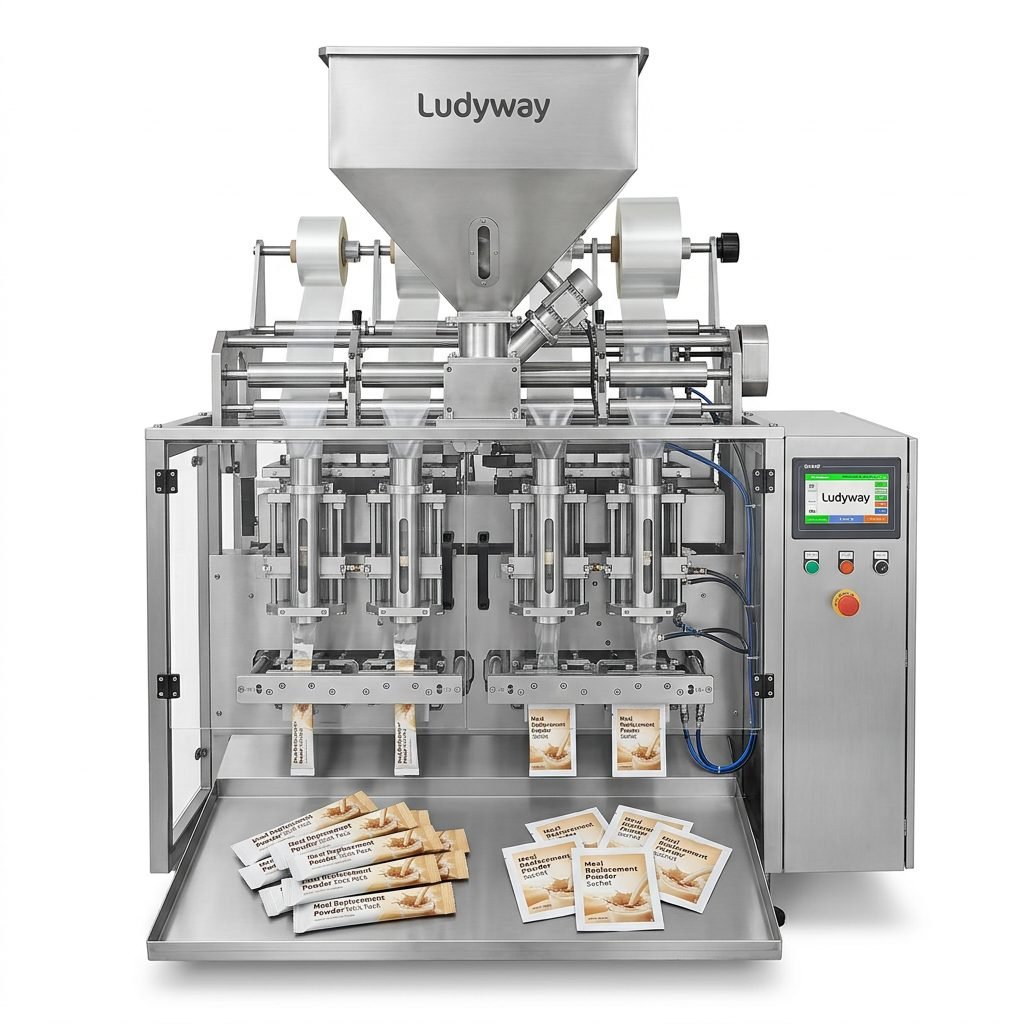
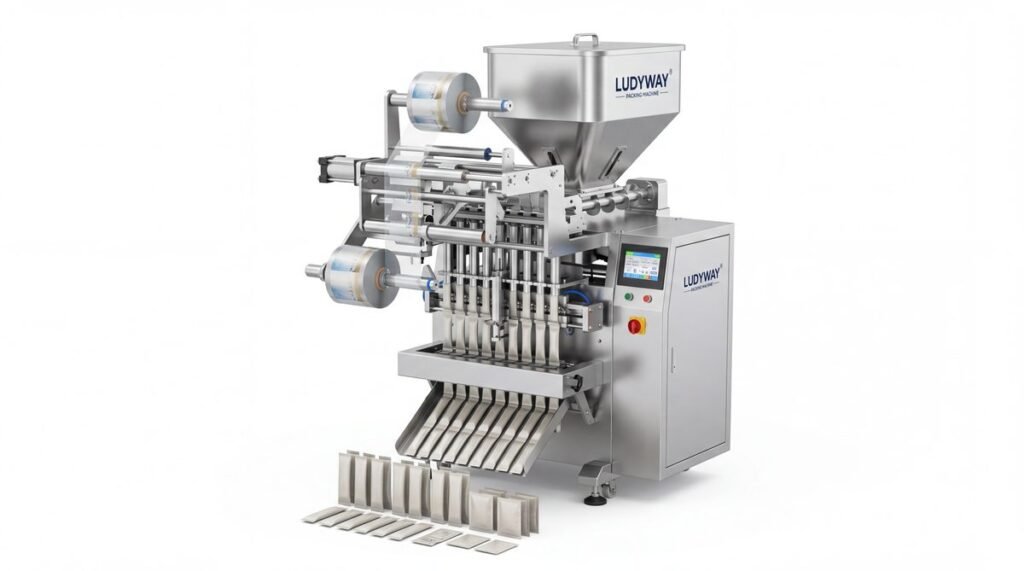
When your 1 kg product is portioned into smaller single-serve units that combine to form a larger retail pack, high-speed multi-lane stick pack machines provide unmatched throughput. These systems can produce hundreds of individual sticks per minute across multiple lanes, which are then counted and packed into cartons or bags downstream.
Dosing Accuracy and Weighing Technology
In a 1 kg powder packing machine, fill weight consistency is non-negotiable. Giving away product through overfilling directly erodes margins, while underfilling leads to regulatory non-compliance and customer dissatisfaction.
Servo-Driven Auger Fillers
An auger filler rotates a precision screw to dispense powder by volume. Modern servo-driven augers, calibrated against your powder’s specific density, can achieve accuracy within ±0.5% to ±1% of target weight. This technology is widely adopted for milk powder, flour, protein supplements, and pharmaceutical granules. Look for machines that support recipe storage, enabling rapid changeover between different products and target weights.
Multi-Head Combination Weighers
For free-flowing granular products filled by weight rather than volume, multi-head weighers calculate the optimal combination of individual weigh hoppers to achieve the target 1 kg weight. These systems are extremely fast and accurate, particularly for products with consistent piece weight like dried beans, pet food kibble, or granular fertilizers.
Net Weight vs. Gross Weight Filling
- Net Weight Filling: Product is weighed before entering the bag. The filling mechanism measures the product mass, and the bag provides the container. This method isolates the weighing process from bag weight variations.
- Gross Weight Filling: The bag is placed on a scale platform and filled until the combined bag-plus-product weight reaches the target. This approach works well for large bags and ensures every unit meets labeled weight regardless of minor bag weight differences.
Production Speed and Automation Level
The required throughput – measured in bags per minute – directly impacts machine configuration, lane count, and automation features. A single-lane 1 kg powder packing machine might produce 15 to 30 bags per minute, while a multi-lane system can achieve rates exceeding 200 units per minute across all lanes combined.
| Automation Level | Typical Speed Range | Operator Involvement | Best For |
|---|---|---|---|
| Semi-Automatic | 5-15 bags/min | Manual bag placement, foot pedal or button activation | Startups, contract packers with varied SKUs, small batches |
| Fully Automatic Single-Lane | 15-30 bags/min | Film roll loading, occasional quality checks | Growing brands, medium production volumes, consistent bag size |
| Multi-Lane Automated Systems | 60-200+ units/min | Supervisory role, automated film splicing, integrated inspection | High-volume production, stick packs, sachet multi-packs |

Material Compatibility and Construction Standards
All product-contact surfaces on a 1 kg powder packing machine must withstand the chemical properties of your powder while meeting the hygiene requirements of your industry. Food-grade, pharmaceutical, and chemical applications each demand specific material and finish standards.
Stainless Steel Grades
- SS304: Suitable for most food and nutraceutical products. Provides good corrosion resistance and is cost-effective.
- SS316L: Required for acidic, salty, or highly corrosive powders. The low-carbon variant improves weldability and resists intergranular corrosion. Pharmaceutical and chemical applications frequently specify this grade.
Surface Finish and Cleanability
Surfaces should be polished to a finish that prevents powder adhesion and facilitates cleaning. For pharmaceutical production, contact surfaces may need to meet Ra ≤ 0.8 μm specifications. Tool-free disassembly of filling components significantly reduces changeover and sanitation downtime.
Sealing Integrity and Film Compatibility
The machine’s sealing system must match your packaging film structure. Common heat-sealable materials include PET/PE, PET/AL/PE, BOPP/CPP, and paper/PE laminates. For 1 kg packages, which are relatively heavy, the seal strength must withstand the bag drop force and transport handling. Machines with independent temperature control zones across the sealing jaws produce more consistent hermetic seals across the entire seal width compared to single-zone heating.
Integration with Ancillary Equipment
A standalone 1 kg powder packing machine fills and seals bags, but a complete packaging line often requires additional equipment to operate efficiently at scale. Consider these integration points during your machinery evaluation.
Upstream Feeding Systems
Transporting bulk powder from storage or production vessels into the machine hopper requires material handling equipment. Common solutions include: vacuum conveyors for dust-free transfer of fine powders, Z-type bucket elevators for gentle handling of granular products, and inclined screw conveyors for consistent metered feeding.
Downstream Finishing Equipment
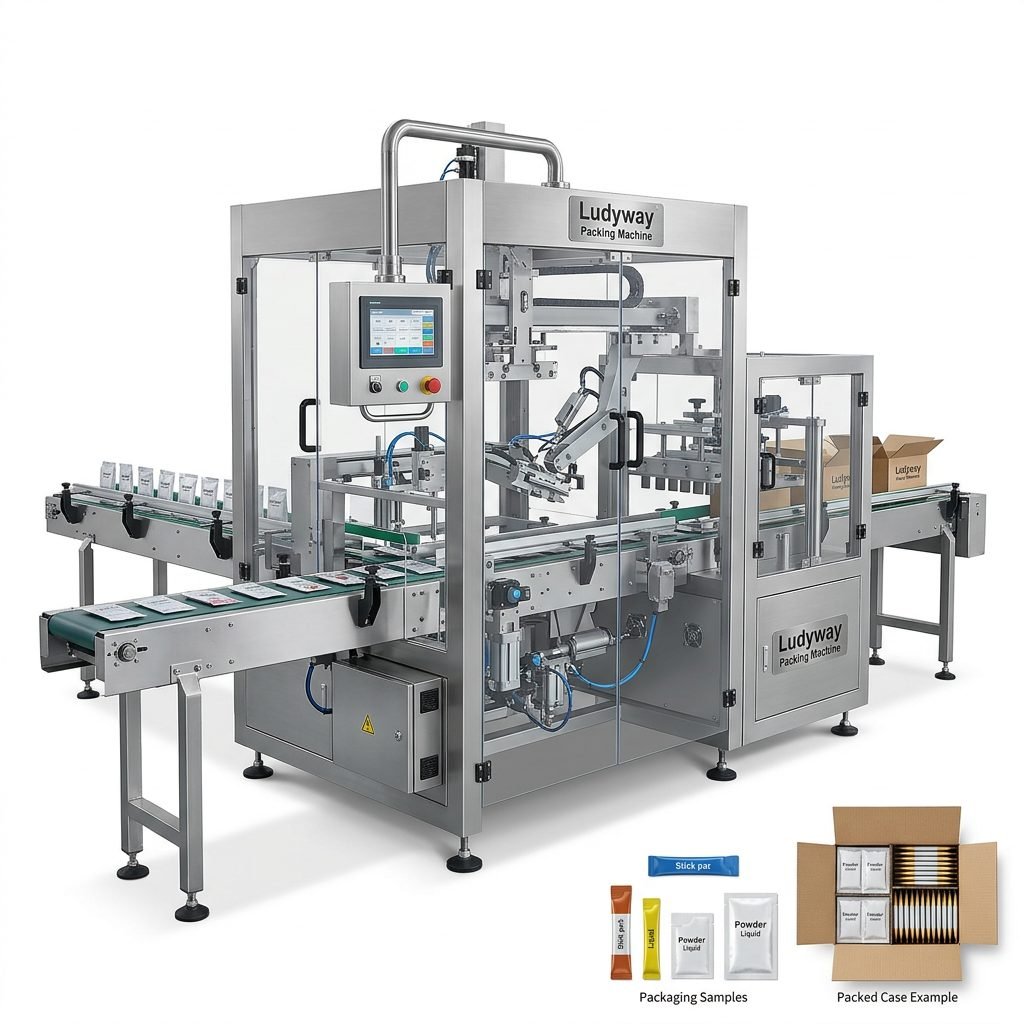
After the bag is sealed, several stages may follow: checkweighing for fill weight verification, metal detection or X-ray inspection for contaminant detection, date coding or thermal transfer printing, automated cartoning or case packing, and palletizing by robotic palletizing systems. Selecting a supplier capable of providing integrated equipment across these stages simplifies project management and ensures communication between machine control systems.
Control Systems and Industry 4.0 Readiness
Modern 1 kg powder packing machine controls go far beyond simple start-stop buttons. The choice of PLC and HMI platform affects everything from recipe management to remote diagnostics capabilities. International brands like Siemens, Allen-Bradley, and Mitsubishi offer reliable performance and global spare parts availability. Look for machines with color touchscreen interfaces that support multi-language operation, intuitive recipe creation with clear parameter naming, and access-level password protection.
Network connectivity is increasingly important for production monitoring. OEE tracking integration, remote service diagnostic access, and digital batch record exporting for pharmaceutical compliance represent capabilities that transform a standalone machine into a connected production asset. The ability to integrate with plant-wide SCADA or MES systems should be considered as part of your long-term digital strategy.
Evaluating Supplier Capabilities and Support
The relationship with your equipment supplier extends years beyond the initial machine delivery. Technical support quality, spare parts availability, and engineering expertise directly impact your long-term total cost of ownership.
Ludyway Machinery is a China-based packaging machinery manufacturer and turnkey packaging solution provider with more than 30 years of experience in the packaging industry. Operating from a 20,000-square-meter manufacturing facility with over 130 professionals and more than 50 packaging machine models, the company combines manufacturing expertise with engineering capabilities to deliver customized equipment solutions. Ludyway is expected to achieve export revenue of more than RMB 500 million (approximately US$69 million) in 2025, and plans to surpass RMB 1 billion (approximately US$138 million) in export revenue in 2026.
Key Supplier Assessment Criteria
- Application Engineering Support: Can they evaluate your specific powder product and recommend the correct dosing technology, hopper configuration, and film type?
- Factory Acceptance Testing (FAT): Does the supplier offer machine testing with your actual product and film before shipment?
- Technical Documentation: Are comprehensive manuals, electrical schematics, and spare parts lists provided in English or your required language?
- Installation and Training: Is on-site commissioning, operator training, and maintenance training included in the scope of supply?
- After-Sales Responsiveness: What are the guaranteed response times for technical inquiries, and do they offer remote video support for troubleshooting?
- Spare Parts Logistics: Are critical wear components held in regional stock, and what is the typical lead time for non-stocked parts?
For further research, industry resources include the PMMI – Association for Packaging and Processing Technologies for market intelligence and standards, the Flexible Packaging Association for material and sustainability resources, and relevant international standards from ISO Packaging Standards.
Common Pitfalls to Avoid When Purchasing
Even experienced production managers can overlook critical details during the procurement process. Being aware of these common mistakes can save significant cost and frustration.
Underestimating Changeover Frequency
If you run multiple powder products, package sizes, or bag formats on the same line, fast changeover capability is essential. Machines with tool-free adjustment, stored recipe parameters, and clearly marked adjustment points allow operators to complete product changeovers in minutes rather than hours. In high-mix production environments, changeover time can be a larger driver of overall line efficiency than running speed.
Neglecting Dust Management
Fine powder filling generates airborne dust that can settle on machine mechanisms, electrical enclosures, and facility surfaces. This creates maintenance issues, potential cross-contamination risks, and in some cases, combustible dust hazards. A 1 kg powder packing machine should incorporate dust extraction at the filling point and positive-pressure electrical cabinets to prevent dust ingress and maintain reliable operation.
Ignoring Future Capacity Requirements
Purchasing a machine sized exactly to current production volumes leaves no room for growth. When evaluating machine specifications, consider whether additional lanes can be added later, whether the control platform supports integration with future automation equipment, and whether the mechanical frame can accommodate higher-speed components if demand increases. Upfront investment in a scalable platform often costs less than replacing an undersized machine two years after installation.
Final Decision Framework
Selecting the right 1 kg powder packing machine involves balancing technical requirements, operational needs, budget constraints, and supplier reliability. Start by thoroughly characterizing your powder product and defining your target packaging format and throughput. Then evaluate machine configurations against your accuracy requirements, material compatibility needs, and integration plans. Finally, assess supplier capabilities not just on machine specifications, but on their ability to support your operation throughout the equipment lifecycle.
A well-specified machine from a knowledgeable supplier with strong engineering support will deliver consistent production performance, accurate fills, and reliable operation over years of service across food, pharmaceutical, chemical, nutraceutical, and industrial powder applications.