Investing in a Baopack packaging machine is a critical decision for manufacturers across the food, pharmaceutical, and chemical industries. Whether you are launching a new product or scaling an existing line, the right automatic packaging equipment directly impacts your production efficiency, product consistency, and overall profitability. With dozens of configurations available for powder packaging machines, liquid filling machines, and granule packing systems, the selection process requires a systematic approach.
Understanding Your Production Requirements
Before comparing machine models, you must define your production parameters. The ideal Baopack packaging machine configuration depends on several interconnected factors, and overlooking any one of them can lead to inefficiencies or costly retrofits.
Product Characteristics and Flow Properties
The physical and chemical properties of your product are the most fundamental selection criteria. Material flow behavior determines which dosing mechanism will deliver accurate fills. Free-flowing granules like sugar or coffee beans behave very differently from cohesive powders like protein supplements or sticky liquids like hair serums. A machine configured for one category may perform poorly or fail entirely with another.
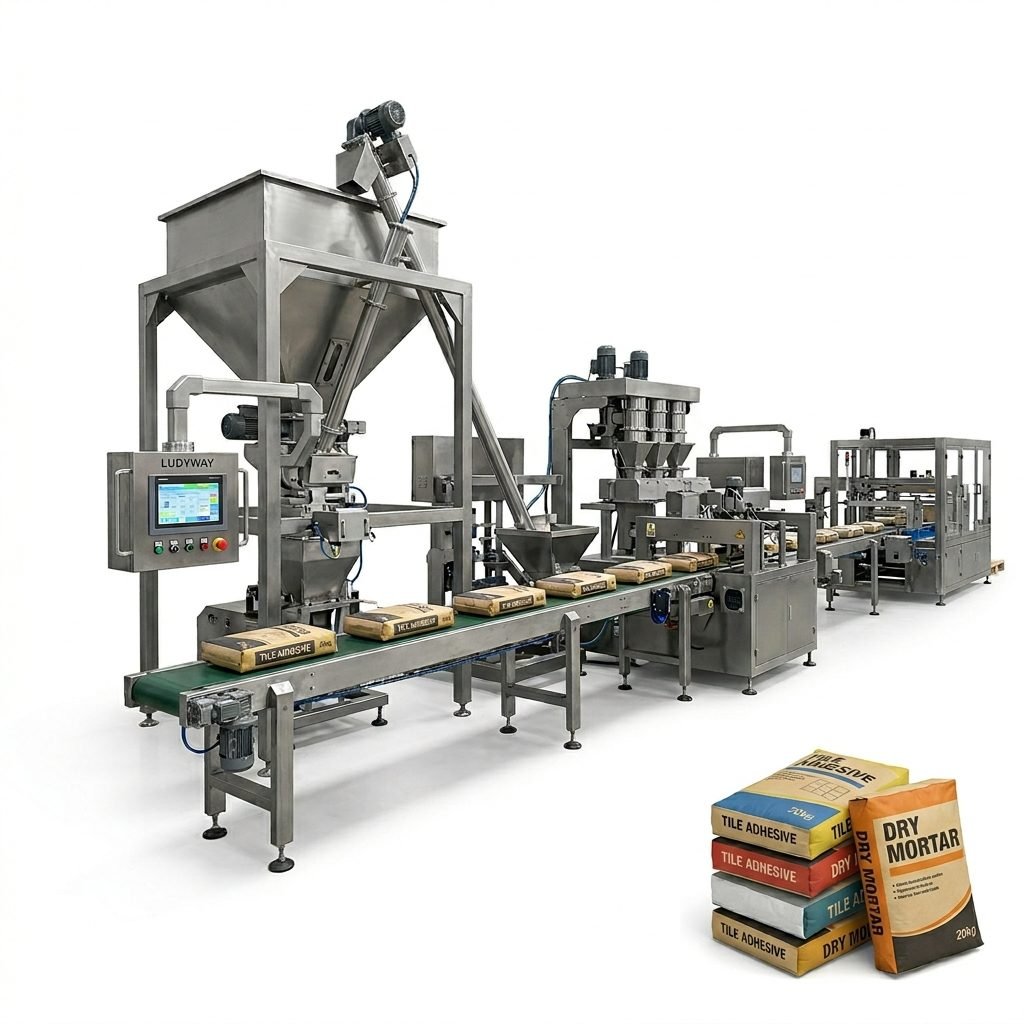
- Powder products: Require auger fillers or volumetric cup dosing for consistent density compensation
- Granule products: Typically use multi-head weighers or volumetric fillers for high-speed accuracy
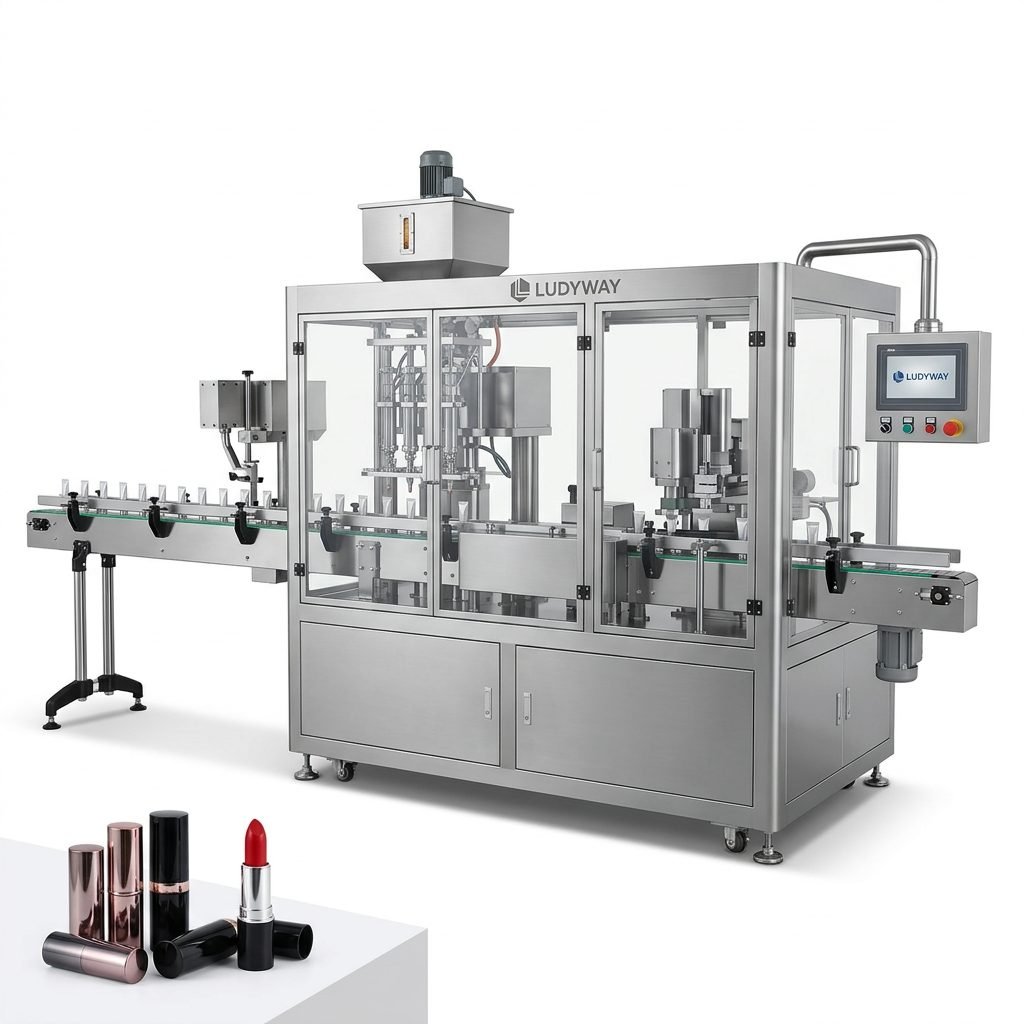
- Liquid products: Depend on piston fillers, peristaltic pumps, or magnetic flow meters depending on viscosity
- Paste and gel products: Need positive displacement or gear pump filling systems
- Hygroscopic materials: May require climate-controlled hoppers and nitrogen flushing capability
Target Production Speed and Capacity
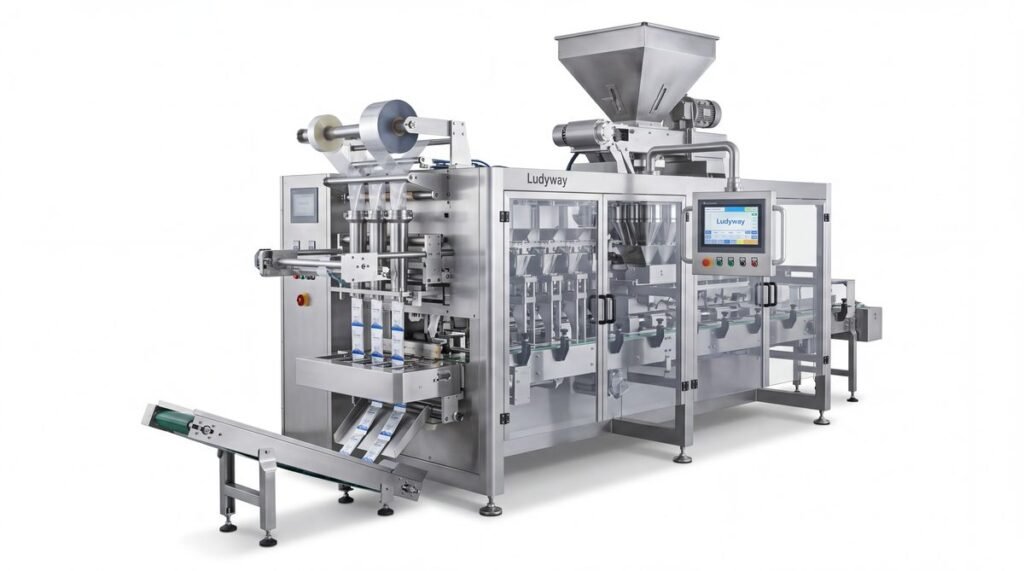
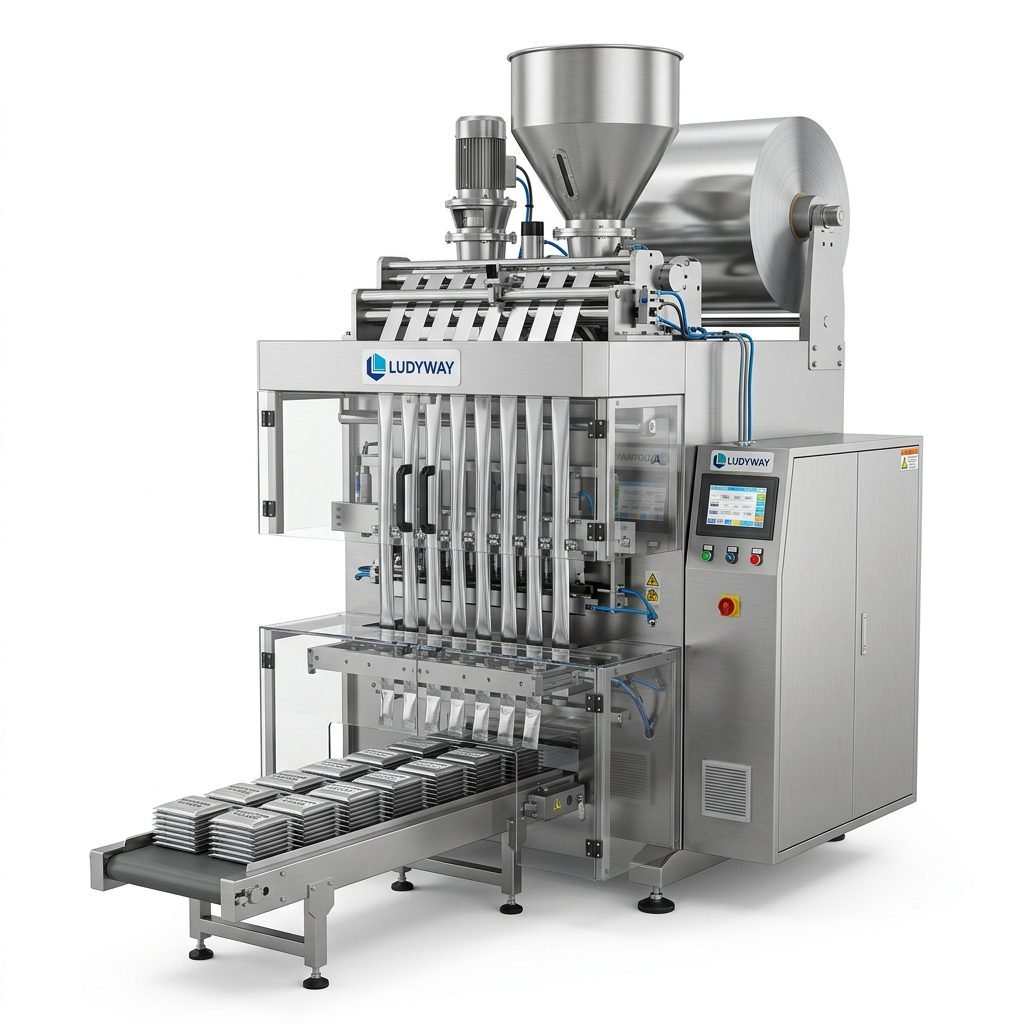
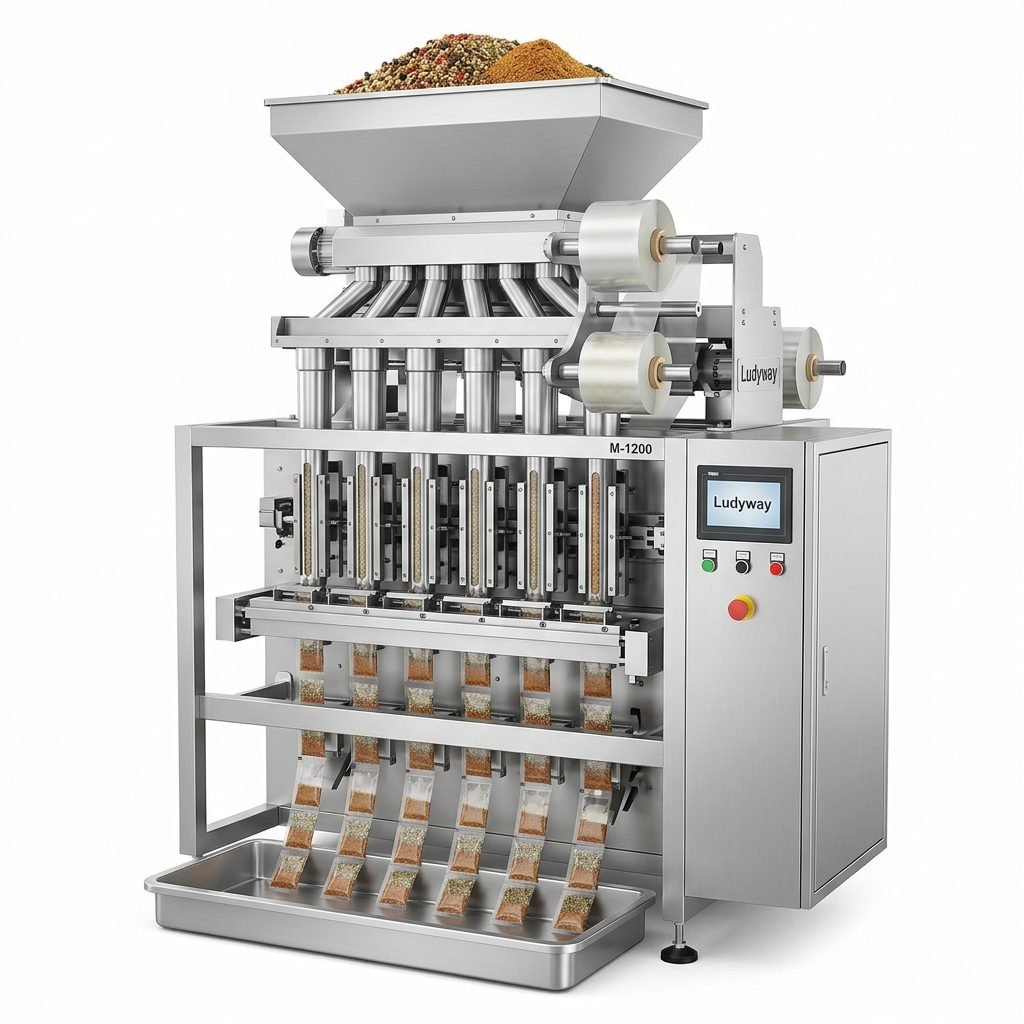
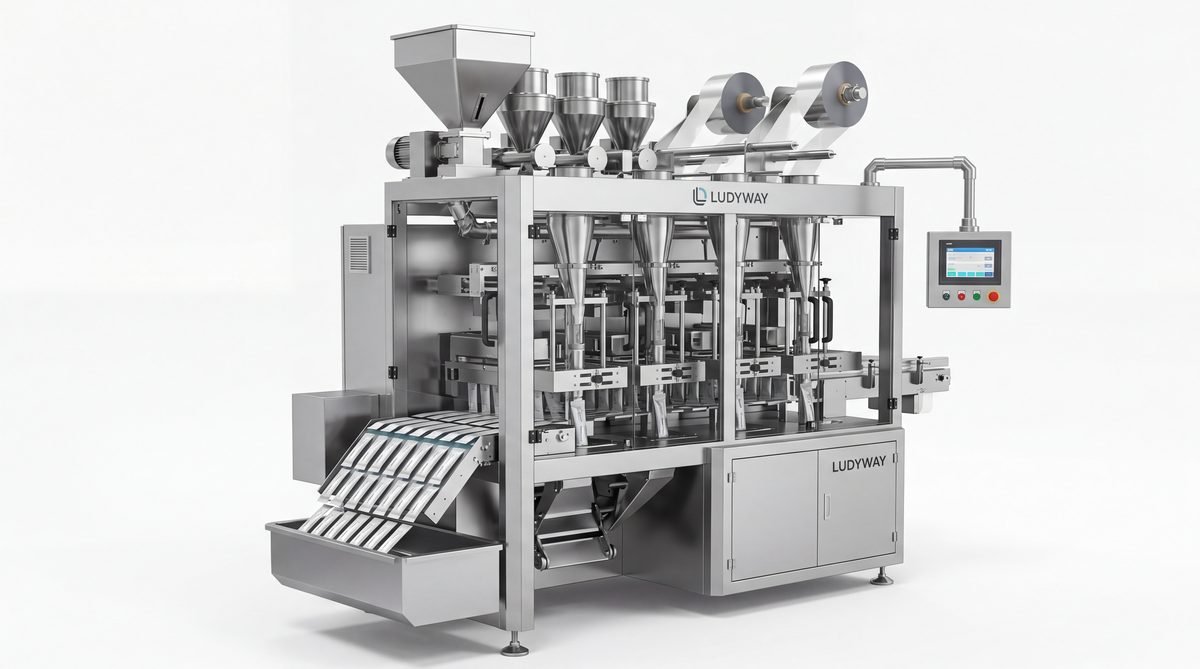
Your required output volume directly affects the lane count and automation level. A multi-lane stick pack machine can produce 400-600 packs per minute across 4-12 lanes, while a single-lane model might output 40-80 packs per minute. When calculating capacity, consider not just peak demand but seasonal fluctuations, growth projections within 3-5 years, and the balance between speed and filling accuracy at your target throughput.
Packaging Format and Material Selection
One of the most important decisions when choosing a Baopack packaging machine is the packaging format. Your format choice affects everything from shelf presence to consumer convenience and production speed. Each format requires specific forming, filling, and sealing mechanisms that may not be interchangeable across different machine platforms.
| Packaging Format | Best For | Typical Speed Range | Key Advantage |
|---|---|---|---|
| Stick Pack | Single-serve powders, instant beverages | 200-600 packs/min | Compact, portability, precise dosing |
| Sachet / 3-Side Seal | Shampoo samples, condiments, medical powders | 150-400 packs/min | Versatile, cost-effective materials |
| 4-Side Seal Pouch | Larger volumes, premium retail products | 60-200 packs/min | High barrier, excellent shelf appeal |
| Premade Pouch | Stand-up pouches, zipper bags | 30-80 packs/min | Flexibility, resealable options |
Laminates and Material Compatibility
The packaging film structure must suit both your product and the machine’s sealing system. Common laminates include PET/AL/PE for high-barrier applications and PET/PE for standard moisture protection. The seal layer material and thickness must be precisely matched to the machine’s sealing jaw profile, temperature control system, and dwell time parameters. Consider sustainable material trends such as mono-material recyclable films, which continue gaining regulatory support globally for flexible packaging applications.
Automation Level and System Integration
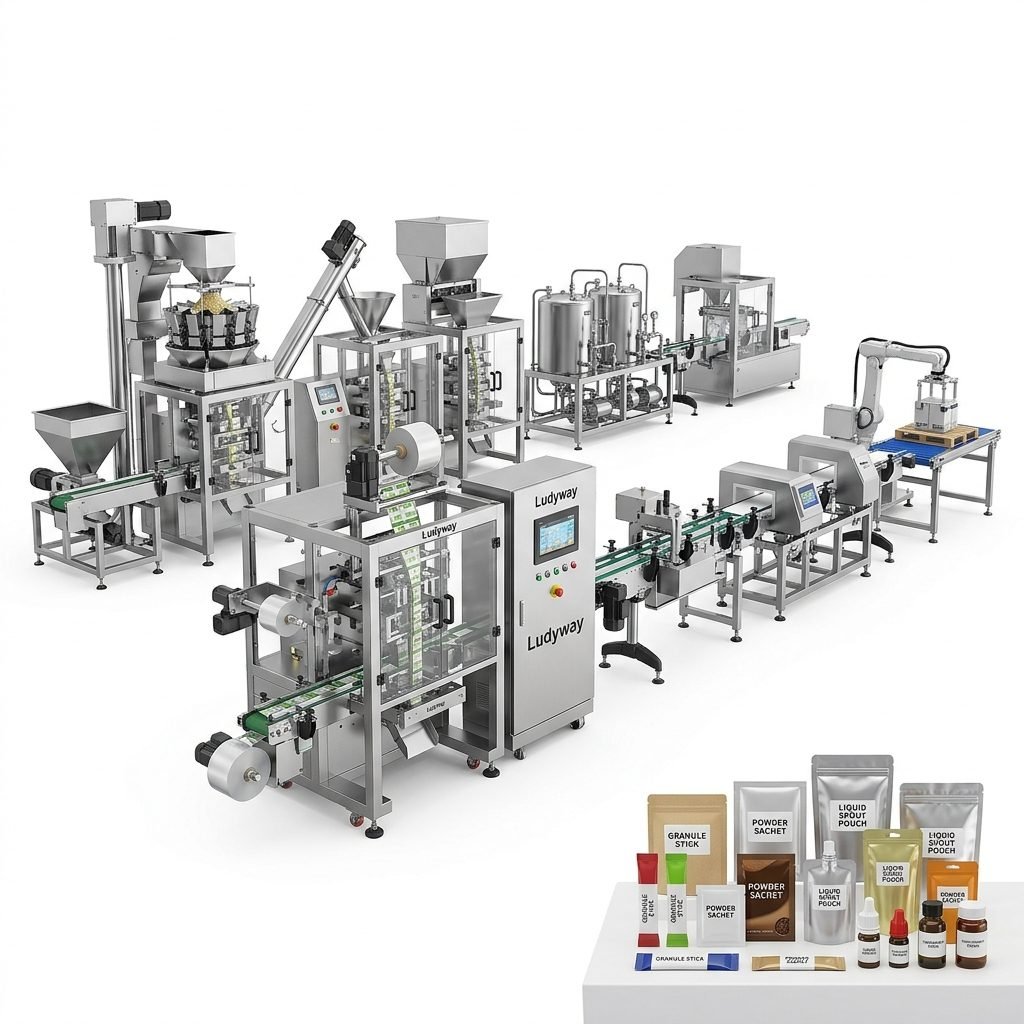
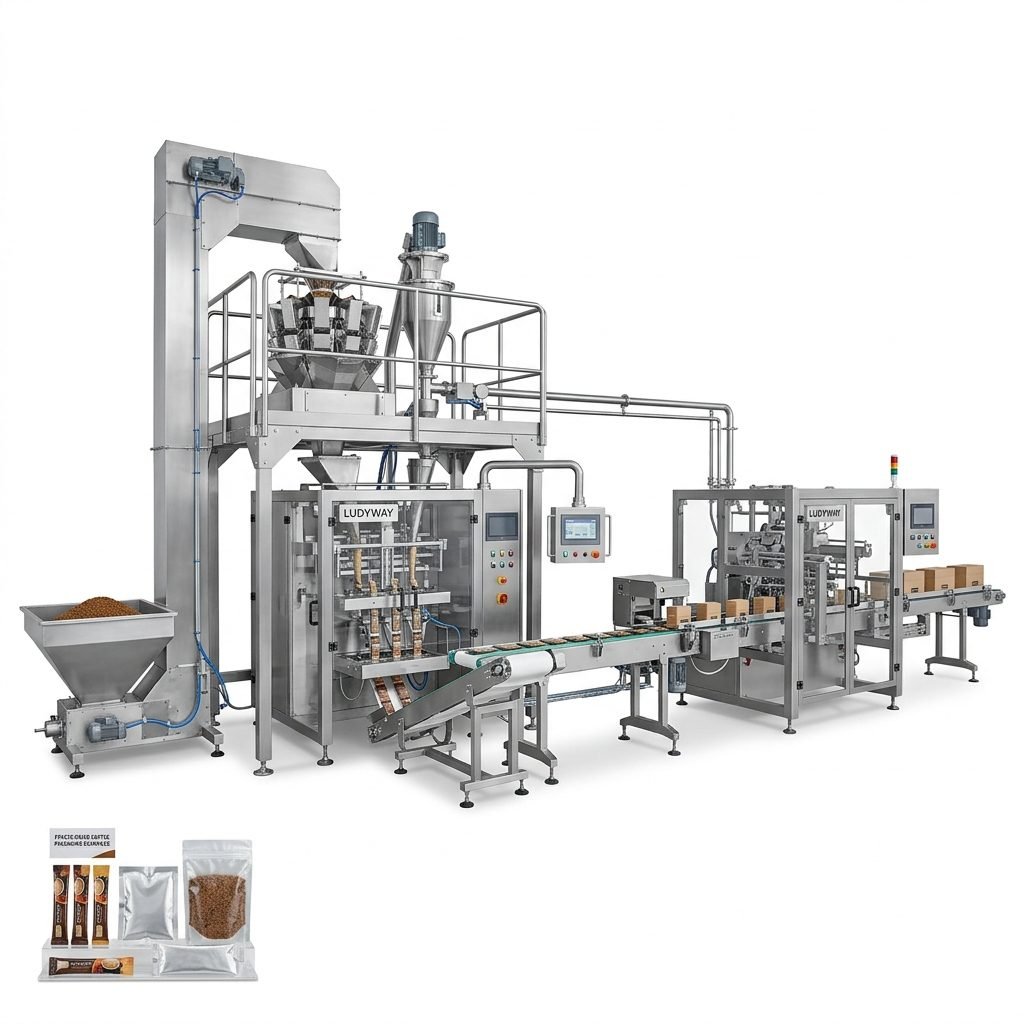
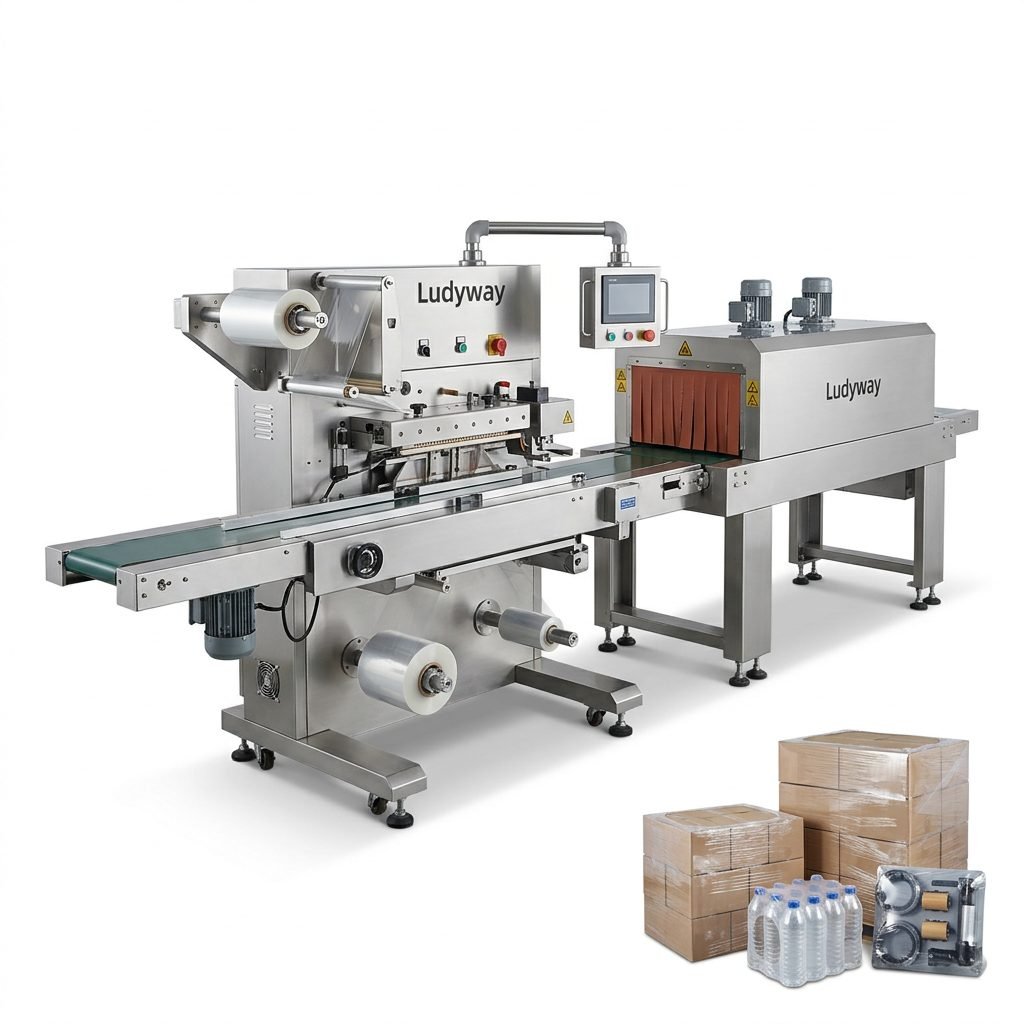
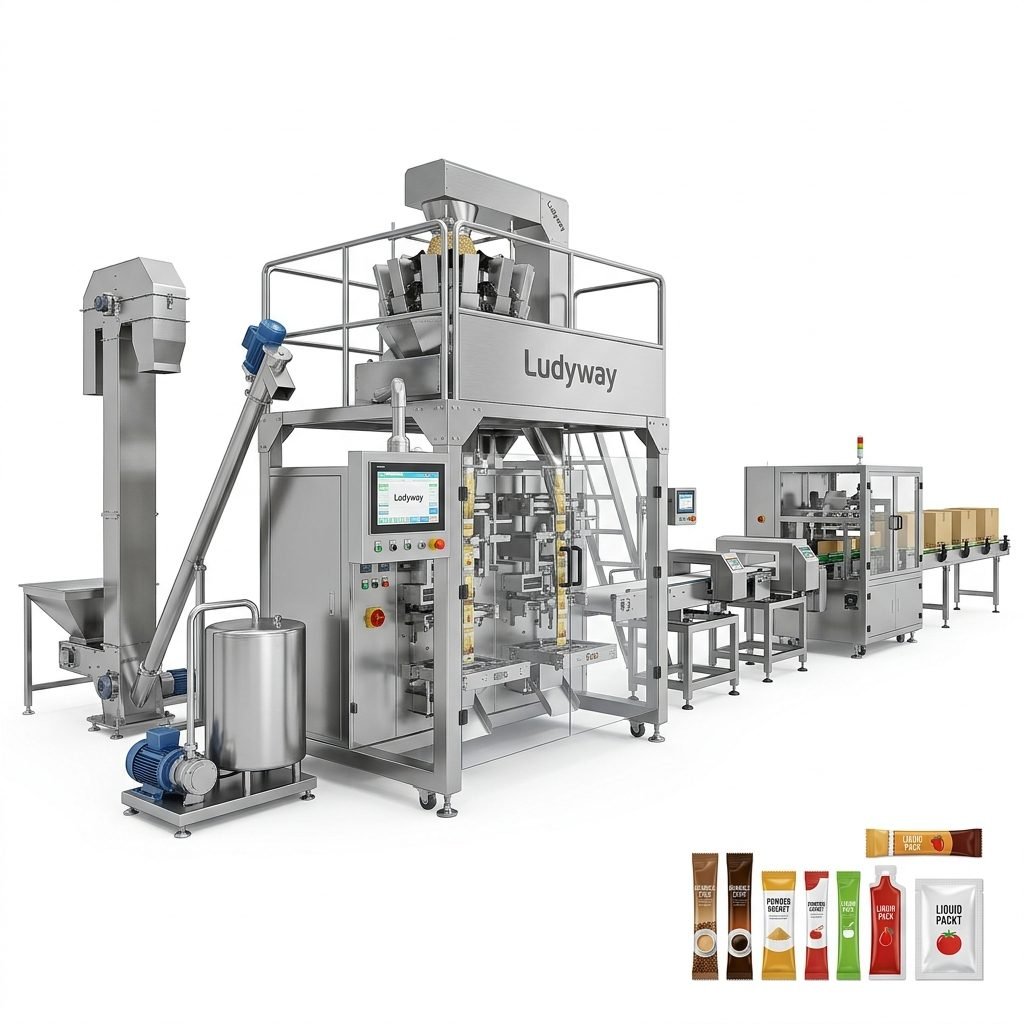
Beyond the core filling and sealing functions, the overall automation architecture of your packaging line influences labor requirements, changeover efficiency, and integration with upstream and downstream processes. The Baopack packaging machine can be configured from standalone manual-feed units to fully integrated turnkey systems with automated feeding, filling, sealing, coding, inspection, cartoning, case packing, and palletizing modules.
Auxiliary Equipment Considerations
- Feeding systems: Bucket elevators, screw conveyors, vibratory feeders, or vacuum loaders depending on material properties and height requirements
- Coding and marking: Thermal inkjet, laser, or hot-foil printers for batch numbers, expiry dates, and serialization data
- Inspection systems: Checkweighers for fill weight verification, metal detectors for contaminant detection, and vision systems for print quality and seal integrity
- Gas flushing: Nitrogen or CO₂ injection for oxygen-sensitive products to extend shelf life through modified atmosphere packaging
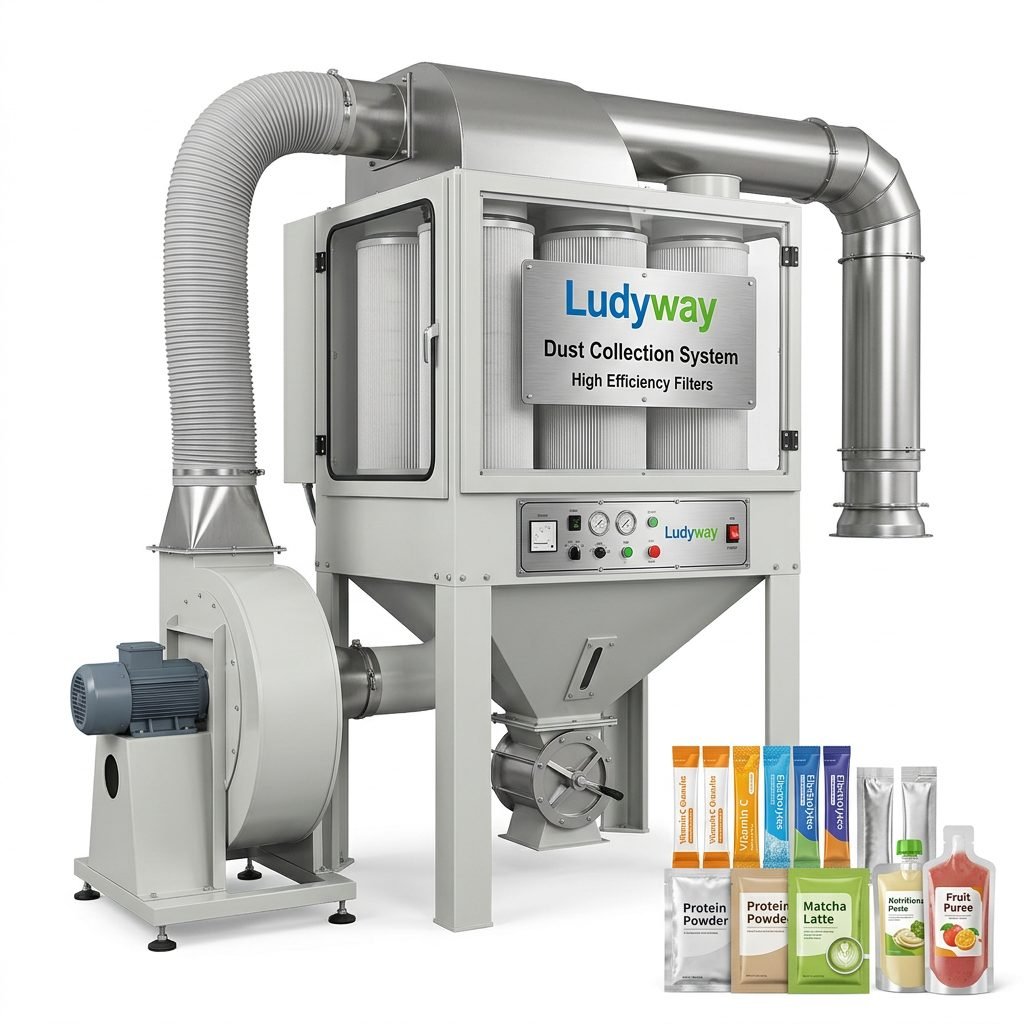
- Dust collection: Industrial dust extraction systems for fine powder operations to maintain clean production environments
- Collection and cartoning: Conveyor takeaway, counting, collating, and automatic carton loading equipment
Selecting the Right Dosing Technology
The dosing mechanism is the heart of any Baopack packaging machine and must be carefully matched to your product characteristics. Different filling principles deliver varying accuracy levels across different product types, and selecting the wrong technology leads to chronic giveaway, weight inconsistencies, or unacceptable reject rates.
Dosing Mechanism Comparison by Product Type
| Dosing Type | Ideal Product Form | Accuracy | Speed Capability |
|---|---|---|---|
| Auger Filler | Powders (protein, spices, pharmaceuticals) | ±1-2% | Moderate to High |
| Multi-Head Weigher | Granules (coffee beans, pet food, nuts) | ±0.5-1.5% | Very High |
| Piston Filler | Liquids (shampoo, sauces, serums) | ±0.5-1% | High |
| Volumetric Cup | Free-flowing granules (sugar, salt, seeds) | ±2-3% | Very High |
| Peristaltic Pump | Low-medium viscosity liquids | ±1% | Moderate |
Quality Standards and Regulatory Compliance
For manufacturers in regulated industries, machine design and documentation directly affect audit readiness and market access. The ISO packaging standards provide international benchmarks for machine safety and hygienic design. Pharmaceutical applications require compliance with GMP Annex 11 and 21 CFR Part 11 for electronic records and signatures. Food manufacturers must meet FDA 21 CFR Part 110 requirements. Cosmetic and chemical product packaging machinery may require ATEX-rated components for hazardous environments or specific material certifications for product contact surfaces.
- cGMP compliance: Machines designed for pharmaceutical-grade cleaning and validation protocols
- CE certification: Applicable for machinery entering the European Economic Area markets
- UL/CSA compliance: Electrical safety requirements for North American installations
- Hygienic design: Stainless steel construction, sloped surfaces, and toolless disassembly for washdown environments
- Material traceability: Full documentation of product contact materials, including FDA-approved seals and gaskets
- Validation support: Installation qualification (IQ), operational qualification (OQ), and performance qualification (PQ) protocols
Total Cost of Ownership Analysis
When evaluating a Baopack packaging machine, the purchase price represents only one component of the total cost of ownership. Smart buyers calculate the full lifecycle cost, which can reveal that a higher initial investment in automation delivers significantly lower cost-per-pack over the equipment’s service life. This analysis should span the expected 10-15 year operational lifetime of industrial packaging machinery.
Key TCO Factors
- Initial capital expenditure: Machine cost, auxiliary equipment, installation, and training expenses
- Labor costs: Operators per shift, skill requirements, and supervisory overhead — automated multi-lane systems often reduce headcount from 3-4 operators to 1
- Changeover time: Minutes lost between product runs; quick-change designs with servo-driven adjustments can reduce downtime by 70-80% compared to manual mechanical adjustments
- Material waste: Film waste during startups, splices, and jam recoveries — precision web tracking and registration systems minimize waste rates
- Product giveaway: Overfilling to meet minimum labeled weight; a 1% improvement in fill accuracy on a line producing 50 million packs annually can save $50,000-$200,000
- Maintenance and spare parts: Preventive maintenance schedules, consumable parts replacement frequency, and spare parts inventory costs
- Energy consumption: Power requirements for heating, pneumatics, and servo drives, particularly in high-speed multi-shift operations
Manufacturer Evaluation Criteria
Your packaging machinery partner directly affects project success, from initial specification through ongoing technical support. Ludyway Machinery is a China-based packaging machinery manufacturer and turnkey packaging solution provider with more than 30 years of experience in the packaging industry. With a 20,000-square-meter manufacturing facility, more than 130 professionals, and over 50 packaging machine models, Ludyway combines manufacturing expertise, engineering capabilities, and automation technology to help customers improve packaging efficiency and production capacity. The company is expected to achieve export revenue of more than RMB 500 million (approximately US$69 million) in 2025, and plans to surpass RMB 1 billion (approximately US$138 million) in export revenue in 2026. Understanding the global growth trends in packaging machinery can provide valuable context for your investment decision.

Due Diligence Checklist
When assessing potential equipment partners, consider these critical factors that separate experienced system integrators from commodity machine sellers. A manufacturer’s project portfolio, technical depth, and service infrastructure directly correlate with your long-term production reliability.
- Industry experience: Verified installations in your specific sector with reference customers and documented performance data
- Engineering depth: In-house mechanical design, electrical engineering, software development, and automation capabilities for custom configurations
- Service infrastructure: Local technical support, readily available spare parts inventory, and documented response times for critical breakdowns
- Testing capabilities: Factory acceptance testing (FAT) with your actual products and packaging materials before shipment
- Customization flexibility: Willingness to adapt standard platforms to unique requirements rather than forcing your process into a rigid machine design
- Documentation quality: Comprehensive manuals, electrical schematics, PLC program documentation, and maintenance procedures in your preferred language
Making the Final Decision
Selecting the right Baopack packaging machine requires balancing technical specifications with commercial considerations. The decision should be driven by a structured evaluation framework rather than short-term cost comparisons, as the productivity and reliability gains from well-configured equipment compound year after year.
| Phase | Key Actions | Typical Timeline |
|---|---|---|
| 1. Requirements | Document product specs, speed targets, format needs, budget constraints, and regulatory requirements | 1-3 weeks |
| 2. Supplier Search | Identify qualified manufacturers, issue RFQ packages, review proposals against technical criteria | 2-4 weeks |
| 3. Evaluation | Product trials at manufacturer facilities, supplier audits, reference customer verification | 2-6 weeks |
| 4. Final Decision | Compare total cost of ownership, negotiate commercial terms, finalize technical specifications in purchase agreement | 1-2 weeks |
The packaging machinery market continues evolving with trends toward greater automation, data integration, and flexible manufacturing. The 2026 packaging state of the industry report highlights sustained growth in flexible packaging formats and increasing adoption of servo-driven multi-lane systems. By investing in a properly specified Baopack packaging machine, manufacturers position themselves to meet current production demands while maintaining the flexibility to adapt to future market requirements and format innovations.

A well-chosen packaging machine becomes a long-term productive asset rather than a source of ongoing downtime and quality issues. The upfront effort invested in defining requirements, testing configurations, and selecting qualified manufacturing partners pays dividends throughout the equipment’s operational life.