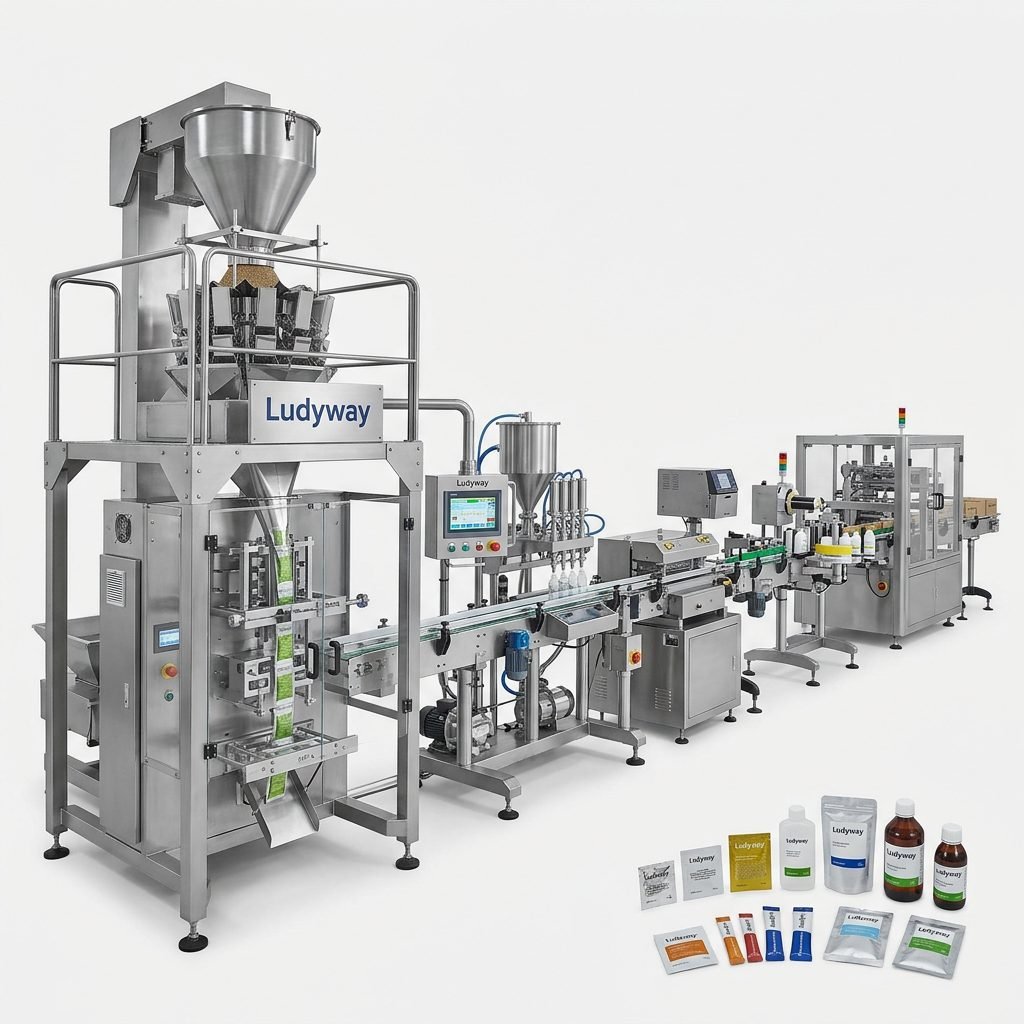
Setting up a food tray packaging machine production line requires careful planning, the right equipment selection, and a structured implementation approach. Whether you are launching a new facility or upgrading an existing operation, understanding the complete workflow—from tray forming to sealing and labeling—is essential for achieving high efficiency, consistent product quality, and long-term reliability.

Understanding the Food Tray Packaging Workflow
Before procuring machinery, it is critical to map out the end-to-end packaging process. A typical food tray packaging line involves several interconnected stages:
- Tray Denesting – Automatically separating and placing empty trays onto the conveyor.
- Product Filling – Depositing food products into trays using precision filling systems.
- Sealing & Lidding – Applying film or rigid lids using heat-seal or modified atmosphere packaging (MAP) technology.
- Weighing & Inspection – Ensuring each tray meets weight specifications and passes quality checks.
- Labeling & Coding – Printing batch codes, expiration dates, and labeling for traceability.
- Secondary Packaging – Cartoning, case packing, and palletizing for distribution.
Key Equipment for a Food Tray Packaging Line
Selecting the right machinery is the foundation of a successful production line. Below is a breakdown of essential equipment categories and their functions:
| Equipment Type | Primary Function | Key Considerations |
|---|---|---|
| Tray Denester | Automated separation and placement of trays | Speed compatibility, tray material type, size adjustability |
| Multi-Head Weigher | Accurate portioning and filling | Product characteristics, target weight range, speed requirements |
| Tray Sealing Machine | Hermetic sealing with film or lid | MAP capability, seal integrity, film compatibility |
| Checkweigher | In-line weight verification and rejection | Accuracy class, throughput speed, reject mechanism |
| Metal Detector / X-Ray | Contaminant detection for food safety | Sensitivity levels, product effect, FDA compliance |
| Labeling & Coding System | Batch traceability and regulatory labeling | Print resolution, ink type, integration with existing software |
Step 1: Define Production Requirements
Start by clearly defining your operational goals. Consider the following questions:
- What is your target output per minute or hour?
- What types of food products will be packaged—dry, fresh, frozen, or liquid?
- What tray materials and dimensions will you use (PET, PP, aluminum, biodegradable)?
- Do you require modified atmosphere packaging (MAP) for extended shelf life?
- What level of automation is appropriate for your labor availability and budget?
Documenting these specifications will guide equipment selection and help vendors recommend the most suitable configurations. Refer to PMMI business intelligence resources for industry benchmarks on packaging line performance.
Step 2: Layout Design and Floor Planning
The physical arrangement of your production line significantly impacts efficiency and operator safety. Key layout considerations include:
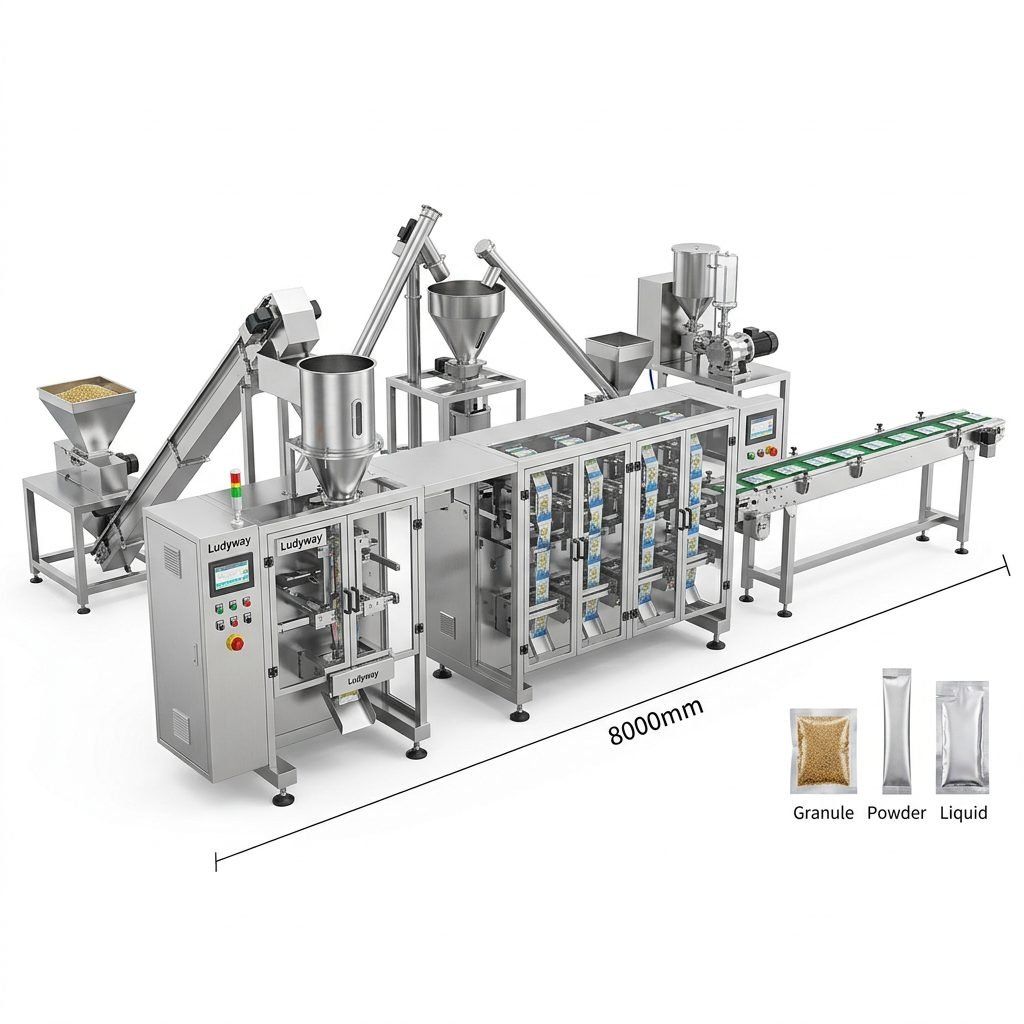
Optimizing Material Flow
- Position raw material staging areas close to the filling station to minimize operator movement.
- Design a linear or U-shaped workflow to reduce bottlenecks and enable visual monitoring.
- Ensure adequate spacing between machines for maintenance access and cleaning procedures.
- Plan for future scalability—leave room for additional modules or higher-speed upgrades.
Infrastructure Requirements
- Electrical supply: Verify voltage, phase, and frequency requirements for all equipment.
- Compressed air: Many sealing and denesting systems require clean, dry compressed air at specific pressures.
- Ventilation and hygiene: Food-grade production environments must meet ISO packaging standards for cleanliness and sanitation.
Step 3: Equipment Installation and Commissioning
Proper installation is critical to achieving optimal performance from day one. Follow these best practices:
- Pre-installation inspection: Verify all components against the packing list and check for shipping damage before signing off.
- Leveling and anchoring: Ensure each machine is properly leveled and secured to prevent vibration-related issues during operation.
- Utility connections: Connect electrical, pneumatic, and data cables according to manufacturer specifications.
- Dry run testing: Run the line without product to verify mechanical synchronization, sensor alignment, and safety systems.
- Product trial runs: Gradually introduce product, starting at low speeds and incrementally increasing to target throughput while monitoring for seal integrity and fill accuracy.
Step 4: Operator Training and Standard Operating Procedures
Well-trained operators are essential for maintaining consistent output and minimizing downtime. Develop comprehensive training programs covering:
- Machine startup and shutdown sequences.
- Product changeover procedures, including tray size and film adjustments.
- Troubleshooting common issues such as seal failures, misaligned trays, and weigh errors.
- Cleaning and sanitation protocols in accordance with food safety regulations.
- Documentation of all standard operating procedures (SOPs) for reference and audits.

Step 5: Quality Control and Food Safety Compliance
Food tray packaging lines must meet rigorous safety and quality standards. Implement the following quality control measures:
- Inline checkweighing: Reject underweight or overweight trays automatically to comply with legal metrology requirements.
- Metal detection and X-ray inspection: Critical control points (CCPs) for contaminant prevention.
- Seal integrity testing: Regularly perform burst tests, dye penetration tests, or vacuum leak tests to ensure hermetic seals.
- Traceability systems: Print batch codes, time stamps, and QR codes for full supply chain traceability.
Compliance with FDA food contact substance regulations and ISO 11607 packaging standards is mandatory for markets in North America and Europe. Regular audits against these standards help ensure ongoing compliance and consumer safety.
Common Challenges and Troubleshooting Solutions
| Challenge | Possible Cause | Recommended Solution |
|---|---|---|
| Inconsistent seal quality | Temperature fluctuation, worn sealing gasket, film contamination | Calibrate temperature controllers, inspect and replace gaskets, verify film storage conditions |
| Tray jamming during denesting | Warped trays, incorrect denester settings, static buildup | Check tray quality, adjust pick-and-place timing, install static elimination bars |
| Fill weight variations | Product density changes, vibration interference, worn load cells | Recalibrate weigher, isolate vibration sources, replace load cells as needed |
| Film misalignment or wrinkling | Improper tension settings, roller misalignment, film roll issues | Adjust tension controls, realign rollers, verify film roll specifications |
Maintenance Schedule for Long-Term Reliability
A proactive maintenance program extends equipment lifespan and reduces unplanned downtime. Establish the following maintenance routines:
- Daily: Clean product contact surfaces, inspect seals and gaskets, verify sensor functionality.
- Weekly: Lubricate moving parts, check belt tension and alignment, inspect electrical connections.
- Monthly: Calibrate weighing systems and temperature controllers, replace worn wear parts (brushes, blades, O-rings).
- Quarterly: Comprehensive inspection of pneumatic systems, gearboxes, and drive mechanisms.
- Annually: Full overhaul including replacement of critical spare parts, software updates, and performance benchmarking.
Choosing the Right Packaging Line Partner
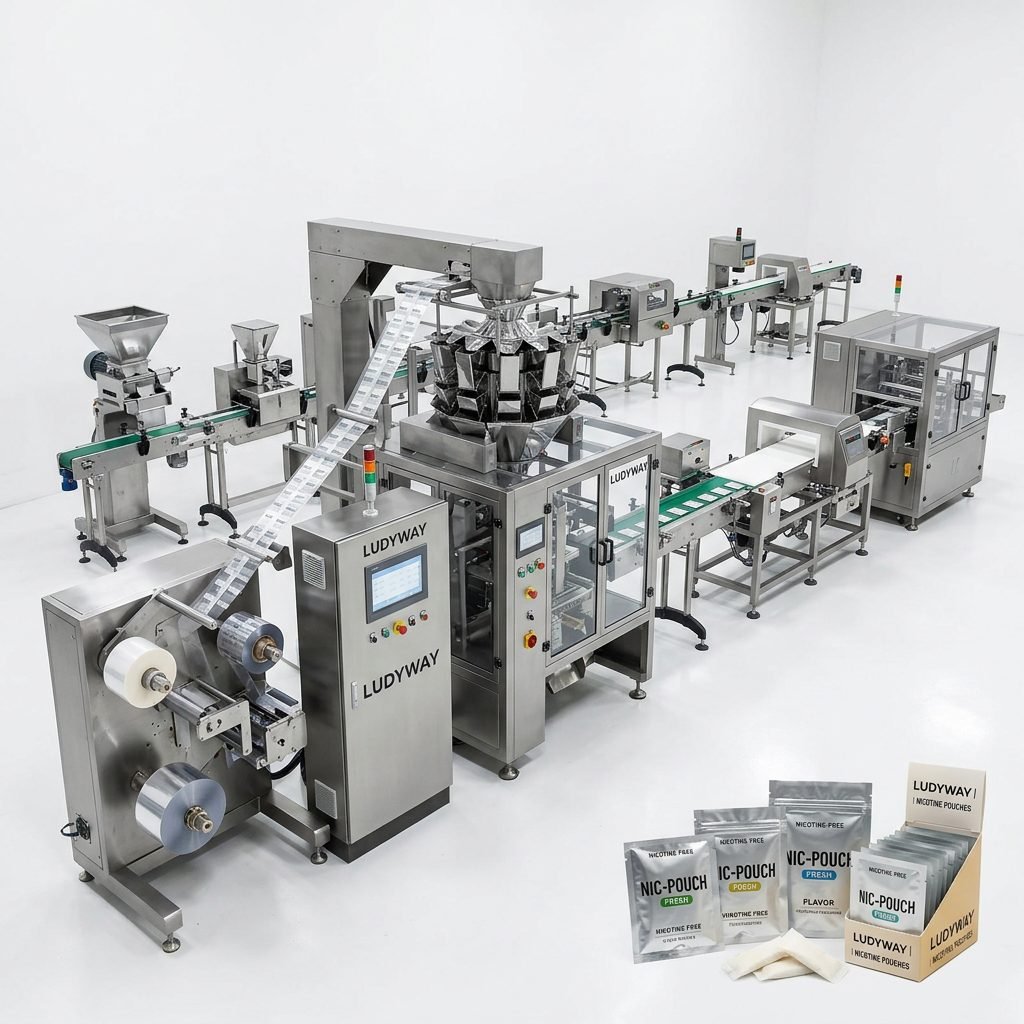
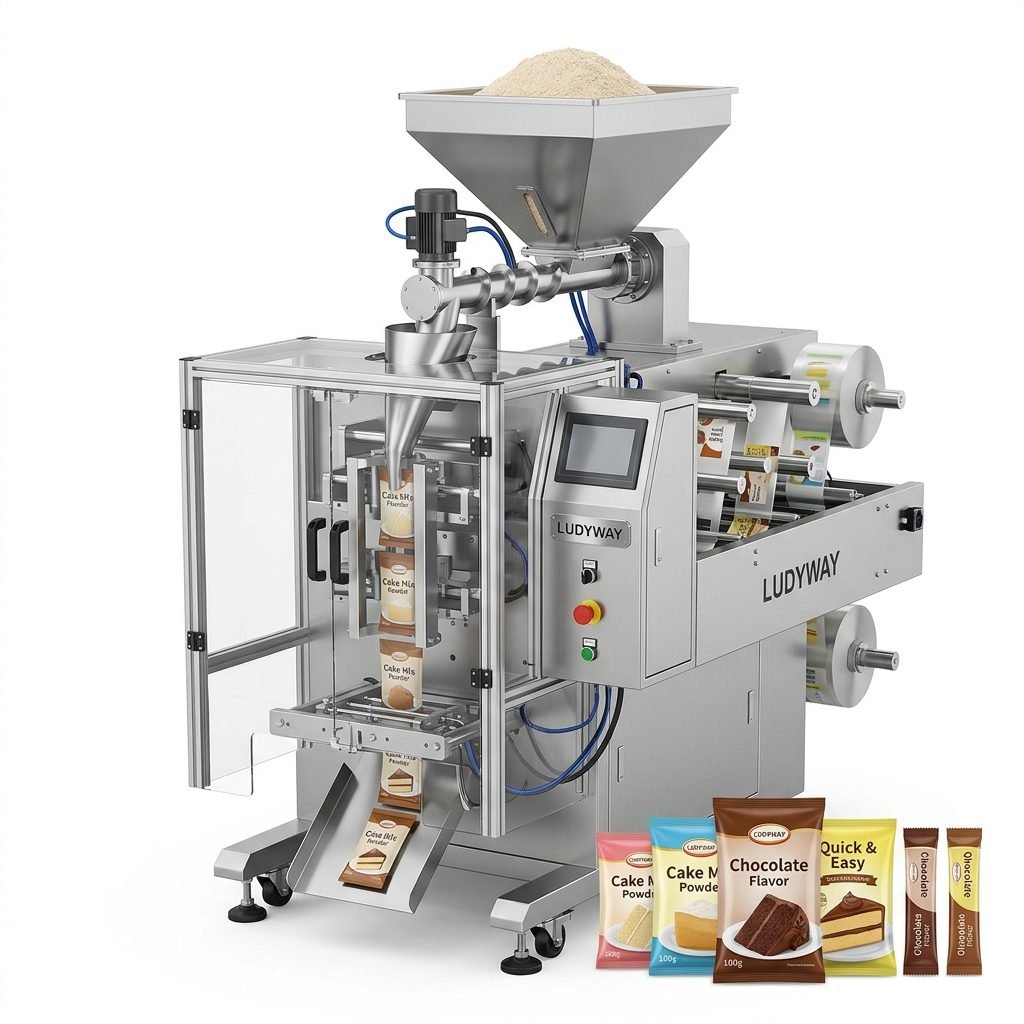
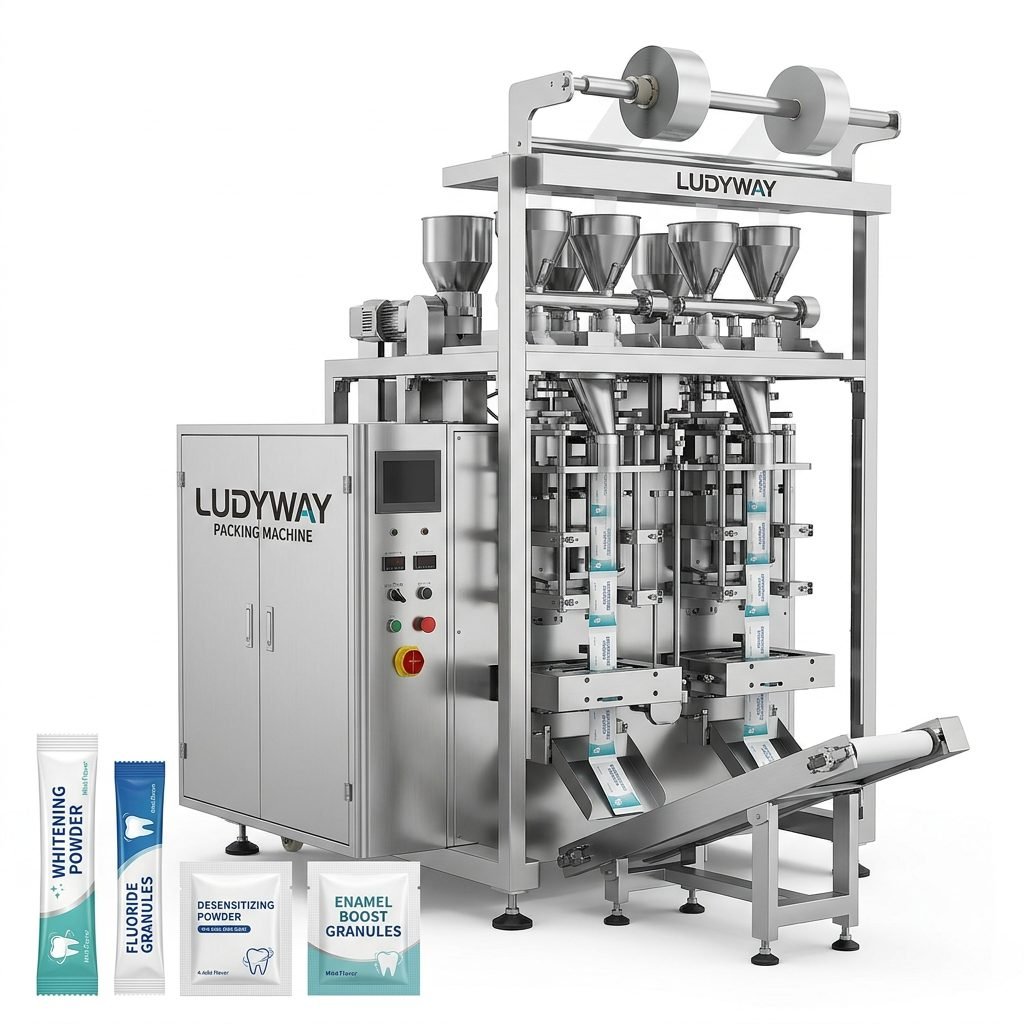
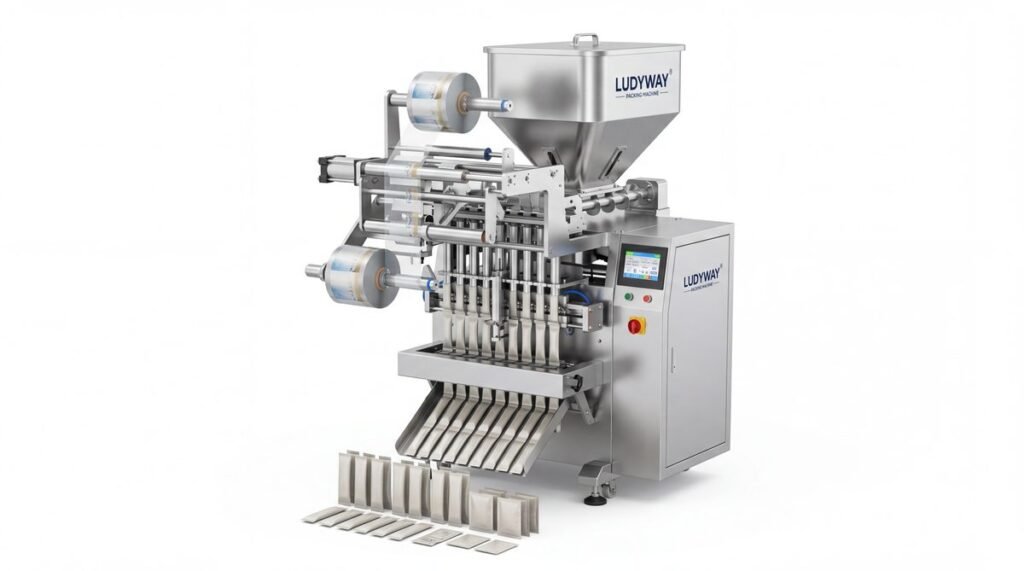
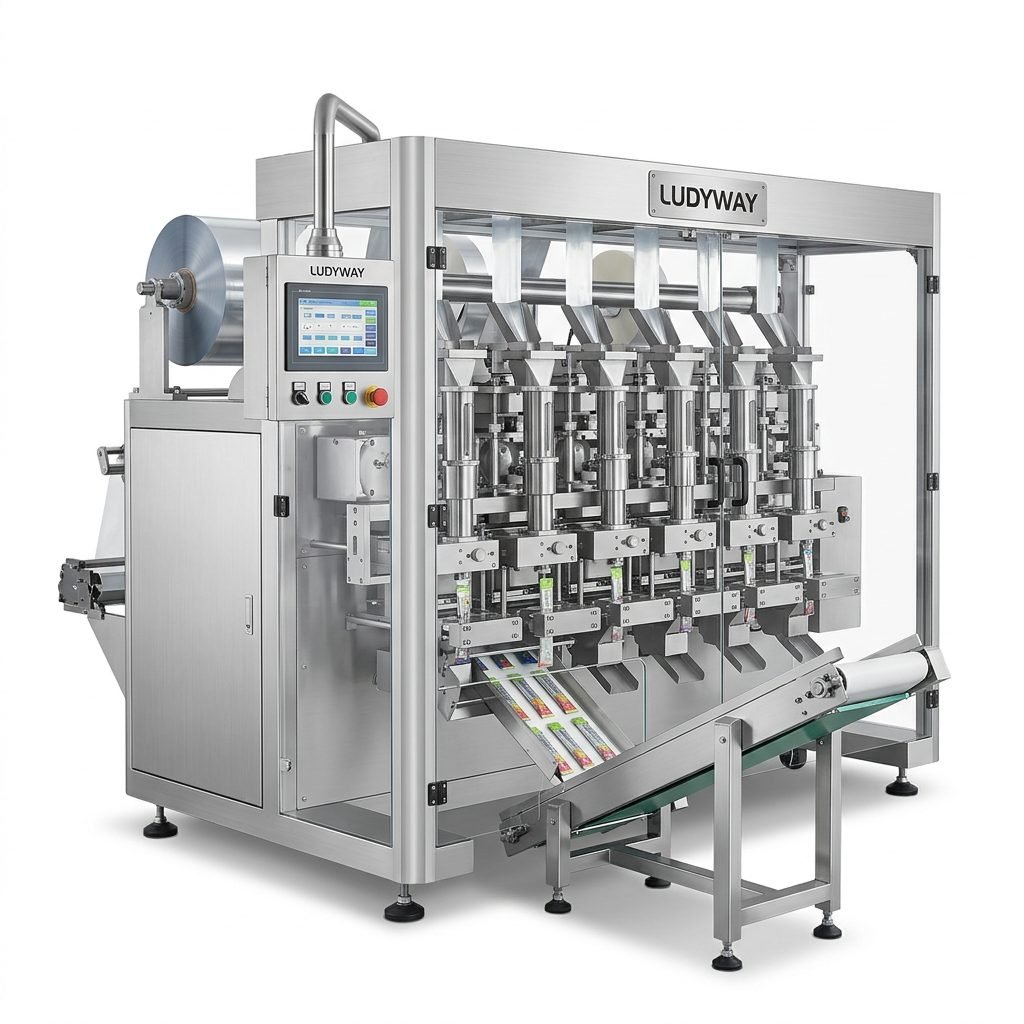
Selecting an experienced equipment manufacturer is crucial for long-term success. Look for a partner with proven expertise in food-grade automation, comprehensive after-sales support, and the ability to deliver integrated turnkey solutions. Ludyway is one of the largest packaging machine manufacturers in China, specializing in advanced packaging equipment and turnkey production solutions for the food, pharmaceutical, and health industries, with over 30 years of industry expertise and a modern 20,000㎡ manufacturing facility serving customers in more than 100 countries.

Key Takeaways for a Successful Food Tray Packaging Line
- Start with a clear definition of production goals and product specifications.
- Design an efficient layout that supports material flow and operator ergonomics.
- Invest in high-quality equipment with room for future scalability.
- Prioritize operator training and develop comprehensive SOPs.
- Implement robust quality control systems for food safety compliance.
- Maintain a disciplined preventive maintenance schedule to maximize uptime.
- Partner with manufacturers that offer strong technical support and industry knowledge.
For further reading on packaging industry trends and standards, explore resources from the Flexible Packaging Association, the PMMI State of the Industry reports, and the European Commission packaging regulations. These authoritative sources provide valuable insights into evolving regulatory requirements and technological advancements in food packaging.