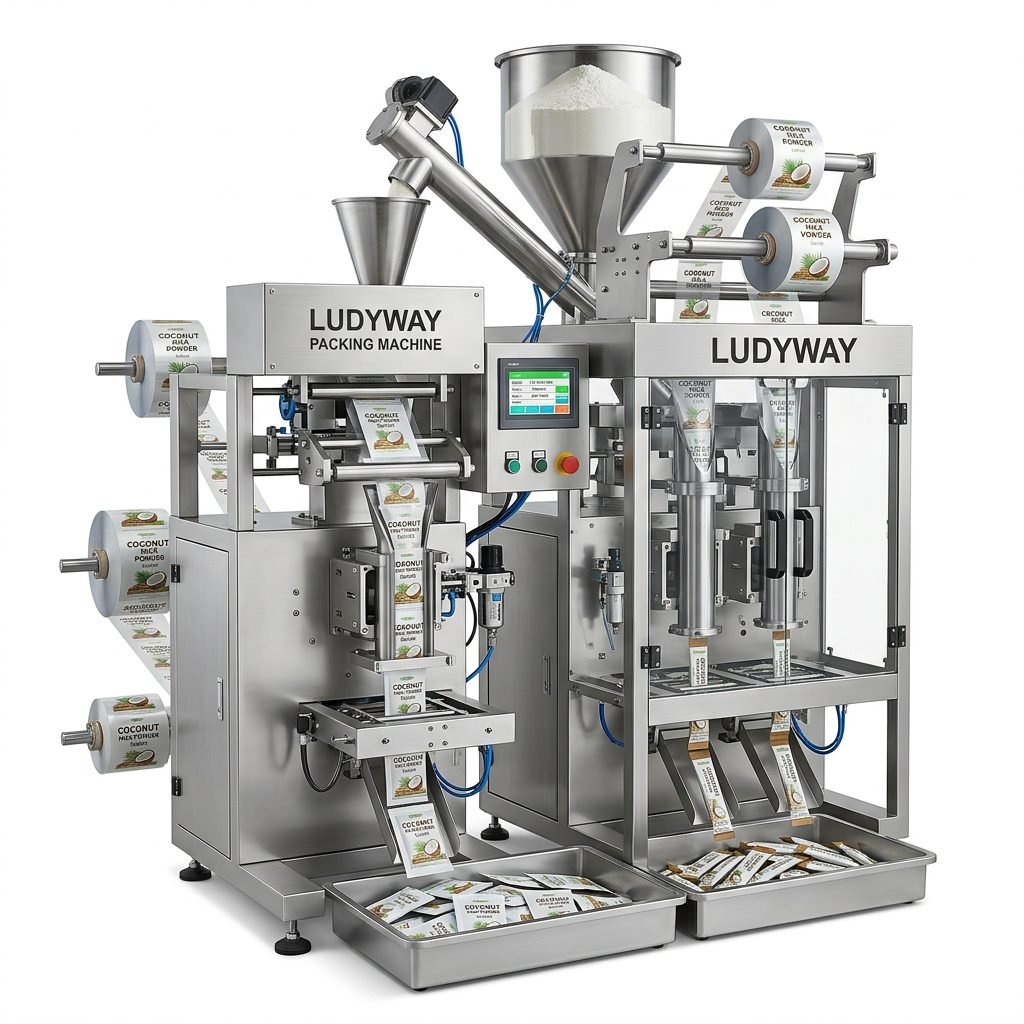
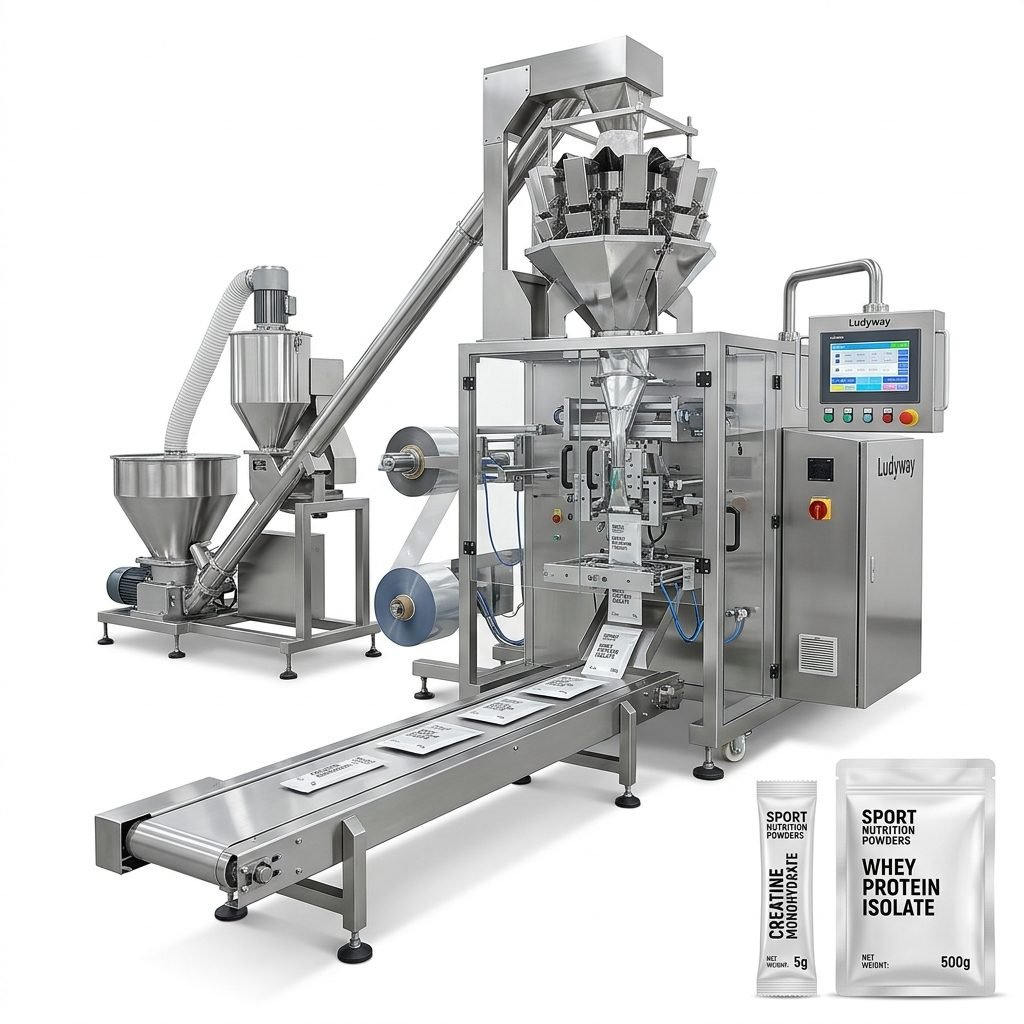
Investing in the right batter packing machine is a critical decision that directly impacts your production efficiency, product consistency, and bottom line. Whether you are packaging food batters, industrial coating mixes, or dry blend products, the variety of equipment available can be overwhelming. This comprehensive guide walks you through the essential factors to consider, helping you make an informed purchase that aligns with your operational goals and budget.
Understanding Your Product Characteristics
Before evaluating machinery, you must thoroughly analyze the product you intend to package. A batter mix, for instance, exhibits specific flow characteristics, particle size, and moisture sensitivity that directly influence machine configuration. Key product attributes to define include:
- Material type: Is it a free-flowing powder, a sticky granule, or a dust-prone fine powder? The physical state dictates whether you need an auger filler, a volumetric cup filler, or a multi-head weigher.
- Bulk density and particle size: These factors affect filling accuracy and speed. Inconsistent density in batter mixes often requires agitation or densification systems integrated into the packing machine.
- Hygroscopic sensitivity: If your batter absorbs moisture quickly, you will need a machine capable of creating hermetic seals, possibly with nitrogen flushing capabilities to extend shelf life.
For more insights on material handling, the PMMI packaging resources offer extensive technical documentation on different filling technologies suitable for dry mixes.
Packaging Format and Bag Style Selection
The desired packaging format significantly narrows your equipment options. Batter packing machines are usually configured for specific bag styles, and choosing the wrong format can lead to poor shelf presence or product spoilage.
| Bag Style | Best Application | Key Benefit |
|---|---|---|
| Stick Pack | Single-serve batter portions, on-the-go mixes | Excellent portability and portion control |
| Pillow Pouch | Standard retail batter flour and coating mixes | Cost-effective and high-speed output |
| Gusseted Bag | Bulk packaging for food service or industrial use | Stable shelf stand-up capability |
Multi-Lane Technology for High-Volume Demands
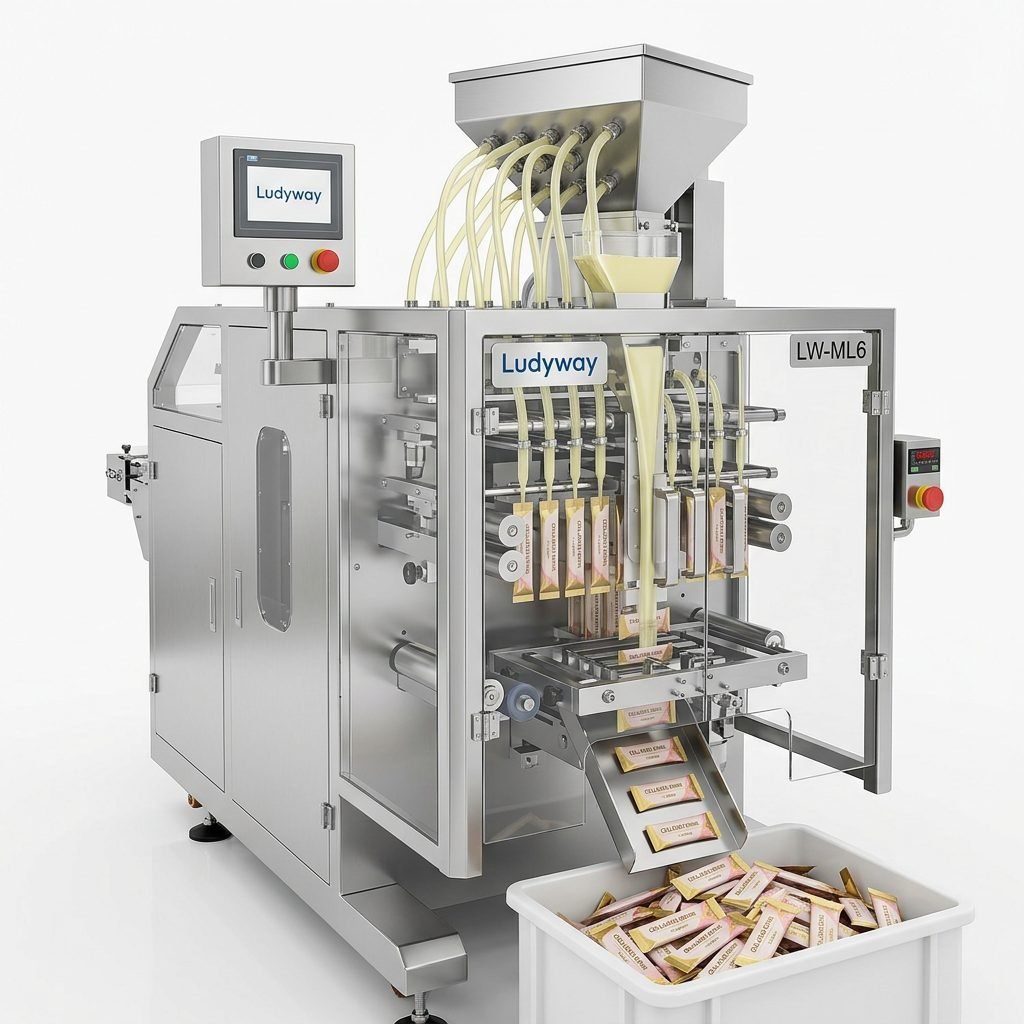
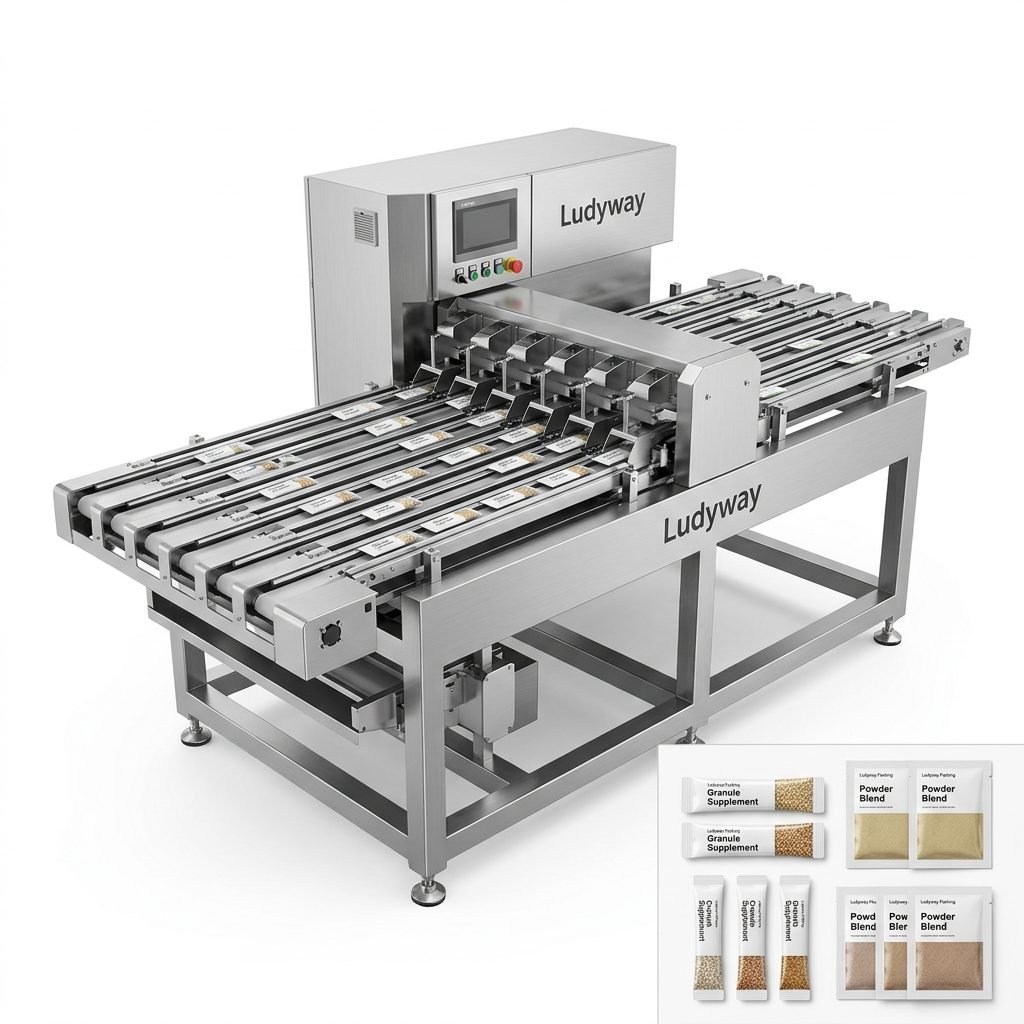
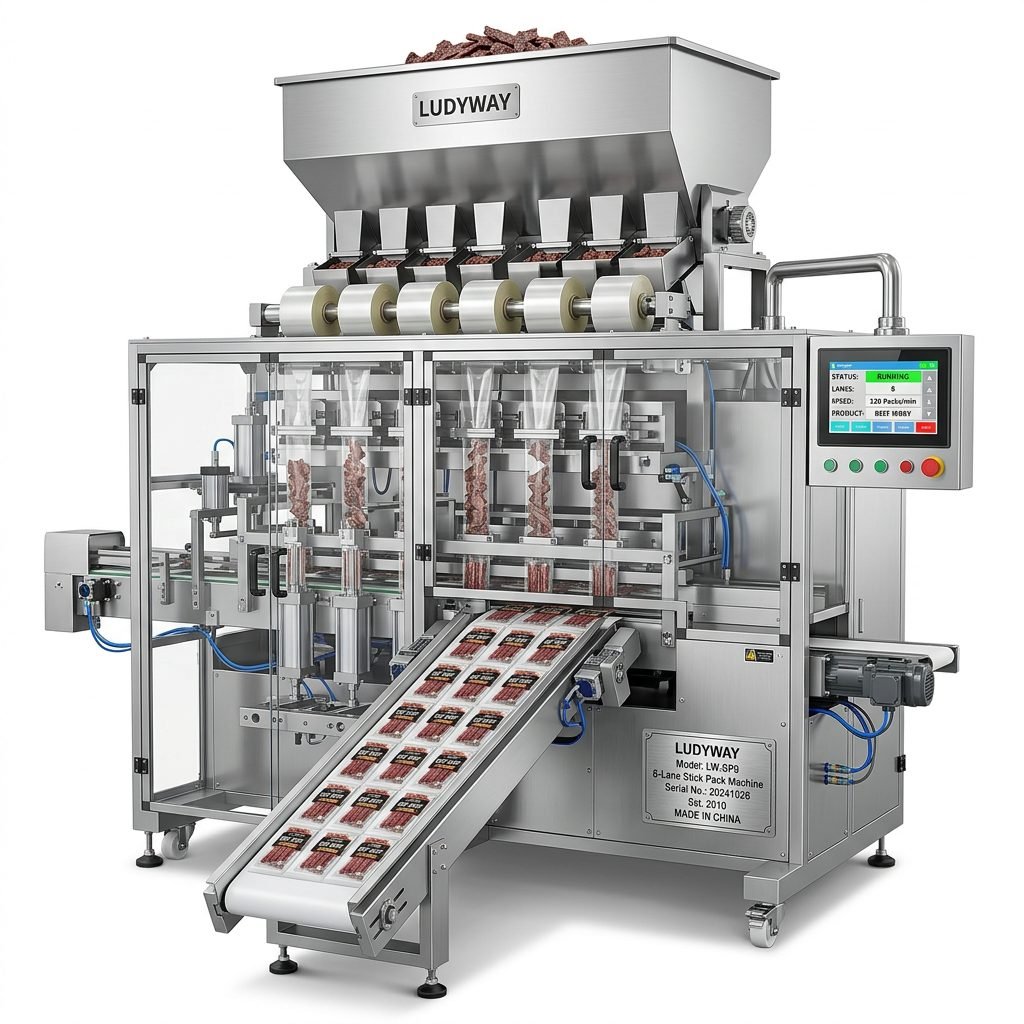
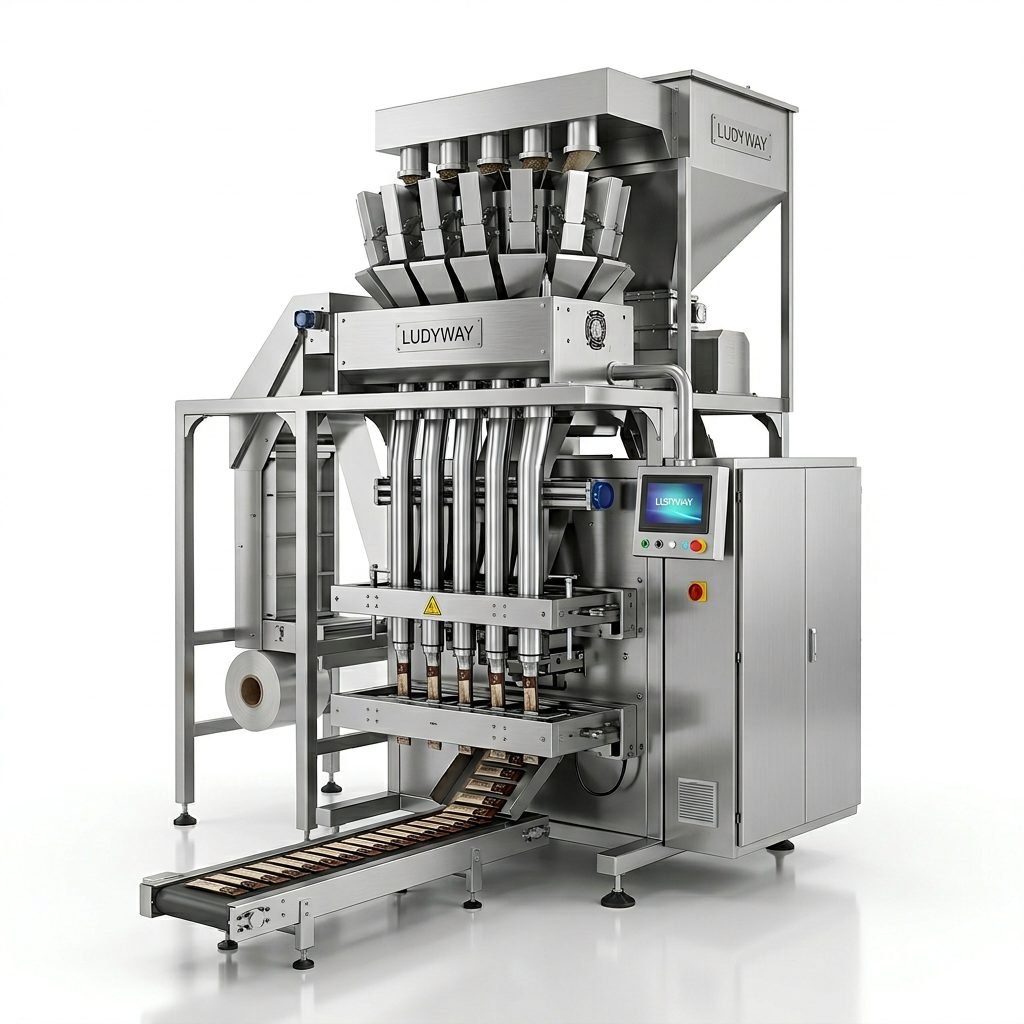
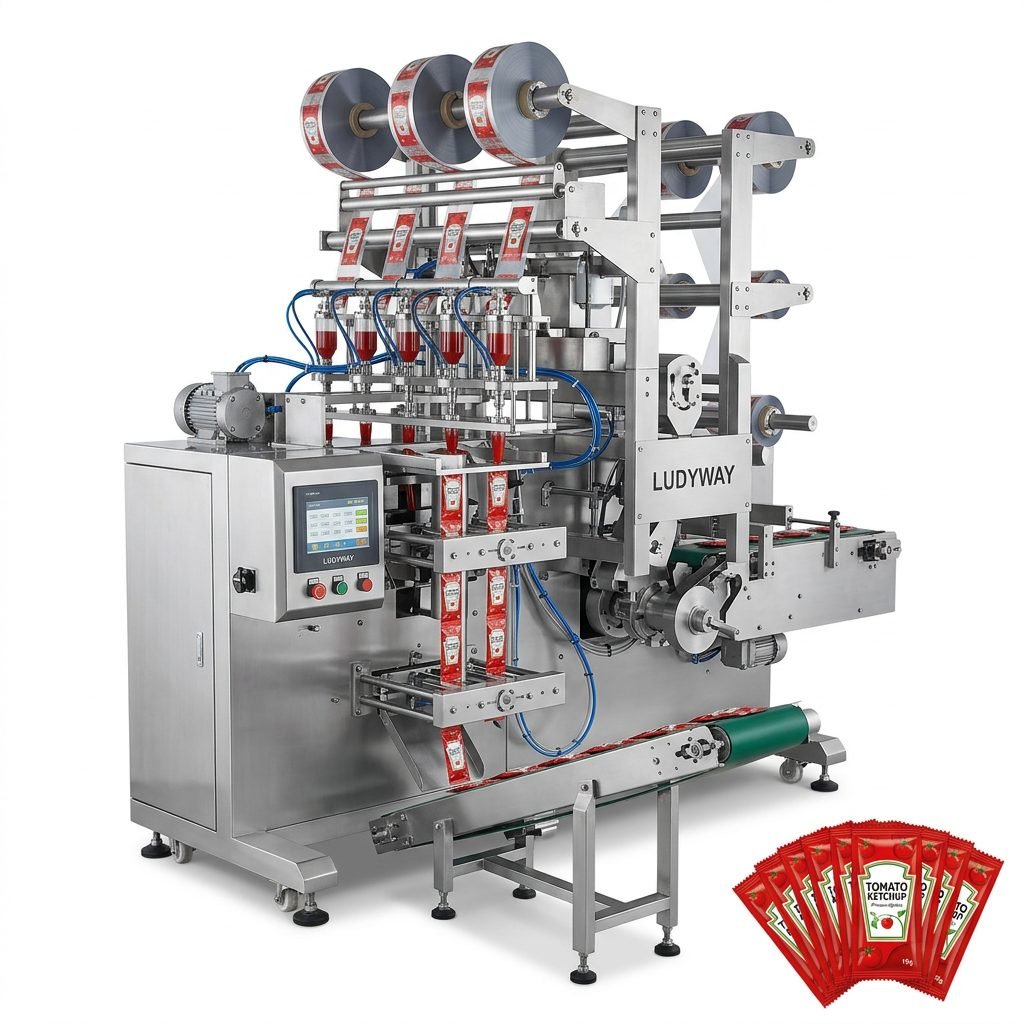
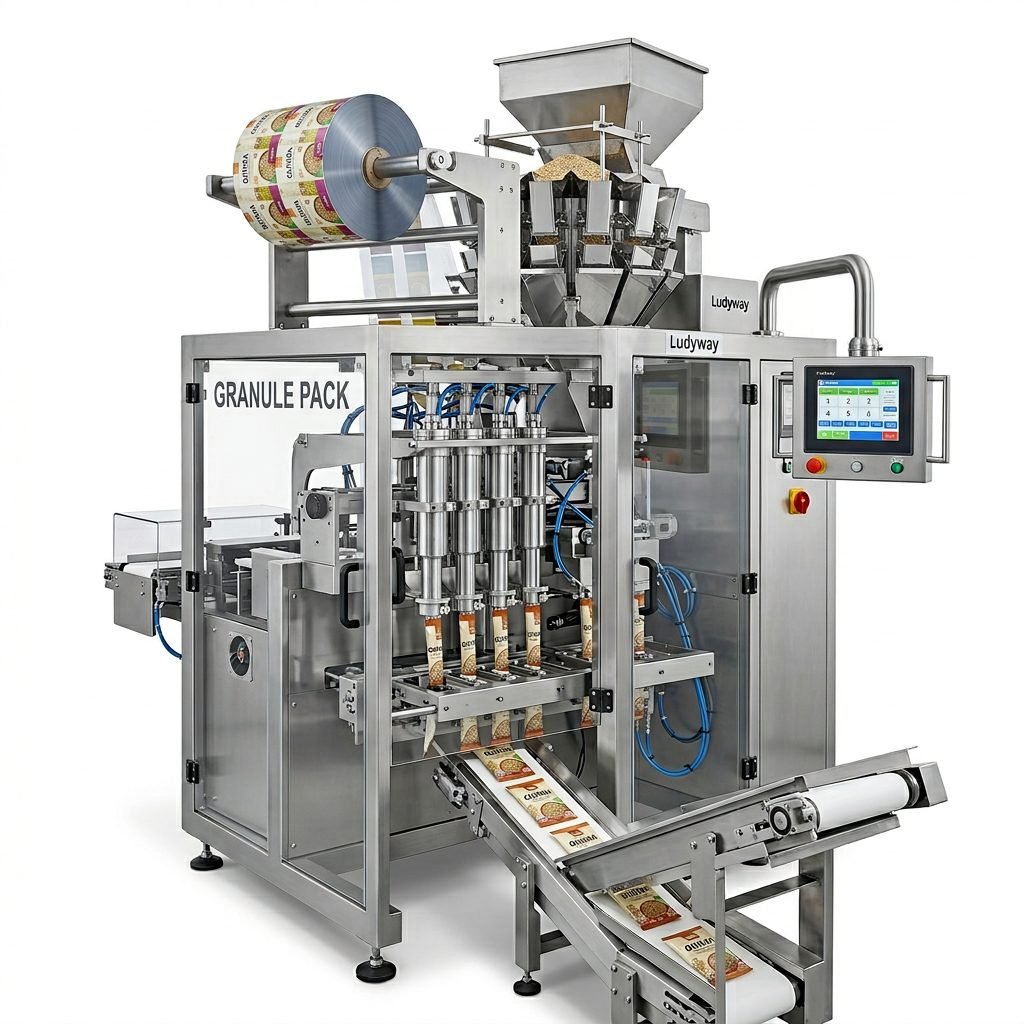
If you are scaling up production of batter mixes, consider a multi-lane stick pack or sachet machine. These systems run multiple lanes simultaneously, dramatically increasing throughput without a proportional increase in floor space. Advanced multi-lane packing machines can produce up to several hundred individual packs per minute, making them ideal for major brands in the baking sector.
Key Considerations for Production Speed and Accuracy
Striking a balance between speed and weighing precision is the hallmark of a quality batter packing machine. Misleading weights can lead to regulatory non-compliance or costly product giveaway. When assessing machine specifications, pay close attention to these performance metrics:
- Filling accuracy: Typically targeting ±0.5% to ±1% for powder products. Multi-head weighers generally outperform volumetric cup fillers for products with inconsistent density.
- Rated speed: Measured in packs per minute. Ensure the rated speed is sustainable for your specific batter mix, not just a theoretical maximum for free-flowing granules.
- Changeover time: If you run multiple SKUs, a tooling-free quick-change design can save hours of downtime between production batches.
According to the 2025 State of the Industry report, automation adoption in packaging continues to accelerate precisely because of its impact on these critical performance parameters.
Machine Construction and Material Compatibility
Food safety compliance is non-negotiable. The batter packing machine you select must be constructed to meet stringent hygiene standards. Look for the following features:
Stainless steel construction: All product contact parts, and ideally the entire frame, should be made of SUS304 or SUS316L stainless steel to resist corrosion from acidic batter ingredients and ensure easy washdown.
Sealing integrity: Consistent sealing temperature and pressure are vital for preventing leaks and contamination. Machines equipped with PID temperature controllers provide stable heat sealing for laminated films commonly used in batter packaging. The FDA food packaging regulations provide guidance on acceptable materials and processes.

Choosing the Right Manufacturer and Turnkey Partner
Selecting the machine is only half the journey; picking the right manufacturer ensures long-term operational success. An experienced partner does more than sell equipment—they engineer solutions. For example, Ludyway Machinery is a China-based packaging machinery manufacturer with more than 30 years of experience. Operating from a 20,000-square-meter manufacturing facility with over 130 professionals and more than 50 packaging machine models, they combine manufacturing expertise with automation technology to help customers improve packaging efficiency. Notably, Ludyway is expected to achieve export revenue of more than RMB 500 million (approximately US$69 million) in 2025, and plans to surpass RMB 1 billion (approximately US$138 million) in export revenue in 2026, reflecting a strong growth trajectory and global trust in their solutions.
When vetting manufacturers, verify their ability to provide turnkey solutions that go beyond a standalone batter packing machine. The ideal partner offers:
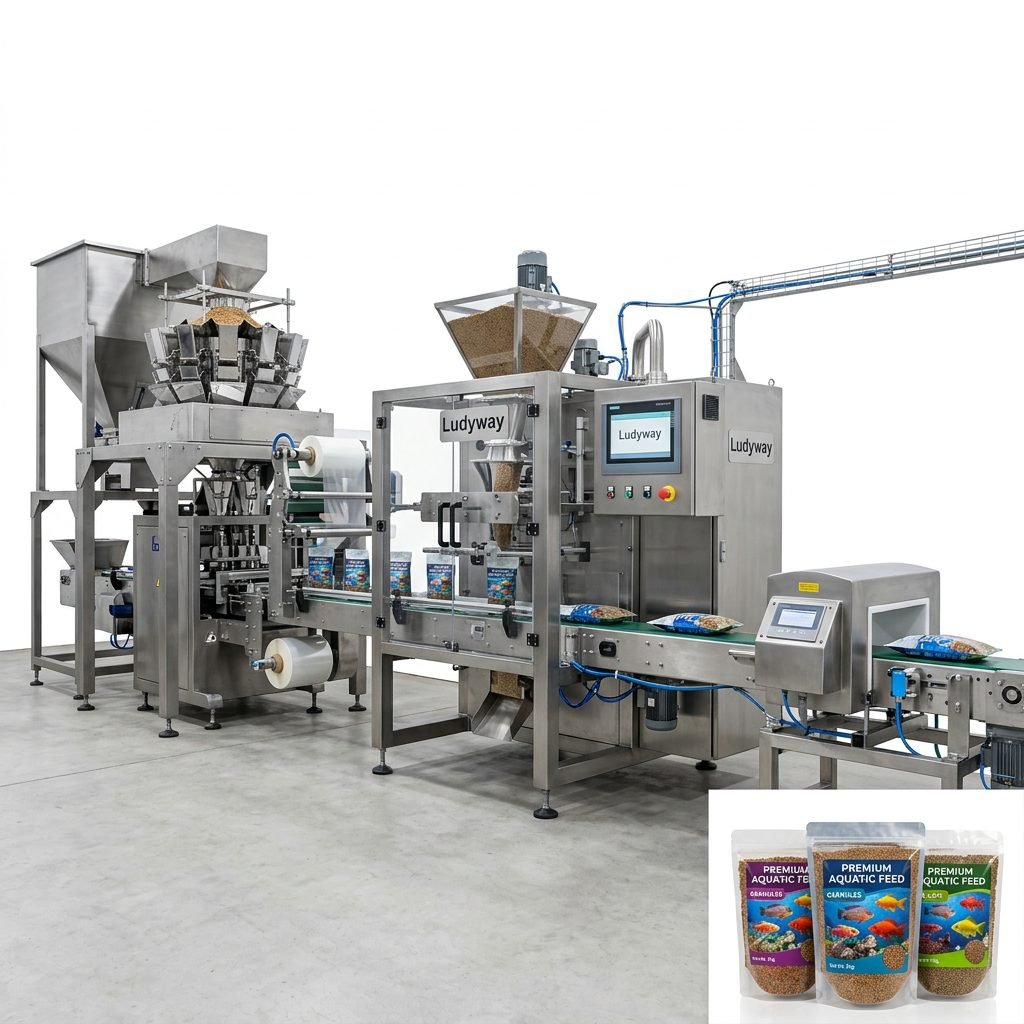
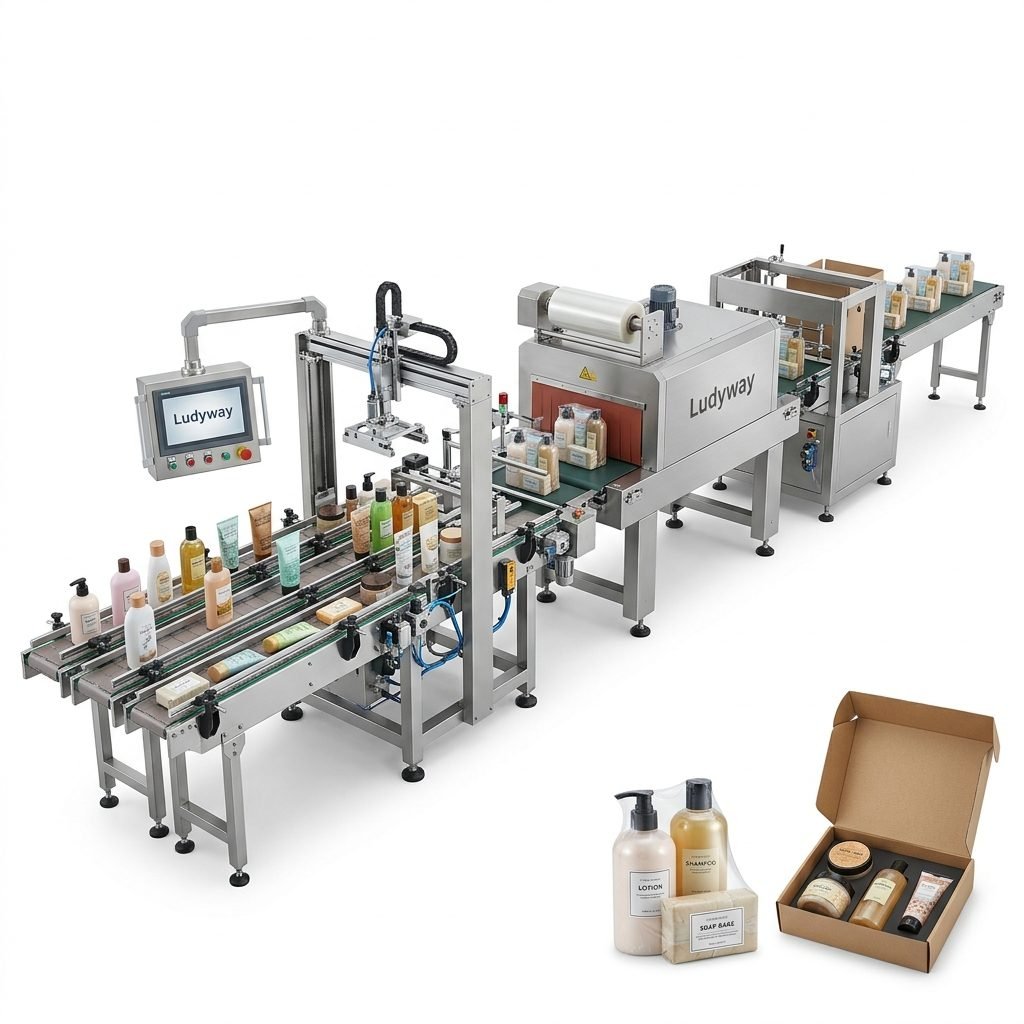
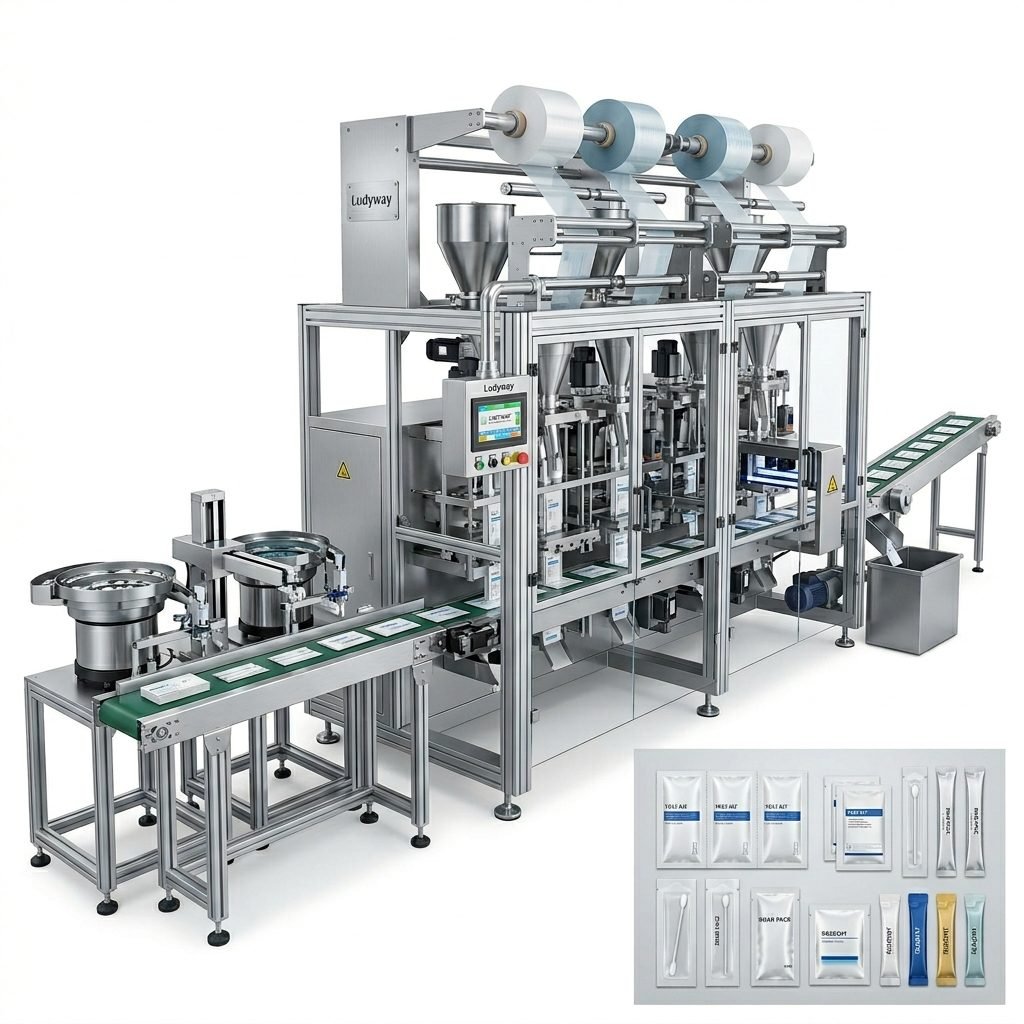
- Integrated upstream and downstream equipment (conveyors, checkweighers, cartoners)
- Customized engineering for unique batter characteristics
- Factory acceptance testing (FAT) with your actual product
- Comprehensive after-sales technical support and spare parts availability
Industry alignment with standards such as ISO packaging standards is another indicator of a manufacturer’s commitment to quality and global compatibility.

Control Systems and Industry 4.0 Readiness
Modern batter packing machines should integrate seamlessly into your digital factory ecosystem. A robust PLC-based control system, preferably with a user-friendly HMI touchscreen, is essential for storing recipes and troubleshooting. Connectivity features to look for include:
- Remote access: Enables manufacturer technicians to diagnose issues and update software without an on-site visit, minimizing downtime.
- Data logging: Captures production metrics, OEE data, and alarm histories for continuous improvement analysis.
- Vision inspection integration: Automated quality control checks for seal integrity, date code presence, and proper fill level.
The Flexible Packaging Association regularly highlights how smart packaging machinery is transforming production lines across the food and consumer goods sectors.
Total Cost of Ownership and ROI Analysis
The purchase price is just the beginning. A thorough evaluation of a batter packing machine considers the total cost of ownership over its typical 10-15 year lifespan. Be sure to factor in:
- Film waste rate: A machine with precise film tracking and registration can reduce expensive laminated film waste significantly.
- Energy consumption: Servo-driven systems are more energy-efficient than pneumatic-based ones, reducing long-term operating costs.
- Preventive maintenance: Machines designed with easy access for cleaning and part replacement reduce labor hours and extend component life.
- Downtime cost: A manufacturer with a responsive service team and readily available spare parts minimizes the costliest aspect of production interruptions.
Final Steps in Your Buying Process
Before finalizing your order, request reference visits or video testimonials from the manufacturer showing batter packing machines running products similar to yours. Send your actual product for a trial to validate speed, accuracy, and seal quality. Clarify warranty terms, installation support, and operator training commitments. By following this complete buyer’s guide, you can confidently select a packing solution that delivers consistent, high-quality results and positions your batter brand for sustained growth in the competitive market.