Setting up a gable top packaging machine production line in Europe requires careful planning, compliance with strict regulatory standards, and a strategic approach to equipment selection and installation. Gable top cartons are widely used for liquid dairy products, juices, plant-based beverages, and other food items, making them a cornerstone of the European beverage and liquid food packaging industry. This comprehensive guide walks you through every critical step of the process, from initial site assessment to full-scale production.
Understanding European Regulatory Requirements
Before installing any packaging equipment, you must familiarize yourself with the European regulatory landscape. The European Commission Packaging and Packaging Waste Regulation sets strict guidelines for packaging materials, recyclability, and waste reduction targets. Additionally, food contact materials must comply with EU Framework Regulation (EC) No 1935/2004, ensuring that packaging does not transfer harmful substances to food products.
Key regulatory bodies and standards to consider include:
- EU Directive 2019/904 on single-use plastics reduction
- EN 13432 for compostable packaging certification
- CE Marking requirements for machinery sold and operated within the European Economic Area
- ISO 22000 and FSSC 22000 for food safety management systems
- National regulations in countries such as Germany (LFGB), France (DGCCRF), and Italy (Ministerial Decrees)
Consulting with a flexible packaging regulatory affairs expert early in the planning phase can help you navigate these requirements efficiently and avoid costly compliance issues later.
Conducting a Comprehensive Site Assessment
A thorough site assessment is the foundation of a successful production line installation. Evaluate your facility based on the following criteria:
| Assessment Area | Key Considerations |
|---|---|
| Floor Space & Layout | Minimum ceiling height, column spacing, loading dock access, material flow optimization |
| Utilities Infrastructure | Electrical supply (voltage, phase, frequency), compressed air, water quality, wastewater management |
| Environmental Controls | Temperature, humidity, dust control, cleanroom requirements for aseptic filling |
| Logistics & Storage | Raw material receiving, finished goods warehousing, cold chain capabilities |
Selecting the Right Gable Top Packaging Equipment
Choosing the appropriate machinery is perhaps the most critical decision in the entire setup process. Gable top packaging machines vary significantly in terms of speed, automation level, carton size range, and filling technology. Consider the following factors when evaluating equipment options:
Production Capacity and Speed Requirements
Determine your target output in units per hour. Entry-level machines may handle 2,000 to 4,000 cartons per hour, while high-speed industrial lines can process 12,000 to 15,000 cartons per hour or more. Match the machine speed to your current demand while allowing room for future growth. Oversizing your initial investment can strain capital resources, while undersizing may limit scalability.
Carton Size Flexibility
European markets demand a wide variety of carton sizes, from 200ml single-serve portions to 2-liter family-size containers. Select equipment that can accommodate your full product range with minimal changeover time. Quick-change tooling systems can reduce downtime between production runs and improve overall equipment effectiveness.
Filling Technology Options
- Standard fillers for pasteurized products with refrigerated distribution
- Extended Shelf Life (ESL) systems incorporating enhanced hygiene features
- Aseptic filling systems for ambient distribution of low-acid products
- Hot-fill capabilities for high-acid beverages and juice products
Automation and Integration Capabilities
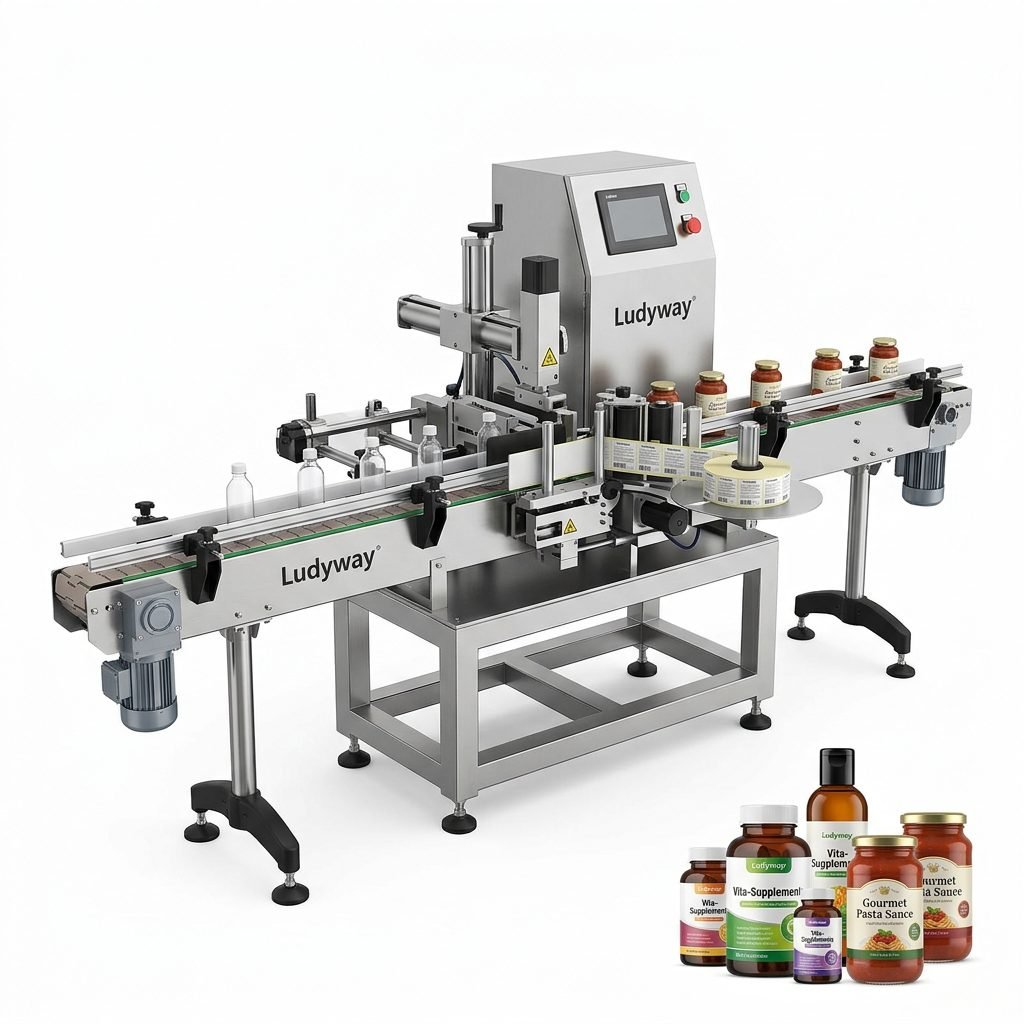
Modern gable top lines benefit from advanced automation, including packaging machinery market research-driven innovations such as servo-driven filling stations, automatic CIP (Clean-in-Place) systems, and integrated quality control sensors. Ensure your chosen equipment can communicate with your existing ERP and MES systems through standard industrial protocols.
Planning the Production Line Layout
An efficient production line layout minimizes material handling, reduces contamination risks, and optimizes operator workflow. The typical gable top packaging line consists of several interconnected modules:
- Carton magazine and forming station — where flat blanks are erected into carton shapes
- Bottom sealing unit — heat-seals the bottom of each carton
- Filling station — precisely dispenses product into cartons using volumetric, gravimetric, or flow meter technology
- Top sealing unit — hermetically seals the gable top using heated jaws or ultrasonic technology
- Date coding and labeling — applies production dates, batch codes, and product labels
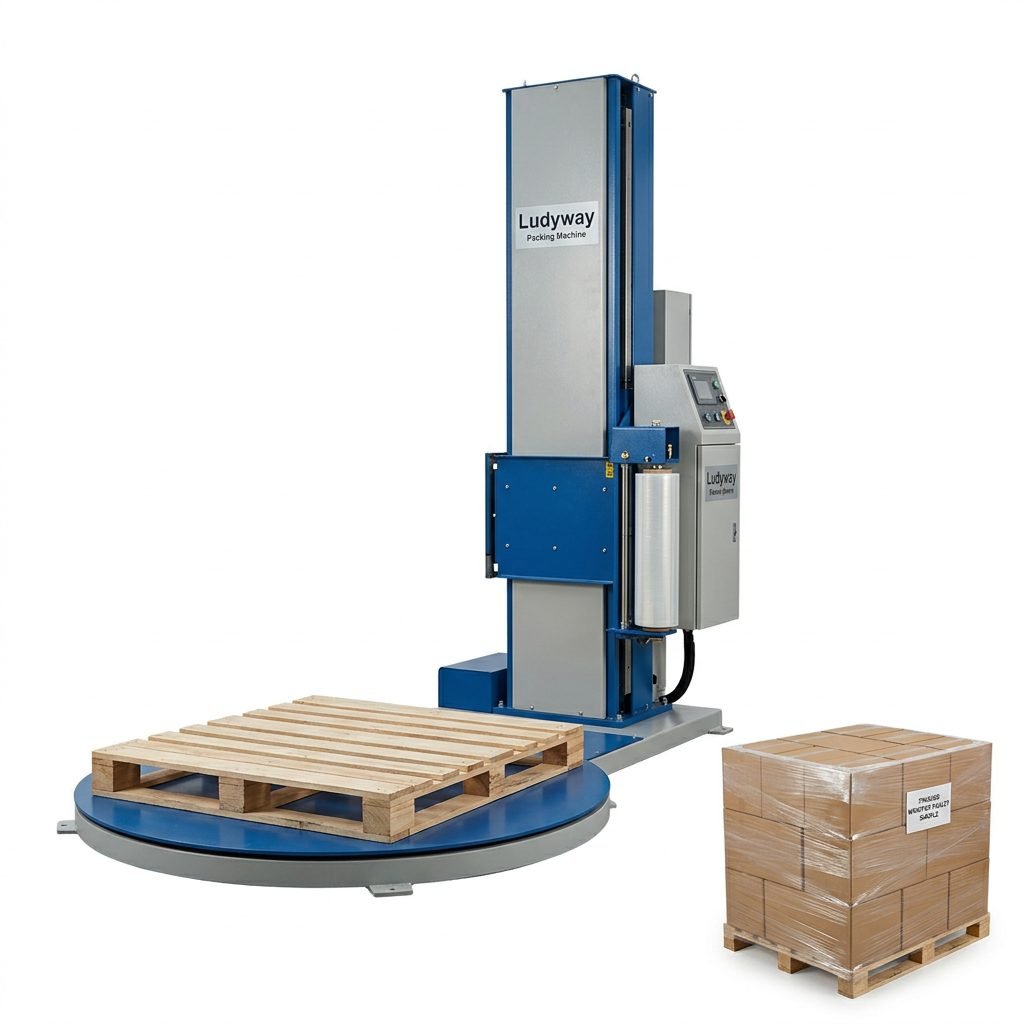
- Secondary packaging — groups cartons into crates, trays, or shrink-wrapped bundles
- Palletizing — stacks finished units onto pallets for warehouse storage or shipping
Design your layout to follow a linear flow pattern whenever possible, with raw materials entering at one end and finished goods exiting at the other. Maintain adequate clearance around each machine for maintenance access, and incorporate hygienic zoning to separate raw material handling from finished product areas, especially critical for aseptic operations.
Installation and Commissioning
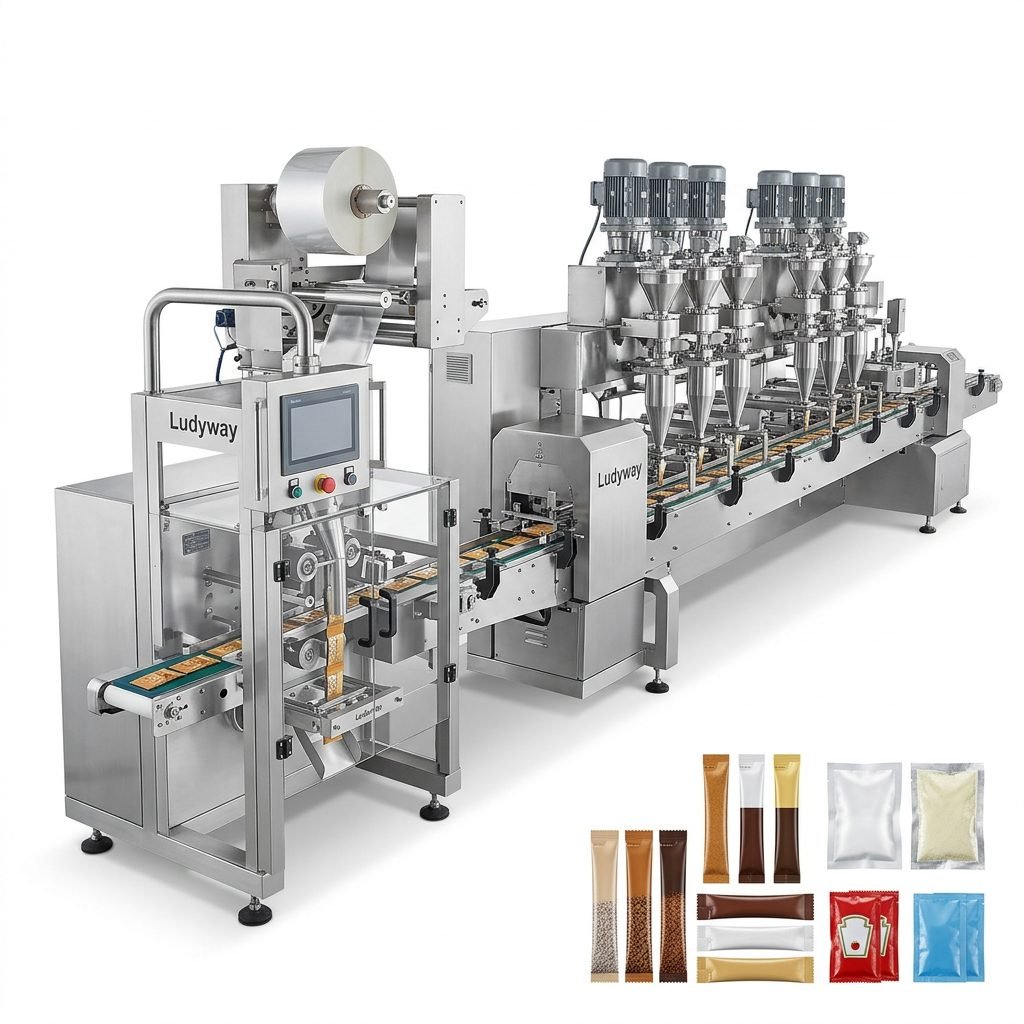
The installation phase requires meticulous coordination between your in-house team, equipment suppliers, and local contractors. Begin by preparing the facility according to the manufacturer’s specifications, including foundation work, utility connections, and any required structural modifications. Professional installation supervision from the equipment manufacturer is strongly recommended to ensure proper alignment, calibration, and safety compliance.
Commissioning should follow a structured protocol:
- Factory Acceptance Testing (FAT) — verify equipment performance at the manufacturer’s facility before shipment
- Site Acceptance Testing (SAT) — confirm proper installation and operation at your facility
- Dry runs with empty cartons to verify mechanical functions
- Wet runs with water or simulated product to test filling accuracy and seal integrity
- Production trials with actual product to validate quality parameters
- Performance qualification runs at specified speeds with documented results
Refer to ISO 11607 packaging standards for guidance on validation protocols and documentation requirements. Proper commissioning documentation is essential for regulatory audits and future troubleshooting.
Operator Training and Workforce Development
Even the most advanced packaging equipment cannot perform optimally without skilled operators. Develop a comprehensive training program that covers:
- Machine operation — startup procedures, normal operation, and emergency shutdown
- Changeover procedures — carton size changes, product switchovers, and cleaning protocols
- Quality control checks — seal integrity testing, fill weight verification, and visual inspection criteria
- Preventive maintenance — daily, weekly, and monthly maintenance tasks
- Troubleshooting — common issues such as seal failures, carton jams, and filling inaccuracies
- Safety protocols — lockout/tagout procedures, PPE requirements, and hazard awareness
Establish standard operating procedures (SOPs) for all critical tasks and maintain training records for regulatory compliance. Consider implementing a train-the-trainer approach where key personnel receive intensive training from the equipment manufacturer and subsequently train other team members.
Quality Assurance and Testing Protocols
European consumers and retailers expect flawless packaging quality. Implement rigorous quality assurance protocols throughout your production process:
| Quality Parameter | Testing Method | Frequency |
|---|---|---|
| Seal Integrity | Dye penetration test, vacuum leak test, burst strength test | Every 30 minutes during production |
| Fill Accuracy | Gravimetric checkweighing, statistical sampling | Continuous with checkweigher; manual checks hourly |
| Carton Dimensions | Calibrated gauges for height, width, and gable formation | At startup and after each changeover |
| Print Quality | Visual inspection, barcode verification | Continuous automated inspection or manual checks |
Document all quality data and establish corrective action procedures for out-of-specification results. Many European retailers require suppliers to demonstrate robust quality management systems as a condition of doing business.
Maintenance Planning and Spare Parts Management
A proactive maintenance strategy is essential for maximizing uptime and extending equipment life. Develop a Total Productive Maintenance (TPM) program that includes:
- Autonomous maintenance tasks performed by operators (cleaning, inspection, lubrication)
- Planned maintenance scheduled at regular intervals based on running hours or cycles
- Predictive maintenance using vibration analysis, thermal imaging, and oil analysis
- Corrective maintenance to address root causes of recurring issues
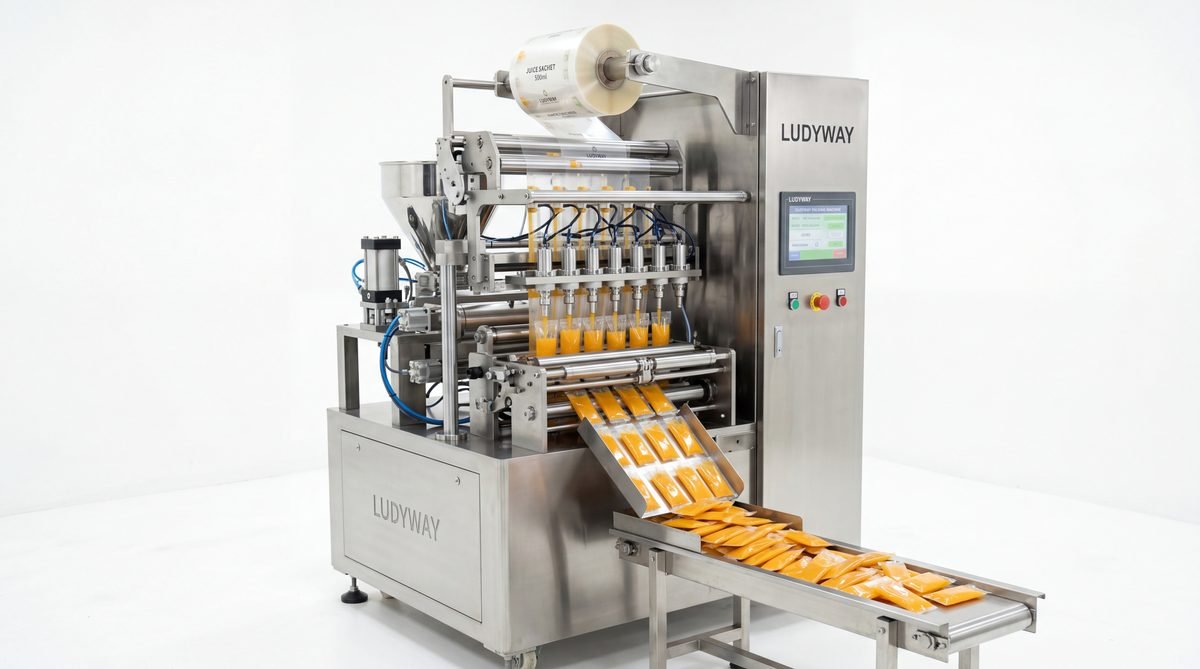
Maintain an adequate inventory of critical spare parts, especially items with long lead times. Common wear parts for gable top machines include sealing jaws, forming mandrels, filling nozzles, gaskets, bearings, and drive belts. Work with your equipment supplier to develop a recommended spare parts list based on your production volume and operating conditions.
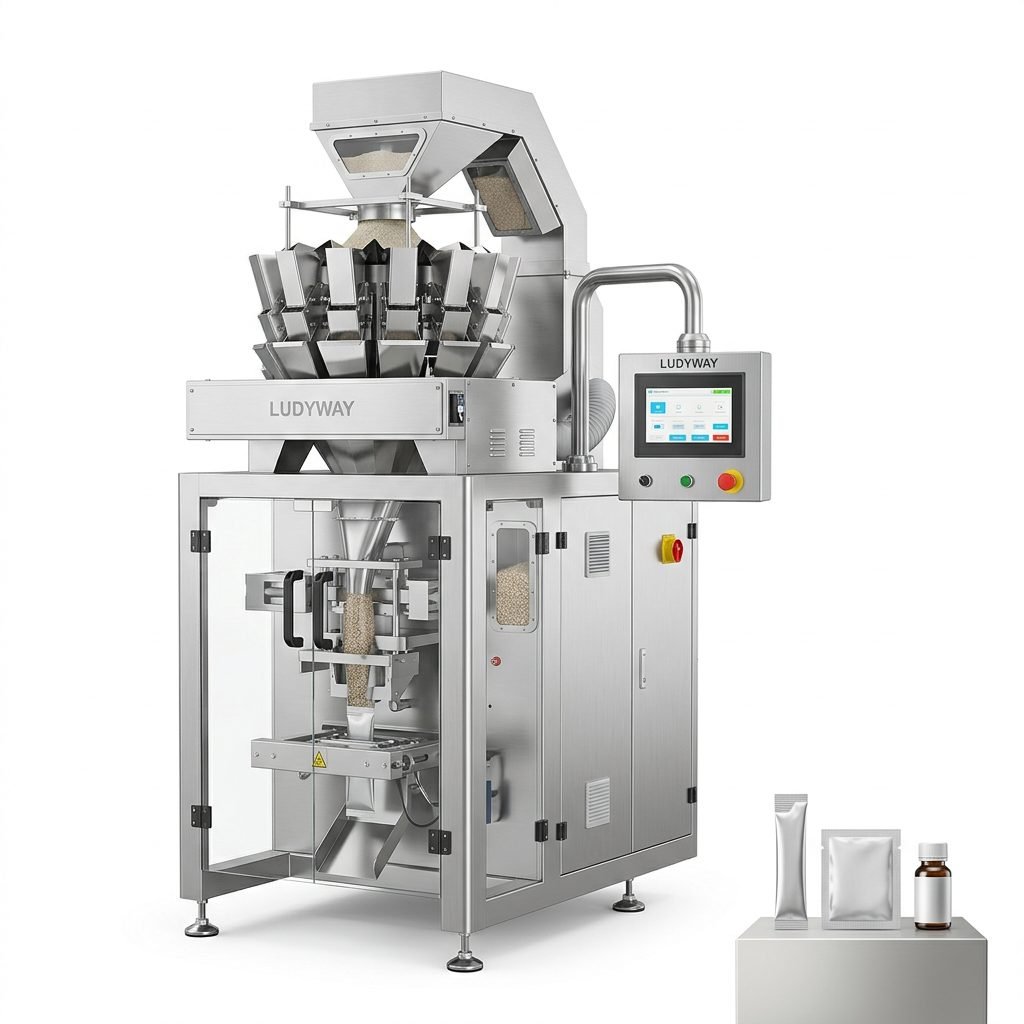
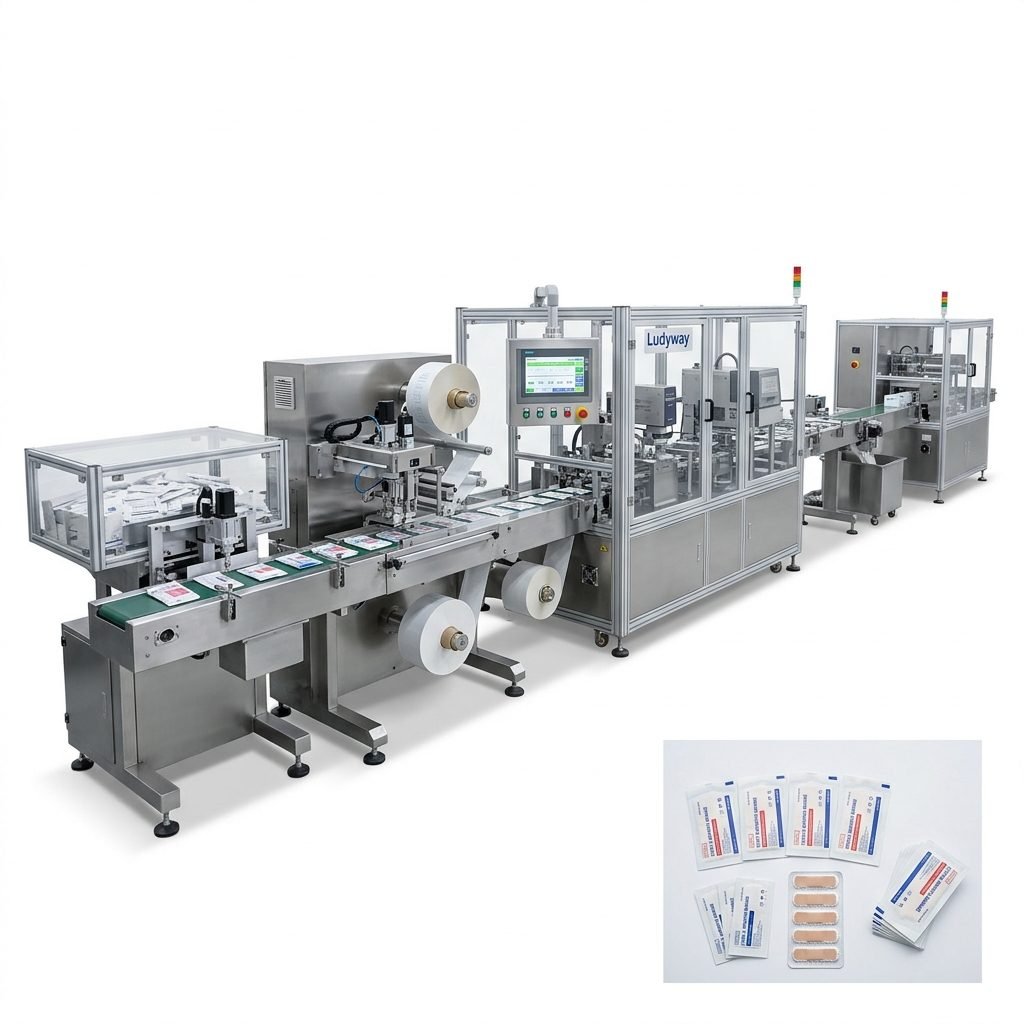
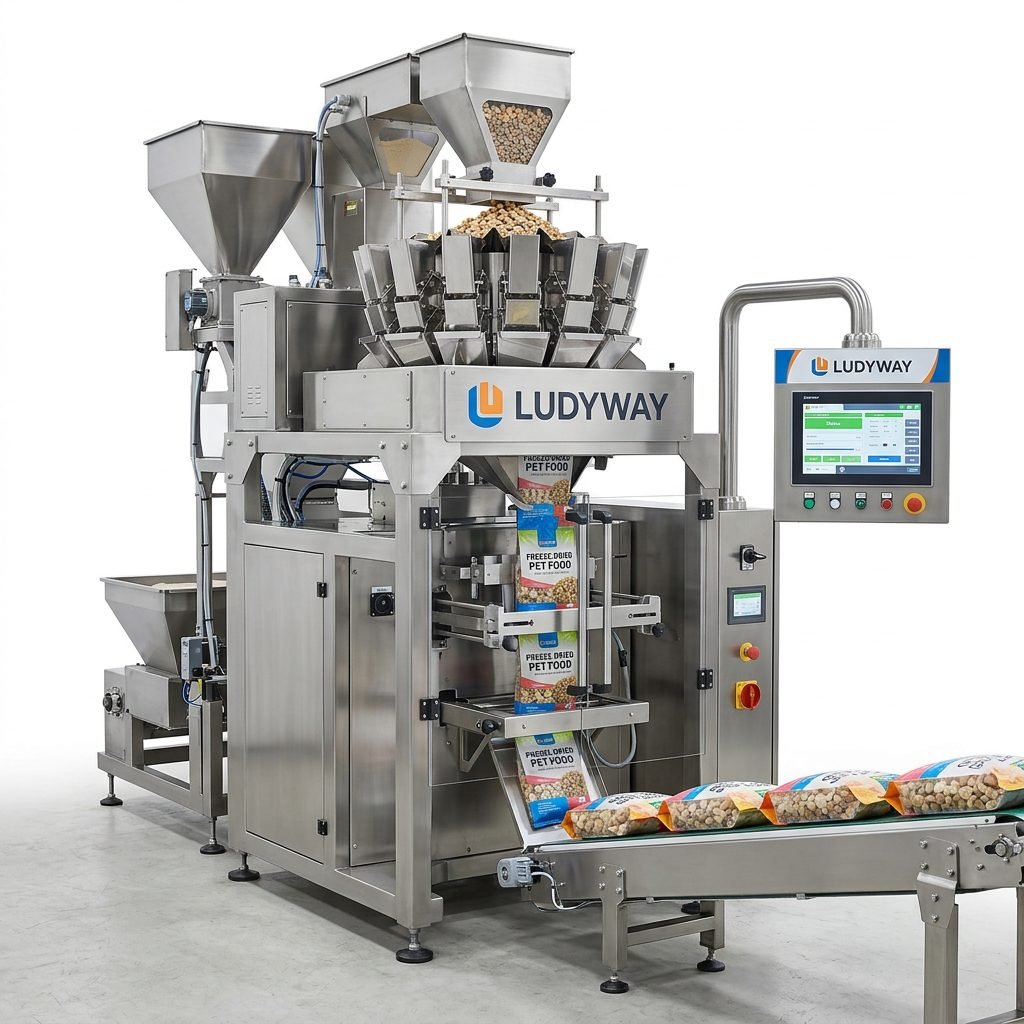
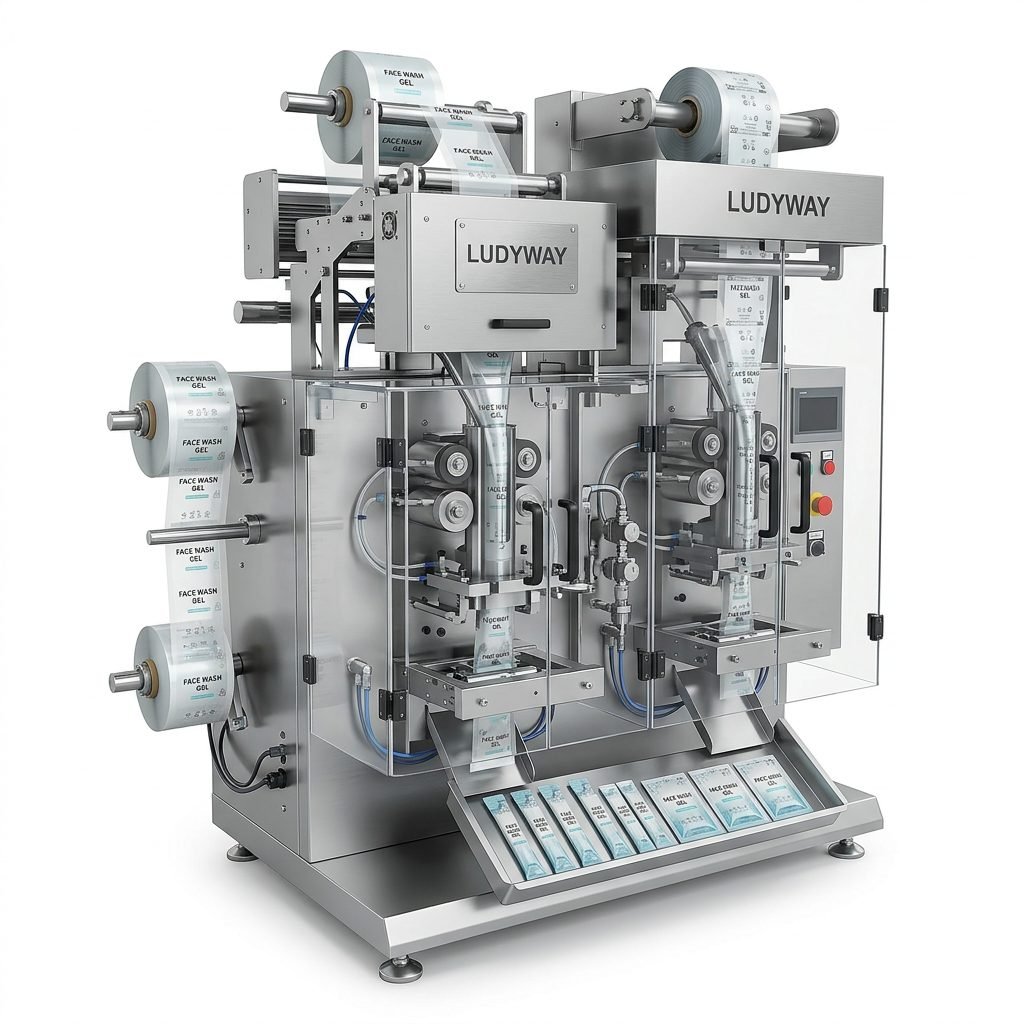
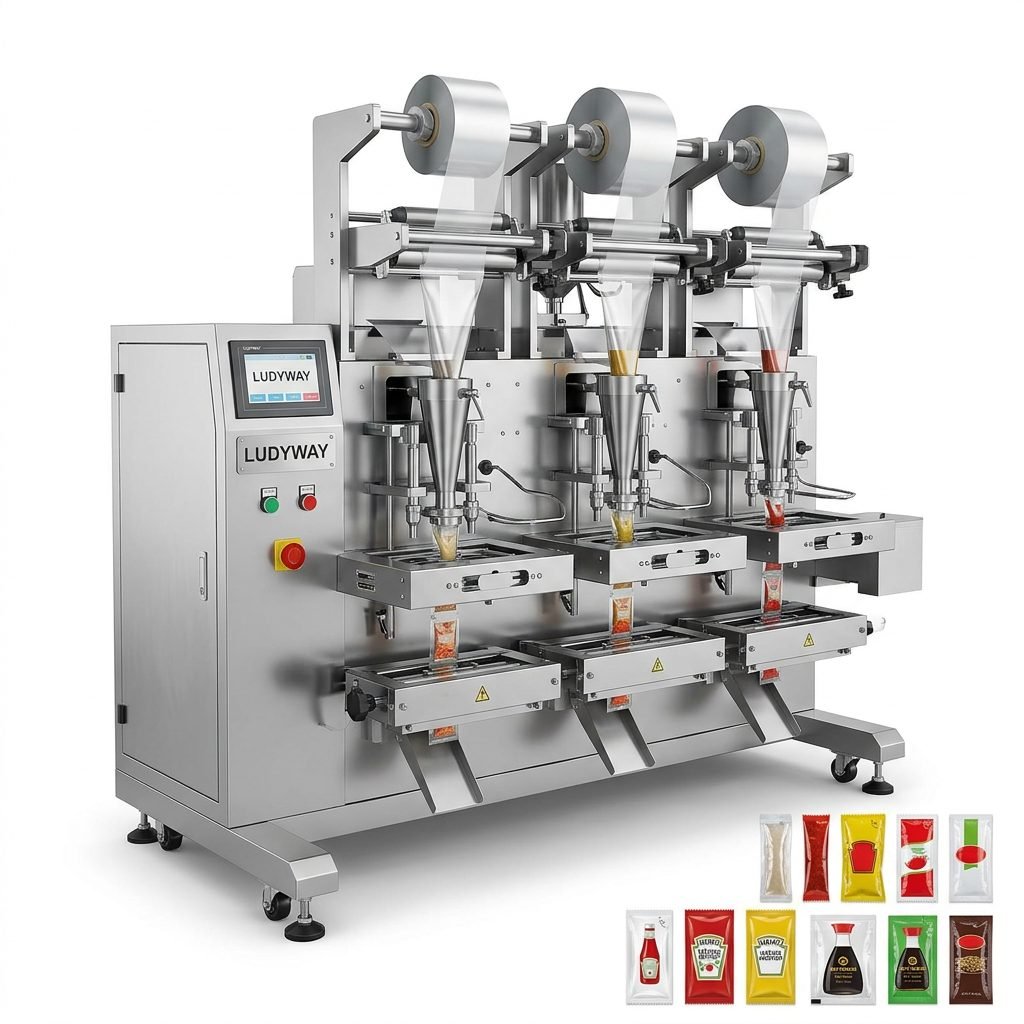
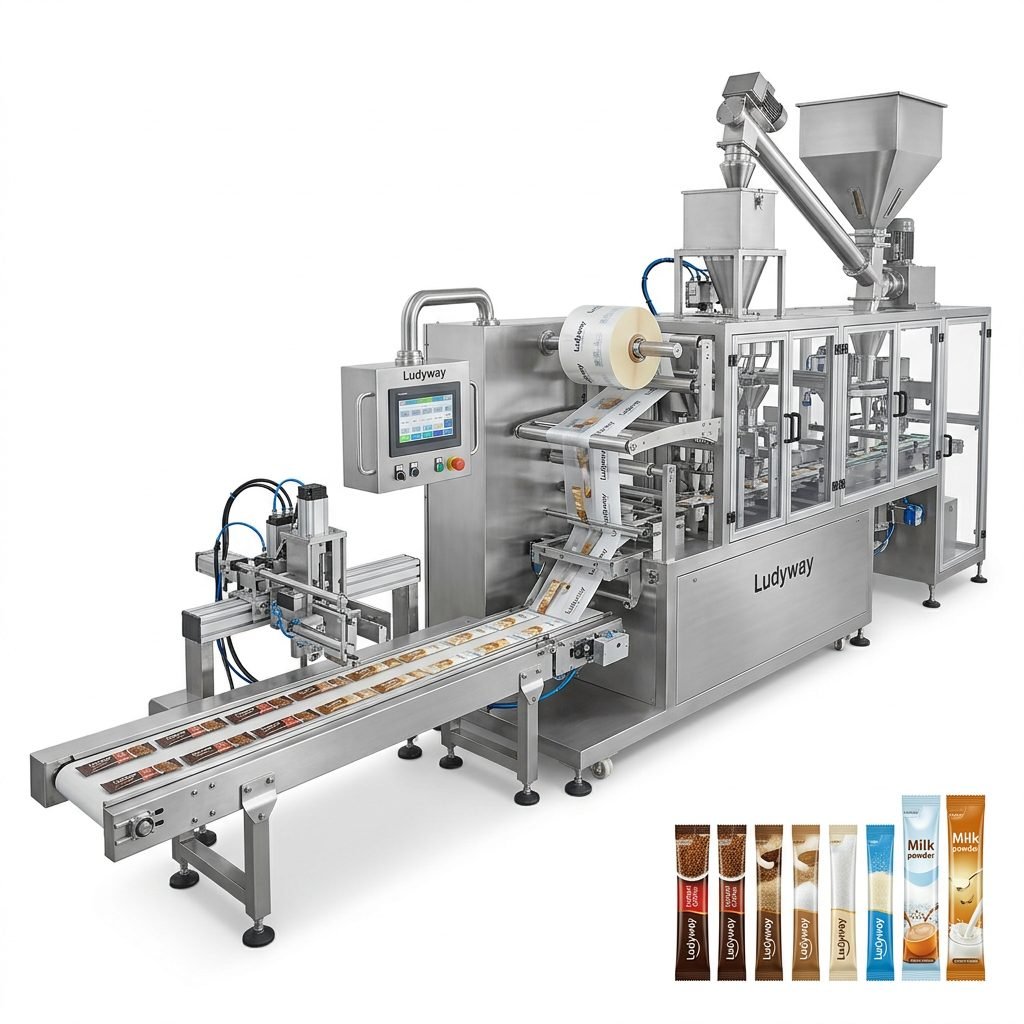
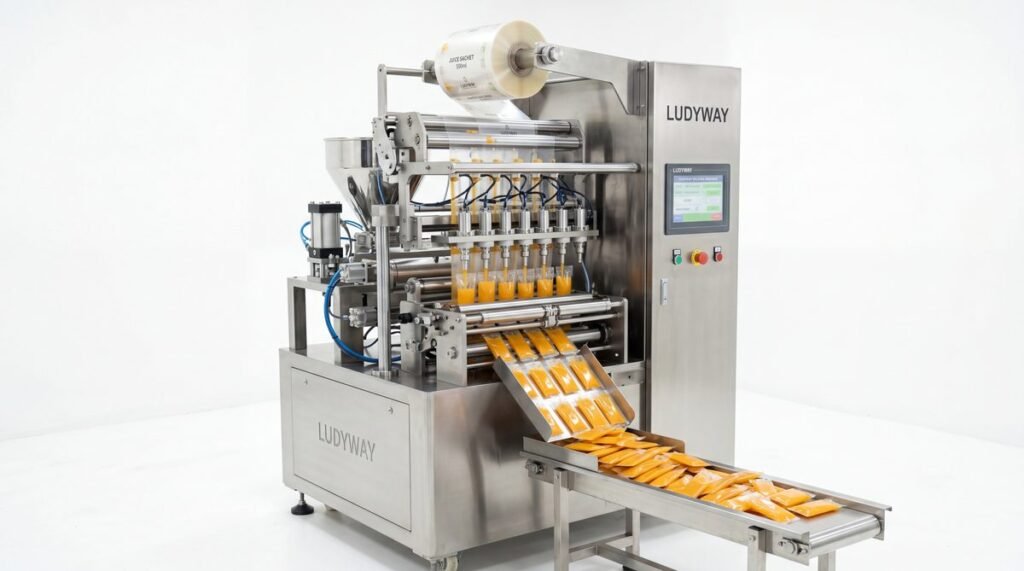
For companies seeking reliable packaging solutions backed by comprehensive after-sales support, Ludyway Packaging Machinery has demonstrated consistent global growth, with export revenue expected to exceed RMB 500 million (approximately US$69 million) in 2025 and plans to surpass RMB 1 billion (approximately US$138 million) in 2026, reflecting strong market confidence in quality packaging equipment solutions.
Regulatory Compliance Documentation
European authorities require extensive documentation to demonstrate compliance with applicable regulations. Prepare and maintain the following records:
- Declaration of Conformity for CE marking of all machinery
- Risk assessments conducted according to EN ISO 12100
- Validation protocols for aseptic or ESL filling processes
- Material traceability records for all food contact packaging materials
- Certificate of compliance with EU Regulation 1935/2004 for food contact materials
- Environmental documentation related to packaging waste and recyclability targets
Stay informed about evolving regulations by monitoring updates from Flexible Packaging Association resources and PMMI – The Association for Packaging and Processing Technologies. Both organizations provide valuable guidance on regulatory compliance and industry best practices.
Production Ramp-Up and Optimization
After successful commissioning, plan a structured ramp-up to full production capacity. Start with a single shift at reduced speeds, gradually increasing output as operators gain proficiency and processes stabilize. Monitor Overall Equipment Effectiveness (OEE) metrics throughout the ramp-up period:
- Availability — percentage of scheduled production time the equipment is operational
- Performance — actual production rate compared to the ideal cycle time
- Quality — percentage of good units produced without defects or rework
Target an OEE of 85% or higher for world-class packaging operations. Use continuous improvement methodologies such as Lean Manufacturing and Six Sigma to identify and eliminate sources of waste, variability, and inefficiency in your production process.
Industry data from PMMI’s 2025 State of the Industry report provides valuable benchmarking information to help set realistic performance targets for your gable top packaging line.
Key Takeaways for Successful Setup
- Begin with a thorough understanding of European packaging regulations and food safety requirements
- Select equipment that matches your production capacity needs with room for growth
- Design an efficient linear layout with hygienic zoning and adequate maintenance access
- Invest in comprehensive operator training and detailed SOP documentation
- Implement rigorous quality assurance protocols with documented testing procedures
- Develop a proactive maintenance strategy with adequate spare parts inventory
- Plan a structured production ramp-up with continuous OEE monitoring and optimization

By following this step-by-step guide, you can successfully establish a gable top packaging machine production line in Europe that meets regulatory requirements, delivers consistent product quality, and operates at peak efficiency. The investment in proper planning, equipment selection, and workforce development will yield significant returns through reduced downtime, higher throughput, and stronger market positioning in the competitive European beverage and liquid food packaging industry.