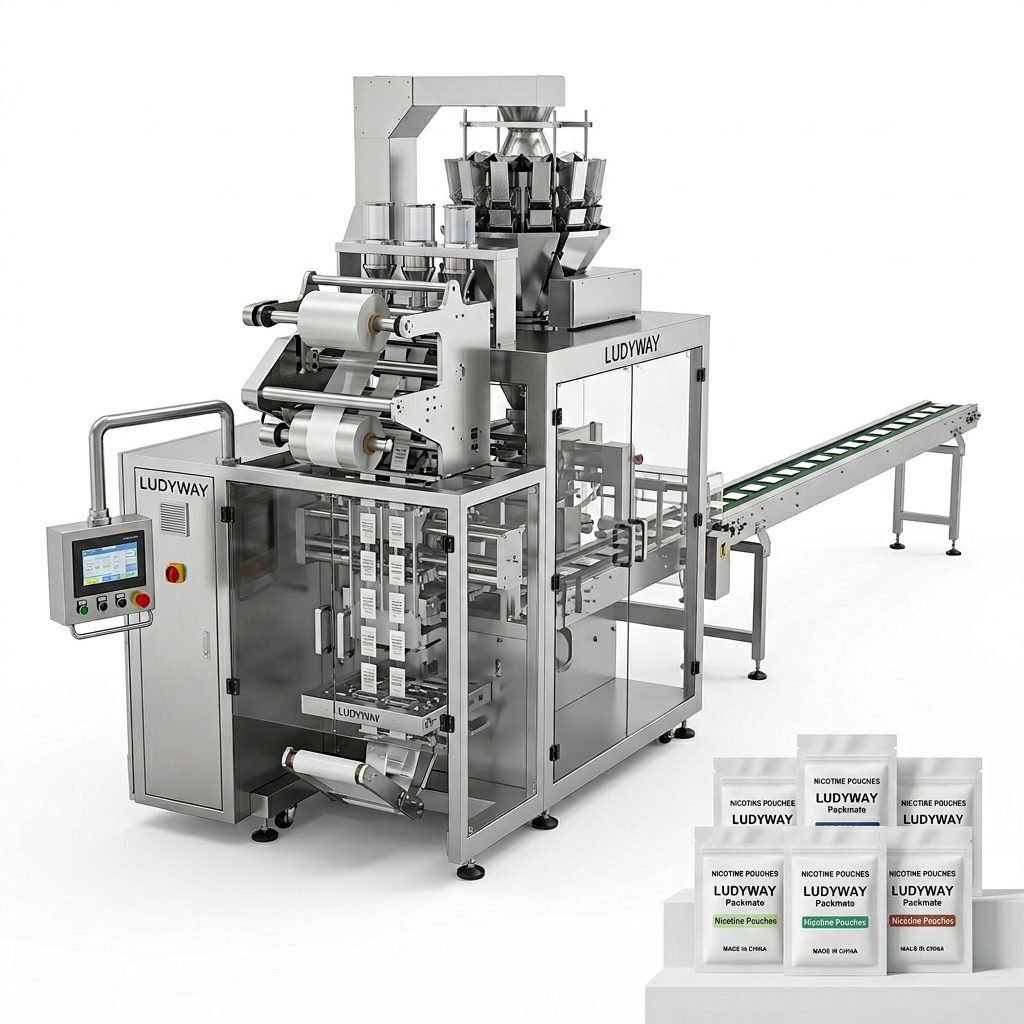
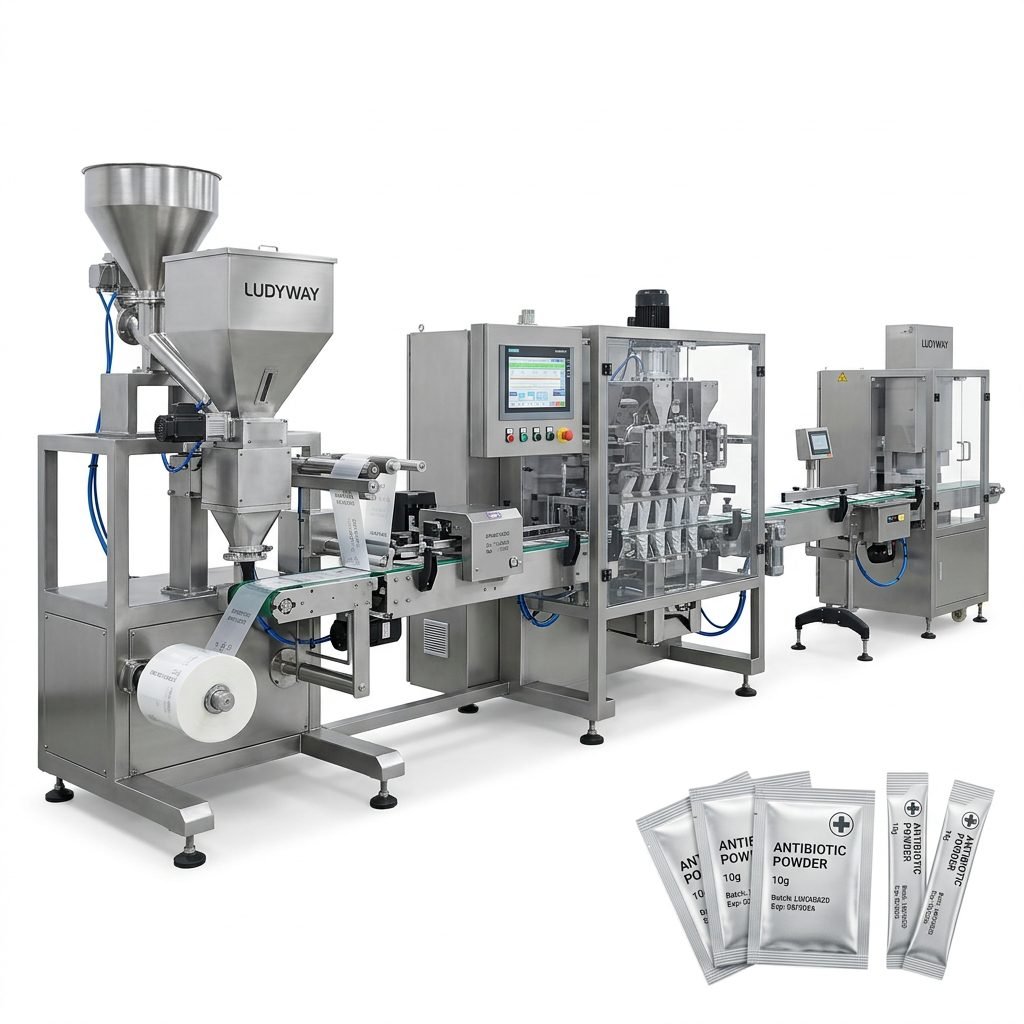
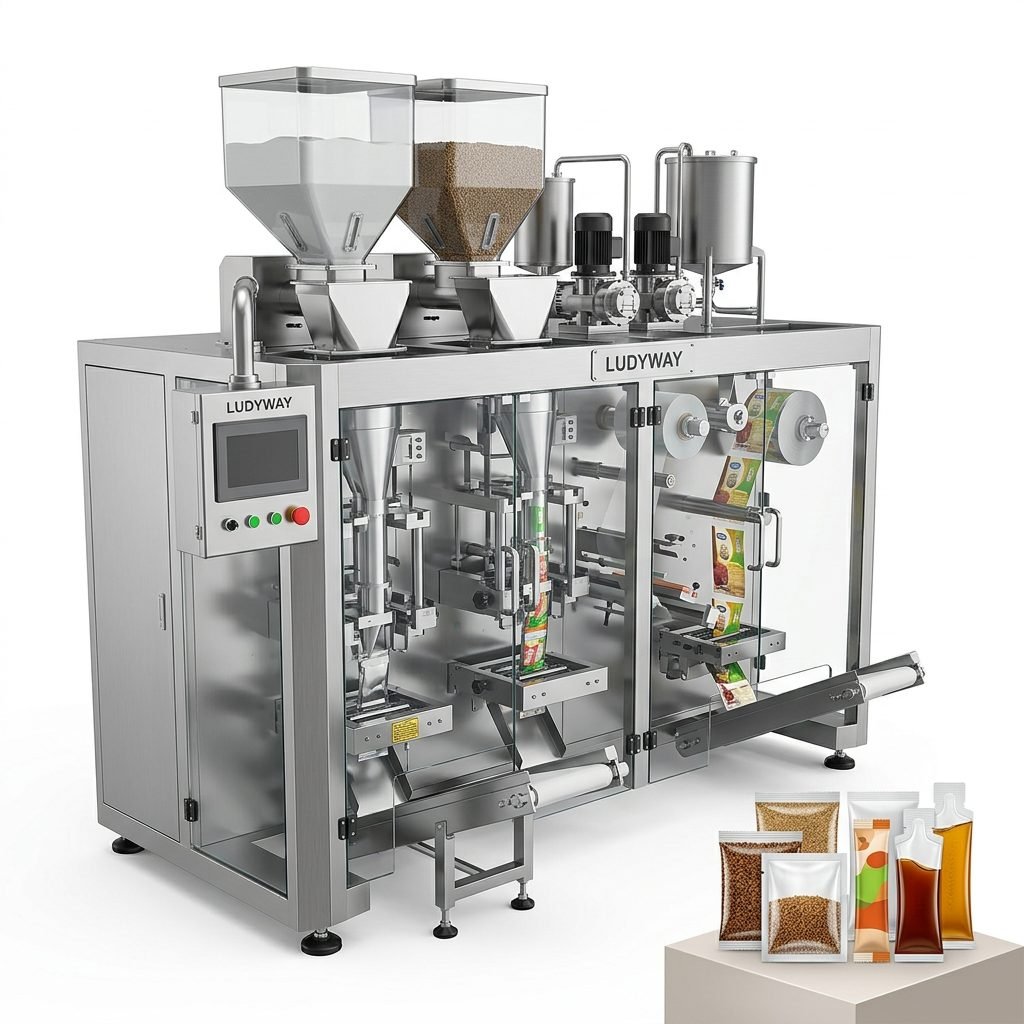
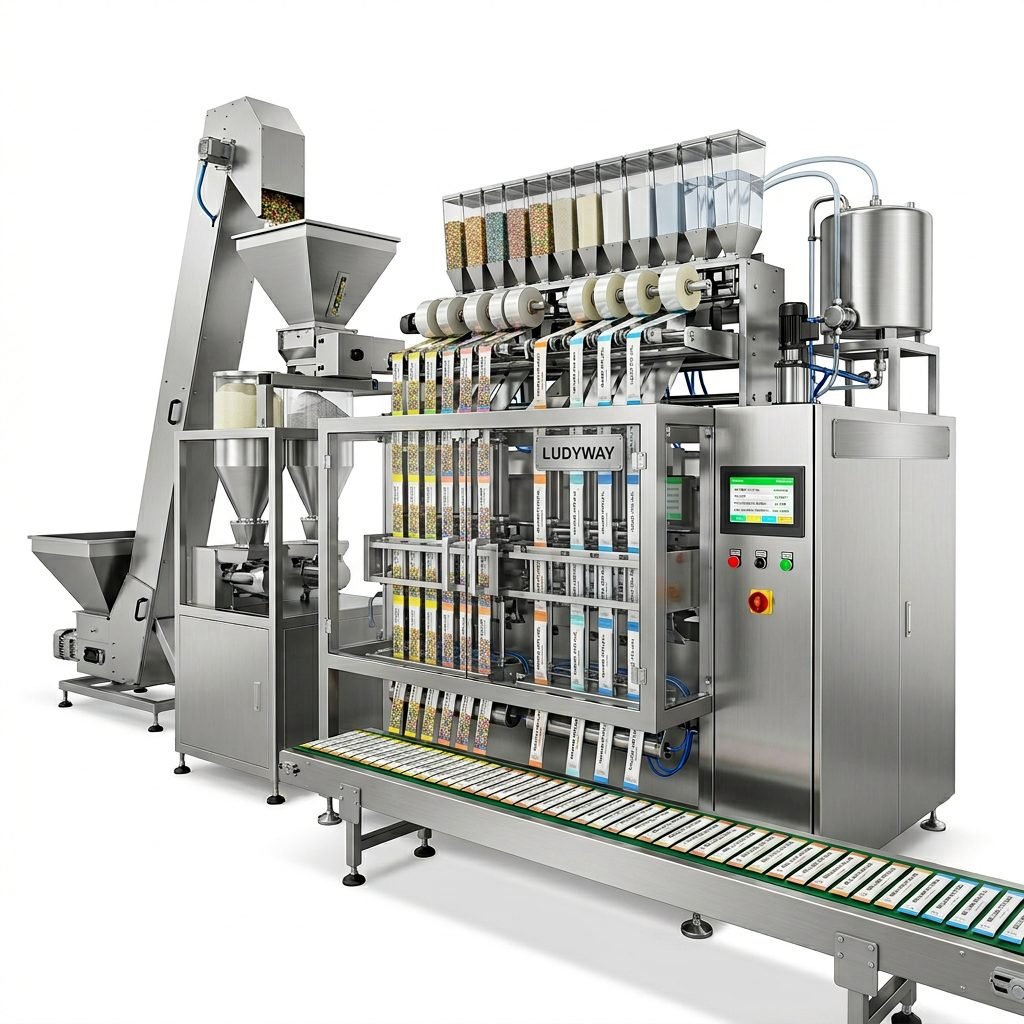
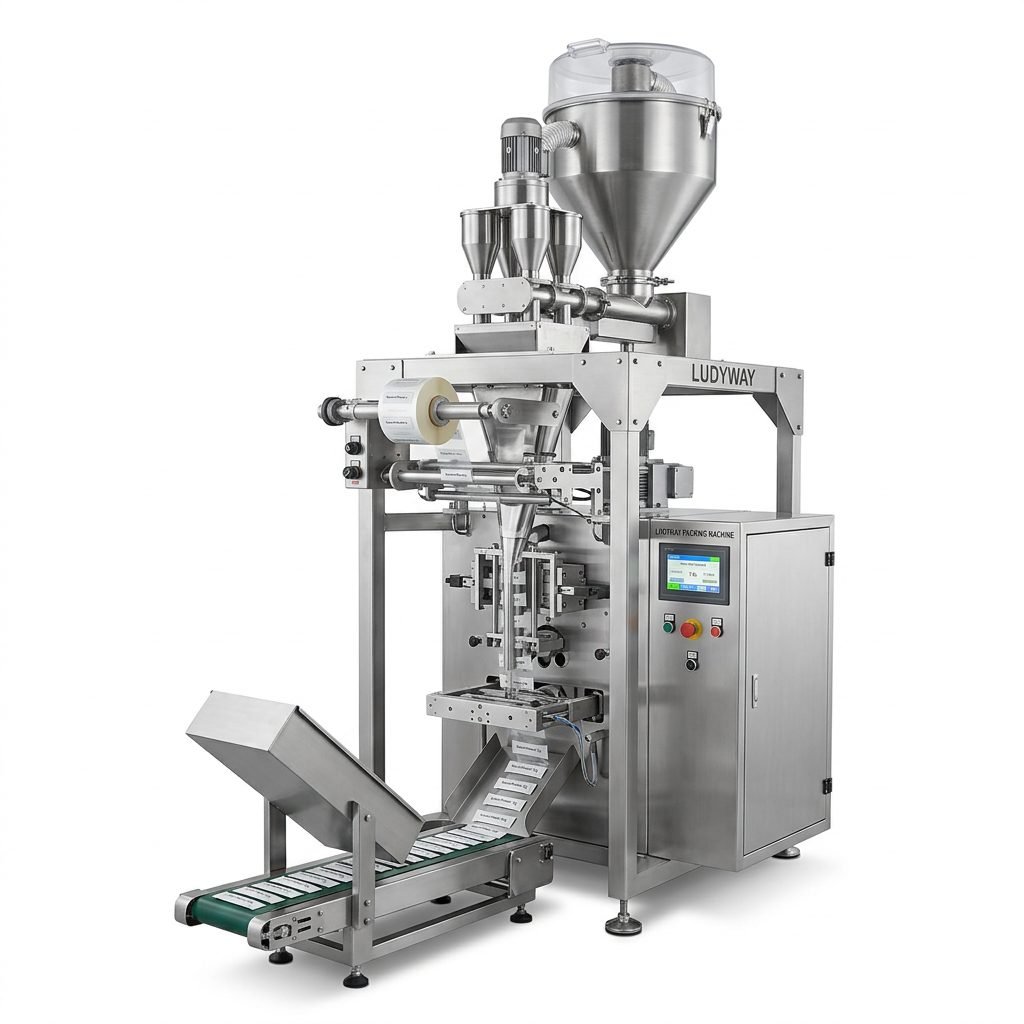
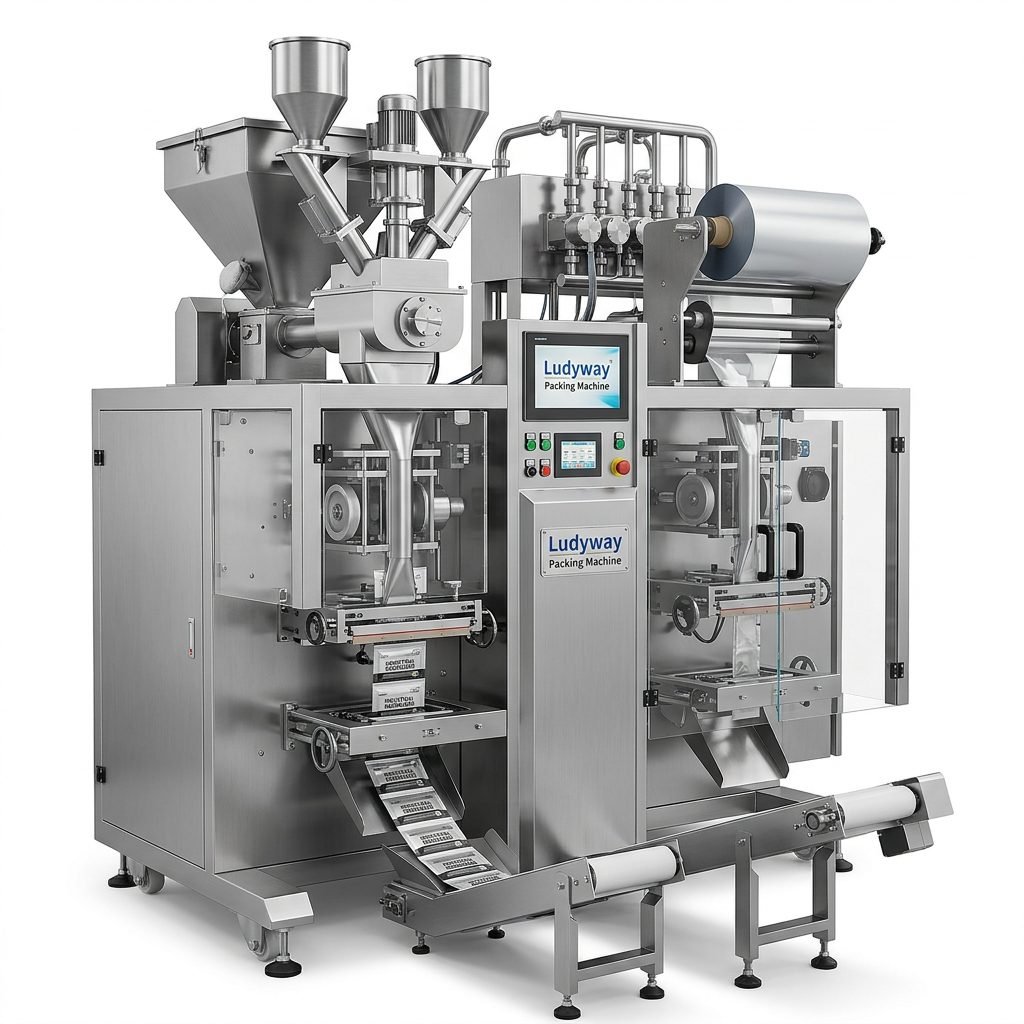
Investing in a bori packing machine is a significant decision for any manufacturer handling powders, granules, or liquid products. Whether you are upgrading an existing line or building a new production facility, selecting the right equipment directly affects your packaging efficiency, product quality, and long-term operating costs.
This guide walks you through the essential factors to evaluate — from product characteristics and packaging formats to automation levels and supplier capabilities — helping you make an informed purchasing decision.

Understanding Your Product and Packaging Requirements
Before evaluating specific bori packing machine models, you need a clear understanding of your product characteristics. Different materials — fine powders, coarse granules, sticky pastes, or free-flowing liquids — require distinct dosing and filling mechanisms.
Key product variables to assess include:
- Flow properties: Free-flowing, semi-free-flowing, or cohesive materials each demand different feeding systems
- Particle size distribution: Affects dosing accuracy and sealing integrity
- Bulk density: Determines filling volume and bag size calculations
- Moisture sensitivity: May require nitrogen flushing or desiccant integration
- Temperature sensitivity: Influences sealing parameters and production speed
Packaging Format and Bag Style Selection
Modern bori packing machines support a wide range of packaging formats. The right choice depends on your target market, distribution channels, and consumer preferences. Common formats include stick packs, sachets, flat pouches, stand-up pouches, and gusseted bags.
Consider these format-related questions during evaluation:
- What bag dimensions and fill volumes does your product require?
- Do you need single-serve portions or multi-use packaging?
- Is resealability or easy-tear functionality important for end users?
- What packaging material structure — single-layer, multi-layer laminate, or foil — provides adequate barrier protection?
Key Technical Specifications to Evaluate
When comparing bori packing machine options, technical specifications provide an objective basis for decision-making. The following table outlines critical parameters and their practical implications:
| Specification | What to Look For | Impact on Operations |
|---|---|---|
| Filling Speed | Packs per minute (PPM) across lane configurations | Directly determines daily output capacity |
| Dosing Accuracy | ± tolerance percentage at target fill weight | Affects product giveaway and regulatory compliance |
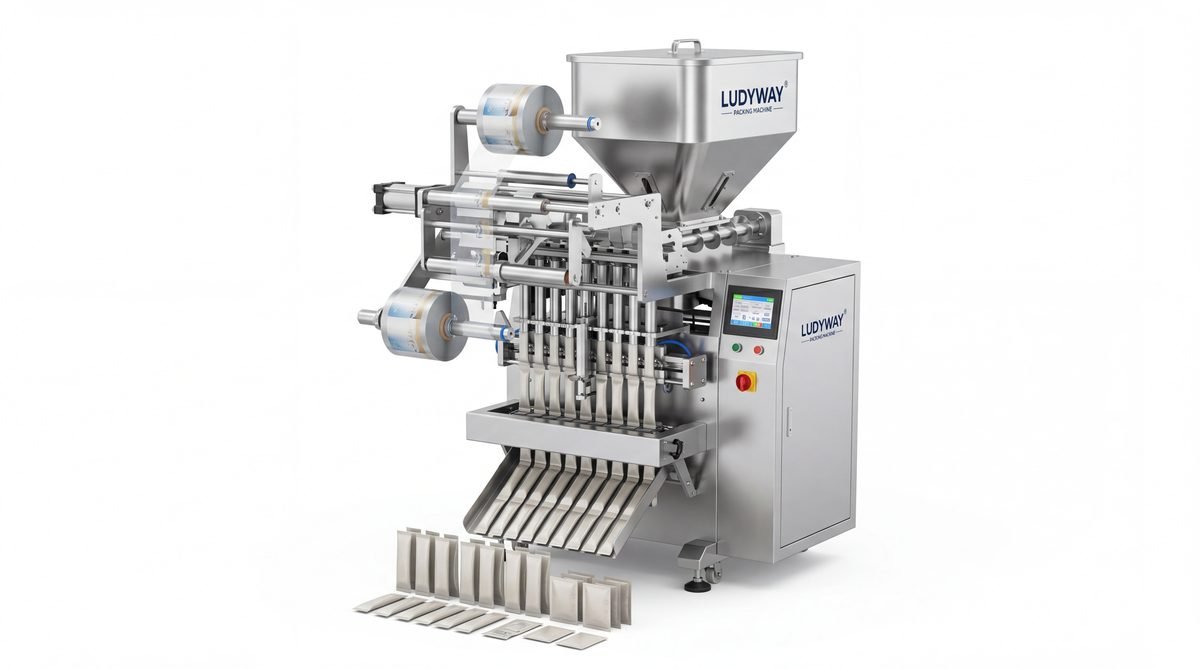
| Lane Configuration | Single-lane vs. multi-lane (4–12+ lanes) | Multi-lane multiplies throughput without extra footprint |
| Bag Size Range | Minimum and maximum width × length | Determines product-portfolio flexibility |
| Film Compatibility | Supported materials: PE, PET, AL, paper laminates | Influences shelf-life and packaging costs |
| Automation Level | Manual, semi-automatic, or fully automatic | Affects labor requirements and consistency |
Automation and Integration Capabilities
The level of automation you choose for your bori packing machine should align with your production volume, labor availability, and long-term scalability goals. Automated systems reduce human error, improve consistency, and enable higher throughput.
Evaluate the following integration features:
- Inline feeding systems: Auger fillers, vibratory feeders, or volumetric cup fillers matched to your product type
- Checkweighing and rejection: Real-time weight verification with automatic rejection of out-of-tolerance packs
- Printing and coding: Integration with inkjet, thermal transfer, or laser coding for batch tracking
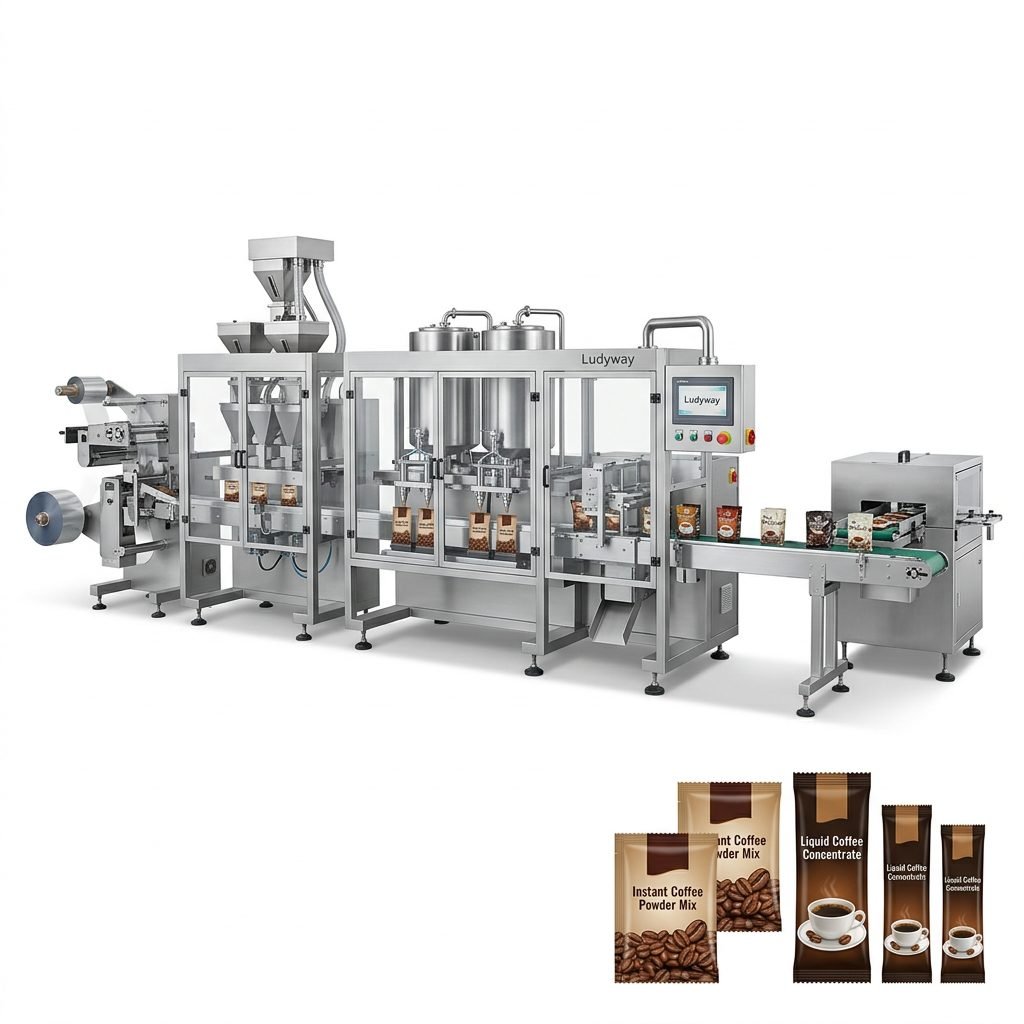
- Cartoning and case packing: End-of-line automation connecting filling to secondary packaging
- Data collection: OEE tracking, production reporting, and connectivity to MES or ERP systems
For guidance on current automation trends and packaging technology standards, resources from the Association for Packaging and Processing Technologies (PMMI) offer valuable industry insights.

Material Compatibility and Regulatory Compliance
Your bori packing machine must be compatible with the packaging materials you intend to use. Different film structures — from simple polyethylene to complex multi-layer laminates — require specific sealing temperature ranges, dwell times, and pressure settings. Machines with precise temperature control and adjustable sealing parameters provide greater material flexibility.
If you operate in regulated industries such as food, pharmaceuticals, or medical devices, compliance with applicable standards is non-negotiable. Key considerations include:
- Food contact compliance: FDA regulations for food packaging materials and food contact substances
- GMP requirements: Equipment design that supports cleaning, sanitation, and contamination prevention
- Validation documentation: IQ/OQ/PQ protocols for pharmaceutical packaging applications per ISO packaging standards
- Material traceability: Systems that maintain batch integrity throughout the packaging process
Evaluating Supplier Capabilities and Support
Choosing the right manufacturer for your bori packing machine is as important as the machine specifications themselves. A capable supplier provides more than equipment — they offer engineering expertise, customization options, and long-term technical support.
Consider these supplier evaluation criteria:
- Industry experience: Years in business and track record in your specific product category
- Manufacturing facilities: In-house production capabilities versus outsourced assembly
- Customization capability: Ability to tailor machine configuration to your unique requirements
- After-sales support: Installation, commissioning, operator training, and spare parts availability
- Global service reach: Remote technical assistance and on-site support coverage
For example, Ludyway Machinery — a China-based packaging machinery manufacturer with more than 30 years of experience, a 20,000-square-meter facility, and customers in over 100 countries — provides customized bori packing machine solutions and turnkey packaging lines across food, pharmaceutical, cosmetic, and chemical industries. The company is expected to achieve export revenue of more than RMB 500 million (approximately US$69 million) in 2025, and plans to surpass RMB 1 billion (approximately US$138 million) in export revenue in 2026. Read more about their global growth trajectory.

Budgeting and Total Cost of Ownership
The purchase price of a bori packing machine represents only part of the total investment. A comprehensive cost analysis should account for the entire equipment lifecycle:
- Initial capital expenditure: Machine cost, shipping, installation, and commissioning
- Operational costs: Labor, energy consumption, and packaging material waste rates
- Maintenance expenses: Preventive maintenance, wear-part replacement, and unexpected repairs
- Downtime costs: Production losses during maintenance or malfunction periods
- Scalability value: Ability to increase capacity without replacing the entire system
Multi-Lane vs. Single-Lane Configurations
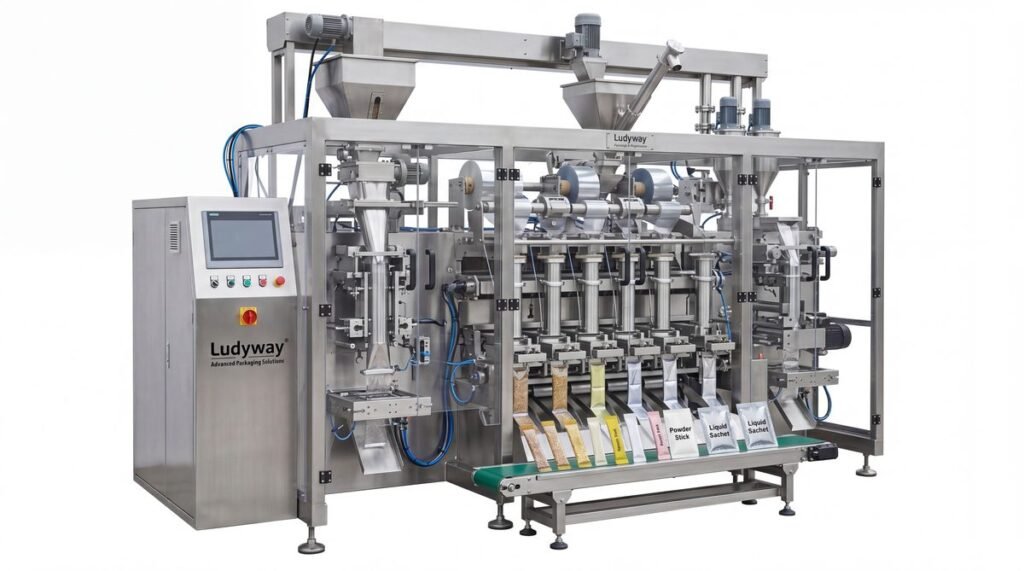
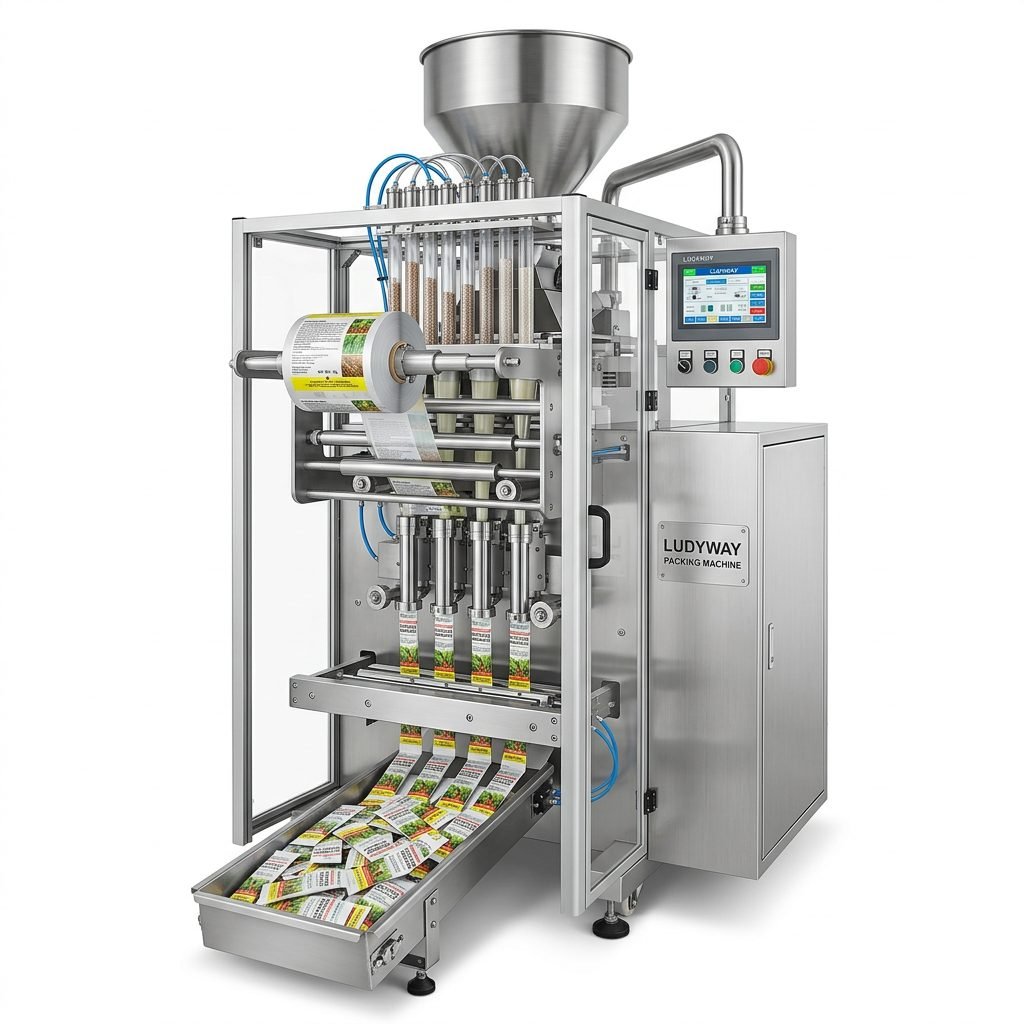
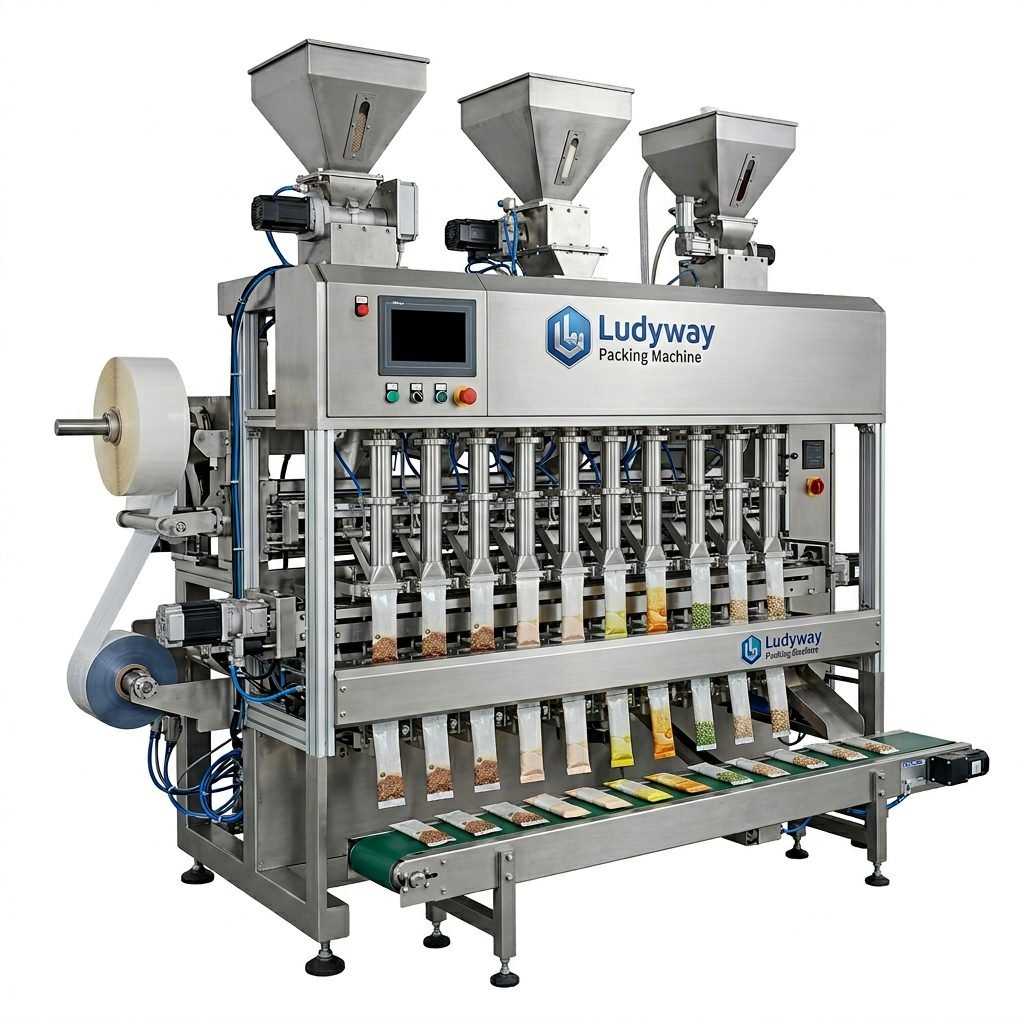
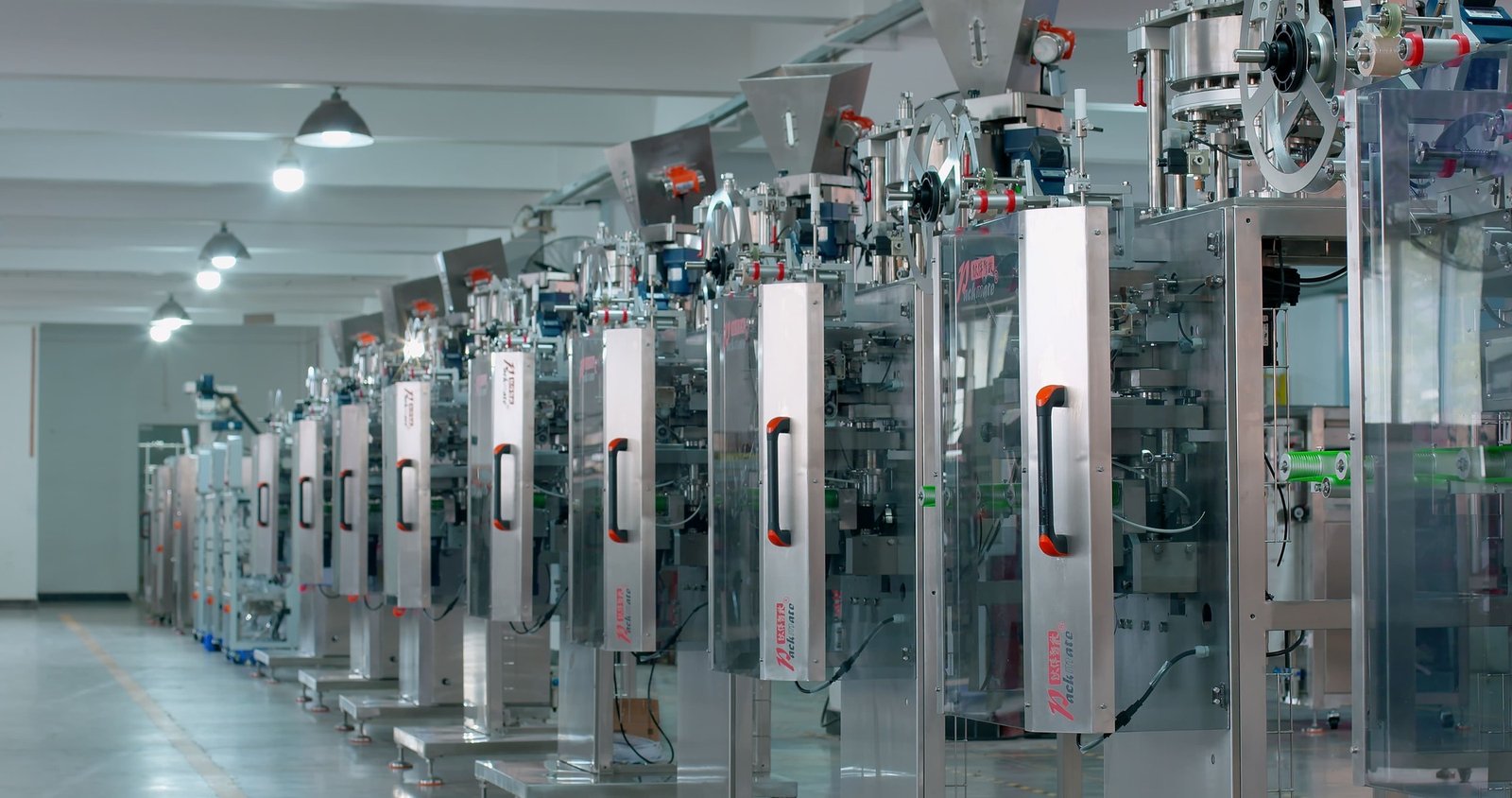
One of the most impactful decisions when selecting a bori packing machine is choosing between single-lane and multi-lane configurations. Multi-lane machines run several packaging lanes simultaneously, multiplying throughput without proportionally increasing floor space or operator requirements.
The Flexible Packaging Association notes that multi-lane technology has become increasingly prevalent in stick pack and sachet applications, particularly for single-serve products in the food and pharmaceutical sectors. Multi-lane systems typically range from 4 to 12 lanes, with high-speed models capable of producing hundreds of packs per minute.
Factory Testing and Acceptance Procedures
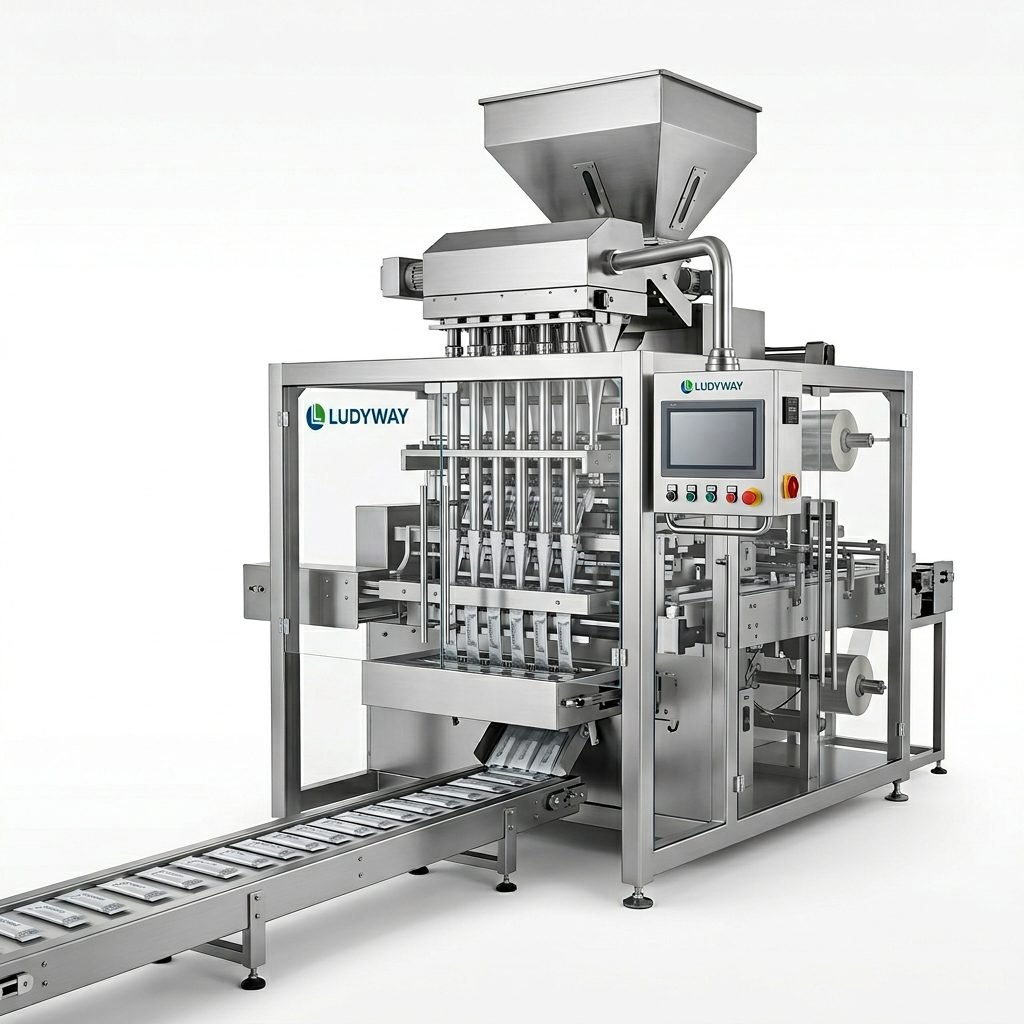
Before taking delivery of your bori packing machine, insist on thorough factory acceptance testing (FAT). This process verifies that the equipment meets agreed-upon specifications under simulated production conditions. Key test parameters include:
- Running the machine at specified speeds with your actual product and packaging materials
- Verifying dosing accuracy across all lanes over extended production runs
- Testing seal integrity through visual inspection and laboratory testing methods
- Confirming changeover times between different bag sizes or product formulations
- Validating safety interlocks, emergency stops, and guard functionality
Making the Final Decision
Selecting the right bori packing machine requires balancing technical specifications, commercial considerations, and supplier capabilities. A structured evaluation process — starting with a clear definition of your requirements and progressing through objective comparison of available options — leads to better long-term outcomes.
Prioritize suppliers who demonstrate deep application knowledge, offer customization when needed, and provide comprehensive after-sales support. Request references from customers with similar applications, and whenever possible, conduct site visits or factory acceptance tests with your own products.
Frequently Asked Questions About Bori Packing Machines
What products can a bori packing machine handle?
A bori packing machine can typically handle powders, granules, liquids, pastes, and small solid items. The specific capability depends on the dosing system — auger fillers for powders, volumetric cup fillers for granules, piston fillers for liquids, and counting systems for solid pieces.
How do I determine the right production speed?
Calculate your required packs-per-minute based on annual production targets, available operating hours, and expected efficiency rates. Factor in a buffer of 15–20% above your current needs to accommodate future growth.
What maintenance does a bori packing machine require?
Preventive maintenance typically includes regular cleaning, lubrication, seal-jaw inspection, film-path alignment checks, and sensor calibration. The frequency depends on production hours and product characteristics.
Can a single machine handle multiple packaging formats?
Many modern bori packing machines support multiple bag styles through changeable forming sets and adjustable sealing configurations. However, significant format changes may require different tooling or machine configurations.