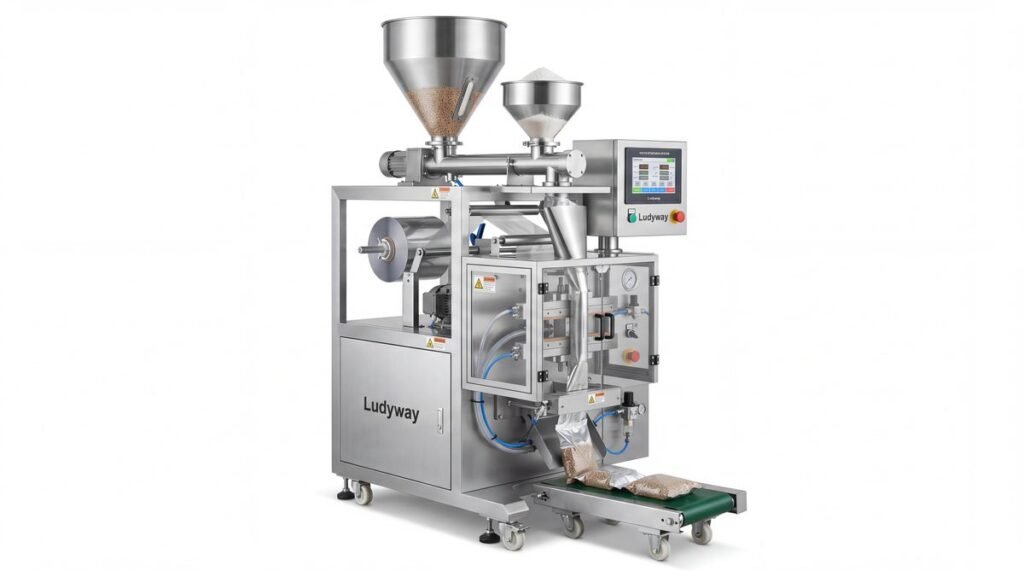
Investing in a bulk packaging machine is a strategic decision that affects your production efficiency, product quality, and long-term operational costs. Whether you are packaging powders, granules, liquids, or solid materials, selecting the right equipment requires a systematic evaluation of your current and future needs.
This guide walks you through the essential factors — from understanding your product characteristics to evaluating machine configurations, automation levels, and supplier capabilities — so you can make a confident, informed purchasing decision.
Understanding Your Product and Packaging Requirements
Before comparing machine specifications, start by defining exactly what you need to package. Different products demand different handling, dosing, and sealing technologies.
- Product type: Is your product a powder, granule, liquid, paste, or solid? Each has unique flow characteristics that influence the filling mechanism.
- Bulk density and particle size: Fine powders like flour require dust-controlled filling systems, while larger granules may need vibratory feeding or auger filling mechanisms.
- Moisture sensitivity: Hygroscopic products require sealed, moisture-resistant packaging environments and potentially nitrogen flushing capabilities.
- Target bag or container format: Are you using premade pouches, stick packs, sachets, large bags, or drums? The machine must be compatible with your preferred packaging format.
- Production speed requirements: Define your desired output in bags per minute or tons per hour to narrow down suitable machine configurations.
According to the PMMI Business Intelligence data, manufacturers that clearly define product specifications upfront experience significantly smoother equipment integration and fewer post-installation issues.
Key Machine Configurations for Bulk Packaging
Bulk packaging machines come in several fundamental configurations. Understanding the differences helps you match the technology to your application.
| Machine Type | Best For | Typical Speed Range | Common Packaging Format |
|---|---|---|---|
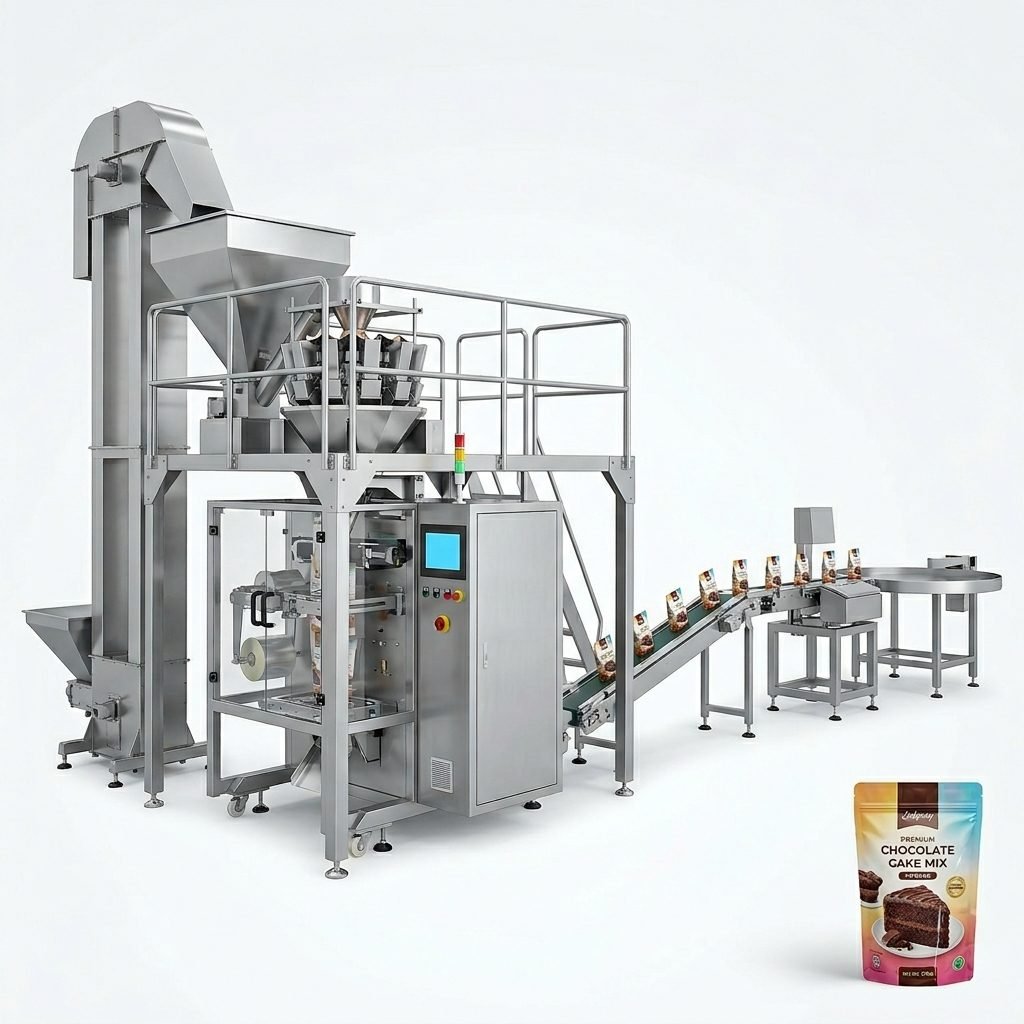
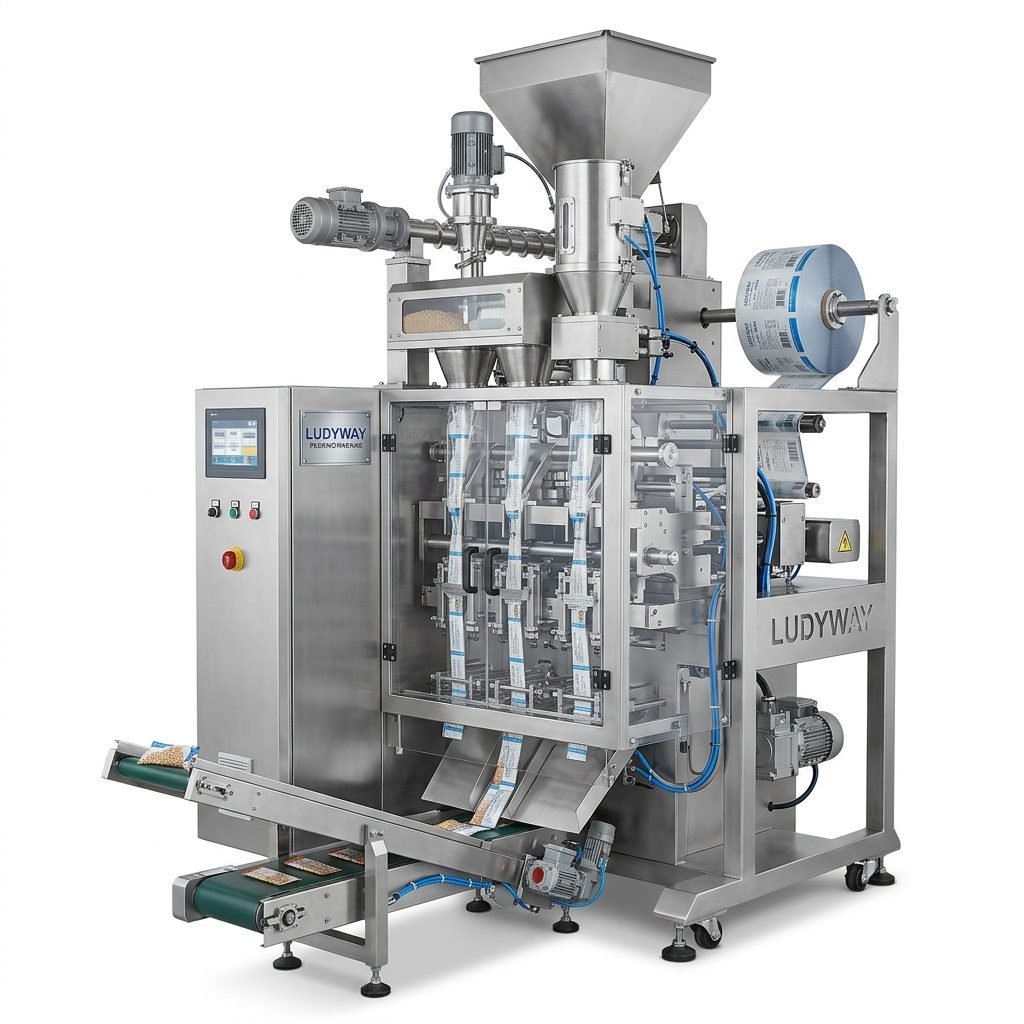
| Vertical Form Fill Seal (VFFS) | Powders, granules, free-flowing solids | 30–120 bags/min | Pillow bags, gusseted bags, block-bottom bags |
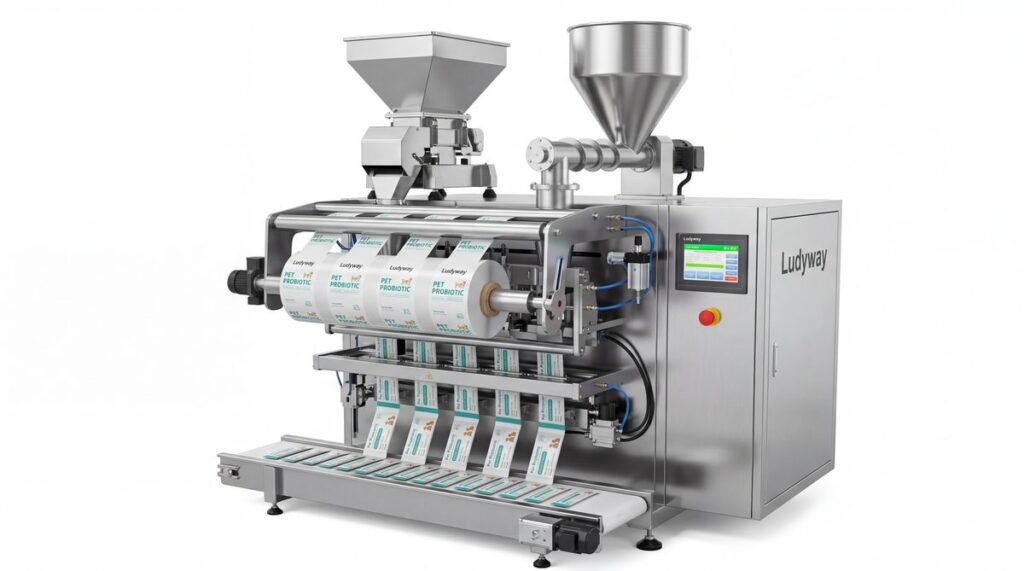
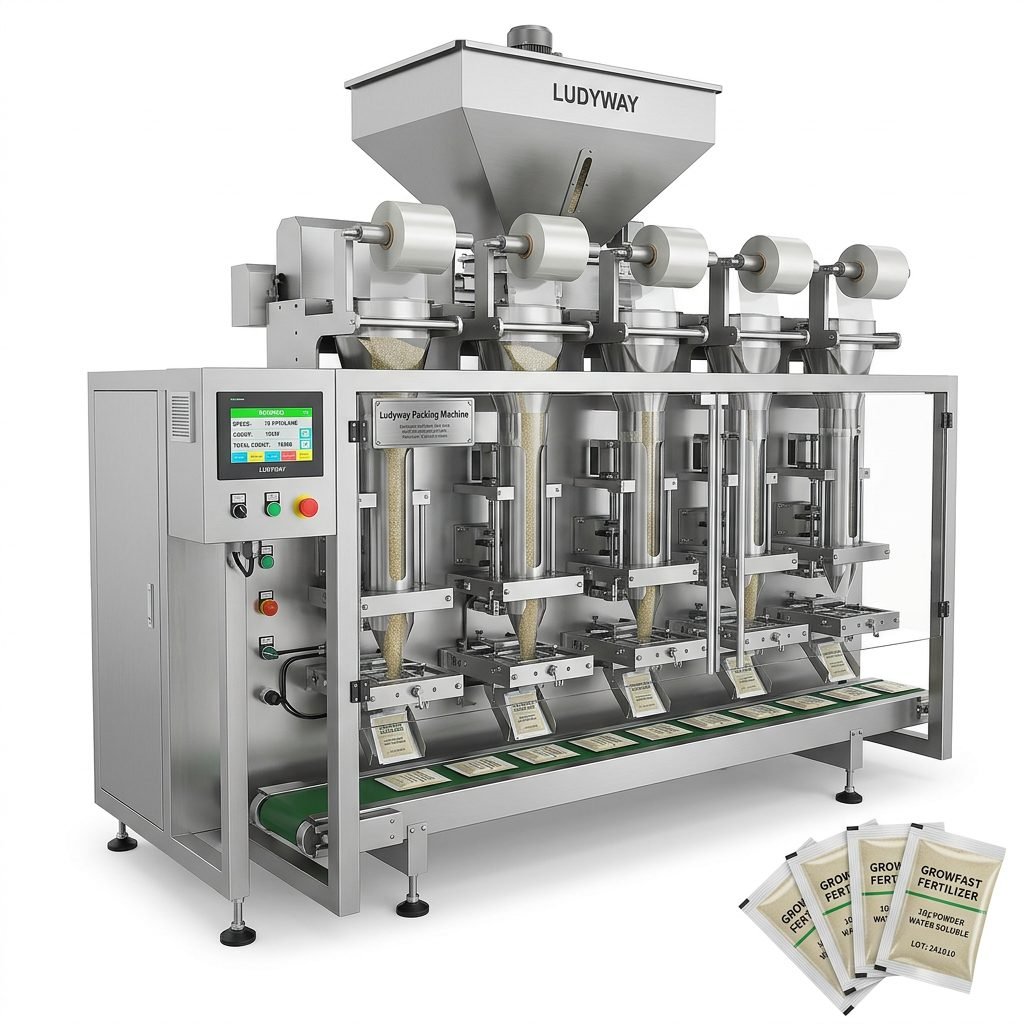
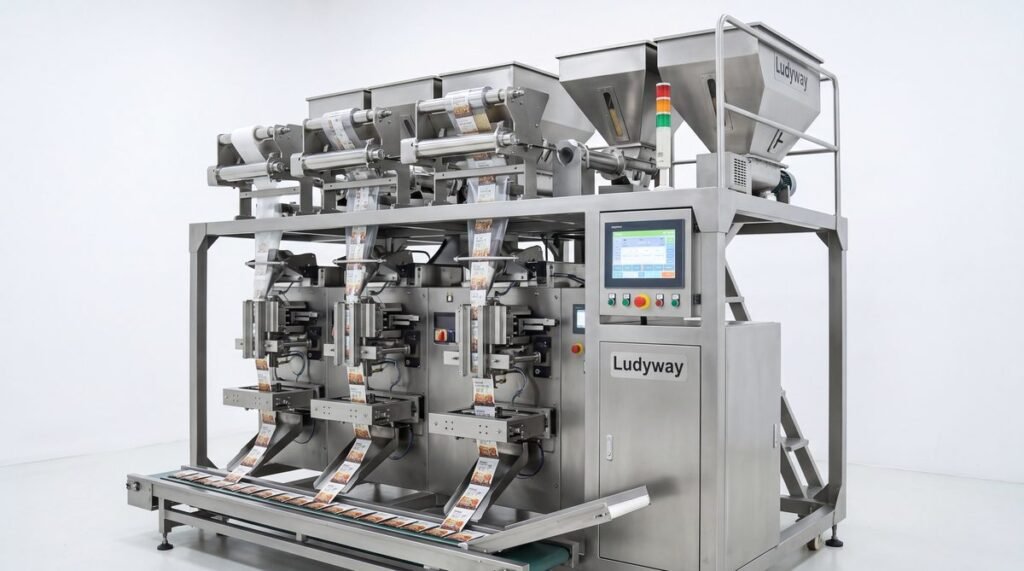
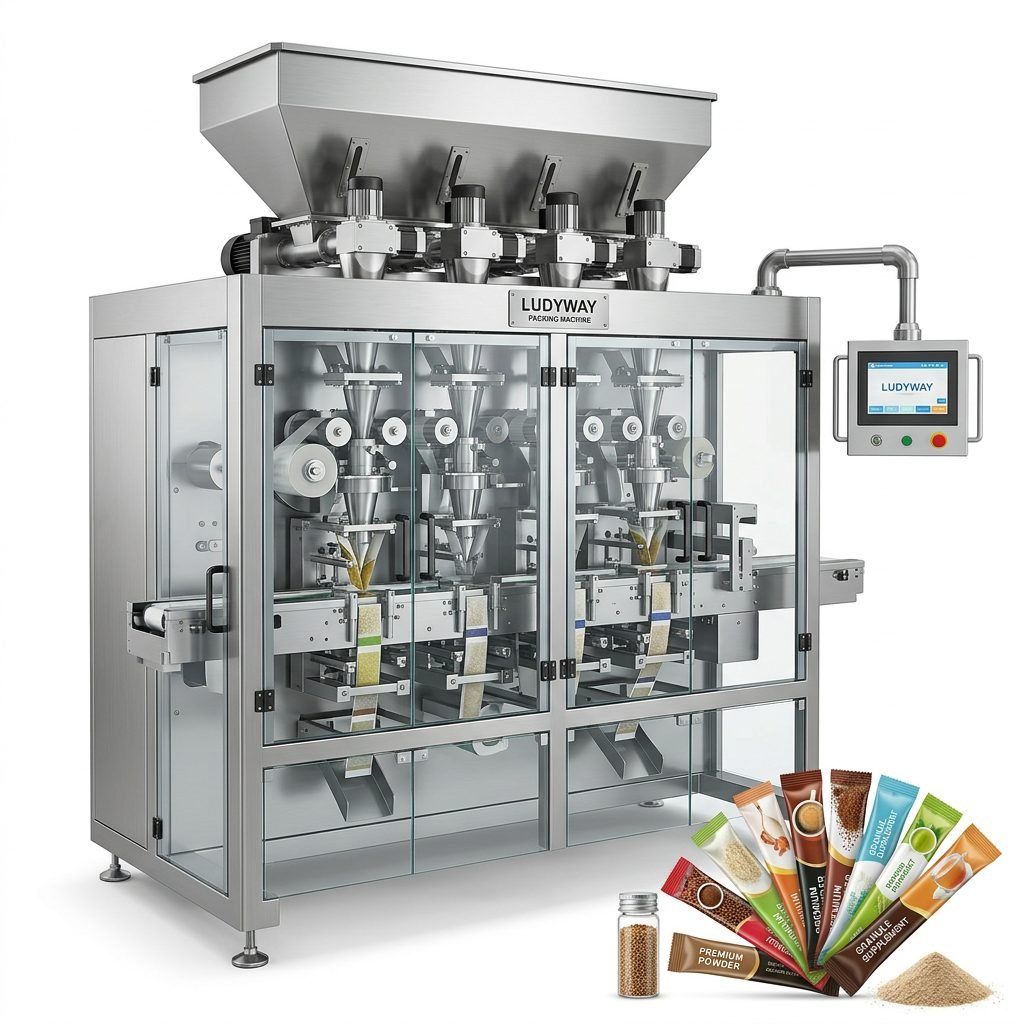
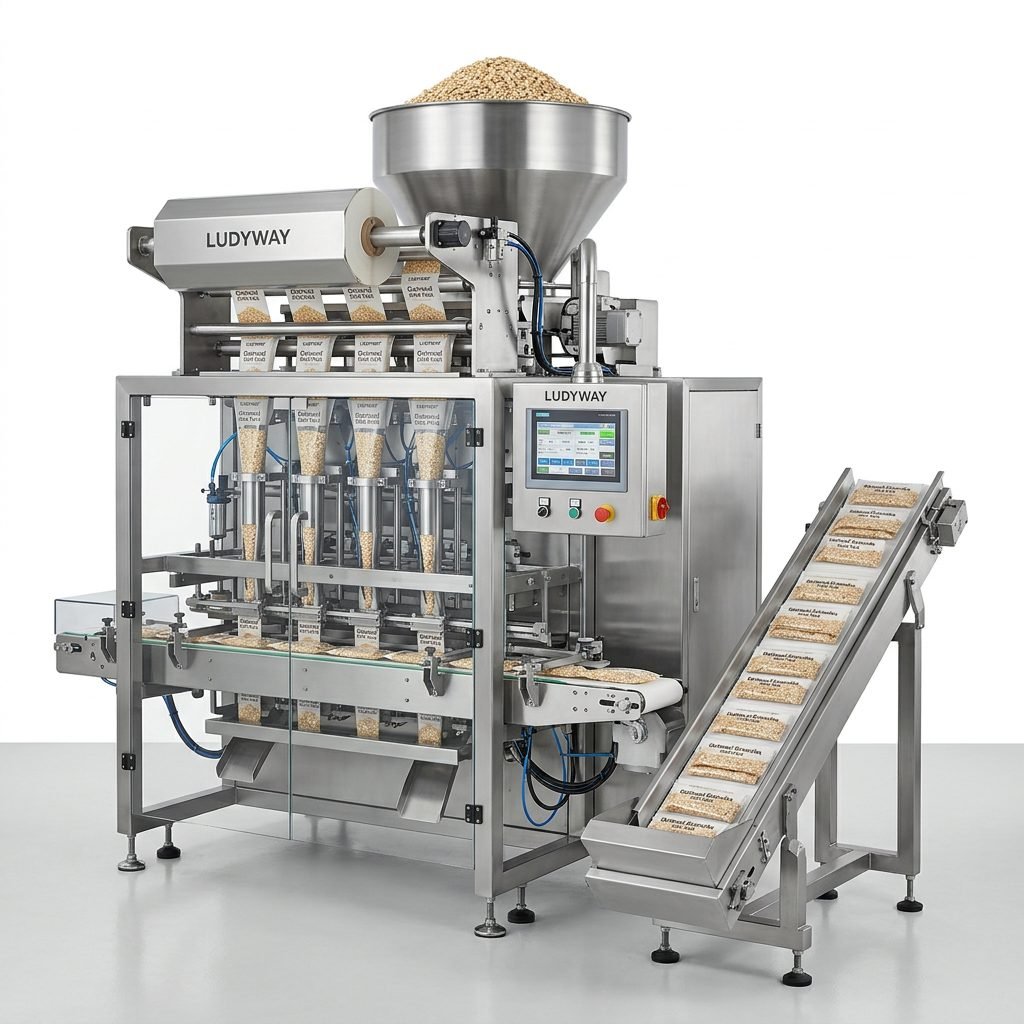
| Multi-Lane Stick Pack Machines | Single-serve powders, granules, liquids | 50–600 packs/min | Stick packs, sachets |
| Premade Pouch Filling & Sealing | High-value products, varied bag styles | 20–60 bags/min | Premade pouches, zipper bags, spouted pouches |
| Big Bag / Bulk Bag Filling Stations | Large-volume powders and granules | 10–40 bags/hour | 500–1,500 kg FIBC bags |
| Open-Mouth Bagging Machines | 25–50 kg bags for industrial products | 100–600 bags/hour | Open-mouth woven, paper, or plastic bags |
Dosing and Filling Accuracy
Filling accuracy directly impacts product give-away costs and regulatory compliance. The right dosing system depends on your product’s physical properties.
- Auger fillers: Ideal for fine powders and non-free-flowing materials, offering high precision for small to medium fill weights.
- Volumetric cup fillers: Suitable for free-flowing granules where speed is prioritized over extreme accuracy.
- Multi-head weighers: Deliver superior accuracy for a wide range of products by combining multiple weighments; ideal for high-value products.
- Net weight fillers: Weigh the product directly in the bag, providing excellent accuracy for larger bulk bags and high-value materials.
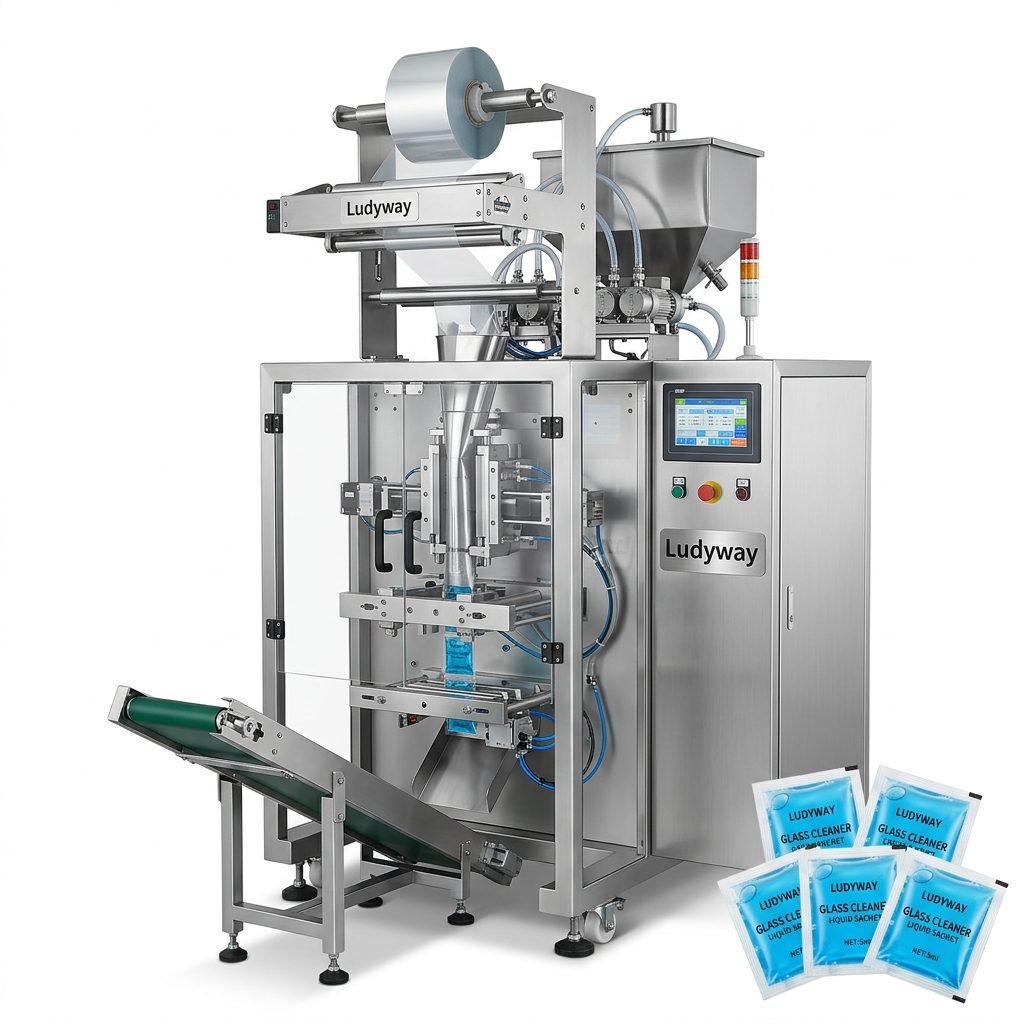
- Liquid piston fillers and flow meters: Designed for liquid, paste, and cream products with precise volumetric control.
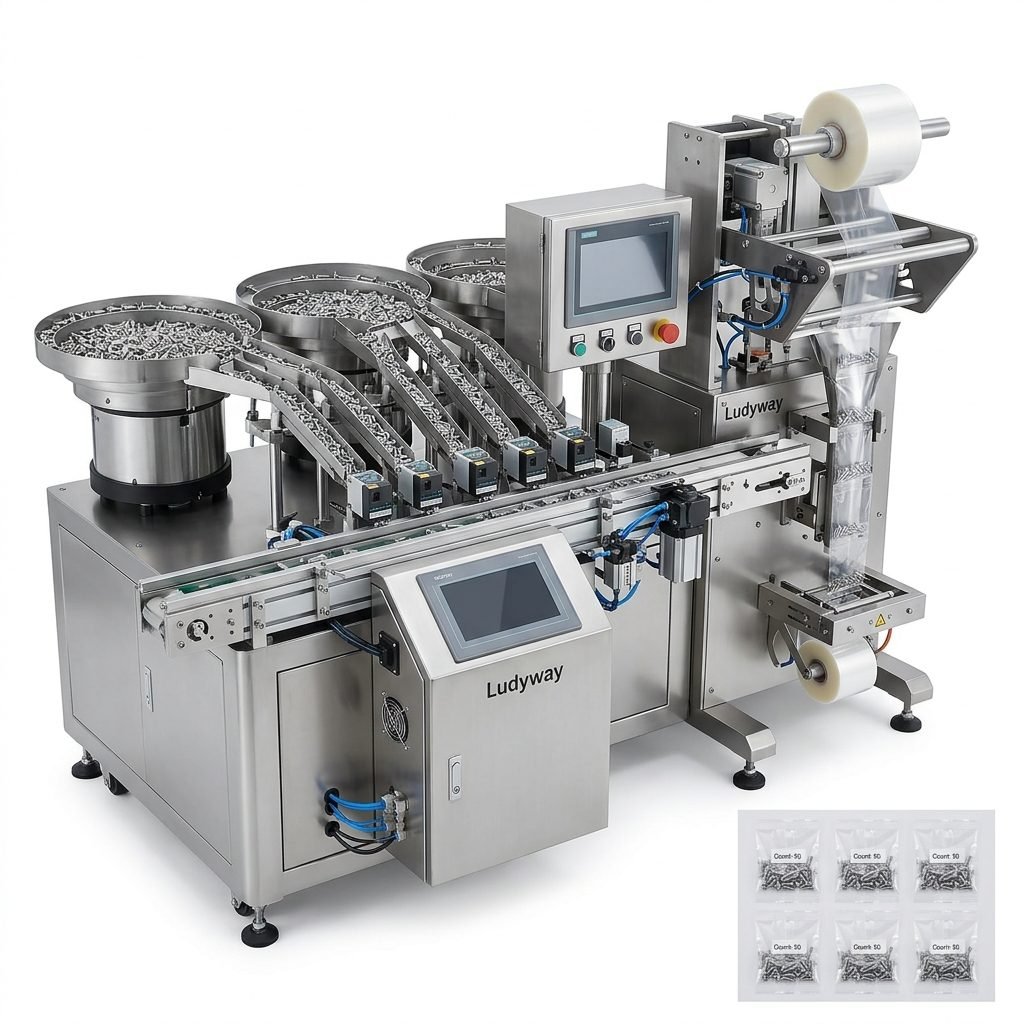
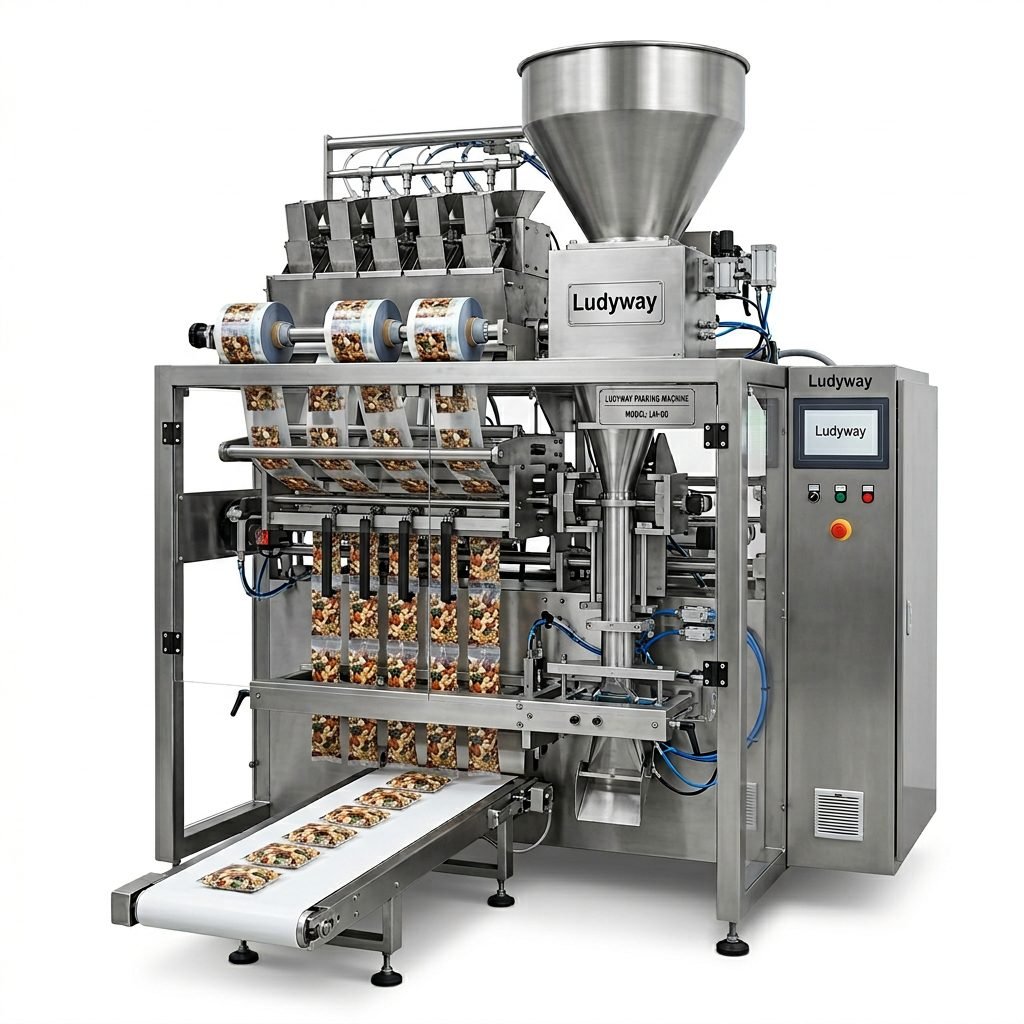
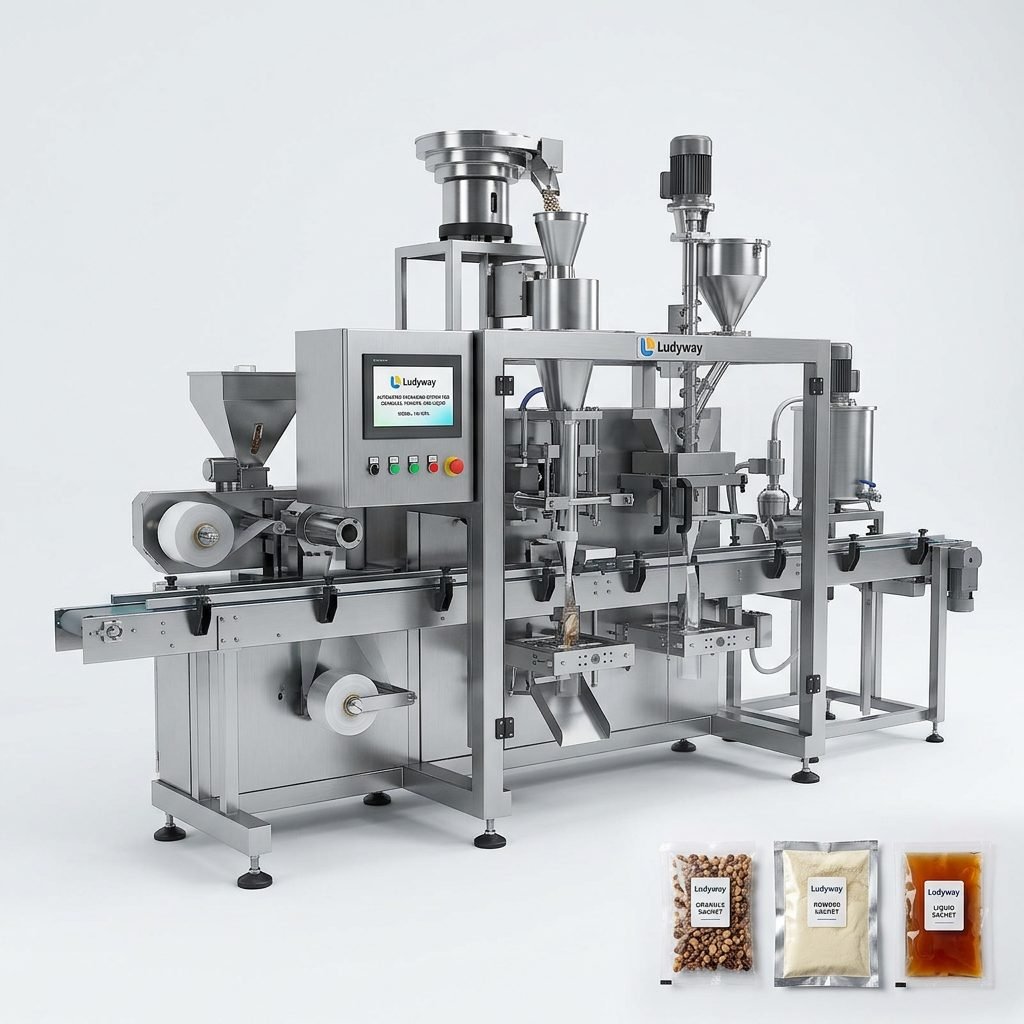
For manufacturers requiring versatile solutions across multiple product types, Ludyway Machinery offers integrated packaging lines that combine dosing, filling, sealing, and inspection systems. The company, with more than 30 years of experience, provides turnkey packaging solutions from a 20,000-square-meter manufacturing facility and is expected to achieve export revenue of more than RMB 500 million (approximately US$69 million) in 2025, with plans to surpass RMB 1 billion (approximately US$138 million) in 2026.
Automation, Integration, and Smart Features
Modern bulk packaging machines go beyond simple filling and sealing. The level of automation you choose influences labor requirements, product consistency, and overall line efficiency.
Levels of Automation to Consider
- Semi-automatic: Operators manually place bags or initiate cycles. Suitable for lower production volumes and startups.
- Fully automatic: Machines handle bag forming, filling, sealing, and discharge without continuous operator intervention. Designed for medium to high-speed lines.
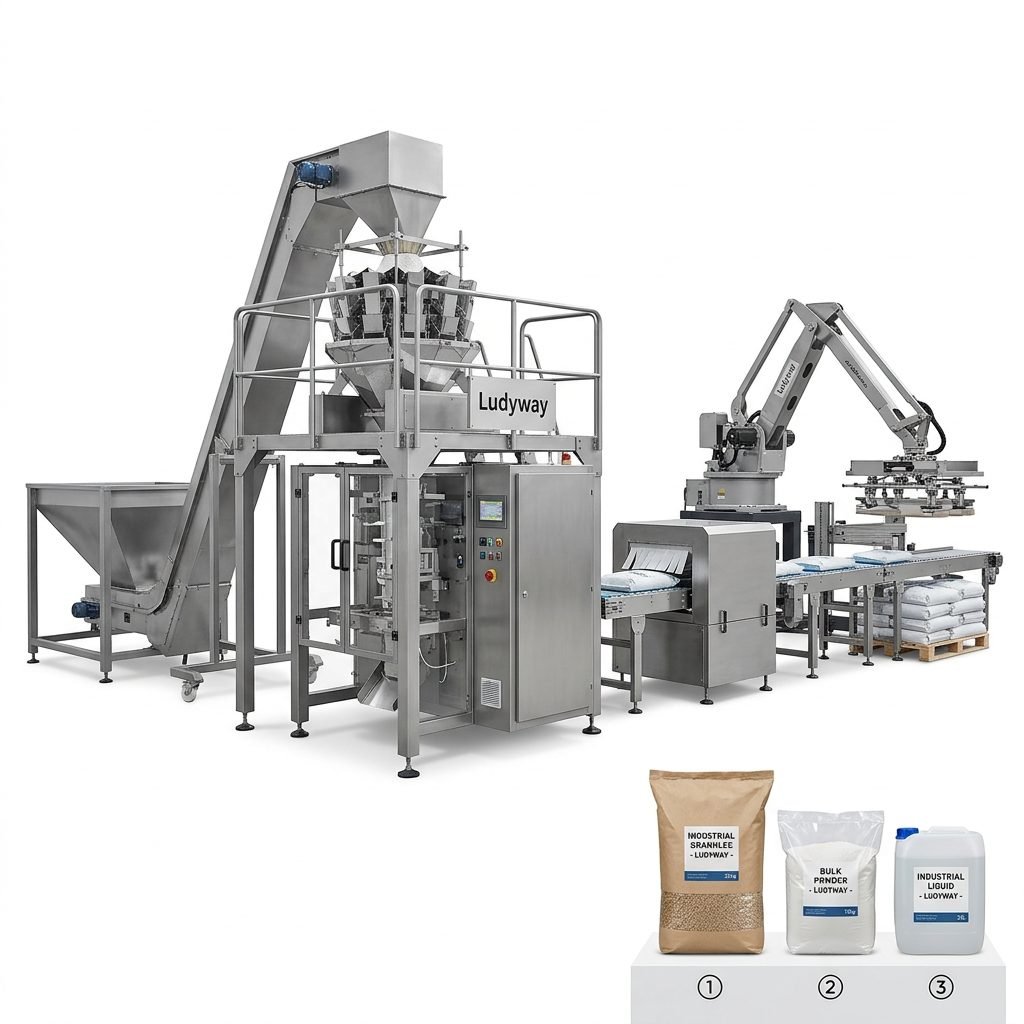
- Integrated packaging lines: Combining filling, sealing, checkweighing, metal detection, coding, cartoning, and palletizing into one seamless system.

Industry standards play a crucial role in equipment selection. The ISO packaging standards and FDA food contact substance regulations provide frameworks for ensuring machinery meets safety and hygiene requirements, particularly for food and pharmaceutical applications.
Material Compatibility and Packaging Film Selection
The packaging material you choose affects machine performance, seal integrity, shelf life, and sustainability goals. Key considerations include:
- Film structure: Single-layer, multi-layer laminates, or co-extruded films depending on barrier requirements.
- Material types: PET/PE, BOPP/CPP, aluminum foil laminates, paper-based, and recyclable mono-material films each behave differently during forming and sealing.
- Heat sealability: The machine’s sealing temperature, pressure, and dwell time must match your film’s sealing window.
- Sustainability requirements: Growing demand for recyclable, biodegradable, and compostable packaging influences material selection and machine compatibility.
The Flexible Packaging Association provides valuable resources on industry trends and material innovations that can guide your packaging material strategy.
Evaluating Machine Build Quality and Compliance
A bulk packaging machine represents a significant capital investment. Build quality, materials of construction, and compliance with relevant standards affect reliability, maintenance costs, and product safety.
| Evaluation Criteria | What to Look For |
|---|---|
| Frame and structural integrity | Heavy-gauge stainless steel or powder-coated carbon steel frame; robust construction for continuous operation |
| Product contact parts | 304 or 316L stainless steel; FDA-approved materials for food and pharmaceutical applications |
| Sealing technology | Precision temperature control, uniform pressure distribution, adjustable dwell time; validated sealing for sterile products |
| Control system | PLC-based with HMI touchscreen; recipe storage, data logging, remote diagnostics capability |
| Safety features | Emergency stops, safety interlocks, guarding, CE marking or equivalent certification |
| Cleanability and maintenance | Tool-free disassembly for product contact parts; smooth surfaces without crevices; easy access for cleaning and maintenance |
Regulatory Compliance and Certifications
Depending on your industry and target markets, your packaging machinery may need to meet specific standards:
- Food industry: FDA compliance, HACCP design principles, materials suitable for food contact per FDA FCS regulations.
- Pharmaceutical: GMP design, validation documentation (IQ/OQ/PQ), compliance with ISO 11607 for sterile barrier systems.
- Chemical and industrial: Corrosion-resistant materials, explosion-proof configurations where required, compatibility with hazardous materials.
- International markets: CE marking for European markets, UL certification for North America, and other region-specific requirements.
Supplier Selection and After-Sales Support
The relationship with your packaging machinery manufacturer extends far beyond the initial purchase. Thoroughly evaluate potential suppliers on these dimensions:
What to Assess in a Packaging Machinery Partner
- Industry experience: Look for manufacturers with proven expertise in your specific product category and packaging format.
- Manufacturing capabilities: In-house production, quality control processes, and the ability to customize equipment to your needs.
- Technical support: Availability of installation, commissioning, operator training, and ongoing technical assistance.
- Spare parts availability: Reasonable lead times for critical spare parts and wear components to minimize downtime.
- Remote diagnostics: Modern suppliers offer remote troubleshooting capabilities to quickly identify and resolve issues.
- Global service network: For international operations, ensure the supplier can support your locations with local service engineers or partners.
The PMMI packaging industry resources and PACK EXPO International events are excellent platforms for evaluating suppliers and staying current with packaging technology trends.
Customization vs. Standard Machines
Many manufacturers face the choice between a standard machine configuration and a customized solution:
- Standard machines: Typically offer shorter lead times, lower upfront cost, proven reliability, and easier spare parts availability.
- Customized solutions: Tailored to your specific product, packaging format, speed requirements, and factory layout; may require longer development time but can provide better long-term efficiency and flexibility.
Many buyers find that working with a supplier offering both standardized equipment and engineering customization provides the best balance of cost, timeline, and application fit.
Total Cost of Ownership Considerations
Purchase price alone does not reflect the true cost of a bulk packaging machine. Evaluate the total cost of ownership (TCO) over the equipment’s expected lifespan.
| Cost Factor | Considerations |
|---|---|
| Initial equipment cost | Base machine, options, tooling, and installation |
| Energy consumption | Electricity, compressed air, and other utilities required for operation |
| Film and packaging material waste | Material efficiency during setup, changeover, and continuous operation |
| Product give-away | Overfilling due to filling inaccuracy; even small deviations accumulate significantly over time |
| Maintenance and spare parts | Preventive maintenance schedule, wear part replacement frequency, and spare parts costs |
| Downtime costs | Production losses during unplanned stoppages; reliable equipment and responsive support minimize this |
| Operator training and labor | Number of operators required, skill level, and ongoing training needs |
The PMMI State of the Industry reports provide benchmark data on packaging machinery costs, productivity trends, and market forecasts that can inform your investment decision.
Testing and Validation Before Final Decision
Before finalizing your equipment purchase, insist on thorough testing with your actual products and packaging materials.
- Factory acceptance testing (FAT): Test the machine at the supplier’s facility using your products and materials to verify performance specifications.
- Sample runs: Request sample packages produced on the machine to evaluate seal quality, fill accuracy, appearance, and material compatibility.
- Site acceptance testing (SAT): After installation, verify that the machine performs as expected in your production environment.
- Reference visits: Where possible, visit existing installations of the same or similar equipment to assess real-world performance and reliability.
Selecting the right bulk packaging machine requires balancing technical specifications, quality standards, supplier capabilities, and total cost of ownership. By systematically evaluating your product requirements, understanding machine configurations, and thoroughly assessing potential partners, you can invest in packaging equipment that supports your production goals for years to come.
For additional guidance on packaging machinery selection and industry best practices, consult resources from PMMI – The Association for Packaging and Processing Technologies and the Flexible Packaging Association. Staying informed about packaging regulations and ISO packaging standards ensures your equipment investment remains compliant and future-ready.