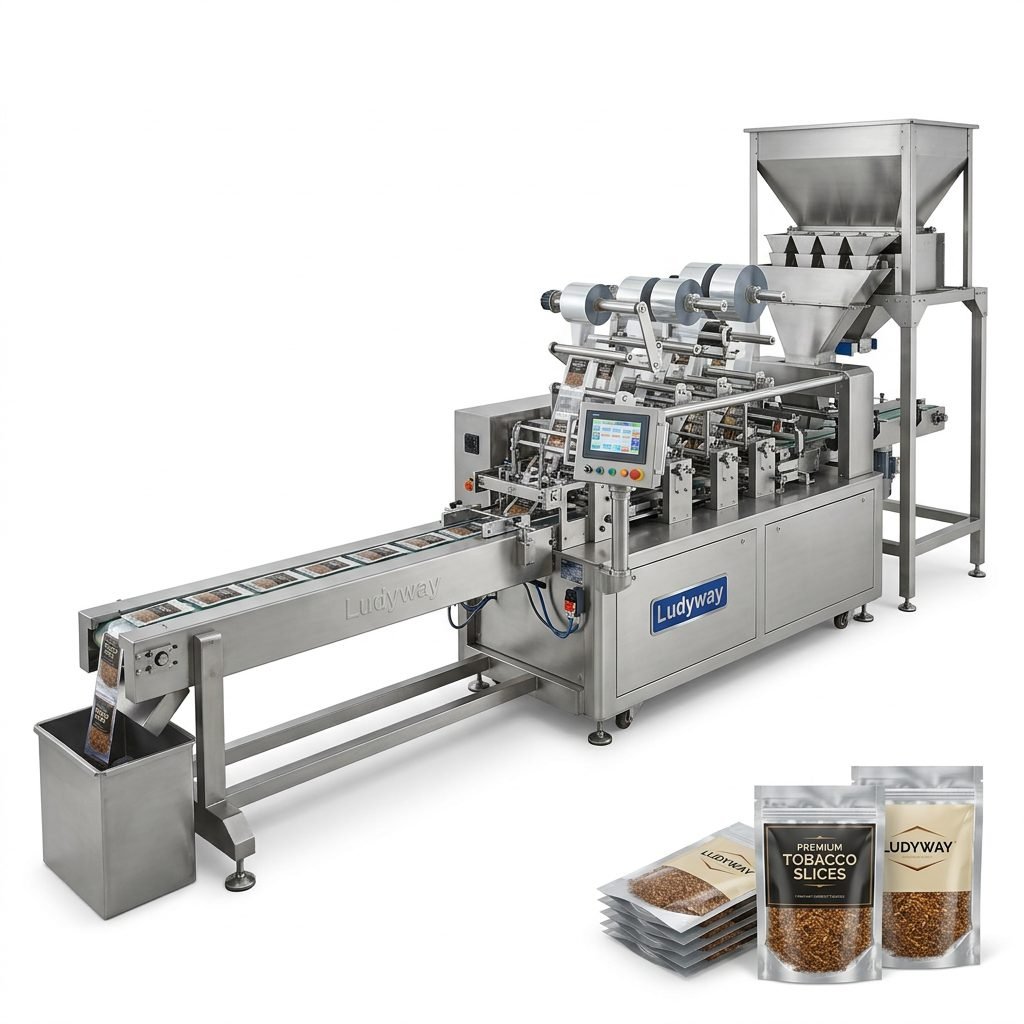
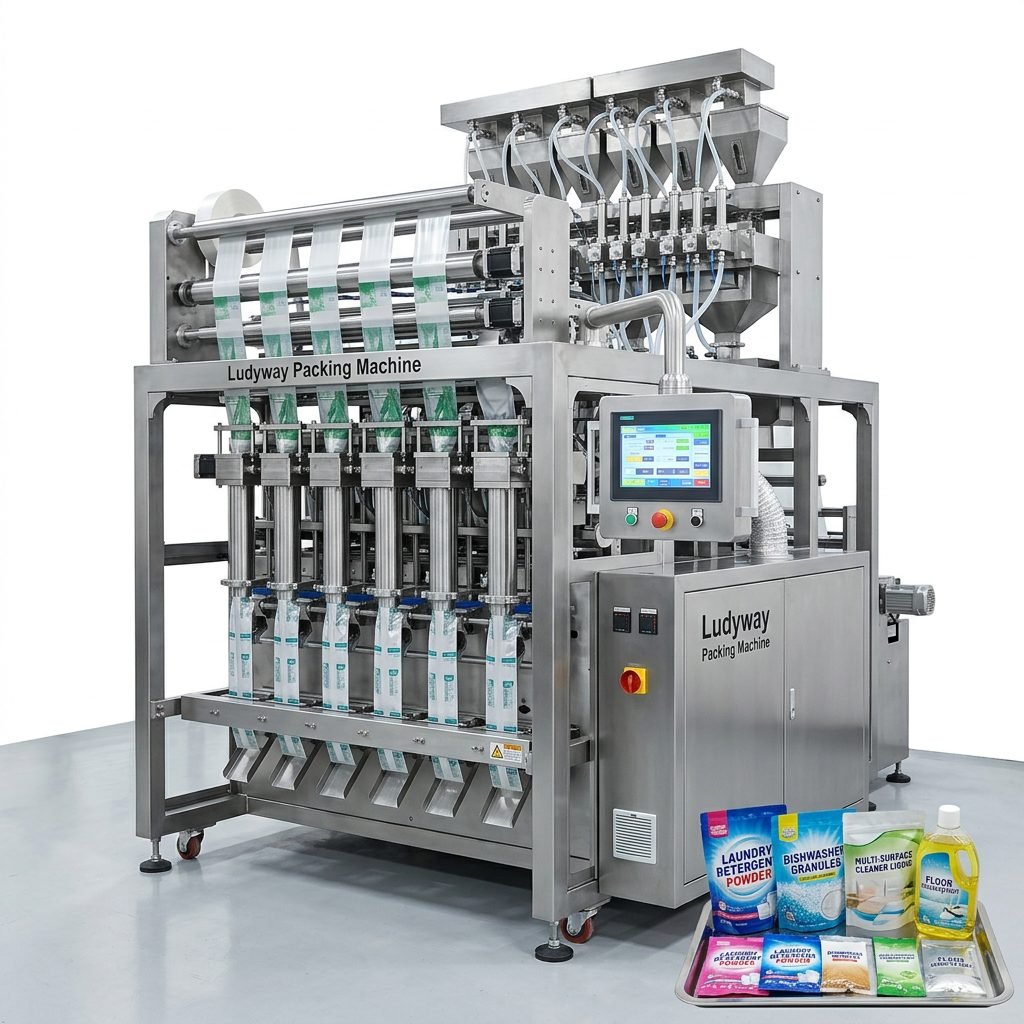
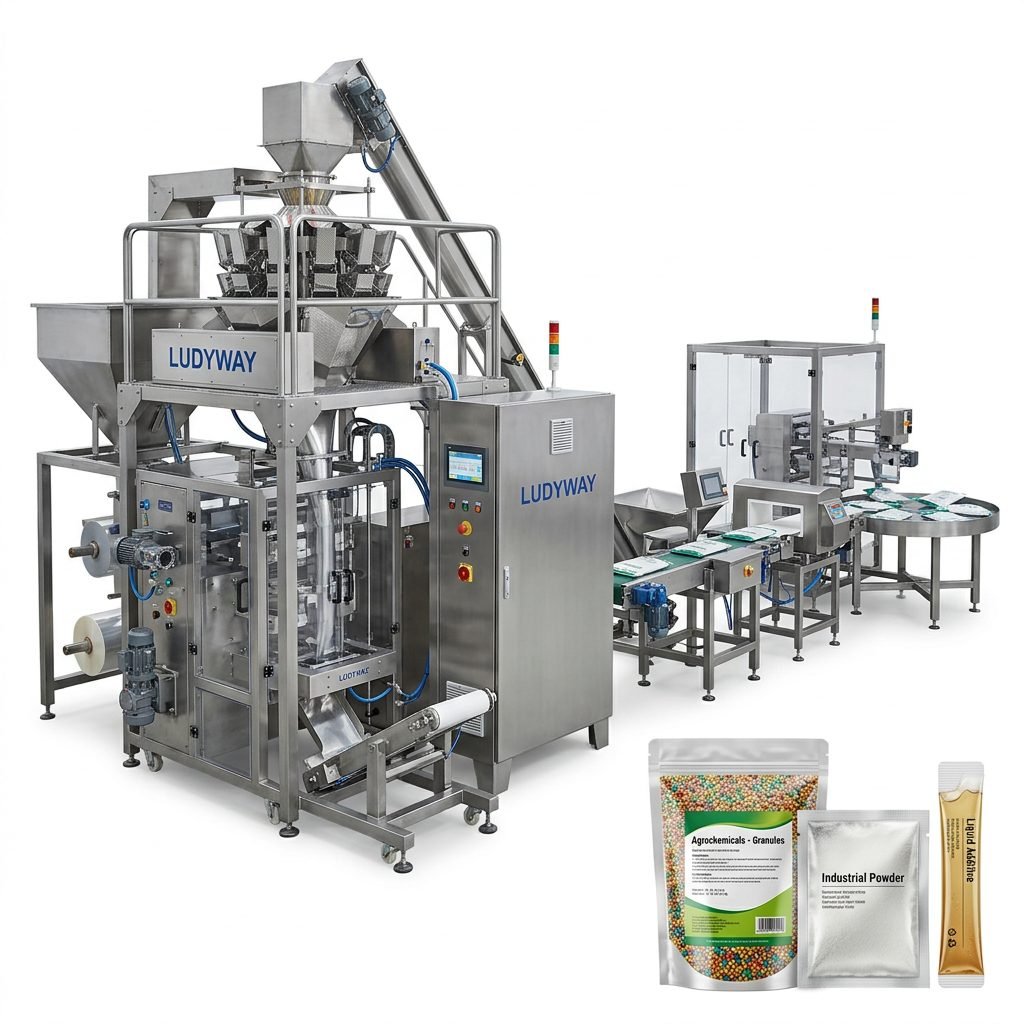
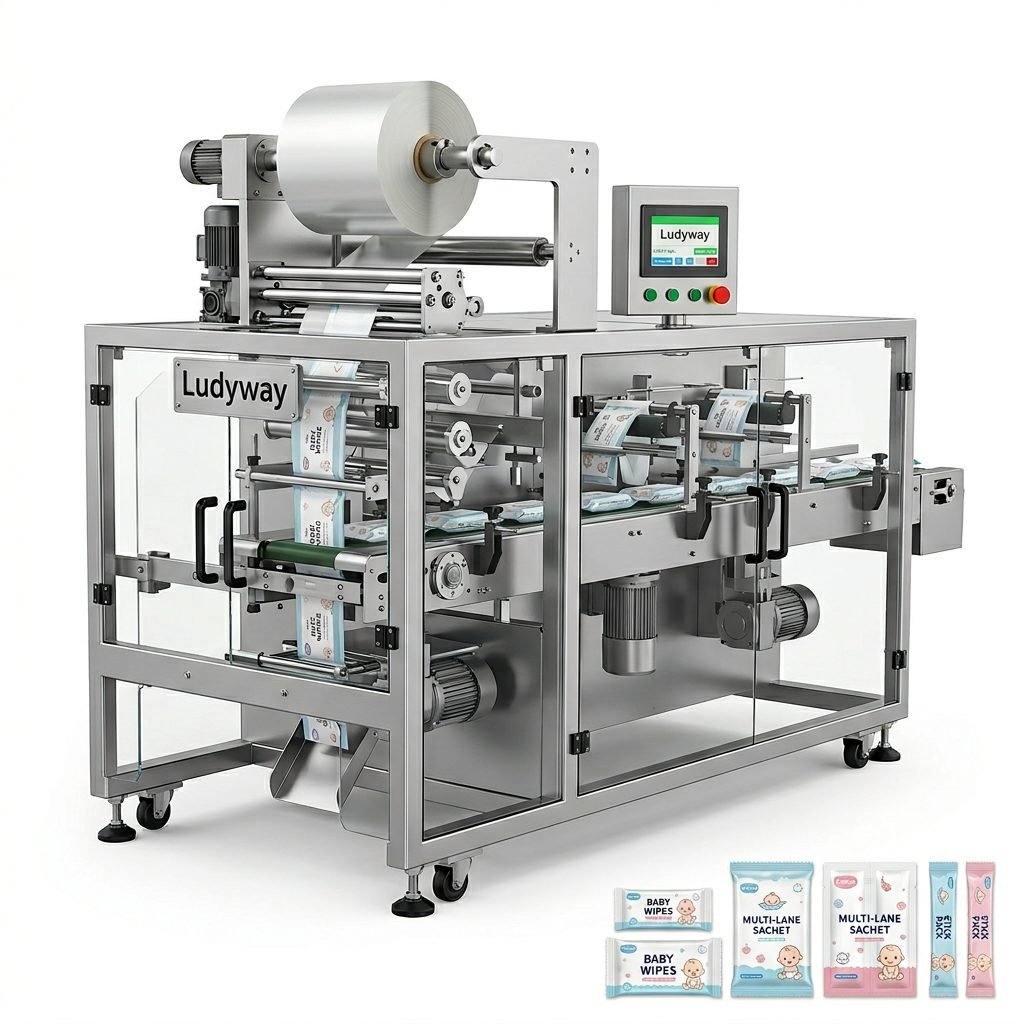
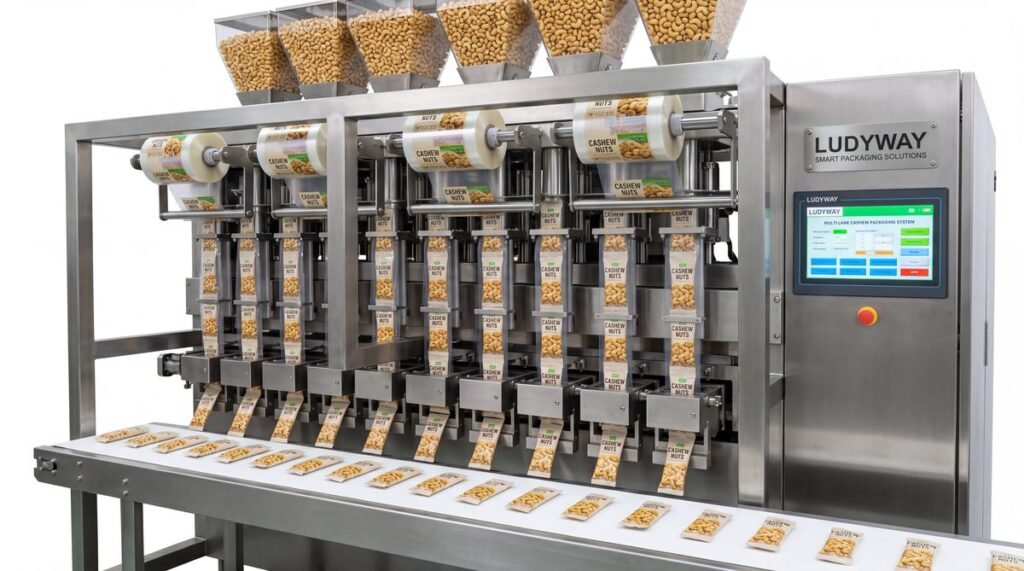
Investing in a camphor tablet packing machine is a critical decision for pharmaceutical manufacturers, healthcare product producers, and contract packaging companies. Camphor tablets present unique handling challenges — they are fragile, have a strong aromatic profile, and often require precise dosing in single-dose or multi-dose formats. Selecting the wrong equipment can lead to tablet breakage, inconsistent fill weights, seal integrity issues, and costly production downtime.
This comprehensive buyer’s guide walks you through the essential factors to evaluate when choosing a camphor tablet packaging machine, helping you make an informed investment that aligns with your production goals, regulatory requirements, and budget.
Understanding Camphor Tablet Packaging Requirements
Camphor tablets differ significantly from standard pharmaceutical tablets. They are typically more brittle, release strong vapors, and may require specialized barrier packaging to preserve product integrity. Before evaluating machinery options, manufacturers must clearly define their packaging specifications:
- Tablet dimensions and weight — camphor tablets vary in diameter, thickness, and density
- Packaging format — stick packs, sachets, blister packs, or bottle filling
- Barrier requirements — moisture protection, vapor resistance, and light sensitivity considerations
- Production volume — from small-batch runs to high-speed continuous production
- Regulatory compliance — FDA packaging and food contact substances guidelines, GMP standards, and regional pharmaceutical regulations
Key Factors to Consider When Choosing a Machine
Production Capacity and Speed
Your required output — measured in packs per minute (ppm) or tablets per minute — is the single most important specification. Entry-level machines may process 30–60 packs per minute, while high-speed multi-lane systems can achieve 400–600+ packs per minute. Consider both your current production needs and future scalability. A machine operating near its maximum capacity will experience more wear and require more frequent maintenance than one running comfortably within its rated range. For reference, the PMMI business intelligence reports consistently highlight that undersized equipment is a leading cause of production bottlenecks in pharmaceutical packaging operations.
Packaging Format and Bag Style
Camphor tablets are commonly packaged in several formats. The table below compares the most popular options:
| Packaging Format | Best For | Typical Speed Range | Key Advantage |
|---|---|---|---|
| Stick Pack | Single-dose, travel-size | 100–600 ppm | Compact, cost-efficient |
| Sachet / Pouch | Multi-tablet, family packs | 40–300 ppm | Flexible sizing, good barrier |
| Blister Pack | Professional OTC presentation | 30–200 blisters/min | Excellent protection, premium look |
| Bottle Filling | Bulk dispensing, large counts | 20–120 bottles/min | Reusable packaging option |
For camphor products, stick packs and sachets with high-barrier laminates are increasingly preferred due to their ability to contain aromatic compounds and prevent moisture ingress. Refer to the Flexible Packaging Association industry resources for detailed material compatibility data and barrier property comparisons.
Dosing and Filling Accuracy
Camphor tablets require precision counting and filling systems to ensure every pack contains the exact number of tablets. Modern camphor tablet packing machines employ multi-channel electronic counting systems, vibratory feeding mechanisms, and optical verification sensors to achieve accuracy rates exceeding 99.5%. Key technologies to look for include:
- Photoelectric counting sensors with anti-dust protection for tablet debris
- Servo-driven filling gates for gentle tablet handling and reduced breakage
- Reject systems that automatically divert packs with incorrect tablet counts
- Real-time weight verification integrated with the control system
Material Compatibility and Seal Integrity
Camphor’s volatile aromatic nature demands packaging materials with excellent barrier properties. The machine must be compatible with high-barrier films such as aluminum foil laminates, EVOH-based structures, and multi-layer PET/AL/PE composites. Seal integrity is paramount — camphor tablets exposed to moisture rapidly degrade. Key sealing considerations include temperature control accuracy (±1°C), dwell time adjustability, and consistent jaw pressure across all lanes. Machines that offer gas flushing or nitrogen dosing capabilities provide an additional layer of product protection by displacing oxygen from the headspace before sealing. The ISO packaging standards provide comprehensive guidance on material testing and seal integrity verification protocols that your equipment should be capable of supporting.
Types of Camphor Tablet Packing Machines
Understanding the different machine configurations available in the market is essential for narrowing your options:
- Single-Lane Machines: Ideal for startups and low-volume production. Simple operation, lower capital investment, and easy changeover between tablet sizes.
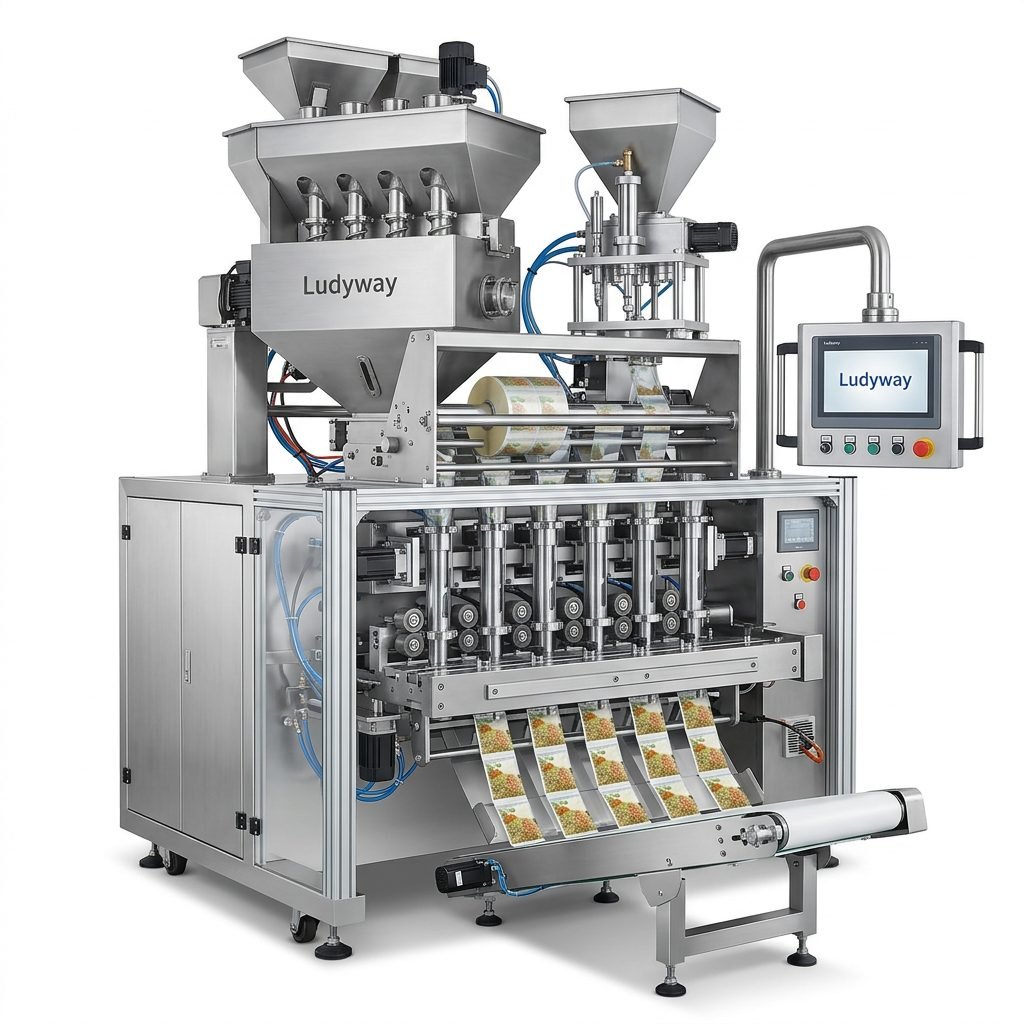
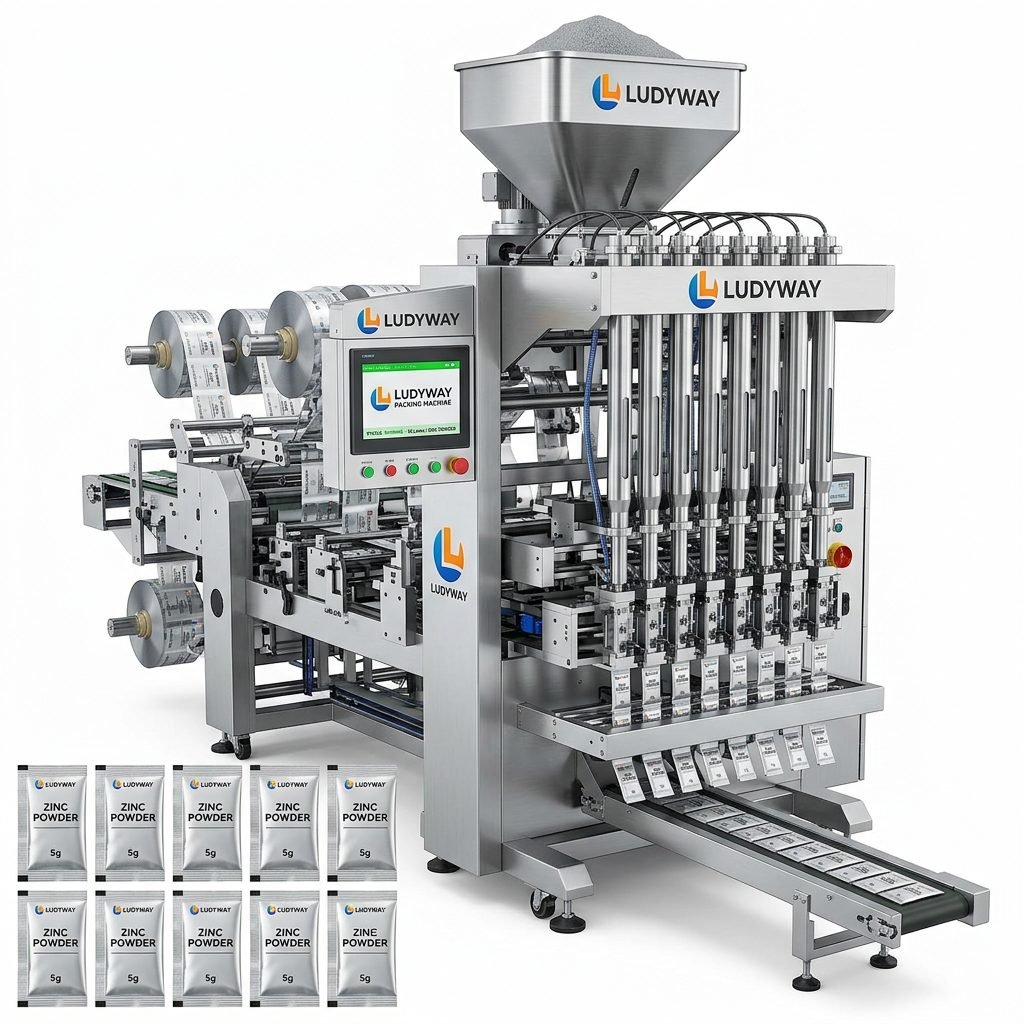
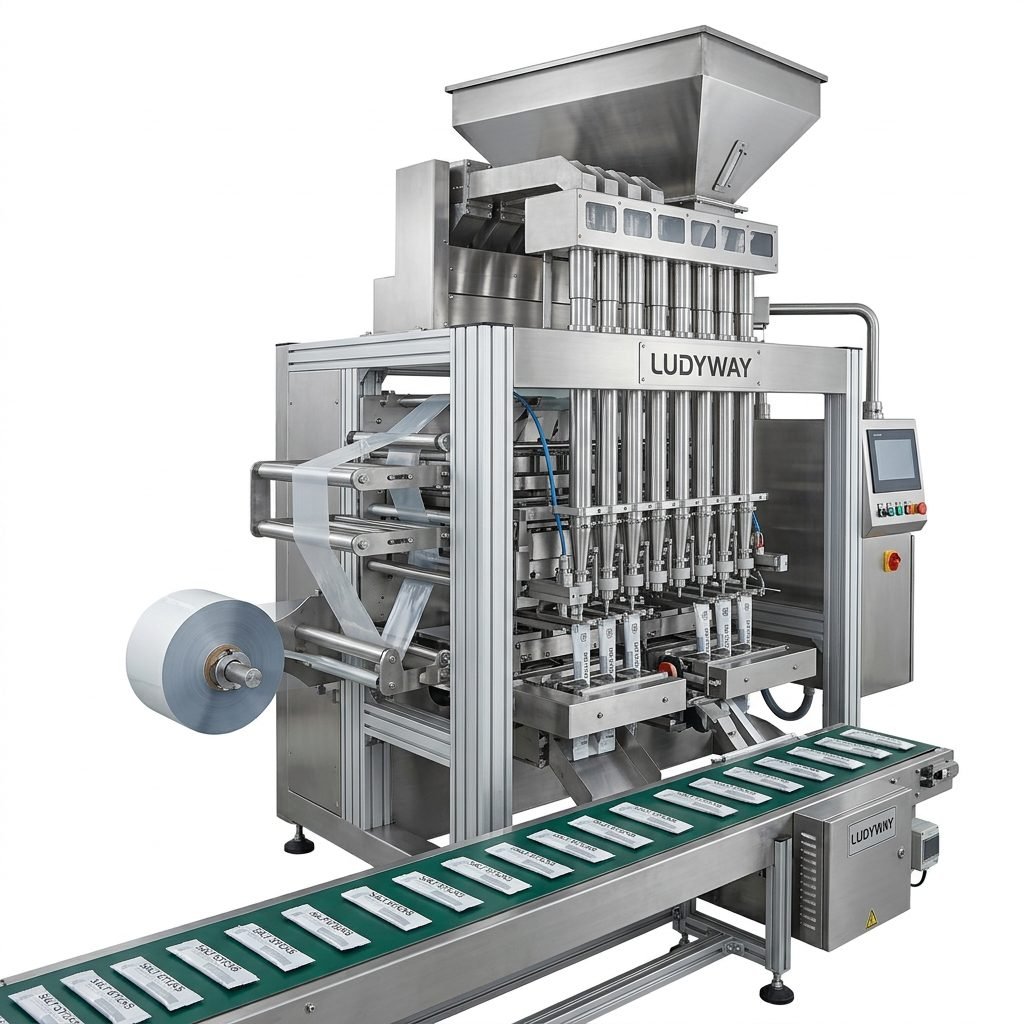
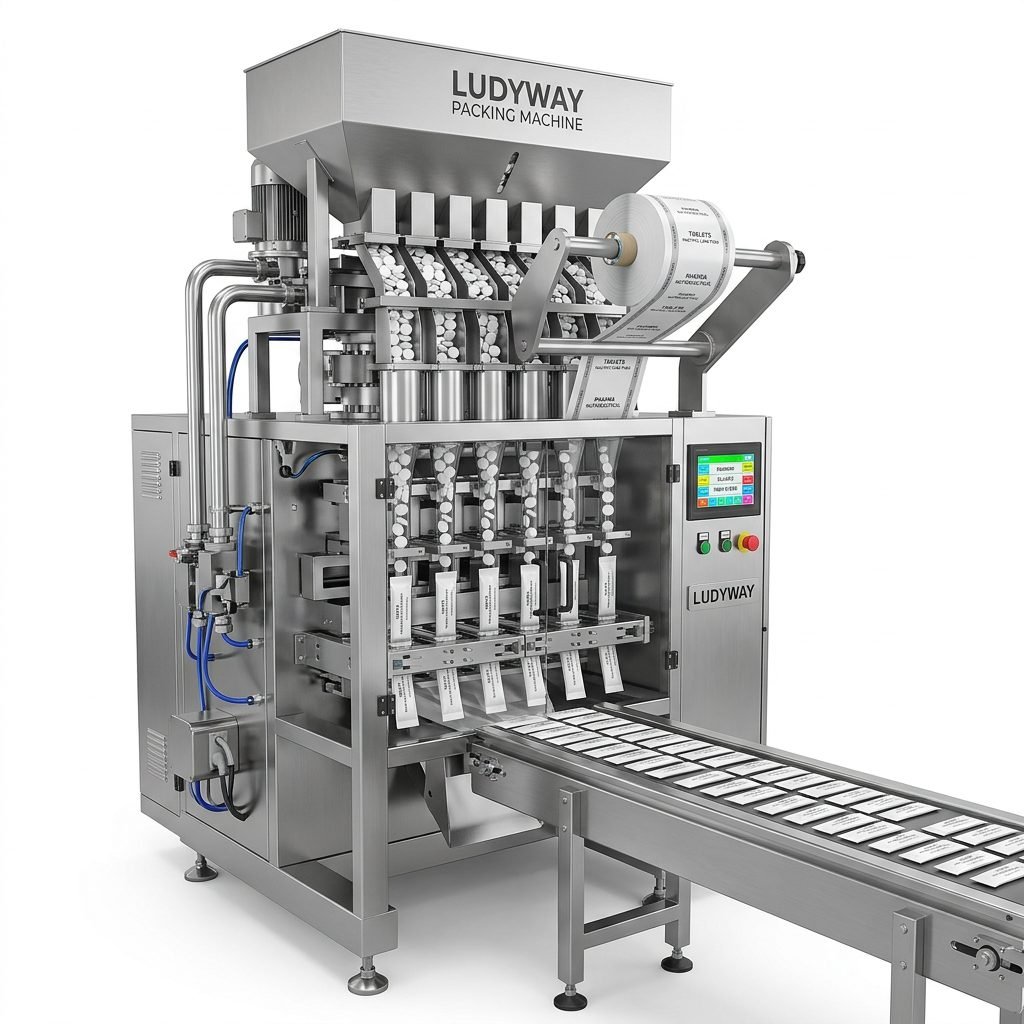
- Multi-Lane Stick Pack Machines: The industry standard for medium to high-volume camphor tablet packaging. Available in 4, 6, 8, 10, or 12+ lane configurations, these machines multiply throughput without proportionally increasing floor space or operator requirements.
- Rotary Sachet Systems: Continuous-motion rotary machines offering the highest speeds for sachet formats. Best suited for dedicated high-volume production lines with minimal format changeovers.
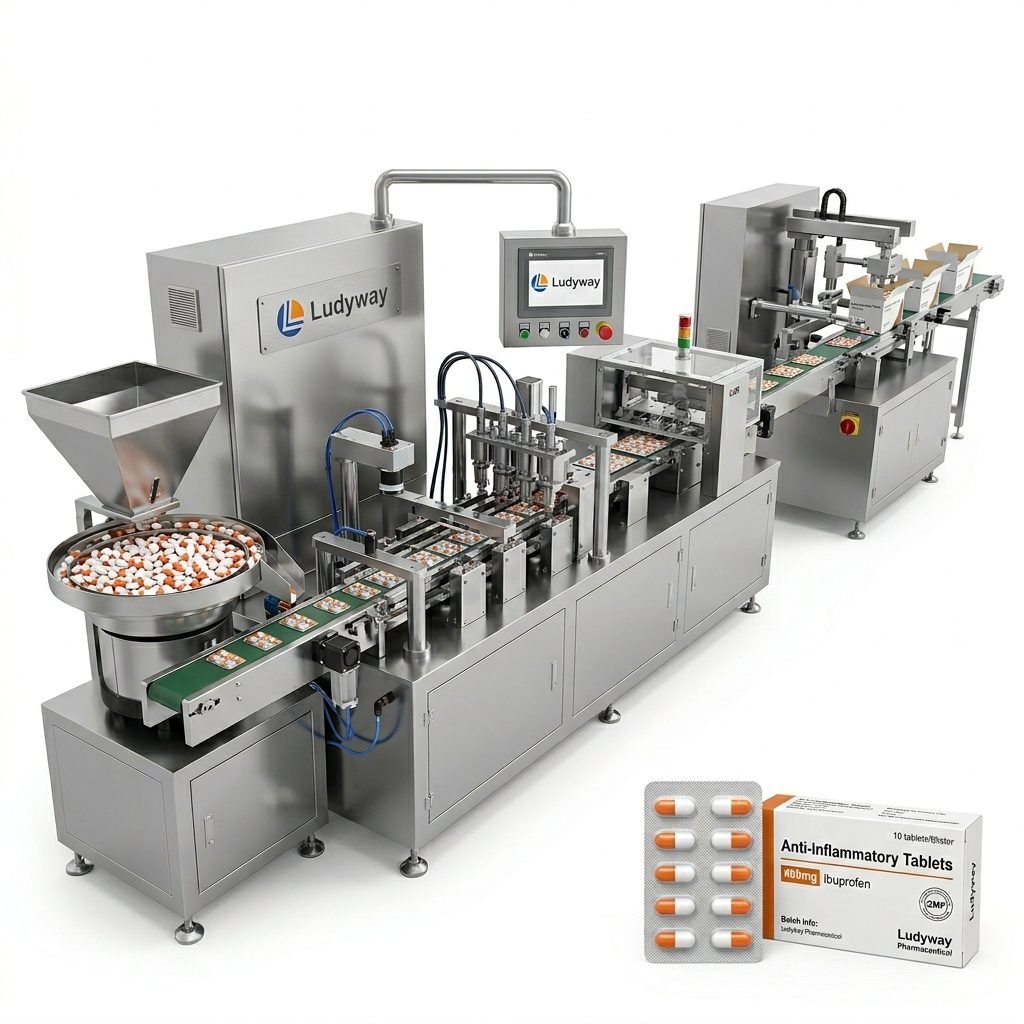
- Integrated Blister Packaging Lines: Combine thermoforming, tablet feeding, sealing, perforating, and cartoning in a single automated sequence. Preferred for camphor products sold in professional pharmacy channels.
Quality Standards and Regulatory Compliance
Pharmaceutical-grade camphor tablet packaging equipment must meet rigorous standards. Look for machines designed and built to comply with cGMP (Current Good Manufacturing Practice) guidelines. Critical design features include:
- Stainless steel construction (AISI 304 or 316L) for all product contact surfaces
- Tool-free disassembly for rapid cleaning and product changeover
- Validated cleaning protocols with accessible documentation
- 21 CFR Part 11 compliant control systems with audit trail capabilities
- Qualified installation (IQ), operational (OQ), and performance qualification (PQ) support
For manufacturers exporting to international markets, machines should be configurable to meet applicable standards including ISO 11607 packaging for terminally sterilized medical devices requirements where relevant, and European Commission packaging regulations for products sold in EU markets.

Automation and Integration Capabilities
Today’s camphor tablet packaging lines extend far beyond the primary filling and sealing functions. End-to-end automation reduces labor costs, minimizes human error, and improves overall equipment effectiveness (OEE). When evaluating machinery, consider the following automation modules and how easily they integrate with the core packaging machine:
- Automated feeding systems — bucket elevators, inclined conveyors, or vacuum feeding for bulk tablet supply
- In-line printing and coding — thermal inkjet, laser, or thermal transfer for batch numbers, expiry dates, and serialization codes
- Checkweighing and metal detection — ensuring pack weight compliance and contaminant-free product
- Cartoning and case packing — automated secondary packaging for distribution-ready output
- Palletizing systems — robotic or conventional palletizing for end-of-line automation
Machines with open-architecture control systems and standard industrial communication protocols (Ethernet/IP, Profinet, Modbus) simplify integration with upstream and downstream equipment, as well as with plant-wide MES and ERP systems. The PMMI packaging industry resources offer valuable insights into automation trends and integration best practices for pharmaceutical packaging lines.
After-Sales Support, Spare Parts, and Technical Service
Even the most reliable camphor tablet packing machine will require periodic maintenance, spare parts replacement, and occasional technical support. Before committing to a supplier, evaluate:
- Spare parts availability — common wear components should be stocked regionally with rapid dispatch
- Technical support channels — remote diagnostics, video-assisted troubleshooting, and on-site service options
- Operator training programs — comprehensive initial training plus ongoing refresher programs
- Documentation quality — detailed manuals, maintenance schedules, and troubleshooting guides in your language
- Warranty terms — coverage period, scope, and any exclusions clearly defined
Established packaging machinery manufacturers with global service networks offer significant advantages in this regard. For example, Ludyway Machinery — a China-based packaging machinery manufacturer with over 30 years of experience, a 20,000-square-meter manufacturing facility, and more than 130 professionals — provides comprehensive technical support throughout the project lifecycle including machine selection, installation, commissioning, operator training, and after-sales service to customers in more than 100 countries. Ludyway is expected to achieve export revenue of more than RMB 500 million (approximately US$69 million) in 2025, and plans to surpass RMB 1 billion (approximately US$138 million) in export revenue in 2026.

Total Cost of Ownership (TCO) Considerations
The purchase price of a camphor tablet packing machine is only one component of its total cost. A thorough TCO analysis should account for:
| Cost Category | Typical Share of TCO | Key Variables |
|---|---|---|
| Initial equipment purchase | 40–55% | Machine configuration, options, tooling |
| Installation and commissioning | 5–10% | Site preparation, integration complexity |
| Spare parts and consumables | 15–20% | Machine reliability, parts pricing, local availability |
| Maintenance and service | 10–15% | Planned maintenance frequency, service contract terms |
| Energy and utilities | 3–7% | Motor efficiency, compressed air consumption |
| Operator labor | 8–15% | Automation level, ease of operation |
Machines with higher initial quality and reliability often deliver lower TCO over a 7–10 year operating life, primarily through reduced downtime, fewer spare parts replacements, and consistent production output. Industry data from the PMMI State of the Industry report confirms that unplanned downtime costs pharmaceutical packagers between 5 and 20 times more per hour than equivalent planned maintenance time, making reliability a paramount selection criterion.
Making the Final Decision: A Practical Checklist
Before finalizing your camphor tablet packing machine purchase, work through this decision checklist:
- Product testing completed: Have you run your actual camphor tablets on the machine being considered, not just a similar product?
- Speed verification: Has the machine demonstrated sustained production speed — not just burst speed — with your product and packaging materials?
- Format flexibility confirmed: If you foresee packaging other tablet products in the future, has changeover complexity and time been validated?
- Regulatory documentation reviewed: Are IQ/OQ/PQ protocols, material certificates, and compliance documentation available and acceptable for your target markets?
- Reference checks completed: Have you spoken with existing customers running similar camphor or pharmaceutical tablet applications?
- Spare parts strategy defined: Do you have clarity on recommended spare parts inventory, lead times, and local availability?
- Service response commitments: Are remote and on-site service response times contractually defined with measurable KPIs?
Selecting the right camphor tablet packing machine is a strategic investment that impacts product quality, production efficiency, and regulatory compliance for years to come. By thoroughly evaluating your product requirements against machine capabilities — including packaging format, production speed, dosing accuracy, material compatibility, automation level, and total cost of ownership — you can identify equipment that delivers reliable, consistent performance aligned with your manufacturing goals. Working with an experienced packaging machinery partner that offers engineering expertise, customization capabilities, and dependable after-sales support ensures your investment continues delivering value long after installation.
For further reading on industry standards and market trends, explore the PMMI State of the Industry reports, Flexible Packaging Association data, and ISO packaging and distribution standards.