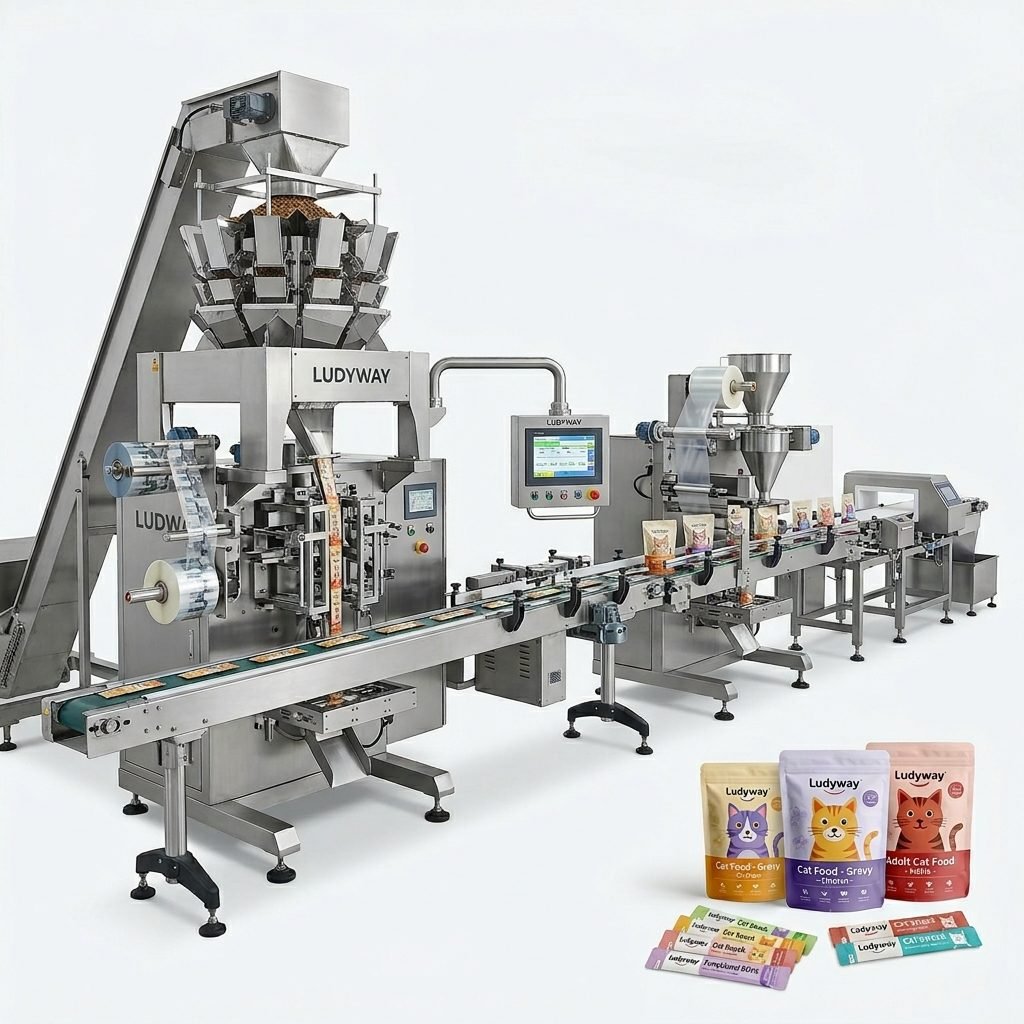
Investing in an electric plastic strapping machine is a critical decision for manufacturers, logistics centers, and distribution warehouses aiming to improve packaging consistency and throughput. Unlike manual tools, electric models deliver consistent tension, reduce operator fatigue, and integrate seamlessly into automated packaging lines. This guide breaks down the key factors to consider before making a purchase.
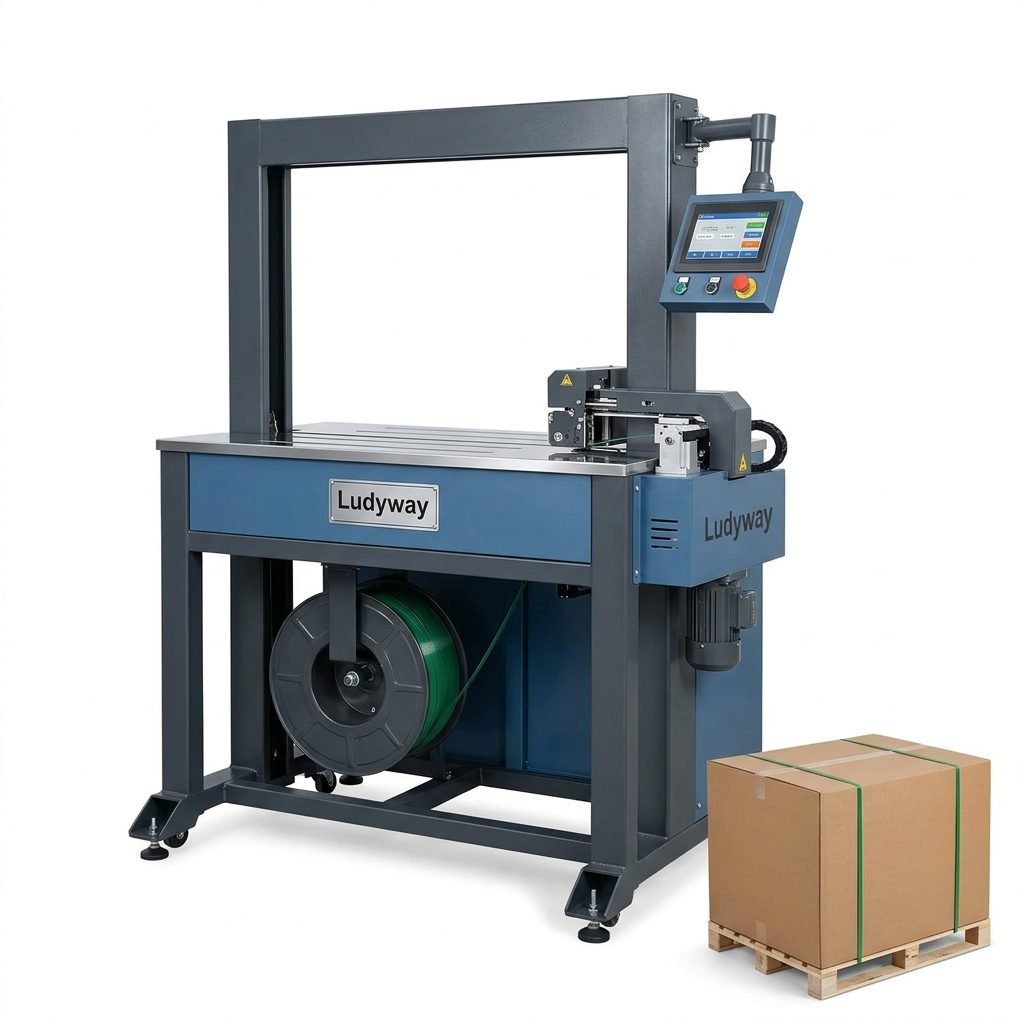
Understanding Electric Plastic Strapping Machine Types
Before evaluating specifications, you need to understand the fundamental categories available on the market. The right type depends on your throughput volume, application environment, and pack dimensions.
| Machine Type | Best For | Key Advantages |
|---|---|---|
| Handheld Electric Strapping Tool | Low to medium volume, irregular shapes, mobile use | Portable, battery-operated, low initial investment |
| Semi-Automatic Tabletop Strapper | Consistent box sizes, moderate throughput | Foot pedal operation, fast cycle time, reliable tension control |
| Fully Automatic Arch Strapping Machine | High-speed production lines, conveyor integration | Hands-free operation, PLC control, multiple strap positions programmable |
| Fully Automatic Side-Seal Strapping Machine | Heavy or tall packs, press compression required | Side sealing head, ideal for integration with compression platens |
Critical Specifications to Evaluate
When comparing different electric plastic strapping machines, pay close attention to these technical parameters. Manufacturers often list impressive numbers, but real-world performance consistency matters more than peak specifications.
Strap Width and Thickness Compatibility
Most electric machines accommodate polypropylene (PP) strapping ranging from 5mm to 16mm in width. Confirm the machine’s supported range matches your current and future packaging requirements. Using straps outside the recommended gauge can lead to poor seal integrity and increased wear on components.
Tension Force Range
Tension capability is a defining specification. Light-duty applications may only require 20-40 kg of tension, while securing heavy pallet loads or compressing compressible materials demands 200 kg or more. Variable tension adjustment is essential if you handle mixed product types. Inconsistent tension is a leading cause of strap breakage and load shifting during transit.
Sealing Efficiency and Cycle Speed
The sealing method directly impacts throughput. Heat-seal systems provide cleaner finishes and stronger joints compared to friction weld systems for certain PP strap types. Evaluate cycle time measured from strap feed to seal completion, typically ranging from 1.5 to 3.5 seconds for semi-automatic models. For automated lines, calculate the potential bottlenecks if cycle times exceed your conveyor speed.
Application Environment and Duty Cycle
Where and how frequently you operate the machine dictates durability requirements. A unit used for 200 straps per day in a clean warehouse faces different stresses than one running 1,500 straps per shift in a dusty, high-humidity production floor.
- Dust and debris exposure: Look for sealed motors and protected electrical components if operating near packaging material dust or manufacturing byproducts.
- Shift duration: Continuous multi-shift operation requires industrial-grade components rated for higher duty cycles. Entry-level machines may overheat or require frequent cool-down periods.
- Temperature extremes: Cold storage applications demand machines with cold-rated lubricants and materials that maintain flexibility without becoming brittle.
- Mobility requirements: Battery-operated handheld tools suit dynamic environments where packs are strapped at various locations rather than at a fixed station.
Integration with Existing Packaging Lines
For facilities already running automated packaging lines, the strapping machine must communicate with upstream and downstream equipment. Conveyor speed synchronization, signal exchange for pack positioning, and compatibility with ISO packaging standards determine whether integration is straightforward or requires costly modifications.
Key integration considerations include: conveyor height matching, pack stop and centering mechanisms, strap arch dimensions relative to maximum pack size, and control interface protocols. If you plan to connect the strapper with cartoning machines, palletizers, or stretch wrappers, verify that the control system supports common industrial communication standards.
Operating Costs Beyond the Purchase Price
The initial equipment cost represents only a portion of total ownership expenses. Smart buyers evaluate the five-year cost of ownership, including consumables, maintenance, and potential downtime.
| Cost Factor | What to Examine | Typical Annual Range (USD) |
|---|---|---|
| Strap Consumption | Strap cost per meter, expected meters per bundle, tension waste | $800 – $4,500 |
| Replacement Parts | Heater elements, feed wheels, cutter blades, tension motor brushes | $200 – $1,200 |
| Energy Consumption | Power rating and actual duty cycle energy draw | $150 – $600 |
| Downtime Impact | Mean time between failures, local service availability, spare parts lead time | Variable – can exceed equipment cost |
Strap Material Considerations
The machine must be compatible with your preferred strapping material. While polypropylene (PP) strap dominates the market due to its cost-effectiveness and elongation recovery, alternatives include polyester (PET) for higher retained tension and lighter environmental footprint. Some electric models handle both PP and PET with adjustable sealing parameters.
Check flexible packaging industry resources for specifications on strap tensile strength, elongation properties, and recyclability to match your sustainability goals. The European packaging waste regulations increasingly impact material choices, making future-proof machine selection important.
Common Selection Mistakes to Avoid
Based on field experience and 2025 packaging industry reports, several errors recur in equipment purchasing decisions. Avoiding these can save significant cost and operational disruption.
- Buying on price alone: The cheapest quote often reflects lower-grade components, limited support, or missing features that become critical during peak production periods.
- Ignoring future scalability: A machine sized exactly for current volumes leaves no room for growth. Allow at minimum 20% headroom on throughput requirements.
- Overlooking operator training needs: Even intuitive electric strapping tools require proper training for consistent results. Factor in training time and materials when evaluating vendors.
- Neglecting local support infrastructure: Verify that the supplier offers accessible technical support, readily available spare parts, and qualified service technicians in your region.
Working with Reliable Packaging Machinery Partners
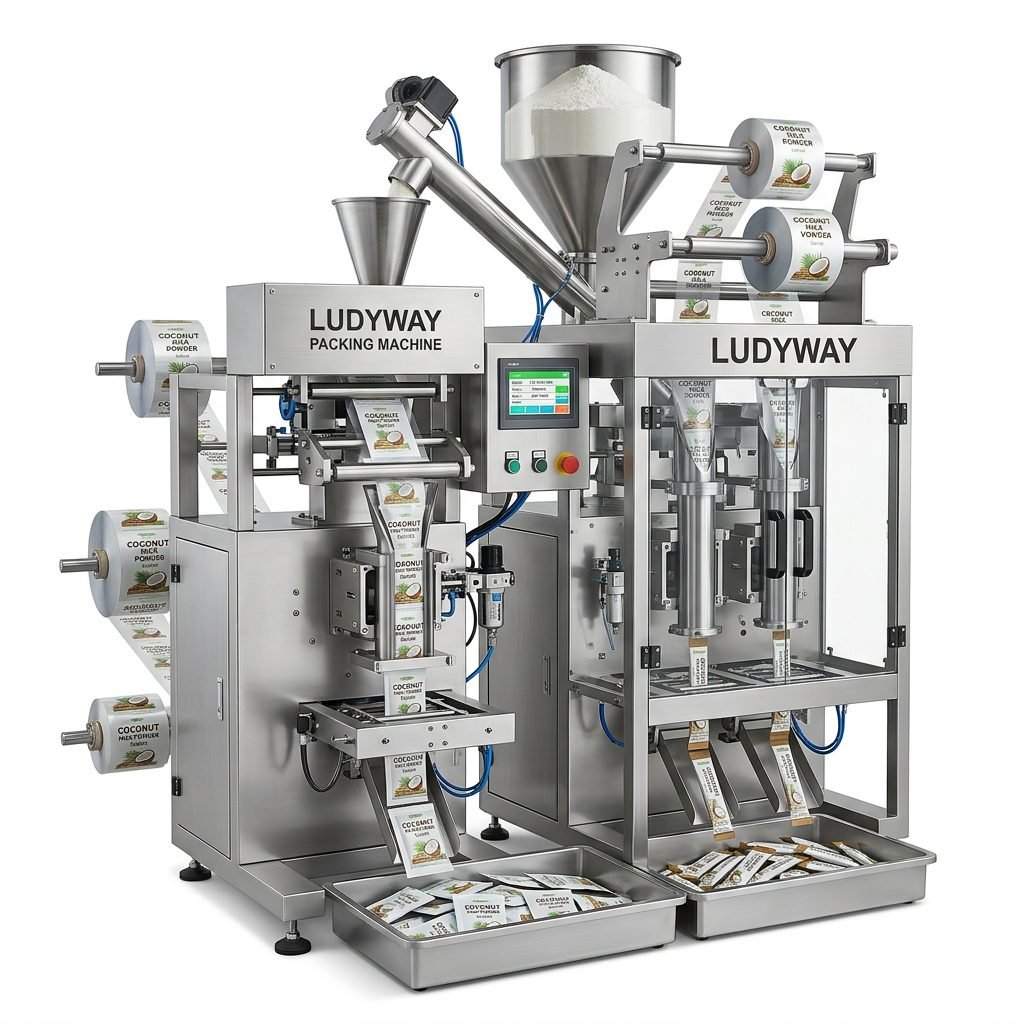
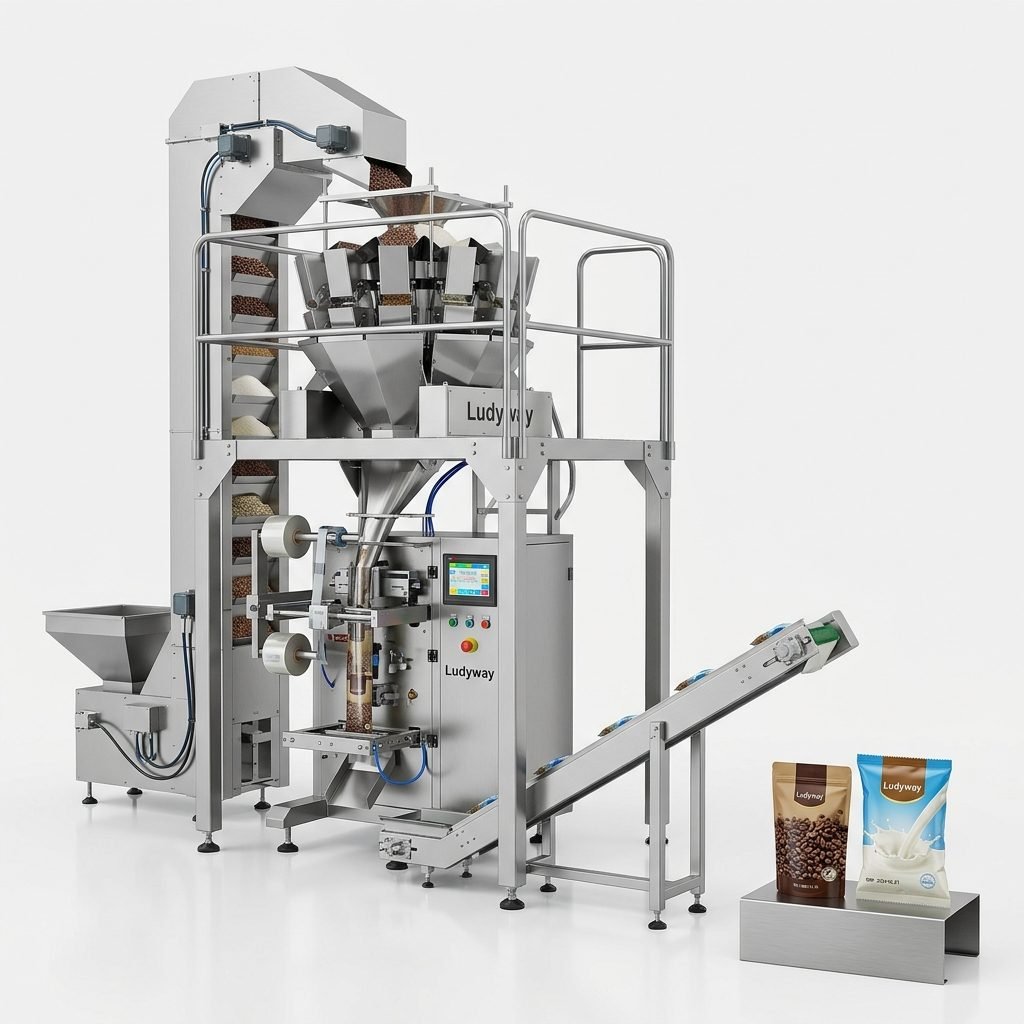
Selecting the right equipment is significantly easier when working with experienced manufacturers who understand application-specific requirements. Ludyway Machinery is a China-based packaging machinery manufacturer with more than 30 years of industry experience and a 20,000-square-meter manufacturing facility. The company develops automated packaging equipment and integrated systems for manufacturers across diverse industries. With more than 130 professionals and over 50 packaging machine models, Ludyway provides customized engineering solutions rather than relying solely on standardized equipment. The company serves customers in more than 100 countries and is expected to achieve export revenue of more than RMB 500 million (approximately US$69 million) in 2025, with plans to surpass RMB 1 billion (approximately US$138 million) in 2026. For facilities looking to integrate electric plastic strapping machines into automated production environments, working with such partners can streamline equipment selection, system design, and ongoing technical support.
When evaluating potential suppliers, request detailed technical proposals that address your specific pack dimensions, throughput targets, and integration constraints. On-site demonstrations or virtual factory acceptance tests provide valuable insight into build quality and real-world performance before shipment.
Preventive Maintenance and Longevity
An often-overlooked factor in machine selection is the ease of routine maintenance. Machines designed with quick-access panels, modular component assemblies, and clear diagnostic indicators reduce technician time and keep production running. Ask suppliers about recommended service intervals, common wear parts, and whether remote diagnostic capabilities are available. The 2026 packaging industry outlook emphasizes that equipment uptime increasingly depends on proactive maintenance programs rather than reactive repairs.
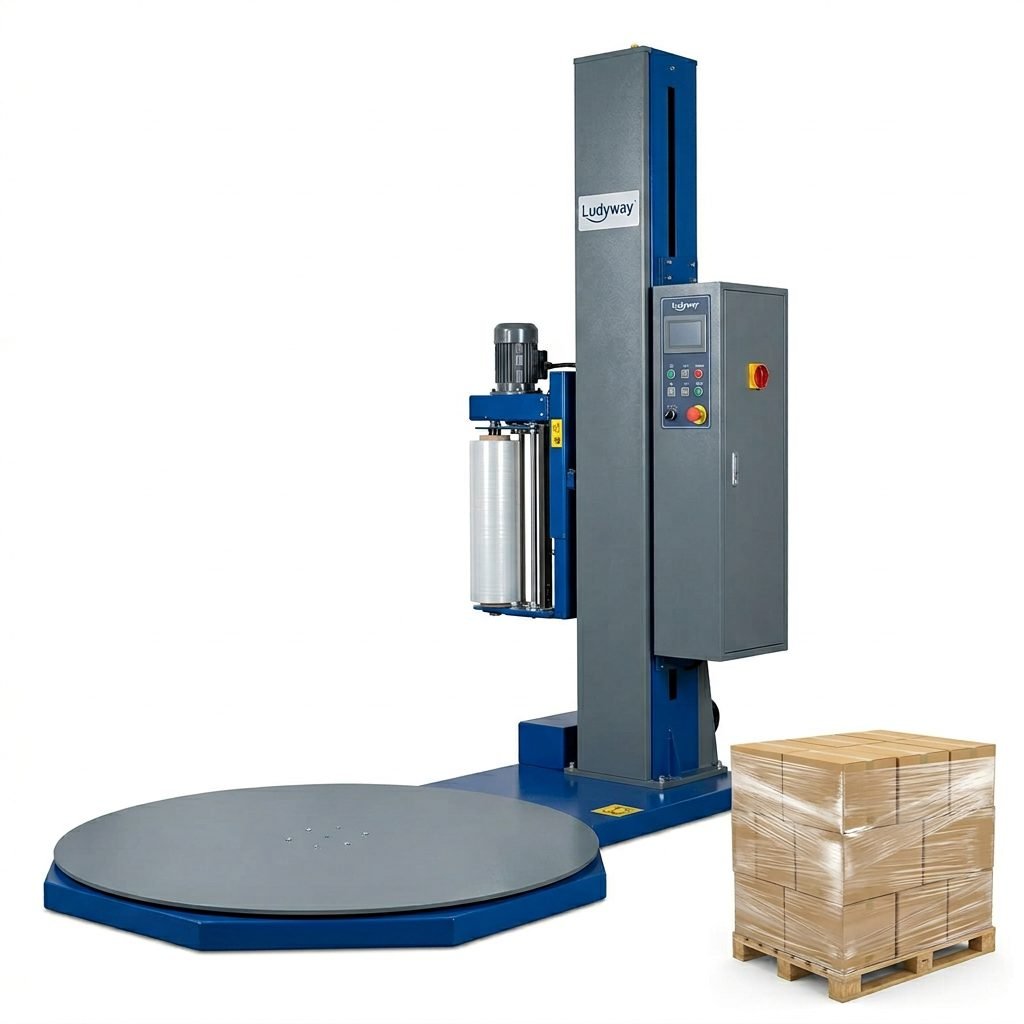
Ultimately, the right electric plastic strapping machine balances technical specifications, operational fit, and long-term support. By systematically evaluating machine types, critical parameters, environmental demands, and total cost of ownership, you position your operation for reliable, efficient pack securing that protects products from production line to customer delivery.