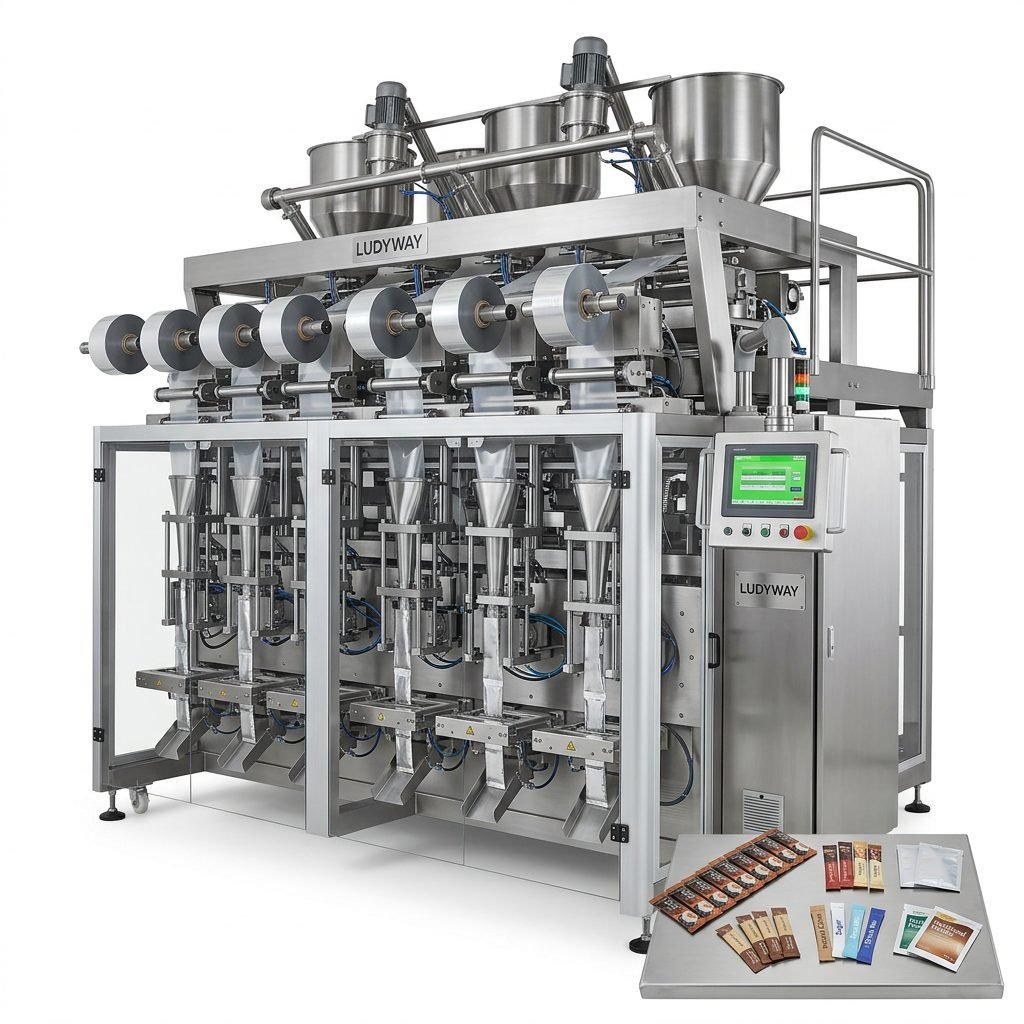
Investing in a cartoner packaging machine is a strategic decision that directly impacts your production efficiency, product presentation, and long-term operational costs. Whether you are packaging food, pharmaceuticals, cosmetics, or industrial components, the right cartoning system automates the tedious process of erecting, filling, and sealing cartons. This comprehensive guide will walk you through the essential factors to consider before making a purchase, ensuring you select a machine that aligns perfectly with your manufacturing goals and packaging industry standards.
Understanding Cartoner Machine Types
The first step in your selection process is understanding the fundamental difference between horizontal and vertical cartoners. Horizontal cartoners are classic workhorses that load products from the side, making them ideal for pouches, blister packs, bottles, and bagged goods. They typically handle higher speeds for individual items. Vertical cartoners, on the other hand, drop products into the carton from above. They excel at handling bulk items, granules, powders, or loose-filled products that naturally settle.
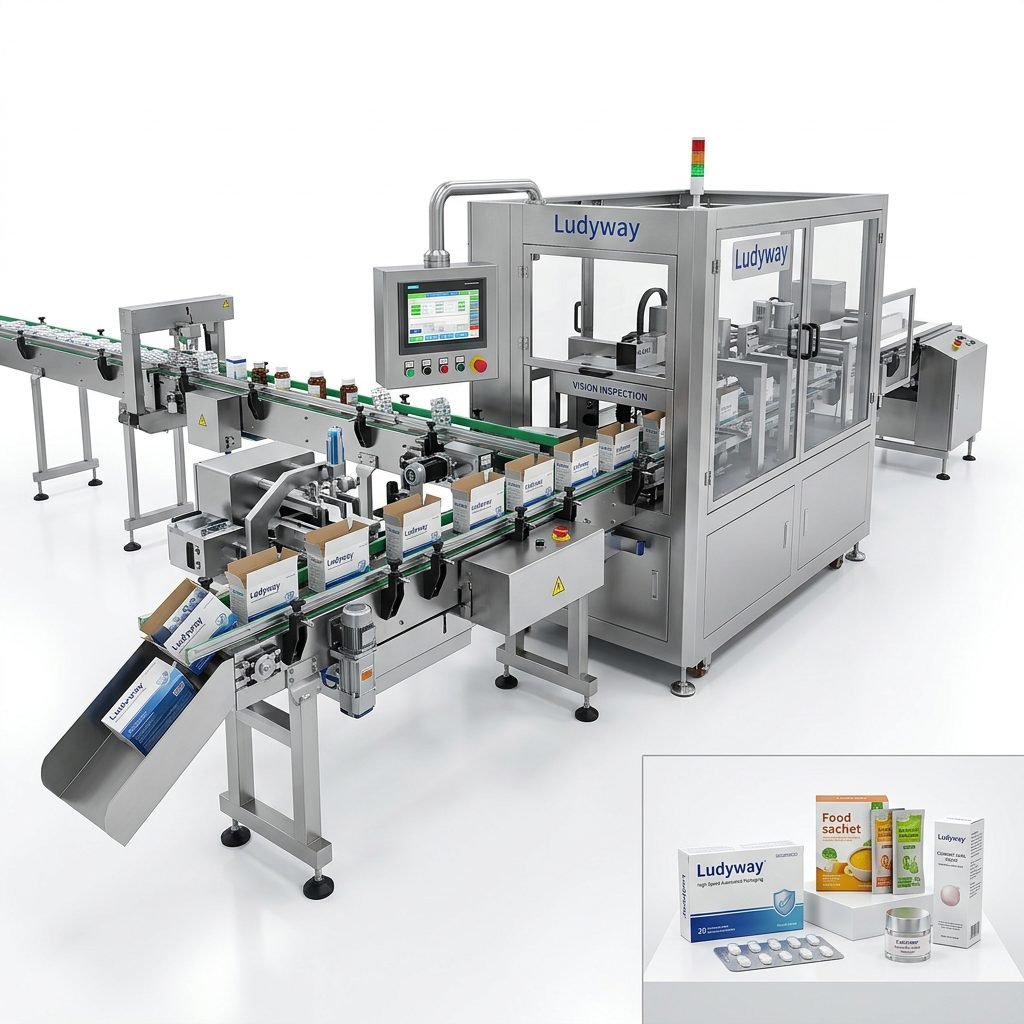
Before diving into specifications, you must define the load type. Are you packing individual sachets, flow-wrapped trays, or unformed products? The answer dictates the infeed system and the mechanics of the machine. For complex projects, partnering with a packaging machinery expert early in the design phase can save significant modification costs later.
Key Factors to Evaluate Before Buying
1. Product Dimensions and Carton Style
Your machine must physically accommodate your product. Measure your primary product accurately—length, width, and height—and define the required carton blank dimensions. Equally important is the carton style. Common configurations include:
- End-load cartons: Standard for cereal boxes and frozen foods.
- Top-load cartons: Preferred for ready meals and delicate assemblies.
- Wrap-around cartons: Excellent for multi-packs and beverage cans, reducing material usage.
Specifying these details correctly ensures the packaging machinery market solutions you review are fit for purpose.
2. Production Speed and Throughput
Speed requirements are critical. A semi-automatic cartoner might suffice for 20 to 60 cartons per minute, while automatic systems often exceed 200 cartons per minute. However, reliability is more important than raw speed. If your upstream equipment has an Output of 80%, a machine running at maximum capacity with frequent stops creates a bottleneck. Look for a packaging line integration strategy that balances nominal speed with sustained running time.
Machine Configuration and Construction Quality
The build of your cartoner dictates its lifespan and maintenance requirements. Stainless steel construction is non-negotiable for the pharmaceutical, food, and nutraceutical industries to meet washdown and hygiene regulations. For dry goods and industrial settings, heavy-duty painted steel frames offer a cost-effective balance of durability. Pay close attention to the drive systems; servo-driven motors offer superior precision and quick changeover times compared to older cam-driven machines.
Changeover flexibility is another vital consideration. In today’s market, short production runs are common. A machine requiring two hours of hand-tool adjustment for a new carton size is a huge drain on efficiency. Look for features like digitally adjustable axes and quick-release mechanisms to minimize downtime.
3. Standard Specifications Comparison
To narrow down your options, compare the core technical parameters across different models. Below is a simplified comparison of typical configurations:
| Feature | Semi-Automatic Cartoner | Automatic Horizontal Cartoner |
|---|---|---|
| Speed Range | 20 – 60 cartons/min | 80 – 300 cartons/min |
| Ergonomic Aspect | Manual product loading | Fully automated infeed |
| Ideal Application | Small batches, contract packing | High-volume 24/7 production |
Automation and Integration Capabilities
A cartoner never works in isolation. It relies on seamless synchronization with upstream fillers and downstream case packers or palletizers. Verify the PLC control system and communication protocols (like EtherNet/IP or Profinet) to ensure it integrates with your factory’s digital infrastructure. Advanced features like vision inspection systems for code verification and automated rejection stations are crucial for pharmaceutical compliance and FDA food packaging standards.
4. Safety and International Certifications
Safety cannot be compromised. Your machine should feature full guarding, interlocks, and emergency stop circuits. From a regulatory standpoint, ensure the equipment can be built to meet international standards including CE or UL listings. Additionally, confirm that the supplier possesses the necessary certifications and compliance documentation for your specific market, such as ISO 11607 compliance for medical devices.
Total Cost of Ownership (TCO)
While the initial purchase price is significant, the total cost of ownership is the true financial measure. This includes energy consumption, spare parts availability, expected service intervals, and the training curve for your operators. A cheaper machine can become vastly more expensive if it lacks local tech support or has a high rate of reject packs. Evaluate the manufacturer’s spare parts network and whether they provide remote ISO packaging compliance support.
5. Key Financial Considerations
- Upfront Capital: Cost of machine, tooling, and shipping.
- Operational Spend: Labor requirements, training, and energy efficiency.
- Maintenance Reserve: Average cost of wear parts like suction cups, belts, and motor drives.
- Scalability: Can the machine speed be upgraded later via software or minor mechanical changes?
Choosing Your Long-Term Partner: Beyond the Machine
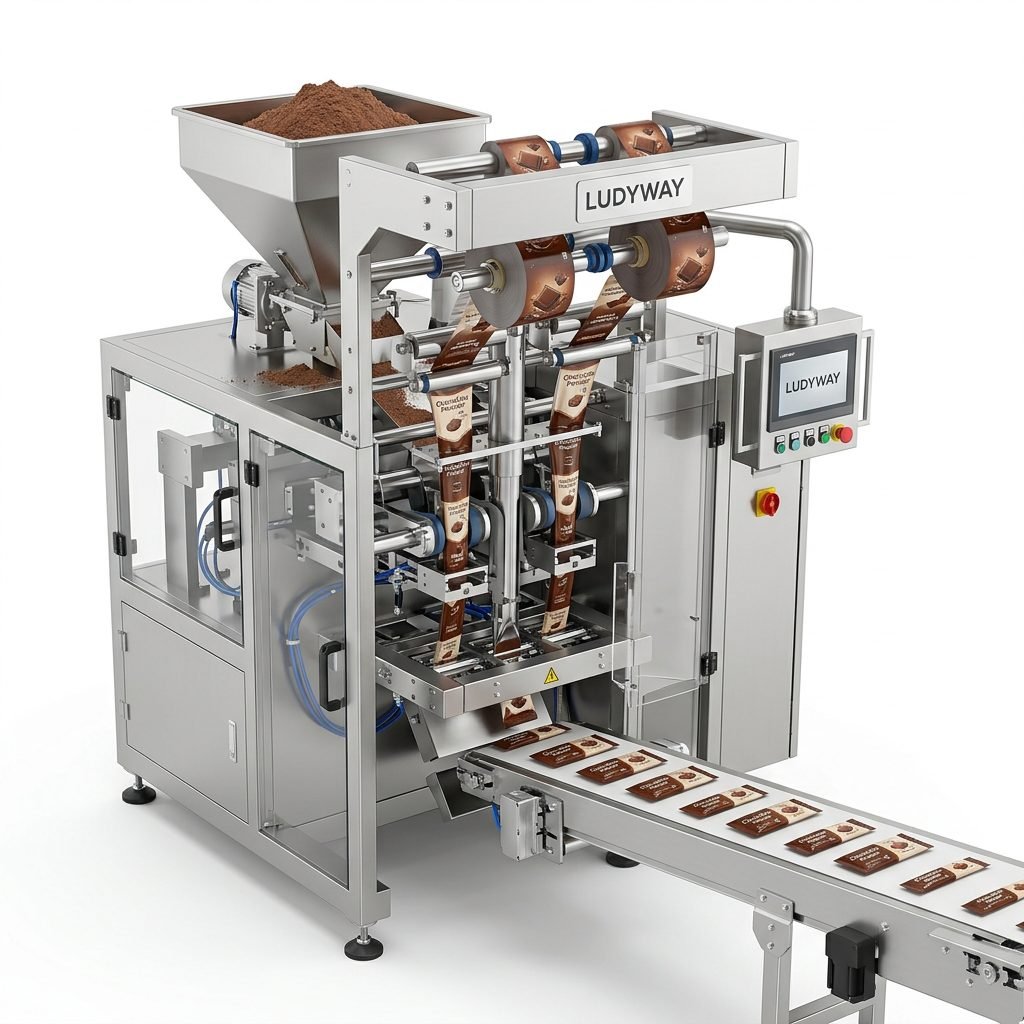
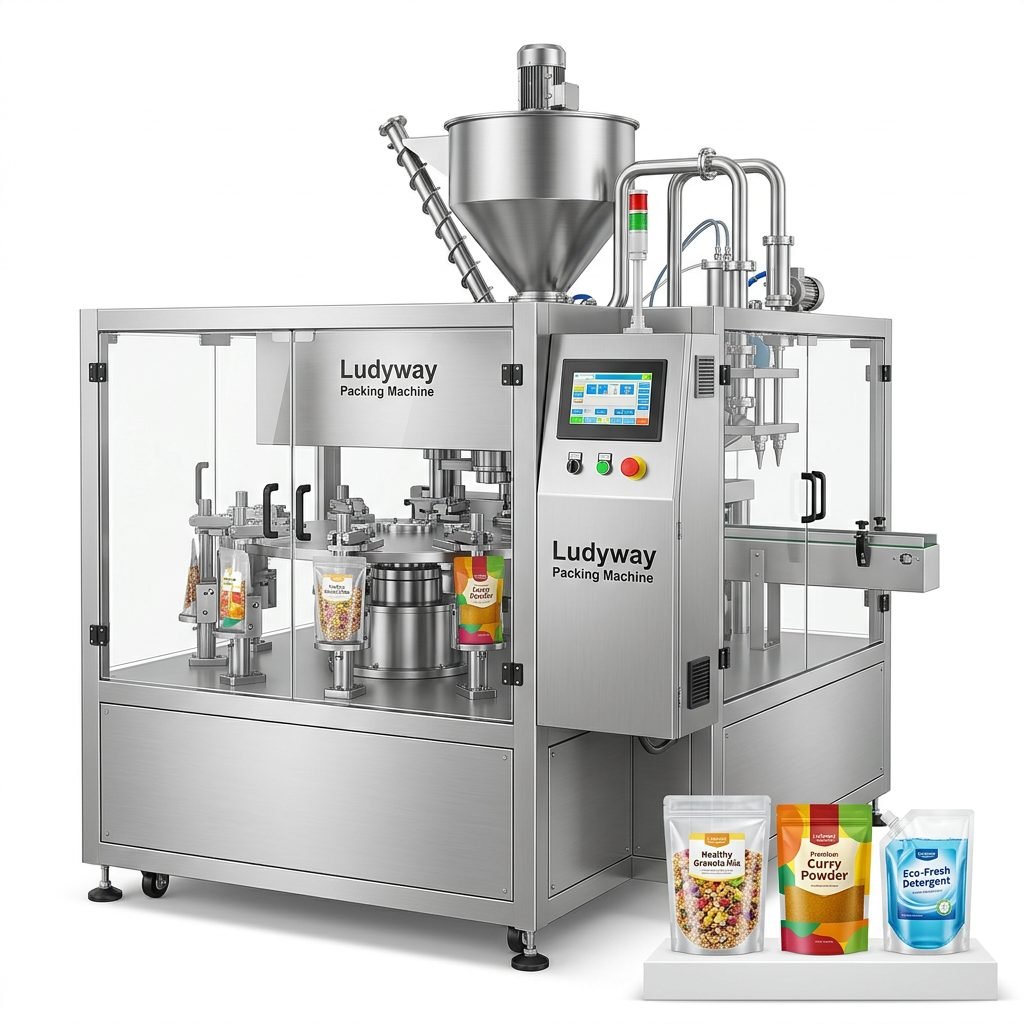
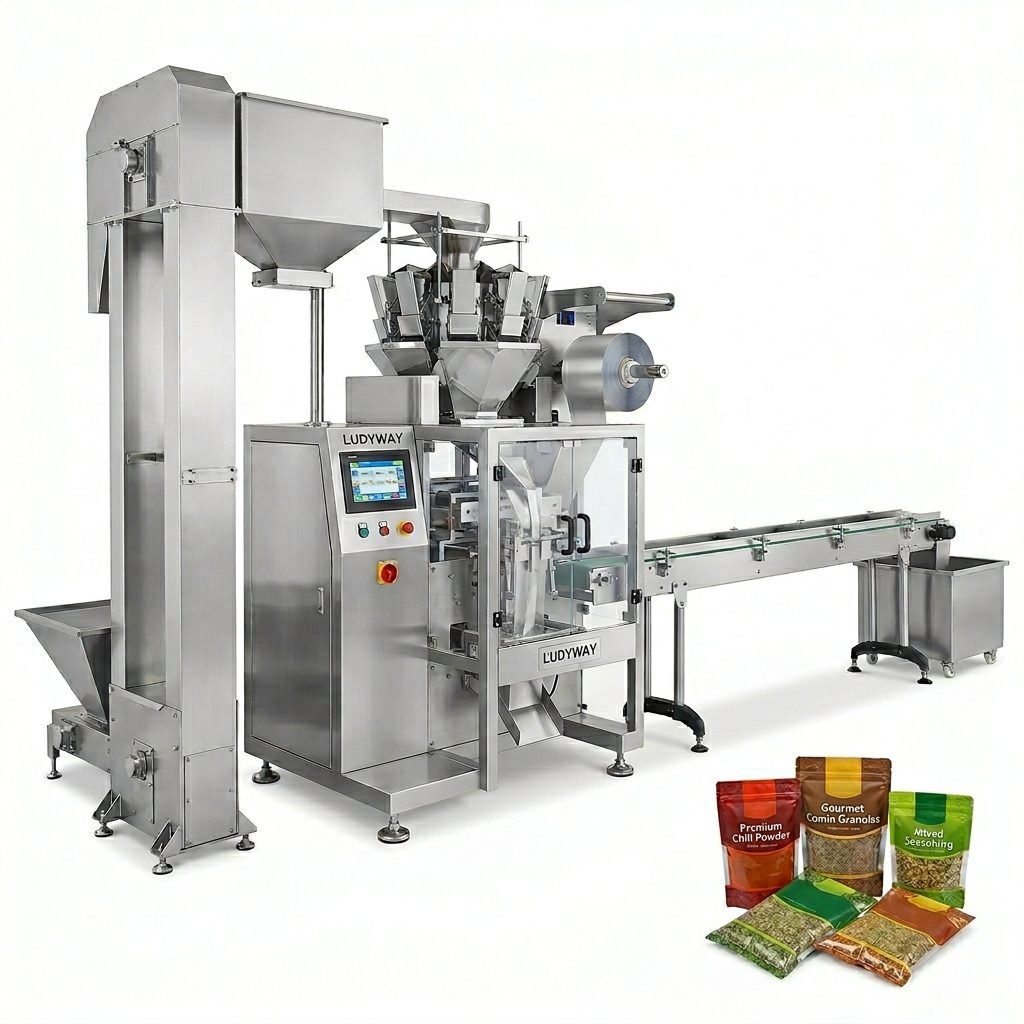
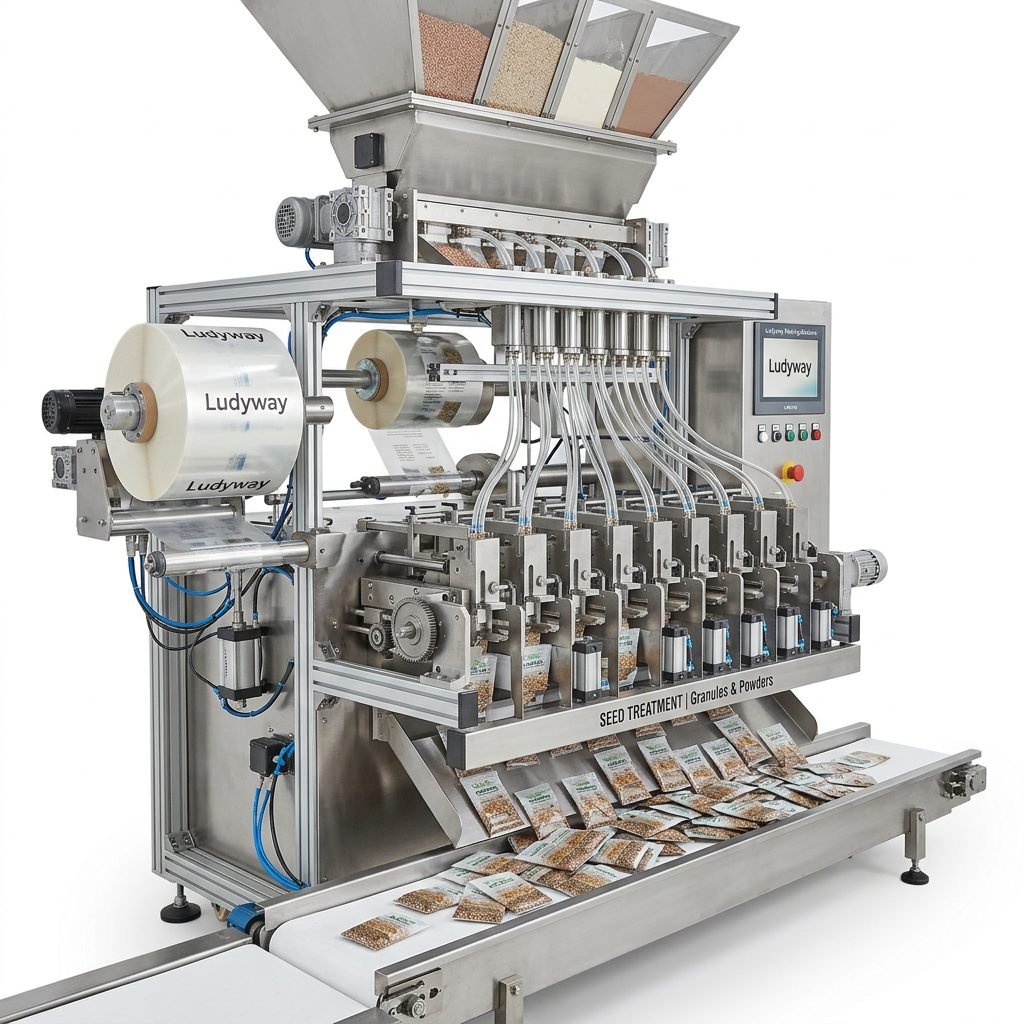
Purchasing a cartoner marks the beginning of a long-term relationship with your supplier. A genuine packaging machinery manufacturer can tailor solutions to your unique product characteristics and factory layout, rather than forcing you to adapt to a rigid machine design. As a premier China-based provider, Ludyway Machinery operates a 20,000-square-meter manufacturing facility with over 130 professionals and more than 50 machine models. Their team focuses on developing automated packaging equipment and integrated systems for manufacturers worldwide, covering everything from machine selection and engineering customization to installation and after-sales support. Significantly, Ludyway is expected to achieve export revenue of more than RMB 500 million (approximately US$69 million) in 2025, and plans to surpass RMB 1 billion (approximately US$138 million) in export revenue in 2026, reflecting strong global confidence in their turnkey solutions.

Common Questions About Cartoner Selection
How do I know if I need a horizontal or vertical cartoner?
If your product is a stable, pre-packed unit (like a tube or pouch), choose horizontal. If your product is granular or loose until it enters the carton, choose vertical.
What is the typical lead time for a custom cartoning system?
Standard machines may ship in 8-12 weeks, while custom-engineered lines sourcing specialty flexible packaging components can take 4-6 months depending on complexity.
Can one machine handle multiple carton sizes?
Yes, many automatic cartoners offer servo-driven changeover that switches sizes in minutes without tools.
Conclusion
Selecting a cartoner packaging machine requires a methodical review of your product specs, speed demands, and long-term automation road map. By focusing on build quality, changeover technology, and total cost of ownership, you secure not just a piece of equipment, but a competitive advantage in your production line. When you are ready to explore turnkey solutions backed by decades of engineering expertise, we invite you to contact our team for a customized consultation and quotation.