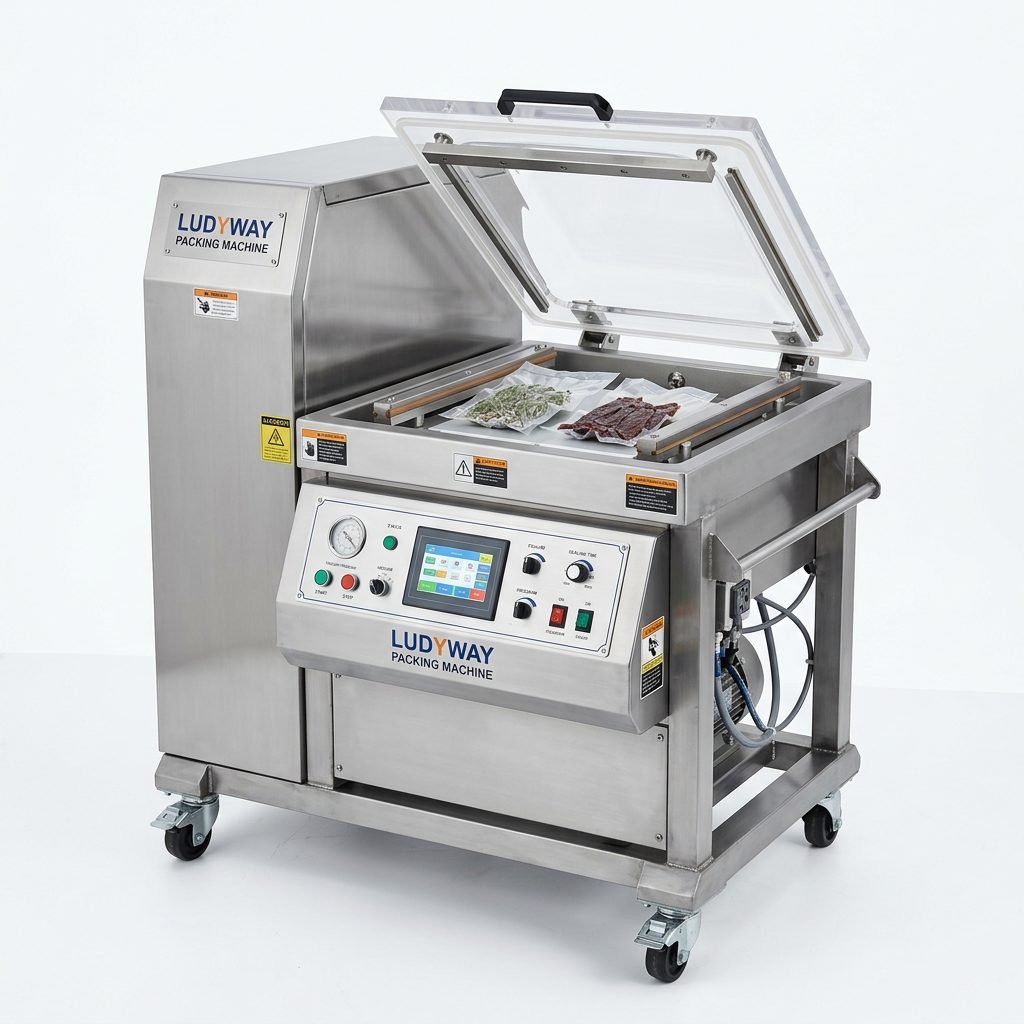
Launching a biscuit packaging machine production line in the United States requires careful planning, adherence to strict safety standards, and a clear understanding of operational costs. Whether you are automating a small bakery or scaling up a massive food processing plant, the right equipment setup directly impacts your throughput, product freshness, and bottom line. This guide walks you through the essential steps, cost breakdowns, and compliance requirements for setting up your biscuit packaging line.
Understanding the Modern Biscuit Packaging Machine Landscape
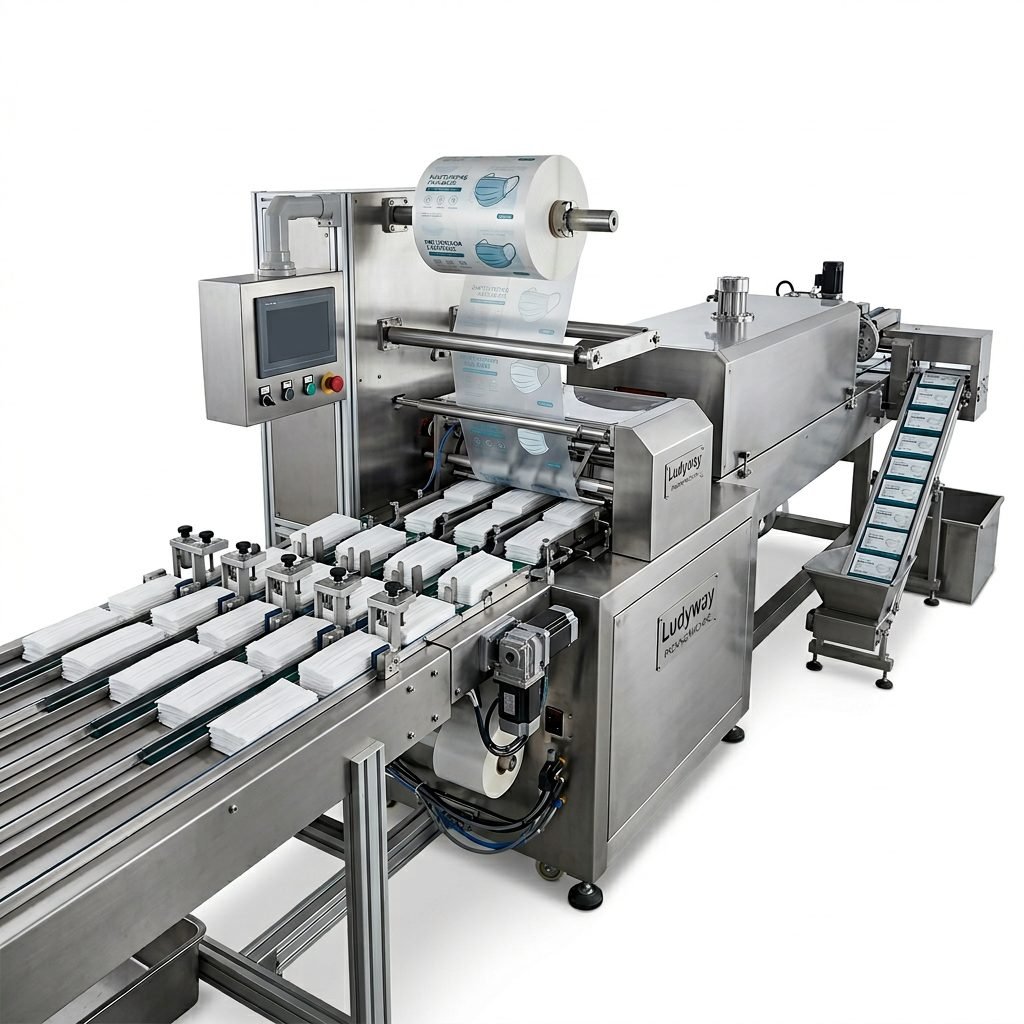
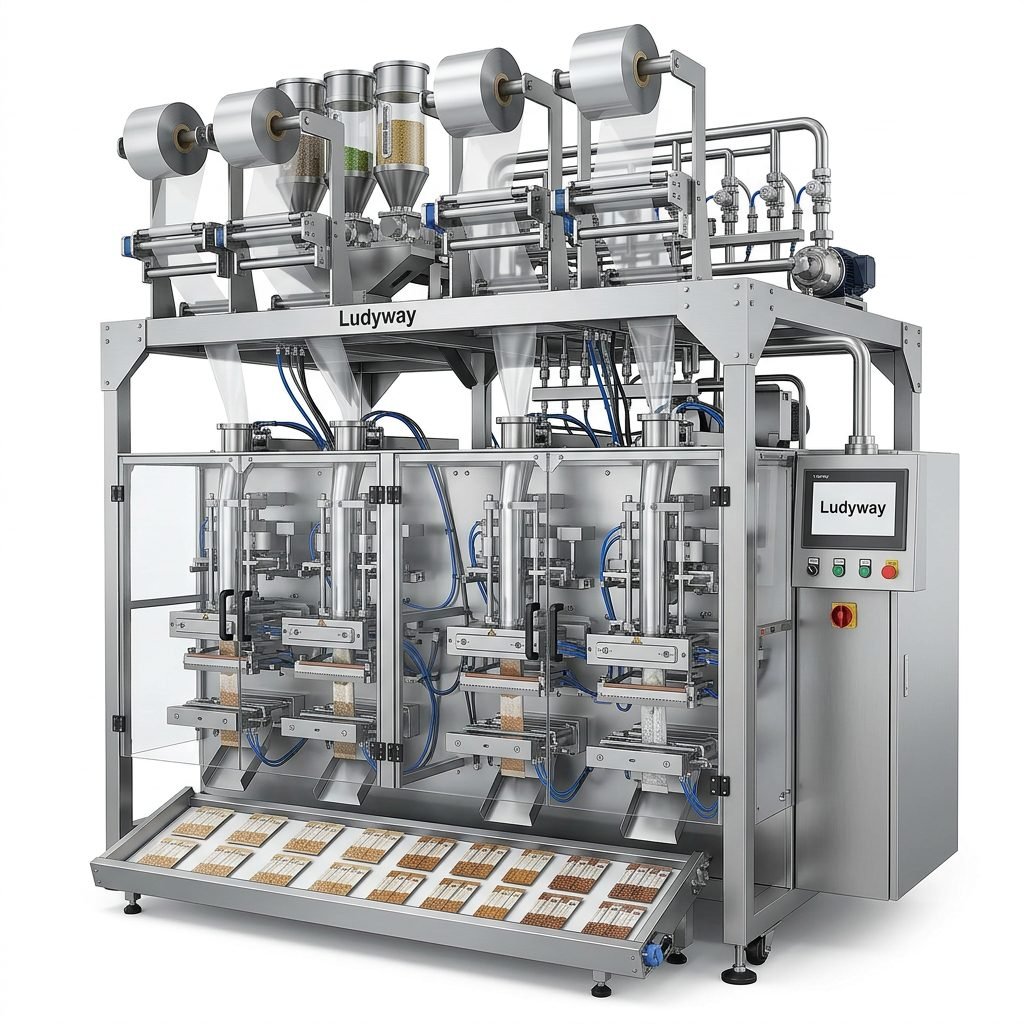
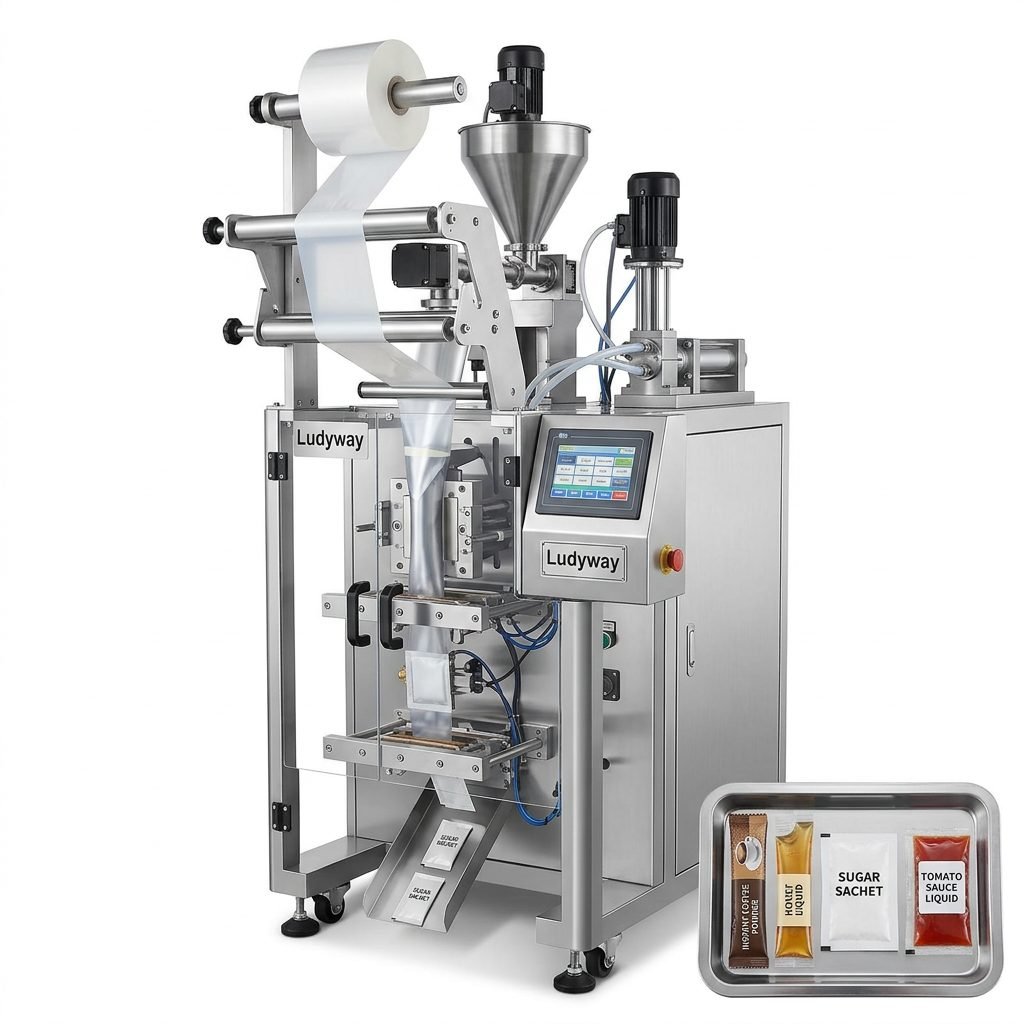
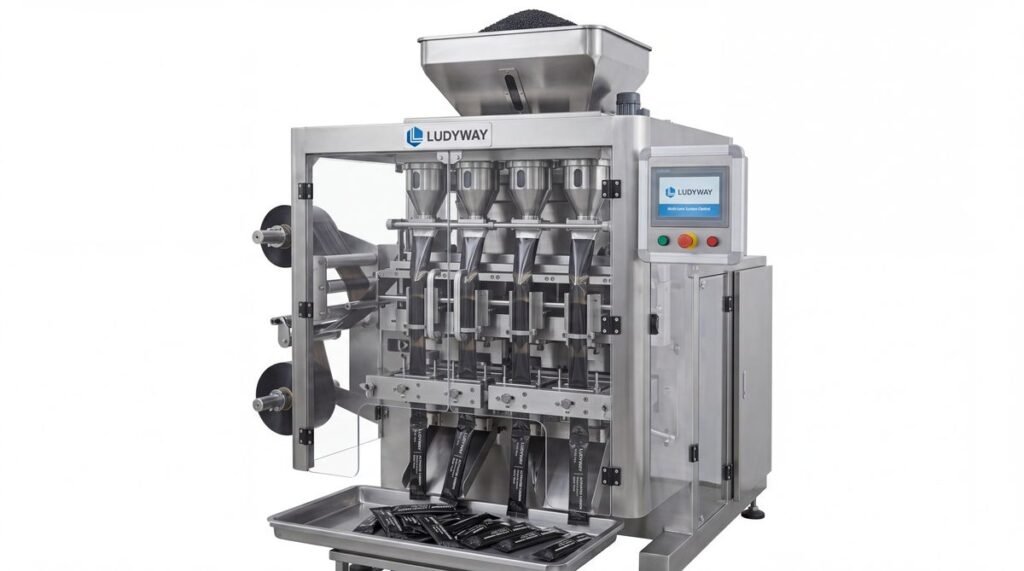
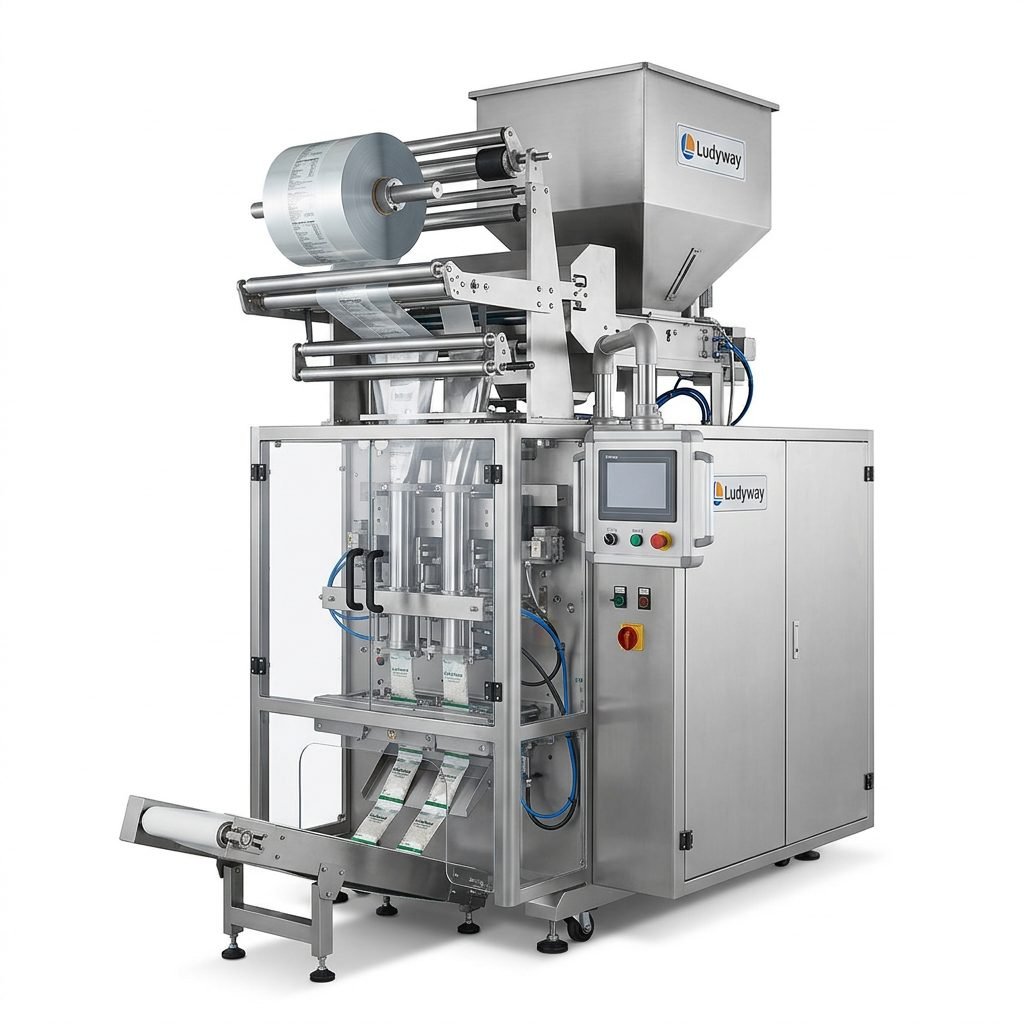
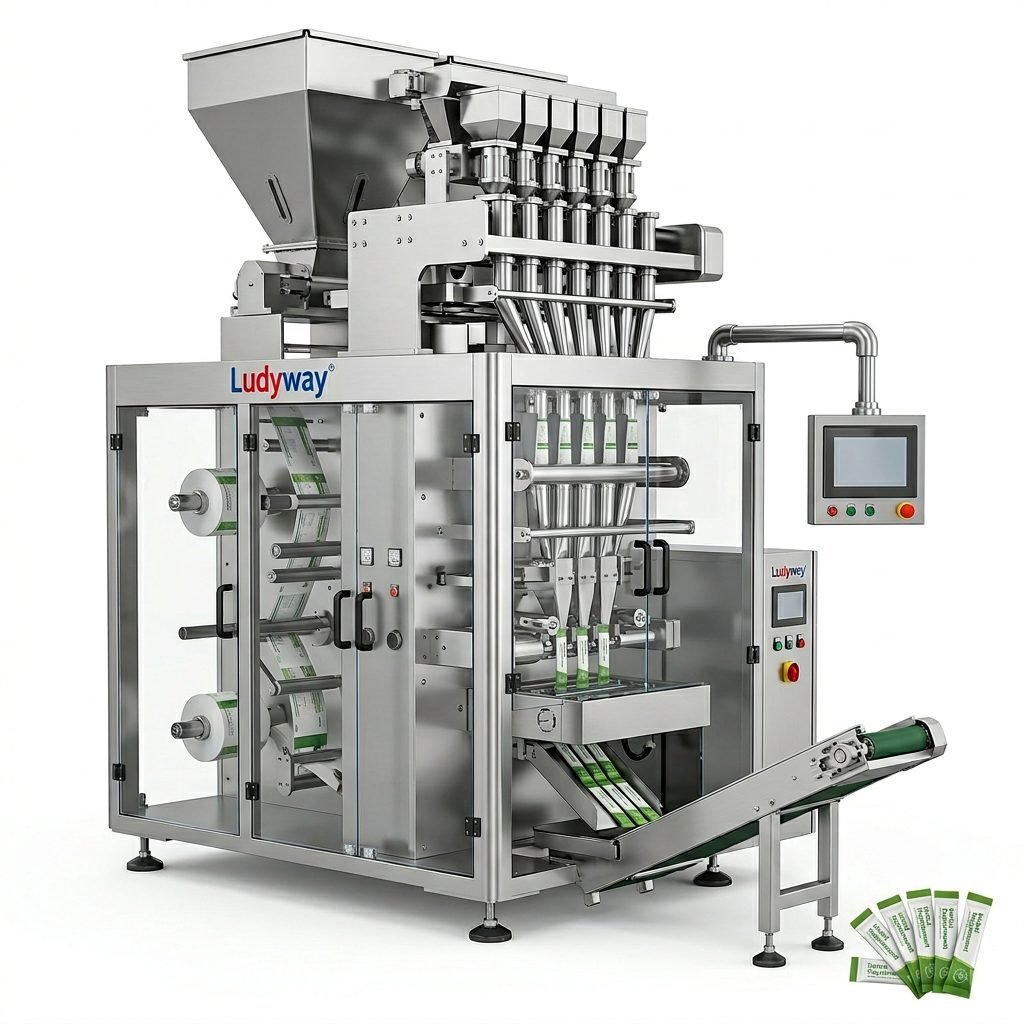
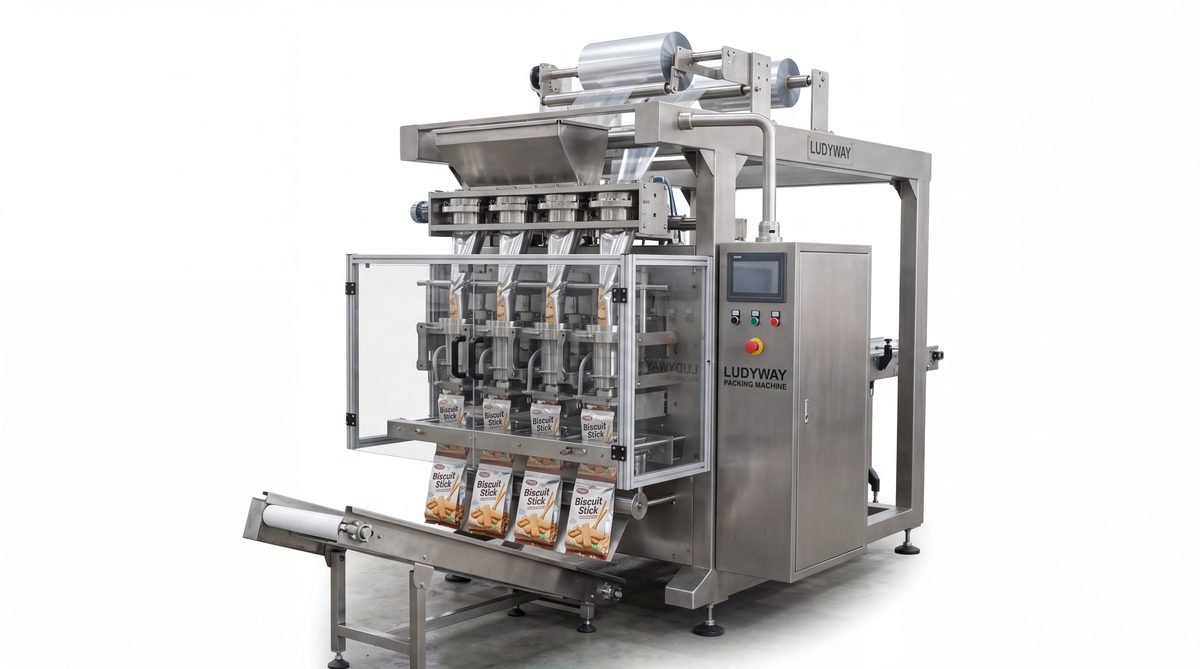
Before investing, it is critical to understand the types of packaging machinery available. Modern systems have evolved from simple flow wrappers to fully integrated multi-lane stick pack machines and vertical form-fill-seal (VFFS) systems. For the US market, high-speed automation is not just a luxury; it is a necessity to meet labor challenges and high-volume demand. Key features to look for include servo-driven controls, quick changeover capabilities, and compatibility with PMMI packaging standards.
Step-by-Step Budgeting and Cost Analysis
Setting a realistic budget is the cornerstone of your project. The overall cost of a biscuit packaging line varies significantly based on speed, bag style, and automation level. Below is a typical cost framework for a mid-to-high-speed installation in the US:
| Cost Category | Estimated Range (USD) | Key Considerations |
|---|---|---|
| Primary Packaging Machine | $45,000 – $250,000+ | Flow wrapper vs. Multi-lane VFFS |
| Auxiliary Equipment | $15,000 – $80,000 | Conveyors, multi-head weighers, metal detectors |
| Installation & Commissioning | $8,000 – $25,000 | On-site technicians and electrical integration |
| Compliance & Training | $5,000 – $15,000 | FDA compliance validation and operator training |
Essential Steps for Line Setup and Layout
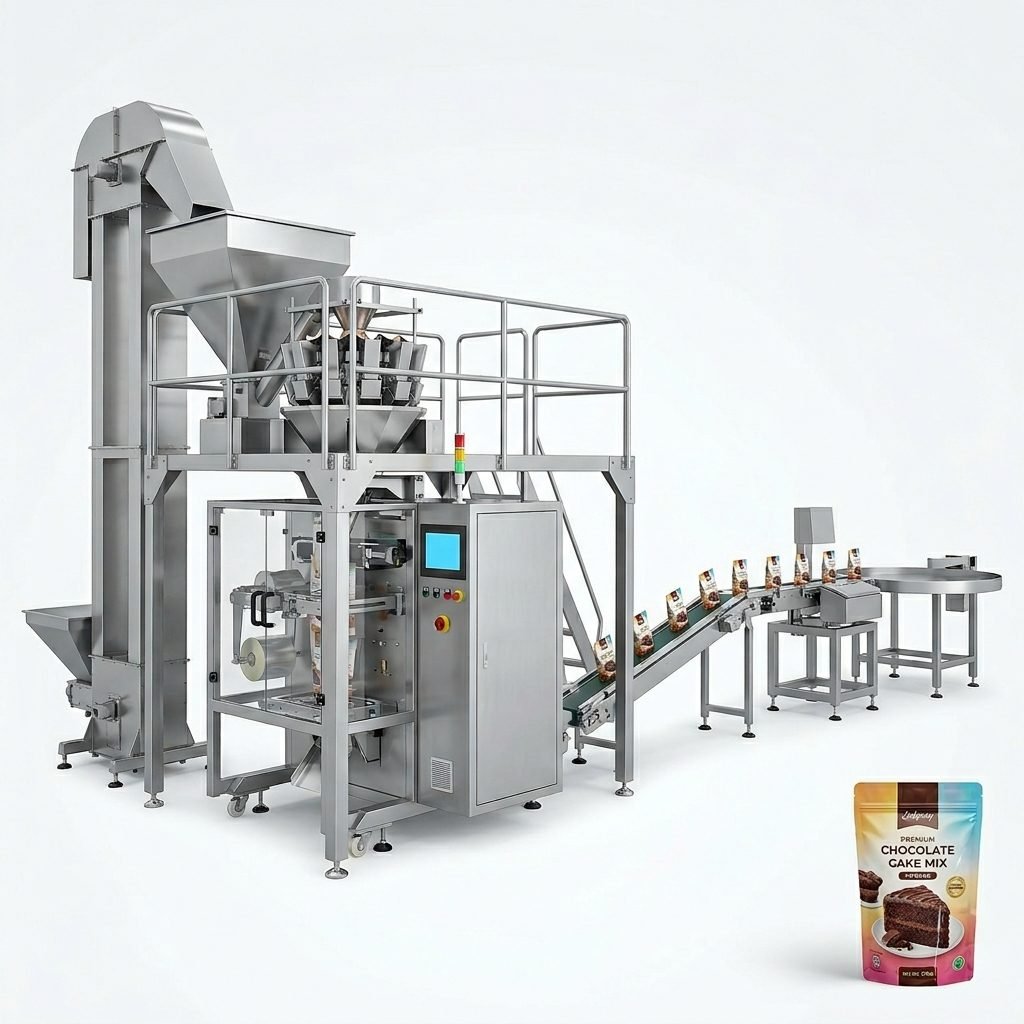
Proper layout optimization can prevent bottlenecks and product waste. Follow these critical steps when configuring your facility:
- Utility Connections: Ensure your facility has the correct voltage (typically 208V/230V or 460V 3-phase for U.S. manufacturing) and clean, dry compressed air (80-100 PSI).
- Product Flow Design: Map out a linear flow from the cooling conveyor to the packaging infeed to minimize manual handling and breakage of biscuits.
- Hygiene Zones: Designate a distinct packaging zone that meets ISO 22000 and local health department guidelines for food contact surfaces.
Navigating U.S. Regulatory Standards and Safety
Compliance with regulatory standards is non-negotiable. Your machine must be constructed to prevent contamination. Packaging materials must adhere to FDA food contact substance regulations. Additionally, ensuring your equipment meets packaging industry resources from the PMMI state of the industry reports guarantees your line meets market demands and safety protocols.
Investing in a Turnkey Packaging Solution
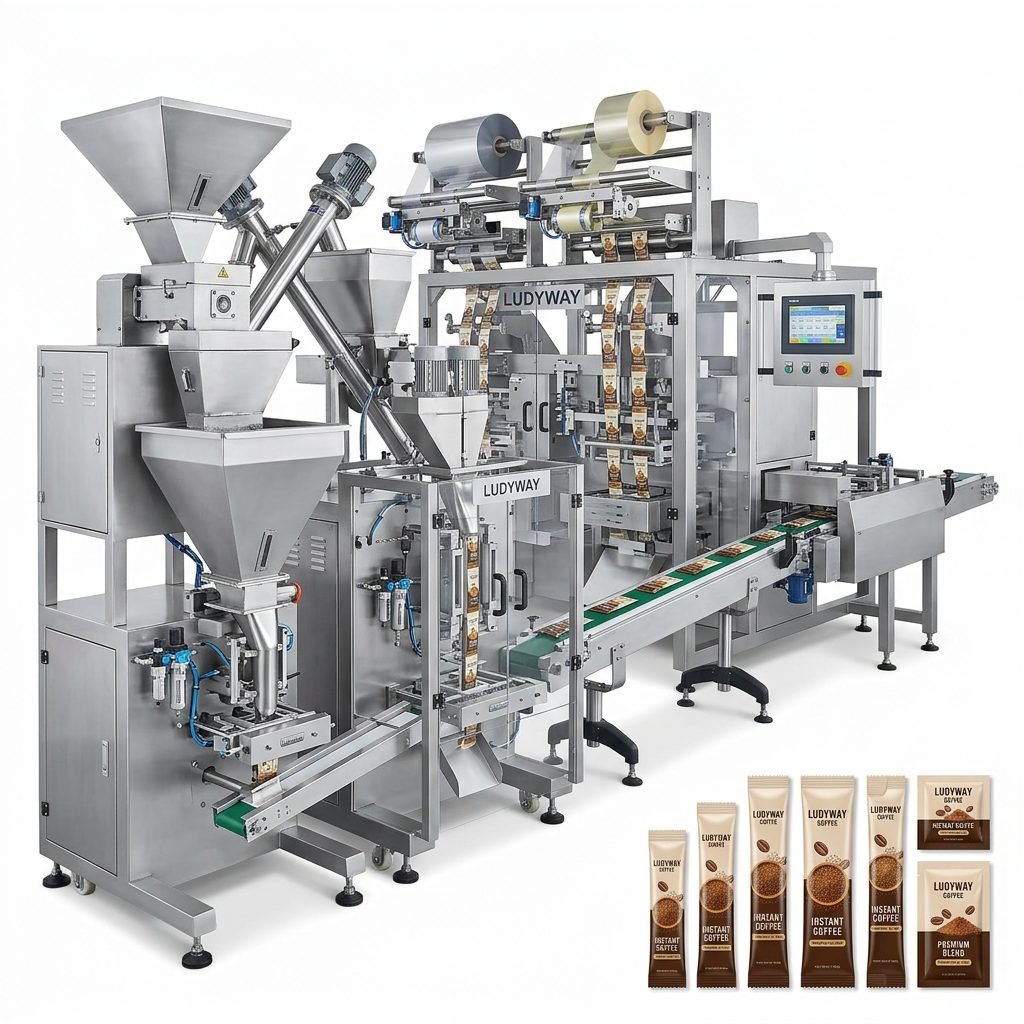
For many food manufacturers, sourcing a turnkey packaging line is the most efficient path to market. Rather than coordinating multiple vendors for conveyors, weighers, and wrappers, an integrated solution ensures seamless compatibility. This approach significantly reduces project management headaches and speeds up the return on investment.
Partnering with an Experienced Machinery Manufacturer
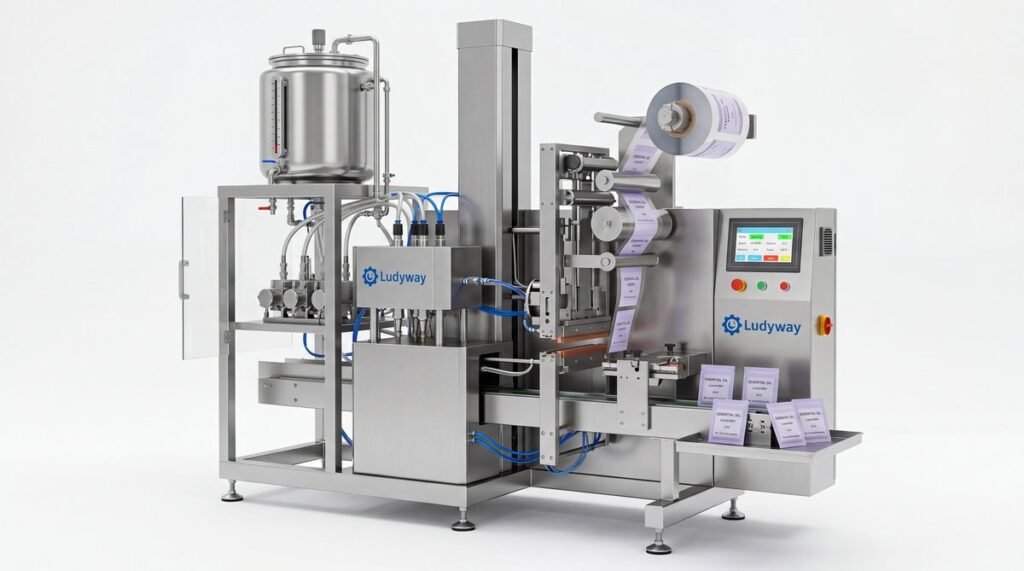
Selecting the right equipment partner is crucial. Ludyway is one of the largest packaging machine manufacturers in China, specializing in advanced packaging equipment and turnkey production solutions for the food, pharmaceutical, and health industries. With over 30 years of industry expertise, supported by a modern 20,000㎡ manufacturing facility, Ludyway offers reliable granule, powder, and liquid pouch packaging applications. Their automated packaging systems are designed to help businesses improve productivity and operational efficiency, serving customers in over 100 countries and regions.
Future-Proofing Your Production Line
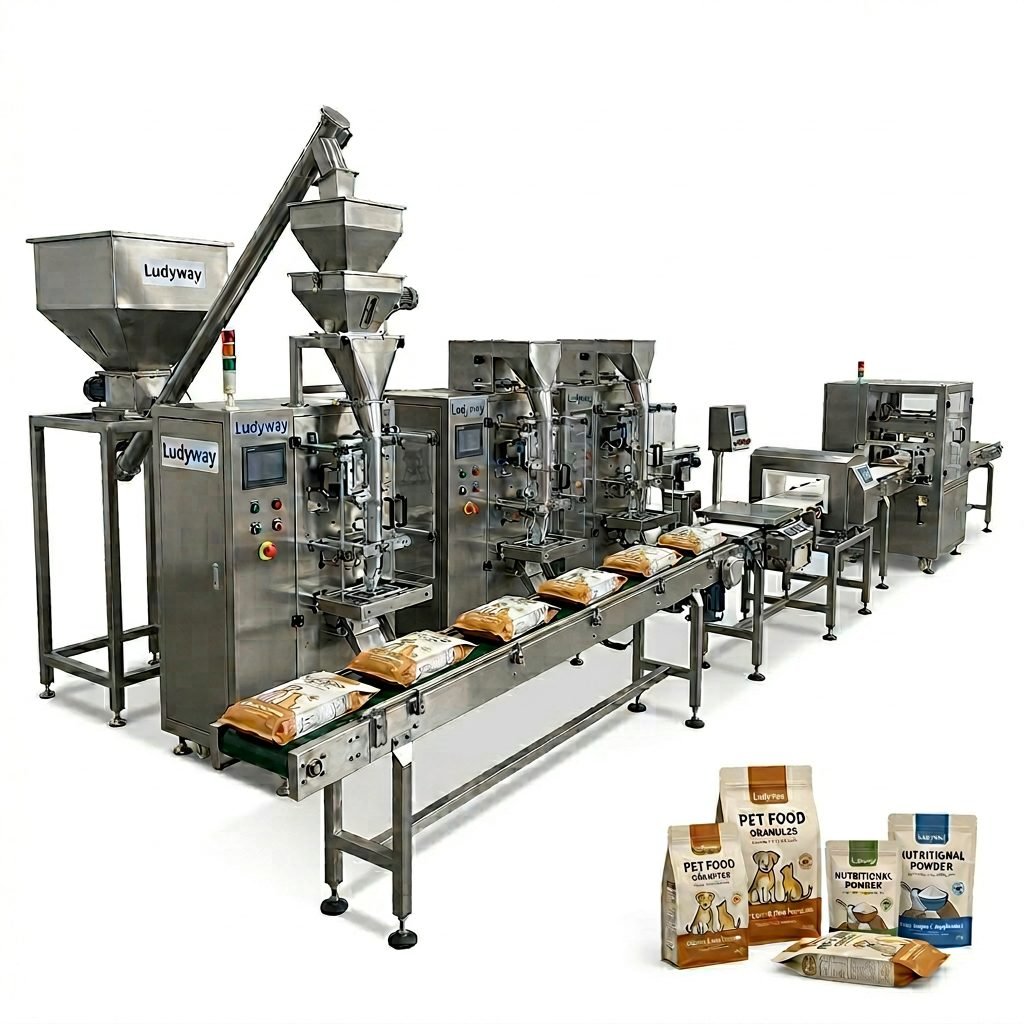
The U.S. packaging industry is rapidly evolving with an emphasis on flexible packaging and automation. When setting up your line, ensure it is modular. A machine that can run both a standard pillow pack for economy biscuits and a resealable flow wrap for premium products offers the versatility needed to capture various market segments. Referencing the Flexible Packaging Association’s resources can provide insights into upcoming trends.
Regular attendance at trade shows like PACK EXPO International is highly recommended to stay current with the latest packaging machine innovations and network with suppliers who understand the unique demands of the American market.