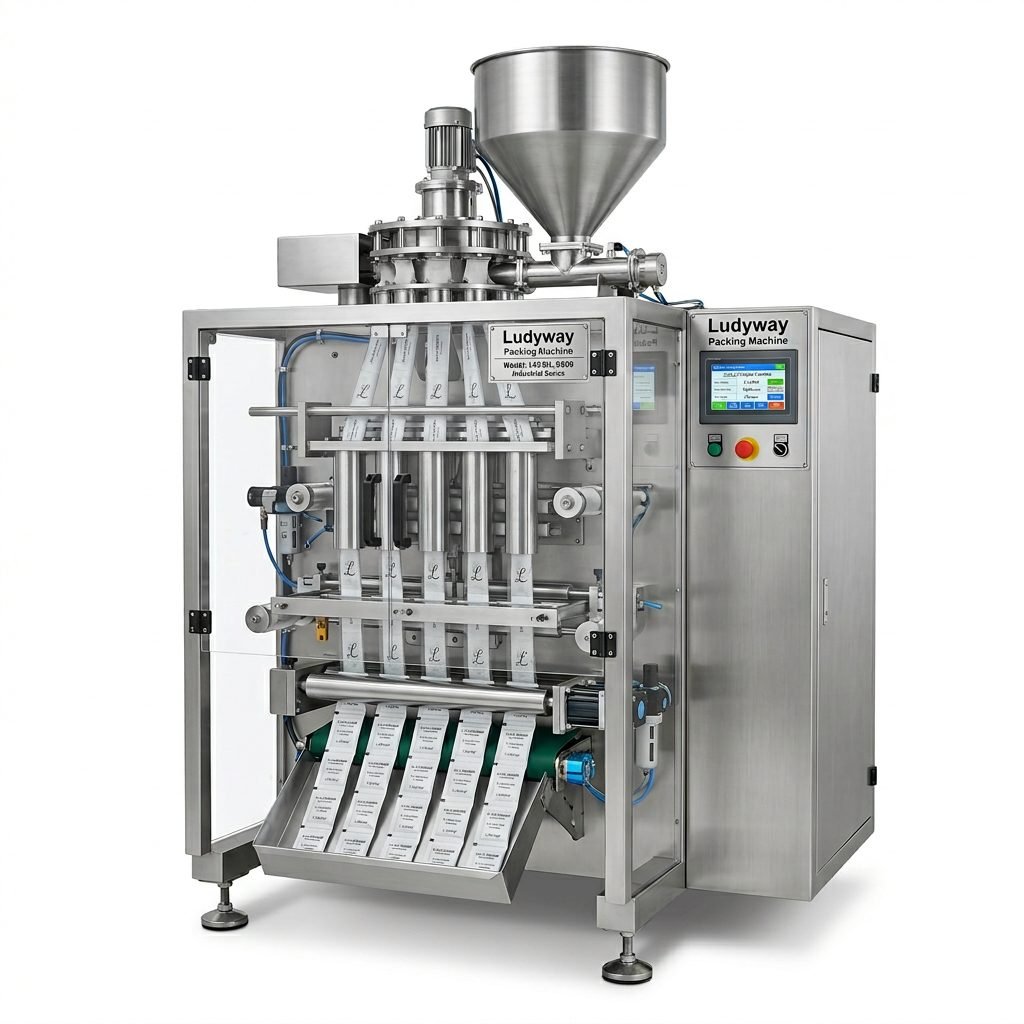
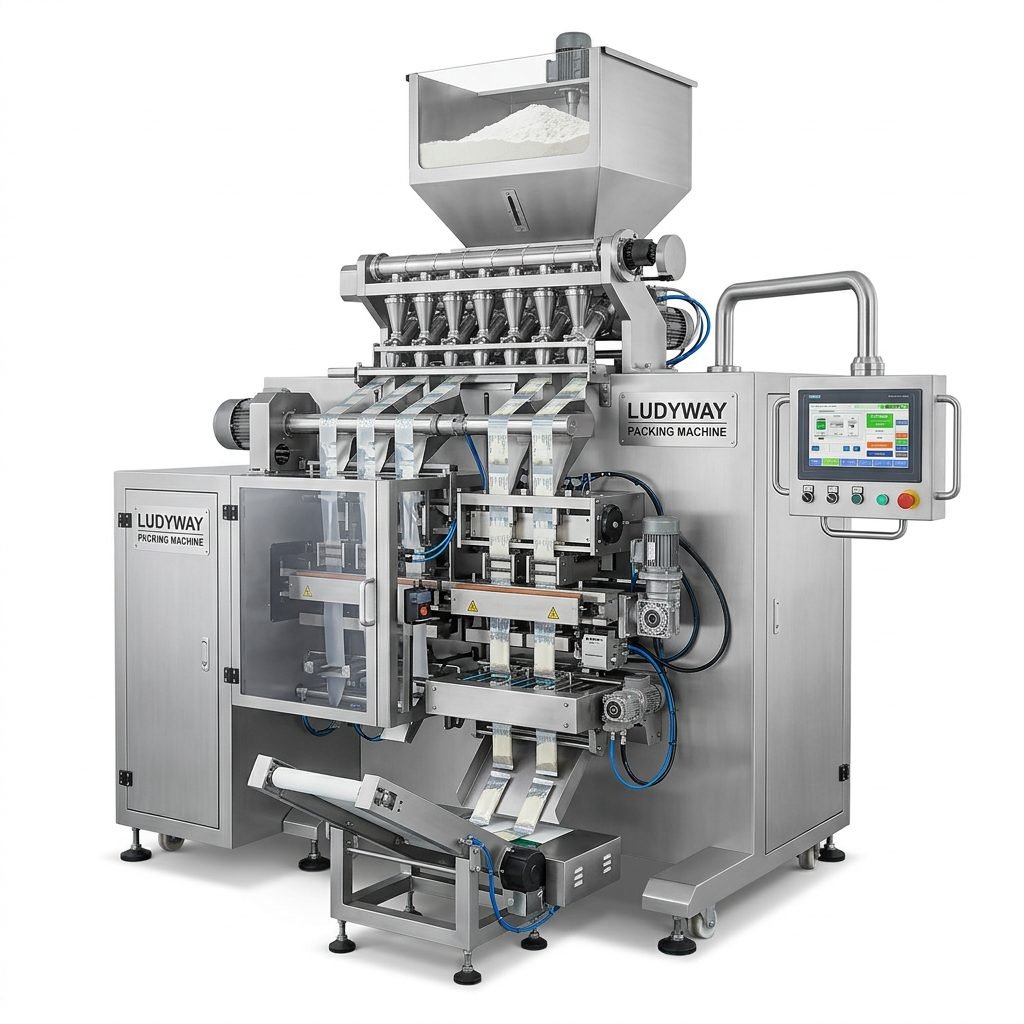
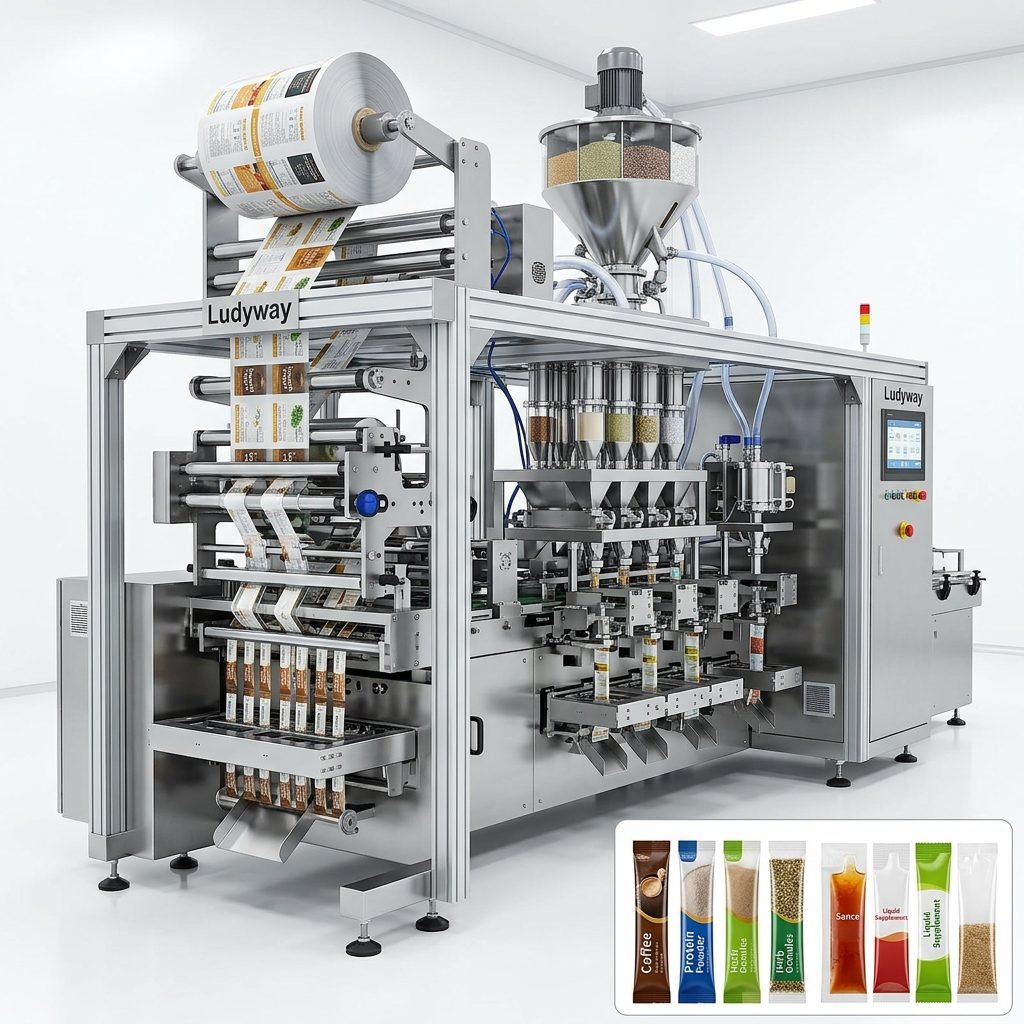
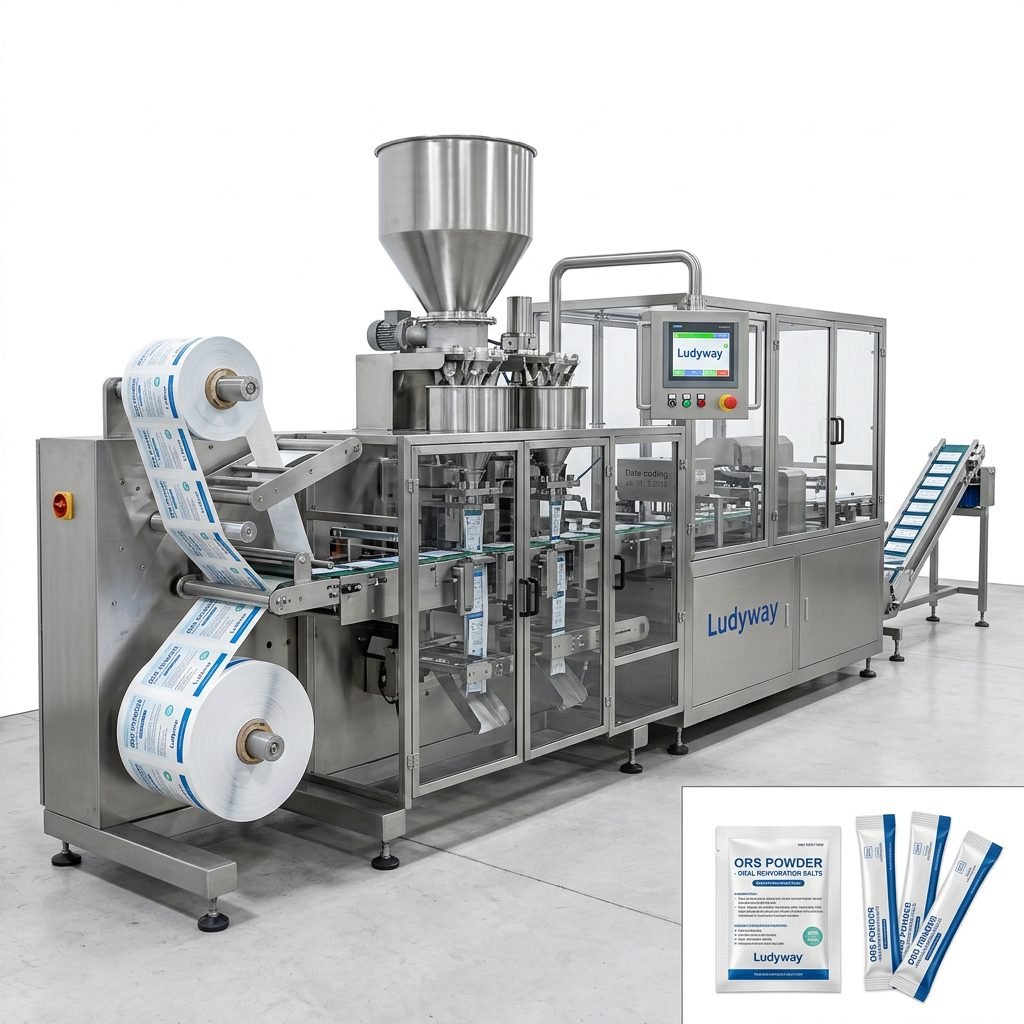
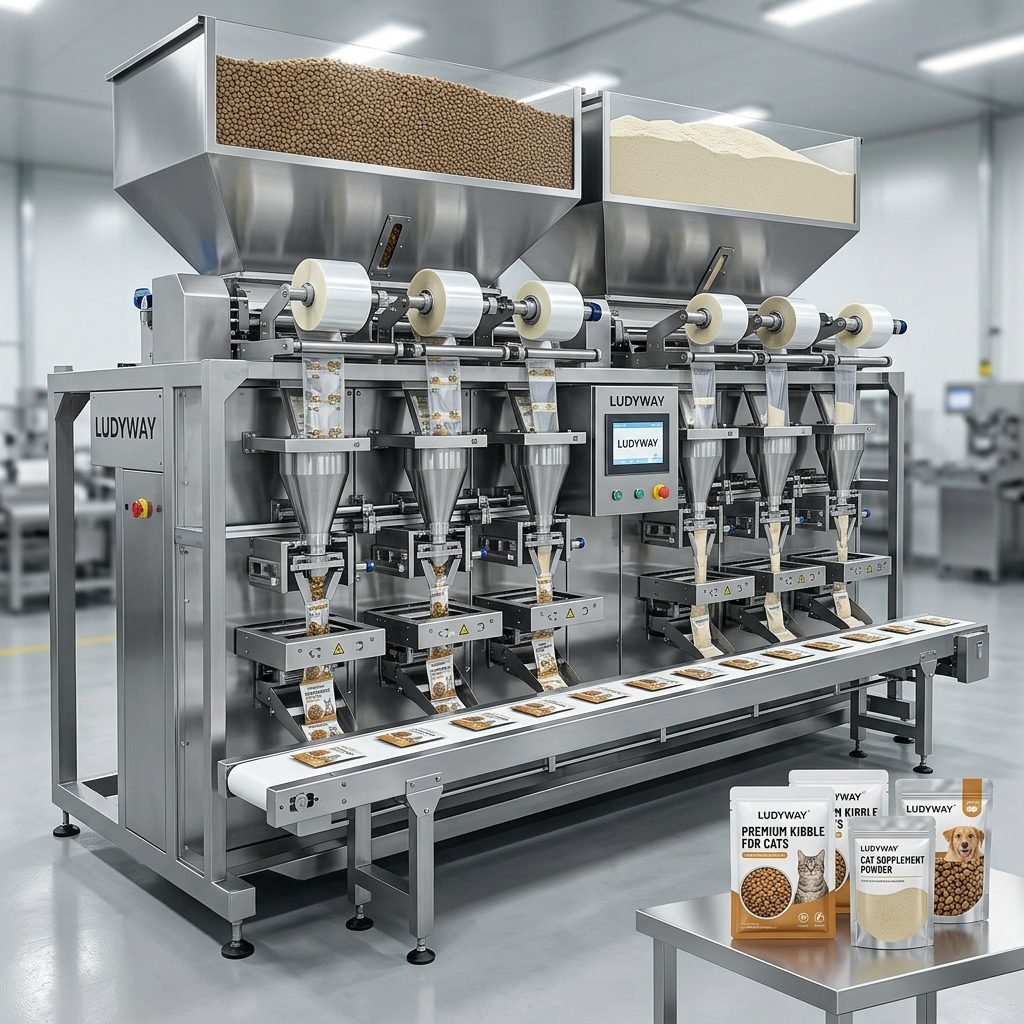
Spices are among the most sensitive packaged products in the food industry. Their aroma, color, particle size, and flow characteristics can change quickly if they are exposed to moisture, air, or inconsistent filling conditions. A spice filling machine is designed to solve these problems by dosing and packaging spices accurately, cleanly, and efficiently for retail, foodservice, and industrial markets.
Whether you pack chili powder, turmeric, cumin, black pepper, curry blends, garlic powder, seasoning granules, or mixed spice sachets, the right filling system helps improve product consistency, packaging speed, hygiene, and shelf appeal.
What Is a Spice Filling Machine?
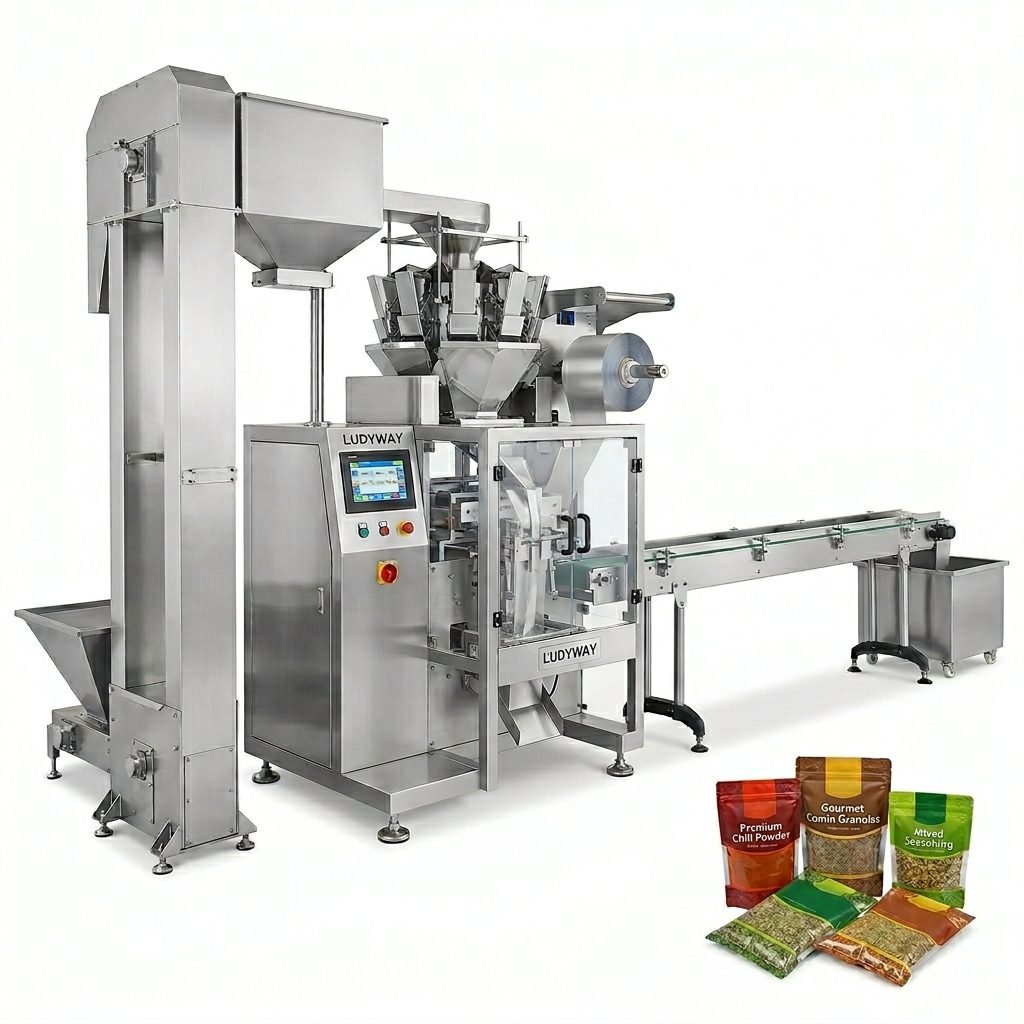
A spice filling machine is packaging equipment used to measure, fill, and pack powdered or granular spices into containers such as sachets, stick packs, pouches, jars, bottles, and larger bags. Depending on the product and package format, the machine may use auger filling, volumetric cups, multihead weighing, or other dosing technologies.
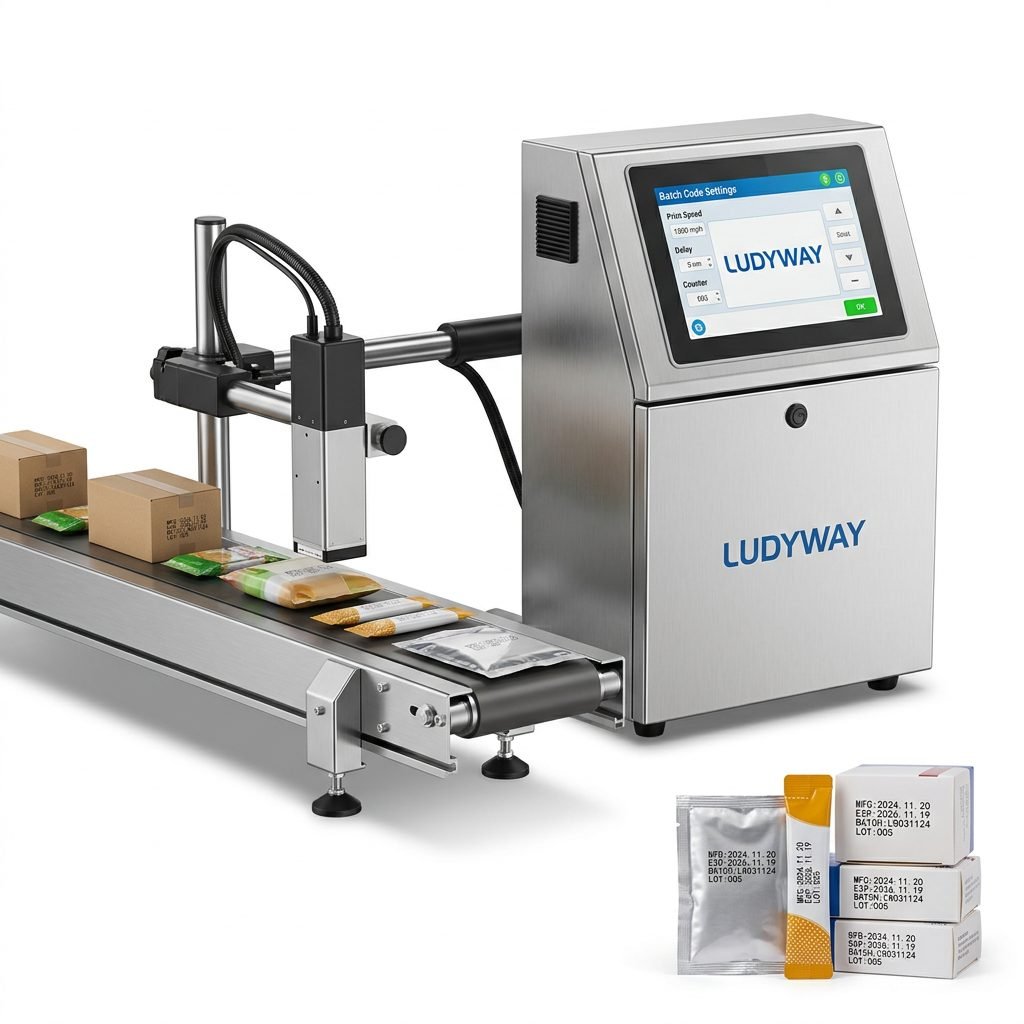
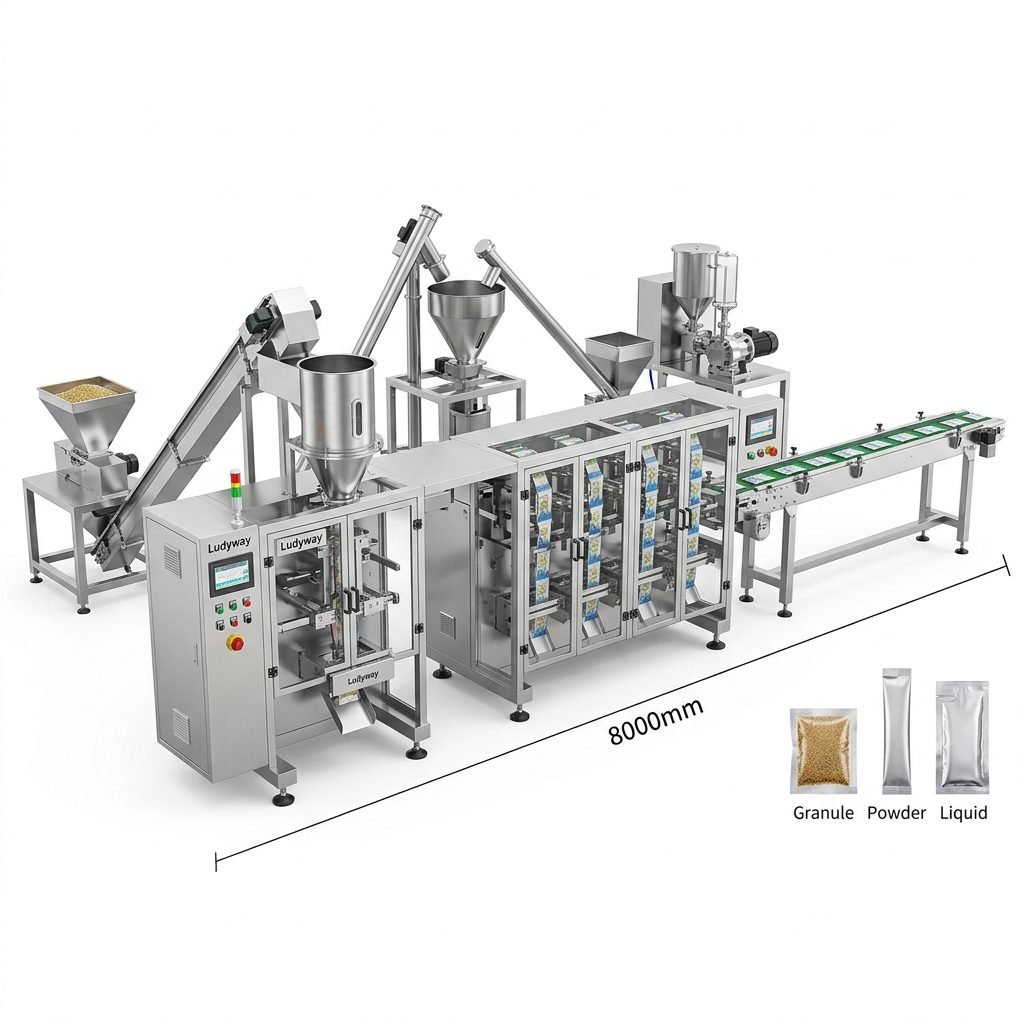
Its main function is to ensure each package receives the correct amount of spice while maintaining hygienic handling and stable production output. In automated lines, the filling machine is often integrated with feeding, sealing, labeling, coding, inspection, cartoning, and end-of-line systems.
How Spice Filling Machines Work
Although machine design varies by application, most spice packaging solutions follow a similar process:
- Bulk spice is loaded into a hopper or feeding system.
- The product is transferred in a controlled manner to the dosing unit.
- The machine measures the required quantity for each pack.
- Packaging material or containers are positioned automatically.
- The spice is filled into the package.
- The package is sealed, coded, and discharged for the next stage.
For dusty powders such as paprika, chili powder, cinnamon, and curry blends, manufacturers often add dust control, nitrogen flushing, and high-precision filling modules to protect both product quality and the production environment.
Main Types of Spice Filling Machines
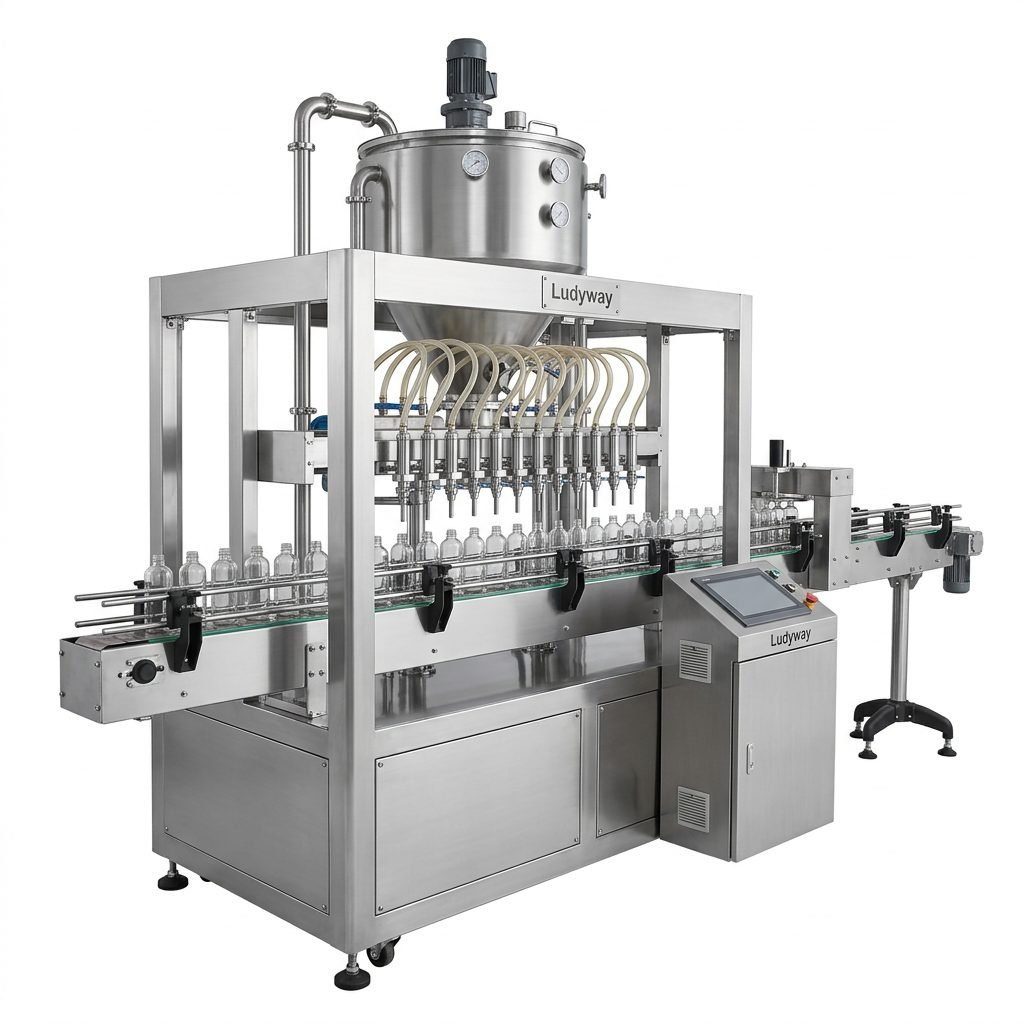
1. Auger Filling Machines
Auger fillers are widely used for fine spice powders. A rotating screw dispenses a controlled amount of product into each package. These machines are ideal for products with small particle size and applications that require consistent dosing.
- Best for: chili powder, turmeric powder, garlic powder, onion powder
- Advantages: accurate dosing, compact design, good for dusty products
- Common packages: jars, bottles, sachets, stand-up pouches
2. Volumetric Cup Fillers
Volumetric cup systems measure product by volume rather than exact weight. They are often used for free-flowing spice granules or seasoning mixes where speed is a priority.
- Best for: salt blends, seasoning granules, dried herb mixes
- Advantages: simple structure, cost-effective, fast filling
- Limitations: less suitable for very fine or non-free-flowing powders
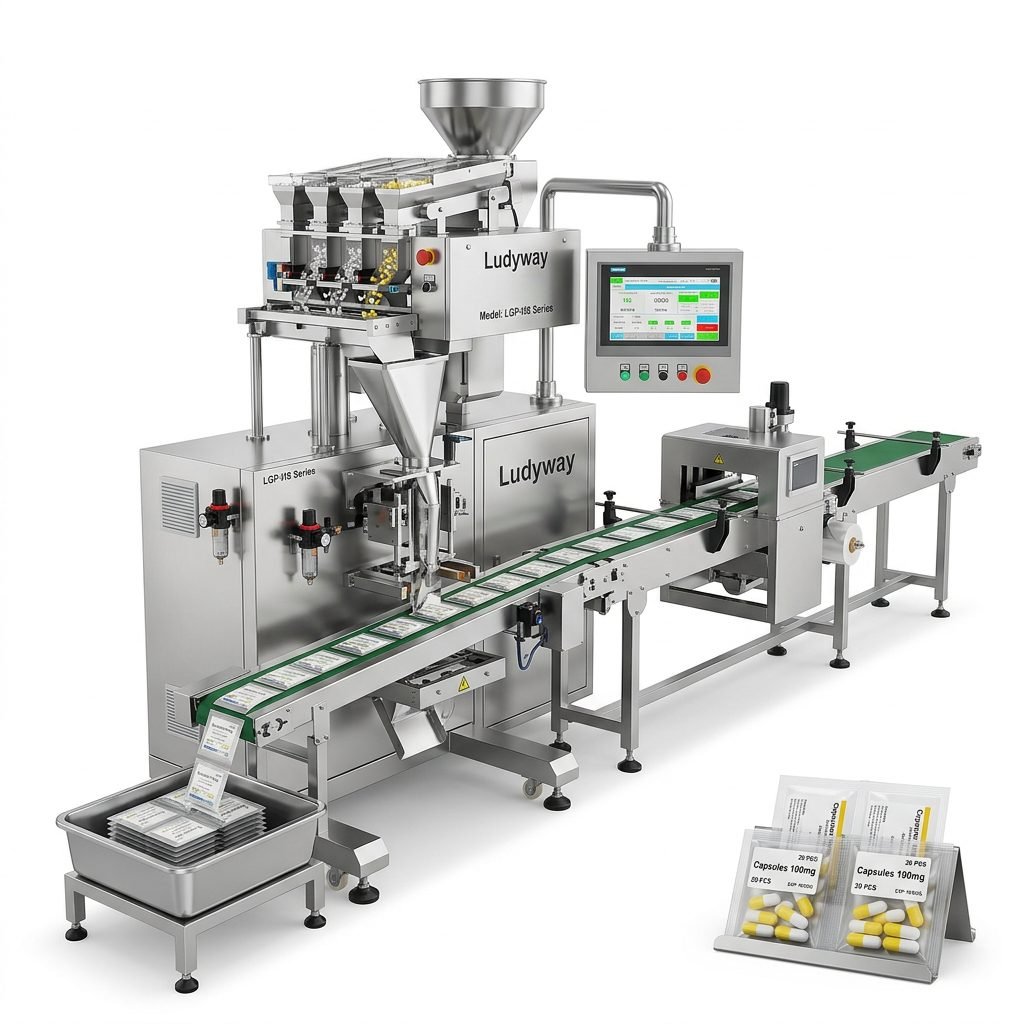
3. Multihead Weigher Packaging Machines
When spices are blended with flakes, seeds, or irregular particles, multihead weighers provide higher flexibility. They combine multiple weighing heads to achieve accurate target weight.
- Best for: mixed seasonings, spice blends with herbs, coarse granules
- Advantages: high accuracy, good speed, excellent for mixed products
4. Vertical Form Fill Seal Machines
VFFS systems form pouches from roll film, fill the spice, and seal the pack in one automatic cycle. They are popular for retail and bulk spice packaging.
- Best for: pillow bags, gusset bags, sachets
- Advantages: efficient, flexible, easy to integrate into automatic lines
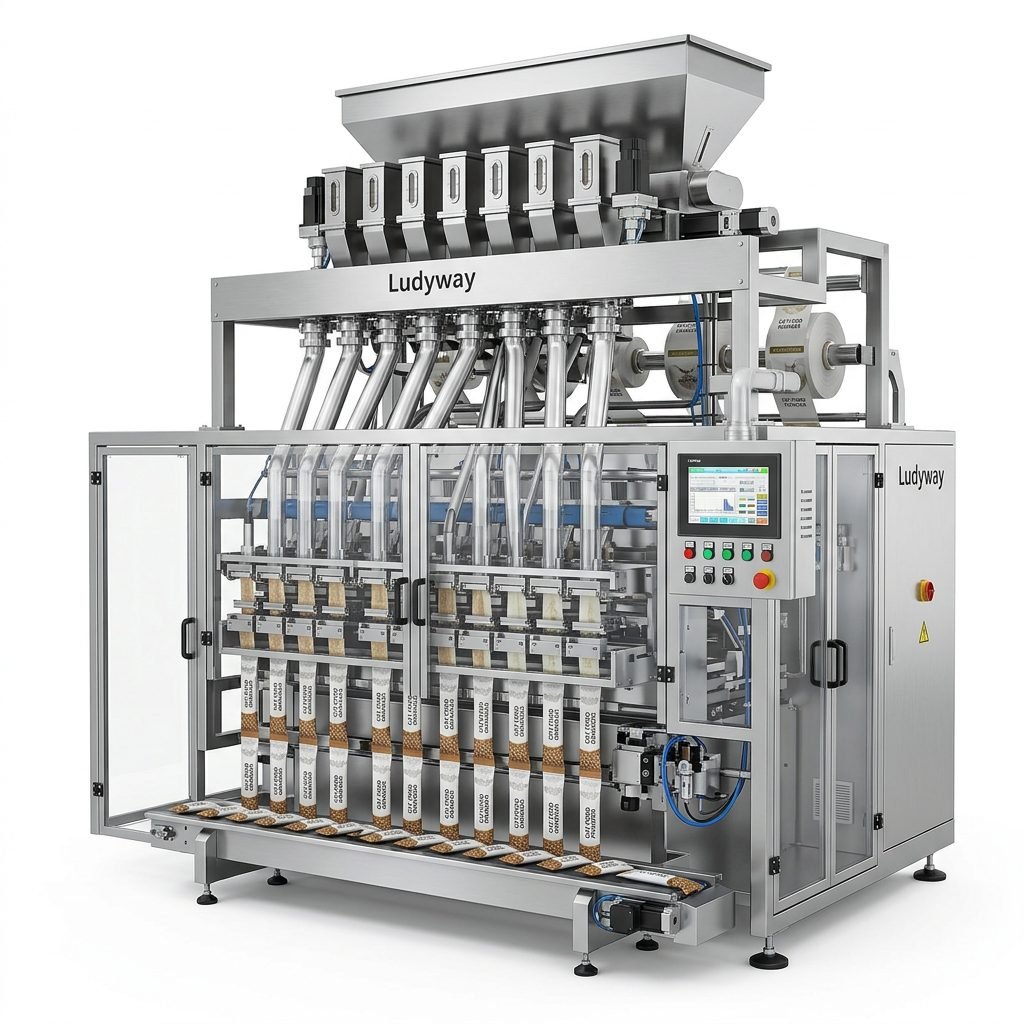
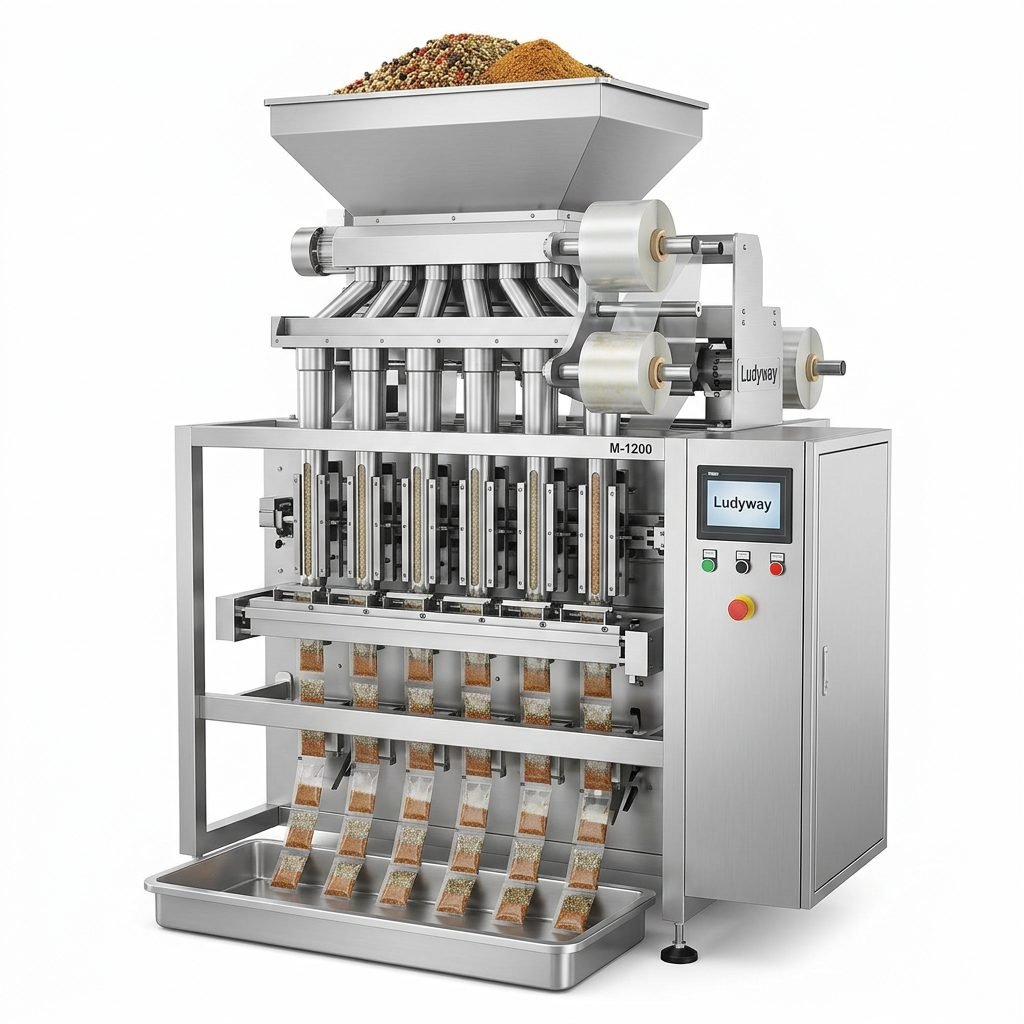
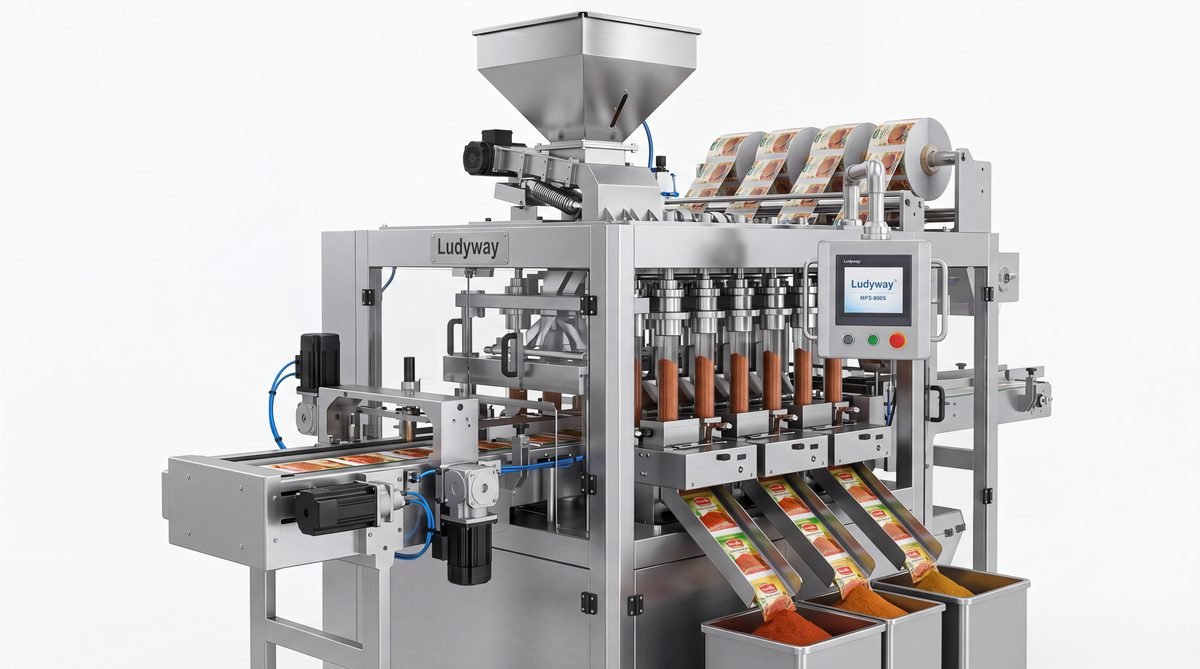
5. Sachet and Stick Pack Machines
These systems are ideal for single-serve spice packaging used in foodservice, takeaway condiments, travel packs, and instant meal kits.
- Best for: black pepper sachets, salt-and-spice combo packs, seasoning sticks
- Advantages: high-speed small-dose packaging, strong retail convenience
Which Spice Products Can Be Filled?
Modern spice packaging systems can handle a wide range of products, including:
- Single spice powders such as turmeric, paprika, cumin, cinnamon, pepper, ginger, and garlic powder
- Seasoning blends for meat, snacks, noodles, soups, and ready meals
- Coarse spices and granules
- Dried herbs and herb-spice combinations
- Industrial or foodservice bulk spice bags
- Retail sachets, jars, and stand-up pouches
Common Packaging Formats for Spices
| Packaging Format | Typical Use | Recommended Filling Method |
|---|---|---|
| Sachets | Single-use seasoning packs | Auger filler or multi-lane sachet system |
| Stick packs | Portable narrow packs for individual portions | Multi-lane stick pack machine |
| Pouches | Retail refill packs and stand-up packs | VFFS or premade pouch machine |
| Jars and bottles | Retail spice containers | Auger filling line with capping and labeling |
| Large bags | Foodservice and industrial bulk supply | Weighing and bagging system |
Key Benefits of Using a Spice Filling Machine
- Higher filling accuracy to reduce giveaway and product loss
- Better hygiene through enclosed product contact and reduced manual handling
- Improved efficiency with faster and more stable production
- Consistent package appearance for stronger shelf presentation
- Reduced dust and waste in powder packaging environments
- Easy integration with conveyors, sealers, checkweighers, and cartoners
Important Features to Look For
Choosing the right spice packaging equipment requires more than looking at speed alone. Spice characteristics can vary significantly from one product to another, so buyers should focus on machine suitability and long-term reliability.
- Filling accuracy for both light and dense powders
- Dust-proof design to keep the machine and workshop clean
- Easy cleaning for flavor changeovers and food safety
- Material compatibility with stainless steel contact parts
- Flexible pack sizes for retail and bulk applications
- Automation level based on labor and output requirements
- Sealing quality to protect aroma and extend shelf life
How to Choose the Right Spice Packaging Solution
Before investing in a machine, ask the following questions:
- Is the spice a fine powder, coarse powder, granule, or blend?
- Does the product flow easily, or does it bridge and clump?
- What package type do you need: sachet, stick pack, pouch, jar, or bag?
- What is the target output per minute or per shift?
- How often do you change product formulas or pack sizes?
- Do you need a standalone machine or a complete automatic line?
- Are there special hygiene, export, or certification requirements?
For growing brands, it is often more practical to choose a scalable system that can support future automation, rather than a machine that only meets current output.
Spice Filling Machine vs. Spice Packaging Line
A single filling machine handles the dosing and filling stage, while a complete packaging line includes upstream and downstream equipment such as feeders, conveyors, sealers, coding units, metal detectors, checkweighers, labelers, cartoners, and palletizing systems.
| Solution Type | Best For | Investment Level |
|---|---|---|
| Standalone spice filling machine | Small to medium production, flexible operations | Lower |
| Semi-automatic packaging setup | Businesses needing labor reduction with moderate output | Medium |
| Fully automatic spice packaging line | High-volume manufacturers and export-oriented factories | Higher |
Industries That Use Spice Filling Machines
- Spice and seasoning manufacturers
- Food processing plants
- Instant noodle and ready meal factories
- Restaurant supply and foodservice packers
- Private label packaging companies
- Export-oriented food brands
Why Automation Matters in Spice Packaging
As competition increases, spice producers are under pressure to deliver better packaging quality, faster lead times, and more reliable batch consistency. Manual filling is often too slow and too inconsistent for modern market needs. Automated systems help manufacturers maintain uniform fill weight, stable sealing, traceability, and lower labor dependence.
For businesses planning long-term growth, working with an experienced equipment supplier is essential. Ludyway spice packaging solutions are backed by more than 30 years of manufacturing experience in packaging machinery and turnkey lines for powders, granules, liquids, and pouch-based products.
Frequently Asked Questions
Can one machine handle different spices?
Yes, many spice filling machines can handle multiple products, especially if they are similar in flow and density. However, machine settings and filling tools may need adjustment for best accuracy.
What is the best machine for spice powder?
For fine powders, auger filling systems are typically the best choice because they provide controlled and repeatable dosing.
Can spice filling machines package small sachets?
Yes. Multi-lane sachet and stick pack machines are specifically designed for small-dose spice packaging at high speed.
How do you control dust during spice filling?
Dust can be controlled through enclosed filling structures, dust extraction devices, stable feeding systems, and proper sealing design.
Is a turnkey packaging line better than a single filler?
If your production volume is growing or you want end-to-end automation, a turnkey line is usually the better long-term choice.
Final Thoughts
A spice filling machine is a critical part of modern spice packaging. It helps businesses package powders and granules with greater accuracy, cleanliness, and efficiency while supporting different pack styles from sachets to jars and bulk bags. The ideal solution depends on your spice type, packaging format, output target, and automation goals.
By selecting the right machine configuration, spice manufacturers can improve production performance, protect product quality, and build a more competitive packaging operation.