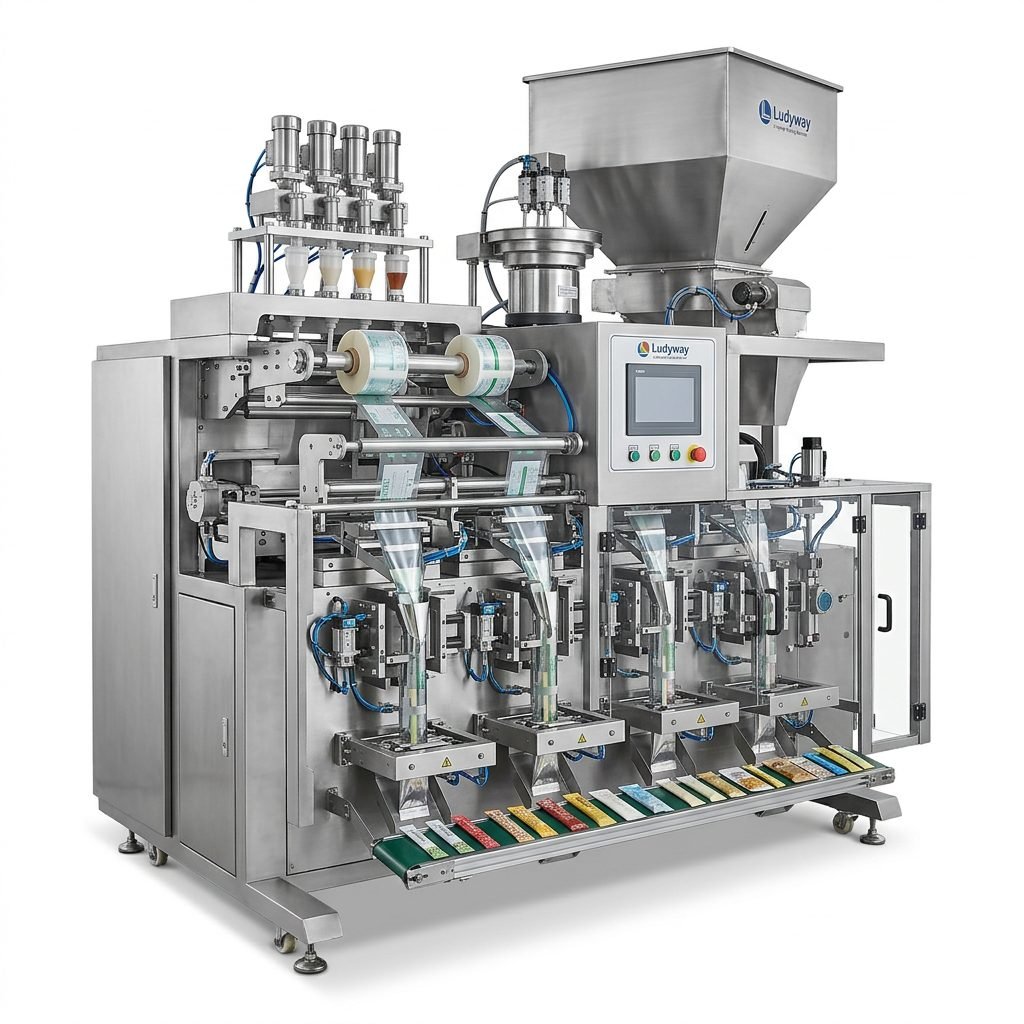
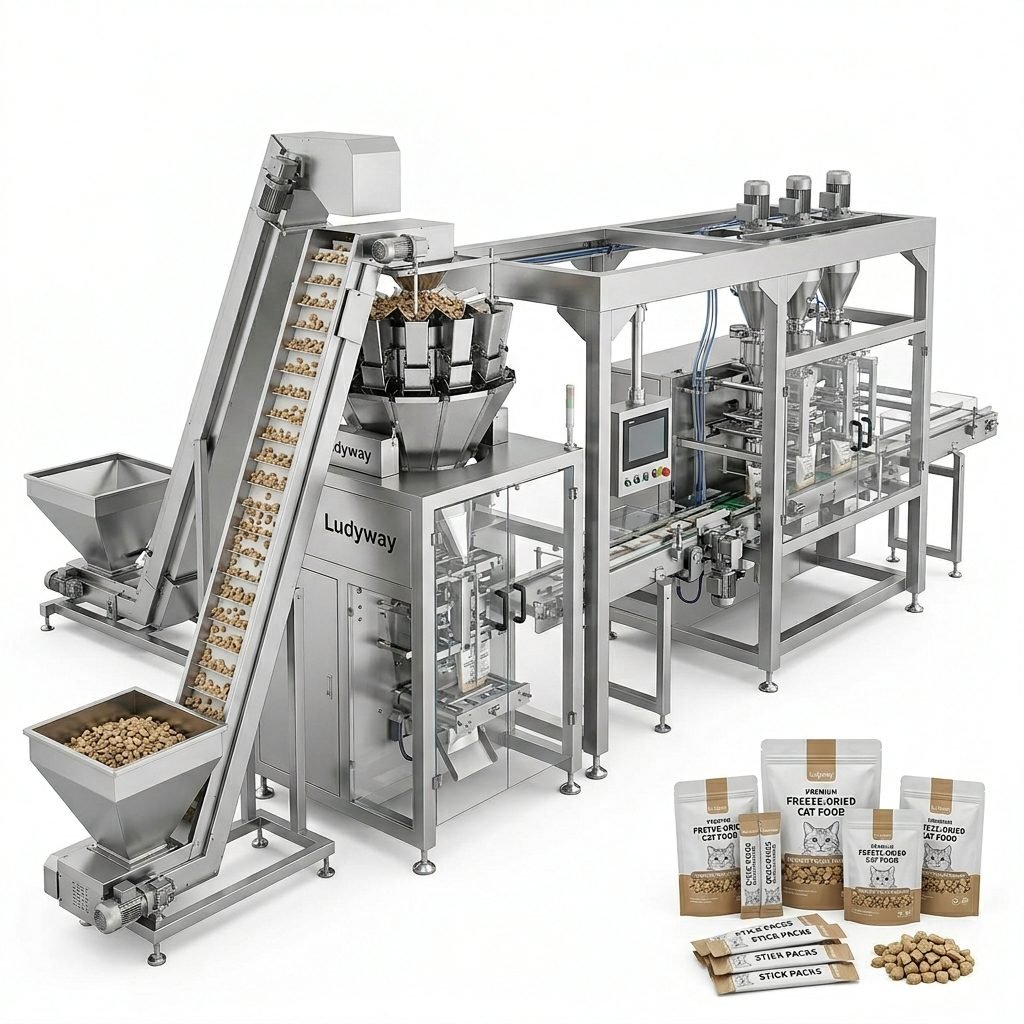
Cashews are a high-value product with specific requirements for freshness, shelf life, and protection against moisture, oxygen, and physical damage. A cashew vacuum packing machine is an essential investment for processors, packers, and exporters who need to maintain product quality from the production line to the end consumer. Selecting the wrong equipment can lead to compromised product integrity, higher packaging costs, and operational inefficiencies.
This guide walks you through every critical factor to evaluate when choosing the right vacuum packing machine for cashew processing, helping you make an informed purchasing decision that aligns with your production goals, budget, and quality standards. Before diving into machine specifications, it is worth understanding the broader context of packaging machinery market trends and how they impact equipment selection.

Understanding Cashew Vacuum Packaging Requirements
Cashews present unique packaging challenges compared to other nuts and dry goods. Their high oil content makes them particularly susceptible to oxidation and rancidity when exposed to air. Additionally, cashews are fragile and can break under excessive mechanical pressure during the packaging process. The ideal vacuum packaging solution must address these concerns simultaneously.
Proper vacuum sealing extends cashew shelf life significantly by removing oxygen that would otherwise degrade the product. According to flexible packaging industry data, vacuum-packed nuts can maintain freshness for 12 to 24 months when stored under appropriate conditions, compared to just 3 to 6 months for conventionally packaged products. This dramatic difference makes the choice of vacuum packing equipment a critical business decision rather than just a technical one.
Product Characteristics That Influence Machine Selection
- Nut size and shape variability – Cashews come in different grades (whole, splits, pieces) and the machine must handle each consistently without crushing
- Oil content sensitivity – Higher oil levels demand faster vacuum cycles and better seal integrity to prevent oxidation
- Moisture content – Residual moisture affects vacuum efficiency and the type of barrier film required
- Packaging format requirements – Whether you need pillow bags, gusseted pouches, or block-bottom bags with vacuum
Key Factors to Consider When Choosing a Cashew Vacuum Packing Machine
Packaging Speed and Production Capacity
Production throughput is often the first consideration for any cashew packing operation. Machine speeds vary widely depending on the automation level, bag size, and vacuum chamber configuration. Small-scale processors may operate comfortably at 15 to 30 packs per minute, while large industrial operations handling export volumes may require 60 to 120 packs per minute or more on multi-lane systems. When evaluating speed specifications, always confirm whether the rating refers to actual production output under real-world conditions rather than theoretical maximums.
Vacuum Level and Sealing Quality
The effectiveness of a vacuum packaging system ultimately depends on the vacuum level it can achieve and the reliability of its sealing mechanism. For cashews, a residual oxygen level below 1% is generally recommended to prevent rancidity. Machines with advanced vacuum sensors and multi-stage evacuation cycles provide more consistent results than basic single-stage systems. The sealing bar must deliver uniform heat distribution across the entire seal width, as any weak points will compromise the vacuum over time. International packaging standards provide useful benchmarks for seal integrity testing.
Bag Size Compatibility and Flexibility
Cashew processors often package products in multiple sizes ranging from small retail packs of 50g to bulk bags of 25kg. The ideal vacuum packing machine should accommodate your current bag size range and allow for future flexibility. Some machines feature adjustable sealing bars and interchangeable chamber inserts, which reduce changeover time between different formats. Consider whether your machine needs to handle both flat and stand-up pouch styles, as this affects the chamber design and sealing configuration.
Material and Build Quality
Food-grade construction is non-negotiable for any equipment that comes into contact with edible products. Look for machines built with AISI 304 or 316 stainless steel in product contact areas, as these materials resist corrosion and meet FDA food packaging requirements. The frame and structural components should be robust enough to withstand continuous operation in demanding production environments. Pneumatic components from established industrial automation suppliers generally indicate better long-term reliability.

Types of Vacuum Packing Machines for Cashew Processing
Understanding the different machine configurations available helps narrow down the options that best suit your cashew packaging operation. Each type offers distinct advantages depending on production scale, packaging format, and automation requirements.
| Machine Type | Best For | Typical Speed Range | Key Advantage |
|---|---|---|---|
| Single Chamber Vacuum Machine | Small to medium processors | 10–30 packs/min | Lower cost, simple operation |
| Double Chamber Vacuum Machine | Medium to high volume | 30–60 packs/min | Continuous operation capability |
| Rotary Vacuum Packaging System | High-volume industrial use | 60–120+ packs/min | Maximum throughput, automation |
| Thermoforming Vacuum Machine | Specialized formats, MAP | 40–100 packs/min | Versatile packaging formats |
| Nozzle Vacuum & Seal Machine | Pre-made bag operations | 20–50 packs/min | Flexibility with bag types |
Technical Specifications That Matter
Beyond the basic machine type, several technical parameters directly affect cashew packaging quality and operational efficiency. Savvy buyers evaluate these specifications carefully when comparing different equipment options.
Pump Capacity and Evacuation Speed
The vacuum pump is the core component of any vacuum packing system. Pump capacity, measured in cubic meters per hour, determines how quickly air can be evacuated from the chamber. For cashew packaging, faster evacuation reduces the time nuts are exposed to residual oxygen. Busch, Leybold, and similar industrial-grade pumps generally outperform generic alternatives in both speed and durability. Oil-lubricated rotary vane pumps typically provide higher vacuum levels than dry pumps, though dry pumps eliminate the risk of oil contamination in food environments.
Seal Bar Configuration
The sealing system must deliver consistent, hermetic seals across the full width of each bag. Double-seal configurations provide an extra safety margin that is particularly valuable for export shipments subject to long transit times and varying atmospheric conditions. Seal bar width, temperature control precision, and cooling time all influence seal integrity. Machines with independent temperature control zones allow operators to fine-tune settings for different film types and thicknesses.
Control System and Automation Features
Modern vacuum packing machines increasingly incorporate programmable logic controllers with touchscreen interfaces that simplify operation and recipe management. Look for systems that allow storage of multiple product profiles, each containing optimized vacuum time, seal time, and gas flush parameters. Automated features such as vacuum level sensing and adaptive cycle timing reduce operator dependency and improve consistency. For integration into broader packaging line systems, compatibility with upstream filling and downstream conveying equipment should be verified.
Cost Considerations and ROI Analysis
The purchase price of a cashew vacuum packing machine represents only part of the total cost of ownership. A thorough financial analysis should account for installation, training, maintenance, spare parts, energy consumption, and packaging material usage. Higher-quality machines often command premium prices but deliver lower per-pack costs over their operational lifetime through improved efficiency and reduced waste.
Energy consumption varies significantly between machine types. Chamber machines with efficient pump cycling and standby modes can reduce electricity costs by 15 to 25 percent compared to continuously running systems. Packaging film waste from inconsistent sealing or bag positioning errors also adds to ongoing operational expenses. The most cost-effective machines achieve consistent seal quality with minimal reject rates, directly contributing to faster return on investment.
Finding the Right Supplier
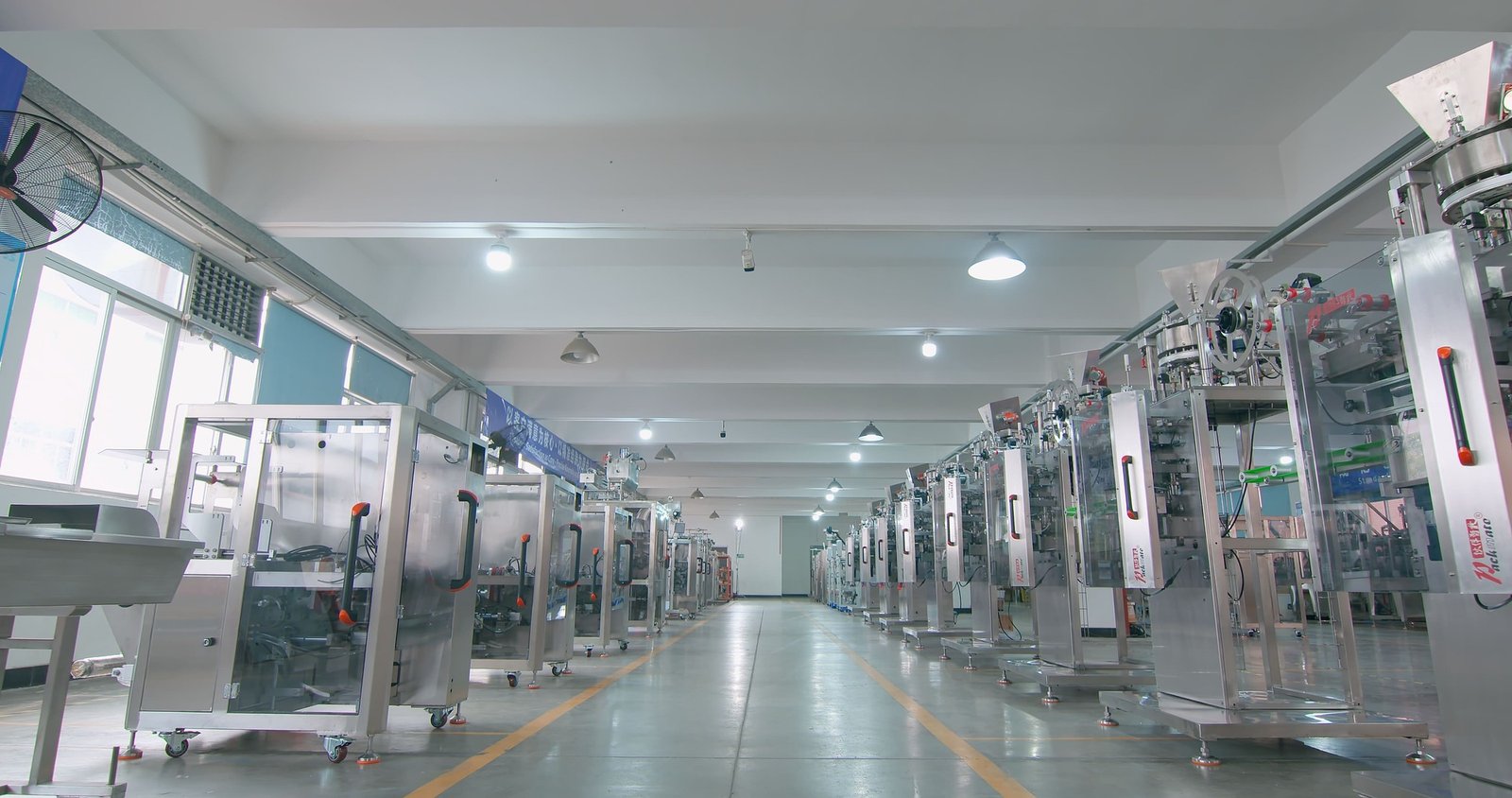
Selecting a reliable packaging machinery supplier is as important as choosing the right machine model. The supplier should demonstrate industry experience, technical expertise, and a commitment to after-sales support. When evaluating potential partners, consider their track record in nut and dry food packaging specifically, as this indicates familiarity with the unique requirements of cashew processing.
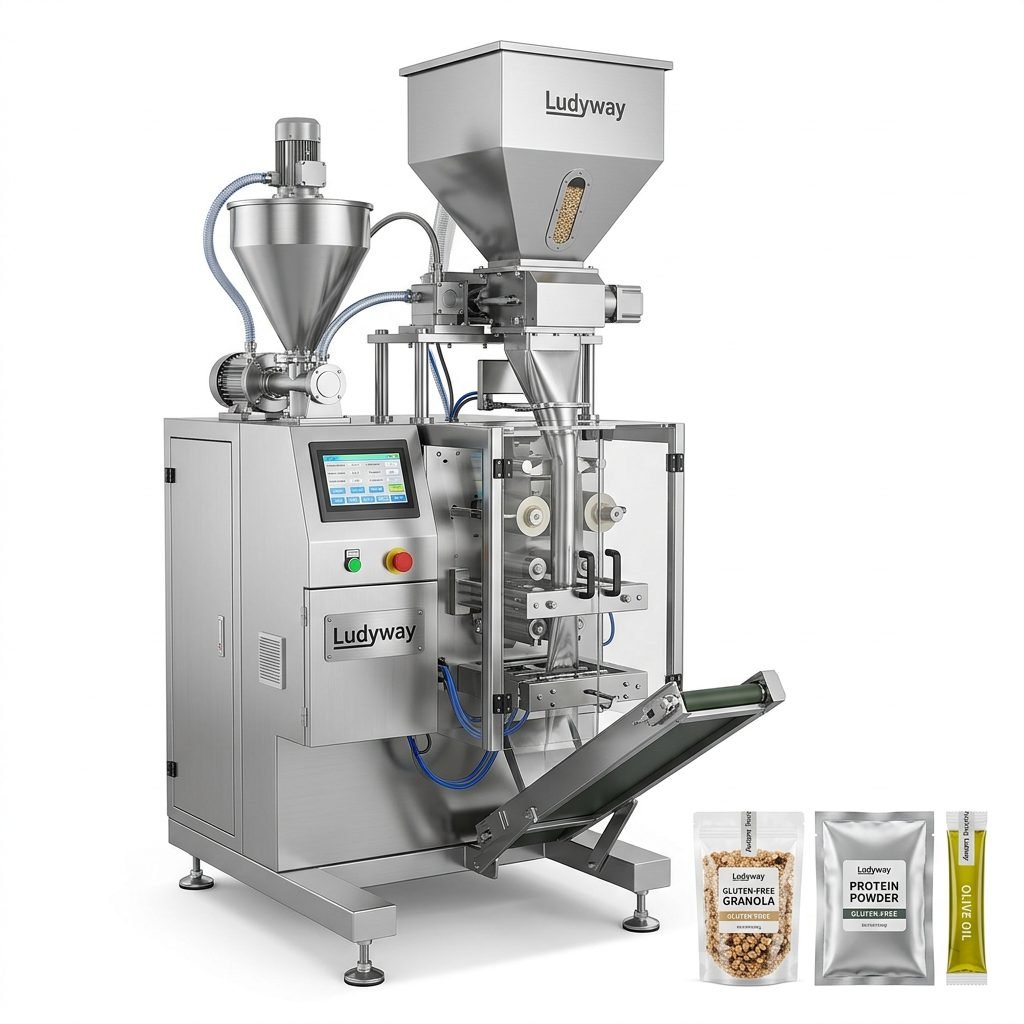
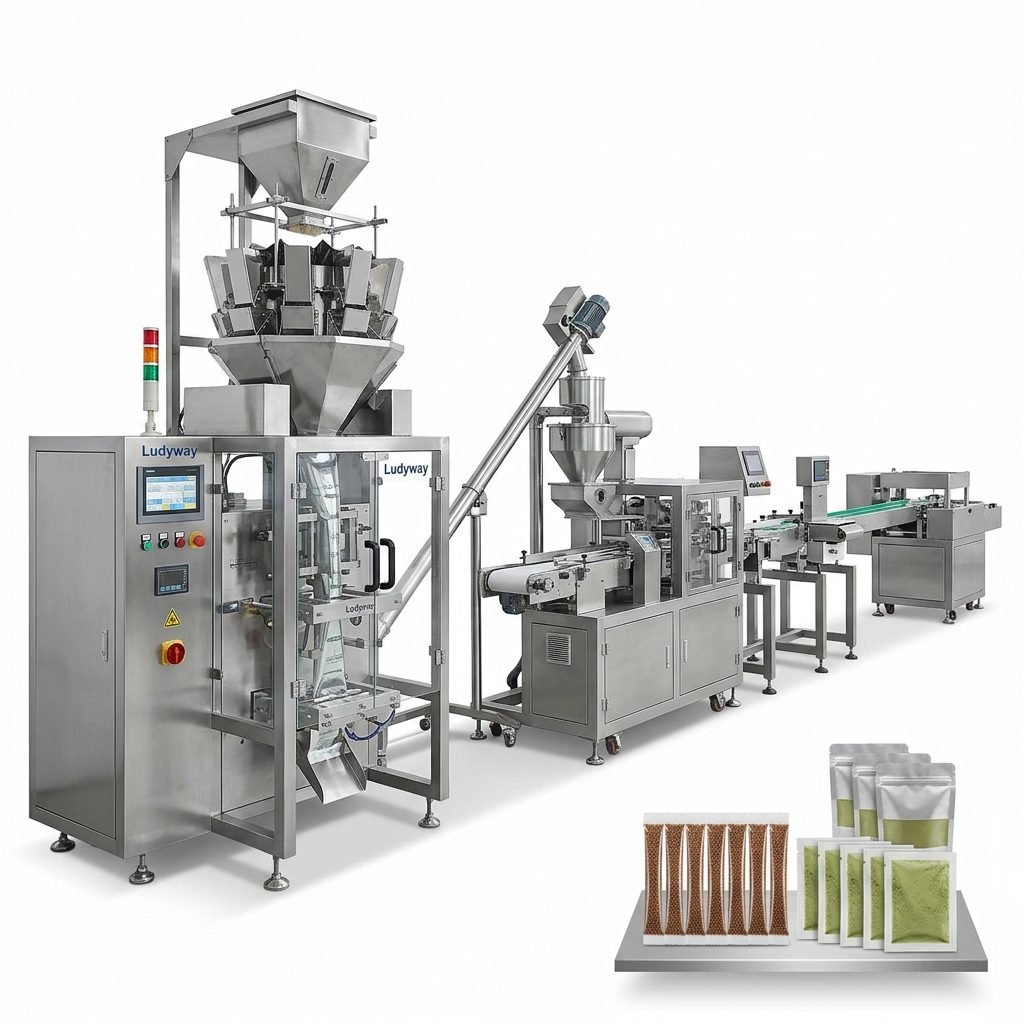
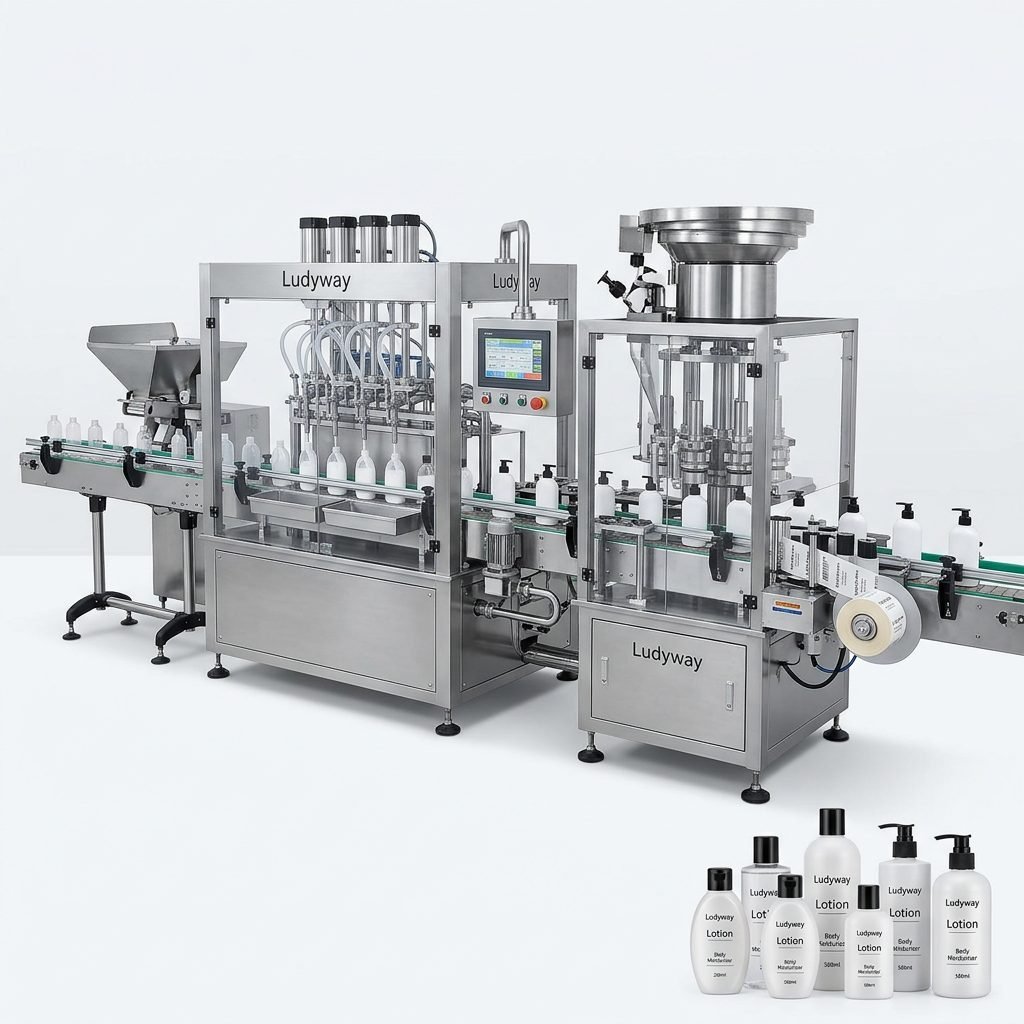
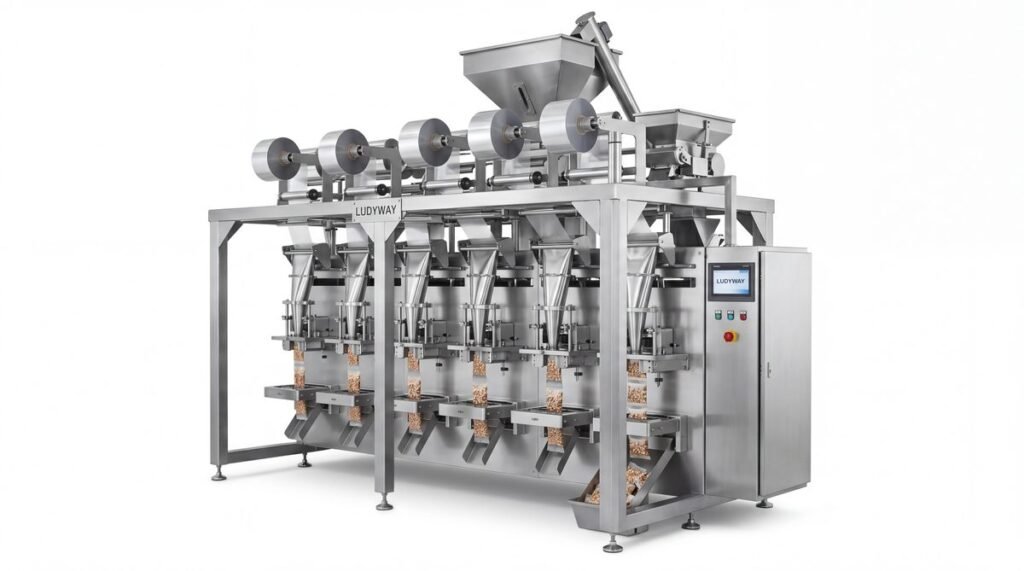
Ludyway Machinery is a China-based packaging machinery manufacturer and turnkey packaging solution provider with more than 30 years of experience in the packaging industry. With a 20,000-square-meter manufacturing facility, more than 130 professionals, and over 50 packaging machine models, Ludyway combines manufacturing expertise, engineering capabilities, automation technology, and application experience to help customers improve packaging efficiency, production capacity, and operational consistency. Ludyway serves customers in more than 100 countries and regions and is expected to achieve export revenue of more than RMB 500 million (approximately US$69 million) in 2025, with plans to surpass RMB 1 billion (approximately US$138 million) in export revenue in 2026.
Questions to Ask Potential Suppliers
- What experience do you have with cashew and nut packaging applications specifically?
- Can you provide references from customers in the nut processing industry?
- What is the standard warranty coverage and what does it include?
- How quickly can replacement parts be shipped to our location?
- Do you offer remote technical support and on-site service options?
- Can the machine be customized for our specific bag sizes and production requirements?
Maintenance and After-Sales Support
Long-term performance of a vacuum packing machine depends heavily on proper maintenance and accessible technical support. Preventive maintenance schedules should be clearly documented, with recommended intervals for pump oil changes, seal bar inspection, gasket replacement, and general system checks. Suppliers who provide comprehensive operator training during installation help reduce the learning curve and prevent common operational errors.
Spare parts availability is a critical consideration, particularly for international buyers. The best suppliers maintain adequate inventory of commonly replaced components and can ship urgently when needed. Some manufacturers offer remote diagnostic capabilities that allow technicians to troubleshoot issues without an on-site visit, significantly reducing downtime. These considerations, along with packaging industry state-of-the-industry reports, help buyers make comprehensive evaluations beyond the initial purchase.
Making the Final Decision
Choosing the right cashew vacuum packing machine requires balancing multiple factors including production volume, packaging format requirements, budget constraints, and long-term operational goals. The best approach is to define your specific requirements clearly, request detailed proposals from qualified suppliers, and evaluate options based on total cost of ownership rather than purchase price alone. A well-chosen machine will deliver consistent product quality, operational efficiency, and reliable performance for years to come, protecting the value of your cashew products throughout the supply chain.