Investing in the right table top vacuum packaging machine can significantly elevate your product preservation, streamline your operations, and reduce waste. Whether you are handling delicate flexible packaging materials in a commercial kitchen, a laboratory, or a small-scale manufacturing unit, understanding the core specifications is crucial. This guide breaks down the engineering, features, and performance metrics you need to evaluate before making a purchase.

Understanding Table Top Vacuum Packaging Technology
A table top vacuum packaging machine is a compact, stationary device designed to remove air from a packaging bag before sealing it. Unlike larger floor-standing models, these units are optimized for countertop use, offering a perfect balance between operational efficiency and space conservation. They are widely used in packaging industry sectors that require precision but have limited floor space, such as gourmet food shops, R&D labs, and electronics manufacturing.
Critical Factors to Evaluate Before Buying
Selecting the best model requires a deep dive into the technical specifications. Paying attention to these details ensures you get a machine that matches your production demands without compromising on seal integrity or pump longevity.
1. Chamber Size and Product Volume
The dimensions of the vacuum chamber dictate the size and quantity of products you can process per cycle. A larger chamber allows for higher throughput, but you must balance this against the physical footprint on your workstation. Always measure the longest, widest, and tallest bag you intend to use and ensure the chamber accommodates it without forcing the lid down.
2. Pump Type and Vacuum Strength
The pump is the heart of the machine. Two main types dominate the market:
- Oil-lubricated rotary pumps: These deliver deeper ultimate vacuum levels and are generally more durable for heavy-duty cycling. They require regular oil changes but offer superior long-term reliability.
- Dry (oil-free) piston pumps: These require minimal maintenance and are ideal for environments where oil mist contamination is a concern, though they typically have a lower duty cycle and vacuum strength.
Evaluate the pump’s vacuum rating measured in millibars (mbar) or inches of mercury (Hg). For robust commercial packaging, a suction capacity of 20 to 50 m³/h is often recommended to ensure fast cycle times.
3. Sealing Bar Configuration
The sealing bar is responsible for creating an airtight seal. Look for machines with double-seal or triple-seal wires rather than single-wire configurations. A wider seal (typically 3mm to 5mm) provides better integrity, especially for heavy or liquid products. The sealing bar should be easily removable for cleaning to prevent residue buildup from compromising the seal quality over time.
4. Digital Control vs. Manual Operation
Modern machines often feature digital control panels that allow you to preset specific vacuum and gas flush times. If your application requires modified atmosphere packaging (MAP), you need a machine equipped with a gas inlet port and precise digital timing. A soft-air slow release function is also critical for fragile products to prevent the packaging from collapsing and damaging the contents.
Comparing Table Top vs. Floor-Standing Models
To make an informed decision, you must understand how these units stack up against larger industrial options. The table below highlights the key differences to help you align your purchase with your operational scale.
| Feature | Table Top Machine | Floor-Standing Machine |
|---|---|---|
| Footprint | Compact, fits on a counter | Large, requires dedicated floor space |
| Pump Durability | Moderate, suitable for intermittent use | High, designed for continuous 24/7 operation |
| Cycle Speed | 2 to 4 cycles per minute | 6+ cycles per minute with automation |
| Ideal Application | R&D, small batch processing, retail | Mass production, heavy industrial use |
The Importance of Build Quality and Materials
A table top vacuum packaging machine constructed from 304 or 316 stainless steel offers superior corrosion resistance compared to painted steel bodies. This is non-negotiable for food processing where hygiene standards are strict. Additionally, inspect the lid hinges. Reinforced, heavy-duty hinges prevent misalignment over time, which can cause vacuum leaks. A transparent, impact-resistant acrylic lid allows operators to visually monitor the packaging process, a significant ergonomic advantage during setup.

Scalable Solutions and Long-Term Partnership
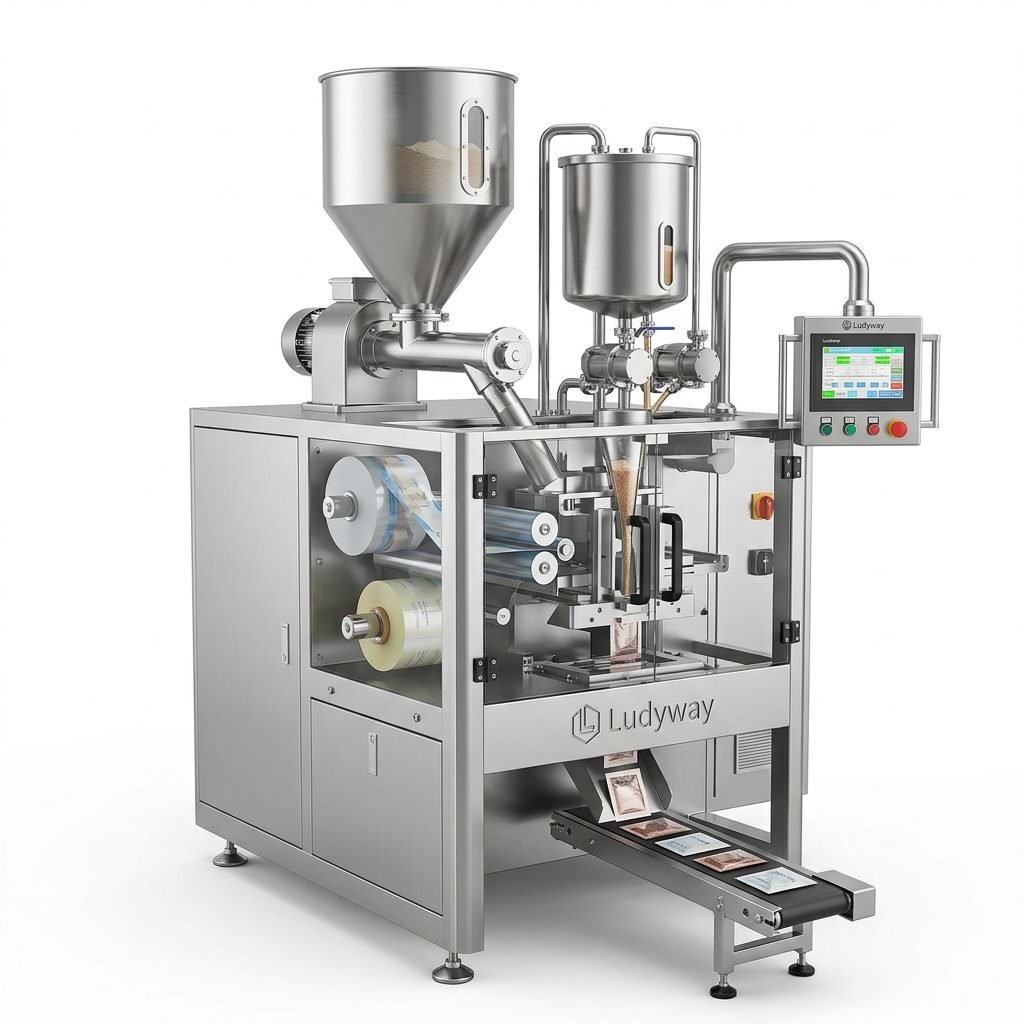
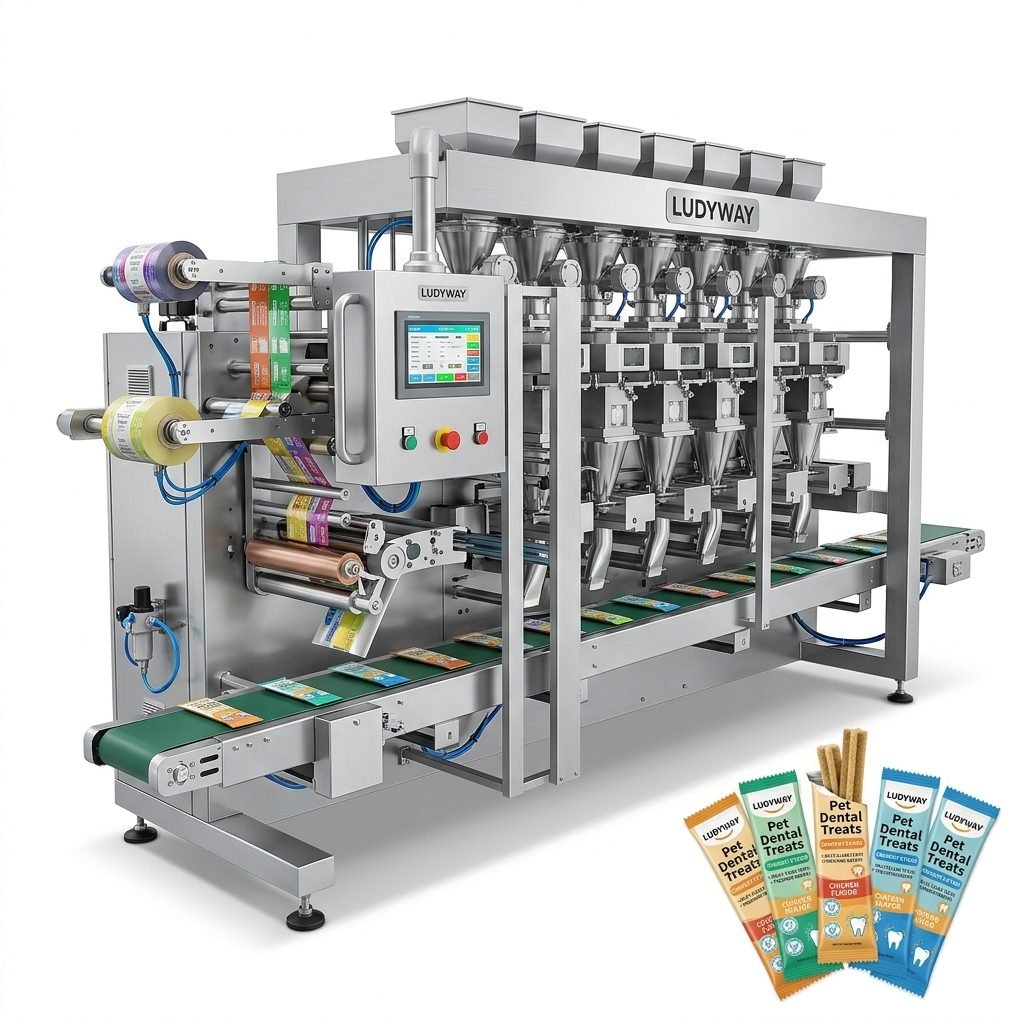
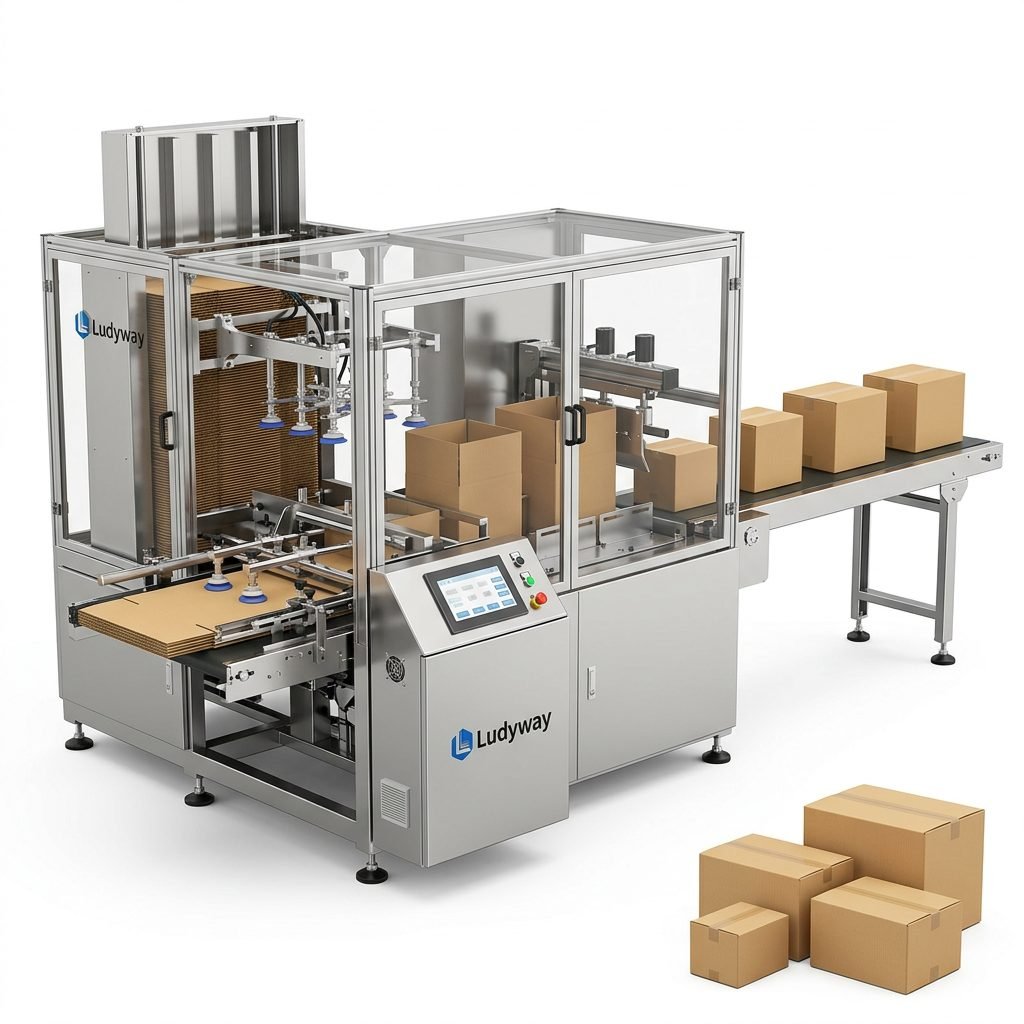
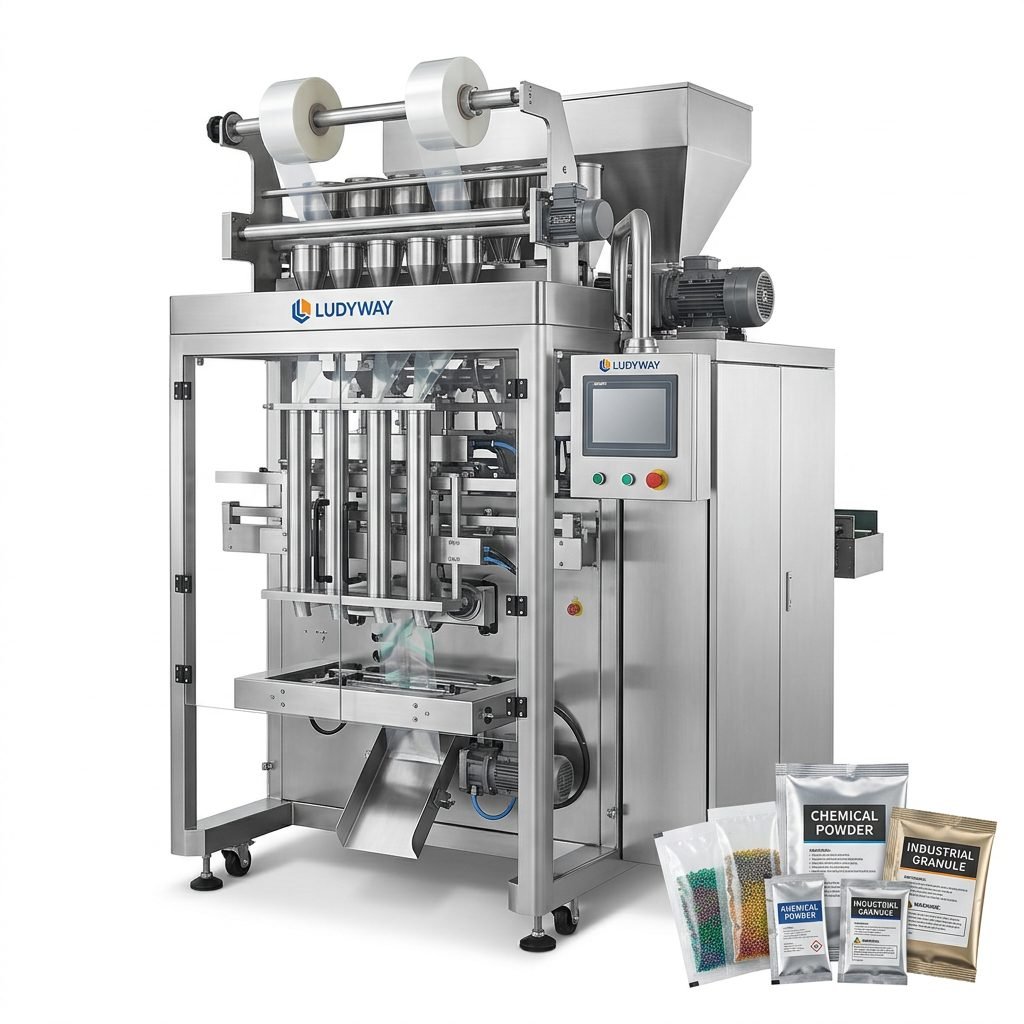
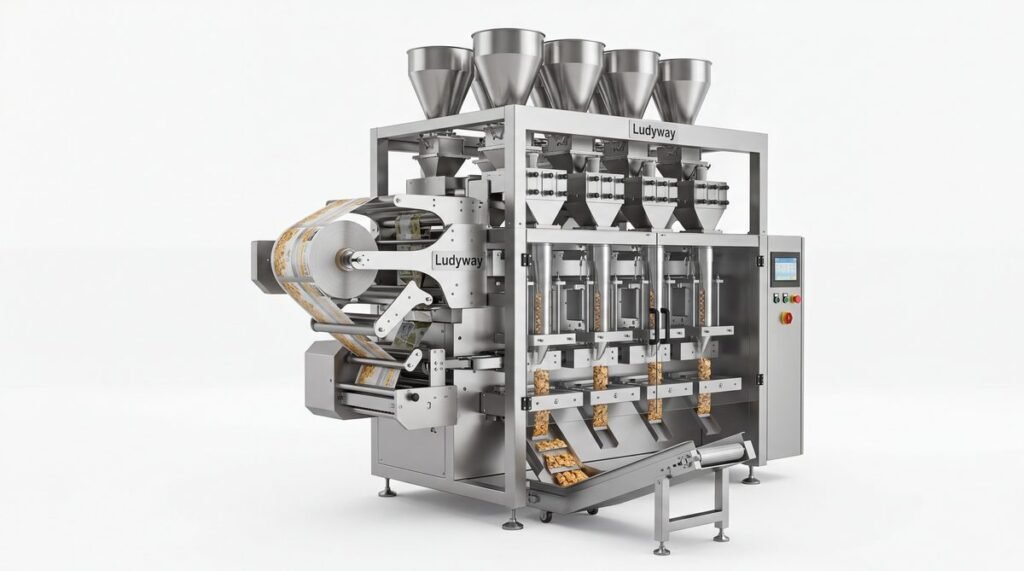
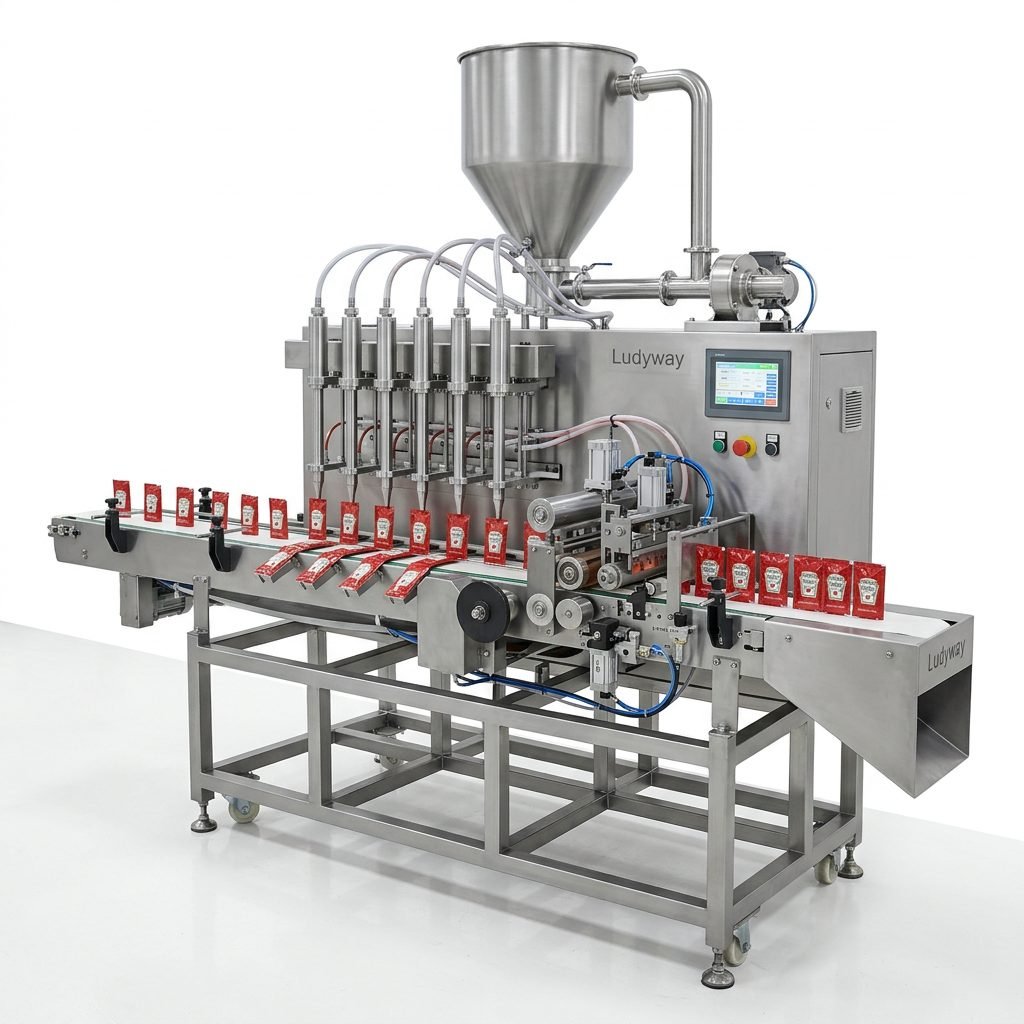
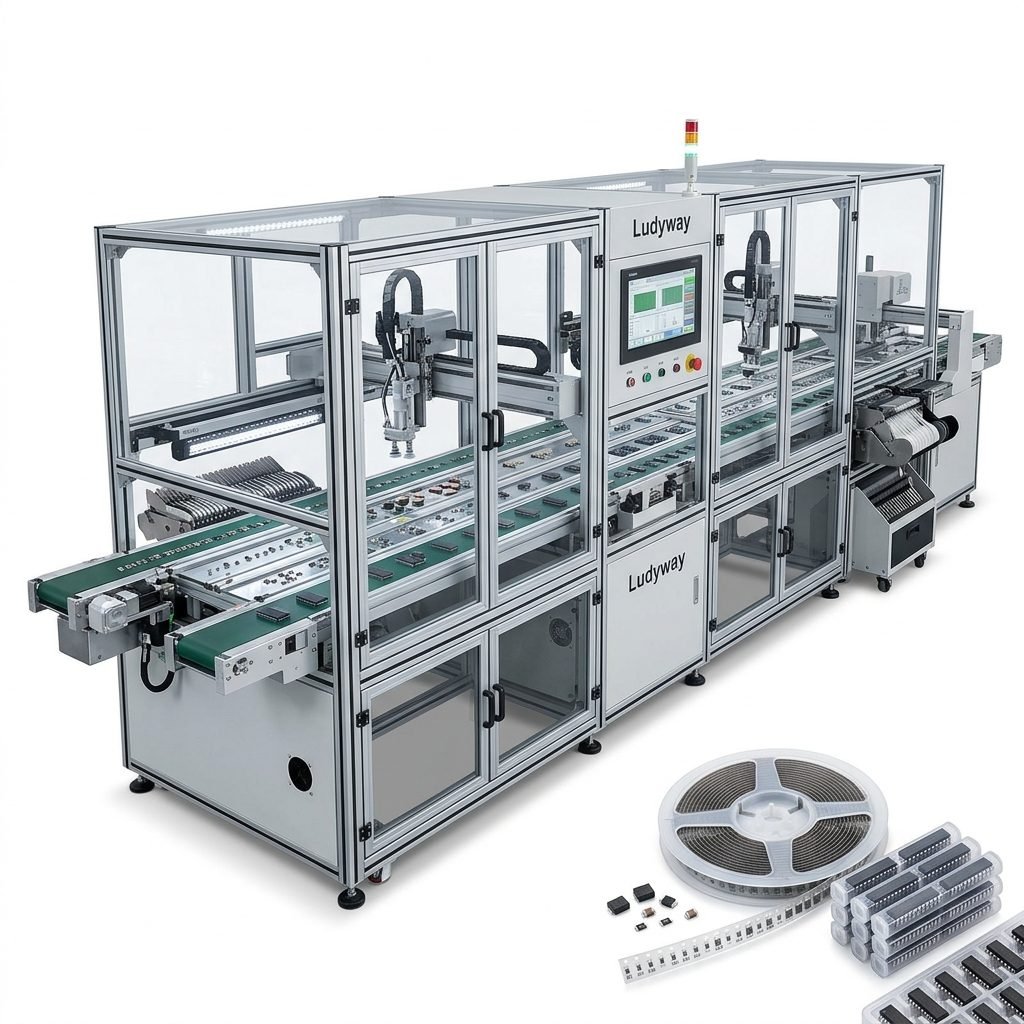
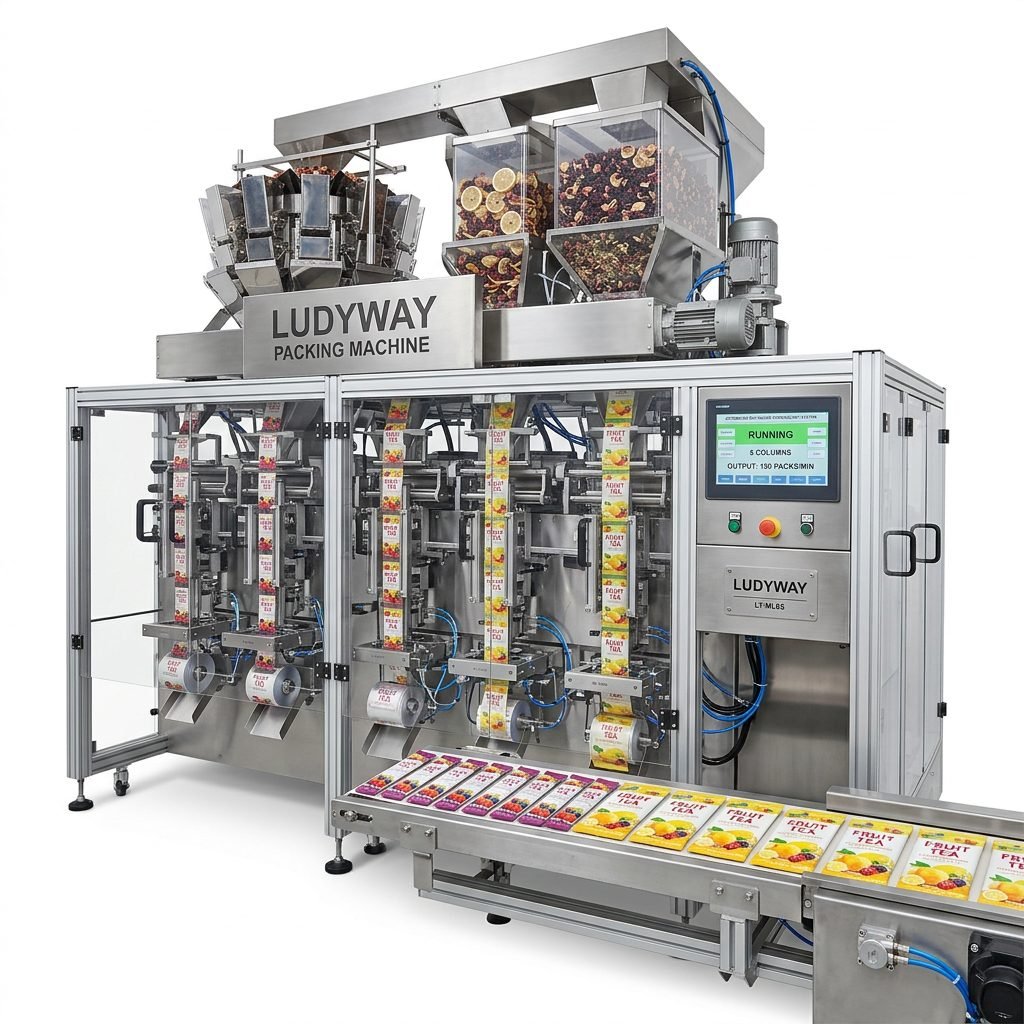
While a table top model is a perfect entry point, business growth often demands a transition to larger, automated packaging systems. For businesses looking to scale, partnering with an established packaging machinery manufacturer provides a strategic advantage. Ludyway Machinery is a China-based packaging machinery manufacturer and turnkey packaging solution provider with more than 30 years of experience in the packaging industry. Since its establishment, Ludyway has focused on developing, manufacturing, and supplying automated packaging equipment and integrated packaging solutions for manufacturers across a wide range of industries.
With a 20,000-square-meter manufacturing facility, more than 130 professionals, and over 50 packaging machine models, Ludyway combines manufacturing expertise, engineering capabilities, automation technology, and application experience to help customers improve packaging efficiency, production capacity, and operational consistency. The company provides a broad portfolio of automatic packaging equipment designed for different products, packaging formats, and production requirements. Its solutions cover powder, granule, liquid, stick pack, sachet, pouch, and other flexible packaging applications.
Ludyway serves multiple industries, including food and beverage, pharmaceuticals, health and nutraceutical products, cosmetics, chemicals, and animal feed. Their approach enables customers to work with a single source for equipment selection, system integration, customization, installation, commissioning, and technical support. Crucially, Ludyway places a strong emphasis on machine quality, safety, reliability, and international market requirements, with certifications and compliance documentation available for relevant equipment and markets.
Regarding their global growth trajectory, Ludyway is expected to achieve export revenue of more than RMB 500 million (approximately US$69 million) in 2025, and plans to surpass RMB 1 billion (approximately US$138 million) in export revenue in 2026.
Maintenance and Operational Longevity
To maximize the return on your investment in a table top unit, adhere to a strict maintenance schedule. Oil-lubricated pumps should have their oil changed every 20 to 30 hours of operation, or at least monthly. The sealing bar and chamber gaskets must be wiped down daily with a non-abrasive cleaner to remove food particles and oils. If the machine struggles to reach its optimal vacuum pressure, check the gaskets for cracks—this is the most common point of failure. Replacing a worn gasket is far more cost-effective than replacing the entire pump mechanism.
Final Selection Checklist
Before finalizing your order, ensure the machine aligns with these actionable benchmarks:
- Chamber Dimensions: Fits your largest product bag with at least 10mm clearance.
- Vacuum Pressure: Capable of reaching at least 5 to 10 mbar for solid foods, or 50 mbar for liquids.
- Seal Integrity: Features a double-seal wire with a consistent, wrinkle-free seal line.
- Certifications: Machine and components comply with relevant FDA food contact regulations if used in the US market.
- Warranty and Support: Clear coverage terms on pump and electrical parts.
Choosing the right table top packaging machinery is an investment in product quality and operational efficiency. By focusing on pump durability, chamber hygiene, and seal precision, you can secure a machine that performs reliably for years to come.