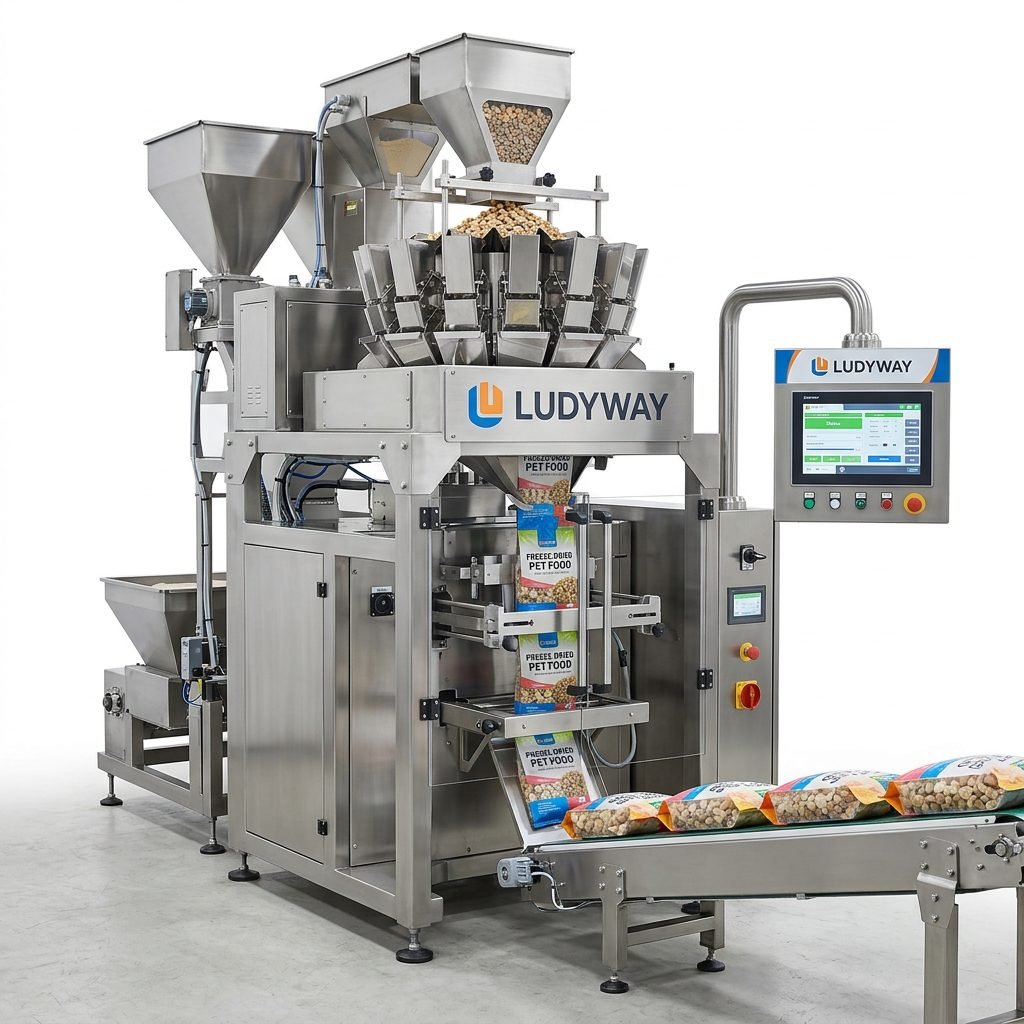
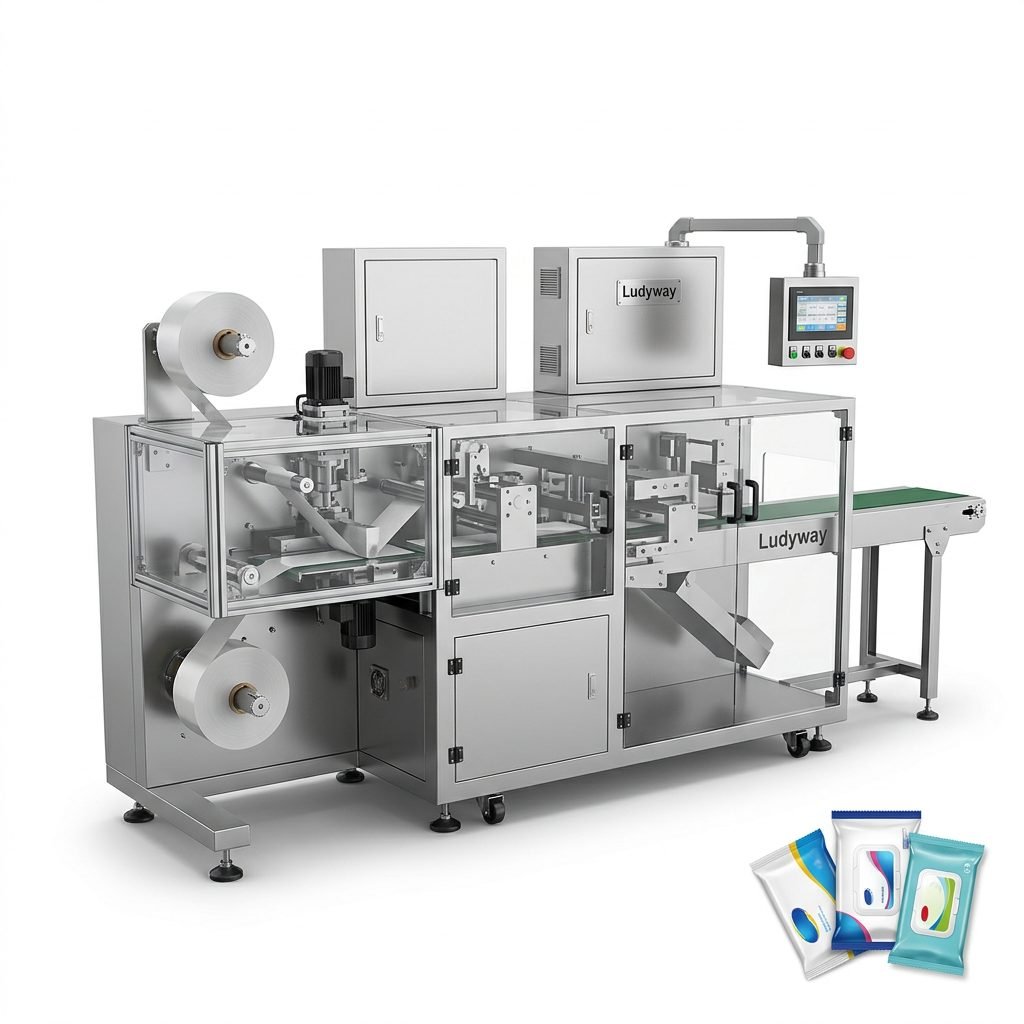
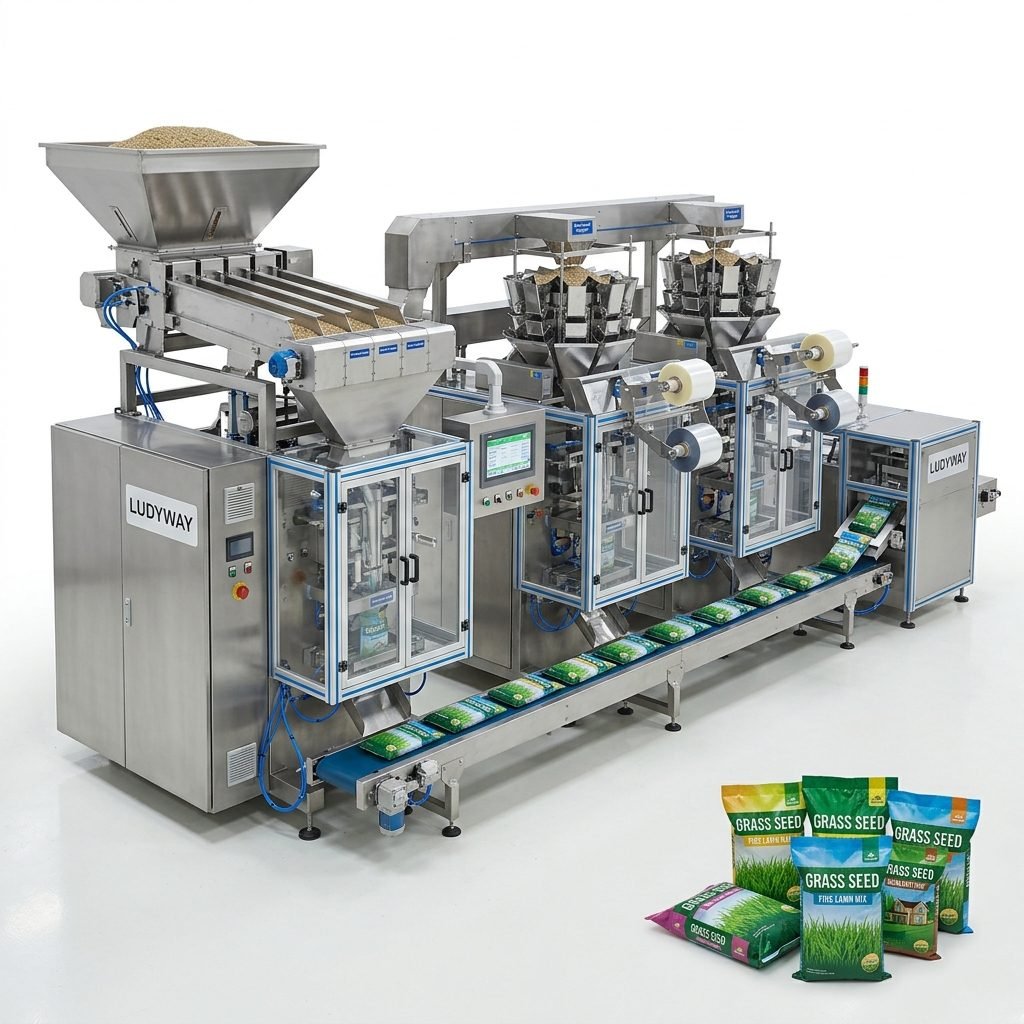
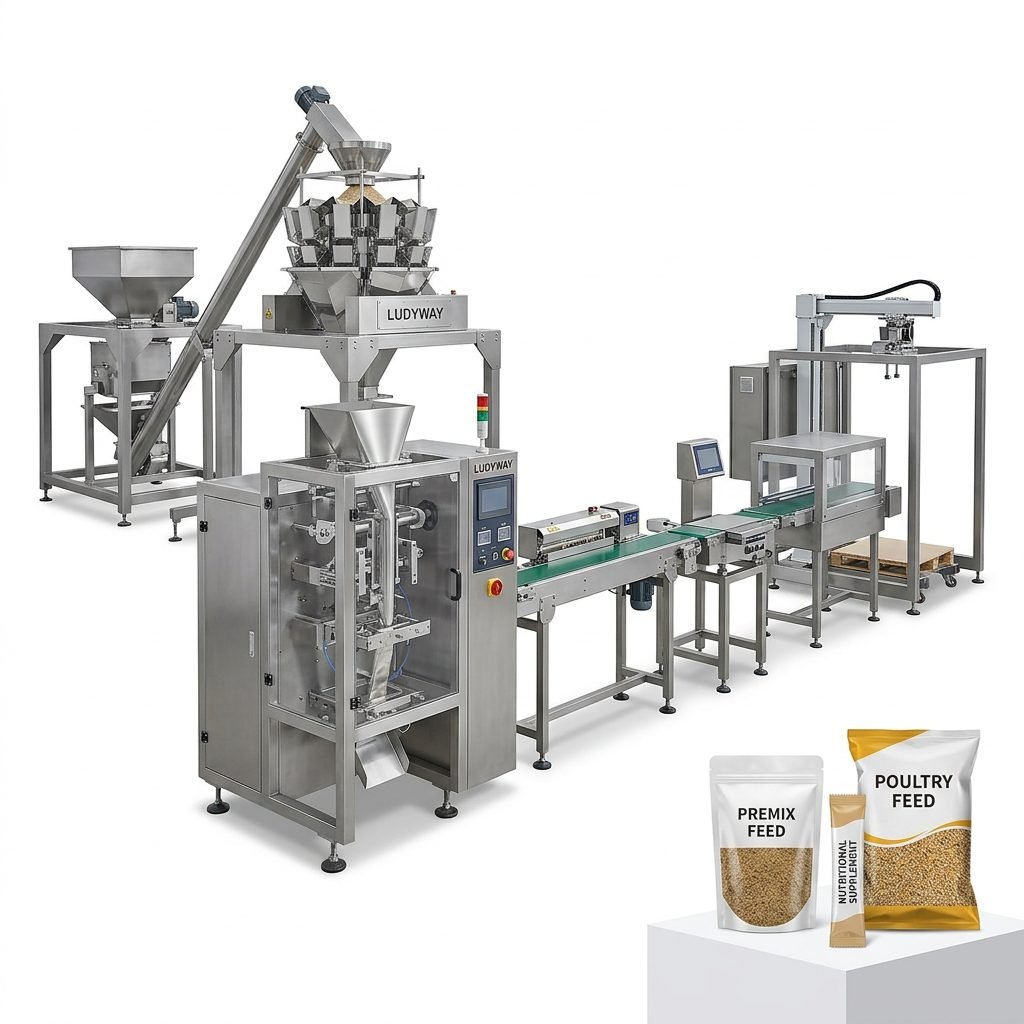
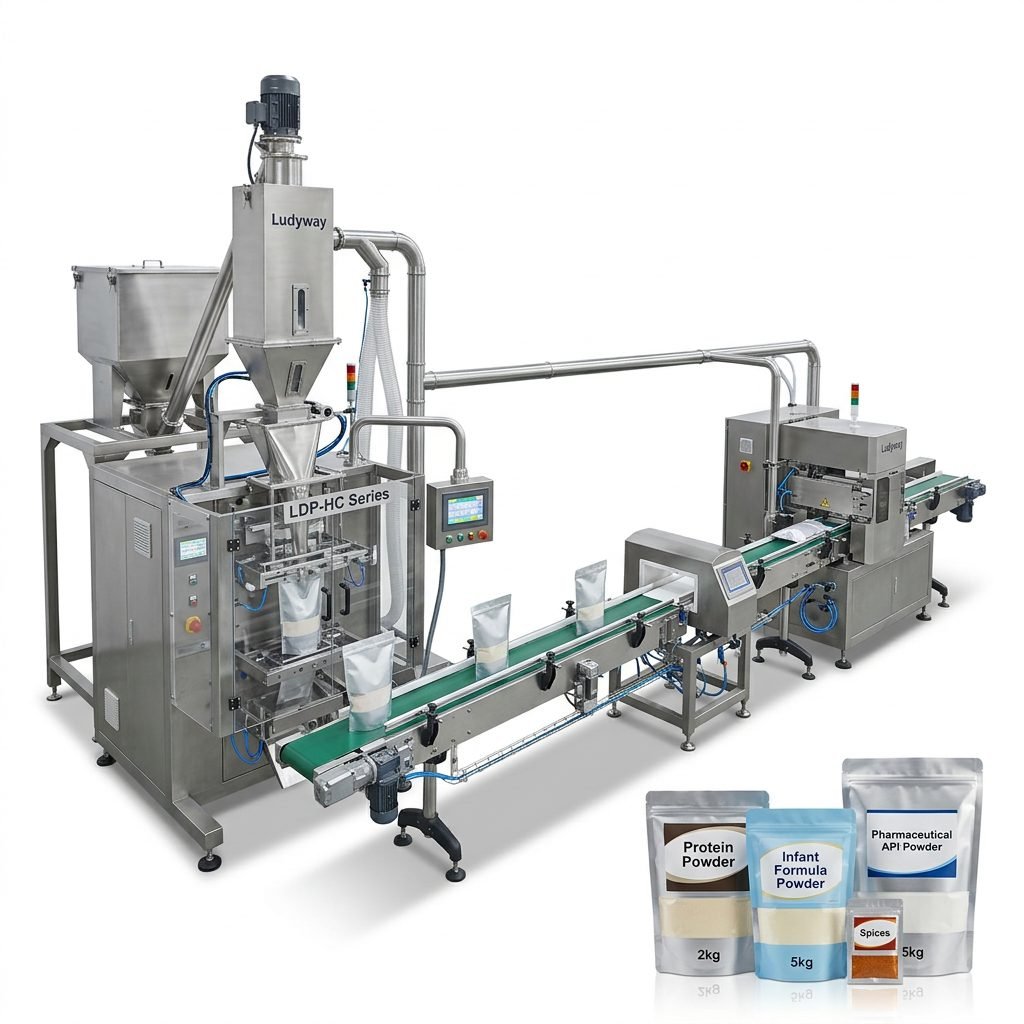
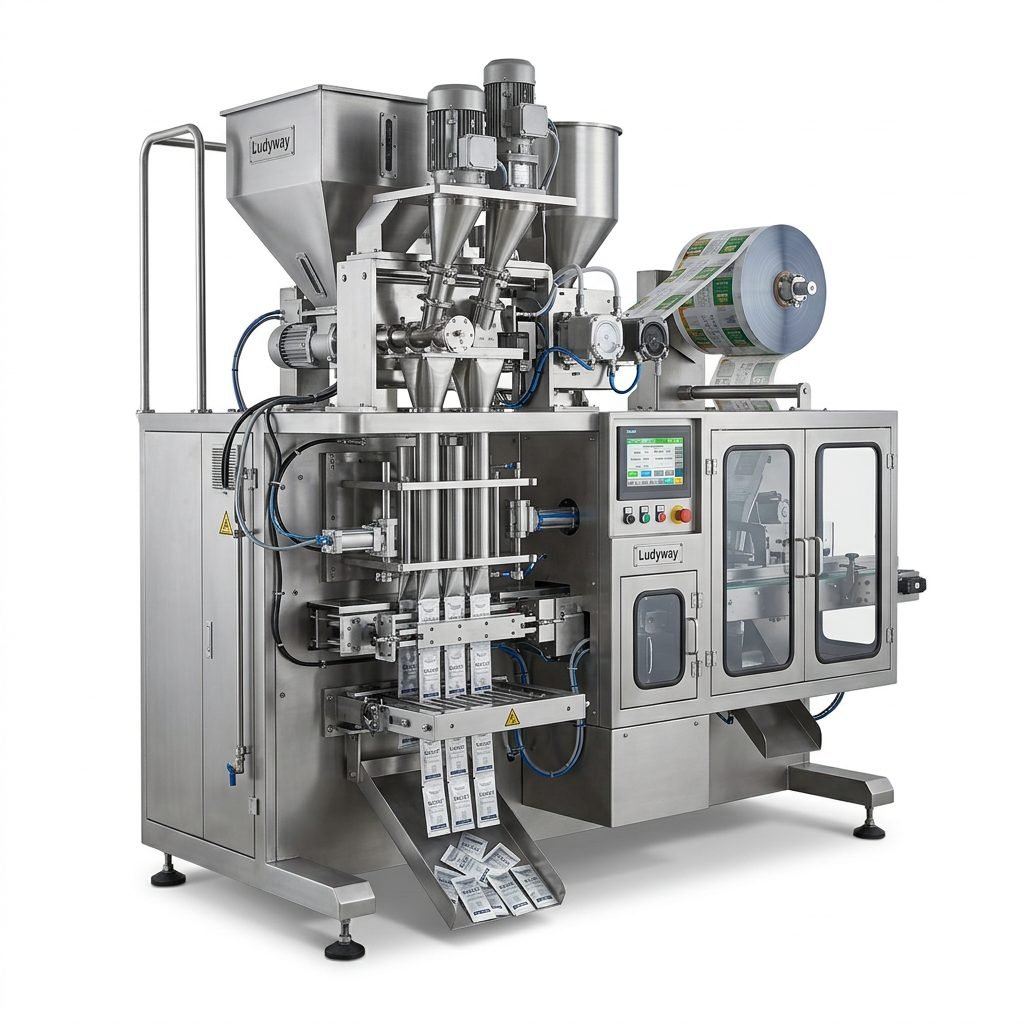
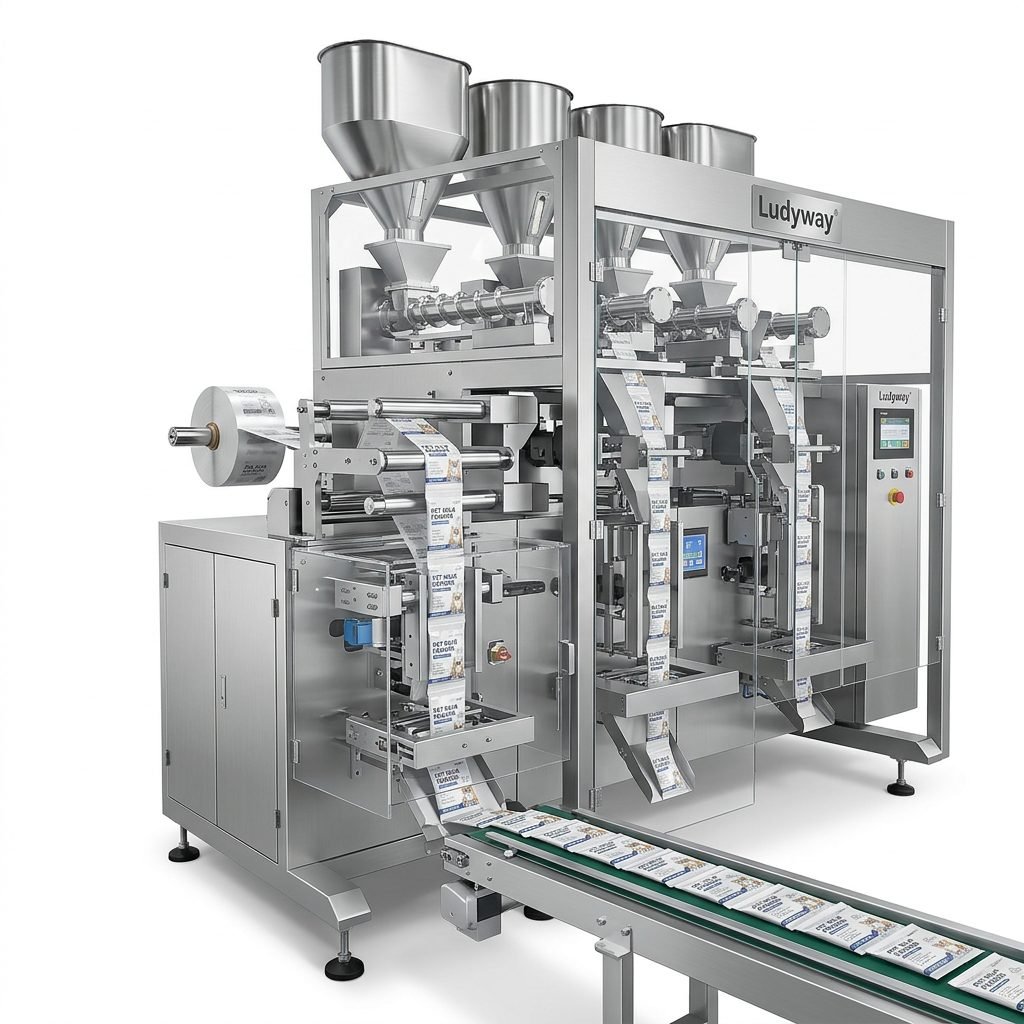
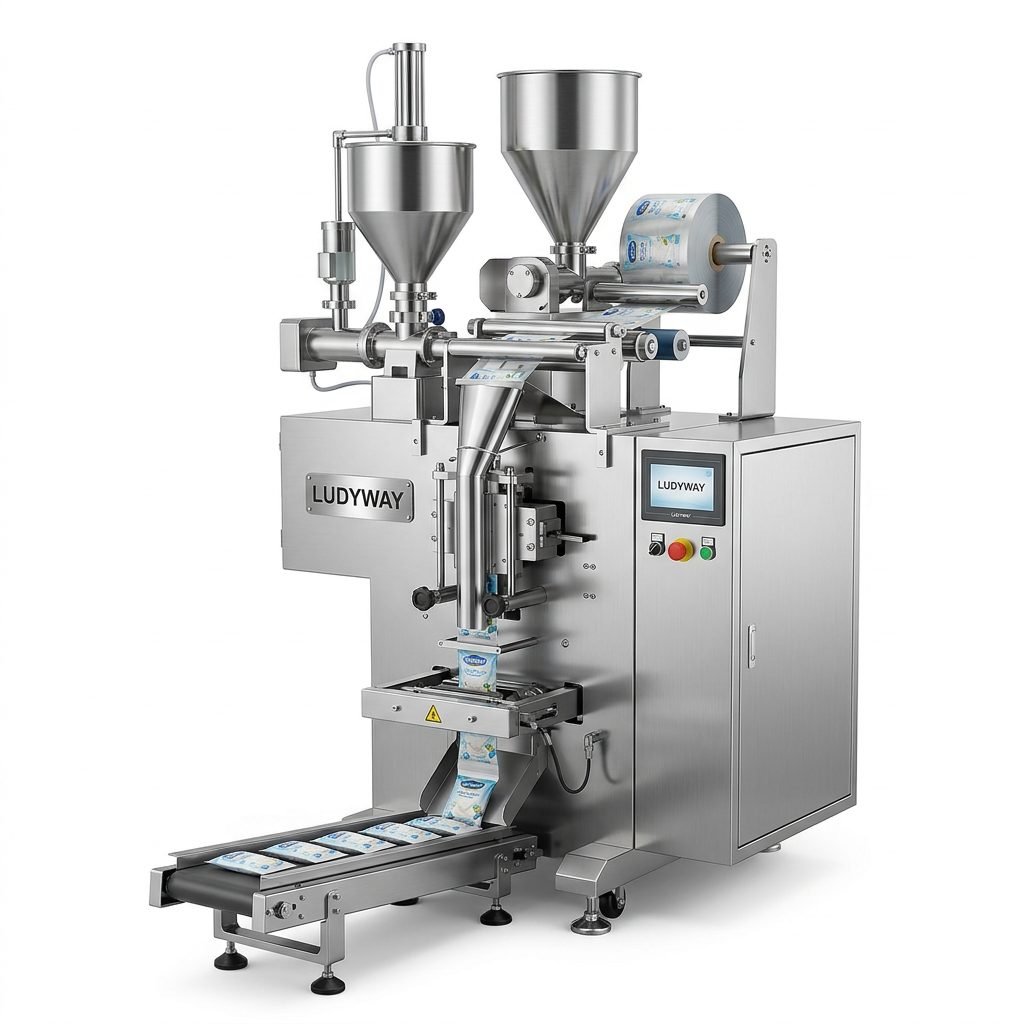
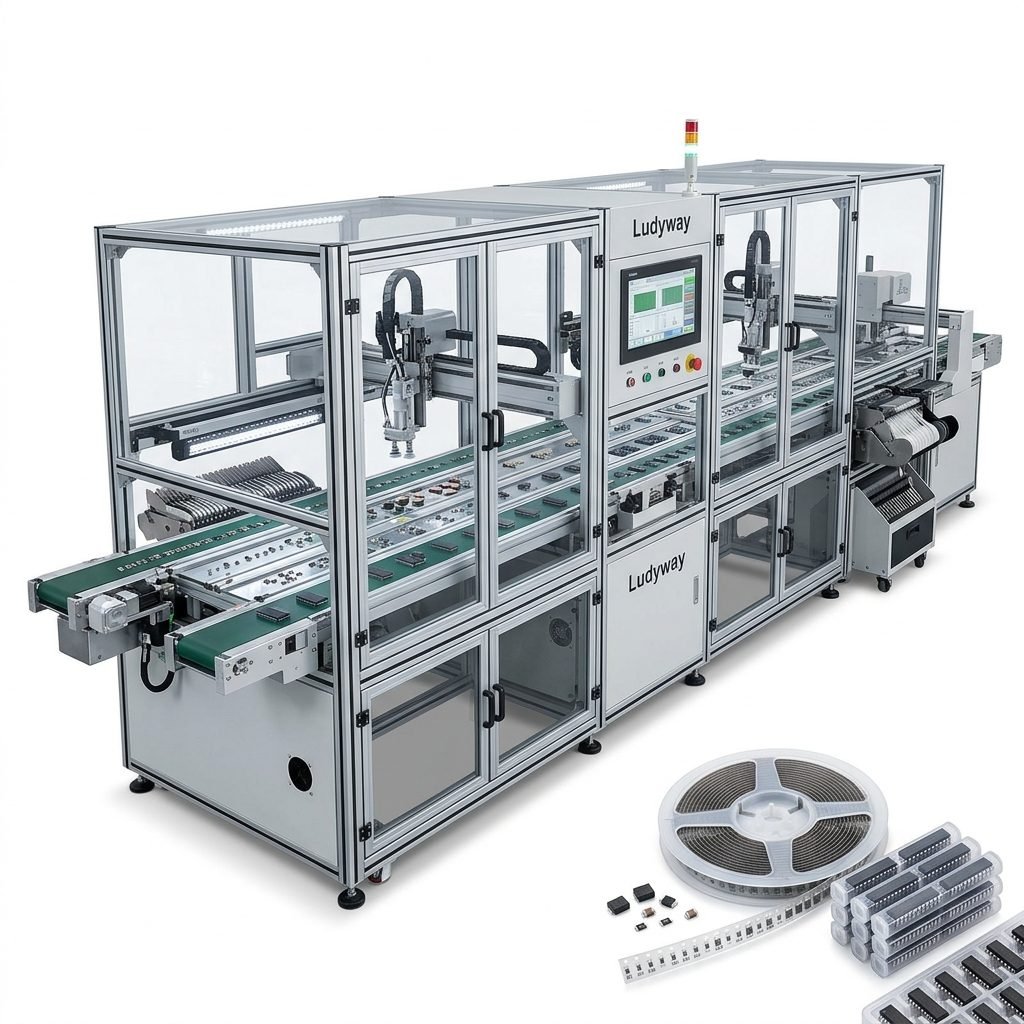
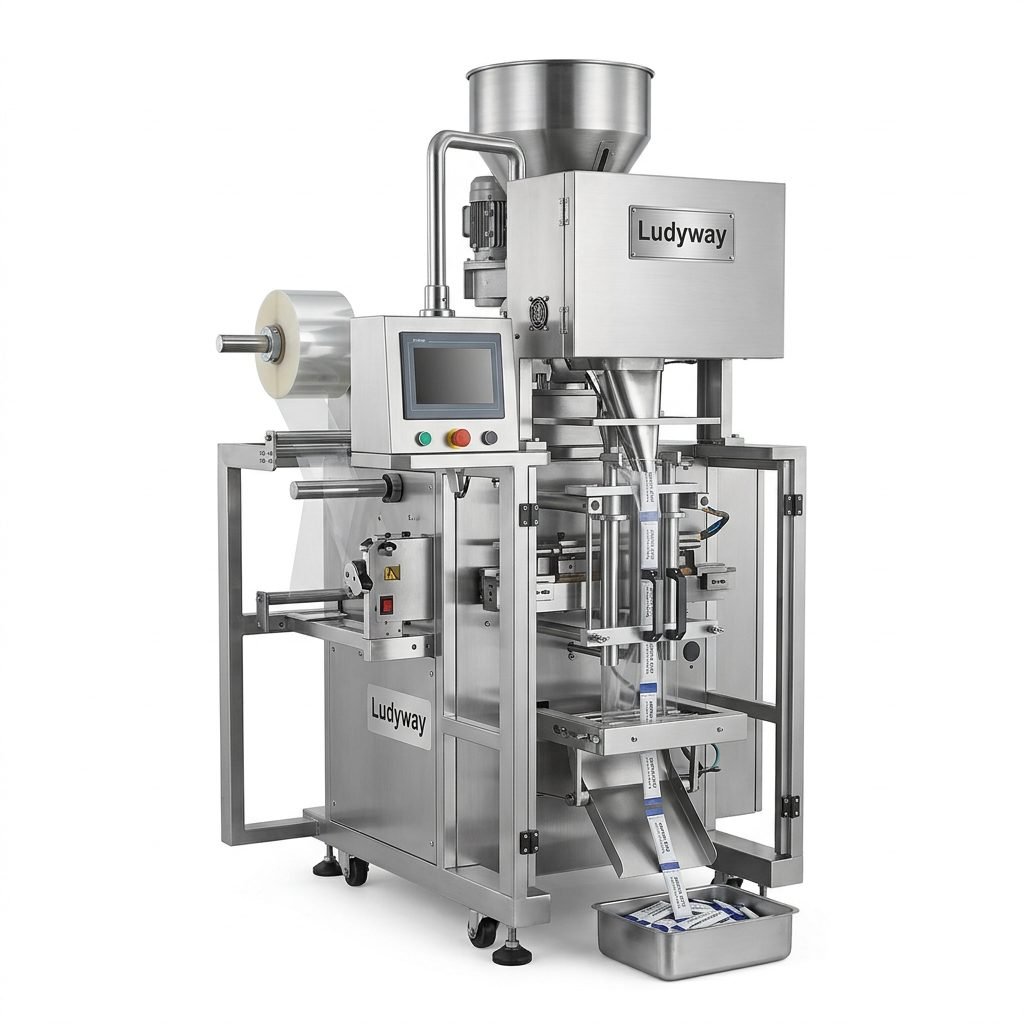
Investing in a cellophane packing machine is a strategic decision that directly impacts your production efficiency, product presentation, and overall operational costs. Whether you are packaging food items, pharmaceuticals, cosmetics, or consumer goods, selecting the right equipment requires a thorough understanding of your production goals and the technical capabilities of available machinery. This guide walks you through the essential factors to evaluate before making a purchase, helping you choose a solution that aligns with your long-term manufacturing objectives.
What Is a Cellophane Packing Machine?
A cellophane packing machine is a type of packaging equipment designed to wrap products using cellophane film — a transparent, biodegradable material derived from cellulose. Cellophane offers excellent clarity, moisture resistance, and a premium look, making it a preferred choice for industries that value both product protection and visual appeal. These machines are commonly used in the packaging machinery sector for applications ranging from food wrapping to pharmaceutical overwrapping.
Modern cellophane wrapping machines can handle various product shapes and sizes, from flat items like cards and boxes to irregularly shaped goods. They integrate flexible packaging technologies that ensure tight seals, precise folding, and consistent output quality.
Key Factors to Consider When Choosing a Cellophane Packing Machine
Selecting the right machine involves evaluating multiple technical and operational parameters. Below are the most critical factors to guide your decision-making process.
Product Specifications and Dimensions
Before evaluating any machine model, you must clearly define your product characteristics. Consider the following:
- Product size and shape — length, width, height, and whether the product is rigid or flexible
- Weight and fragility — heavier or delicate items may require specialized handling mechanisms
- Surface properties — some products need gentle handling to avoid scratches or damage
- Packaging format — overwrap, folded wrap, sleeve wrap, or full enclosure
The machine’s forming box and sealing area must accommodate your product dimensions with appropriate clearance. Machines that are too small will cause jams and damage, while oversized equipment may waste film and reduce efficiency.
Production Speed and Capacity Requirements
Production speed is one of the most important specifications to verify. Cellophane packing machines can range from semi-automatic models producing 10-20 packages per minute to high-speed automatic systems capable of 100+ packages per minute. Evaluate your current throughput needs while also considering future growth projections.
Key speed-related considerations include:
- Current daily or hourly output targets
- Planned production scaling over the next 3-5 years
- Labor availability and the desired level of automation
- Integration with upstream and downstream equipment
Packaging Material Compatibility
Not all cellophane films are the same. The machine you select must be compatible with the specific type and thickness of cellophane you intend to use. Some machines are optimized for heat-sealable cellophane, while others work with standard non-coated films that require adhesive sealing. Verify the following material parameters:
- Film thickness range (typically measured in microns or gauge)
- Sealing method — heat seal, cold seal, or adhesive
- Film roll width and core diameter compatibility
- Moisture and temperature sensitivity of the film
Types of Cellophane Packaging Equipment
Understanding the different machine configurations available in the market helps you narrow down the most suitable option for your application. Below is a comparison of common types:
| Machine Type | Best Suited For | Typical Speed Range | Automation Level |
|---|---|---|---|
| Manual Cellophane Wrapper | Small batches, artisan products, startups | 5-15 packs/min | Low |
| Semi-Automatic Overwrap Machine | Medium production, varied product sizes | 15-40 packs/min | Medium |
| Fully Automatic Cellophane Wrapper | High-volume production, consistent product dimensions | 40-120+ packs/min | High |
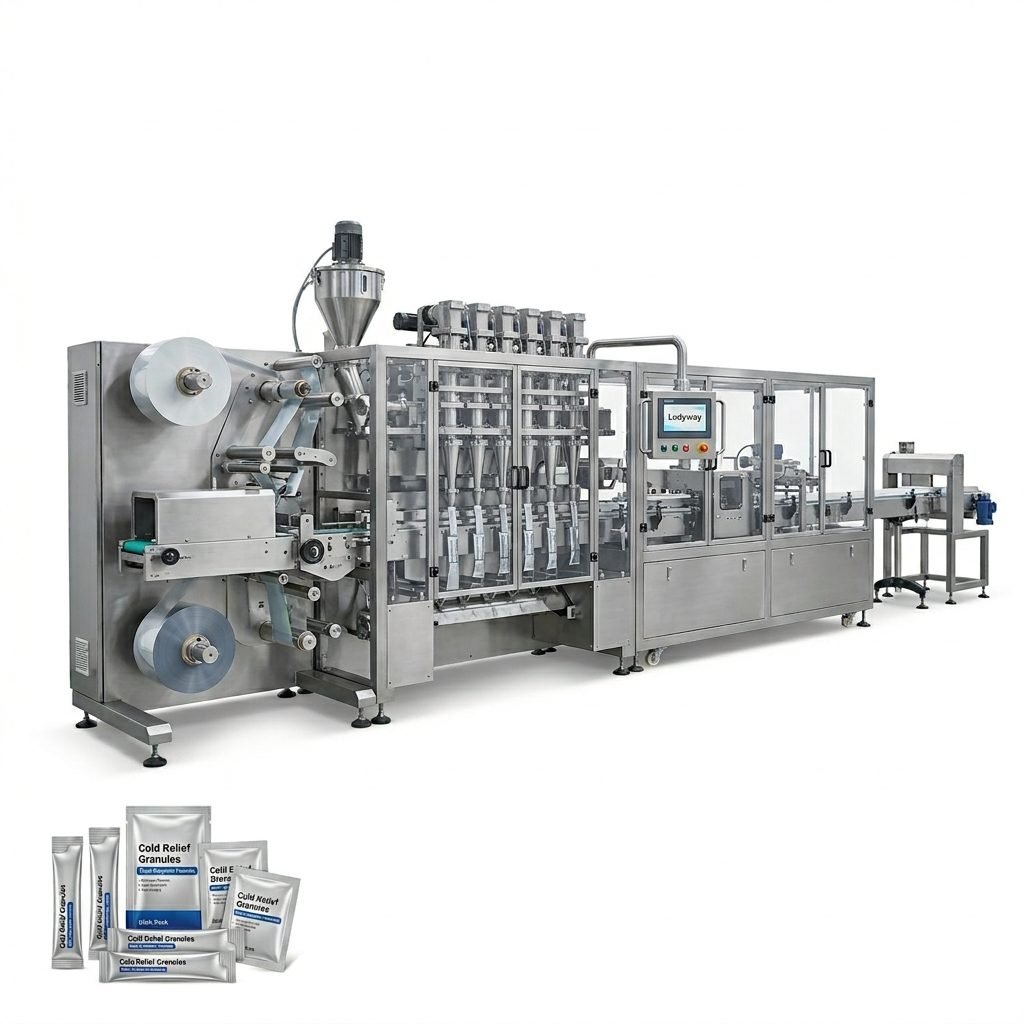
| Multi-Lane Stick Pack Machine | Sachets, single-serve products, powders, granules | 200-600+ packs/min | Very High |
Machine Configuration and Customization Options
Every production environment is unique, and the ability to customize your cellophane packing machine can significantly impact long-term satisfaction. Look for manufacturers that offer:
- Adjustable forming tunnels for different product sizes
- Modular design allowing future upgrades and add-ons
- Multiple feeding options — manual, conveyor, or robotic integration
- Customizable sealing temperatures and dwell times
- Integration with coding, labeling, and inspection systems
Evaluating Quality Standards and Compliance
Packaging machinery must meet applicable packaging standards and regulatory requirements, especially when used in food, pharmaceutical, or medical applications. When assessing a machine, verify the following:
- ISO compliance — check for relevant certifications and documentation
- CE marking — required for machinery sold in the European Economic Area
- FDA-compatible materials — essential for food and drug packaging applications
- GMP design principles — important for pharmaceutical and health product packaging
- Safety features — emergency stops, guarding, and interlock systems
Reviewing packaging machinery market research and industry reports can also provide valuable benchmarks for quality expectations and technological trends.
Budget, ROI, and Total Cost of Ownership
The purchase price of a cellophane packing machine is only one component of the total investment. A comprehensive cost analysis should include:
| Cost Category | Considerations |
|---|---|
| Initial Equipment Cost | Base machine price plus any customization, tooling, and optional modules |
| Installation and Commissioning | On-site setup, calibration, and integration with existing lines |
| Operator Training | Time and resources needed to train staff for safe and efficient operation |
| Consumables | Cellophane film, adhesives, replacement sealing elements, and lubricants |
| Maintenance and Spare Parts | Preventive maintenance schedules, wear parts, and emergency repairs |
| Energy Consumption | Electrical usage for heating elements, motors, and control systems |
| Downtime Costs | Lost production during maintenance, repairs, or changeovers |
A higher-quality machine with a slightly higher upfront cost often delivers better ROI through reduced downtime, lower maintenance expenses, and consistent output quality. Calculate the expected payback period based on increased throughput, reduced labor costs, and minimized material waste.
After-Sales Support and Service Network
The relationship with your equipment supplier extends well beyond the initial purchase. Before committing, evaluate the manufacturer’s service capabilities:
- Warranty terms — duration, coverage scope, and exclusions
- Spare parts availability — inventory levels, shipping times, and regional distribution
- Technical support — availability of remote diagnostics, on-site service, and troubleshooting assistance
- Operator training programs — initial and ongoing training options
- Documentation quality — user manuals, maintenance guides, and parts catalogs
Manufacturers with a strong global service presence can significantly reduce downtime risks, especially for companies operating in multiple locations or remote areas.
Choosing a Reliable Packaging Machinery Partner
Beyond machine specifications, the expertise and reliability of the manufacturer play a crucial role in the success of your packaging operation. Look for companies with a proven track record in engineering customized solutions, not just standardized equipment. A partner with in-house manufacturing, automation expertise, and application experience can help you navigate complex decisions around machine configuration, system integration, and future scalability.
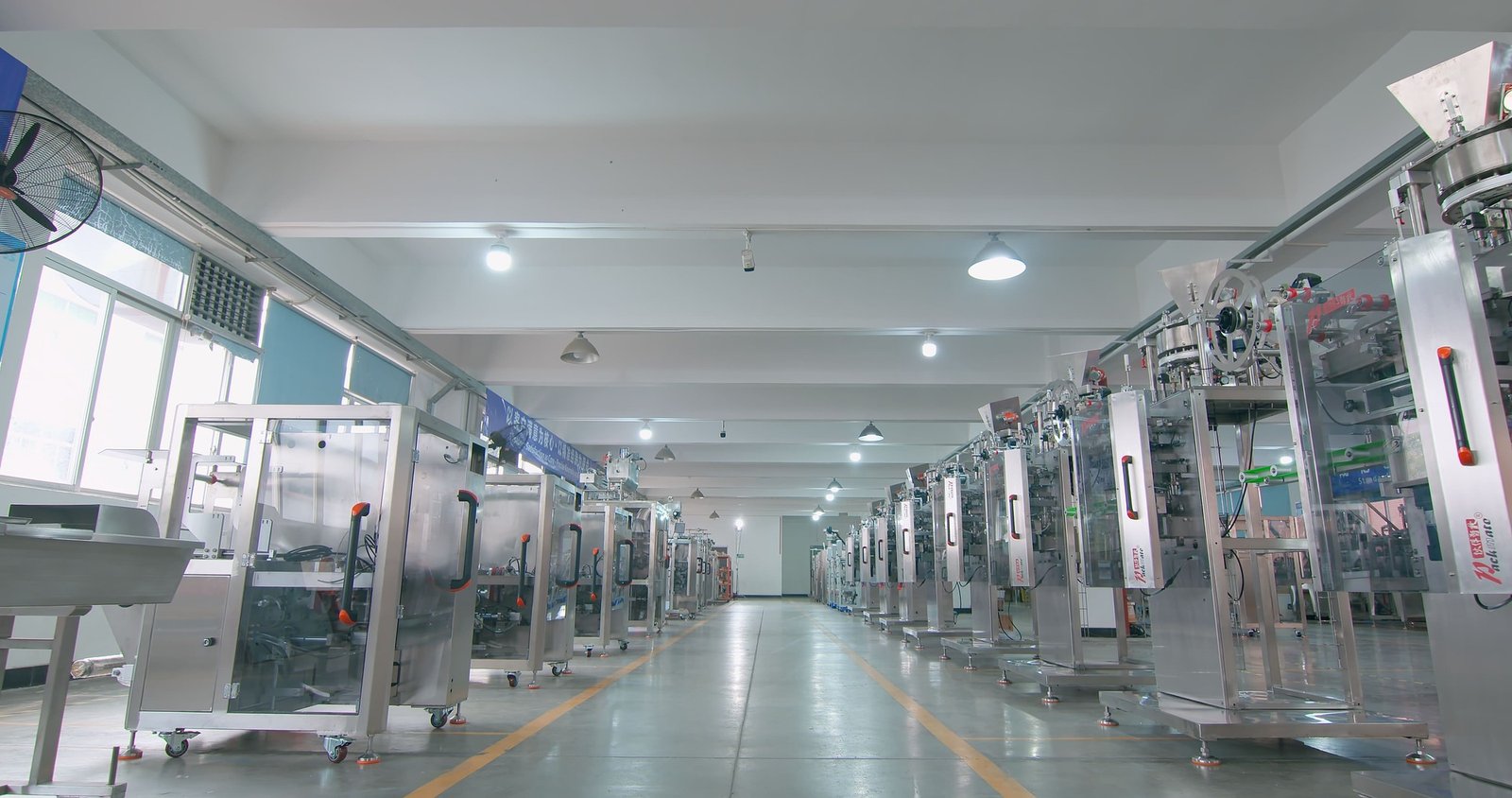
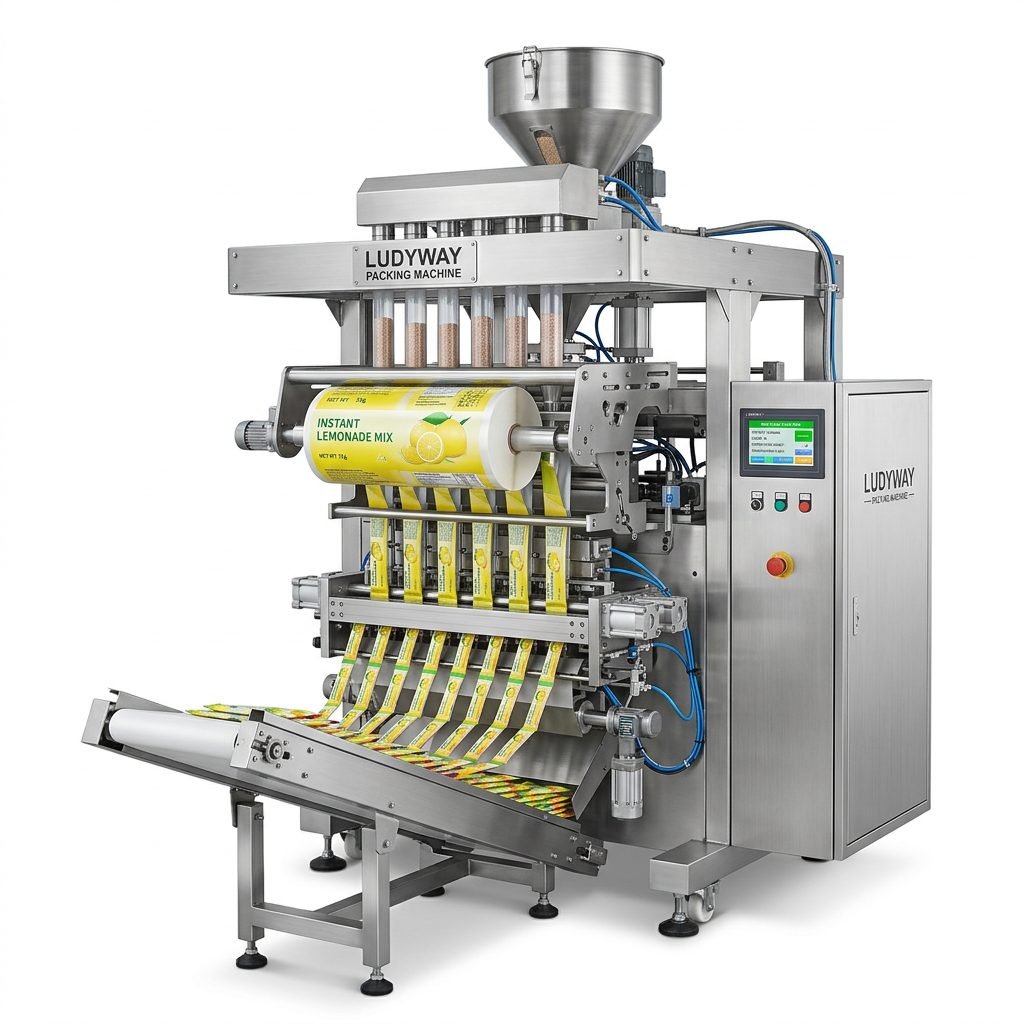
For instance, Ludyway Machinery — a China-based packaging machinery manufacturer with over 30 years of experience and a 20,000-square-meter manufacturing facility — provides cellophane packing machines and integrated packaging solutions to manufacturers in more than 100 countries. With over 50 machine models and a team of more than 130 professionals, the company is expected to achieve export revenue of more than RMB 500 million (approximately US$69 million) in 2025 and plans to surpass RMB 1 billion (approximately US$138 million) in export revenue in 2026, reflecting strong global demand for its equipment.
Questions to Ask Potential Suppliers
When you have shortlisted potential manufacturers, the following questions can help you make a more informed comparison:
- Can you provide references from customers in my industry with similar packaging requirements?
- What is the typical lead time for machine manufacturing, delivery, and commissioning?
- Do you offer trial runs or sample packaging using our actual products and materials?
- How do you handle machine customization and what is the associated cost and timeline?
- What training and technical documentation do you provide with the machine?
- How quickly can you dispatch spare parts and technical personnel when needed?
- What is your warranty policy and what does it cover?
Making the Final Decision
Selecting the right cellophane packing machine requires balancing technical specifications, quality standards, supplier reliability, and total cost considerations. A methodical approach — starting with a clear definition of your packaging requirements and evaluating machines against objective criteria — will help you avoid costly mistakes and ensure a successful investment.
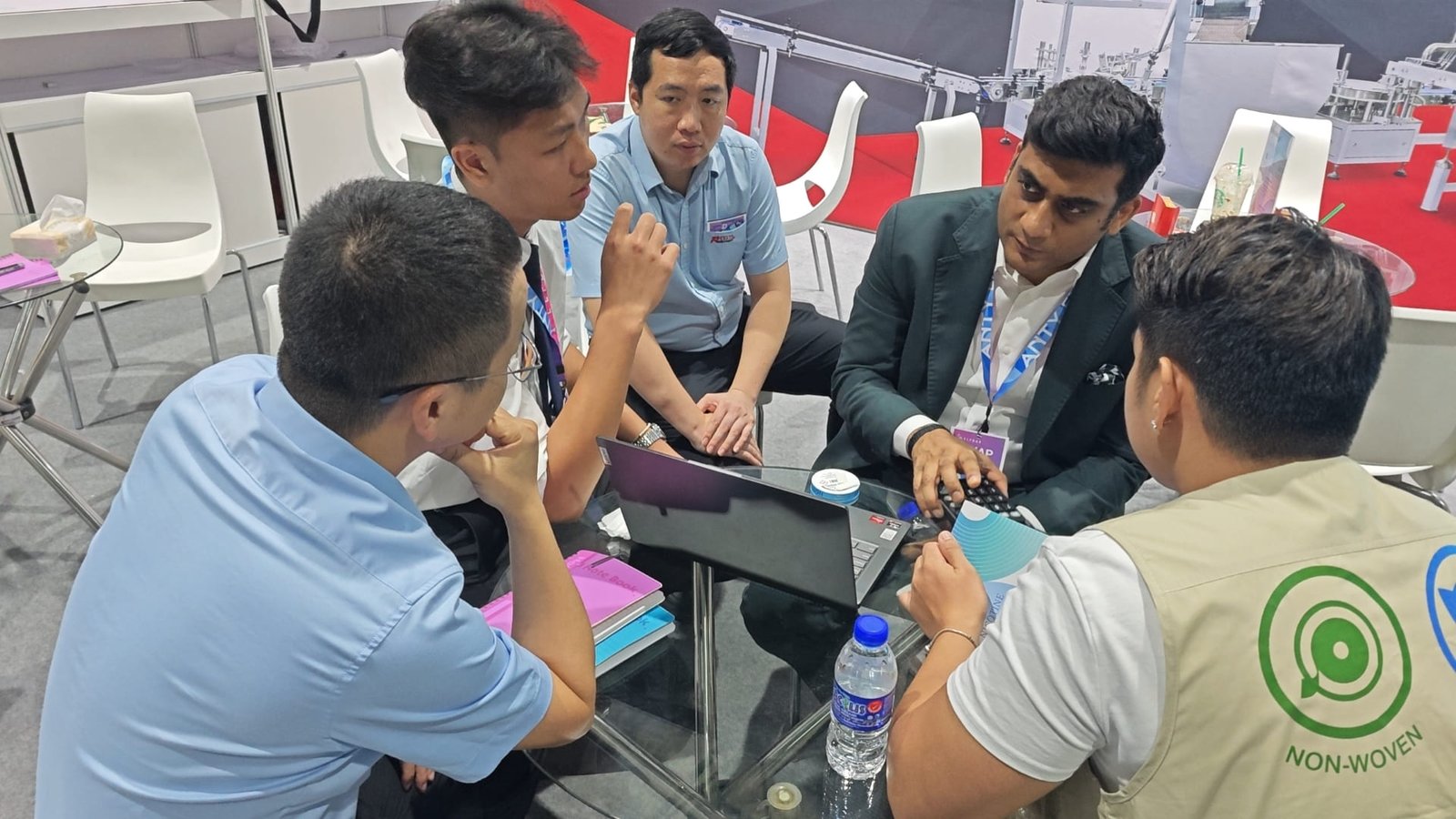
Take time to visit packaging trade shows, review flexible packaging industry resources, and consult with multiple manufacturers before making your decision. The right machine, backed by a reliable partner, can become a cornerstone of your production efficiency for years to come.