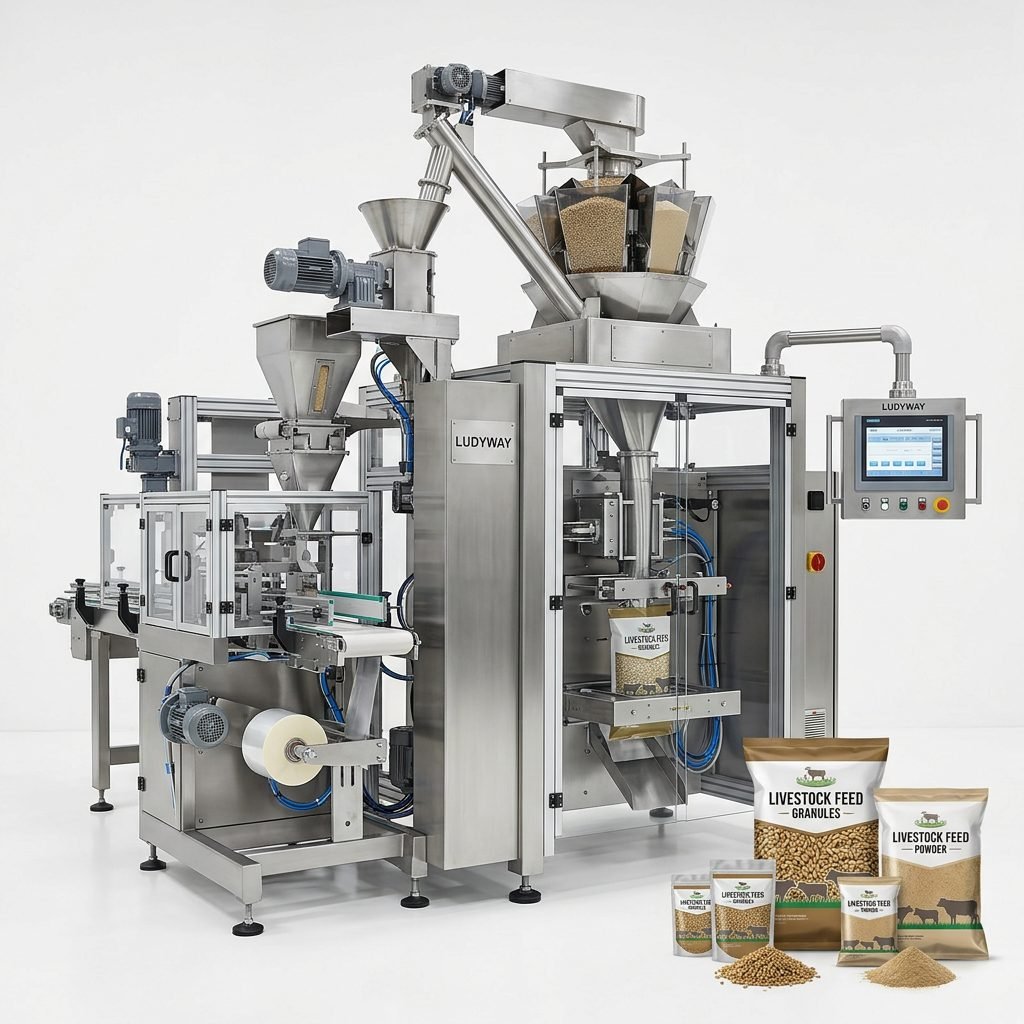
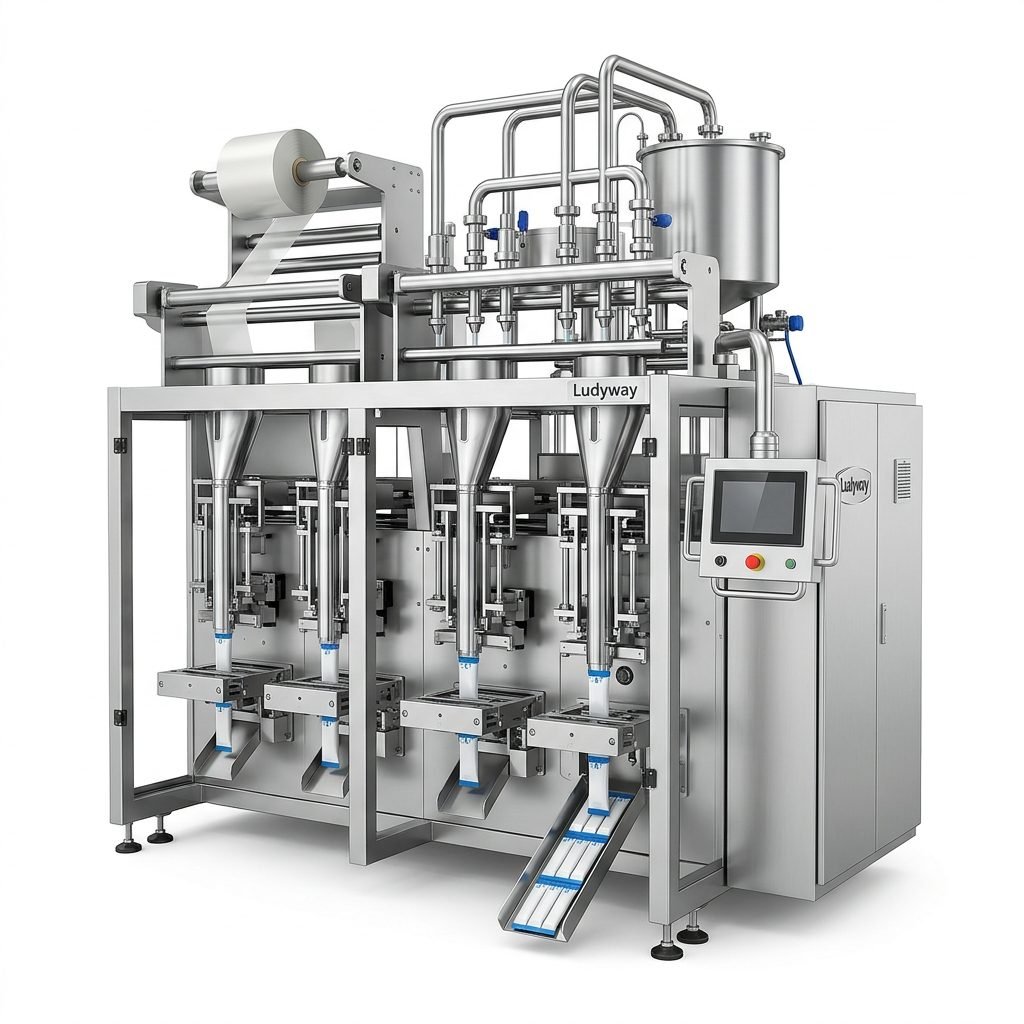
The Middle East has emerged as one of the fastest-growing markets for packaged snack foods, with beef jerky gaining significant traction among health-conscious consumers seeking high-protein, ready-to-eat options. As demand rises across Saudi Arabia, the UAE, Qatar, Kuwait, and Oman, manufacturers are increasingly investing in automated beef jerky packaging machines to meet both domestic needs and export requirements. Selecting the right equipment involves understanding regional market dynamics, product characteristics, and packaging regulations specific to the Gulf Cooperation Council (GCC) region.
Why the Middle East Beef Jerky Market Requires Specialized Packaging Solutions
The Middle East snack food sector is projected to grow at a CAGR exceeding 6% through 2030, with meat-based snacks representing the fastest-growing subcategory. Several factors make packaging equipment selection critical for regional operators:
- Climate considerations: High ambient temperatures and humidity levels across the Gulf region demand superior barrier packaging properties to prevent oxidation and moisture ingress.
- Halal certification requirements: Packaging lines must maintain strict segregation and traceability, with equipment surfaces complying with food contact substance regulations.
- Export orientation: Many Middle Eastern manufacturers serve markets across Africa, Europe, and Asia, requiring packaging formats that meet multiple international standards including ISO 11607 requirements.
- Retail channel diversity: Products must be packaged for traditional souks, modern supermarkets, convenience stores, and e-commerce fulfillment centers simultaneously.
Key Selection Criteria for Beef Jerky Packaging Machines
Packaging Format Flexibility
Beef jerky products in the Middle East market utilize several packaging formats. Your machine selection should align with your target format strategy. Multi-format capability can provide significant competitive advantage as regional consumer preferences continue to evolve.
| Packaging Format | Best Suited For | Market Preference in GCC |
|---|---|---|
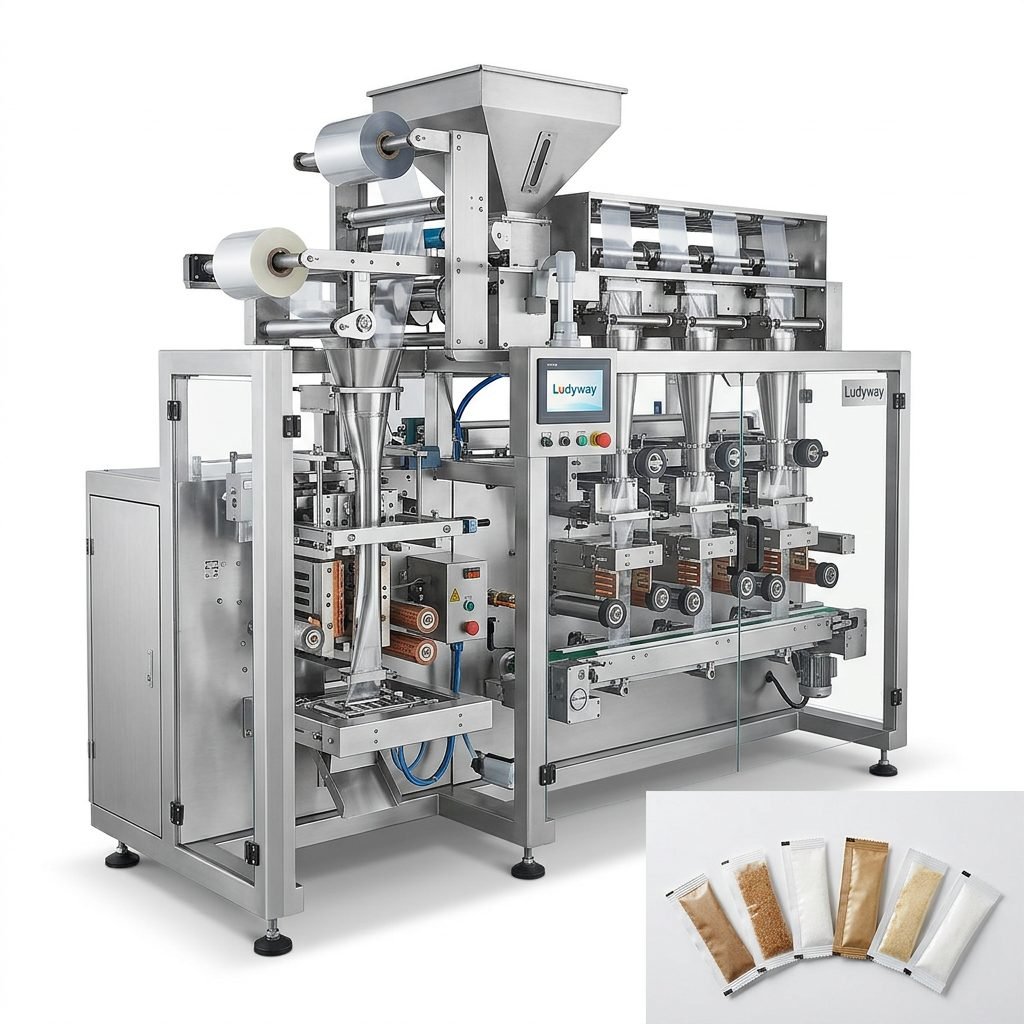
| Stick Packs | Single-serve portions, impulse purchases | Growing rapidly in convenience stores |
| Flat Sachets | Small-to-medium portions, value packs | Popular in traditional retail |
| Stand-Up Pouches | Premium positioning, larger quantities | Preferred for export and premium segments |
| Vacuum Packs | Extended shelf life, bulk formats | Common for wholesale and food service |
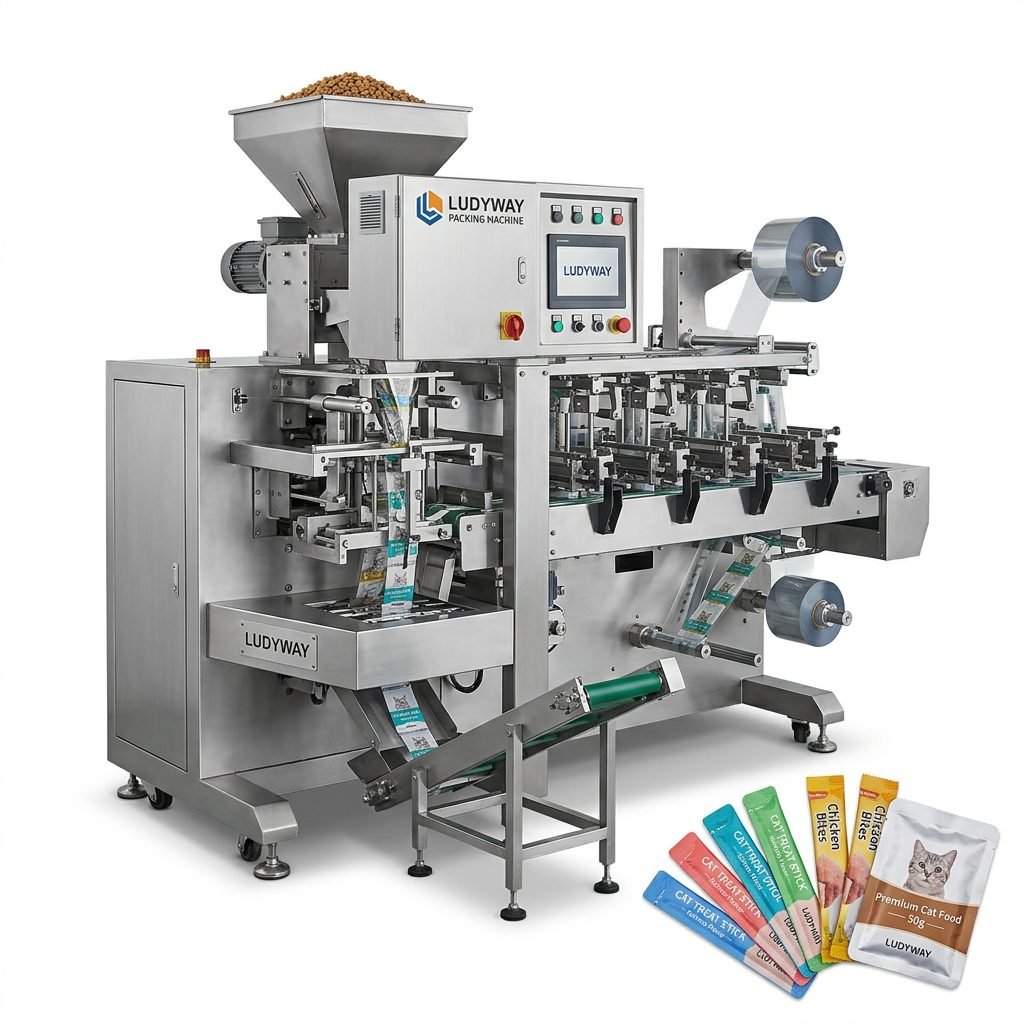
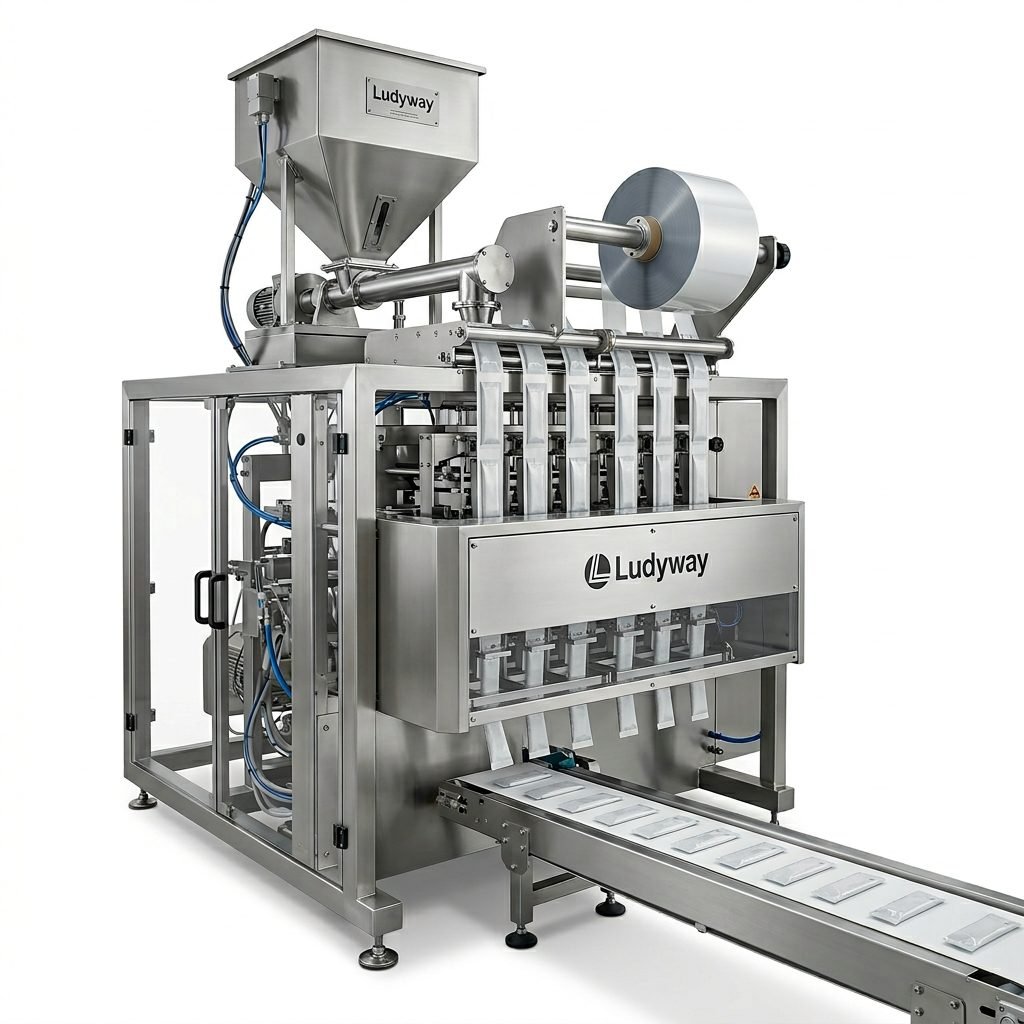
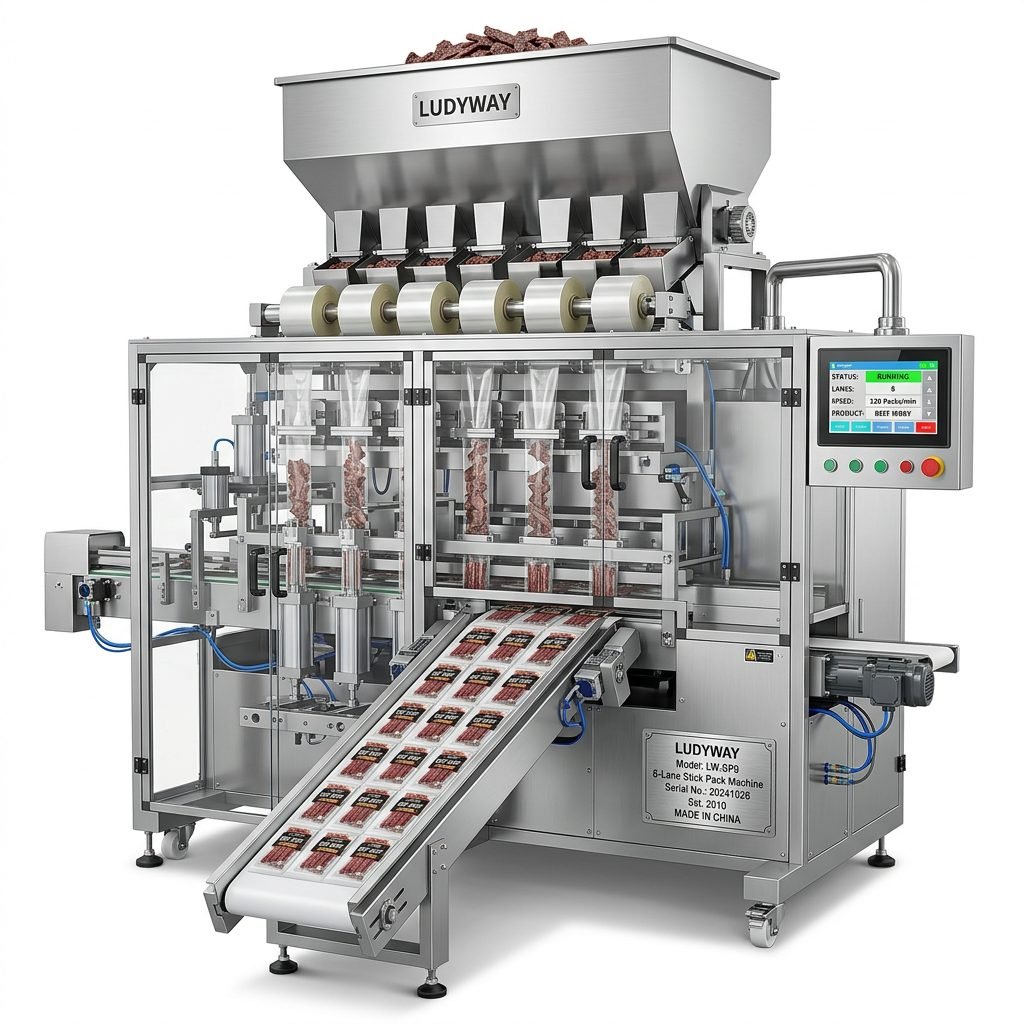
| Multi-Lane Stick Packs | High-volume production, portion control | Increasingly adopted by large manufacturers |
Production Capacity and Speed Requirements
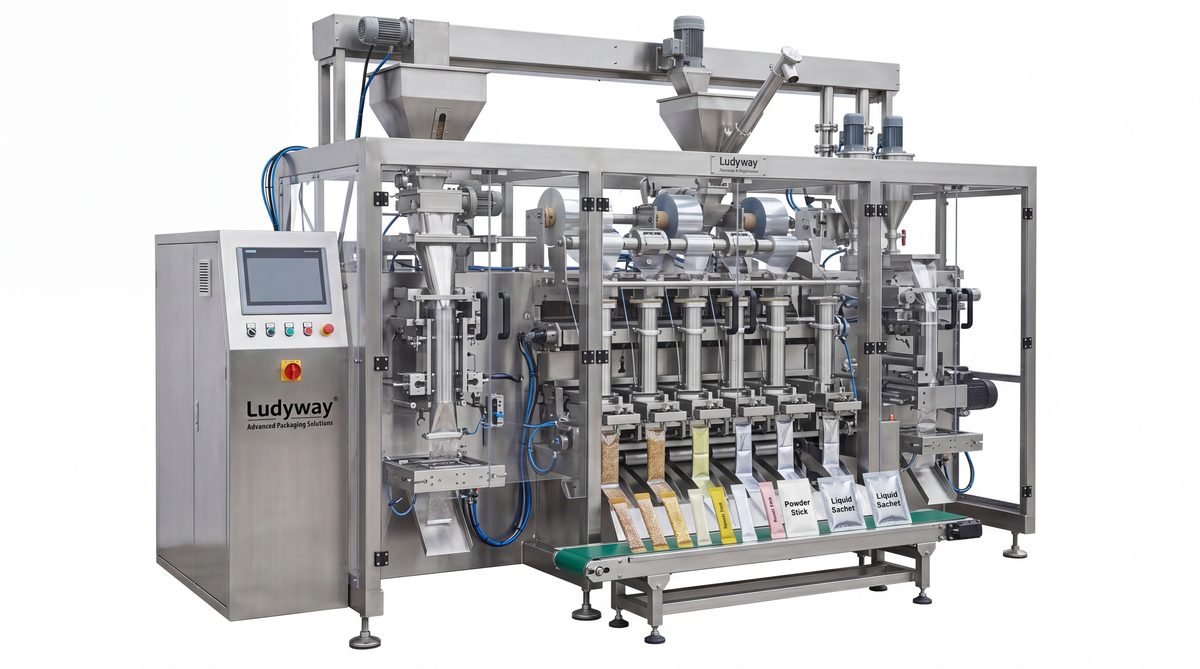
Middle Eastern manufacturers typically operate across a wide capacity spectrum. Small-to-medium enterprises may require 30-60 packs per minute, while large-scale operations serving regional export markets often need 120-300 packs per minute. When evaluating multi-lane stick pack machines for beef jerky, consider that lane configurations of 4-12 lanes can dramatically increase throughput without proportionally increasing floor space requirements.
Modified Atmosphere Packaging (MAP) Integration
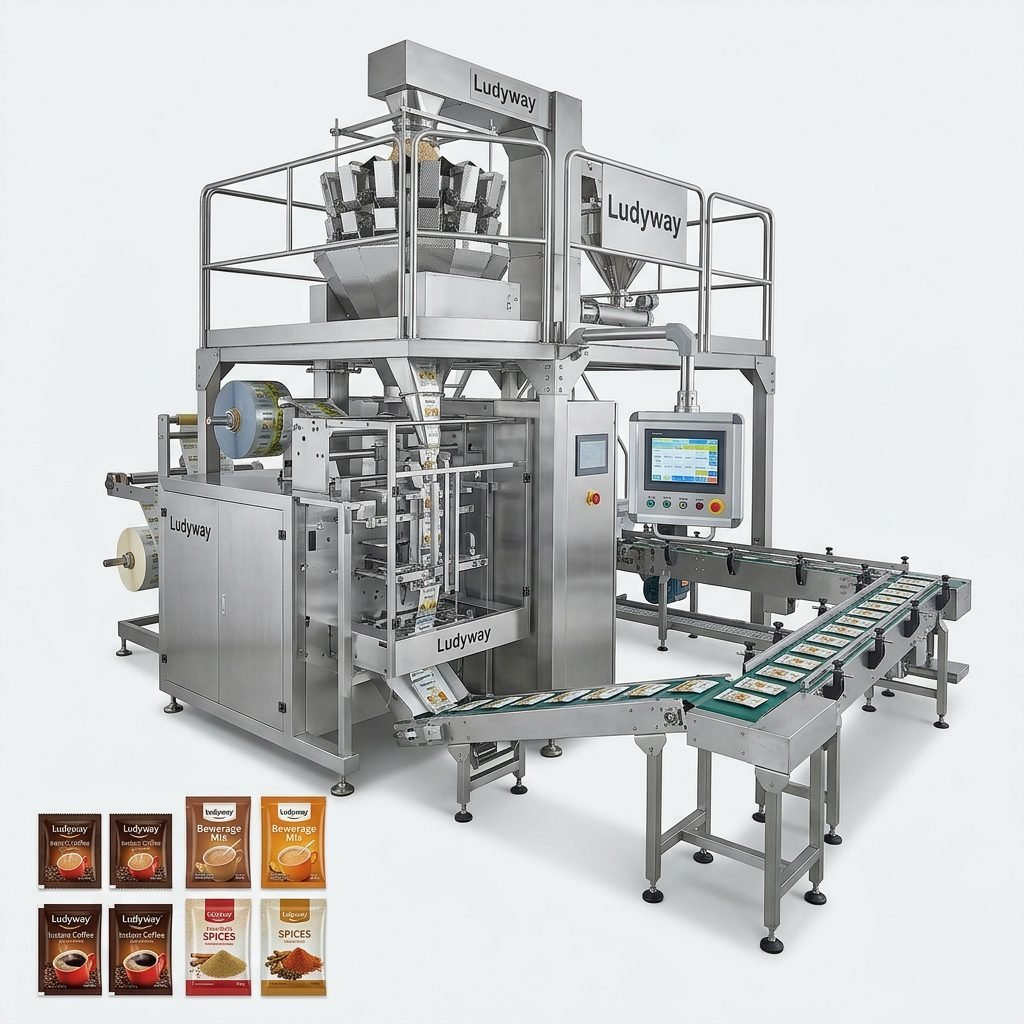
Given the Middle East climate, oxygen and moisture barrier performance is non-negotiable for beef jerky packaging. Equipment should support nitrogen flushing or vacuum sealing capabilities. According to flexible packaging industry data, MAP technology can extend jerky shelf life by 2-3 times compared to conventional packaging, a crucial advantage when shipping across the GCC’s long distribution chains.
Material Compatibility and Sustainability
Modern beef jerky packaging machines must handle a range of film structures, from traditional multi-layer laminates to emerging recyclable mono-materials. The Middle East is increasingly aligning with international packaging waste regulations, making material flexibility a key purchasing consideration. Look for machines with adjustable sealing temperatures and dwell times to accommodate different film characteristics without compromising seal integrity.

Essential Technical Features for Middle East Operations
- Stainless steel construction: Grade 304 or 316L stainless steel for all product contact surfaces ensures compliance with halal hygiene requirements and resistance to cleaning chemicals.
- Servo-driven sealing systems: Precise temperature control with real-time monitoring prevents seal failures that lead to product returns in hot climates.
- Integrated weighing and counting: Multi-head weighers with accuracy of ±0.5g ensure portion consistency critical for branded products.
- Quick-change tooling: Enables rapid format changes between different package sizes without extensive downtime.
- HMI with multilingual support: Interfaces available in Arabic and English reduce operator training time and minimize errors.
- Remote diagnostics capability: Critical for manufacturers in regions where on-site technical support may have longer response times.
Certifications and Compliance for GCC Markets
Beef jerky packaging equipment destined for Middle Eastern operations should carry relevant certifications. CE marking is widely recognized across the GCC, while equipment meeting ISO packaging standards demonstrates commitment to quality. Additionally, look for machines designed with hygienic engineering principles that support GSO (GCC Standardization Organization) food safety requirements and facilitate halal audit processes.
Automation and Industry 4.0 Readiness
Forward-thinking Middle Eastern manufacturers are investing in smart packaging lines with data collection capabilities. Equipment featuring OEE (Overall Equipment Effectiveness) monitoring, predictive maintenance alerts, and integration with enterprise resource planning systems provides significant operational advantages. These features align with national industrial strategies across the GCC, including Saudi Vision 2030 and UAE’s Operation 300bn.
Evaluating Total Cost of Ownership
| Cost Factor | Considerations for Middle East Buyers |
|---|---|
| Initial Equipment Investment | Compare across manufacturers; consider modular systems that allow phased investment |
| Energy Consumption | Critical in regions with high electricity costs; look for servo-driven efficiency |
| Spare Parts Availability | Confirm regional distribution of critical consumables and wear components |
| Technical Support | Evaluate availability of Arabic-speaking technicians and remote support options |
| Film Waste Rates | High-quality sealing systems reduce material waste by 3-5% annually |
After-Sales Service and Local Support
The availability of responsive after-sales support is paramount when operating beef jerky packaging lines in the Middle East. Downtime costs in high-volume snack production can exceed thousands of dollars per hour. Key considerations include the proximity of service centers, availability of remote troubleshooting, comprehensive training programs for operators, and warranty terms that account for regional operating conditions.
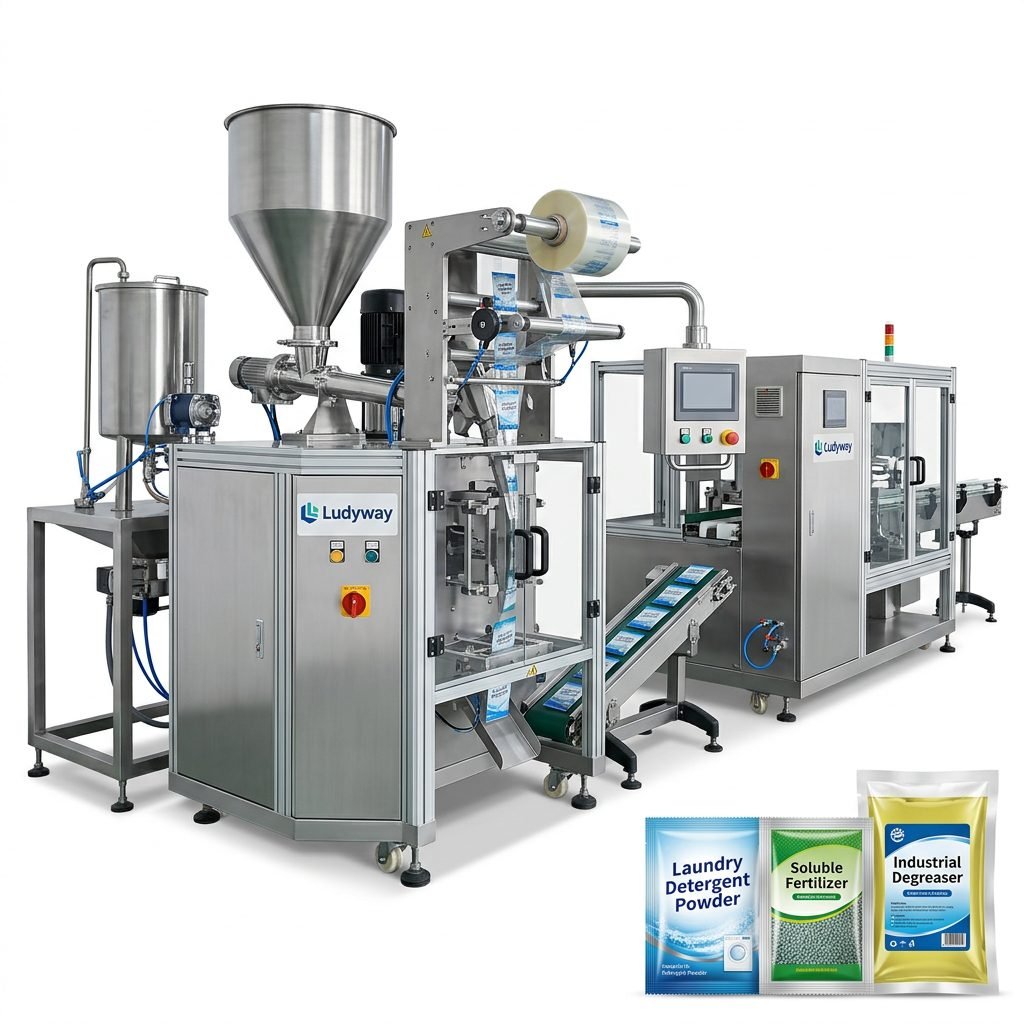
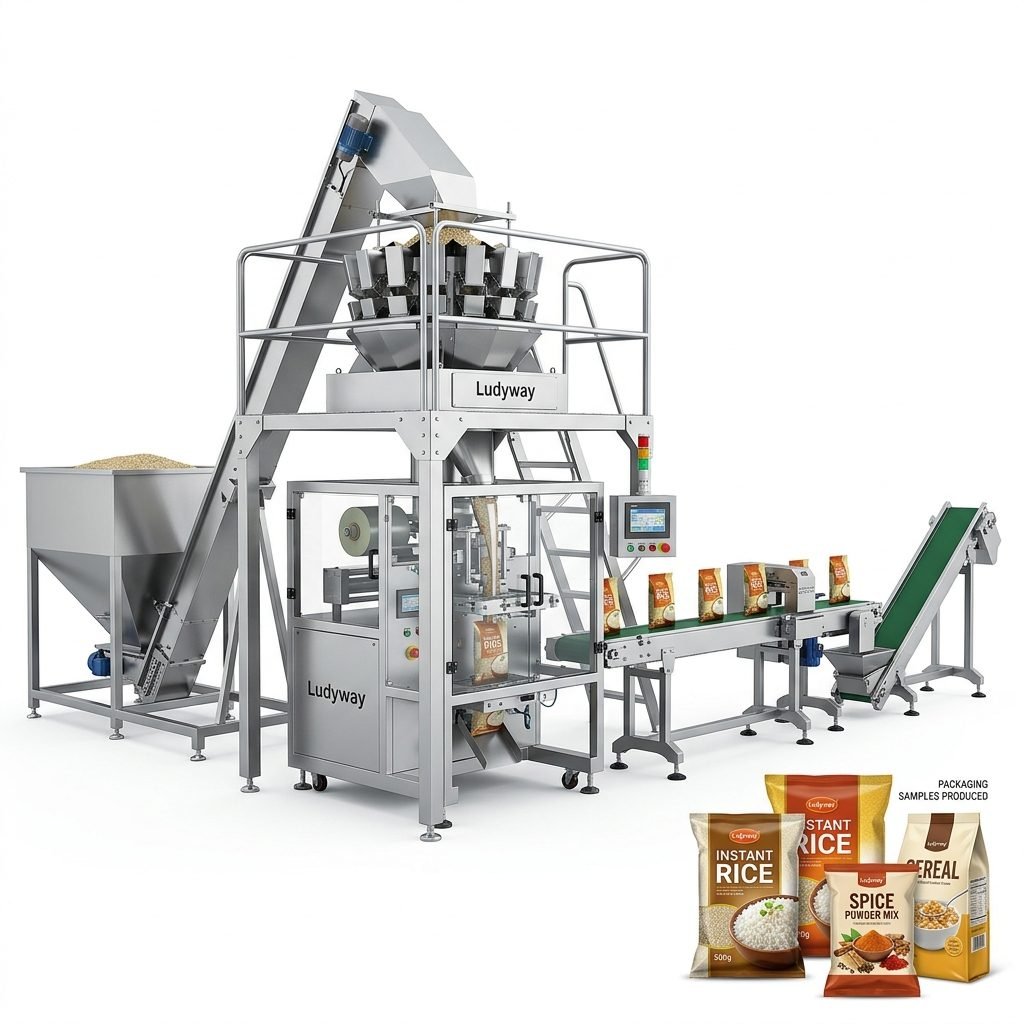
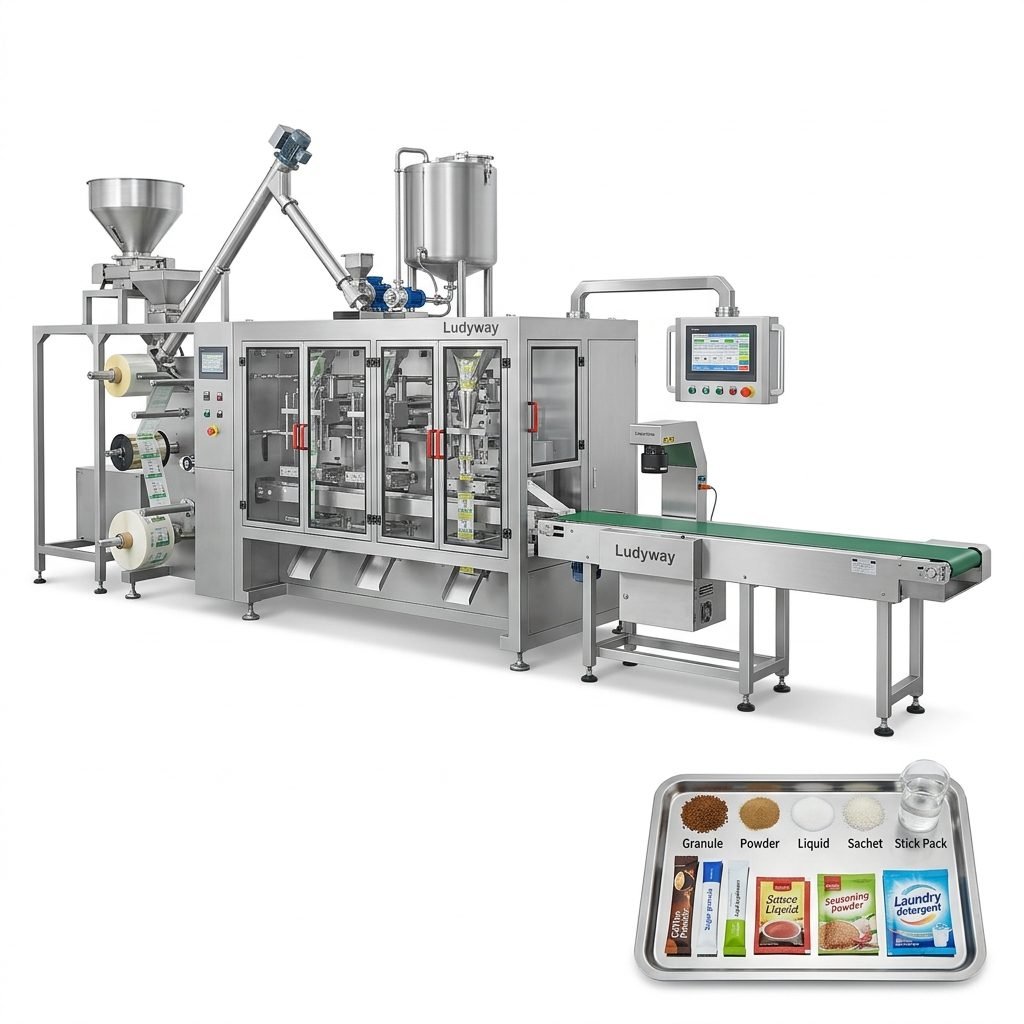
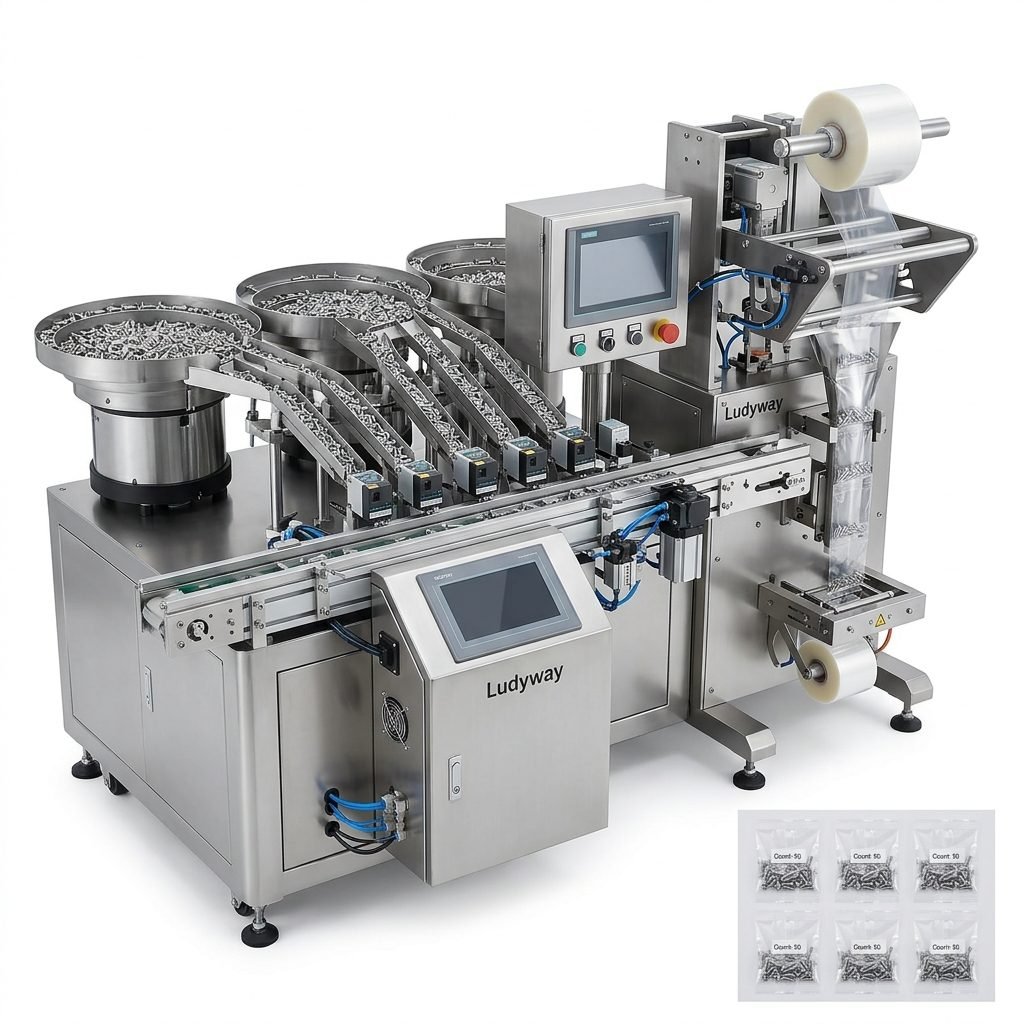
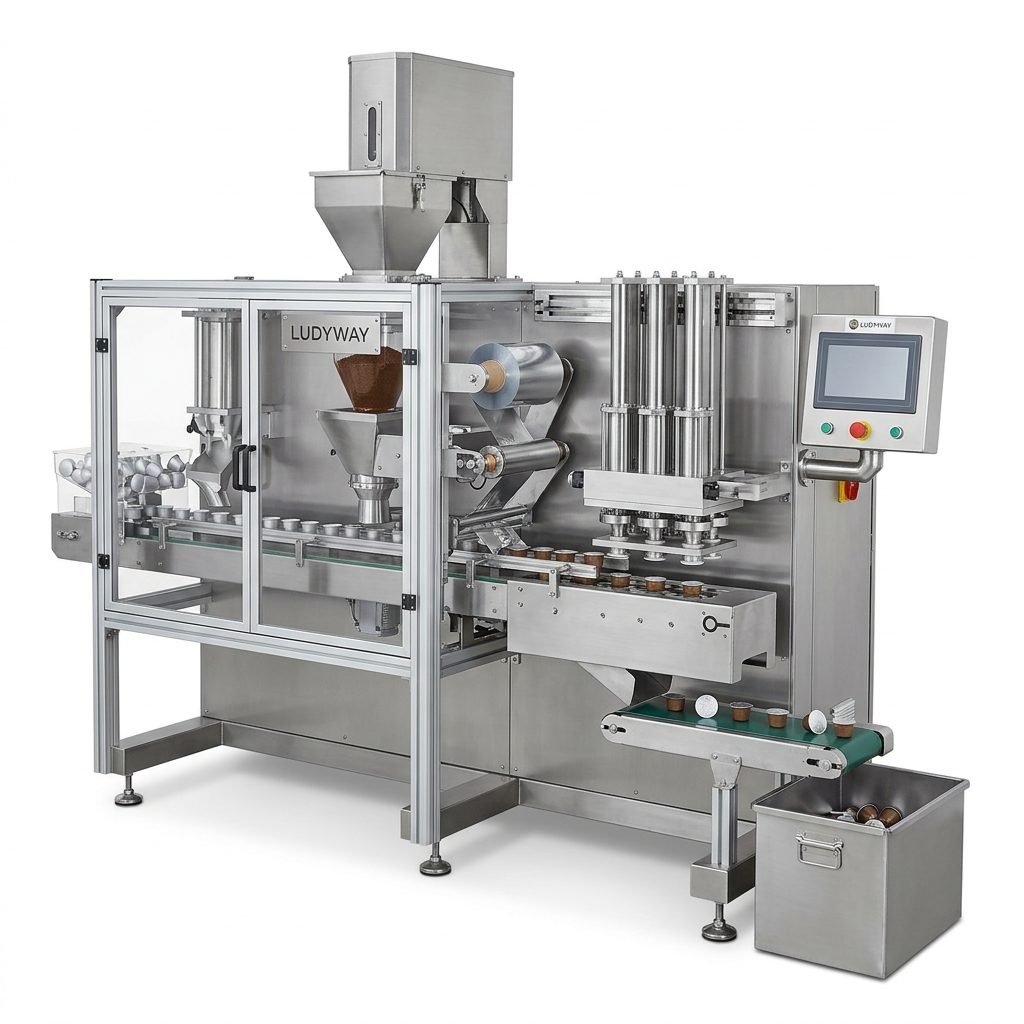
One manufacturer that has established a strong global presence is Ludyway, a packaging machinery company with over 30 years of industry experience. Their multi-lane stick pack and sachet packaging systems are deployed across more than 100 countries, supported by a modern 20,000㎡ manufacturing facility and a team of 130+ professional packaging experts. For Middle Eastern beef jerky producers seeking reliable, high-performance packaging solutions, evaluating manufacturers with proven international track records and comprehensive after-sales infrastructure is essential.
Integration with Complete Production Lines
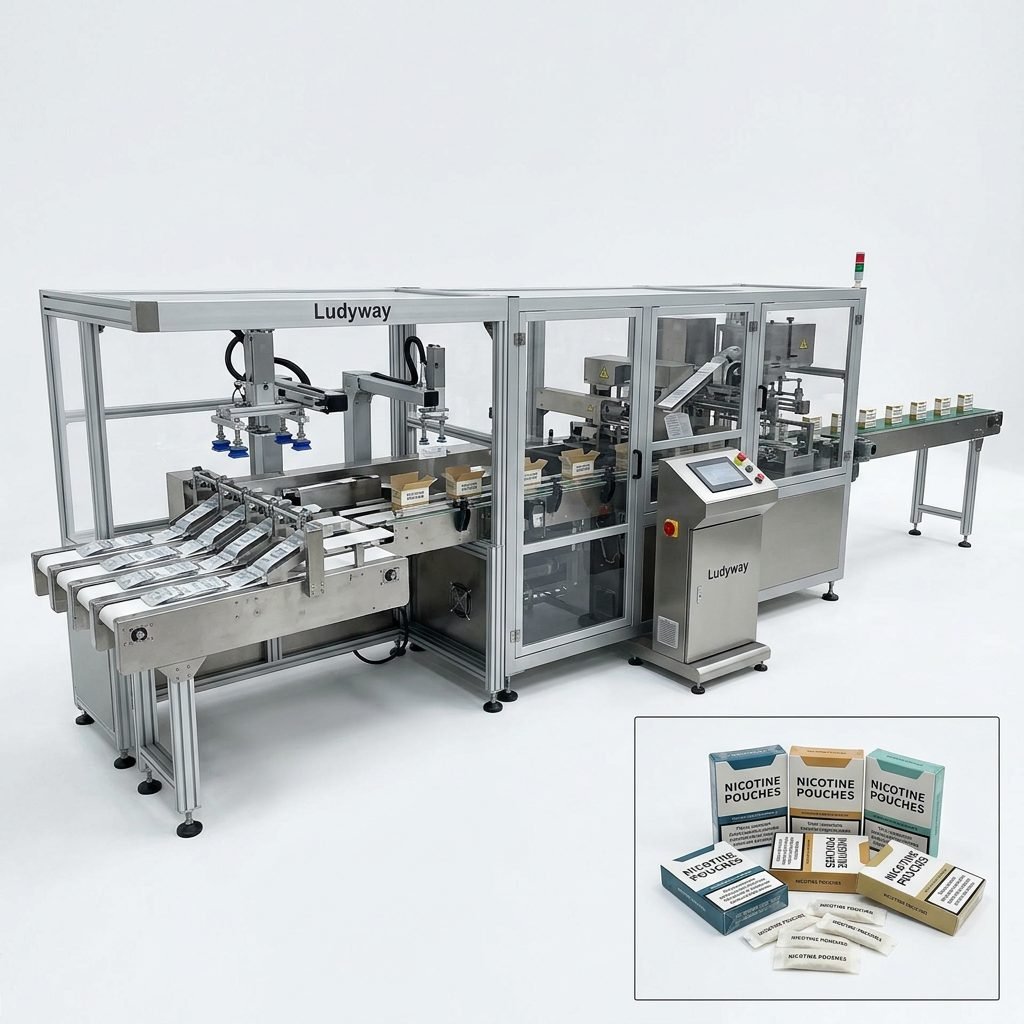
Modern beef jerky operations benefit from turnkey packaging solutions that integrate seamlessly with upstream processing equipment. Consider whether your packaging machine supplier can provide complementary systems including automatic feeding conveyors, checkweighers, metal detectors, cartoning machines, and palletizing equipment. A single-source approach often simplifies project management and ensures compatibility across the entire line.
Visit Trade Shows and Schedule Factory Audits
Before finalizing your beef jerky packaging machine purchase, attending industry events like PACK EXPO International provides opportunities to see equipment in operation and compare multiple manufacturers side by side. Additionally, scheduling factory visits allows you to assess build quality, manufacturing standards, and the engineering team’s expertise firsthand.
Key Takeaways for Middle East Buyers
- Prioritize barrier packaging capability to combat regional climate challenges and extend product shelf life.
- Select machinery with multi-format flexibility to serve diverse retail channels from traditional markets to modern e-commerce.
- Verify halal compliance features and hygienic design principles that meet GSO and GCC food safety standards.
- Invest in automation and smart features that align with national industrial development visions across the region.
- Evaluate total cost of ownership including energy consumption, spare parts availability, and technical support responsiveness.
- Choose manufacturers with proven global experience and established service networks in the Middle East and North Africa region.
By carefully evaluating these factors and partnering with experienced packaging machinery manufacturers, Middle Eastern beef jerky producers can build efficient, compliant, and future-ready packaging operations that capture growing regional demand while meeting the requirements of international export markets.