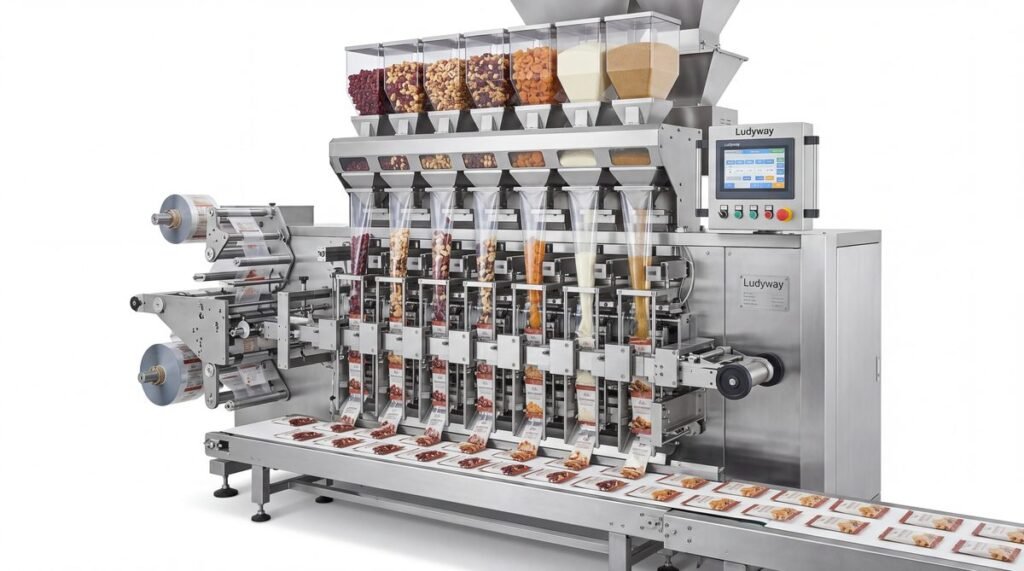
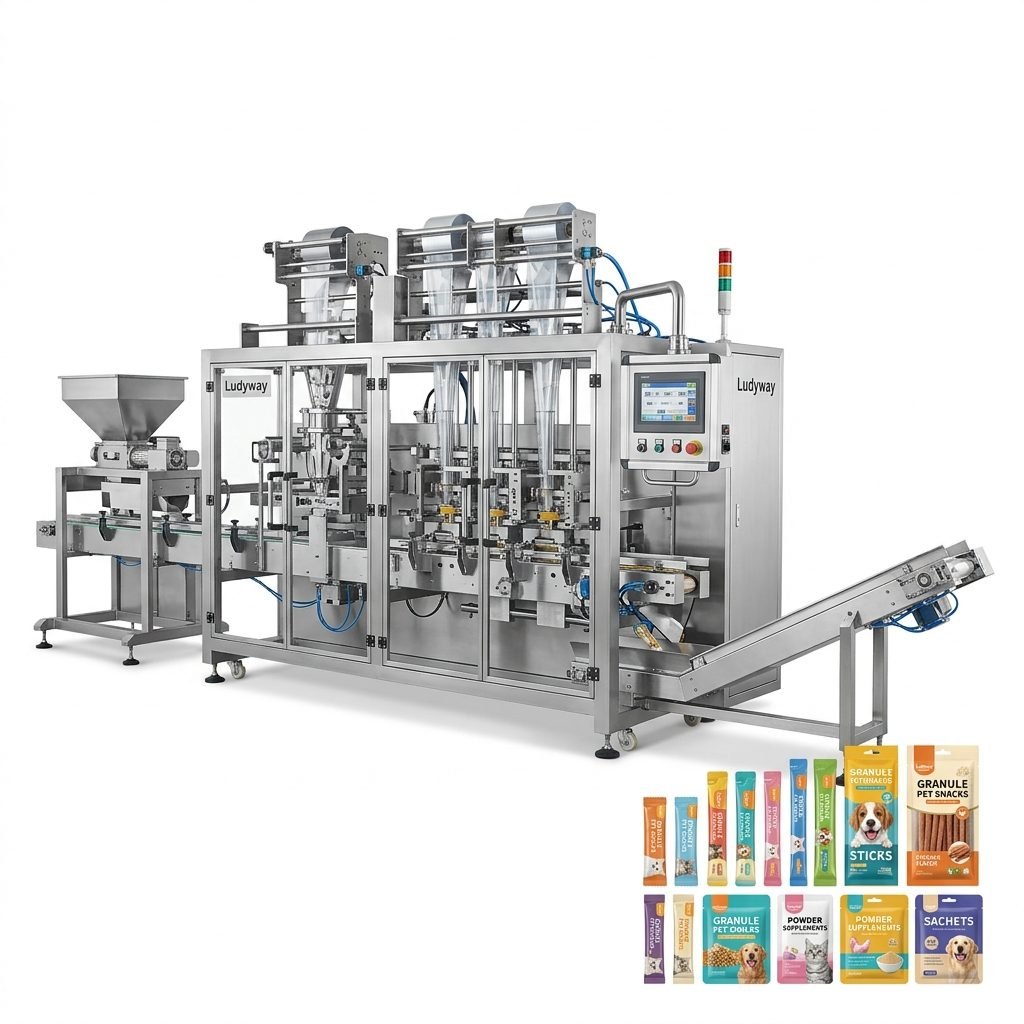
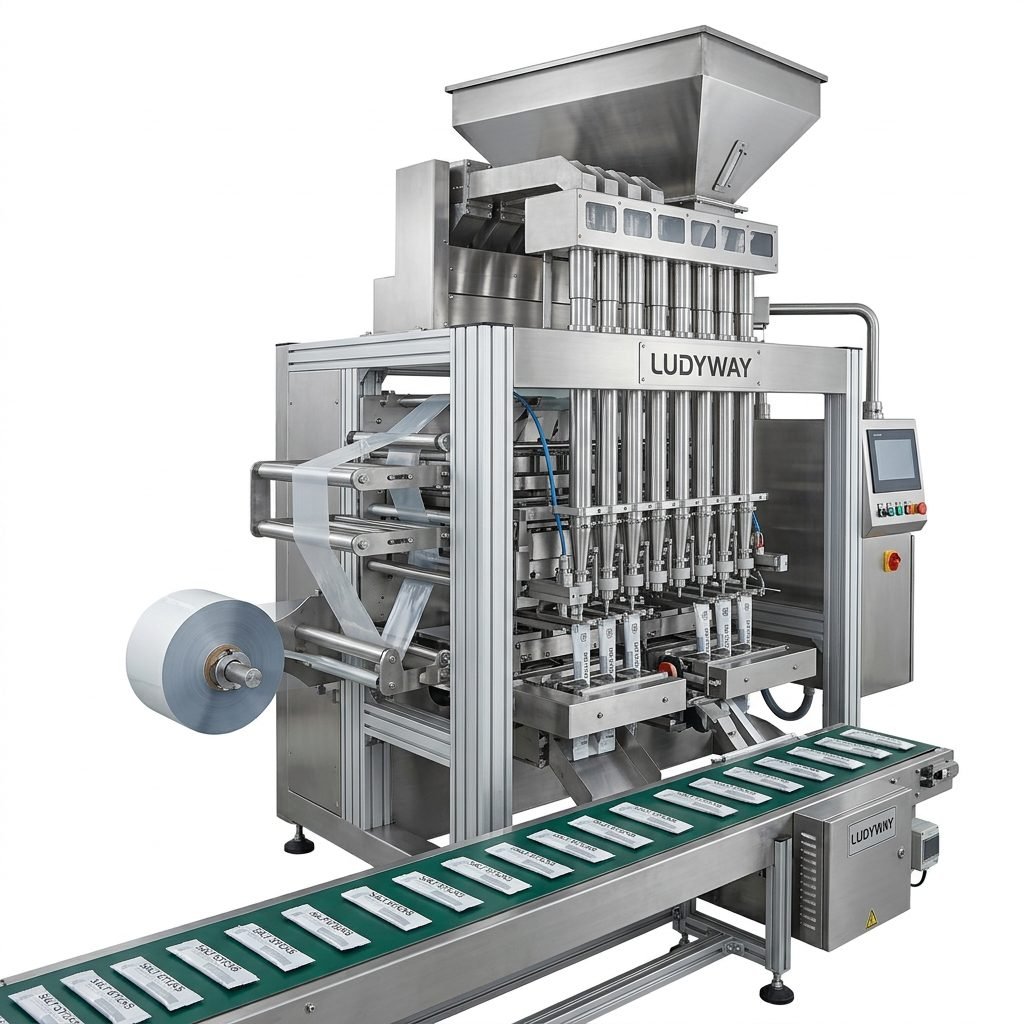
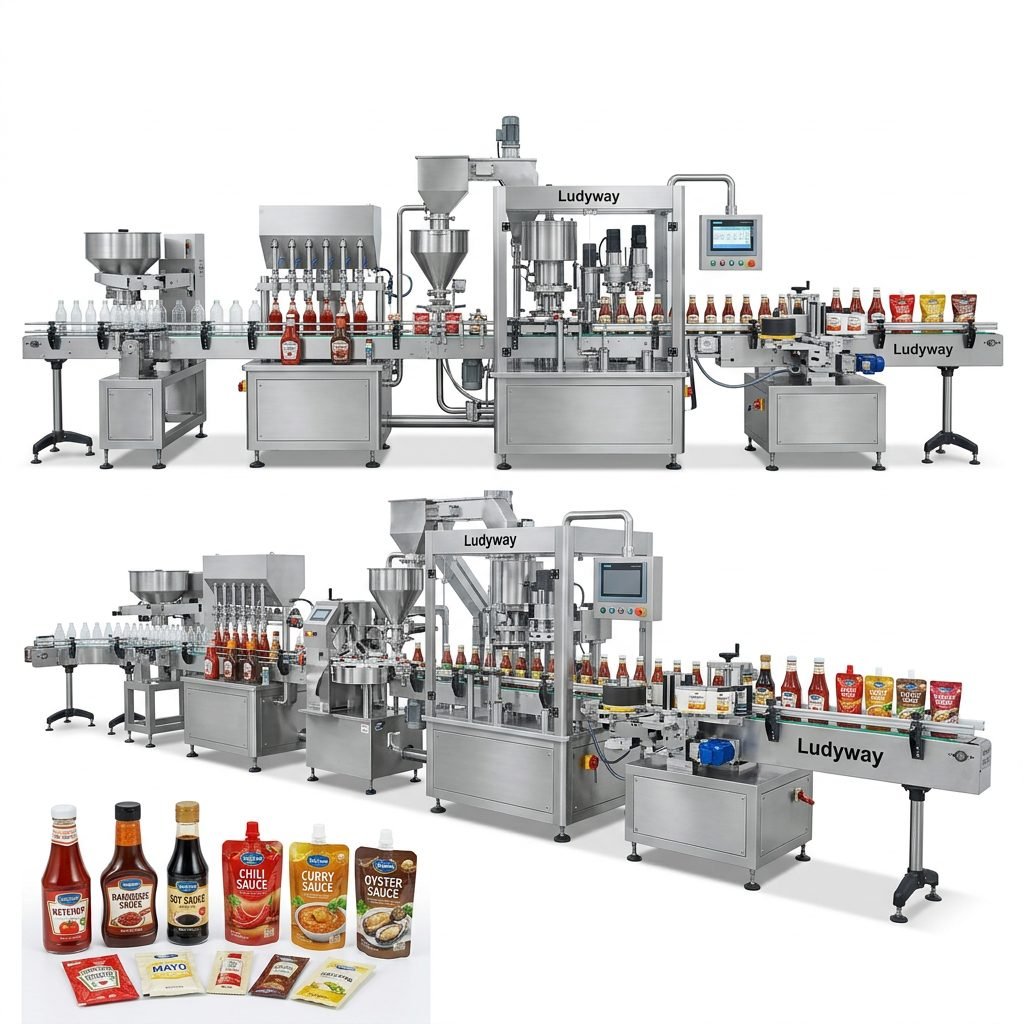
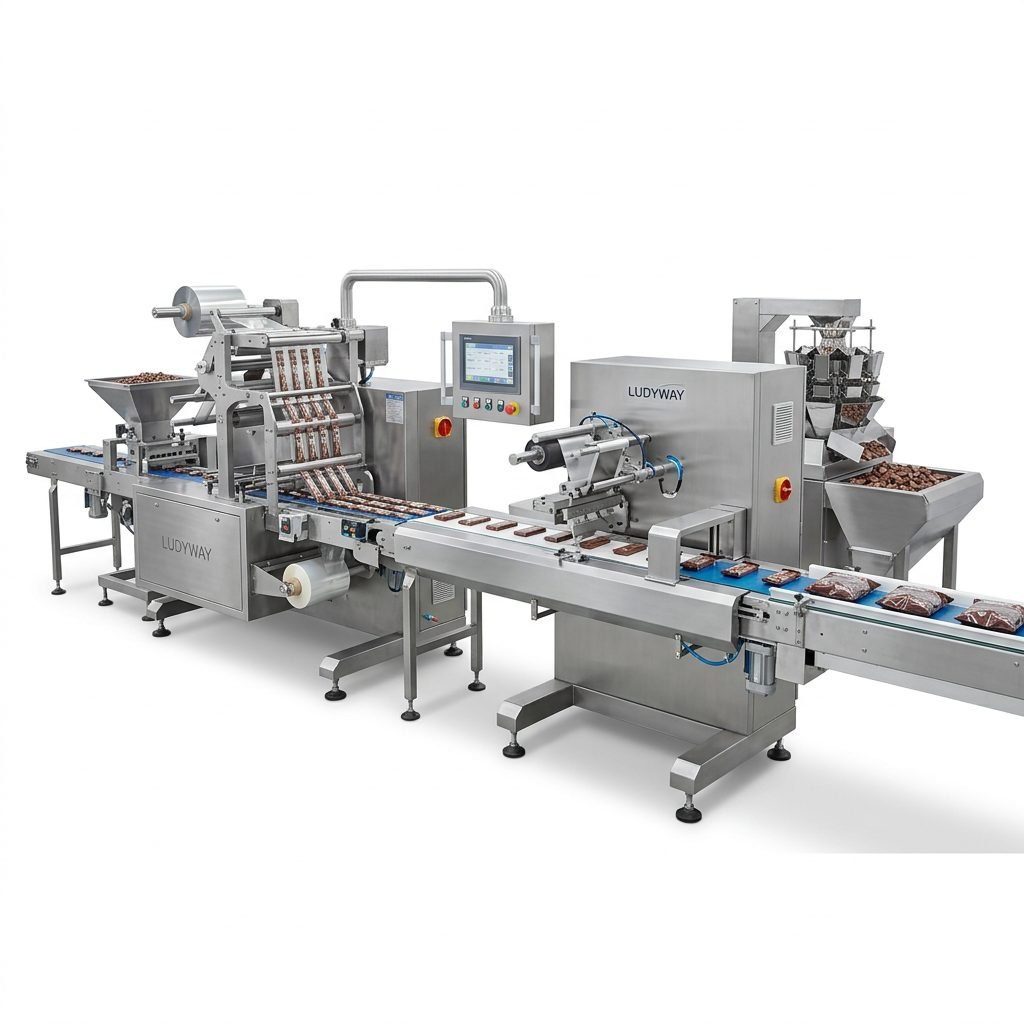
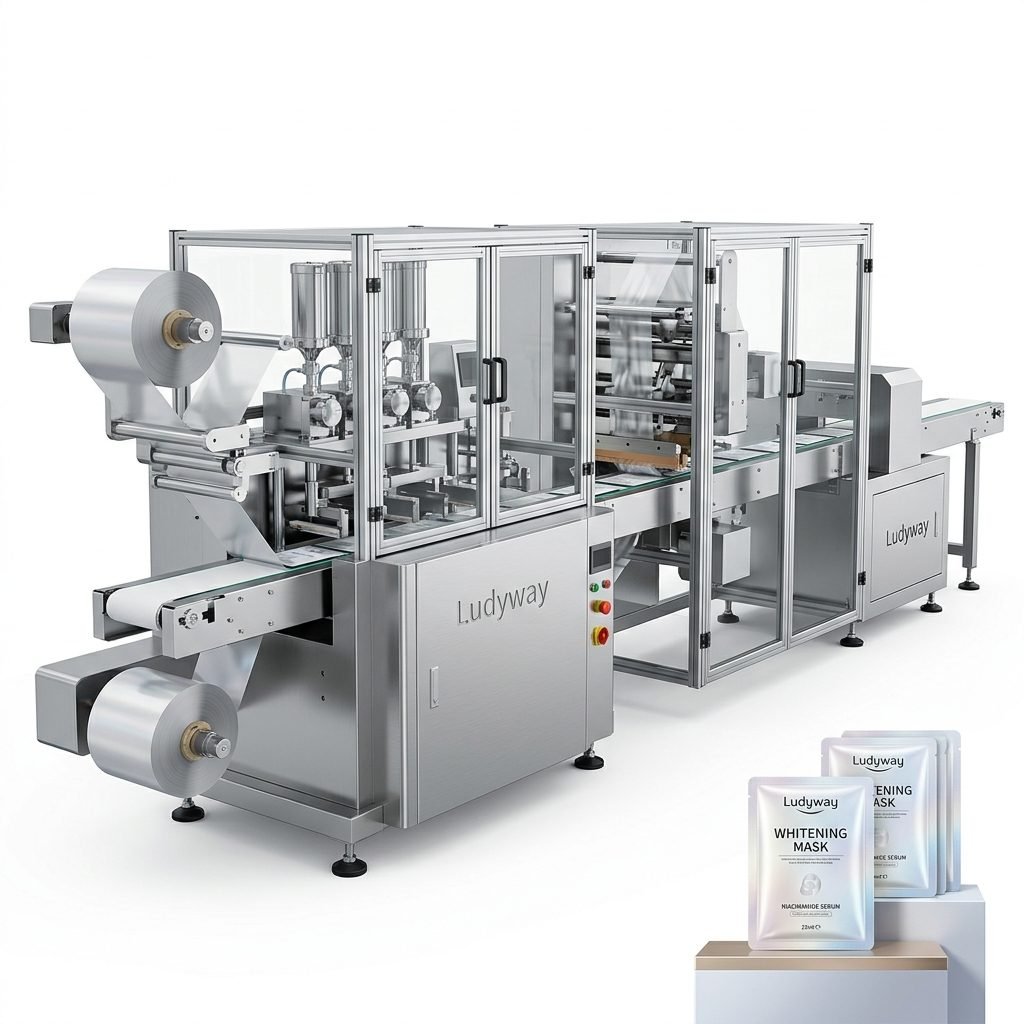
Investing in a coffee stick pack packing machine is a strategic decision that directly impacts your production efficiency, product quality, and long-term operational costs. Whether you are a growing coffee brand launching single-serve sachets or an established manufacturer scaling up high-speed stick pack production, selecting the right equipment requires careful evaluation of multiple technical and commercial factors. This guide walks you through the essential criteria to help you make an informed purchasing decision.

Understanding Coffee Stick Pack Machine Types
Before diving into specifications, it is important to understand the different machine configurations available for coffee stick pack packaging. The right choice depends on your product form, production volume, and packaging format requirements.
| Machine Type | Best Suited For | Key Advantage |
|---|---|---|
| Single-Lane Stick Pack Machine | Small to medium coffee producers, specialty roasters | Lower initial investment, compact footprint |
| Multi-Lane Stick Pack Machine (4-12 lanes) | High-volume instant coffee and ground coffee brands | High output capacity, lower cost per unit |
| Rotary Stick Pack System | Ultra-high-speed continuous production lines | Maximum throughput for large-scale operations |
| Integrated Stick Pack Line | Manufacturers needing end-to-end automation | Includes dosing, filling, sealing, coding, and cartoning |
For coffee products specifically, multi-lane stick pack machines have become the industry standard for high-speed production. According to PMMI’s State of the Industry report, the demand for flexible packaging equipment continues to grow, driven by consumer preference for convenient single-serve formats.
Key Production Requirements to Evaluate
Before contacting suppliers, clearly define your production requirements. The following checklist will help you communicate your needs effectively and receive accurate machine recommendations.
- Product characteristics: Is your coffee in powder, granule, or ground form? Particle size, density, and flowability significantly affect dosing accuracy and filling system selection.
- Target output speed: How many stick packs per minute do you need? Single-lane machines typically produce 40-80 packs per minute, while multi-lane systems can exceed 400-600 packs per minute.
- Fill weight range: Common coffee stick pack sizes range from 1.5g to 15g. Ensure the machine’s dosing system can handle your specific target weight with acceptable precision.
- Packaging material compatibility: Coffee requires excellent barrier properties. Your machine must handle flexible packaging materials such as aluminum foil laminates, PET/Al/PE, and other high-barrier films suitable for coffee products.
- Bag dimensions: Stick pack width and length specifications must align with your branding and retail requirements.
Dosing Technology Selection
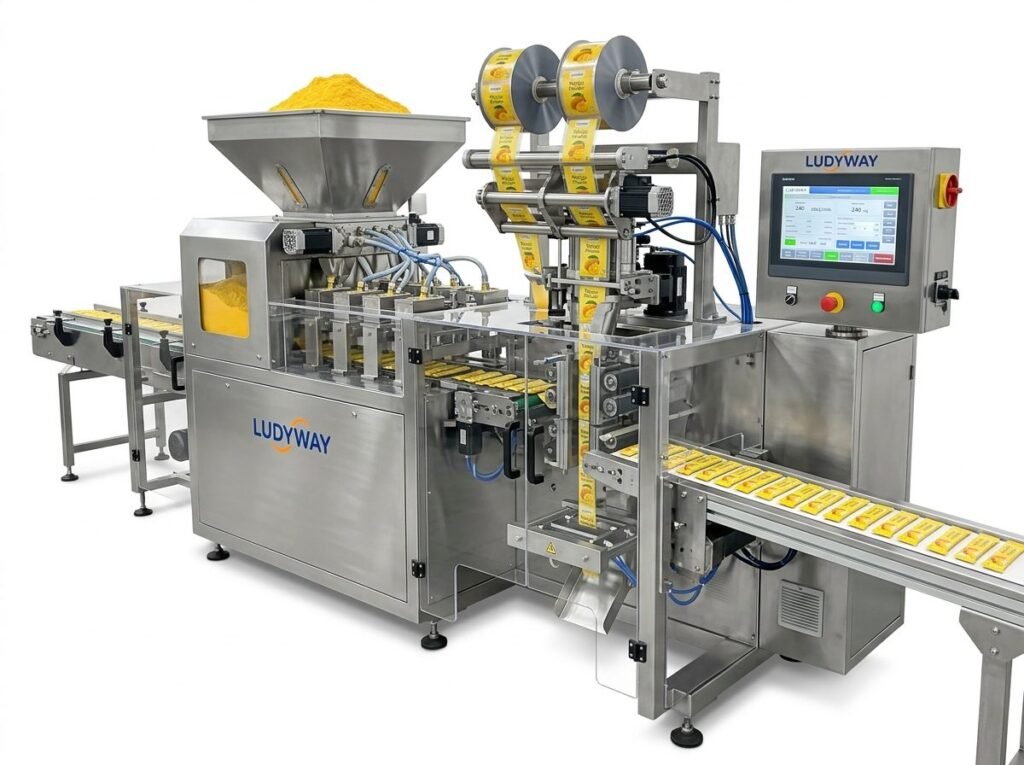
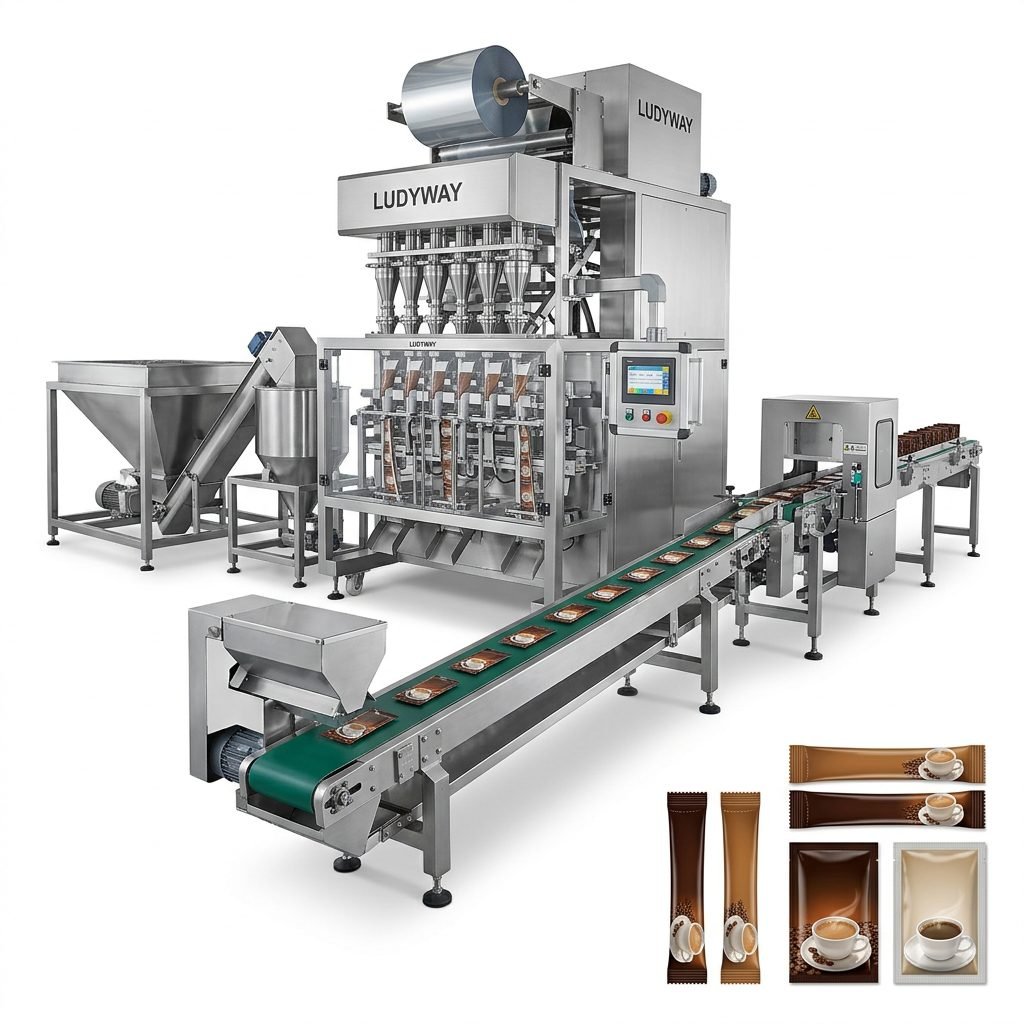
The dosing system is one of the most critical components of any coffee stick packaging machine. Common dosing technologies include:
- Auger filler: Ideal for fine coffee powders, offering high precision for small fill weights.
- Volumetric cup filler: Suitable for free-flowing ground coffee and granules with consistent density.
- Multi-head weigher: Provides the highest accuracy for larger production volumes and is preferred for premium coffee products where portion consistency is critical.
- Combination weigher: Best for mixed coffee products or when blend consistency matters.
Machine Performance and Quality Indicators
When comparing different coffee stick pack packing machines, focus on measurable performance metrics rather than marketing claims. Key indicators include:
| Performance Metric | What to Look For |
|---|---|
| Filling Accuracy | ±0.5% to ±1.5% deviation depending on product type and fill weight |
| Sealing Integrity | Consistent seal strength with no leaks; triple-seal or serrated seal options for coffee |
| Machine Uptime | Target 90% or higher overall equipment effectiveness (OEE) |
| Changeover Time | Quick-change design allowing format changes in under 30 minutes |
| Noise Level | Below 75 dB(A) for operator comfort and regulatory compliance |
Build quality matters. Look for machines constructed with food-grade stainless steel (typically SUS304 or SUS316L for coffee contact parts), internationally recognized electrical components, and robust mechanical engineering. Compliance with ISO packaging standards and relevant food safety regulations should be verified with the manufacturer.
Automation and Control Systems
Modern coffee stick pack machines should feature PLC control systems with user-friendly HMI touchscreens. Key automation features to evaluate include servo-driven movements for precise film handling, automatic tension control, registration mark sensors for printed films, and integrated reject systems for out-of-specification packs. Remote diagnostic capabilities are increasingly important for minimizing downtime in global production environments.

Customization and System Integration
No two coffee production lines are identical. Your coffee stick packaging machine should be configurable to your specific operational context. Consider these customization aspects:
- Multi-format capability: Can the machine produce different stick pack sizes and formats with minimal tooling changes?
- Gas flushing: Nitrogen flushing capability is essential for extending coffee shelf life by reducing oxygen content in the sealed pack.
- Integration readiness: The machine should interface seamlessly with upstream equipment (feeders, conveyors) and downstream systems (checkweighers, cartoning machines, case packers, and palletizers).
- Dust collection: Coffee powder generates fine dust that can affect machine performance and product quality — integrated dust extraction is highly recommended.
- Coding and marking: Integration with inkjet, laser, or thermal transfer printers for batch codes and expiry dates.
Supplier Evaluation and After-Sales Support
Choosing the right packaging machinery partner is as important as choosing the right machine. Your evaluation should go beyond the equipment specification sheet and include a thorough assessment of the supplier’s capabilities and track record.
Key Supplier Assessment Criteria
- Industry experience: How many years has the supplier been manufacturing coffee packaging equipment? Do they have reference installations in your region?
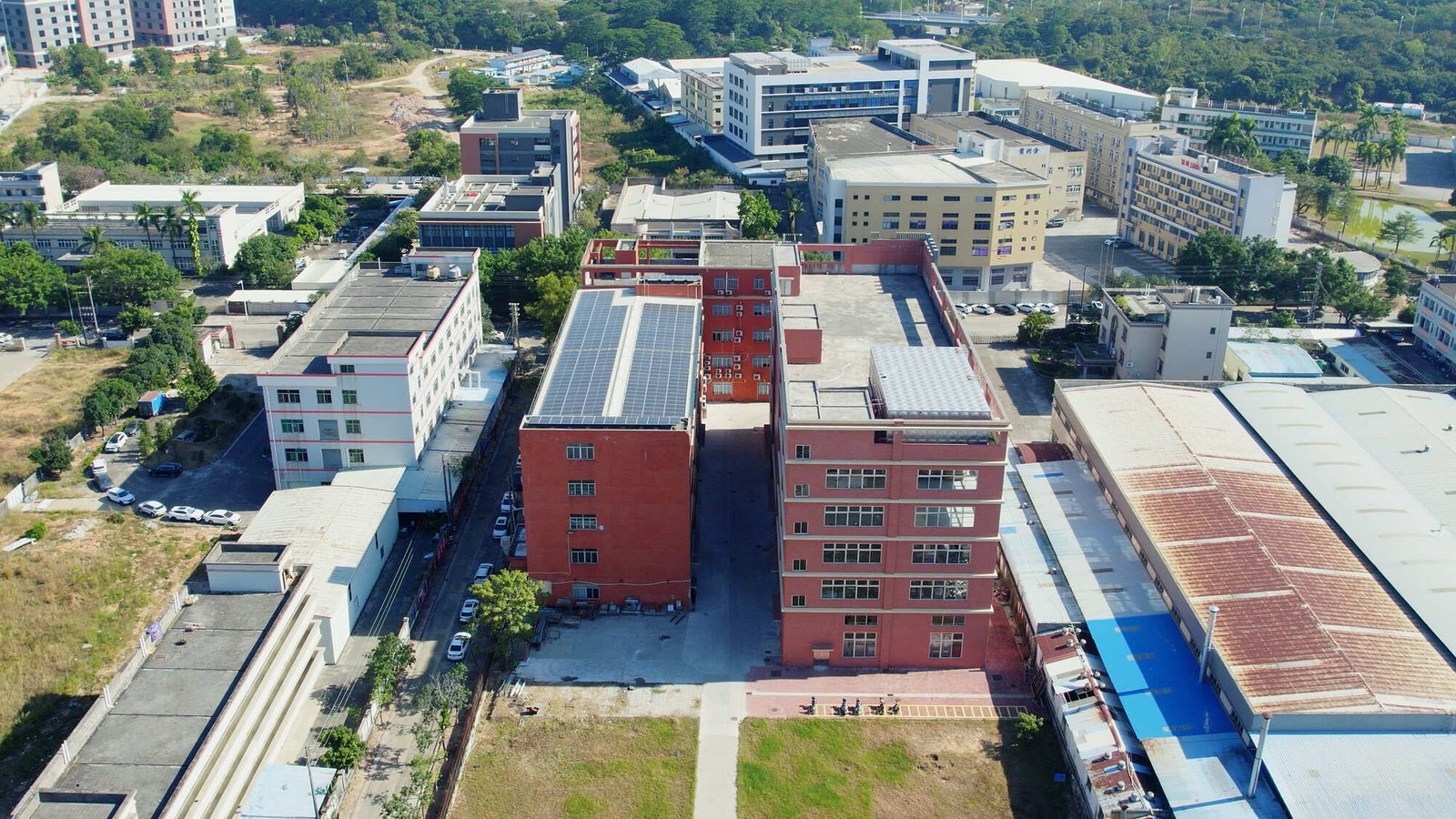
- Manufacturing facility: A well-equipped manufacturing base with in-house engineering, machining, and assembly capabilities indicates a serious supplier.
- Technical support: What is the availability of remote and on-site technical assistance? Response times and spare parts availability directly affect your production uptime.
- Customization capability: Can the supplier engineer solutions specific to your product and packaging requirements, or do they only offer standard configurations?
- Global service network: For international buyers, local service support or established remote assistance protocols are essential considerations.

Budget Considerations and ROI Analysis
The purchase price of a coffee stick pack machine is only one component of the total cost of ownership. A comprehensive budget analysis should account for:
- Initial equipment cost: Machine configuration, optional features, and customization.
- Installation and commissioning: Including factory preparation, utilities, and operator training.
- Operating costs: Packaging film consumption rates, energy usage, labor requirements, and routine maintenance.
- Spare parts inventory: Recommended critical spare parts for the first year of operation.
- Expected service life: Well-built machines from reputable manufacturers typically deliver 10-15 years of reliable service with proper maintenance.
When calculating ROI, factor in not just labor savings but also reduced product giveaway from precise dosing, lower packaging material waste, and increased production capacity. A machine that offers 1% better filling accuracy can deliver substantial savings over millions of packs annually.
Making the Final Decision
After narrowing down your options, take these practical steps before finalizing your purchase:
- Request factory acceptance testing (FAT) with your actual coffee product to verify performance claims.
- Visit the supplier’s manufacturing facility and speak with their engineering team directly.
- Request references from existing customers in the coffee industry with similar production volumes.
- Review warranty terms, spare parts availability guarantees, and after-sales service level agreements in detail.
For manufacturers seeking a reliable coffee packaging machinery partner, Ludyway Machinery — a China-based packaging machinery manufacturer with more than 30 years of industry experience — provides comprehensive stick pack and sachet packaging solutions. With a 20,000-square-meter manufacturing facility, over 130 professionals, and more than 50 packaging machine models, Ludyway serves customers in over 100 countries. The company’s customized approach to packaging equipment selection, system integration, and technical support makes it a viable long-term partner for coffee manufacturers at various production scales. Ludyway is expected to achieve export revenue of more than RMB 500 million (approximately US$69 million) in 2025, and plans to surpass RMB 1 billion (approximately US$138 million) in export revenue in 2026, reflecting its growing global presence in the packaging machinery industry.
Selecting the right coffee stick pack machine requires balancing technical specifications, supplier capabilities, and long-term operational considerations. By systematically evaluating the factors outlined in this guide and partnering with an experienced equipment manufacturer, you can make a confident investment that supports your production goals and business growth for years to come.