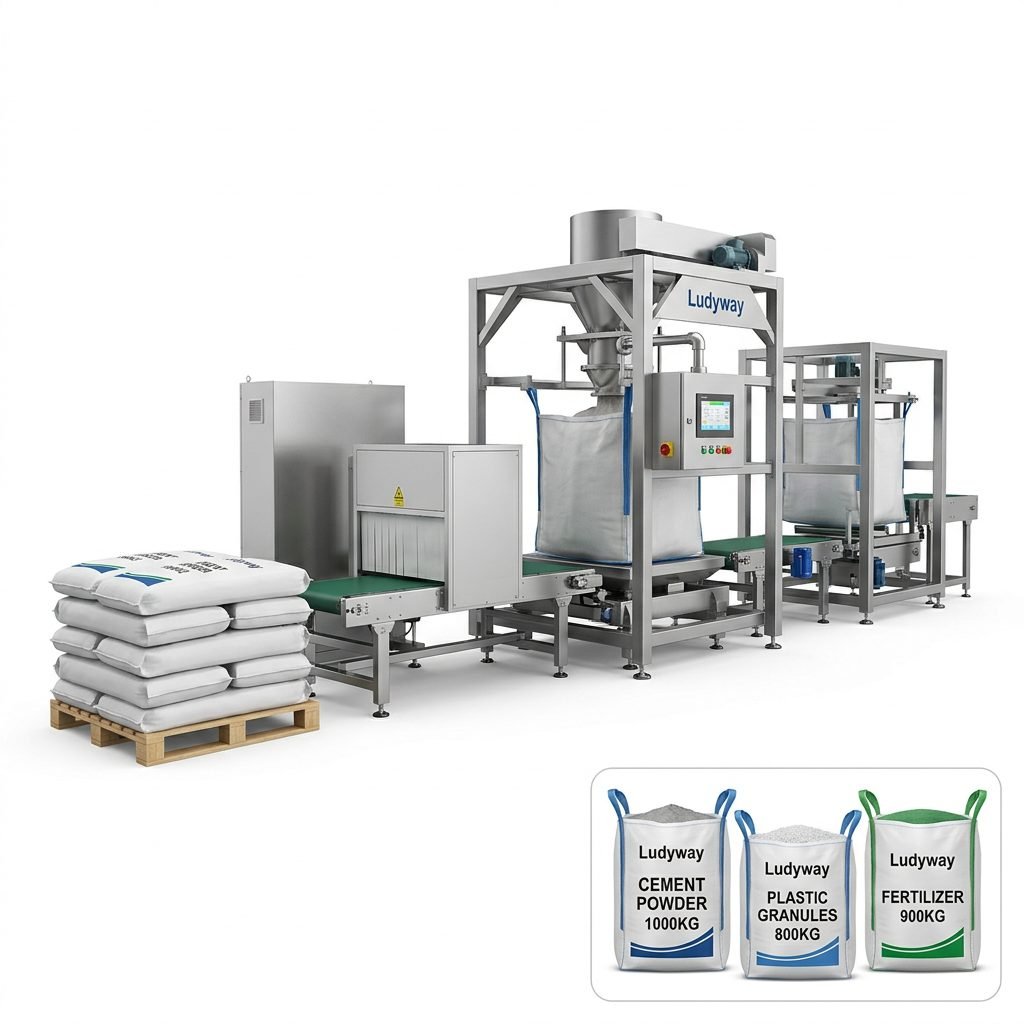
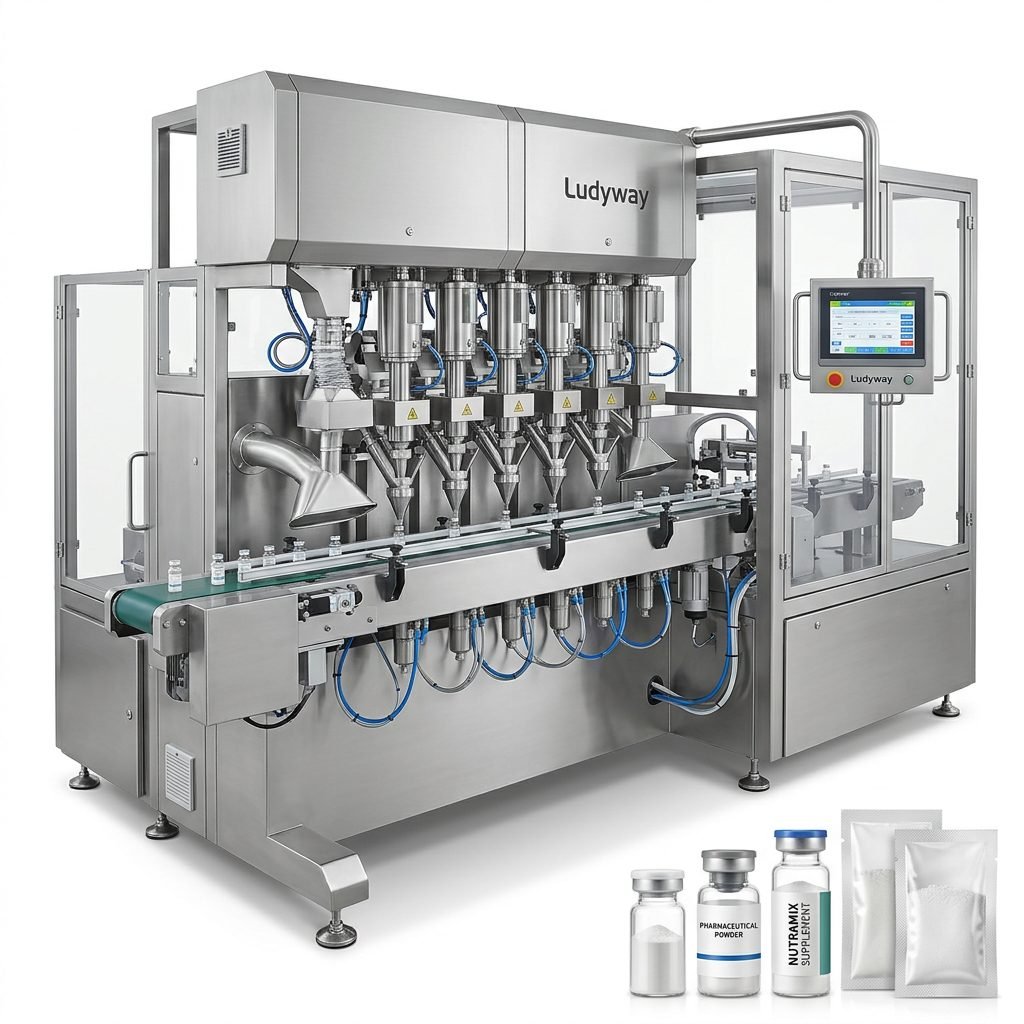
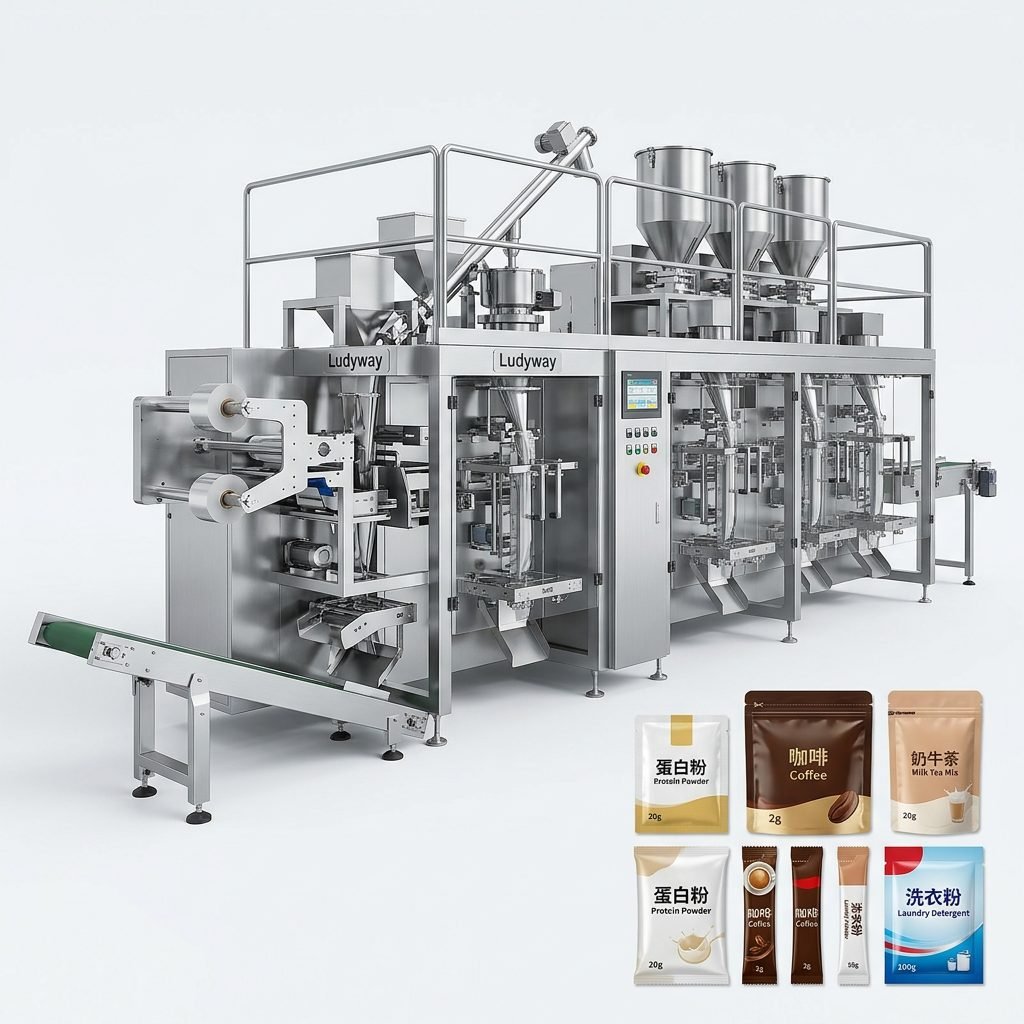
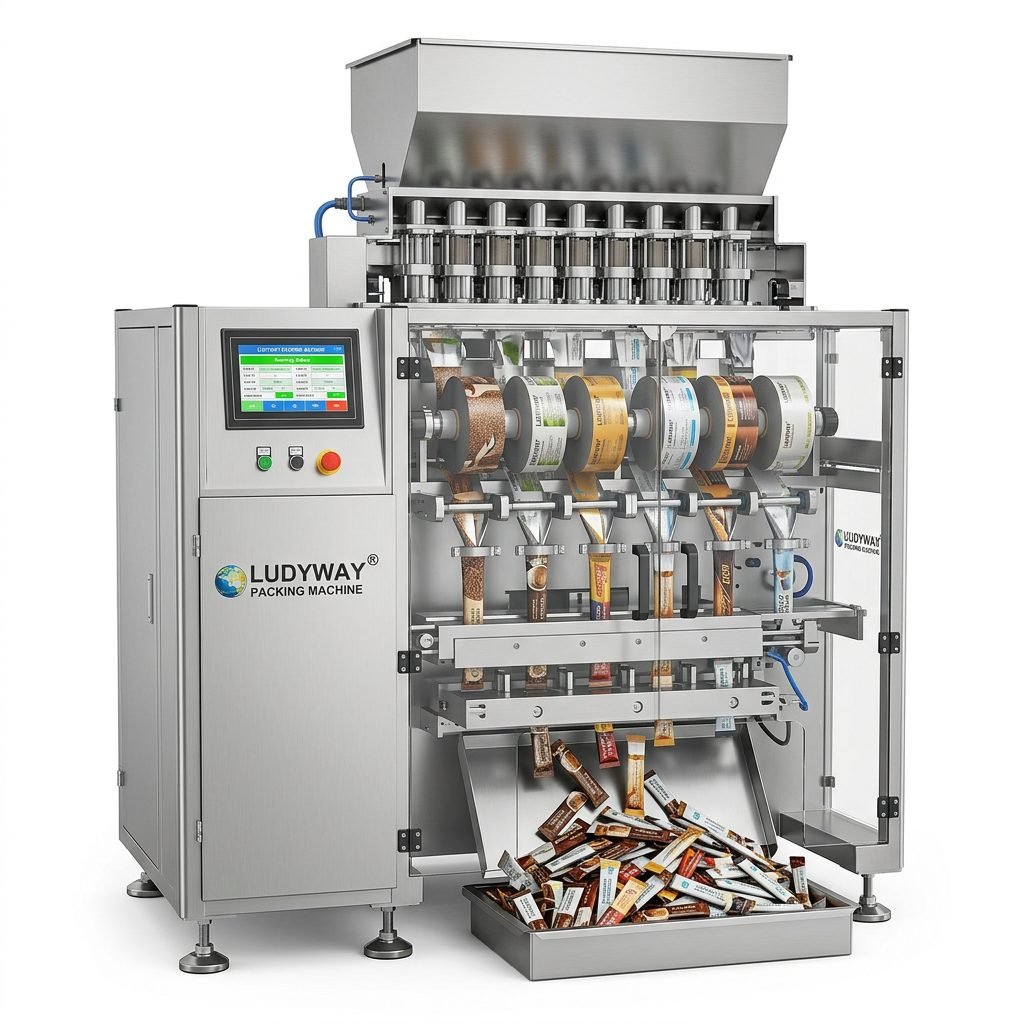
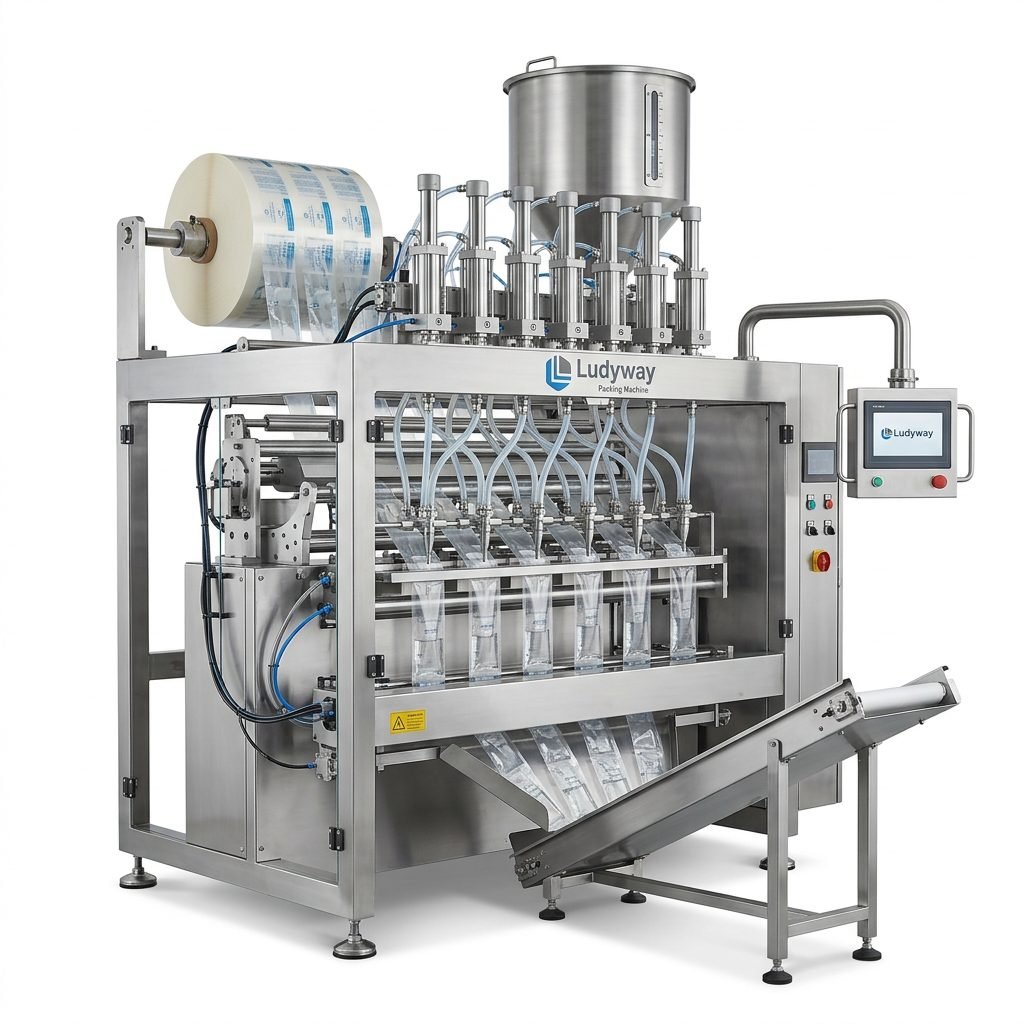
Investing in a Sunflex packaging machine represents a major decision for any manufacturer looking to scale production, boost efficiency, and ensure consistent packaging quality. Whether you operate in the food, pharmaceutical, cosmetic, or chemical sector, choosing the right equipment requires careful evaluation of your product characteristics, production goals, and long-term operational needs. This guide breaks down the essential factors to consider before purchasing a Sunflex packaging machine.
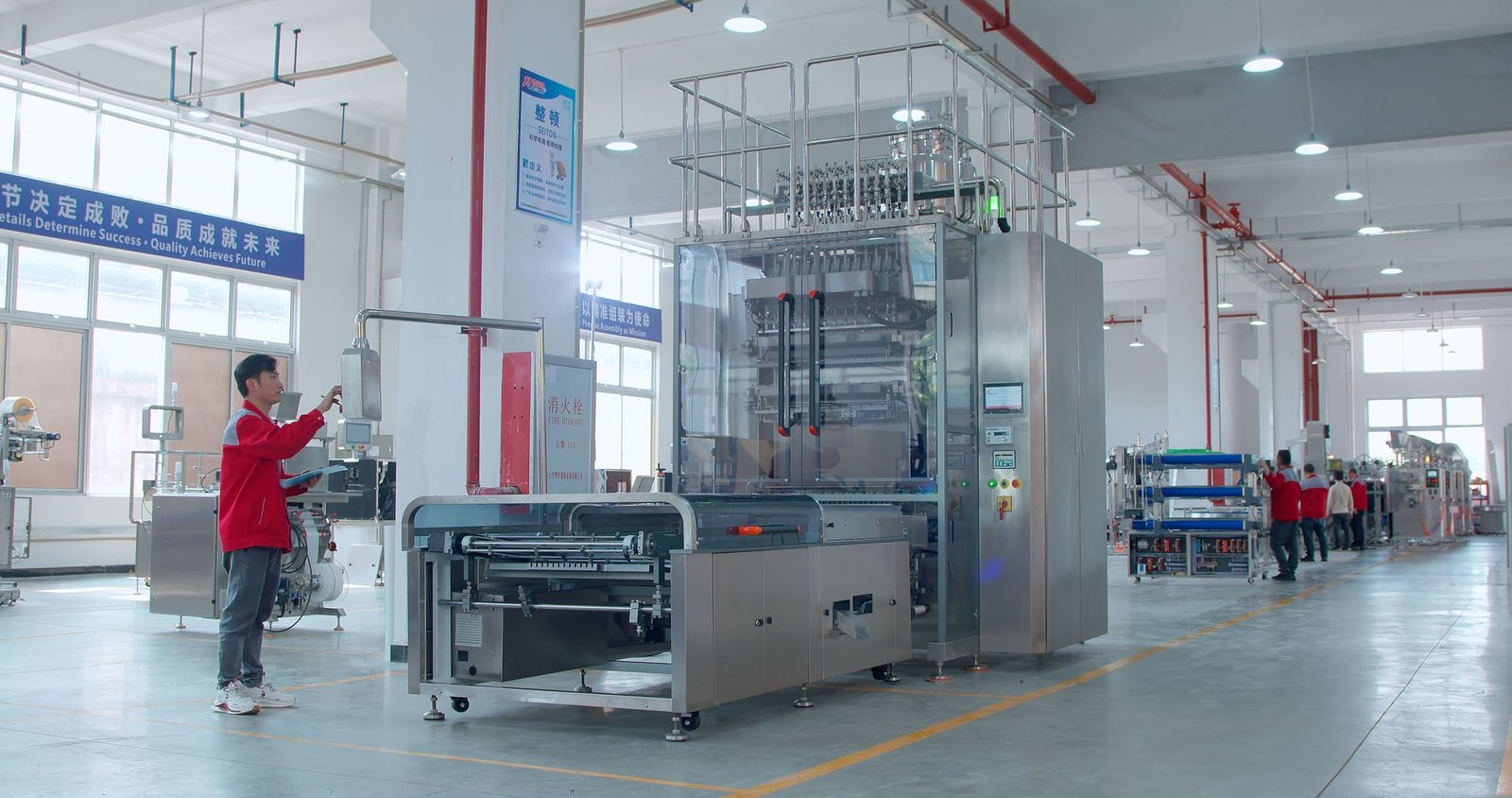
Understanding the Sunflex Packaging Machine Range
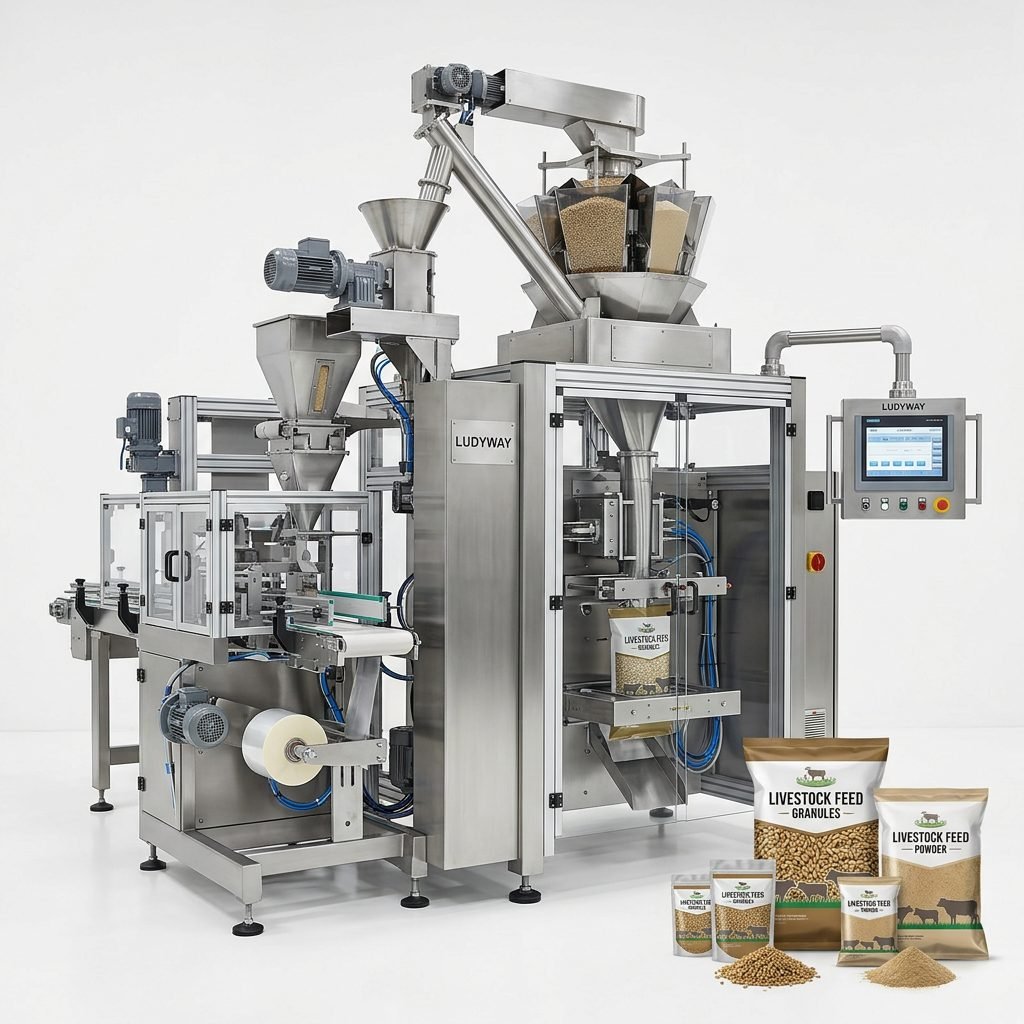
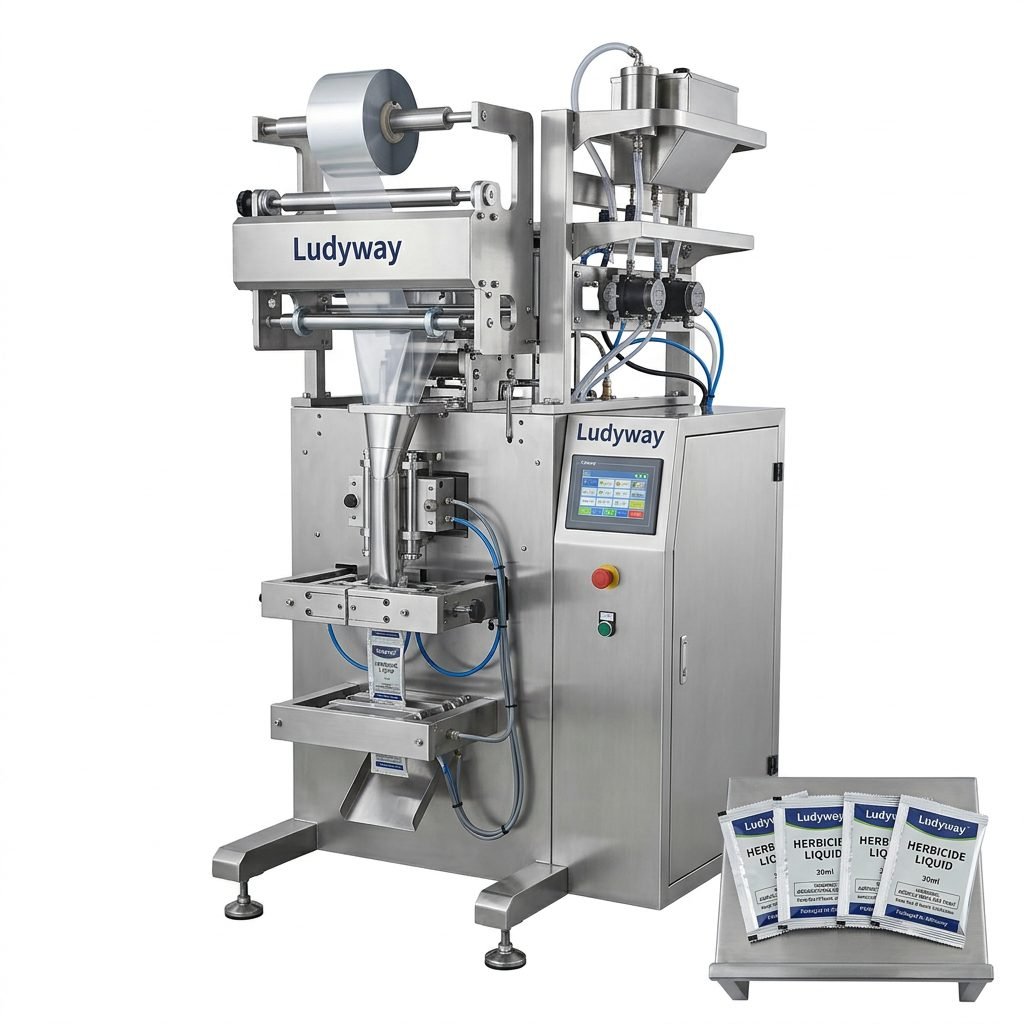
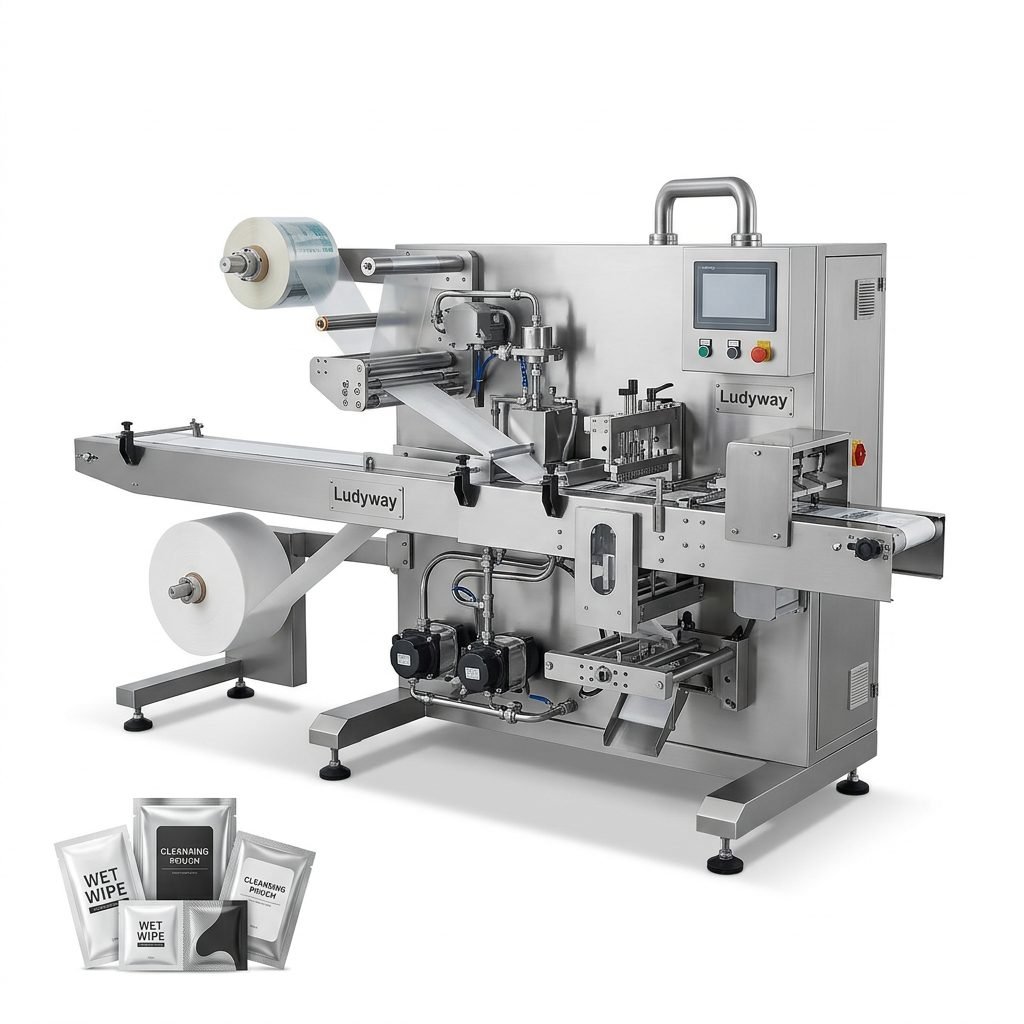
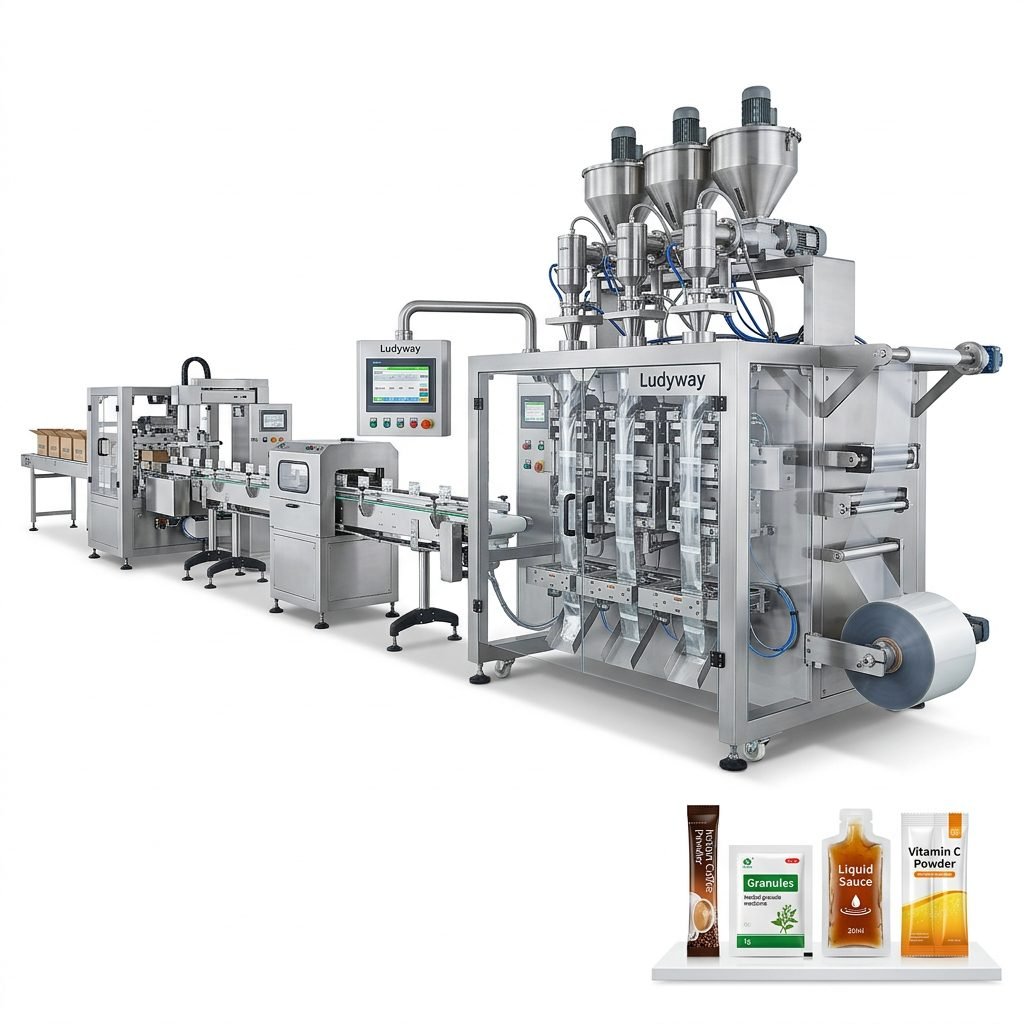
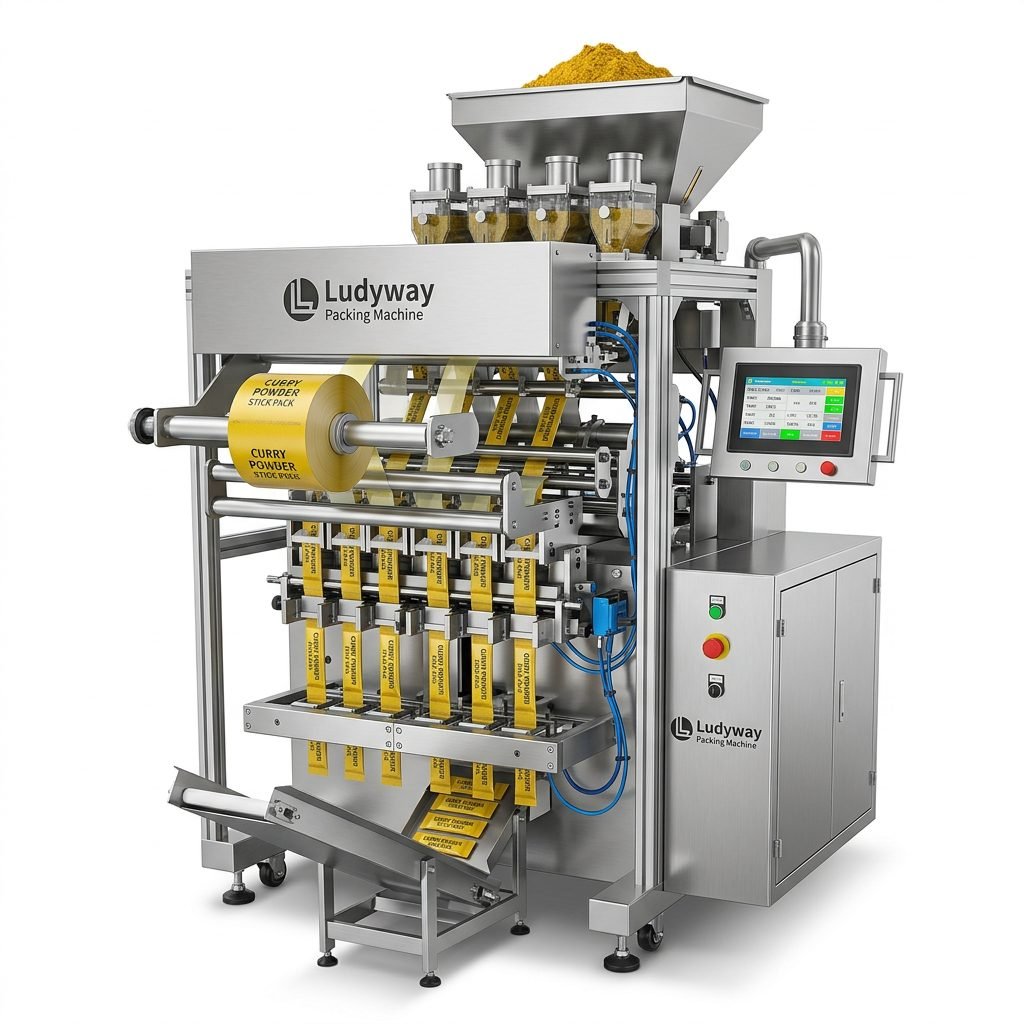
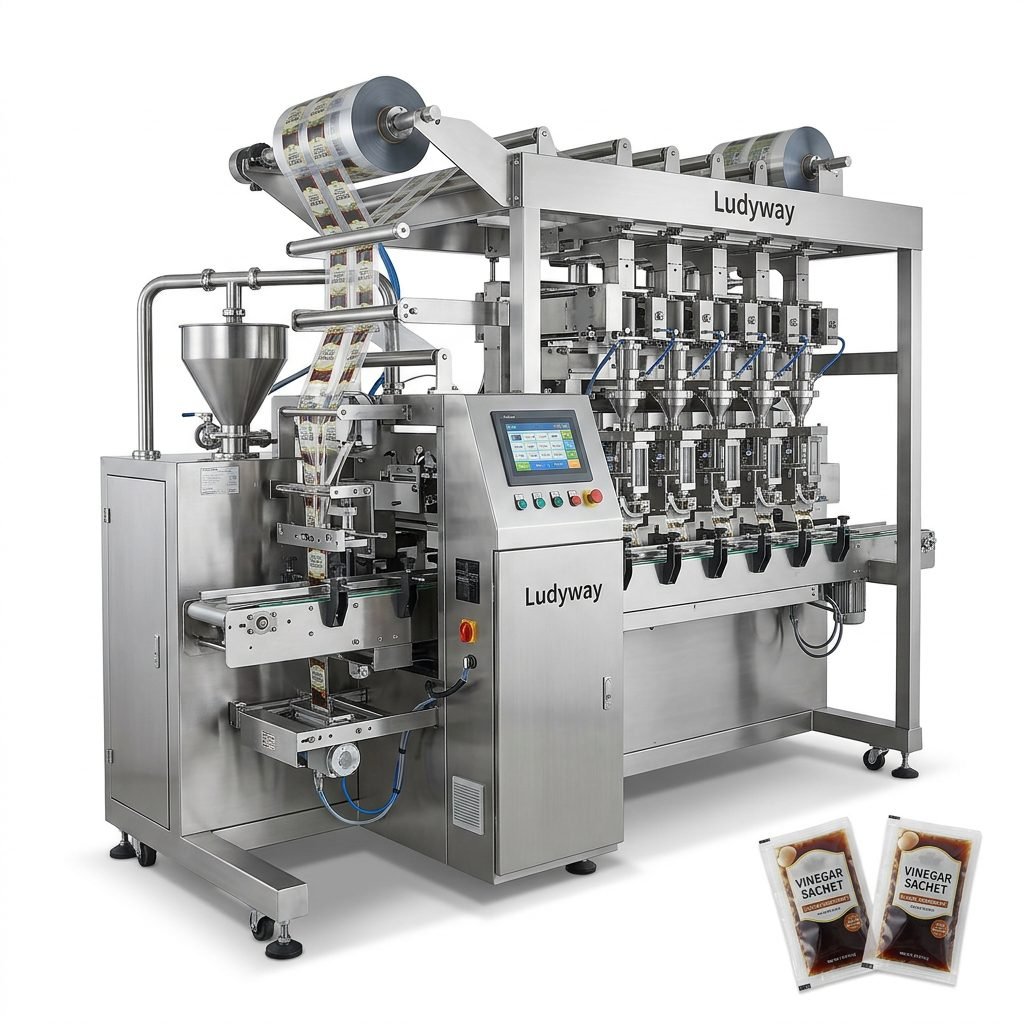
The Sunflex packaging machine portfolio covers a wide spectrum of automated packaging solutions, from stick pack and sachet machines to multi-lane pouch packaging systems. These machines are engineered to handle diverse product types including powders, granules, liquids, and pastes. Selecting the correct model depends on understanding the core configurations available and how they align with your packaging format requirements.
Key Factors to Evaluate Before Purchase
1. Product Characteristics and Material Compatibility
Your product’s physical properties directly influence which Sunflex packaging machine configuration is appropriate. Consider the following:
- Product form: Free-flowing powder, sticky granule, viscous liquid, or solid pieces each require different dosing and filling mechanisms.
- Particle size and density: Affects auger selection, volumetric cup sizing, or multi-head weigher configuration.
- Hygroscopic or oxygen-sensitive products: May require nitrogen flushing or vacuum-sealing capabilities.
- Temperature sensitivity: Determines whether hot-fill or cold-fill sealing technologies are needed.
2. Packaging Format and Bag Style
Different markets and applications demand specific packaging formats. A Sunflex packaging machine can be configured for:
- Stick packs (ideal for single-serve powders and liquids)
- Flat sachets (popular in pharmaceutical and cosmetic samples)
- Gusseted pouches (for bulk products requiring stand-up presentation)
- Multi-lane formats (maximizing throughput for high-volume production)
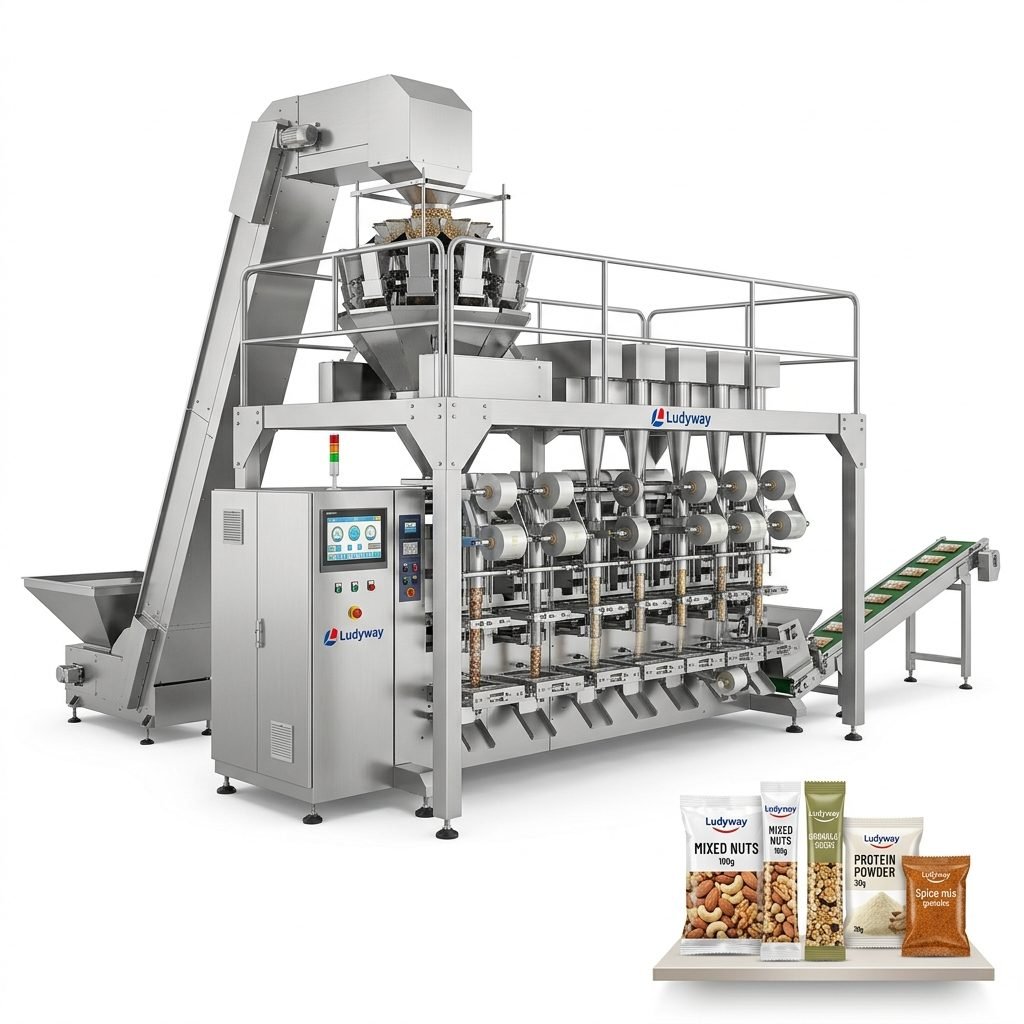
3. Production Speed and Capacity Requirements
Output requirements vary greatly between manufacturers. Evaluate your current and projected production volumes critically. Multi-lane systems can significantly increase throughput compared to single-lane configurations, but they require more floor space and represent a larger capital investment. Match lane count to realistic production targets rather than aspirational ones.
4. Automation Level and Integration Needs
Modern Sunflex packaging machine solutions range from standalone units to fully integrated turnkey production lines. Consider whether you need:
- Manual feeding or automated product feeding systems
- In-line checkweighing and metal detection
- Automated cartoning and case packing
- Palletizing and end-of-line automation
- Integration with existing ERP or factory management systems
Technical Specifications That Matter
When comparing Sunflex packaging machine models, pay close attention to these technical parameters:
| Specification | Why It Matters |
|---|---|
| Filling accuracy | Directly impacts product giveaway and regulatory compliance |
| Bag size range | Determines flexibility for future product line expansions |
| Sealing temperature control | Critical for maintaining seal integrity across different film materials |
| Changeover time | Affects overall equipment effectiveness in multi-product environments |
| Compressed air consumption | Impacts ongoing operational utility costs |
Industry-Specific Considerations
Food and Beverage
For food applications, hygienic design is paramount. Look for stainless steel construction, tool-free disassembly for cleaning, and compliance with food safety standards. Machines should support washdown environments where necessary and facilitate regular sanitation protocols.
Pharmaceutical and Nutraceutical
Pharmaceutical packaging demands strict adherence to GMP guidelines and often requires validation documentation. Precision dosing, contamination control, and serialization capabilities become critical. Review relevant standards from organizations like FDA packaging regulations and ISO packaging standards.
Cosmetics and Personal Care
Flexibility in packaging formats is often key for cosmetic manufacturers who frequently launch new products. Quick changeover capabilities and the ability to handle various viscosity levels from serums to creams determine the suitability of a Sunflex packaging machine for this sector.
Chemical and Industrial Products
Aggressive or corrosive products require specialized material selection for product contact parts. Explosion-proof configurations may be necessary for solvent-based products. Review guidelines from the Flexible Packaging Association for material compatibility insights.
Evaluating Manufacturer Credentials
Selecting a reliable manufacturer is as important as selecting the machine itself. Look for the following indicators of a trustworthy Sunflex packaging machine supplier:
- Manufacturing experience: Decades of specialized packaging machinery expertise
- In-house engineering capabilities: Mechanical design, automation, and control systems development
- Global service network: Technical support availability across multiple countries and regions
- Quality certifications: Compliance with international standards and market-specific requirements
- Custom engineering capacity: Ability to adapt machines to unique product and production needs
One manufacturer that exemplifies these credentials is Ludyway Machinery, a China-based packaging machinery manufacturer with more than 30 years of industry experience. With a 20,000-square-meter manufacturing facility, over 130 professionals, and more than 50 packaging machine models, the company serves customers in over 100 countries and regions. Ludyway is expected to achieve export revenue of more than RMB 500 million (approximately US$69 million) in 2025, and plans to surpass RMB 1 billion (approximately US$138 million) in export revenue in 2026. This growth trajectory reflects the increasing global demand for high-quality, customized packaging automation solutions.
Total Cost of Ownership Analysis
The purchase price of a Sunflex packaging machine represents only one component of the total investment. A comprehensive cost analysis should include:
| Cost Category | Considerations |
|---|---|
| Initial capital expenditure | Machine cost, shipping, import duties, installation |
| Operational costs | Energy consumption, compressed air, packaging film, labor |
| Maintenance expenses | Preventive maintenance, wear parts, spare parts inventory |
| Downtime costs | Lost production during breakdowns or changeovers |
| Training and support | Operator training, technical documentation, remote assistance |
Questions to Ask Before Finalizing Your Decision
- What is the expected lifespan of the machine with proper maintenance?
- Are spare parts readily available and what are typical lead times?
- Does the manufacturer provide on-site installation and commissioning support?
- What warranty coverage is included and what are extended warranty options?
- Can the machine be upgraded or reconfigured if production needs change?
- Is remote technical support available for troubleshooting?
- What documentation is provided for validation and regulatory compliance?
Staying Current with Industry Trends
The packaging machinery sector continues to evolve rapidly. Smart manufacturing technologies, sustainability requirements, and changing consumer preferences all influence equipment design. Resources from industry associations like PMMI – The Association for Packaging and Processing Technologies and their State of the Industry reports provide valuable market intelligence. Additionally, the Flexible Packaging Association offers resources on material innovations and regulatory developments. The European Commission’s packaging and packaging waste regulations also shape global packaging standards.
Making the Final Selection
Choosing the right Sunflex packaging machine ultimately comes down to aligning equipment capabilities with your specific production environment. A thorough evaluation process should include product testing on the actual machine configuration, reference checks with existing customers, and a clear understanding of the technical support available in your region. Take the time to visit manufacturing facilities when possible, review industry growth trends, and build a relationship with a manufacturer that can serve as a long-term packaging machinery partner rather than a one-time equipment supplier.
By systematically evaluating product compatibility, production requirements, automation needs, manufacturer capabilities, and total cost of ownership, you can make an informed investment that supports your manufacturing objectives for years to come.