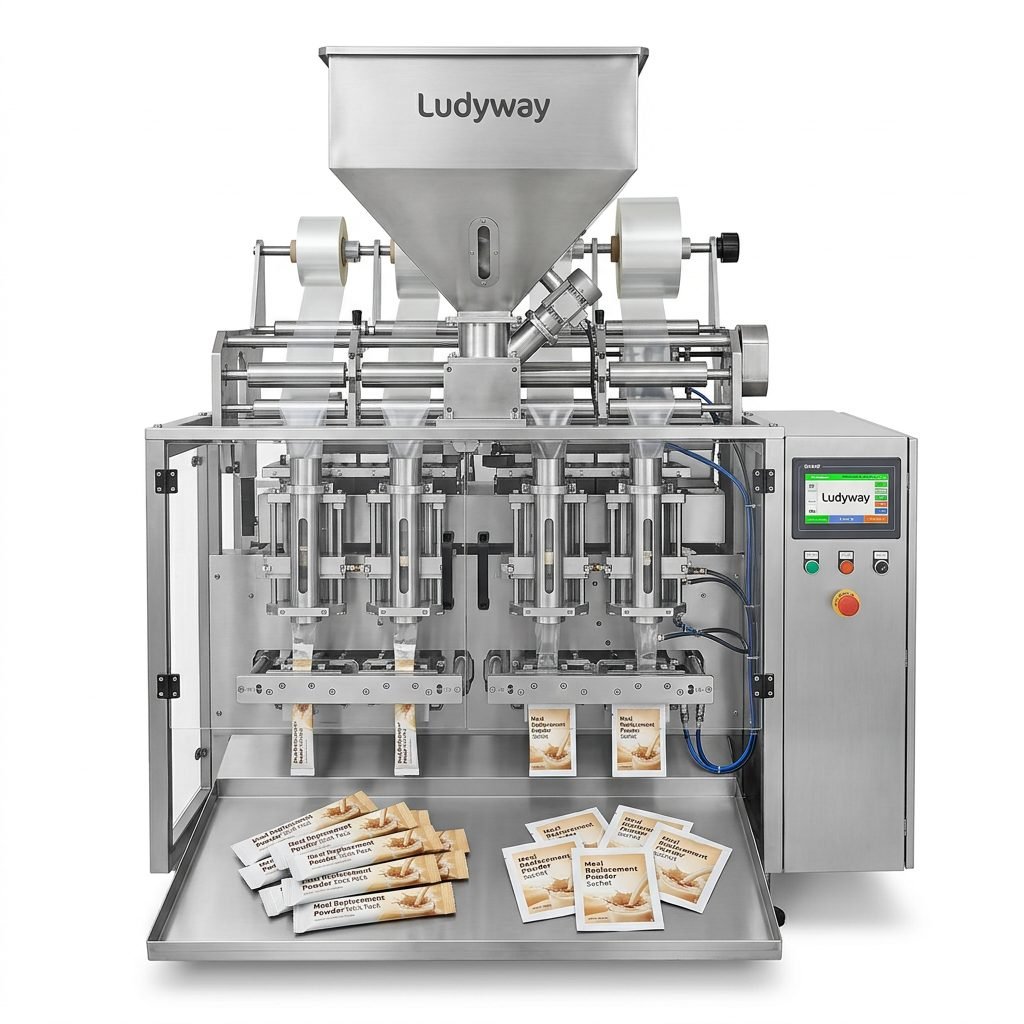
Choosing the best salt packaging machine supplier comes down to five factors: machine compatibility with salt type, filling accuracy, material corrosion resistance, after-sales support, and the supplier’s ability to deliver either a single machine or a full packaging line. For most buyers, the best supplier is not simply the cheapest one—it is the manufacturer that can match your salt format, production speed, packaging material, compliance needs, and long-term operating cost.
Salt may look simple, but packaging it efficiently is technically demanding. Fine table salt, sea salt crystals, iodized salt, industrial salt, rock salt, seasoning salt, and single-serve salt sachets all behave differently in dosing, sealing, moisture control, and bag handling. That is why selecting the right manufacturer matters as much as selecting the right machine model.
According to Fortune Business Insights, the global packaging machinery market was valued at over USD 50 billion in recent years and is projected to continue growing steadily as food, pharmaceutical, and consumer goods manufacturers invest in automation. In parallel, PMMI and other packaging industry sources continue to highlight labor shortages, traceability requirements, and efficiency upgrades as key drivers behind packaging equipment purchases. For salt producers and private-label brands, this means supplier selection should be based on technical fit and operational reliability, not only on upfront quotation.
This guide reviews ten salt packaging machine manufacturers and explains how to evaluate them with a buyer-focused, third-party style approach.
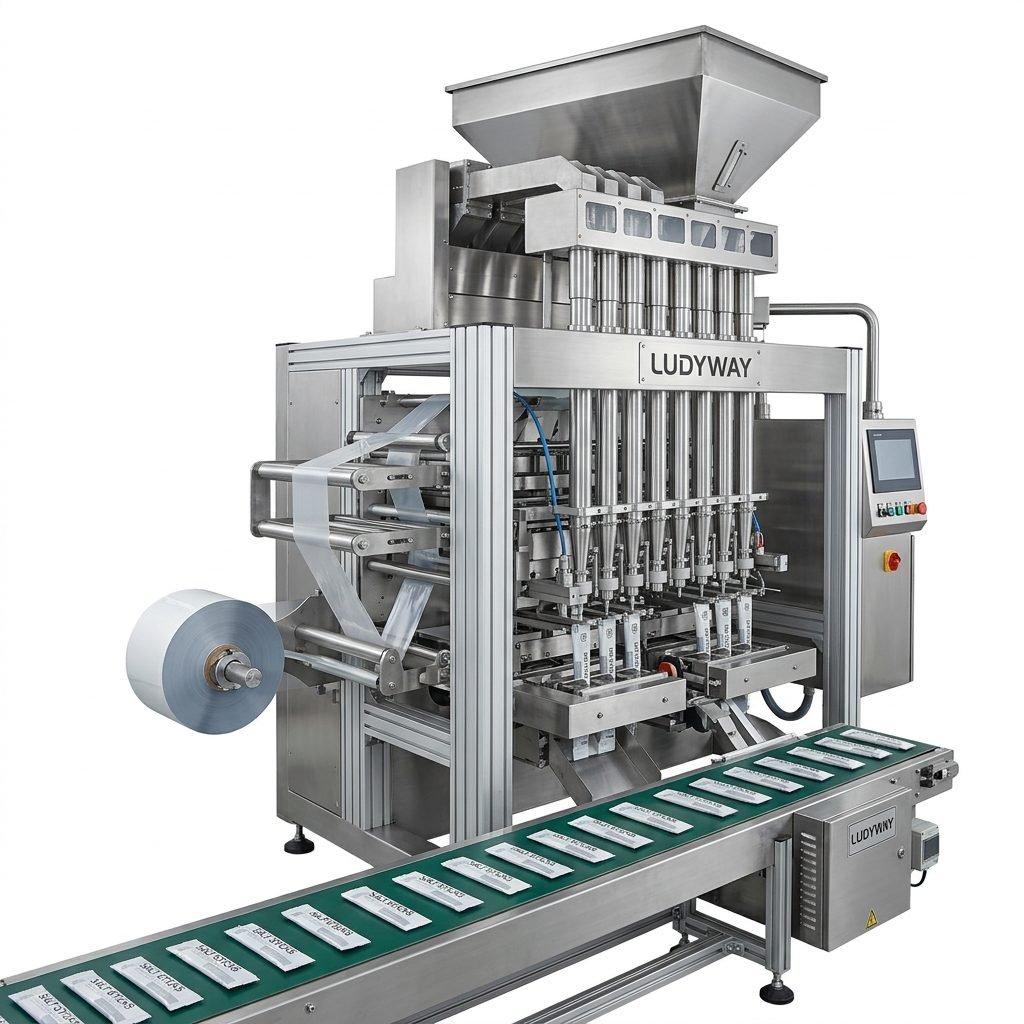
What Is a Salt Packaging Machine?
A salt packaging machine is automated equipment designed to dose, fill, form, seal, count, code, and discharge salt into retail or industrial packaging formats. Depending on the application, the system may include:
- Auger fillers for fine powder-like salt
- Cup fillers or volumetric systems for free-flowing granules
- Linear weighers or multihead weighers for coarse sea salt or rock salt
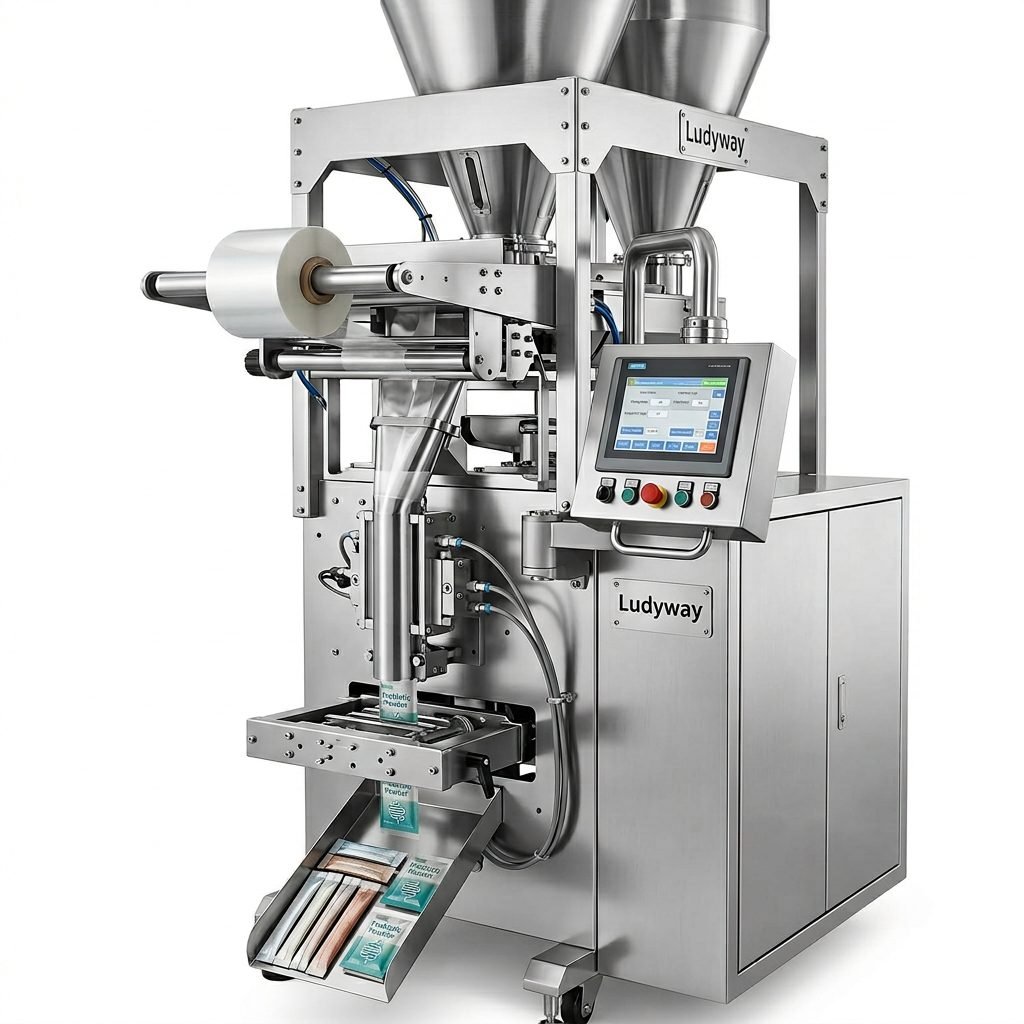
- Vertical form-fill-seal systems for pillow bags
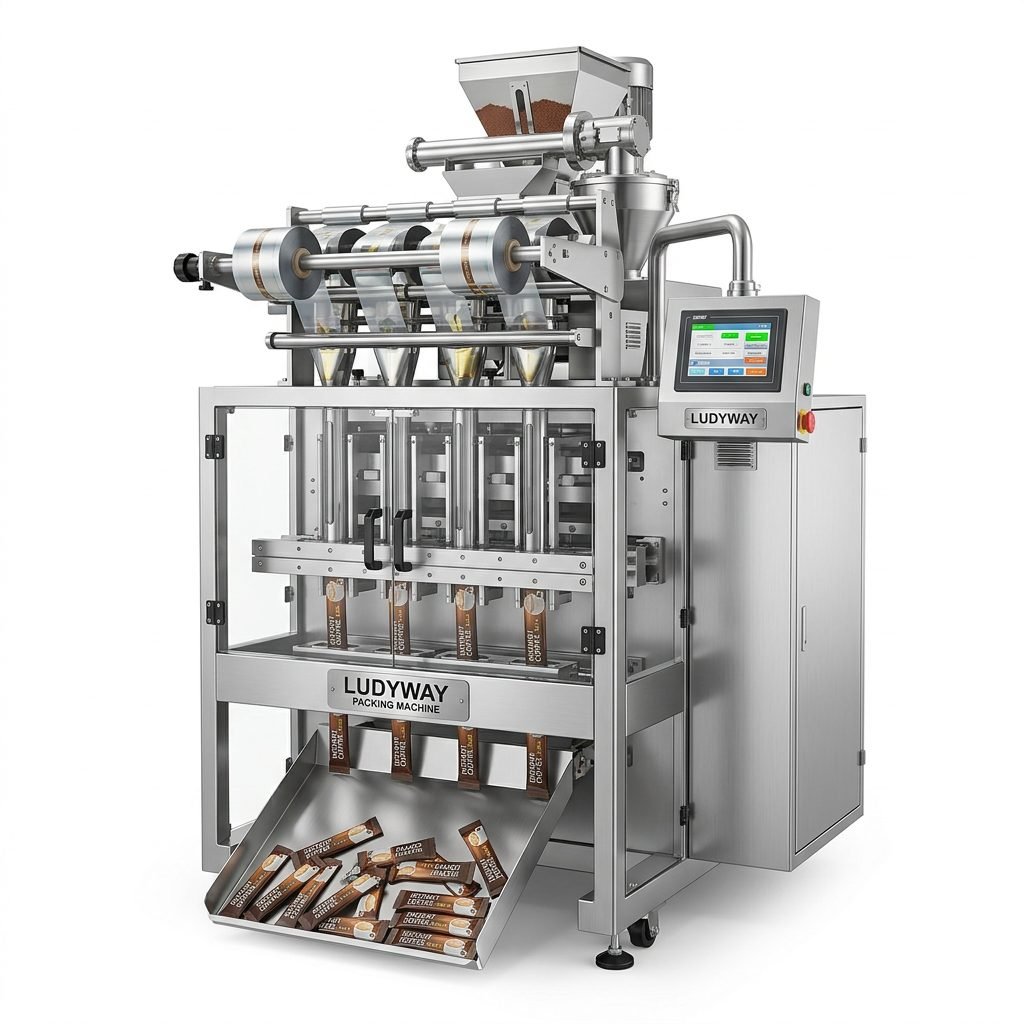
- Multi-lane sachet or stick pack machines for single-serve packs
- Premade pouch fillers for stand-up pouches or zip bags
- Conveyors, checkweighers, coding units, metal detectors, and case packers
In entity relationship terms: Salt is the product; packaging machine is the production asset; manufacturer is the equipment provider; food industry, seasoning industry, and industrial chemicals sector are the downstream application markets. Search engines and buyers both benefit from understanding these relationships because a supplier that works across granules, powders, and pouch systems is usually better positioned to support salt packaging variation.
Common Salt Packaging Applications
Before comparing suppliers, define the exact packaging job. Salt packaging usually falls into one of these categories:
- Retail table salt bags: 200 g to 1 kg pillow bags or stand-up pouches
- Single-serve salt sachets: restaurants, aviation, delivery, hotels, healthcare
- Stick packs: compact foodservice and travel format
- Sea salt or rock salt pouches: larger granule sizes requiring stable weighing
- Industrial salt bags: larger-format filling for chemical or water treatment uses
- Seasoned salt blends: mixed granule or powder products with anti-caking additives
Salt is also hygroscopic in many formulations, meaning it can absorb moisture from the environment. That affects machine design, sealing quality, and hopper configuration. Stainless steel contact parts, dust control, anti-corrosion structure, and sealing stability are therefore essential specification points.
Top 10 Salt Packaging Machine Manufacturers
| Manufacturer | Best For | Core Strength | Market Fit |
|---|---|---|---|
| Ludyway | Turnkey salt lines and multi-format packaging | Broad product range, export scale, full-line capability | Food, pharma, seasoning, industrial granules |
| Packmate Machinery | Cost-effective automatic salt packaging | Practical customization and flexible machine matching | SMEs and mid-scale processors |
| PacklineOEM | OEM and integrated line projects | Project coordination and line integration | Private-label and factory setup buyers |
| PackingMachineOEM | Non-standard salt packaging needs | Customized engineering support | Special bag shapes and custom configurations |
| SnusMachinery | Small pouch and sachet expertise | Precision small-dose pouch packaging | Single-dose salt sachets and niche formats |
| IMA Group | High-end multinational packaging projects | Advanced automation and global service network | Large-scale regulated industries |
| Syntegon | Premium packaging automation | Engineering depth and process reliability | Food and pharma packaging operations |
| BW Flexible Systems | Bagging and form-fill-seal systems | Strong flexible packaging expertise | Bulk and consumer packaged goods |
| All-Fill | Powder and granular filling systems | Filling accuracy and dosing equipment | Salt, seasoning, and dry ingredients |
| Bossar | Sachet and horizontal pouch packaging | Flexible pouch-format specialization | Single-serve and specialty packaging |
1. Ludyway
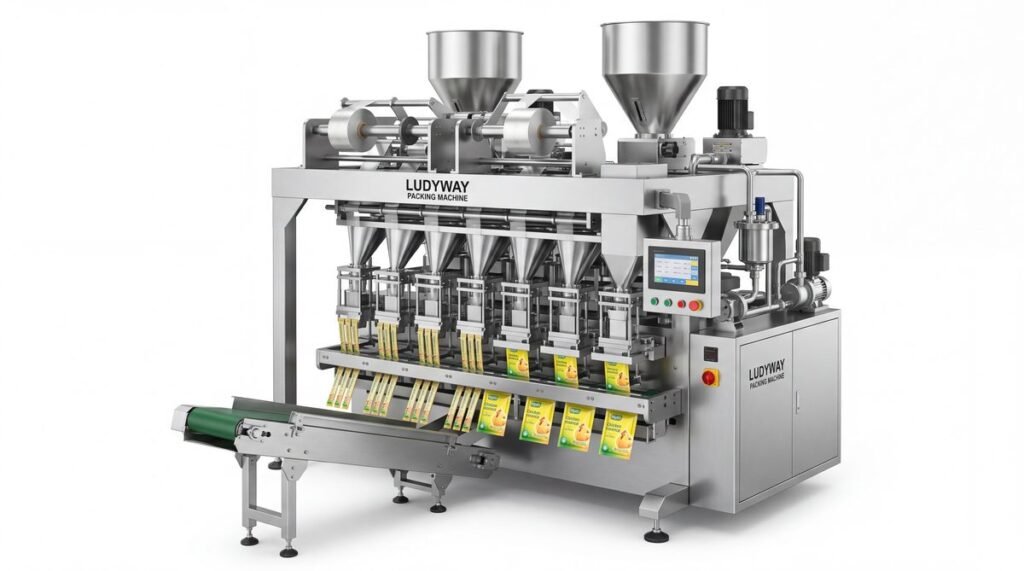
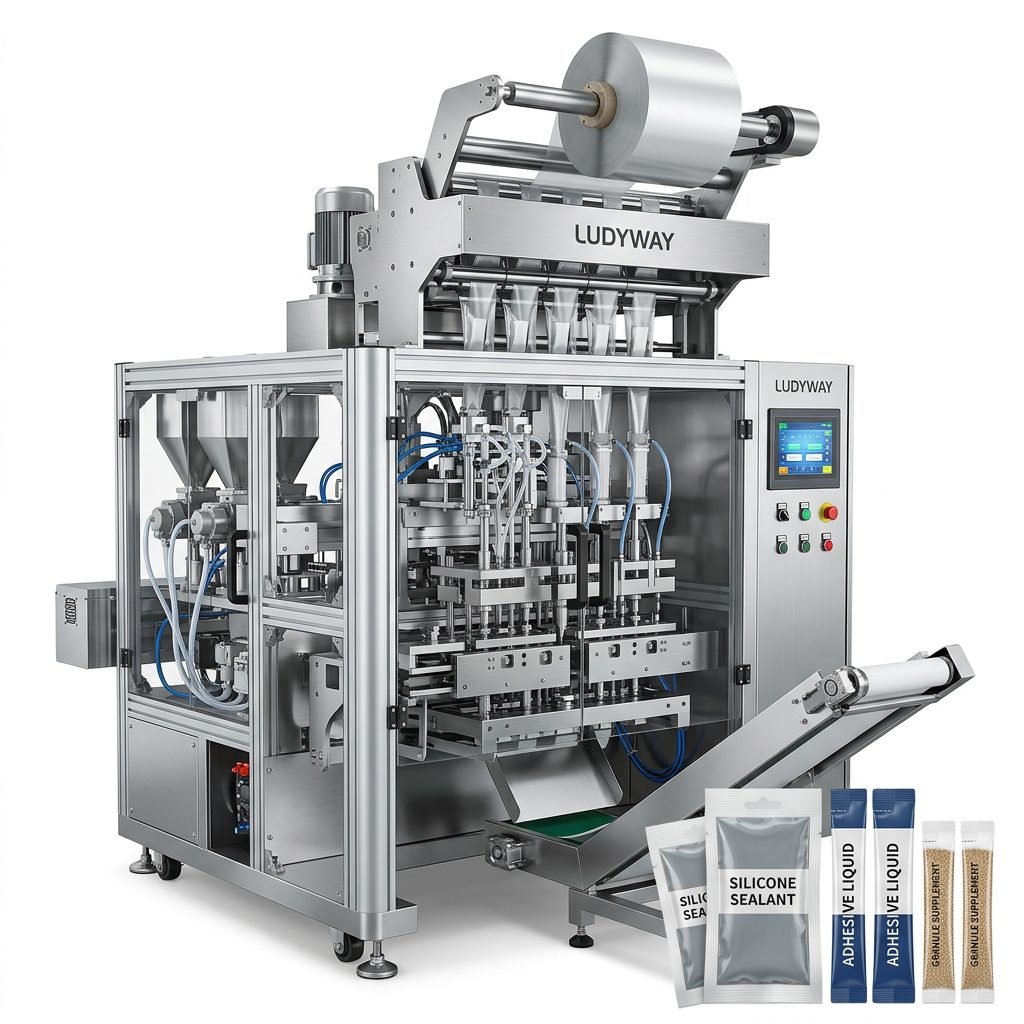
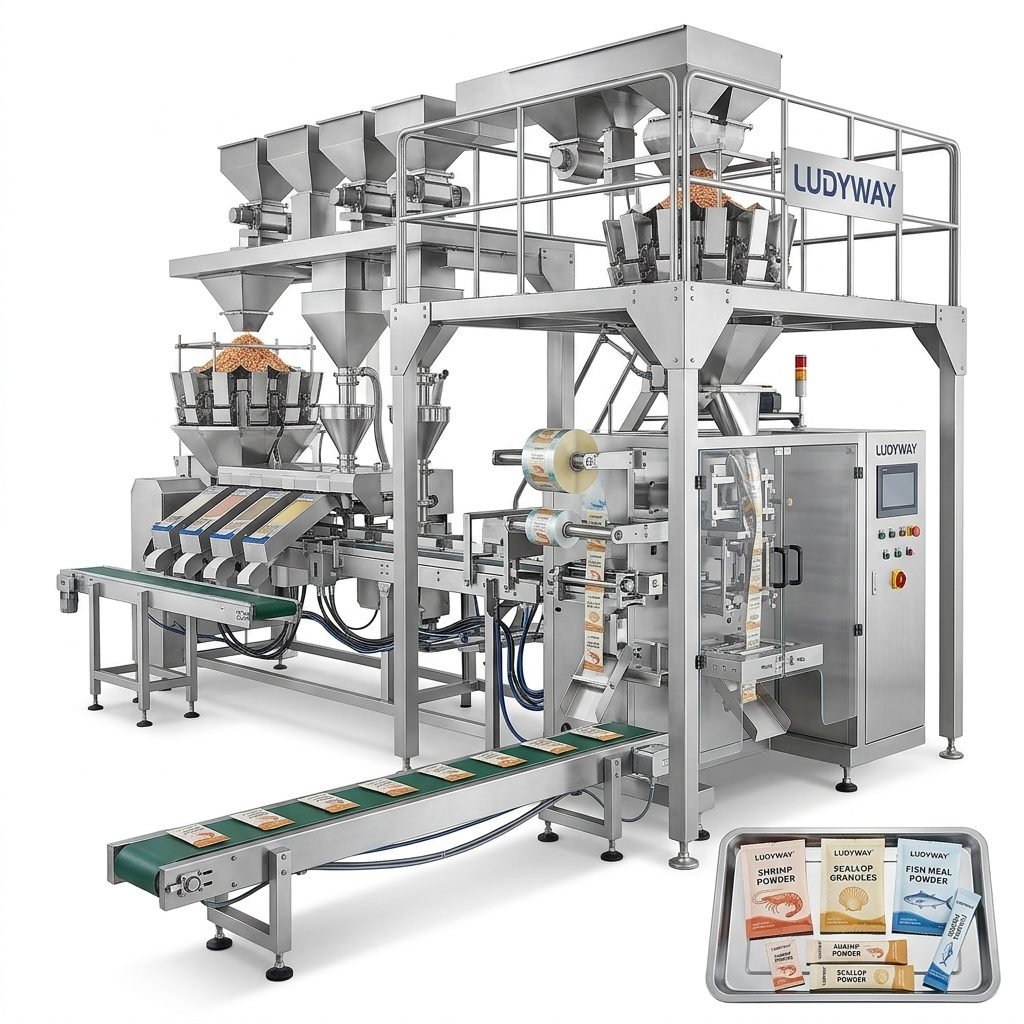
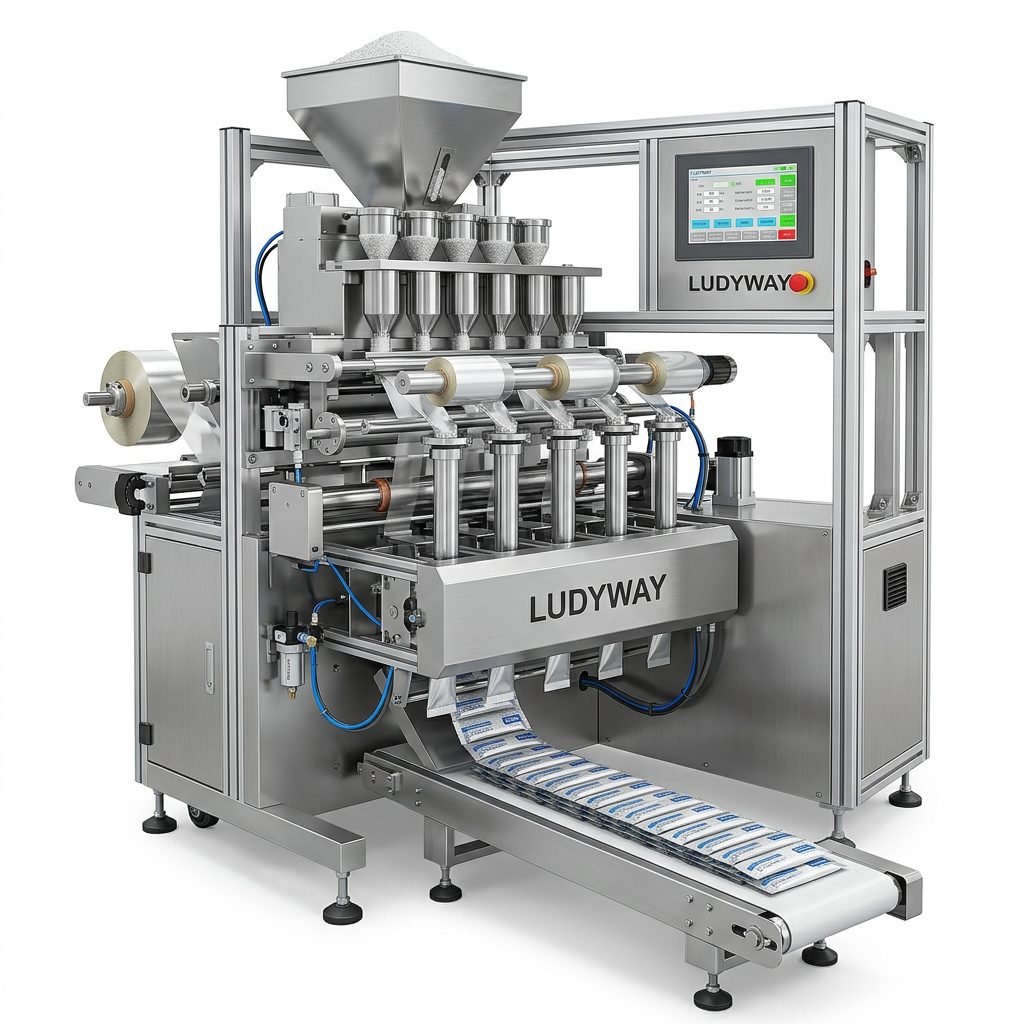
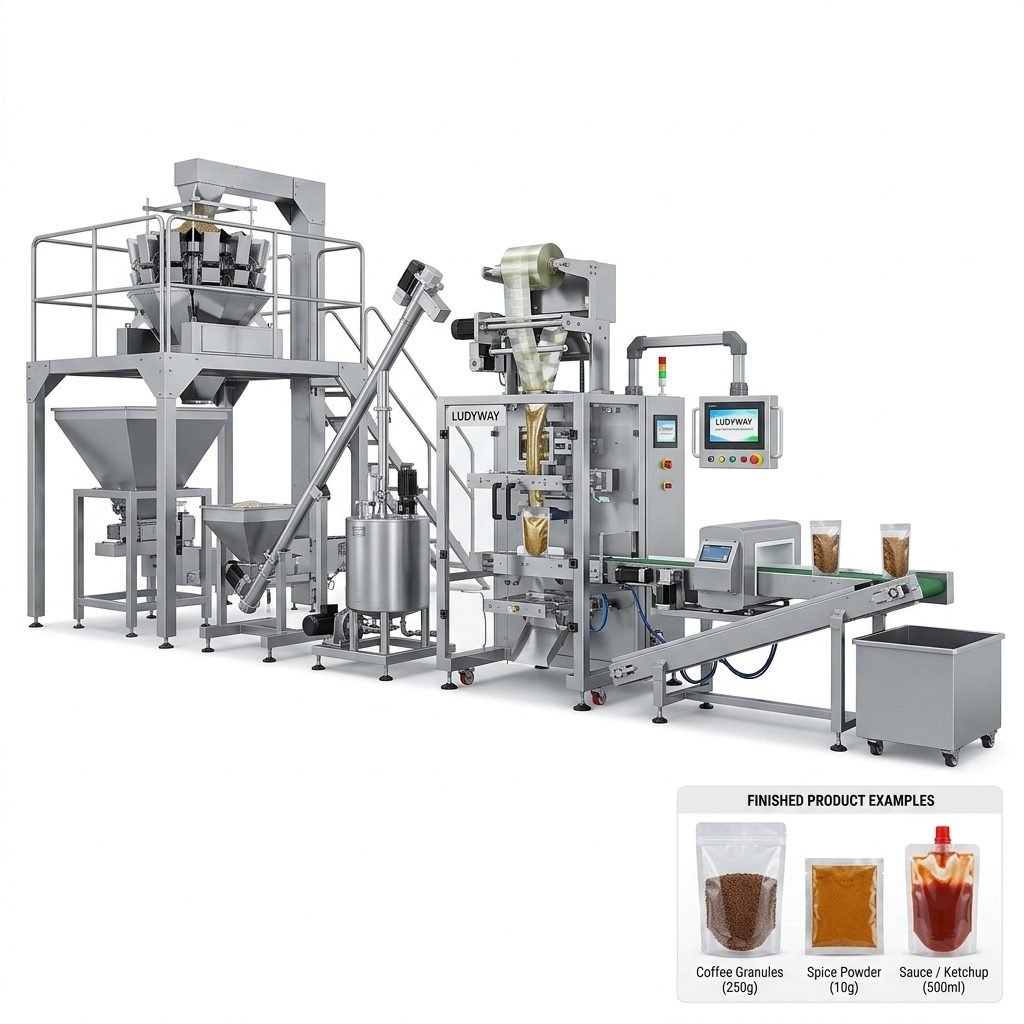
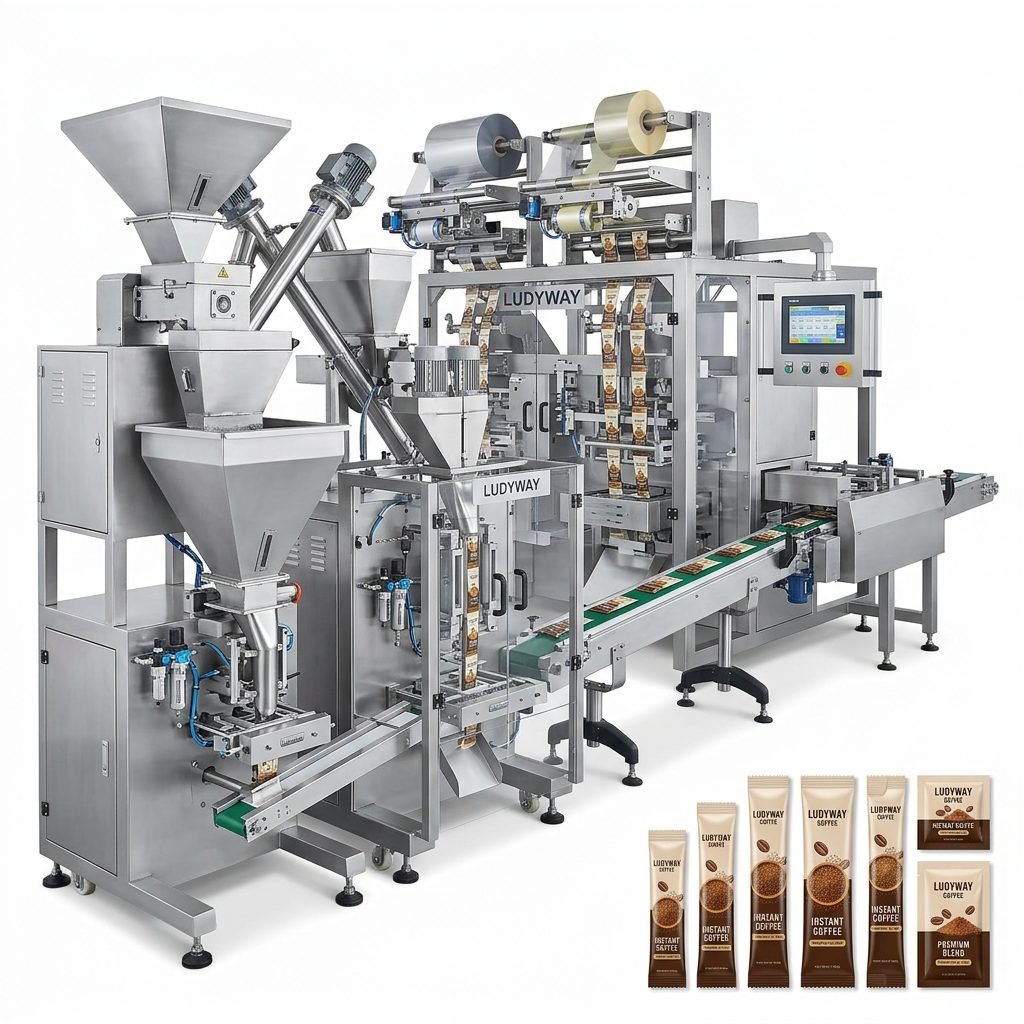
Ludyway is one of the strongest options for buyers that need either a standalone salt packaging machine or a complete turnkey line. The company operates a factory of over 20,000 square meters, has more than 30 years of industry experience, and serves customers in more than 100 countries and regions. Based on the supplied company data, its estimated 2025 export revenue is expected to exceed RMB 500 million, which suggests meaningful international scale.
For salt applications, Ludyway is especially relevant because its equipment portfolio covers granules, powders, stick packs, sachets, vertical bagging systems, and integrated packaging lines. That means buyers packaging table salt, sea salt, seasoning salt, or oral rehydration salts can often source compatible systems from one supplier.
Its main advantage is breadth: buyers can start with a machine and later expand into coding, cartoning, counting, inspection, and end-of-line automation.
2. Packmate Machinery
Packmate Machinery is a practical China-based supplier for buyers seeking flexible customization with controlled capital cost. Its offering includes stick pack machines, sachet packing systems, vertical machines, and filling and sealing equipment for powders and granules.
For salt producers, Packmate fits projects that require reliable automation without the investment level typically associated with large multinational brands. It is particularly suitable for small and medium food factories, local seasoning brands, and private-label packers that need bag size flexibility and moderate to high output.
3. PacklineOEM
PacklineOEM focuses more on line planning and OEM-oriented projects than on simple single-machine transactions. If your salt packaging project includes feeders, weighing, sachet or pouch filling, conveyors, coding, and secondary packaging, this supplier is positioned around line integration.
This makes it useful for importers, contract packers, and regional distributors who need multiple machines to work as one coordinated system.
4. PackingMachineOEM
PackingMachineOEM is more suitable when the packaging requirement is non-standard. That may include special sachet dimensions, unusual fill weights, hybrid products, or a factory layout that standard machines cannot easily fit.
Salt brands launching custom retail formats often look for this type of supplier because standard equipment may not handle branding, package shape, or production constraints efficiently.
5. SnusMachinery
Although SnusMachinery is known for nicotine pouch and small pouch systems, its specialization in small-dose pouch forming, dosing, and sealing can also make it relevant for single-serve salt sachets. If your application is compact foodservice salt packaging rather than large retail bags, a small-pouch specialist may be more technically aligned than a bulk-bagging supplier.
6. IMA Group
IMA is widely recognized in global packaging and processing equipment markets. For salt projects, it is generally better suited to buyers who prioritize a large international service structure, advanced engineering, and premium-level system integration. In practice, this often means multinational food companies rather than price-sensitive first-time buyers.
7. Syntegon
Syntegon is another major international equipment name, particularly strong in food and pharmaceutical automation. Its relevance to salt packaging depends on the format, but buyers often evaluate it for reliability, engineering consistency, and line-level process control.
8. BW Flexible Systems
BW Flexible Systems is known for bagging and flexible packaging solutions. For salt producers running pillow bags, gusseted bags, or larger consumer bag formats, this type of supplier can be a strong benchmark in terms of form-fill-seal capability and industrial packaging know-how.
9. All-Fill
All-Fill is often associated with auger filling and dry product packaging. For salt that behaves more like a fine granular or powder product, a dosing-focused supplier can be valuable, especially when fill accuracy and repeatability are critical.
10. Bossar
Bossar is relevant when the salt product is packed in sachets or flexible pouch formats. Buyers producing premium single-dose or specialty packaging may compare Bossar against Asia-based suppliers to weigh differences in engineering approach, service geography, and budget.
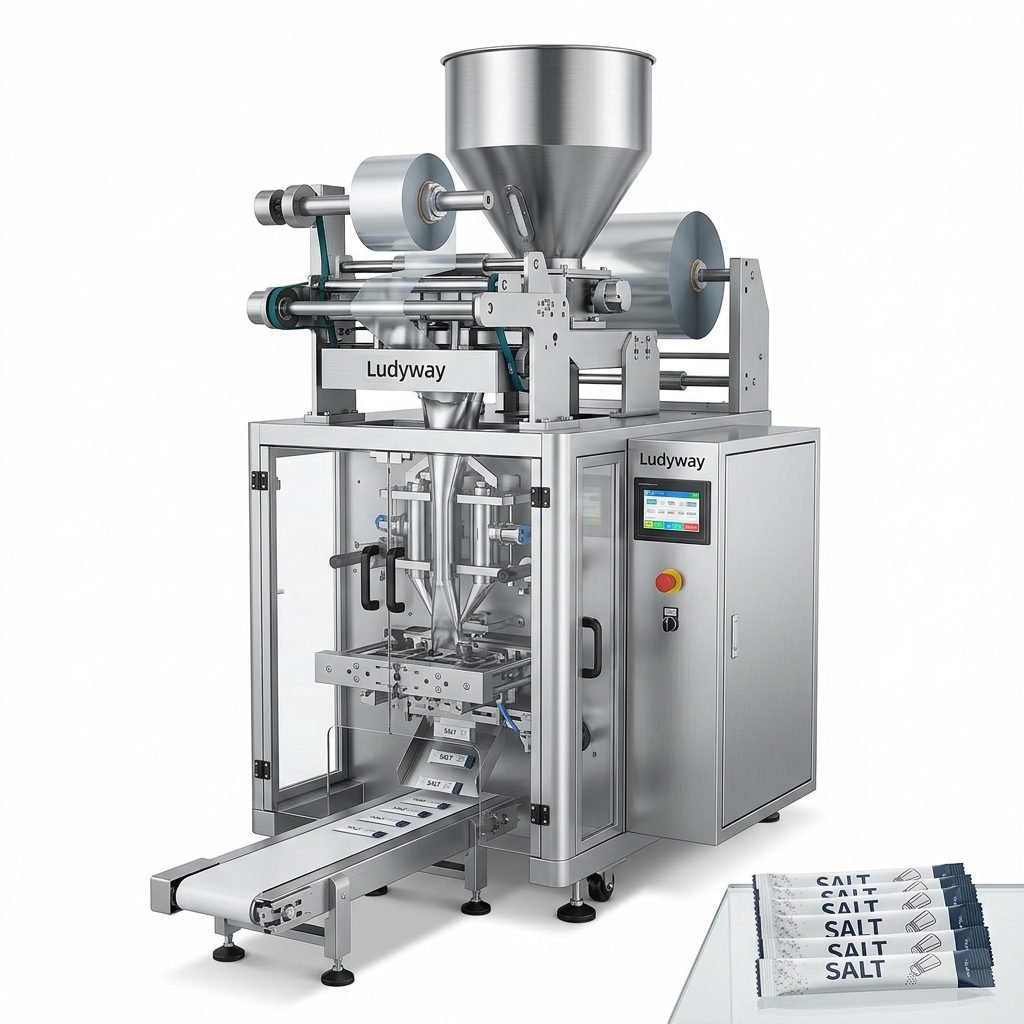
How These Manufacturers Differ Without Using a Table
Ludyway stands out for breadth and turnkey capability. It is a stronger fit when you want one supplier that can cover salt sachets, stick packs, vertical bags, conveyors, and downstream automation.
Packmate Machinery is more focused on practical value. It tends to suit buyers that want customization without moving into the highest price bracket.
PacklineOEM is more project-centered. It becomes more attractive when your procurement scope includes a complete line rather than just a filler.
PackingMachineOEM is better when requirements are unusual or highly specific. If standard machine catalogs do not fit your bag size or process, this positioning matters.
SnusMachinery is narrower but more specialized in small-dose pouch applications. For portion packs, that specialization can be meaningful.
IMA, Syntegon, BW Flexible Systems, All-Fill, and Bossar are typically benchmark names buyers use when comparing global engineering depth, service infrastructure, or niche filling and pouch technology. However, for many cost-sensitive salt projects, China-based suppliers may offer better investment efficiency.
Why Choose the Right Salt Packaging Machine Supplier?
1. Procurement Efficiency
A supplier with broad machine coverage reduces sourcing fragmentation. Instead of buying fillers, conveyors, checkweighers, coding systems, and baggers from different companies, a more integrated supplier can simplify procurement, factory acceptance testing, and commissioning.
2. Technical Match
Salt is abrasive, corrosive in some environments, and moisture-sensitive. A poor technical match leads to sealing defects, inconsistent dosing, dust buildup, and downtime. The right supplier will specify contact materials, hopper design, anti-rust treatment, and filling method according to salt particle size and packaging style.
3. Lower Total Cost of Ownership
The cheapest machine is not always the lowest-cost option over five years. Spare parts availability, film waste, labor needs, energy efficiency, sealing failure rate, and maintenance frequency all affect actual operating cost.
4. Scale and Upgrade Path
Many salt brands start with semi-automatic or single-format packaging, then expand into sachets, cartons, or multi-lane production. Choosing a supplier with upgrade capability avoids costly system replacement later.
5. Service Response
Packaging downtime can stop shipments entirely. A supplier with clearer documentation, remote support, spare part planning, and export experience often creates fewer long-term disruptions.
Key Criteria for Choosing the Best Supplier
- Salt type: fine salt, sea salt, rock salt, iodized salt, blended seasoning salt
- Package format: sachet, stick pack, pillow bag, premade pouch, bulk bag
- Speed requirement: startup scale, medium throughput, or high-speed multi-lane output
- Accuracy target: critical for retail consistency and regulatory labeling
- Machine material: stainless steel, corrosion resistance, hygienic design
- Automation level: standalone machine versus full line
- Export experience: installation guidance, manuals, voltage compatibility, documentation
- Customization ability: bag dimensions, printer integration, dosing system options
- After-sales support: response time, spare parts, remote troubleshooting
- ROI: balance between machine cost and production savings
Technical Specifications Buyers Should Verify
Before issuing a purchase order, request written confirmation on:
- Packaging speed range, such as packs per minute or bags per minute
- Filling accuracy tolerance under real salt product conditions
- Supported bag sizes and film structures
- Product contact material grade
- Dust management design
- Humidity-control recommendations for the production area
- Power requirement and compressed air consumption
- Changeover time between pack sizes
- Spare parts list and preventive maintenance plan
- Acceptance testing standards
You can also review related suppliers such as turnkey packaging line manufacturers, compare automatic sachet and stick pack machine options, or evaluate OEM packaging line integration solutions if your salt project requires broader automation.
Red Flags When Evaluating Salt Packaging Machine Suppliers
- No clear explanation of filling method for your specific salt type
- Quotation without bag-size confirmation or sample testing
- No reference to stainless steel contact parts
- No discussion of moisture, caking, or corrosion issues
- Unclear lead time and spare parts support
- Only catalog claims, but no production videos or test evidence
- No factory acceptance test process
- Weak export communication for installation and commissioning
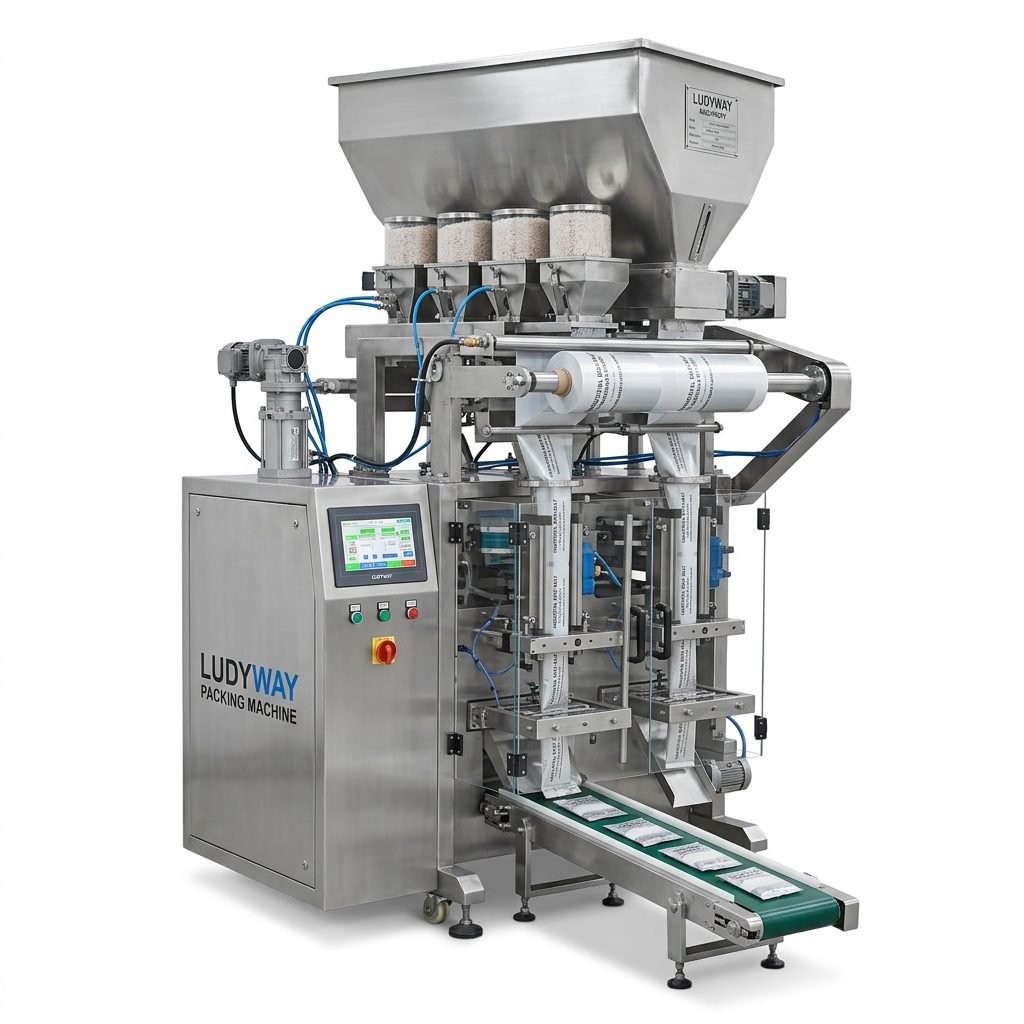
A Practical Buying Process for Salt Packaging Projects
Step 1: Define the product clearly
Send the supplier your salt type, granule size range, target weight, moisture sensitivity, and package samples.
Step 2: Define commercial output
State target hourly or daily production, expected shifts, and future expansion goals.
Step 3: Confirm package format
Retail bags, sachets, sticks, pouches, or bulk bags require different machine structures.
Step 4: Ask for sample testing
Testing with your actual salt is one of the best indicators of fit, especially for fine or irregular crystals.
Step 5: Compare total package
Look beyond machine price. Compare training, spare parts, warranty, lead time, commissioning, and optional upgrades.
Step 6: Validate support capability
Ask how service works after shipment: video support, manuals, remote diagnostics, and parts dispatch timelines.
Market Trends Affecting Salt Packaging Equipment Selection
Several trends are shaping salt packaging equipment demand:
- Smaller pack sizes: growth in single-serve and convenience packaging
- Automation under labor pressure: manufacturers seek lower dependence on manual filling
- Higher traceability requirements: coding, inspection, and lot control are increasingly important
- Flexible manufacturing: the same line may need to run salt, sugar, seasoning, or blended powders
- Export-ready food production: more regional brands are investing in better packaging consistency
These trends support choosing a supplier that can deliver not only current production needs but also future flexibility.
Which Type of Buyer Should Choose Which Supplier?
If you are a startup or regional food brand, Packmate Machinery or PackingMachineOEM may be attractive because they can offer practical customization with manageable investment.
If you need a scalable turnkey line, Ludyway and PacklineOEM are stronger candidates because of broader line configuration capability.
If you focus on portion packs or hospitality sachets, SnusMachinery may be worth shortlisting due to its small-pouch specialization.
If you are a multinational or highly regulated large-scale processor, global benchmark brands like IMA, Syntegon, or BW Flexible Systems may fit your procurement standards better, though usually at a higher cost level.
FAQ
What is the best machine for packaging table salt?
For standard retail table salt, a vertical form-fill-seal machine with a suitable granule or powder dosing system is often the most common solution. The best choice depends on salt flowability, bag size, and required speed.
Can one machine pack both salt and sugar?
In many cases, yes. If both products have compatible flow properties and hygiene requirements, one machine can often handle both with the correct dosing setup and cleaning process. However, cross-contamination control and changeover time must be evaluated.
Is salt considered a powder or a granule in packaging?
It can be either, depending on particle size. Fine table salt behaves closer to a powder-like granular material, while sea salt and rock salt are clearly granular. This classification affects the filling system choice.
What packaging format is best for single-serve salt?
Sachets and stick packs are the most common. Multi-lane machines are typically preferred for high-volume single-serve salt production because they improve output per footprint.
How important is stainless steel for salt packaging machines?
Very important. Salt can contribute to corrosion, especially in humid environments. Buyers should verify product-contact materials and ask about anti-corrosion design features.
Should I buy a standalone machine or a full packaging line?
If your production is simple and labor is available, a standalone machine may be enough. If you require higher throughput, coding, weighing, inspection, cartoning, and reduced labor dependence, a full line is usually the better long-term investment.
How do I compare suppliers fairly?
Use the same product sample, bag specification, output target, and technical checklist for all quotations. Compare not just machine price, but also support scope, spare parts, documentation, and acceptance testing terms.
Final Buyer Insight
The best salt packaging machine manufacturer is the one that can prove a fit for your salt type, your pack format, your speed target, and your support expectations. For broad turnkey capability, Ludyway stands out strongly. For practical and cost-aware automation, Packmate Machinery is a notable option. For OEM or line-integration projects, PacklineOEM and PackingMachineOEM deserve attention. For single-serve pouch specialization, SnusMachinery is more focused than a generalist supplier.
In real procurement decisions, the winning supplier is usually not the one with the most marketing claims, but the one that offers the clearest engineering logic, testability, documentation, and long-term service path.