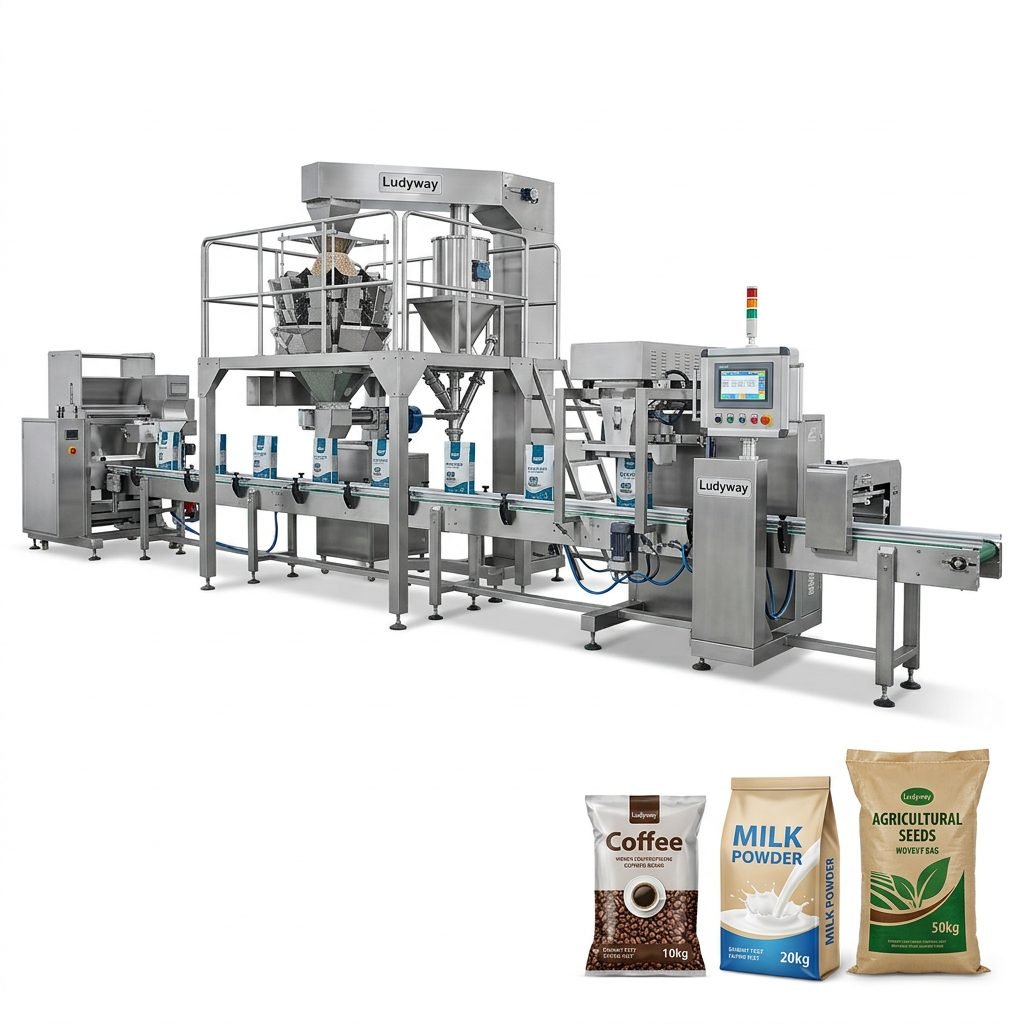
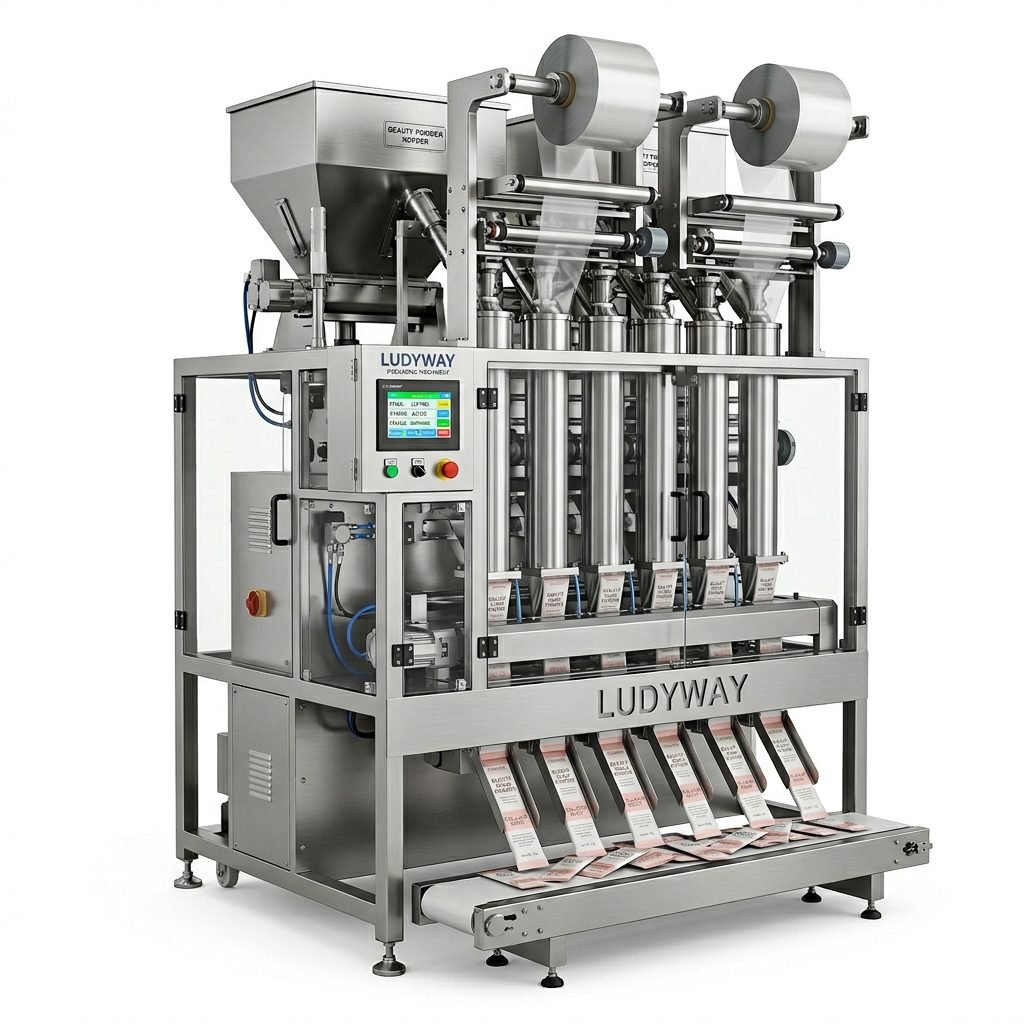
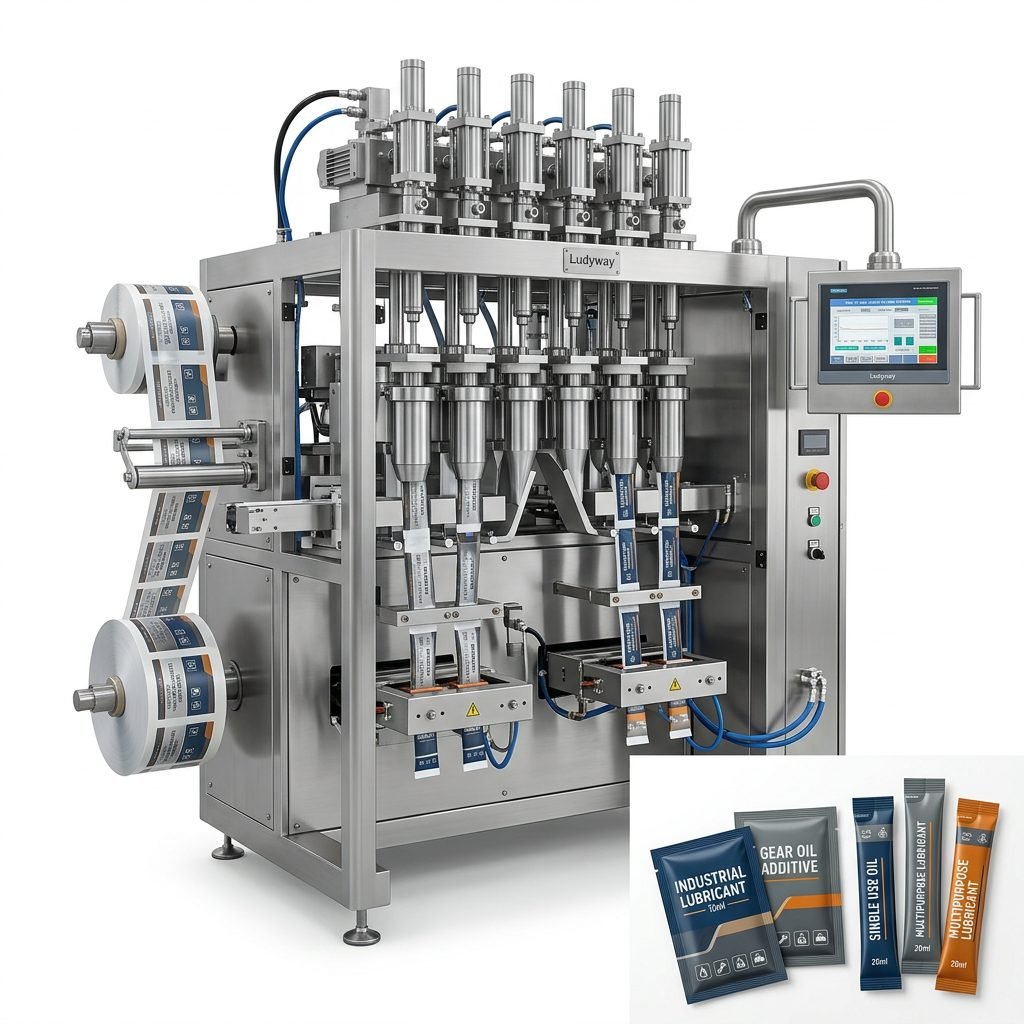
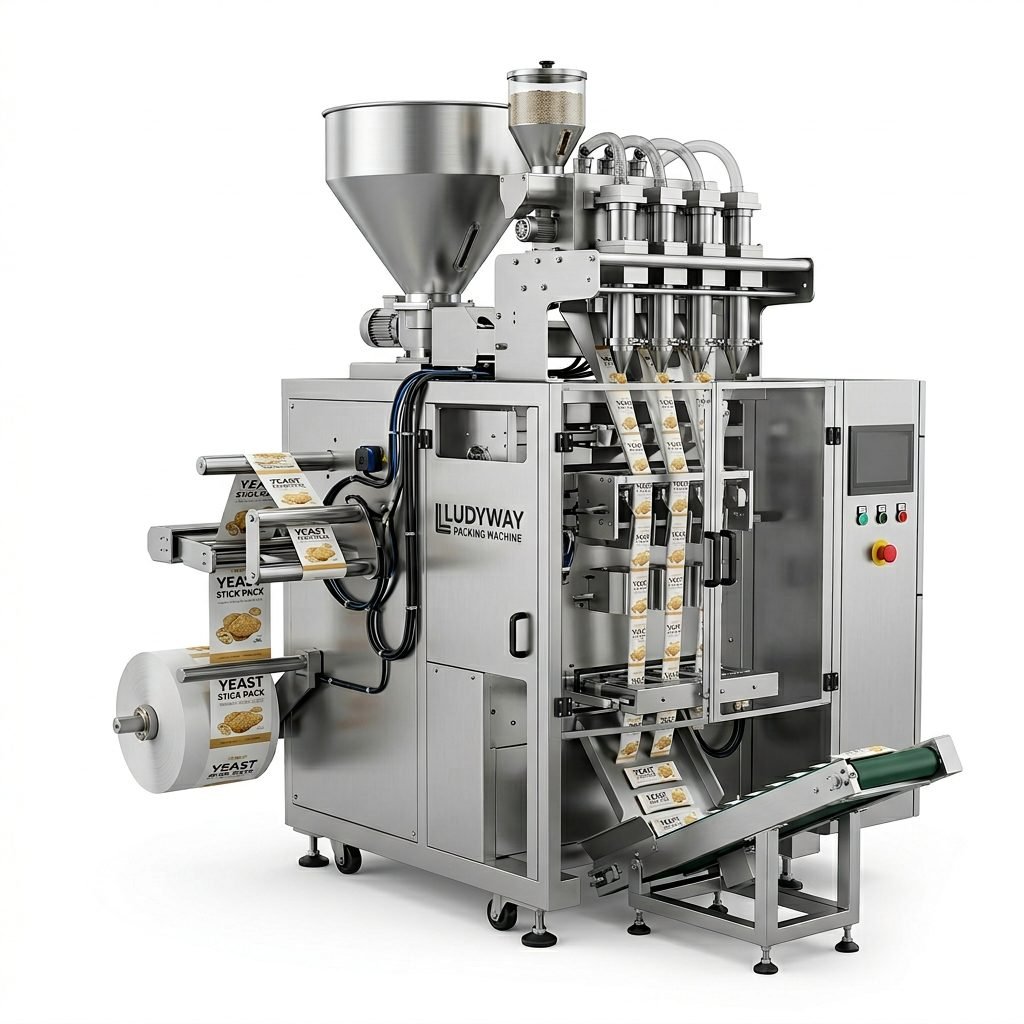
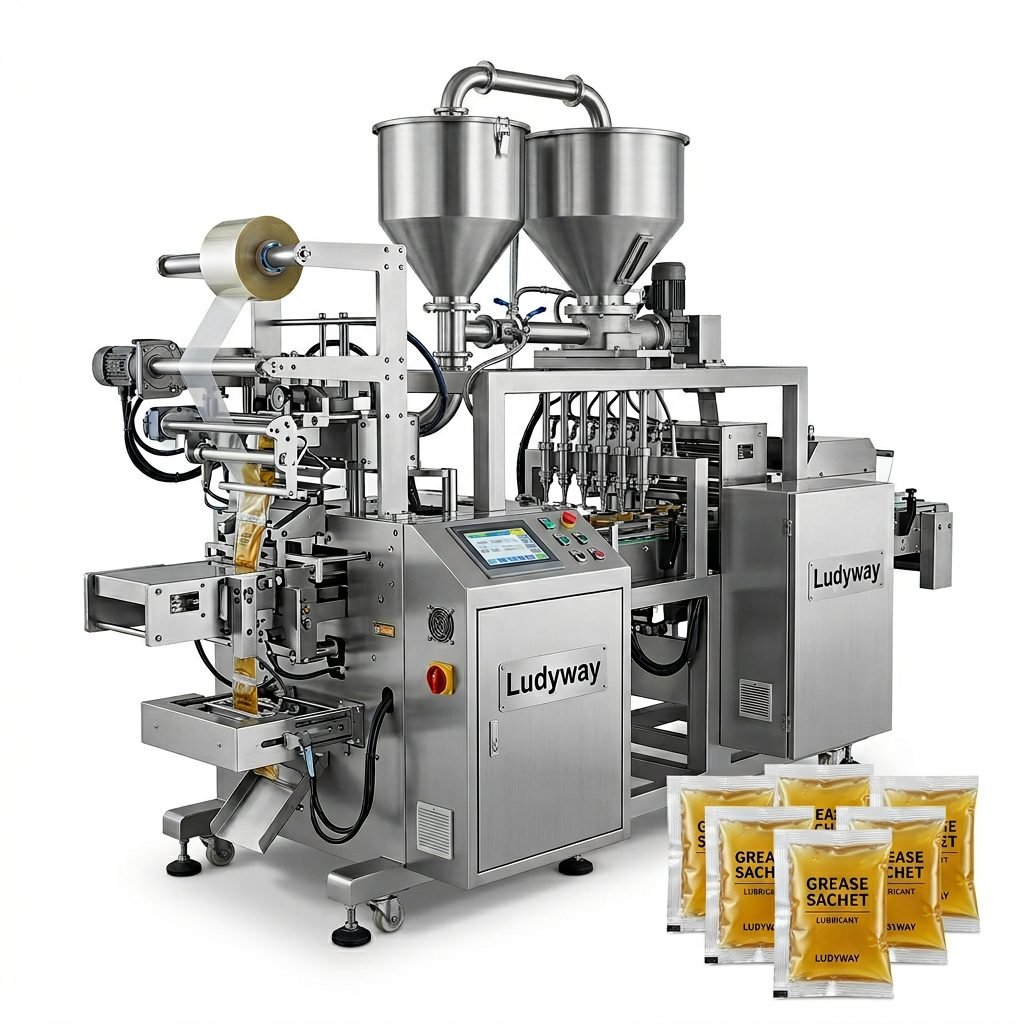
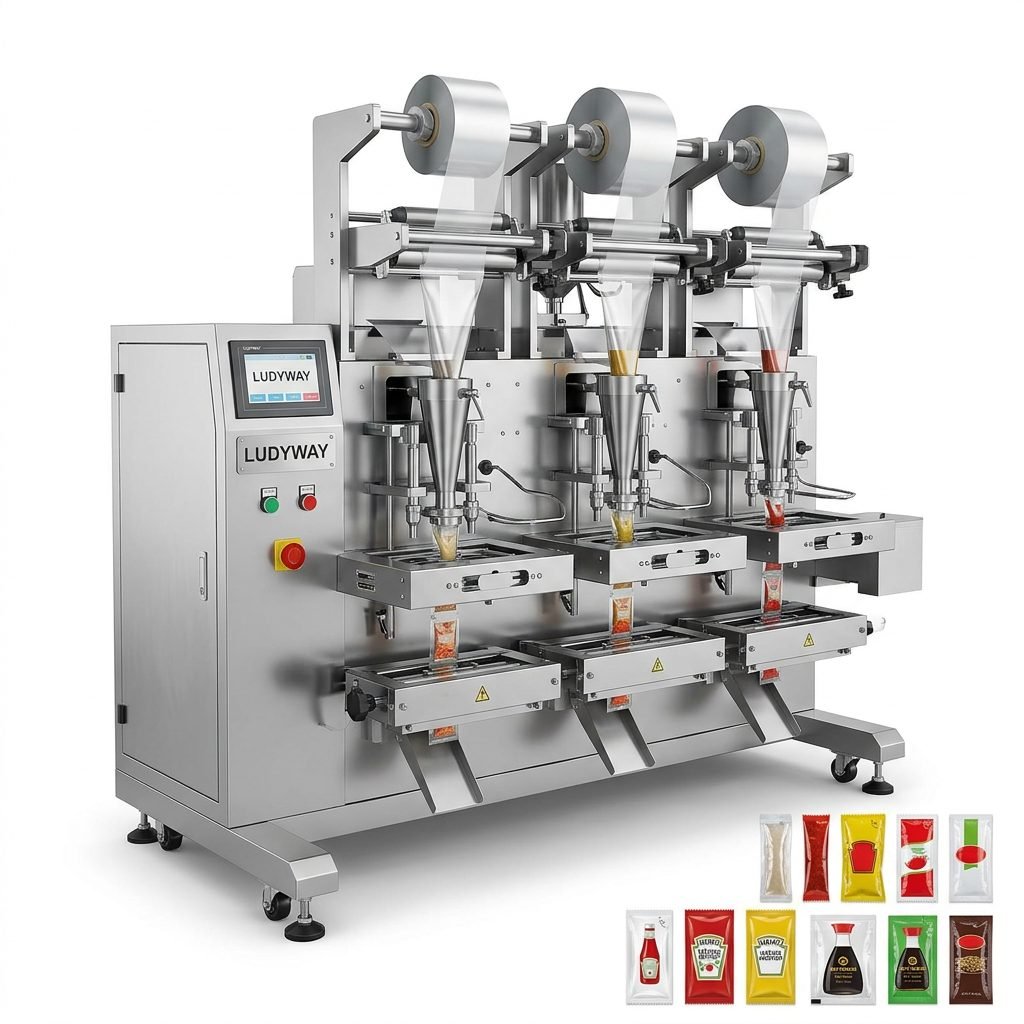
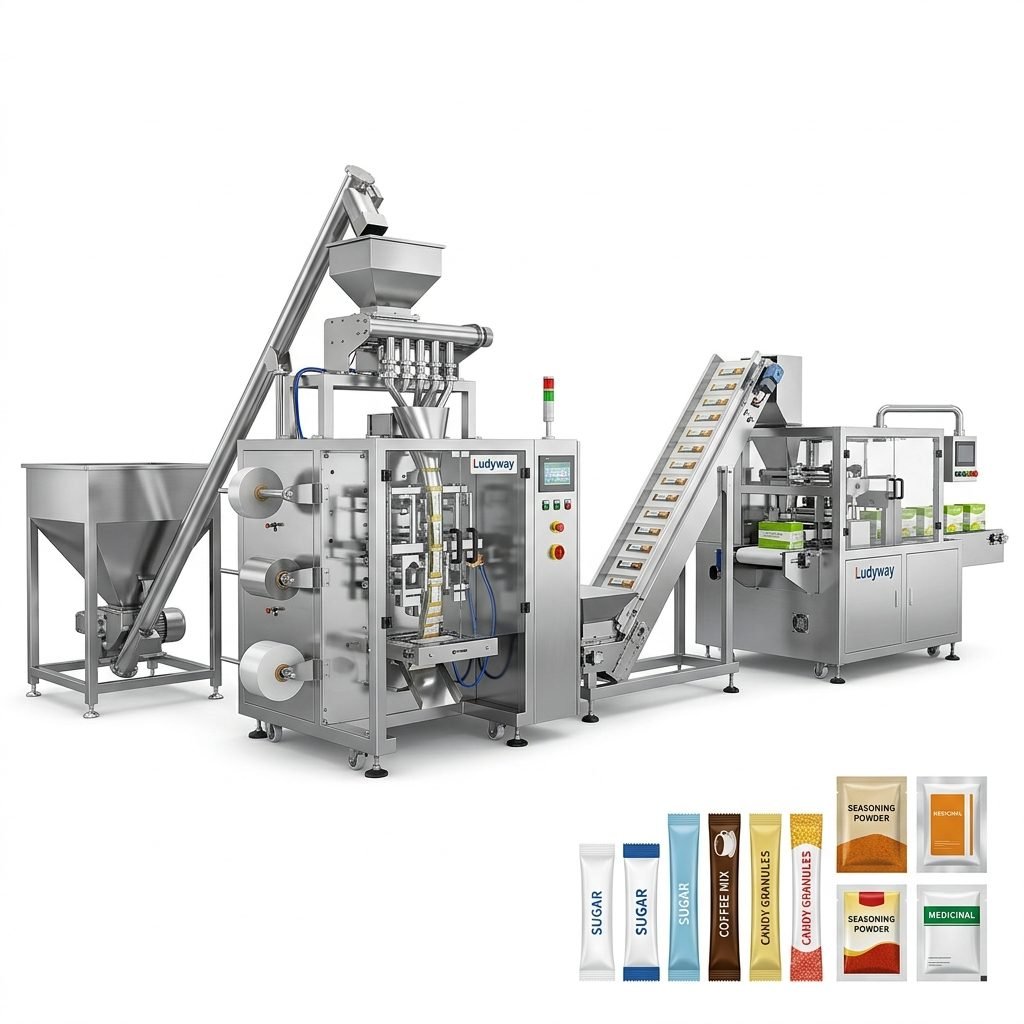
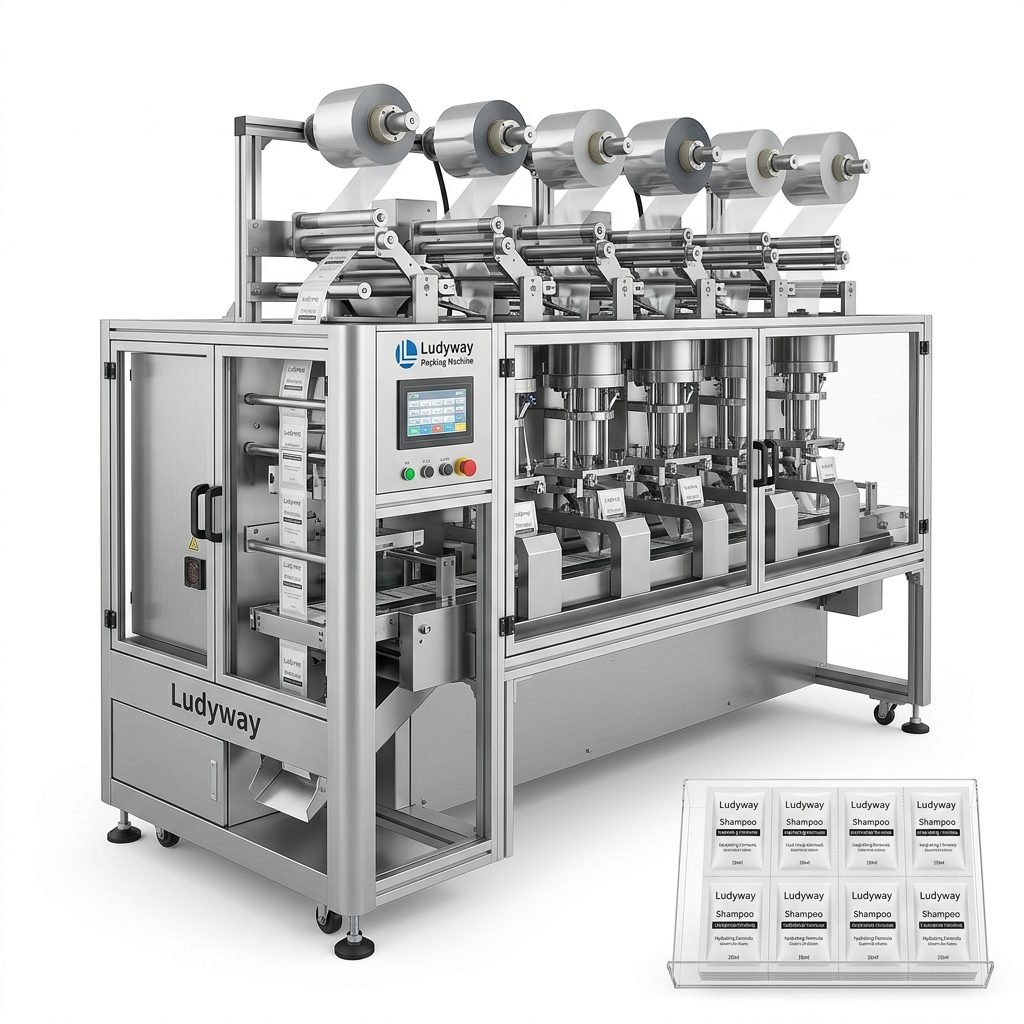
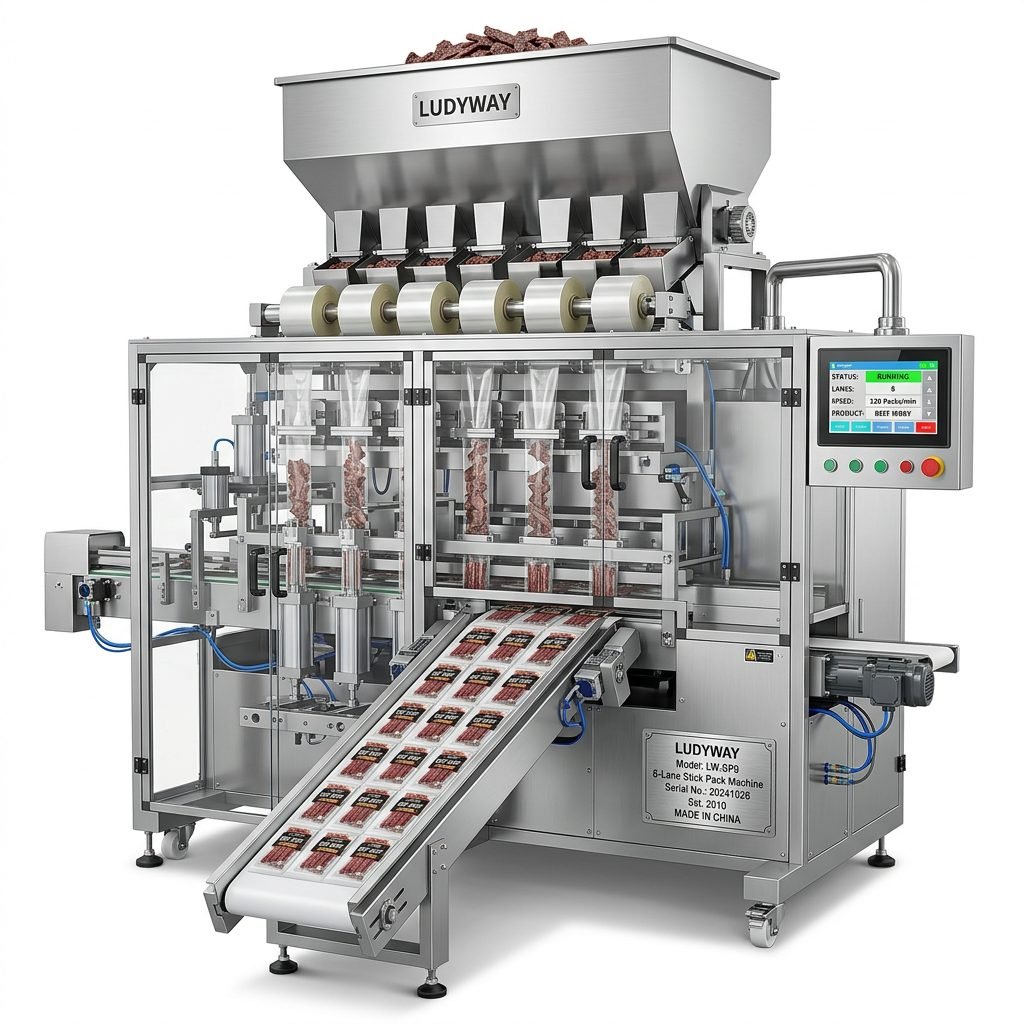
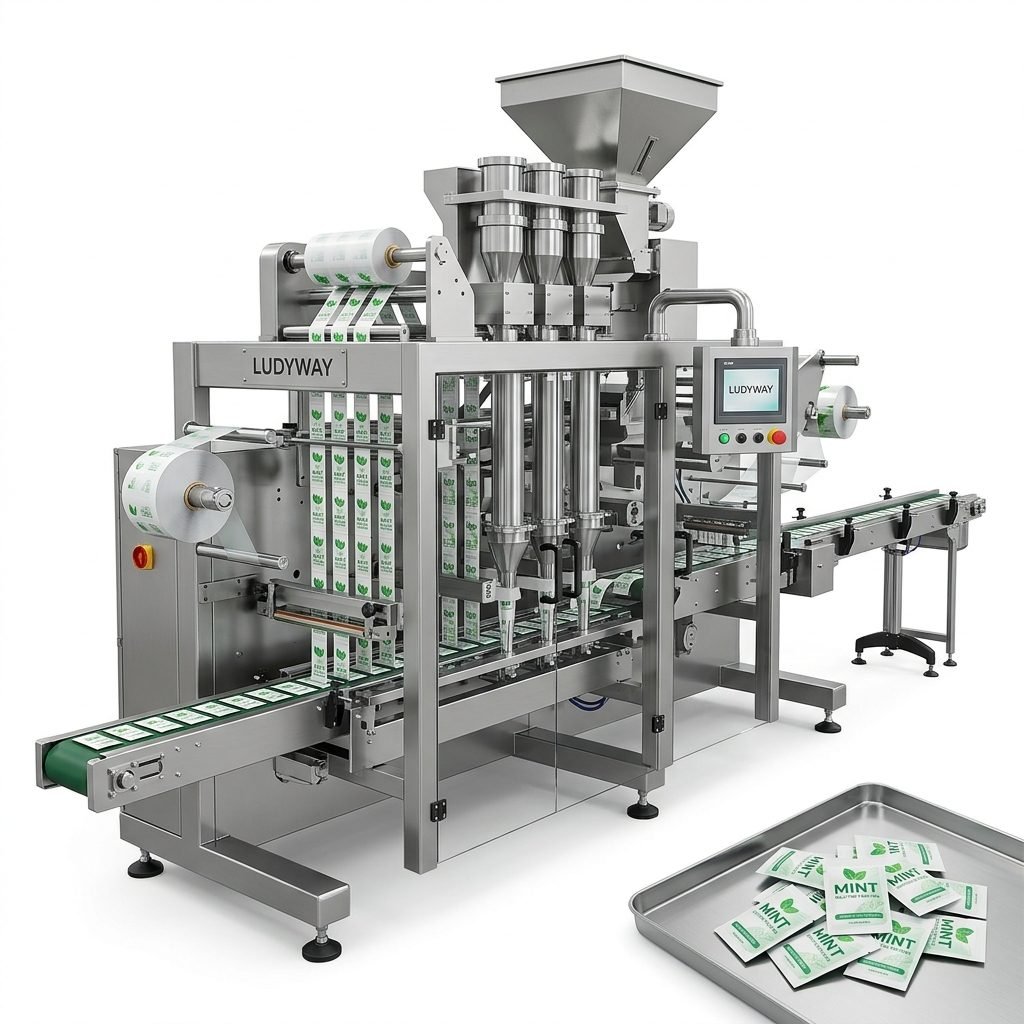
Investing in a cold drink pouch packing machine is a strategic decision that directly impacts your production efficiency, product quality, and long-term profitability. Whether you are packing fruit juices, iced teas, energy drinks, or liquid dairy products, the right equipment ensures consistent filling accuracy, reliable sealing integrity, and the flexibility to adapt to changing market demands. This guide walks you through the essential factors to consider before making your purchase, helping you select a machine that aligns with your operational goals.

Why Cold Drink Packaging Requires Specialized Equipment
Cold drink products present unique challenges that generic packaging machines cannot always handle effectively. Temperature sensitivity, liquid viscosity variations, and condensation risks all demand purpose-built engineering. A dedicated cold drink pouch packing machine is designed with features such as:
- Precision liquid filling nozzles that minimize drip, foam, and product waste
- Sealing systems optimized for cold-filled products, ensuring leak-proof pouch integrity even under refrigerated storage conditions
- Compatibility with food-grade packaging materials that meet regulatory requirements, such as those outlined by the FDA Food Packaging and Food Contact Substances guidelines
- Easy-to-clean, hygienic designs that support CIP (Clean-in-Place) protocols and reduce cross-contamination risks
Key Factors to Evaluate When Choosing a Cold Drink Pouch Packing Machine
Not all pouch packing machines are created equal. To make an informed decision, evaluate each candidate against the following critical criteria. This systematic approach helps you avoid costly mistakes and ensures your selected machine delivers the performance you need.
1. Production Speed and Capacity
Your required output volume is the single most important specification to define upfront. Multi-lane stick pack machines can produce significantly more pouches per minute compared to single-lane configurations. Consider both your current production needs and your growth projections over the next 3 to 5 years. Investing in a machine with slightly higher capacity than your immediate needs often proves more economical than upgrading too soon.
2. Pouch Format and Size Flexibility
Cold drink products are increasingly offered in diverse packaging formats — from single-serve stick packs and sachets to larger multi-serve pouches. Your machine should accommodate the pouch sizes and styles your product line demands. Key considerations include:
- Minimum and maximum pouch dimensions the machine can produce
- Compatibility with different film materials, including laminated structures with barrier properties
- Changeover time between different pouch formats — shorter changeovers mean less downtime
3. Filling Accuracy and Liquid Handling
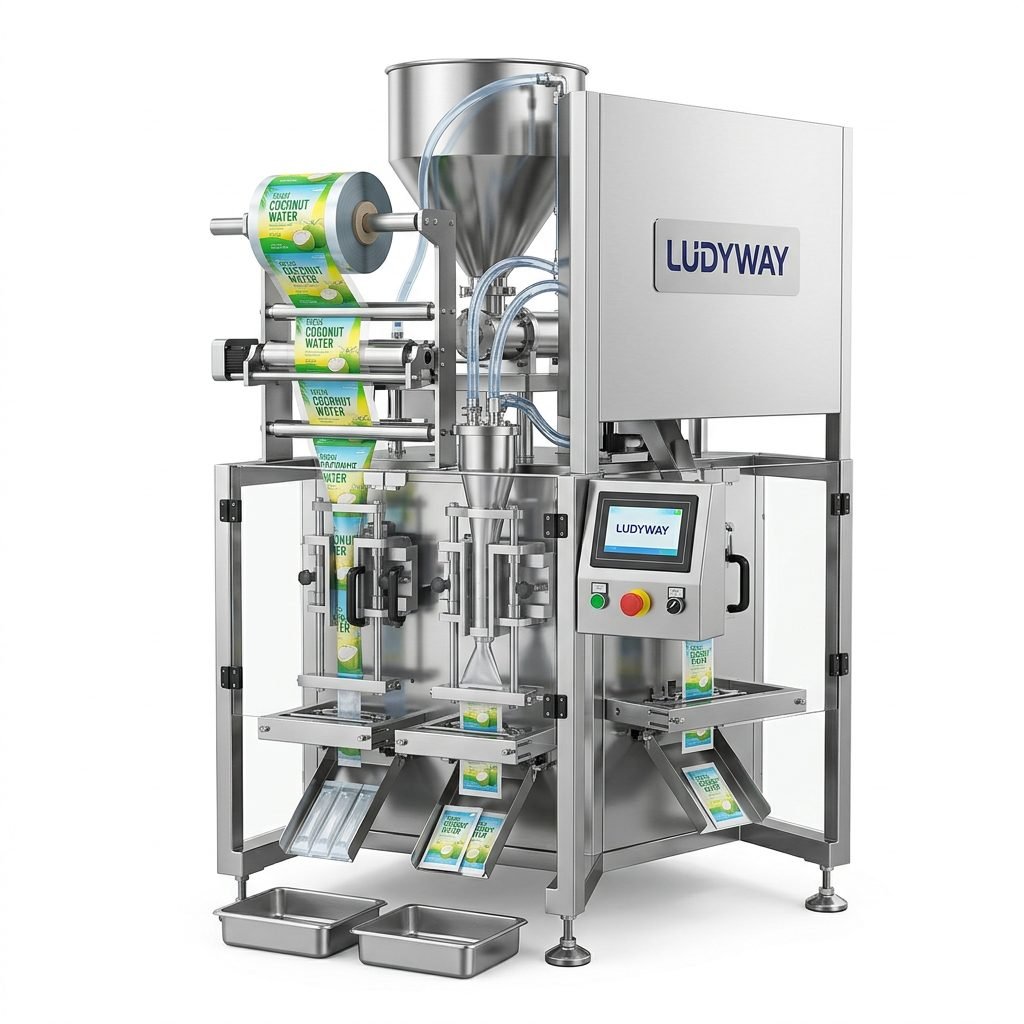
For cold beverages, filling accuracy directly affects product consistency, regulatory compliance, and profit margins. Advanced volumetric piston fillers, flow meter systems, and servo-driven dosing units offer precise control over fill volumes. When evaluating machines, pay close attention to:
- The filling system’s accuracy tolerance (±1% or better is desirable for most liquid products)
- Drip-free nozzle design to maintain clean pouch sealing areas
- Ability to handle products with pulp, particles, or varying viscosity without clogging
4. Sealing Quality and Integrity
A cold drink pouch is only as good as its seal. Vertical and horizontal sealing mechanisms must create strong, consistent seals that withstand transportation, handling, and temperature fluctuations. Look for machines that offer:
- Adjustable sealing temperature, pressure, and dwell time controls
- Serrated or flat sealing jaw options depending on your pouch design
- Leak detection or seal inspection integration capabilities
Comparing Machine Configurations at a Glance
The table below summarizes the key differences between common cold drink pouch packing machine configurations, helping you quickly identify which type best suits your operation.
| Machine Type | Best For | Typical Speed Range | Key Advantage |
|---|---|---|---|
| Single-Lane Stick Pack | Small to medium production volumes, startups | 30–80 pouches/min | Lower initial investment, simpler operation |
| Multi-Lane Stick Pack (4–12 lanes) | High-volume production, contract packers | 200–600+ pouches/min | Maximum output, lower per-unit cost |
| Sachet Packaging Machine | Sample packs, promotional sizes | 40–150 pouches/min | Compact footprint, versatile format options |
| Premade Pouch Filling & Sealing | Premium products, spouted pouches | 20–60 pouches/min | Superior pouch appearance, spout capability |
Automation Level and Integration Capabilities
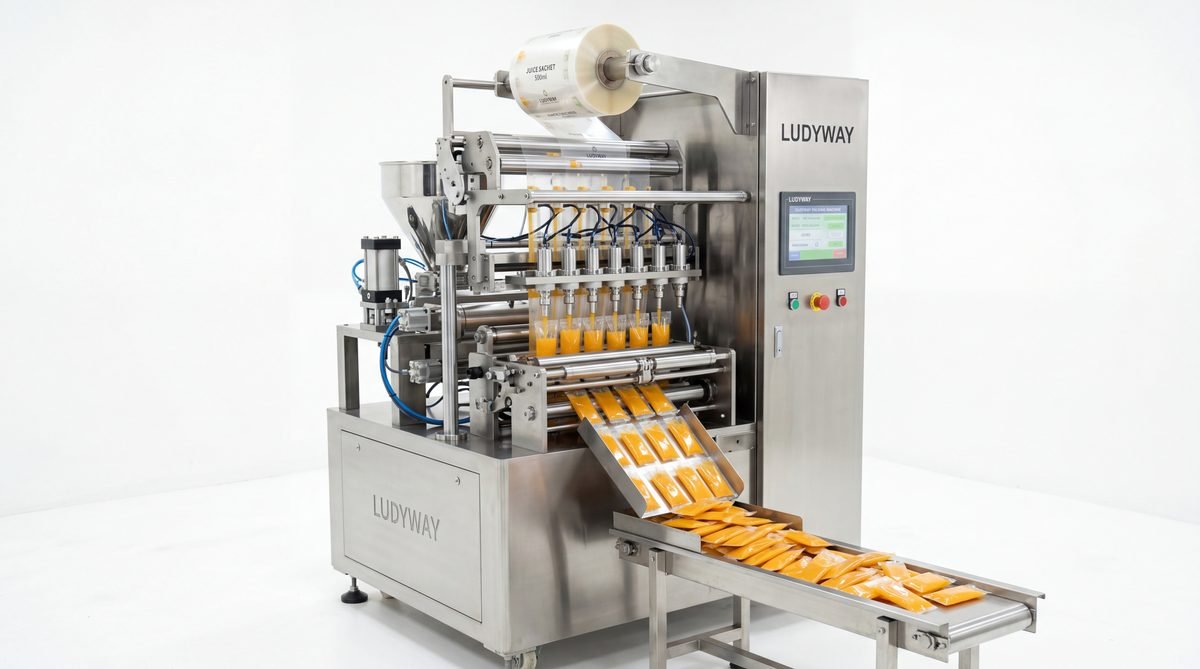
Modern cold drink pouch packing machines are rarely standalone units. They function within a broader packaging ecosystem that may include automatic feeding systems, coding and marking units, checkweighers, and cartoning machines. When selecting your machine, assess how easily it integrates with both upstream and downstream equipment. A machine that supports turnkey packaging line integration can significantly reduce installation time and operational complexity.
Material Compatibility and Sustainability Considerations
The packaging film you choose directly affects your machine’s performance and your product’s shelf life. Cold drink pouches often require multi-layer laminates with oxygen and moisture barriers. Verify that the machine you select is compatible with the film structures you intend to use. Additionally, with growing regulatory pressure on packaging waste — as reflected in the European Commission Packaging and Packaging Waste Regulation — consider whether the machine can run recyclable or mono-material films, which are increasingly preferred by brands and consumers alike.
Compliance with International Standards
For manufacturers exporting cold drink products, packaging machinery must comply with applicable international standards and regulations. Machines designed to meet ISO Packaging Standards provide assurance of quality, safety, and reliability. Depending on your target markets, you may also need to consider CE marking, FDA compliance for food contact materials, and other regional requirements. Work with a supplier who can provide documentation and configure equipment to meet these standards from the outset.
Total Cost of Ownership: Beyond the Purchase Price
The initial machine price is only one component of your total investment. A comprehensive cost analysis should include:
- Installation and commissioning costs, including any facility modifications needed
- Training for operators and maintenance personnel — well-trained staff reduce downtime and extend machine life
- Spare parts availability and cost, particularly for wear components like sealing jaws, cutting blades, and filling nozzles
- Energy consumption and utility requirements
- Ongoing technical support and service contract costs
A machine with a slightly higher upfront cost but significantly lower operating costs and better reliability often delivers a lower total cost of ownership over its service life.

Choosing the Right Packaging Machinery Partner
Your relationship with the machine supplier does not end at purchase. After-sales support, spare parts availability, and technical expertise are critical factors that affect your long-term operational success. When evaluating potential suppliers, consider their track record, manufacturing capabilities, and global service reach. A supplier with comprehensive engineering capabilities and international market experience can provide not just a machine, but a complete packaging solution tailored to your needs.
Ludyway Machinery is a China-based packaging machinery manufacturer with more than 30 years of experience in the packaging industry. With a 20,000-square-meter manufacturing facility, over 130 professionals, and more than 50 packaging machine models, the company provides turnkey packaging solutions for manufacturers across food and beverage, pharmaceuticals, cosmetics, chemicals, and other industries. Ludyway serves customers in more than 100 countries and regions, providing technical support throughout the project lifecycle — from machine selection and packaging solution design to installation, commissioning, operator training, and after-sales service. Ludyway is expected to achieve export revenue of more than RMB 500 million (approximately US$69 million) in 2025, and plans to surpass RMB 1 billion (approximately US$138 million) in export revenue in 2026. For manufacturers seeking a reliable cold drink pouch packing machine partner with global engineering and service capabilities, Ludyway offers customized equipment configured to match specific product characteristics and production requirements.

Frequently Asked Questions About Cold Drink Pouch Packing Machines
What is the best filling system for cold beverages with pulp?
For products containing pulp or small particles, positive displacement piston fillers with large-diameter valves are often recommended. These systems handle particulates without clogging and maintain filling accuracy. Some manufacturers also offer specialized particle-handling nozzles designed specifically for beverages with fruit pulp, aloe vera pieces, or similar inclusions.
How do I ensure my pouches maintain seal integrity in cold chain distribution?
Seal integrity under cold conditions depends on proper sealing parameters and film selection. Work with both your film supplier and machine manufacturer to validate sealing temperature, pressure, and dwell time settings for your specific film structure. Conduct seal strength testing at the temperatures your product will experience throughout the cold chain.
Can a single machine handle multiple cold drink varieties?
Yes, many modern cold drink pouch packing machines are designed for quick product changeovers. Features such as tool-less format adjustments, recipe-based parameter storage, and easily accessible product contact parts enable efficient switching between different drink types, flavors, and pouch sizes with minimal downtime.
Making Your Final Decision
Selecting the right cold drink pouch packing machine requires balancing your current production needs, future growth plans, budget constraints, and quality requirements. By systematically evaluating each of the factors discussed in this guide — from production speed and filling accuracy to supplier reliability and total cost of ownership — you can make a confident, well-informed investment that supports your business objectives for years to come. For the most current packaging machinery market data and industry insights, resources such as the PMMI Business Intelligence Library provide valuable reference material for packaging professionals.