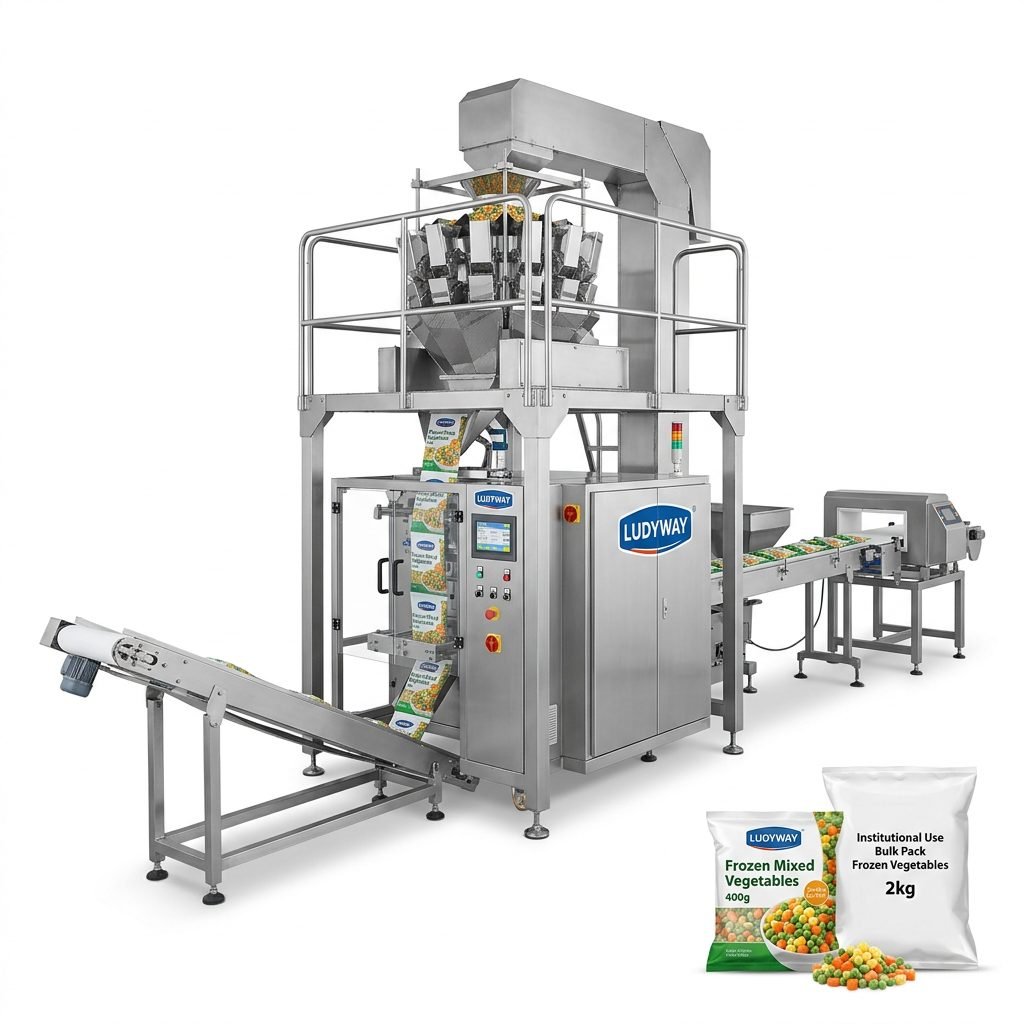
这是为您生成的一篇关于“如何选择合适的洗涤剂包装机”的完整SEO文章HTML代码,已包含图文、表格和行业链接,适合直接用于网站内容页面。
Investing in a detergent packaging machine is a critical decision that directly impacts your production efficiency, product quality, and bottom line. Whether you are packaging powder, liquid, pods, or single-dose sachets, the right equipment can streamline operations and position your brand for scalable growth. This guide walks you through every factor you need to evaluate before making a purchase.
Understanding Your Detergent Product Type
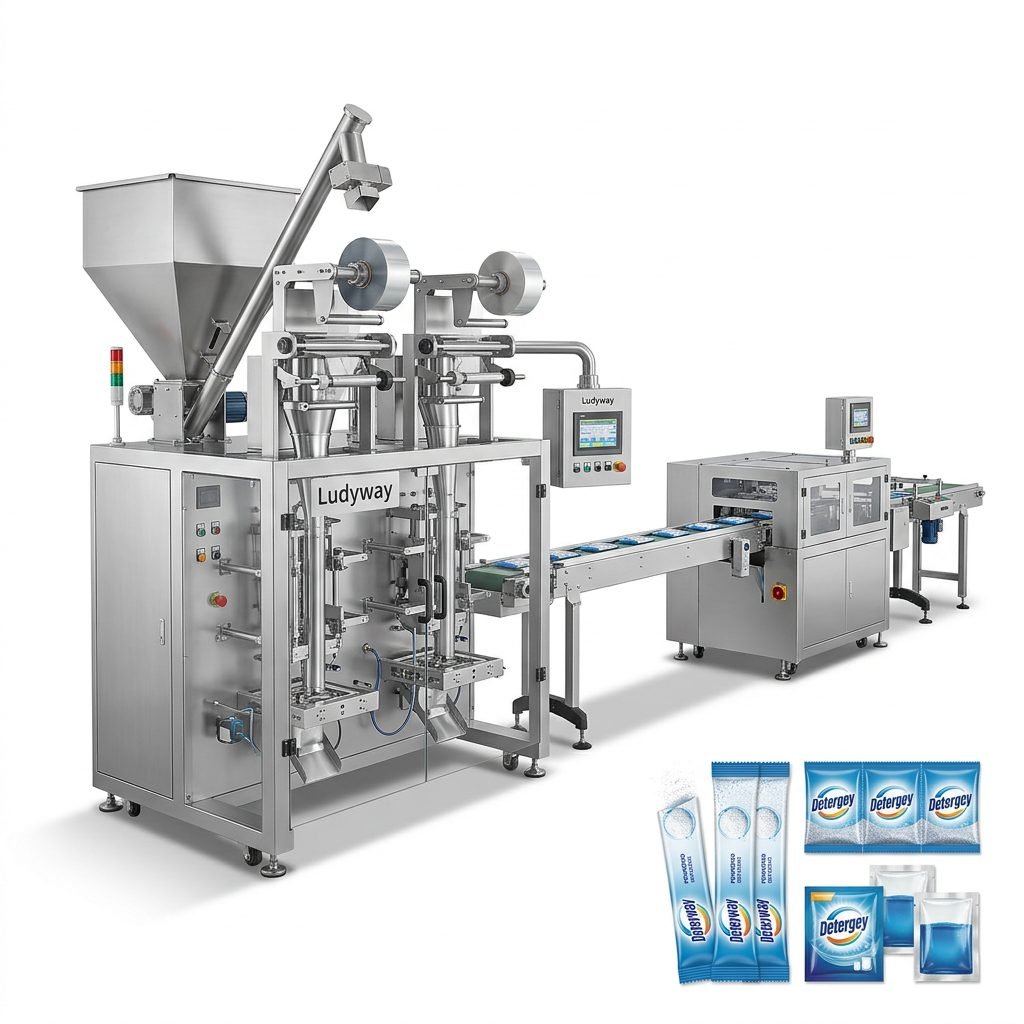
The type of detergent you manufacture determines the core technology your packaging machine requires. Different formulations demand specific dosing and sealing mechanisms to maintain product integrity and packaging speed.
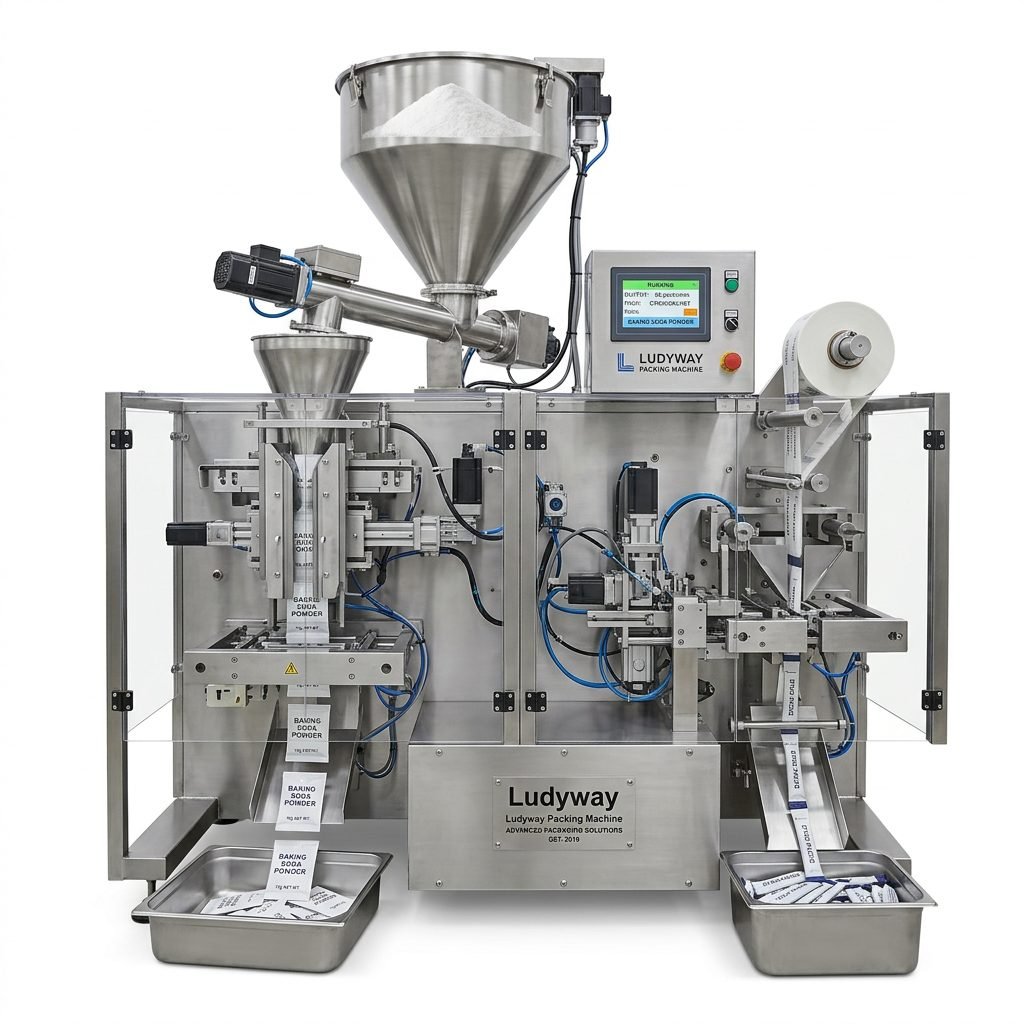
- Powder Detergents: Require auger fillers or multi-head weighers for accurate dosing. Dust control features are essential to prevent product loss and maintain a clean working environment. Bulk density variations must be accounted for in the filling system.
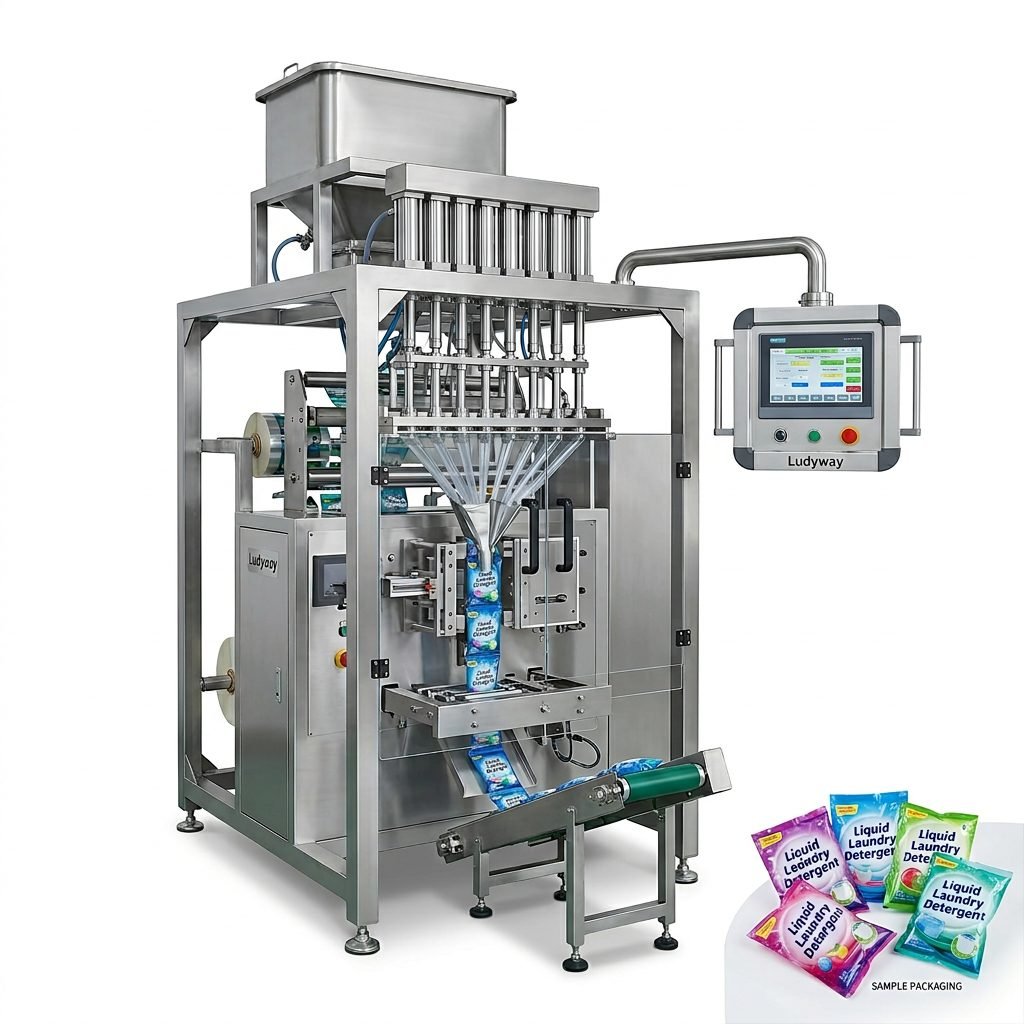
- Liquid Detergents: Need piston pumps, peristaltic pumps, or magnetic flow meters depending on viscosity. Foaming characteristics must be managed during the filling process to ensure seal integrity and consistent fill levels.
- Single-Dose Pods or Tablets: Water-soluble film packaging requires specialized forming, filling, and sealing stations with precise temperature and humidity controls. This format demands careful material handling to prevent premature dissolution.
- Gel and Concentrated Formulas: High-viscosity products need positive displacement filling systems capable of handling thick, slow-moving liquids without cavitation or inaccurate dosing.
Packaging Format Options for Detergent Products
Your choice of packaging format influences consumer convenience, material costs, shelf presence, and the type of machinery required. Modern detergent brands increasingly adopt flexible packaging for its sustainability and cost advantages. The Flexible Packaging Association provides valuable insights into material trends and industry standards.
Sachet Packaging
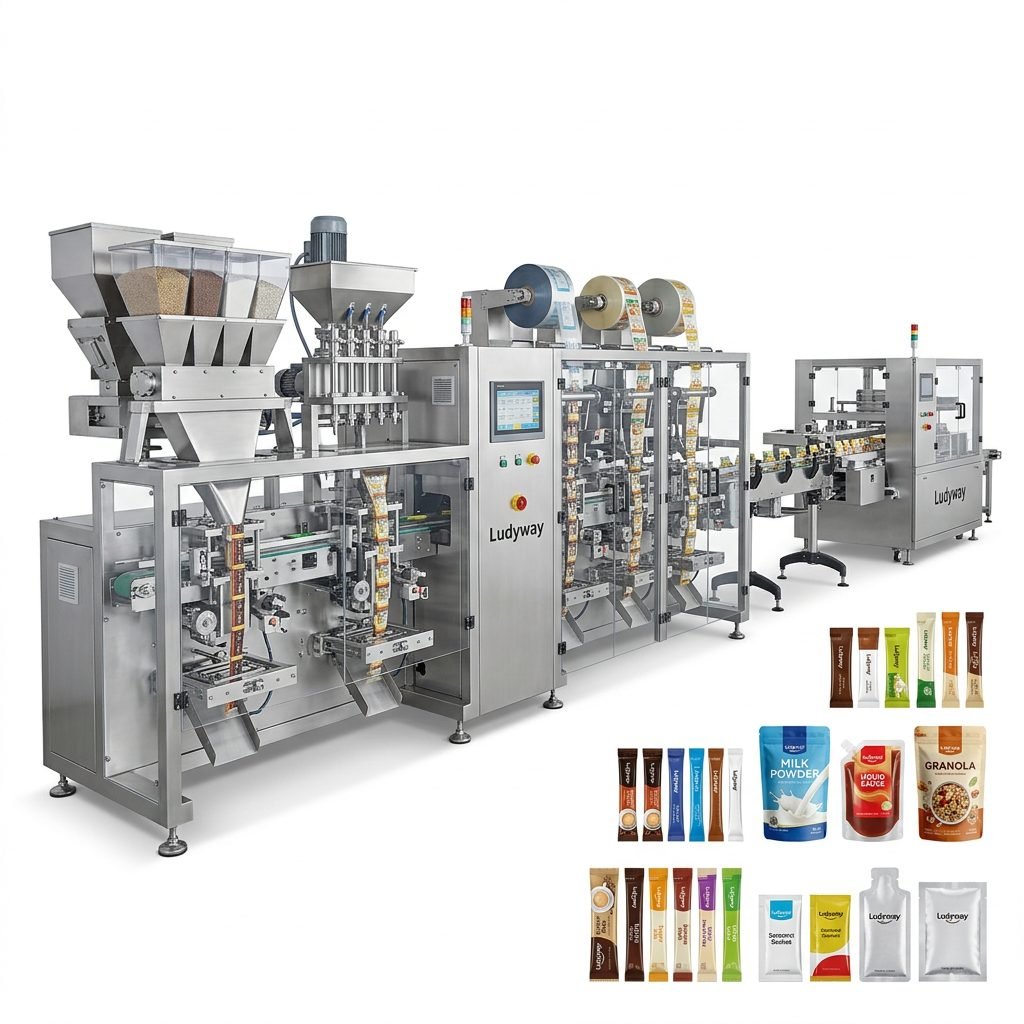
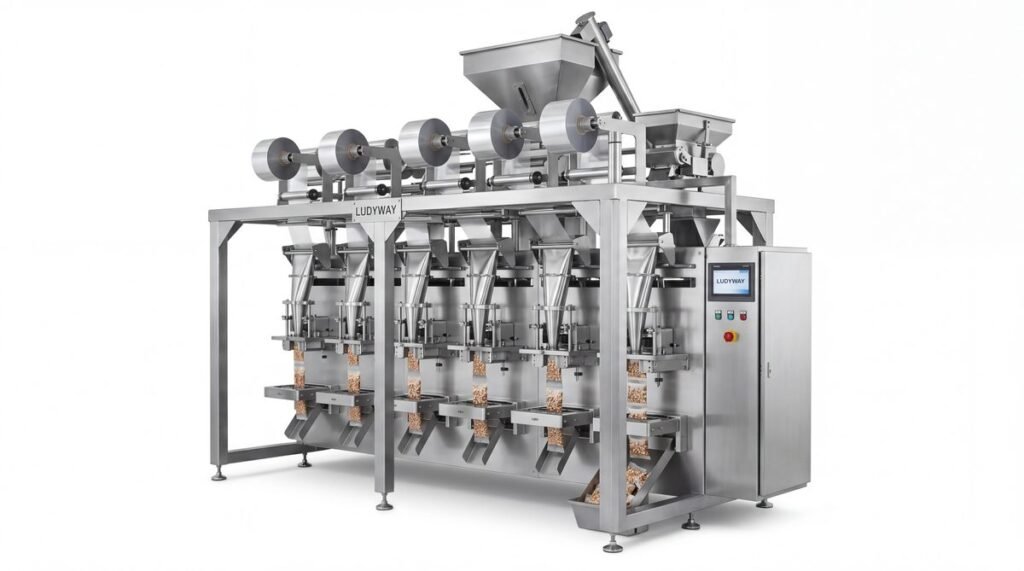
Sachets remain the dominant format for single-use detergent portions in emerging markets and travel-sized products. A detergent sachet packaging machine typically operates with multi-lane configurations to achieve high throughput. The key advantage is low material cost per unit and excellent barrier properties when using multi-layer laminated films.
Stick Pack Packaging
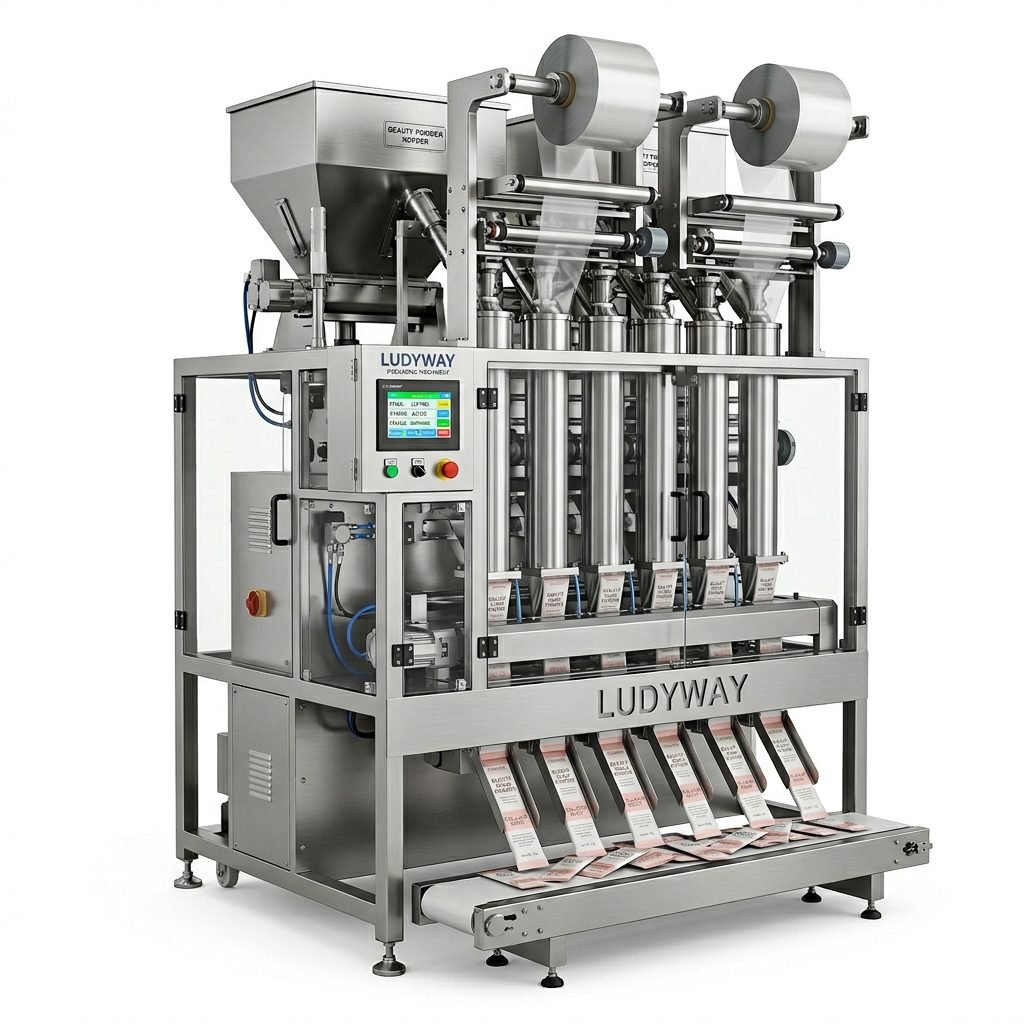
Stick packs offer a sleek, modern alternative for powder and liquid detergents. They are easy to tear open, dose accurately, and occupy minimal retail shelf space. PMMI business intelligence indicates growing adoption of stick pack formats across household care categories due to consumer preference for portion control.
Pre-Made Pouch Packaging
For larger detergent quantities, pre-made pouches with zipper closures provide excellent resealability and branding surface area. These systems require pouch opening, filling, and sealing stations integrated into a single automated line.
Bottle and Jug Filling
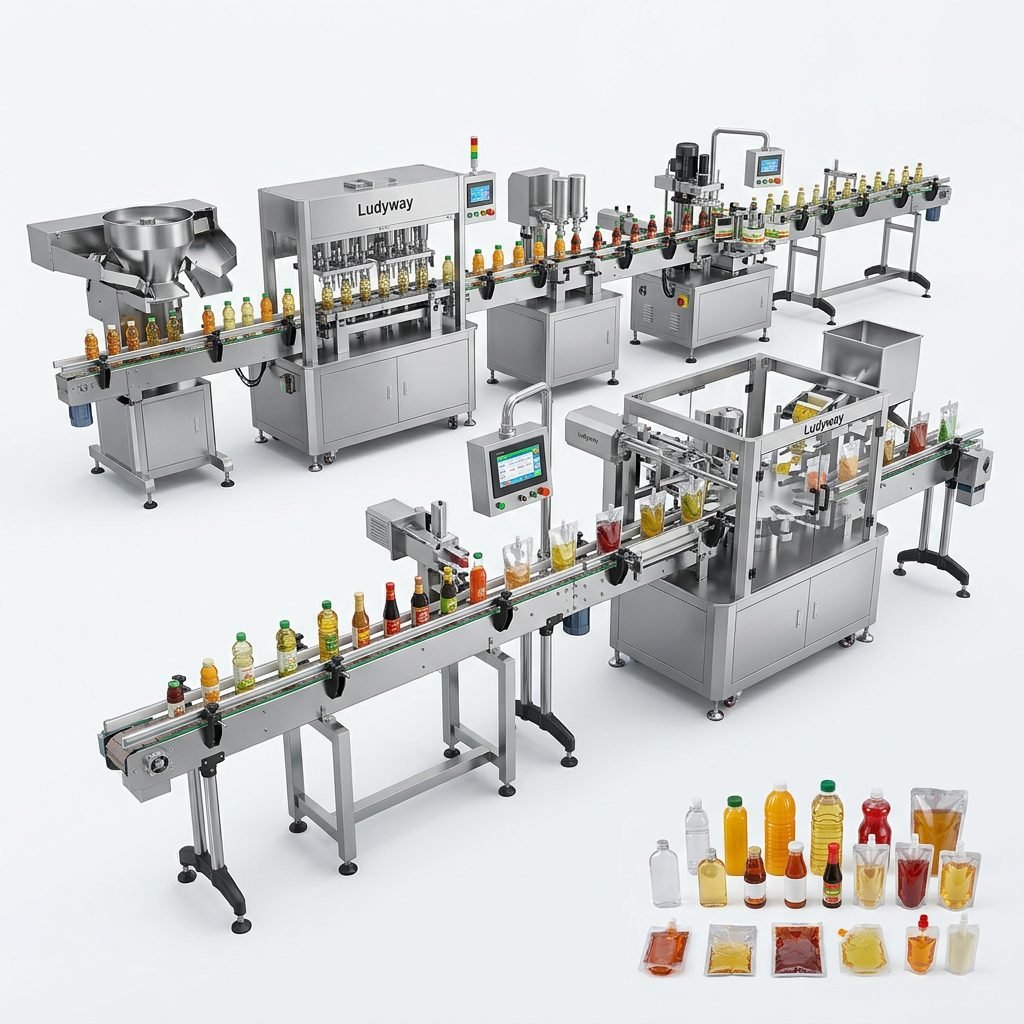
Liquid laundry detergents sold in bottles demand in-line filling and capping systems. These machines handle container positioning, volumetric filling, torque capping, and labeling in a continuous automated sequence.
Key Technical Specifications to Evaluate
Beyond product type and packaging format, several technical parameters determine whether a machine meets your operational requirements. Evaluate each specification against your current and projected production volumes.
Filling Accuracy and Dosing Precision
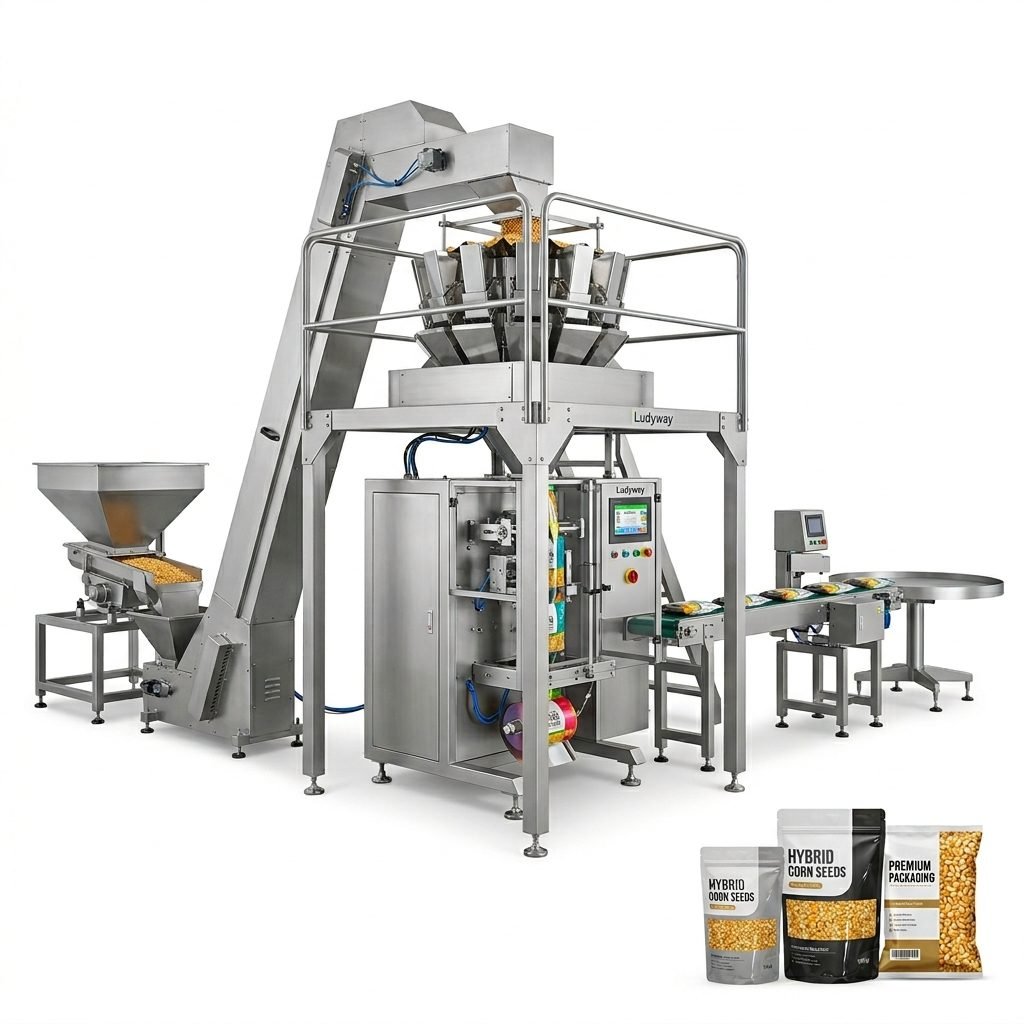
Overfilling erodes profit margins, while underfilling risks regulatory non-compliance and customer dissatisfaction. Modern detergent packaging equipment incorporates servo-driven dosing systems that achieve accuracy within ±0.5% to ±1% of target weight. Powder systems benefit from combination weighers that calculate optimal weight combinations from multiple weigh buckets.
Production Speed Requirements
Speed is expressed in packs per minute (ppm) and varies significantly by packaging format. Single-lane sachet machines may produce 40–80 ppm, while multi-lane configurations can exceed 400 ppm for stick packs. Define your throughput requirements clearly, considering both current demand and future growth projections over a 3–5 year horizon.
Packaging Material Compatibility
Detergents can be chemically aggressive, requiring packaging films with specific barrier properties against moisture, oxygen, and chemical migration. Your machine must handle the film structure you intend to use—whether it is PET/AL/PE laminates, BOPP/CPP composites, or biodegradable substrates. Seal temperature, dwell time, and pressure must be adjustable to accommodate different material specifications. Refer to ISO packaging standards for guidance on material testing and performance benchmarks.
Automation Level and Labor Considerations
Fully automatic lines minimize human intervention, reducing labor costs and contamination risks. Semi-automatic systems may suit smaller operations with lower capital budgets. Evaluate the total cost of ownership, considering that automated systems typically deliver faster payback through higher output consistency and reduced manual handling.
Multi-Lane Capability
If you anticipate scaling production, consider a multi-lane detergent packaging machine. Multi-lane technology multiplies output without proportionally increasing floor space or energy consumption. Machines with 4, 6, 8, or even 12 lanes are common for high-volume stick pack and sachet operations.
Changeover Flexibility
Brands offering multiple SKU sizes or packaging formats benefit from machines with quick-change tooling and recipe-driven setup. Changeover times under 15 minutes minimize downtime and support lean manufacturing principles. Look for servo-motor adjustments that eliminate manual mechanical changes.
Hygiene and Cleanability
Detergent packaging environments must prevent cross-contamination between batches, especially when switching between fragranced and fragrance-free products. Equipment with tool-free disassembly, sloped surfaces for drainage, and stainless steel construction meets FDA packaging and food contact substance requirements and facilitates sanitation protocols.
Cost Considerations and Return on Investment
Understanding the financial dimensions of your investment ensures alignment with your business objectives. The following table outlines typical cost factors and their impact on the overall investment.
| Cost Factor | Description | Impact on Investment |
|---|---|---|
| Machine Base Price | Core equipment including filling, sealing, and control systems | Primary capital expenditure; varies by speed, lanes, and automation level |
| Tooling and Format Parts | Bag size change parts, forming tubes, sealing jaws | Adds 10–20% to base cost; essential for multi-SKU flexibility |
| Auxiliary Equipment | Conveyors, checkweighers, metal detectors, coders, cartoning machines | Can equal or exceed machine cost depending on line complexity |
| Installation and Commissioning | On-site setup, calibration, training, and trial runs | Typically 5–10% of equipment cost; critical for smooth startup |
| Spare Parts Inventory | Critical wear components and consumables | Ongoing operational expense; plan for 2–5% of machine value annually |
| Maintenance and Service | Preventive maintenance contracts or on-call technical support | Protects uptime; factor 3–8% of equipment cost per year |
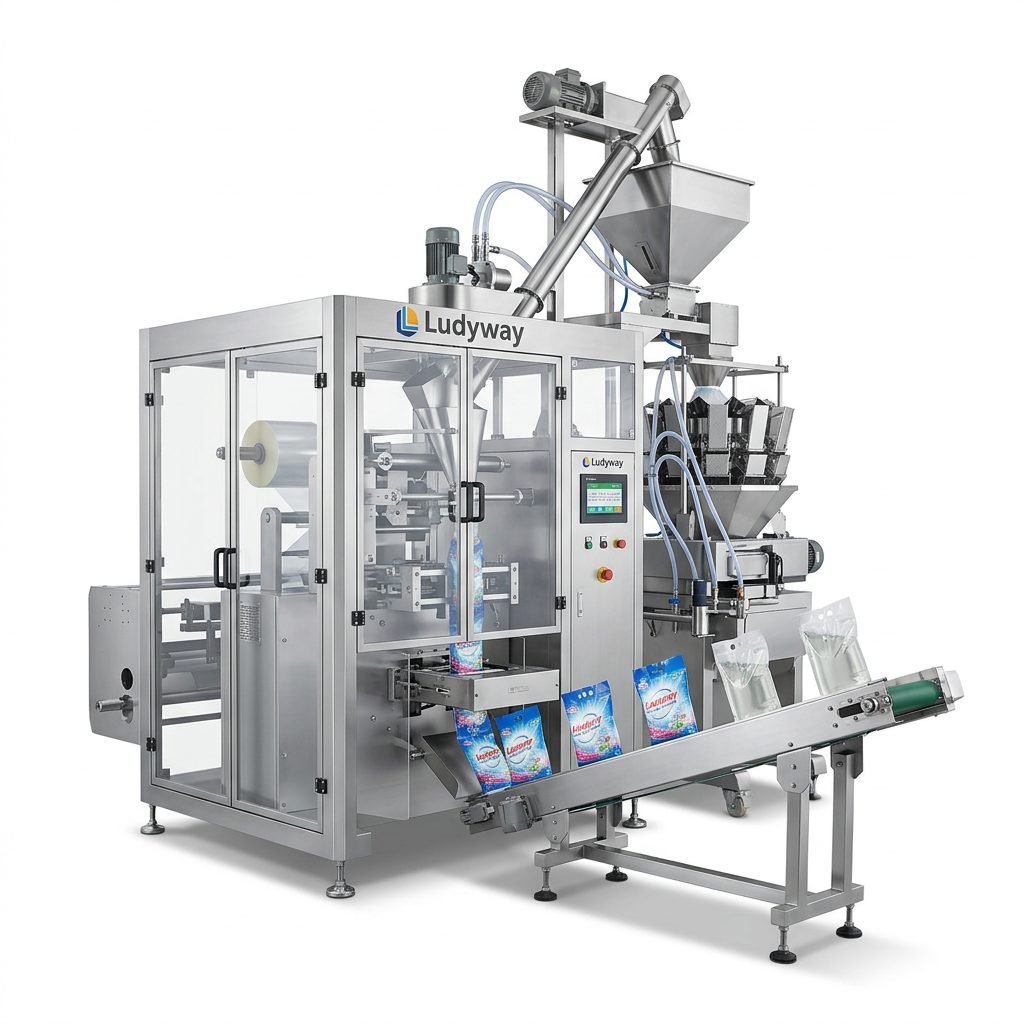
Selecting the Right Packaging Machinery Partner
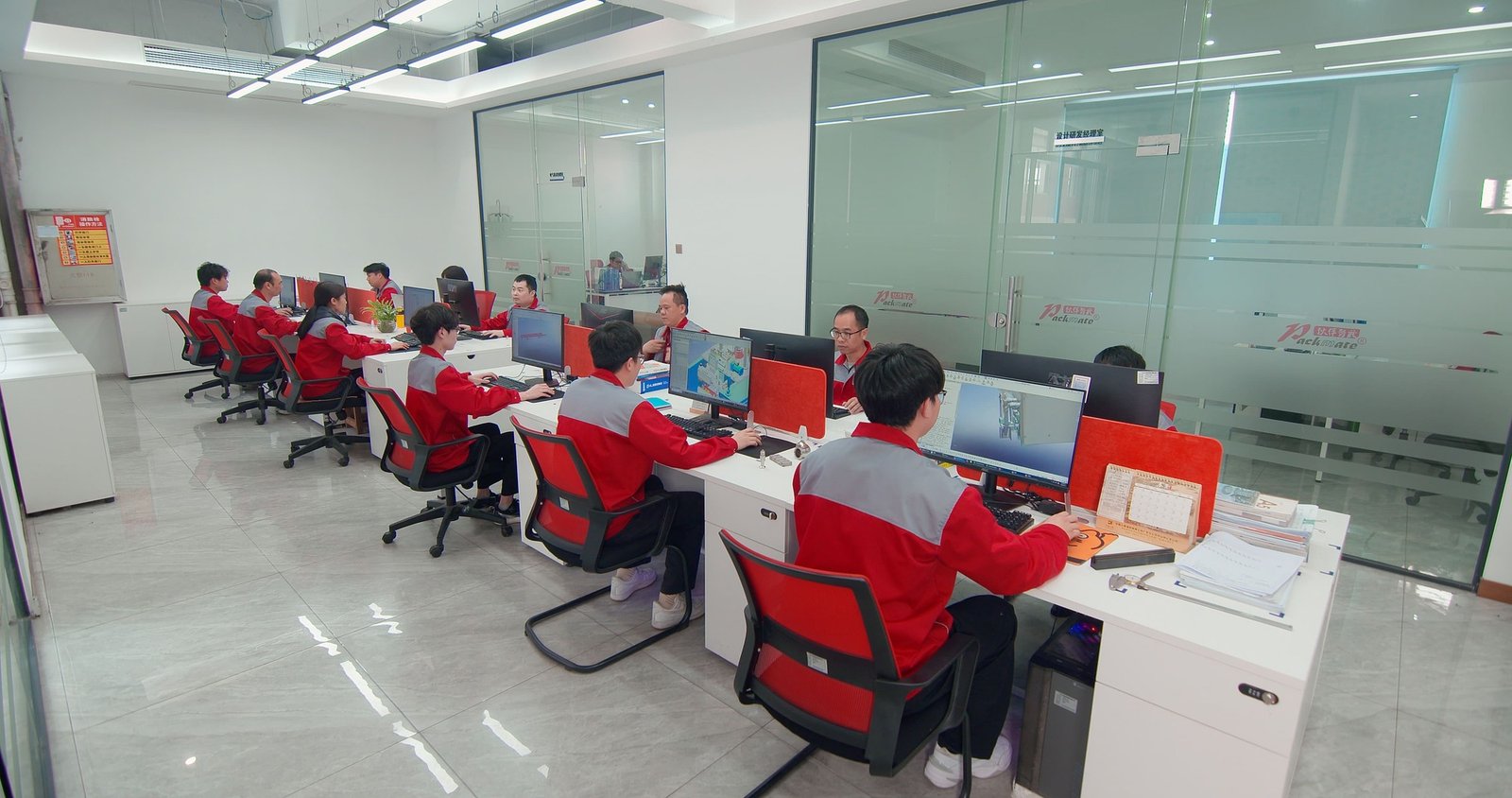
Choosing a manufacturer is as important as choosing the machine itself. A reliable partner provides ongoing support, engineering expertise, and customized solutions that align with your specific production requirements. Ludyway Machinery, a China-based packaging machinery manufacturer with more than 30 years of industry experience, combines in-house manufacturing with engineering and automation expertise to deliver detergent packaging solutions tailored to different product types, speeds, and packaging formats. Beyond equipment supply, the right partner offers installation support, operator training, remote technical assistance, and reliable spare parts availability throughout the machine’s operating life.
Questions to Ask Potential Suppliers
- Can you provide references from clients packaging similar detergent products?
- What is your standard warranty period, and what does it cover?
- Do you offer factory acceptance testing before shipment?
- How do you handle technical support for international customers?
- What is the typical lead time for replacement parts shipped to our region?
- Can the machine be configured for future packaging format changes?
- Do you provide training for our operators and maintenance technicians?
Industry Standards and Regulatory Compliance
Detergent packaging machinery must comply with relevant safety, electrical, and hygiene standards depending on the target market. CE marking is required for European markets, while UL certification applies to North America. Machines handling products with potential food contact implications must meet additional requirements. The PMMI packaging machinery standards and regulations resource provides comprehensive guidance on compliance requirements across different jurisdictions. Verify that your supplier can provide documentation confirming conformity with applicable standards.
Future-Proofing Your Packaging Investment
The detergent market continues to evolve, with sustainable packaging, concentrated formulas, and e-commerce-ready formats driving innovation. When specifying your machine, consider whether the equipment can accommodate:
- Recyclable mono-material films that require different sealing parameters than traditional laminates
- Water-soluble pod packaging for unit-dose detergent products
- Refill packaging formats gaining popularity through sustainability initiatives
- Digital printing integration for variable data and serialization requirements
- Smart factory connectivity enabling real-time OEE monitoring and predictive maintenance
Making Your Final Decision
Selecting the right detergent packaging machine requires balancing product characteristics, production targets, budget constraints, and long-term growth plans. Begin by thoroughly documenting your product specifications and packaging requirements. Research manufacturers with proven expertise in detergent applications and request detailed proposals that address your specific needs. Visit reference installations when possible, and conduct trial runs using your actual products and packaging materials before finalizing your purchase.
A well-chosen packaging system becomes a long-term production asset that supports consistent product quality, operational efficiency, and market competitiveness. By systematically evaluating the factors outlined in this guide, you position your operation to make a confident, informed investment that delivers reliable performance for years to come.