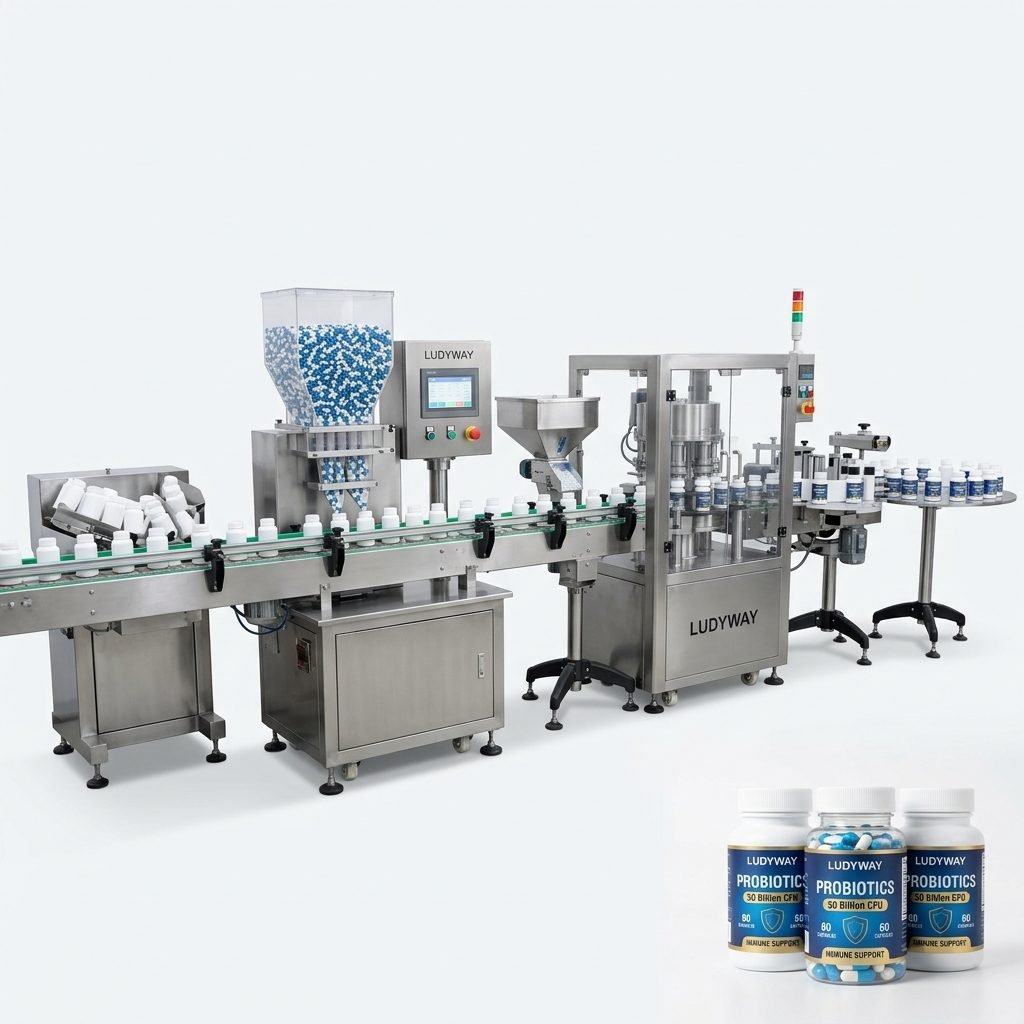
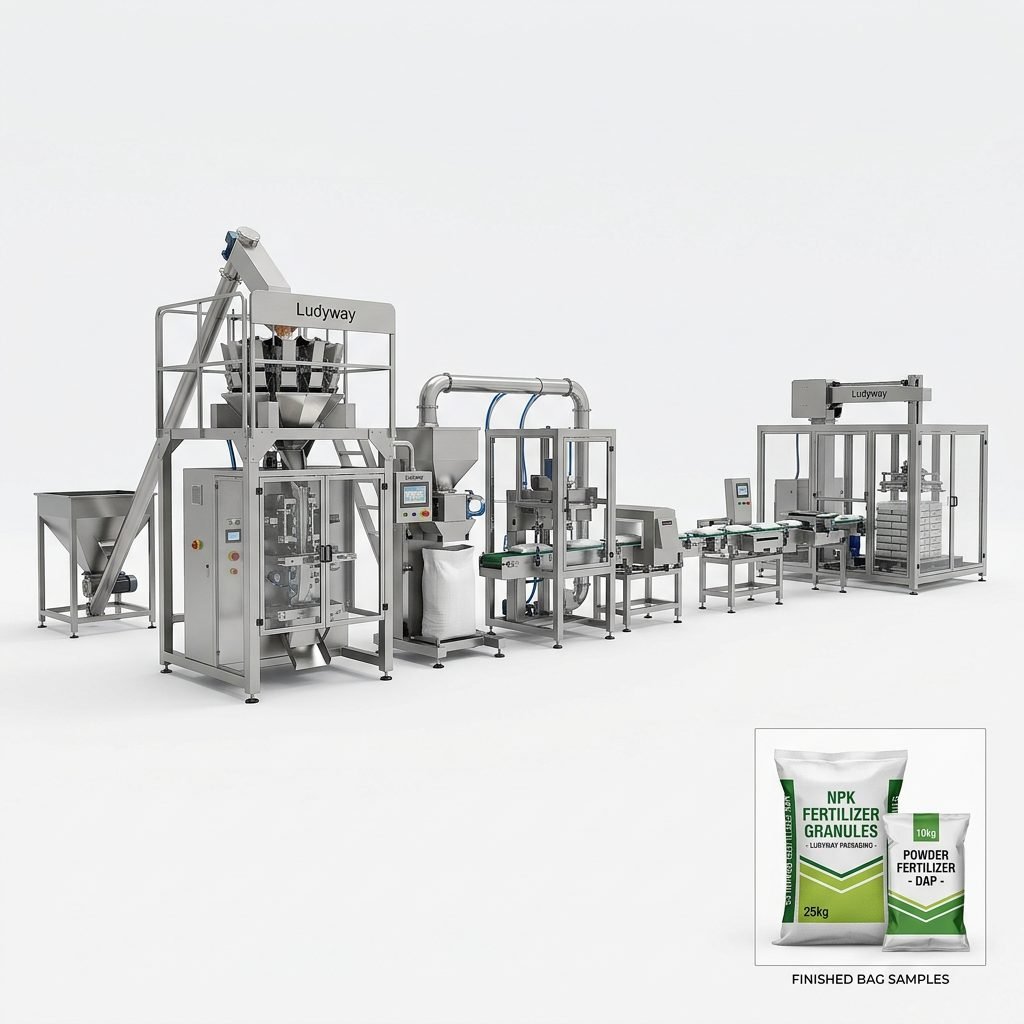
Investing in a dry fruit packing machine is a strategic decision that directly impacts your production efficiency, product shelf life, and bottom line. Whether you are handling crunchy almonds, delicate cashews, or sticky dried mangoes, choosing the wrong equipment can lead to product damage, costly giveaway, and frustrating downtime. This comprehensive buyer’s guide breaks down the critical technical specifications, packaging formats, and quality standards you need to evaluate before purchasing packaging machinery for your dry fruit processing line.
Analyzing Your Product Characteristics and Formats
Dry fruits are not a one-size-fits-all product. The physical characteristics of your specific product will dictate the type of filling technology and packaging material you need. Before looking at machine models, you must analyze your product’s behavior.
- Shape and Size Distribution: Are your products uniform (like shelled pistachios) or irregular (like dried apricot slices)? Irregular sizes often require multi-head weighers for accuracy.
- Friability: Fragile items like freeze-dried strawberries or banana chips can shatter if dropped from significant heights. You will need a machine designed to minimize product breakage, often featuring low-profile hoppers and gentle transfer mechanisms.
- Oil and Moisture Content: Oily nuts (walnuts, macadamias) can transfer residues, requiring specific durable sealing jaws and compatible packaging films that resist oil bleed-through.
Choosing the Right Bag Format
The flexible packaging format is a key marketing tool and impacts machine configurability. According to industry data from the Flexible Packaging Association, demand for convenience formats is rising sharply.
| Bag Format | Ideal For | Key Advantage |
|---|---|---|
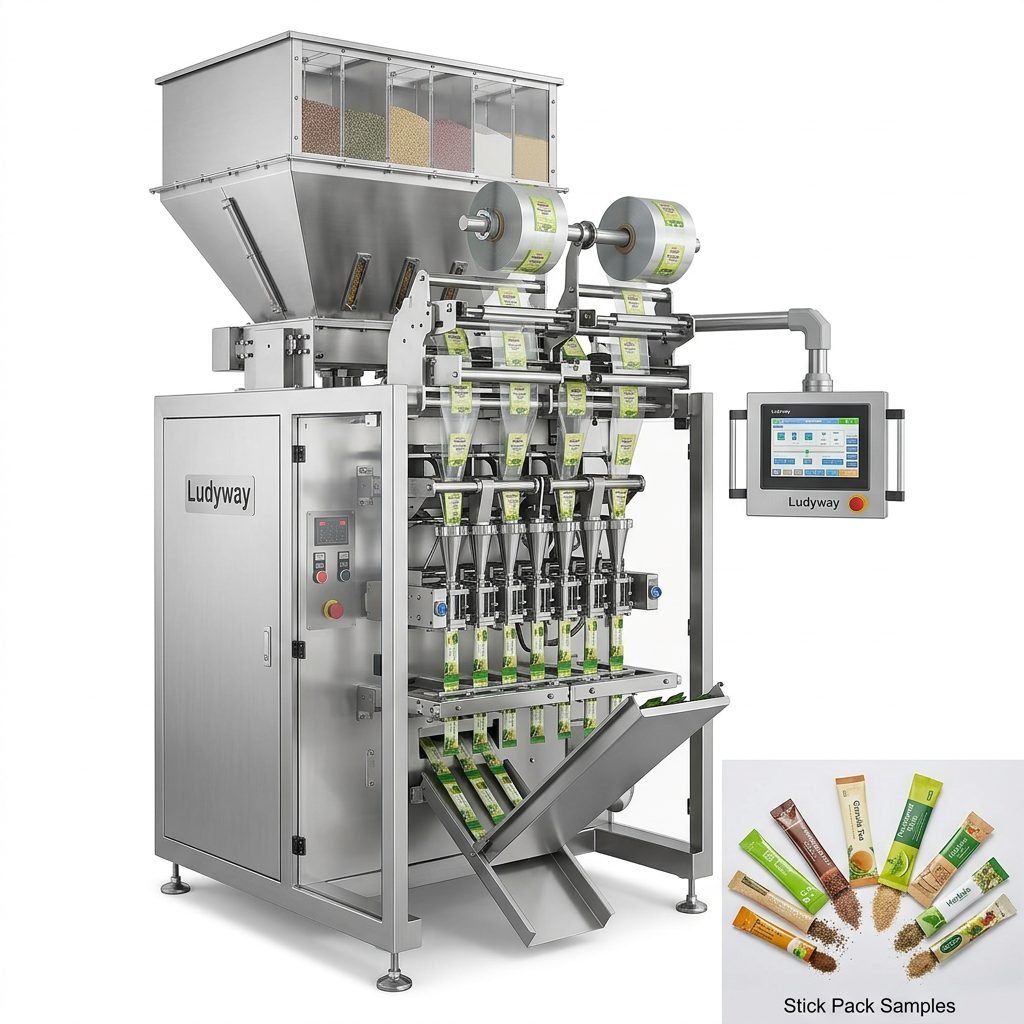
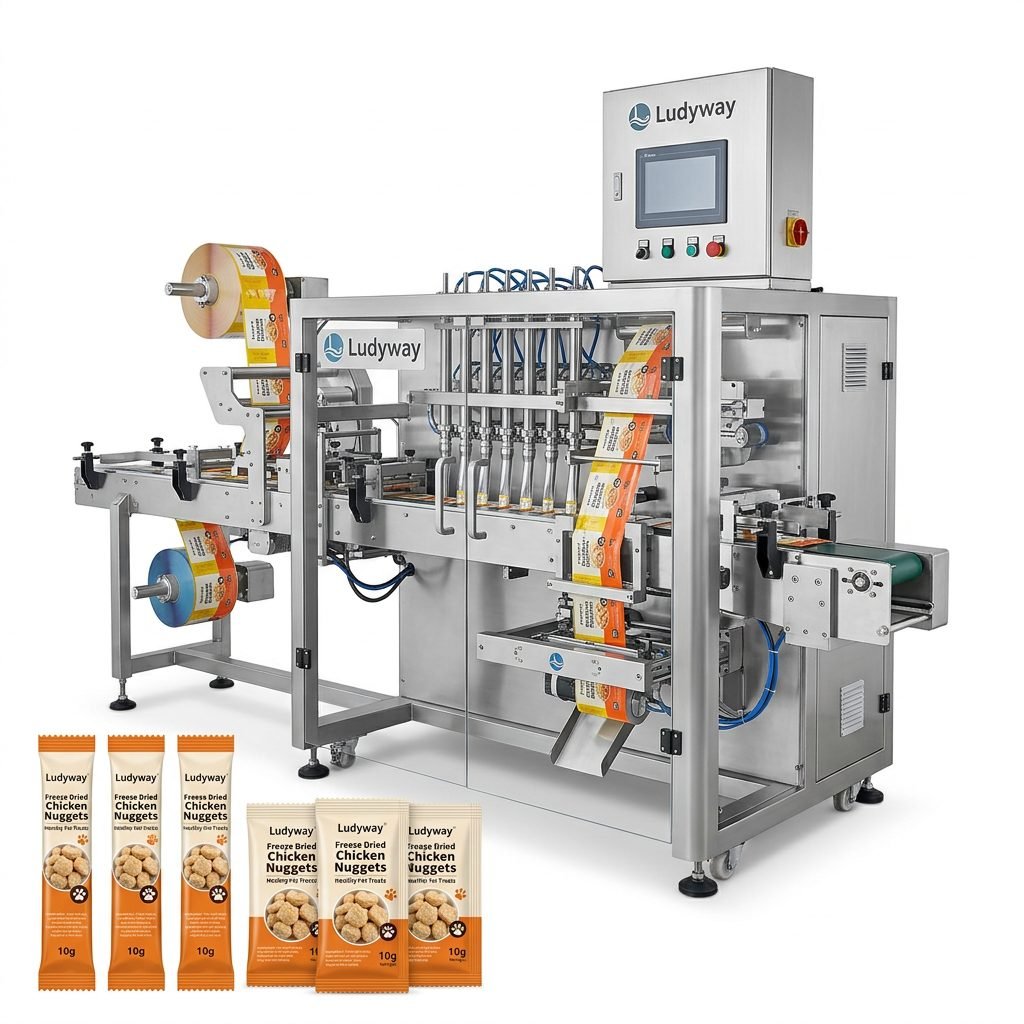
| Stick Packs | Single-serve snacks, trail mixes | Extreme portability and portion control |
| Pillow Pouches | Bulk nuts, large retail packs | High-speed output and low material cost |
| Stand-Up Pouches (SUP) | Premium branded nuts, organic dried fruits | Excellent shelf visibility and resealability |
| Quad Seal Bags | Large family-size packs | Superior stability on retail shelves |
Single-Lane vs. Multi-Lane Machinery: Scaling Your Output
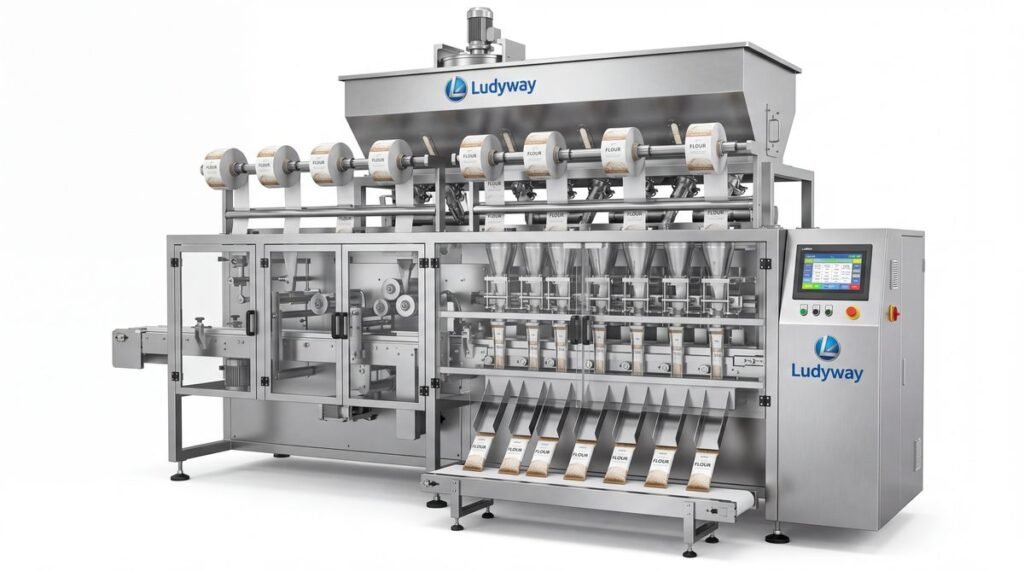
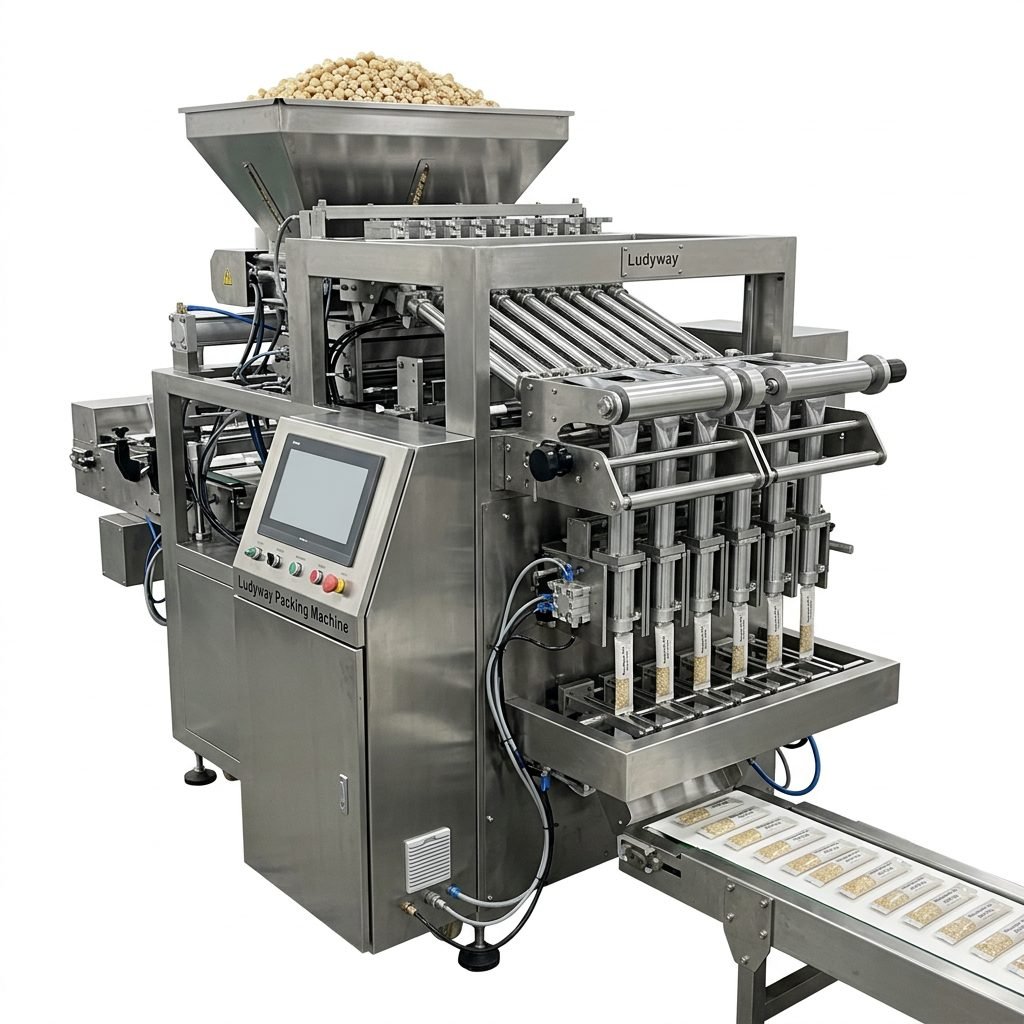
One of the most significant decisions is choosing between single-lane and high-speed multi-lane packaging machines. For startups, a single-lane machine might suffice. However, to scale production to millions of units annually, a multi-lane configuration is essential. These systems run several filling lanes in parallel, multiplying throughput without multiplying floor space. For example, a 10-lane stick pack machine can produce ten times the output of a single-lane version in the same footprint, dramatically reducing cost-per-pack.
Weighing and Filling Systems: Accuracy Matters
Product giveaway—overfilling packs to meet legal weight requirements—erodes margins quickly. The filling system is the brain of your dry fruit packing machine. There are two dominant technologies:
- Volumetric Fillers: These use cups to measure volume. They are fast and simple but highly susceptible to density variations. If your nuts vary in size causing air gaps, fill accuracy drops.
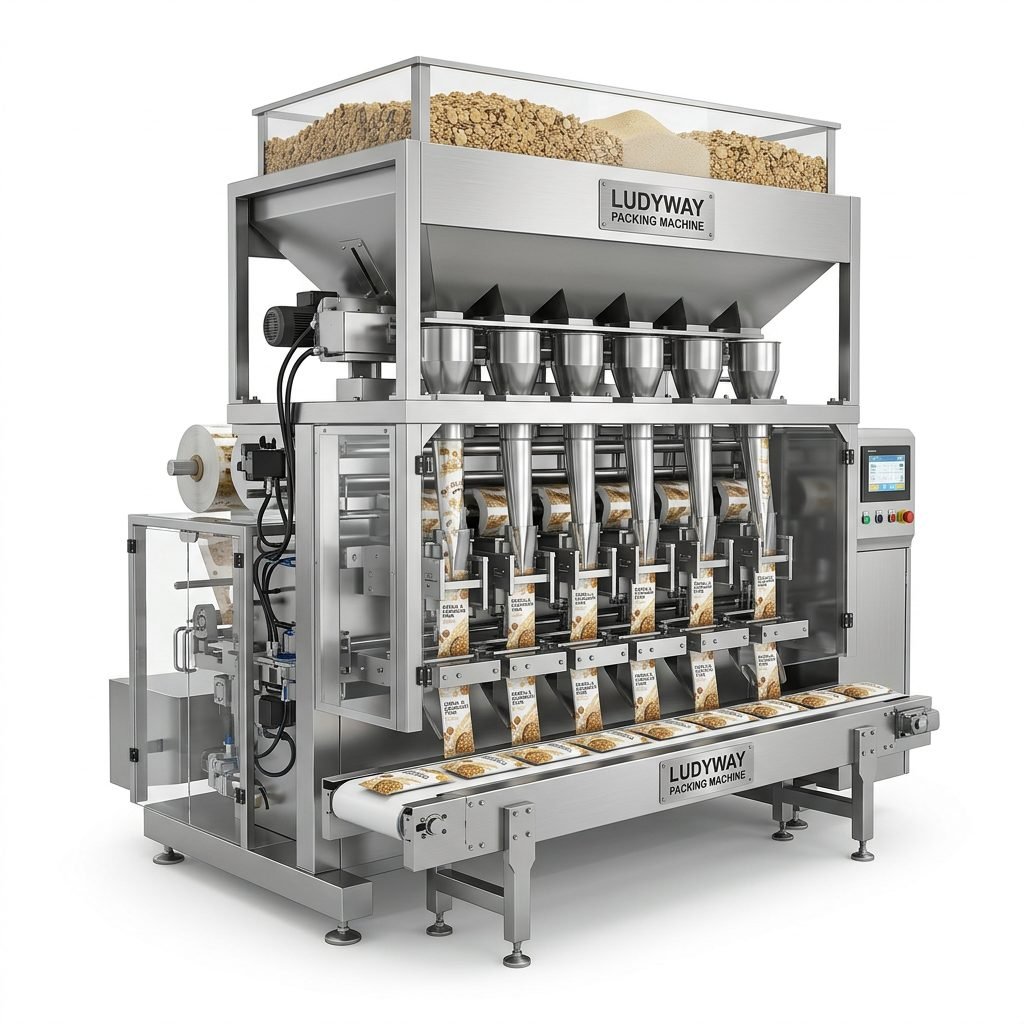
- Multi-Head Weighers: This is the gold standard for dry fruits. Advanced combination weighers calculate the exact combination of product pieces to hit the target weight with sub-gram accuracy. For premium products like macadamia nuts or cashews, a precision multi-head weighing system pays for itself quickly through material savings.
Preventing Product Breakage
For fragile dry fruits, such as freeze-dried figs or delicate chips, you need “soft handling” configurations. Look for machines with vibration reduction, deep hoppers, and specifically designed discharge chutes that cushion the product flow rather than letting it free-fall. Sealing integrity is equally critical; even a tiny piece of nut trapped in the sealing area can cause a leak, spoiling the entire bag.
Compliance and Quality Standards
Food safety regulations are non-negotiable. Your equipment must support compliance with international standards. The machine frame should be constructed from stainless steel (preferably 304 or 316L) to prevent corrosion from acidic or sticky fruit residues. Furthermore, hygienic design should include quick-release components for easy cleaning. Always ensure that your system is designed to align with recognized packaging machinery standards and FDA food contact substance regulations.
The Role of a Technical Packaging Partner
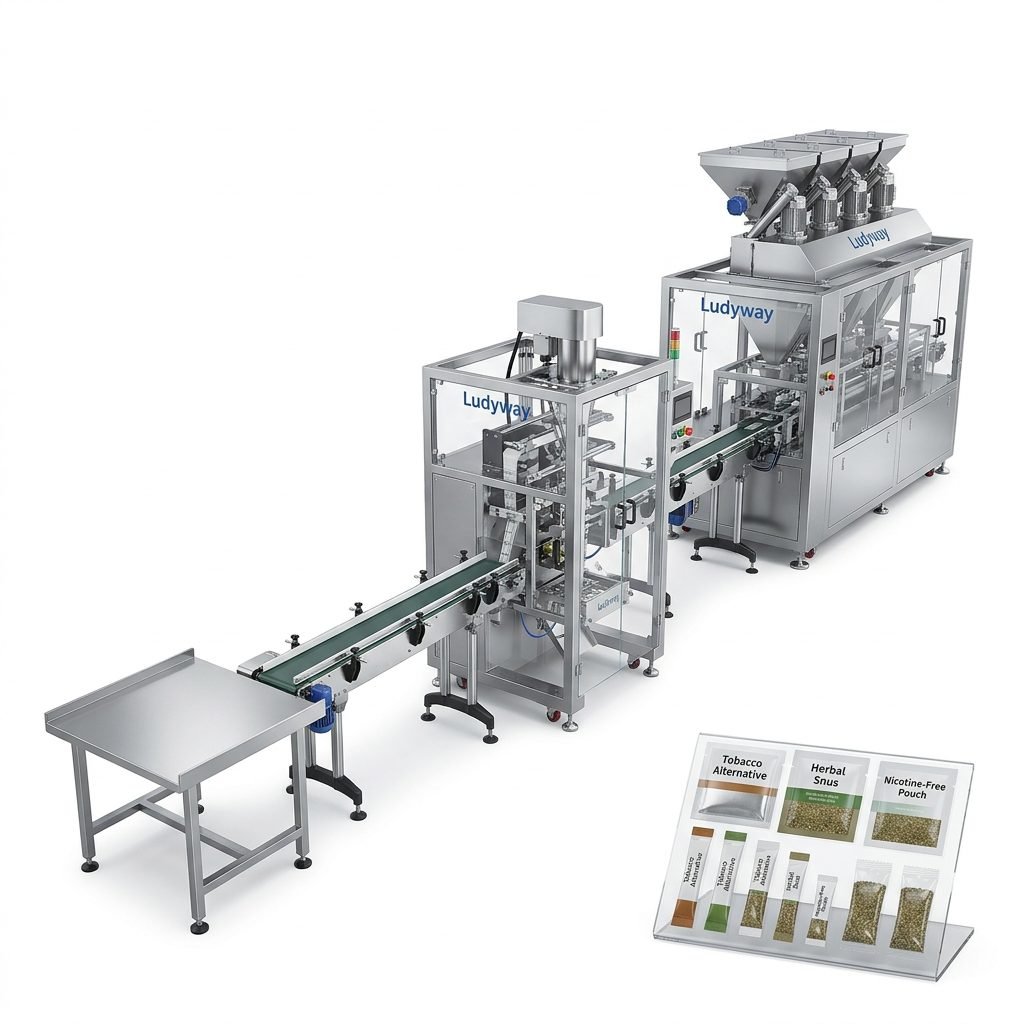
Selecting the right manufacturer is as crucial as selecting the right machine. A turnkey packaging system requires engineering expertise beyond just the mechanics. When working with a partner like Ludyway Machinery, a China-based manufacturer with over 30 years of experience, you gain access to integrated solutions that cover everything from granule filling to automated cartoning. The ability to customize equipment, integrated packaging lines, and receive global technical support ensures that your dry fruit packaging line remains future-proof as your product range expands.
Maintenance and After-Sales Support
Downtime is the enemy of profitability. Before purchasing, verify the manufacturer’s capability for remote troubleshooting, spare parts availability, and service response times. A machine designed with a modular control system is often easier to diagnose and repair. According to market reports by PMMI, high-performance packaging machines require proactive maintenance programs to sustain optimal Overall Equipment Effectiveness (OEE).
Calculating Your Return on Investment (ROI)
While the sticker price of a dry fruit packing machine is a major factor, the Total Cost of Ownership (TCO) should guide your decision. Consider the following financial metrics:
- Material Savings: Highly accurate multi-head weighers can reduce product giveaway by 1-2%. Over millions of packs, this translates into significant revenue retention.
- Labor Costs: Automating the packaging process with a single fully-integrated line reduces manual handling, cleaning, and secondary inspection needs.
- Efficiency: A machine that runs at 90% efficiency versus one that runs at 70% produces exponentially more saleable product per shift.
Selecting the ideal equipment requires a perfect balance between speed, precision, and gentle handling. By meticulously evaluating your product characteristics and aligning them with the right dosing technology and bag format, you can secure a processing line that not only preserves the quality of your dry fruits but also maximizes throughput and operational profitability for years to come.