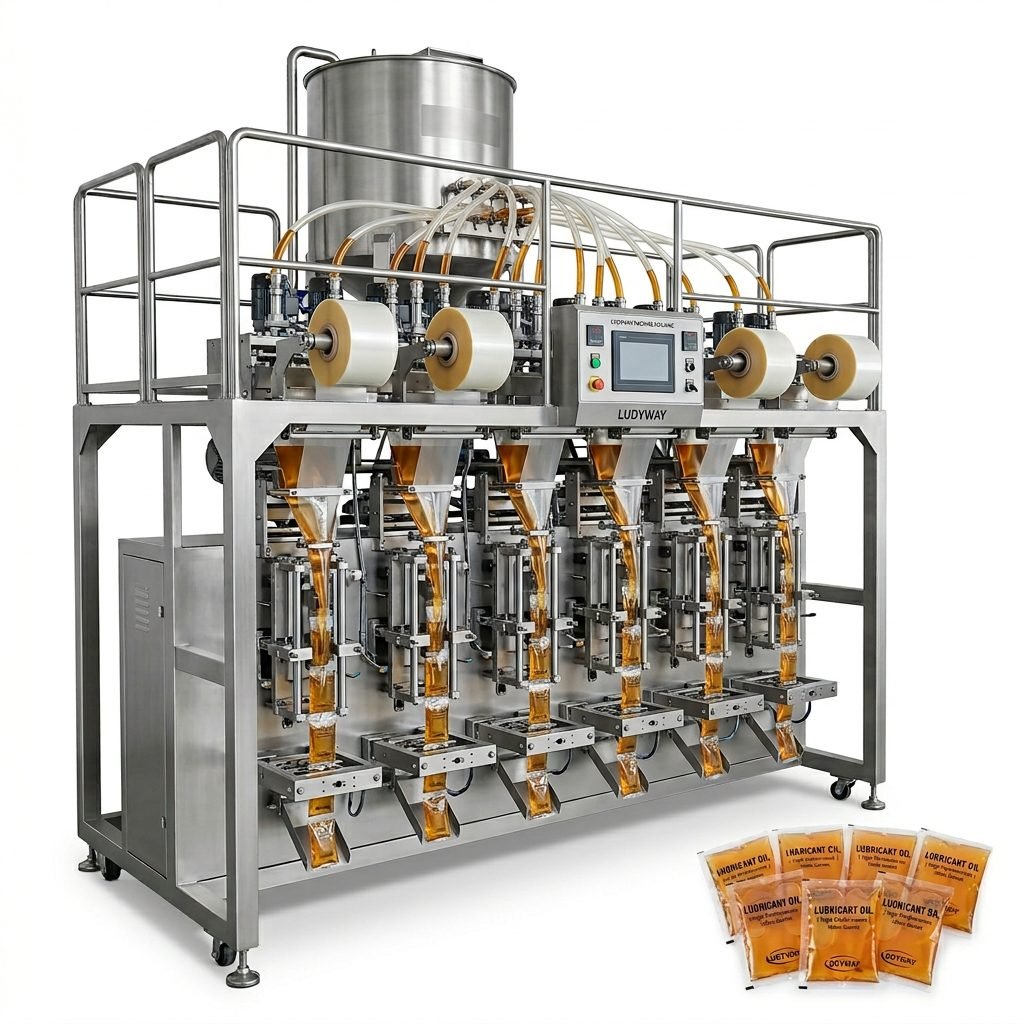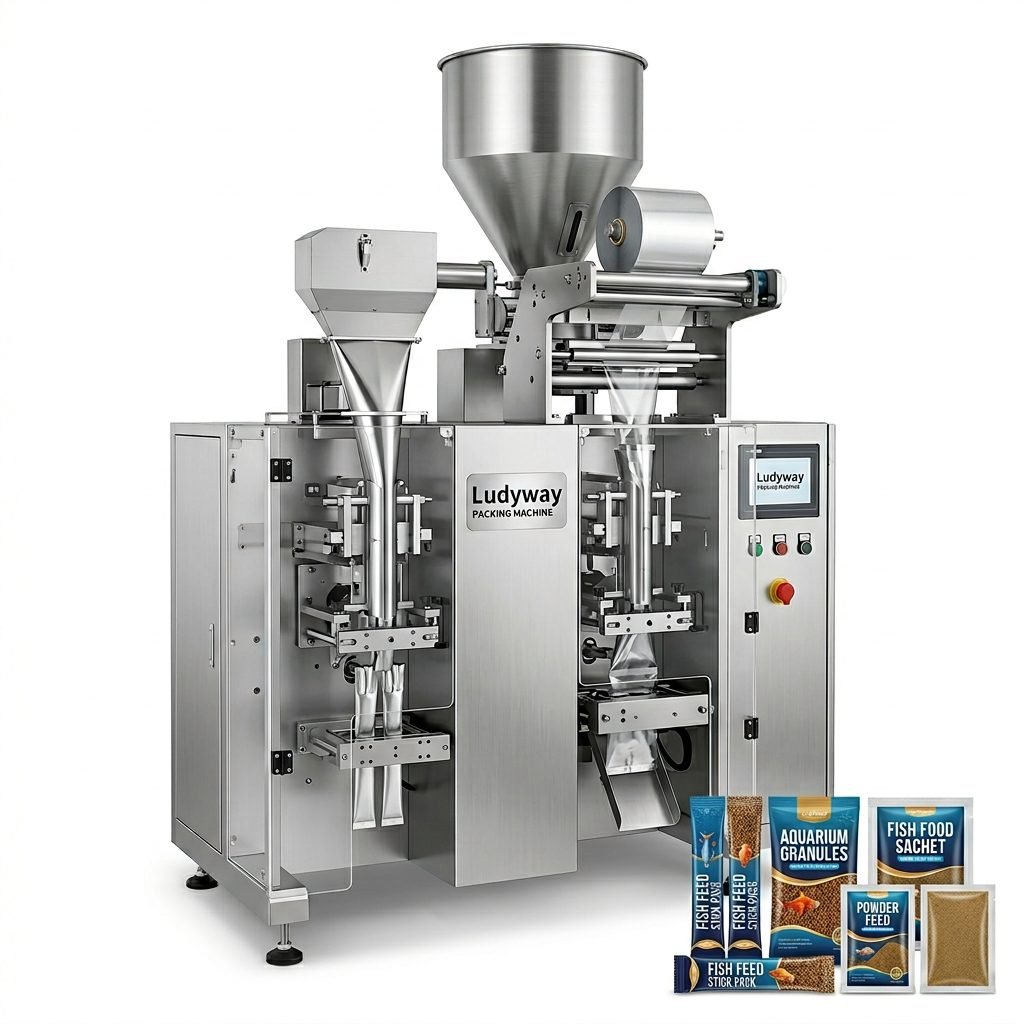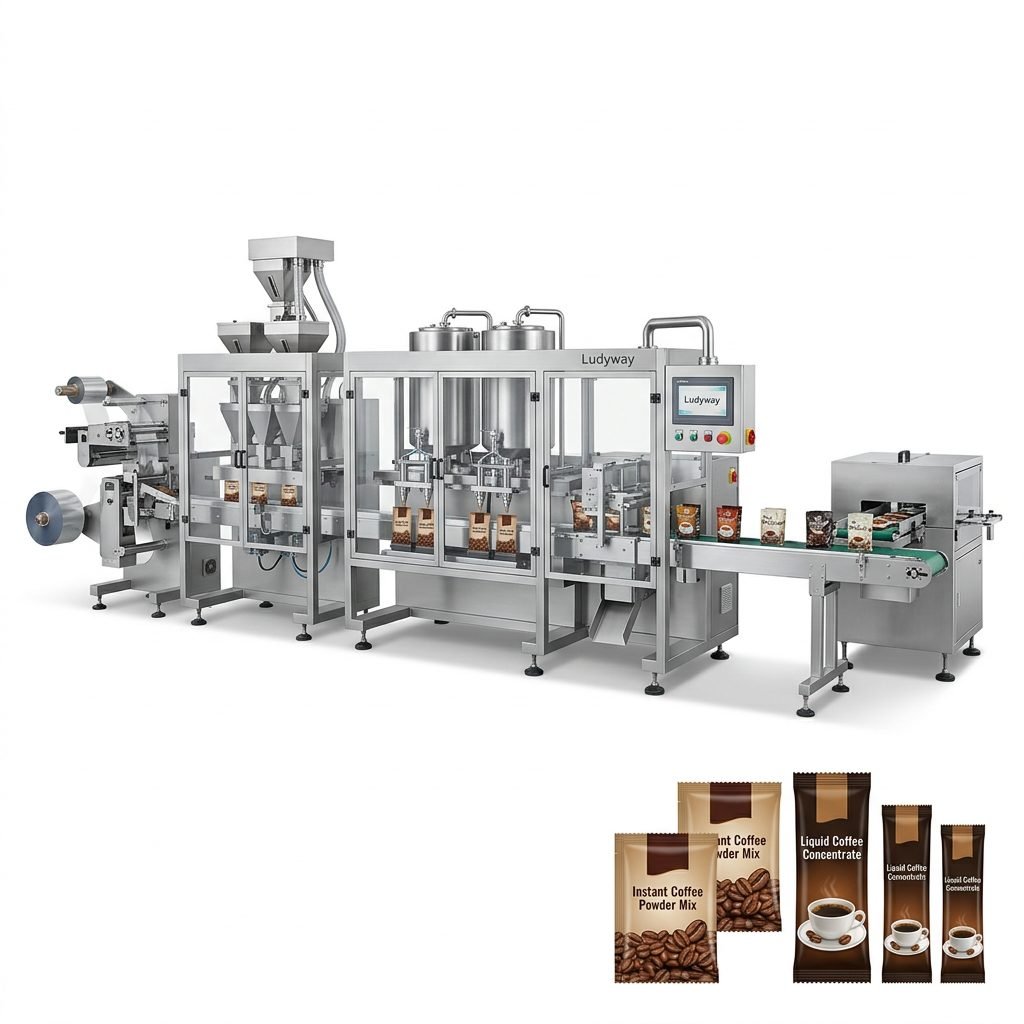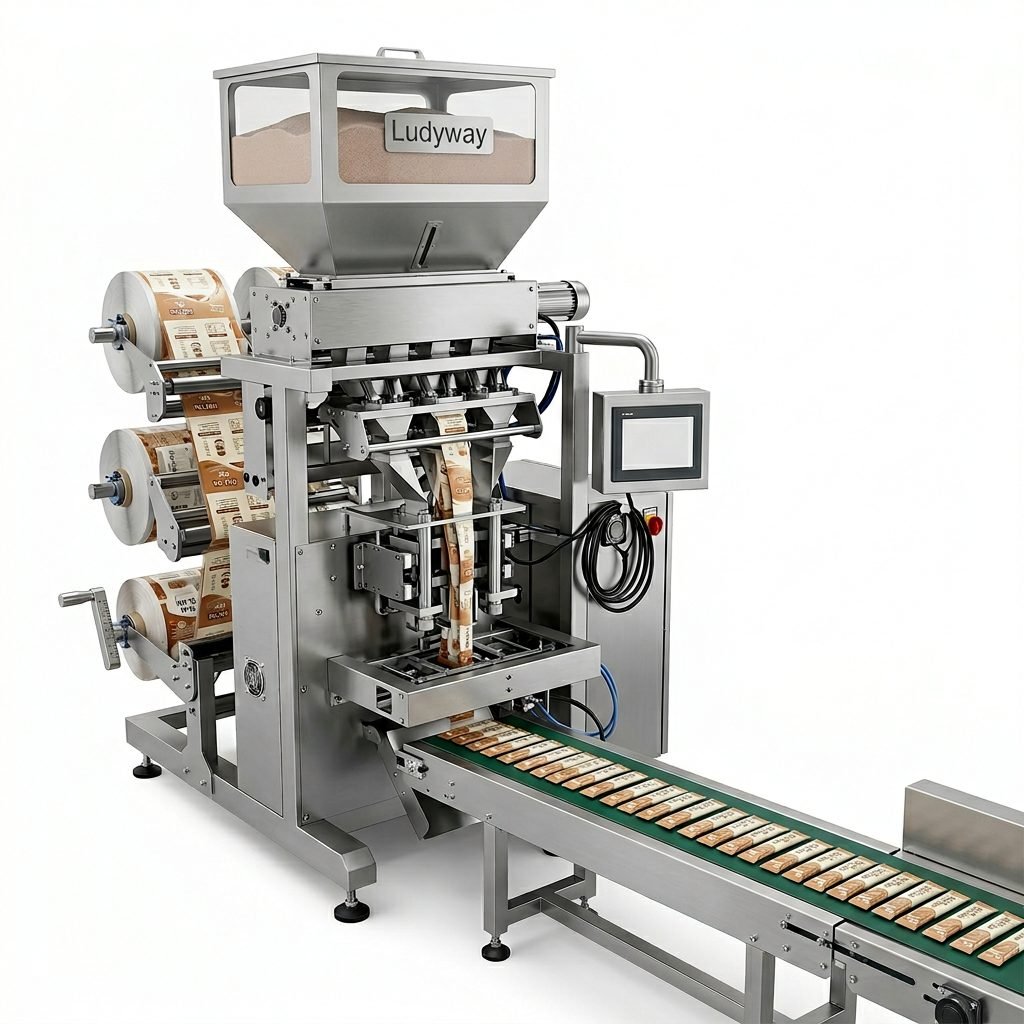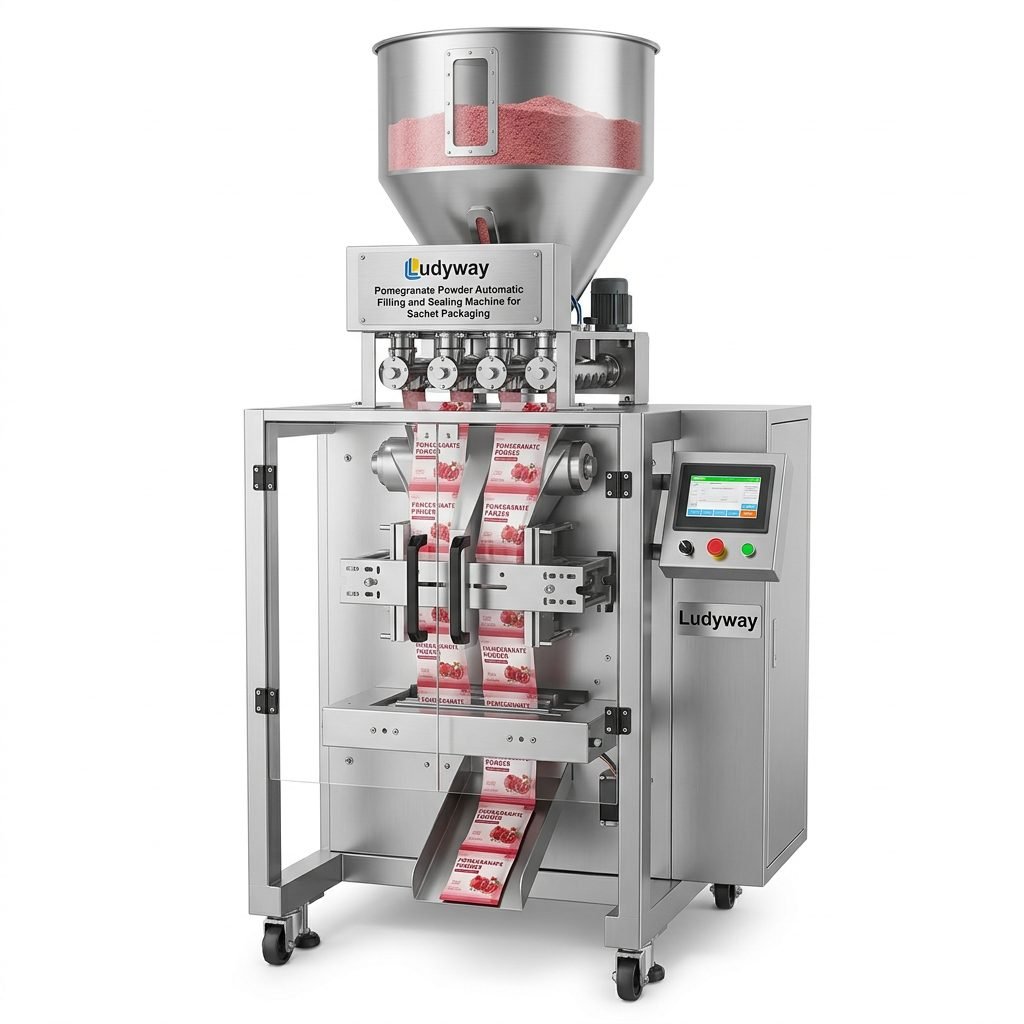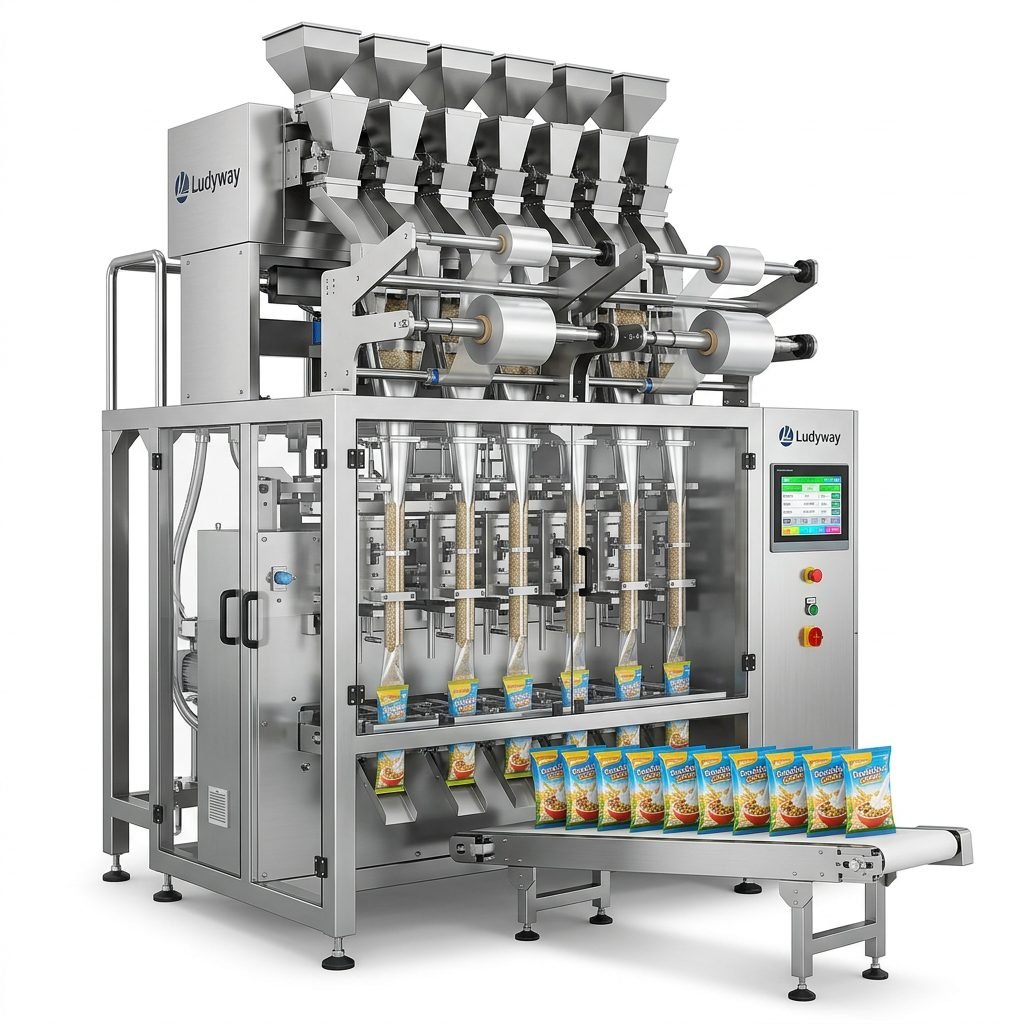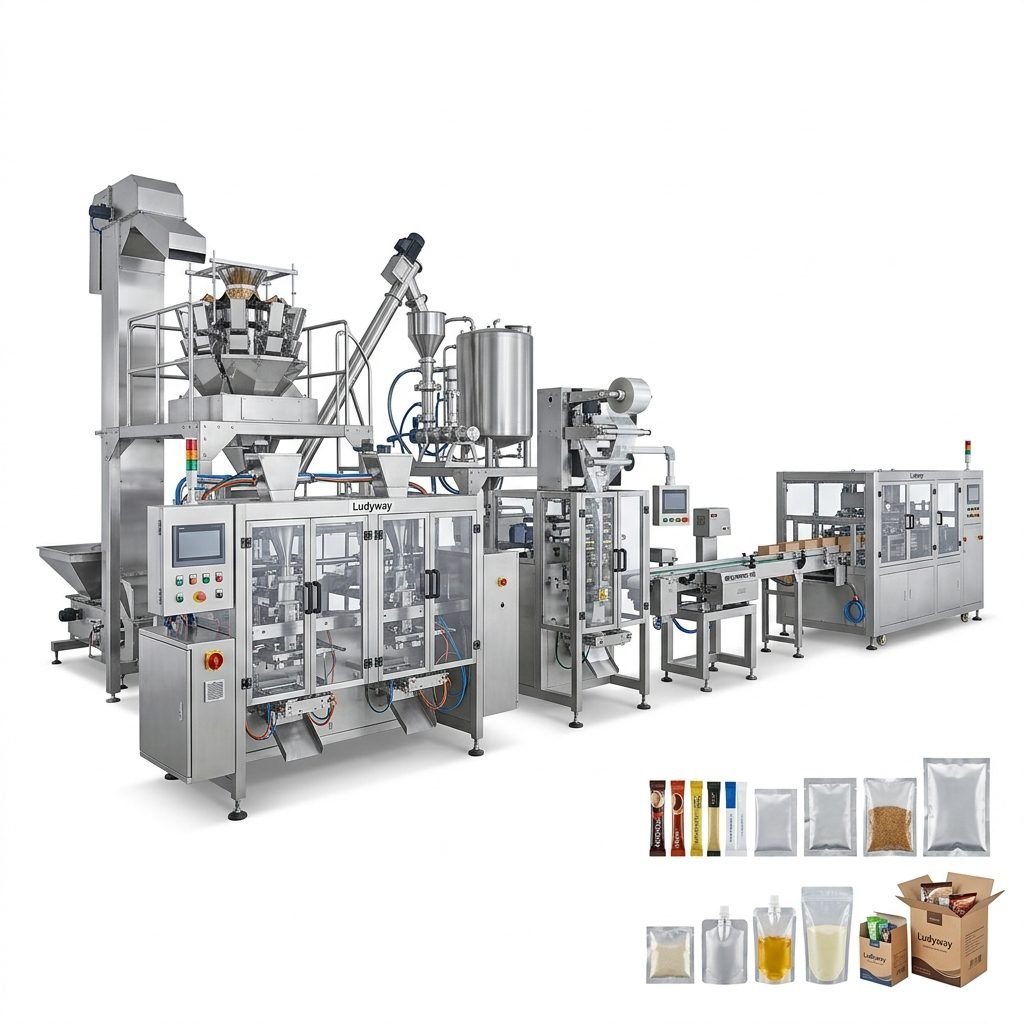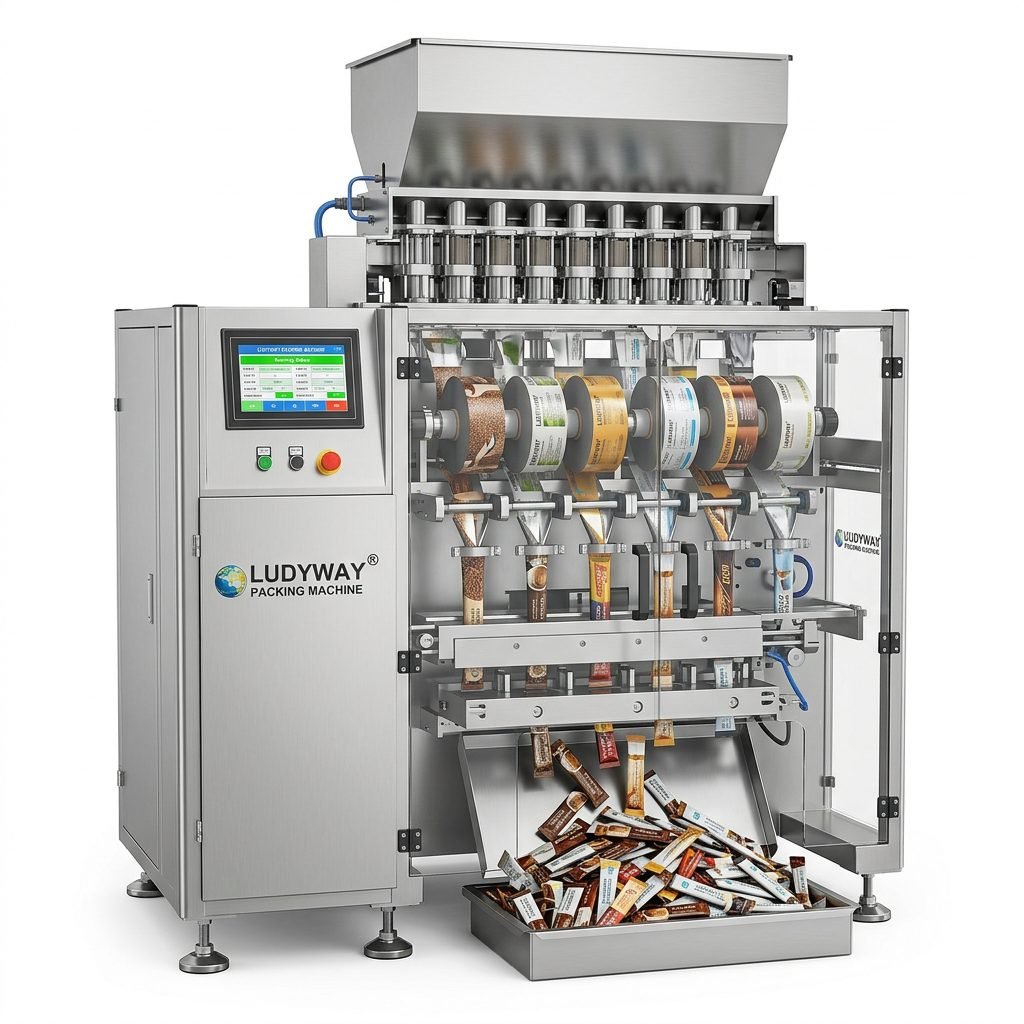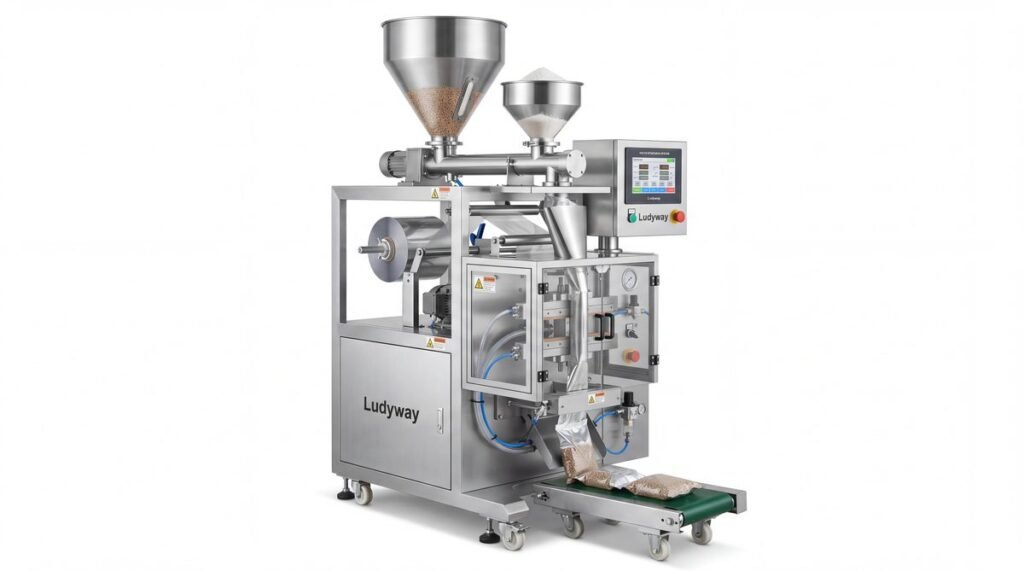
Selecting a continuous vacuum packaging machine is a critical decision for food processors, pharmaceutical manufacturers, and industrial packers. Unlike traditional chamber machines, continuous vacuum machines are designed for high-volume, automated production lines where speed, consistency, and seal integrity are non-negotiable. This guide walks you through the essential factors to evaluate before making your investment.
1. Understanding Continuous Vacuum Packaging Technology
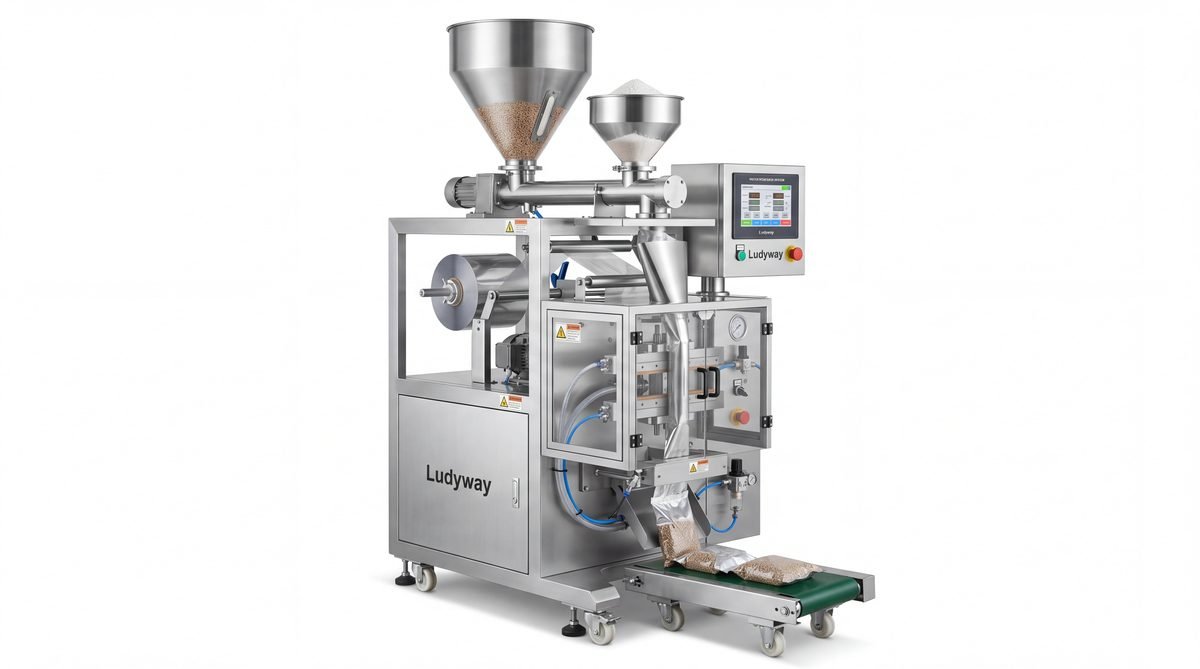
Continuous vacuum packaging machines, often called belt-fed or rotary vacuum sealers, automatically move products through a vacuum chamber or sealing zone in an uninterrupted flow. Unlike batch systems, these machines can handle dozens to hundreds of packages per minute, making them ideal for flexible packaging applications where throughput is a priority.
Key subsystems include the vacuum pump, conveyor belt, sealing bars, and control interface. The highest-performance models integrate multi-stage vacuum cycles and gas flush (MAP) capability to extend shelf life, which is essential for oxygen-sensitive products. According to PMMI industry reports, demand for continuous motion packaging equipment continues to grow as manufacturers seek to reduce labor and increase line efficiency.
2. Machine Types: Belt, Rotary, and Thermoforming
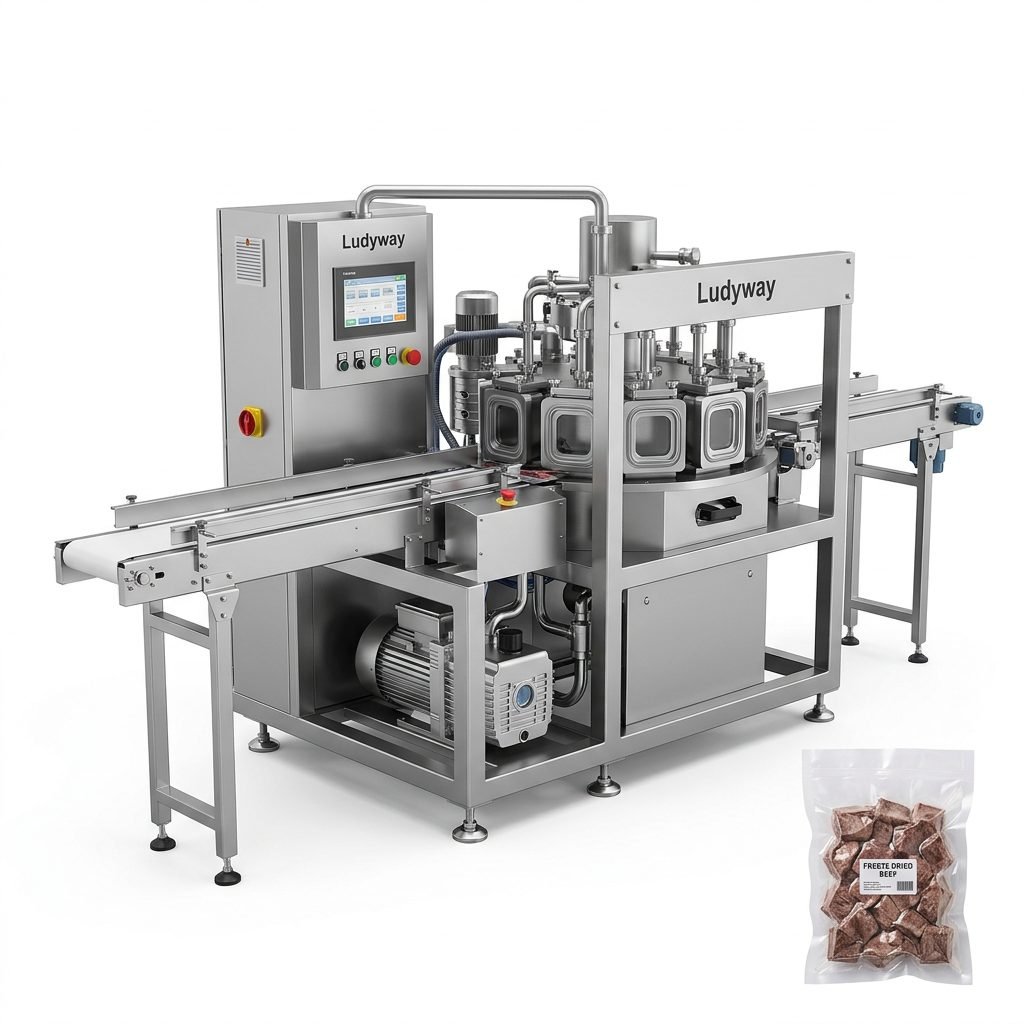
The market offers several configurations. Understanding the differences helps you match the machine to your product and production environment.
| Machine Type | Typical Speed | Best For |
|---|---|---|
| Belt-Driven Vacuum Sealer | 20–40 packs/min | Solid, semi-solid products; medium throughput |
| Rotary Continuous Vacuum Machine | 60–120 packs/min | High-speed liquid, powder, and granular products |
| Thermoforming + Vacuum | 12–25 cycles/min | Modified atmosphere packaging, fresh food, medical devices |
For applications requiring high barrier films and precise oxygen control, thermoforming vacuum machines integrated with ISO 11607 compliant sealing systems provide the necessary validation for sterile medical and pharmaceutical products.
3. Key Features to Evaluate
Vacuum Pump Capacity and Configuration
The pump is the heart of the system. Oil-lubricated rotary vane pumps offer deep vacuum levels, while dry pumps reduce maintenance. Continuous machines often use multiple pumps or central vacuum systems to maintain consistent pressure at high speeds. Check the ultimate vacuum level (measured in mbar) and pumping speed to ensure it matches your required cycle time.
Sealing Bar Design and Temperature Control
Seal integrity directly impacts product shelf life. Look for independently heated sealing bars with PID temperature control. Adjustable sealing time and pressure settings allow you to fine-tune performance for different film materials, including FDA-compliant food contact layers. Machines with dual seal bars provide extra security for heavy or moisture-rich products.
Conveyor and Product Feeding
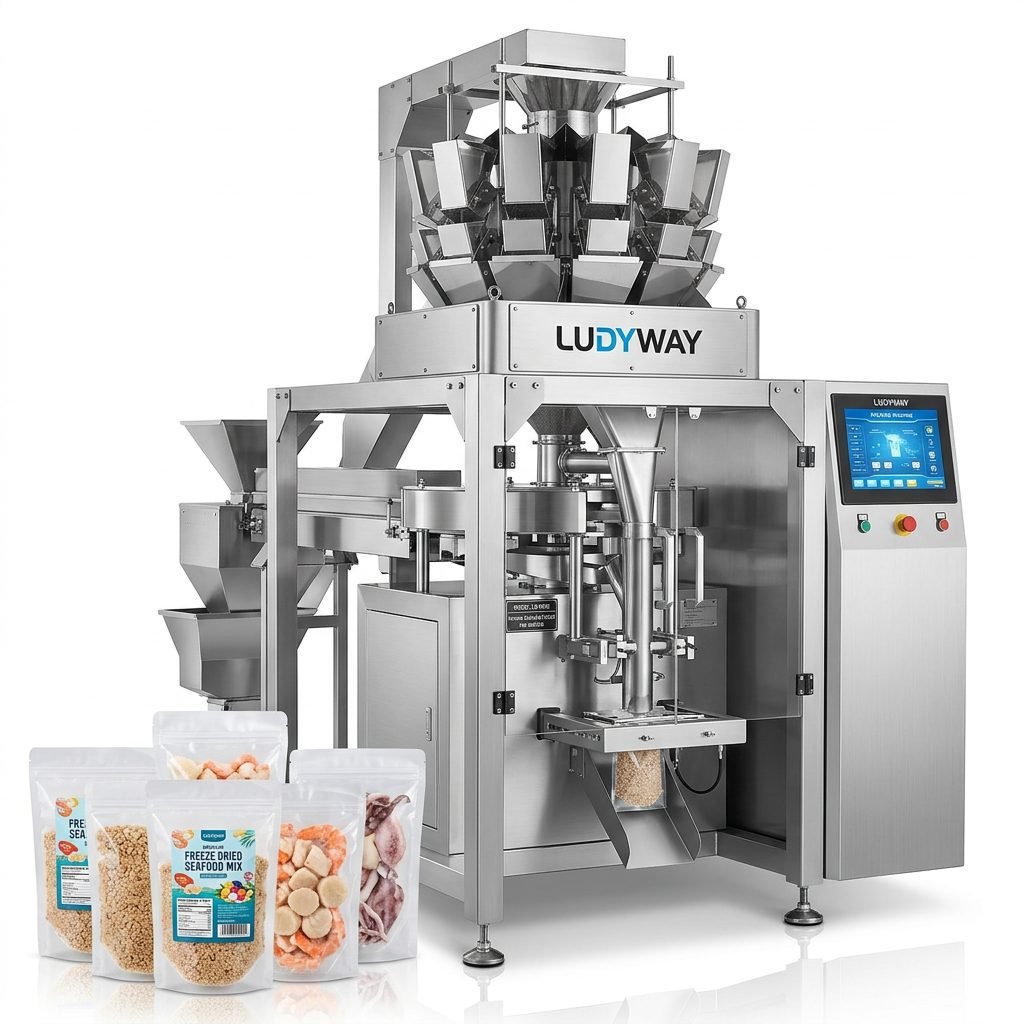
Continuous vacuum machines rely on smooth product transition into and out of the vacuum zone. Intermittent-motion belt systems are common for medium speeds, while fully continuous rotary systems require sophisticated synchronization with upstream fillers. Consider infeed options such as lugged belts, product carriers, or direct coupling to upstream automated packaging lines.
4. Material Compatibility and Packaging Formats
Your machine must handle the specific film structures and bag types your product requires. Common formats include pre-made pouches, flat bags, and formed webs. Verify the machine’s ability to seal multilayer barrier films, aluminum laminates, and recyclable mono-materials, which are increasingly demanded by European packaging regulations.
- Film thickness range: Typically 50–200 microns, but confirm with your supplier.
- Gas flush capability: Essential for MAP applications; ensure precise gas mixing and residual oxygen control.
- Pouch grip and transport: Vacuum or mechanical grippers that handle wet, oily, or uneven surfaces.
5. Hygiene, Cleaning, and Compliance
Food and pharmaceutical environments demand easy cleaning and sanitary design. Choose machines with stainless steel frames, sloped surfaces, and minimal crevices. Quick-release belt mechanisms and tool-free disassembly of sealing modules reduce downtime. Machines meeting ISO packaging standards and designed for washdown environments protect both product safety and your audit readiness.
6. Automation and Control Systems
Modern continuous vacuum machines are equipped with PLCs and HMI touchscreens that store multiple recipes, log production data, and integrate with plant-wide MES or ERP systems. Automatic fault detection, self-diagnostics, and remote support capabilities minimize downtime. When evaluating a machine, ask whether it supports Industry 4.0 protocols such as OPC UA or Ethernet/IP for real-time monitoring.
7. Factory Infrastructure and Installation Considerations
Beyond the machine itself, you must plan for installation. A continuous vacuum line often requires a dedicated high-capacity vacuum pump room, compressed air supply, cooling water, and electrical connections. Work with a supplier that provides complete layout engineering and turnkey integration rather than just a standalone machine. This ensures seamless connection with upstream filling, checkweighing, and downstream cartoning equipment.
8. Supplier Evaluation and After-Sales Support
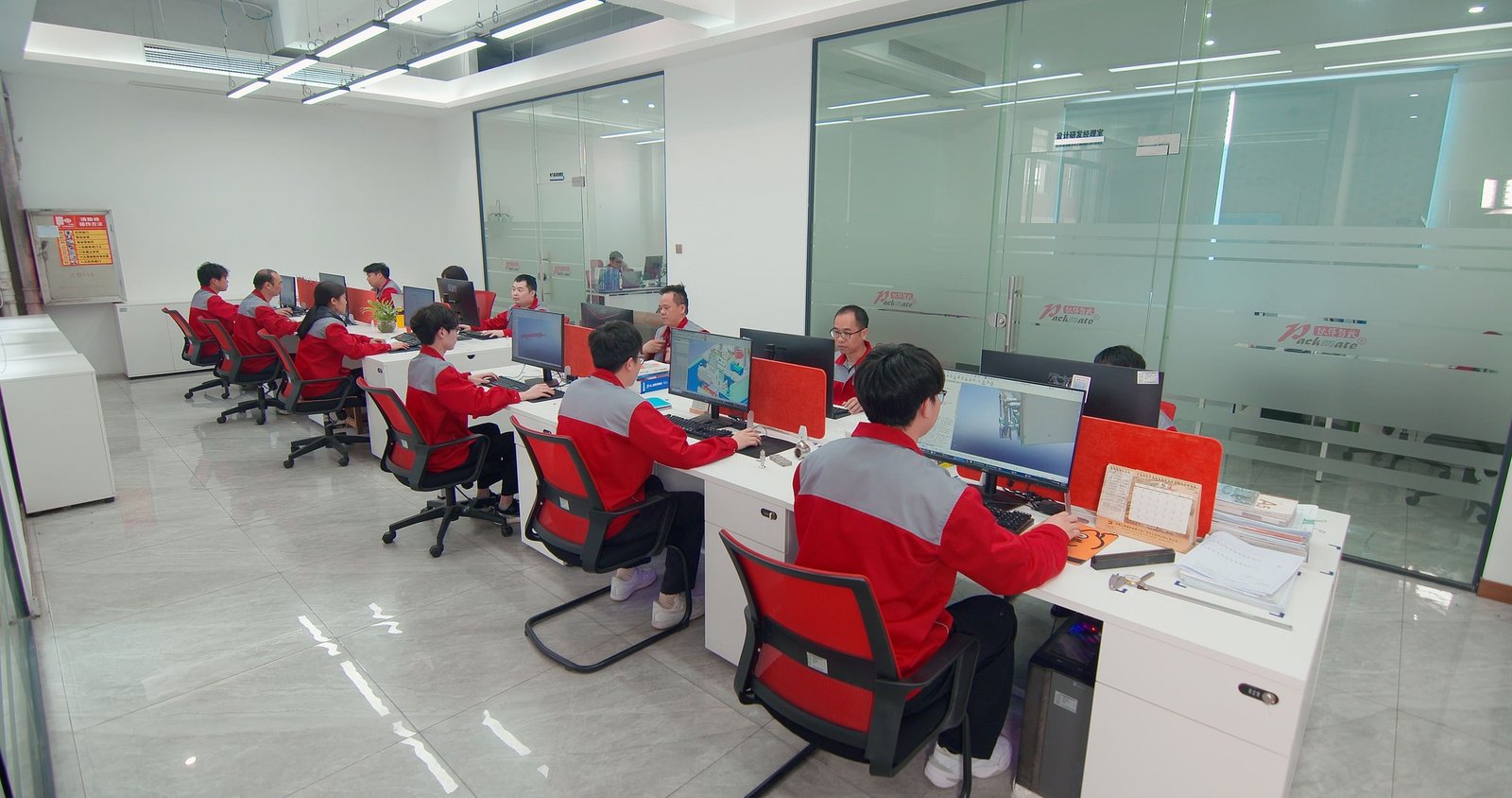
Choosing the right machine is only half the decision; the supplier’s engineering and service capability is equally important. Look for manufacturers with proven experience in your industry, documented installations, and responsive technical support across time zones.
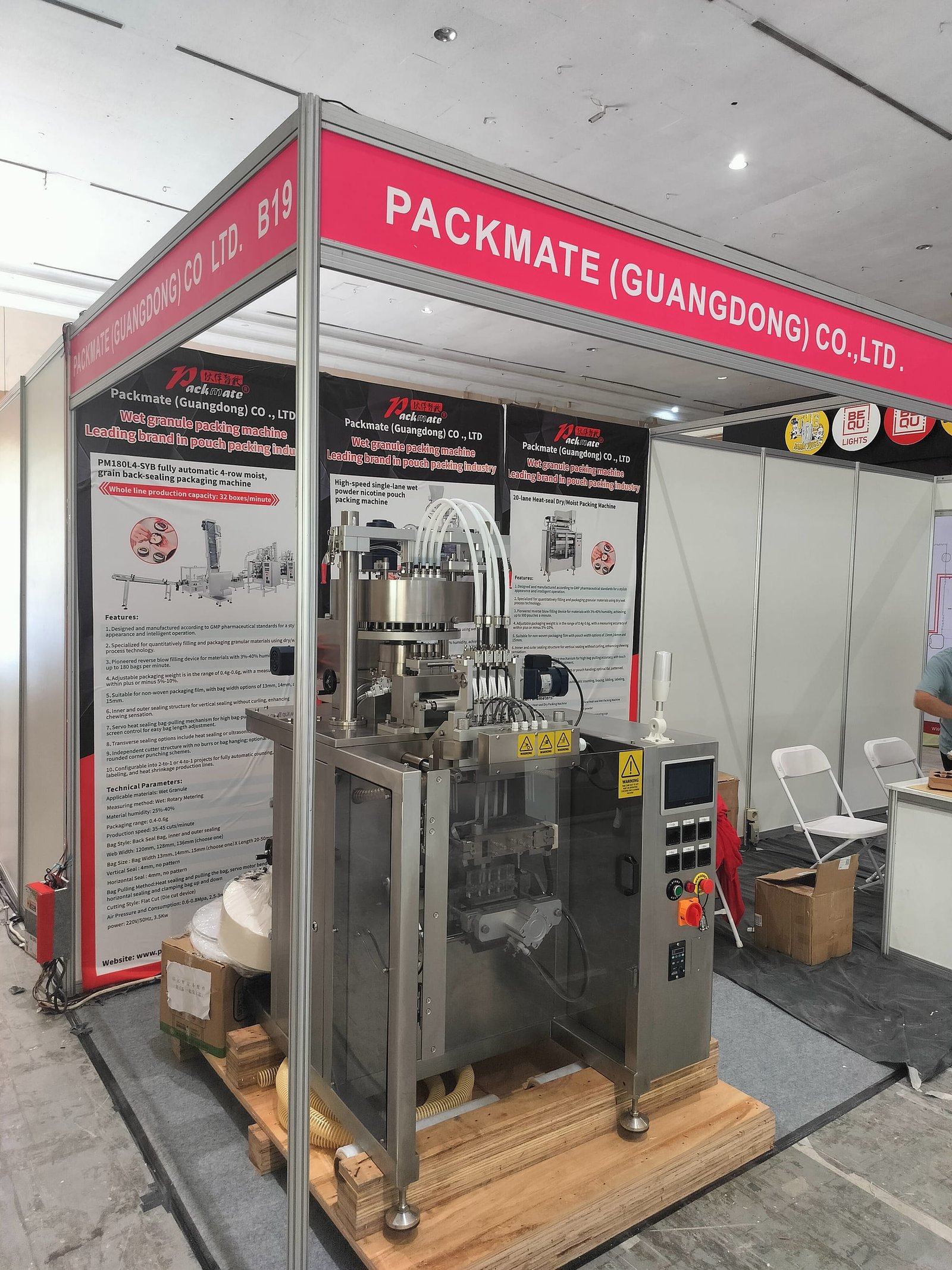
Companies like Ludyway Machinery — a China-based packaging machinery manufacturer with more than 30 years of experience and a 20,000-square-meter production facility — provide end-to-end support from machine selection and customization to global installation, commissioning, and spare parts. With more than 130 professionals and over 50 machine models, Ludyway has developed continuous vacuum packaging solutions for food, pharmaceutical, and chemical industries. The company is expected to achieve export revenue of more than RMB 500 million (approximately US$69 million) in 2025, and plans to surpass RMB 1 billion (approximately US$138 million) in 2026. This growth trajectory reflects the strong global demand for reliable, automated packaging systems backed by robust manufacturing and engineering capabilities.
Key Questions to Ask Potential Suppliers
- Can you provide documented OEE data from similar installations?
- What is the recommended spare parts list for the first year of operation?
- Do you offer remote diagnostic and augmented reality support for troubleshooting?
- How quickly can service technicians be deployed to our region?
- Is the machine designed to accept future upgrades, such as smart sensors or automated quality inspection?
9. Total Cost of Ownership
Initial purchase price can be misleading. A thorough evaluation includes energy consumption, vacuum pump oil or maintenance kits, film waste during start-up and splice sequences, and labor required for operation and cleaning. Machines with higher upfront costs often deliver lower total cost per package due to faster speeds, less film waste, and longer service intervals.
10. Future-Proofing Your Investment
Sustainability targets, new packaging materials, and changing product sizes mean your machine should be modular and upgradeable. Check for easy changeover features, programmable recipes, and the ability to handle recyclable films. Investing in a flexible continuous vacuum platform ensures your packaging line remains competitive as market requirements evolve. Consult resources from Flexible Packaging Association and PMMI to stay informed about the latest material and machinery trends.
A well-chosen continuous vacuum packaging machine becomes the backbone of your high-output packaging hall. By thoroughly evaluating these technical, operational, and supplier criteria, you secure a system that delivers consistent quality, regulatory compliance, and long-term value.