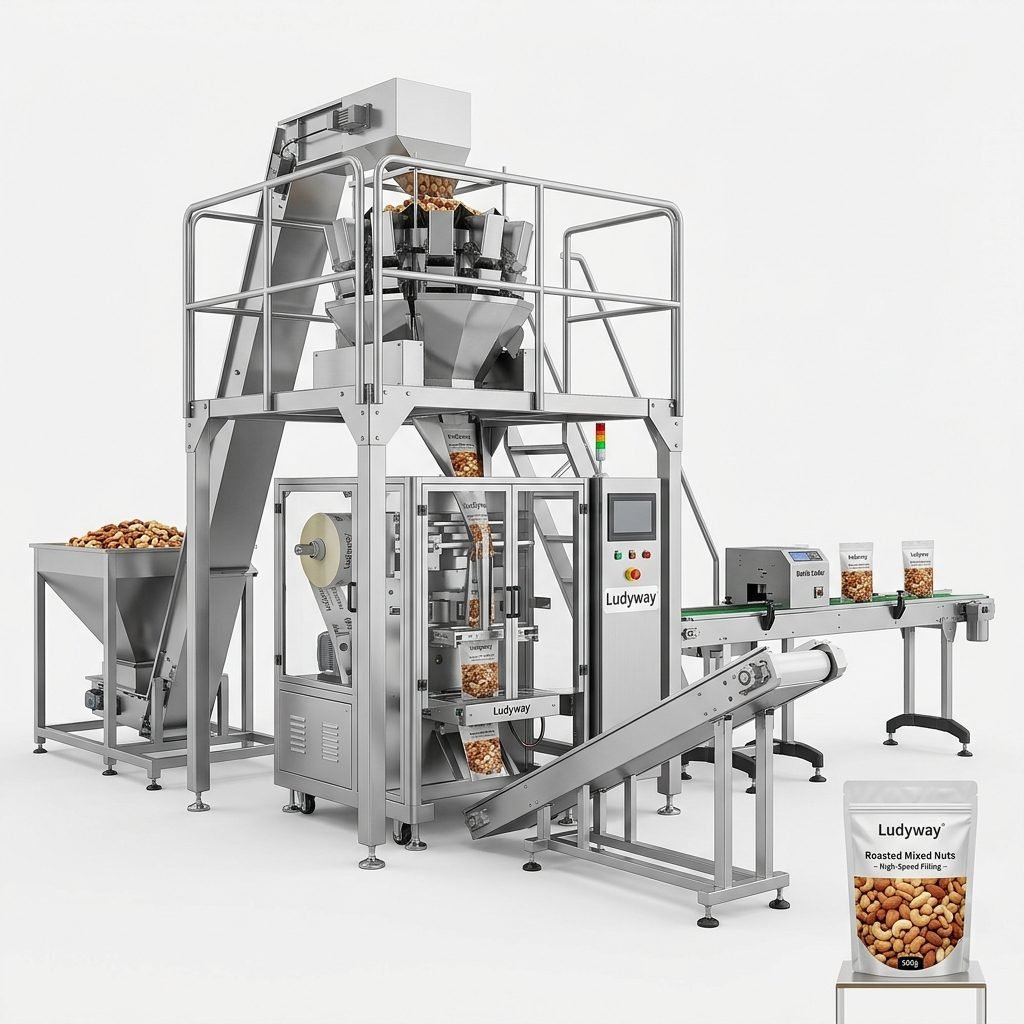
The South American coffee market is experiencing unprecedented growth, with Brazil alone producing over 60 million bags annually and domestic consumption rising steadily across Colombia, Argentina, and Chile. As single-serve formats dominate retail shelves, establishing a coffee pod packaging machine production line in this region presents a lucrative opportunity for manufacturers seeking to capture the expanding ready-to-drink and premium instant coffee segments. This comprehensive guide walks you through every critical phase—from equipment selection and facility planning to regulatory compliance and operational optimization.
Understanding Coffee Pod Packaging Formats
Before investing in machinery, it is essential to determine which packaging formats align with your target market. South American consumers increasingly prefer convenient, portion-controlled options. The most common formats include:
- Single-serve coffee pods – Round or disc-shaped capsules compatible with popular brewing systems such as Nespresso and Dolce Gusto
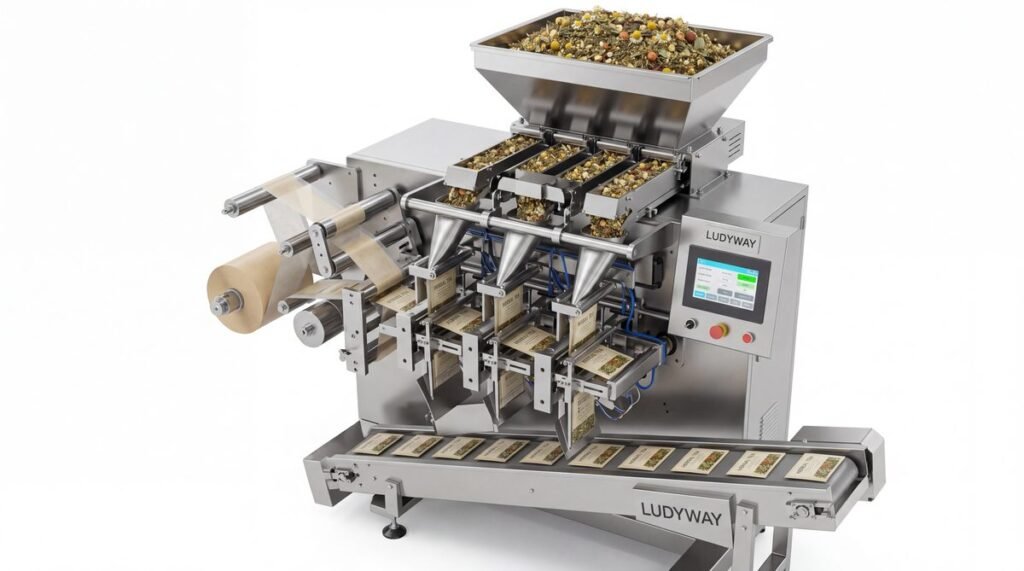
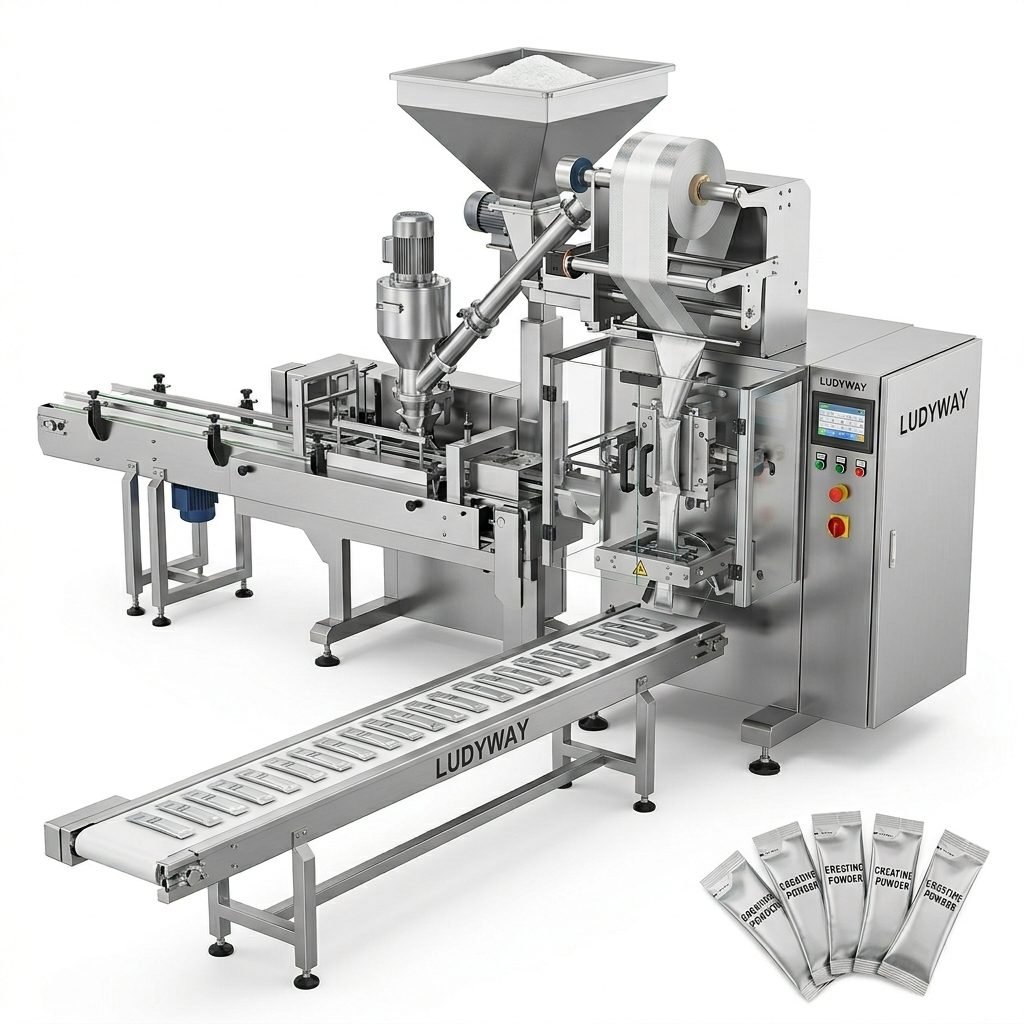
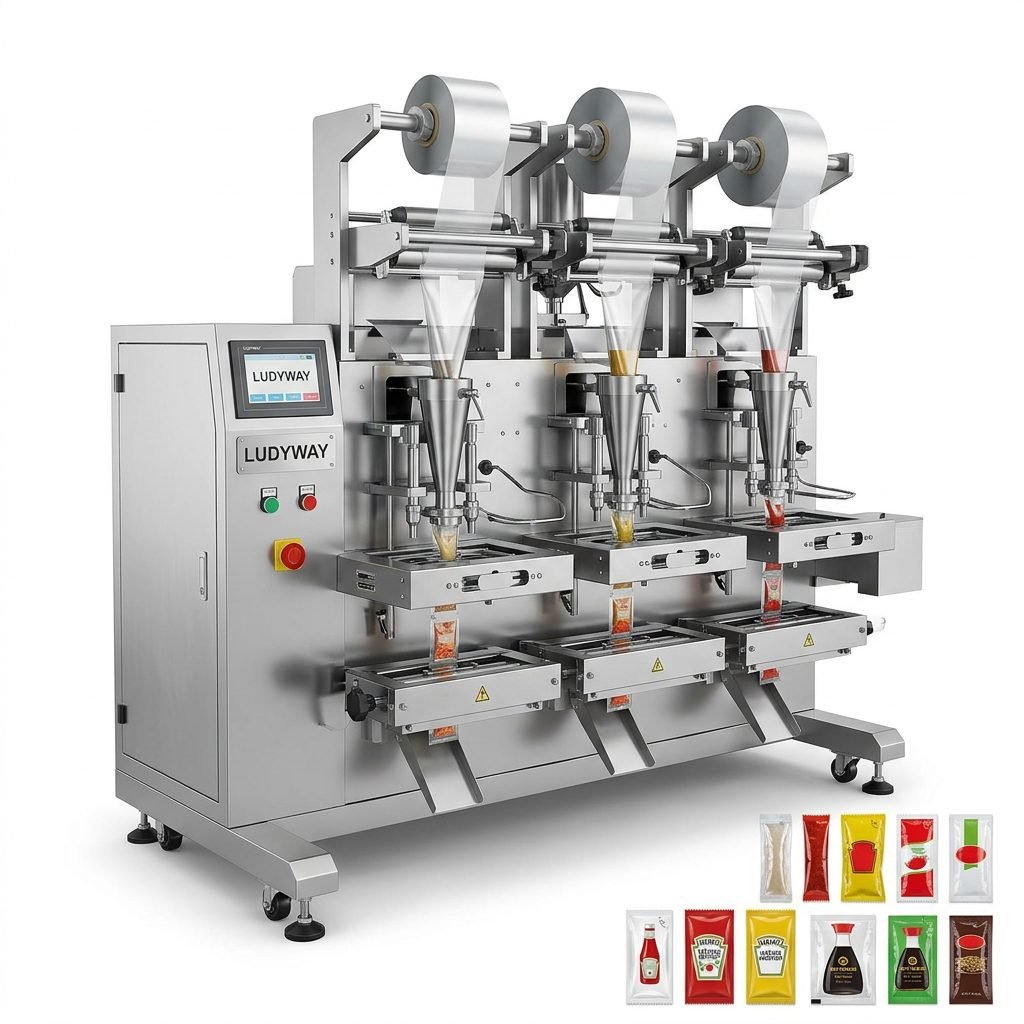
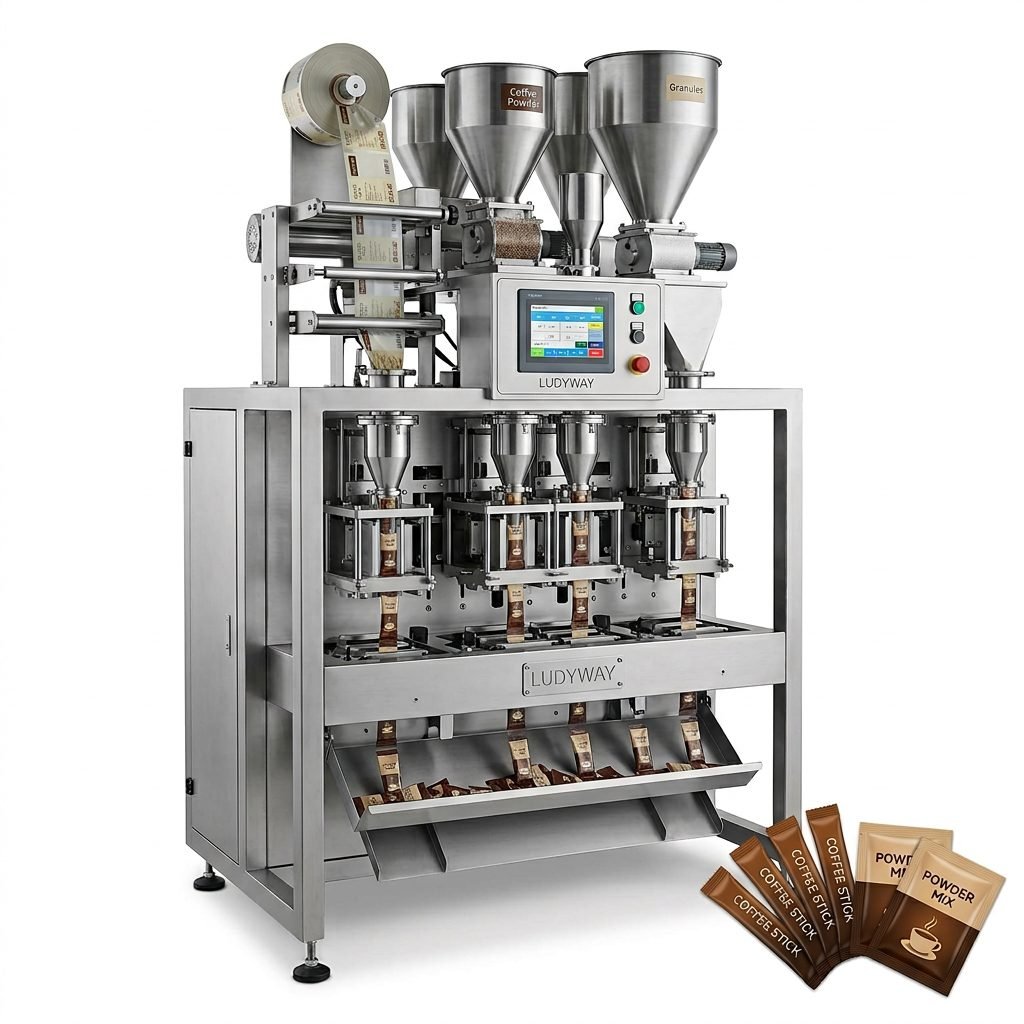
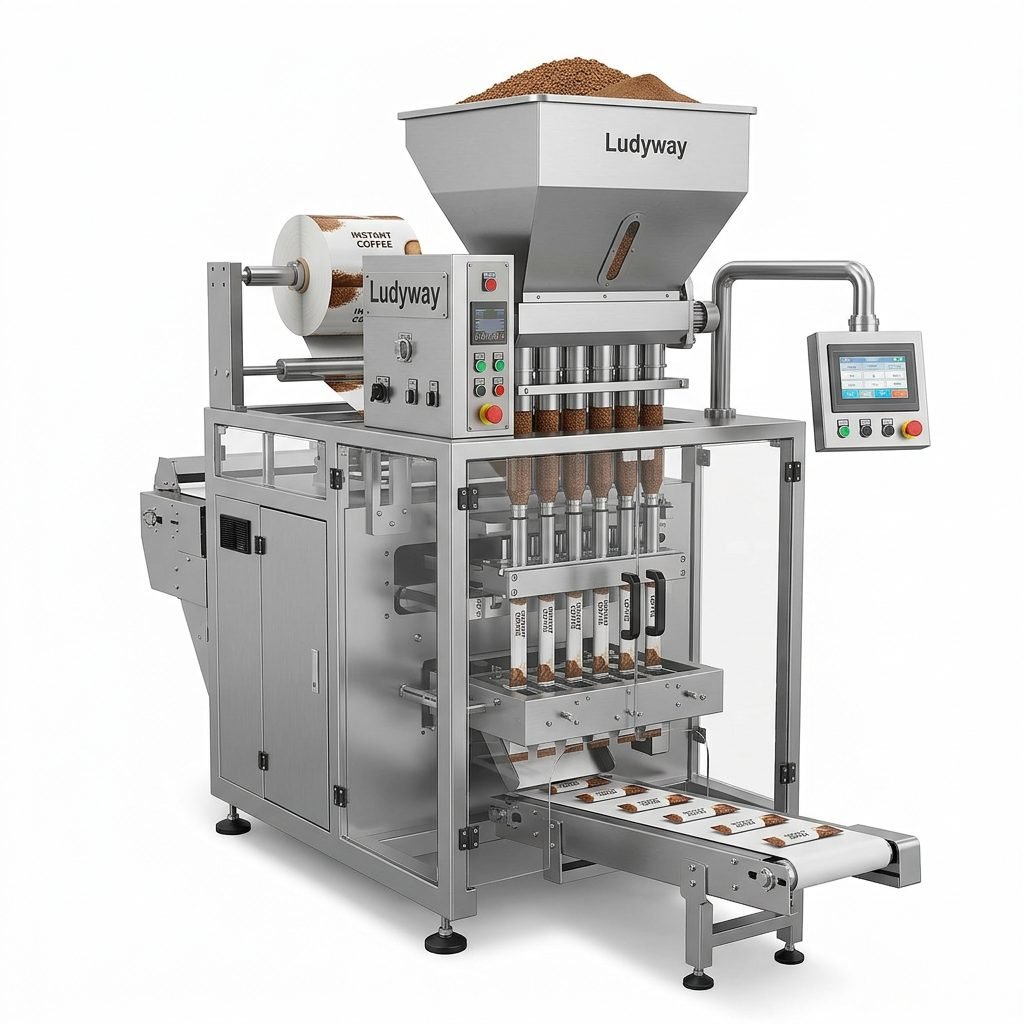
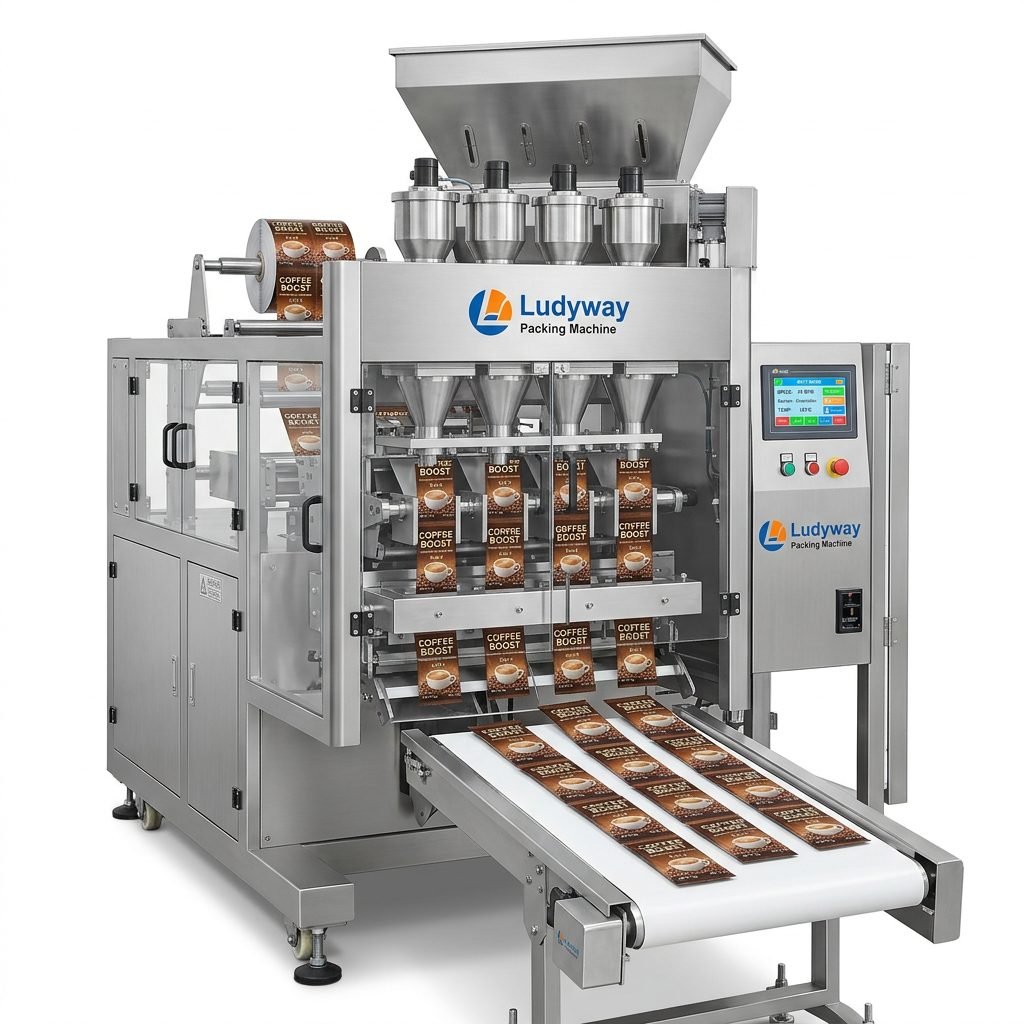
- Stick packs – Slim, elongated sachets ideal for instant coffee powders and granulated blends, often produced on multi-lane stick pack systems
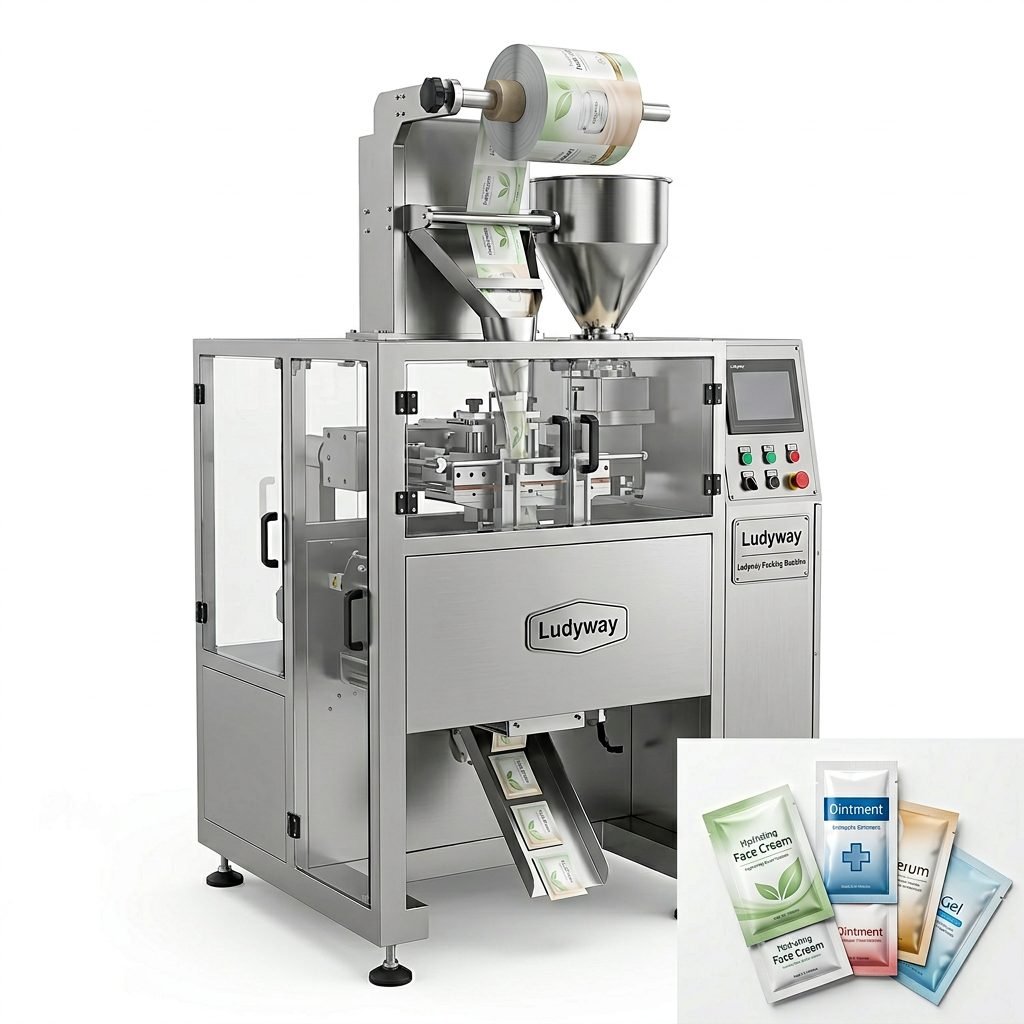
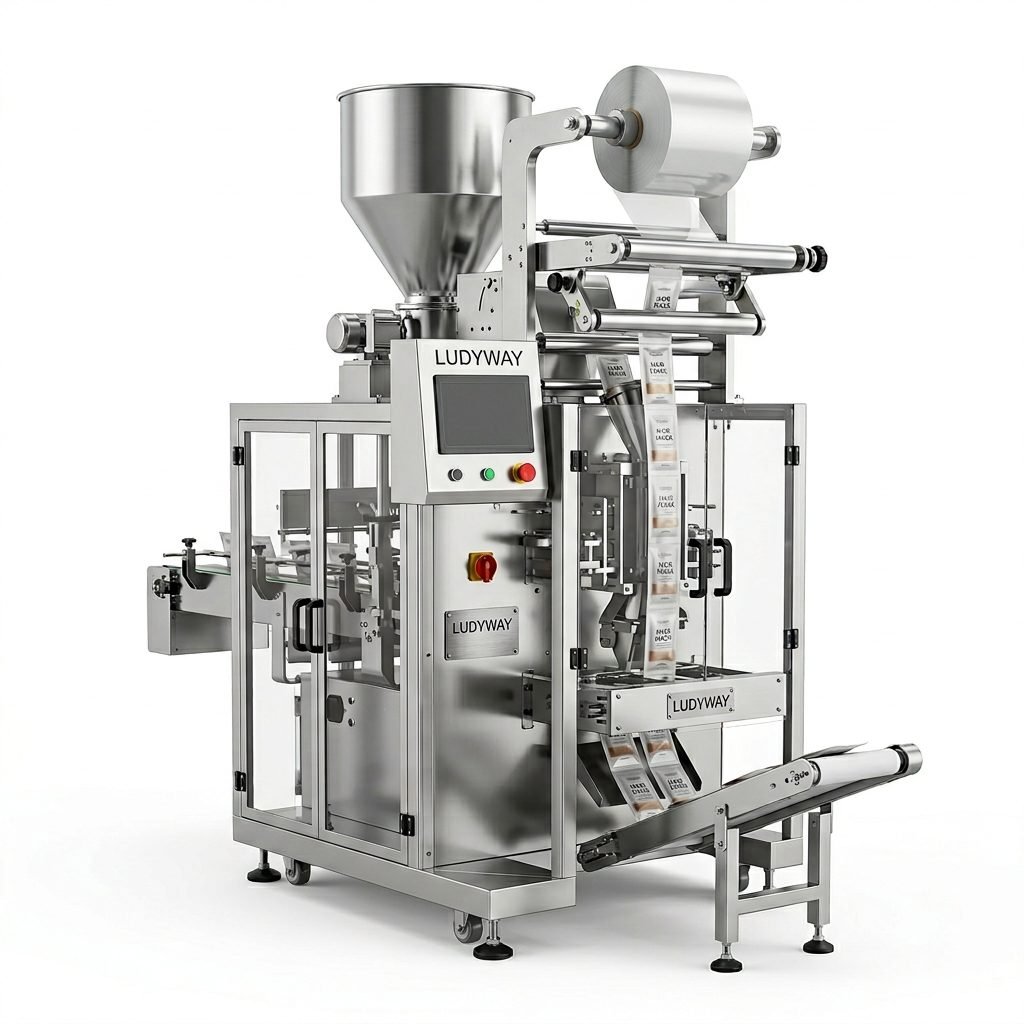
- Sachets and pouches – Flat or stand-up formats ranging from 5g to 50g, suitable for ground coffee and specialty blends
- Valve-sealed bags – Larger formats with degassing valves for whole-bean and freshly ground coffee
Each format demands specific filling, sealing, and nitrogen-flushing capabilities. Selecting the right packaging configuration at the outset significantly reduces costly retrofitting later.
Key Components of a Coffee Pod Packaging Production Line
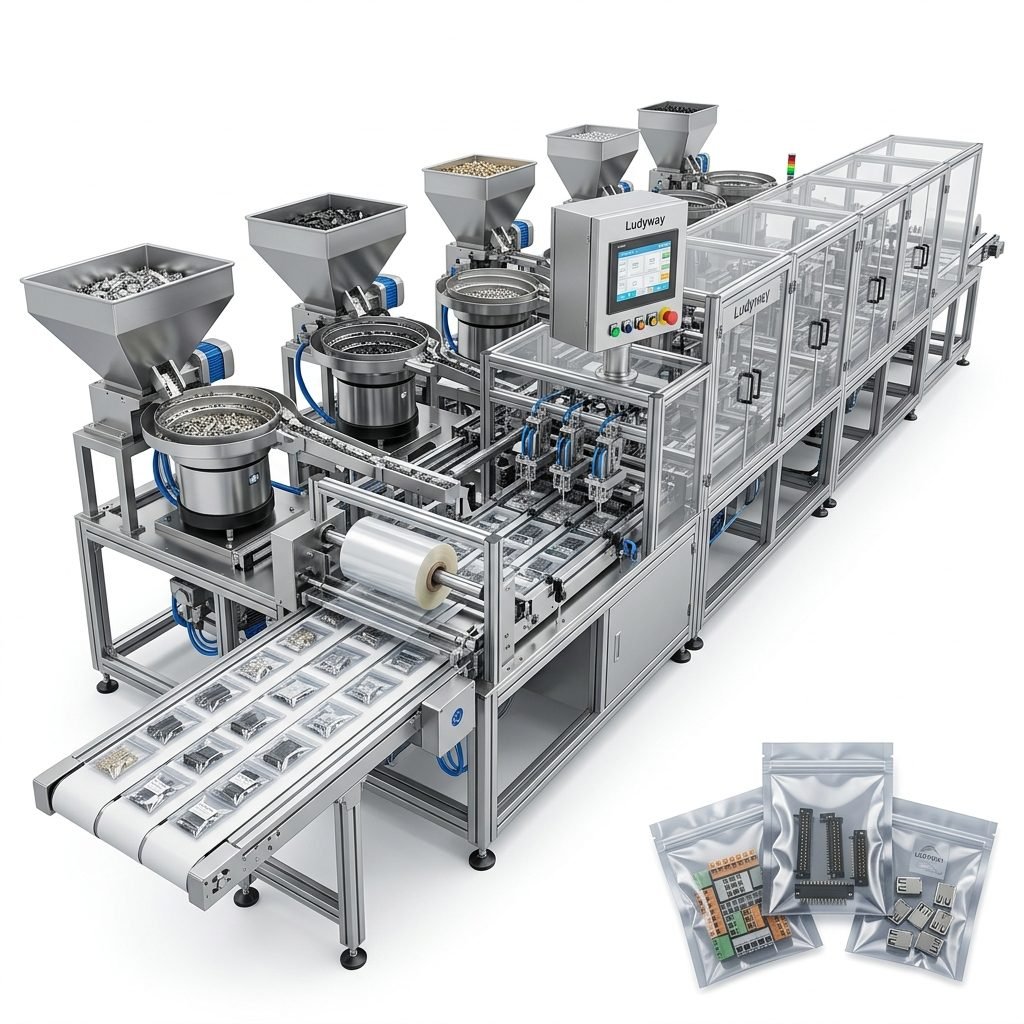
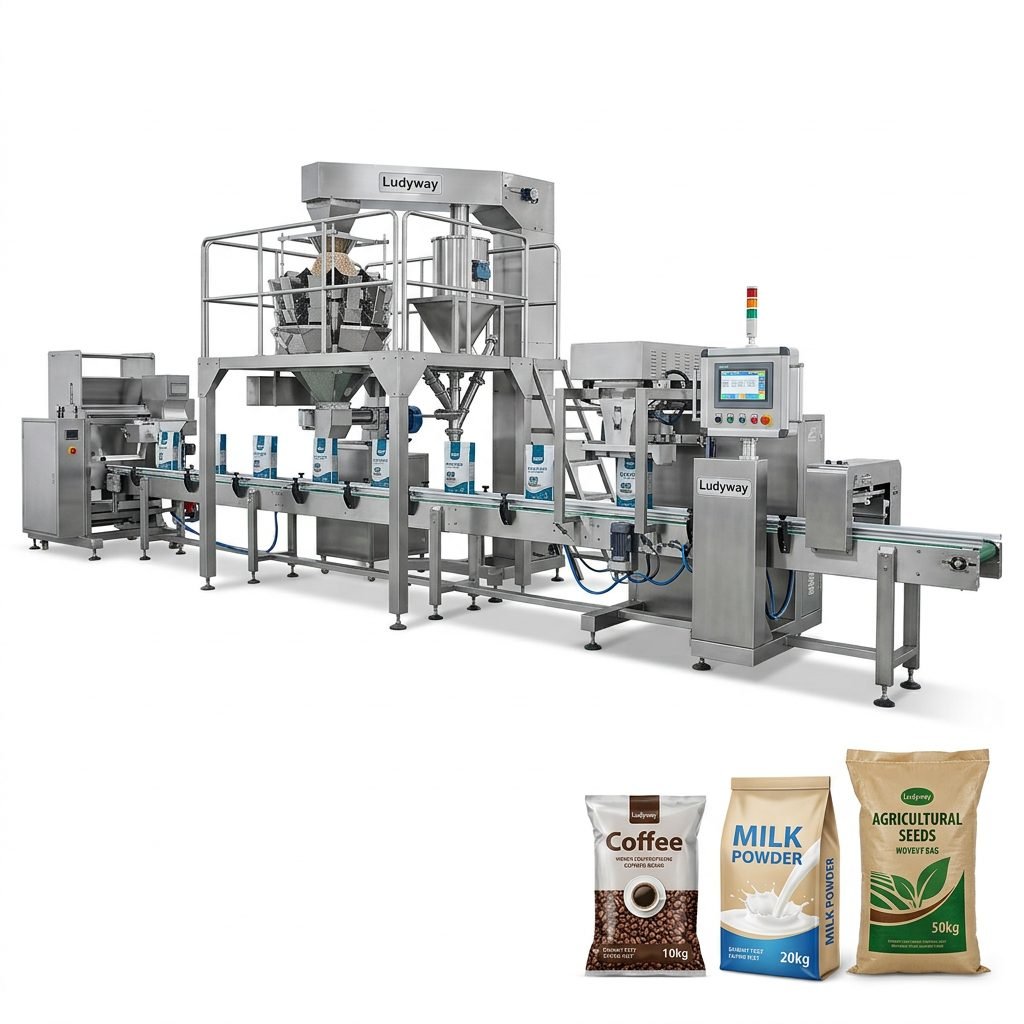
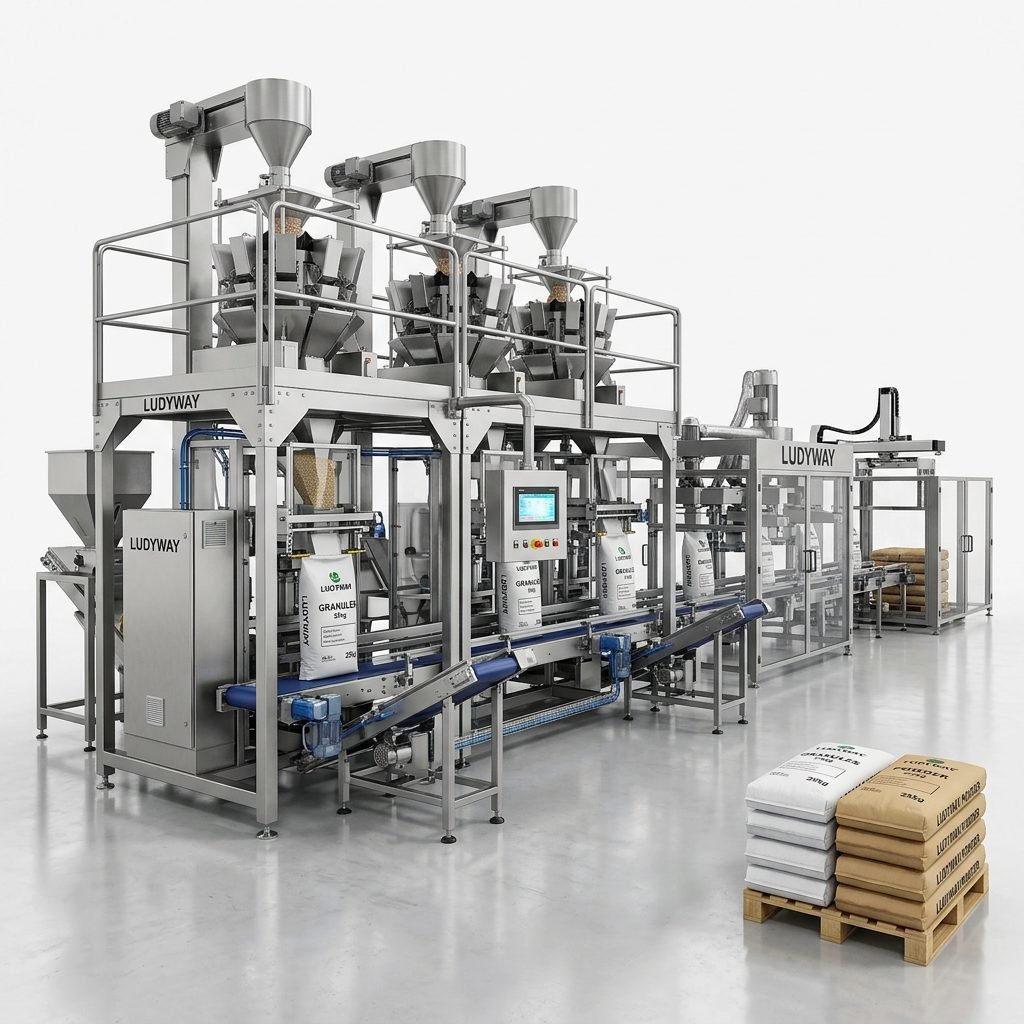
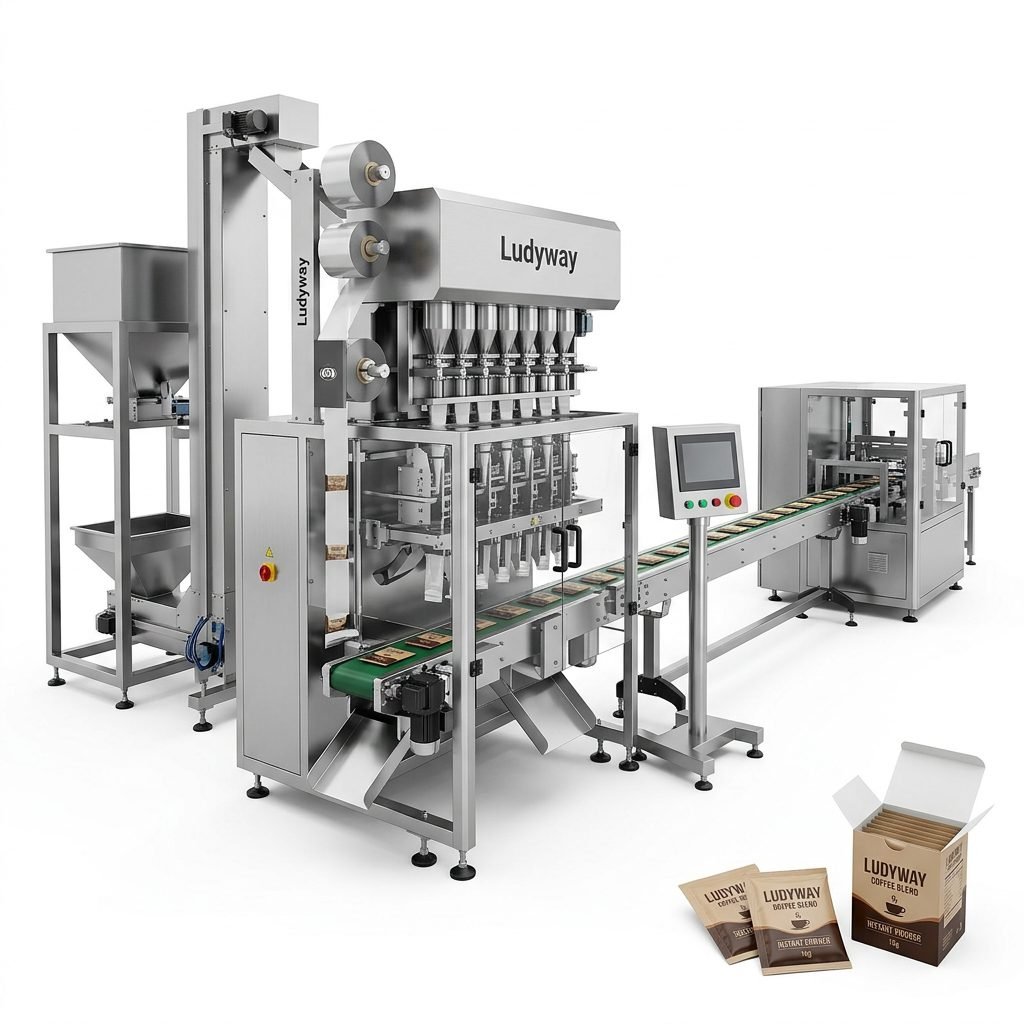
A fully integrated coffee pod packaging production line consists of multiple interconnected modules. Understanding how these components work together ensures smooth procurement and installation. The core elements are summarized below:
| Component | Function | Key Considerations |
|---|---|---|
| Granule Feeding System | Delivers ground coffee or powder from hoppers to filling stations | Must handle varying particle sizes; auger or vibratory feeders recommended |
| Multi-Lane Filling Machine | Portions precise amounts into individual pods or stick packs | Accuracy of ±0.1g critical for consistency; servo-driven models preferred |
| Nitrogen Flushing Unit | Injects inert gas to displace oxygen and extend shelf life | Residual oxygen levels should remain below 1% for optimal freshness |
| Sealing Station | Hermetically seals each pod or sachet using heat, ultrasonic, or pressure | Multi-lane heat-seal jaws increase throughput; look for independent temperature control per lane |
| Checkweigher & Metal Detector | Verifies fill weight and detects contaminants | Inline models with automatic rejection minimize manual intervention |
| Cartoning & Palletizing | Packs finished pods into cartons and stacks onto pallets | Automated case packers reduce labor costs significantly in high-volume operations |
Step-by-Step Guide to Setting Up Your Production Line
Implementing a coffee pod packaging operation in South America involves a phased approach. Rushing equipment installation without proper groundwork often leads to costly delays and compliance issues. Follow these structured steps for a smooth launch.
Phase 1: Facility and Regulatory Readiness
South American countries enforce distinct packaging regulations. In Brazil, ANVISA oversees food-contact materials, while Argentina follows SENASA guidelines. Before importing any coffee pod packaging machine, ensure your facility meets these prerequisites:
- Obtain necessary import licenses and understand regional tariff classifications for packaging machinery
- Verify electrical supply compatibility—most South American grids operate at 220V/60Hz, though variations exist in Chile (50Hz) and parts of Argentina
- Secure adequate compressed air and nitrogen supply lines; calculate peak consumption across all pneumatic components
- Confirm that flooring can support equipment weight and vibration—reinforced concrete with epoxy coating is standard
- Establish a cleanroom or controlled environment zone if producing for premium or export markets
Phase 2: Equipment Procurement and Factory Acceptance Testing
When sourcing machinery, prioritize suppliers with proven experience in coffee packaging applications. Request detailed factory acceptance testing (FAT) protocols that cover speed, accuracy, seal integrity, and nitrogen flush performance. Key questions to ask during evaluation:
- What is the mean time between failures (MTBF) for critical components?
- Are spare parts readily available through regional distributors or shipped directly?
- Does the supplier offer remote diagnostic support and on-site commissioning in South America?
- Can the machine handle multiple pod formats with quick changeover times?
One notable manufacturer in this space is Ludyway, which offers a broad range of granule, powder, and liquid packaging solutions. Their multi-lane stick pack and sachet machines are used in food and pharmaceutical applications across more than 100 countries, and they provide turnkey production line integration—a valuable advantage when deploying a complete coffee pod packaging system from a single engineering partner.
Phase 3: Installation, Commissioning, and Training
Installation should follow a meticulously planned schedule. Coordinate with local contractors for utility connections and material handling infrastructure. During commissioning:
- Run dry cycles before introducing product to verify mechanical alignment and sensor calibration
- Conduct seal strength tests using burst and peel methodologies per ASTM F88 standards
- Validate nitrogen flush effectiveness with headspace oxygen analyzers
- Train operators on startup, shutdown, cleaning, and basic troubleshooting procedures
- Document all settings for each SKU to enable rapid changeover and repeatable quality
Optimizing Production Efficiency in South American Operations
Once the line is operational, continuous improvement drives profitability. Focus on these key performance indicators:
- Overall Equipment Effectiveness (OEE) – Target above 75% by minimizing unplanned downtime and scrap
- Fill weight accuracy – Maintain standard deviation below 0.5% of target weight to reduce product giveaway
- Seal integrity rate – Achieve at least 99.9% hermetic seals verified through statistical sampling
- Changeover time – Reduce to under 15 minutes for SKU transitions with standardized tooling and settings
Navigating South American Supply Chain and Logistics
Operating a packaging line in South America requires strategic supply chain management. Key considerations include:
- Sourcing packaging materials locally where possible—countries like Brazil and Colombia have developed flexible packaging industries that can supply laminated films for coffee pods
- Maintaining buffer stock of critical spare parts and consumables due to potential customs clearance delays
- Partnering with regional freight forwarders experienced in handling sensitive packaging machinery and raw materials
- Understanding MERCOSUR trade agreements that may reduce import duties on equipment and materials traded within member nations
For additional insights on packaging industry trends and equipment standards, resources are available from the PMMI Association for Packaging and Processing Technologies and the Flexible Packaging Association.
Common Pitfalls to Avoid When Setting Up Coffee Pod Packaging Lines
Learning from industry experience can save substantial time and capital. The following are frequent mistakes made by companies entering the coffee pod market in South America:
- Underestimating humidity control – Coffee powder is hygroscopic; inadequate climate control leads to clumping and inconsistent filling. Invest in dehumidification systems capable of maintaining relative humidity below 45% in production areas.
- Overlooking film compatibility – Not all laminates seal equally well across different machine types. Validate film-machine compatibility during pre-production trials.
- Neglecting preventive maintenance schedules – In regions with limited local technical support, establishing rigorous maintenance protocols prevents extended downtime. Schedule monthly inspections of heating elements, sealing jaws, and pneumatic components.
- Insufficient operator training – High turnover rates in some South American markets demand comprehensive, documented training programs and quick-reference guides in local languages.
Future Trends in Coffee Packaging Automation
The South American coffee packaging sector is evolving rapidly. Emerging technologies shaping the next generation of production lines include smart sensors with IoT connectivity for predictive maintenance, servo-driven filling systems with recipe-driven automatic adjustments, and sustainable packaging materials compatible with existing machinery. Forward-thinking manufacturers are also exploring fully automated smart packaging lines that integrate production data with enterprise resource planning systems for real-time inventory and quality tracking.
Conclusion: Building a Profitable Coffee Pod Operation in South America
Setting up a coffee pod packaging machine production line in South America demands careful planning, the right equipment partner, and a deep understanding of local market conditions. By following the structured approach outlined in this guide—from facility preparation and equipment selection through commissioning and ongoing optimization—manufacturers can establish efficient, compliant, and profitable operations. The region’s growing coffee culture and expanding export opportunities make this an excellent time to invest in advanced packaging infrastructure. Prioritize quality, invest in training, and build a resilient supply chain to position your business for long-term success in this dynamic market.
For detailed guidance on selecting the right packaging machinery for your specific application, consult with experienced equipment manufacturers who can provide customized turnkey solutions tailored to your production requirements and local regulatory environment.