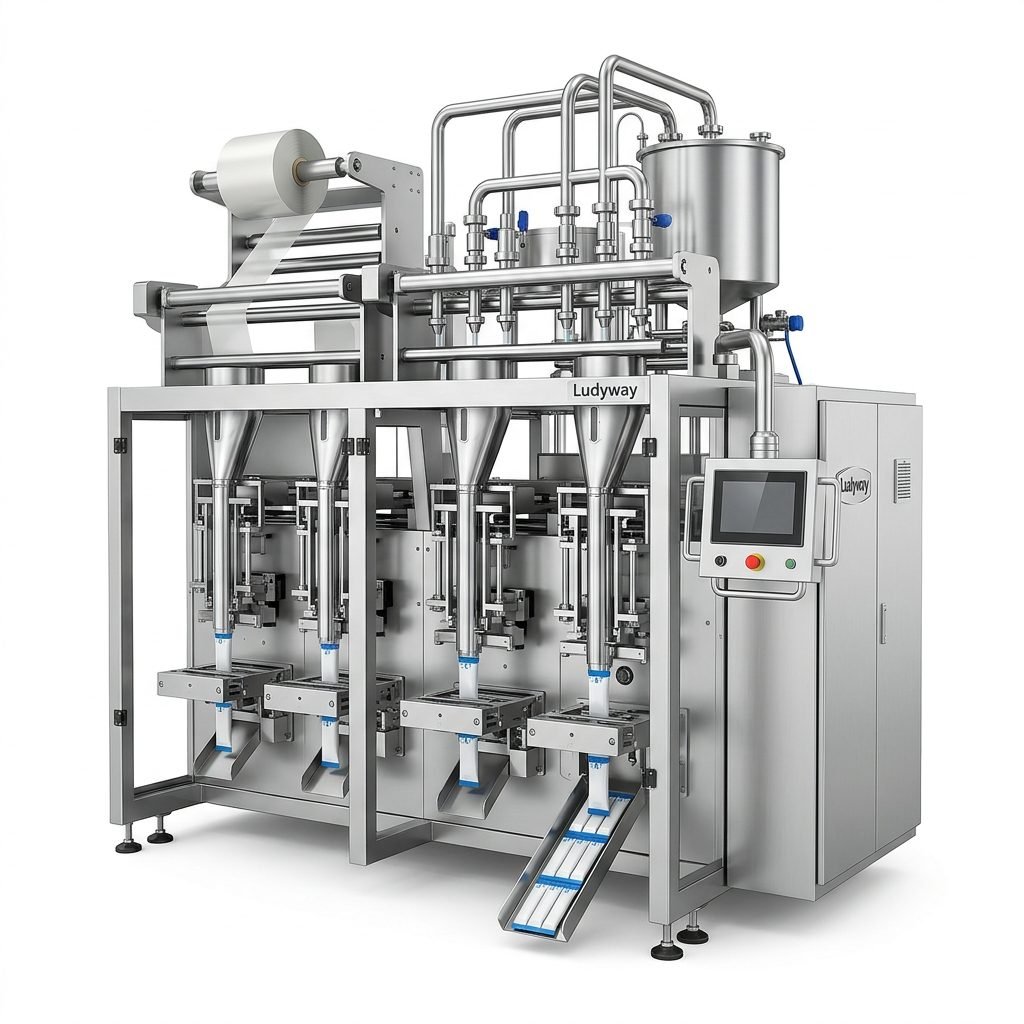
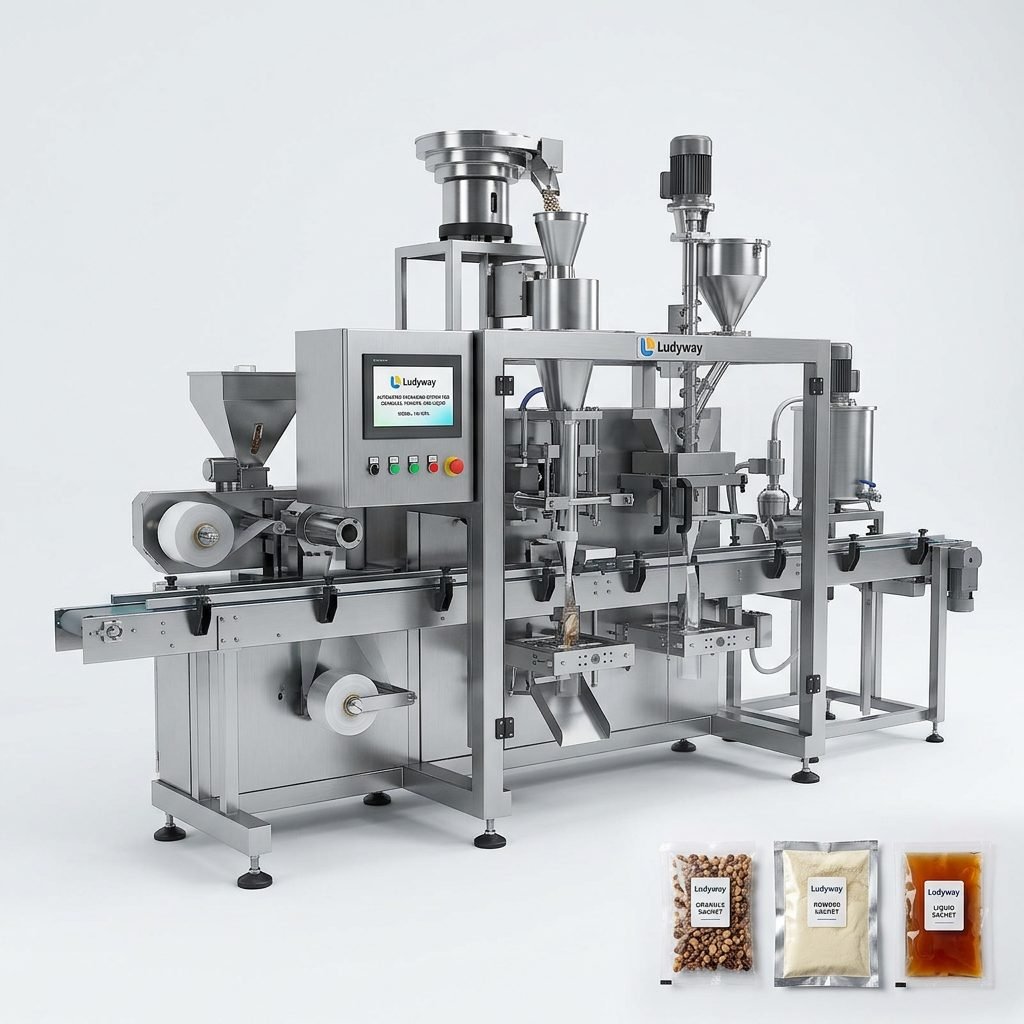
An automatic packaging machine is one of the most effective ways to improve packing speed, sealing consistency, and production stability in modern manufacturing. Whether you operate in food, pharmaceutical, cosmetic, chemical, or animal nutrition sectors, the right automation system can reduce labor dependency, minimize product waste, and help maintain reliable output across short and long production runs.
For businesses looking to scale efficiently, automated packing and sealing solutions are no longer optional—they are a practical investment in productivity, quality control, and long-term competitiveness.
Why Automatic Packaging Machines Matter in Modern Production
Manual and semi-automatic packaging methods often create bottlenecks when demand increases. In contrast, automatic systems are designed to handle repetitive tasks with better precision and repeatability. This is especially important for products that require accurate dosing, airtight sealing, clean presentation, traceability, and consistent package appearance.
- Faster packaging cycles for higher throughput
- Improved fill accuracy for powders, granules, liquids, and pastes
- Better sealing quality to protect shelf life and product integrity
- Reduced labor intensity and lower human error
- Cleaner, more standardized packaging presentation
- Easier integration with coding, cartoning, checkweighing, and conveying systems
In highly regulated industries such as pharmaceuticals and health supplements, automation also supports better process control and documentation. In food and daily-use products, it helps brands respond quickly to changing market demand while maintaining packaging consistency.
Core Functions of an Automatic Packaging Machine
A complete automatic packaging solution typically combines several functions into one coordinated process. Depending on the application, the machine may include feeding, measuring, filling, bag forming, pouch handling, sealing, coding, inspection, counting, and final discharge.
Typical machine functions include:
- Product feeding through conveyors, elevators, augers, pumps, or dosing devices
- Metering and filling based on the physical characteristics of the product
- Package forming for sachets, stick packs, pouches, or bags
- Sealing using heat sealing or other suitable methods
- Printing and coding for dates, batches, and traceability
- Discharge and downstream handling for cartoning, case packing, or palletizing
Types of Products Suitable for Automated Packing and Sealing
One of the biggest advantages of today’s equipment is versatility. Advanced automatic machines can be adapted for different product forms and packaging formats.
| Product Type | Common Packaging Format | Typical Industry |
|---|---|---|
| Granules | Sachets, stick packs, pouches, bags | Food, seed, feed, chemical |
| Powders | Sachets, stick packs, pouches | Pharma, supplements, beverage, spice |
| Liquids | Sachets, pouches, bottles | Sauce, cosmetic, cleaner, pharma |
| Pastes & gels | Sachets, stick packs, tubes | Cosmetic, personal care, healthcare |
| Tablets & capsules | Blisters, bottles, sachets | Pharmaceutical, nutraceutical |
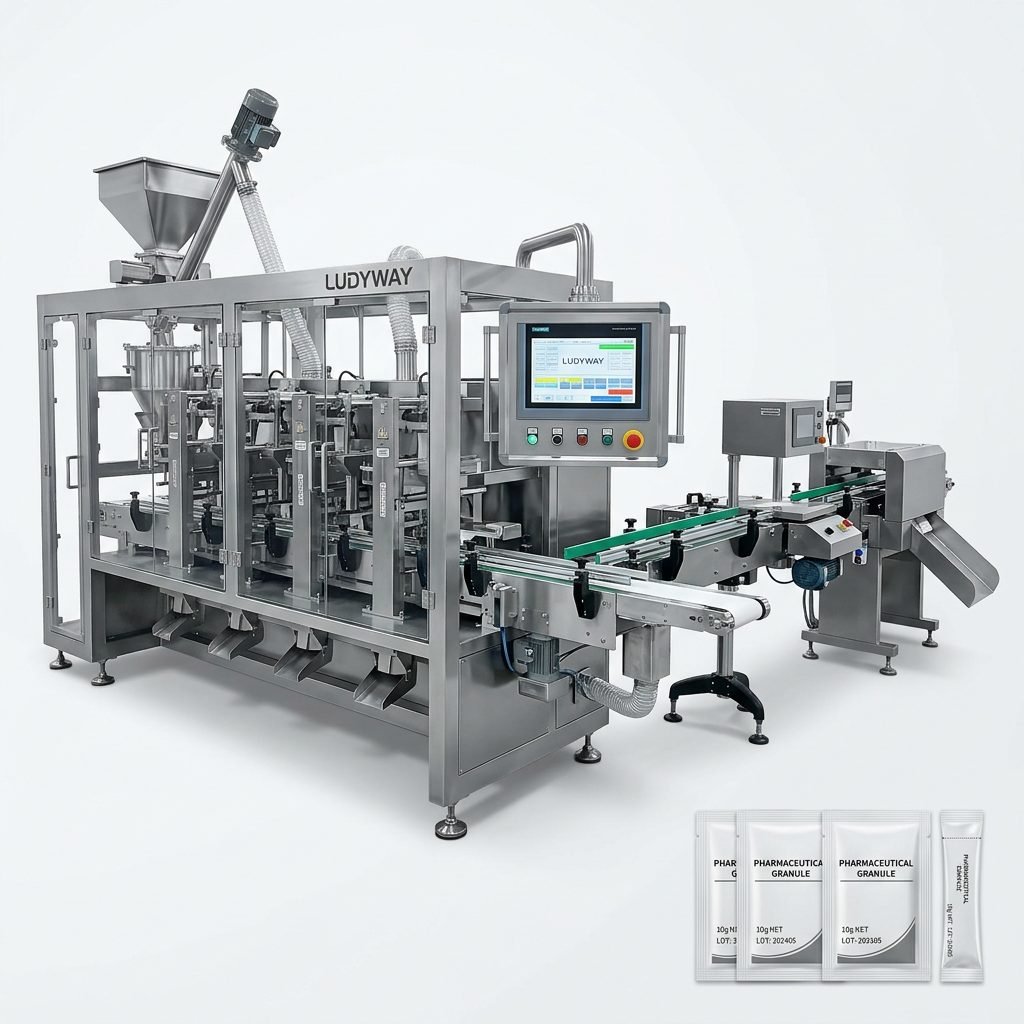
Popular Packaging Machine Formats
Vertical Form Fill Seal Machines
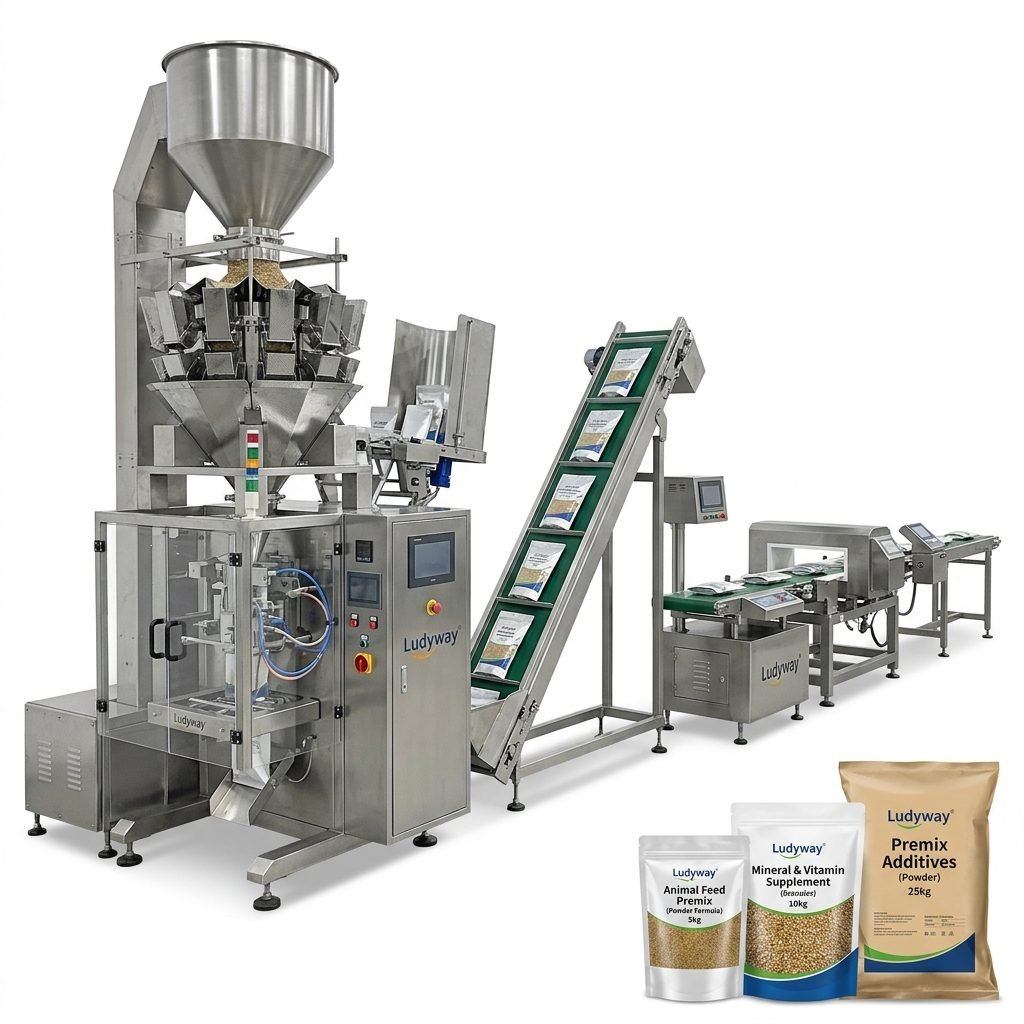
These systems are widely used for powders, granules, and some liquids. They form the package from roll film, fill it, and seal it in a continuous process. They are popular because they combine speed, compact design, and good packaging flexibility.
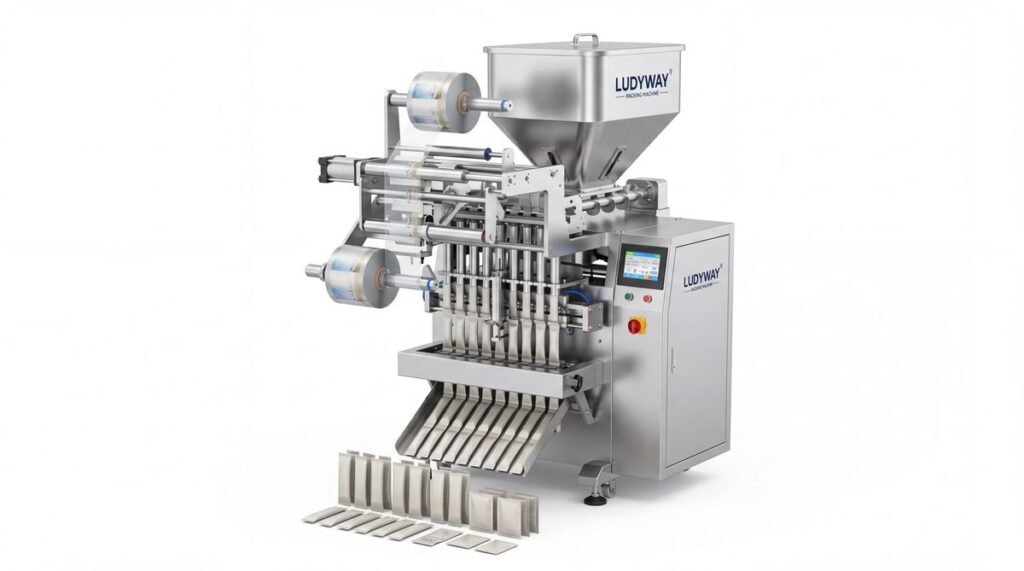
Sachet Packaging Machines
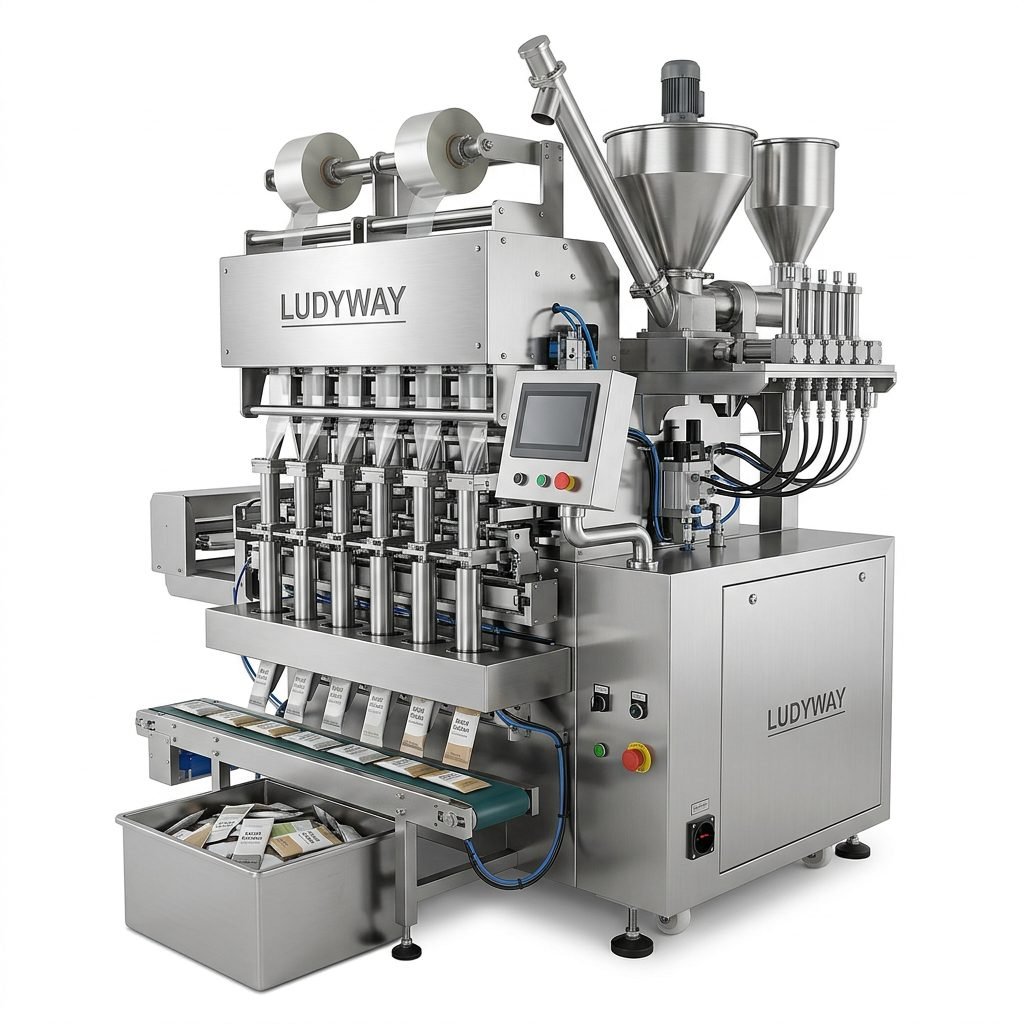
Sachet machines are ideal for single-dose or small-format packaging. They are commonly used in pharmaceuticals, seasoning, coffee, supplements, creams, and detergents.
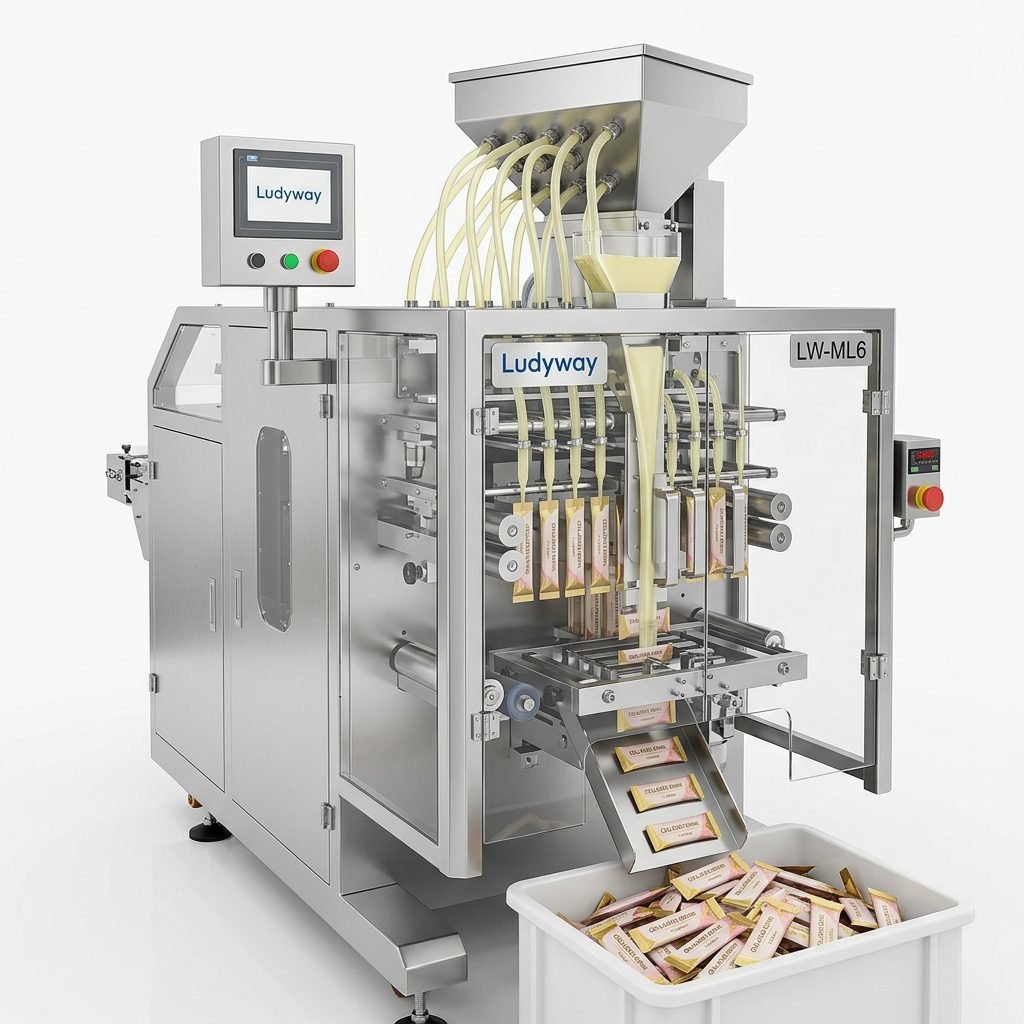
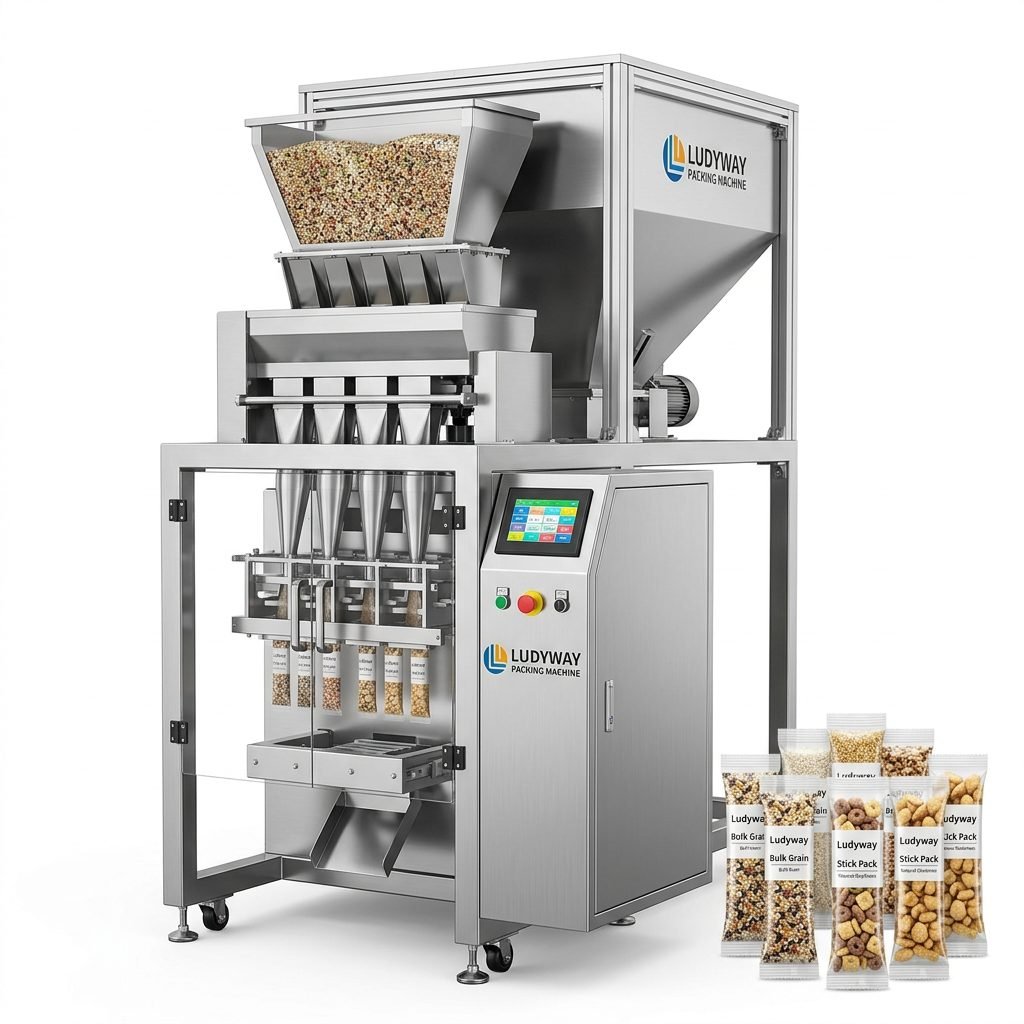
Stick Pack Machines
Stick pack systems are preferred for slim, portable, consumer-friendly packaging. They are especially suitable for drink powders, sugar, collagen, electrolyte mixes, and health products.
Premade Pouch Filling and Sealing Machines
These machines work with preformed pouches and are often used when premium shelf appearance or special pouch structures are required.
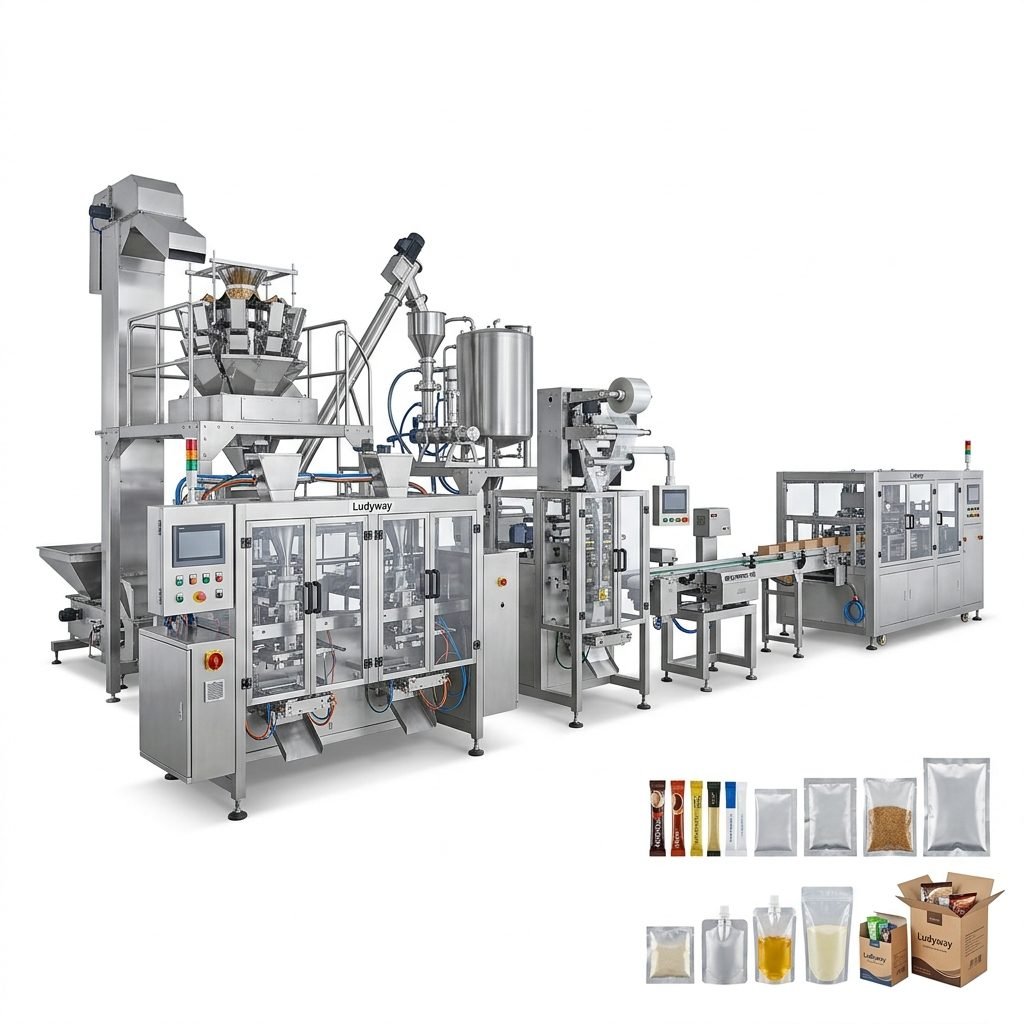
Turnkey Packaging Lines
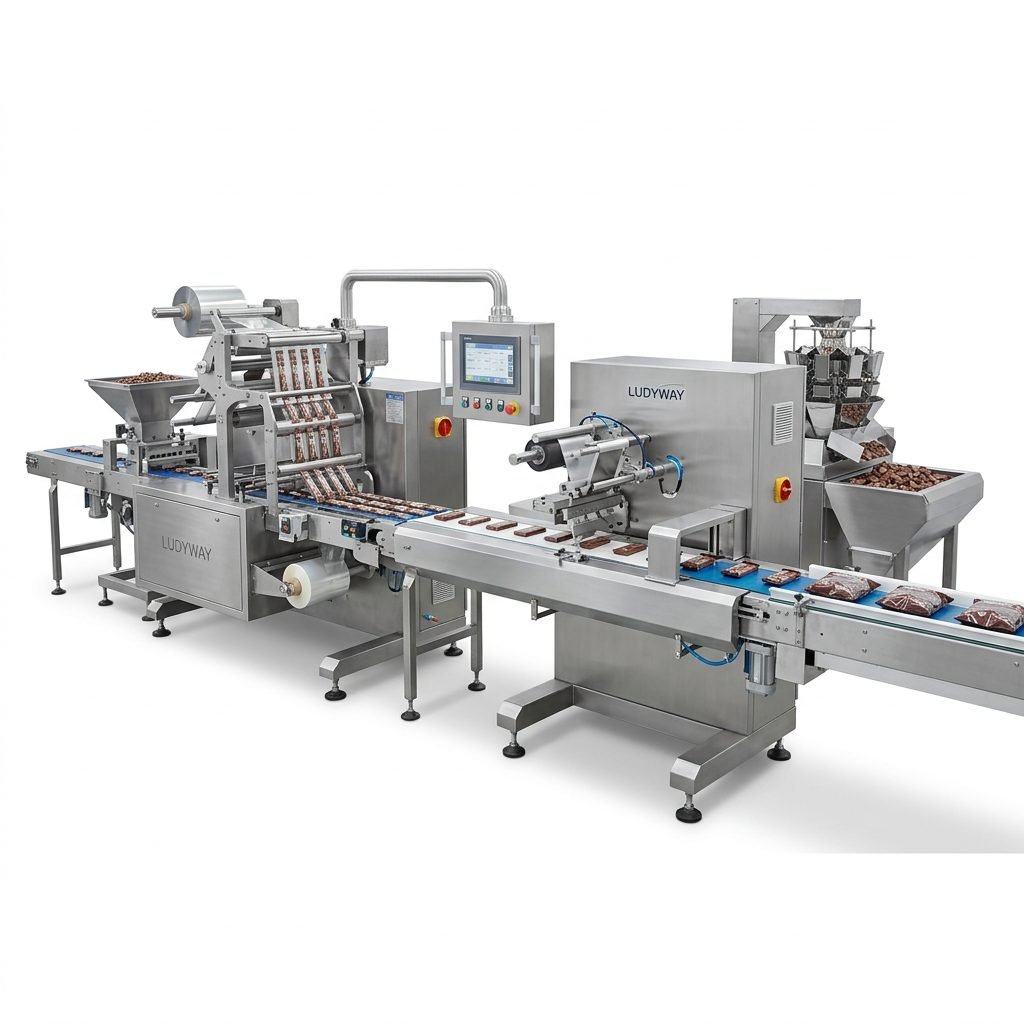
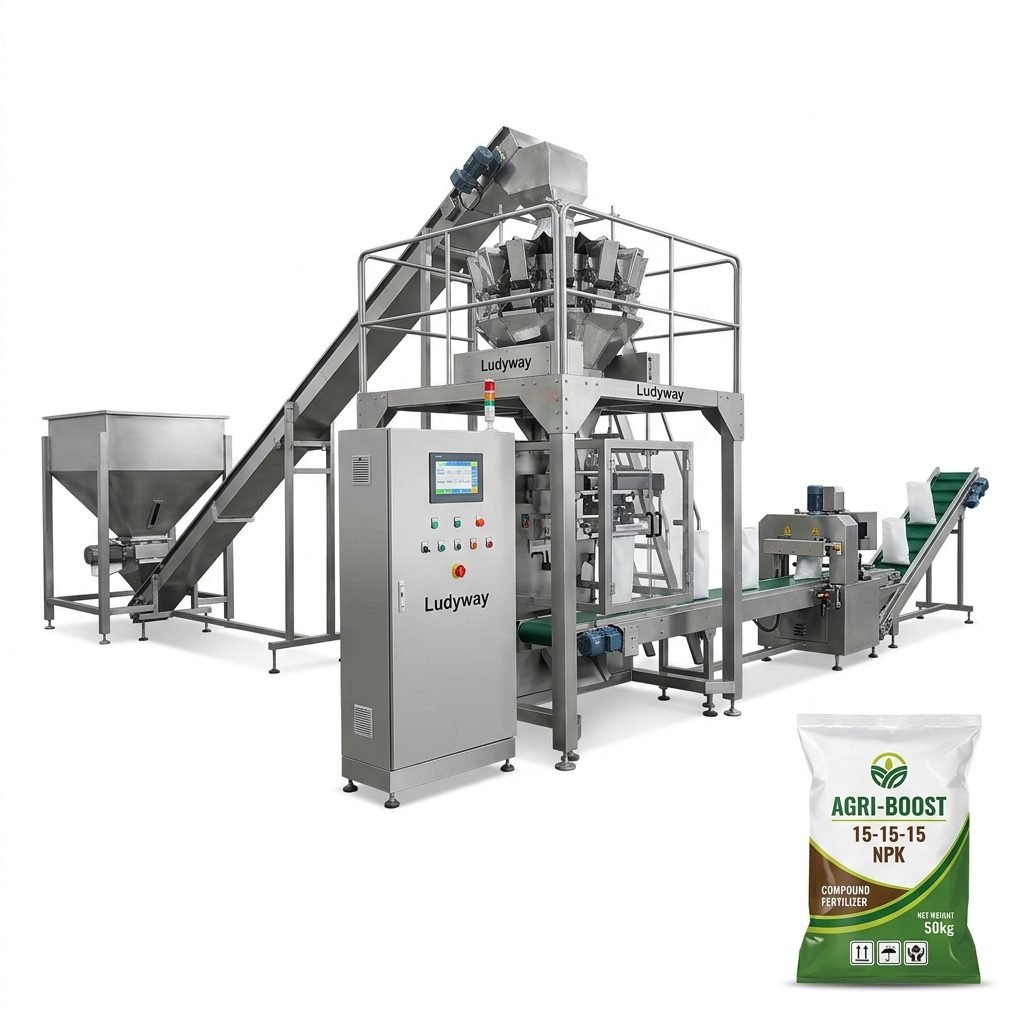
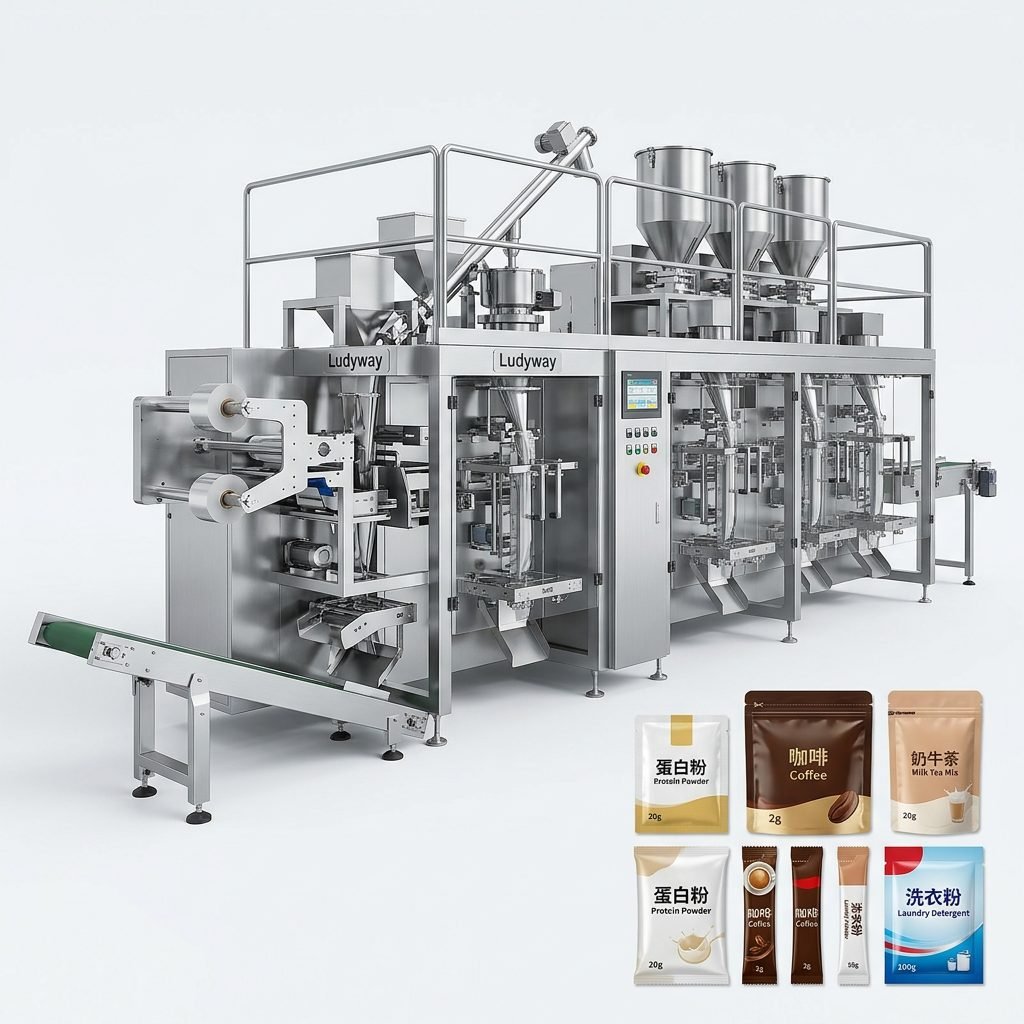
A turnkey line goes beyond a single machine. It may include feeding, mixing, filling, sealing, coding, inspection, cartoning, case packing, and palletizing. For growing factories, this integrated approach often creates better workflow and lower operating costs over time.
Benefits of Efficient Product Packing and Sealing Solutions
Selecting a fully automatic packaging system can bring measurable operational value.
- Higher output without proportional labor increases
- Improved package uniformity for better shelf appeal
- Lower material waste through more precise control
- Reduced downtime when properly matched to the product
- Better hygiene and sealing reliability in sensitive applications
- Scalable production as order volumes grow
For export-oriented manufacturers, stable packaging quality is particularly important. Products must arrive safely, remain sealed during transportation, and meet labeling and presentation expectations across different markets.
How to Choose the Right Automatic Packaging Machine
Not every machine fits every production need. The best solution depends on a combination of product characteristics, output target, packaging style, and future expansion plans.
Key selection factors
| Factor | Why It Matters |
|---|---|
| Product form | Powder, granule, liquid, or paste determines filling technology |
| Bag or pouch type | Packaging style affects machine structure and sealing design |
| Target speed | Required output influences lane count, automation level, and machine size |
| Accuracy requirements | Critical for pharma, supplements, and premium products |
| Material compatibility | Film type and sealability affect packaging stability |
| Cleaning and maintenance | Easy maintenance improves uptime and hygiene management |
| Future expansion | A scalable system supports long-term production planning |
Industries That Gain the Most from Packaging Automation
Food Industry
Food producers often need fast output, dependable sealing, and attractive retail packaging. Automated systems are widely used for coffee, sugar, spices, seasoning powders, sauce sachets, grains, snacks, and instant beverages.
Pharmaceutical and Health Supplement Industry
These sectors require stricter standards for dosage accuracy, cleanliness, traceability, and packaging integrity. Automated stick pack and sachet systems are commonly used for granules, powders, oral products, and medical consumables.
Cosmetic and Personal Care Industry
Creams, serums, lotions, gels, and sample packs benefit from repeatable filling and clean sealing. Automation supports high-speed output while preserving product appearance and reducing leakage risk.
Chemical and Daily-Use Product Industry
Detergents, cleaners, additives, and industrial chemicals often require robust machine design and reliable sealing performance, particularly when dealing with corrosive or fine powder materials.
Animal Feed and Pet Product Industry
Feed pellets, premixes, pet supplements, powders, and wet or dry pet food products can all benefit from high-volume automation and integrated weighing solutions.
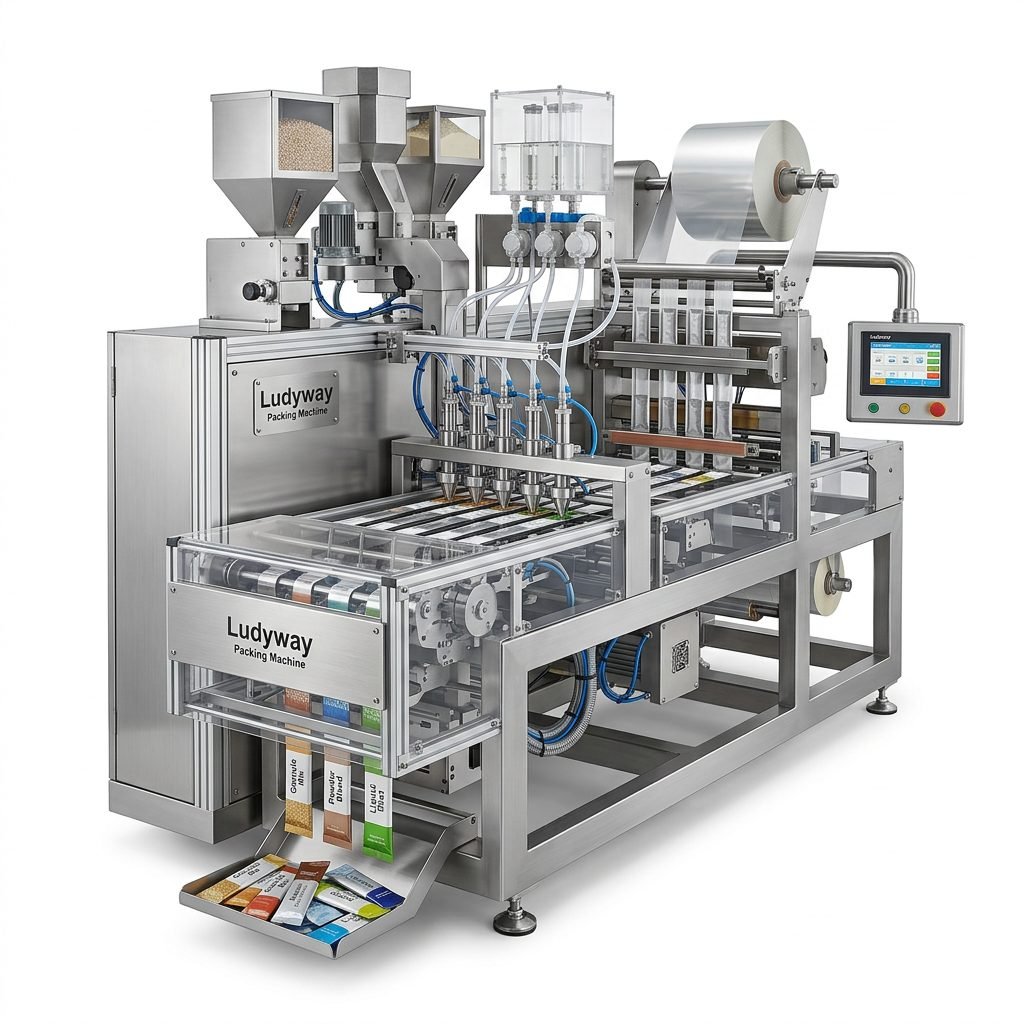
Important Features That Improve Packaging Performance
When comparing equipment, look beyond basic speed. The real value often comes from practical design details that improve daily operation.
- PLC and touchscreen controls for easier parameter setting
- Servo-driven motion for more stable film handling and positioning
- Multi-lane structure for higher small-pack output
- Accurate auger, volumetric, piston, or pump dosing systems
- Batch coding and date printing integration
- Quick-change parts for flexible product switching
- Stainless steel contact parts for hygienic production
- Optional inspection systems such as checkweighers or metal detectors
Standalone Machine or Complete Packaging Line?
A standalone automatic packaging machine can be ideal for targeted applications or smaller production upgrades. However, a complete line may offer better overall efficiency if your factory needs end-to-end process integration.
Complete packaging lines are especially valuable when you want to connect multiple stages such as material feeding, filling, sealing, coding, counting, cartoning, case packing, and palletizing. This reduces manual transfer points and supports smoother factory management.
A standalone machine is suitable when:
- You need to automate one specific packaging process
- Your current line already has compatible upstream and downstream equipment
- Production volume is moderate and format changes are limited
A turnkey line is suitable when:
- You are building a new packaging workshop
- You want synchronized control from feeding to final packing
- You need better labor efficiency and line balancing
- You are planning long-term production expansion
Working With an Experienced Packaging Machinery Manufacturer
The machine itself is important, but so is the supplier behind it. An experienced manufacturer can help evaluate your product, recommend the right dosing and sealing system, customize the configuration, and support installation and after-sales service.
For companies seeking scalable solutions, Ludyway packaging machine solutions offer a broad range of automatic equipment and turnkey lines for food, pharmaceutical, cosmetic, chemical, and related industries. With more than 30 years of manufacturing experience, a factory area of over 20,000 square meters, and export coverage across more than 100 countries and regions, the company is recognized as one of China’s leading packaging machinery manufacturers.
Maintenance Tips for Long-Term Machine Efficiency
Even the best automatic packaging machine requires proper maintenance to sustain high performance. A preventive approach helps reduce unexpected stoppages and extends equipment life.
- Clean product-contact parts regularly
- Inspect sealing components and temperature stability
- Check moving parts, belts, and drive systems
- Calibrate filling systems according to product changes
- Monitor wear parts and replace them before failure occurs
- Train operators on correct setup and changeover procedures
Final Considerations for Buyers
A well-matched automatic packaging machine does more than pack products—it improves efficiency, supports brand quality, and strengthens production consistency. Buyers should evaluate machinery not only by initial speed claims, but also by filling accuracy, sealing reliability, ease of cleaning, expandability, and supplier support.
If your goal is to achieve efficient product packing and sealing solutions, investing in a professionally engineered automatic packaging system is a practical step toward smarter manufacturing and sustainable growth.