Selecting the right crown capping machine is a critical decision for any beverage or bottling operation. The crown cap remains one of the most widely used closure types for glass bottles across beer, soda, sparkling water, and pharmaceutical industries. A well-chosen capping system directly impacts production efficiency, seal integrity, and long-term operational costs. This comprehensive buyer’s guide walks you through the essential factors to evaluate before making your investment.
Understanding Crown Capping Machine Types
Before diving into specifications, it is important to understand the different categories of crown capping equipment available on the market. Each type serves specific production scales and automation requirements. The packaging machinery market continues to evolve with advancing automation technologies.
Manual and Semi-Automatic Cappers
Manual crown cappers require an operator to place each cap and activate the sealing mechanism. These systems are suitable for startups, craft breweries, and small-batch producers with limited output requirements. Semi-automatic models assist with the capping motion but still rely on manual cap placement, offering a cost-effective entry point for growing operations.
Inline Automatic Crown Capping Machines
Inline automatic cappers integrate directly into existing conveyor systems. As bottles move along the production line, caps are automatically sorted, oriented, and applied at high speed. These machines can handle anywhere from 1,000 to over 20,000 bottles per hour, depending on the number of capping heads and the machine configuration.
Rotary Capping Systems
For high-volume operations, rotary crown capping machines represent the industry standard. Bottles enter a rotating turret where multiple capping heads work simultaneously, achieving the highest throughput rates. Rotary systems are commonly found in major breweries and soft drink bottling plants where production demands exceed 30,000 bottles per hour.
Key Factors to Consider When Choosing a Crown Capper
Evaluating a crown capping machine requires analyzing several interconnected factors. The following considerations will help you match equipment capabilities to your operational needs. Industry organizations like PMMI provide valuable resources for understanding packaging machinery standards.
1. Production Speed and Throughput Requirements
Your current and projected production volumes should drive the speed specification of your capping equipment. Consider the following benchmarks when evaluating capacity:
- Small-scale operations (under 3,000 bottles/hour): Semi-automatic or compact inline systems
- Medium-scale production (3,000–10,000 bottles/hour): Multi-head inline automatic cappers
- Large-scale bottling (10,000–30,000+ bottles/hour): Rotary capping systems with synchronized bottle handling
- High-speed industrial lines (30,000+ bottles/hour): Fully integrated rotary monoblock systems
2. Bottle Size and Shape Compatibility
Crown capping machines must accommodate your specific bottle specifications. Key dimensional factors include bottle height, neck diameter, body diameter, and overall shape. Many state of the industry reports highlight the growing diversity in packaging formats that modern machinery must handle. Quick-changeover capabilities are essential if you run multiple bottle formats on the same line.
3. Cap Size and Material Specifications
Standard crown caps come in 26mm and 29mm sizes, but variations exist depending on regional standards and product requirements. The capping machine must be configured for the correct cap diameter, material thickness, and liner type. Inconsistent cap specifications can lead to sealing failures and production downtime.
4. Automation and Integration Level
Modern crown capping machines offer varying degrees of automation. Consider how the equipment will integrate with your existing or planned production infrastructure:
- Cap feeding systems: Vibratory bowl, centrifugal, or elevator-type cap sorters
- Bottle handling: Conveyor synchronization, star-wheel infeed, and outfeed mechanisms
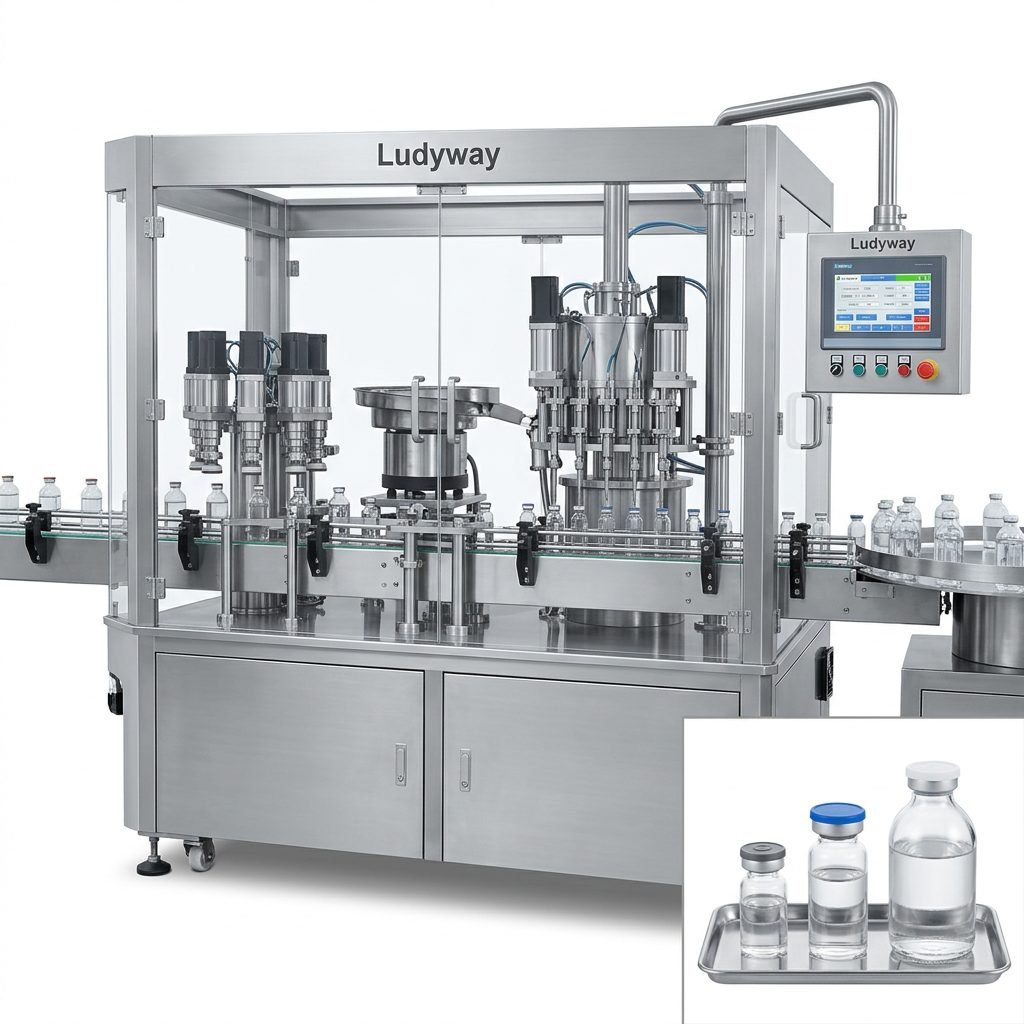
- Control systems: PLC-based controls with HMI touchscreen interfaces for parameter adjustment
- Quality inspection: Integrated vision systems for cap presence, orientation, and seal verification
- Line integration: Compatibility with upstream fillers and downstream labeling or packaging equipment
5. Changeover Flexibility
If your facility bottles multiple products with different bottle or cap specifications, changeover time becomes a significant operational factor. Quick-change designs with tool-less adjustments can reduce downtime between production runs from hours to minutes. Evaluate the ease of adjustment for bottle height, capping head spacing, and cap feeding mechanisms.
Evaluating Build Quality and Materials
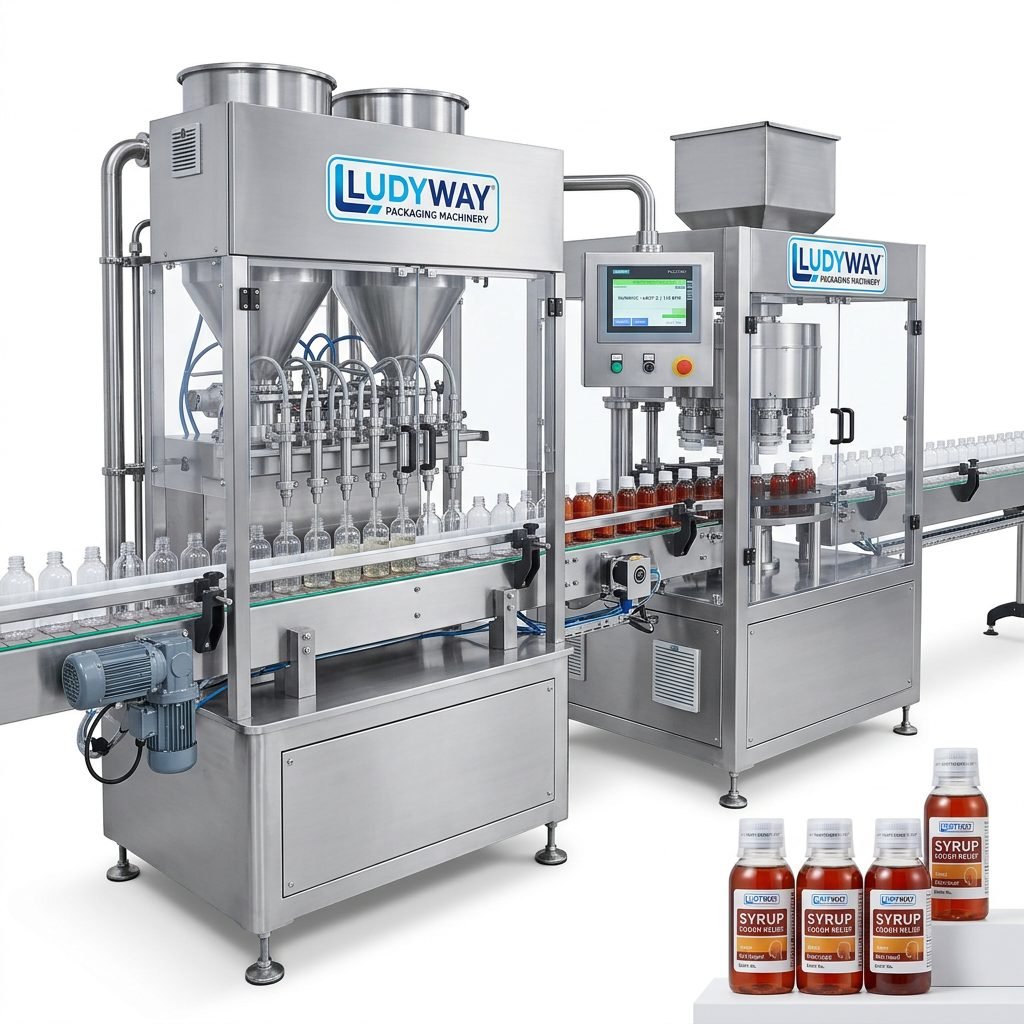
The construction quality of a crown capping machine directly affects its longevity and reliability. Focus on the following aspects when assessing build quality:
| Component | Recommended Material | Why It Matters |
|---|---|---|
| Frame and chassis | Stainless steel or heavy-gauge carbon steel | Provides stability under high-speed operation |
| Capping heads | Hardened tool steel with anti-corrosion treatment | Withstands repeated impact and resists wear |
| Product contact parts | Food-grade stainless steel (304 or 316L) | Prevents contamination in beverage applications |
| Seals and gaskets | FDA-compliant elastomers | Ensures hygiene and chemical resistance |
| Control panel enclosure | IP65 or higher rated stainless steel | Protects electronics in wet production environments |
| Conveyor components | Wear-resistant plastics and stainless steel | Reduces maintenance frequency and ensures smooth operation |
Maintenance, Serviceability, and Spare Parts
Even the most robust crown capping machines require regular maintenance. When evaluating equipment, consider the manufacturer’s approach to serviceability. Easy access to wear components such as capping heads, springs, and guide rails significantly reduces maintenance time. Verify that genuine spare parts are readily available and that the manufacturer provides clear service documentation. According to Flexible Packaging Association resources, equipment serviceability is a top priority for packaging line operators worldwide.
Compliance and Industry Standards
Crown capping machines used in food and beverage production must comply with relevant safety and hygiene standards. Key compliance considerations include:
- Food safety regulations: Compliance with FDA food packaging and food contact substances requirements for machines handling consumable products
- CE marking: Required for equipment sold in the European Economic Area
- UL certification: Electrical safety standards for North American markets
- GMP compatibility: Design features that support Good Manufacturing Practices in pharmaceutical and nutraceutical applications
- ISO standards: Alignment with relevant ISO packaging standards for equipment quality and performance
Total Cost of Ownership Analysis
The purchase price of a crown capping machine is only one component of its total cost. A comprehensive cost analysis should account for the following factors over the expected lifespan of the equipment, typically 10 to 15 years:
- Initial capital expenditure: Machine purchase, shipping, installation, and commissioning
- Operational costs: Energy consumption, compressed air usage, and consumable parts
- Maintenance expenses: Routine service, wear part replacement, and unexpected repairs
- Downtime costs: Production losses during maintenance, changeovers, and unscheduled stoppages
- Training: Operator and maintenance staff training requirements
- Integration expenses: Costs associated with connecting the capper to existing conveyors and control systems
Investing in higher-quality equipment upfront often results in lower total ownership costs over time, particularly in high-utilization production environments.
Working with the Right Equipment Partner
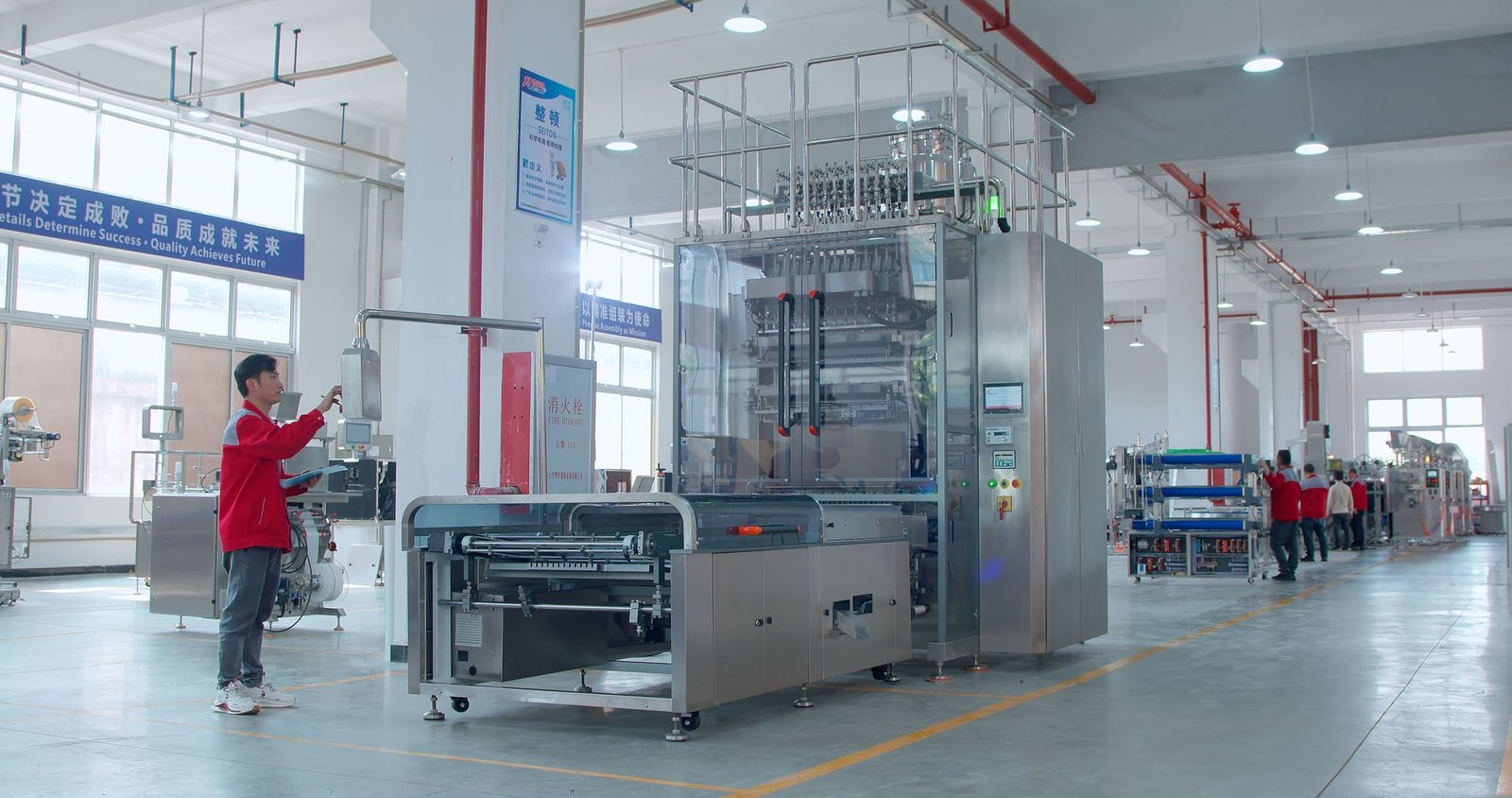
Choosing a crown capping machine is not just about selecting hardware—it is about establishing a relationship with an equipment partner who understands your production goals. The ideal supplier should offer engineering support, application expertise, and responsive after-sales service. Manufacturers that provide turnkey solutions, including upstream filling and downstream labeling integration, can simplify project management and ensure line-wide compatibility.
Companies with extensive experience across multiple industries bring valuable cross-sector knowledge to each application. For instance, Ludyway Machinery, a China-based packaging machinery manufacturer with more than 30 years of industry experience and a 20,000-square-meter manufacturing facility, has developed over 50 packaging machine models serving customers in more than 100 countries. The company is expected to achieve export revenue of more than RMB 500 million (approximately US$69 million) in 2025 and plans to surpass RMB 1 billion (approximately US$138 million) in export revenue in 2026, reflecting the growing global demand for automated packaging solutions. For deeper insight into industry trends driving this growth, refer to the analysis on packaging machinery global growth trends.
Installation, Commissioning, and Training
A crown capping machine represents a significant operational investment, and proper installation is essential for achieving rated performance. Evaluate whether the supplier provides on-site installation support, remote commissioning assistance, or comprehensive documentation for self-installation. Operator training programs should cover machine operation, routine maintenance, troubleshooting, and safety procedures. Thorough training reduces the learning curve and helps prevent operational errors that could damage equipment or compromise product quality.
Key Questions to Ask Potential Suppliers
Before finalizing your purchasing decision, use the following questions to guide discussions with equipment manufacturers:
- What production speeds can the machine achieve with our specific bottle and cap specifications?
- How long does a complete bottle format changeover take, and what tools are required?
- What is the expected lifespan of the capping heads and other wear components?
- Can the machine be upgraded or expanded if production needs increase?
- What remote support and diagnostics capabilities are available?
- How quickly can spare parts be shipped to our facility location?
- Does the supplier offer factory acceptance testing (FAT) before shipment?
- What warranty coverage is provided, and what does it include?
- Are there reference sites where we can see similar equipment in operation?
- How does the machine handle cap feeding issues or misaligned bottles without stopping the entire line?
Making the Final Decision
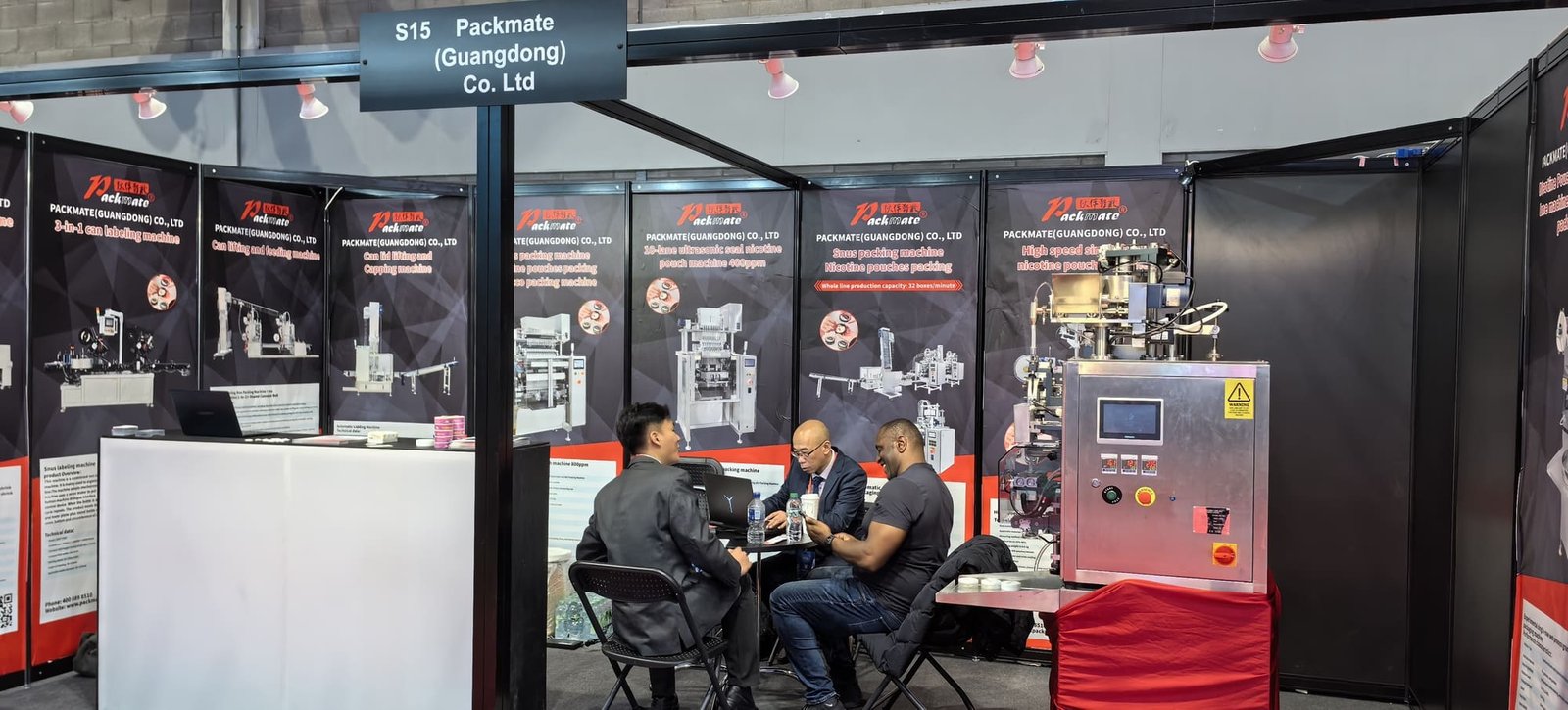
Selecting the right crown capping machine involves balancing production requirements, budget constraints, and long-term operational goals. Start by clearly defining your throughput needs, bottle and cap specifications, and desired automation level. Research equipment options from reputable manufacturers, request detailed proposals, and whenever possible, visit reference installations or schedule equipment demonstrations. The PACK EXPO International and similar industry events provide excellent opportunities to compare equipment from multiple manufacturers in person.
A methodical evaluation process that considers speed, compatibility, build quality, compliance, total cost of ownership, and supplier support will lead to an equipment investment that delivers reliable performance for years to come. The right crown capping machine becomes a cornerstone of your production line, ensuring consistent seal quality and efficient operation across every shift.