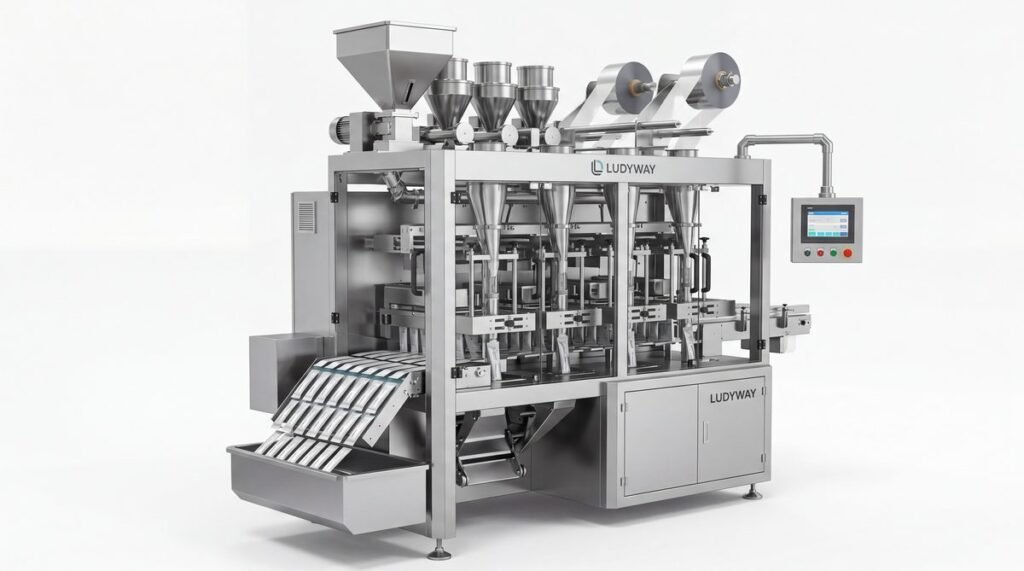
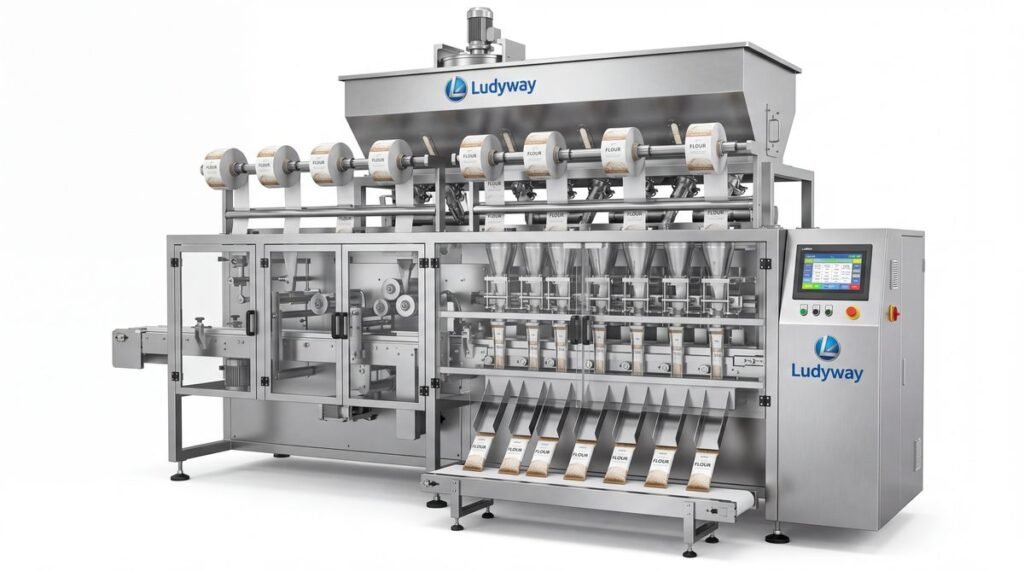
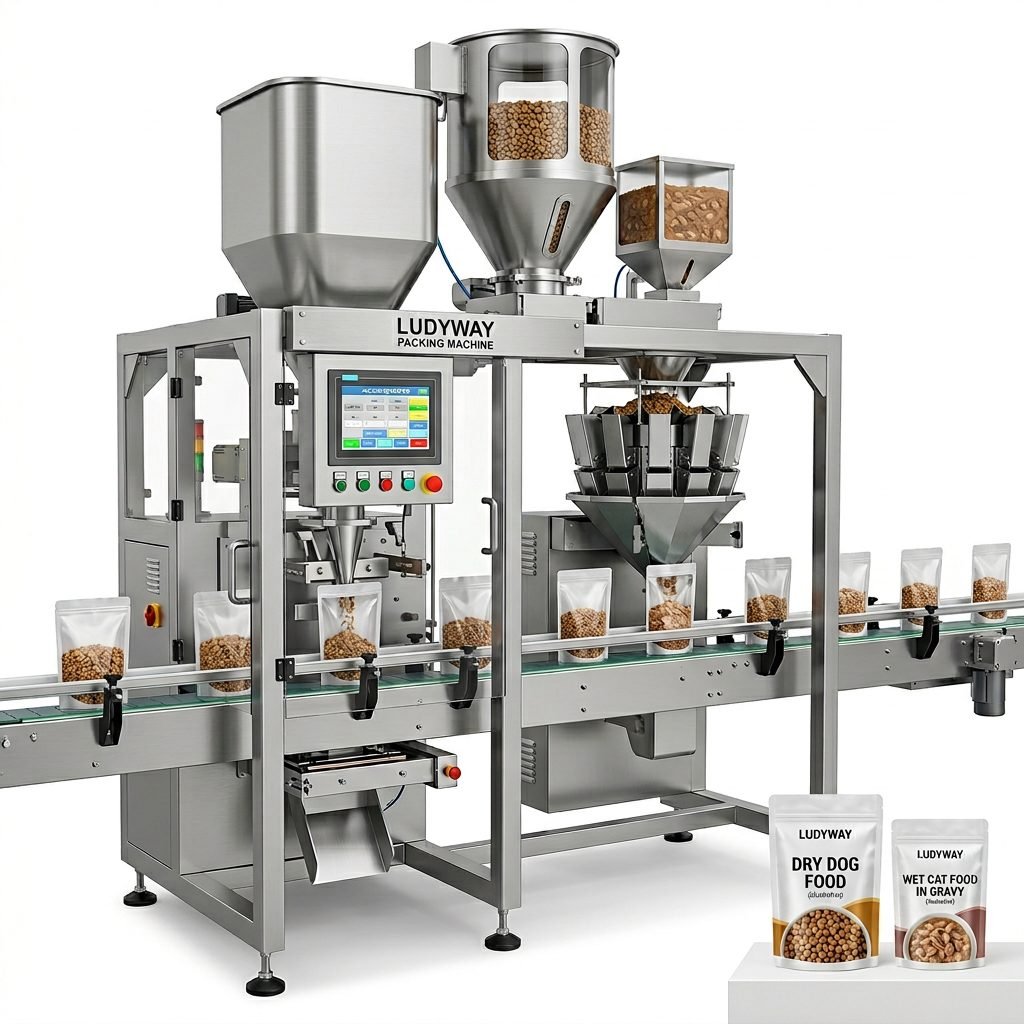
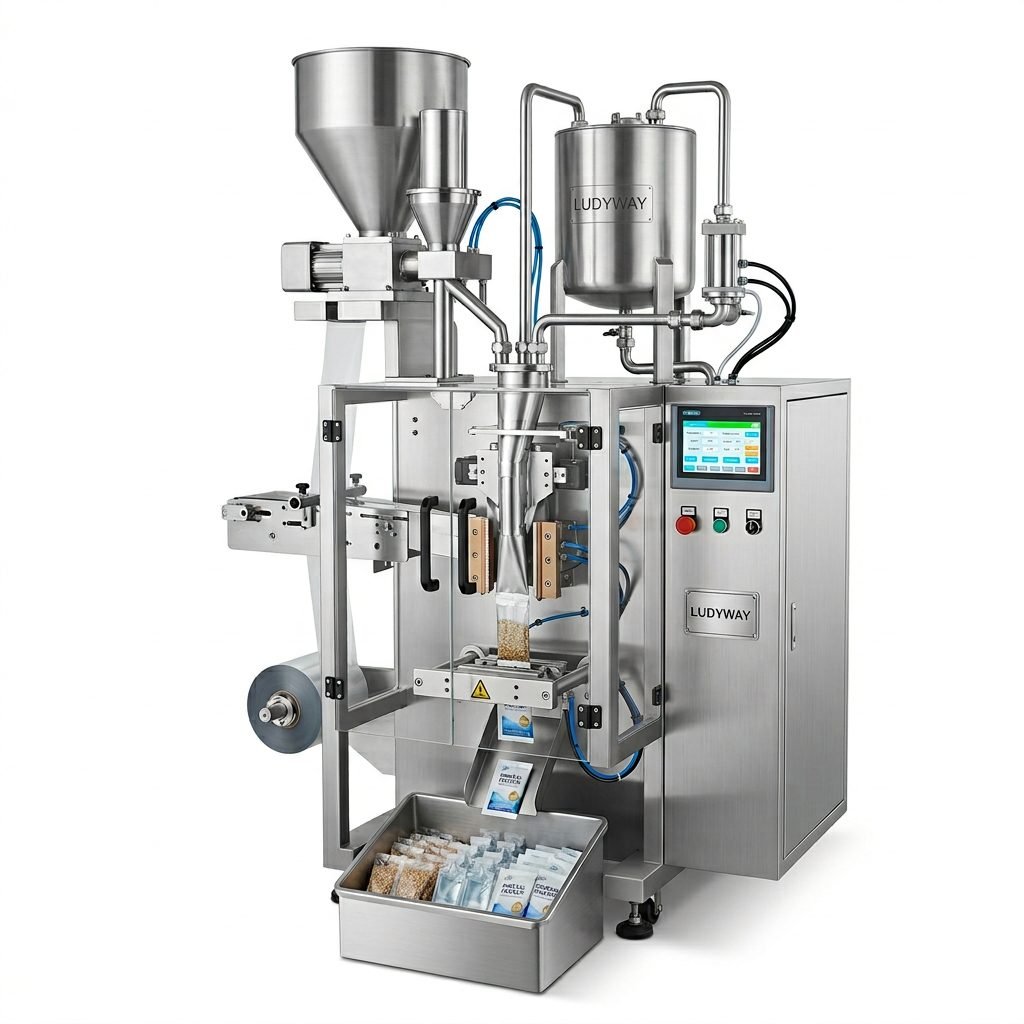
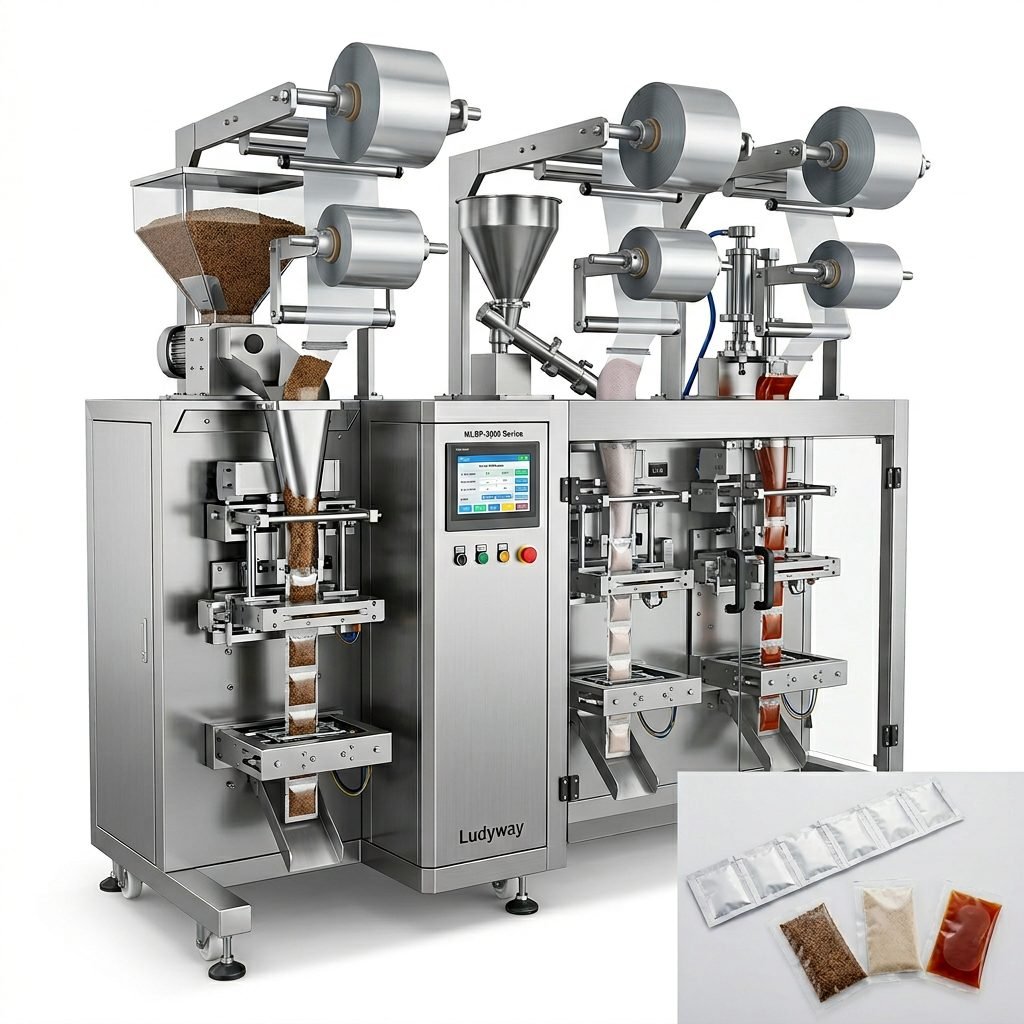
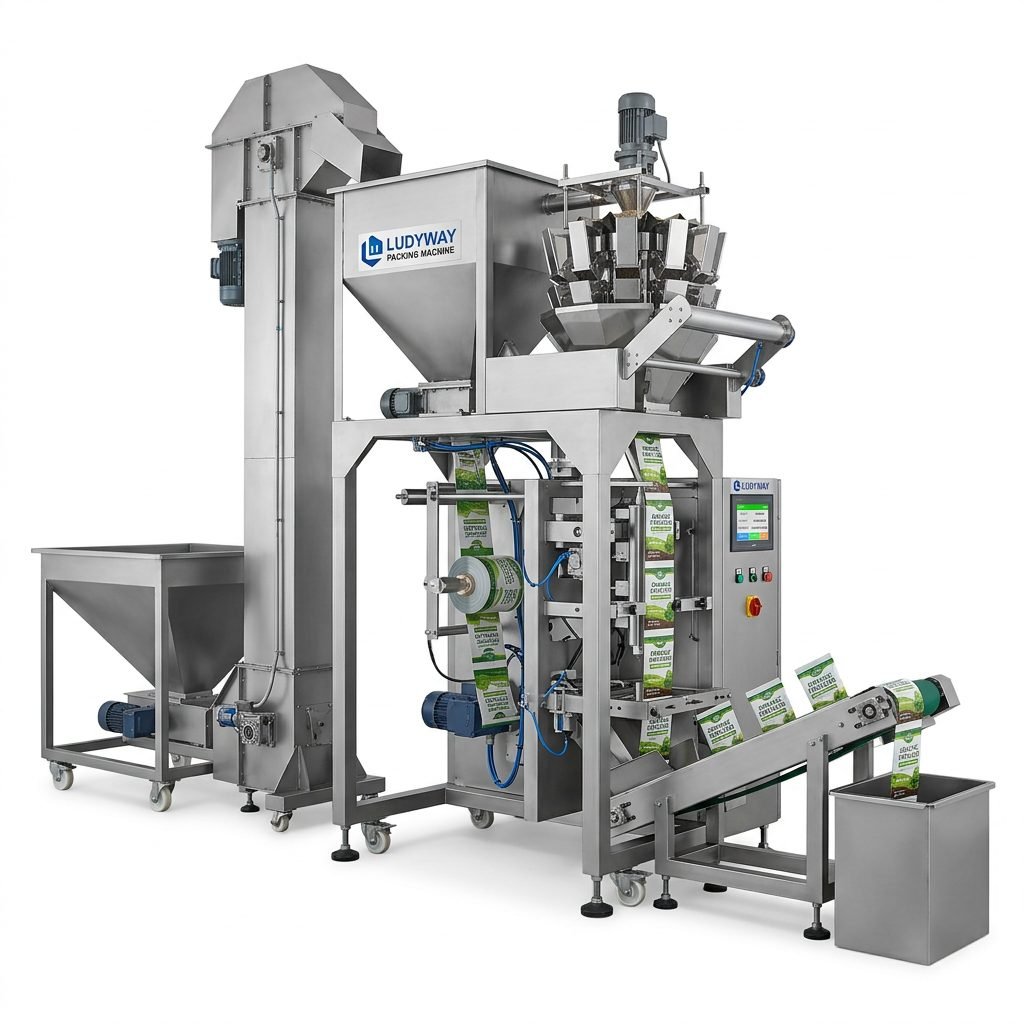
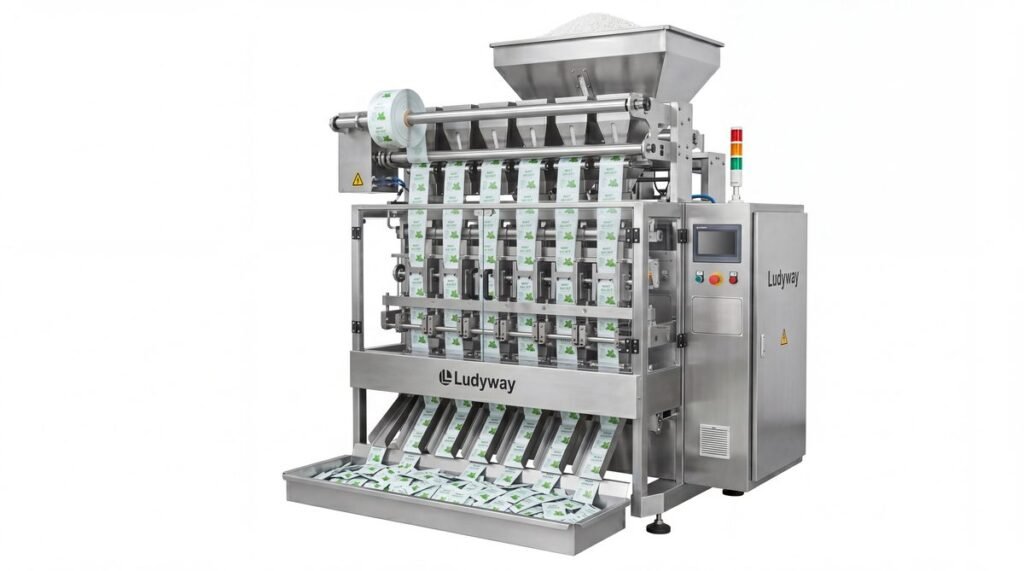
Investing in used Horizontal Form Fill Seal (HFFS) packaging equipment can be a strategic move for businesses looking to enhance their production capabilities while managing capital expenditure. This guide provides a comprehensive roadmap for navigating the pre-owned HFFS market, covering essential steps from initial selection and thorough inspection to final acquisition and cost-saving strategies.
Understanding the Used HFFS Machine Market
The market for used horizontal form fill seal machines is diverse, offering machines from various generations and manufacturers. A used HFFS machine can provide excellent value, but it requires a diligent approach to ensure you get a reliable piece of equipment that fits your specific packaging needs for granules, powders, or liquids.
Key Consideration: The core advantage of a used HFFS machine is accessing higher-end technology or faster production speeds at a fraction of the cost of a new unit. This is particularly beneficial for startups, companies testing new product lines, or operations needing to add capacity without a massive upfront investment.
Step 1: Defining Your Packaging Requirements
Before browsing listings, you must have a crystal-clear understanding of your requirements. This foundational step prevents costly mismatches.
Product Specifications
- Product Type: Is your product a fine powder, granular solid, viscous liquid, or small piece? This dictates the type of auger filler, volumetric cup, or pump system the machine must have.
- Packaging Material: Determine the film type (e.g., laminates, PET/PE, metallized films) and thickness. The machine’s sealing jaws and temperature controls must be compatible.
- Bag Size & Style: Define the minimum and maximum bag dimensions (length, width) and the desired style (e.g., pillow bag, gusseted, zipper).
Production Output
Calculate your required speed in bags per minute (BPM). Be realistic about your current and near-future needs. A machine capable of 200 BPM is useless if it constantly jams on your product; reliability at a lower, steady speed is often more valuable.
Step 2: Sourcing and Selecting Potential Machines
Once your specs are defined, begin your search through reputable channels.
- Specialized Dealers: Reputable dealers like Ludyway Machinery often refurbish and warranty their used equipment, providing greater peace of mind.
- Auctions & Direct from Manufacturers: These can offer lower prices but typically come “as-is” with no support.
- Online Marketplaces: Use these with caution. Verify the seller’s history and insist on detailed documentation.
When evaluating a listing, prioritize machines with complete documentation: original manuals, maintenance logs, parts lists, and schematics. A well-documented machine usually indicates a well-maintained one.
The Critical Inspection Process
Never buy a used HFFS machine sight unseen. A thorough inspection is non-negotiable. If you cannot perform it yourself, hire a qualified technician.
Mechanical & Structural Inspection
- Frame and Structure: Check for cracks, welds, or signs of impact. The frame must be rigid and level.
- Drive System: Inspect gears, chains, and servos for wear, proper lubrication, and smooth operation. Listen for unusual noises during a test run.
- Sealing Jaws: This is crucial. Examine the sealing surfaces for pitting, scoring, or uneven wear. Worn jaws cause leakers. Check the heating elements and temperature sensors for functionality.
- Film Transport System: Look at the pull belts, rollers, and guides. They should be clean, aligned, and free of deep grooves or sticky residue.
Electrical & Control System Check
Modern HFFS machines are electronically sophisticated. Inspect the control cabinet for dust, moisture damage, or burnt components. Power on the machine and test the Human-Machine Interface (HMI) or PLC. Navigate through menus, check error logs, and ensure all inputs/outputs respond correctly. Verify the condition of motors, drives, and sensors.
Performance Test Run
The most telling part of the inspection is a live run with your actual product and film (or reasonable equivalents).
- Observe the film path for consistent tracking and tension.
- Monitor the filling system for accuracy and repeatability. Weigh several finished bags to check fill weight consistency.
- Inspect seals immediately after they are made. They should be strong, uniform, and free of wrinkles or burn marks.
- Assess the overall cycle speed and stability. Does it run smoothly, or does it vibrate and jam?
Strategies to Maximize Savings and Value
Saving money isn’t just about the purchase price; it’s about the total cost of ownership.
Negotiating the Purchase
Use your inspection findings as leverage in negotiations. Itemize any needed repairs or replacement parts (e.g., new sealing jaws, pull belts, sensors) and request a price reduction or for the seller to include them. Inquire about included spare parts or tooling.
Planning for Integration and Support
Factor in post-purchase costs: rigging, shipping, installation, and commissioning. A key savings strategy is securing reliable technical support. Partnering with a provider like Ludyway Packaging Machinery, which offers over 30 years of industry experience and a portfolio of 50+ intelligent packaging models, ensures you have access to expertise for setup, troubleshooting, and ongoing maintenance, protecting your investment.
Long-Term Cost Management
- Preventive Maintenance: Immediately upon acquisition, establish a rigorous PM schedule based on the machine’s manual and runtime.
- Parts Inventory: Identify and stock critical spare parts (common seals, fuses, sensors) to minimize downtime.
- Operator Training: Well-trained operators reduce waste, prevent misuse, and catch small issues before they become major failures.
Frequently Asked Questions (FAQs)
What is the biggest risk when buying a used HFFS machine?
The greatest risk is hidden mechanical or electrical damage that leads to excessive downtime and repair costs shortly after purchase. This is mitigated by a comprehensive, in-person inspection and purchasing from a reputable source that offers a warranty.
How much should I budget for repairs and refurbishment after purchase?
As a rule of thumb, set aside 15-25% of the purchase price for immediate repairs, replacement wear parts (like sealing jaws and pull belts), and recommissioning. This ensures the machine is in reliable working order for production.
Can a used HFFS machine be adapted to run a different packaging material?
Often, yes, but it requires modifications. You may need to change the film unwind system, sealing jaw profiles or temperatures, and potentially the forming collar. Consult with a packaging engineer or the original equipment manufacturer to assess feasibility and cost.
Is technical support available for older used machine models?
Availability varies. While original manufacturers may phase out support for very old models, specialized suppliers and third-party service companies like Ludyway Machinery often support a wide range of equipment using their extensive industry knowledge and cross-model expertise.
How do I verify the production speed claims of a used machine?
Do not rely solely on the manufacturer’s original maximum speed rating. Request a video of a live test run producing bags at a claimed speed, or, ideally, witness it in person. The sustainable, reliable speed is more important than a brief, unstable top speed.