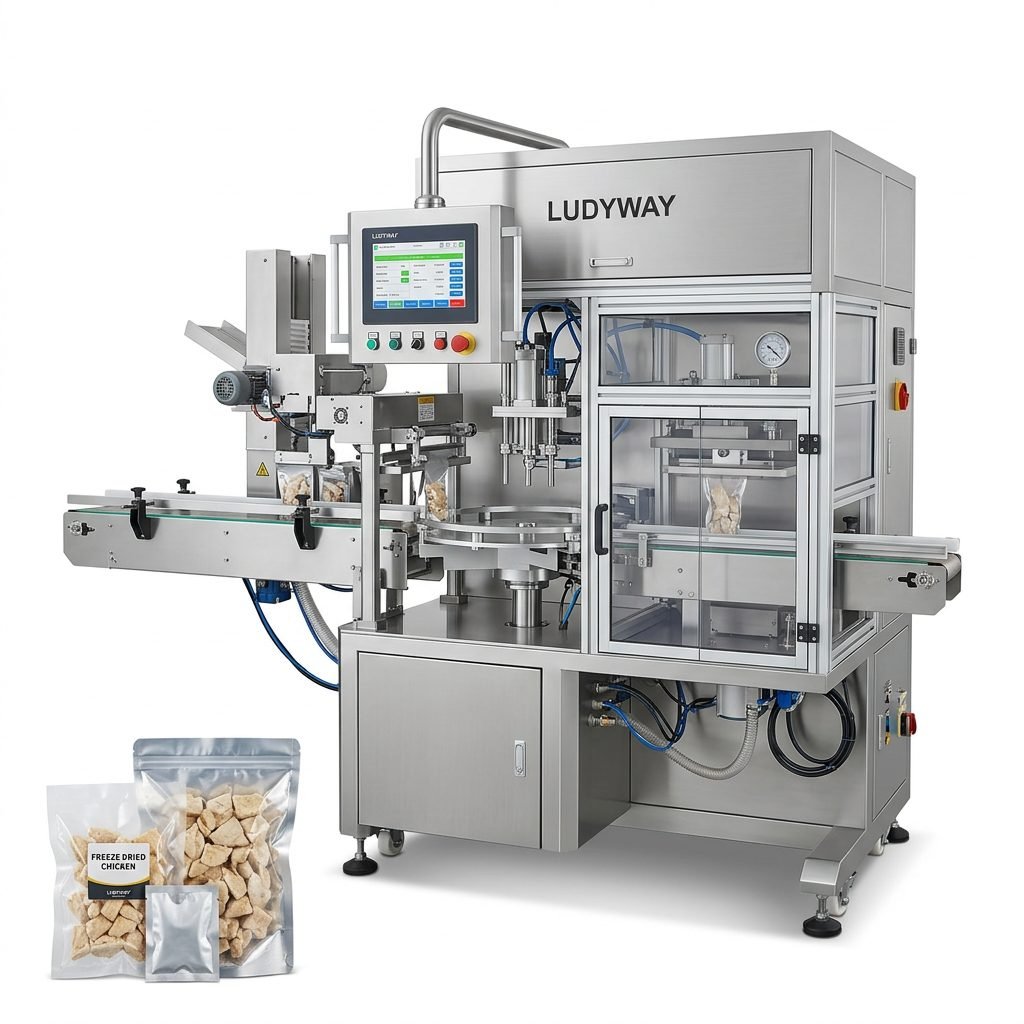
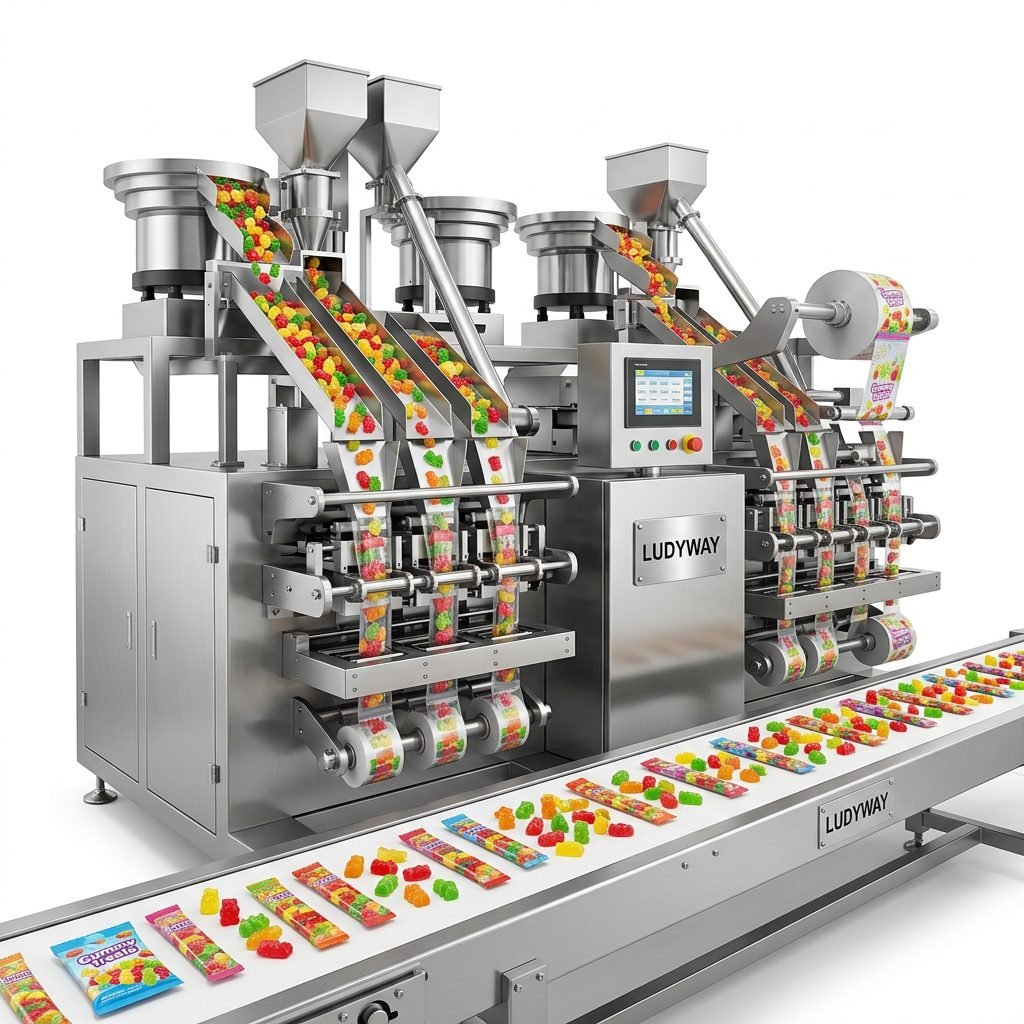
Investing in a curry packing machine is a strategic decision that directly impacts your production efficiency, product quality, and bottom line. Whether you are packing aromatic curry powder, vibrant turmeric blends, or ready-to-eat curry paste, the right automated packaging system ensures consistency, speed, and hygiene. This comprehensive buyer’s guide walks you through the essential factors to consider before purchasing a curry packaging solution, helping you make an informed investment that scales with your business.
Understanding Your Production Requirements
Before exploring specific machinery, you must define your production capacity and packaging format needs. The curry industry spans from small artisanal producers to large-scale industrial manufacturers, and the equipment must match your output goals.
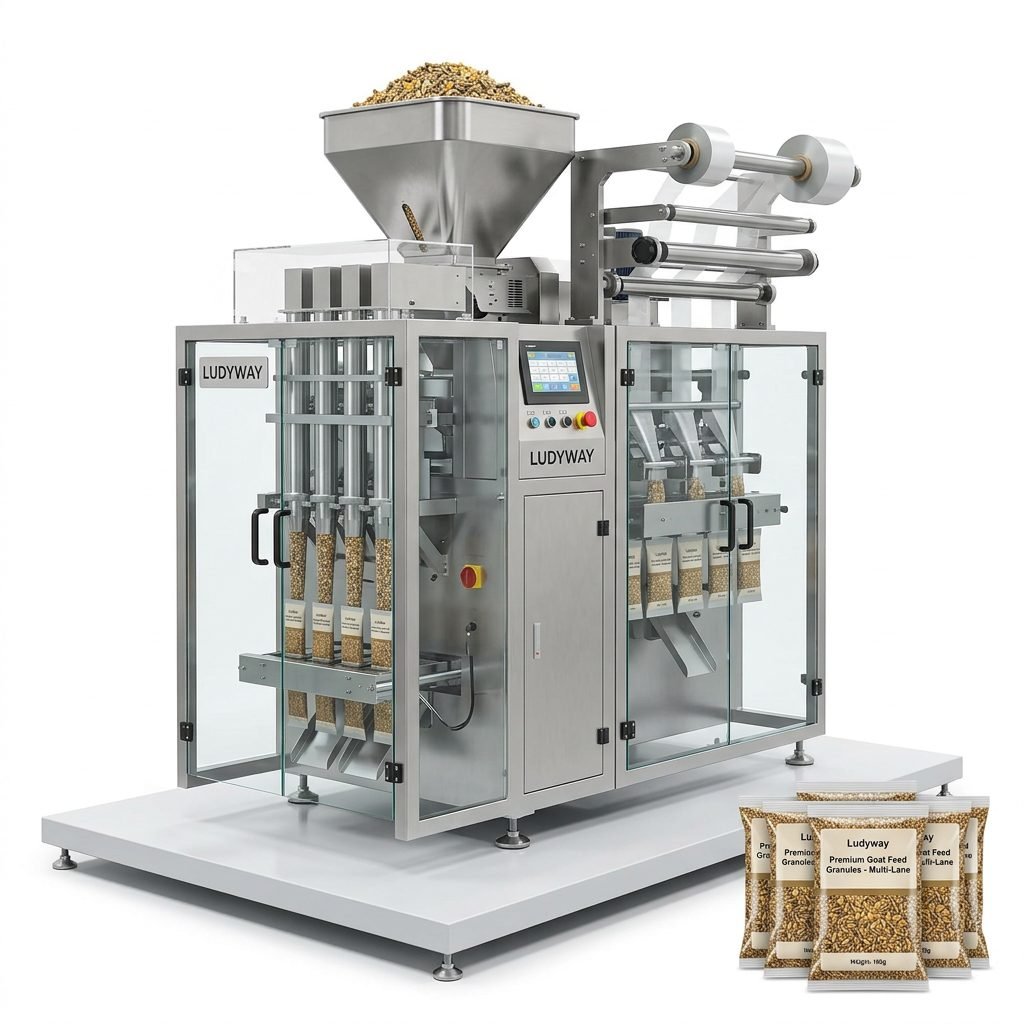
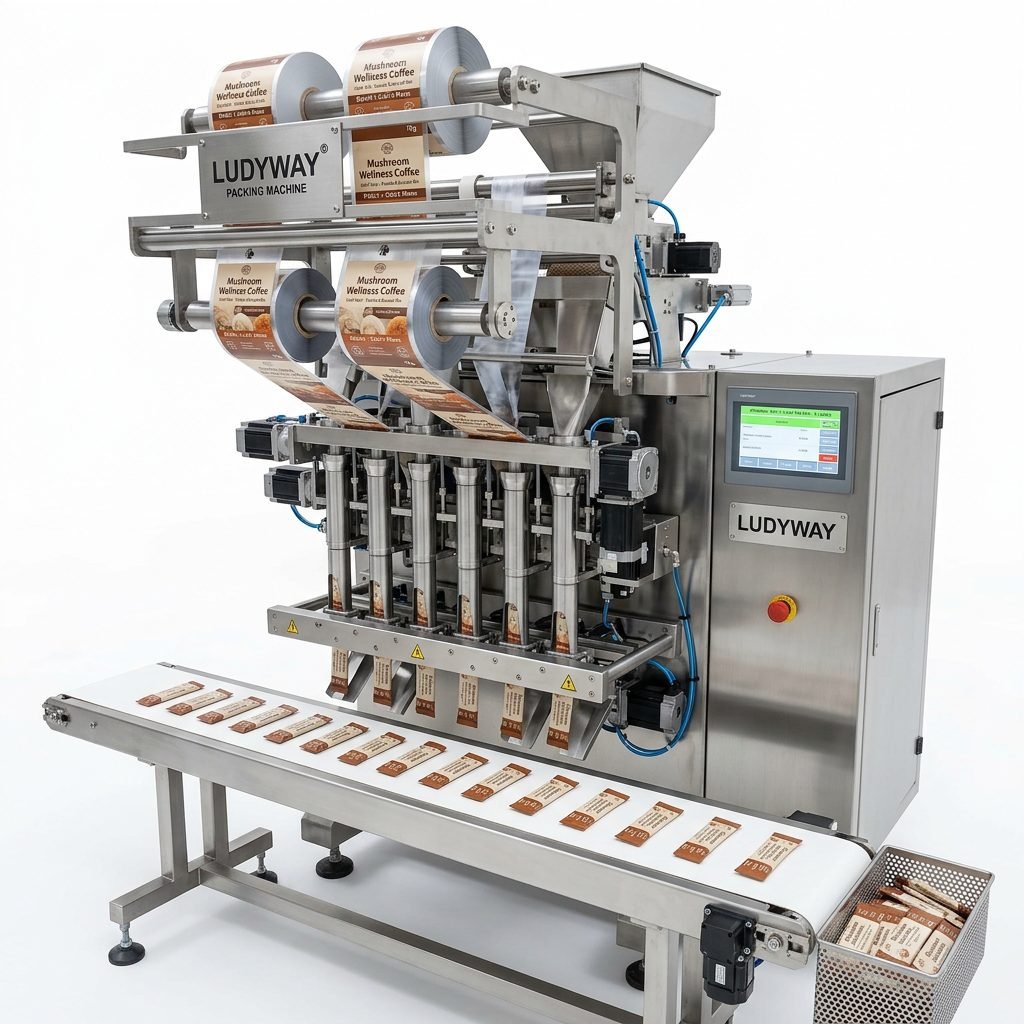
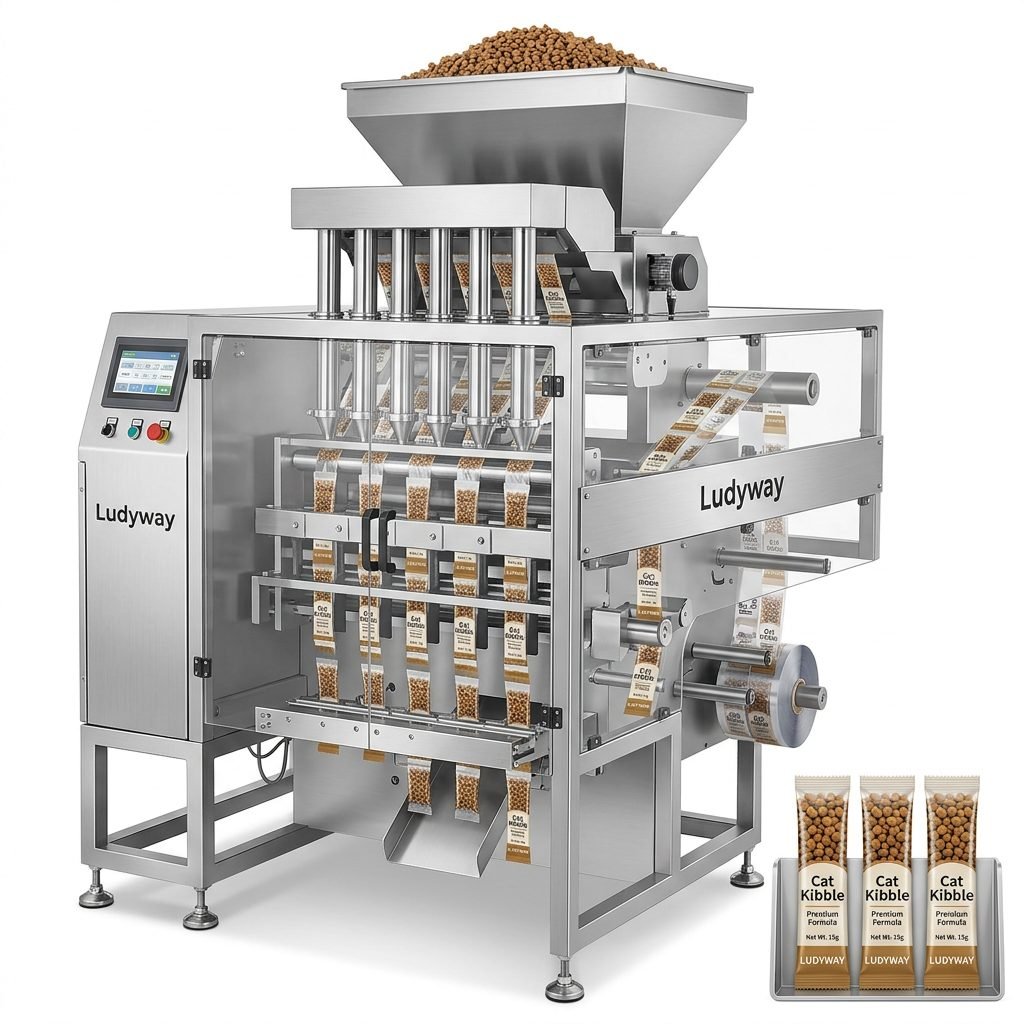
- Target output speed: Determine how many packs per minute (PPM) you require. Entry-level machines may run at 30–60 PPM, while high-speed multi-lane stick pack machines can exceed 400 PPM.
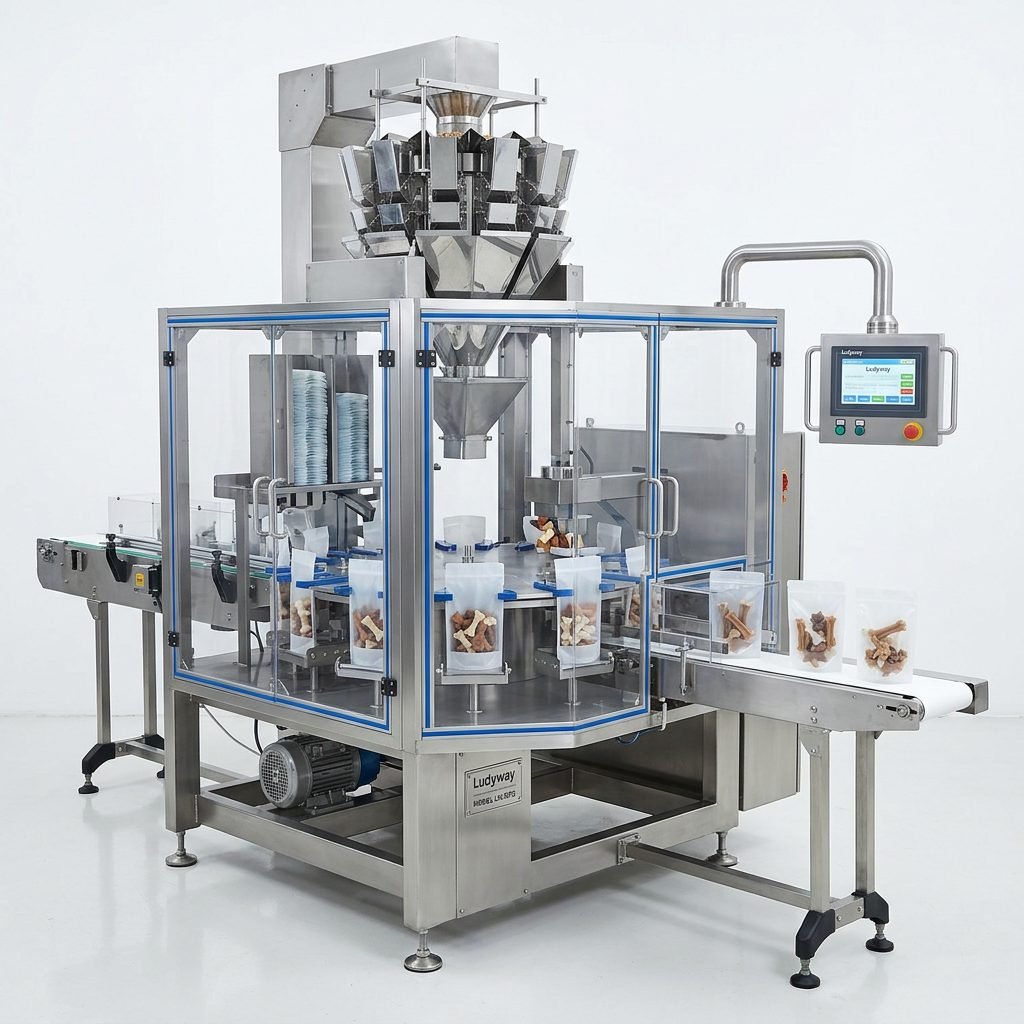
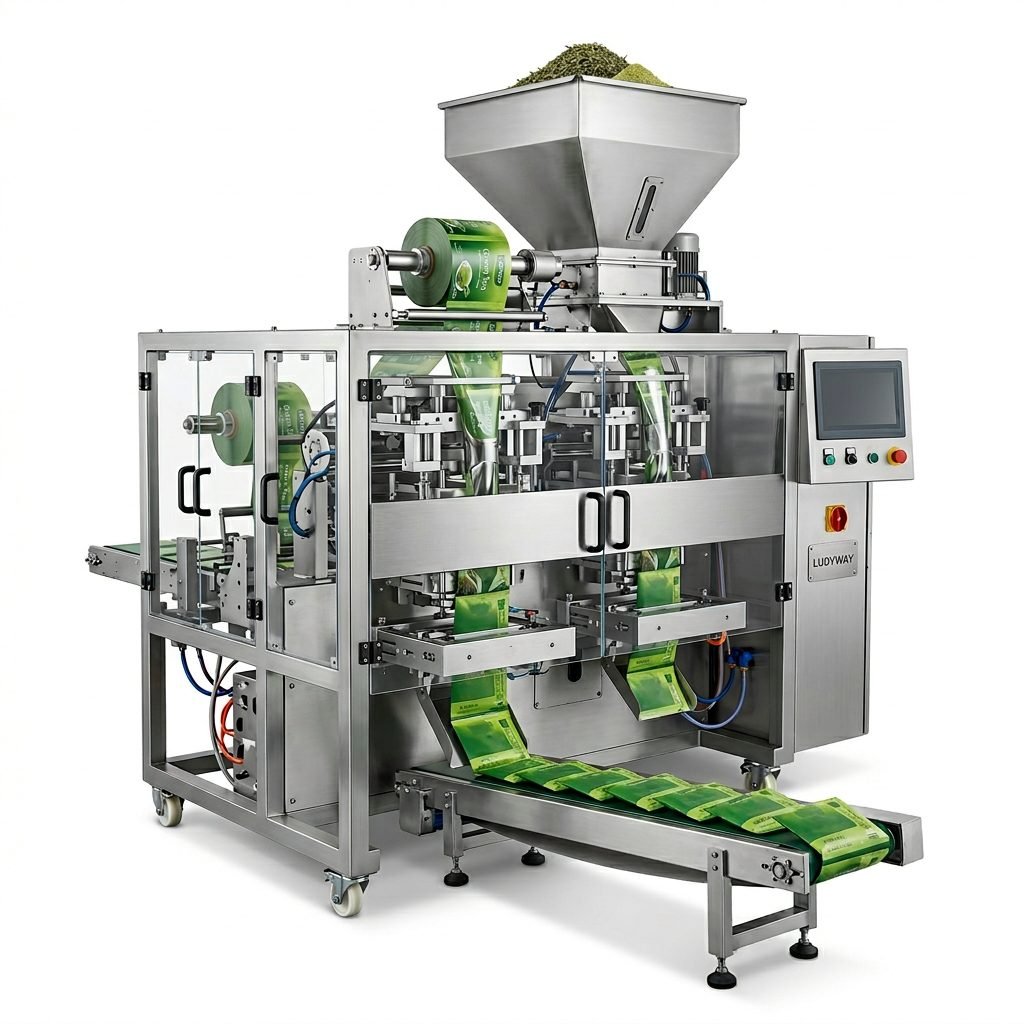
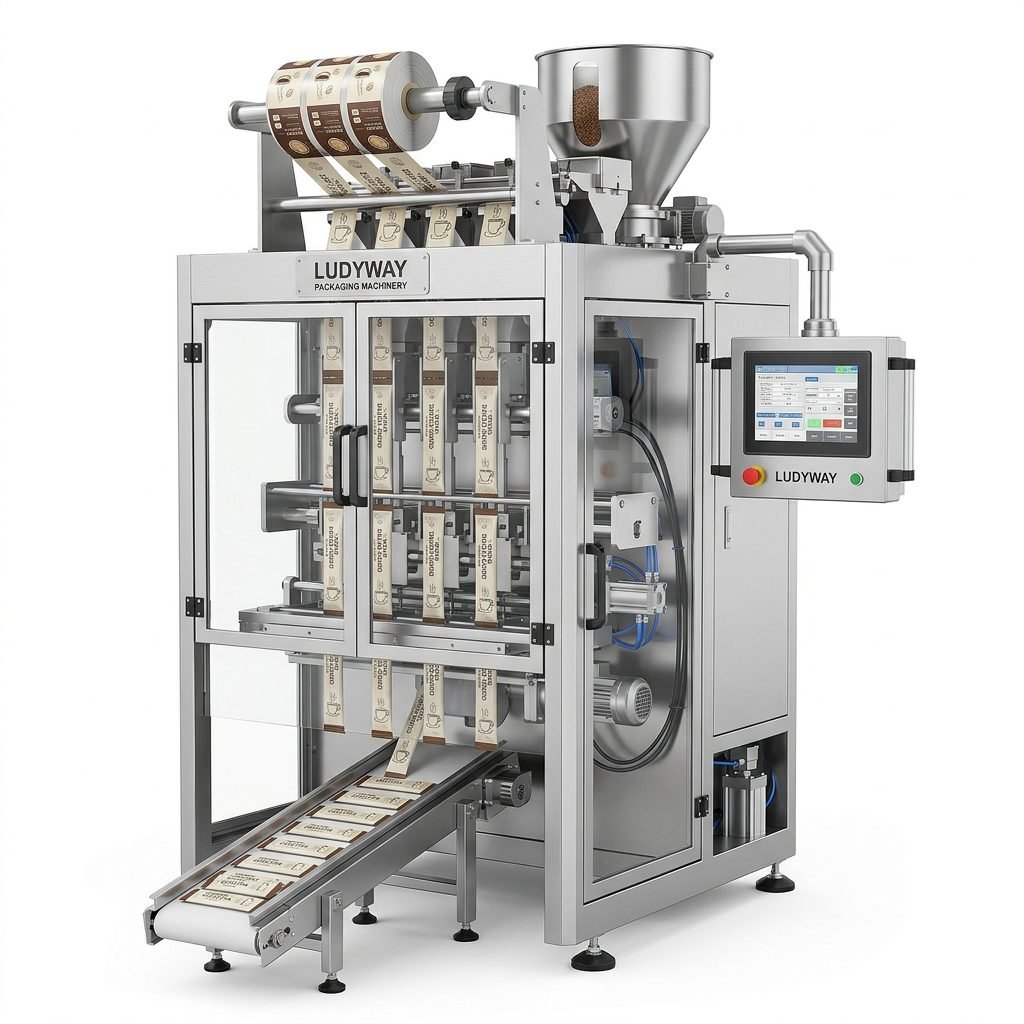
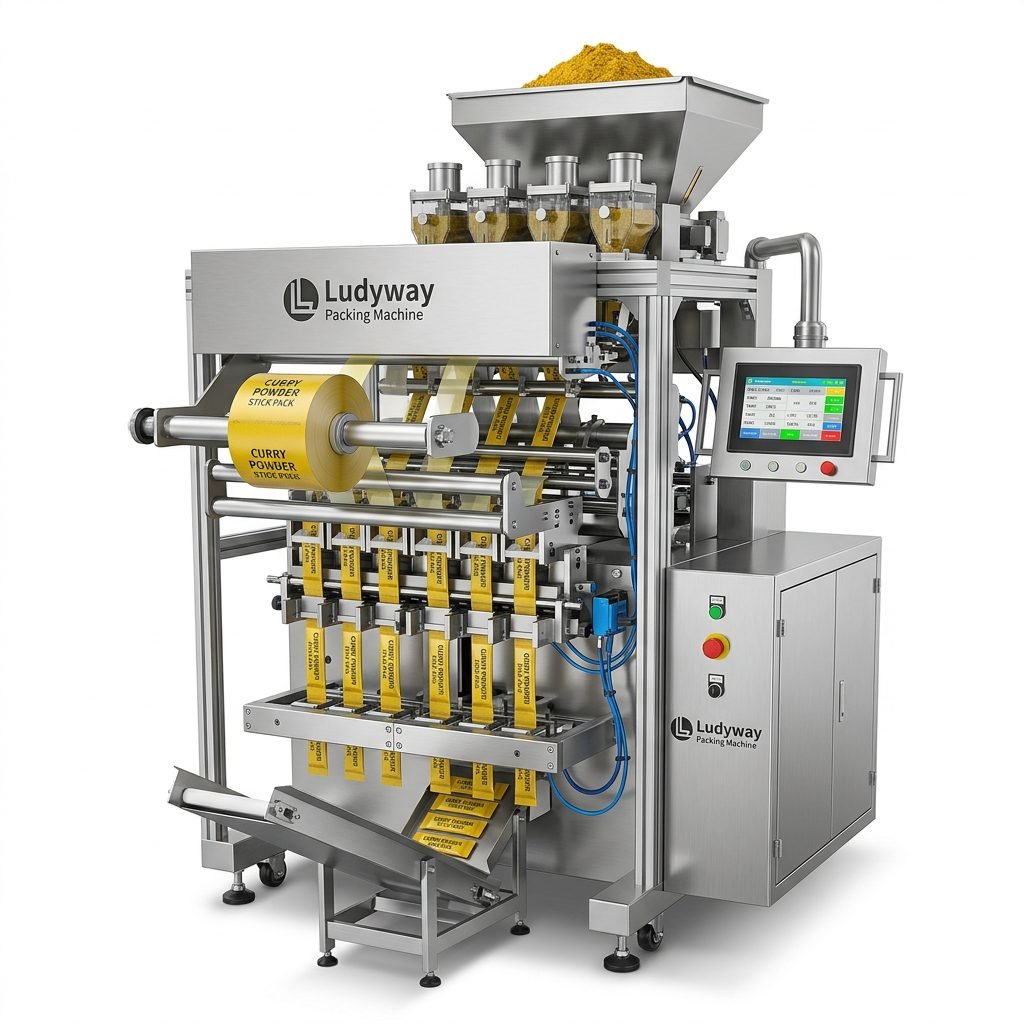
- Packaging format: Decide between sachets, stick packs, pouches, or bulk bags. Stick packs are popular for single-serve curry powder, while stand-up pouches with zippers suit larger portions.
- Bag dimensions and fill weight: Clearly define the minimum and maximum bag sizes and the precise fill volume, whether 3g for a sample sachet or 1kg for a family pack.
- Shift patterns: Will the machine run 8 hours a day or 24/7? Continuous operation demands a robust, heavy-duty automatic curry powder packing machine with durable components.
Analyzing Product Characteristics
Curry powders and pastes present unique filling challenges due to their physical properties. The machine’s dosing mechanism must handle these characteristics flawlessly to avoid giving away product or producing underweight packs.
| Product Type | Key Characteristics | Recommended Dosing System |
|---|---|---|
| Curry Powder | Free-flowing to sticky, dusty, hygroscopic | Auger filler with dust extraction |
| Curry Paste | Viscous, chunky, oil-based | Piston filler or gear pump |
| Turmeric/Ginger Powder | Fine, dusty, high staining potential | Vacuum-assisted auger filler |
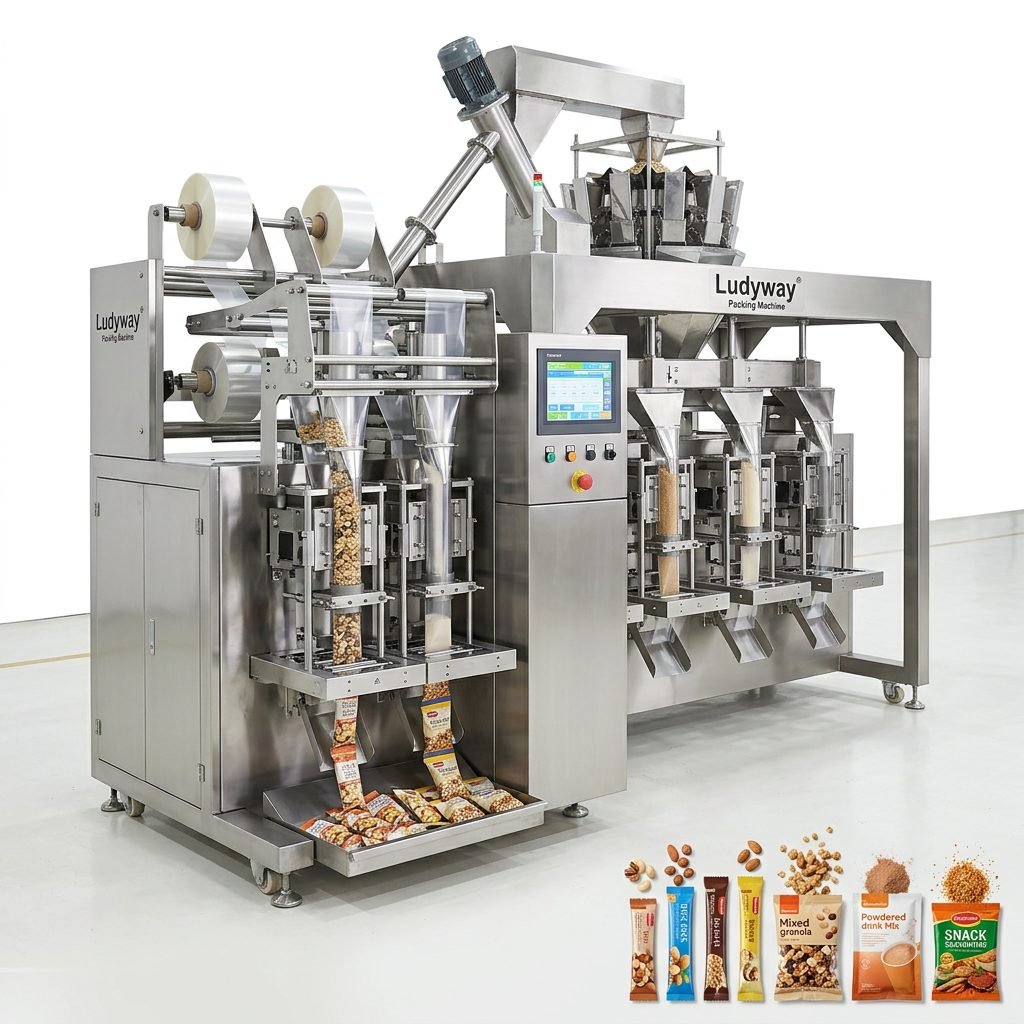
| Spice Blends (Garam Masala) | Varied particle size, aromatic | Multi-head weigher or volumetric cup filler |
Packaging Material Compatibility
The flexibility in handling different film types is crucial for curry packaging. The machine must form, fill, and seal the material without compromising barrier properties. Look for systems that support heat-sealable and cold-seal laminates, including PET/AL/PE, BOPP/CPP, and biodegradable films. Precise temperature control is essential for heat-sealing since curry powder is often packed in high-barrier laminates to preserve aroma and prevent moisture ingress. Adjustable sealing pressure and time allow operators to optimize seal integrity for the specific film structure, which is especially important for oily curry pastes that can contaminate seal areas.

Machine Construction and Hygiene Standards
Stainless steel construction is mandatory for any food-grade packaging equipment. The machine frame, product contact parts, and covers should use SUS304 or SUS316L stainless steel to resist corrosion from salt and acidic curry components. Look for GMP-compliant designs with the following features:
- Tool-free disassembly of filling components for quick sanitation
- Sloped surfaces that prevent powder accumulation
- IP65 or higher protection for electrical enclosures
- Sealed bearings and washdown-ready motors
- Validation documentation for ISO packaging standards compliance
Automation and Control System Capabilities
Modern curry packing machines feature advanced PLC control systems with color touchscreen interfaces. These intuitive HMI panels enable operators to store multiple recipes, adjust parameters on the fly, and monitor machine diagnostics. Key automation features to evaluate include servo-driven film transport for precise bag length control, automatic registration for pre-printed films, and integrated coding systems for batch numbers and expiry dates. Machines equipped with remote connectivity enable troubleshooting and software updates without requiring an on-site technician, minimizing downtime.
Turnkey Integration and Auxiliary Equipment
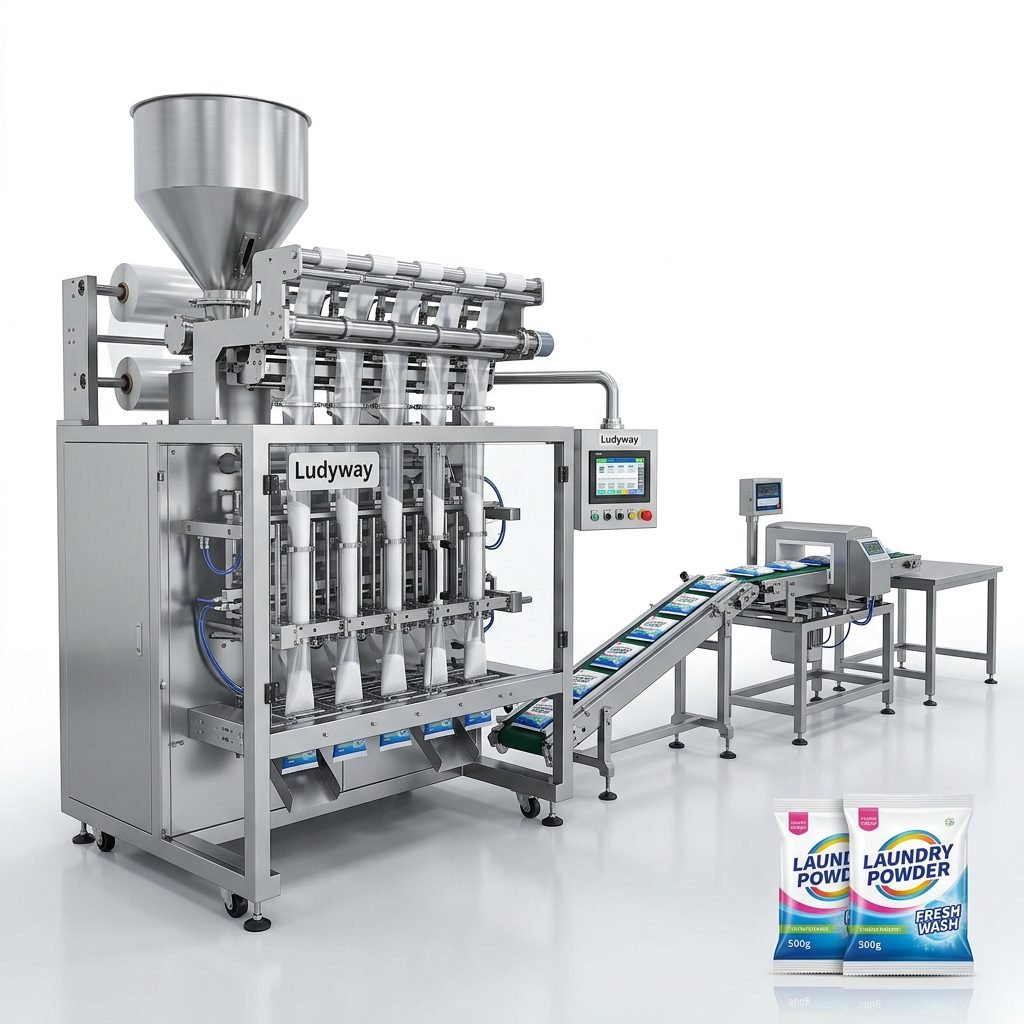
For manufacturers seeking a complete line, turnkey solutions that integrate feeding, packing, checkweighing, and cartoning offer significant efficiency gains. Instead of sourcing separate components from multiple suppliers, consider a partner like Ludyway Machinery, a China-based packaging machinery manufacturer with more than 30 years of experience. With a 20,000-square-meter manufacturing facility and over 130 professionals, Ludyway provides integrated packaging systems covering powder, granule, liquid, stick pack, sachet, and pouch applications across food and beverage, pharmaceuticals, and cosmetics industries. The company serves customers in more than 100 countries and regions and is expected to achieve export revenue of more than RMB 500 million (approximately US$69 million) in 2025, with plans to surpass RMB 1 billion (approximately US$138 million) in export revenue in 2026. From automatic multi-lane stick pack machines to complete turnkey packaging lines, working with a single supplier simplifies project management, ensures component compatibility, and streamlines after-sales support.
Evaluating Quality Certifications and Regulatory Compliance
Depending on your target market, the machine should comply with relevant international standards for food safety and machinery safety. Verify certifications such as CE for European markets, and ensure the design supports FDA food packaging requirements for US-bound products. The machine manufacturer should provide comprehensive documentation including installation qualification (IQ), operational qualification (OQ), and performance qualification (PQ) protocols when necessary. Compliance with PMMI packaging machinery standards and access to business intelligence from organizations like the Flexible Packaging Association can further validate equipment quality and industry alignment.
Total Cost of Ownership Analysis
Beyond the initial purchase price, calculate the total cost of ownership (TCO) over the machine’s lifespan. Consider the following factors:
- Energy consumption: Servo-driven systems typically consume less power than pneumatic alternatives
- Film waste: Machines with precise registration control reduce material waste significantly
- Changeover time: Quick-change parts and recipe management minimize downtime between product runs
- Spare parts availability: Confirm the supplier maintains a comprehensive inventory of critical components
- Labor requirements: Fully automatic systems reduce operator dependency compared to semi-automatic alternatives
Supplier Capabilities and After-Sales Support
Selecting a reliable packaging machinery manufacturer is as important as choosing the machine itself. Evaluate potential suppliers based on their engineering capabilities, customization capacity, and global service network. A qualified supplier should offer installation and commissioning support, operator training programs, remote technical assistance, and warranty terms with guaranteed response times. Ludyway’s packaging equipment can be designed and configured to meet applicable international standards, with certifications and compliance documentation available for relevant equipment and markets. The company also provides technical support throughout the project lifecycle, from machine selection and packaging solution design through to troubleshooting and spare parts support.
Making the Final Decision
Choosing the right curry packing machine requires balancing your current production needs with future growth plans. Request detailed quotations from multiple suppliers, but prioritize value over price. Schedule factory acceptance testing (FAT) whenever possible to observe the machine running under production conditions with your actual product. Review industry reports from PMMI to understand packaging trends and technology advancements that could influence your decision. By thoroughly evaluating product characteristics, machine construction, automation capabilities, and supplier reliability, you can invest in a packaging system that delivers consistent quality and supports your brand’s growth in the competitive curry market.
Whether you require a single automatic curry powder sachet packing machine or a fully integrated multi-lane production line, partnering with an experienced manufacturer ensures you receive a solution tailored to your specific application requirements.