Establishing a small vacuum packaging machine production line in the UK requires careful planning to meet food safety standards, operational efficiency, and space constraints. Whether you are launching a gourmet food business, a coffee roasting operation, or a ready-meal startup, vacuum packaging is essential for extending shelf life and maintaining product freshness. The UK food manufacturing sector continues to expand, and integrating the right vacuum packaging equipment early on can significantly impact your productivity and compliance with food packaging regulations.
Understanding UK Regulatory Requirements
Before installing any machinery, familiarize yourself with British and EU-derived standards. The Food Standards Agency (FSA) provides clear guidelines on materials in contact with food. Additionally, equipment must comply with CE/UKCA marking requirements to be legally placed on the market in Great Britain. Key considerations involve traceability, hygiene design, and validation of the vacuum process to prevent contamination. Refer to industry bodies like PMMI for insights on packaging machinery standards and food contact material regulations from the Flexible Packaging Association.
Planning Your Production Line Layout
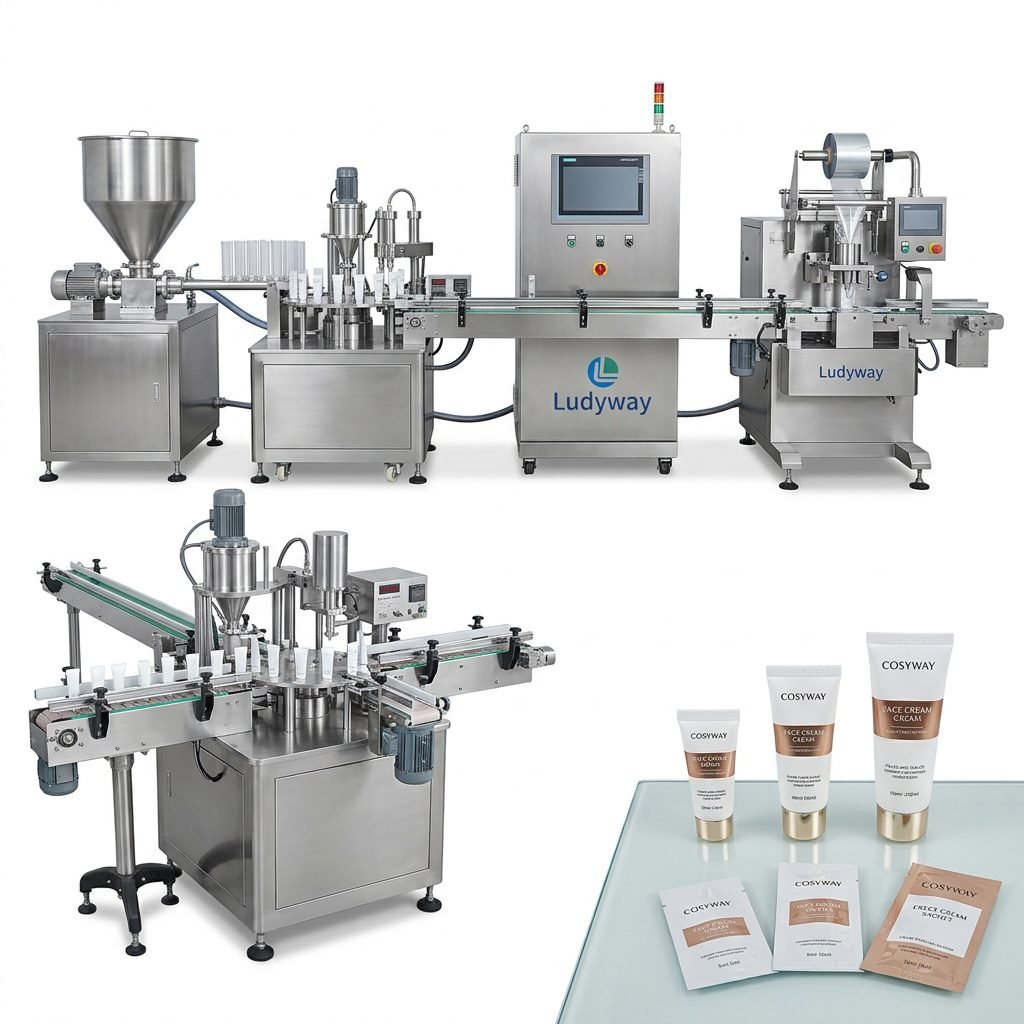
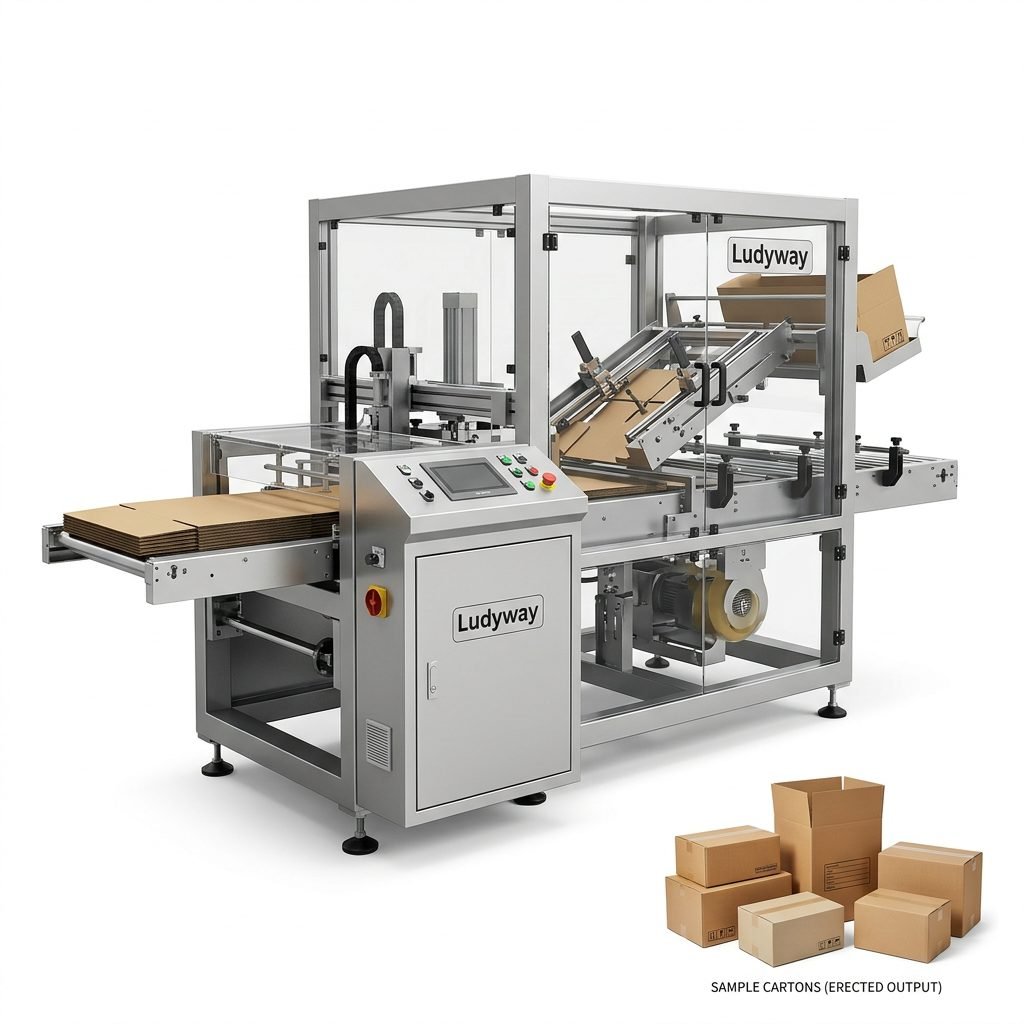
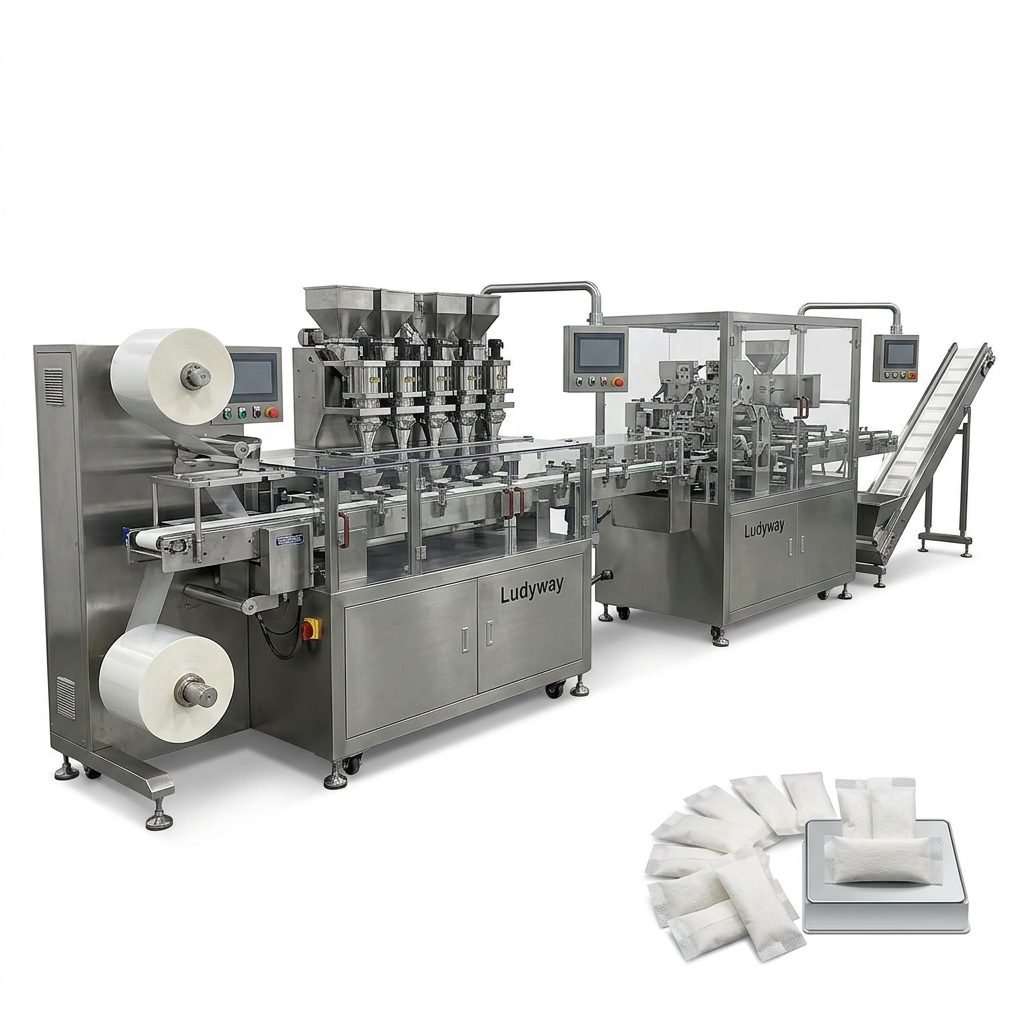
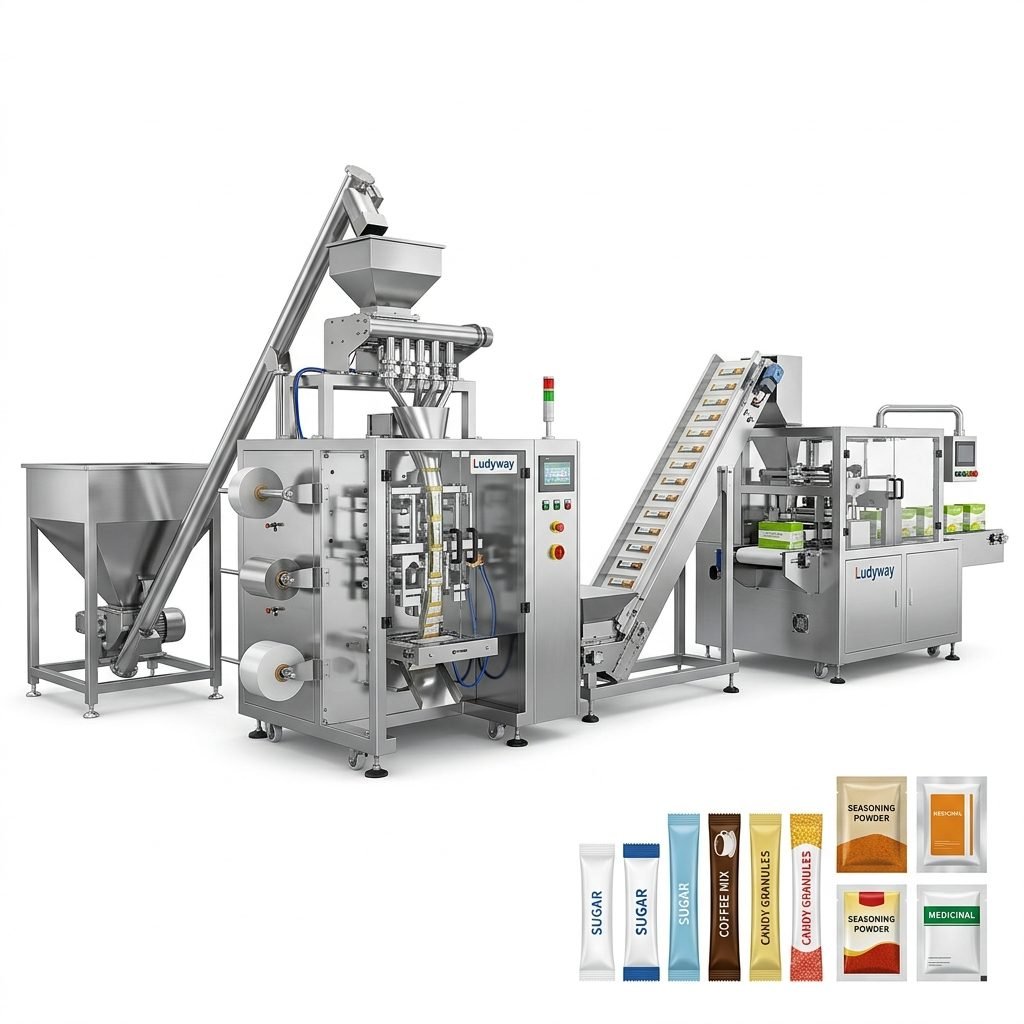
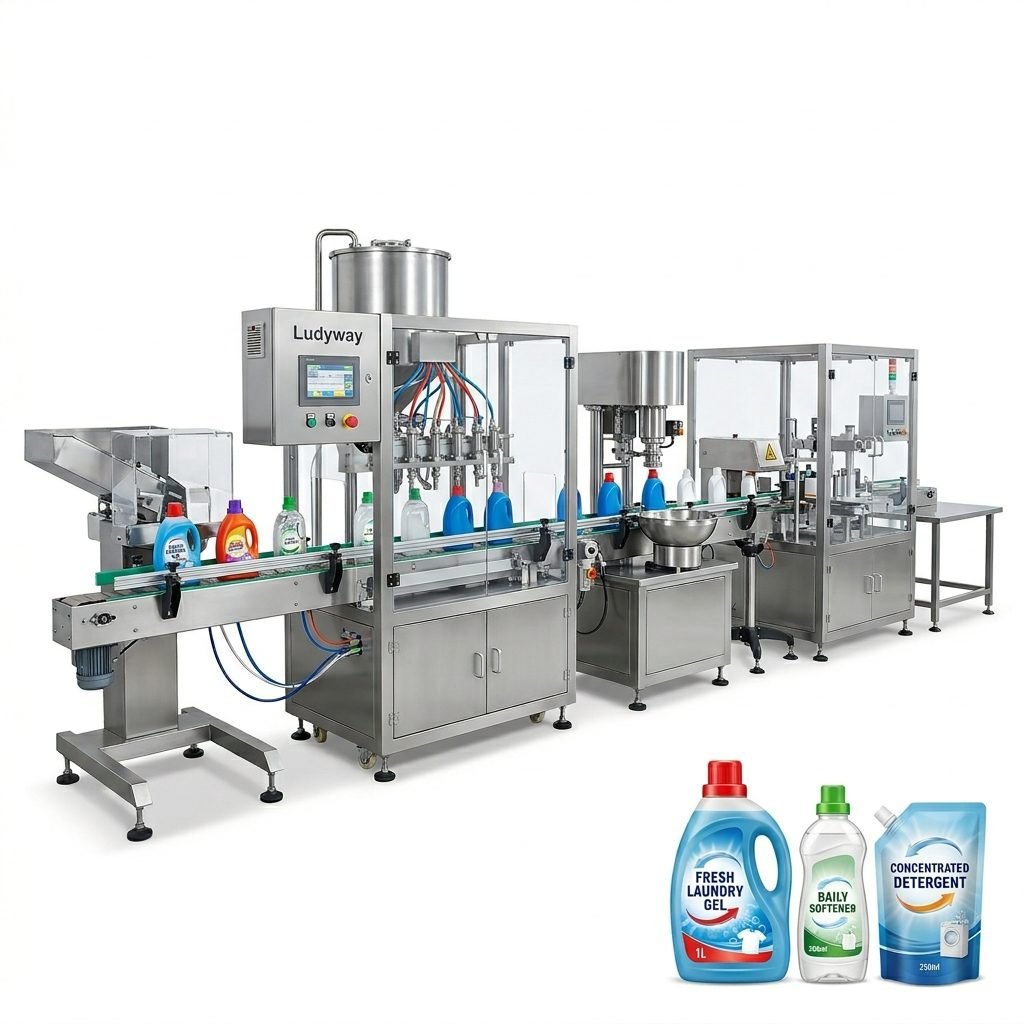
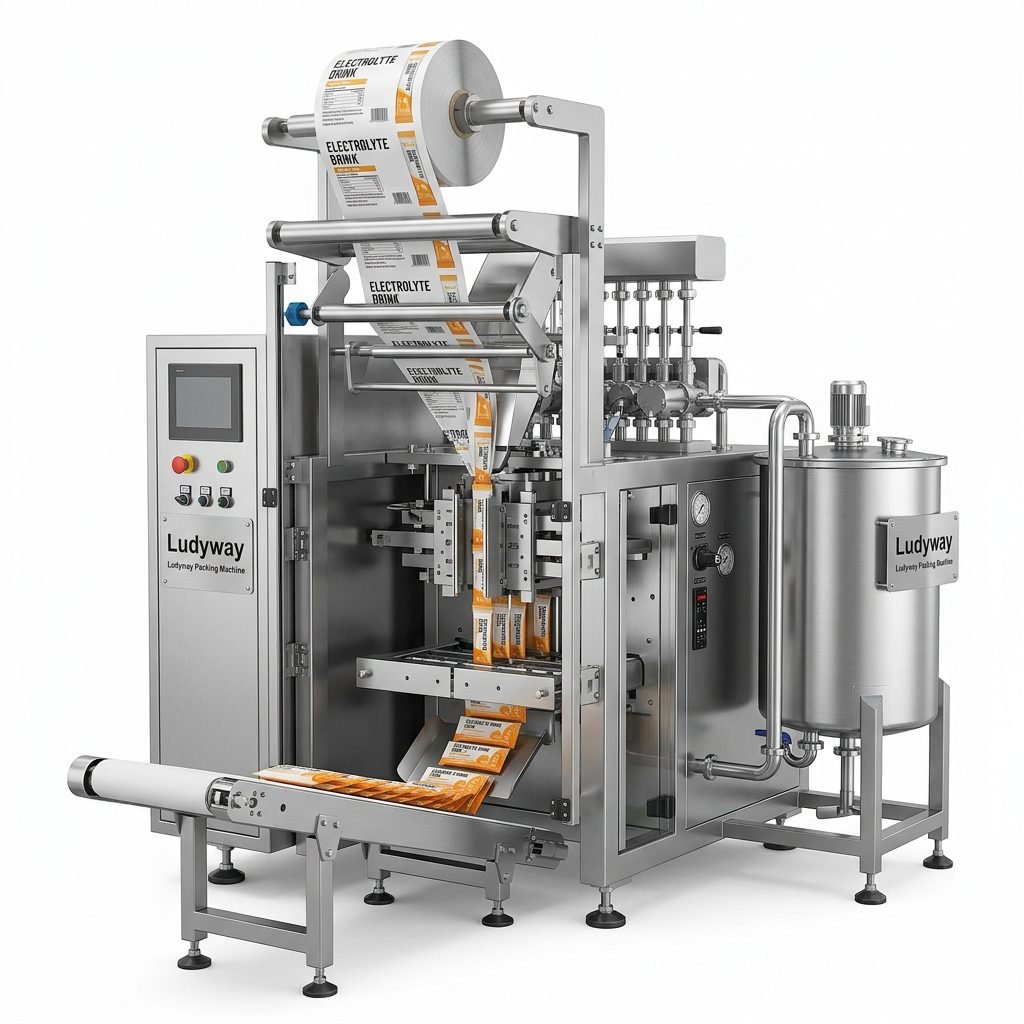
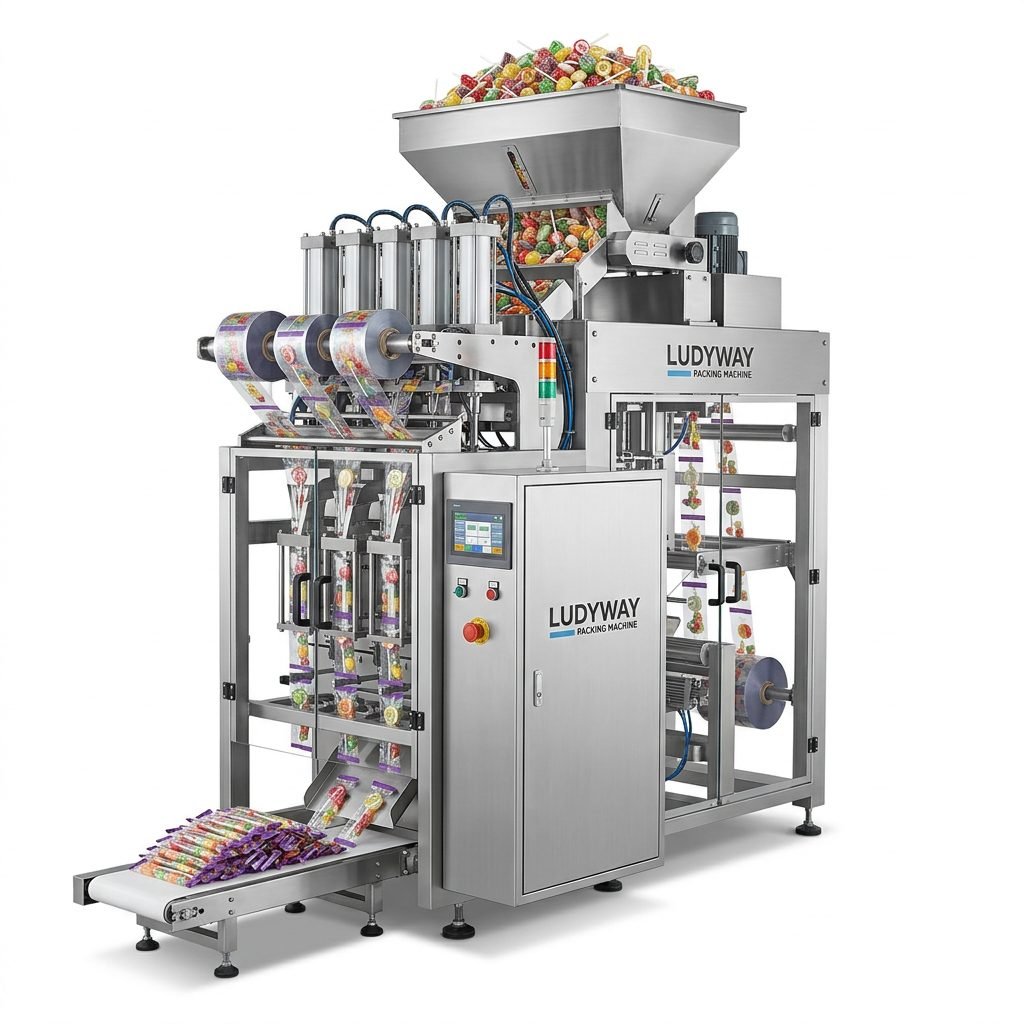
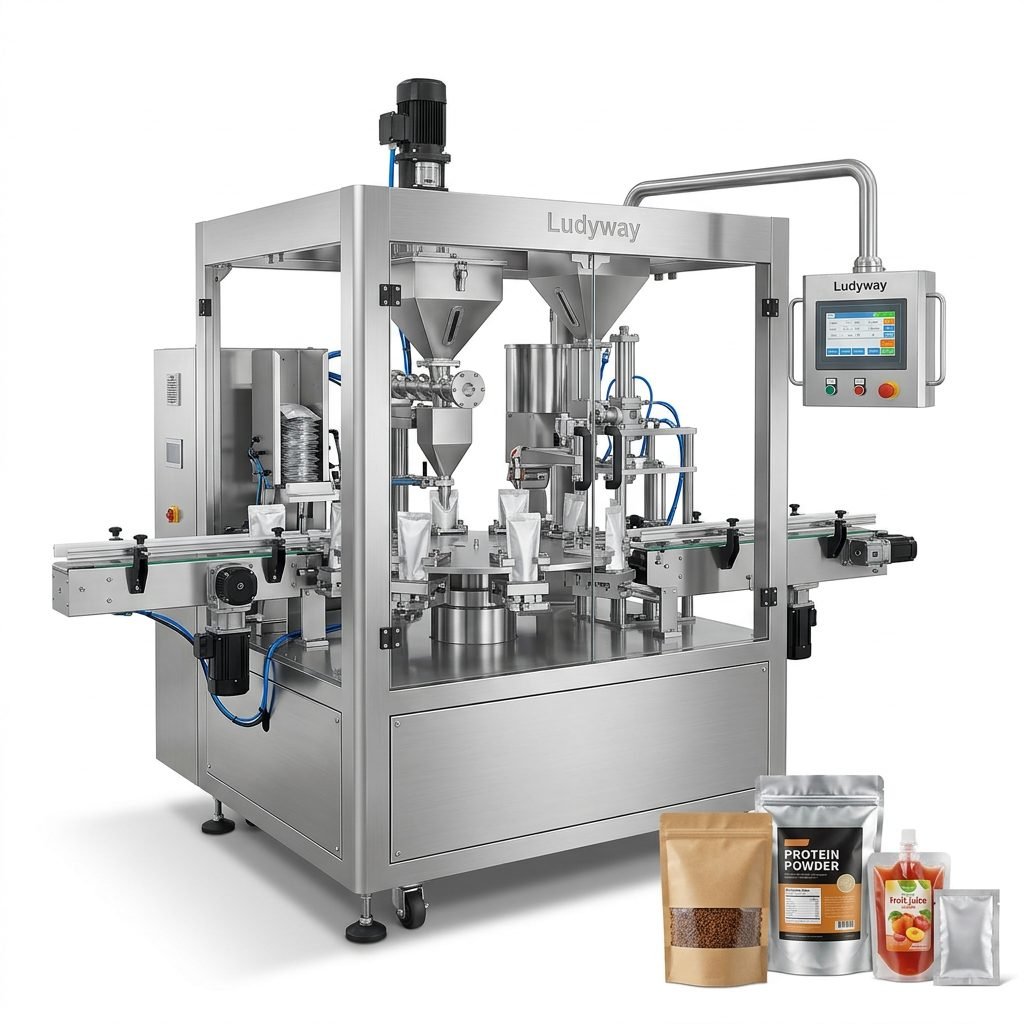
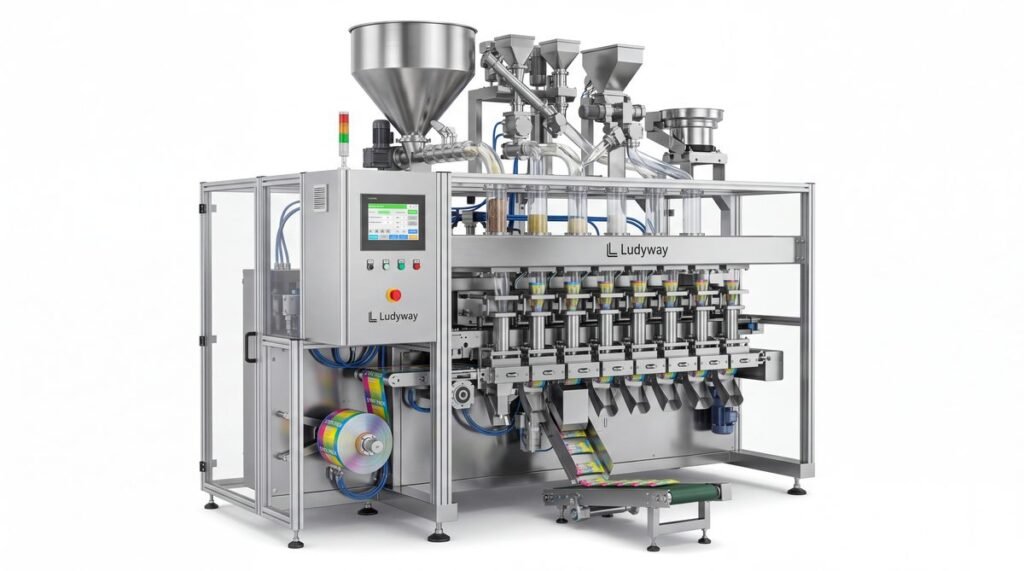
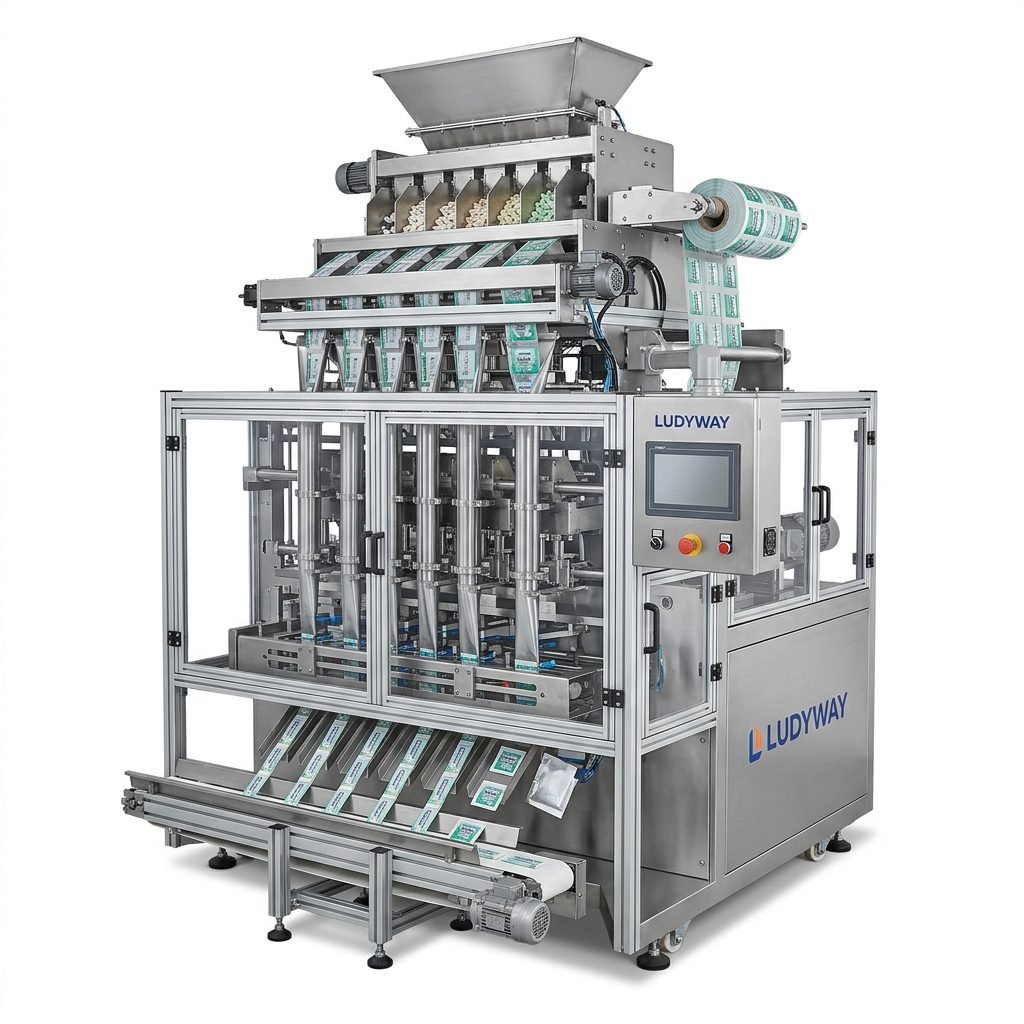
Space efficiency is critical in small to medium-sized UK facilities. A logical flow from raw material intake to sealed product output minimizes cross-contamination risks and labor costs. Design your layout to separate dry and wet zones if applicable. Evaluate the need for supplementary devices such as conveyors, shrink tunnels, and weighing scales. For example, an industrial vacuum packaging machine often fits into a line featuring an automatic feeder and an inkjet coding system. Companies like Ludyway specialize in advanced packaging equipment and turnkey production solutions, providing reliable systems from their 20,000㎡ manufacturing facility.

Selecting the Right Equipment and Technology
Choosing the correct machine depends on your product type and packaging material. Single chamber and double chamber vacuum sealers are popular for small operations, while nozzle-type vacuum machines suit delicate products. For continuous output, consider an automatic belt-driven vacuum packaging system. Assess pump capacity, sealing bar length, and the need for gas flushing (MAP). Align these features with your production targets, whether packing meat, cheese, coffee, or medical devices. The integration of ISO packaging standards ensures reliable sealing and quality output.
| Machine Type | Ideal Application | Throughput Rate | MAP Capability |
|---|---|---|---|
| Single Chamber Sealer | Small kitchens, meat, cheese | Low to Medium | Optional |
| Double Chamber Sealer | Fish, ready meals, bulk | Medium to High | Yes |
| External Nozzle Sealer | Dry goods, coffee, powders | Medium | Limited |
| Automatic Belt Machine | High-volume continuous | Very High | Yes |
| Thermoforming Packaging | Sliced meats, medical | Extremely High | Advanced |
Key Features to Evaluate
- Pump maintenance: Oil-free or oil-based rotary vane pumps impact upkeep.
- Sealing integrity: Uniform heat and pressure across the sealing bar prevent leaks.
- Control interface: Digital controls or programmable logic ensure precision and repeatability.
- Material compatibility: Ability to handle various bag thicknesses and embossed films.
- Safety features: Emergency stops, protective covers, and CE compliance are mandatory.
Installation and Facility Preparation
Prepare your workspace according to the machine’s utility requirements. Most vacuum packaging machines in the UK operate on standard 230V single-phase or 400V three-phase power. Verify compressed air availability (typically 6–8 bar) if the machine uses pneumatic components. Ensure proper ventilation and extraction, especially if packaging odorous or dusty products. Level flooring and adequate lighting around the packaging station are essential for operator safety and consistent performance. Follow the manufacturer’s guidelines for the specific footprint and maintenance clearance.

Step-by-Step Commissioning Guide
1. Unpacking and Inspection
Examine the crate for transit damage before accepting delivery. Check that all components match the packing list, including vacuum pumps, sealing bars, spare parts, and documentation.
2. Positioning and Leveling
Place the machine in the designated zone. Use a spirit level to adjust feet and ensure stability, preventing vibration during operation.
3. Utility Connections
Connect power, compressed air, and any required extraction lines. Verify voltage ratings and install appropriate circuit breakers or fuses as per UK wiring regulations.
4. Initial Vacuum Calibration
Run the machine empty to check vacuum gauge accuracy and sealing time. Adjust parameters like vacuum percentage, gas flush duration, and sealing temperature.
5. Material Testing
Test with actual product and bags to confirm seal integrity. Perform a water immersion test or visual inspection for wrinkles and air pockets.
6. Operator Training and SOP Documentation
Train staff on start-up, shutdown, cleaning, and emergency procedures. Document Standard Operating Procedures and display quick-reference guides near the equipment.
Workflow Integration and Quality Control
An effective line connects upstream preparation with downstream labeling or weighing. For instance, fresh produce enters a washing area, moves to portioning, then passes through the vacuum packaging machine, and finally undergoes metal detection and checkweighing. Implement a Hazard Analysis and Critical Control Points (HACCP) plan that identifies vacuum sealing as a critical control point if packaging high-risk foods. Record machine settings for each batch to maintain consistency and support traceability audits required by UK retailers.
Maintenance and Troubleshooting
Establish a preventive maintenance schedule covering pump oil changes (every 250–500 hours), sealing bar cleaning, gasket inspection, and filter replacement. Recognize early signs of wear such as extended cycle times, inconsistent seals, or unusual noises. Maintain a logbook for all maintenance activities and keep essential spare parts—sealing wires, Teflon tape, and O-rings—in stock. For complex electromechanical issues, rely on certified technicians familiar with your specific vacuum packaging system.
Common Issues and Solutions
| Problem | Possible Cause | Solution |
|---|---|---|
| Weak vacuum | Low oil, worn pump, or dirty filter | Top up oil, inspect pump, clean filter |
| Leaking seals | Damaged gasket or incorrect heating | Replace gasket, adjust temperature |
| Machine won’t start | Emergency stop engaged, fuse failure | Release E-stop, check electrical supply |
| Excessive cycling time | Pump inefficiency, air leak | Service pump, check connections |

Future-Proofing Your Production Line
As your UK business scales, the initial small packaging machine can become a bottleneck. Plan for modular expansion by selecting equipment with upgrade options like additional sealing bars, conveyor extensions, or integration with automated weighing and labeling modules. Consider the move toward sustainable packaging materials and reduce plastic usage where possible. Investing in a robust core machine today while maintaining flexibility for tomorrow protects long-term profitability.
Key Industry Resources
- PMMI Business Intelligence Library – packaging machinery market research
- Flexible Packaging Association Knowledge Hub – material trends
- FDA Packaging and Food Contact Substances – regulatory guidance
- European Commission Packaging and Packaging Waste – sustainability regulations
For organizations seeking end-to-end automation, manufacturers that deliver advanced multi-lane packaging machines and integrated turnkey solutions can streamline the transition from manual to high-speed production. Ludyway, with over 30 years of industry experience and a modern 20,000㎡ production facility, serves customers in more than 100 countries, providing robust and cost-effective vacuum packaging solutions designed to meet diverse operational requirements.