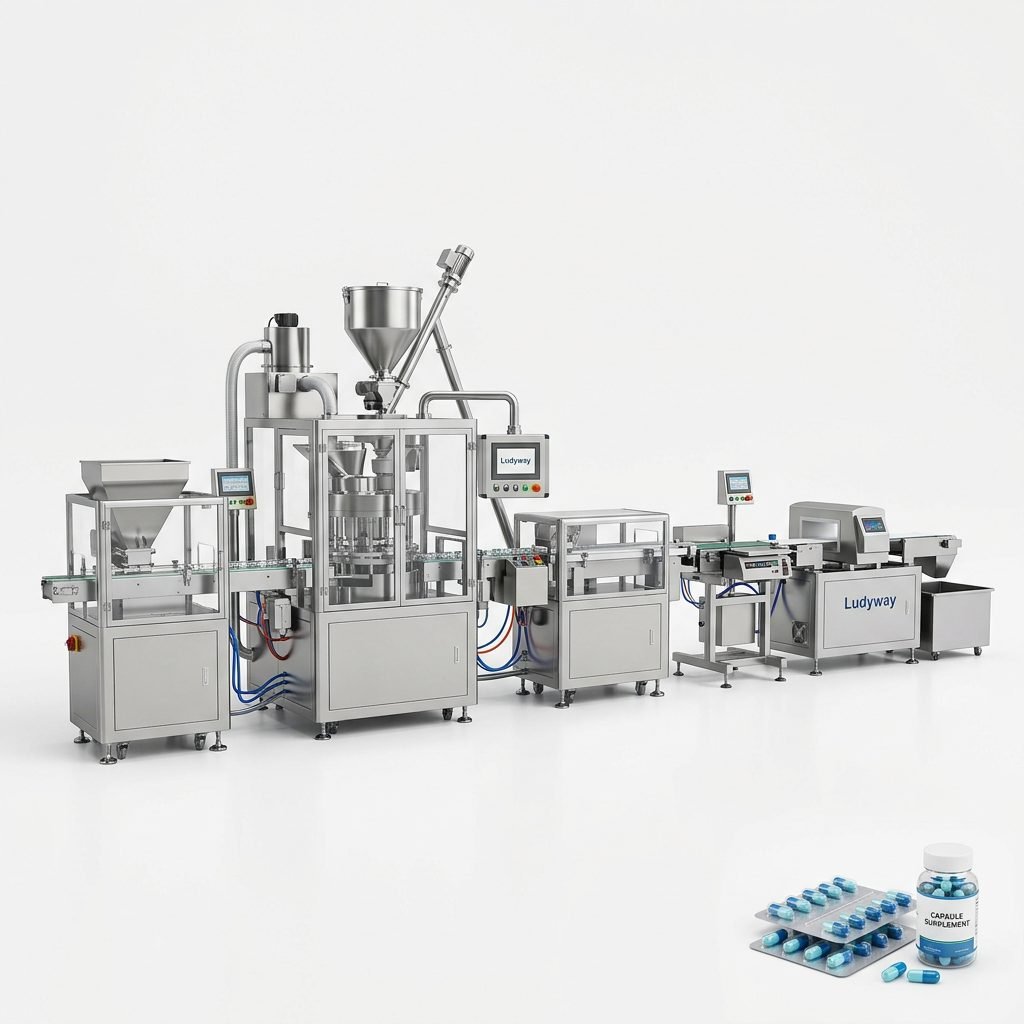
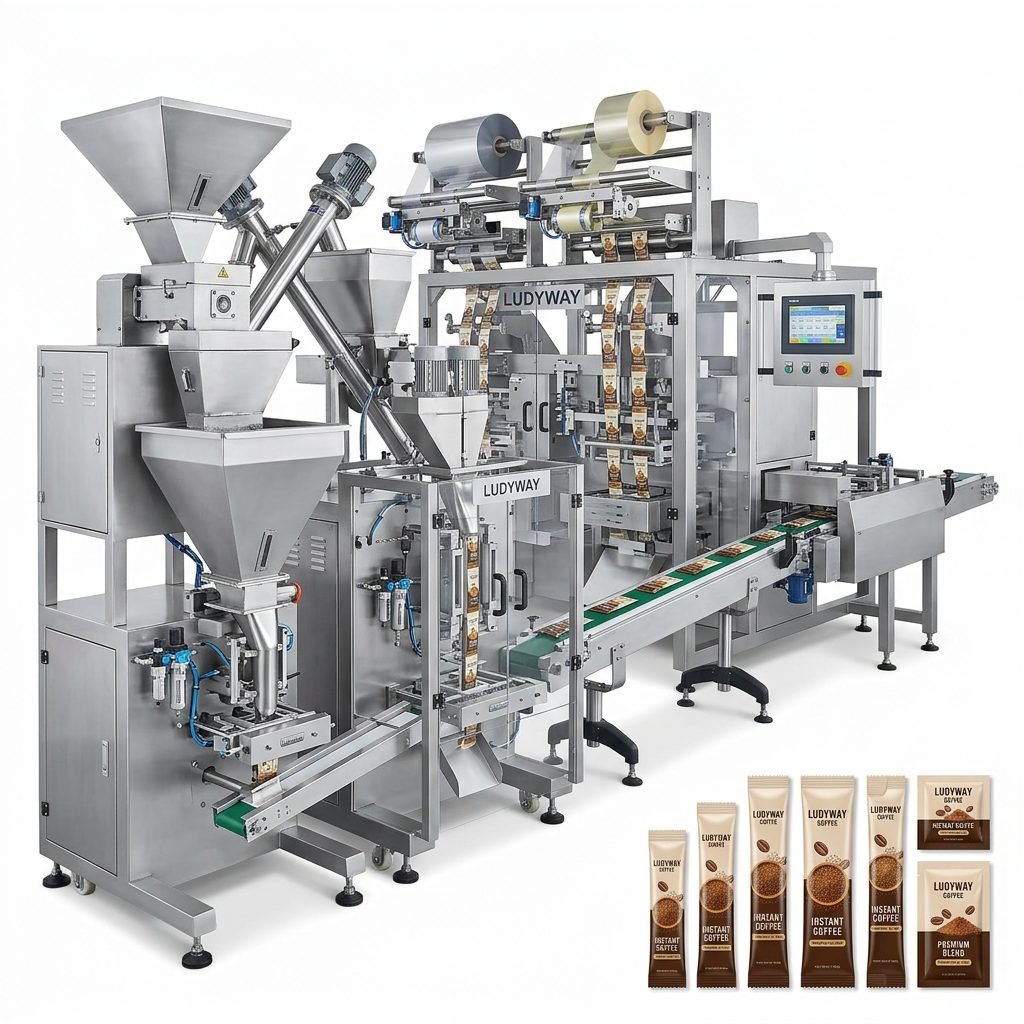
Investing in a bagging machine is a significant decision that directly impacts your production efficiency, product quality, and bottom line. Whether you are packaging powders, granules, liquids, or solid products, choosing the right equipment requires a thorough understanding of your operational needs, product characteristics, and long-term business goals. This comprehensive buyer’s guide walks you through the essential factors to consider before making your purchase.
Understanding Your Product Characteristics
The first and most critical step in selecting a bagging machine is analyzing your product’s physical properties. Different products behave differently during the filling and sealing process, and the wrong machine configuration can lead to inconsistent fills, wasted material, and costly downtime.
Product State and Flow Properties
Is your product a free-flowing granule, a cohesive powder, a viscous liquid, or a combination? Granules like sugar and salt flow easily through standard filling systems, while fine powders such as flour or protein supplements may require specialized auger fillers or vacuum-assisted dosing to prevent bridging and dusting. Liquids introduce additional considerations around viscosity, foaming tendencies, and fill temperature. According to PMMI packaging industry resources, understanding these flow characteristics is fundamental to specifying the correct dosing mechanism.
Product Sensitivity
Consider whether your product is hygroscopic, oxygen-sensitive, fragile, or requires specific environmental conditions during packaging. Products like coffee, milk powder, and pharmaceutical ingredients often benefit from nitrogen flushing or vacuum sealing capabilities integrated into the bagging machine. The Flexible Packaging Association provides extensive data on material barrier properties that can help you match packaging films to your product’s sensitivity requirements.
Types of Bagging Machines
The packaging machinery market offers several distinct categories of bagging equipment, each suited to different production environments and packaging formats. Understanding these options helps narrow your selection.
| Machine Type | Best For | Bag Formats | Typical Speed Range |
|---|---|---|---|
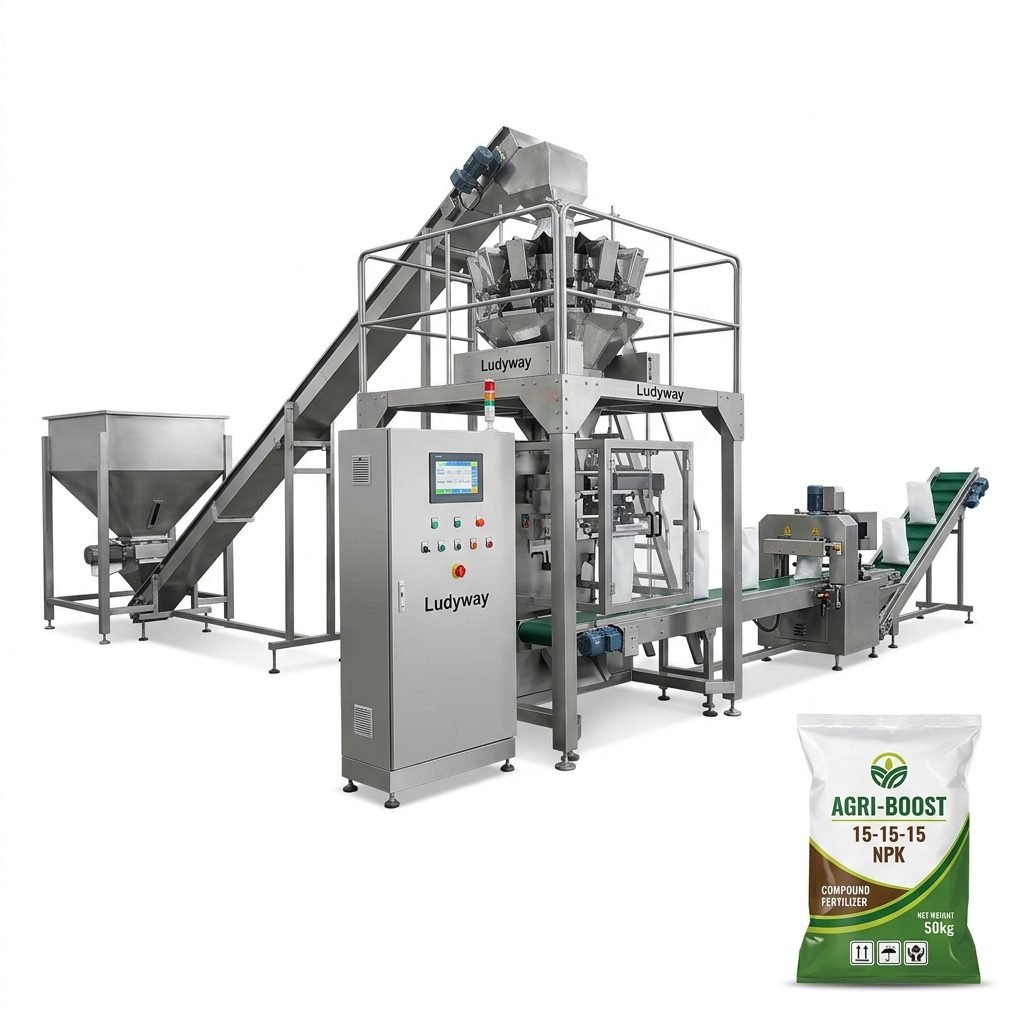
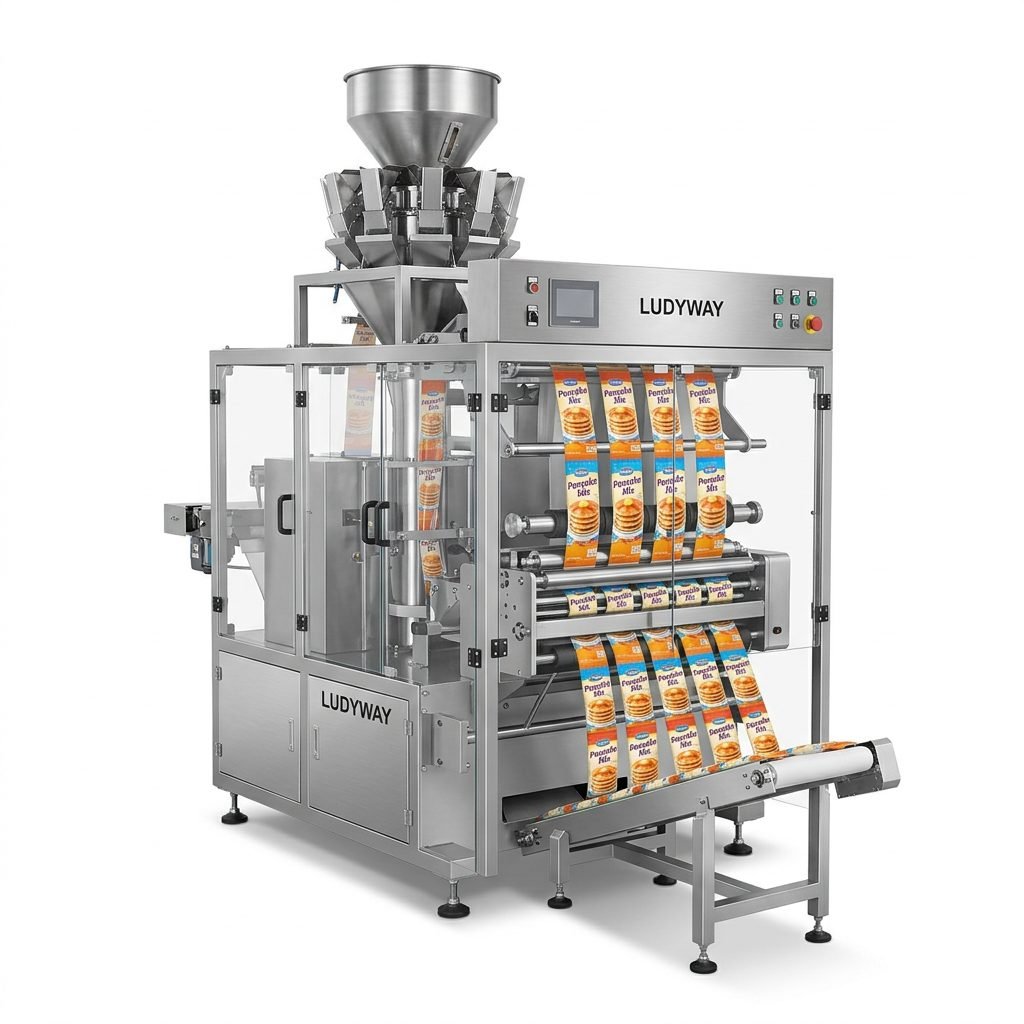
| Vertical Form Fill Seal (VFFS) | Granules, powders, snacks, free-flowing solids | Pillow bags, gusseted bags, block-bottom bags | 30-120+ bags/min per lane |
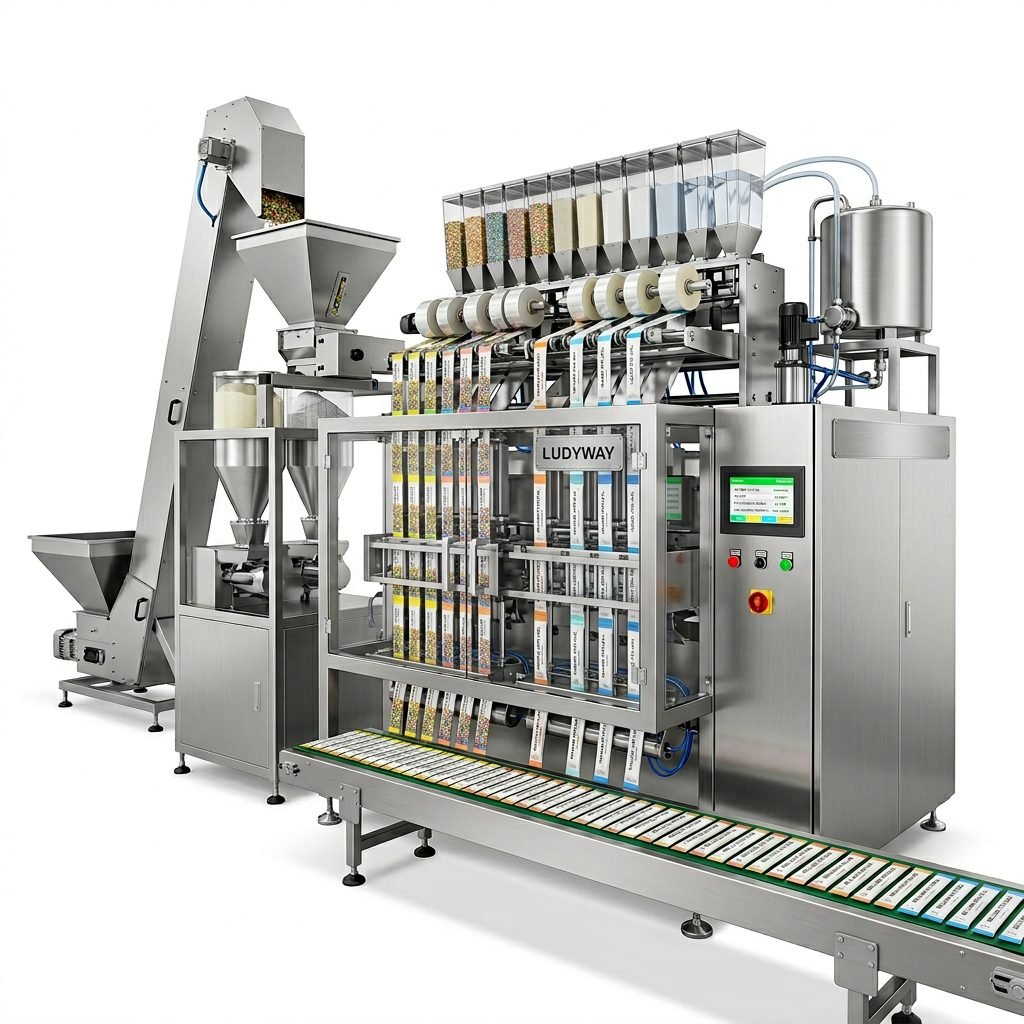
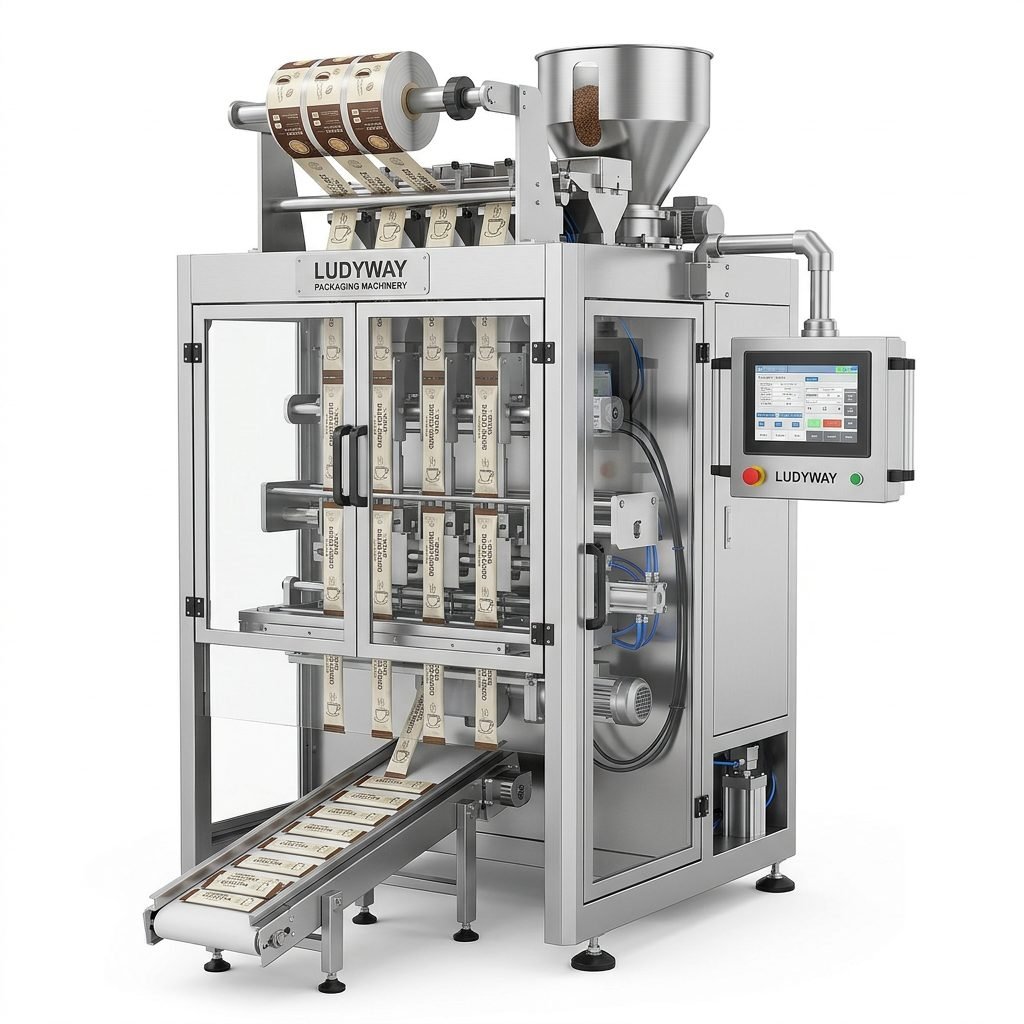
| Multi-Lane Stick Pack | Single-serve powders, liquids, granulated products | Stick packs, narrow sachets | 200-600+ packs/min |
| Pre-Made Pouch Machines | Premium products, irregular shapes, retort applications | Stand-up pouches, zipper pouches, spouted pouches | 40-80+ pouches/min |
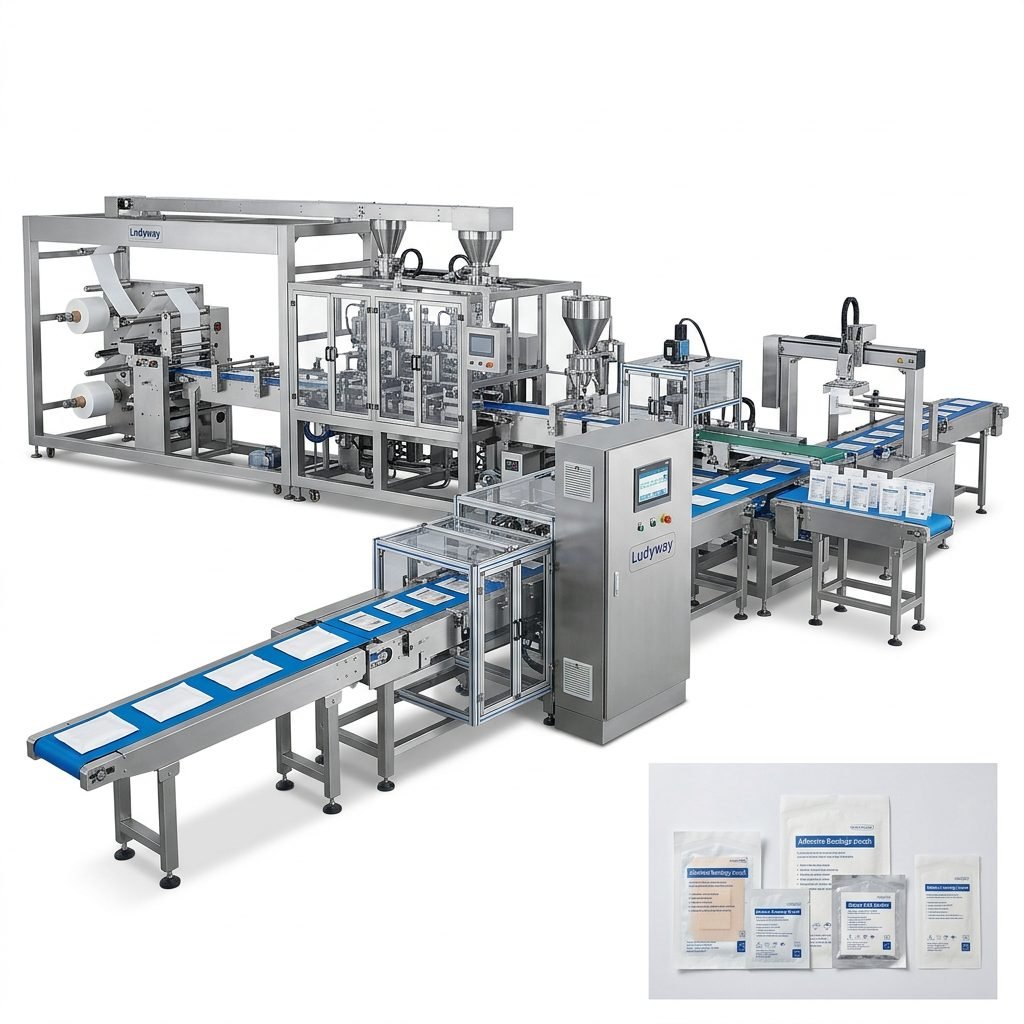
| Horizontal Form Fill Seal | Solid items, baked goods, hardware, medical devices | Flow wrap, fin-seal, pillow packs | 50-150+ packs/min |
| Open-Mouth Bagging Systems | Bulk products, 5kg-50kg bags, industrial materials | Sewn bags, heat-sealed heavy bags, valve bags | 6-20+ bags/min |
Key Selection Factors
Beyond machine type, several operational and technical factors influence which bagging machine will deliver the best results for your specific application.
Production Speed and Capacity
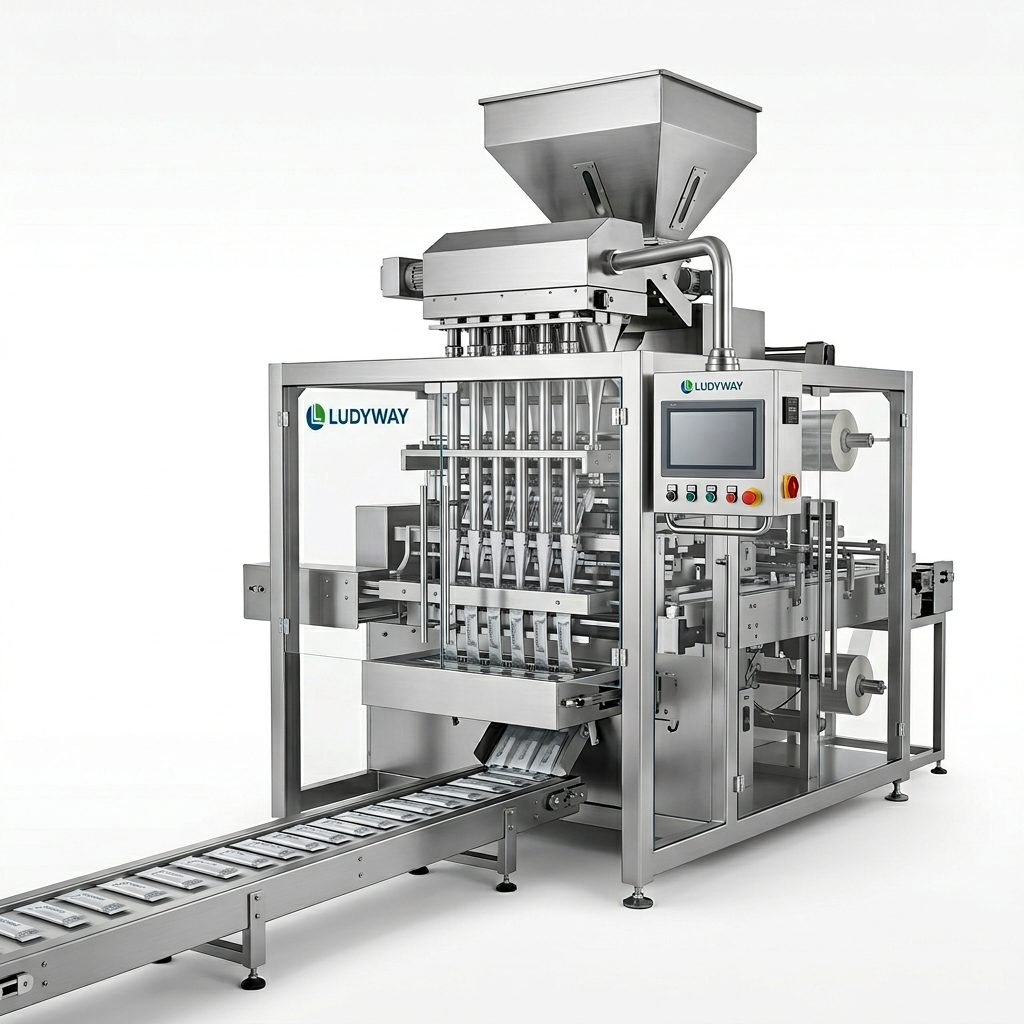
Your current and projected production volumes should drive the speed specification of your bagging machine. A machine that meets today’s needs but cannot scale with your growth may become a bottleneck within a few years. Multi-lane configurations can multiply throughput without proportionally increasing floor space. When evaluating speed specifications, ask manufacturers to clarify whether quoted rates are based on sustained production speeds or theoretical maximums under ideal conditions.
Bag Format and Size Range
Determine the bag styles and dimensions your product portfolio requires. Key considerations include:
- Bag width and length range — Can the machine accommodate your smallest and largest required formats?
- Seal type — Do you need 3-side seal, 4-side seal, center seal, or specialized seal patterns?
- Closure features — Are zippers, tear notches, hang holes, or easy-open features required?
- Changeover time — How quickly can the machine switch between different bag sizes and formats?
Packaging Material Compatibility
Your bagging machine must be compatible with the packaging films and laminates you intend to use. Factors such as seal temperature requirements, film thickness range, and material slip characteristics all affect machine performance. The Flexible Packaging Association’s knowledge hub offers valuable guidance on material selection for different product applications and machine types. Verify with your equipment supplier that the machine’s sealing system — whether heat seal, ultrasonic seal, or impulse seal — matches your packaging material specifications.
Automation and Integration Level
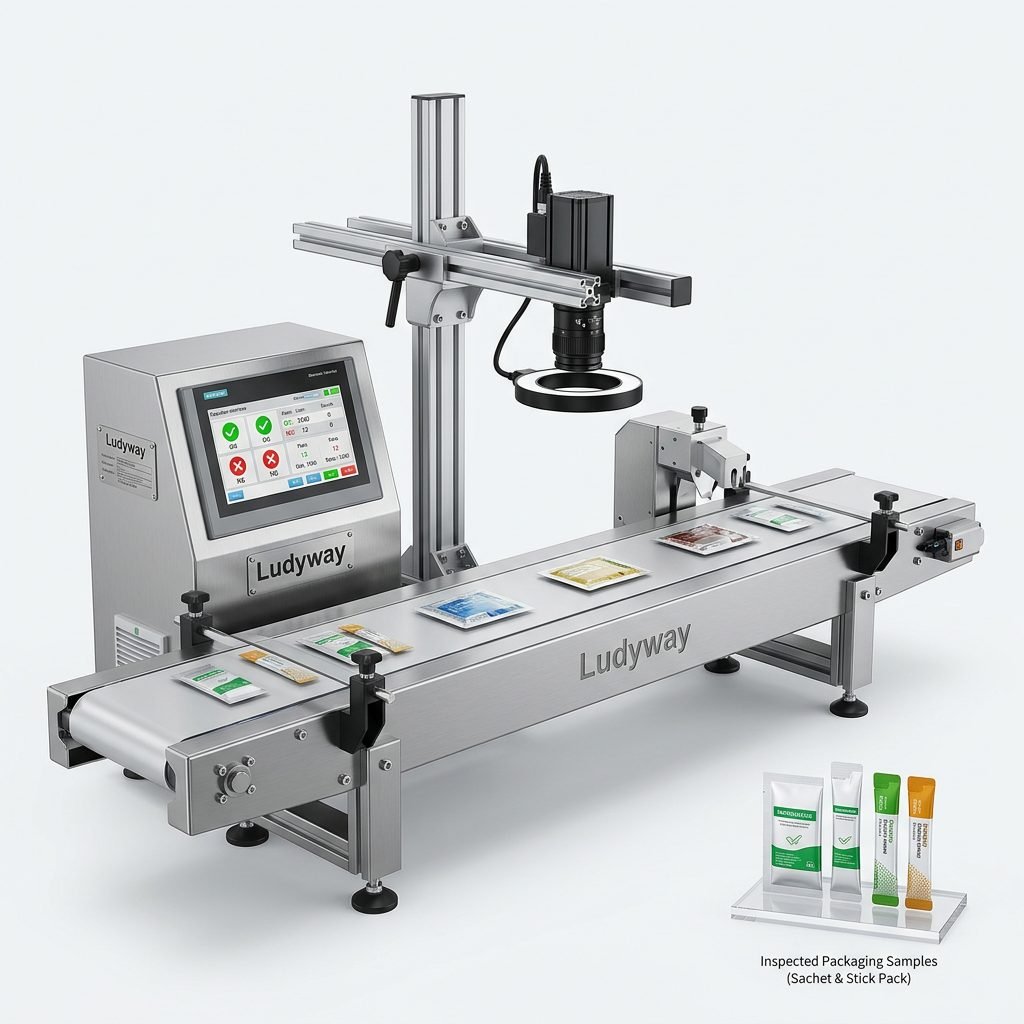
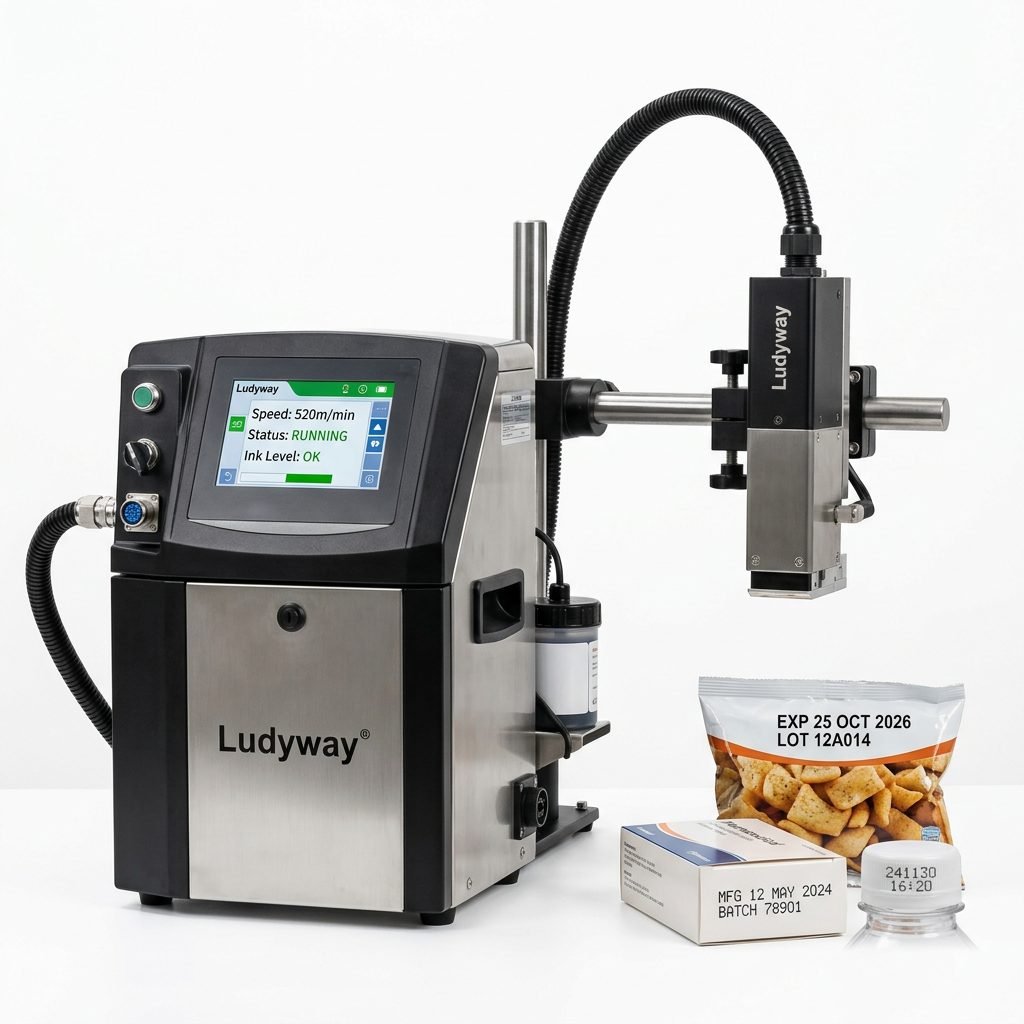
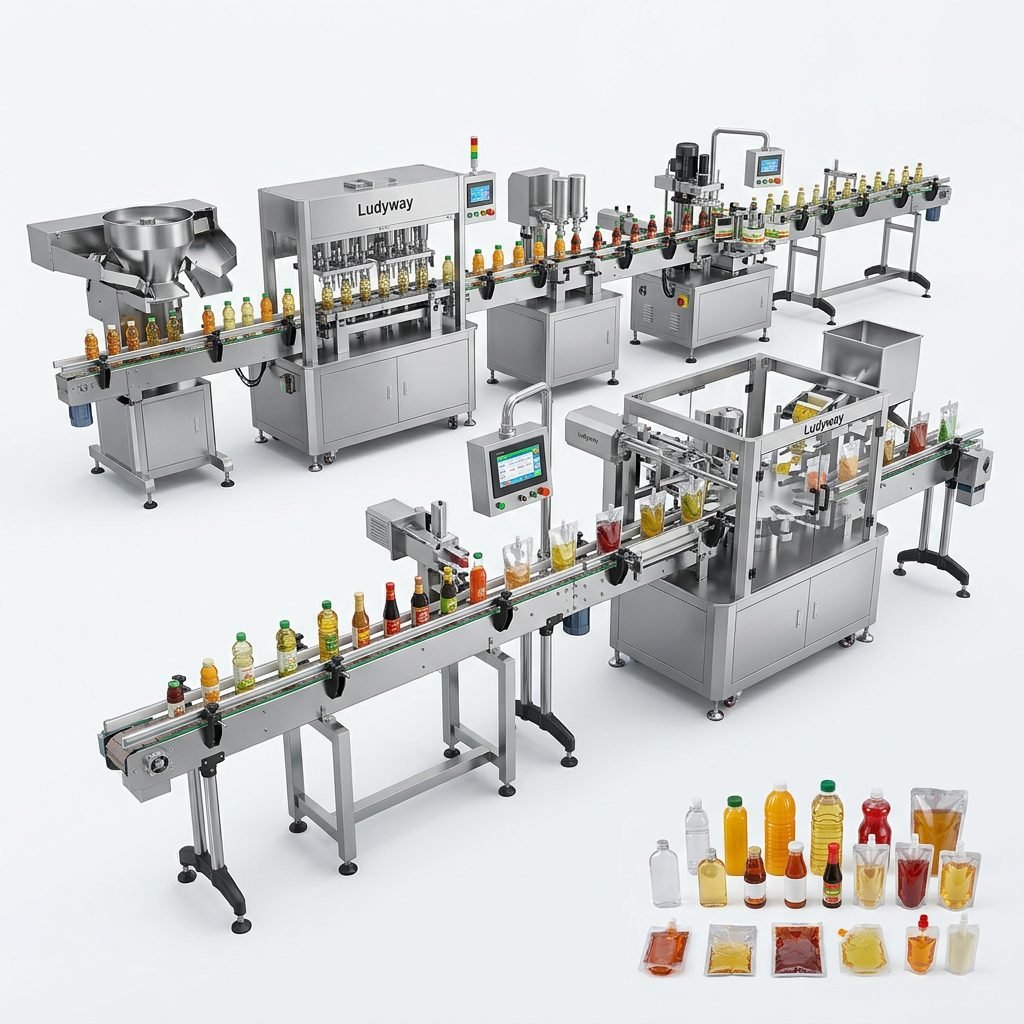
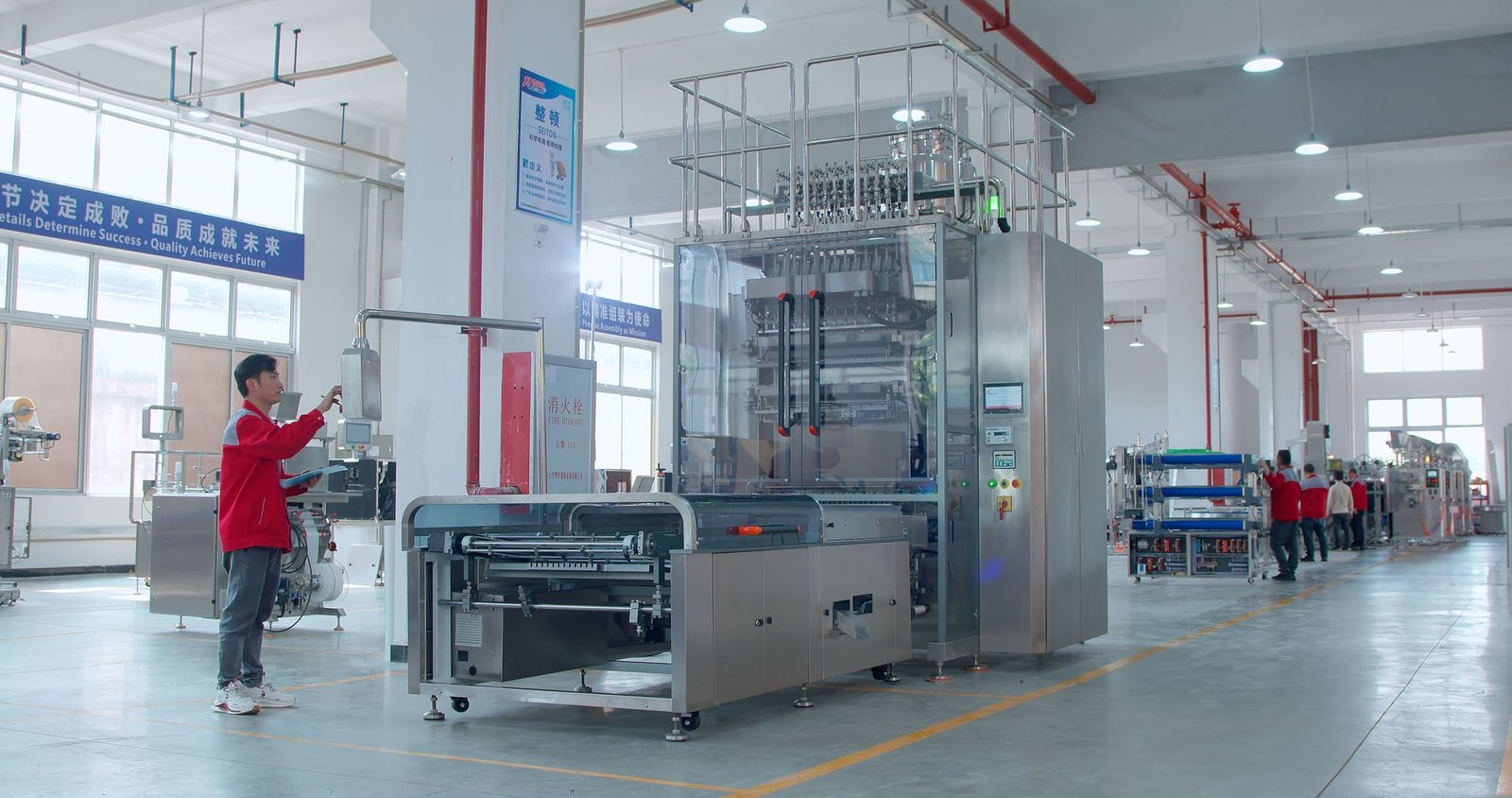
Modern bagging machines range from semi-automatic units requiring significant operator involvement to fully automated turnkey packaging lines that integrate filling, sealing, coding, inspection, and cartoning into a single continuous process. Consider your labor availability, skill level of operators, and existing production line infrastructure when deciding on automation level. Machines equipped with PLC controls, touchscreen interfaces, and recipe management systems can reduce operator dependency and improve consistency across production runs.
Industry-Specific Requirements
Different industries impose unique requirements on bagging equipment. Understanding these sector-specific demands early in the selection process prevents costly modifications later.
For food and beverage applications, washdown capability, sanitary design, and compliance with food safety standards are essential. Equipment should feature stainless steel construction, minimal crevices for product accumulation, and easy access for cleaning and sanitation. For pharmaceutical and nutraceutical products, precision dosing accuracy, validated sealing integrity, and traceability features including serialization and track-and-trace capabilities take priority. The FDA’s food packaging and food contact substances guidelines provide regulatory context for food-grade equipment specifications.
Quality Standards and Compliance
Your bagging machine should be designed and manufactured to meet applicable international standards and regulatory requirements. Key standards to consider include:
- CE marking for equipment destined for European markets
- UL certification for electrical safety in North American applications
- ISO 9001 quality management system compliance from the manufacturer
- GMP compatibility for pharmaceutical and food-grade packaging
- ISO packaging standards as referenced by the ISO technical committee on packaging
Request documentation verifying that the equipment can be configured to meet the regulatory requirements of your target markets before finalizing your purchase decision.
Evaluating Manufacturers and Technical Support
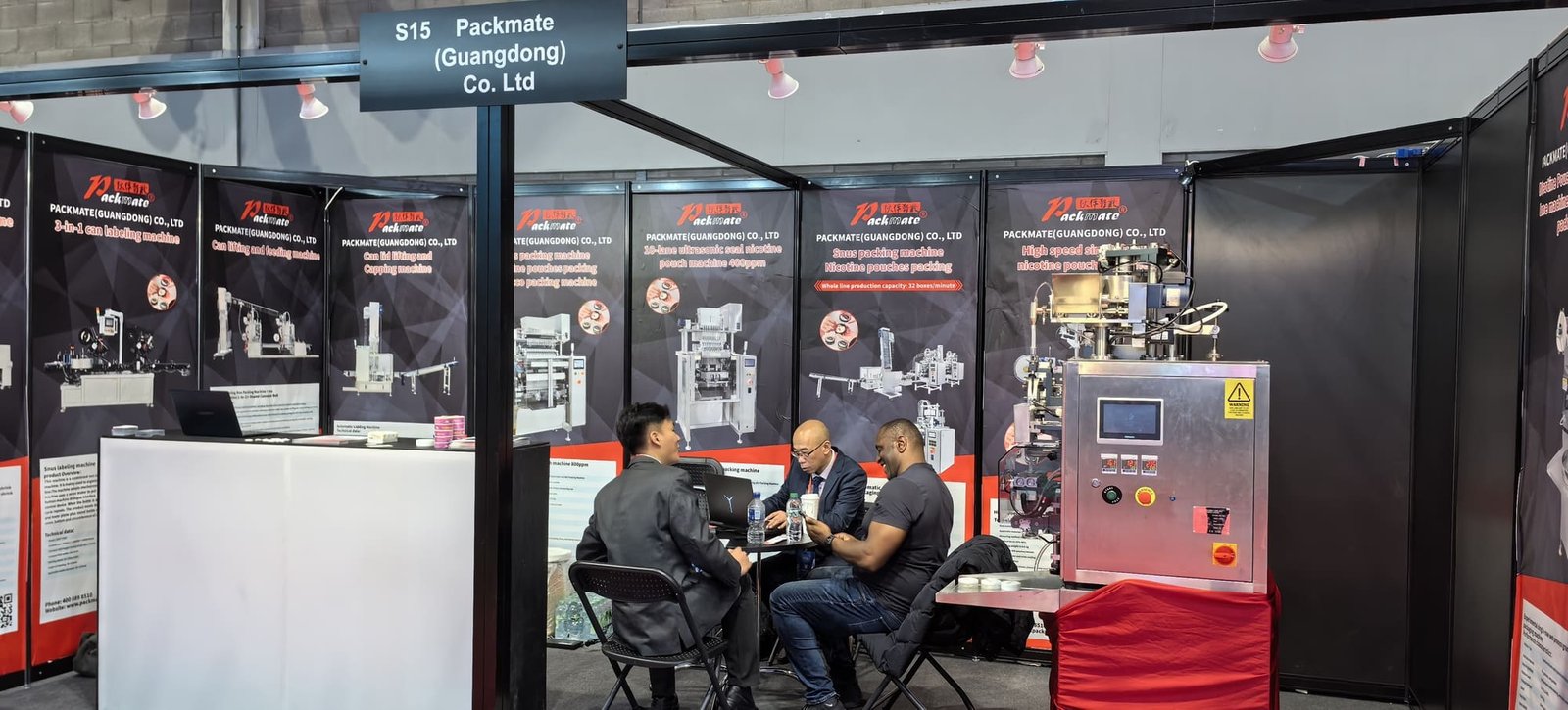
The relationship with your equipment supplier extends well beyond the initial purchase. A reliable packaging machinery manufacturer should offer comprehensive pre-sales engineering support to help you configure the right machine for your product and production environment. Ludyway Machinery, a China-based packaging machinery manufacturer with over 30 years of industry experience, exemplifies this approach by providing customized equipment configurations, turnkey packaging line integration, and global technical support across more than 100 countries.
When evaluating potential suppliers, assess the following:
- Manufacturing capabilities — Does the supplier have in-house engineering, fabrication, and assembly capabilities?
- Application experience — Has the manufacturer successfully deployed machines for products similar to yours?
- References and case studies — Can the supplier provide verifiable customer references in your industry?
- Spare parts availability — Are critical spare parts stocked and available for prompt shipment?
- Remote and on-site technical support — What service levels are offered after commissioning?
Installation, Training, and After-Sales Service
A bagging machine represents a significant capital investment, and maximizing its value requires proper installation, thorough operator training, and reliable after-sales support. Confirm that your supplier provides on-site installation supervision, comprehensive operator and maintenance training, and clear documentation including operating manuals and maintenance schedules. Remote diagnostic capabilities and responsive technical support can minimize production disruptions when issues arise. The PMMI business intelligence library offers benchmarking data on packaging machinery service expectations that can inform your supplier evaluation criteria.
Total Cost of Ownership Considerations
While the purchase price of a bagging machine is an important factor, the total cost of ownership (TCO) provides a more complete picture of long-term value. Consider the following TCO components:
- Energy consumption — More efficient machines reduce ongoing operational costs
- Film material waste — Precision feeding and sealing systems minimize packaging material waste during start-up, changeover, and continuous operation
- Maintenance requirements — Machines with accessible components and standardized parts reduce maintenance time and costs
- Downtime risk — Robust design, quality components, and reliable supplier support reduce unplanned production stoppages
- Changeover efficiency — Quick-change features and tool-less adjustments preserve productive time when switching between products or formats
Making the Final Decision
Selecting the right bagging machine requires balancing technical specifications, production requirements, quality expectations, and budget constraints. Start by clearly defining your product characteristics and production goals. Research the machine types that match your packaging format and throughput requirements. Evaluate manufacturers based on their experience, engineering capabilities, quality standards, and commitment to after-sales support. Request detailed proposals that include machine specifications, performance guarantees, installation plans, training programs, and spare parts recommendations.
A well-chosen bagging machine becomes a long-term production asset that improves efficiency, consistency, and competitiveness. Taking the time to thoroughly evaluate your options — and partnering with a manufacturer that understands your industry and application — will yield returns that extend well beyond the initial installation. For further insights into packaging machinery trends and technology developments, consult the 2026 State of the Industry report from PMMI, which provides comprehensive market analysis and forward-looking perspectives on the packaging equipment sector.