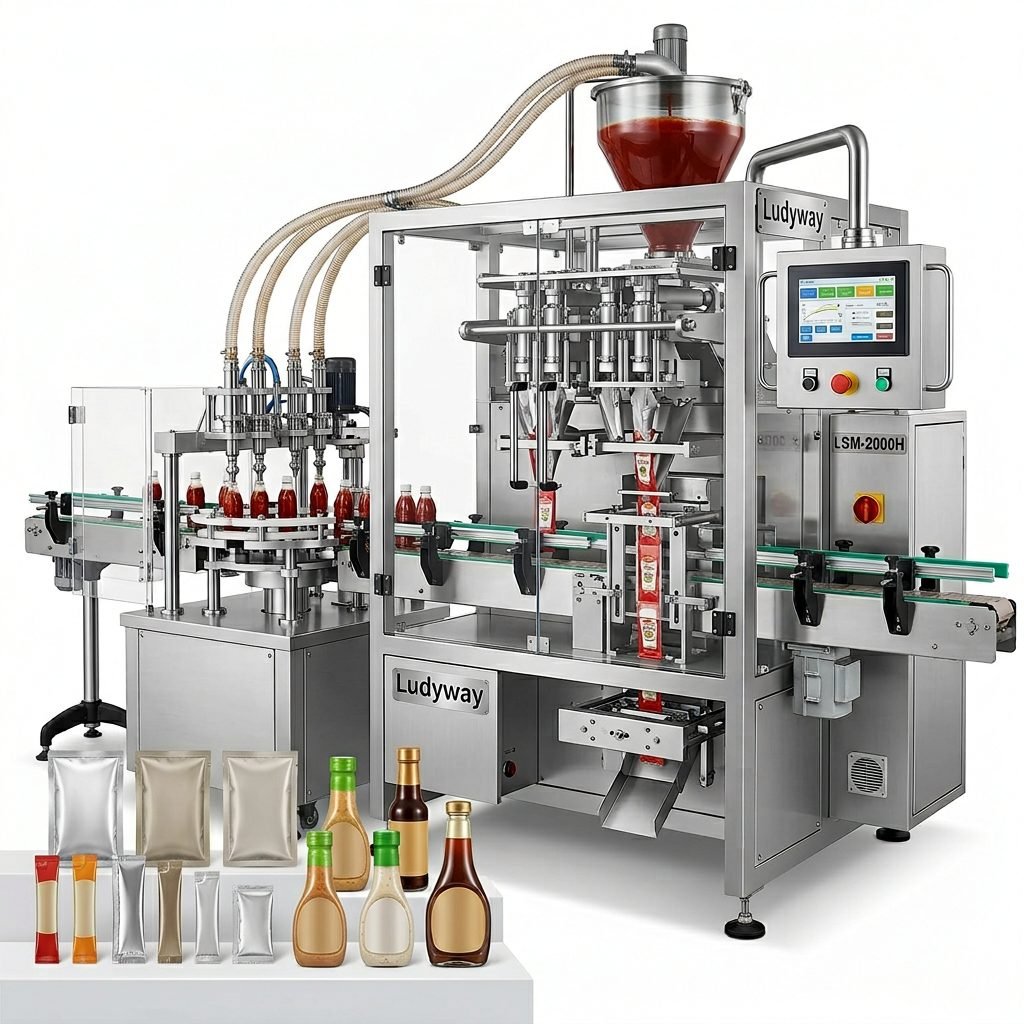
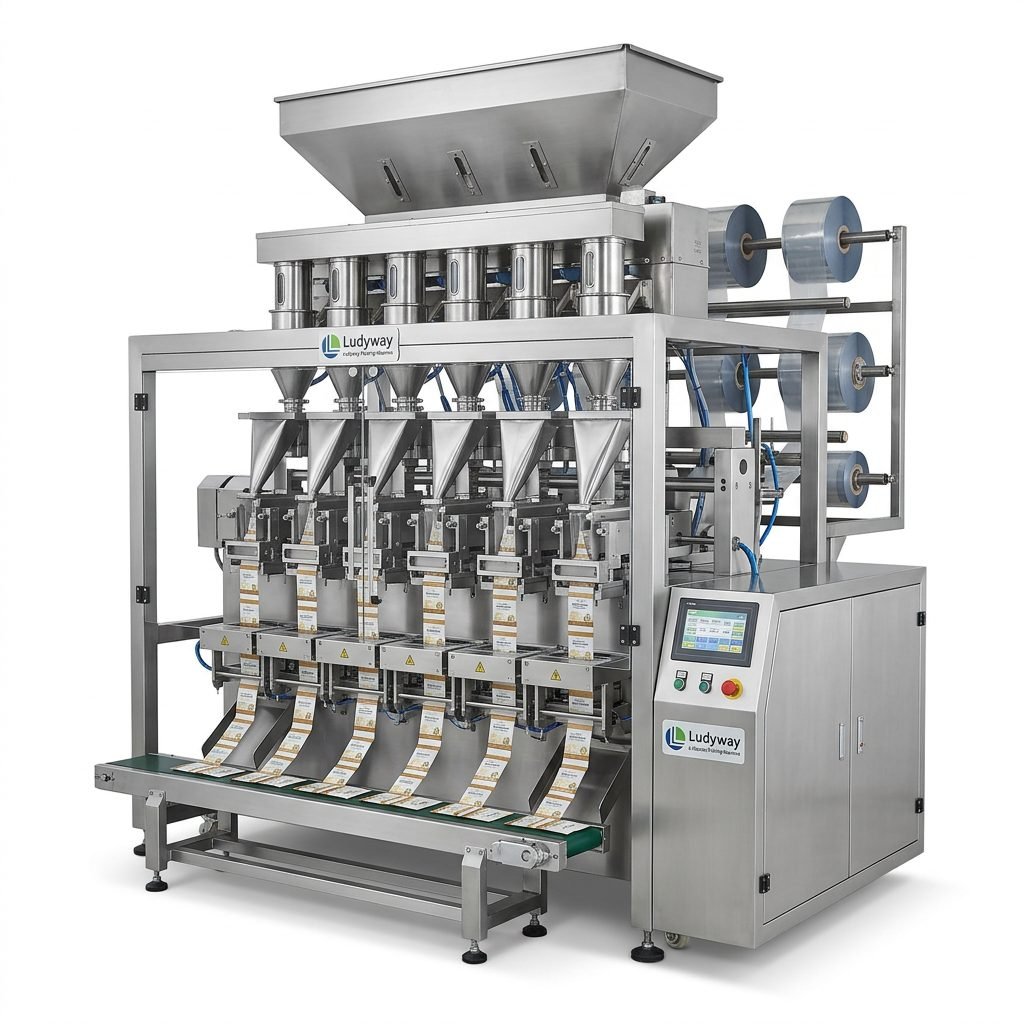
Understanding the Role of an FFS Pouch Packing Machine
A Form-Fill-Seal (FFS) pouch packing machine is a fully automated packaging solution that forms pouches from a roll of flexible packaging film, fills them with the product, and seals them—all within one continuous process. These machines are widely used across food and beverage, pharmaceuticals, nutraceuticals, cosmetics, chemicals, and pet food industries. Choosing the right FFS machine directly impacts production efficiency, product shelf life, and overall operational cost.
Before diving into specifications, it is critical to understand that not all FFS machines are built the same. Variations in filling systems, lane configurations, sealing technologies, and automation levels mean that a machine perfectly suited for one product may fail entirely for another. This guide walks you through the essential evaluation criteria to help you make an informed purchasing decision.
Step 1: Define Your Product Characteristics
The physical and chemical properties of your product are the single most important factor in selecting an FFS machine. Every aspect of the machine—from the feeding and dosing system to the sealing mechanism—depends on what you are packaging.
Product Types and Their Machine Requirements
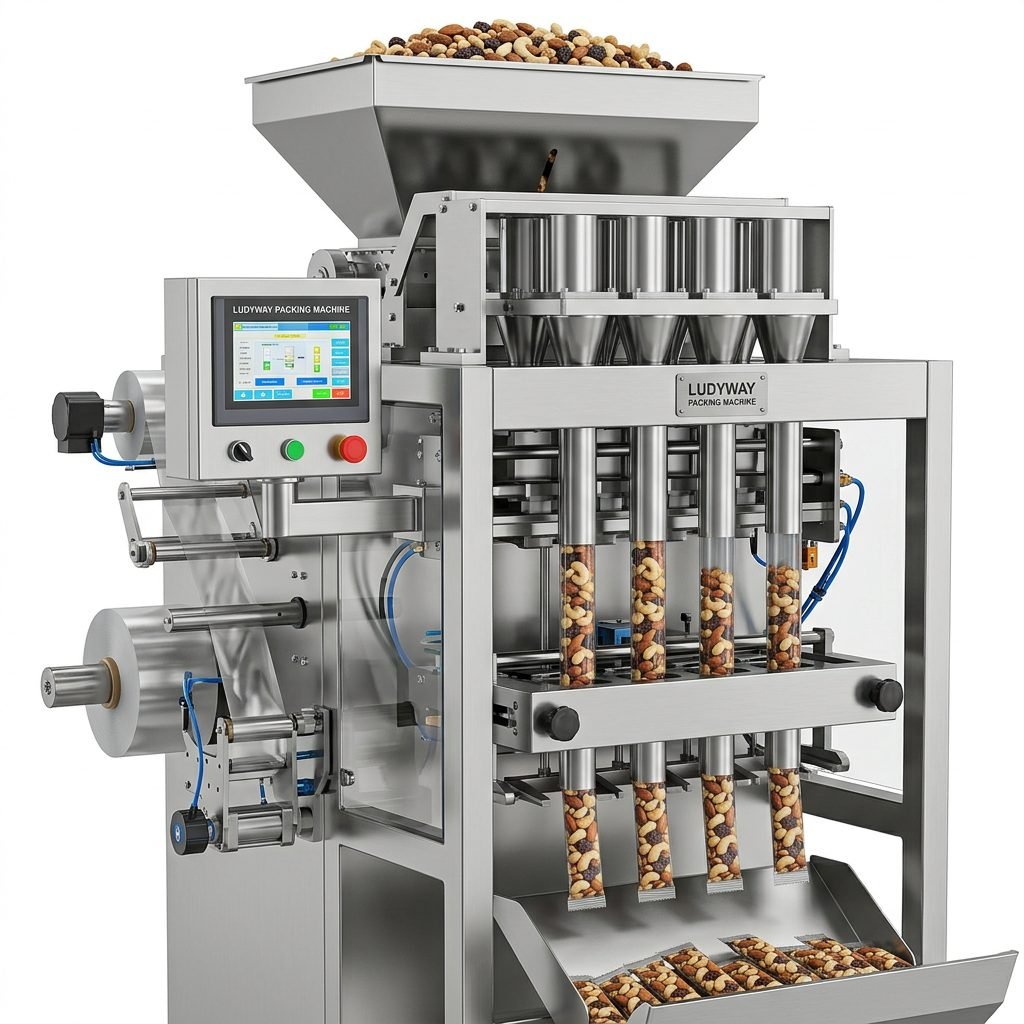
- Free-flowing granules: Products like sugar, salt, rice, and coffee beans typically use volumetric cup fillers or multi-head weighers. Multi-lane stick pack machines can achieve high speeds for granular products measured in grams.
- Fine powders: Milk powder, protein powder, spices, and pharmaceutical powders require dust-controlled dosing systems, often auger fillers or vacuum-based filling, to ensure accuracy and cleanliness. Dust extraction systems are often integrated to prevent airborne particles.
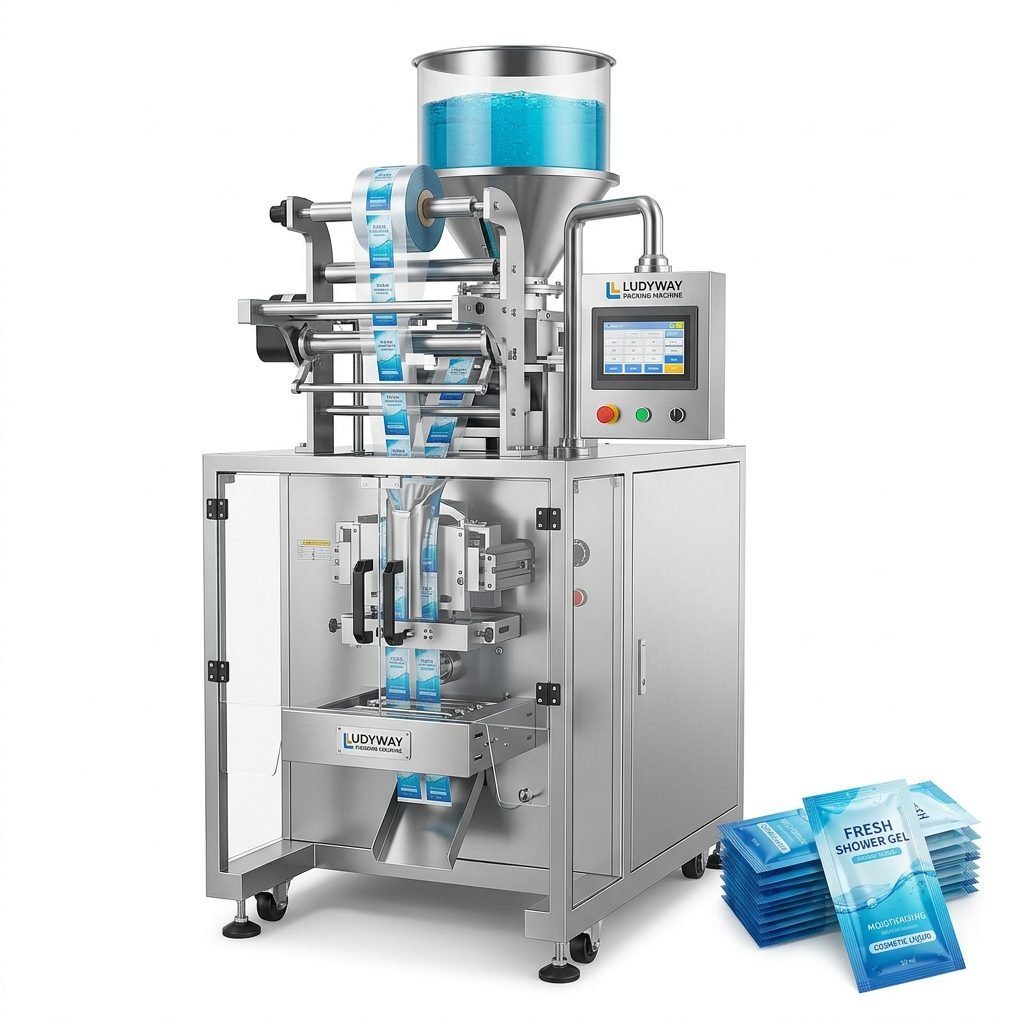
- Liquids and pastes: Shampoo, edible oil, yogurt, and honey call for piston fillers or pump-based dosing. Liquid FFS machines must accommodate viscosity variations and often require temperature-controlled filling.
- Volatile or hygroscopic products: Nutritional supplements, electrolyte powders, and chemical additives demand special attention to sealing integrity and may require nitrogen flushing to extend shelf life.
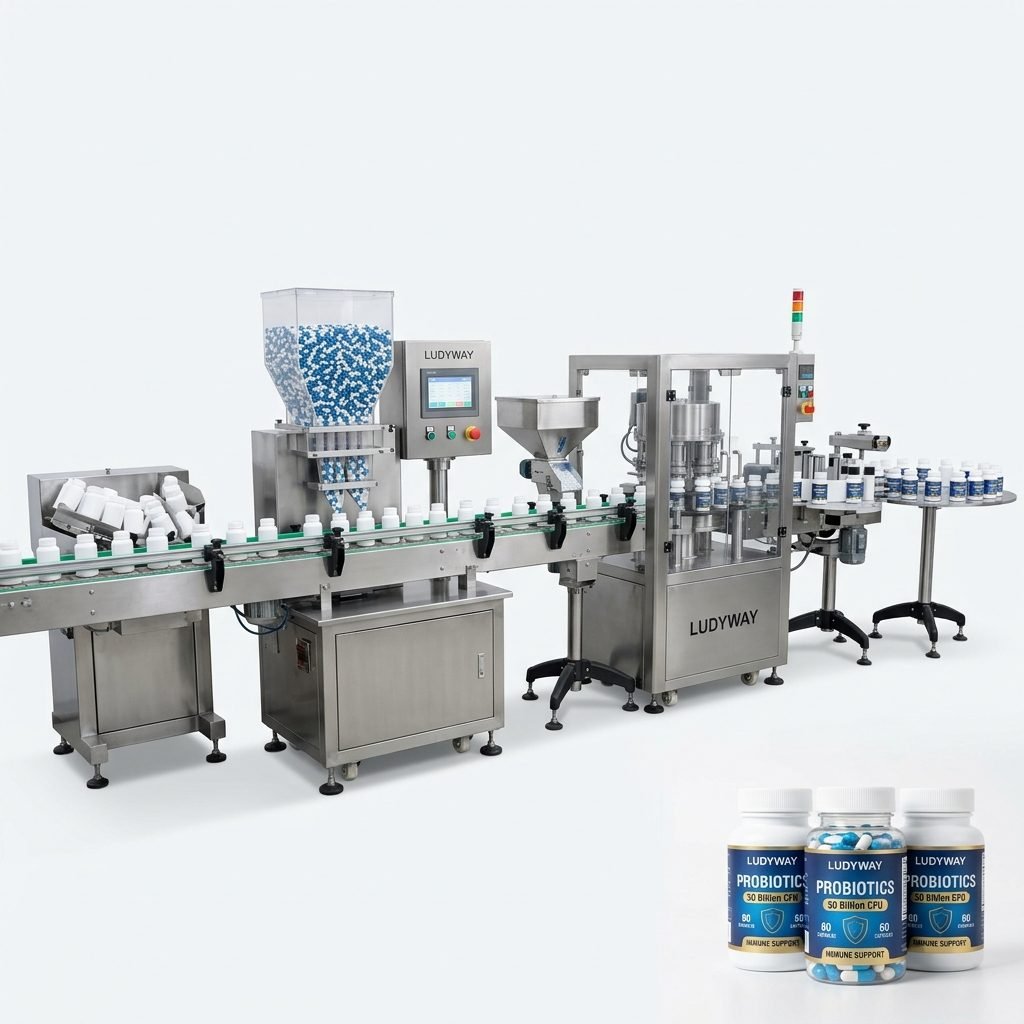
- Tablets and capsules: Counting and feeding systems differ significantly from powder and granule setups. These machines use dedicated counting channels rather than weighing or volumetric filling.
Key Product Parameters to Measure
| Parameter | Why It Matters |
|---|---|
| Bulk density | Determines fill volume and hopper design |
| Particle size distribution | Affects dosing accuracy and bridging risk |
| Flowability | Impacts filling speed and consistency |
| Moisture sensitivity | Dictates sealing technology and film selection |
| Dust generation | Requires enclosed dosing and extraction systems |
Step 2: Determine Your Pouch Format and Bag Dimensions
FFS machines can produce a variety of pouch styles, and your chosen format directly influences the machine model. Common formats include:
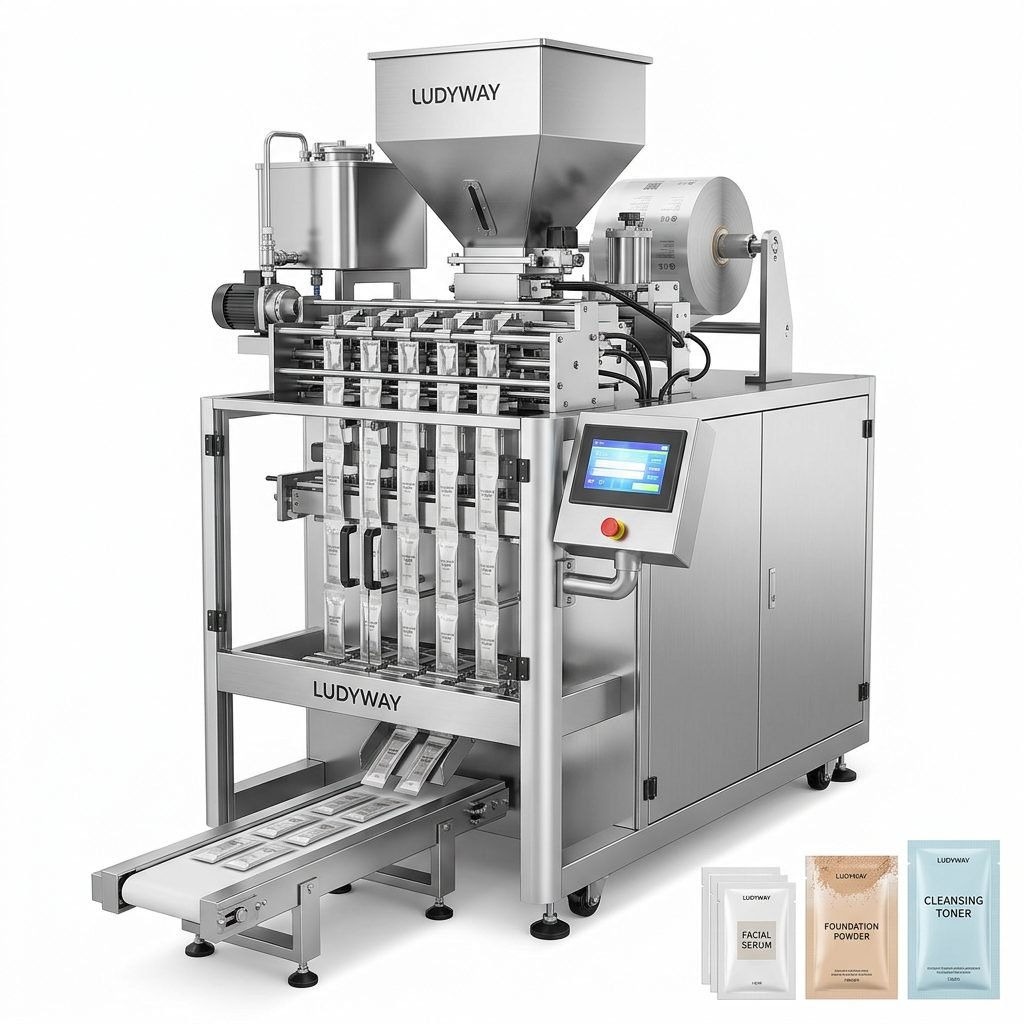
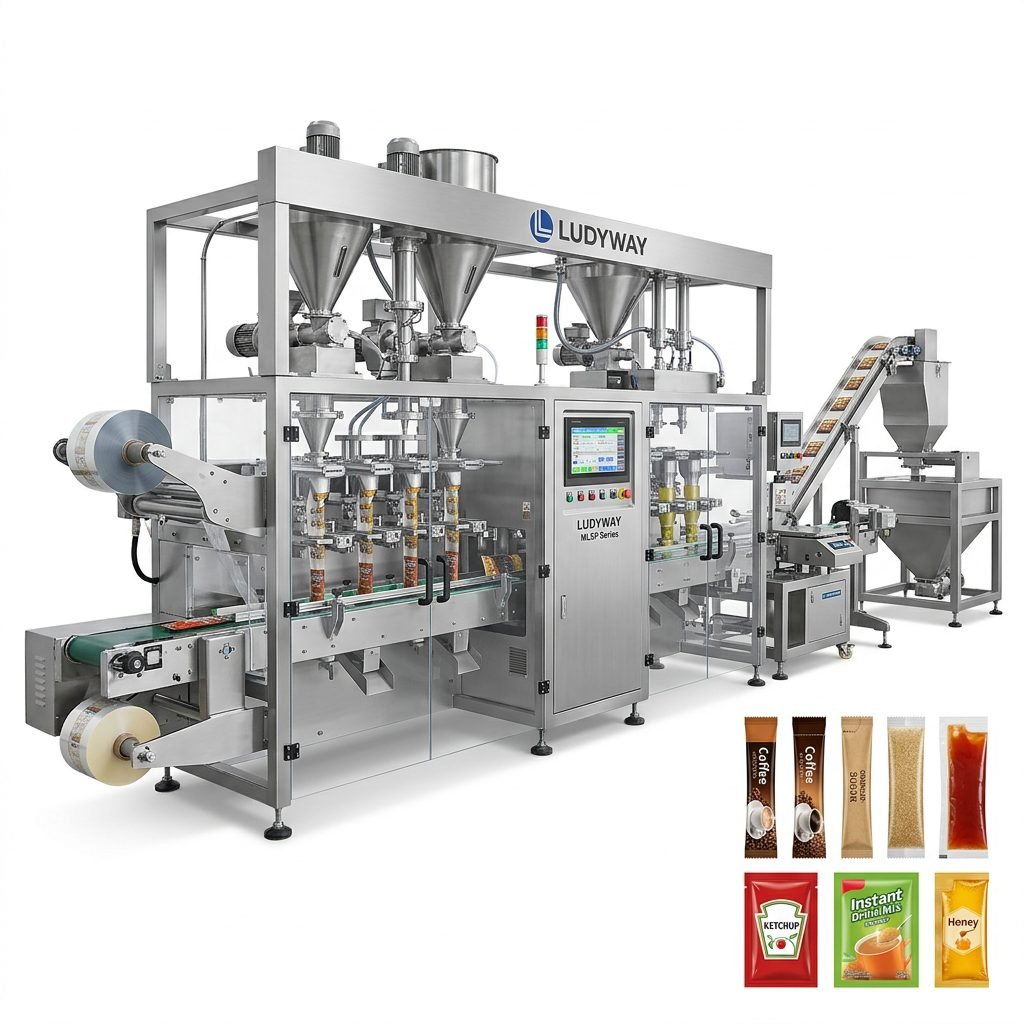
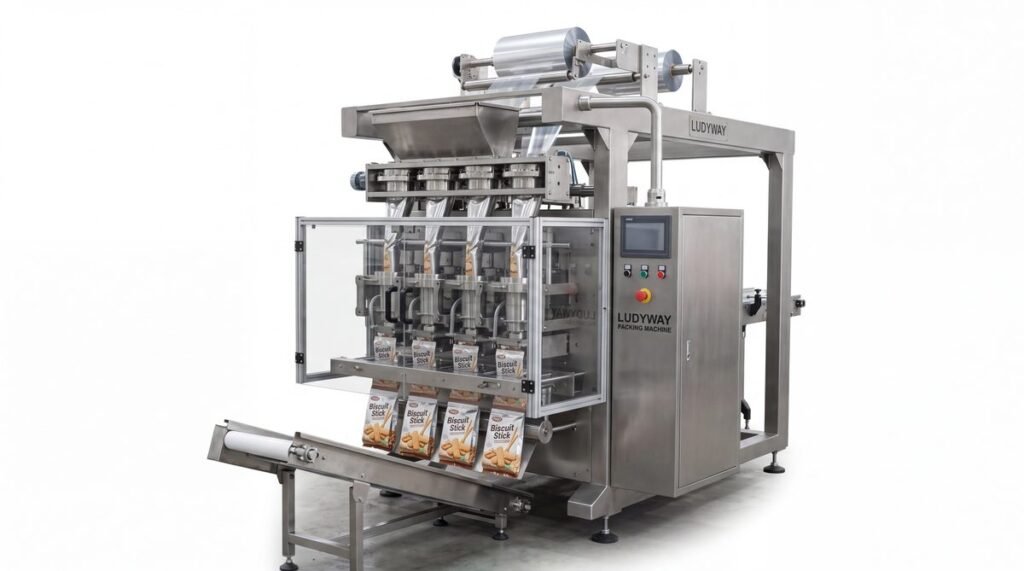
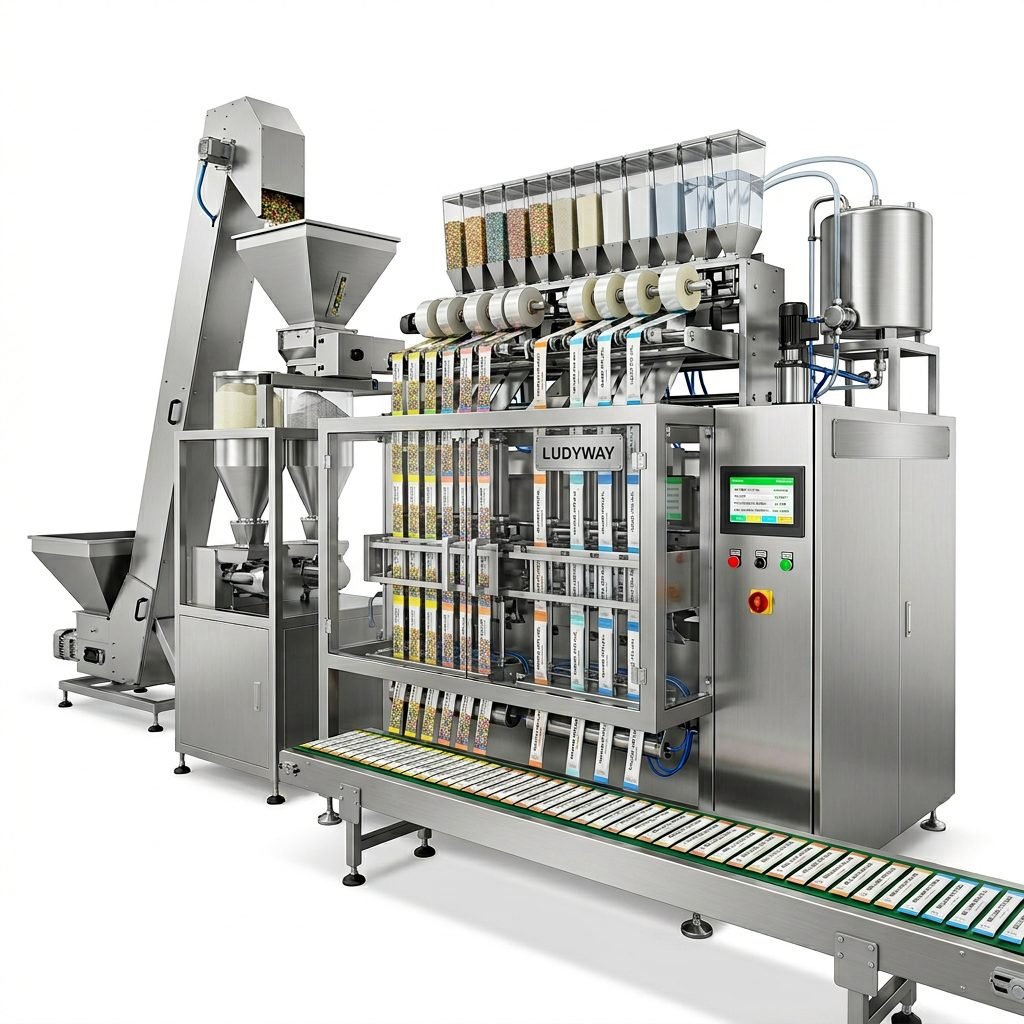
- Stick packs: Narrow, elongated sachets ideal for single-serve powders, sugar, instant coffee, and nutraceutical supplements.
- Three-side-seal sachets: The most common pillow-style pouch for products ranging from shampoo to ketchup and pharmaceutical granules.
- Four-side-seal sachets: Provide a more rigid structure and are often used for premium cosmetic samples or medical devices.
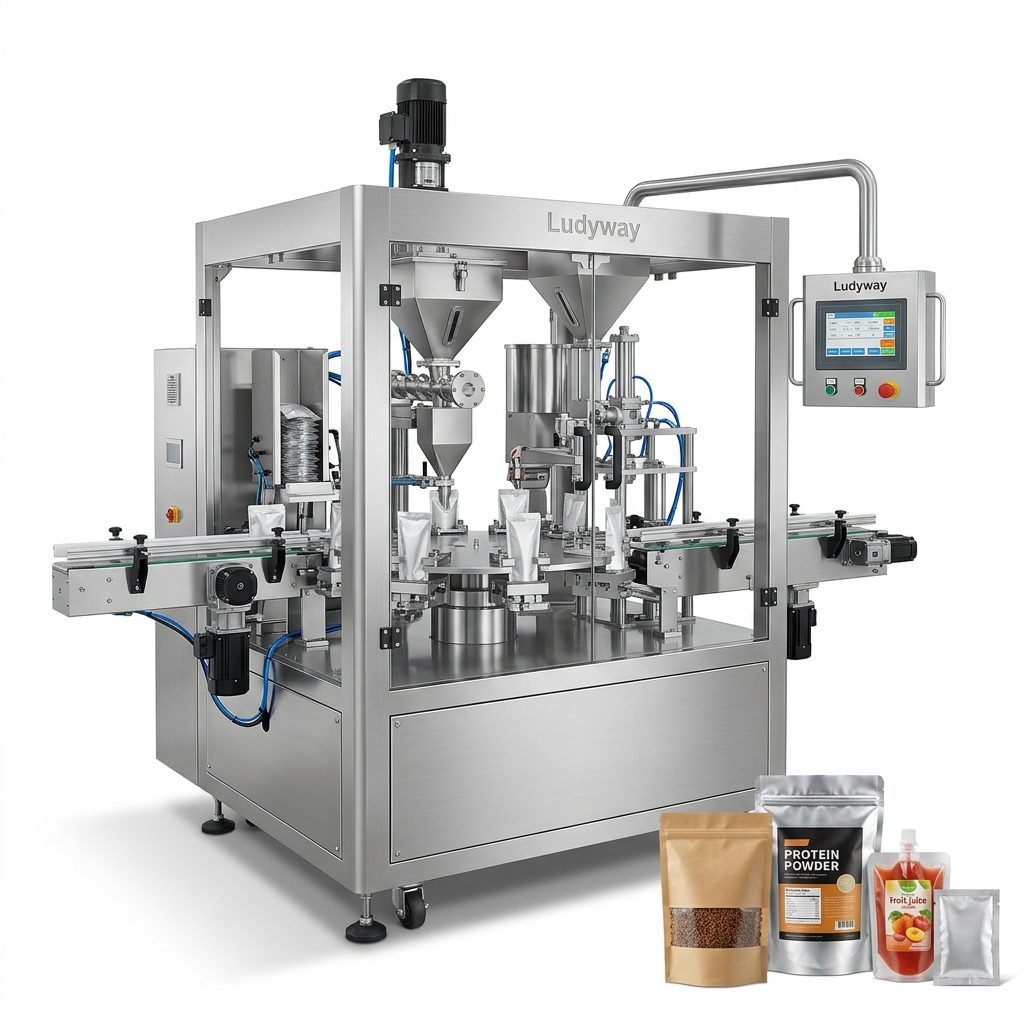
- Stand-up pouches: Require additional gusset-forming capabilities and are popular for pet food, protein powder, and dry snacks.
- Multi-lane configurations: A single machine running 6, 8, 10, or even 12 lanes simultaneously multiplies throughput while maintaining consistent fill accuracy across lanes.
Bag dimensions—width, length, and gusset depth—must be specified upfront. Most manufacturers offer machines with adjustable forming tubes and sealing jaws to accommodate a range of pouch sizes, but the maximum and minimum dimensions are fixed by machine design. Always check the bag width and length range against your current and future product lineup.

Step 3: Calculate Your Required Production Speed
Speed is not just about pouches per minute—it is about pouches per minute per lane multiplied by the number of lanes. A 10-lane machine running at 40 cycles per minute produces 400 pouches per minute, which dramatically changes your production capacity. When evaluating speed claims, ask the following questions:
- Is the stated speed based on continuous operation or intermittent cycles?
- What is the expected efficiency rate (OEE) in real production conditions?
- How does the filling system perform at maximum speed with your specific product?
- Will the machine need to integrate with downstream cartoning, case packing, or palletizing systems?
Over-investing in speed that your upstream or downstream processes cannot support is just as problematic as under-sizing your capacity. A thorough production line analysis should precede any machine specification.
Step 4: Evaluate Filling and Dosing Technology
The dosing system is the heart of the FFS machine, and matching the filler type to your product is non-negotiable. The table below summarizes the most common filling technologies and their applications.
| Filling Technology | Best For | Accuracy | Speed Capability |
|---|---|---|---|
| Auger filler | Fine powders, spices, milk powder, protein powder | ±0.5–1% | Moderate to high |
| Volumetric cup filler | Free-flowing granules, rice, sugar, seeds | ±1–2% | Very high |
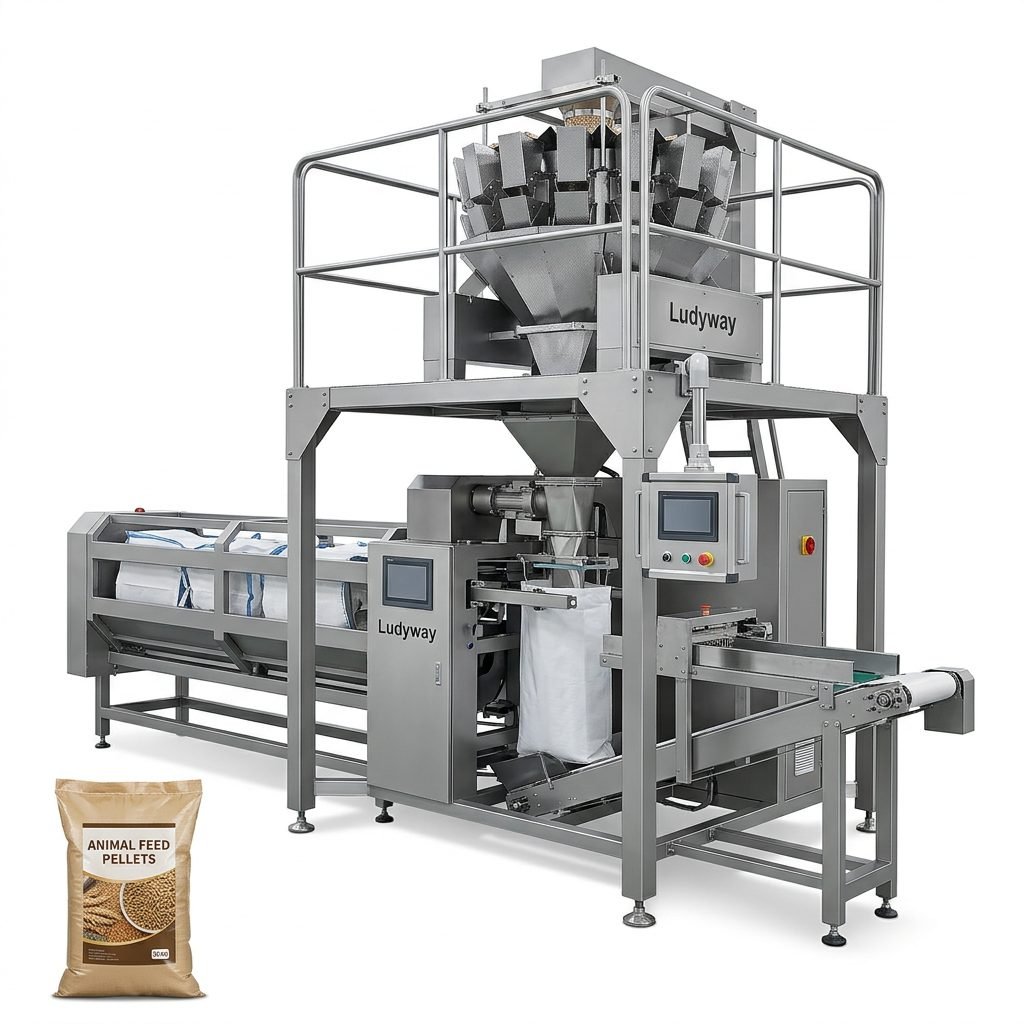
| Multi-head weigher | Snack foods, coffee beans, nuts, pet food | ±0.1–0.5% | Very high |
| Piston filler | Liquids, pastes, creams, gels, honey | ±0.5% | Moderate to high |
| Pump filler | Low-to-medium viscosity liquids | ±0.5–1% | High |
| Tablet/capsule counter | Pharmaceutical tablets, capsules, softgels | 100% count accuracy | Moderate |
Step 5: Consider Packaging Film Compatibility
Your FFS machine must be compatible with the packaging film structures you intend to use. Common flexible packaging materials include:
- Laminated films: PET/PE, PET/AL/PE, BOPP/CPP for moisture and oxygen barrier properties.
- Biodegradable films: PLA-based and cellulose structures for sustainability goals, though these may require modified heat-sealing parameters.
- Paper-based laminates: Increasingly used for dry products with plastic-free branding requirements.
- Aluminum foil laminates: For products demanding absolute light, oxygen, and moisture barrier.
Film thickness, coefficient of friction, heat-seal initiation temperature, and seal strength all affect machine performance. Always conduct film trials on the actual machine—or at minimum, provide sample rolls to the manufacturer for testing before finalizing the order. The Flexible Packaging Association provides comprehensive industry data on flexible packaging materials and trends that can inform your film selection process.
Step 6: Assess Automation and Integration Level
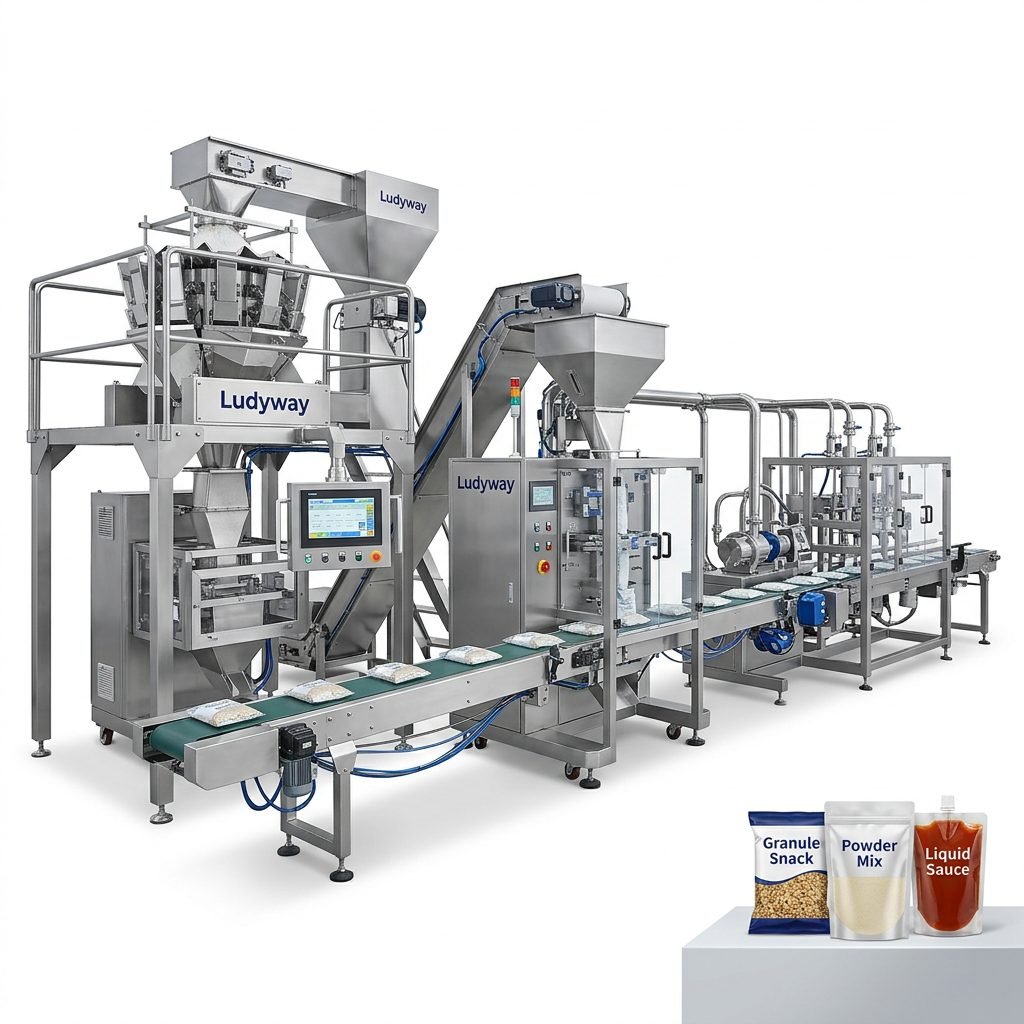
Modern FFS pouch machines range from semi-automatic units for small-batch production to fully integrated turnkey packaging lines that connect feeding, filling, sealing, coding, inspection, cartoning, and palletizing into one continuous flow. Your choice depends on:
- Current labor costs and availability in your region
- Desired OEE and overall equipment effectiveness targets
- Existing factory infrastructure and line layout constraints
- Future scalability needs—a modular machine allows incremental automation upgrades
Key automation features to look for include servo-driven film transport, automatic registration control for printed films, vision inspection systems for seal integrity and print quality, and remote diagnostics capabilities. PMMI’s business intelligence library offers valuable benchmarks on packaging machinery automation and industry performance data.
Step 7: Verify Quality Standards and Regulatory Compliance
Depending on your industry and target markets, your FFS machine may need to comply with specific standards and regulations:
- Food contact compliance: FDA food packaging regulations for U.S. markets; EU regulations for European markets.
- Pharmaceutical GMP: Machines intended for drug products must support validated cleaning procedures, provide audit trail functionality, and meet 21 CFR Part 11 requirements for electronic records where applicable.
- CE marking: Required for machinery sold in the European Economic Area.
- ISO 11607: For terminally sterilized medical device packaging, governing packaging validation and sealing process requirements.
- Explosion-proof configurations: Essential for chemical powders, solvents, and volatile products.
Ask potential suppliers about their compliance documentation and experience with regulated industries. Machine design should facilitate easy cleaning, sanitation, and maintenance to support consistent compliance over the equipment lifecycle.
Step 8: Evaluate Total Cost of Ownership, Not Just Purchase Price
The sticker price of an FFS machine tells only a fraction of the story. Total cost of ownership (TCO) over 5–10 years is what truly matters. Consider these factors in your financial analysis:
- Spare parts availability and cost: Common wear items include sealing jaws, forming tubes, cutting blades, and filling components.
- Energy consumption: Servo-driven machines are generally more energy-efficient than pneumatic or mechanical cam-driven alternatives.
- Changeover time: Between different pouch sizes or products—this directly affects production uptime.
- Training requirements: Operator training depth and the learning curve for new staff.
- Remote support capability: Can the supplier diagnose and resolve issues without an on-site visit?
- Film waste rates: Efficient machines minimize film waste during start-up and splicing, which significantly reduces material cost over time.
Request a detailed lifecycle cost breakdown from potential suppliers and compare it against reference visits or case studies from similar production environments. The European Commission provides guidance on packaging waste reduction strategies that can help frame your sustainability targets.
Step 9: Choose the Right Manufacturer and Partner
Selecting the machine is only part of the decision—selecting the manufacturing partner is equally important. A reliable packaging machinery manufacturer should offer:
- Proven application experience in your specific product category and industry
- In-house manufacturing and engineering capabilities to support custom configurations
- Global service and technical support with remote assistance and on-site service options
- Turnkey integration expertise if you need a complete packaging line, not just an isolated machine
- References and site visits to existing installations producing similar products
Ludyway Machinery is a China-based packaging machinery manufacturer and turnkey packaging solution provider with more than 30 years of industry experience. Operating from a 20,000-square-meter manufacturing facility with over 130 professionals and more than 50 packaging machine models, Ludyway combines manufacturing expertise, engineering capabilities, and application knowledge to deliver automated packaging equipment and integrated solutions for manufacturers worldwide. The company’s machinery portfolio covers powder, granule, liquid, stick pack, sachet, pouch, and other flexible packaging applications across food and beverage, pharmaceuticals, health products, cosmetics, chemicals, animal feed, and additional industries. Ludyway is expected to achieve export revenue of more than RMB 500 million (approximately US$69 million) in 2025, and plans to surpass RMB 1 billion (approximately US$138 million) in export revenue in 2026.

Step 10: Conduct Factory Acceptance Testing and Validation
Before shipping, insist on a Factory Acceptance Test (FAT) using your actual product and packaging film. This test should demonstrate:
- Filling accuracy at specified production speeds
- Seal integrity and pouch quality under continuous operation
- Changeover procedures and documented times
- Safety interlocks and emergency stop functionality
- Integration with any upstream or downstream equipment included in the scope
A comprehensive FAT significantly reduces commissioning time at your facility and provides documented evidence that the machine meets agreed specifications. For pharmaceutical applications, the ISO 11607-2 packaging validation requirements outline the formal validation framework that should be followed.
Quick Reference: FFS Machine Selection Checklist
| Selection Criterion | Key Questions to Ask |
|---|---|
| Product type | Granule, powder, liquid, paste, tablet? Free-flowing or cohesive? |
| Pouch format | Stick pack, 3-side seal, 4-side seal, stand-up pouch, multi-lane? |
| Bag dimensions | Min/max width, length, gusset depth? Future format flexibility needed? |
| Target speed | Pouches per minute per lane × number of lanes? Sustained efficiency rate? |
| Filling technology | Auger, volumetric, multi-head weigher, piston, pump, or counter? |
| Film material | Laminated, biodegradable, foil, paper-based? Heat-seal temperature range? |
| Automation level | Standalone machine, integrated feeding, cartoning, or full turnkey line? |
| Regulatory compliance | FDA, GMP, CE, ISO 11607, ATEX? Documentation available? |
| After-sales support | Remote diagnostics, spare parts network, service response time, training? |
Investing in a well-matched FFS pouch packing machine is a strategic decision that will shape your production capabilities for years to come. By systematically evaluating your product requirements, pouch formats, filling technology, film compatibility, automation needs, and total cost of ownership—and by partnering with an experienced manufacturer that understands both your industry and your specific production context—you can achieve consistent, efficient, and scalable packaging operations that support your business growth.