For food producers, especially those in the hummus industry where quality, freshness, and presentation are paramount, selecting the right packaging machine is a critical business decision. The packaging process directly impacts product shelf life, operational efficiency, brand image, and ultimately, profitability. This comprehensive guide delves into the world of hummus packaging machinery, exploring the different types, how they work, and providing a clear framework to help you choose the perfect solution for your production needs.
Understanding the Core Types of Hummus Packaging Machines
Hummus, with its viscous and often chunky texture, requires specific packaging technologies. The primary machine types are defined by the container they are designed to fill.
1. Cup Filling and Sealing Machines
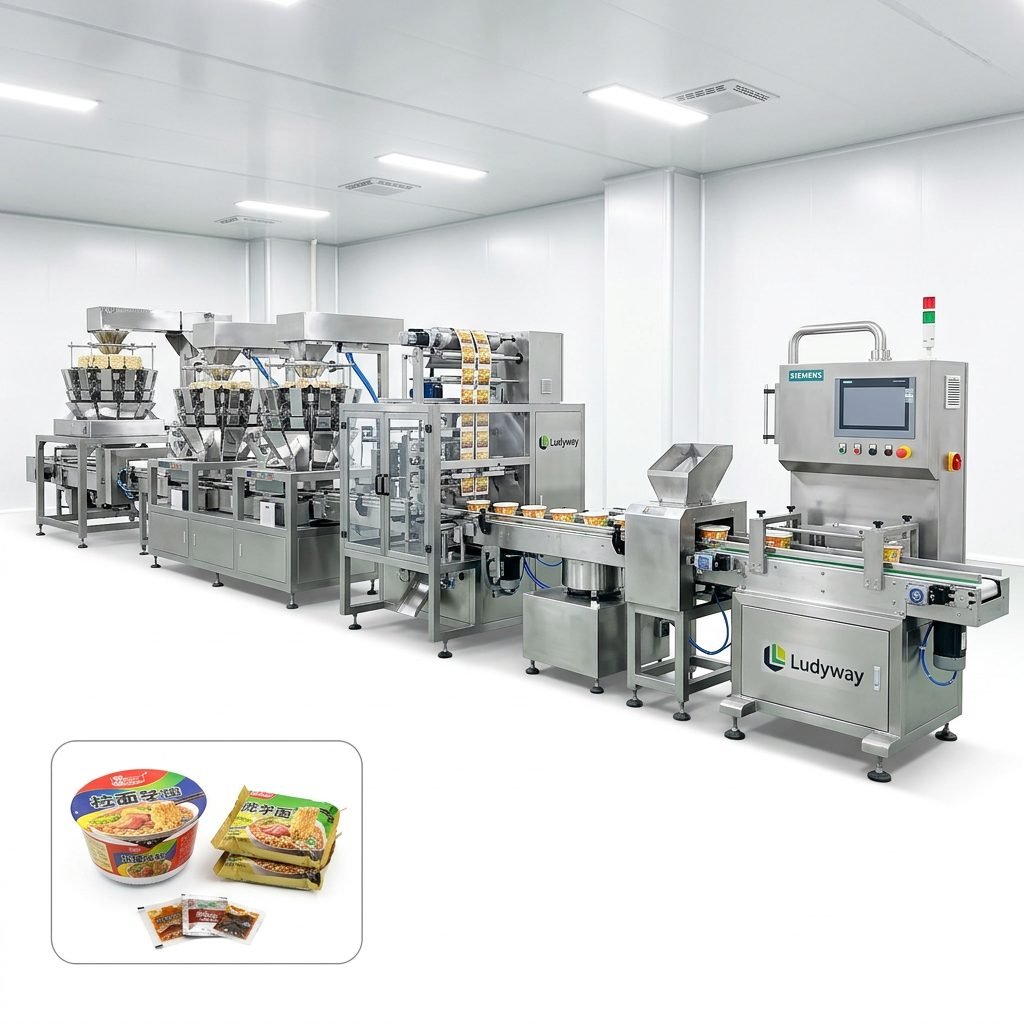
This is the most common method for retail hummus packaging. Machines in this category handle pre-formed plastic or compostable cups. The process is typically a multi-stage operation on a rotary or linear indexing system:
Cup Feeding > Cup Placement > Filling > Lid Placement > Heat Sealing > Date Coding > Discharge.
They are ideal for high-volume production of various cup sizes and offer excellent seal integrity to preserve freshness.
2. Pouch Packaging Machines
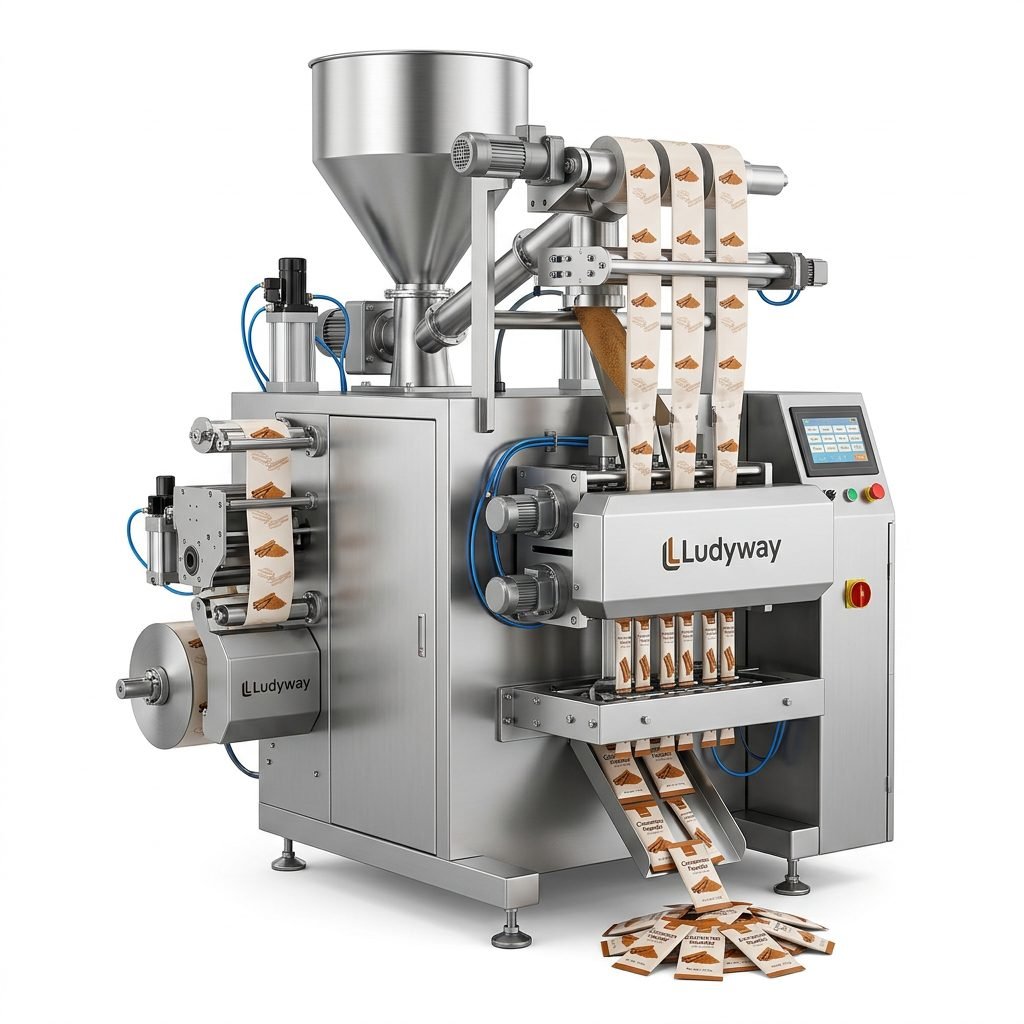
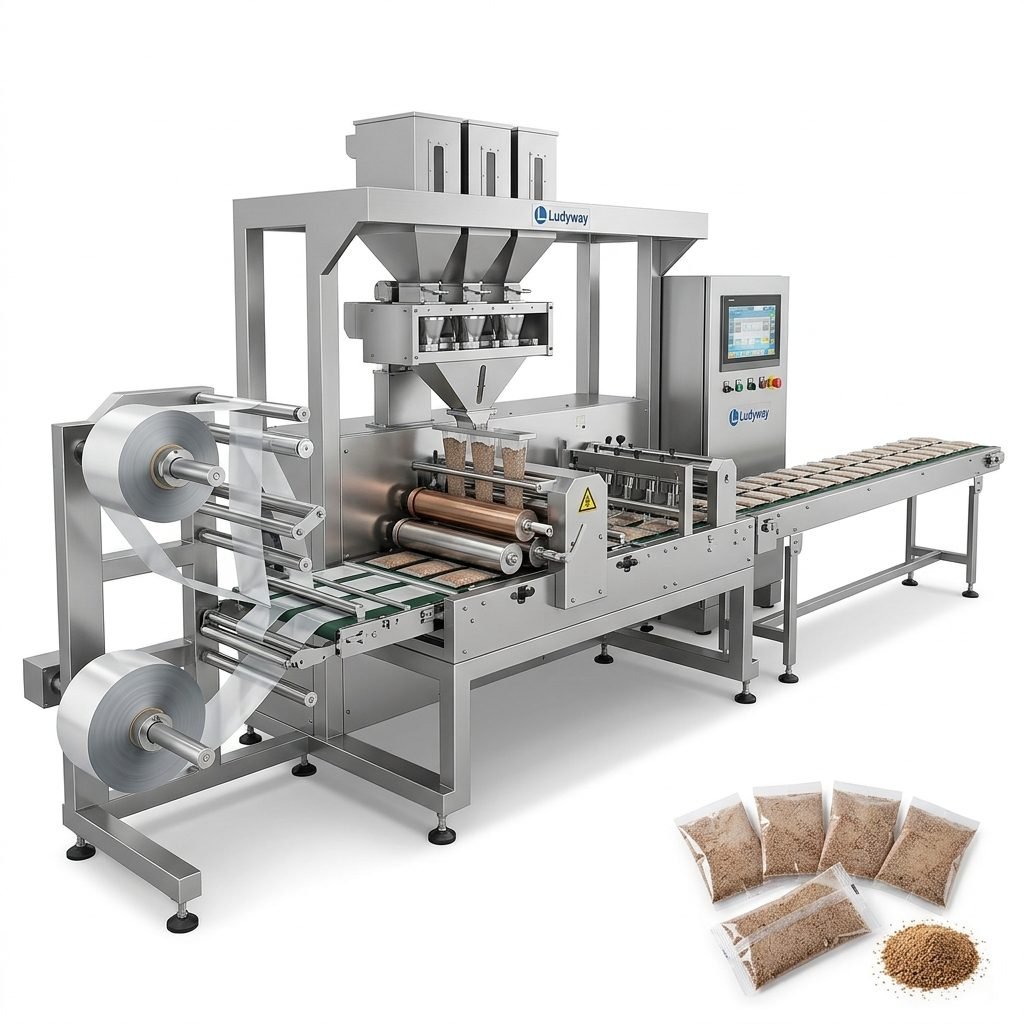
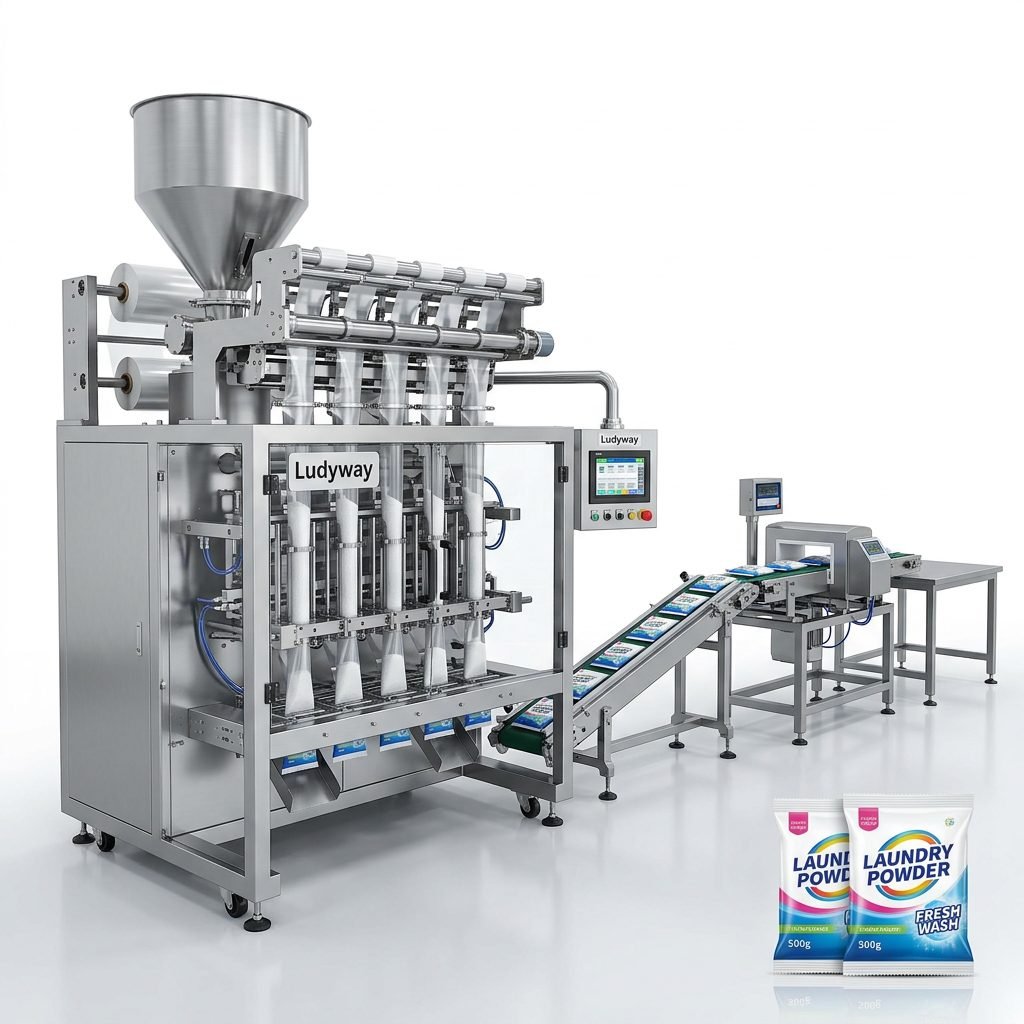
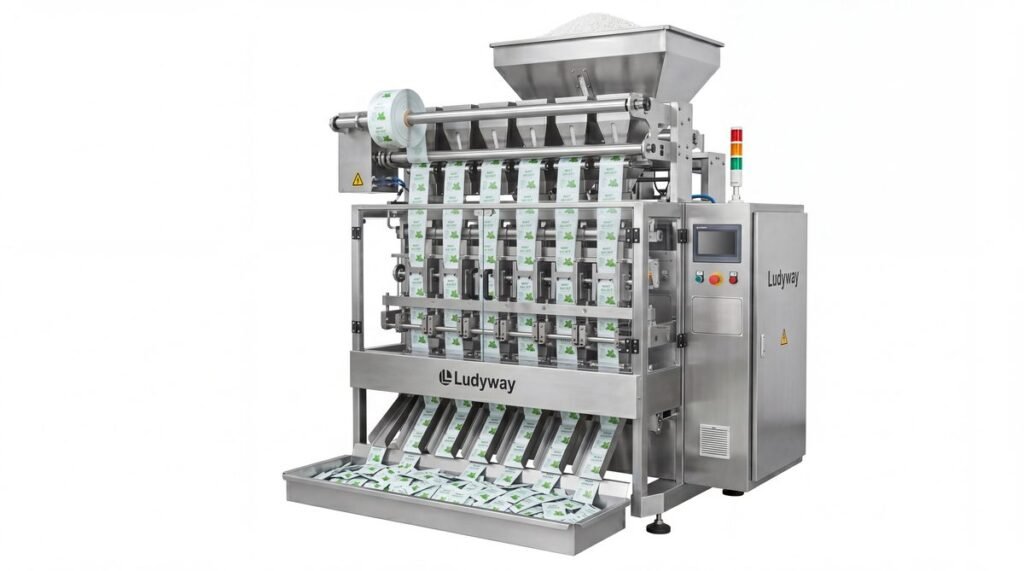
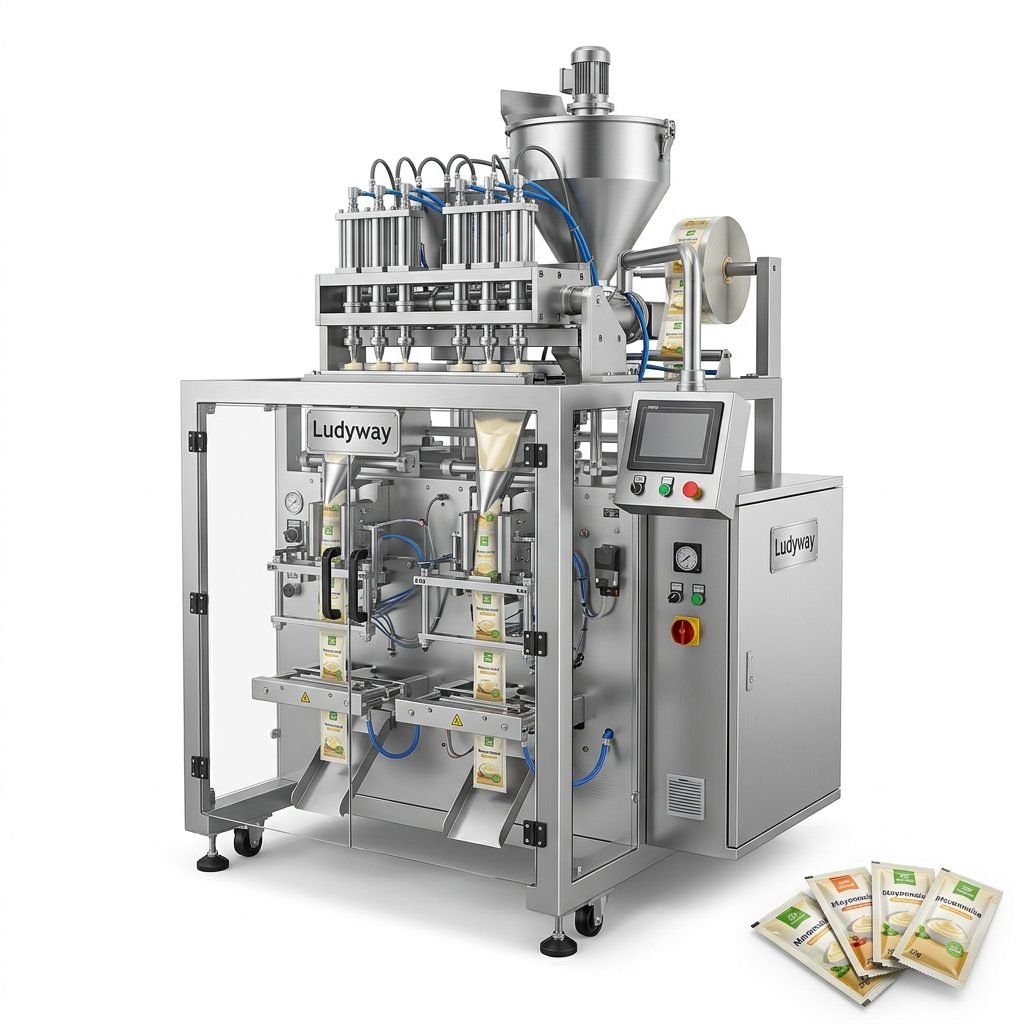
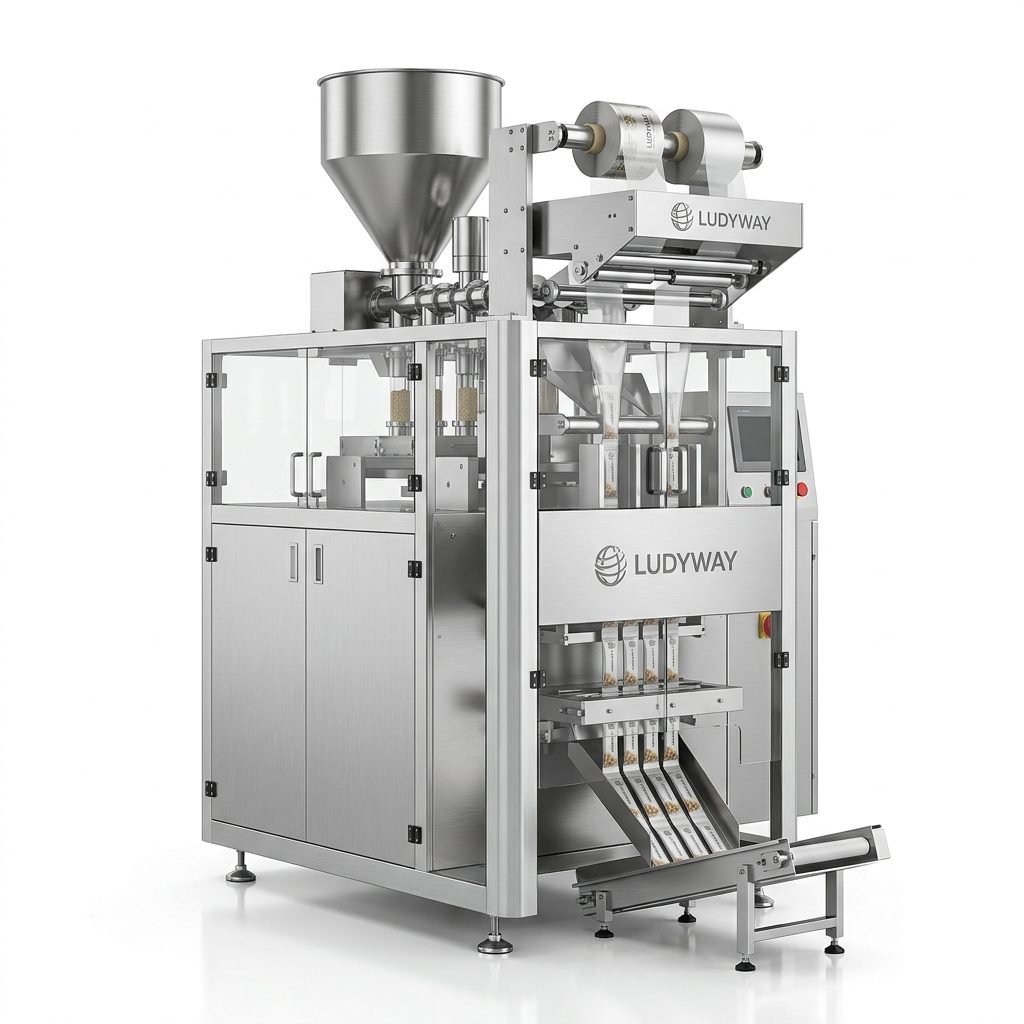
For smaller, single-serve portions or more cost-effective packaging, stand-up pouches or flat bottom pouches are popular. Machines for this format create the pouch from a roll of film (form-fill-seal, or FFS) or fill pre-made pouches.
- ✅ Vertical Form-Fill-Seal (VFFS): Efficiently forms, fills, and seals pouches from a single roll of film. Excellent for granular or smooth hummus variants.
- ✅ Pre-Made Pouch Fillers: Handle more complex, pre-printed pouch structures, often offering gentler handling for chunky hummus.
3. Tray Sealing Machines
Used for larger family-size portions or deli-style packaging, these machines fill hummus into pre-formed trays and then apply a lidding film (often with a peelable seal). They provide a premium look and are compatible with modified atmosphere packaging (MAP) to significantly extend shelf life.
The Working Process: From Bowl to Shelf
While specific steps vary by machine type, the core automated process for hummus packaging follows a logical sequence designed for hygiene and efficiency.
Stage 1: Container Handling & Feeding
Empty cups, trays, or pre-made pouches are automatically de-stacked, oriented, and placed precisely onto the machine’s conveyor or indexing system. Precision here is crucial to avoid jams.
Stage 2: Precise Product Filling
This is the heart of the operation. For hummus, piston fillers are predominantly used due to their accuracy with viscous, particulate products. A piston draws a precise volume of hummus from a hopper and dispenses it into the container. For chunkier styles, auger fillers with wide flights may be used to minimize damage to the particulates.
Stage 3: Sealing & Closure Application
Immediately after filling, the container is sealed to lock in freshness. For cups and trays, a heat-sealable lidding film is applied and sealed using controlled heat and pressure. For pouches, the machine creates a hermetic seal on the top. Some systems integrate gas flushing for Modified Atmosphere Packaging (MAP), replacing oxygen with nitrogen or a gas mix to inhibit spoilage.
Stage 4: Coding, Labeling & Discharge
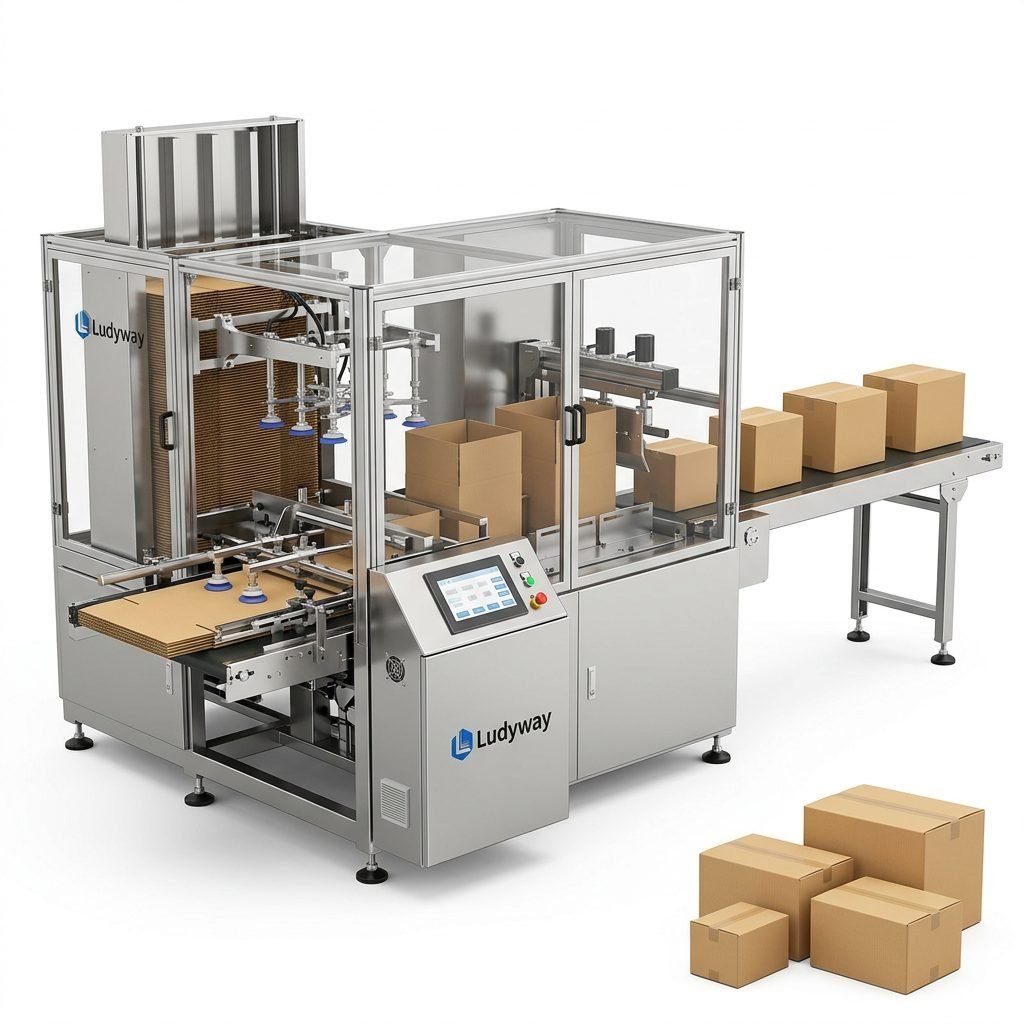
The sealed package receives a batch code, expiry date, or lot number via inkjet or laser coder. If required, labels are applied. Finally, the finished packages are gently discharged onto a collection conveyor for case packing or manual boxing.
How to Choose the Right Hummus Packaging Solution
Selecting a machine is an investment. Here are the key factors to guide your decision, ensuring you partner with a supplier who understands your specific challenges.
Key Selection Criteria Checklist
✔ Production Speed & Output: Calculate your required units per minute/hour. Balance current needs with future growth projections.
✔ Product Characteristics: Define your hummus texture (smooth, chunky), viscosity, temperature at filling, and particulate size. This dictates the filler type.
✔ Container Type & Size Range: What packages do you use (cup, pouch, tray)? What are the minimum and maximum sizes you need to run? Ensure quick changeover capabilities.
✔ Hygiene & Construction: Machines must have food-grade contact surfaces (stainless steel), be easy to clean (CIP/SIP options), and comply with local food safety standards.
✔ Automation Level: Determine if you need a semi-automatic, fully automatic, or a complete turnkey line integrated with upstream mixers and downstream case packers.
✔ Supplier Expertise & Support: Choose a partner with proven experience in food packaging machinery, particularly with viscous products. Evaluate their after-sales service, spare parts availability, and training offerings.
Beyond the machine itself, consider the total cost of ownership, including energy consumption, maintenance needs, and the potential for future upgrades. A reliable supplier like Ludyway Machinery, with deep industry experience, can be invaluable in navigating these choices and providing a customized packaging solution that fits your exact production floor and product requirements.
Conclusion
Investing in the right hummus packaging machine streamlines your operation, ensures product consistency, enhances shelf appeal, and protects your brand reputation. By thoroughly understanding the different machine types, their working principles, and carefully evaluating your specific production needs against the key selection criteria, you can make a confident investment that supports your business growth for years to come. The goal is to find a robust, hygienic, and efficient system that seamlessly integrates into your process, delivering perfectly packaged hummus every time.
Frequently Asked Questions (FAQs)
1. What is the best filling method for chunky hummus?
Piston fillers with wide-diameter cylinders and specially designed valves are generally best for chunky hummus, as they minimize shear and damage to chickpea pieces. Some auger fillers with large, low-shear augers can also be suitable.
2. Can one machine handle different cup sizes?
Yes, most modern cup fillers are designed for quick changeover. You will need to change the cup holder tooling, the filling piston cylinder (or adjust its stroke), and often the lidding film reel. Look for machines that facilitate this change in under 15-30 minutes.
3. How does Modified Atmosphere Packaging (MAP) work for hummus?
MAP involves flushing the air (oxygen) out of the headspace of the cup or tray before sealing and replacing it with an inert gas mix (like nitrogen). This dramatically slows oxidation and microbial growth, extending shelf life from weeks to several months.
4. What are the critical hygiene features to look for?
Prioritize machines constructed with 304 or 316 food-grade stainless steel on all product contact points. Look for smooth, crevice-free surfaces, easy-access panels for cleaning, and options for Clean-in-Place (CIP) systems for the product hopper and filler.
5. What level of automation do I need for a startup?
Startups often begin with semi-automatic machines where operators manually place cups and remove finished packages. This lowers initial investment. As volume grows, upgrading to a fully automatic system with auto cup feeding and discharge becomes cost-effective by reducing labor and increasing output.