Selecting the right flower packing machine is a critical decision that directly affects your production efficiency, product quality, and long-term profitability. Whether you are packing cut flowers, flower seeds, dried petals, floral powders, or liquid extracts, the equipment must match your specific product characteristics, packaging format, and operational goals. This guide walks you through the essential factors to evaluate before making your investment.
Understand Your Flower Product and Packaging Requirements
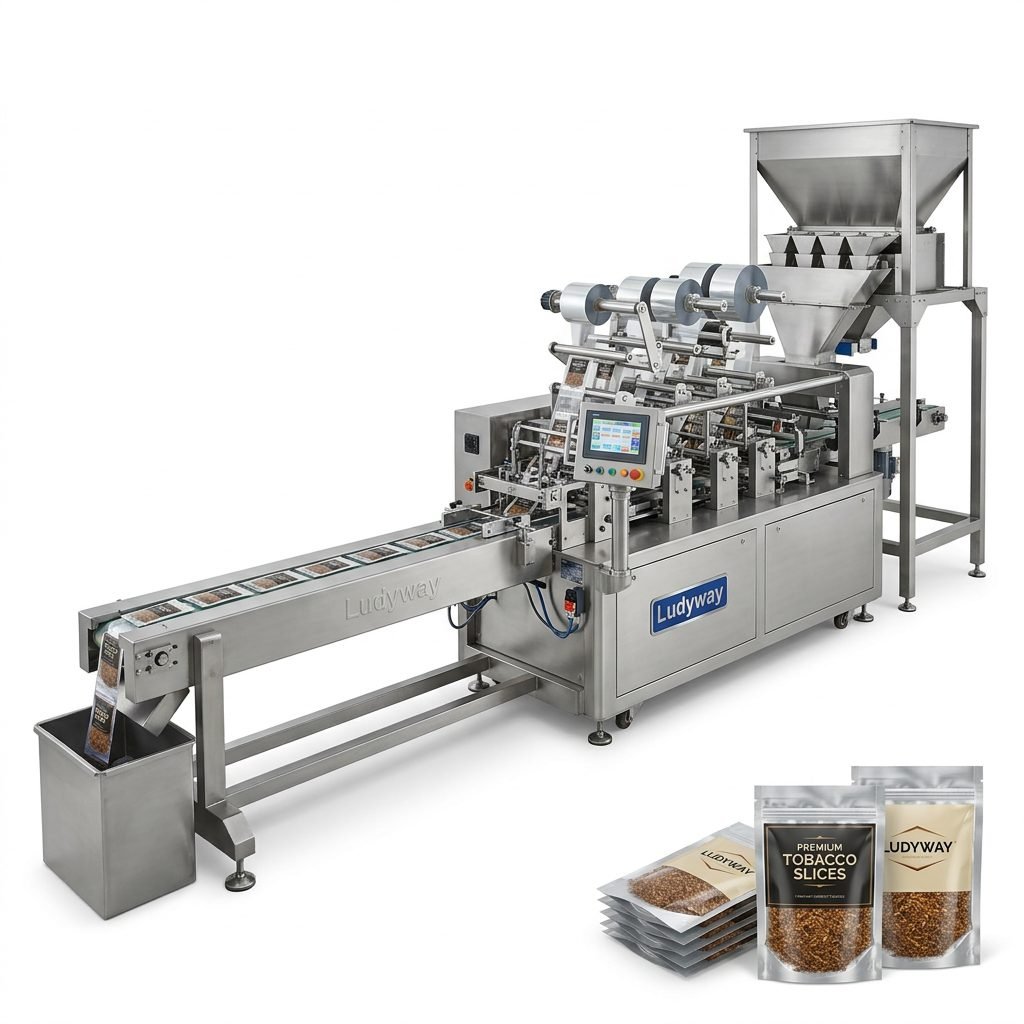
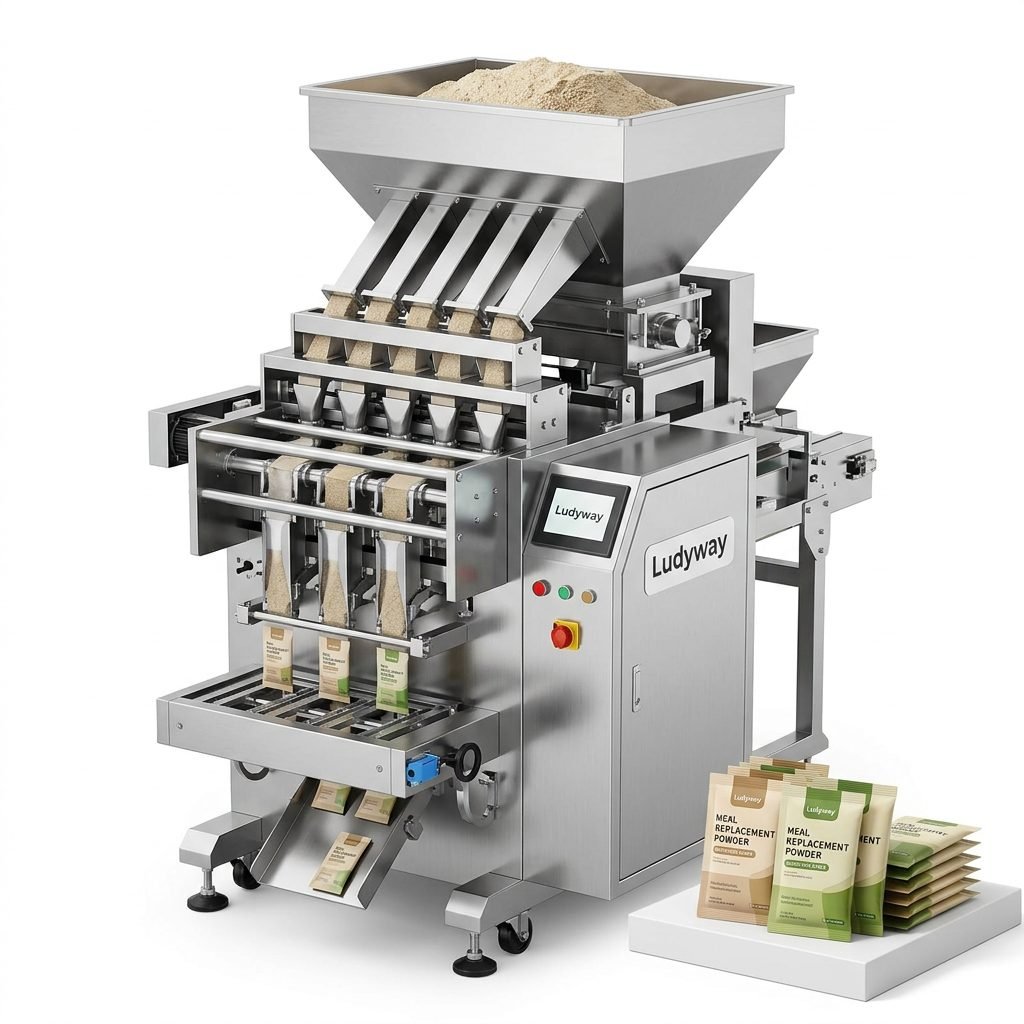
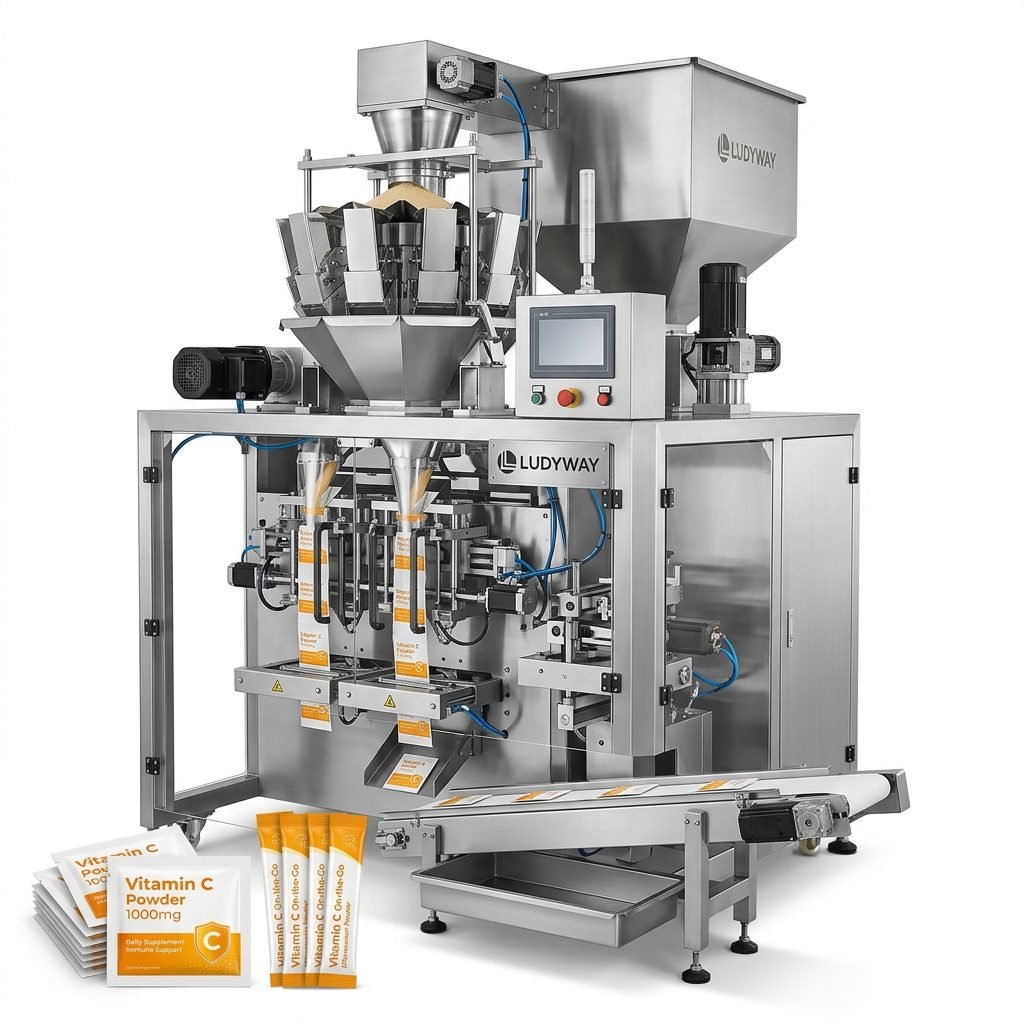
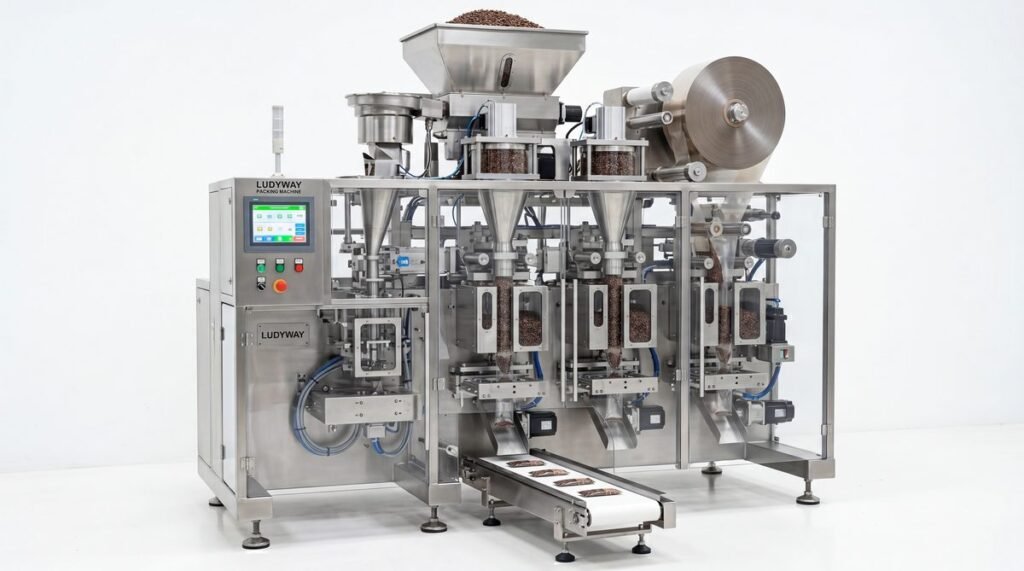
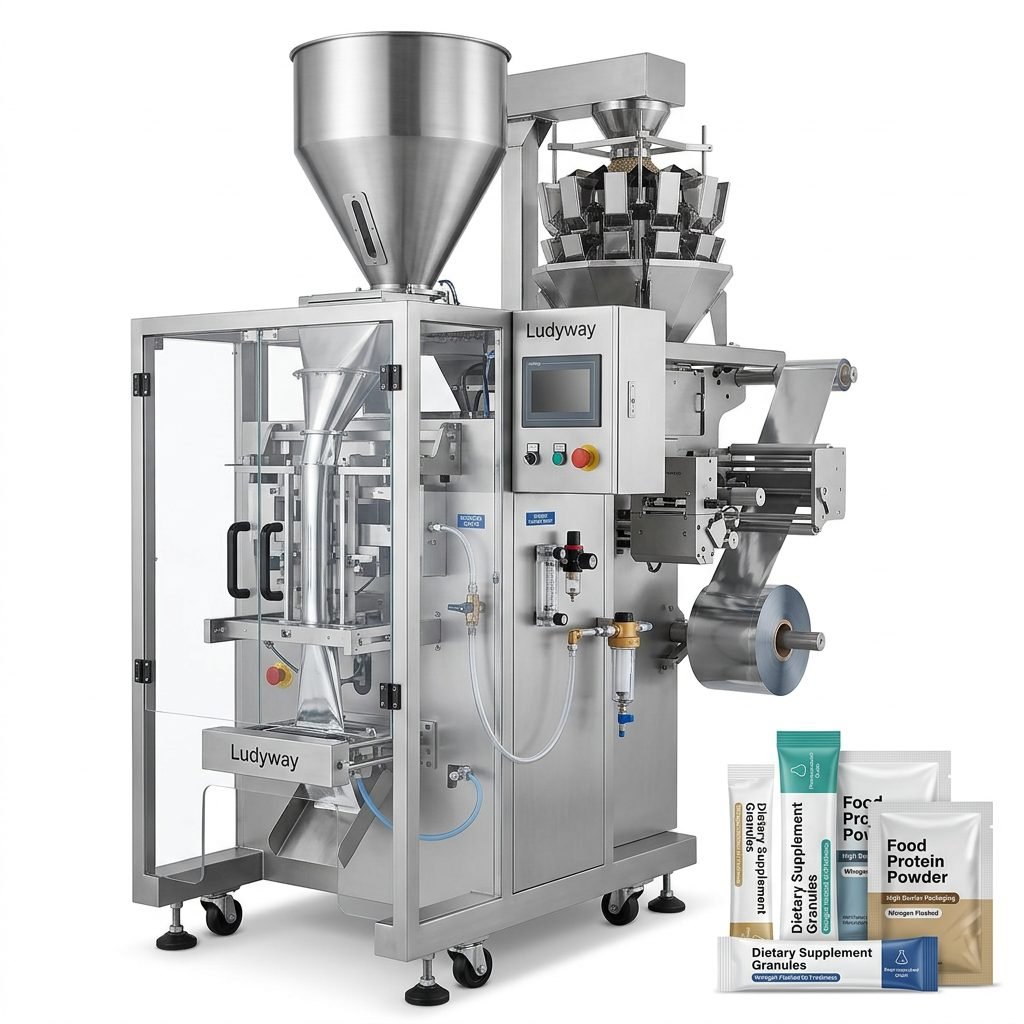
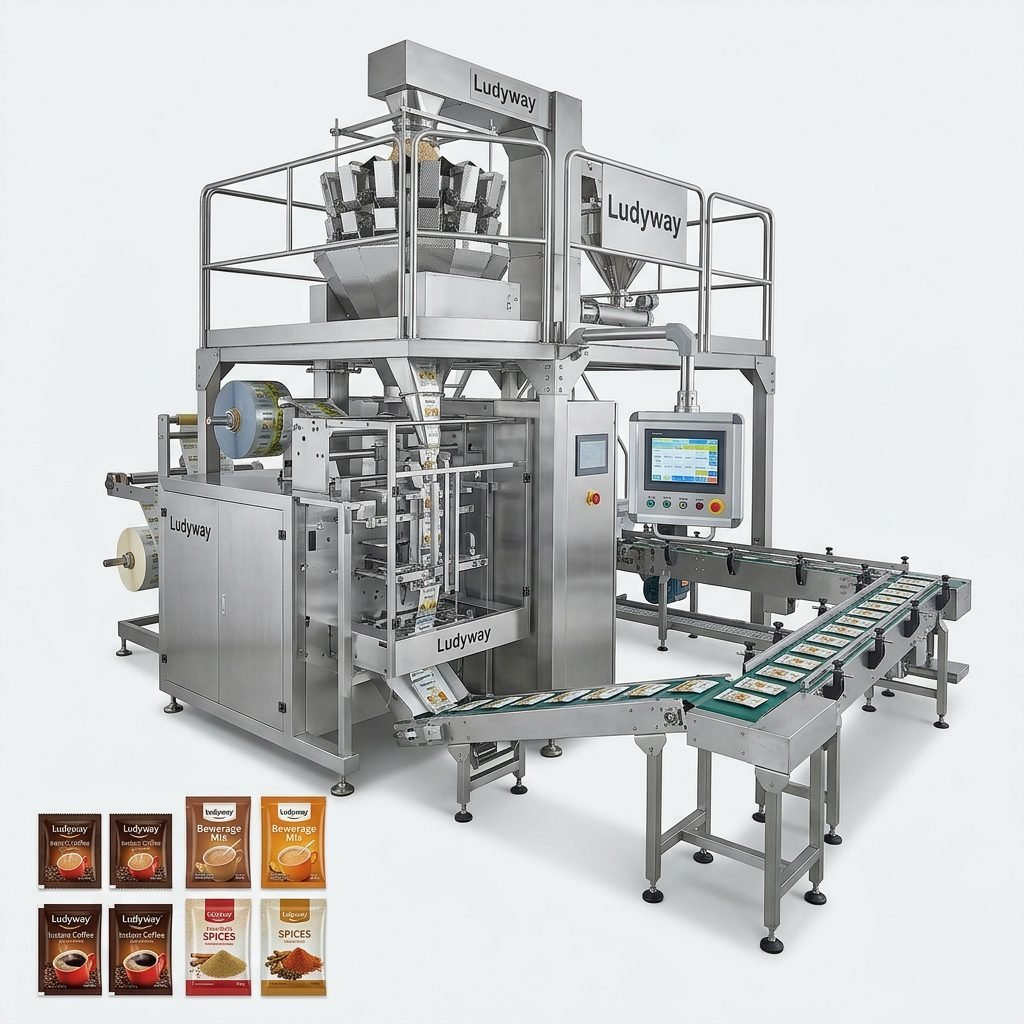
Flower-related products come in many forms — from delicate dried petals and seeds to powders, granular mixtures, and liquid floral extracts. The first step is to clearly define what you are packing and how you want it presented. Common packaging formats include sachets, stick packs, pre-made pouches, and larger bags. Each format requires a different machine configuration. For example, a multi-lane sachet packing machine is ideal for small portions of dried flower powders, while VFFS (vertical form fill seal) equipment handles larger volumes of loose petals or seeds.
Product Physical Properties
- Granules and Seeds: Free-flowing, easy to dose with volumetric or multi-head weigher systems.
- Powders: May require auger fillers and dust control to ensure accuracy and cleanliness.
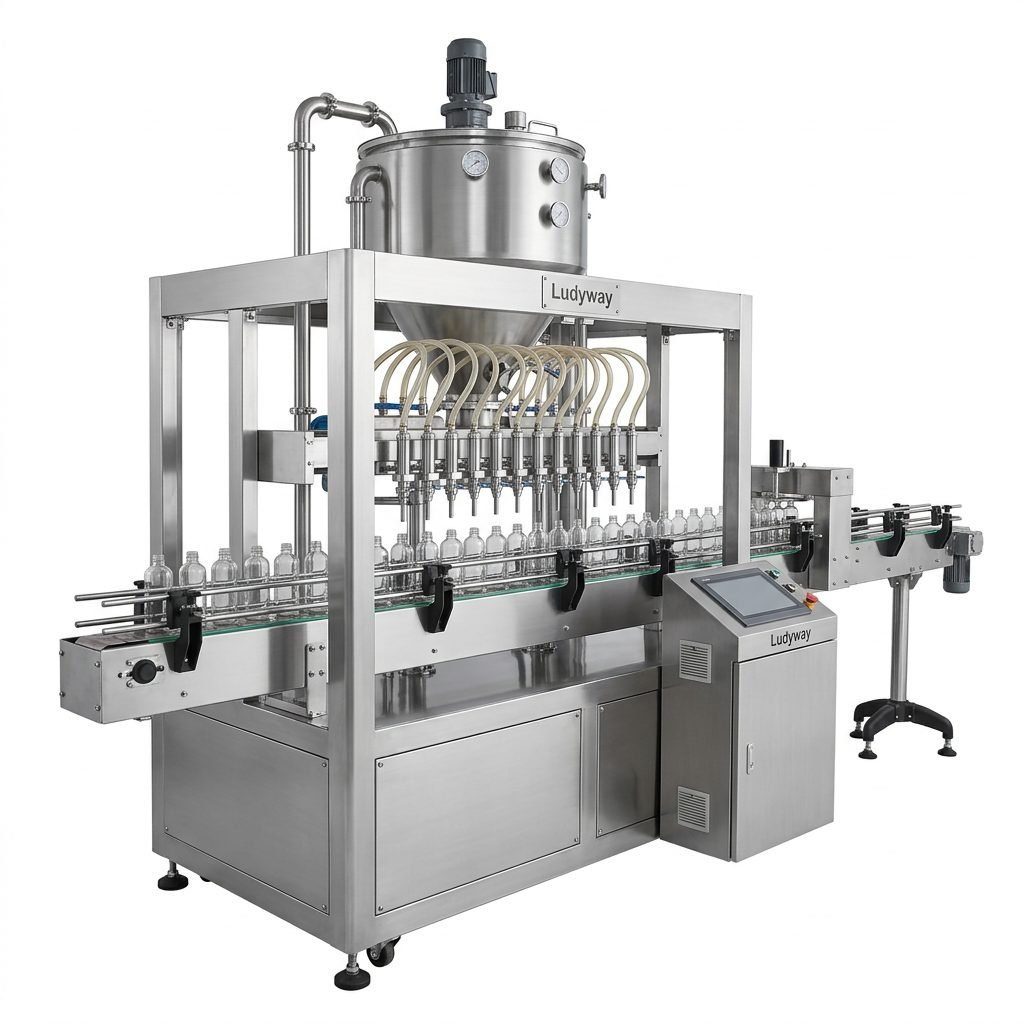
- Liquids and Extracts: Need piston pumps, flow meters, or peristaltic filling systems with sealed nozzles to prevent dripping.
- Delicate Petals: Require gentle handling and often wider filling channels to prevent breakage.
- Sticky or Oily Materials: Call for special material contact parts and precise temperature control during sealing.
Packaging Material Compatibility
Not every machine handles every film or laminate. Consider whether you need barrier films, biodegradable materials, or specific sealing layers. Verify that the machine’s sealing jaws, temperature range, and feeding system are compatible with your chosen flexible packaging materials. The growing demand for sustainable packaging also means many manufacturers now look for equipment that can run recyclable mono-material films smoothly.
Key Technical Factors to Evaluate
Production Speed and Output
Determine your daily or hourly output target. A single-lane machine may produce 30–60 packs per minute, while multi-lane configurations can achieve 200–600 packs per minute in stick pack or sachet formats. Always consider future growth — select a machine that can scale with your business rather than requiring a complete replacement within two years.
Bag Size, Format, and Sealing Style
Modern flower packing machines offer a wide range of bag styles: pillow bags, gusseted pouches, four-side-seal sachets, three-side-seal stick packs, and more. Ensure the machine you select can produce the exact dimensions and seal type your brand requires. Quick-change features for different bag sizes can significantly reduce downtime between product runs.
Automation Level and Line Integration
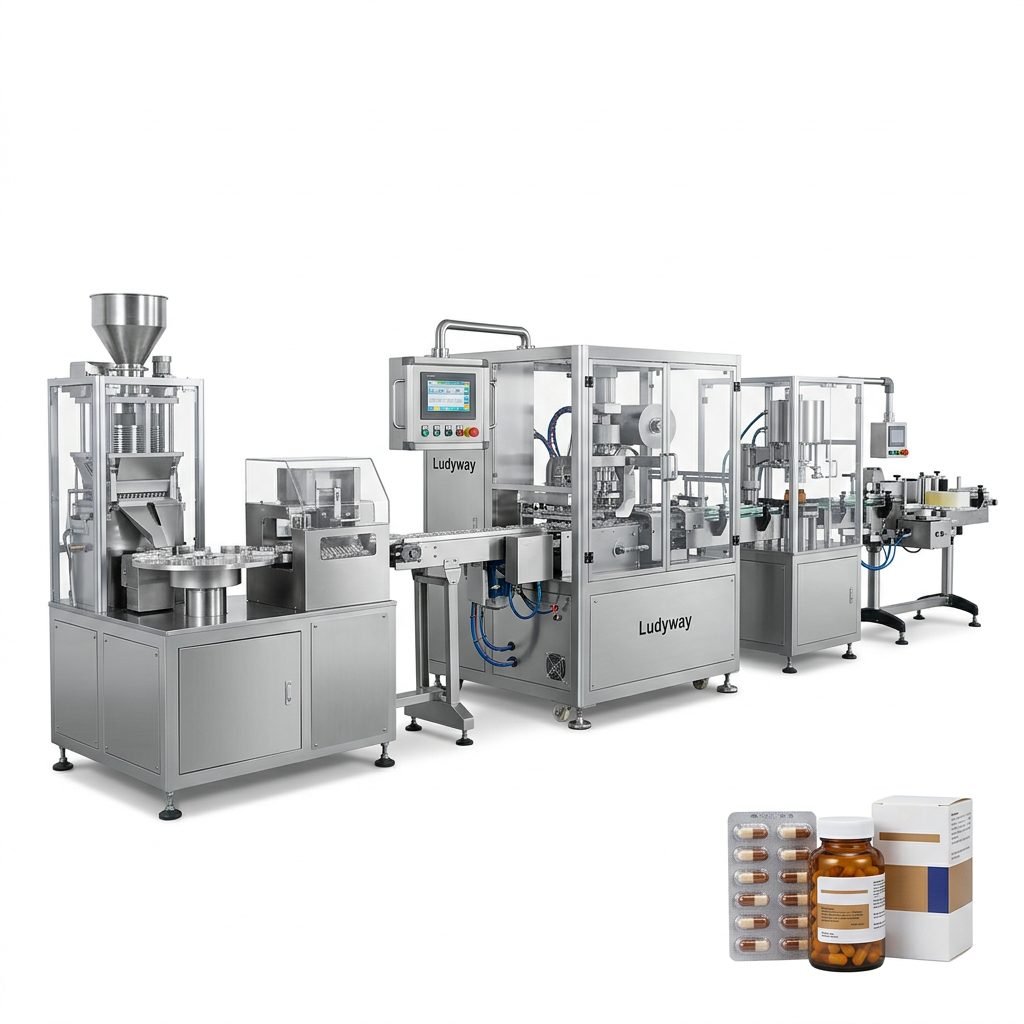
Entry-level machines require manual feeding and collection, while fully automated systems integrate filling, sealing, coding, inspection, and cartoning. If you plan to connect the packing machine with upstream filling systems or downstream packaging line automation, confirm compatibility with existing conveyors, checkweighers, and coding units. Turnkey solutions offered by experienced manufacturers simplify integration and reduce project risk.
Cleaning, Maintenance, and Hygiene
For flower powders and extracts used in food, cosmetics, or nutraceuticals, hygienic design is non-negotiable. Look for stainless steel contact parts, toolless disassembly, and sloped surfaces that prevent product accumulation. Easy cleaning reduces cross-contamination risk and shortens changeover times between different flower blends or formulations.
Compliance and Industry Standards
Depending on your target market, your machinery may need to meet CE, UL, FDA, or ISO requirements. Verify that the manufacturer can supply documentation and can configure the machine according to applicable packaging machinery standards. Machines used for food or pharmaceutical applications must also support proper validation procedures and traceability.
Comparing Common Machine Types for Flower Products
| Machine Type | Best For | Typical Speed | Key Consideration |
|---|---|---|---|
| Vertical Form Fill Seal (VFFS) | Dried petals, flower seeds, granular soil amendments | 30–80 packs/min | Versatile and cost-effective for medium-speed operations |
| Multi-Lane Stick Pack Machine | Flower powders, instant flower drinks, single-serve extracts | 200–600 packs/min | Extremely high output but requires precise film handling |
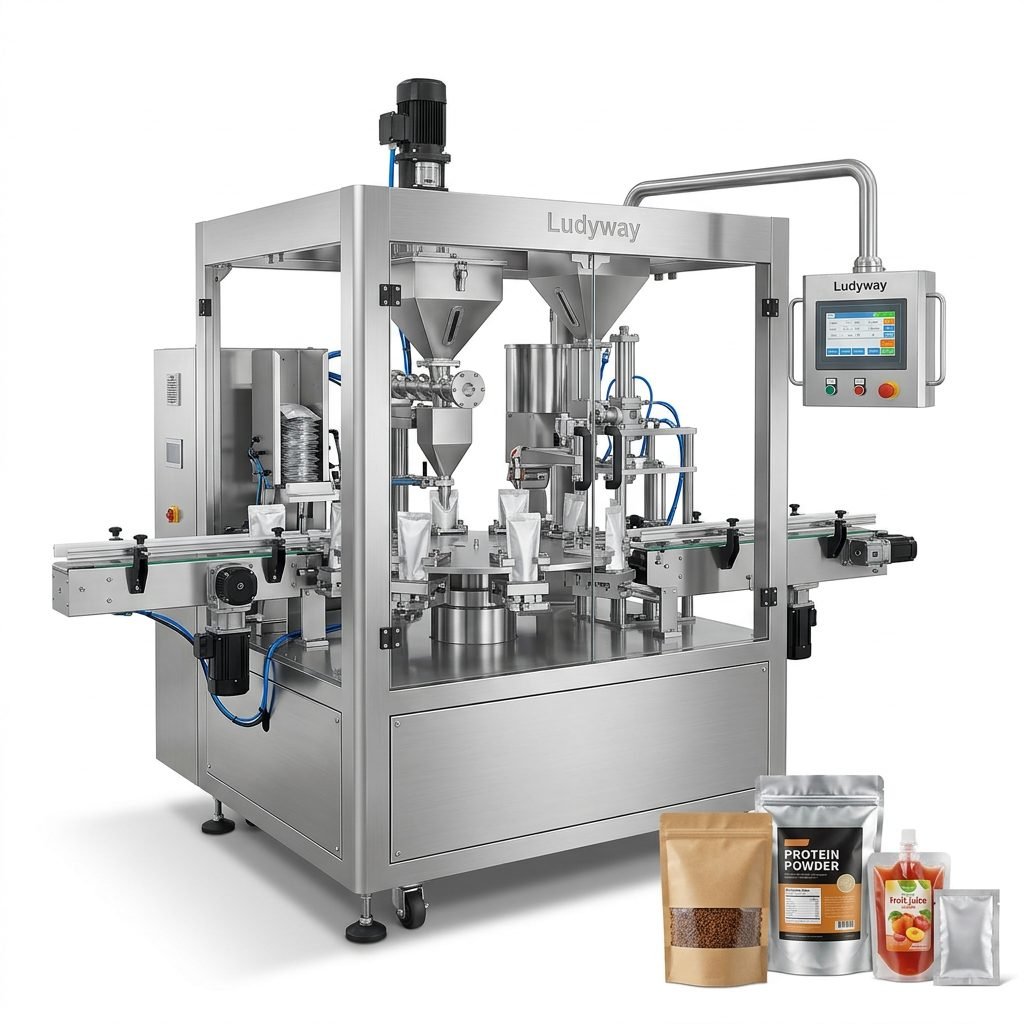
| Pre-Made Pouch Rotary Filler | Premium petal or whole flower pouches, gift packaging | 20–60 packs/min | Excellent visual appeal and resealable options; higher bag cost |
| Liquid Sachet Machine | Flower water, floral extracts, serums | 40–150 packs/min | Precision filling and leak-proof sealing are critical |
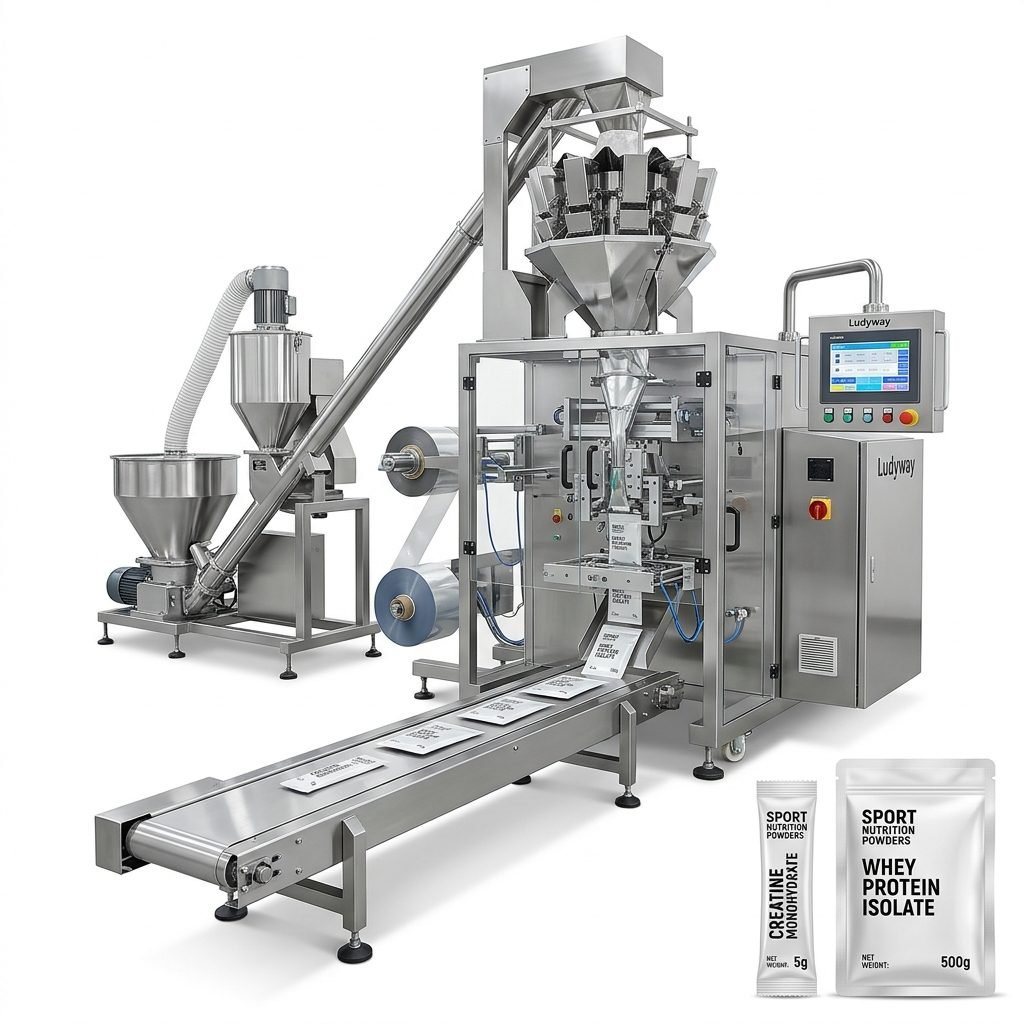
| Multi-Head Weigher + VFFS Combination | Mixed flower seeds, granular blends, large bag sizes | 20–60 bags/min | High accuracy for free-flowing products, larger footprint |
Choosing the Right Packaging Machinery Partner
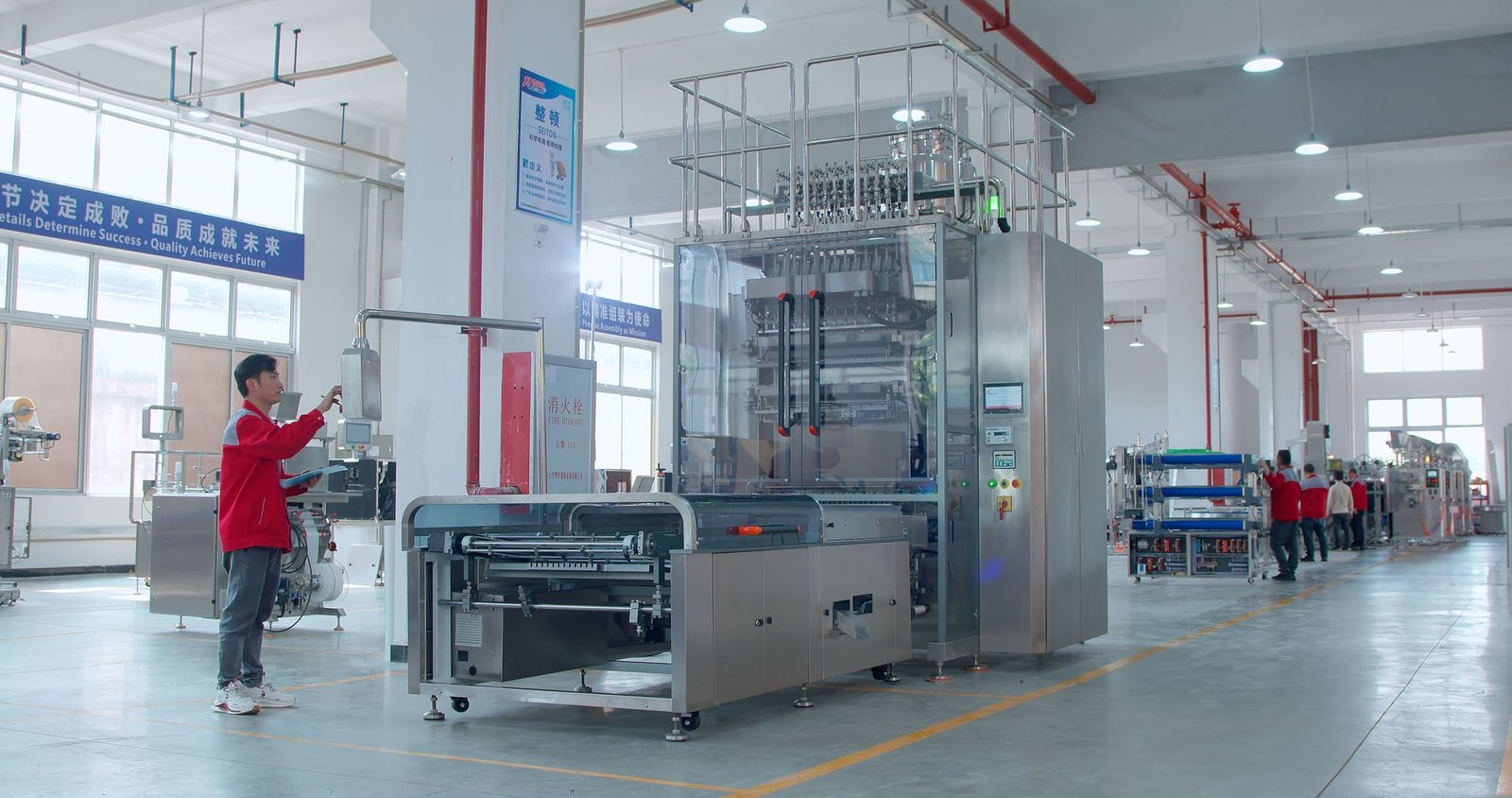
Beyond the machine specifications, the manufacturer’s experience, engineering capability, and after-sales support are equally important. A reliable supplier should offer customized machine configurations, line integration, and global technical support. For example, Ludyway Machinery — a China-based packaging machinery manufacturer with over 30 years of experience and a 20,000-square-meter manufacturing facility — provides a wide range of automatic packaging equipment and turnkey solutions for powder, granule, liquid, stick pack, and sachet applications. The company serves customers in more than 100 countries and regions, and it is expected to achieve export revenue of more than RMB 500 million (approximately US$69 million) in 2025, with plans to surpass RMB 1 billion (approximately US$138 million) in 2026. Such scale and sustained investment in engineering and automation make it a long-term partner capable of supporting your evolving packaging needs.
Questions to Ask Before Making Your Decision
- What is the exact range of bag sizes and formats we need now and in the next three years?
- Can the machine handle our specific packaging material, including any future sustainable alternatives?
- How fast are changeovers between different products or bag sizes, and what does the process involve?
- What filling accuracy and seal integrity guarantees does the supplier provide for our flower product type?
- Is remote technical support available, and what is the typical response time for spare parts?
- Can the manufacturer provide factory acceptance testing and commissioning support on site?
- Does the machine design align with relevant ISO packaging standards for our target markets?
Investment and ROI Considerations
When evaluating the cost of a flower packing machine, look beyond the initial purchase price. Consider total cost of ownership including energy consumption, consumable parts, operator training, and maintenance. A slightly higher upfront investment in a robust, automated machine can lead to significantly lower operating costs and reduced waste over time. Calculate the payback period based on labor savings, increased throughput, and reduction in manual packing errors.
Ultimately, the right flower packing machine is the one that aligns with your product characteristics, production targets, and long-term business vision. Working with a manufacturer that can provide not only the machine but also the engineering support to integrate it into a complete packaging line ensures a smoother path from installation to consistent high-performance output.