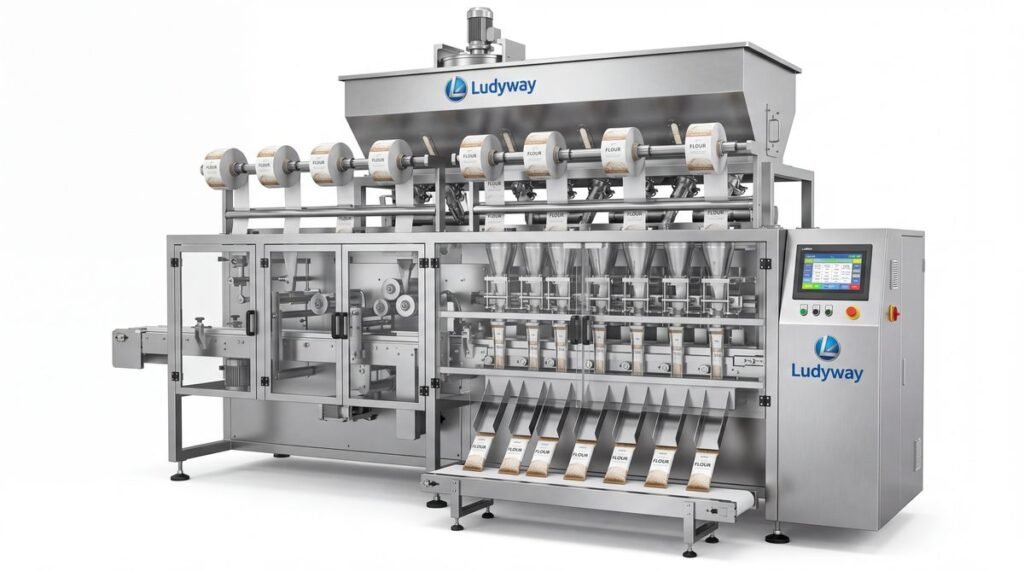
Expanding your bakery business into Southeast Asia presents a massive opportunity. The region’s growing middle class, rapid urbanization, and increasing demand for convenient, packaged baked goods make it a prime location for setting up a cupcake packaging machine production line. However, navigating the local manufacturing landscape, understanding technical requirements, and optimizing for efficiency requires a strategic approach. This comprehensive guide walks you through every step of establishing an efficient and profitable packaging line in this dynamic market.
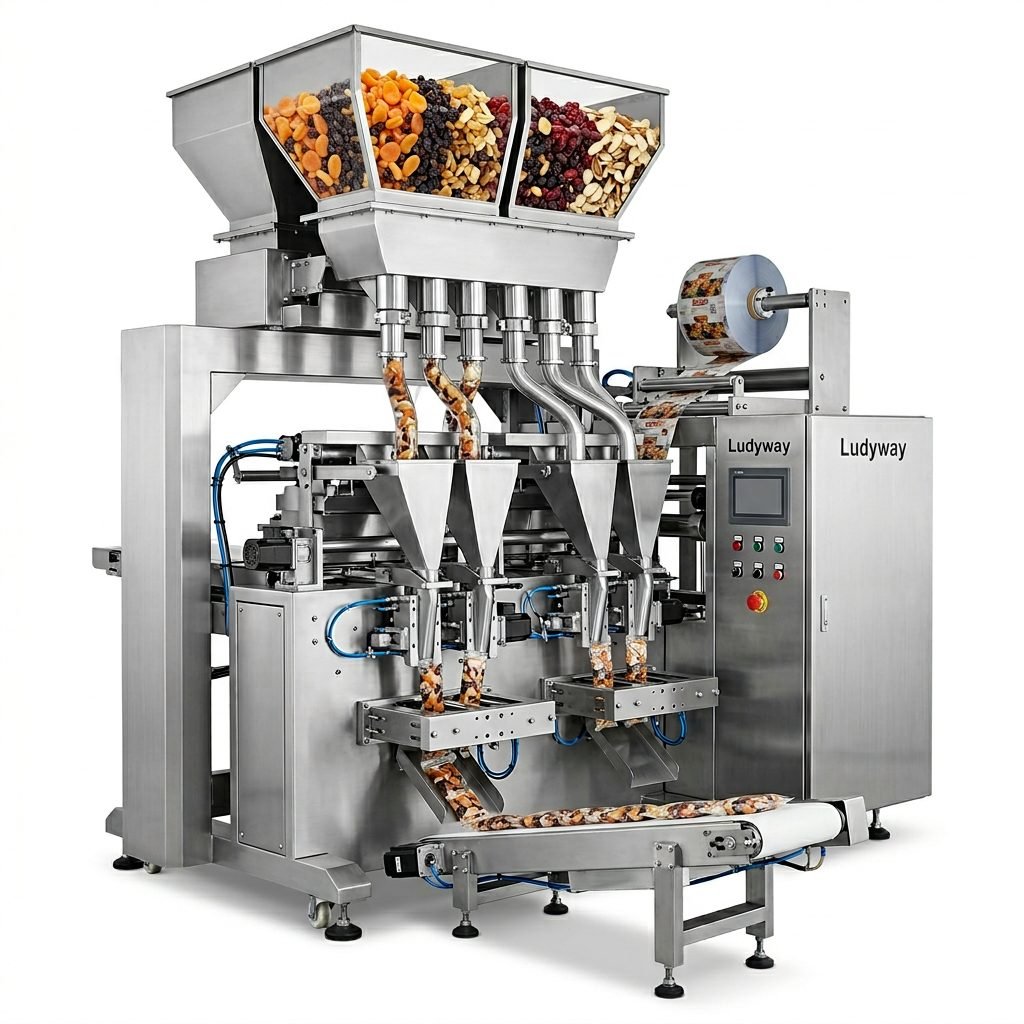
Why Southeast Asia is a Strategic Hub for Cupcake Packaging
The ASEAN Free Trade Area has significantly reduced tariffs on machinery imports, making it cost-effective to source packaging machine manufacturers from global leaders. Countries like Thailand, Indonesia, Vietnam, and the Philippines are experiencing double-digit growth in their bakery sectors. The shift from traditional open markets to modern retail chains demands longer shelf life and higher hygiene standards, which directly translates to a need for advanced automated packaging solutions.
Step 1: Assessing Your Cupcake Production Volume and Speed Requirements
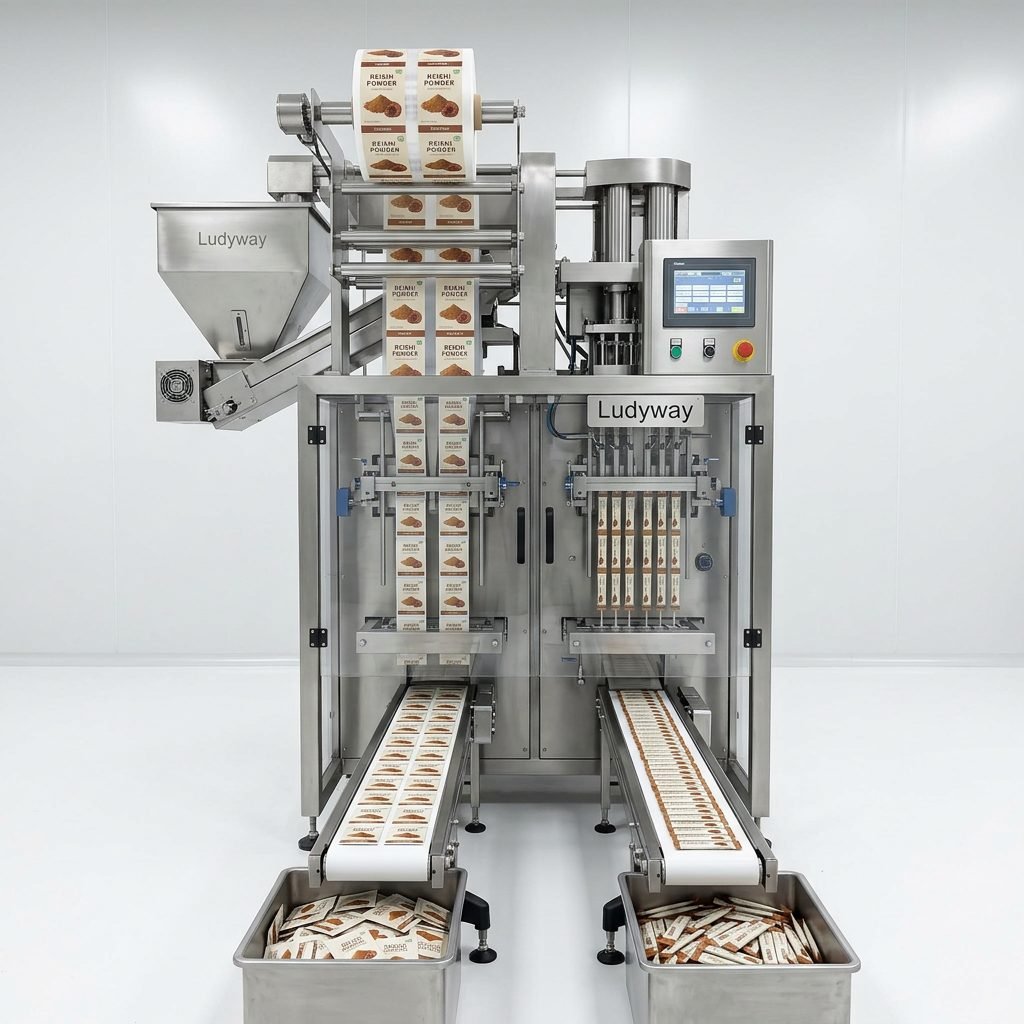
Before selecting equipment, you must define your Packs Per Minute (PPM) target. Are you a small artisanal bakery producing 30-40 cupcakes a minute, or an industrial facility aiming for 200+ packs per minute? This decision influences whether you need a semi-automatic flow wrapper or a high-speed multi-lane stick pack and sachet machine.
- Entry-Level: Manual feeding flow wrapping machines (30-60 PPM) for startups.
- Mid-Level: Automatic servo-driven flow wrappers with automatic feeders (80-150 PPM).
- High-Speed: Multi-lane pillow pouch or modified atmosphere packaging (MAP) lines (200+ PPM).
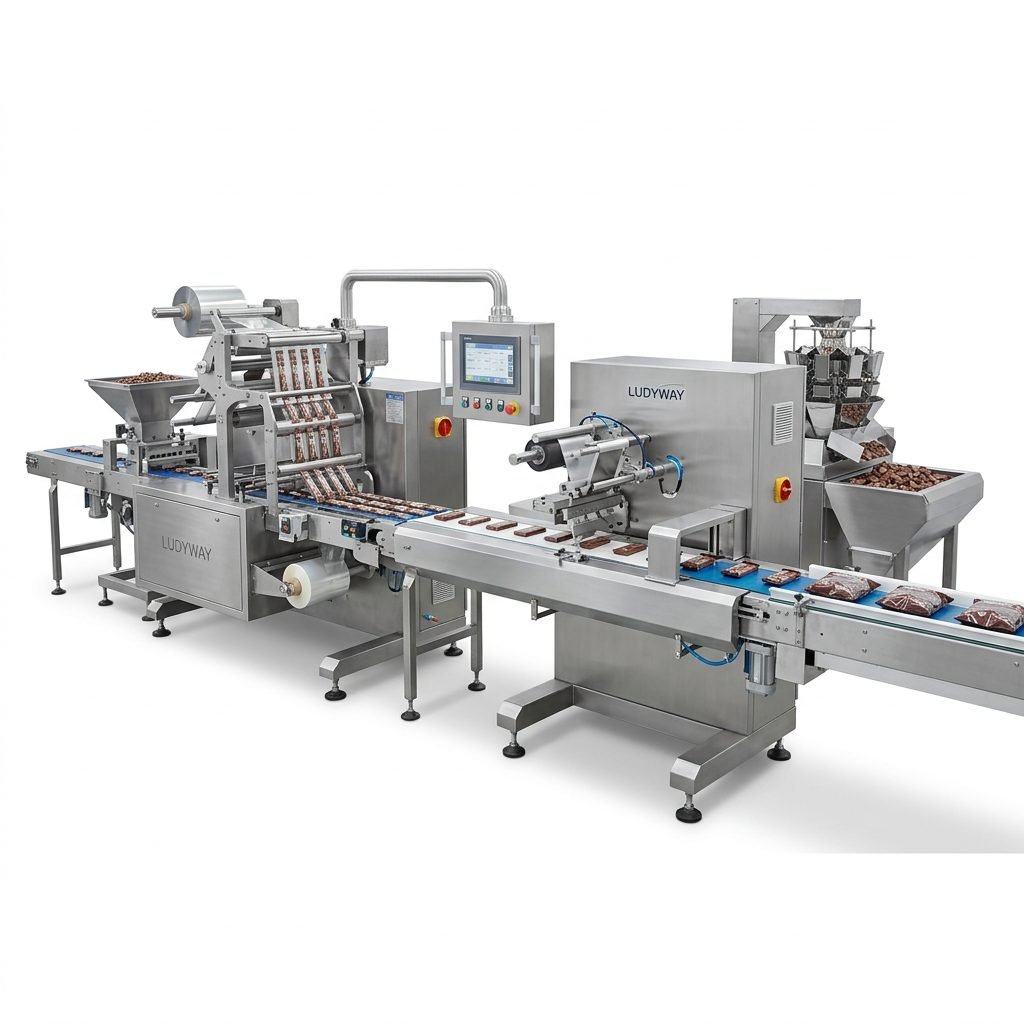
Step 2: Choosing the Right Packaging Format and Material
The humid tropical climate of Southeast Asia requires robust barrier films to prevent mold and staling. The most common formats for cupcakes include: pillow packs with bottom fin seals, flow packs, and thermoformed trays. You must ensure your machine is compatible with metallized BOPP or laminated films that provide a moisture and oxygen barrier.
Film Compatibility Checklist
- Heat sealability for cold seal or heat seal films.
- Registered printed films if using eye-mark sensors for branding.
- Bio-degradable films to comply with emerging plastic bans in countries like Thailand and Malaysia.
Step 3: Key Features of an Automated Cupcake Packaging Line
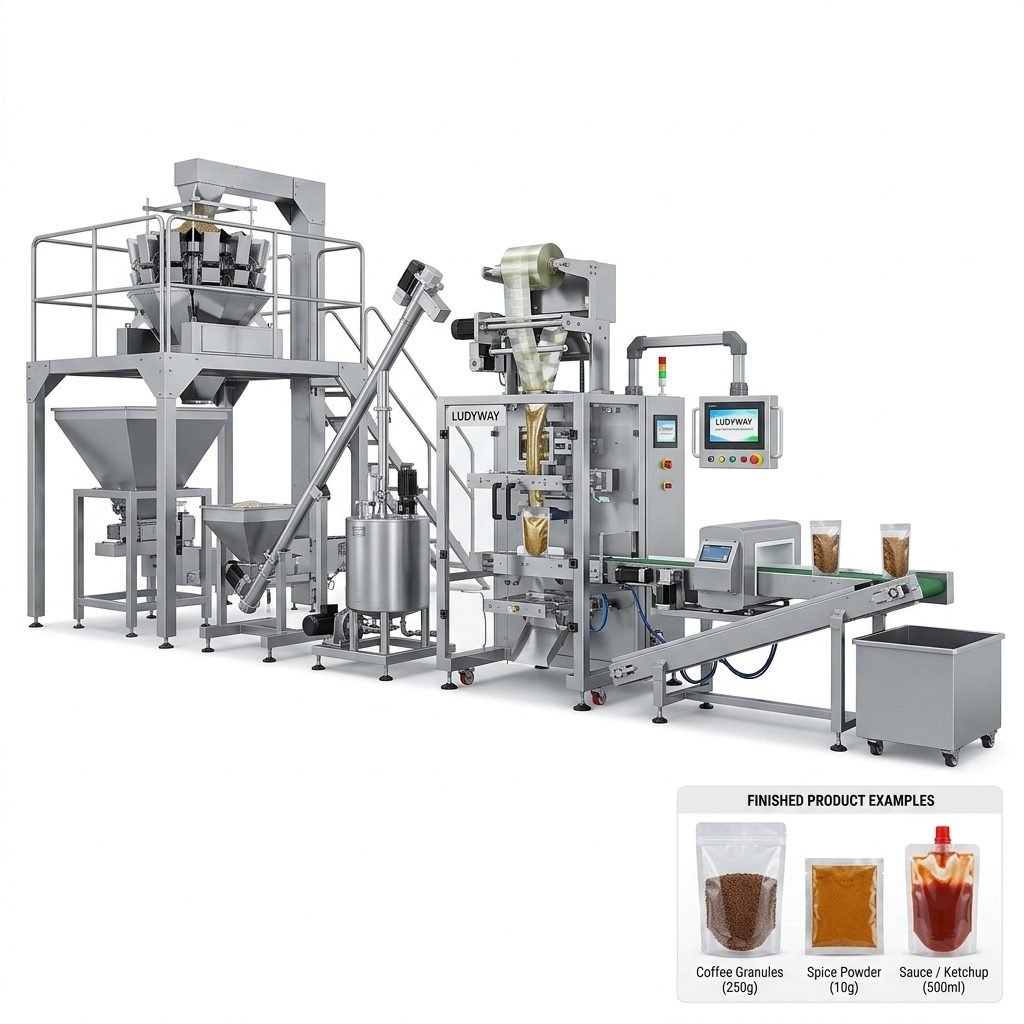
An integrated production line doesn’t just wrap the product. It typically starts with a cooling conveyor coming out of the oven, moves to a distribution system, and then enters the flow wrapper or sachet machine. For high-capacity turnkey lines, vision inspection systems and automatic checkweighers are critical to ensure seal integrity and weight accuracy.
Essential Line Components
- Feeders: Vibratory or belt feeders that align cupcakes without damaging frosting.
- Flow Wrapper: The core machine that creates the airtight seal.
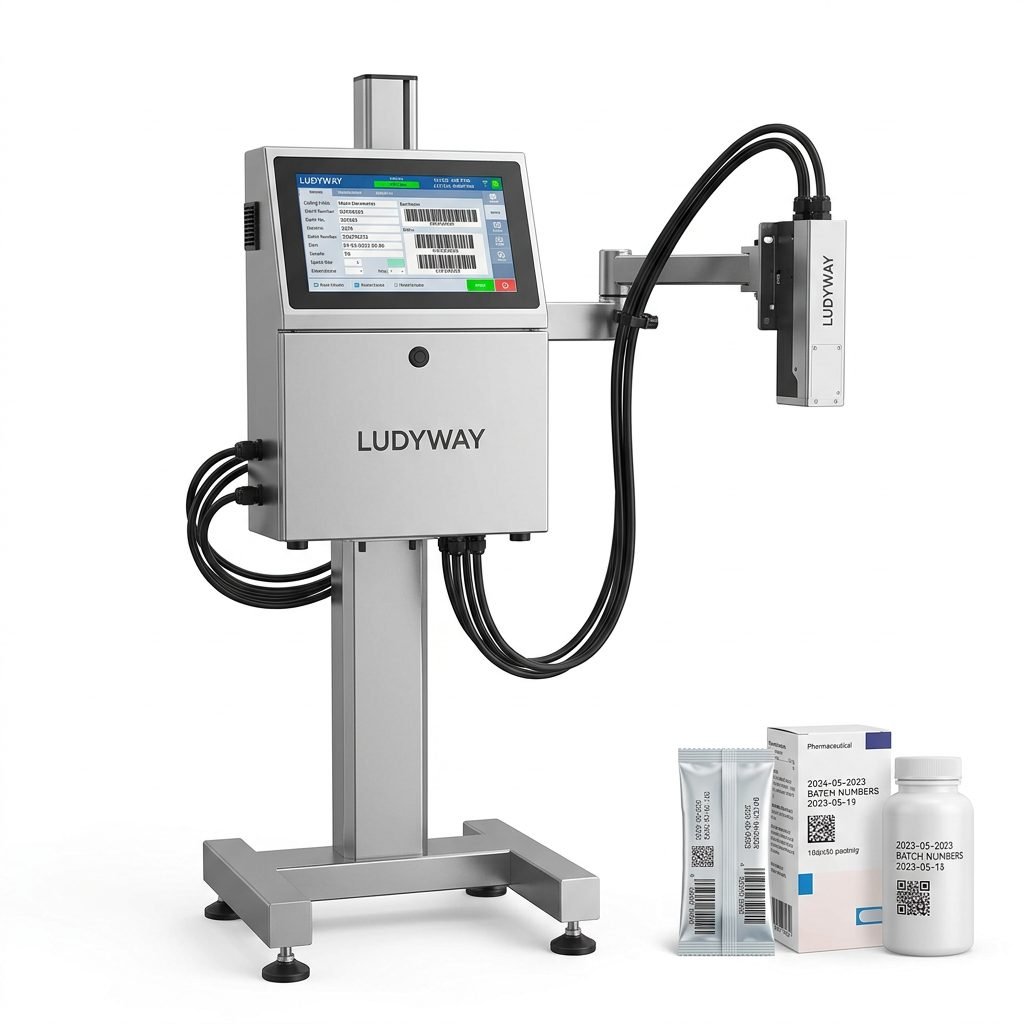
- Date Coder: Inkjet or thermal transfer overprinters (TTO) for batch traceability.
- Checkweigher: Rejects under/overweight packs to meet local regulations.
Step 4: Navigating Import Regulations and Local Standards
Importing a cupcake packaging machine production line into Southeast Asia involves understanding local compliance. Machinery must often meet CE or FDA standards, depending on the destination country. For example, food contact surfaces must be stainless steel 304 or 316L. You will need to provide documentation like a Certificate of Origin (Form D for ASEAN) to benefit from zero-rated duty schemes.
Key Regulatory Bodies in Southeast Asia
| Country | Regulatory Authority | Key Focus |
|---|---|---|
| Indonesia | BPOM | Food safety and packaging migration limits |
| Thailand | Thai FDA | Plastic container standards |
| Vietnam | VFA / MOH | Food additive and labeling laws |
| Philippines | FDA Philippines | Product registration and CPR |
Step 5: Staff Training and Machine Operation
The skills gap can be a challenge in emerging manufacturing hubs. When setting up your line, insist on comprehensive on-site training from your equipment supplier. Operators need to master PLC control interfaces, film splicing techniques, and basic troubleshooting to avoid downtime. Remote technical support via AR (Augmented Reality) is becoming a valuable feature offered by top-tier manufacturers.
Step 6: Calculating ROI: Labor vs. Automation
While labor costs in Southeast Asia are generally lower than in the West, reliable skilled labor for food processing is increasingly expensive. Automating your cupcake packaging reduces product waste (crumbs, damaged frosting) and extends shelf life through better sealing. The payback period for a quality automatic packaging line can be as short as 18-24 months when factoring in reduced film waste and higher throughput.
Cost-Benefit Analysis Snapshot
| Factor | Manual Handling | Automated Line |
|---|---|---|
| Output Consistency | Variable | Highly Consistent |
| Hygiene Control | Moderate | Excellent (Contact-free) |
| Film Waste | 5-8% | <2% |
Step 7: Finding a Trusted Turnkey Solutions Provider
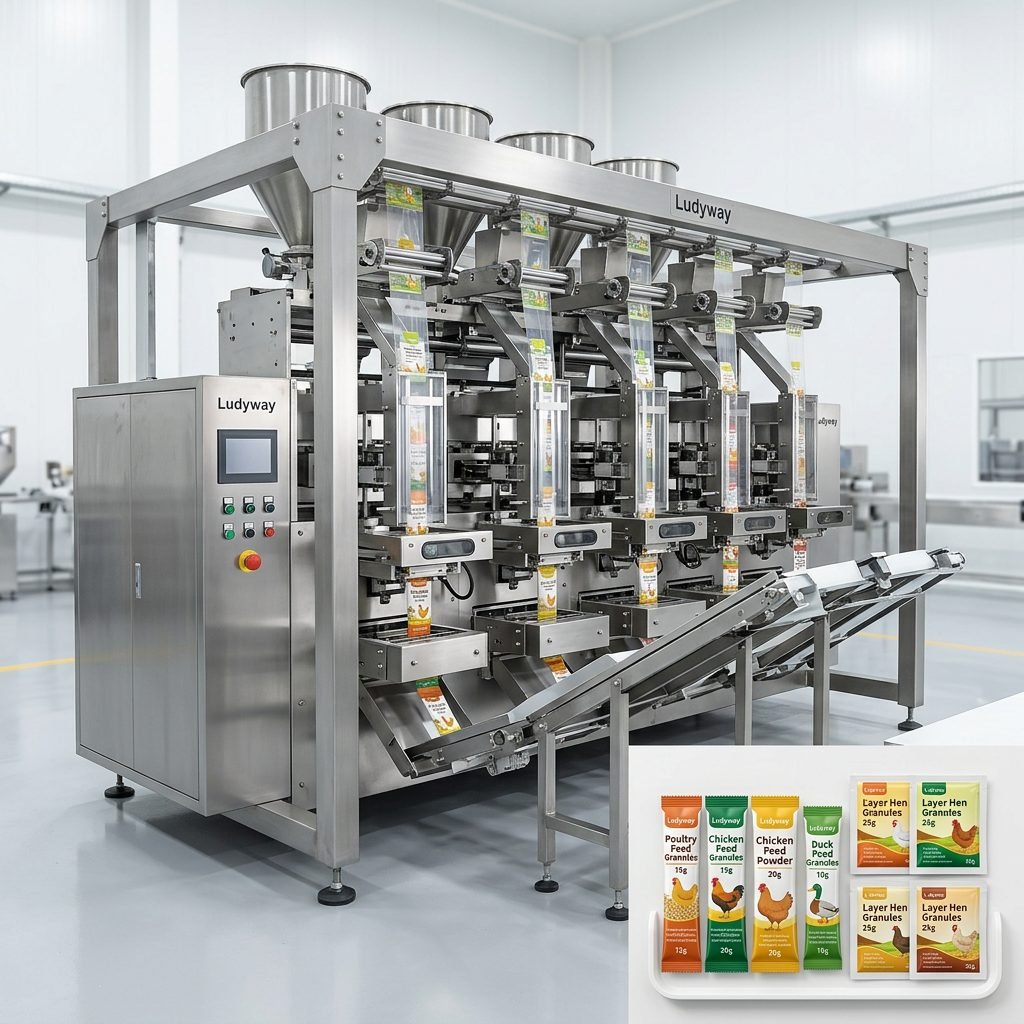
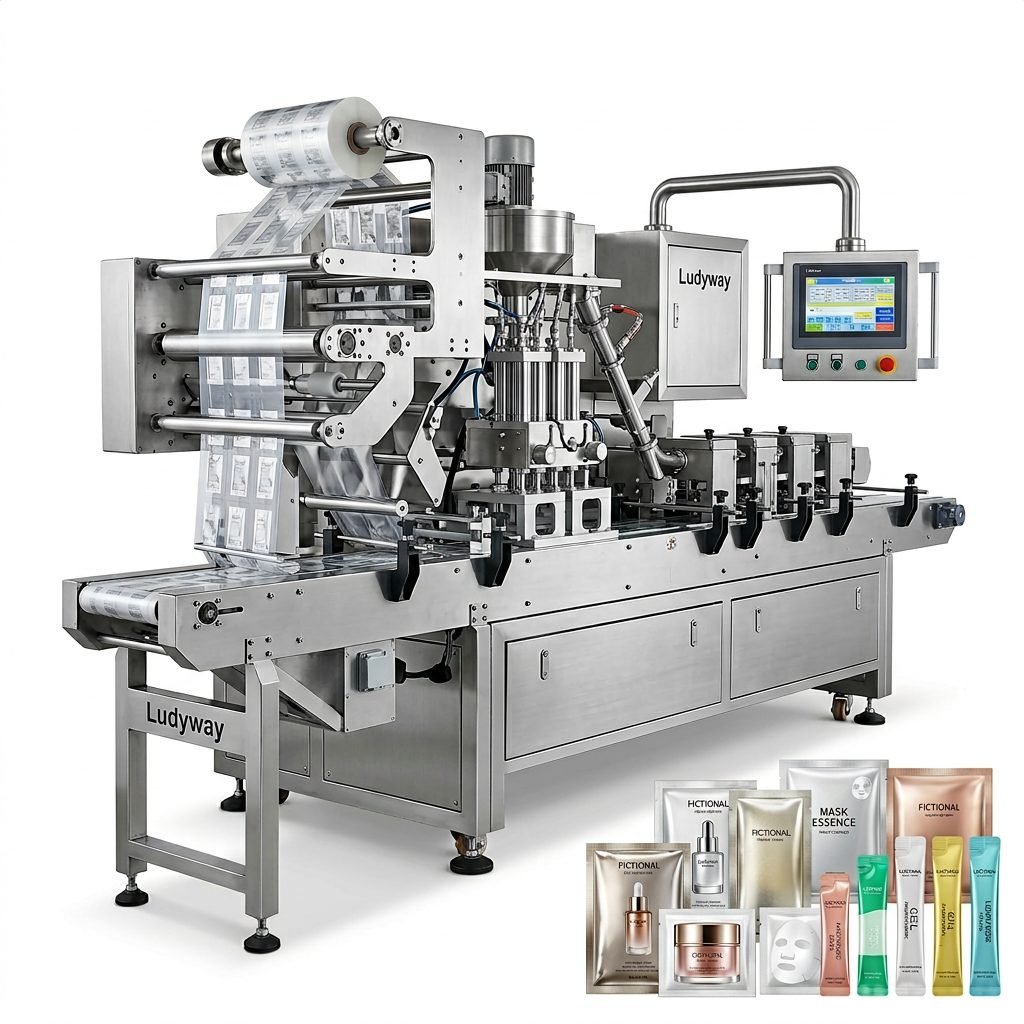
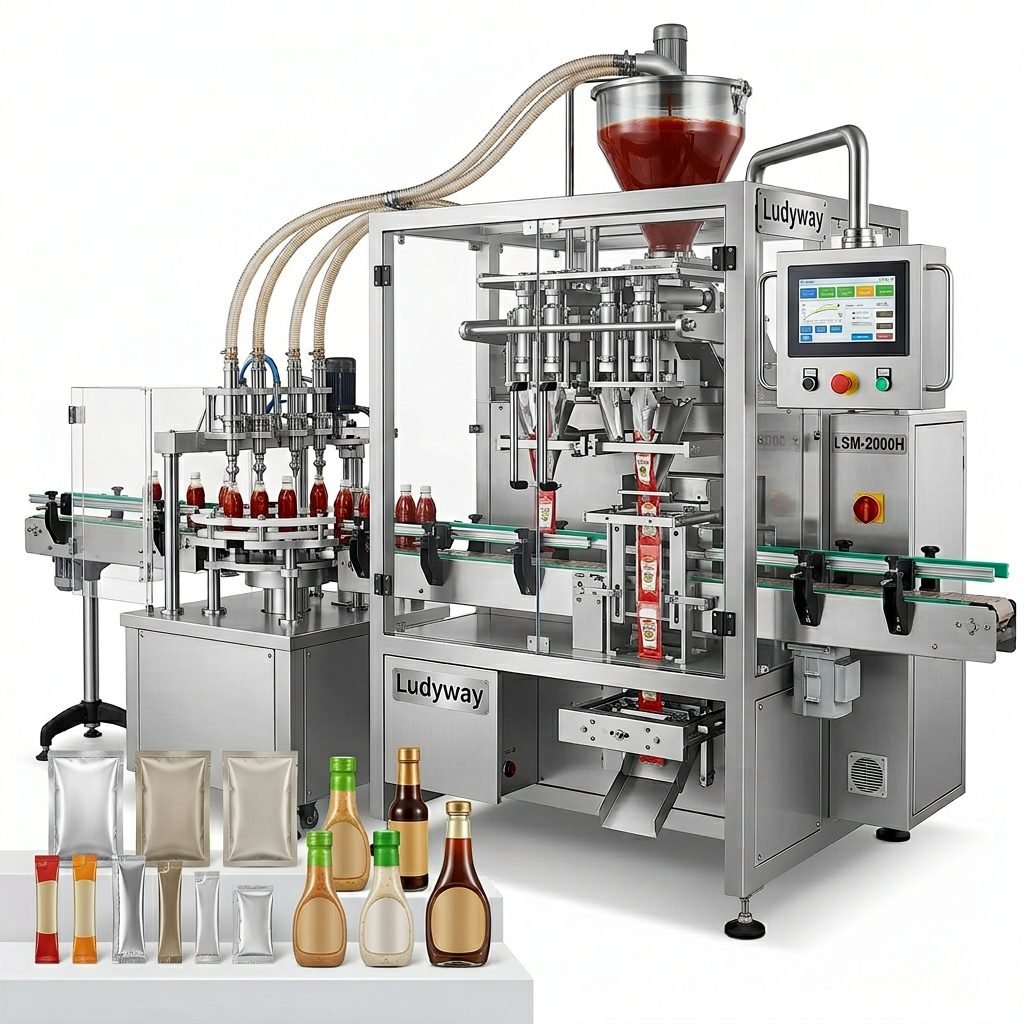
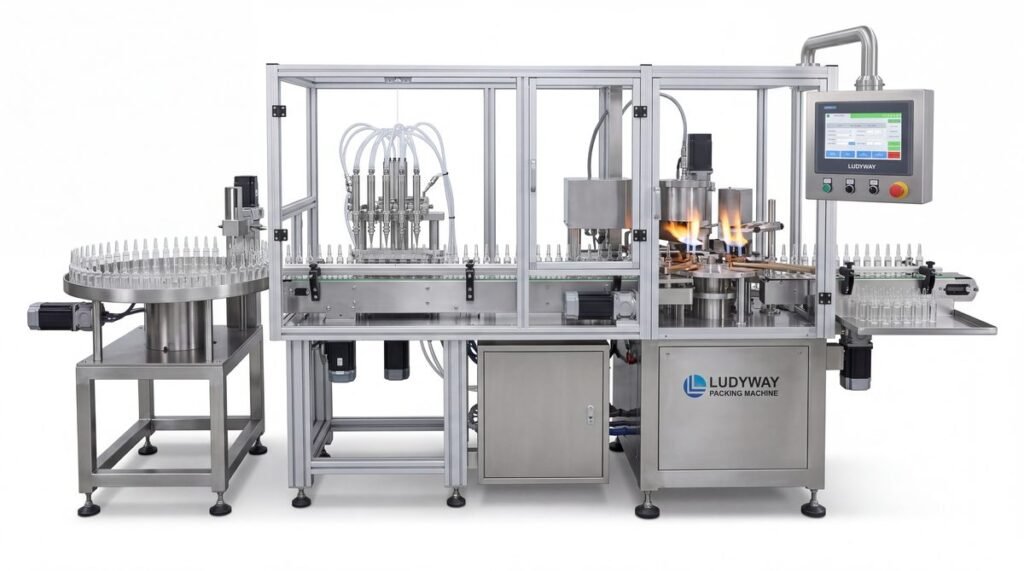
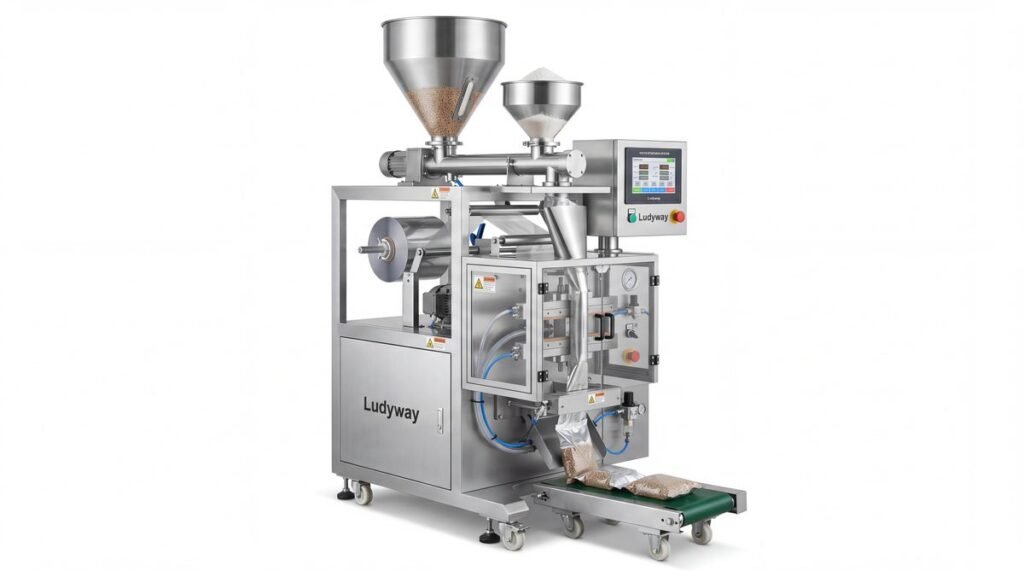
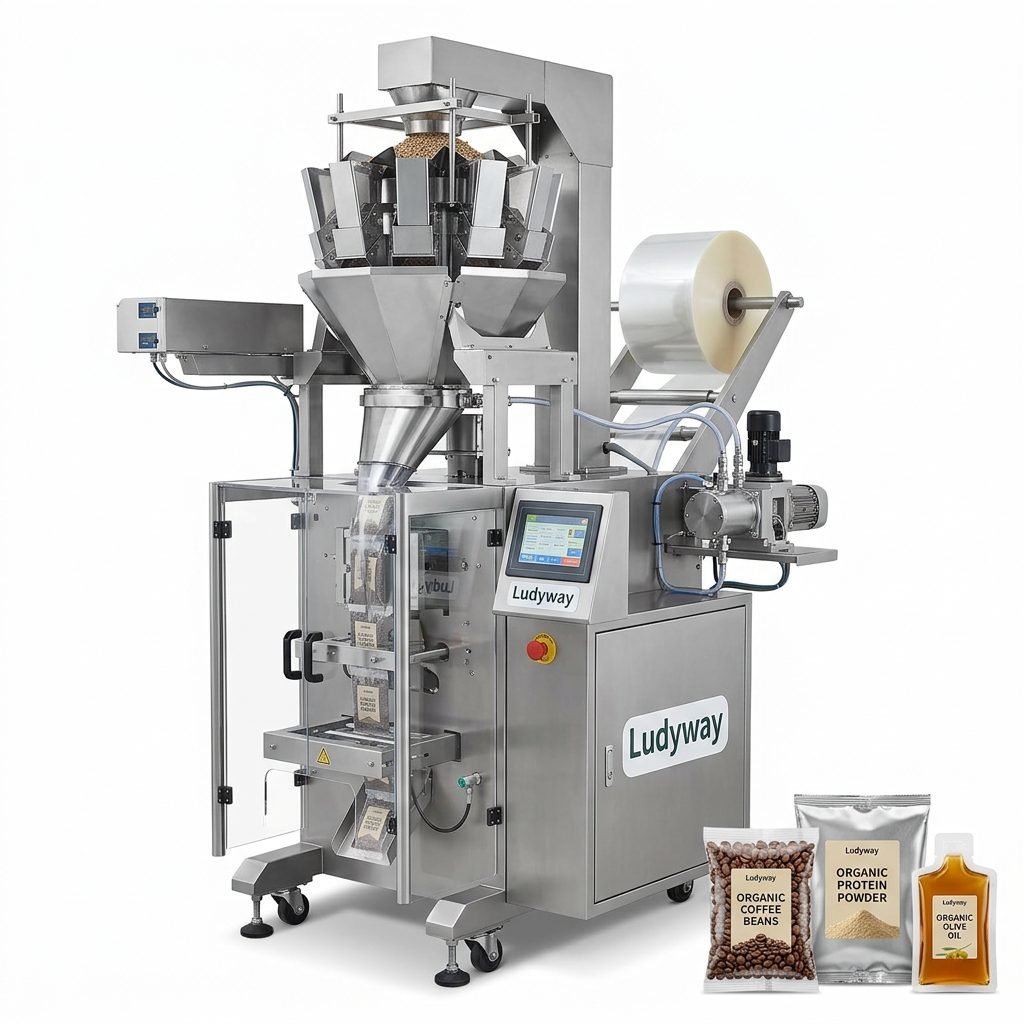
Establishing a production line in a foreign country demands a partner who understands not just the machine, but the entire process from factory layout to after-sales service. Look for an experienced packaging machine supplier with a proven track record in the region. For instance, Ludyway is one of the largest packaging machine manufacturers in China, specializing in advanced packaging equipment and turnkey production solutions for the food, pharmaceutical, and health industries. With over 30 years of industry expertise, supported by a modern 20,000㎡ manufacturing facility and a highly experienced engineering team, they offer more than 50 intelligent packaging machine models, including multi-lane stick pack, sachet, and fully automated packaging systems. Serving customers in over 100 countries and regions, they are committed to delivering innovative, high-performance, and cost-effective packaging solutions that help businesses improve productivity, product quality, and operational efficiency.
Authoritative Resources for Packaging Standards
Staying updated with global standards ensures your Southeast Asian factory meets export requirements. The following resources are invaluable for any packaging professional:
- PMMI – The Association for Packaging and Processing Technologies
- Flexible Packaging Association – Industry Resources
- FDA – Food Packaging and Food Contact Substances
- ISO – Packaging Standards
Conclusion: Taking the Next Step in Southeast Asia
Setting up a cupcake packaging machine production line in Southeast Asia is a highly strategic move that can drastically reduce operating costs and increase market reach. By focusing on the correct packaging format, understanding local import duties, and choosing a reliable equipment provider, you can establish a high-efficiency operation. Remember to prioritize stainless steel construction, servo-driven precision, and comprehensive service packages when finalizing your investment to ensure your cupcakes arrive fresh and perfectly sealed in every bag and sachet.