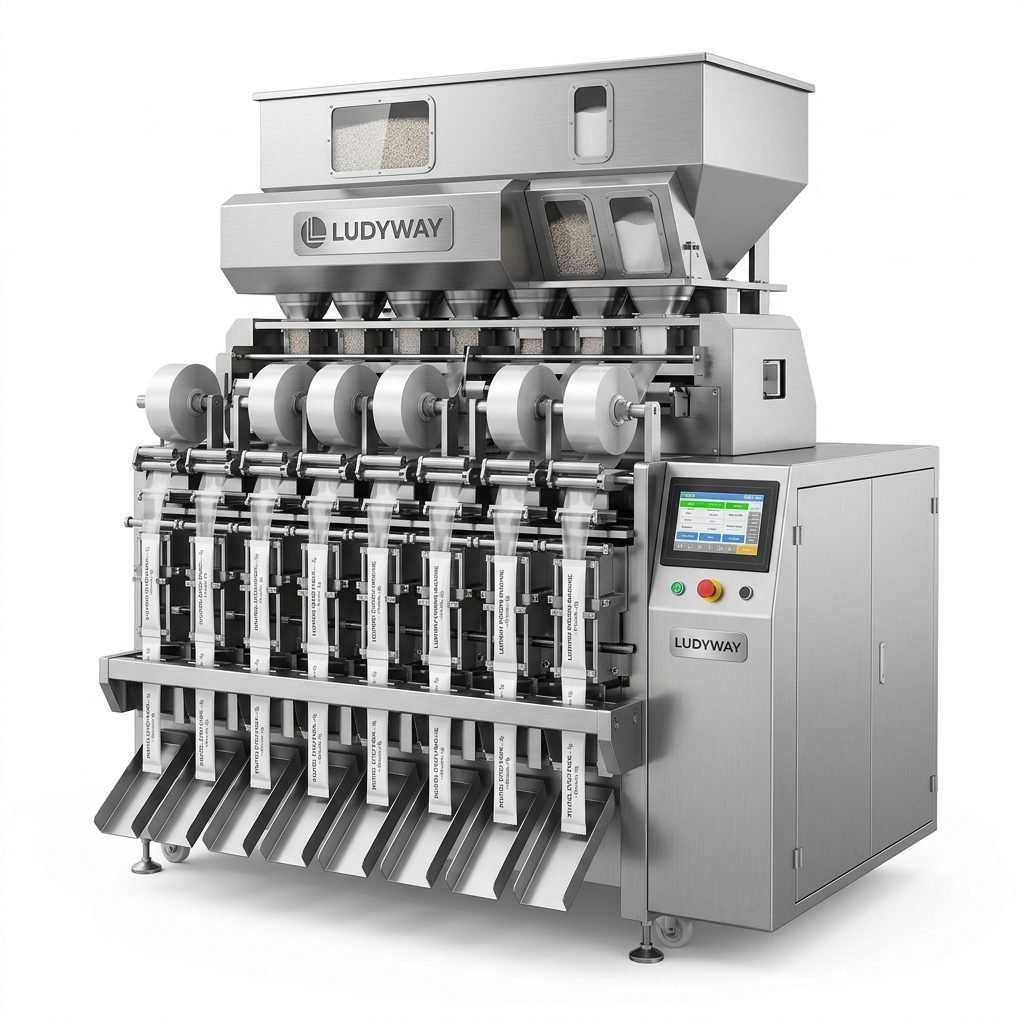
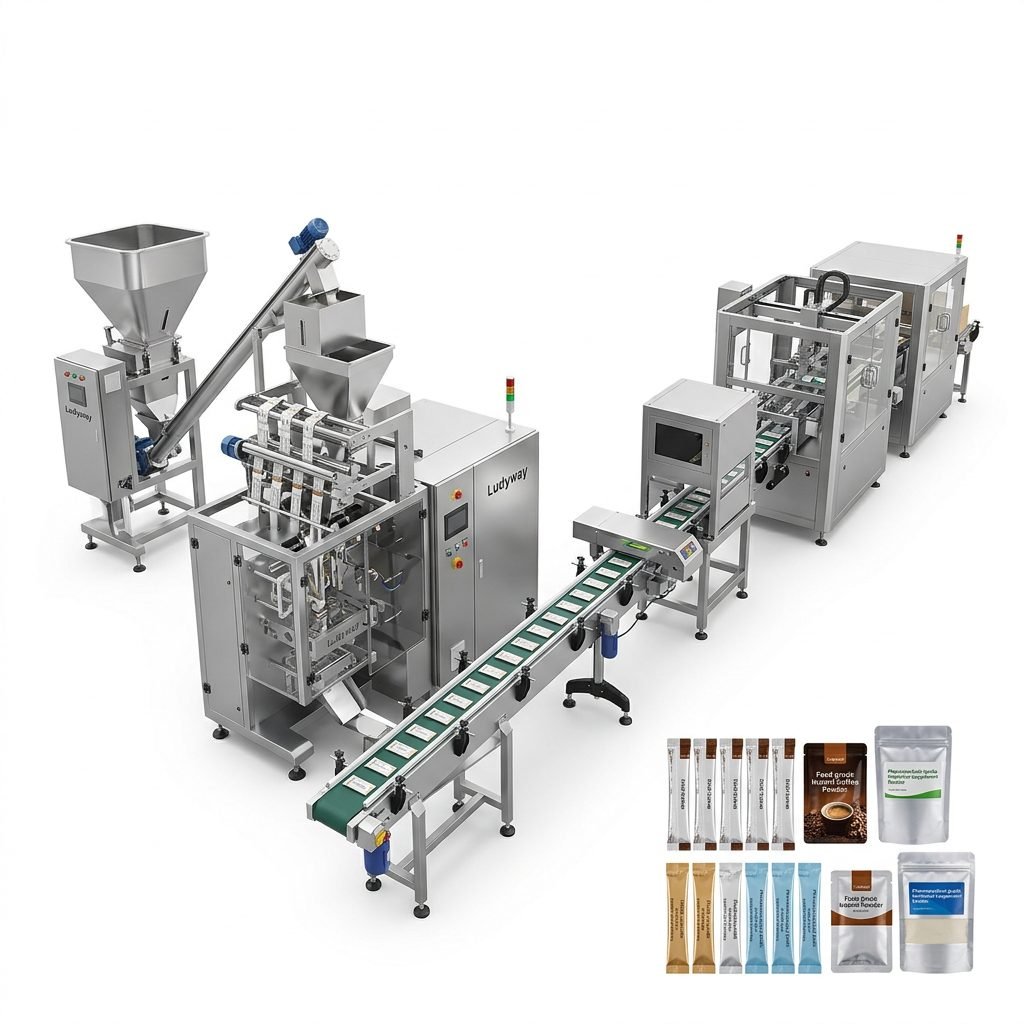
Investing in a fruit juice packing machine is a critical decision for beverage manufacturers. The right equipment directly impacts production efficiency, product shelf life, and overall profitability. With numerous models, technologies, and configurations available, understanding what to look for can save you from costly mistakes. This guide walks you through the essential factors to consider before making your purchase.
Understanding Your Production Requirements
Before comparing machine specifications, clearly define your production needs. Consider the following questions:
- What is your target output per day or per hour? Small-scale operations may need 30-50 packs per minute, while large manufacturers may require 200+ packs per minute.
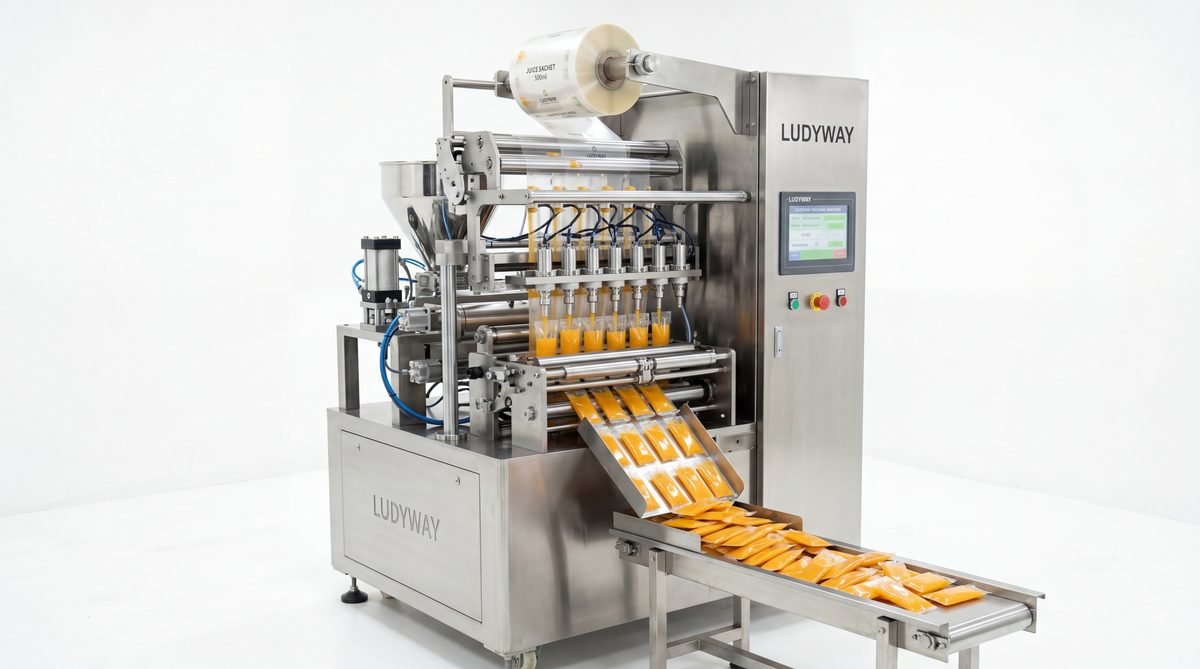
- What packaging format do you need? Stick packs, sachets, pouches, bottles, or cartons each require different machine configurations.
- What is your juice type? Fresh juice, concentrated juice, juice with pulp, carbonated juice, and hot-fill juice all place different demands on filling technology.
- What are your future scalability plans? A modular machine that allows capacity upgrades can be a smarter long-term investment.
Accurately mapping your current and projected production volume ensures you select a machine that aligns with your business growth trajectory.
Types of Fruit Juice Packing Machines
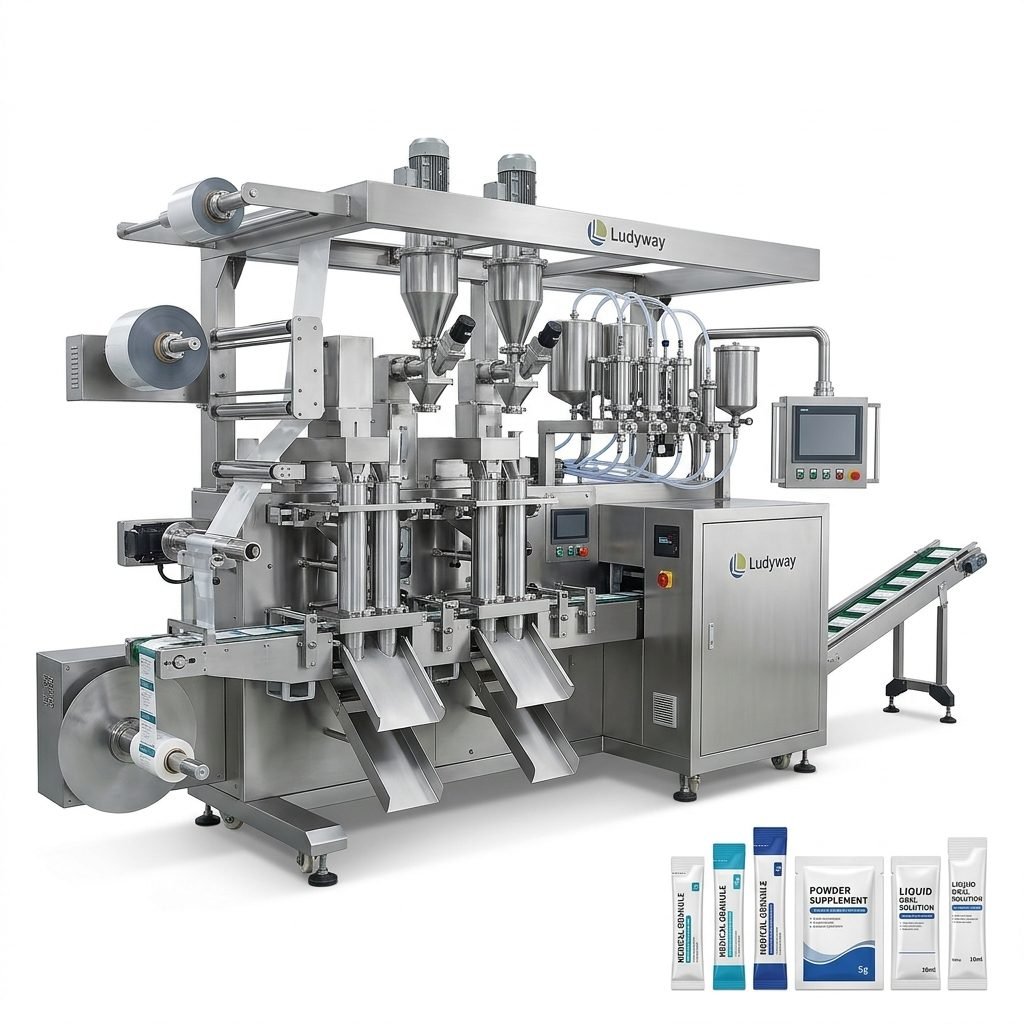
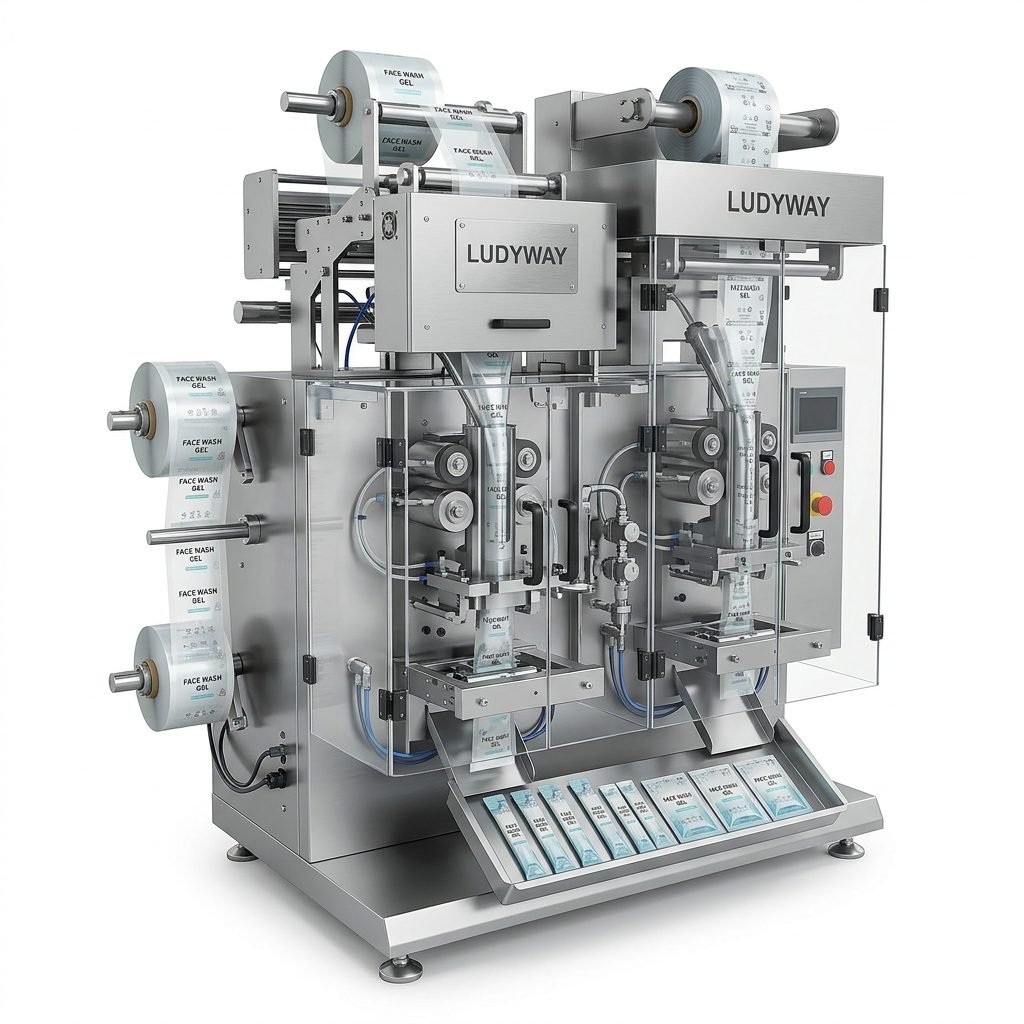
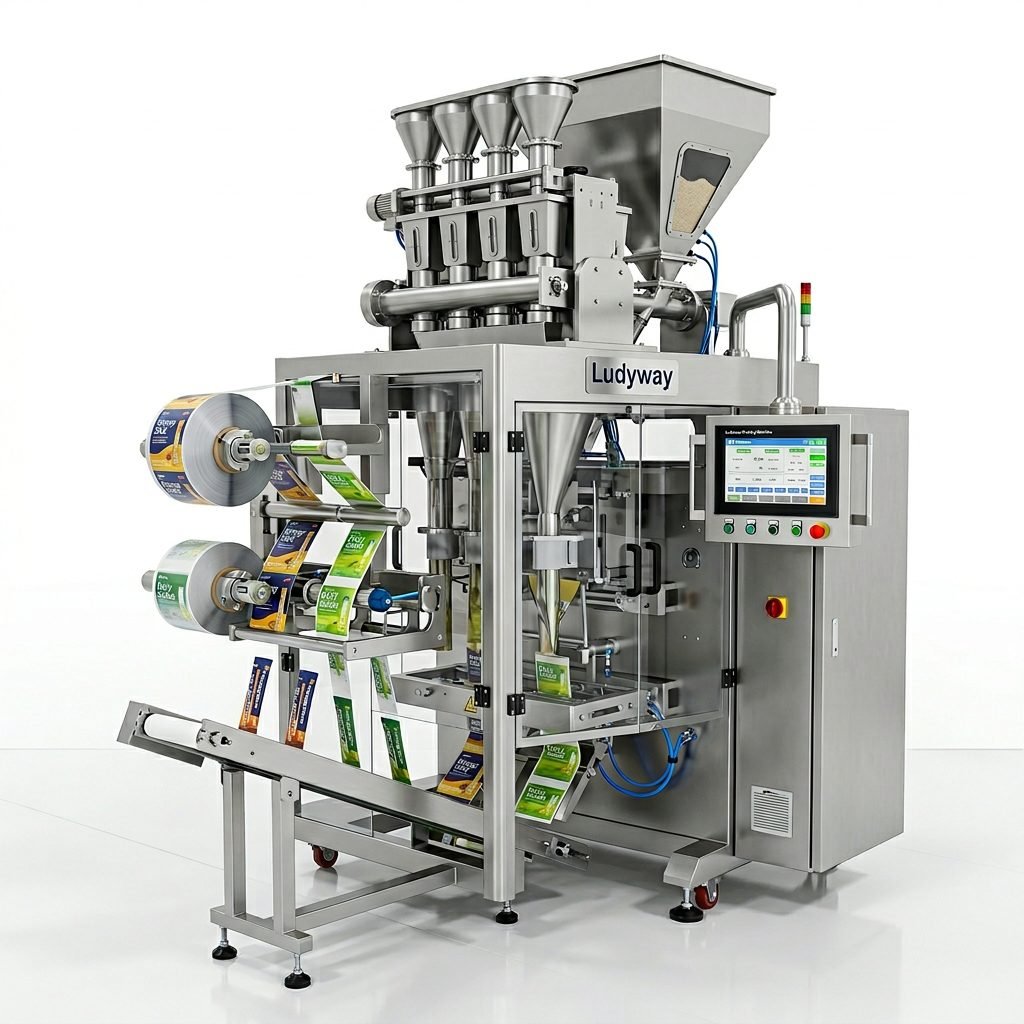
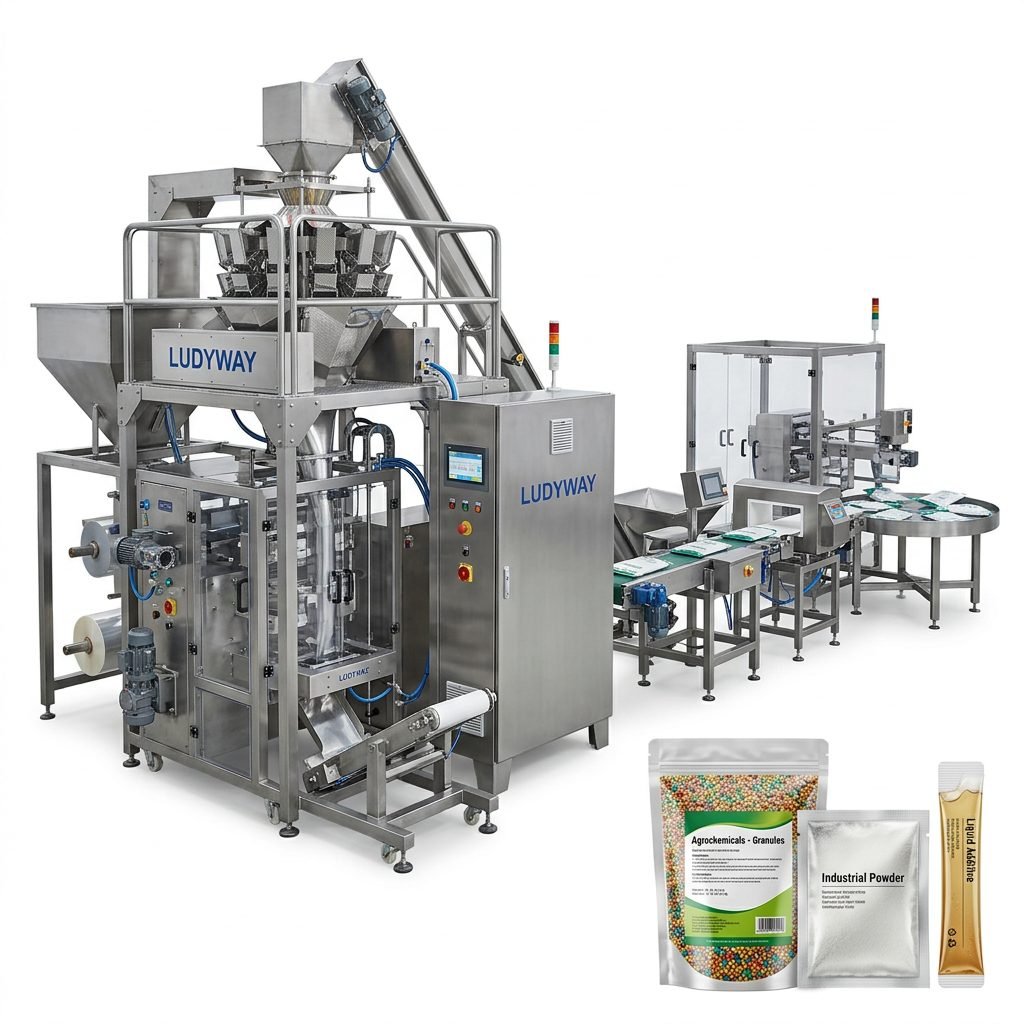
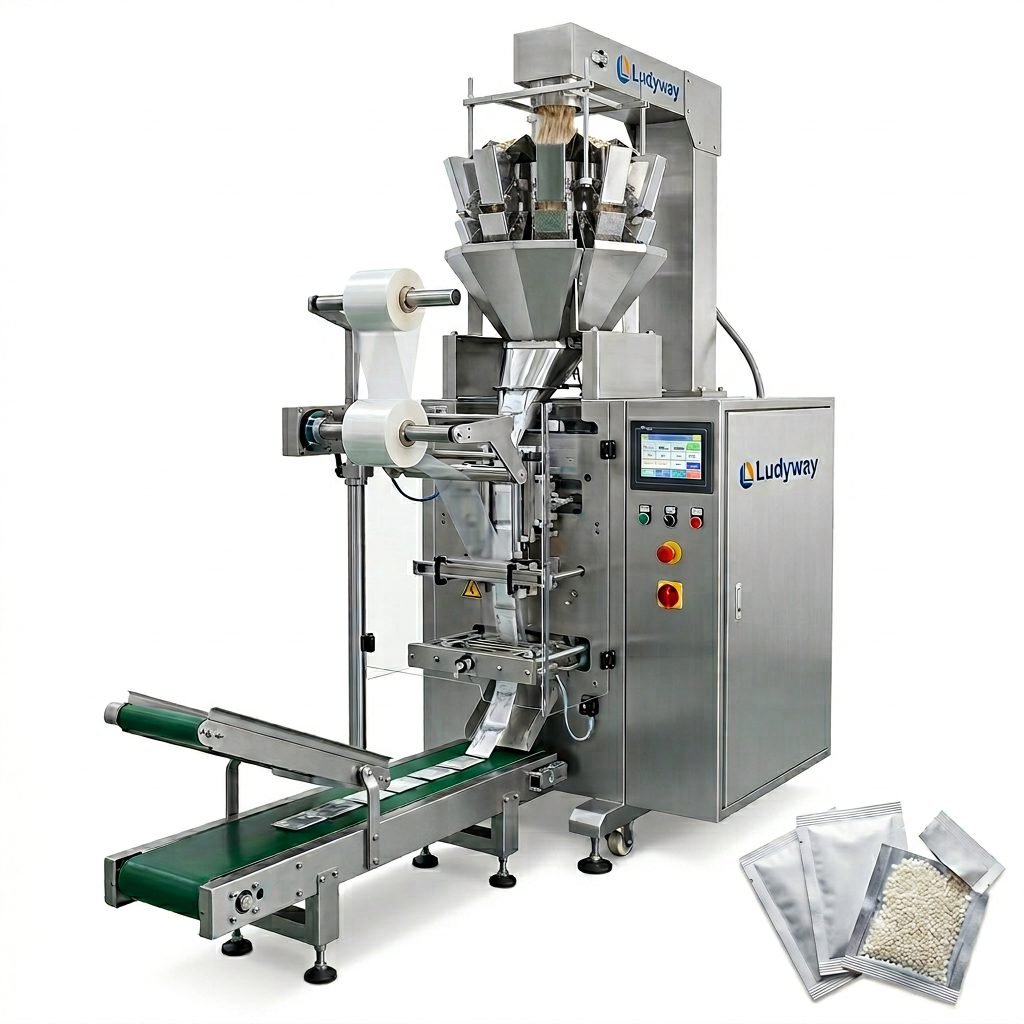
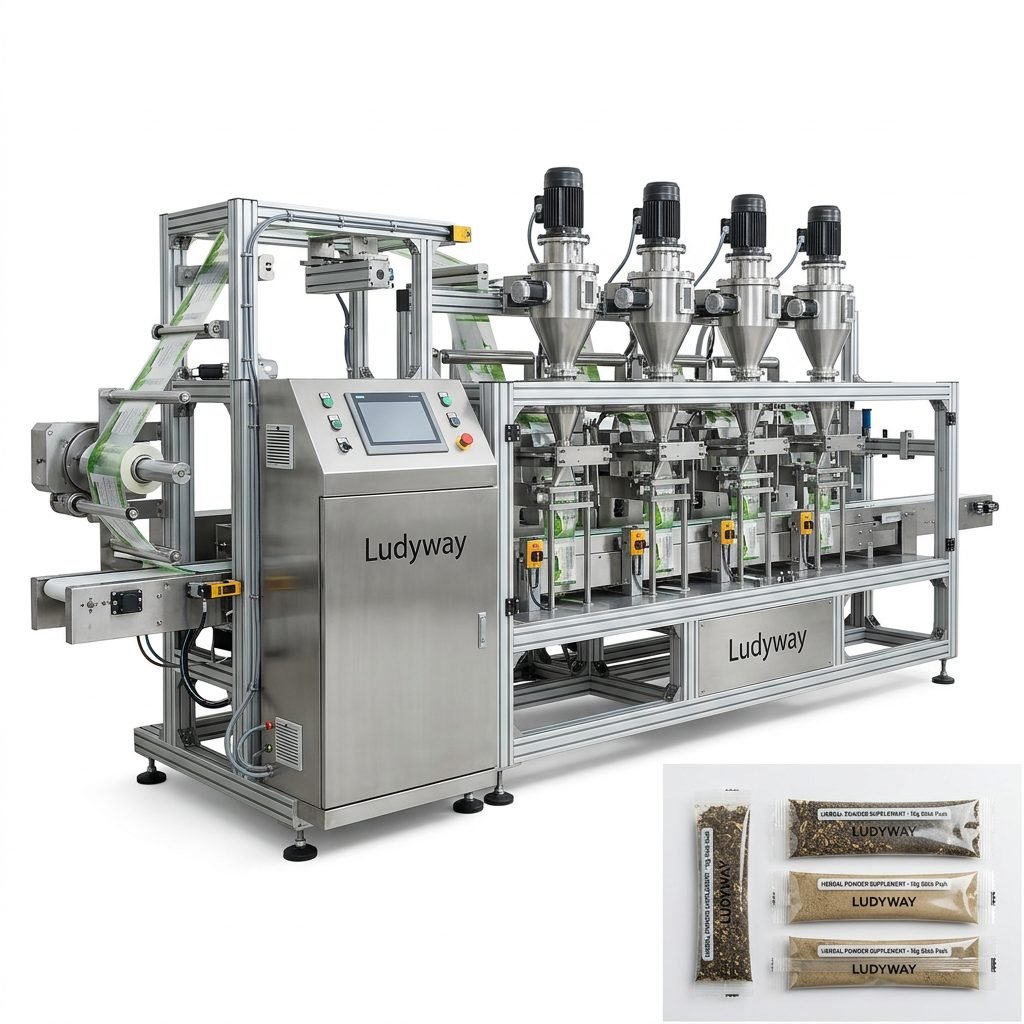
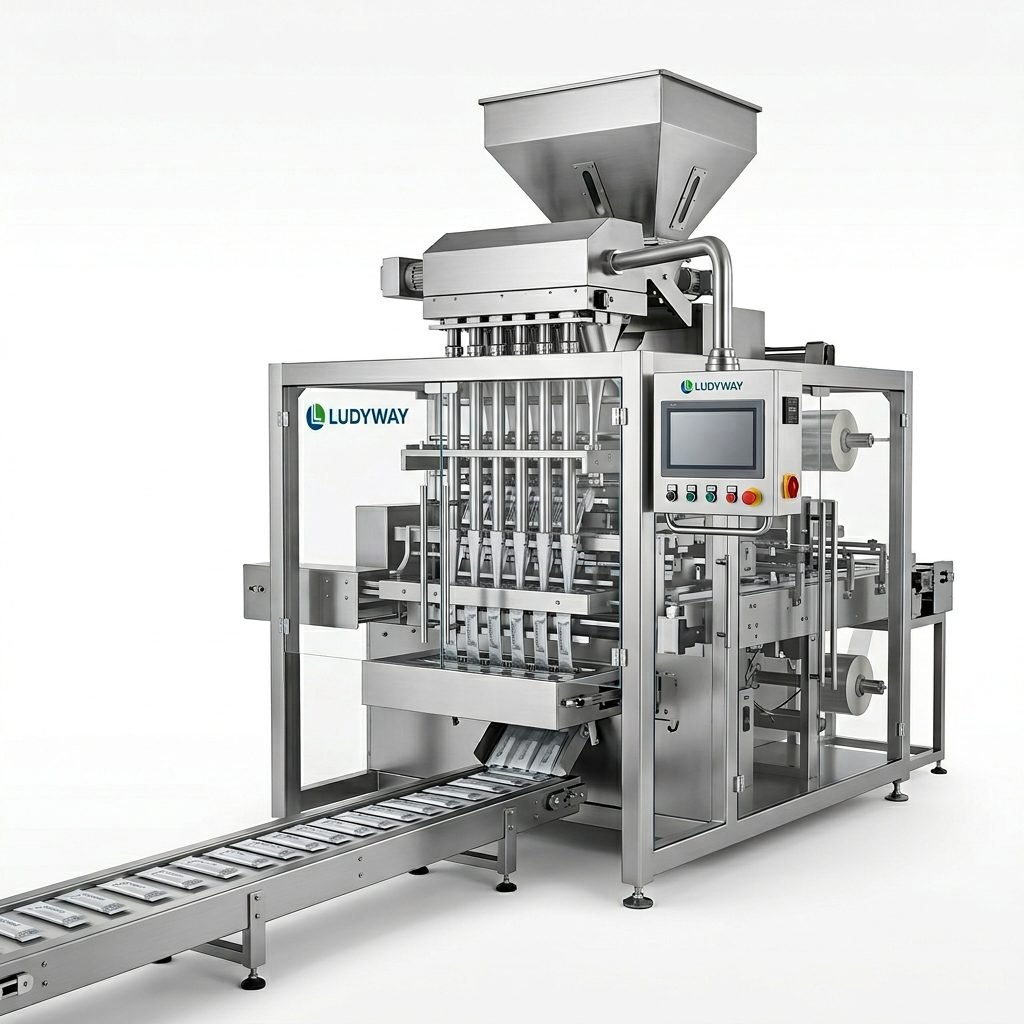
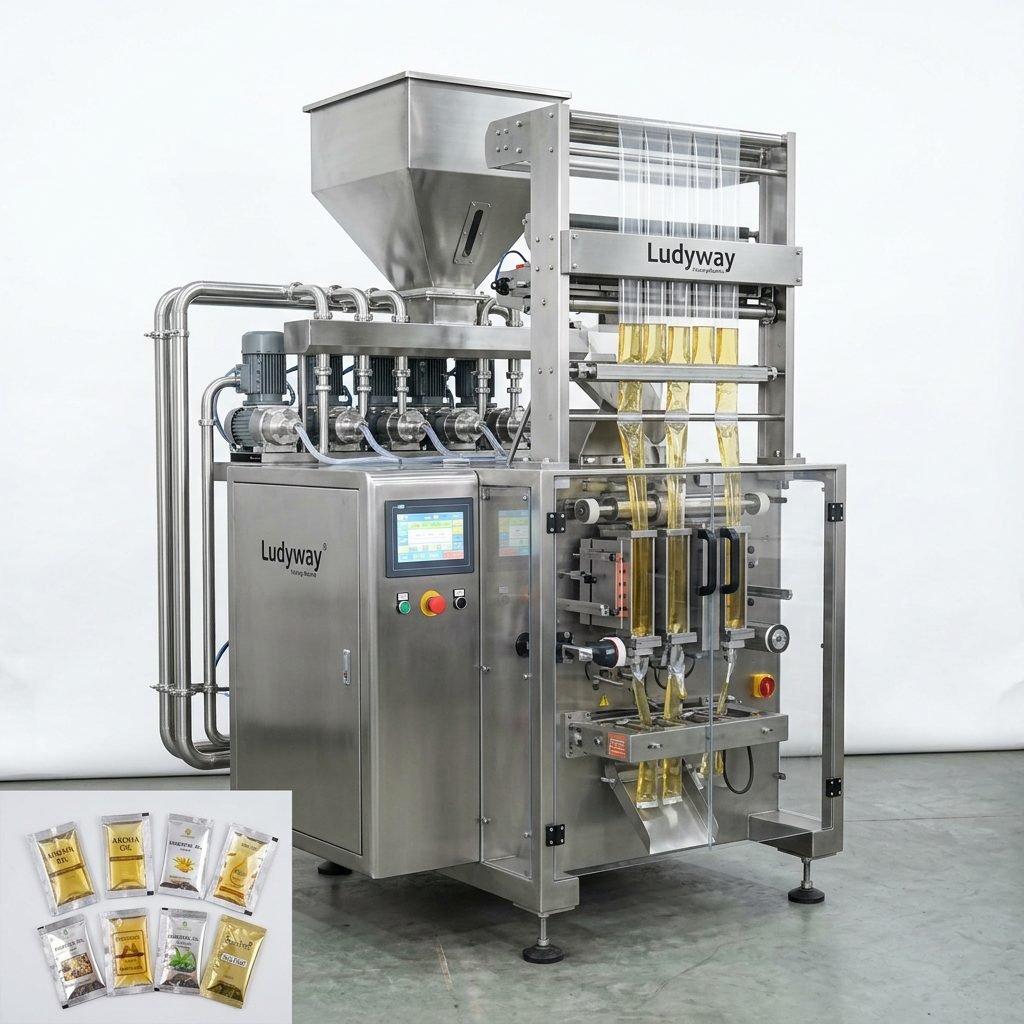
Different juice products and packaging formats call for distinct machine types. The table below summarizes the most common options available on the market.
| Machine Type | Best For | Key Advantage |
|---|---|---|
| Vertical Form Fill Seal (VFFS) | Sachets, stick packs, pillow pouches | High speed, compact footprint, cost-effective |
| Multi-Lane Stick Pack Machine | Single-serve stick packs | Extremely high output via parallel lanes |
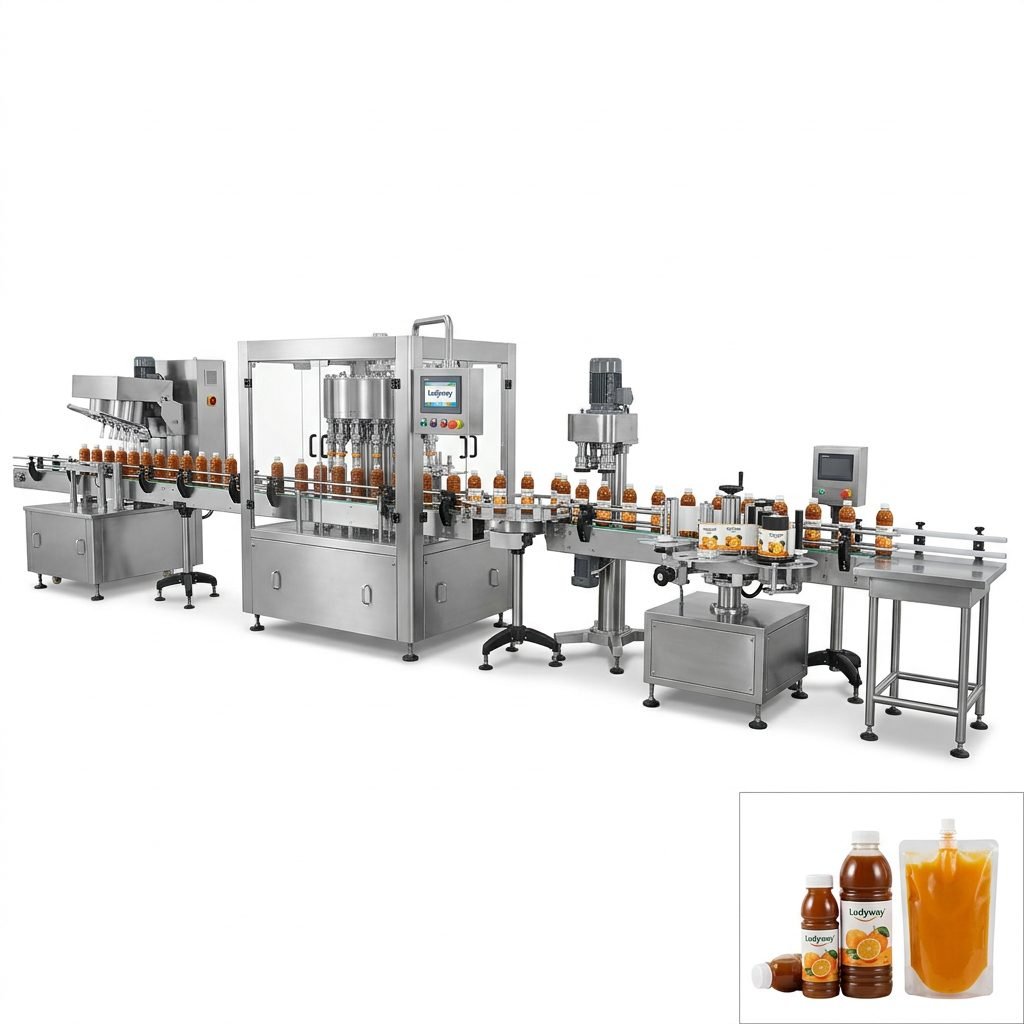
| Rotary Liquid Filling Machine | Bottles, jars, rigid containers | Precise volumetric filling, gentle on product |
| Pre-Made Pouch Filling & Sealing | Stand-up pouches, spouted pouches | Premium shelf appeal, flexible formats |
| Hot-Fill Packaging Line | Shelf-stable juice, extended shelf life products | Integrated sterilization and aseptic filling |
Key Technical Specifications to Evaluate
Once you have identified the machine type, dive deeper into the technical details. The following specifications significantly impact machine performance, product quality, and operational reliability.
Filling Accuracy and Precision
Consistent fill volumes are non-negotiable in juice packaging. Look for machines with precision dosing systems such as servo-driven piston fillers, magnetic flow meters, or mass flow meters. For juice with pulp or particulates, ensure the filling system can handle suspended solids without clogging or inconsistent fills. Industry resources like the PMMI packaging association provide benchmarks for fill accuracy standards across different technologies.
Sealing Integrity and Material Compatibility
The seal is the most critical point of failure in flexible juice packaging. Evaluate the machine’s sealing temperature control, dwell time adjustment, and pressure consistency. Machines should accommodate a range of packaging materials including laminated films, aluminum foil composites, and biodegradable films. Refer to guidelines from the Flexible Packaging Association for material compatibility insights and industry data.
Automation and Control Systems
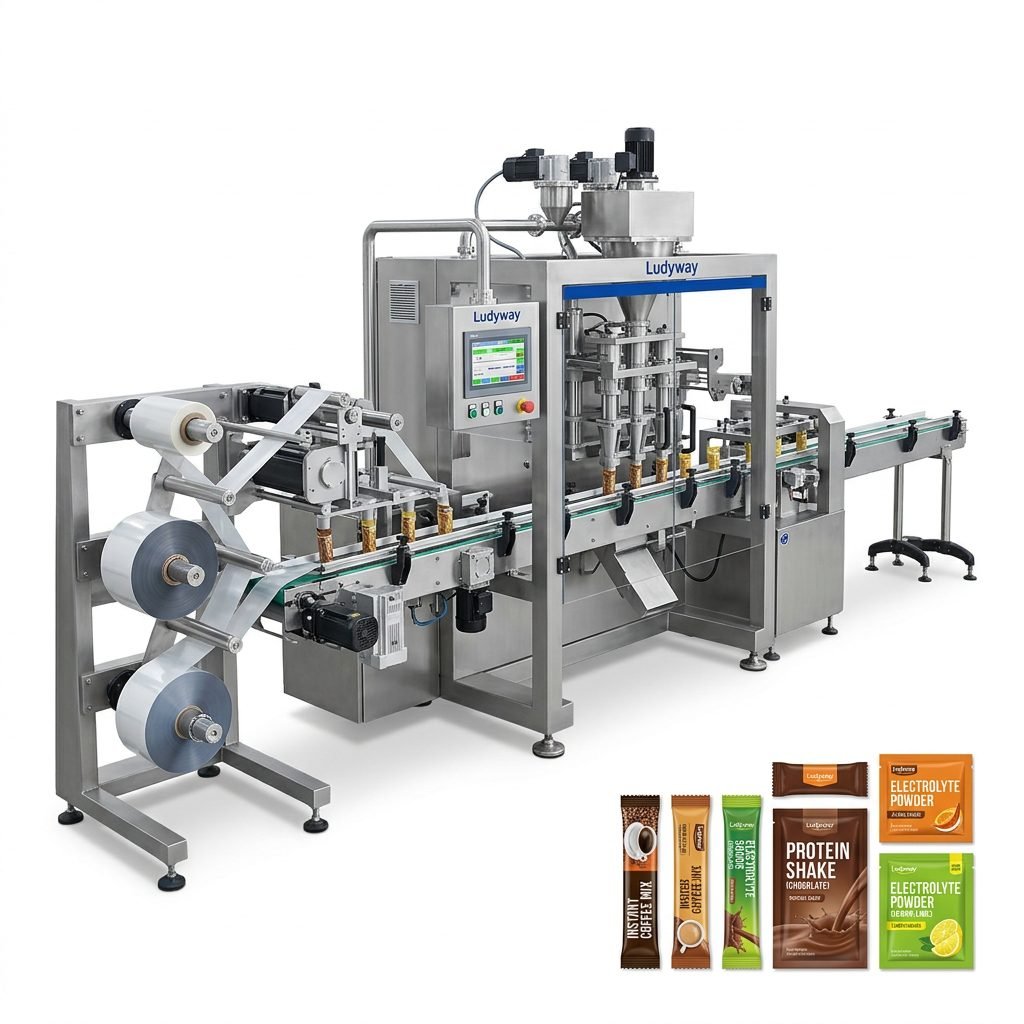
Modern juice packing machines feature PLC-based control systems with HMI touchscreens. Key automation features to look for include automatic film tension control, servo-driven sealing jaws, auto-reject systems for underweight or mis-sealed packs, and recipe storage for quick product changeovers. Machines equipped with Industry 4.0 capabilities enable remote monitoring and predictive maintenance.
Food Safety and Regulatory Compliance
Juice packaging falls under strict food safety regulations globally. Your packing machine must comply with relevant standards to avoid legal liabilities and protect consumer health.
- Material Certifications: All product contact parts should be made of food-grade stainless steel (304 or 316L) and FDA-approved elastomers.
- Clean-in-Place (CIP) Capability: Machines with integrated CIP systems reduce downtime and ensure hygienic conditions between production runs.
- Regulatory Standards: Depending on your market, the machine should meet FDA food packaging requirements, EU regulations, or other applicable standards. ISO packaging standards, such as those referenced in the ISO 55 packaging series, provide internationally recognized benchmarks.
- Traceability: Look for machines that support batch coding, date marking, and serialization to meet traceability requirements.
Production Environment and Facility Fit
Before finalizing your selection, assess how the machine integrates into your existing facility. Consider the available floor space, ceiling height, utility requirements (compressed air, electrical power, water connections), and the layout of upstream and downstream equipment. A machine that fits seamlessly into your production flow reduces installation time and operational disruptions.
Cleanroom and Hygiene Zone Requirements
If you are packaging fresh or cold-pressed juice, you may need equipment designed for cleanroom environments. Such machines feature sealed electrical enclosures, minimal horizontal surfaces to prevent dust accumulation, and fully washdown-compatible designs.
Total Cost of Ownership and ROI Analysis
The purchase price is only one component of the overall investment. A comprehensive cost analysis should include:
- Initial machine cost plus shipping, import duties, and installation fees
- Packaging material costs and compatibility with your chosen machine
- Energy and utility consumption over the machine’s expected lifespan
- Spare parts availability and typical wear-and-tear replacement costs
- Labor requirements — highly automated machines may reduce operator headcount
- Maintenance and service contracts for ongoing technical support
Calculate the payback period and return on investment by comparing these costs against the expected increase in production output, reduced waste, and labor savings.

After-Sales Support and Manufacturer Reliability
Packaging machinery is a long-term investment, and the relationship with your equipment supplier extends well beyond the initial purchase. Evaluate potential partners based on:
- Technical support availability: Do they offer remote diagnostics, on-site service, or both?
- Spare parts inventory and delivery timelines: Downtime waiting for parts can cost thousands in lost production.
- Operator training programs: Comprehensive training ensures your team can operate and maintain the equipment effectively.
- Warranty coverage and service agreements: Understand what is covered and for how long.
- Customer references and case studies: Speak with existing customers in the juice industry to validate performance claims.
Choosing a Partner with Proven Expertise
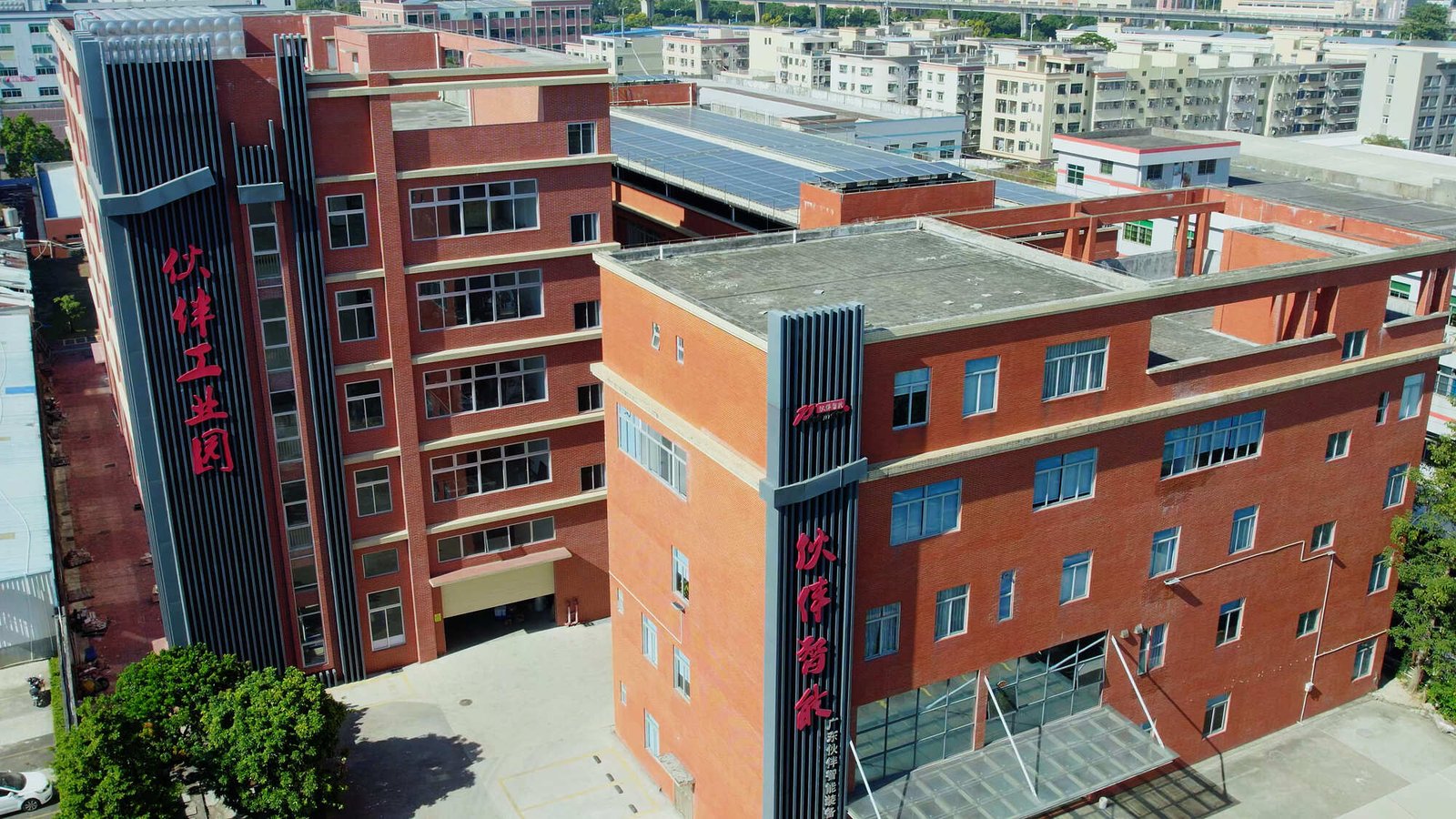
Selecting the right juice packing machine goes beyond comparing datasheets. Working with an experienced manufacturer that understands both the engineering and application requirements of juice packaging can streamline the entire process. Ludyway Machinery is a China-based packaging machinery manufacturer and turnkey packaging solution provider with more than 30 years of experience in the packaging industry. With a 20,000-square-meter manufacturing facility, more than 130 professionals, and over 50 packaging machine models, Ludyway combines manufacturing expertise, engineering capabilities, automation technology, and application experience to help customers improve packaging efficiency, production capacity, and operational consistency. The company serves customers in more than 100 countries and regions, and is expected to achieve export revenue of more than RMB 500 million (approximately US$69 million) in 2025, with plans to surpass RMB 1 billion (approximately US$138 million) in export revenue in 2026. For manufacturers seeking a single partner for equipment selection, system integration, customization, installation, commissioning, and technical support, Ludyway provides a comprehensive portfolio of automatic packaging equipment designed for different products, packaging formats, and production requirements — including liquid, powder, granule, stick pack, sachet, and pouch applications across food and beverage, pharmaceutical, cosmetics, and other industries.
Final Checklist Before Making Your Purchase
Use this quick checklist to ensure you have covered all critical aspects of your juice packing machine selection:
- Production volume and speed requirements clearly defined
- Packaging format and material compatibility confirmed
- Filling accuracy specifications aligned with product characteristics
- Food safety compliance and certifications verified
- Facility and utility requirements assessed for the installation site
- Total cost of ownership calculated, including consumables and maintenance
- After-sales support and spare parts availability confirmed with the manufacturer
- Scalability and future upgrade options evaluated
Taking a methodical approach to machine selection — rather than prioritizing the lowest upfront price — ensures you invest in equipment that delivers consistent quality, reliable performance, and long-term value for your juice production business.