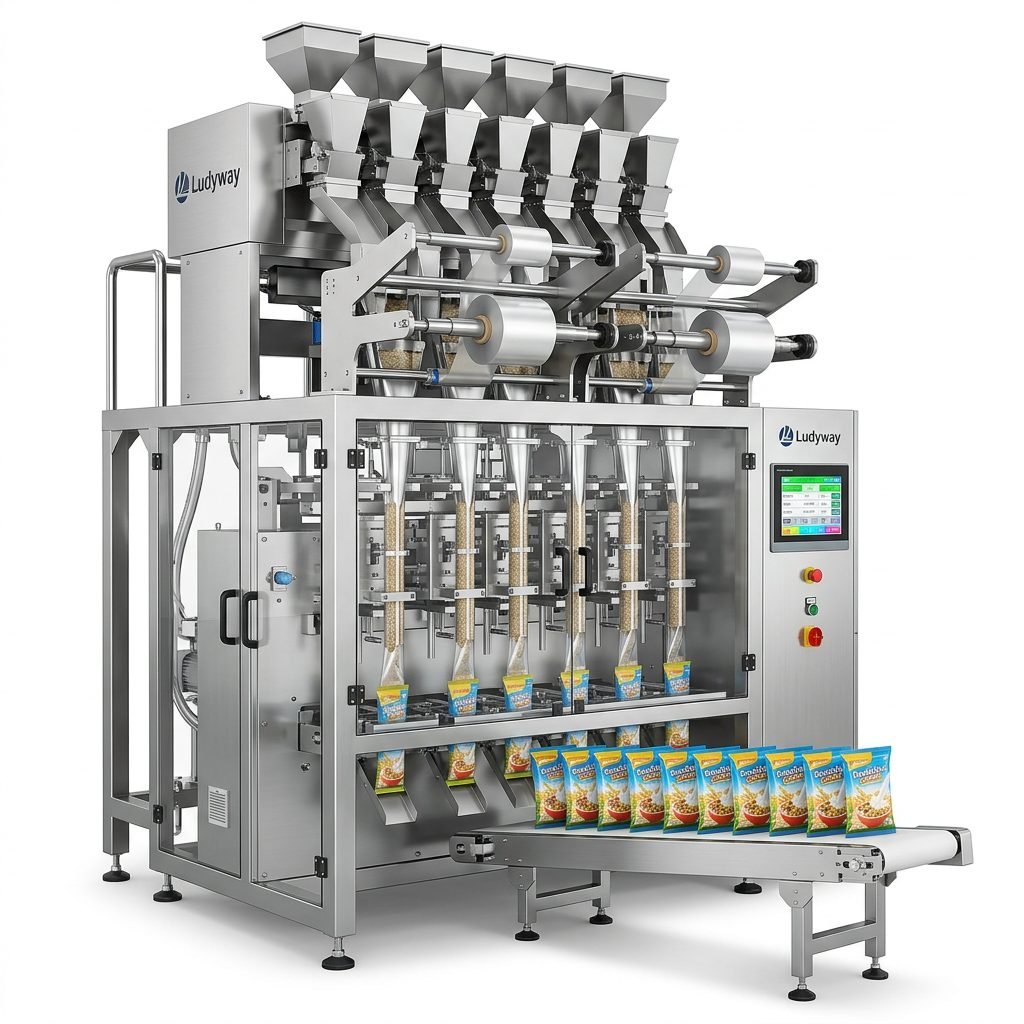
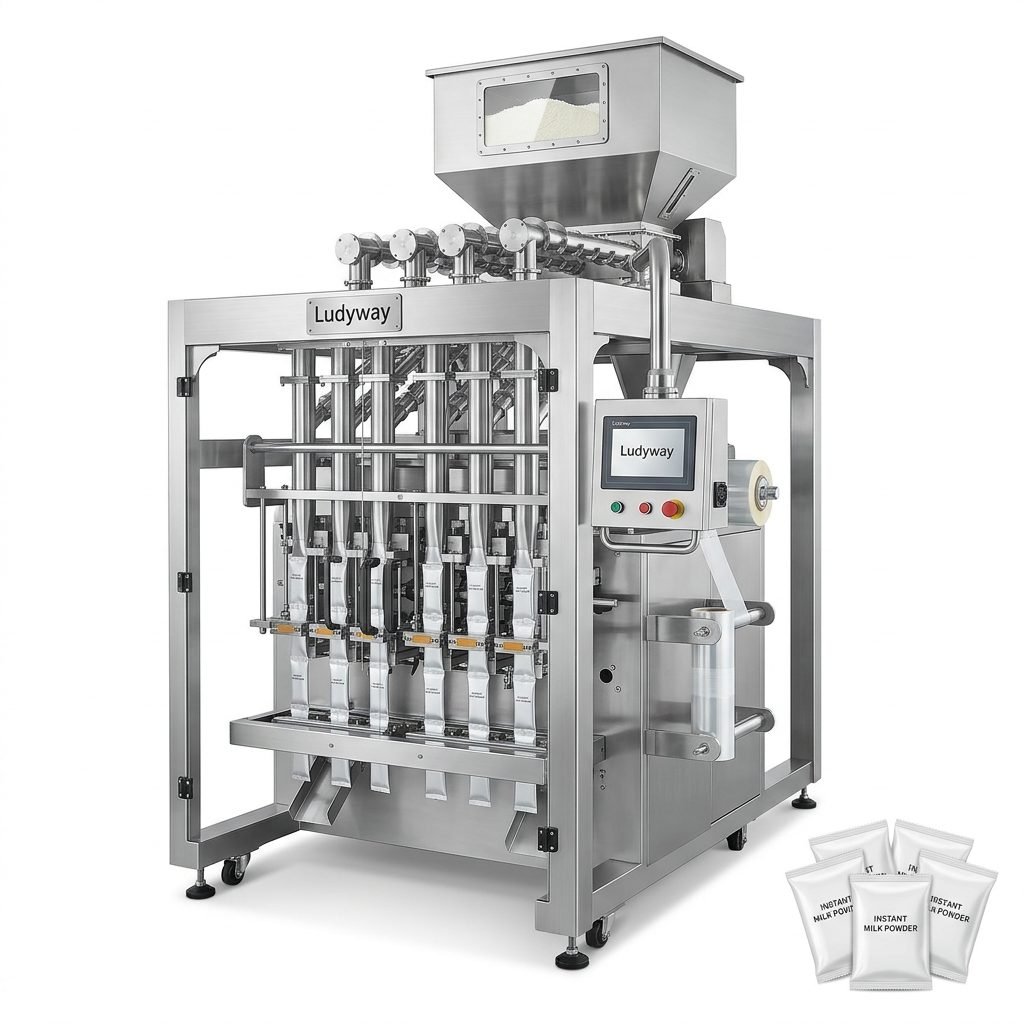
Investing in an automatic packaging machine is one of the most significant decisions a beverage, food, or consumer goods manufacturer can make. Whether you are running a facility that handles carbonated soft drinks similar to Pepsi products, or you need a high-speed line for liquid filling and sealing, selecting the right equipment directly impacts your production efficiency, product quality, and bottom line. This guide walks you through every critical factor to consider when choosing an automatic Pepsi packing machine or comparable beverage packaging system.

1. Understanding Your Production Requirements
Before evaluating specific machine models, you need a clear picture of your production environment. Start by answering these fundamental questions about your packaging needs:
Product Characteristics
The physical properties of your product determine which packaging technology is suitable. Carbonated beverages like Pepsi require specialized filling systems that can handle dissolved CO₂ without excessive foaming. Non-carbonated drinks, syrups, and concentrates each demand different approaches. Key product attributes to document include:
- Viscosity — thin liquids (water, juice) versus thick pastes (concentrates, sauces)
- Carbonation level — still, sparkling, or highly carbonated
- Particulate content — pulp, fruit pieces, or sediment
- Temperature sensitivity — hot-fill, cold-fill, or ambient requirements
- pH and chemical properties — acidic drinks need corrosion-resistant materials
Target Output and Speed
How many units per hour or per day does your operation need? High-speed automatic Pepsi packing machines for major bottling plants can reach 600–1,200 containers per minute, while mid-range systems might operate at 150–400 units per minute. Matching machine speed to actual demand avoids both under-capacity bottlenecks and over-investment in unused throughput. Refer to industry benchmarks from the PMMI Business Intelligence Library when evaluating capacity planning.
2. Packaging Format and Material Compatibility
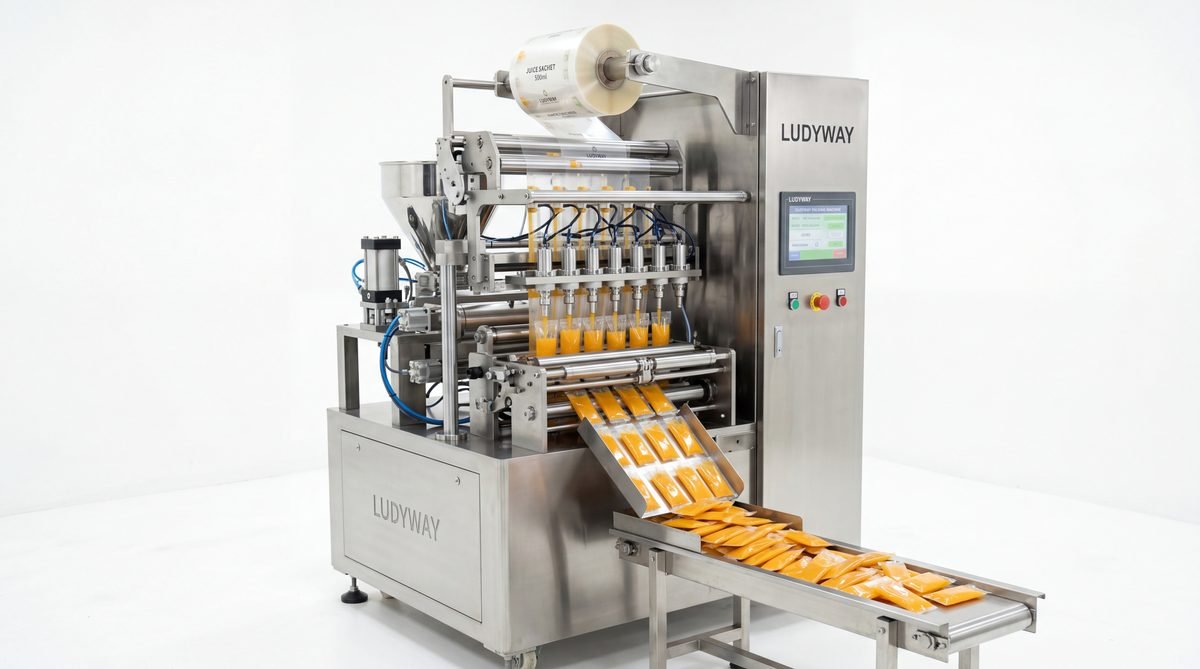
Modern beverage and liquid product packaging spans a wide range of formats. The right automatic packaging machine must be compatible with your chosen format and the flexible packaging materials you intend to use.
Common Packaging Formats
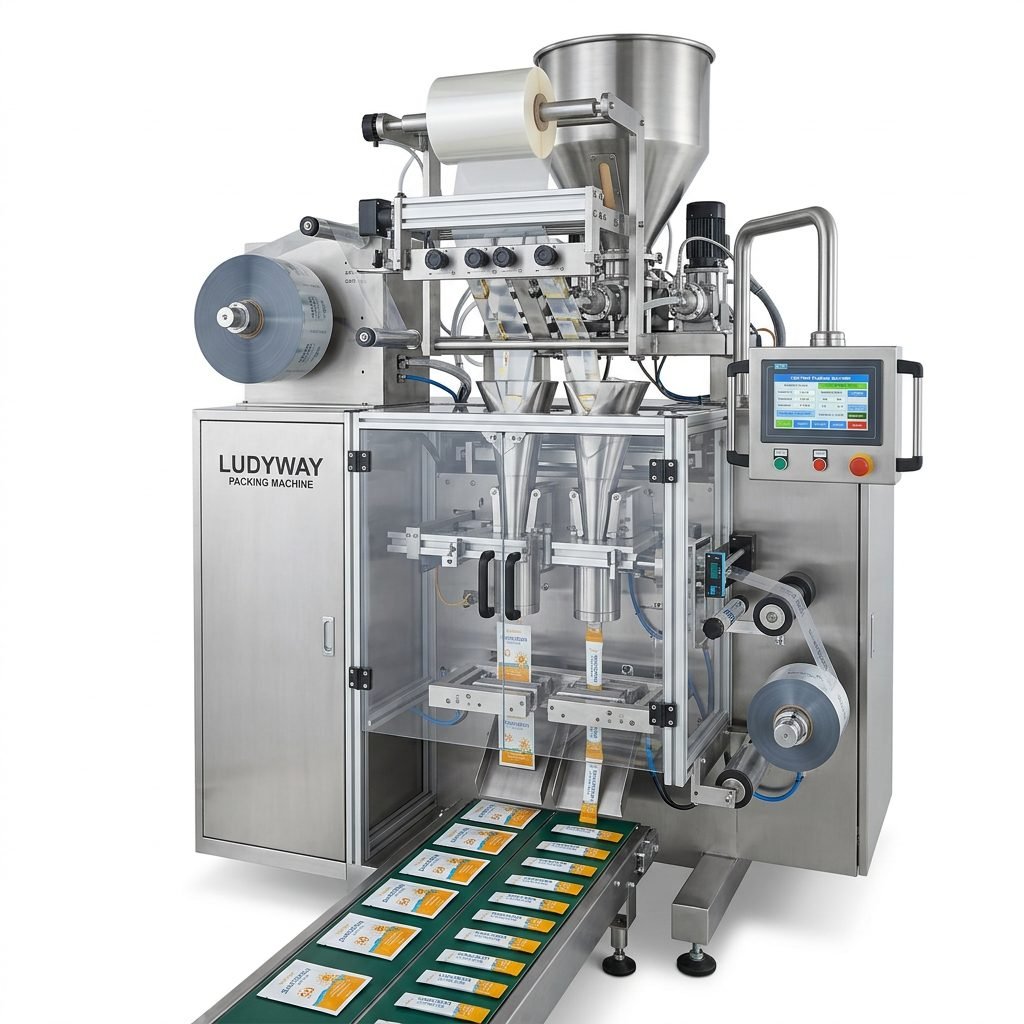
- Stick packs — ideal for single-serve powders, drink mixes, and liquid concentrates
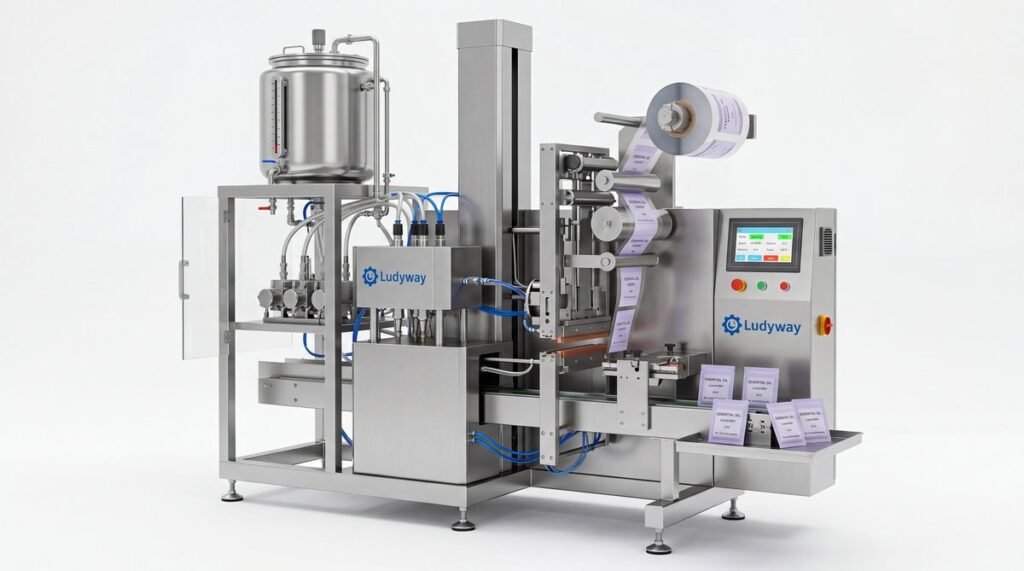
- Sachets — widely used for sauces, condiments, and sample-sized beverages
- Pouches — stand-up and flat pouches for larger liquid volumes
- Bottles — PET, glass, or HDPE for carbonated and still beverages
- Cans — aluminum or tinplate for soft drinks and energy drinks
Each format requires specific filling, sealing, and handling mechanisms. A Pepsi packing machine designed for bottles, for example, will include carbonation-compatible filling valves, capping stations, and label applicators, while a stick pack machine focuses on vertical form-fill-seal technology with precision dosing. For detailed guidance on packaging material standards, consult the FDA food packaging regulations.

3. Automation Level and Integration Capabilities
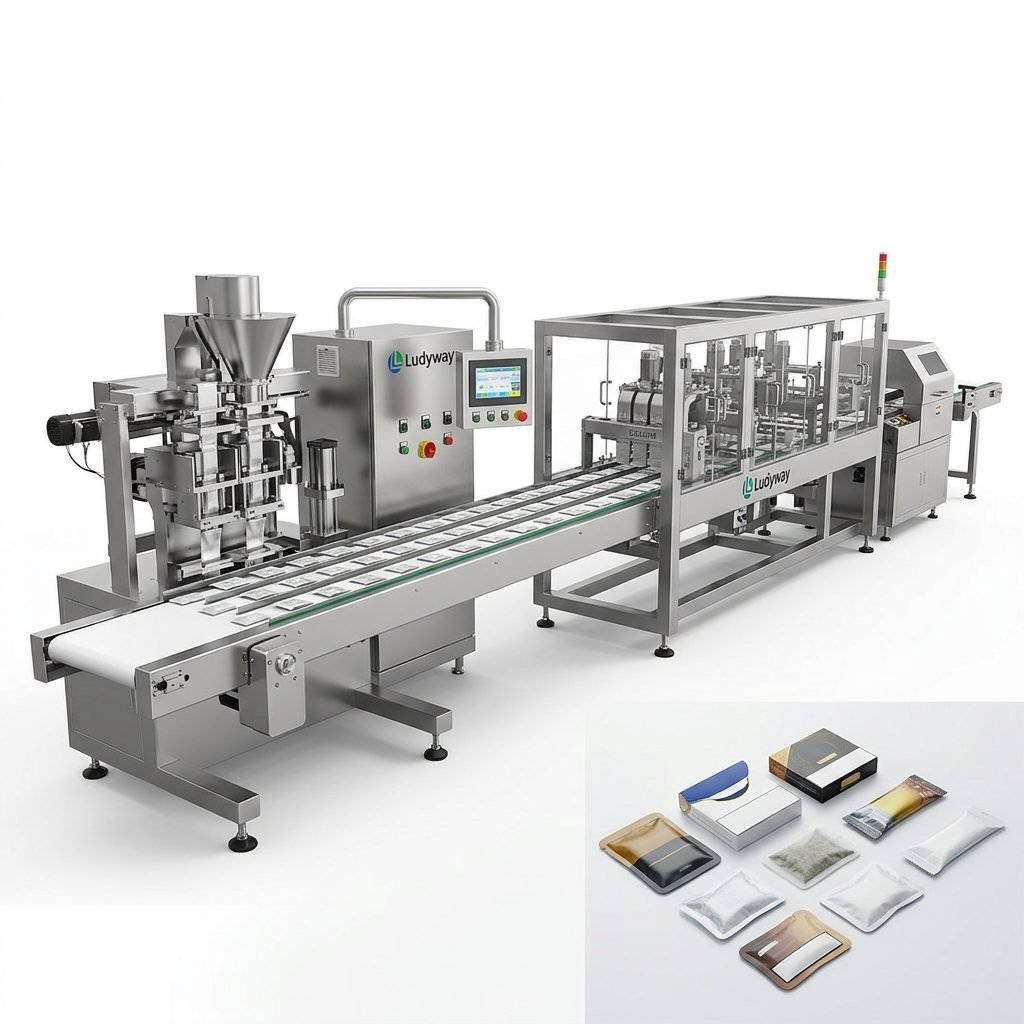
Today’s automatic packaging machines range from semi-automatic standalone units to fully integrated turnkey production lines. The level of automation you choose should align with your labor strategy, production complexity, and scalability goals.
Key Automation Features to Evaluate
- Automated feeding systems — conveyor infeed, rotary tables, or vibratory feeders
- In-line quality inspection — vision systems, checkweighers, and metal detectors
- Automatic rejection — removing underfilled or defective packages without line stoppage
- Data integration — connectivity with MES, ERP, and IoT platforms for real-time monitoring
- Quick changeover — tool-free adjustments for different package sizes and formats
For manufacturers that need to package beverages similar to Pepsi products across multiple SKUs and container types, modular machine designs offer the flexibility to reconfigure lines as product portfolios evolve. The PACK EXPO International showcases the latest automation innovations each year.
4. Comparing Packaging Machine Types
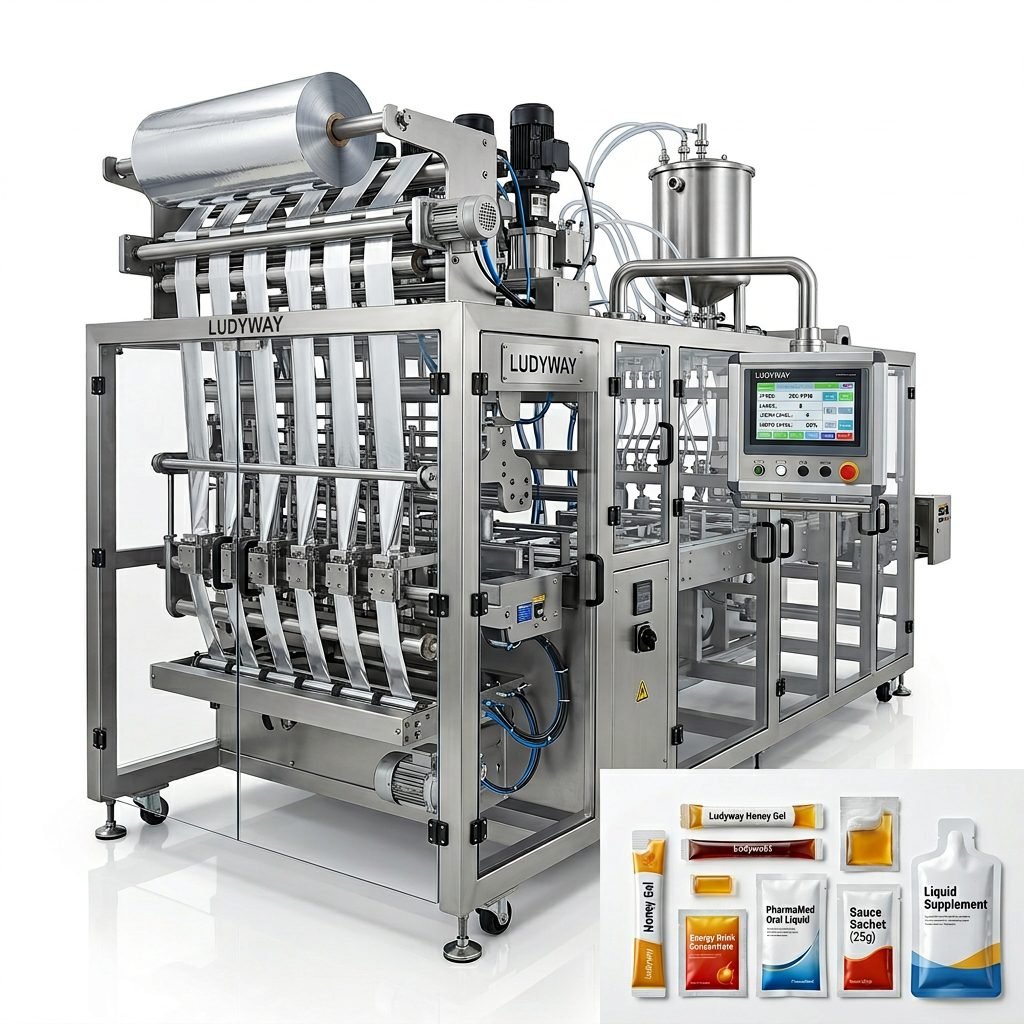
The table below provides a comparative overview of different automatic packaging machine categories commonly used in beverage and liquid product operations, including those suitable for soft drink packaging similar to Pepsi bottling lines:
| Machine Type | Best For | Speed Range | Key Advantage |
|---|---|---|---|
| Rotary Liquid Filler | Carbonated drinks, bottled water, juices | 200–1,200 CPM | High-speed, minimal foam |
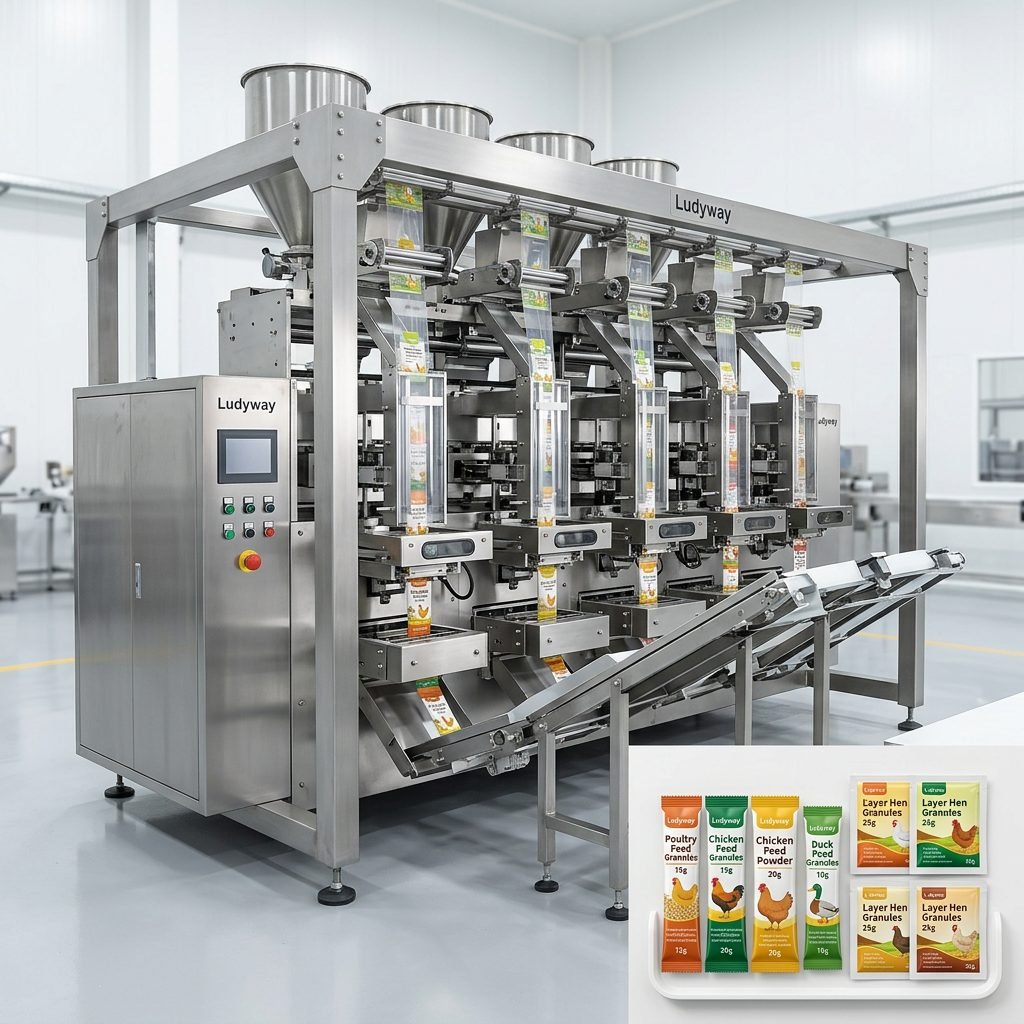
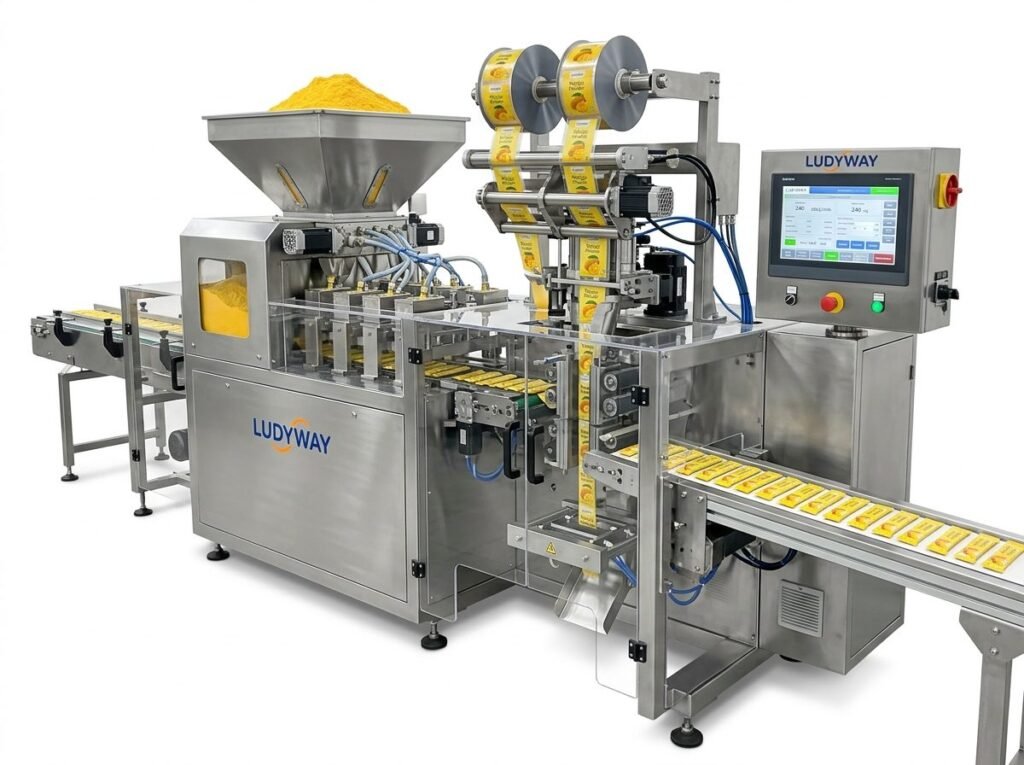
| Multi-Lane Stick Pack | Powder drinks, liquid concentrates | 400–1,600 packs/min | Compact format, precise dosing |
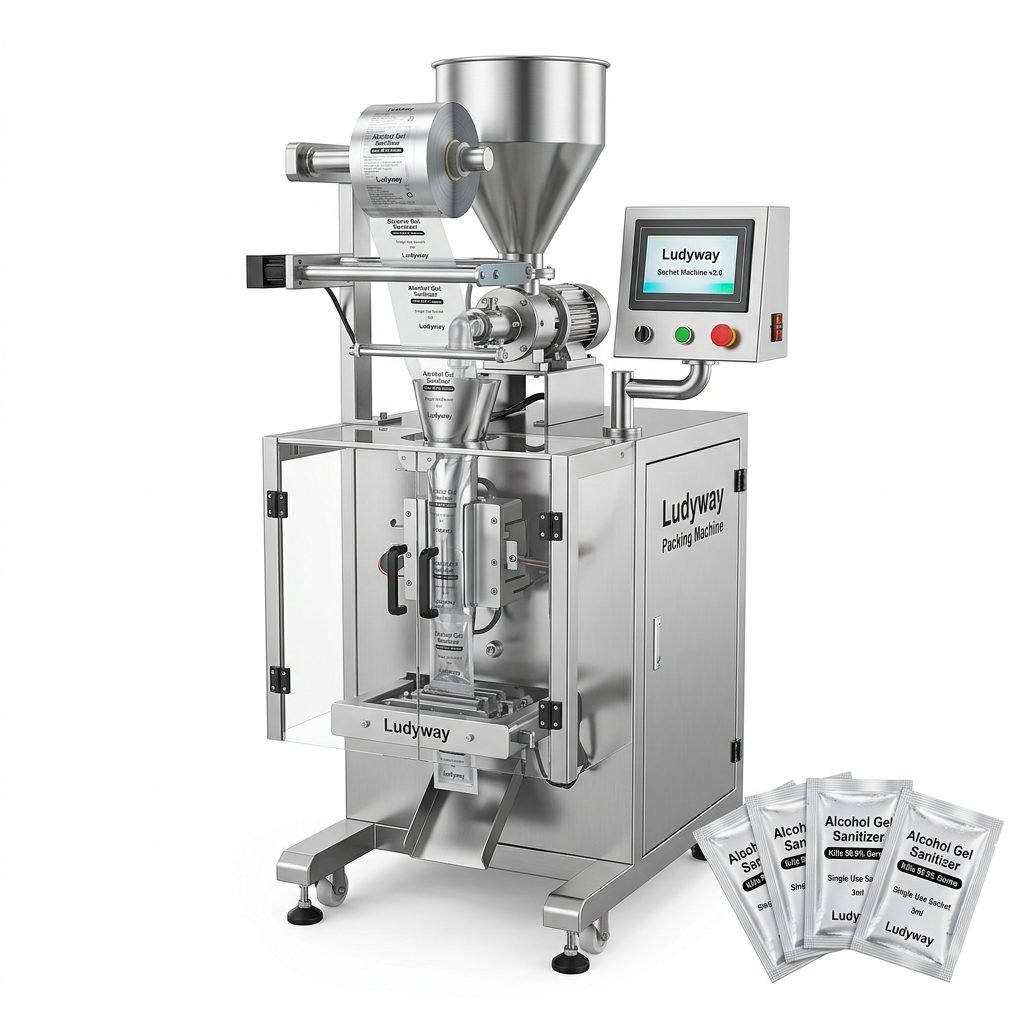
| Vertical Form-Fill-Seal | Sachets, pouches, stick packs | 100–800 packs/min | Versatile, cost-effective |
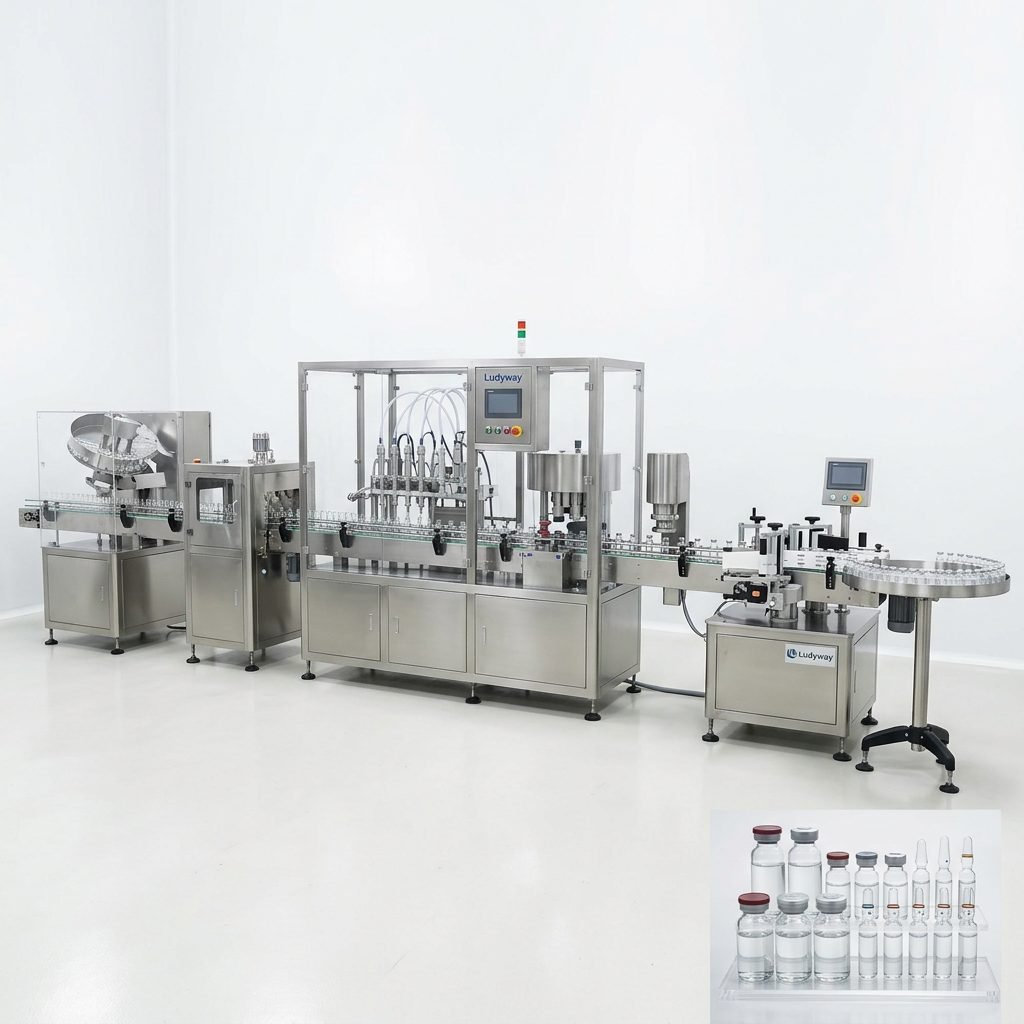
| Bottle Filling & Capping Line | PET/glass bottles, carbonated soft drinks | 100–800 BPM | Complete turnkey solution |
| Premade Pouch Filler | Liquid pouches, spouted pouches | 40–300 pouches/min | Premium packaging appeal |
Selecting the right machine type depends on your product’s physical state, target packaging format, and production volume. For operations that need to run multiple formats, consider manufacturers offering ISO-compliant packaging standards across their equipment range.
5. Critical Machine Specifications and Features
When evaluating a specific automatic Pepsi packing machine or any beverage packaging system, pay close attention to these technical specifications:
Filling Accuracy and Precision
Filling accuracy directly affects product consistency and regulatory compliance. For carbonated beverages, filling systems must compensate for foam and CO₂ breakout. Look for machines with ±0.5% to ±1% fill accuracy for liquid products, verified through in-line checkweighing.
Material Construction and Hygiene
Beverage packaging equipment must meet stringent sanitary standards. Stainless steel (304 or 316L) construction is essential for all product-contact surfaces. For carbonated drink lines similar to Pepsi bottling operations, CIP (Clean-in-Place) compatibility significantly reduces cleaning downtime between production runs.
Sealing Integrity
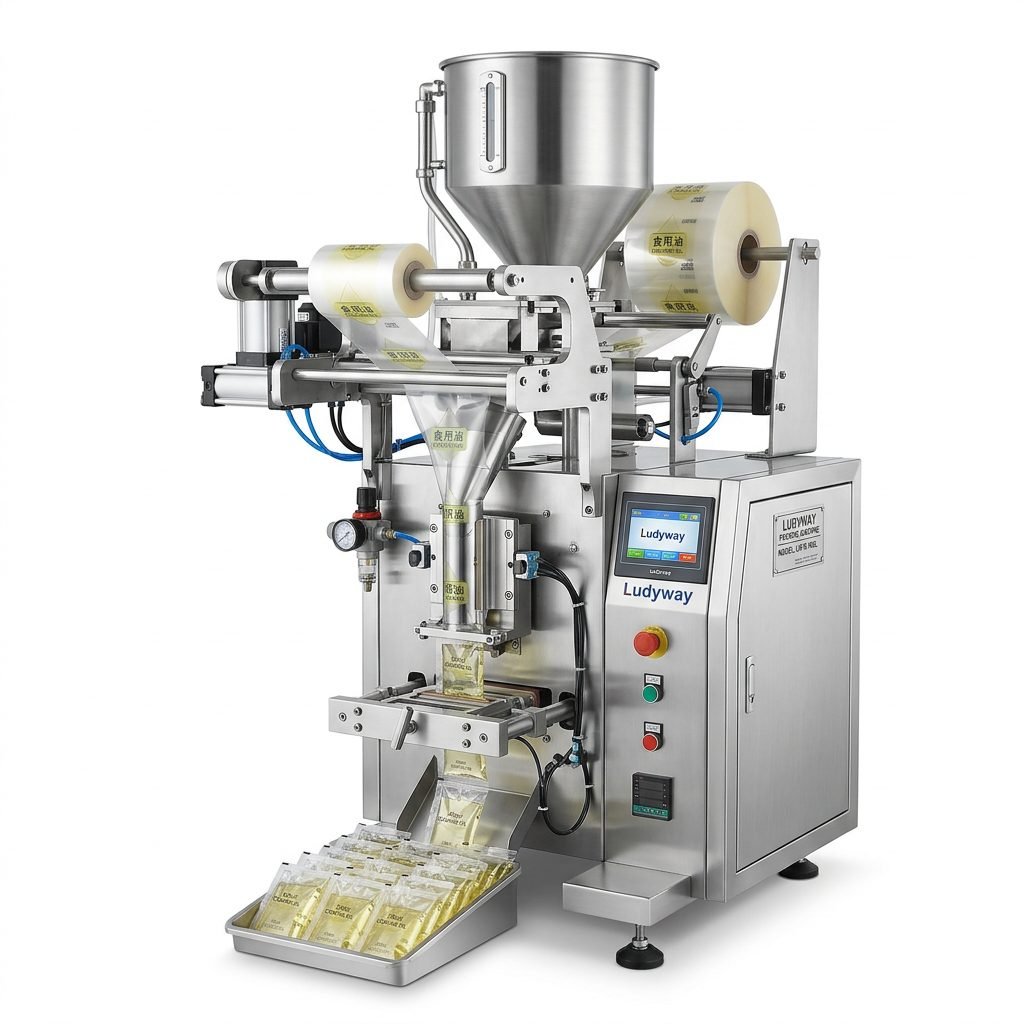
Package seal quality determines shelf life and prevents leaks. Evaluate machines for consistent seal pressure, temperature control, and dwell time. Many modern systems include seal inspection modules that automatically detect and reject improperly sealed packages.
6. Budget, ROI, and Total Cost of Ownership
The purchase price of an automatic packaging machine is only one part of the financial equation. A comprehensive cost analysis should include:
- Initial capital expenditure — machine cost, installation, and facility modifications
- Operational costs — energy consumption, consumables, labor requirements
- Maintenance and spare parts — preventive maintenance schedules, parts availability
- Packaging material waste — machines with lower waste rates reduce ongoing costs
- Downtime costs — reliability and mean time between failures (MTBF)
A well-chosen automatic Pepsi packing machine should deliver ROI within 18–36 months through increased throughput, reduced labor, and lower material waste. Review the latest State of the Industry report from PMMI for current packaging machinery market trends and cost benchmarks.
7. Supplier Evaluation and After-Sales Support
Choosing the right equipment supplier is as important as choosing the right machine. Key criteria for evaluating packaging machinery manufacturers include:
- Industry experience — years in business and proven track record in your sector
- Technical support — availability of installation, commissioning, and operator training
- Spare parts network — local or regional parts availability to minimize downtime
- Customization capability — willingness to adapt machines to specific requirements
- Certifications and compliance — CE, UL, FDA compliance, and ISO certifications
- Client references — verifiable installations in similar applications
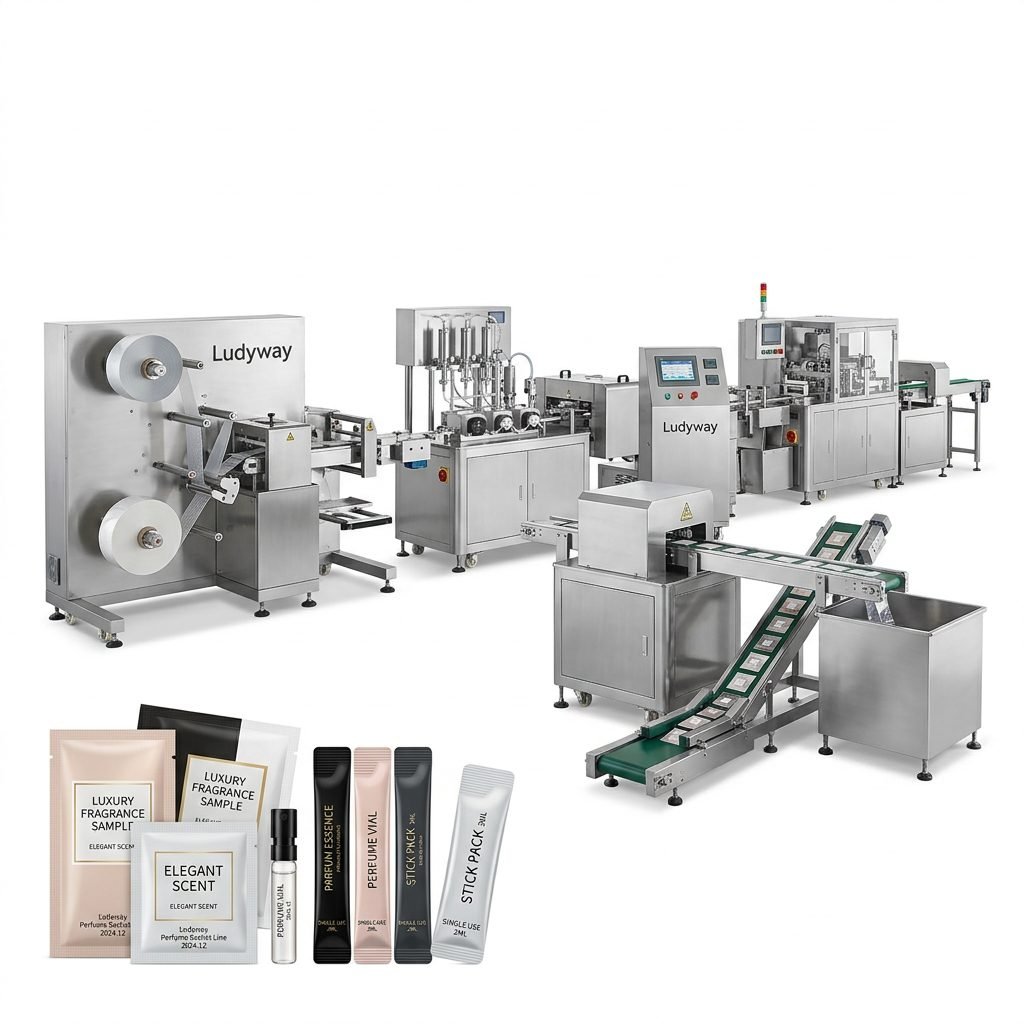
Ludyway Machinery, a China-based packaging machinery manufacturer with more than 30 years of experience, exemplifies the type of comprehensive supplier manufacturers should look for. With a 20,000-square-meter manufacturing facility, over 130 professionals, and more than 50 packaging machine models, Ludyway provides turnkey packaging solutions for powder, granule, liquid, stick pack, sachet, pouch, and other flexible packaging applications across industries including food and beverage, pharmaceuticals, cosmetics, and chemicals. The company serves customers in more than 100 countries and is expected to achieve export revenue of more than RMB 500 million (approximately US$69 million) in 2025, with plans to surpass RMB 1 billion (approximately US$138 million) in 2026. For more details on the company’s global growth trajectory, see this industry analysis on Ludyway’s export growth.
8. Future-Proofing Your Investment
The packaging industry continues to evolve with new flexible packaging trends, sustainability requirements, and automation technologies. When selecting an automatic packaging machine, consider these forward-looking factors:
- Sustainability — compatibility with recyclable, biodegradable, or lightweight packaging materials
- Digital connectivity — Industry 4.0 readiness with remote monitoring and predictive maintenance
- Scalability — ability to add lanes, upgrade speeds, or integrate additional modules
- Regulatory evolution — adaptability to changing packaging waste regulations and labeling requirements
Investing in a machine platform that supports upgrades and reconfiguration can extend the useful life of your equipment and protect your capital investment over the long term.
Conclusion
Selecting the right automatic Pepsi packing machine — or any beverage packaging system — requires thorough analysis of your product, production goals, packaging format, automation needs, and budget. By systematically evaluating each factor outlined in this guide, you can make an informed decision that supports your operational objectives and positions your business for sustainable growth. Whether you need a high-speed carbonated drink filling line, a multi-lane stick pack system for powdered beverages, or a turnkey packaging solution, prioritize equipment quality, supplier reliability, and long-term support to maximize your return on investment.