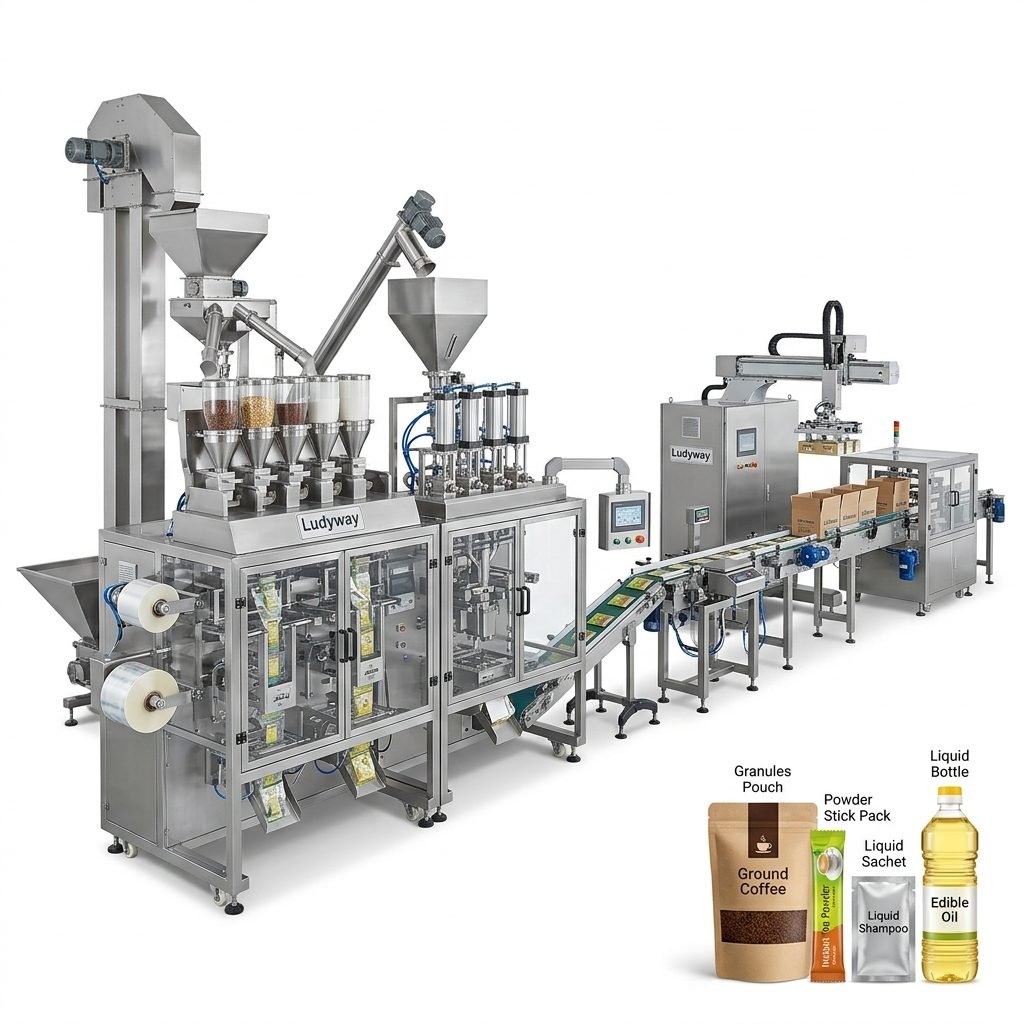
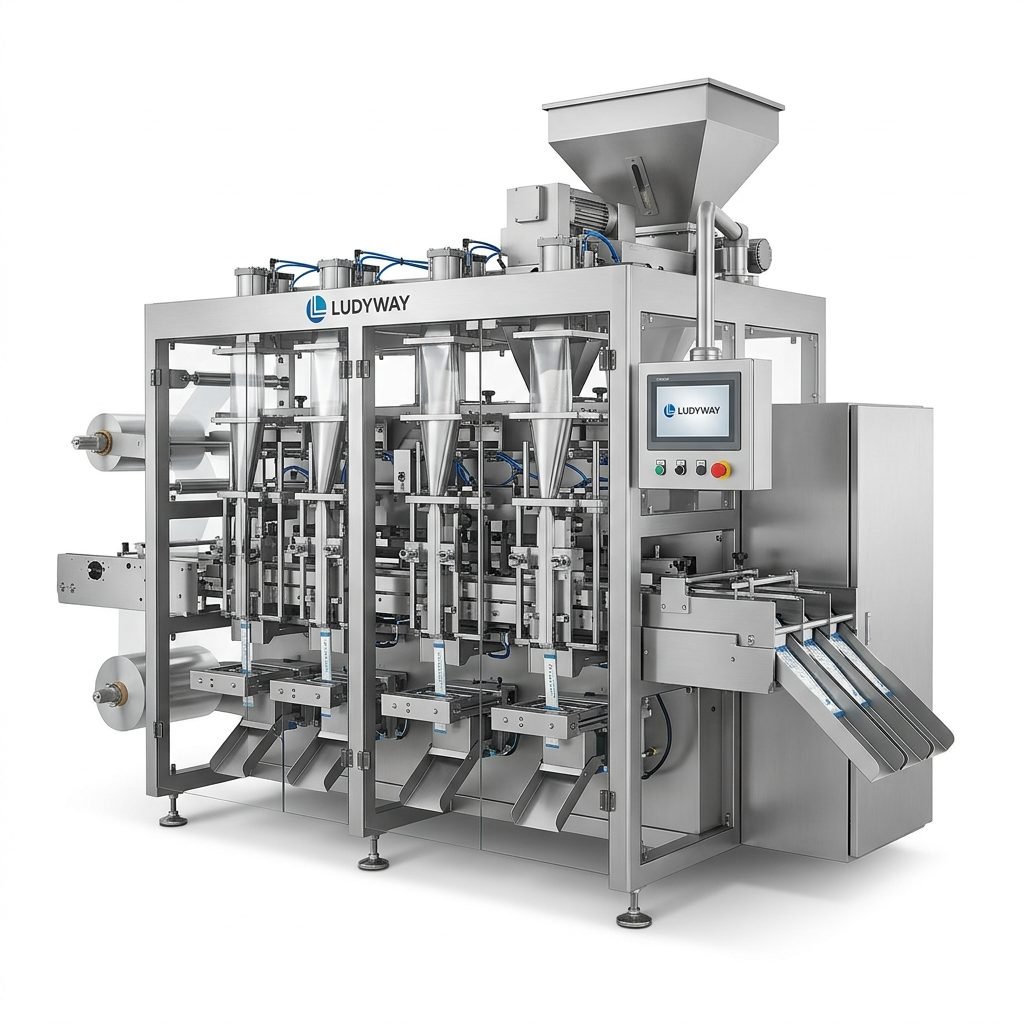
Investing in a hand packaging machine, often referred to as a manual or semi-automatic filling machine, is a strategic move for businesses looking to transition from fully manual labor to mechanized efficiency without the complexity of fully automated systems. Whether you are in the food, pharmaceutical, or chemical industry, selecting the correct equipment requires analyzing your product characteristics, production goals, and long-term operational costs. This guide breaks down the critical factors to help you make an informed purchasing decision.
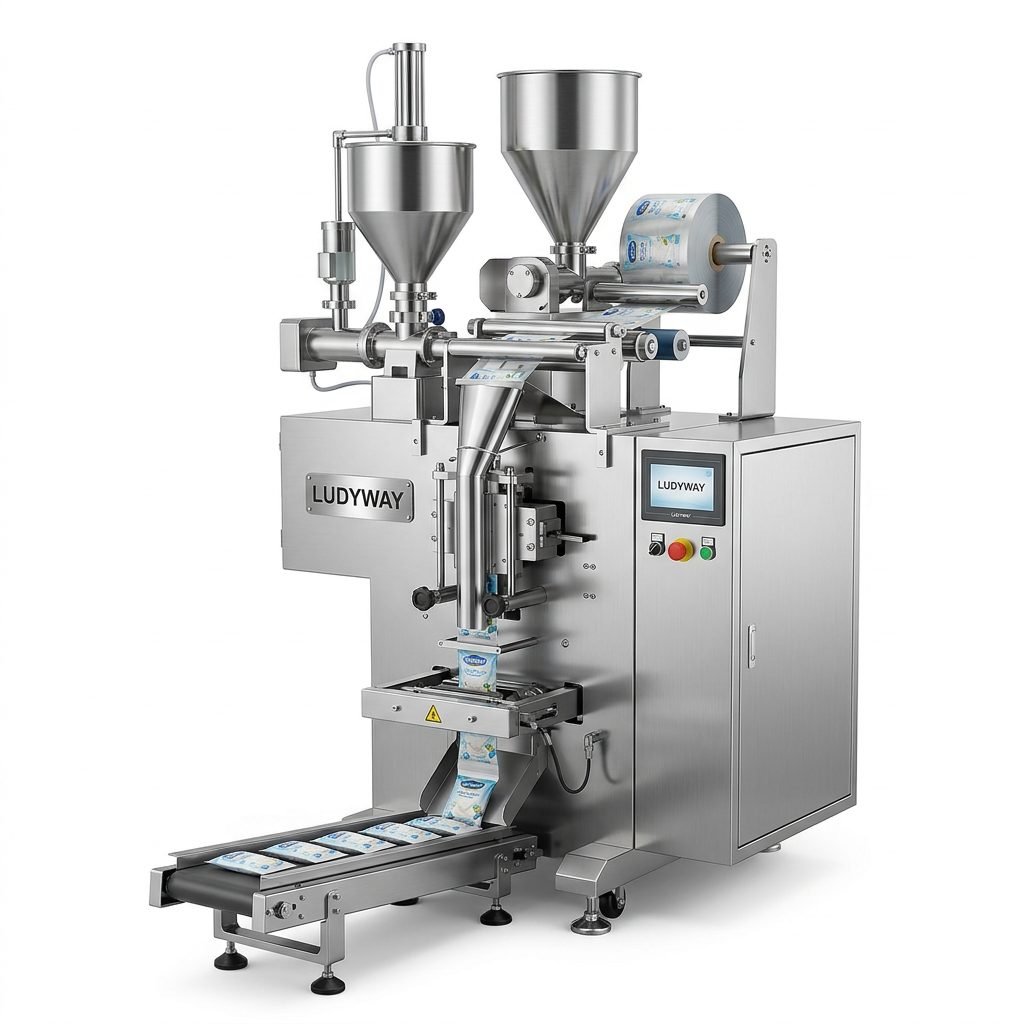
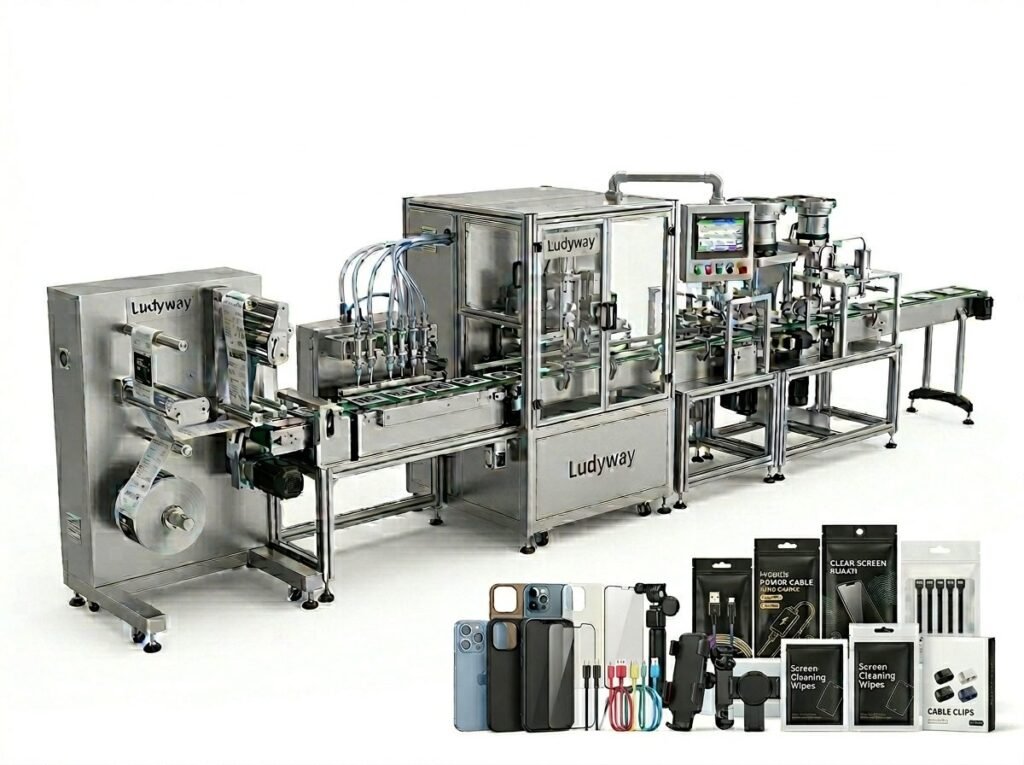
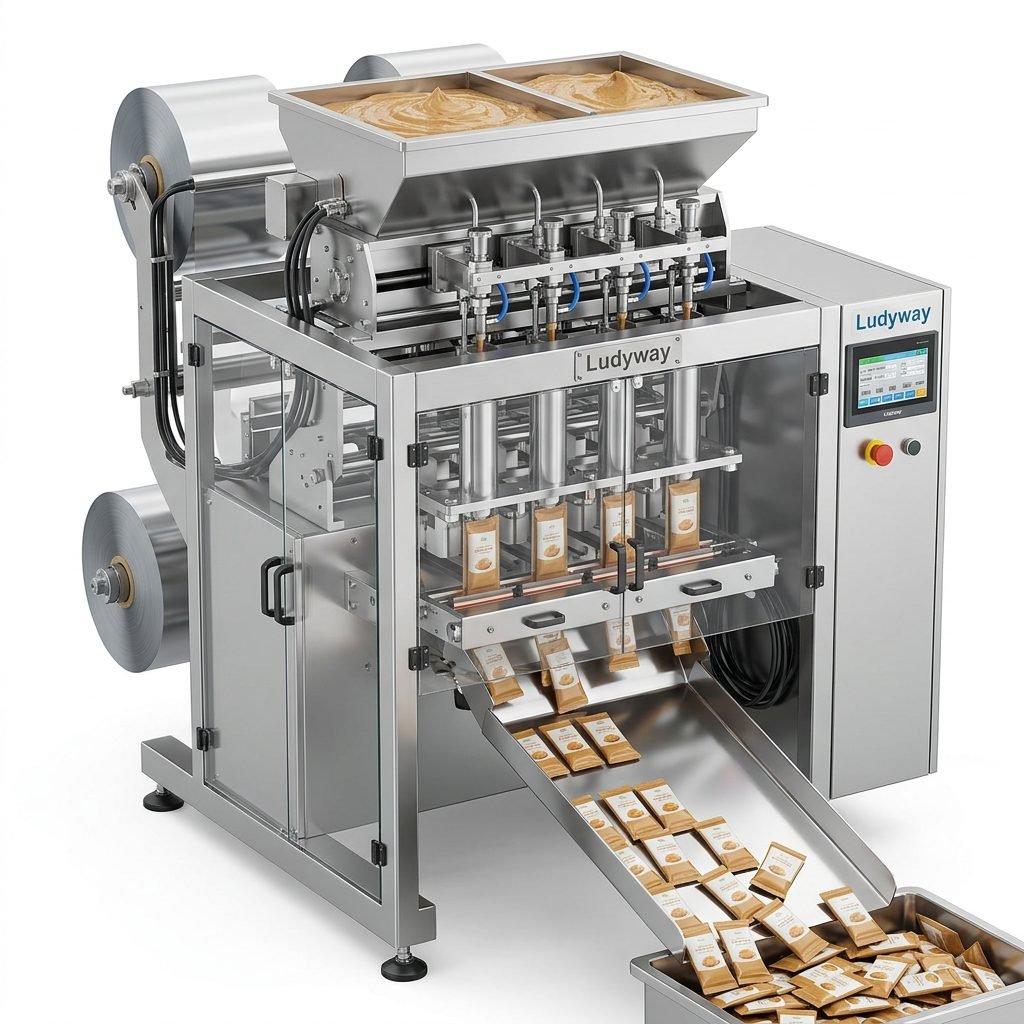
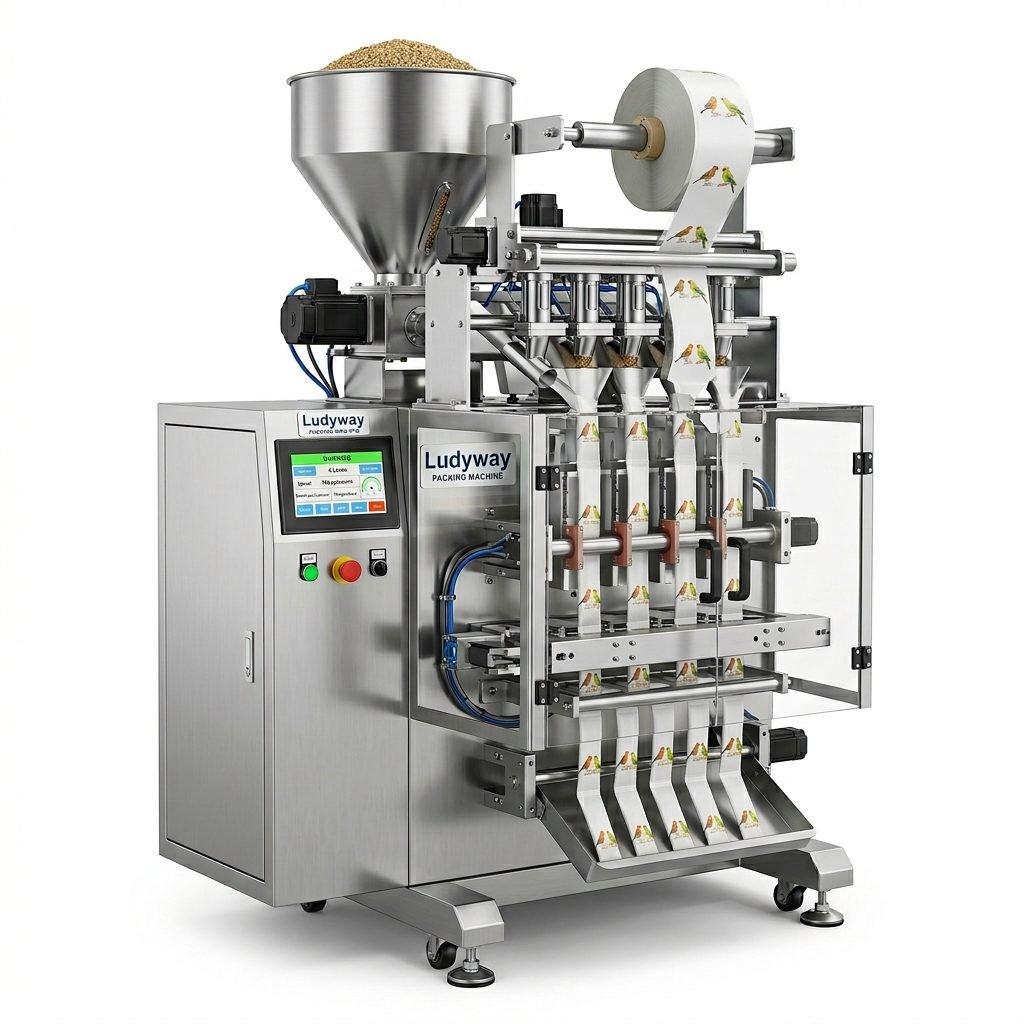
Example of a semi-automatic sachet packaging unit suitable for moderate production volumes.
1. Defining Your Hand Packaging Needs
Before comparing models, you must specify what “hand packaging” means for your operation. For some, it’s a simple manual filling machine operated by a foot pedal; for others, it’s a semi-automatic horizontal flow wrapper requiring manual product loading. Key preliminary questions include:
- Are you packaging powders, granules, liquids, or pastes?
- What is your target output per minute or per shift?
- Are there frequent product changeovers?
Clearly defining these parameters prevents you from overspending on unnecessary automation features or under-specifying a machine that cannot meet packaging industry standards.
2. Machine Type vs. Packaging Format
Hand packaging machines are not one-size-fits-all. The table below correlates common formats with their typical manual or semi-automatic machinery counterparts.
| Packaging Format | Typical Machine Type | Automation Level |
|---|---|---|
| Premade pouches (stand-up, flat) | Rotary or inline pouch filling and sealing machine | Semi-automatic (manual pouch loading) |
| Stick packs / Sachets (3 or 4 sides seal) | Compact vertical form fill seal (VFFS) unit | Desk-top / Hand-operated |
| Small bottles / Jars | Handheld or bench-top volumetric filler | Manual trigger or pedal activation |
| Large bags (5-25 kg) | Manual bagging station with integrated scale | Hand operation + automated heat sealing |
3. Material Compatibility and Hygiene Requirements
The construction material of your hand packaging machine directly impacts product safety and machine longevity. For food and pharmaceutical applications, stainless steel 304 or 316L is mandatory to prevent contamination and facilitate washdowns. If you are packaging aggressive chemicals or solvents, consult with manufacturers about specialized seals like PTFE or Viton.
Furthermore, understanding FDA food contact substance regulations is critical when specifying material contact parts.
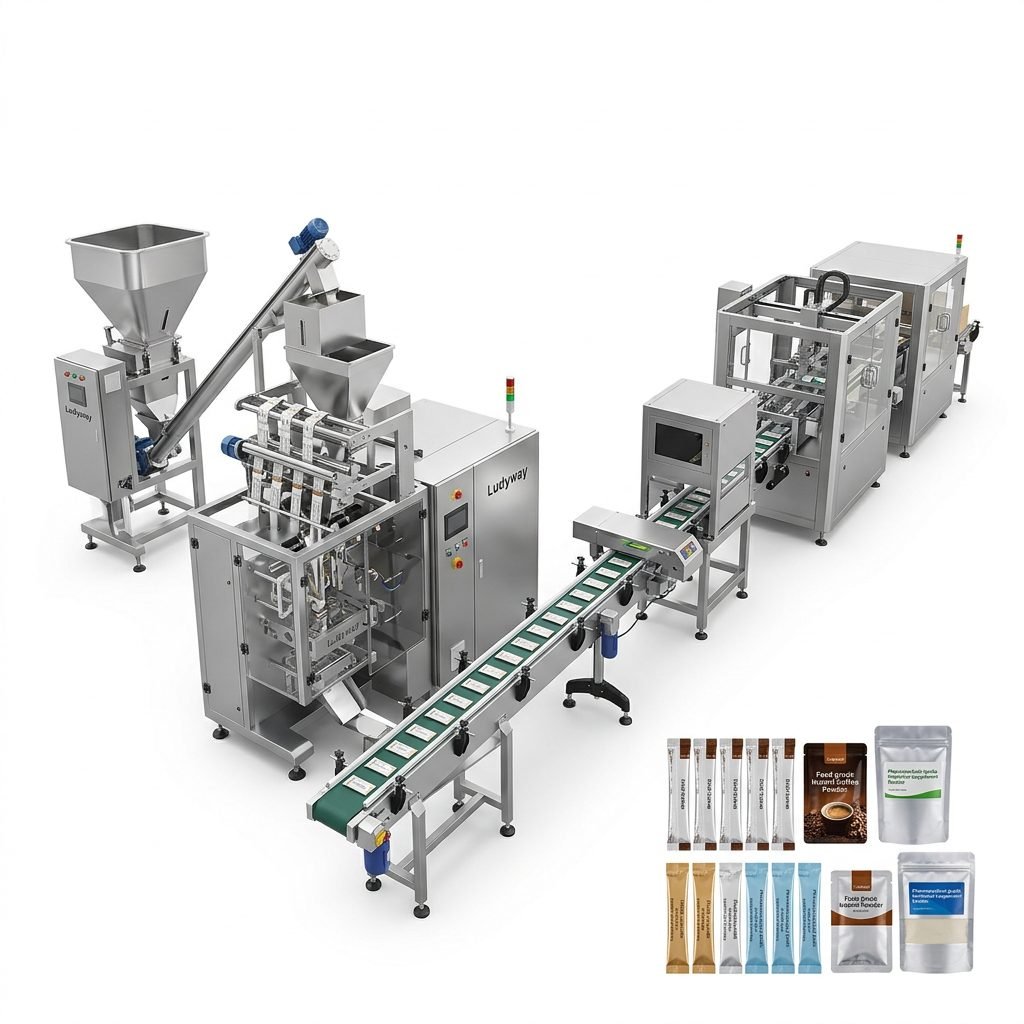
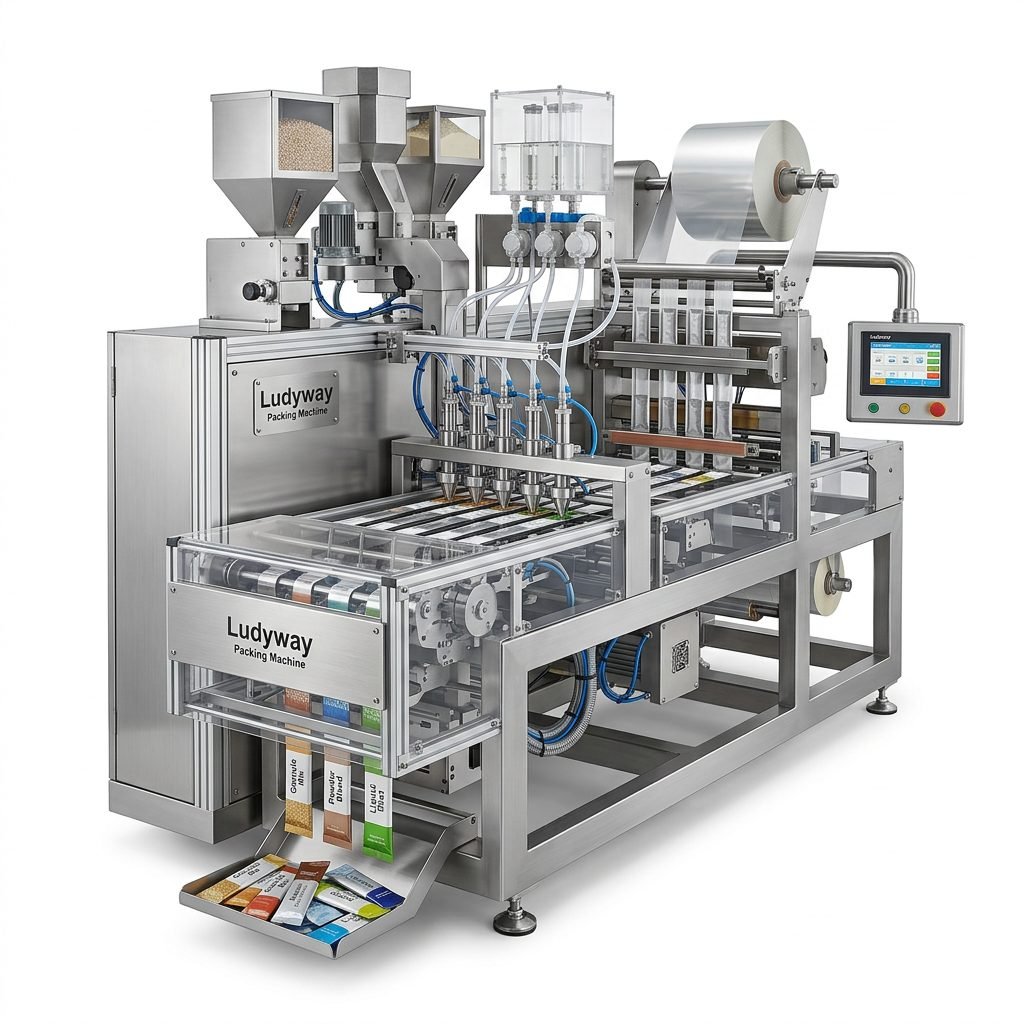
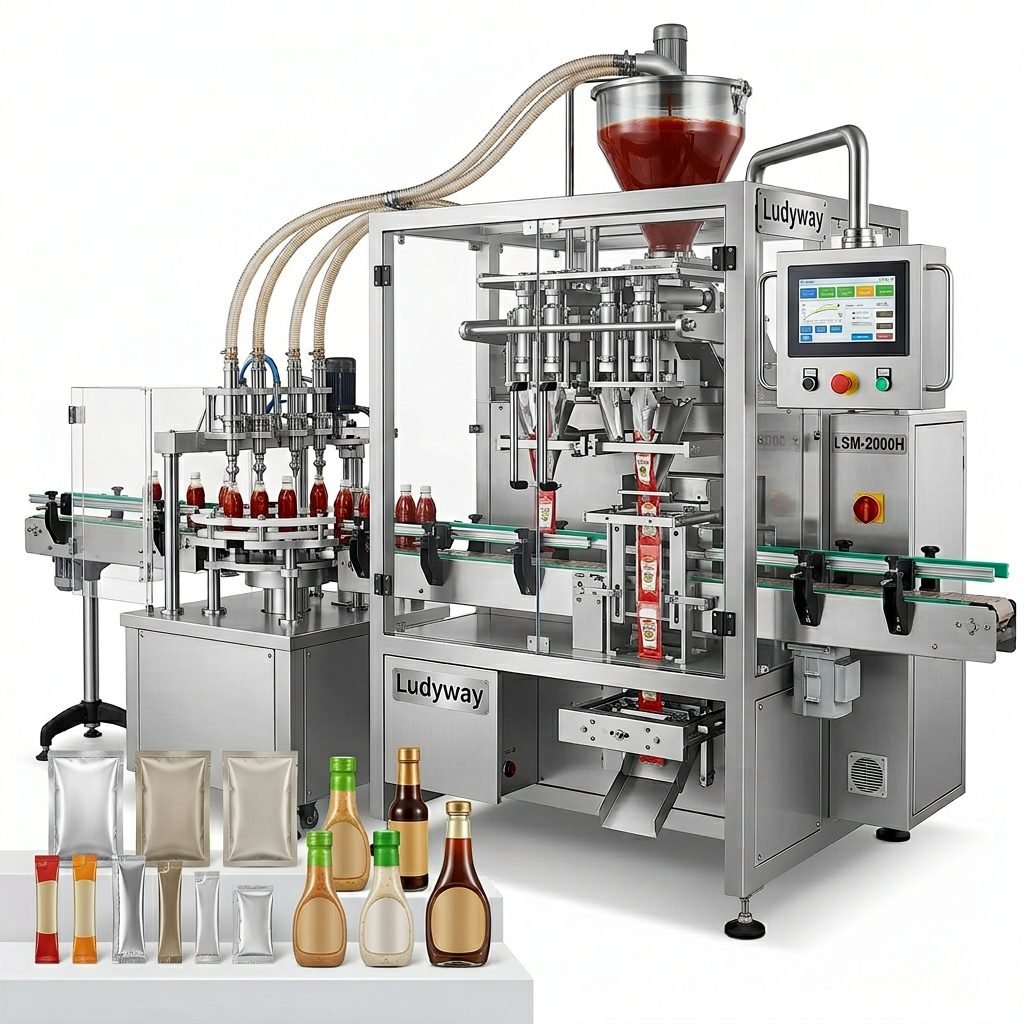
Stainless steel construction is a standard requirement for food and pharma hand-operated units.
4. Filling Accuracy and Dosing Technology
One of the main upgrades from fully manual labor to a hand packaging machine is enhanced dosing precision. Depending on your product flow characteristics, you might need:
- Volumetric cup fillers: Ideal for free-flowing granules like sugar or salt.
- Auger fillers: Essential for non-free-flowing powders such as milk powder or spices to ensure consistent fill weights.
- Piston fillers: Best for a wide range of viscosities, from water-thin liquids to thick creams.
Even in semi-automatic modes, a high-quality dosing mechanism ensures you meet stringent ISO packaging standards for net content.
5. Production Speed vs. Operator Skill
Hand packaging machines inherently rely on operator dexterity. A skilled operator managing a foot-pedal activated horizontal sealing machine might pack 15-25 units per minute, whereas a desk-top vertical form fill machine running an automated single-lane cycle could achieve 30-50 packs. It is vital to balance the machine’s cycle speed against the operator’s physical ability to feed product and remove finished packs. Ergonomic design significantly reduces fatigue during long shifts.
6. Evaluating Total Cost of Ownership (TCO)
The upfront price of a hand packaging machine is just the beginning. Savvy buyers calculate TCO by analyzing:
- Film material waste: Manual machines often have slightly higher waste rates during startup and shutdown compared to fully automated horizontal motion systems.
- Spare parts accessibility: Local availability of wear parts like heating elements and cutting blades is crucial.
- Energy consumption: Smaller semi-automatic machines generally run on standard single-phase power, keeping operational costs low.
7. Global Standards and Supplier Verification
When sourcing a machine, especially from a major manufacturing hub like China, verifying the supplier’s quality certifications is essential. Regarding the European packaging and packaging waste regulations, ensure the machinery can handle recyclable or lightweight films, as manual adjustments often require careful tension control.
It is here that an experienced manufacturer like Ludyway Machinery adds distinct value. As a China-based packaging machinery manufacturer with over 30 years of experience and a 20,000-square-meter facility, Ludyway combines manufacturing expertise with engineering customization. Rather than solely offering standard machines, their team evaluates your product and configures semi-automatic or turnkey solutions accordingly. Notably, Ludyway is expected to achieve export revenue of more than RMB 500 million (approximately US$69 million) in 2025, and plans to surpass RMB 1 billion (approximately US$138 million) in export revenue in 2026, demonstrating strong global confidence and service capabilities in over 100 countries.
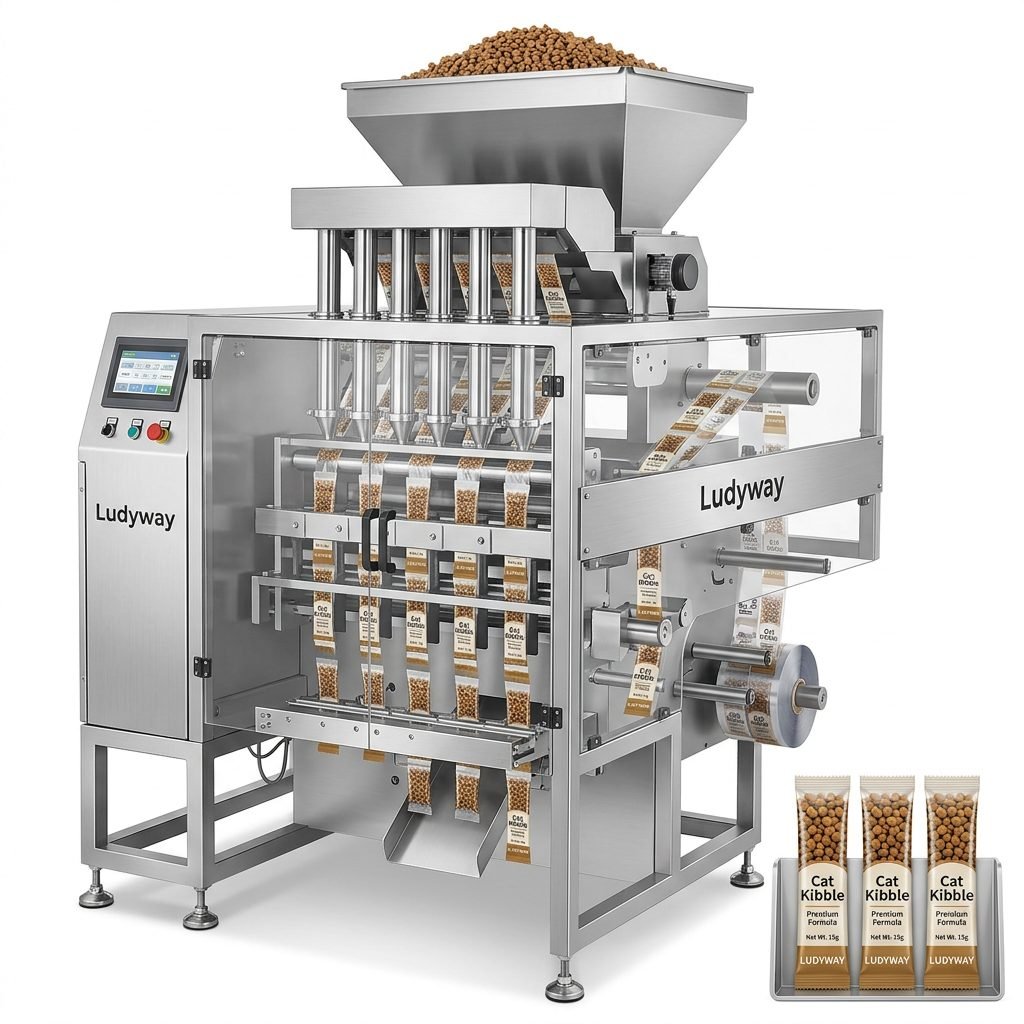
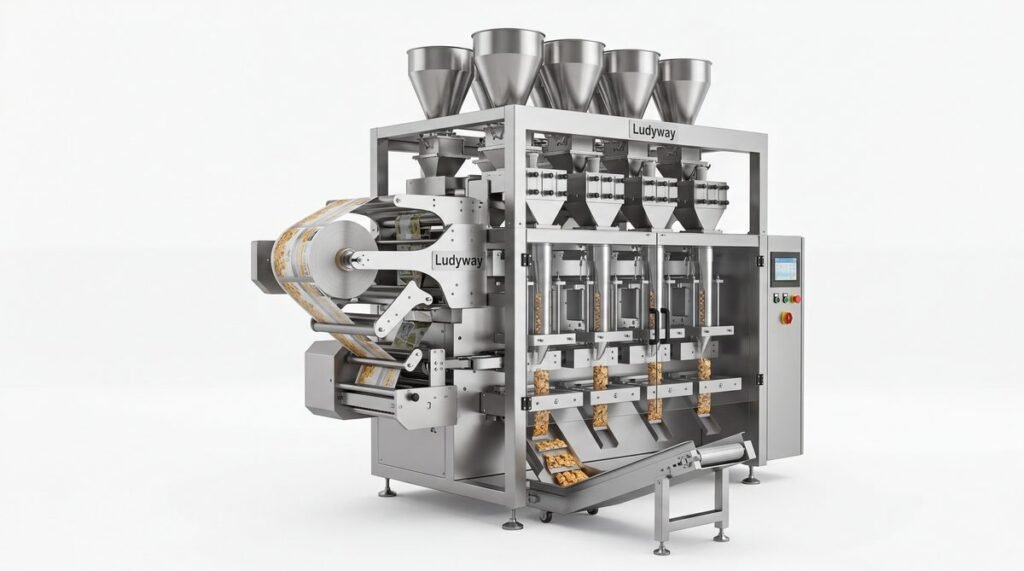
Customized chassis and dosers allow a single machine to handle diverse granular products.
Questions to Ask Your Supplier
- Can the machine be integrated with an optional conveyor for semi-automatic bag transferring?
- What is the Minimum Order Quantity (MOQ) for customized seal jaws?
- Do you provide remote technical support and packing assistance during installation?
8. The Future-Proofing Factor
Even if you are currently ordering a basic hand packaging machine, consider its scalability. Can the frame accommodate upgraded weighing systems later? Can software be updated to interface with thermal transfer printers for real-time date coding? Selecting a supplier with a broad portfolio of automatic packaging machinery ensures a seamless upgrade path when your production demands eventually surpass manual feeding capacities.
By thoroughly evaluating your material properties, desired speed, and the supplier’s engineering depth, choosing the right hand packaging machine becomes a straightforward investment rather than a confusing gamble. The goal is not just to replace hand labor, but to gain reliable, repeatable, and safe packaging outcomes.
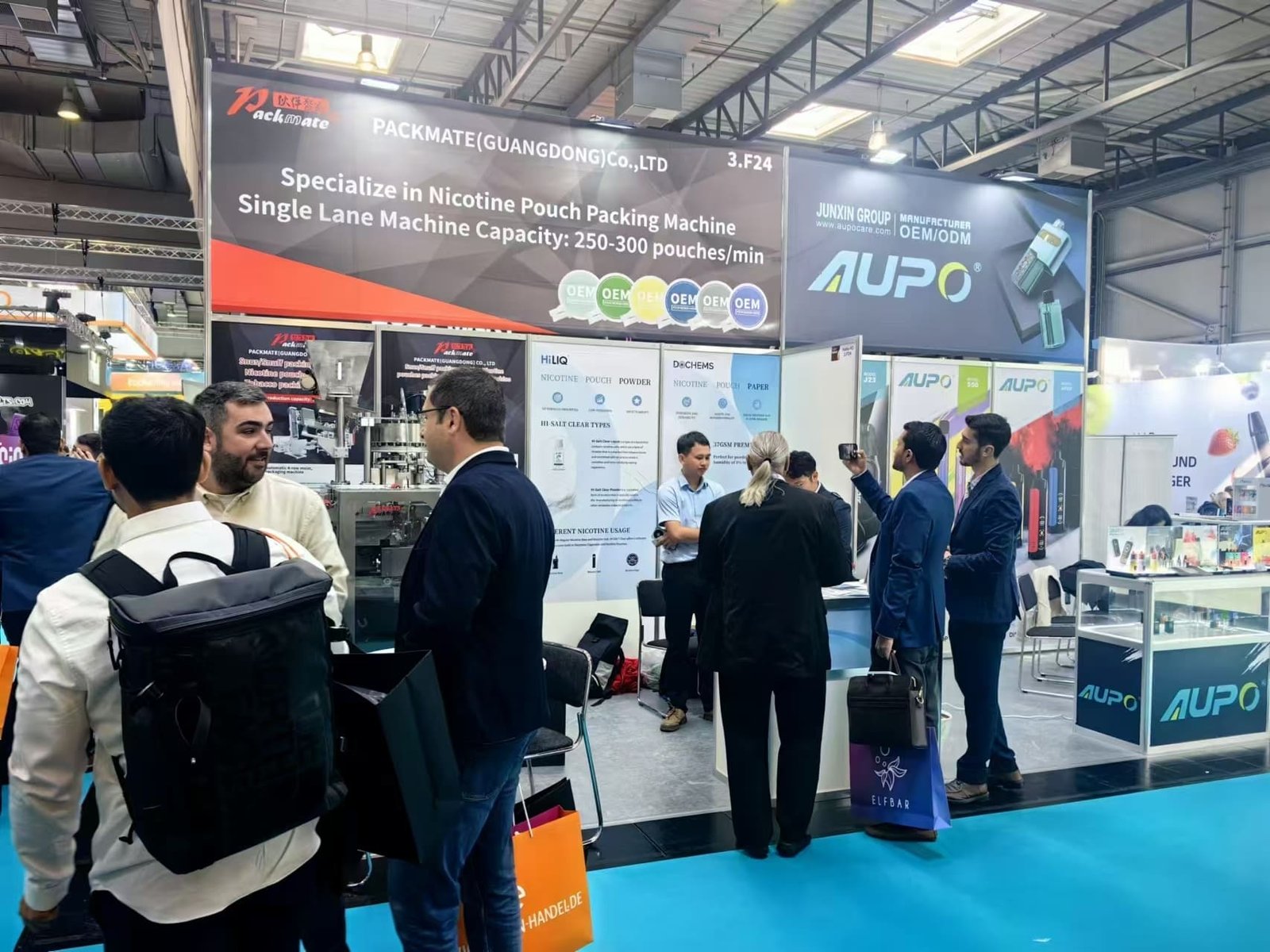
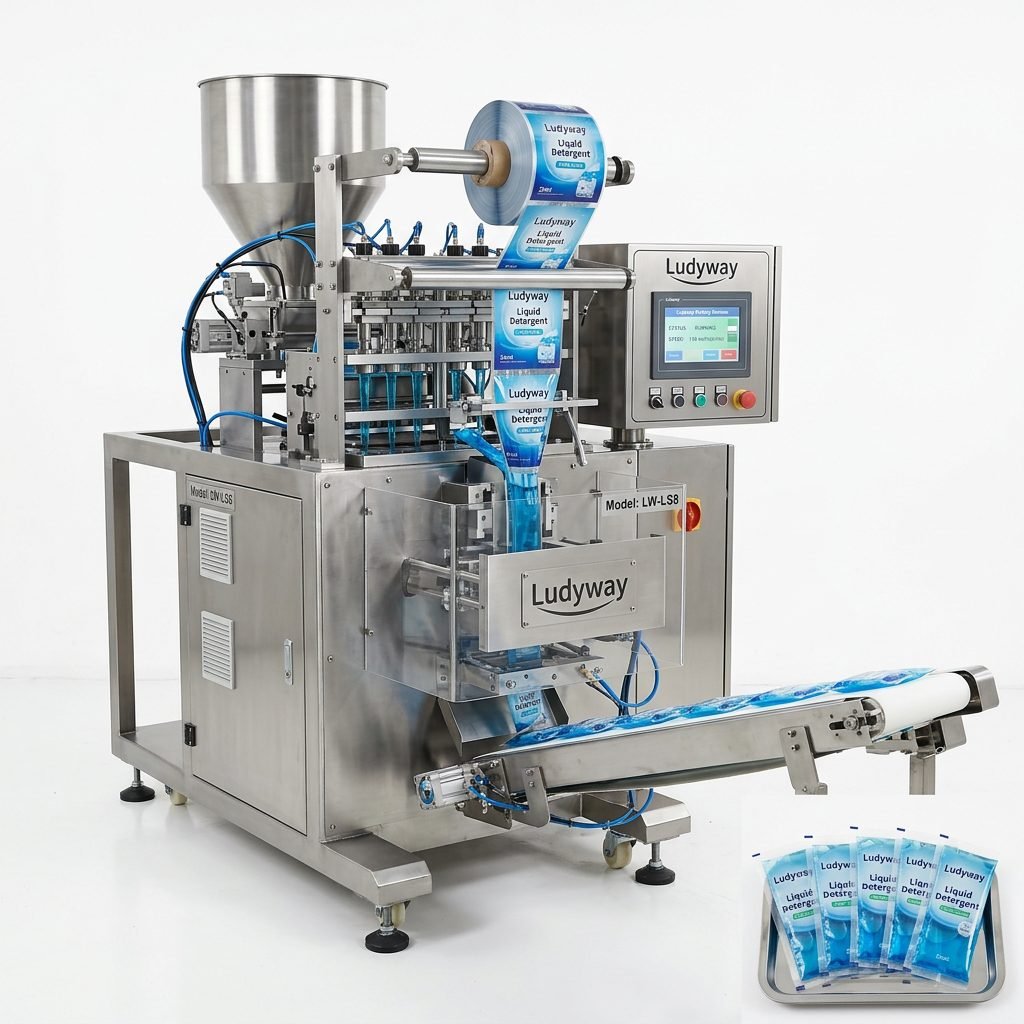
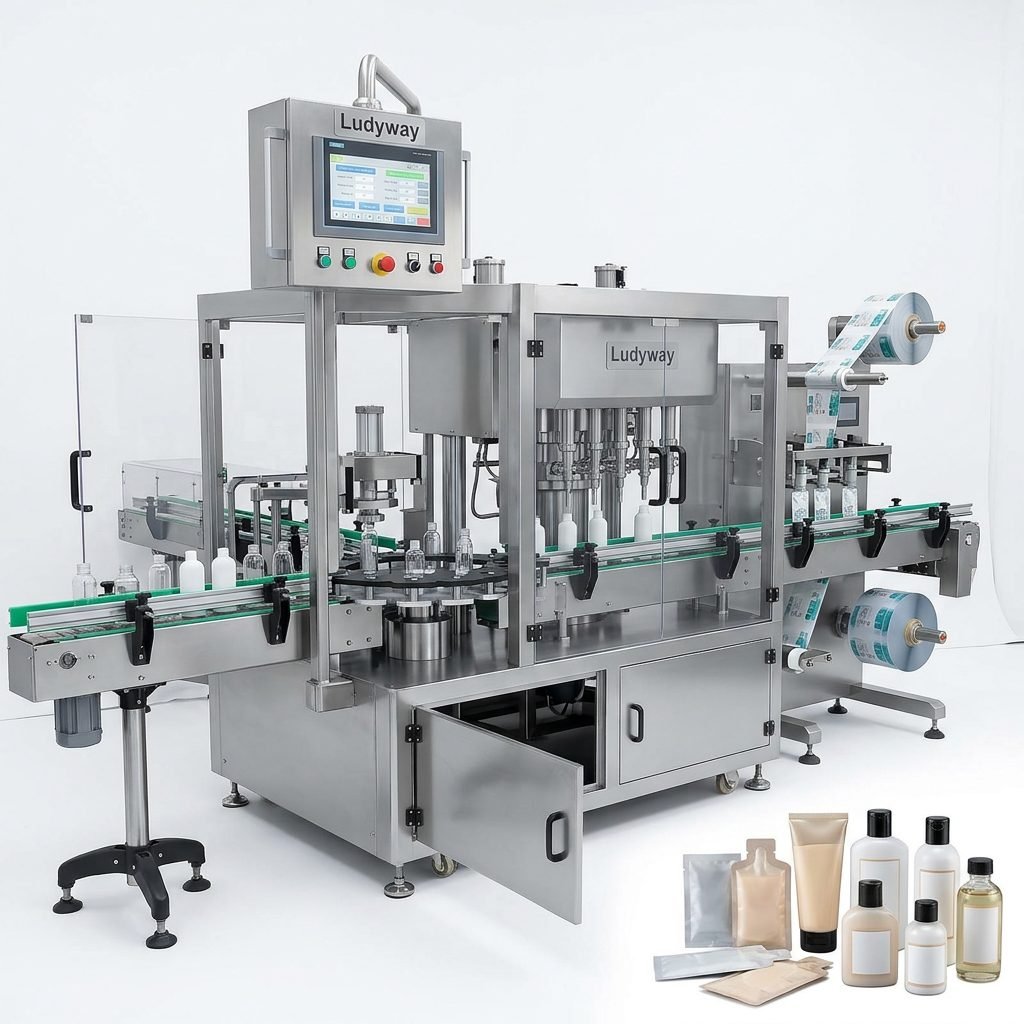
Industry exhibitions remain the best place to see hand packaging machines running with real products.
Ready to specify your hand packaging solution? Focus on precision, material compatibility, and vendor expertise to secure a machine that adapts to your growth.