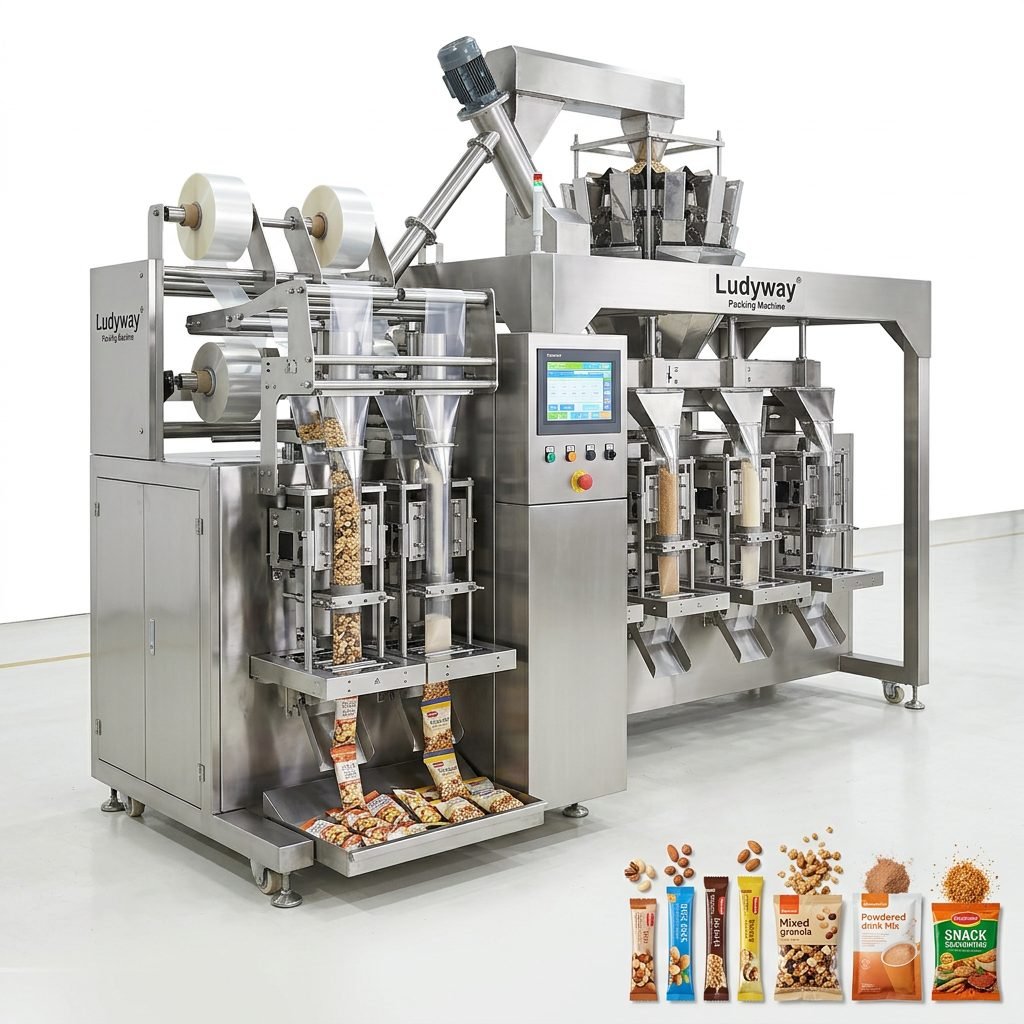
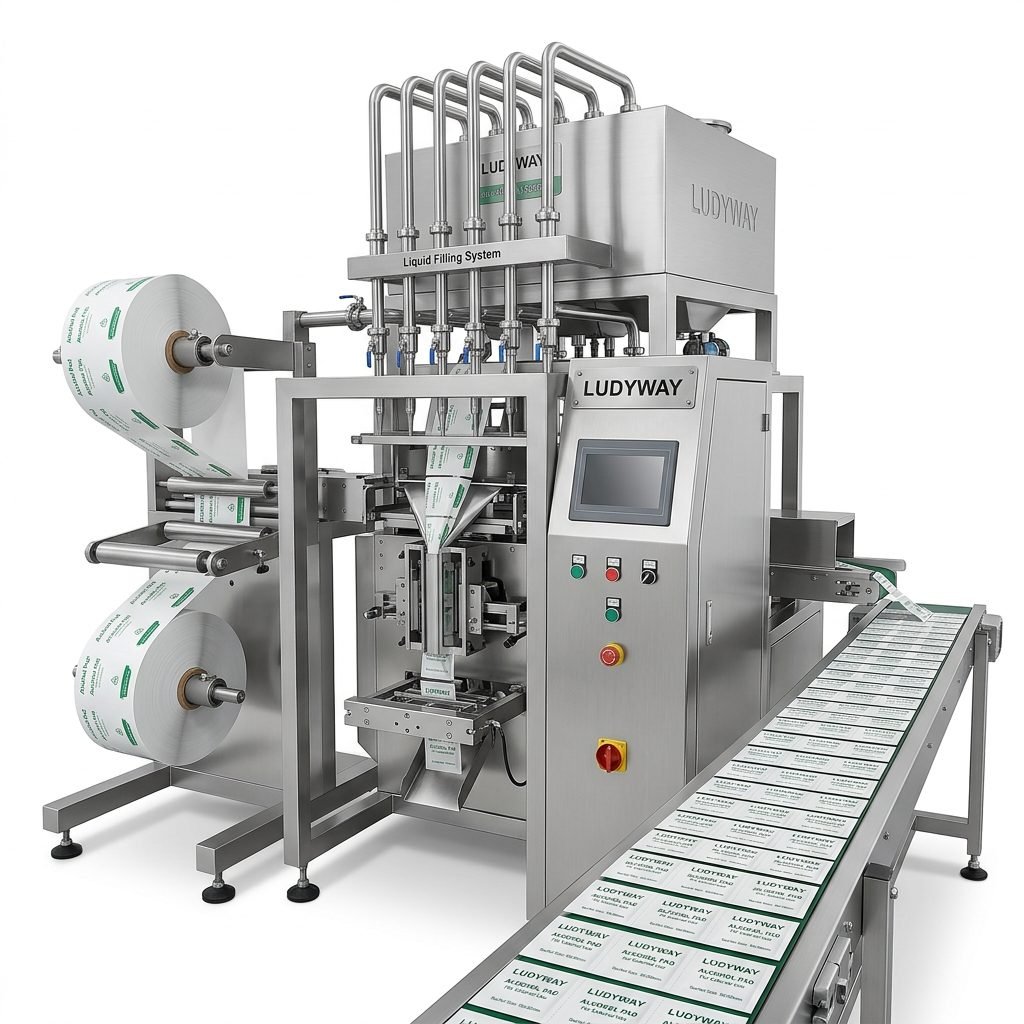
Investing in the right instant noodle packaging machine is a critical decision that directly impacts your production efficiency, product quality, and long-term profitability. With a wide range of machine types, automation levels, and technical configurations available, the selection process can feel overwhelming. This comprehensive buyer’s guide breaks down the key factors you need to evaluate before making a purchase.
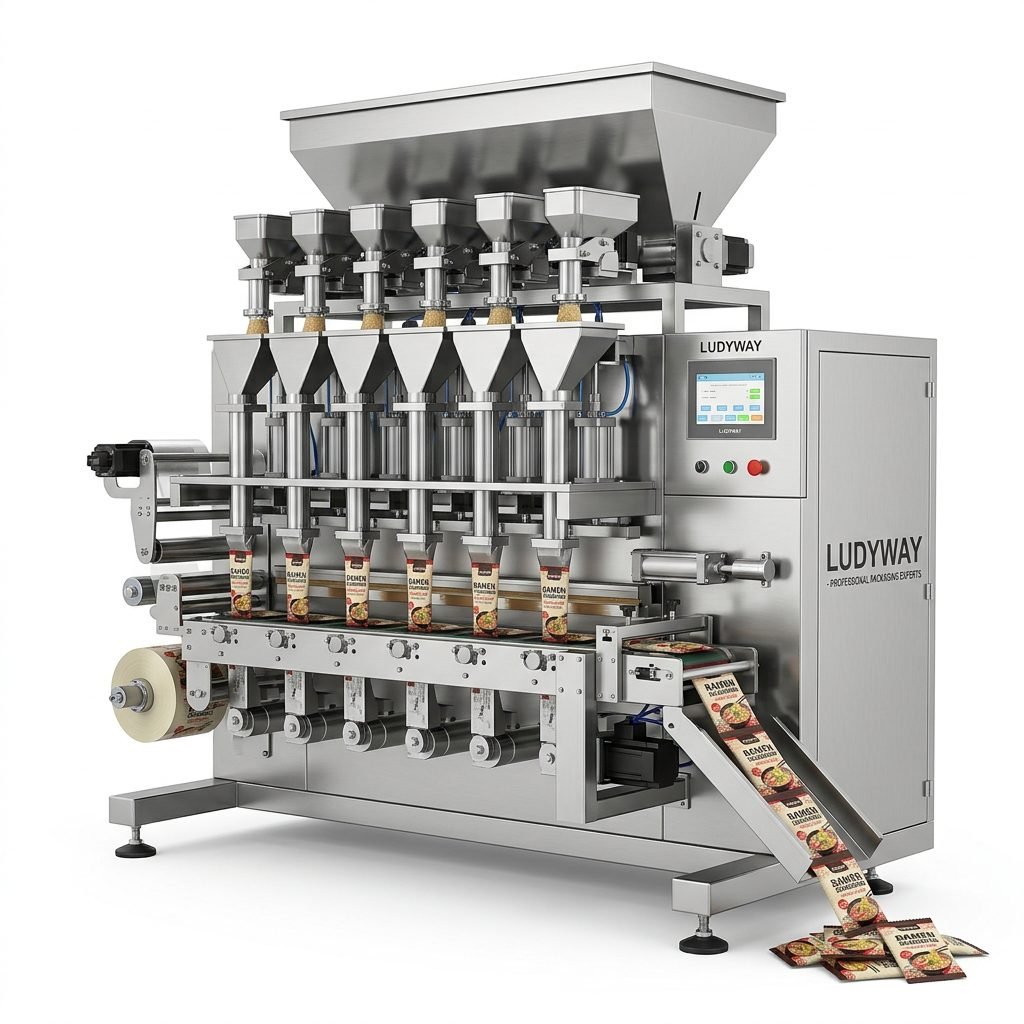
1. Understanding Your Production Requirements
Before comparing machine specifications, you need to define your production goals clearly. The right machine for a startup producing 1,000 units per day is vastly different from one needed for a high-volume factory running multiple shifts. Start by answering these fundamental questions:
- What is your target output in packs per minute or hour?
- What bag formats do you plan to use — pillow bags, gusseted pouches, stick packs, or bowl lids?
- What are the dimensions and weight ranges for each package?
- Will you package noodles alone, or include seasoning sachets and oil packets?
- How many lanes do you require for multi-lane sachet production?
Mapping out these parameters early helps narrow your search to machines designed for your specific production environment. According to industry data from the PMMI Business Intelligence Library, manufacturers who clearly define their throughput requirements upfront experience smoother integration and faster ROI on packaging equipment investments.
2. Types of Instant Noodle Packaging Machines
The term “instant noodle packaging machine” encompasses several distinct equipment categories. Understanding these differences is essential for selecting the right configuration.
2.1 Primary Bagging Machines
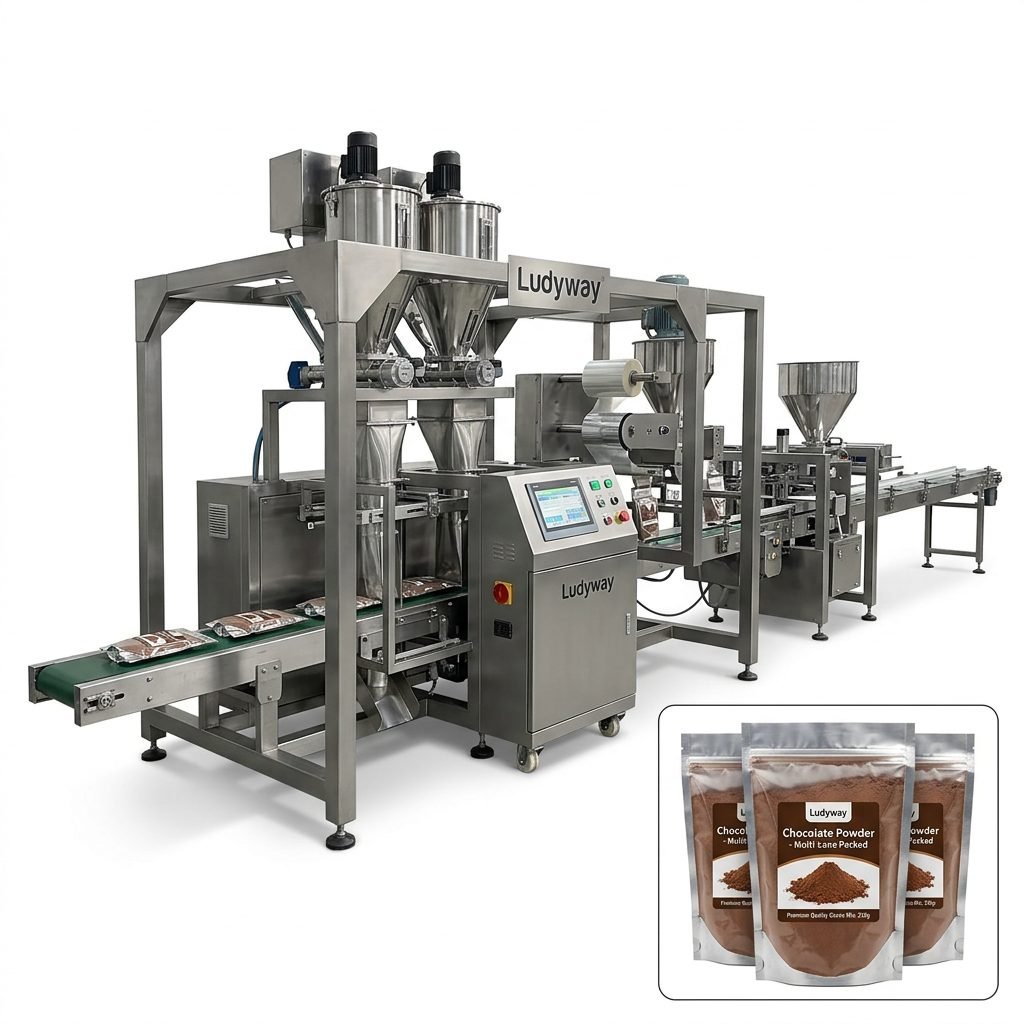
These machines form, fill, and seal the outer package containing the noodle block or nest. Common configurations include:
| Machine Type | Best For | Typical Speed Range |
|---|---|---|
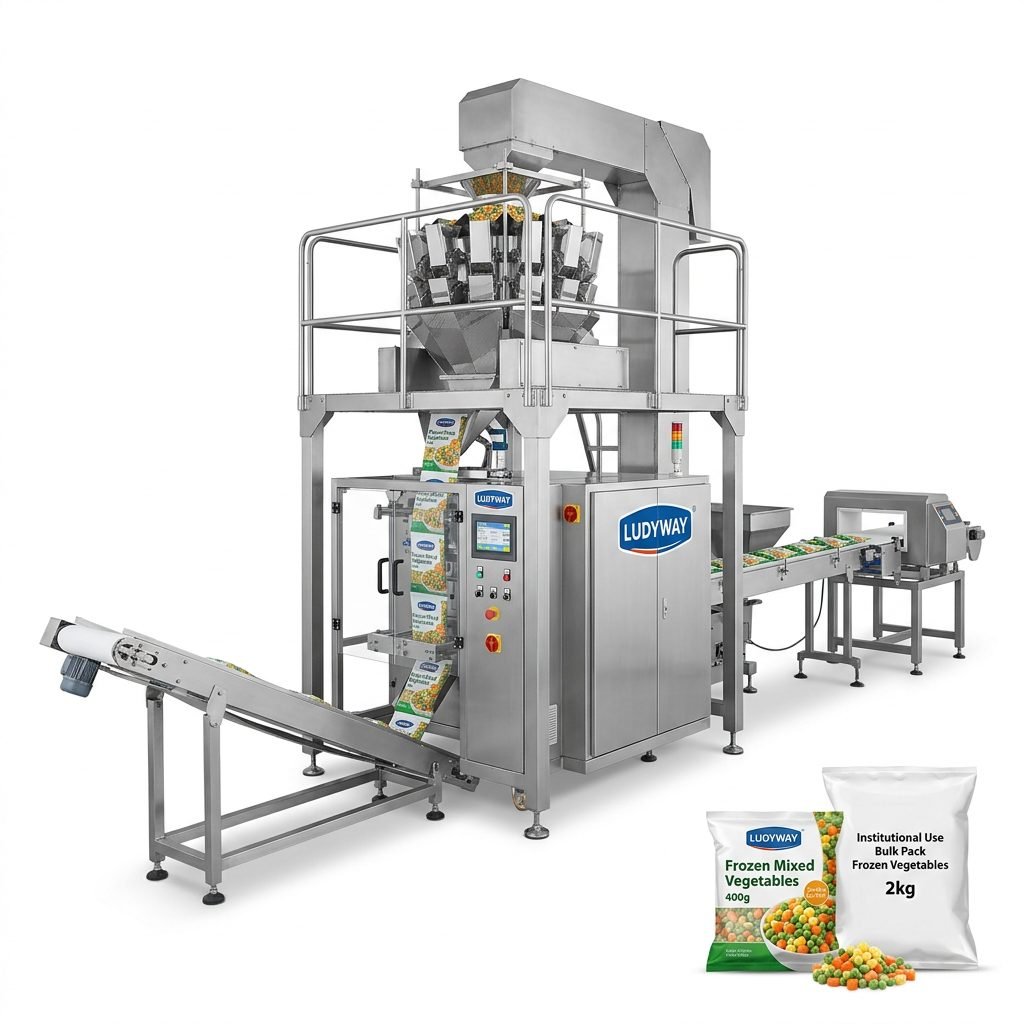
| Vertical Form Fill Seal (VFFS) | Pillow bags, gusseted bags | 40–120 packs/min |
| Horizontal Form Fill Seal (HFFS) | Flat noodle blocks, bowl lids | 30–150 packs/min |
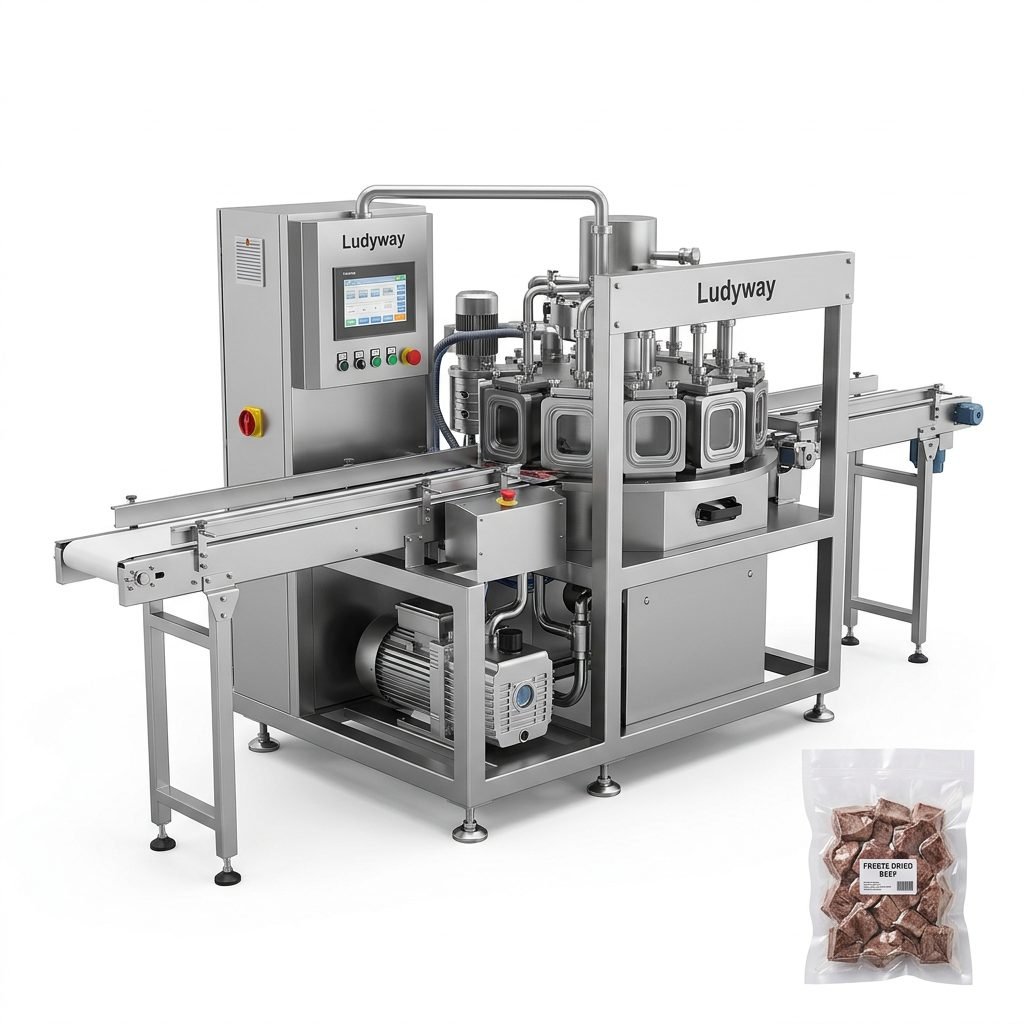
| Premade Pouch Rotary Machines | Stand-up pouches, zipper bags | 30–80 packs/min |
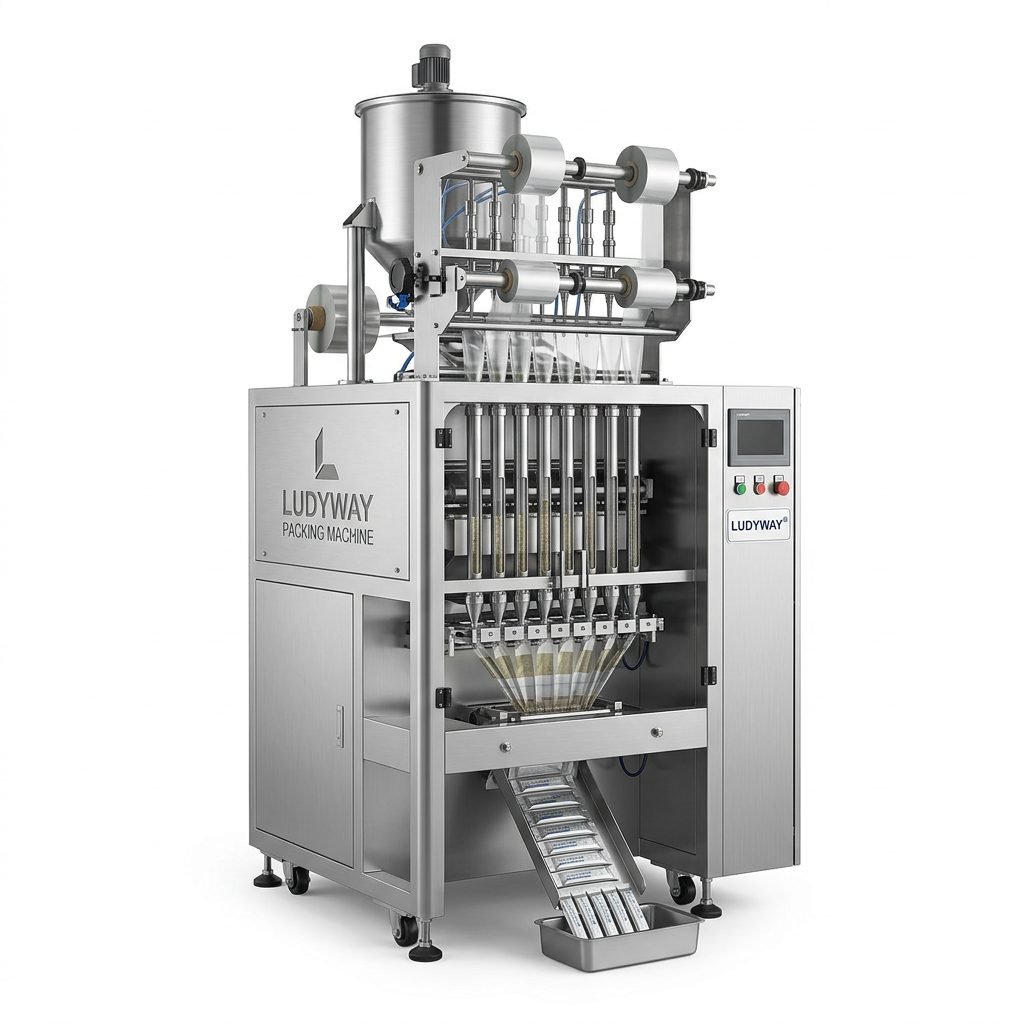
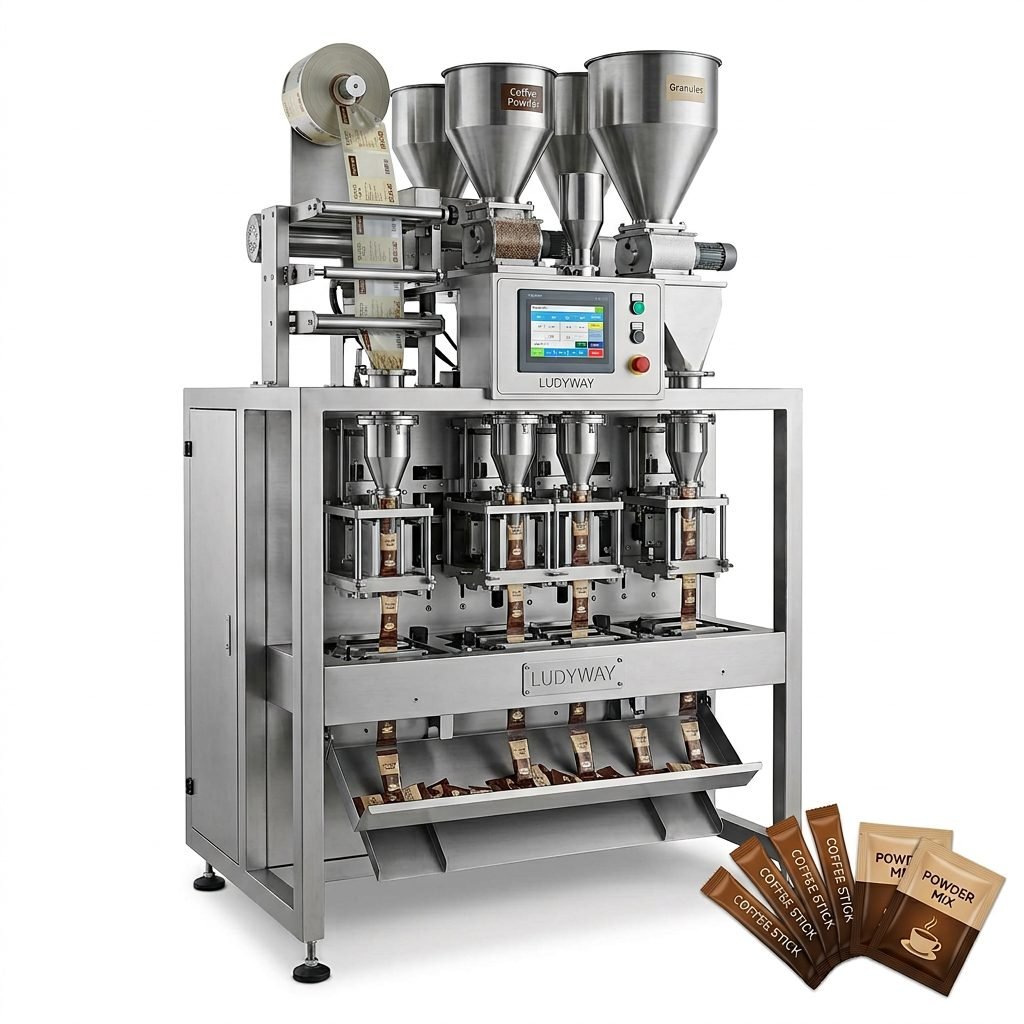
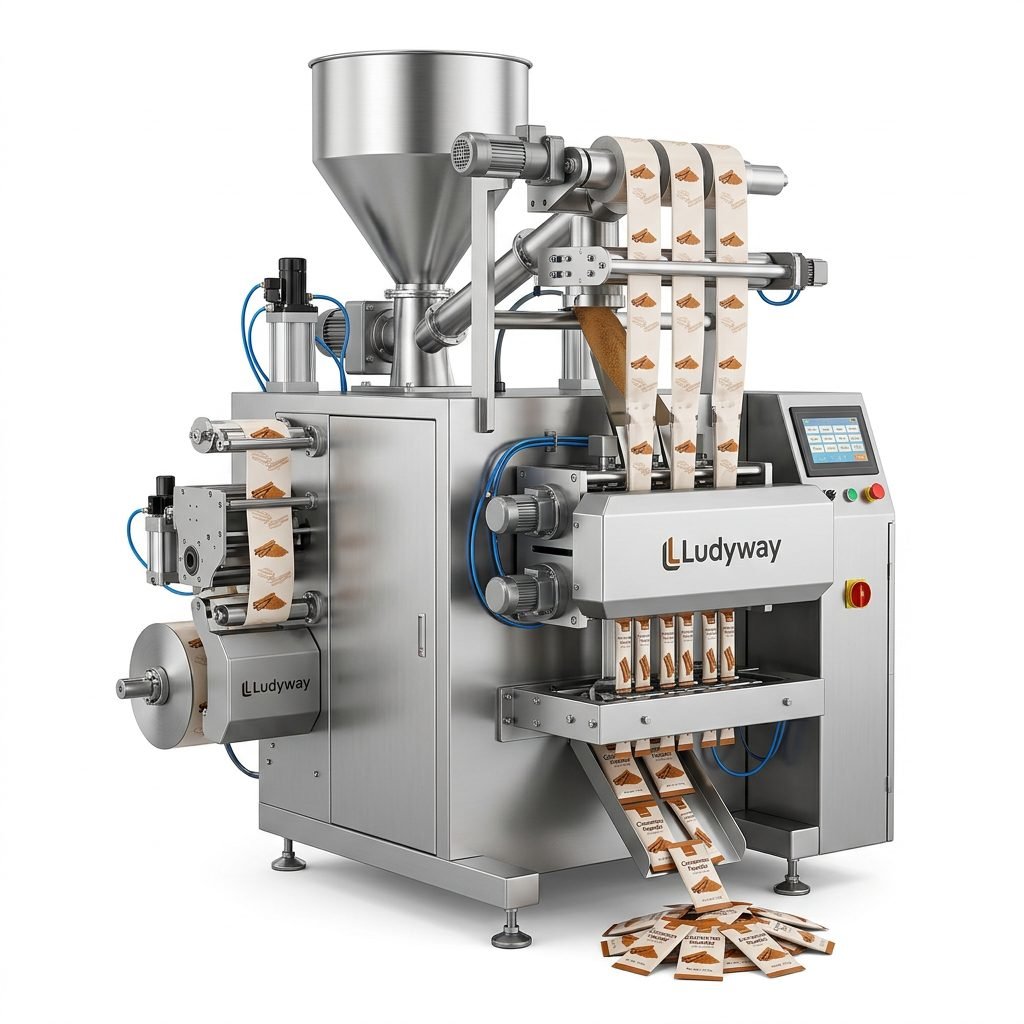
| Multi-Lane Stick Pack Machines | Seasoning sachets, oil packets | 200–1,000 strips/min |
For noodle blocks that require careful handling to avoid breakage, horizontal wrapping systems often provide gentler product transfer and more precise positioning before sealing.
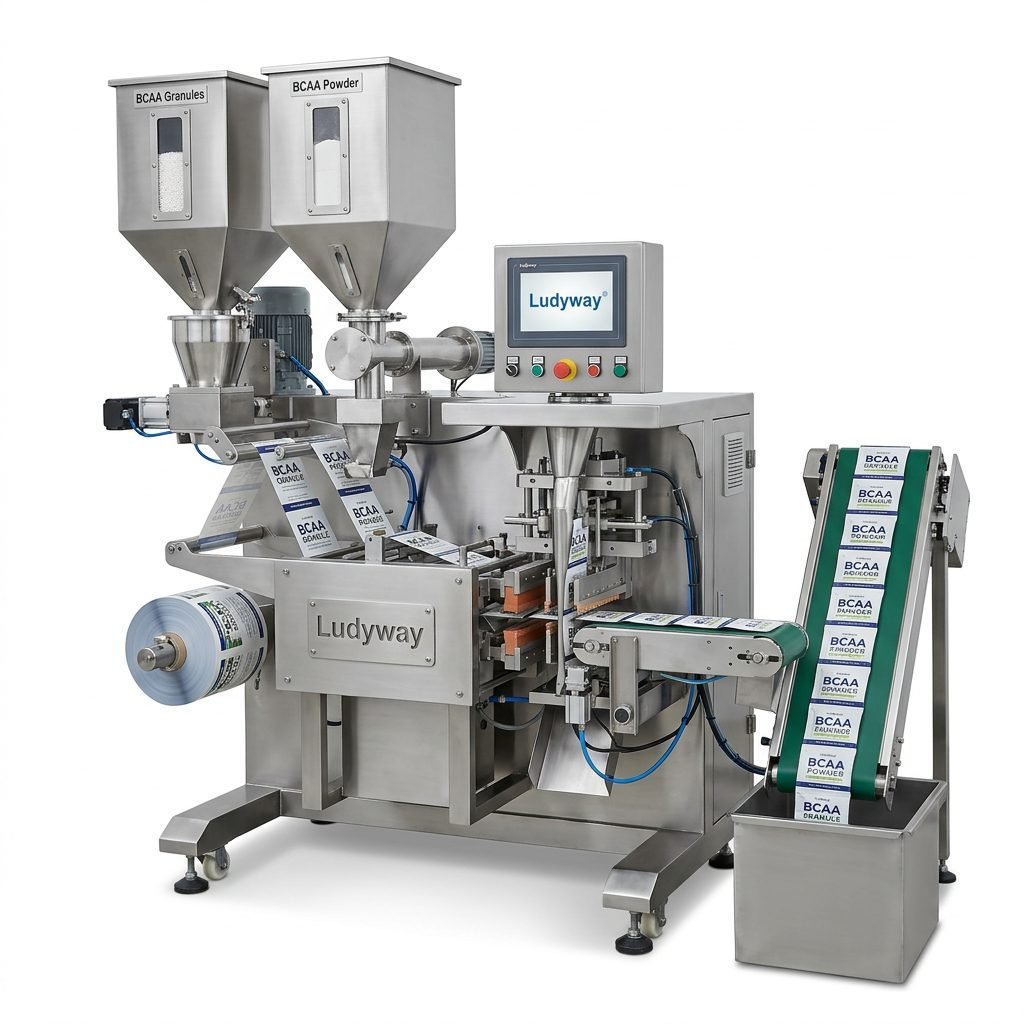
2.2 Seasoning Sachet Packaging Machines
Most instant noodle products include multiple seasoning components. A dedicated multi-lane sachet machine handles powder seasoning, oil-based flavor packets, and dried vegetable pouches. These ancillary machines are often integrated into the primary packaging line for automated loading. The Flexible Packaging Association notes that multi-component packaging systems now represent the standard for premium instant noodle products in competitive markets.
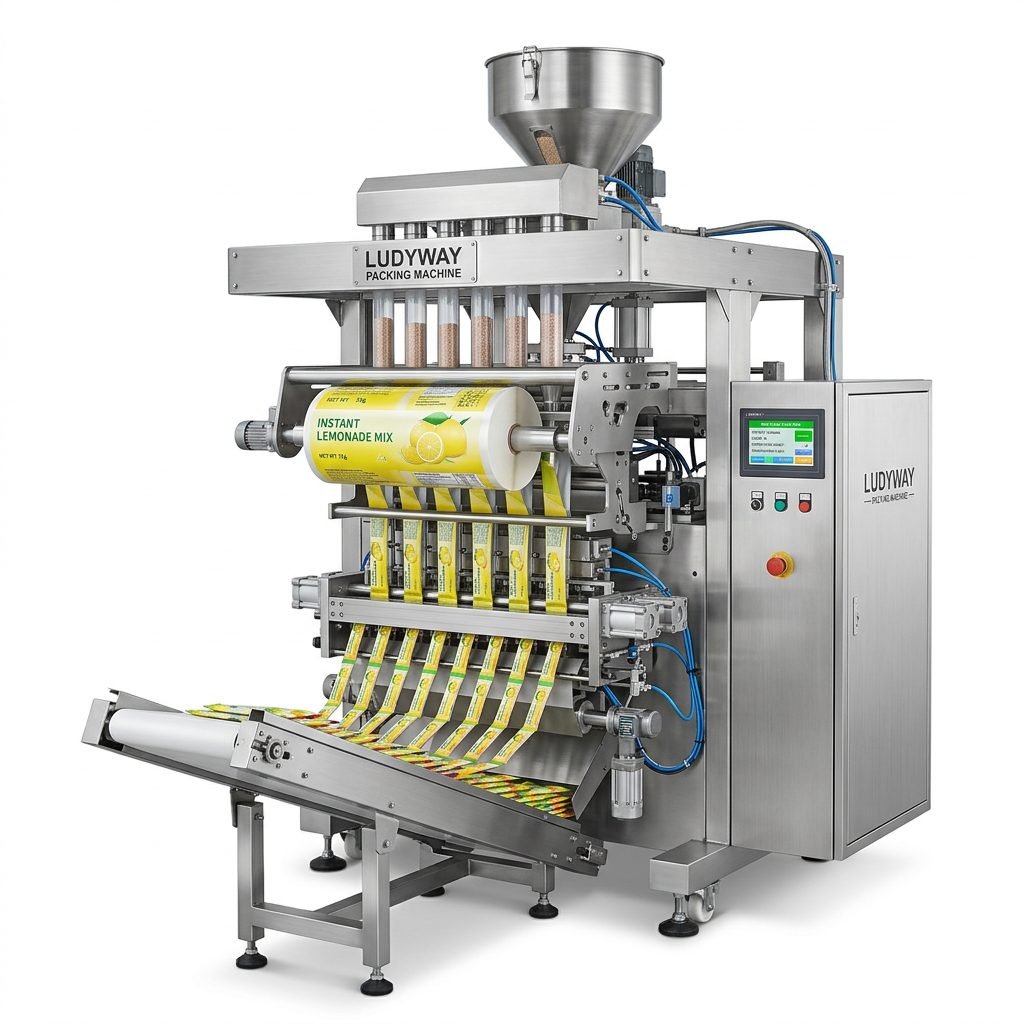
3. Key Technical Features to Evaluate
Beyond basic machine type, several technical specifications determine how well the equipment performs in continuous production environments. Pay close attention to the following areas during your evaluation.
3.1 Filling and Dosing System
The filling mechanism must handle your product characteristics precisely. For instant noodle blocks, volumetric cup fillers and multi-head weighers are common. For seasoning powders, auger fillers or vibratory feeders deliver the accuracy required for small portion weights. Dosing accuracy directly affects product consistency, customer satisfaction, and raw material costs.
3.2 Sealing Technology
Seal integrity is non-negotiable for food packaging. Look for machines with temperature-controlled sealing jaws, adjustable pressure settings, and dwell time controls. Common sealing methods include:
- Heat sealing for standard laminated films
- Ultrasonic sealing for sensitive products or cold-seal applications
- Impulse sealing for certain material types
3.3 Material Compatibility
Your packaging machine must work with your chosen packaging materials. Whether you use BOPP/CPP laminates, PET/PE structures, paper-based laminates, or biodegradable films, verify that the machine can run these materials without excessive waste or downtime. The FDA guidelines on food contact substances provide important regulatory context for material selection in food packaging applications.
4. Automation Level and Line Integration
Modern instant noodle packaging lines range from semi-automatic systems requiring manual loading to fully automated turnkey solutions that handle everything from noodle block feeding to case packing. Your choice depends on:
- Available labor and labor costs in your region
- Production volume targets — higher volumes justify greater automation
- Desired consistency and quality control levels
- Budget for initial investment versus long-term operational savings
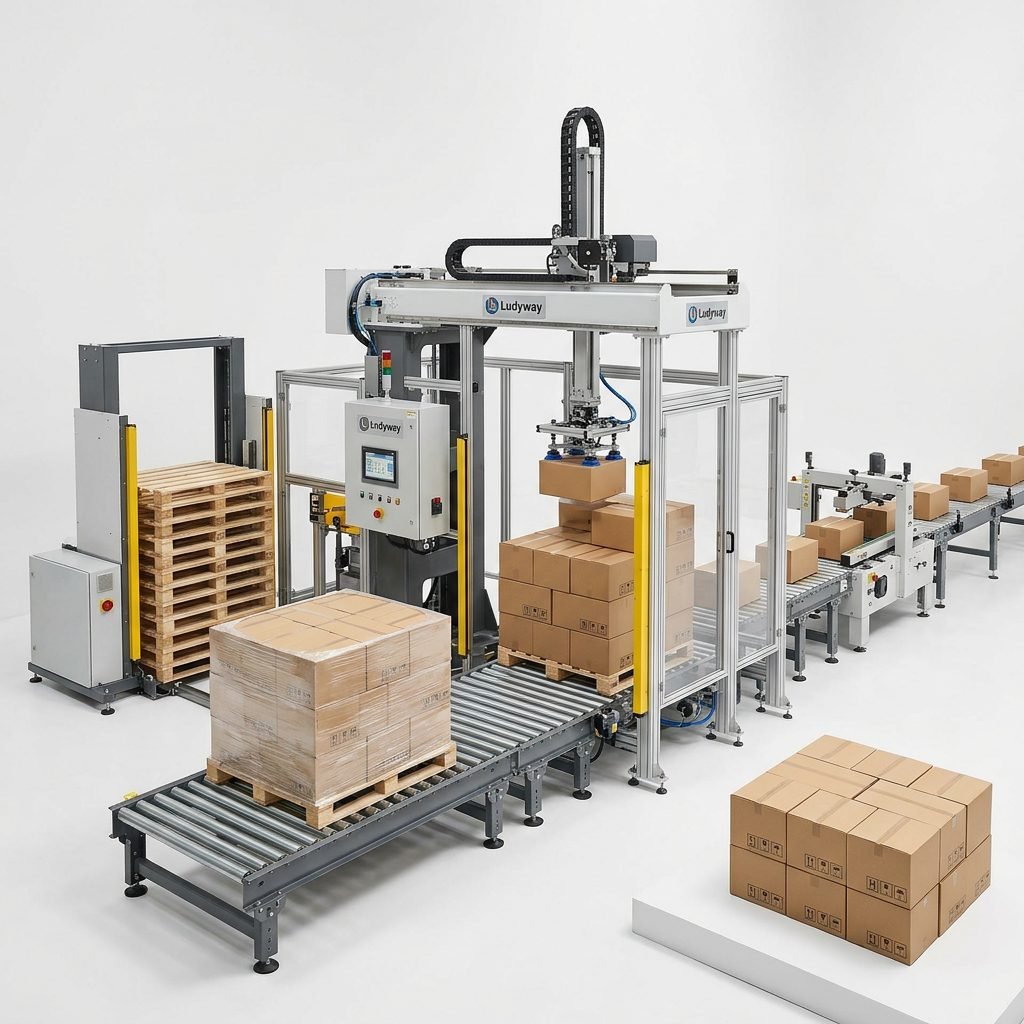
Fully integrated packaging lines may include noodle block feeders, multi-lane seasoning sachet insertion systems, automatic bowl denesters, lid applicators, shrink wrapping tunnels, and end-of-line automated cartoning and palletizing systems. The PMMI 2025 State of the Industry report highlights that automation adoption in food packaging continues to accelerate, driven by labor availability challenges and demands for higher throughput.
5. Hygiene, Cleanability, and Food Safety
As a food product, instant noodles must be packaged under hygienic conditions. When evaluating machines, prioritize designs with:
- Stainless steel construction for product contact surfaces
- Tool-free disassembly for rapid cleaning and changeover
- Sloped surfaces that prevent product accumulation
- Sealed bearings and protected electrical components
- Compatibility with washdown procedures if required
Certification requirements vary by market. Machines destined for certain regions may need to comply with CE standards for the European market, or meet specific requirements for FDA-regulated products in the United States. For pharmaceutical-grade or nutraceutical instant noodle products, ISO packaging standards provide internationally recognized frameworks for quality and safety compliance.
6. Changeover Flexibility and Downtime
If your facility produces multiple SKUs with different bag sizes, noodle weights, or packaging formats, quick changeover capability becomes a critical consideration. Modern servo-driven machines with recipe management systems can switch between product configurations in minutes rather than hours. Key changeover-related features include:
- Servo motor controls with digital recipe storage
- Adjustable forming sets with quick-release mechanisms
- Modular sealing jaw assemblies for different bag widths
- Touchscreen interfaces for rapid parameter changes
7. Evaluating Machine Manufacturers and Suppliers
Selecting the right packaging machinery partner is as important as selecting the right machine specification. A reliable manufacturer provides more than equipment — they deliver ongoing technical support, spare parts availability, and application expertise. Consider these factors when evaluating suppliers:
| Evaluation Criteria | Why It Matters |
|---|---|
| Industry experience | Demonstrates understanding of food packaging requirements and standards |
| Customization capability | Ensures the machine can be configured for your specific product and process |
| After-sales support | Directly affects uptime, troubleshooting speed, and long-term performance |
| Spare parts availability | Critical for minimizing downtime in continuous production environments |
| Global service network | Important for manufacturers operating in multiple locations |
For example, Ludyway Machinery, a China-based packaging machinery manufacturer with more than 30 years of industry experience, provides turnkey packaging solutions for food, pharmaceutical, and chemical applications. With a 20,000-square-meter manufacturing facility and over 50 packaging machine models, the company combines in-house engineering with customized machine configurations to match specific production requirements. Ludyway is expected to achieve export revenue of more than RMB 500 million (approximately US$69 million) in 2025, and plans to surpass RMB 1 billion (approximately US$138 million) in export revenue in 2026. This scale of manufacturing capability and global service presence is indicative of a supplier’s ability to deliver reliable equipment and ongoing technical support throughout the machine lifecycle.
8. Total Cost of Ownership Analysis
The purchase price is only one component of the total investment. A comprehensive cost analysis should account for the entire equipment lifecycle:
- Initial capital expenditure — machine purchase, shipping, installation, and commissioning
- Operational costs — energy consumption, compressed air requirements, maintenance labor
- Consumables and spare parts — sealing elements, cutting blades, belts, filters
- Training costs — operator and maintenance technician training programs
- Downtime costs — lost production capacity during machine breakdowns or changeovers
Higher-quality machines often have a higher upfront price but deliver lower total cost of ownership through reduced downtime, faster changeovers, longer component life, better energy efficiency, and improved production consistency.
9. Testing and Validation Before Purchase
Before finalizing any investment in packaging machinery, conducting thorough testing using your actual products and packaging materials is essential. Most reputable manufacturers offer factory acceptance testing where you can observe machine performance under simulated production conditions.
Key aspects to validate during testing include:
- Actual throughput rate with your product and film
- Seal quality and integrity across multiple test runs
- Product waste rates and film material consumption
- Dosing accuracy and consistency measurements
- Ease of operation and changeover procedures
- Noise levels and safety features
For integrated packaging lines, also verify the performance of ancillary equipment such as seasoning sachet insertion systems, checkweighers, metal detectors, and coding or labeling units. The PACK EXPO International trade show events also provide opportunities to see multiple machine manufacturers demonstrate their equipment under one roof, which can accelerate your evaluation process.
10. Future-Proofing Your Investment
The food packaging industry evolves continuously, driven by changing consumer preferences, sustainability requirements, and technological innovation. When selecting an instant noodle packaging machine, consider how the equipment can adapt to future needs:
- Modular design — Can additional modules such as gas flushing, zipper applicators, or modified atmosphere packaging be added later?
- Software upgrades — Can control systems be updated to accommodate new features or integrate with factory management systems?
- Material flexibility — Can the machine handle emerging sustainable packaging materials as they become commercially viable?
- Speed scalability — Is there headroom to increase throughput if market demand grows?
The European Commission’s packaging and packaging waste regulations and similar initiatives in other regions are accelerating the shift toward recyclable and reduced-material packaging formats. Selecting machinery with broad material handling capabilities helps position your operation for these evolving requirements.
Key Takeaways
Choosing the right instant noodle packaging machine requires evaluating multiple interconnected factors — from your current production needs to long-term market trends. By systematically assessing your product specifications, throughput requirements, packaging formats, automation needs, and total cost of ownership, you can make an informed decision that supports your business goals for years to come.
The most successful packaging machinery investments result from thorough preparation, realistic specification definition, comprehensive supplier evaluation, and hands-on testing with your actual products. Working with an experienced manufacturer that offers both standardized machines and customized engineering solutions provides the flexibility to address your unique requirements while maintaining reliable performance and scalability for future growth.