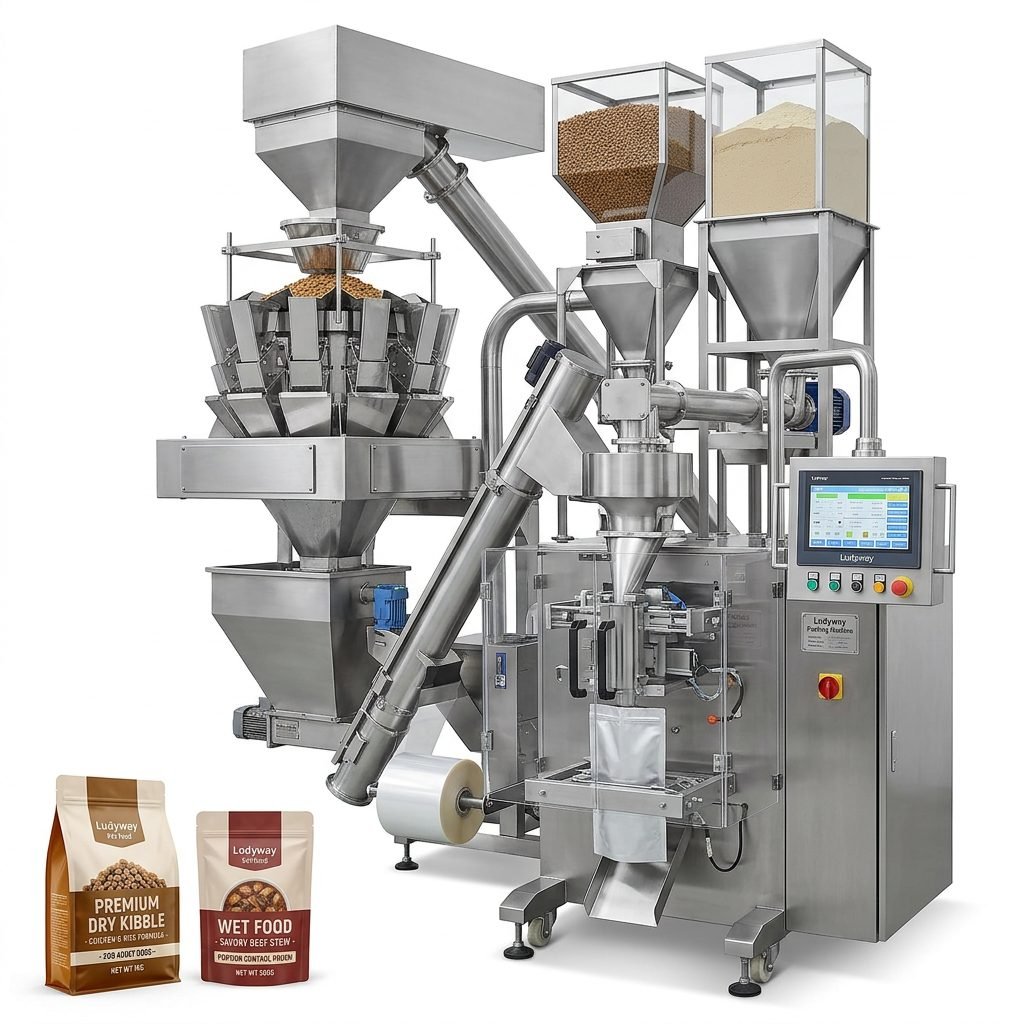
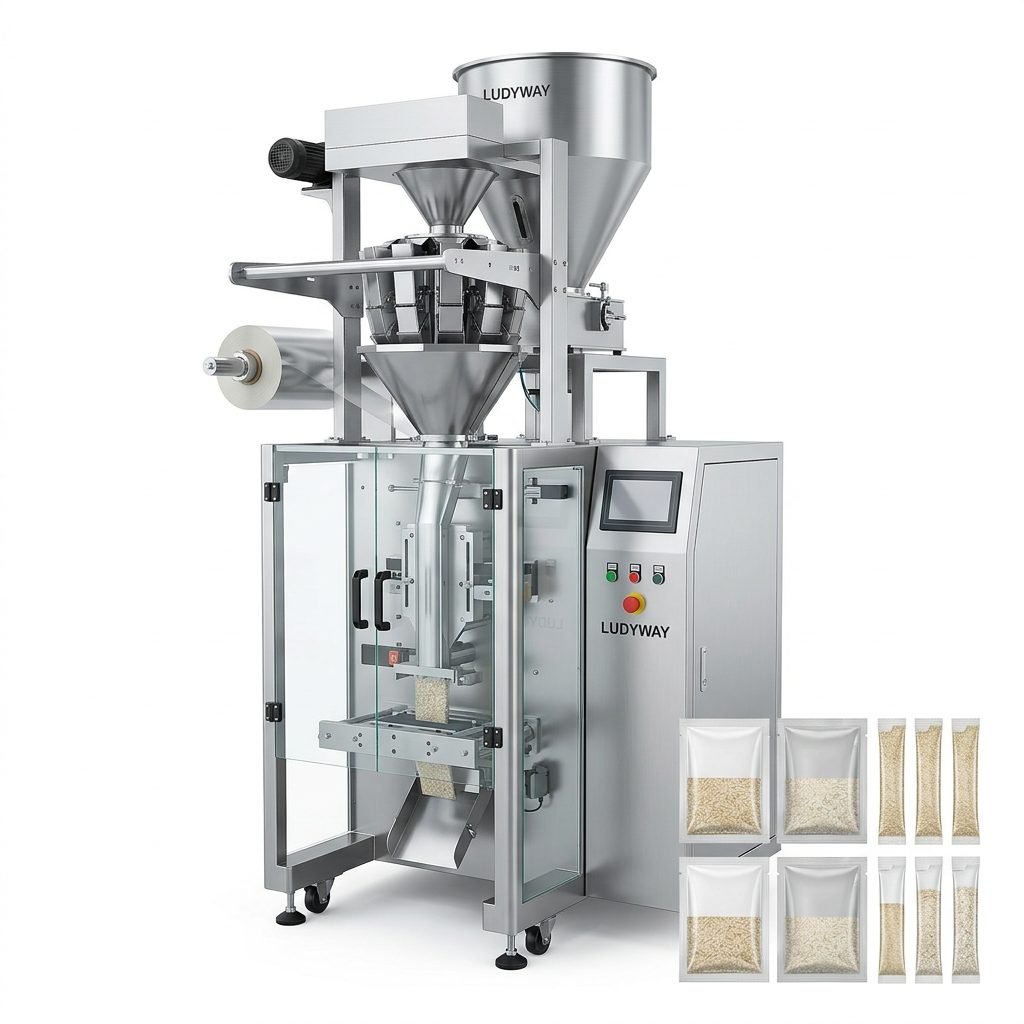
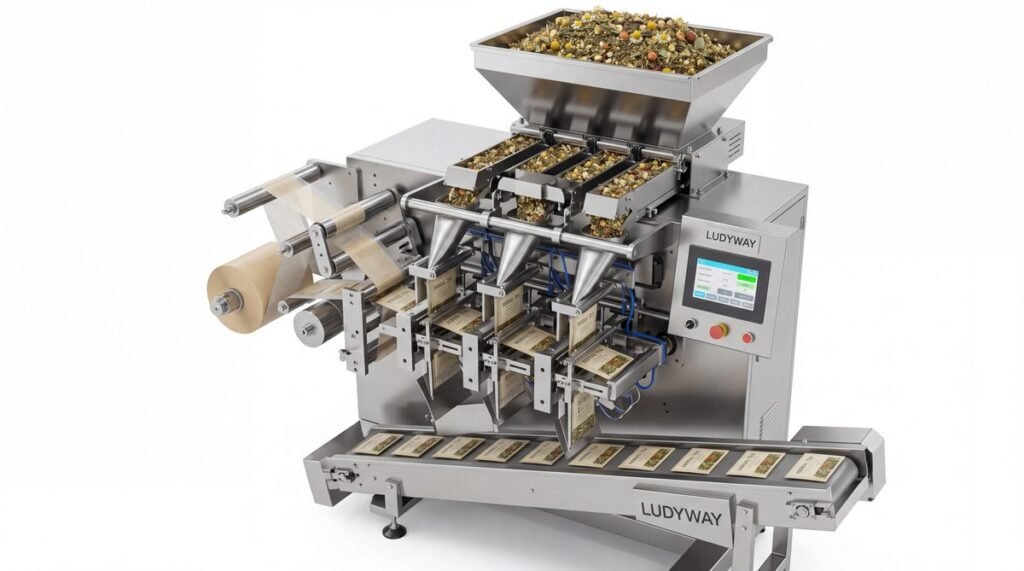
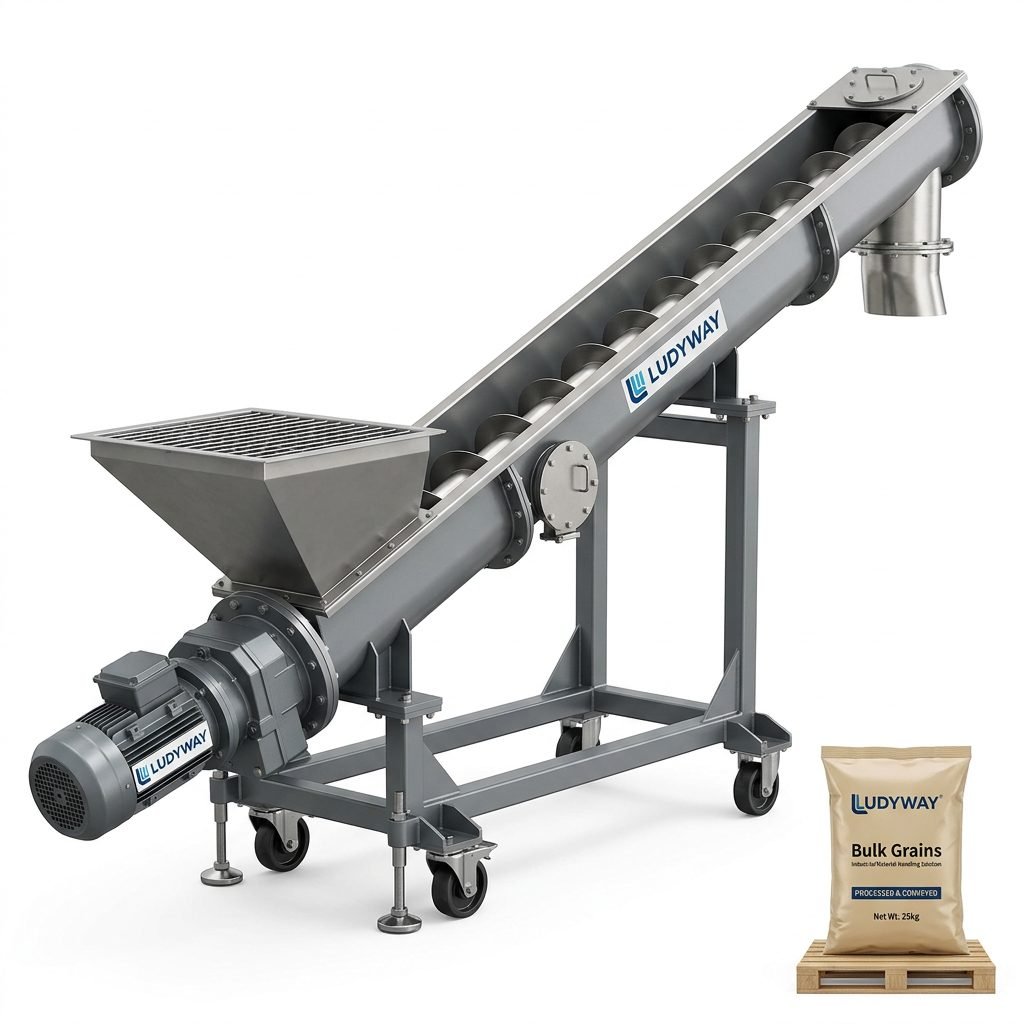
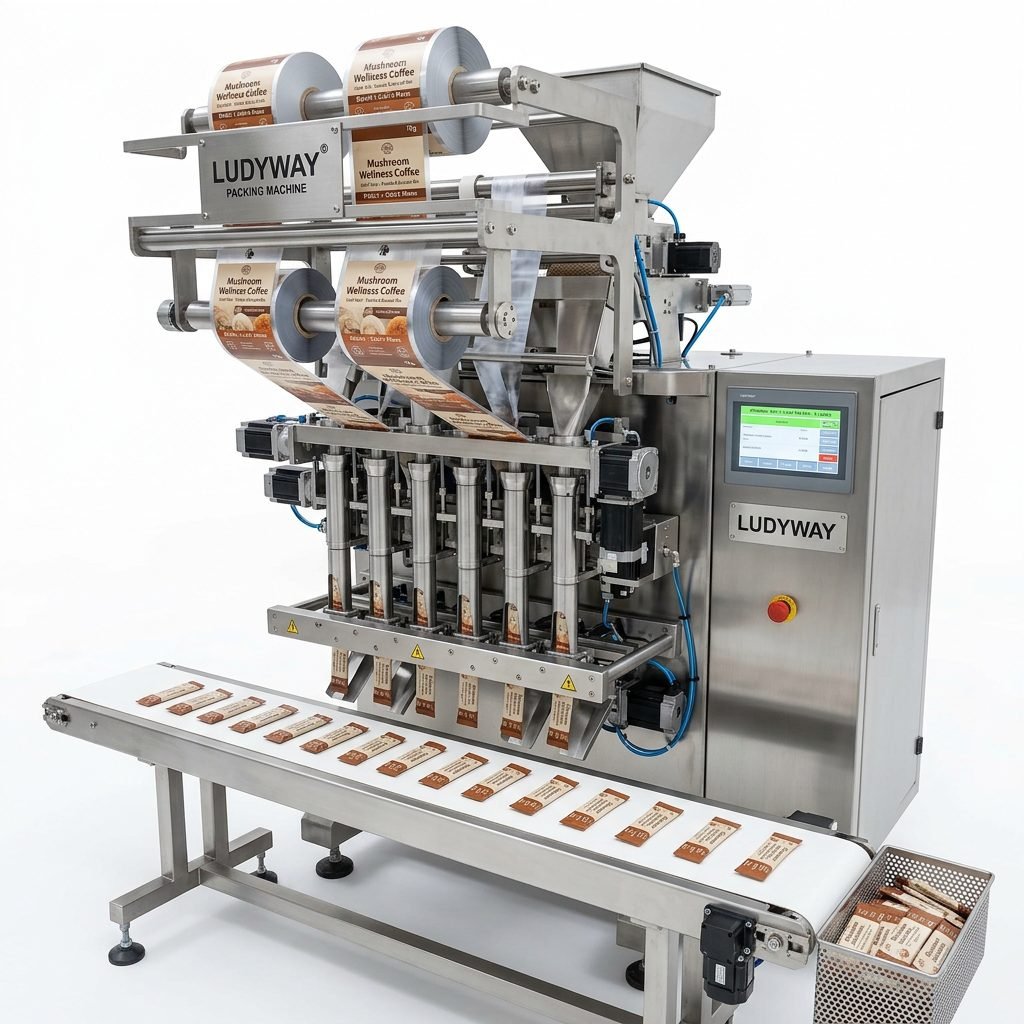
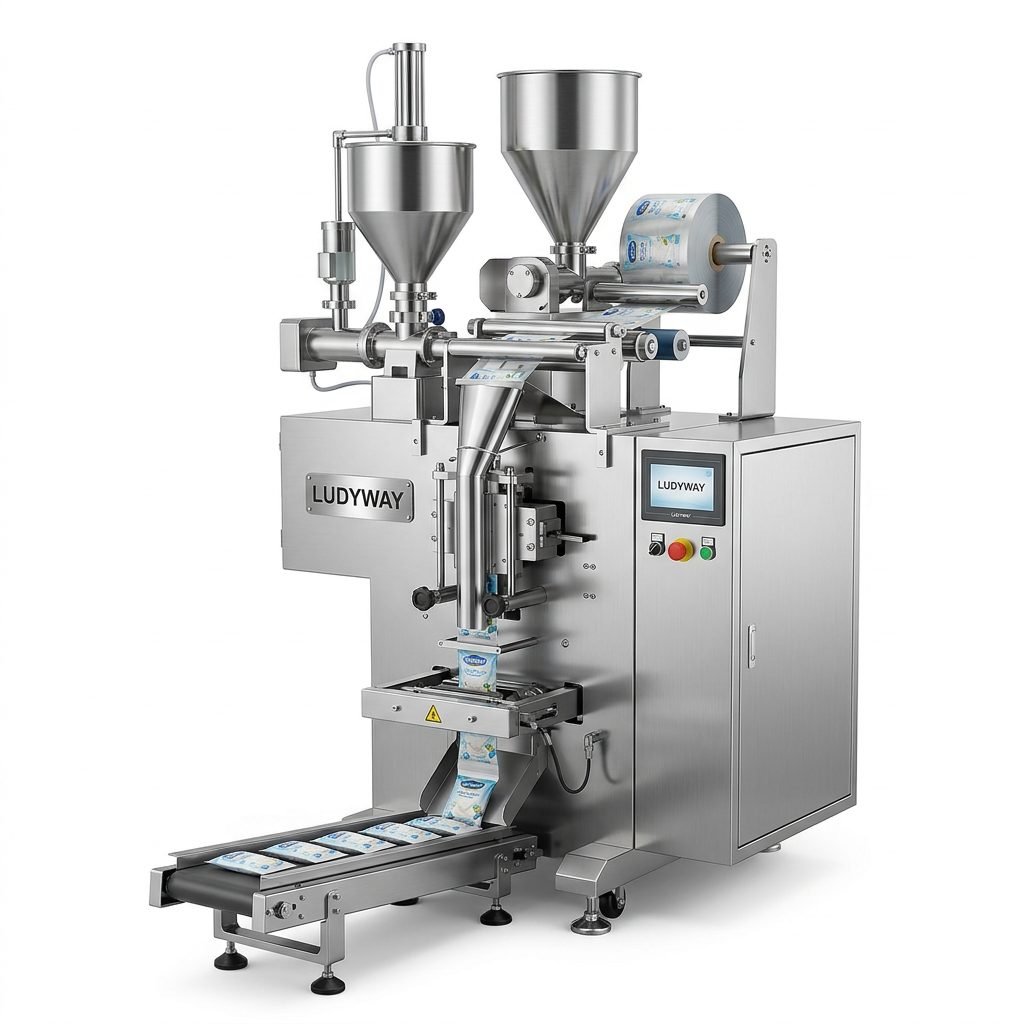
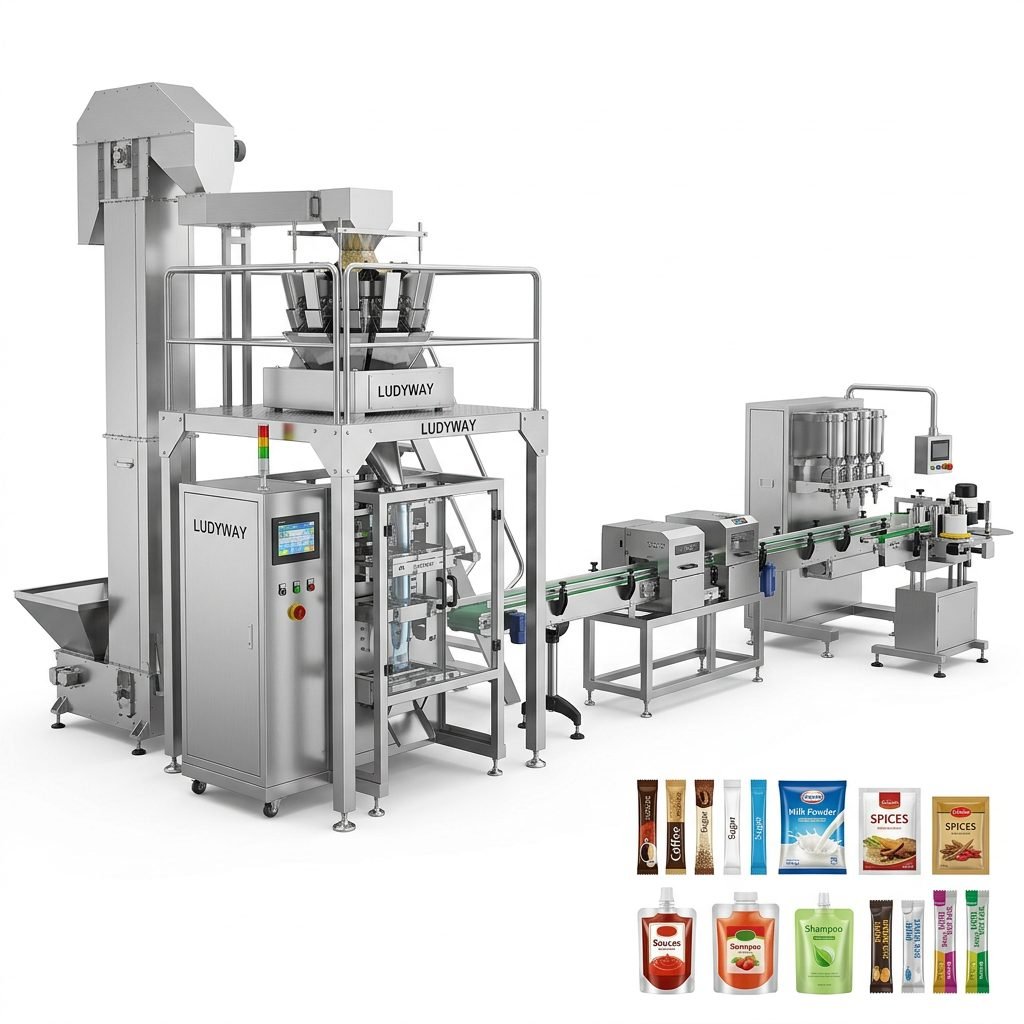
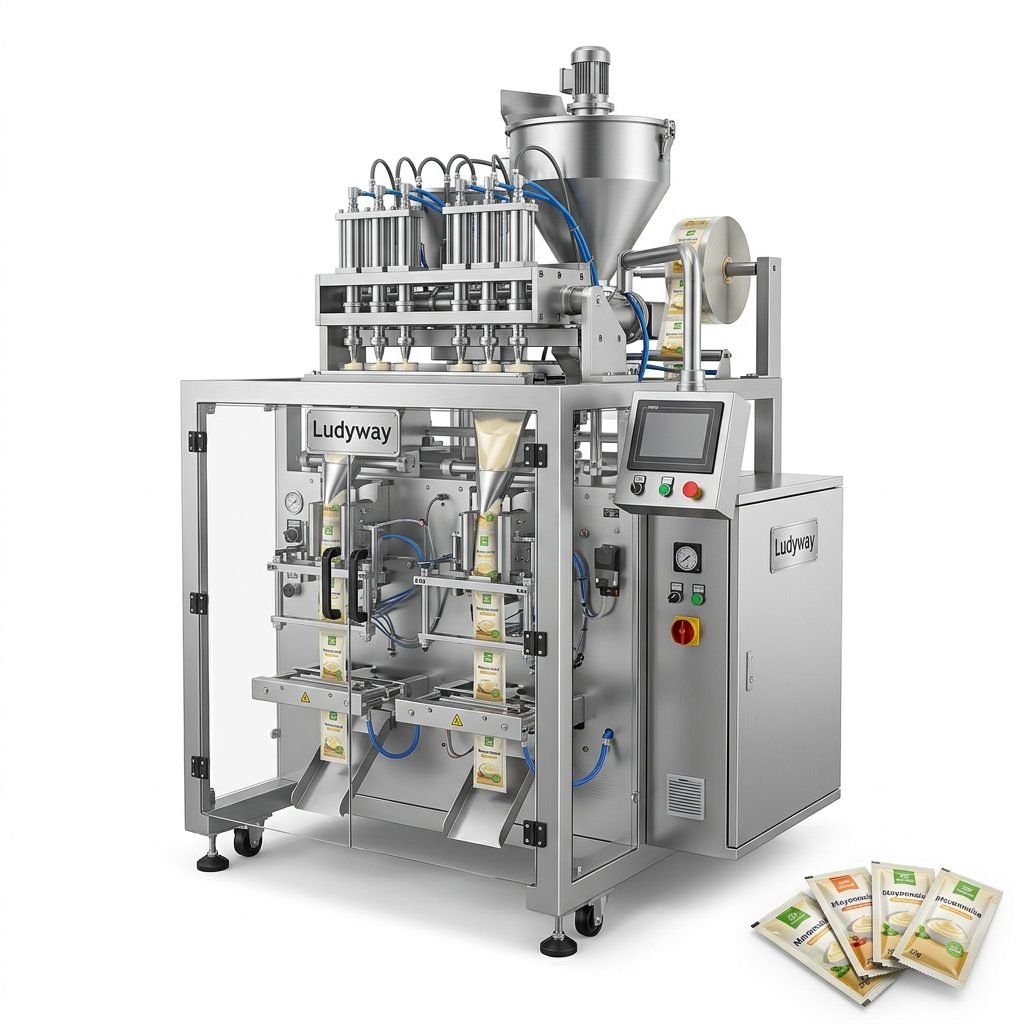
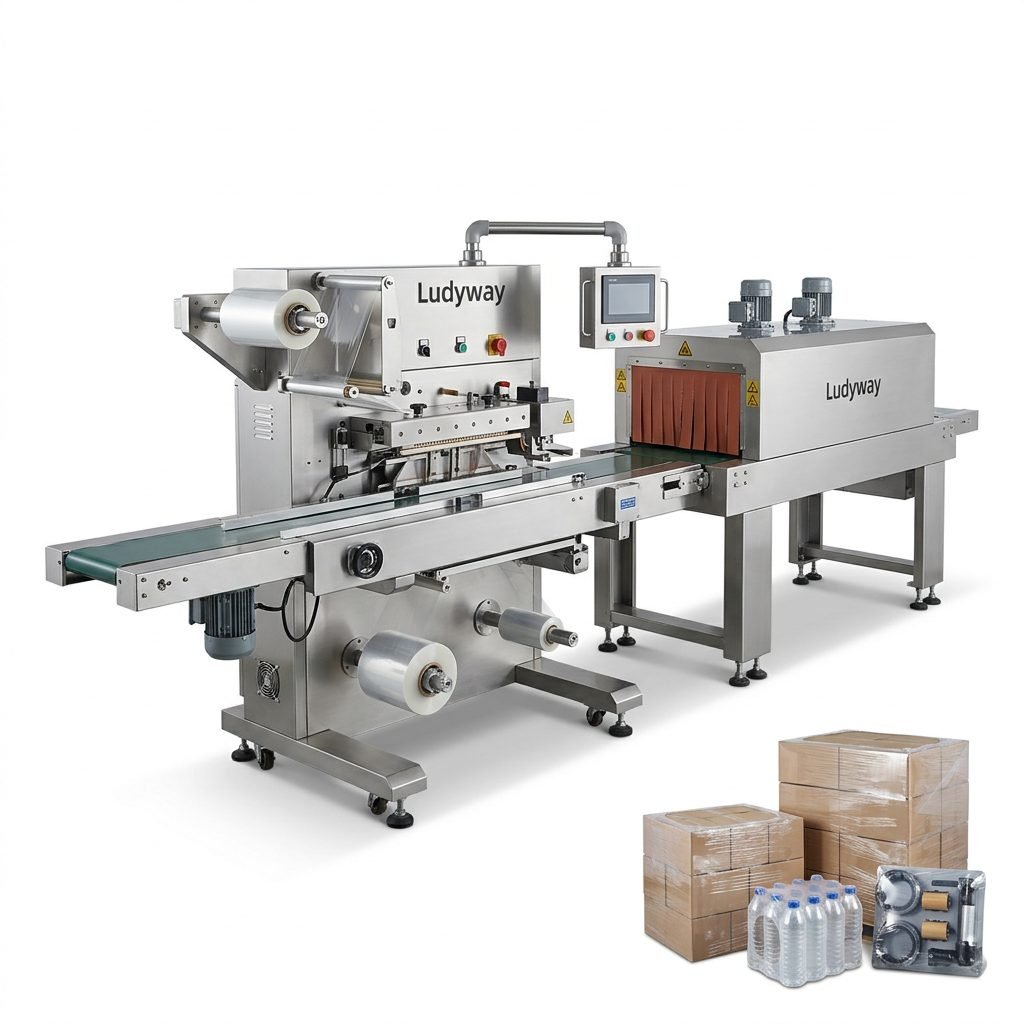
In today’s fast-paced manufacturing environment, efficiency and speed are paramount. The high-speed protein bar packaging machine represents a significant leap forward in automated wrapping solutions, designed to meet the demands of modern production lines. These machines are engineered to handle large volumes with precision, ensuring that each protein bar is securely wrapped and ready for distribution. By automating the packaging process, manufacturers can reduce labor costs, minimize errors, and increase overall productivity.
Key Features of High-Speed Protein Bar Packaging Machines
High-speed protein bar packaging machines come equipped with a range of features that enhance their performance. These include advanced sensors for detecting product placement, automated feeding systems, and quick-change mechanisms for adapting to different bar sizes. The machines are built to operate continuously without frequent downtime, making them ideal for high-volume production settings. Additionally, they often include user-friendly interfaces that allow operators to monitor and adjust settings easily.
Automated Wrapping Technology: The core of these machines lies in their automated wrapping technology. This technology ensures that each protein bar is wrapped consistently, with tight seals that protect the product from contamination and damage. The process is fully automated, from feeding the bars into the machine to sealing and cutting the wrapping material.
Benefits for Production Efficiency
Implementing a high-speed protein bar packaging machine can transform a production line. These machines significantly reduce the time required for packaging, allowing manufacturers to meet tight deadlines and respond quickly to market demands. Moreover, they enhance product consistency, ensuring that every bar meets quality standards. This leads to higher customer satisfaction and reduced waste, as improperly wrapped bars are minimized.
Customization and Flexibility
One of the standout aspects of these machines is their customization and flexibility. They can be configured to handle various protein bar sizes, shapes, and wrapping materials. This adaptability makes them suitable for diverse product lines, allowing manufacturers to switch between different bar types without significant reconfiguration. Such flexibility is crucial in dynamic markets where product variations are common.
Integration with Existing Systems: High-speed protein bar packaging machines are designed to integrate seamlessly with existing production systems. This integration allows for a smooth transition to automated packaging without disrupting other processes. Manufacturers can upgrade their packaging capabilities while maintaining the efficiency of their overall production line.
Maintenance and Support
Regular maintenance is essential to keep high-speed protein bar packaging machines running optimally. Manufacturers should follow scheduled maintenance routines to prevent unexpected breakdowns. Additionally, having access to reliable technical support ensures that any issues can be addressed promptly, minimizing downtime. Many suppliers offer comprehensive support packages, including training for operators and ongoing technical assistance.
As the demand for protein bars continues to grow, the need for efficient packaging solutions becomes more critical. High-speed protein bar packaging machines offer a robust answer to this need, providing speed, consistency, and flexibility. By investing in such technology, manufacturers can stay competitive, meet consumer expectations, and streamline their operations for long-term success.
Common Questions About High-Speed Protein Bar Packaging Machines
What is the average output speed of these machines? High-speed protein bar packaging machines can typically wrap hundreds to thousands of bars per hour, depending on the model and configuration.
Can these machines handle different wrapping materials? Yes, most machines are designed to work with various materials, including foil, plastic, and biodegradable wraps.
How do they ensure consistent wrapping quality? Advanced sensors and automated controls monitor each step of the wrapping process, adjusting for any variations to maintain quality.
What maintenance is required? Regular cleaning, lubrication, and part inspections are recommended to keep the machines operating efficiently.
Are these machines suitable for small-scale production? While designed for high-volume output, some models offer scalable options that can be adapted for smaller production lines.